



















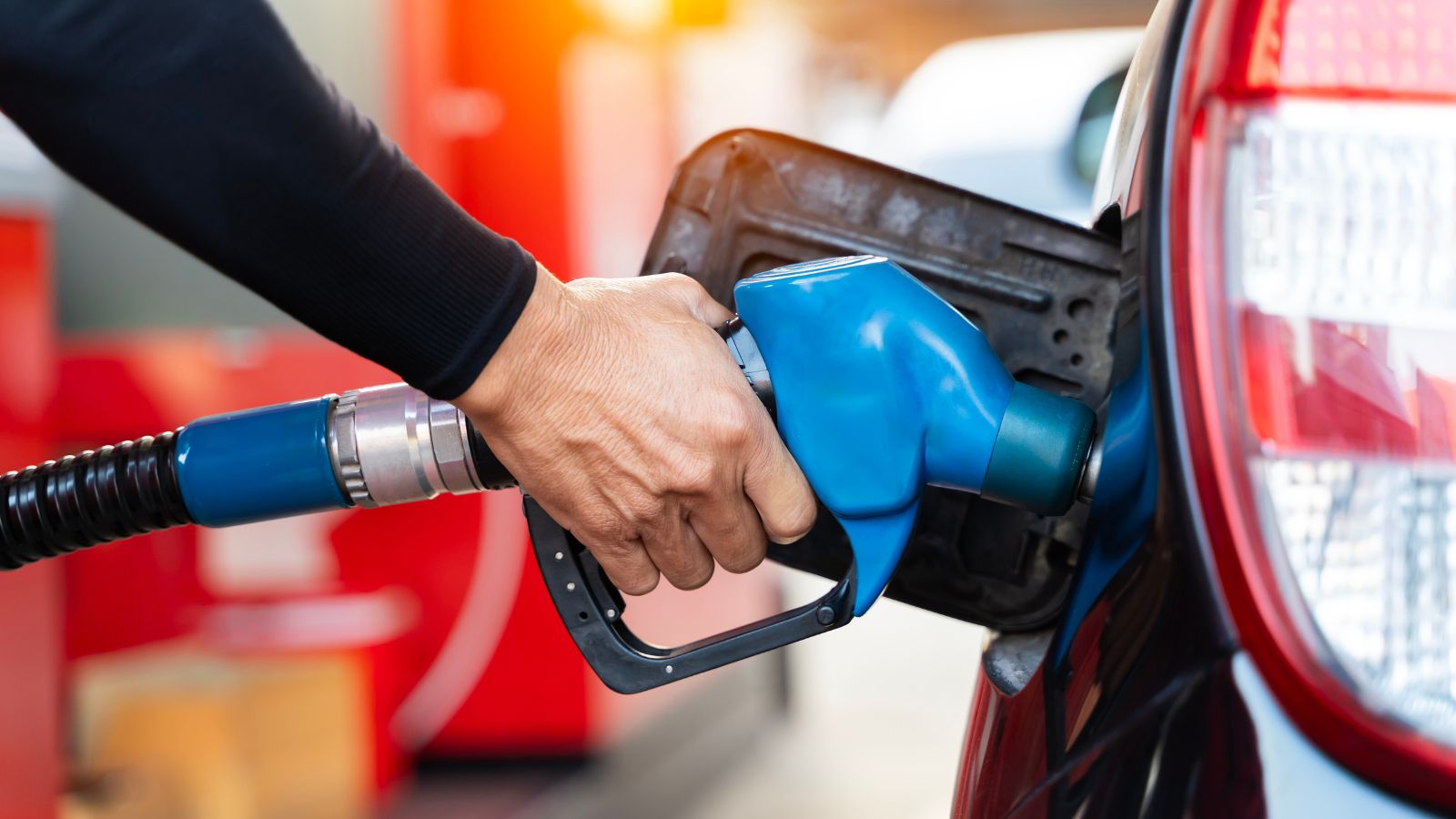
Drivers in Newfoundland and Labrador are facing another increase at the pumps, just days before the provincial government eliminates its gasoline and diesel taxes. Gasoline prices rose by approximately two cents per litre on November 26, 2026, adding to the uncertainty surrounding fuel costs as households prepare for December.
The increase comes ahead of a significant tax reduction scheduled for December 1, when provincial fuel taxes will fall to zero. The government expects the change to provide immediate savings for motorists, businesses, and commercial transportation operators.
However, international oil prices and continuing fuel-market volatility mean the tax reduction will not necessarily guarantee lower pump prices over the longer term.
Gasoline Prices Climb Again Just Before December’s Tax Relief
Gasoline prices increased by approximately two cents per litre across Newfoundland and Labrador on Thursday, November 26, according to VOCM’s latest fuel-price update. On the Avalon Peninsula, the regulated maximum price for regular self-serve gasoline reached 166.2 cents per litre, compared with 164.4 cents the previous day. Diesel prices remained relatively stable, with the Avalon maximum sitting at approximately 228 cents per litre. Other regulated fuel products experienced little movement during the latest adjustment.
The increase follows a period of noticeable price fluctuations. On November 25, regular gasoline on the Avalon Peninsula had actually fallen by 3.9 cents per litre, demonstrating how quickly conditions can change. For commuters driving between communities, families transporting children, or workers relying on personal vehicles, even relatively small increases contribute to transportation expenses. The timing is particularly frustrating because a larger, government-directed tax reduction is approaching, yet motorists must continue paying prevailing prices until that change takes effect.
Newfoundland and Labrador Will Eliminate Provincial Fuel Taxes on December 1
The provincial government has confirmed that gasoline and diesel taxes will be reduced to zero beginning December 1, 2026. Finance Minister Craig Pardy originally announced the measure on October 26, with legislation introduced three days later. On November 19, the amendments passed third reading in the House of Assembly, advancing the government’s plan to provide direct fuel-cost relief. The temporary elimination is scheduled to remain in place until March 31, 2027, subject to additional provisions tied to oil prices.
Before the change, Newfoundland and Labrador applies a provincial tax of 7.5 cents per litre on gasoline and 9.5 cents per litre on diesel. Removing these charges represents a substantial reduction in the provincial portion of fuel costs. However, the decision does not eliminate every tax or expense included in retail fuel prices. Other taxation, wholesale fuel costs, transportation expenses, and retail margins will continue influencing the final amount motorists pay. The government is removing one important component of the pump price rather than controlling the entire price.
Gasoline Drivers Could Save More Than Eight Cents Per Litre
The provincial government’s calculations suggest that gasoline drivers will save 8.625 cents per litre once the tax elimination takes effect. Diesel drivers are expected to save 10.925 cents per litre. These figures include the corresponding reduction in Harmonized Sales Tax (HST), making the total benefit slightly greater than the provincial fuel-tax rates alone. For someone purchasing 50 litres of gasoline, the estimated savings amount to approximately $4.31. A 60-litre diesel purchase would produce savings of roughly $6.56.
Although these amounts might appear modest individually, the benefits become more noticeable with repeated purchases. A household buying four 50-litre tanks of gasoline each month would save approximately $17.25 monthly, assuming fuel consumption remains unchanged. Families operating multiple vehicles could experience greater savings. However, these estimates isolate the tax reduction and assume other fuel-price components remain constant. Actual pump prices could still change because of wholesale market movements. The measure provides a predictable tax saving, rather than a guaranteed final retail price.
The Federal Fuel-Tax Suspension Adds Another Layer of Relief
Newfoundland and Labrador’s tax elimination will overlap with an existing federal fuel-tax suspension, creating an unusual period when both levels of government are reducing the tax burden on motorists. Ottawa temporarily eliminated its federal excise tax on gasoline and diesel beginning April 20, 2026. The federal government subsequently extended that suspension through January 31, 2027, providing relief of 10 cents per litre on gasoline and four cents per litre on diesel before accounting for related sales-tax effects.
The federal rules also establish a gradual return of excise taxes. From February 1 through March 31, 2027, the federal rate is scheduled to return at half its normal level, equivalent to five cents per litre for gasoline and two cents for diesel. Newfoundland and Labrador’s provincial fuel tax will remain at zero during that same period under its announced schedule. Meanwhile, the province’s 15% HST continues to apply to taxable fuel purchases. This distinction matters because eliminating the provincial fuel tax does not mean that fuel becomes completely tax-free.
The Tax Cut Will Not Stop Fuel Prices From Fluctuating
The province’s decision comes during an unusually volatile period for energy markets. Newfoundland and Labrador’s Public Utilities Board regulates maximum retail prices for gasoline, diesel, and certain heating fuels, using market benchmarks and other pricing components to determine permitted charges. In April 2026, heightened market uncertainty prompted a move toward daily fuel-price adjustments. The more frequent changes allow regulated prices to respond to commodity-market developments rather than remaining fixed for extended periods while wholesale costs fluctuate.
This helps explain why fuel prices can fall sharply one day and climb again the next. The November 25 reduction of approximately four cents per litre was followed immediately by another gasoline increase on November 26. The December tax elimination will remove a fixed charge from the price calculation, but wholesale prices, distribution costs, and other regulated components will continue changing. If international fuel prices increase substantially, they could partially or entirely offset the savings. Conversely, falling commodity prices could combine with the tax reduction to produce a more noticeable decrease.
Drivers in Remote Communities Still Face Much Higher Fuel Costs
Fuel prices vary considerably across Newfoundland and Labrador, making the impact of high transportation costs especially challenging for residents outside major population centres. As of November 26, the maximum regular self-serve gasoline price on the Avalon Peninsula was 166.2 cents per litre. In the Deer Lake and Corner Brook pricing zone, the maximum was approximately 167.3 cents, while parts of southern Labrador faced regulated prices reaching 213.9 cents per litre. That represents a difference of 47.7 cents per litre compared with the Avalon.
These regional differences reflect the realities of supplying fuel across a geographically dispersed province. Under Newfoundland and Labrador’s petroleum-pricing regulations, the Public Utilities Board considers transportation, distribution, storage, sales volumes, and inventory turnover when establishing pricing zones. Remote communities can face higher costs because fuel must travel farther or pass through more complicated supply arrangements. The provincial tax elimination will reduce the applicable tax burden in these areas, but it will not remove the underlying logistical challenges. Residents paying the highest prices may therefore continue facing substantial fuel expenses even after December 1.
Diesel Relief Could Help Trucking, Delivery, and Commercial Operations
Diesel users stand to receive a larger per-litre tax reduction than gasoline drivers. At 10.925 cents per litre, the projected saving amounts to approximately $10.93 for every 100 litres purchased. That distinction is particularly relevant to trucking companies, delivery operators, contractors, and businesses that depend on diesel-powered equipment or commercial vehicles. With regulated diesel prices around $2.28 per litre on the Avalon Peninsula on November 26, fuel remains a significant operating expense despite recent decreases.
The potential benefits extend beyond individual vehicle owners. Transportation businesses must account for fuel expenses when setting delivery charges, assessing route profitability, and preparing operating budgets. A consistent reduction in diesel taxation could ease some of those pressures, particularly for operators purchasing substantial quantities throughout the month. However, lower fuel taxes do not automatically translate into immediate reductions in grocery prices, shipping bills, or consumer services. Those outcomes depend on competitive conditions, fuel surcharges, contracts, and other business costs. For now, the most direct and measurable benefit is the reduction in tax paid on eligible diesel purchases.
Rising Fuel Costs Have Become a Major Affordability Problem
The government’s intervention comes as Newfoundland and Labrador households face significant inflationary pressure, particularly from energy costs. Provincial economic data show that consumer prices increased 4.9% in October 2026 compared with the same month in 2025. Gasoline prices were 40.3% higher year over year, while overall energy prices increased 26.4%. Transportation costs rose 12.3%, illustrating how fuel-price increases have become an important contributor to the province’s cost-of-living challenges.
Against that backdrop, the provincial government estimates that eliminating gasoline and diesel taxes will provide approximately $25 million in additional affordability relief. The measure forms part of a broader package that includes electricity-cost reductions, increased home-heating assistance, and support for seniors. By November 19, the government reported more than $380 million in cost-of-living relief measures, including Budget 2026 initiatives. Nevertheless, reducing one expense does not resolve every affordability challenge. Households continue managing housing, food, electricity, and other essential costs. The fuel-tax elimination should provide measurable savings, but its overall effect on family finances will depend on how energy markets behave during the coming months.
Provincial Fuel Taxes Could Return After March 2027 Depending on Oil Prices
Although the immediate tax elimination is scheduled to continue through March 31, 2027, the government has introduced a mechanism intended to extend relief when crude oil prices remain elevated. Bill 22, which received royal assent on November 20, establishes a conditional tax exemption for qualifying fuel purchases during subsequent calendar quarters. Whether that exemption applies will depend on the market price of oil compared with a threshold prescribed in provincial regulations.
The legislation specifies that the calculation will use the average Brent-Europe crude oil price over the most recent 20 trading days ending before a designated date ahead of each quarter. The benchmark is calculated in U.S. dollars. During legislative discussions, an oil-price threshold of approximately US$89 per barrel was discussed, although that amount was not written directly into the bill. The distinction matters because the temporary exemption is guaranteed for the initial period, while subsequent relief depends on the regulatory framework and market conditions. Motorists should therefore not assume that zero provincial fuel taxes will continue indefinitely. Future tax treatment could change even if individual driving habits and fuel consumption remain the same.
December 1 Will Be the Real Test for Pump Prices
For Newfoundland and Labrador drivers, the immediate focus is December 1, when the provincial tax elimination officially takes effect. Based on the government’s calculations, the removal should reduce the gasoline price calculation by 8.625 cents per litre and the diesel calculation by 10.925 cents per litre, including HST effects. However, the final price displayed at individual filling stations will depend on the most recent regulated maximum prices and any additional movement in wholesale fuel costs before that date.
The coming days could therefore produce more price changes before the tax reduction is implemented. Drivers considering whether to fill up immediately or closer to December 1 must account for both the potential tax savings and the possibility of further market fluctuations. The Public Utilities Board’s maximum-price announcements will provide an important reference point for understanding how the change affects different regions. Ultimately, the provincial government’s decision delivers relief from a specific tax, but sustained improvement in affordability will also depend on broader energy-market conditions. For households and businesses facing repeated fuel expenses, the value of the policy will become clearer through the winter.