






















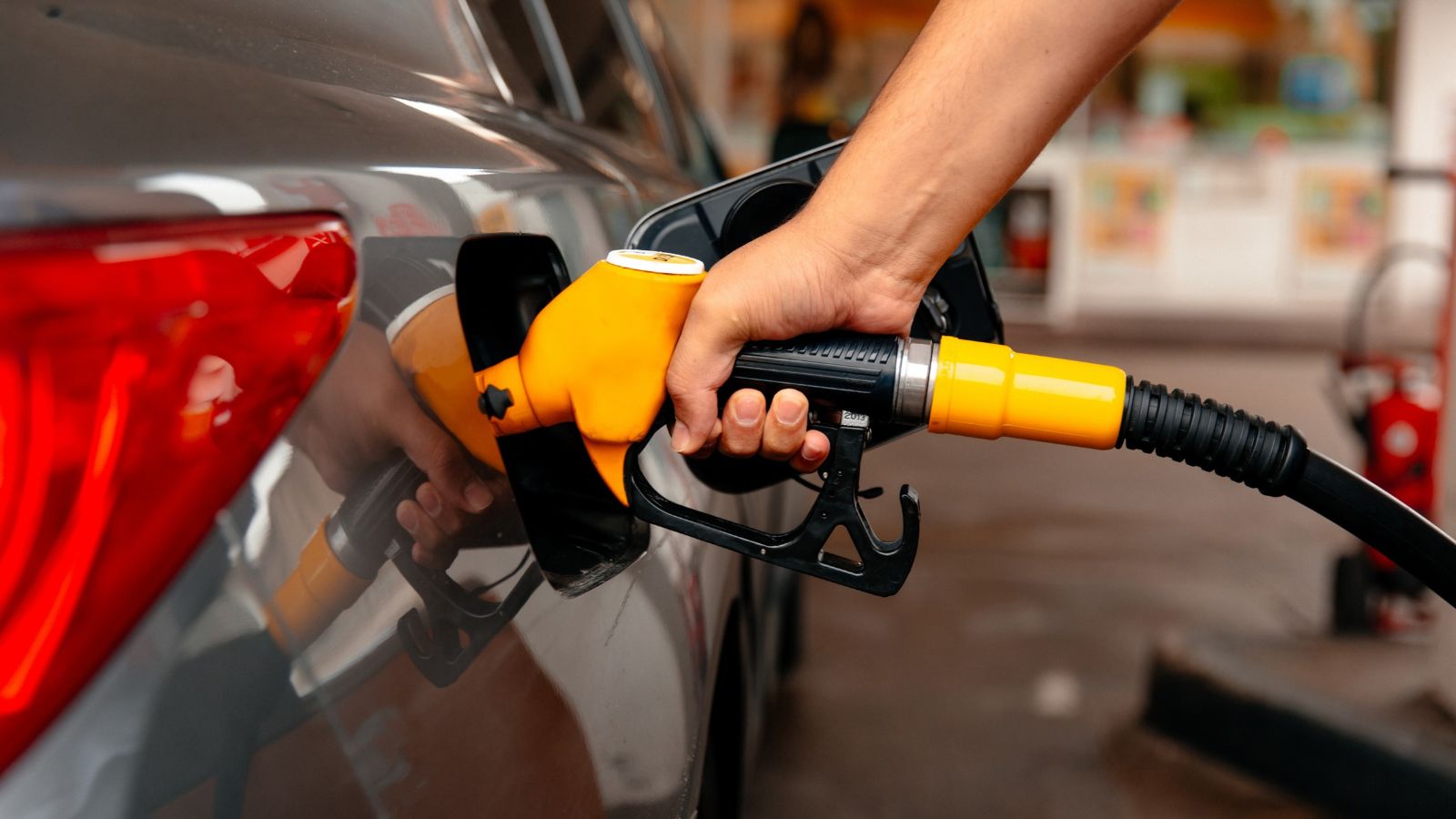
Canadian drivers are facing a surprising contradiction at the gas pumps. Prices are finally falling in many parts of the country, yet new inflation figures show gasoline costs have surged compared with a year earlier.
Statistics Canada reported on November 16, 2026, that gasoline prices were 30.9% higher in October than in the same month last year, even though prices declined 2.5% from September. Meanwhile, more recent pump-price data show motorists are receiving some much-needed relief after months of expensive fill-ups.
The contrasting numbers highlight how quickly Canada’s fuel market can change. Global oil disruptions, shifting seasonal demand and unusually low prices a year ago have created an environment where short-term savings coexist with significant annual increases. For households already struggling with everyday expenses, the difference matters far beyond the gas station.
What the 30.9% Gasoline Price Increase Actually Means
The 30.9% increase reported by Statistics Canada represents the change in its gasoline Consumer Price Index between October 2025 and October 2026. It does not mean that gas stations raised prices by nearly one-third during October alone. In September, the annual increase was already 27.8%, meaning the yearly rate of gasoline inflation accelerated by 3.1 percentage points in October. The distinction is important because it separates longer-term price pressure from the changes motorists experience during their regular fill-ups.
Statistics Canada collects gasoline prices throughout all four weeks of each month, reflecting how frequently fuel prices change. The resulting monthly index captures a broader period than a single station’s posted price on any particular day. Consequently, a driver who paid less for gasoline in late October might still have spent considerably more than during the same month in 2025. Both experiences are consistent with the official figures. The annual increase illustrates how much higher the overall price level remains despite recent declines.
Why Gas Prices Can Fall While Annual Inflation Accelerates
Much of the apparent contradiction comes from a statistical phenomenon known as the base-year effect. In October 2025, gasoline prices declined 4.8% from September as crude oil became cheaper amid concerns about excess global supply. That unusually weak comparison month has now entered the latest annual inflation calculation, making October 2026 prices appear substantially higher by comparison. Statistics Canada specifically identified this effect as a reason the annual gasoline inflation rate accelerated.
The actual monthly movement tells a different story. Gasoline prices declined 2.5% between September and October 2026, providing some relief even as the annual rate climbed to 30.9%. The mathematical difference is straightforward: a price can fall from a recent high while remaining far above where it stood a year earlier. For Canadian motorists, this means the latest inflation figure is not evidence that prices suddenly jumped again at the end of October. Instead, it reflects both the elevated cost of fuel during 2026 and the unusually inexpensive starting point established a year earlier.
November Pump Prices Show Drivers Are Finally Getting Relief
More recent figures from the Canadian Automobile Association provide a clearer picture of the savings now appearing at gas stations. As of November 16, CAA’s national average stood at approximately 147.6 cents per litre, compared with 174.3 cents one month earlier. That represents a decline of 26.7 cents per litre in just a month. The average was also lower than the previous week’s 157.3 cents, showing that the downward movement had continued into November.
However, the same CAA data showed prices were still above the 134.5-cent average recorded a year earlier. The comparison illustrates why the short-term decline should not be confused with a complete return to last year’s fuel costs. CAA’s November 16 reading is also a daily price snapshot, not the October monthly index used by Statistics Canada. For commuters, delivery workers and families making regular trips, the recent reduction offers an immediate financial benefit. But it remains a partial recovery from the substantially higher prices experienced earlier in 2026.
Global Oil Markets Are Behind Much of the Price Turbulence
Canada’s elevated gasoline prices are closely connected to disruptions in international energy markets. Conflicts in the Middle East and Russia’s war in Ukraine have affected oil production, shipping routes and refining capacity. The Bank of Canada reported in October that refinery disruptions had pushed fuel prices higher than crude oil prices alone would explain. In September, refinery margins added the equivalent of roughly US$40 per barrel to fuel costs, reflecting the difficulty of replacing lost refining capacity.
More recently, signs of recovering oil shipments from the Middle East have helped ease pressure on crude prices. Reuters reported on November 16 that Brent futures were trading near US$95 per barrel, substantially below levels seen during October’s energy-market turmoil. The possibility of improving supply conditions has encouraged a retreat in fuel prices. Nevertheless, the market remains vulnerable to renewed shipping disruptions or unexpected developments in the ongoing conflicts. Canada’s reliance on internationally traded crude oil and refined products means overseas events can continue to affect the price displayed at neighbourhood gas stations.
Gas Prices Are Falling Unevenly Across Canadian Cities
The national average tells only part of the story because gasoline prices can differ considerably between Canadian communities. In the Greater Toronto Area, En-Pro’s figures published by CityNews placed regular gasoline at approximately 153.9 cents per litre on November 16. Montreal prices were hovering around 163 cents, according to local reporting using GasBuddy data. Meanwhile, Canadians for Affordable Energy forecast regular gasoline at 185.9 cents in Vancouver. These figures come from different reporting methods, but they demonstrate the substantial regional variation.
An October survey by fuel-pricing firm Kalibrate provided another example of that disparity. Across its survey of 77 Canadian cities, prices at the end of October ranged from 153.3 cents per litre in Lethbridge, Alberta, to 209.3 cents in Labrador City, Newfoundland and Labrador. Local taxes, distribution expenses, competition and fuel supply conditions all contribute to these differences. For drivers in smaller or more remote communities, higher transportation and distribution costs can make fuel bills especially difficult to manage. A national decline is encouraging, but it does not guarantee equally affordable gasoline everywhere.
Federal Fuel Tax Relief Is Helping Offset Higher Prices
Government policy has also played a role in reducing the financial pressure on Canadian motorists. On October 29, Bill C-38, the Canadian Fuel Affordability Act, received Royal Assent, extending the temporary suspension of federal fuel excise taxes. The federal gasoline excise tax normally amounts to 10 cents per litre, but it has been suspended since April 20, 2026. The extension keeps that rate at zero through January 31, 2027, providing continued relief while global energy prices remain elevated.
The Department of Finance estimates that the extended measure will increase total fuel tax relief to approximately $5.3 billion during 2026–27. A typical 50-litre gasoline purchase benefits from more than $5 in savings under the full suspension, according to the government. Beginning February 1, 2027, the federal gasoline excise tax is scheduled to return at five cents per litre before its full restoration in April. Provincial fuel taxes continue to vary, and some provinces have introduced additional relief. Nevertheless, the 30.9% annual gasoline inflation reading shows that even substantial tax reductions cannot completely offset the effects of expensive crude oil and disrupted international fuel supplies.
Higher Fuel Costs Are Affecting Transportation and Businesses
The effect of expensive fuel extends beyond people who drive personal vehicles. Statistics Canada’s October report showed transportation prices increased 8.9% compared with a year earlier, while air transportation costs rose 21.6%. Diesel has also remained particularly expensive. According to Kalibrate’s October petroleum price report, Canadian retail diesel prices ended the month at approximately 259.5 cents per litre, down only 1.2 cents from the end of September. That modest reduction offered little relief to businesses operating large commercial fleets.
Higher diesel costs affect trucking companies, agricultural producers, construction contractors and businesses that depend on regular deliveries. The Bank of Canada has warned that elevated fuel and refining costs can gradually spread through the economy as companies adjust their prices to recover operating expenses. A grocery distributor, for instance, may face higher transportation costs even when the price of the food itself remains unchanged. Although cheaper gasoline provides immediate relief for motorists, the wider economic benefits may take longer to appear, particularly if diesel and other commercial fuel prices remain elevated.
What the Latest Price Drop Means for a Typical Fill-Up
The financial benefit of falling gasoline prices becomes clearer when translated into the cost of filling a vehicle. Using CAA’s November 16 national average of 147.6 cents per litre, a hypothetical 50-litre purchase would cost approximately $73.80. At the average price of 174.3 cents recorded one month earlier, the same amount of fuel would have cost $87.15. That represents a saving of $13.35 per fill-up, assuming the driver purchases the same quantity and uses the same grade of gasoline.
For a household purchasing 50 litres twice a month, that price difference would amount to approximately $26.70 in monthly savings if the lower rate persisted. However, the annual comparison reveals the remaining burden. At CAA’s year-earlier average of 134.5 cents per litre, the same 50-litre purchase would have cost only $67.25. Even after November’s recent decline, the hypothetical fill-up remains $6.55 more expensive than a year earlier. These calculations are illustrative rather than estimates of typical household consumption, but they demonstrate how immediate savings and persistent affordability pressures can exist at the same time.
Gasoline Inflation Is Keeping Canada’s Overall Cost of Living Elevated
Gasoline prices have become one of the main reasons Canada’s overall inflation rate remains elevated. Statistics Canada’s October figures showed consumer prices increased 3.1% annually, matching September’s rate. When energy prices were excluded, inflation stood at just 2.0%, down from 2.1% the previous month. This difference demonstrates how substantially energy costs are influencing the national inflation picture. Even as gasoline prices declined during October, their elevated levels compared with 2025 continued to push the overall inflation rate higher.
Other household expenses remain a concern. Grocery prices increased 2.0% annually in October, accelerating from 1.7% in September. Statistics Canada also reported that grocery prices were 31.9% higher than in October 2020, illustrating the cumulative impact of several years of rising food costs. Meanwhile, cellular service prices declined 6.2% annually, and shelter inflation slowed to 1.4%. For families balancing groceries, housing, transportation and other essentials, cheaper gasoline can provide valuable breathing room. However, the broader affordability challenge will not disappear simply because one major expense begins to decline.
What Canadian Drivers Should Expect From Gas Prices Next
The outlook for gasoline prices remains uncertain despite November’s encouraging declines. In its October monetary policy report, the Bank of Canada projected inflation would remain above 3% through much of 2027, partly because of persistent energy costs and the possibility that businesses will pass higher expenses on to customers. However, that forecast was prepared before the latest retreat in crude oil prices. A sustained recovery in global oil shipments, improving refining conditions and weaker fuel demand could provide additional relief, while renewed geopolitical disruptions could reverse recent gains.
In the meantime, motorists have practical ways to manage fuel expenses without relying entirely on unpredictable market movements. CAA recommends smoother acceleration, maintaining reasonable driving speeds, combining errands and keeping vehicles properly maintained to reduce fuel consumption. Drivers can also compare local pump prices rather than assuming the national average reflects what their neighbourhood stations charge. Statistics Canada’s next Consumer Price Index release, scheduled for December 14, 2026, will provide a clearer indication of whether November’s lower gasoline prices are translating into slower annual fuel inflation. Until then, the message remains mixed but encouraging: the cost of filling a vehicle is finally easing, even though gasoline remains more expensive than it was a year ago.