





















The future of Brampton’s automotive workforce has taken another unexpected turn. Canadian defence manufacturer Roshel is moving ahead with plans to acquire Stellantis’ idled assembly plant, but its chief executive has made clear that the company will not assume the automaker’s previous employment commitments.
The announcement raises difficult questions for thousands of displaced workers who have spent nearly three years waiting for production to return. While Roshel has confirmed discussions with several automakers about potentially manufacturing civilian vehicles at the facility, those conversations have yet to produce a publicly confirmed production agreement.
With Ottawa demanding accountability, Unifor challenging the transaction and a new buyer promising industrial investment, Brampton’s manufacturing future remains uncertain.
A Major Factory Sale Comes With Important Conditions
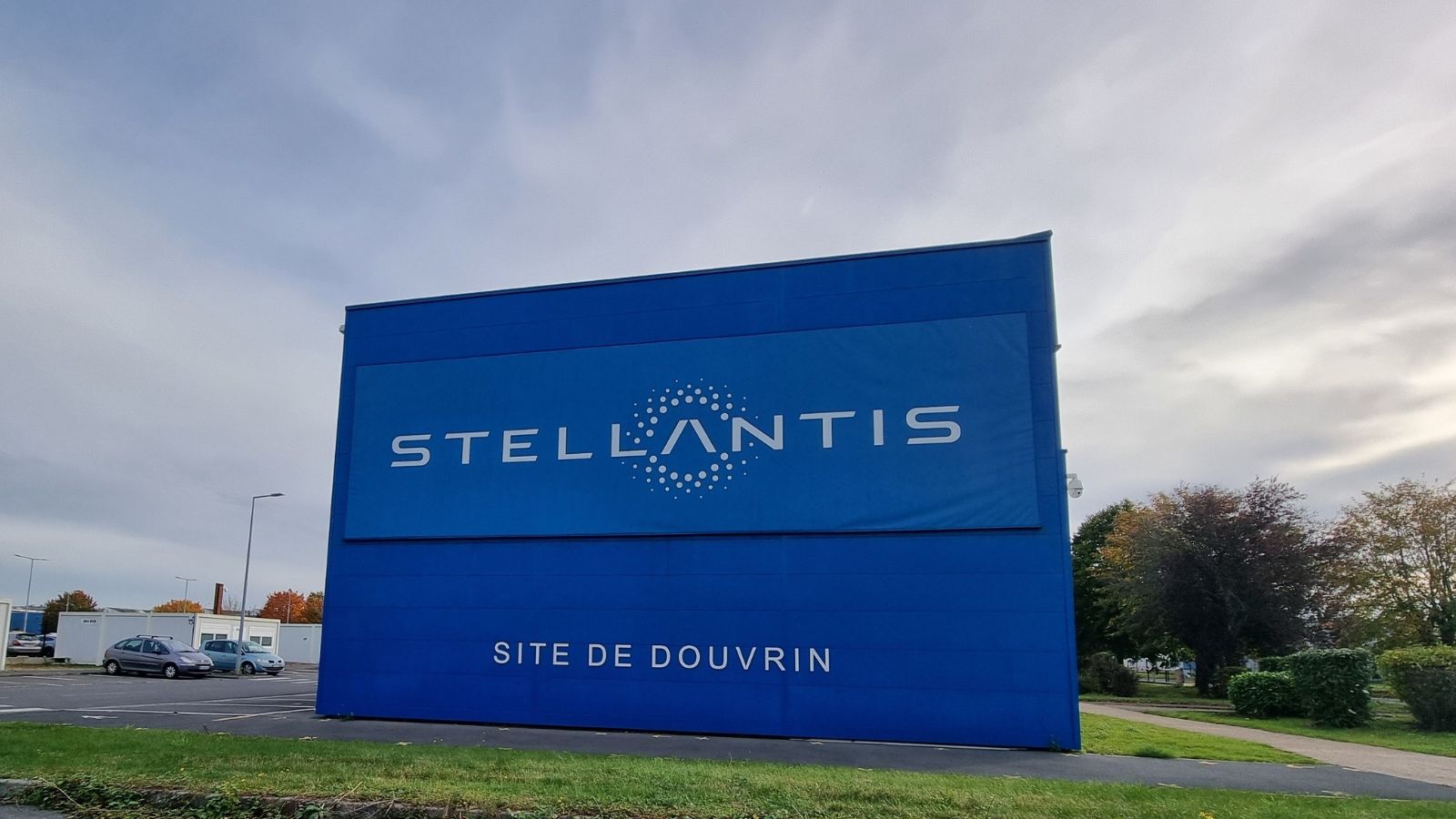
On November 9, 2026, Stellantis and Brampton-based Roshel announced an asset purchase agreement covering the Brampton Assembly Plant and its associated equipment. The purchase price was not disclosed, and the companies said they expect the transaction to close before the end of 2026, subject to government, regulatory and other closing requirements.
The agreement represents a significant shift in Stellantis’ Canadian manufacturing strategy. Rather than restoring automotive production at Brampton itself, the automaker is transferring the facility to a company specializing in defence technology. The two businesses have also established a framework to explore possible cooperation involving vehicle technologies and defence-related services.
For Stellantis, the transaction supports a broader restructuring strategy aimed at improving manufacturing efficiency across North America. For Brampton, however, an agreement to sell the factory does not automatically settle questions about its workforce or future output. Roshel must still establish how the site will operate, what products it will manufacture and how many workers it can realistically employ.
Roshel Draws a Firm Line on Stellantis’ Employment Promises
Roshel CEO Roman Shimonov has made an important distinction between offering former Stellantis workers employment opportunities and accepting responsibility for promises made by their previous employer. Speaking to Reuters on November 10, Shimonov said Roshel would prioritize affected workers during future recruitment but would not take over Stellantis’ existing commitments.
That position leaves a major gap between the buyer’s plans and the expectations of employees who were originally laid off while Brampton was being prepared for another vehicle program. Workers may have opportunities to apply for positions under the new ownership, but priority consideration does not guarantee that every former employee will be rehired.
It also leaves unresolved questions about whether future positions would provide comparable wages, benefits, seniority protections or pensions. Those details matter because automotive assembly jobs often support long-term household financial planning. Stellantis, meanwhile, has separately acknowledged its obligations under collective agreements and applicable laws, making the distinction between the seller’s responsibilities and the buyer’s intentions central to the dispute.
Talks With Automakers Could Bring Civilian Vehicle Production Back
Roshel’s ambitions for the Brampton factory extend beyond military and armoured vehicles. On November 10, Shimonov told Reuters that the company was discussing potential civilian vehicle production with several automakers. The Canadian Press separately reported that Roshel was talking with at least two manufacturers interested in building vehicles in Canada, including a European company.
There are also indications that discussions have progressed beyond preliminary conversations. CBC reported that Roshel had obtained a letter of intent from an unnamed European automaker. However, a letter of intent is not equivalent to a finalized manufacturing contract, and no specific vehicle program, production volume or launch date has been publicly confirmed.
Roshel is also considering leasing part of the Brampton facility back to Stellantis for automotive work. This could potentially allow different manufacturing activities to operate within the enormous industrial complex. The crucial question is whether discussions turn into firm investments. Without confirmed production commitments, it remains impossible to determine how many automotive jobs could actually return.
More Than 2,200 Laid-Off Workers Remain Caught in the Uncertainty
Brampton Assembly was once a major production centre for some of Stellantis’ best-known vehicles, including the Dodge Charger, Dodge Challenger and Chrysler 300. That history changed in December 2023, when production ended and the factory was idled for a planned transformation. More than 2,200 members of Unifor Local 1285 were placed on layoff, while broader estimates of the affected workforce have reached approximately 3,000 employees.
The original expectation was that workers would eventually return to a modernized facility producing the next generation of Jeep vehicles. Instead, the shutdown extended through 2024, retooling was suspended in 2025 and the intended manufacturing program was moved elsewhere.
The consequences reach beyond individual paycheques. An assembly plant supports equipment maintenance, transportation companies, parts suppliers and many local businesses that depend on manufacturing activity. For longtime employees, uncertainty also affects decisions about retirement, mortgage payments and whether to pursue work in another industry. Roshel’s proposed investment offers a possible new beginning, but it does not yet provide a clear replacement for the employment that disappeared.
The Abandoned Jeep Compass Plan Remains Central to the Dispute
The controversy surrounding Brampton goes back to a major investment announcement in May 2022. Stellantis committed approximately $3.6 billion toward modernizing its Windsor and Brampton operations and expanding electric-vehicle capabilities. Ottawa pledged up to $529 million in support, while Ontario committed up to $513 million toward the broader investment program, which also included research and development initiatives.
The Brampton facility was subsequently designated for production of the next-generation Jeep Compass. Retooling began in early 2024, but Stellantis paused the work in February 2025. The situation deteriorated further when the company announced in October 2025 that Compass production would instead move to its Belvidere plant in Illinois.
That decision followed significant changes in American trade policy, including tariffs imposed by President Donald Trump on Canadian goods and vehicles. Stellantis also unveiled a US$13-billion American investment program. For Brampton employees, the relocation transformed what had been presented as a temporary shutdown into a prolonged employment crisis, raising questions about whether the original investment commitments would ever be fulfilled.
Ottawa Is Demanding Answers About Public Funding
The Canadian government has made clear that selling the Brampton property does not automatically release Stellantis from its commitments under previous funding agreements. Prime Minister Mark Carney described the transaction as unacceptable on November 10, while Industry Minister Mélanie Joly said Ottawa intended to use its legal powers to protect workers and hold the automaker accountable.
Federal records show that, as of March 31, 2025, approximately $222.4 million had been disbursed under the $529-million agreement supporting the Brampton and Windsor projects. Those payments covered the combined program, not exclusively Brampton. The government subsequently suspended additional payments after Stellantis announced the relocation of Jeep production.
Stellantis has now offered to voluntarily return the federal assistance received specifically for Brampton’s original retooling plan. However, the company has not publicly disclosed that amount, citing confidentiality provisions. It also remains unclear whether such repayment would resolve the wider dispute over employment and manufacturing commitments. For taxpayers, the central issue is whether public funding produced the industrial investment and lasting jobs it was intended to support.
Unifor’s Fight With Stellantis Is Far From Over
The sale announcement has intensified an already difficult labour dispute between Stellantis and Unifor, which represents more than 9,000 company workers across Canada. Negotiations reached an impasse on September 11, 2026, largely because of disagreements over Brampton’s future. Unifor maintains that the proposed closure and sale violate existing agreements, while Stellantis has said it remains prepared to negotiate a settlement with affected employees.
The disagreement has created considerable tension across Stellantis’ Canadian operations. In October, 97.3 per cent of participating union members voted to authorize strike action if necessary. However, union leaders emphasized that a strike remained a last resort and that the vote did not automatically place workers in a legal strike position.
Unifor is also concerned about protecting wages, pensions, benefits and existing manufacturing commitments. Its position is that a new owner cannot simply replace thousands of established automotive jobs with uncertain employment opportunities. Any settlement will therefore need to address what happens to laid-off employees who cannot secure positions at Roshel.
Roshel Has Manufacturing Experience, but Its Employment Targets Remain Uncertain
Roshel is not a newly established company attempting to enter vehicle manufacturing for the first time. The Brampton-based business designs and produces specialized armoured vehicles for military, security and emergency applications. According to company information, more than 2,500 Roshel vehicles have been deployed to Ukraine, demonstrating an established production capability and international customer base.
The company’s proposed Centre of Excellence for advanced manufacturing could allow it to expand operations and pursue additional defence and civilian vehicle contracts. Shimonov has spoken about eventually creating thousands of jobs, while earlier reporting identified potential opportunities for approximately 700 to 1,000 displaced Stellantis employees. Neither projection represents a guaranteed employment outcome.
A major consideration is the difference between large-scale passenger vehicle assembly and specialized defence manufacturing. Roshel has pursued Canadian military procurement opportunities, but significant workforce expansion depends on winning contracts and securing sustainable production volumes. Unifor has questioned whether the company’s existing and potential orders could support employment comparable to the former Stellantis operation. That concern will remain relevant until Roshel provides detailed hiring schedules and confirmed manufacturing commitments.
Brampton’s Automotive Zoning Protections Add Another Complication
The City of Brampton has already attempted to protect the plant’s automotive manufacturing role. On February 25, 2026, city council unanimously approved a motion directing municipal officials to pursue planning and zoning protections for the property at 2000 Williams Parkway. The intention was to preserve automotive assembly and related manufacturing activity at a site that has supported the community for decades.
Those protections could become important as Roshel develops its plans. Although the company manufactures vehicles, its primary business involves armoured and defence applications rather than conventional passenger automobiles. Whether specific proposed operations meet the site’s applicable land-use requirements will depend on the relevant planning rules and municipal decisions.
Mayor Patrick Brown has welcomed the possibility of a local company restoring production while also insisting that Stellantis fulfill its responsibilities to workers and taxpayers. Unifor has urged officials to enforce automotive manufacturing protections. The challenge for Brampton is finding a path that attracts investment without abandoning the long-term objective of maintaining substantial automotive assembly capacity and well-paying manufacturing employment.
The Next Decisions Will Determine Whether Brampton Gets Its Jobs Back
Attention is now shifting toward negotiations involving Stellantis, Unifor and both levels of government. A meeting is planned for Thursday, November 12, to discuss the company’s commitments and the future of affected workers. Stellantis has indicated that it will participate, while federal officials have emphasized that the dispute cannot be settled simply by transferring ownership of the factory.
Other organizations are also preparing employment assistance. On November 9, Toronto Pearson, United Way Greater Toronto and Peel Region announced a combined $1-million workforce initiative. Its initial one-year pilot will support approximately 200 people affected by economic disruption, including displaced Stellantis workers, through career coaching, skills development and employment assistance.
For Brampton, several questions remain unanswered: which automakers might commit to production, how many jobs Roshel will create, what happens to existing collective agreement obligations and how governments will resolve the funding dispute. Until those details are established, the sale represents a possible industrial restart rather than a confirmed recovery of the thousands of jobs that supported the community.