


















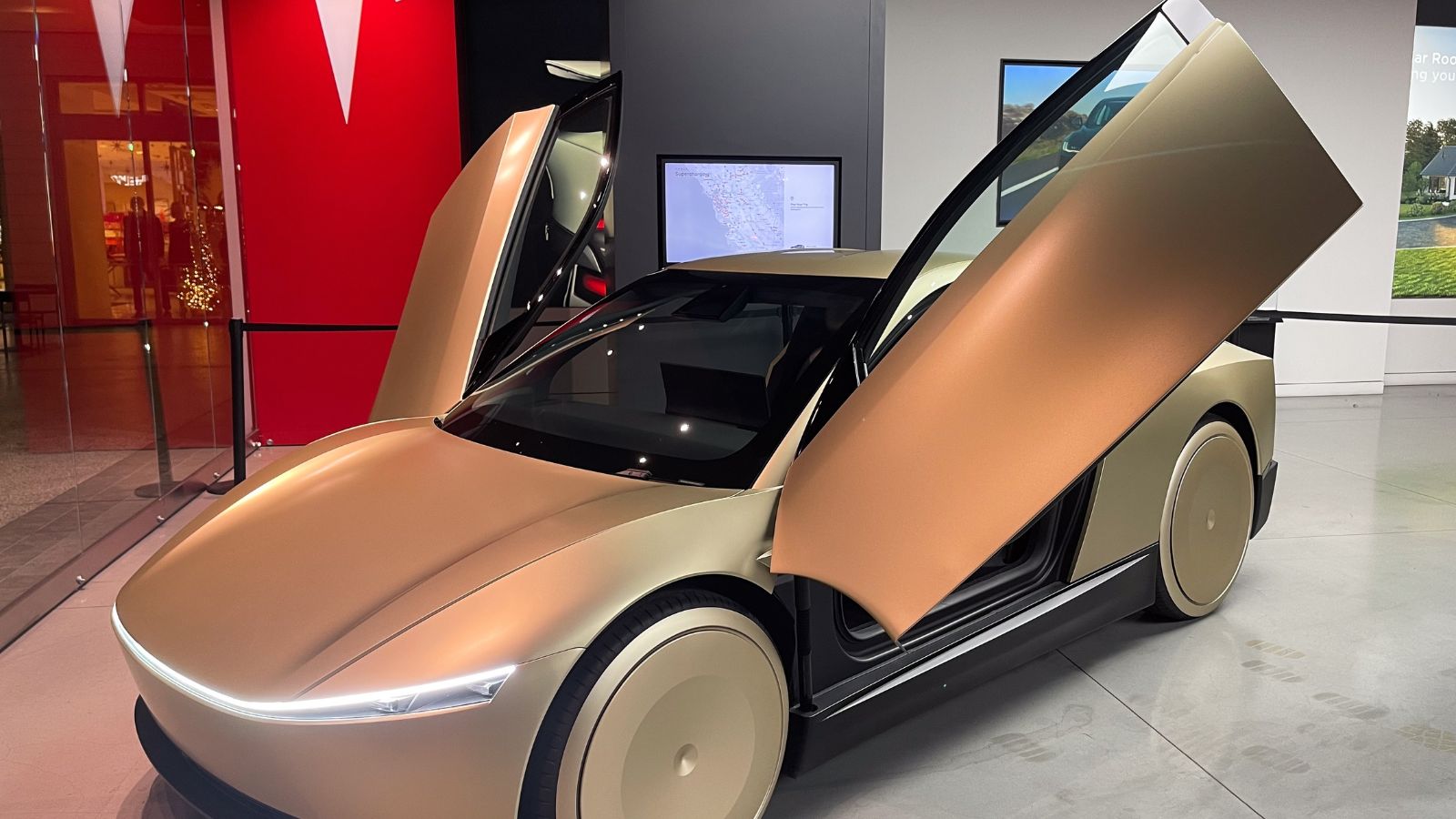
Tesla’s push toward a driverless future has reached another American city, but the experience remains very different for Canadian customers. On November 9, 2026, the electric vehicle manufacturer expanded its Robotaxi service into San Antonio, Texas, bringing autonomous ride-hailing to another major urban market.
The expansion comes just one week after Tesla introduced Robotaxi service in Fort Worth, highlighting the company’s accelerating efforts to build a commercial autonomous transportation network. Meanwhile, Canadian Tesla owners can access Full Self-Driving (Supervised) for $99 per month, but they must remain attentive and responsible for operating their vehicles.
The growing contrast raises questions about how quickly autonomous transportation is developing, what customers are actually receiving, and when Canadians might have access to the same services being introduced south of the border.
Tesla Launches Robotaxi Service in San Antonio
Tesla officially announced that Robotaxi rides would become available in San Antonio beginning at 5 a.m. Central Time on Monday, November 9, 2026. The company shared a map outlining its initial operating territory, which includes central San Antonio and portions of the surrounding metropolitan area. The announcement marks another milestone in Tesla’s effort to move autonomous transportation beyond its original Austin launch market.
Unlike conventional ride-hailing services, Tesla’s Robotaxi system is designed around vehicles that can transport passengers without a traditional human driver controlling the journey. However, Tesla did not initially disclose how many vehicles would operate in San Antonio, whether every ride would be completely driverless, or which models would serve customers. Those distinctions are important because Tesla has introduced different levels of operational supervision across its American markets. For local residents, the immediate practical question is whether their pickup and destination fall within the service boundary displayed in Tesla’s Robotaxi application.
Two Texas Cities Added in Just One Week
San Antonio’s arrival follows Tesla’s November 2 launch in Fort Worth, where Robotaxi rides began at 6 a.m. local time. That expansion introduced service across an estimated 143-square-mile operating zone. The two announcements, separated by only seven days, represent a noticeable acceleration after several months without a new American city entering Tesla’s network. San Antonio becomes the company’s fifth Texas market, joining Austin, Dallas, Houston and Fort Worth.
Tesla also operates Robotaxi services in Miami, Orlando and Tampa, bringing its Texas and Florida footprint to eight cities. The company additionally operates a ride-hailing service in California’s San Francisco Bay Area, although those vehicles have human drivers behind the wheel. Geographic expansion does not necessarily mean widespread availability, however. Service boundaries remain limited, vehicle numbers vary considerably between markets, and customers may encounter different operating arrangements depending on their location. The next challenge is converting these regional launches into transportation services that can accommodate substantial passenger demand.
How Tesla’s Robotaxi Service Actually Works
Tesla’s Robotaxi experience begins with a dedicated mobile application rather than the purchase of a vehicle. Passengers enter their destination, check the estimated fare and waiting time, and request transportation within an approved operating area. Once the assigned vehicle arrives, customers verify its licence plate, enter the cabin and begin the journey using either the application’s controls or the vehicle’s touchscreen. This approach resembles conventional ride-hailing, but Tesla’s long-term objective is to remove the need for a human driver.
The service also includes features designed to make passengers comfortable during automated journeys. Riders can adjust climate settings, select entertainment and monitor trip progress through the application. Tesla provides options to contact customer support or request that the vehicle pull over when assistance is needed. However, operational restrictions remain. Pickup and destination points must be supported, available hours depend on the market, and fares are displayed before booking. San Antonio’s complete pricing structure and operating schedule were not disclosed in its initial launch announcement.
The Difference Between Robotaxi and Full Self-Driving
The distinction between Tesla’s Robotaxi service and its consumer Full Self-Driving software is central to understanding the company’s expansion. Robotaxi is a commercial transportation service intended to carry paying passengers in vehicles operating autonomously within approved areas. Full Self-Driving (Supervised), by comparison, is a driver-assistance product installed in a customer’s personal Tesla. Despite its name, the consumer system does not eliminate the driver’s responsibility for operating the vehicle.
Tesla explicitly states that FSD (Supervised) requires active human supervision. Drivers must remain attentive, monitor surrounding traffic and be prepared to intervene whenever necessary. That responsibility continues even when the software manages steering, acceleration, braking and complicated driving manoeuvres. In a properly authorized driverless Robotaxi operation, the passenger is not expected to act as the vehicle’s driver. The difference is therefore much more significant than a software upgrade. It involves the operating environment, safety supervision, regulatory authorization and responsibility for the vehicle’s movement.
Canadians Pay $99 Monthly for Supervised Driving
Canadian Tesla customers currently face a subscription price of $99 CAD per month for Full Self-Driving (Supervised). At that rate, maintaining the service for 12 consecutive months costs approximately $1,188 before applicable taxes. Tesla now offers the software to new customers through subscriptions rather than outright purchases, although some existing owners previously purchased the package. For drivers expecting a future where their vehicles can operate independently, the distinction between current capabilities and potential upgrades matters.
The subscription provides flexibility because customers can cancel without committing to another year of payments. However, Tesla does not prorate unused portions of a billing period. Eligibility also depends on the vehicle’s hardware and software configuration. Some older vehicles may require additional hardware upgrades before the subscription can be activated, potentially increasing the overall expense. New eligible vehicle buyers may receive a 30-day trial, allowing them to experience the technology before paying. None of these arrangements grants permission to operate a privately owned Tesla without human supervision.
Canadian Drivers Still Have to Watch the Road
Full Self-Driving (Supervised) offers substantial assistance during everyday journeys. Tesla says the software can navigate intersections, change lanes, follow mapped routes, negotiate roundabouts and enter or exit highways. It can also support automated parking and other manoeuvres, depending on the vehicle’s configuration. For someone facing a lengthy commute through Toronto or Vancouver traffic, those capabilities may reduce the amount of continuous steering and speed adjustment required during a drive.
Nevertheless, the driver’s attention remains essential. Tesla’s system can issue warnings when it detects inattentiveness and temporarily suspend access after repeated violations. Research from the Insurance Institute for Highway Safety underscores why these safeguards matter. A study involving 14 drivers using an earlier Tesla Autopilot system found that participants became increasingly familiar with attention reminders and sometimes used that knowledge to engage in distracting activities. Although the research examined Autopilot rather than today’s FSD software, it illustrates a broader challenge: assistance technology can make driving feel easier without removing the need for vigilance.
Why Canadians Still Cannot Book Tesla Robotaxi Rides
Tesla’s publicly listed Robotaxi operating markets remain concentrated in the United States, with no Canadian city included in its service network. However, the absence of a Canadian launch does not automatically mean regulators have rejected the technology. Canada’s approval system involves multiple levels of government. Transport Canada oversees federal vehicle safety requirements, while provinces and territories regulate licensing, insurance and the operation of vehicles on public roads.
Ontario, for example, has maintained an automated vehicle testing program since 2016, with provisions allowing certain driverless trials under approved conditions. That program currently extends until October 2027, but authorization to conduct testing is different from permission to operate a permanent commercial passenger service. Companies must demonstrate compliance with applicable safety, insurance and operational requirements. For Tesla, entering a Canadian market would involve navigating these responsibilities while establishing the infrastructure needed to support vehicles and passengers. No confirmed Canadian Robotaxi launch date has been publicly established.
American States Are Taking Different Approaches
Tesla’s American expansion demonstrates how regulatory conditions can influence the pace of autonomous transportation. Texas established a statewide authorization framework for commercial automated vehicles, with enforcement beginning May 28, 2026. Companies operating qualifying driverless services must maintain authorization from the Texas Department of Motor Vehicles and comply with applicable traffic and safety rules. The framework gives operators a defined process for expanding into additional Texas cities.
California presents a different situation. Tesla has authorization for autonomous vehicle testing with a safety driver, but it does not hold the permits required for fully driverless commercial ride-hailing. Consequently, its Bay Area service continues to operate with people behind the wheel. These differences help explain why a vehicle carrying passengers in Texas may operate under conditions unavailable to Tesla in California. Canadian policymakers face comparable questions about safety oversight, liability and authorization, but Canadian requirements must be assessed independently rather than assumed to mirror either American state.
Tesla Is Entering a Market Where Waymo Already Operates
Tesla is not introducing autonomous ride-hailing to San Antonio for the first time. Alphabet-owned Waymo already operates driverless vehicles in the city and expanded public access to its service on October 14, 2026. Waymo customers can request fully autonomous transportation through the company’s application, including rides to San Antonio International Airport. Tesla’s arrival therefore creates direct competition between two major companies developing autonomous passenger transportation.
That competition follows a challenging period for Waymo in San Antonio. The company temporarily suspended its service after vehicles encountered dangerous flooding earlier in 2026. Operations resumed in September after software improvements and additional precautions intended to help vehicles recognize flooded roadways. The episode demonstrated that autonomous transportation companies must respond to unexpected real-world hazards, not simply navigate ordinary traffic. For residents, having two services could eventually provide more transportation choices. However, actual comparisons will depend on pricing, waiting times, service boundaries and reliability rather than announcements about geographic expansion alone.
Safety Questions Remain as the Network Expands
Every new Robotaxi launch increases attention on the safety and reliability of Tesla’s autonomous driving technology. In October 2026, the company published a Robotaxi safety report documenting approximately 3.1 million miles of operation without an onboard safety monitor between January 22 and October 18. Tesla reported favourable collision and injury results relative to its selected human-driver benchmarks. However, those figures are company-published statistics, and interpreting them requires understanding the reporting definitions, operating conditions and methodology used.
Regulatory scrutiny is continuing alongside the expansion. In September, the U.S. National Highway Traffic Safety Administration opened an audit examining how Tesla certified its Cybercab, a vehicle designed without conventional steering and pedal controls, as compliant with federal safety standards. The audit is not itself a finding that the vehicles are unsafe, but it highlights unresolved compliance questions. For future passengers, particularly in markets where autonomous transportation remains unfamiliar, confidence will depend on transparent safety information, independent oversight and consistent performance under challenging conditions.
What Comes Next for Canadian Tesla Customers?
Tesla’s American expansion is continuing, with Las Vegas, Phoenix and Jacksonville among the cities identified for future Robotaxi service. The company is also developing its purpose-built Cybercab fleet, which began carrying passengers in Austin during September 2026. However, its own financial filings acknowledge that scaling autonomous transportation requires more than improvements in driving software. Charging facilities, vehicle maintenance, fleet management, remote operational support and changing regulations can all affect expansion plans.
For Canadians, the most meaningful development would be an official announcement identifying a Canadian operating city, supported by regulatory authorization and a confirmed service schedule. Until then, Full Self-Driving (Supervised) remains fundamentally different from the driverless transportation Tesla is developing in selected American markets. San Antonio’s launch demonstrates that the technology is entering new commercial environments, but it does not establish when Canadian customers will receive equivalent access. The larger question is no longer whether Tesla can introduce Robotaxi rides in additional American cities. It is when the company can demonstrate that the service is ready for broader, reliable and legally authorized deployment.