

















Compact SUVs are often decided in the first half-hour behind the wheel, not by the brochure. The Nissan Rogue and Honda CR-V both cover the family-SUV basics, but they create noticeably different impressions once traffic, rough pavement, parking lots, and highway ramps enter the picture. This comparison focuses on the mainstream 2026 Canadian-market Rogue and CR-V, with the CR-V Hybrid noted where its powertrain materially changes the experience. Nissan’s separate Rogue Plug-in Hybrid is not the focus here. Across 12 test-drive factors—acceleration, smoothness, steering, ride, braking, refinement, controls, seating, space, cargo, winter confidence, and efficiency—the goal is to identify which SUV feels more natural and satisfying after the keys are handed back.
The First Five Minutes Favour the CR-V
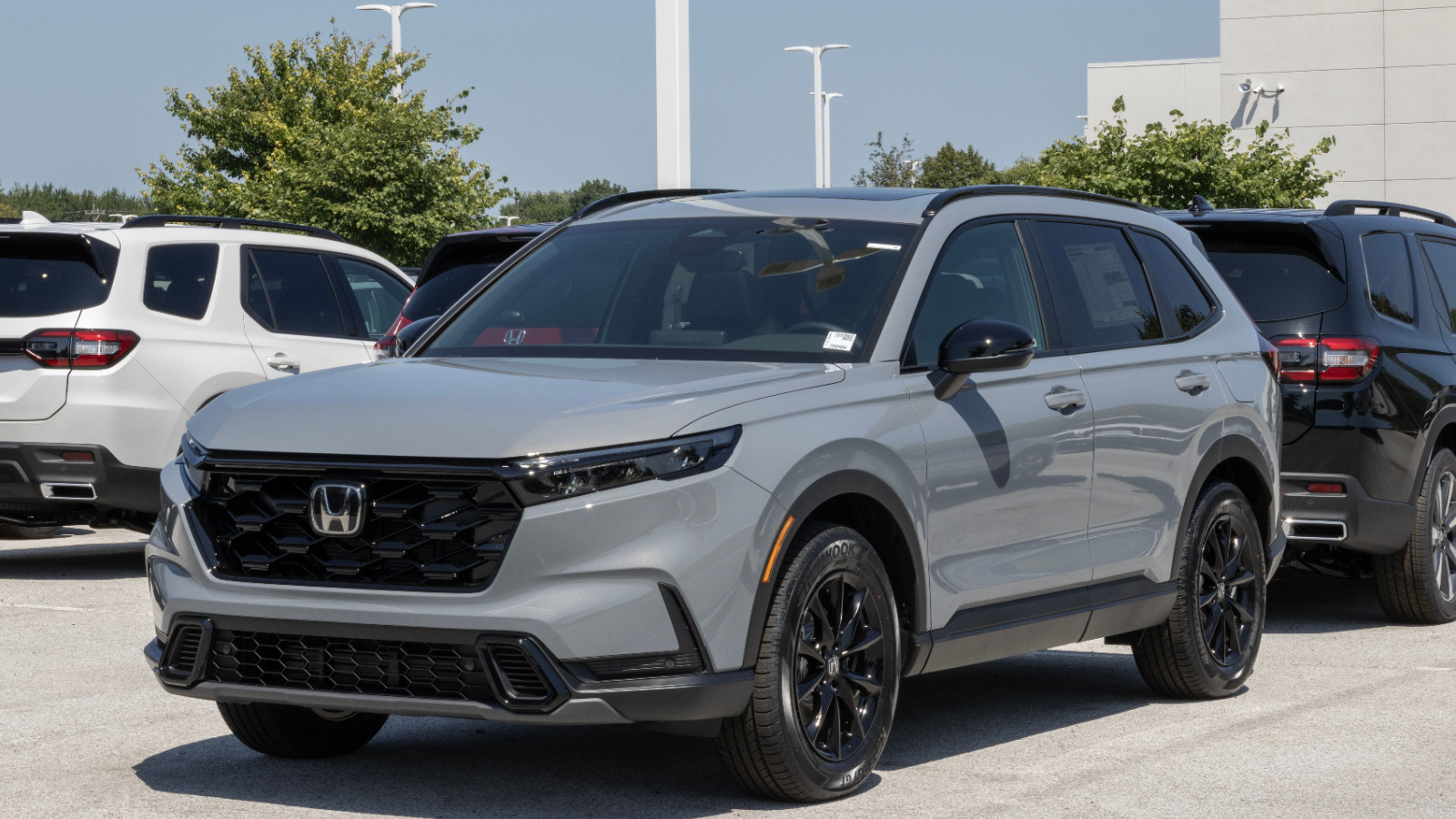
The CR-V makes a strong first impression because almost nothing about the driving position asks for an adjustment period. The seating position is upright, the dashboard is visually simple, and the controls fall into familiar places. Independent testers have repeatedly praised the CR-V’s visibility, straightforward interface, and easy-to-read layout. For 2026, Honda also makes a 9-inch touchscreen standard across the Canadian lineup, which helps the cabin feel current even before moving into the expensive trims. The result is not theatrical, but it is easy to understand within minutes, which matters on a test drive when unfamiliar controls can distract from judging the vehicle itself.
The Rogue is also notably user-friendly and, in some ways, feels warmer and more relaxed. Its large glass area gives the cabin an airy quality, while physical climate controls and a conventional layout reduce the need to hunt through menus. Nissan’s seats have earned praise for long-distance comfort, and the front of the cabin feels accommodating rather than tightly wrapped around the driver. The trade-off is that lower Rogue trims use an 8-inch touchscreen, while the larger 12.3-inch setup and Google built-in are reserved for higher grades. First impression: Honda feels cleaner and more modern; Nissan feels immediately comfortable and familiar.
The Rogue Hits Harder Than the Gas CR-V
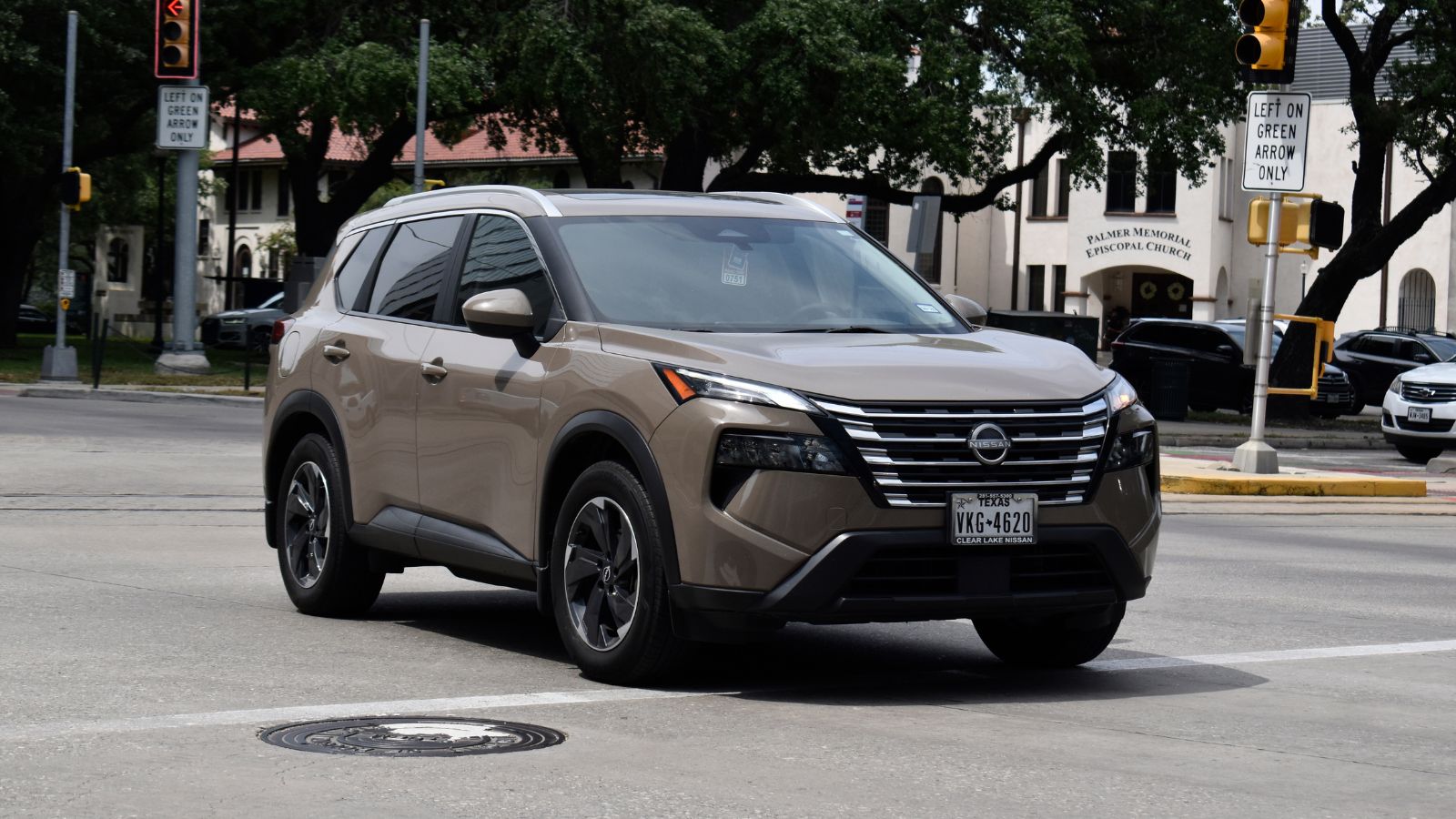
A short acceleration run reveals one of the Rogue’s biggest advantages over the gasoline CR-V. Nissan’s 1.5-litre turbocharged three-cylinder produces 201 horsepower and 225 lb-ft of torque, while the gas CR-V’s 1.5-litre turbo four-cylinder makes 190 horsepower and 179 lb-ft. Those numbers do not turn the Rogue into a performance SUV, but the extra torque gives it a stronger midrange shove when merging or squeezing into a gap. Independent testing also describes the Rogue as feeling punchier than its acceleration times suggest, which is exactly the kind of sensation that stands out on a dealership test loop.
The gasoline CR-V is more measured. Its power delivery is smooth and predictable, but it does not produce the same immediate surge when the accelerator is pressed hard. Separate instrumented tests have put an AWD Rogue at roughly eight seconds from 0–60 mph and a 2026 AWD gas CR-V in the mid-eight-second range, although testing conditions differ between publications. The important distinction is therefore less about a few tenths of a second and more about sensation. For buyers testing only the conventional gasoline versions, Nissan is likely to feel stronger during the first few hard accelerations.
The CR-V Hybrid Changes the Conversation
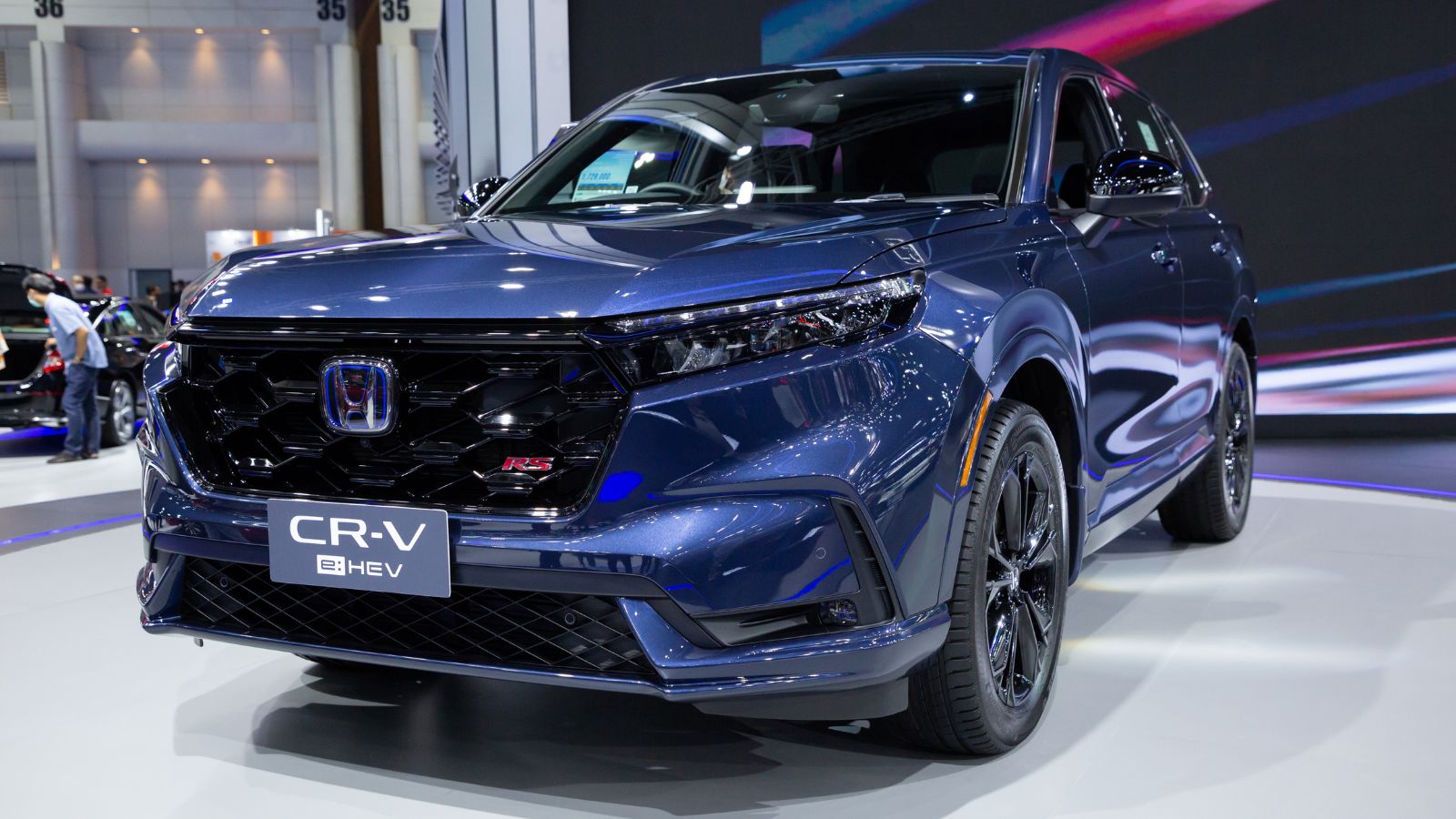
The comparison changes once the CR-V Hybrid enters the picture. Honda’s two-motor hybrid system is rated at 204 horsepower and 247 lb-ft of combined torque, and its electric motors give the vehicle a smooth, immediate response at low speed. In stop-and-go traffic, the hybrid can move away with the quiet, clean sensation associated with electric drive before the gasoline engine becomes more involved. Reviewers have consistently highlighted the seamless transition between electric propulsion and engine operation. That makes the CR-V Hybrid feel more polished than the numbers alone suggest, particularly in the urban driving where compact SUVs spend much of their lives.
The Rogue’s variable-compression turbo engine is clever and capable, but it has more mechanical character. Consumer Reports noted healthy midrange power with little turbo lag, yet also recorded some vibration at idle and the familiar elastic sensation that can come from a continuously variable transmission. The CVT often imitates conventional gear changes, but its engine-speed behaviour is still more noticeable than Honda’s hybrid system. Drivers who like a stronger traditional-engine punch may still prefer the Rogue, but for smoothness and low-speed refinement, the CR-V Hybrid is the standout of the group.
Honda Feels More Composed Through the Corners
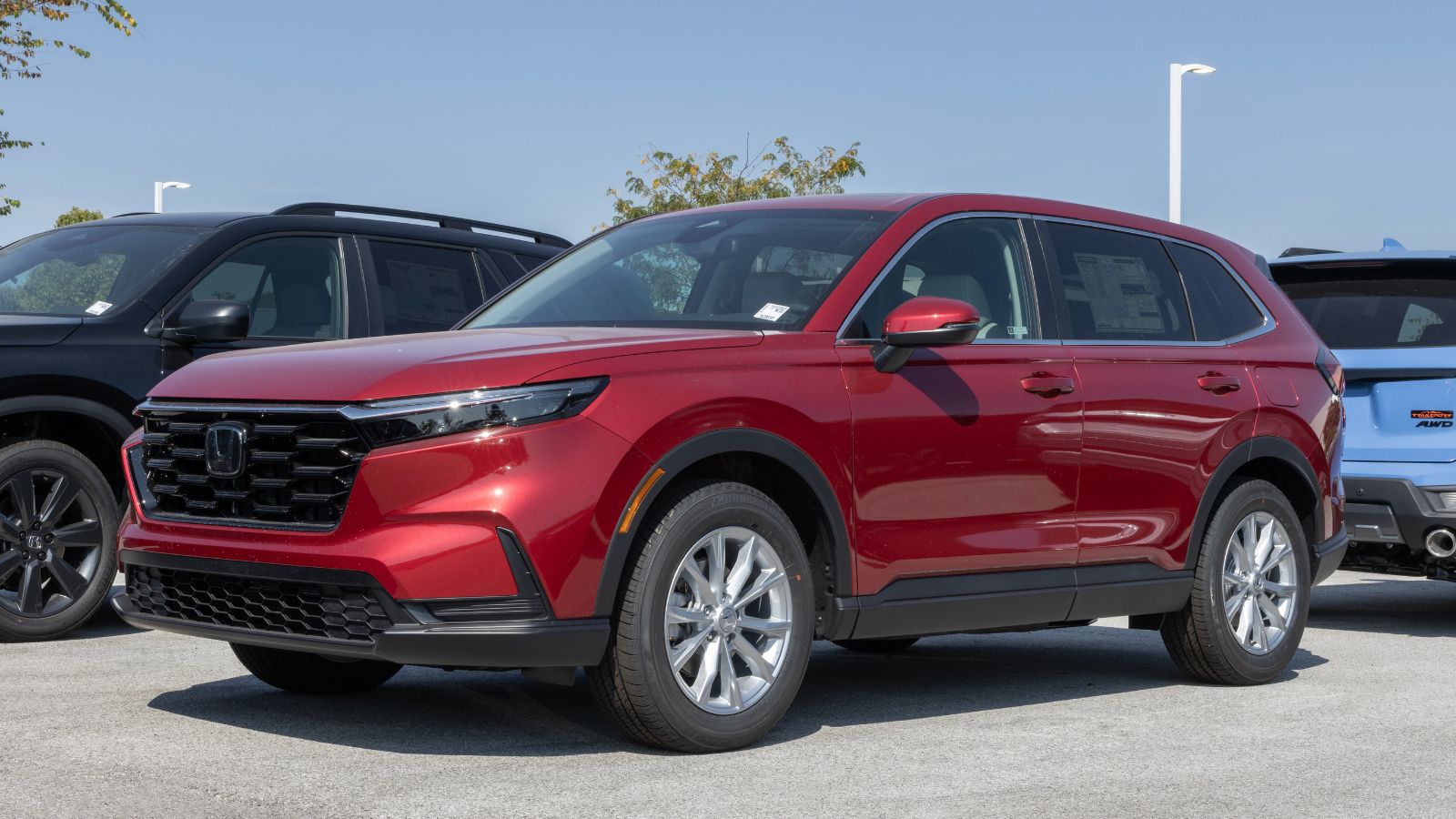
Once the route includes a few curves, the CR-V starts to separate itself in a way that is harder to describe on a specification sheet. Its steering is direct and the chassis stays composed, with controlled body movement that makes the vehicle feel smaller than its exterior dimensions suggest. AutoTrader’s 2026 CR-V Hybrid test praised its tight steering and balance between comfort and control, while other testers have similarly described the CR-V as secure and car-like. It is not a sports SUV, but it reacts predictably when the driver turns in, changes lanes quickly, or carries a little extra speed through a ramp.
The Rogue is competent rather than clumsy. Its steering responds quickly, body roll is generally well controlled, and the vehicle can feel agile for a family crossover. The difference is feedback. Several independent reviews describe the steering as light or somewhat numb, and Edmunds found more on-centre play than expected. That does not make the Rogue difficult to drive; in fact, it may suit commuters who prefer low effort. But when both SUVs are driven back-to-back, the Honda’s chassis tends to communicate its movements more clearly. For drivers who value confidence through corners, the CR-V has the edge.
Ride Comfort Is Closer Than It First Appears
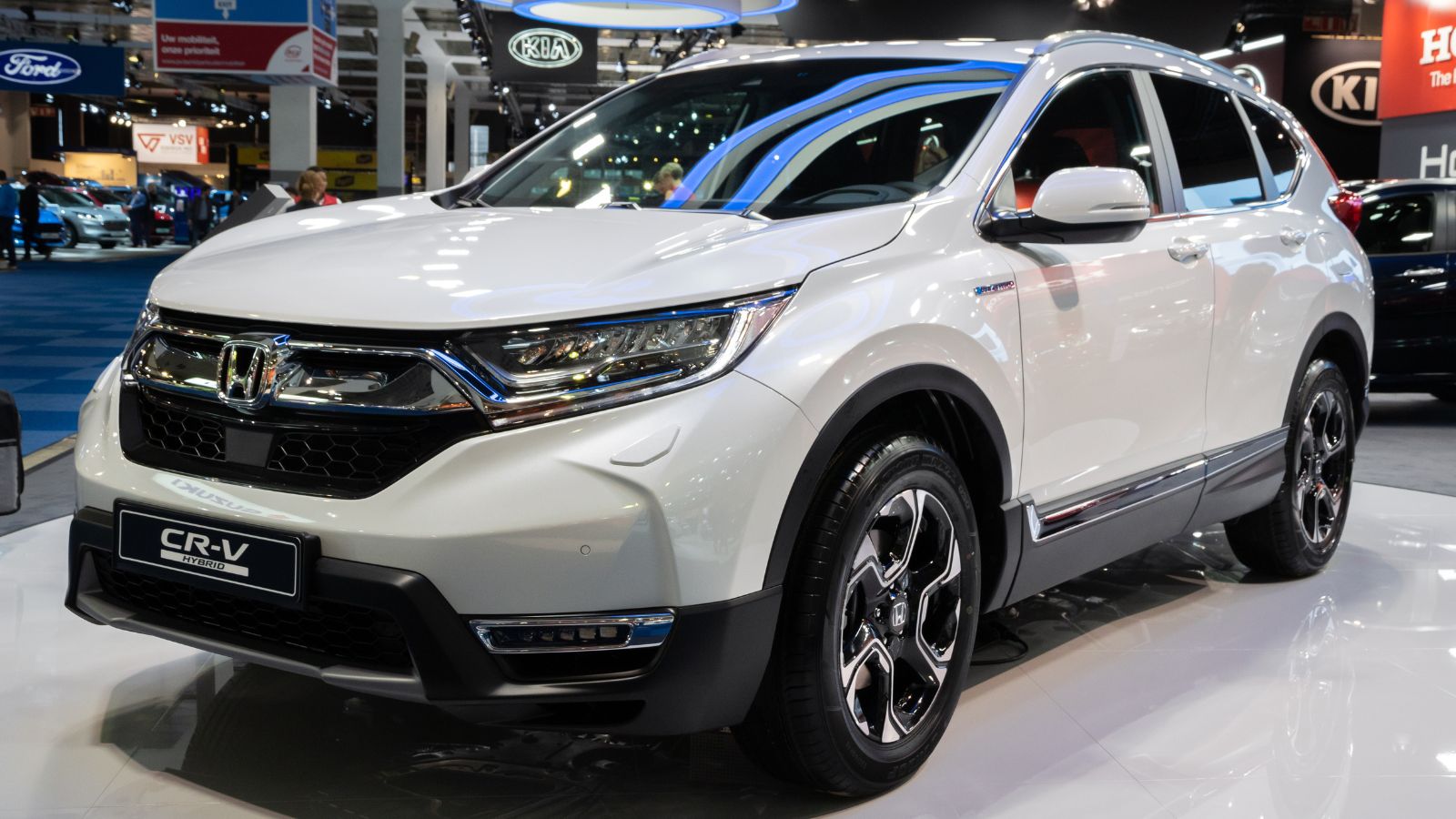
Ride comfort is much closer than the steering comparison, and trim choice can change the result. The CR-V uses a relatively taut suspension tune, but independent testing shows that it absorbs most broken pavement without becoming floaty. Consumer Reports describes the ride as firm yet composed, while AutoTrader found the suspension well balanced between bump absorption and cornering control. That combination makes the Honda feel settled: potholes are noticed, but the body generally returns to a calm state quickly instead of continuing to bob or sway after the impact.
The regular Rogue can be very comfortable, especially when fitted with smaller wheels and conventional all-season tires. Canadian reviewers praise its seats and its ability to remain pleasant on longer trips. At the same time, some tests have found the suspension busy over rough pavement, and the Rock Creek version can ride more firmly despite its taller-looking all-terrain tires. This is why a useful test drive should include the exact trim being considered. In broad terms, Honda feels more controlled over mixed surfaces; Nissan can feel softer and more relaxed in the right configuration, but its ride is more sensitive to wheel-and-tire choice.
The CR-V Has Particularly Natural Brake Feel
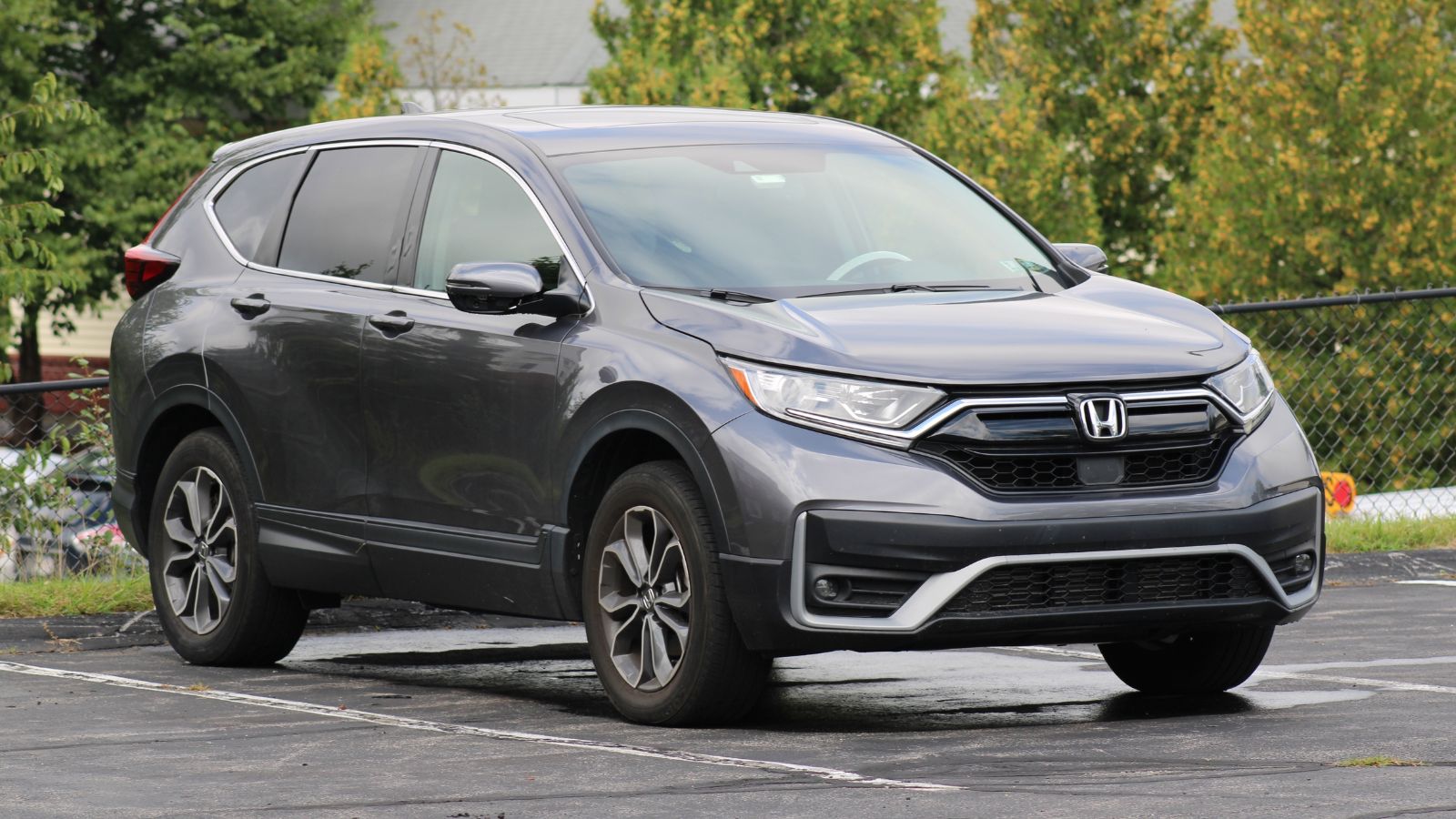
Brake feel is easy to overlook until the route includes a few red lights, a downhill section, or one hard stop. The CR-V performs particularly well here. Consumer Reports found the hybrid’s brake pedal firm and linear, an important achievement because hybrid systems must blend regenerative braking with conventional friction brakes. MotorTrend also praised the gasoline CR-V’s pedal feel and bite. In everyday use, that means the amount of slowing tends to match the amount of pedal pressure in a predictable way, making smooth stops easier after only a few minutes behind the wheel.
The Rogue also delivers reassuring braking in normal driving. The Automobile Protection Association describes its braking as strong with good pedal feel, while Edmunds found day-to-day brake response acceptable even though its emergency-stop testing produced more noise from the anti-lock system. For most owners, both vehicles will feel secure. The distinction is polish rather than capability: Honda’s brake calibration tends to feel more natural and consistent, especially in the Hybrid where poorly blended regenerative systems can sometimes make a pedal feel artificial. That small detail contributes to the CR-V’s more cohesive overall driving character.
Highway Refinement Produces a Split Decision
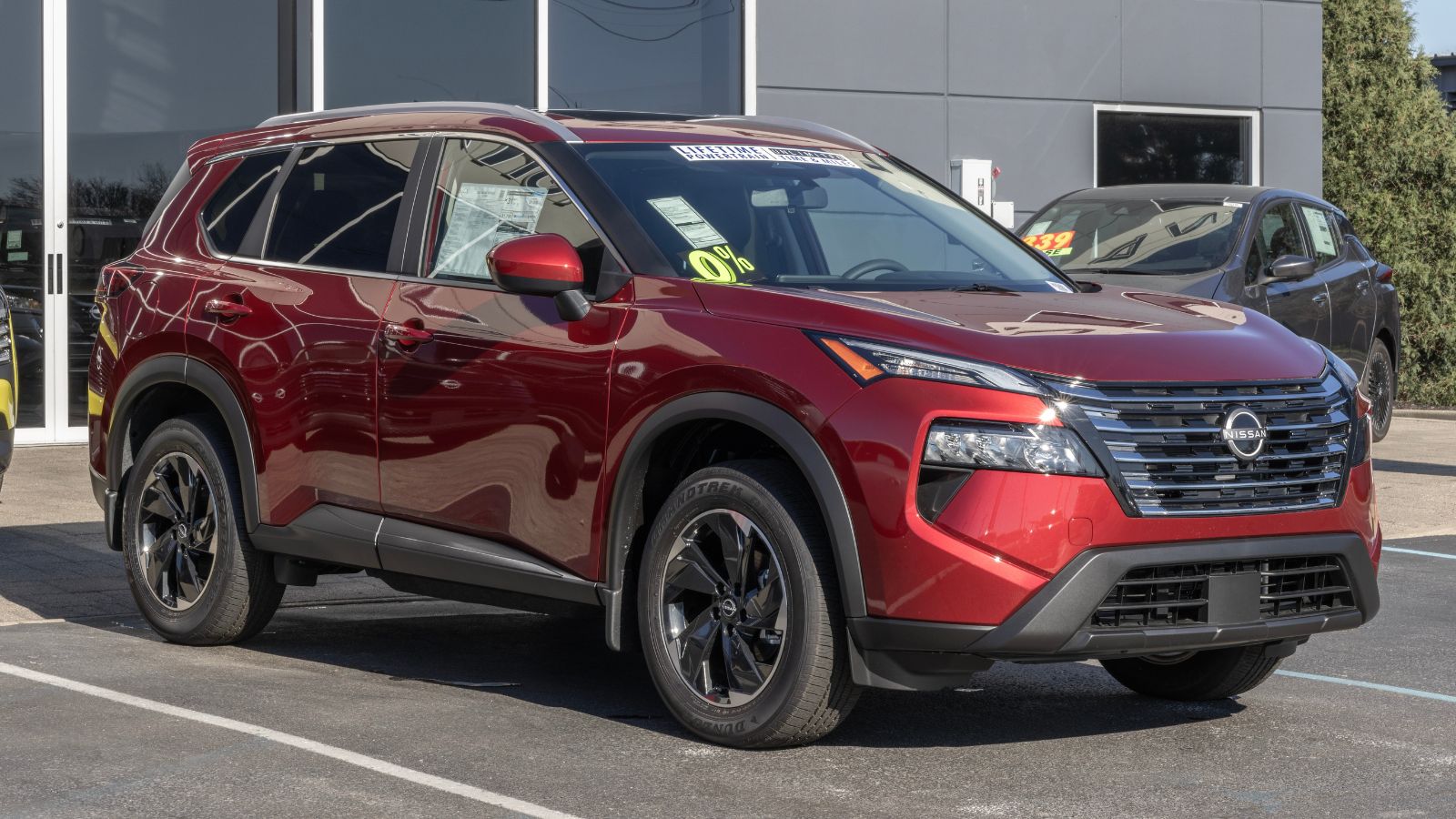
Neither SUV is a luxury vehicle, so highway refinement deserves realistic expectations. The Rogue’s turbo three-cylinder can be surprisingly subdued once speed settles, and Consumer Reports calls the vehicle relatively quiet overall. The softer seats and relaxed driving position also help on longer runs. However, other testers have reported noticeable road and tire noise at freeway speeds, and the engine’s idle vibration can chip away at the polished impression around town. The Rogue therefore feels best when cruising steadily, while rough surfaces and certain tire packages can reveal more noise than the cabin initially suggests.
The CR-V tells a similarly mixed story. Its powertrain is smooth, especially in hybrid form, but Consumer Reports identifies cabin noise as one of the Hybrid’s weaker points and notes that roof rails can contribute to highway noise. Under hard acceleration, the gasoline engine may also rev in ways that do not always correspond directly with road speed, which some passengers may find unusual. Even so, the Honda’s stable chassis and well-controlled ride help it feel settled at speed. The verdict here is close: the Rogue can sound calmer than expected, while the CR-V feels more dynamically composed, but neither is the class benchmark for isolation.
Honda Offers the Stronger Baseline Tech Experience
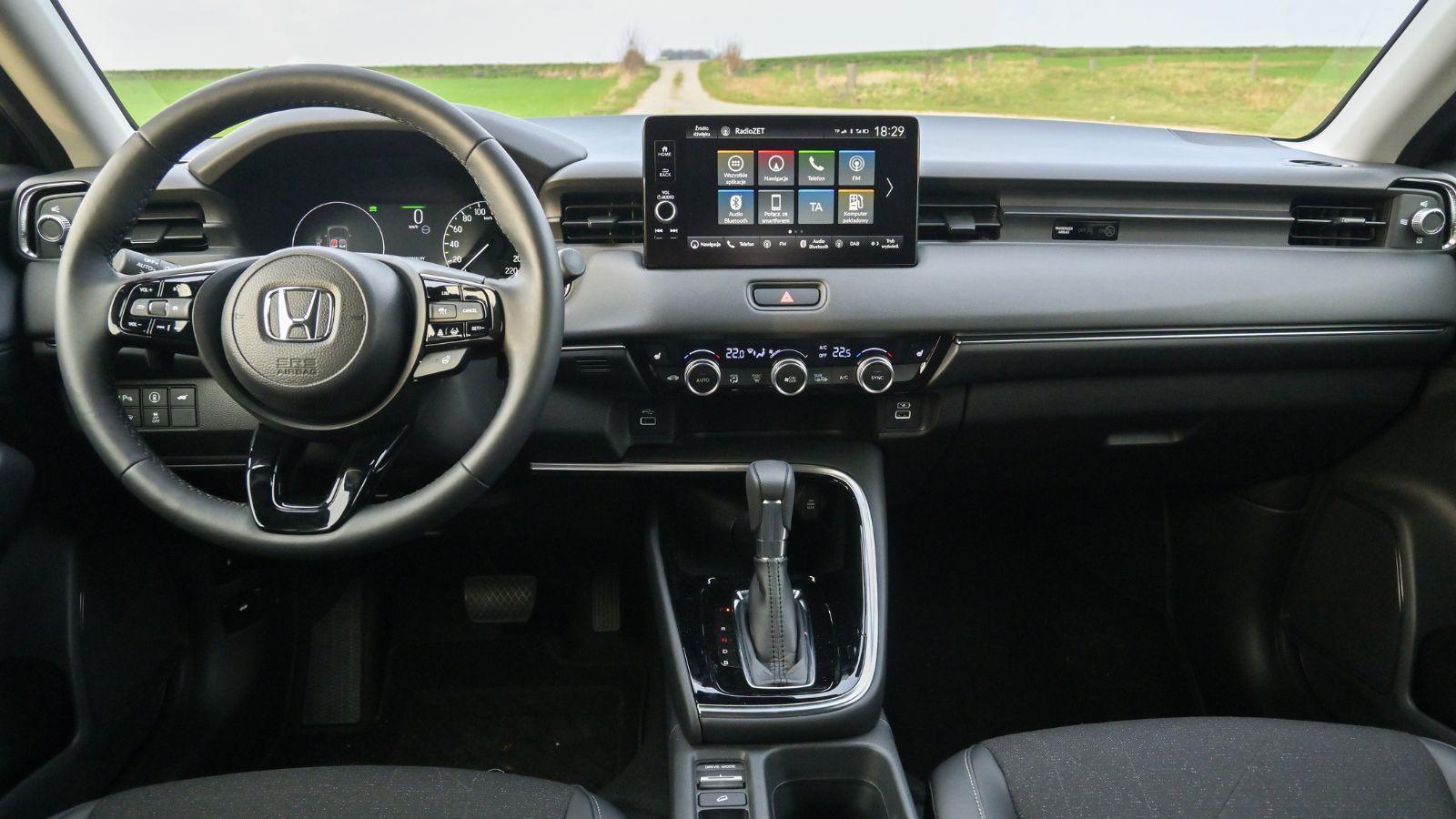
A test drive is partly an ergonomics test, and the CR-V makes a convincing case by keeping routine tasks simple. Every 2026 Canadian CR-V receives a 9-inch centre touchscreen with wireless Apple CarPlay and Android Auto, while upper trims add a larger digital instrument display and the Touring Hybrid adds Google built-in and Bose audio. Honda also retains physical climate controls, which means temperature and fan changes do not require touchscreen digging. AutoTrader specifically praised the interface for being responsive and easy to navigate, an advantage that becomes obvious when trying to change settings while driving.
Nissan takes a more tiered approach. The Rogue starts with an 8-inch touchscreen and wired smartphone integration, while higher trims can add a 12.3-inch touchscreen, 12.3-inch digital gauge cluster, head-up display, wireless phone connectivity, and Google built-in. The physical controls remain straightforward, and Canadian reviewers have praised the basic layout for ease of use. The downside is that the cabin’s digital sophistication depends more heavily on trim selection. Honda gives the stronger baseline tech experience; Nissan can match or exceed it higher in the range, but the showroom impression changes more dramatically from one Rogue trim to another.
Front-Seat Comfort and Rear-Seat Space Split the Win
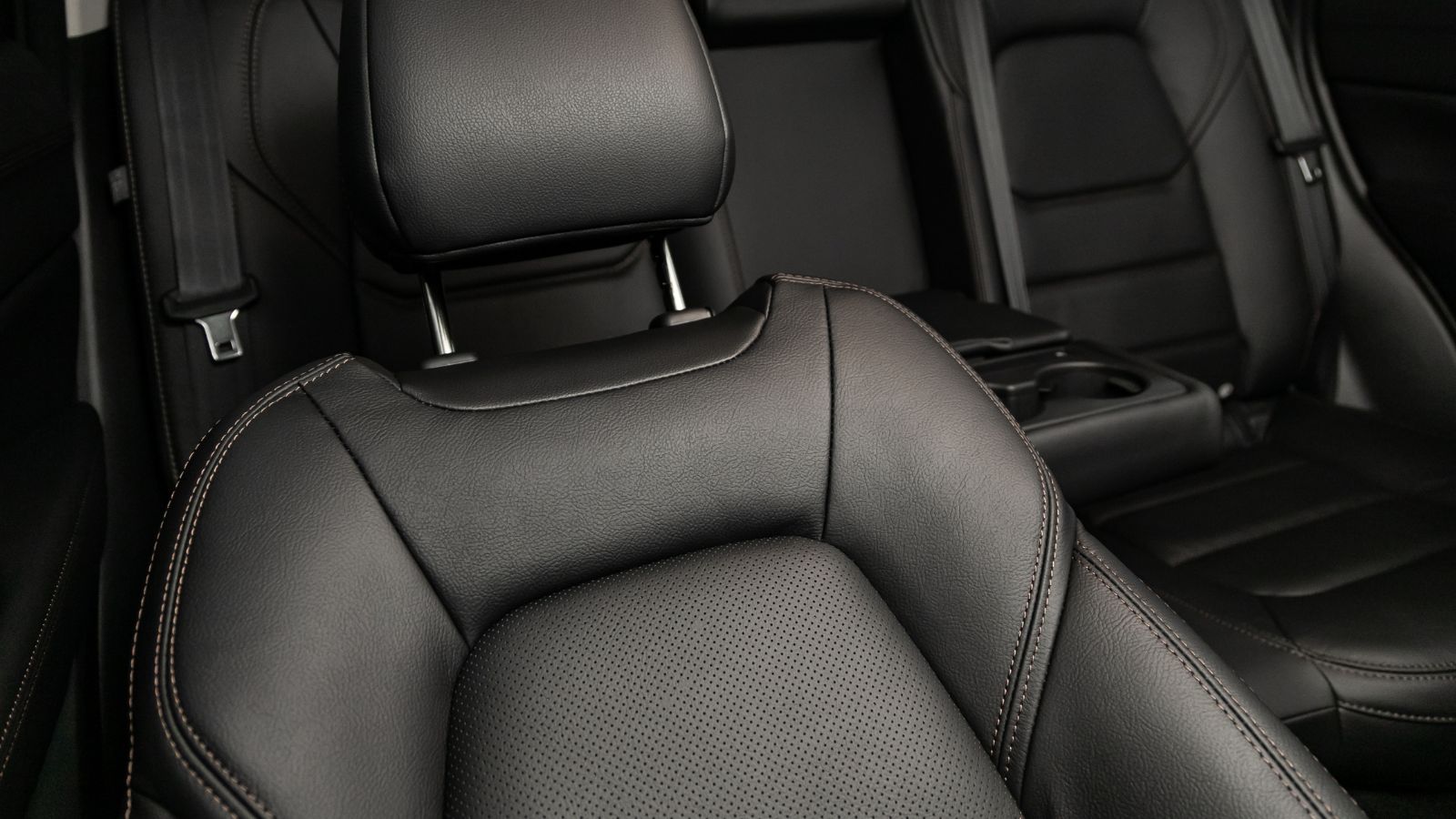
The front seats may be where the Rogue makes its strongest emotional case. Multiple road tests praise Nissan’s seat design for long-distance comfort, and the cabin offers up to 1,110 mm of front legroom. The CR-V provides 1,049 mm, so taller drivers may notice the Nissan’s extra stretch-out room. The Rogue’s seating position also works well with its large windows, creating a spacious feel before anyone checks a tape measure. For a buyer whose test drive starts with the thought that the seat simply fits, that advantage can outweigh a lot of smaller specification differences.
Move to the second row and the balance shifts. Honda lists 1,042 mm of rear legroom for the CR-V, compared with Nissan’s 978 mm for the Rogue. That 64-mm difference is meaningful when adults or rear-facing child seats are part of the routine. The CR-V’s second row feels especially generous for a compact SUV, and its broad cabin reinforces the family-friendly impression. Nissan’s rear seat remains comfortable and easy to access, but it is not as leggy. Front-seat comfort favours Rogue; rear-seat room favours CR-V. Families should deliberately sit in both rows before deciding.
The CR-V Has More Cargo Space, but Nissan Gets Clever
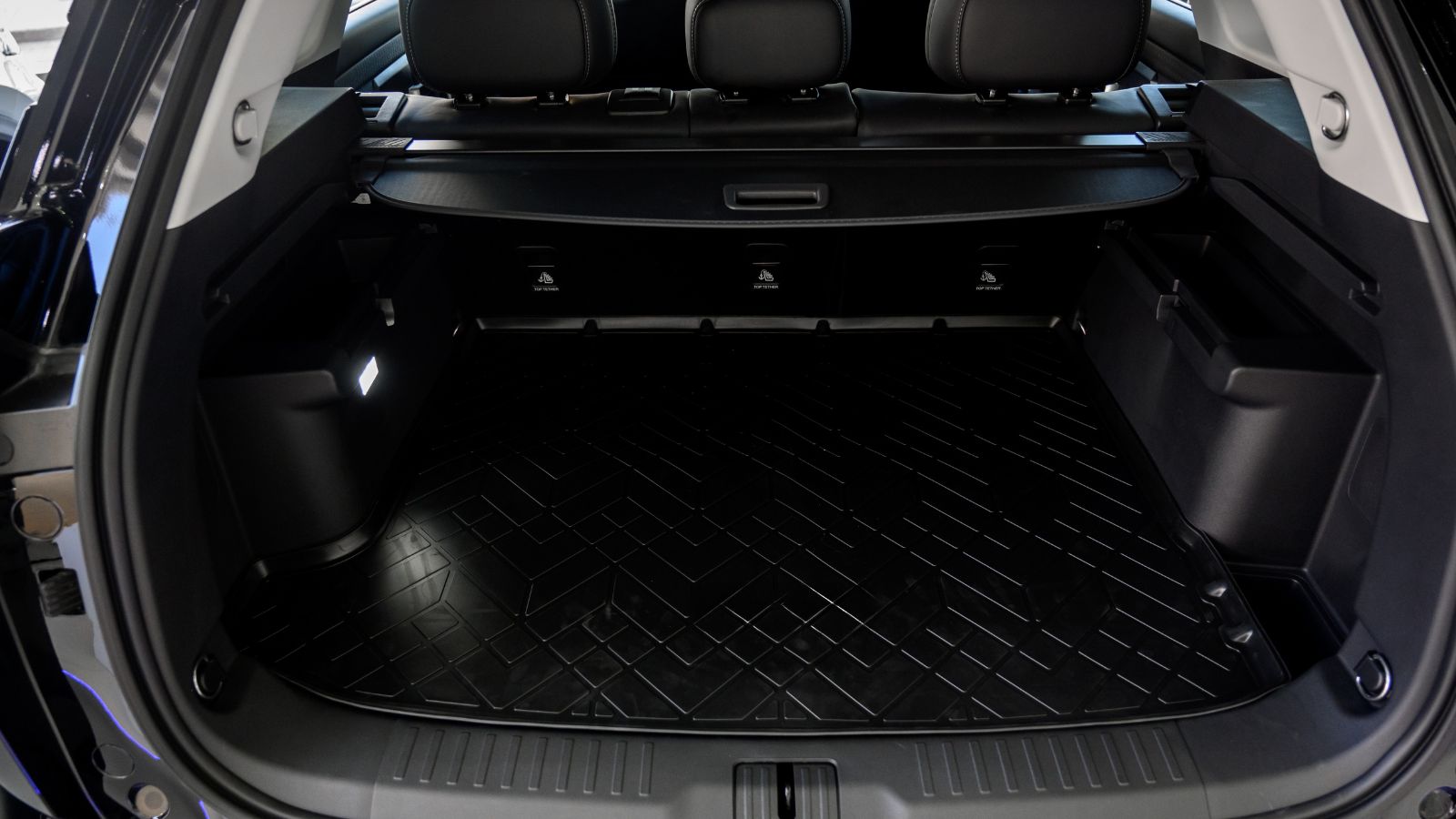
The CR-V also holds a measurable cargo-space advantage in the Canadian specifications. Honda lists 1,113 litres behind the second row and 2,166 litres with the rear seats folded. The conventional Rogue lists 1,033 litres behind the second row and 2,098 litres with those seats down. The raw difference is not enormous, but it can matter when a stroller, hockey bags, groceries, or luggage are loaded together. The Honda’s boxy cargo area and generous overall volume make its space easy to use rather than merely impressive on paper.
Nissan counters with clever organization. Its available Divide-N-Hide cargo system can configure the rear load floor in multiple ways, helping separate groceries, muddy gear, or smaller items that otherwise slide around. That flexibility can make the Rogue feel more thoughtfully designed even though its maximum volume is slightly lower. Both SUVs also offer a broad, practical rear area when the seats are folded. For buyers judging only by litres, the CR-V wins. For those who regularly carry a mix of small and large objects, the Rogue’s configurable cargo floor deserves hands-on testing because it can be more useful than a modest numerical difference suggests.
Winter Confidence and Crash Safety Tell Different Stories
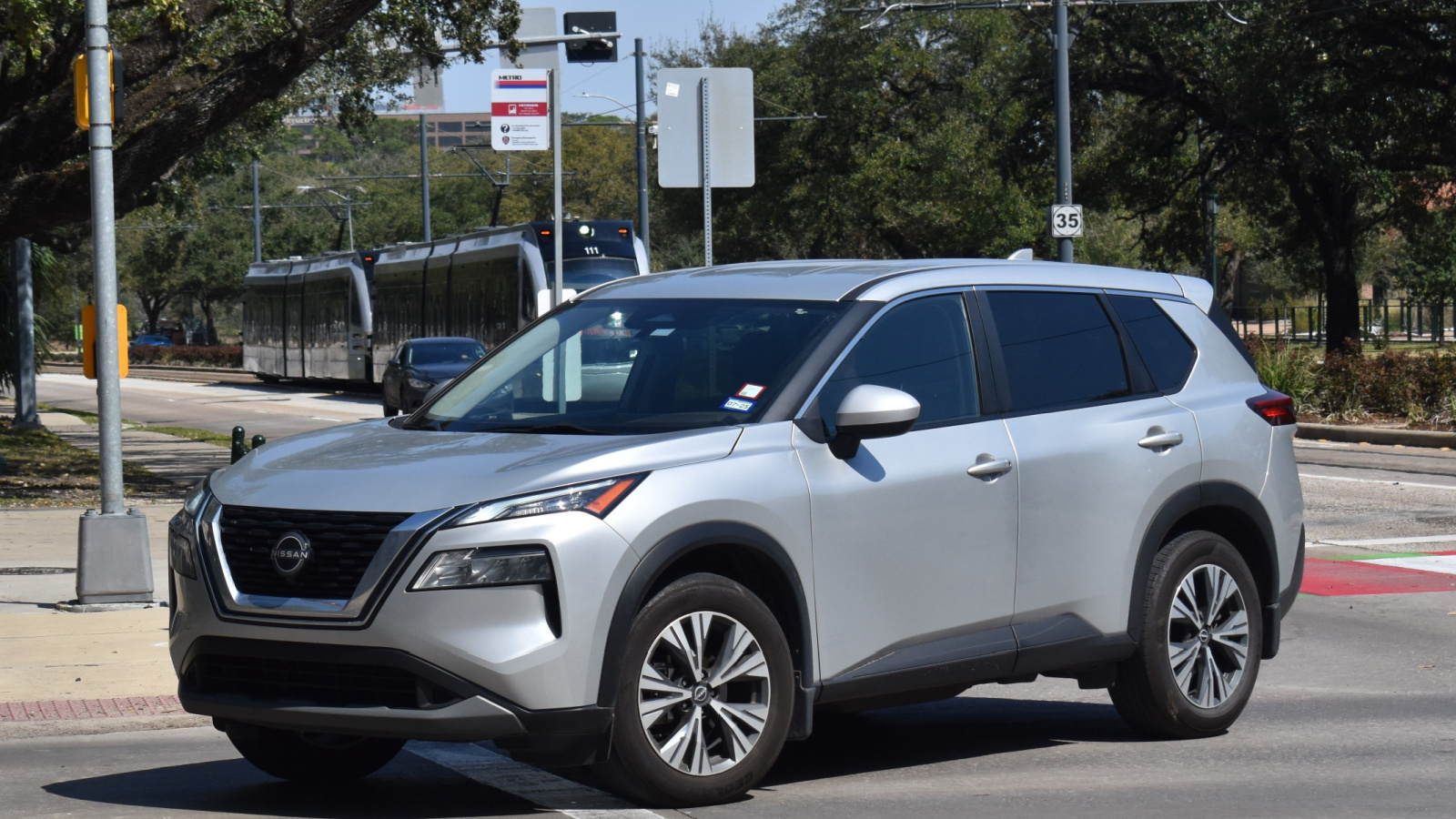
Canadian winter driving adds another layer to the decision. Nissan equips the conventional 2026 Rogue with Intelligent All-Wheel Drive across the Canadian lineup, along with multiple drive modes that include settings intended for snow and more challenging surfaces. Honda offers Real Time AWD on much of the CR-V range, but the entry LX is also available with front-wheel drive. In slippery conditions, both systems are designed to respond as traction changes, and neither eliminates the importance of proper winter tires. Still, a shopper comparing entry-level vehicles may appreciate that AWD is built into the Rogue’s Canadian starting point rather than requiring a drivetrain step-up.
Safety testing adds an important twist. In IIHS evaluations applying to 2026 models, the Rogue earns Good ratings in the small-overlap and updated side tests and an Acceptable result in the updated moderate-overlap test; it is listed as a 2026 Top Safety Pick. The 2026 CR-V earns Good ratings in small-overlap and updated side testing but a Poor rating in the updated moderate-overlap evaluation, largely because of rear-passenger restraint performance. That does not erase the Honda’s strong driving feel, but it is a reminder that subjective confidence behind the wheel and laboratory crash-test performance are separate questions.
The CR-V Ultimately Feels Like the More Complete Drive
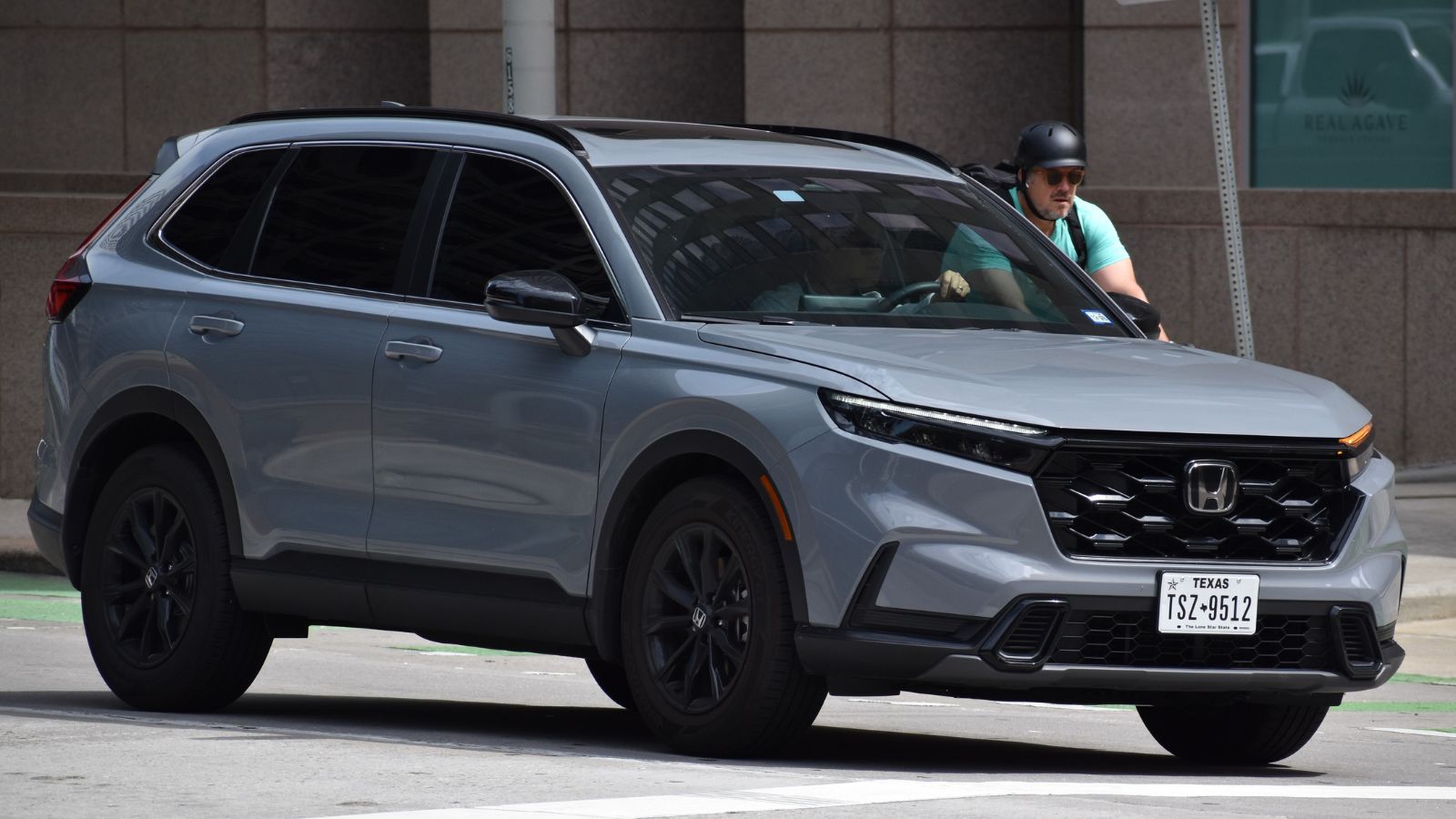
Fuel economy and overall feel bring the comparison together. The standard AWD Rogue is officially rated at 8.3 L/100 km city, 6.8 highway, and 7.6 combined. A gasoline AWD CR-V is rated at 9.1 city, 7.6 highway, and 8.4 combined, so the Nissan actually has the advantage over the comparable gas Honda on the official cycle. The CR-V Hybrid changes the equation again, with Honda quoting combined consumption as low as 6.4 L/100 km with AWD. For drivers covering a lot of urban kilometres, that efficiency advantage adds to the Hybrid’s smoother low-speed behaviour.
After a back-to-back test drive, the Honda CR-V is the stronger overall pick for driving feel, especially in Hybrid form. Its steering, braking, chassis control, rear-seat room, and seamless electrified powertrain create a more cohesive impression. The Rogue is not far behind and will appeal to buyers who value strong midrange torque, exceptionally comfortable front seats, straightforward controls, standard AWD, and useful cargo organization. If the question is simply which one feels better when the keys are returned, the CR-V wins. If the test drive prioritizes punch, seat comfort, and familiar simplicity, the Rogue can still be the more satisfying fit.
19 Used Cars Canadians Should Avoid in 2026 (Based on Owner Complaints)

Buying a used car in Canada can feel safe until repair bills start stacking up. Owner complaints tell a different story than glossy listings. Transmission failures, electrical problems, and weak winter reliability show up again and again in consumer reports. Many of these issues appear after warranties expire, when owners least expect them. Some vehicles look affordable upfront, but become expensive to keep on the road. Others struggle in cold weather, urban driving, or long highway commutes. Here are 19 used cars Canadians should avoid in 2026 (based on owner complaints).
19 Used Cars Canadians Should Avoid in 2026 (Based on Owner Complaints)