
















Small SUVs often promise the practicality of a larger crossover without the price, fuel use, or parking headaches. The catch is that something usually has to give. The Toyota Corolla Cross and Honda HR-V approach that balancing act very differently: Toyota emphasizes efficiency, powertrain choice, ground clearance, and available hybrid performance, while Honda puts more effort into passenger space, interior execution, and road manners.
Using Canadian-market 2026 models as the basis, the comparison comes down to 12 everyday areas that matter after the novelty of a test drive wears off. Neither vehicle is perfect, and the answer changes depending on whether rear-seat comfort, winter capability, fuel costs, or driving refinement matters most. One model, however, offers a broader way around the compromises built into this increasingly competitive class.
The HR-V Is Bigger, but the Corolla Cross Is Easier to Place
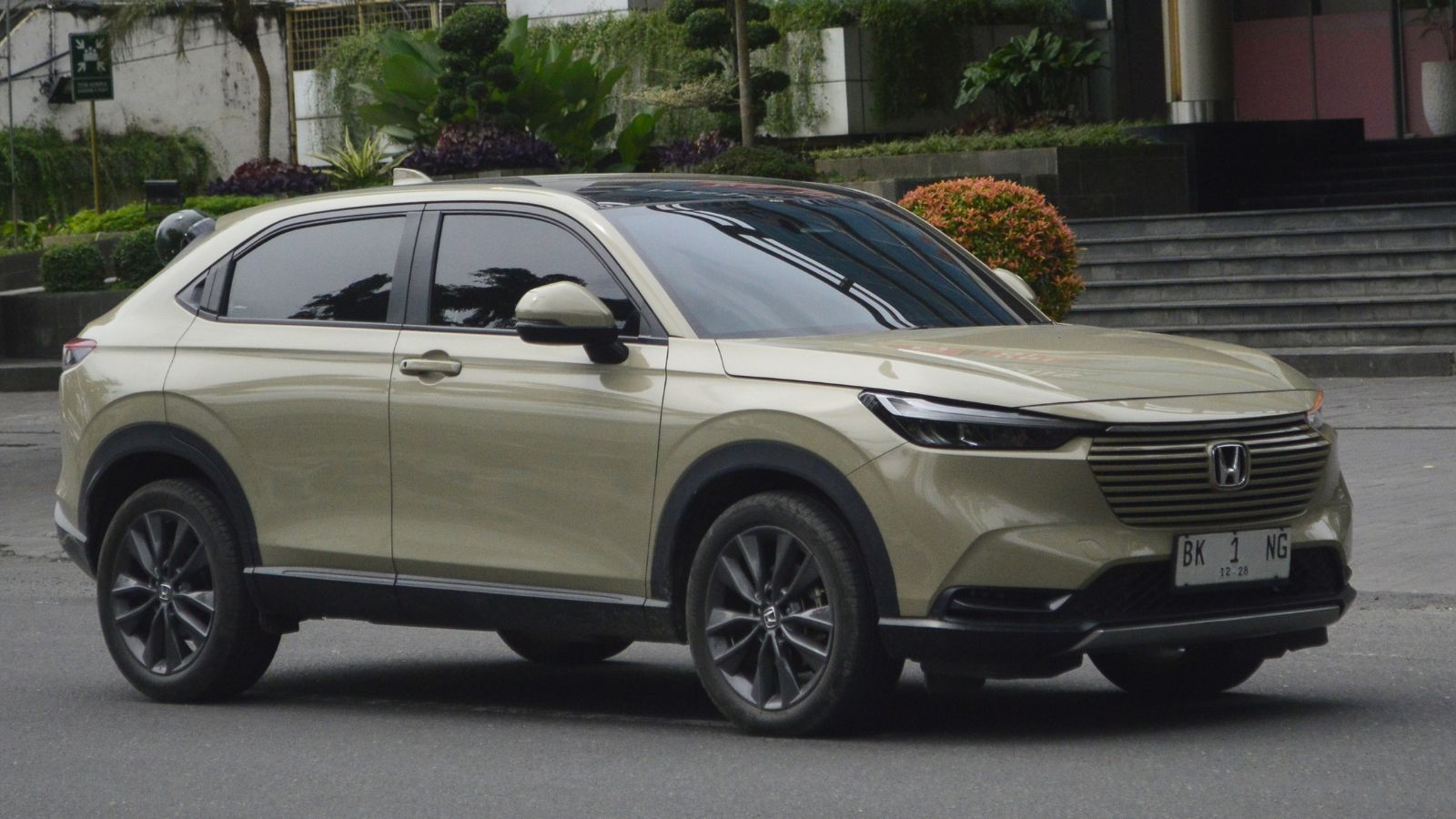
The Honda HR-V is the larger vehicle on paper. Its North American specifications put it at roughly 179.8 inches long, compared with about 176.1 inches for the Corolla Cross. The Honda is also slightly wider and has a marginally longer wheelbase. Neither is large by modern SUV standards, but almost four extra inches of overall length can matter in crowded underground garages or when squeezing into short downtown parking spaces.
Toyota makes good use of its smaller footprint. The Corolla Cross has a turning circle of roughly 35.4 feet, keeping it pleasantly manageable in city driving. Honda’s added length, however, is not wasted: much of the benefit appears inside, particularly in the second row. This creates the first major philosophical difference. The Toyota feels more like a genuinely small crossover designed around easy manoeuvrability, while the Honda stretches the subcompact formula toward compact-SUV passenger space. Buyers regularly carrying people may appreciate Honda’s approach more than those mainly carrying groceries and luggage.
The Gas Engines Are Slow, but Toyota Has a Little More Muscle
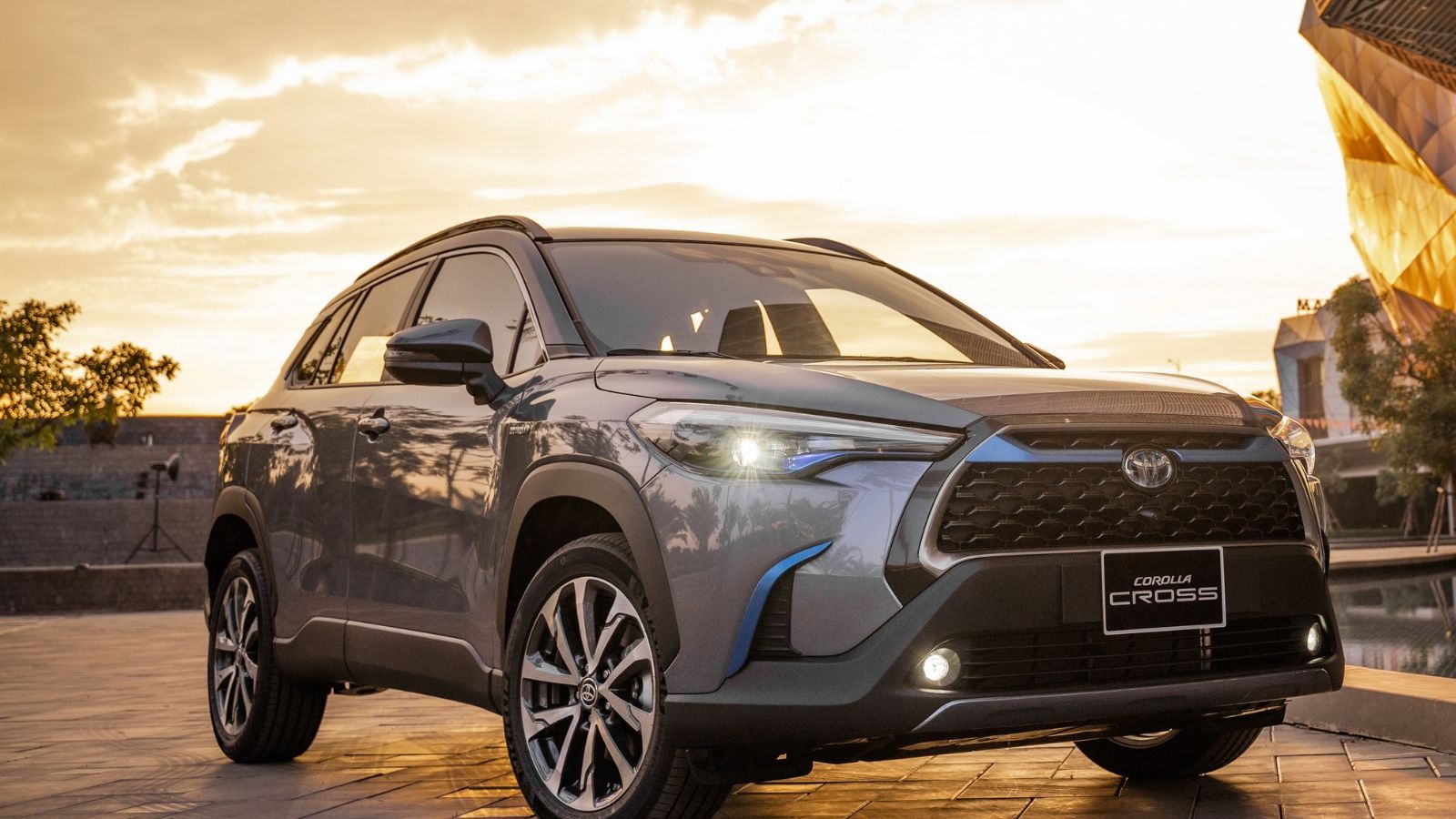
Neither gasoline model is likely to make acceleration a selling point. The Corolla Cross uses a naturally aspirated 2.0-litre four-cylinder producing 169 horsepower, while the HR-V’s 2.0-litre four-cylinder makes 158 horsepower and 138 lb-ft of torque. Both use continuously variable automatic transmissions, and both can be ordered with all-wheel drive. Around town, either provides enough performance for normal commuting without requiring much thought.
Highway merging exposes their limitations. Car and Driver recorded an AWD Corolla Cross reaching 60 mph in about 9.2 seconds, while an AWD HR-V required roughly 9.4 seconds in its testing. Those figures are close enough that neither gasoline SUV feels genuinely quick, and reviewers have criticized both engines for becoming noisy when worked hard. Still, Toyota has a slight advantage when passing or climbing with passengers aboard. Honda’s chassis sometimes feels as though it deserves considerably more engine than it receives. With gasoline power alone, the Corolla Cross is marginally less compromised, even though neither powertrain is especially refined under heavy throttle.
Toyota’s Hybrid Option Changes the Entire Argument
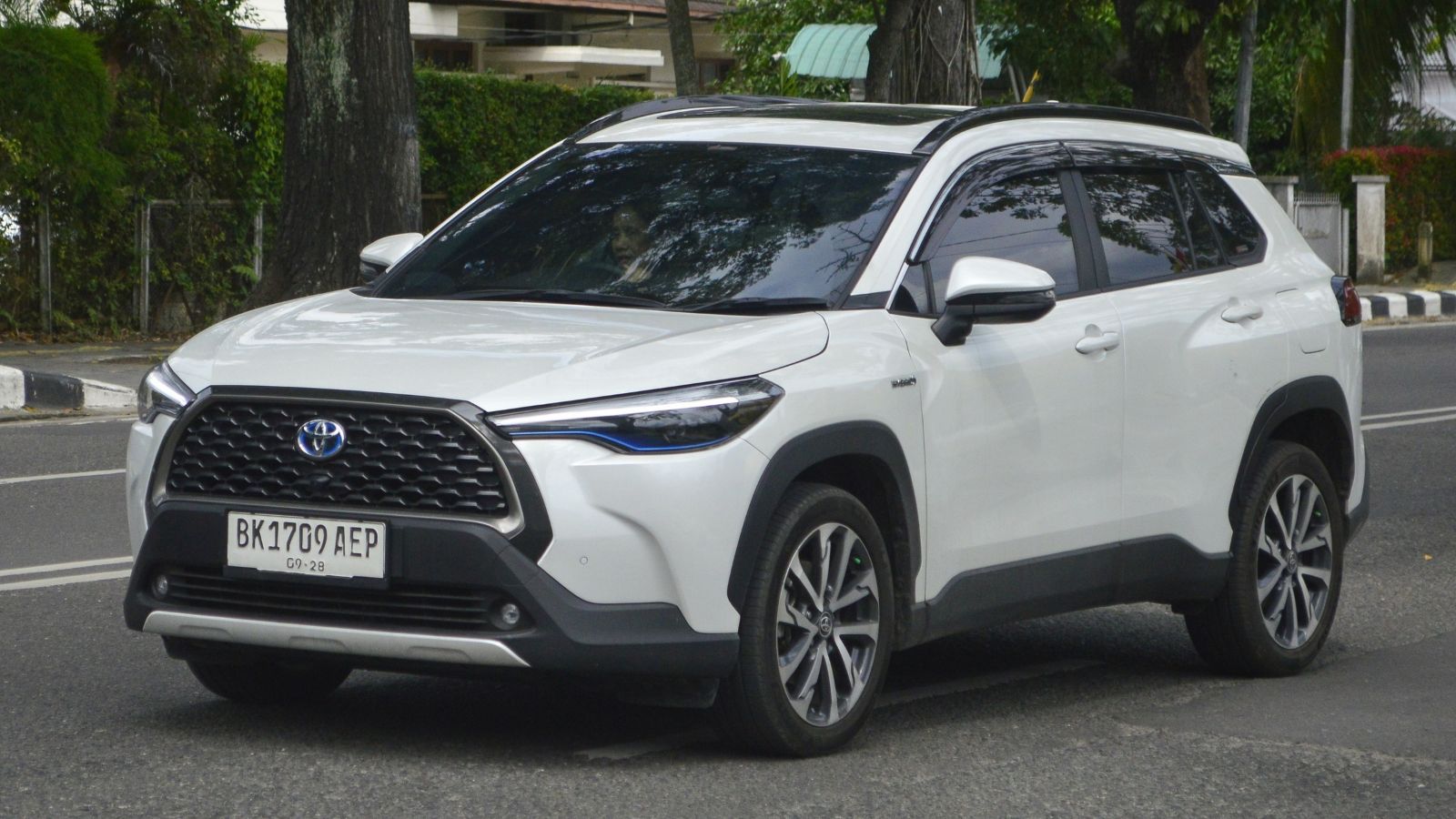
This is where the comparison stops being close. Canada’s Corolla Cross Hybrid combines a 2.0-litre gasoline engine with Toyota’s fifth-generation hybrid system and electric motors for 196 net horsepower. Electronic On-Demand AWD is standard. Toyota estimates 0–100 km/h at 8.2 seconds, while independent testing has shown the hybrid reaching 60 mph substantially quicker than the gas Corolla Cross. Electric assistance also gives it stronger response at the speeds commonly encountered in everyday traffic.
Honda offers no comparable hybrid powertrain in the 2026 Canadian HR-V. Every trim relies on the same 158-hp gasoline engine and CVT. That simplicity may appeal to shoppers who deliberately want a conventional naturally aspirated engine, but it removes an important choice. The Corolla Cross Hybrid is not a performance SUV, yet it addresses two of the regular Corolla Cross’s biggest weaknesses at once: acceleration and fuel consumption. Instead of accepting sluggish performance to save fuel, buyers can get noticeably better response while consuming considerably less gasoline. That flexibility gives Toyota a major advantage.
Fuel Economy Is One of Toyota’s Strongest Wins
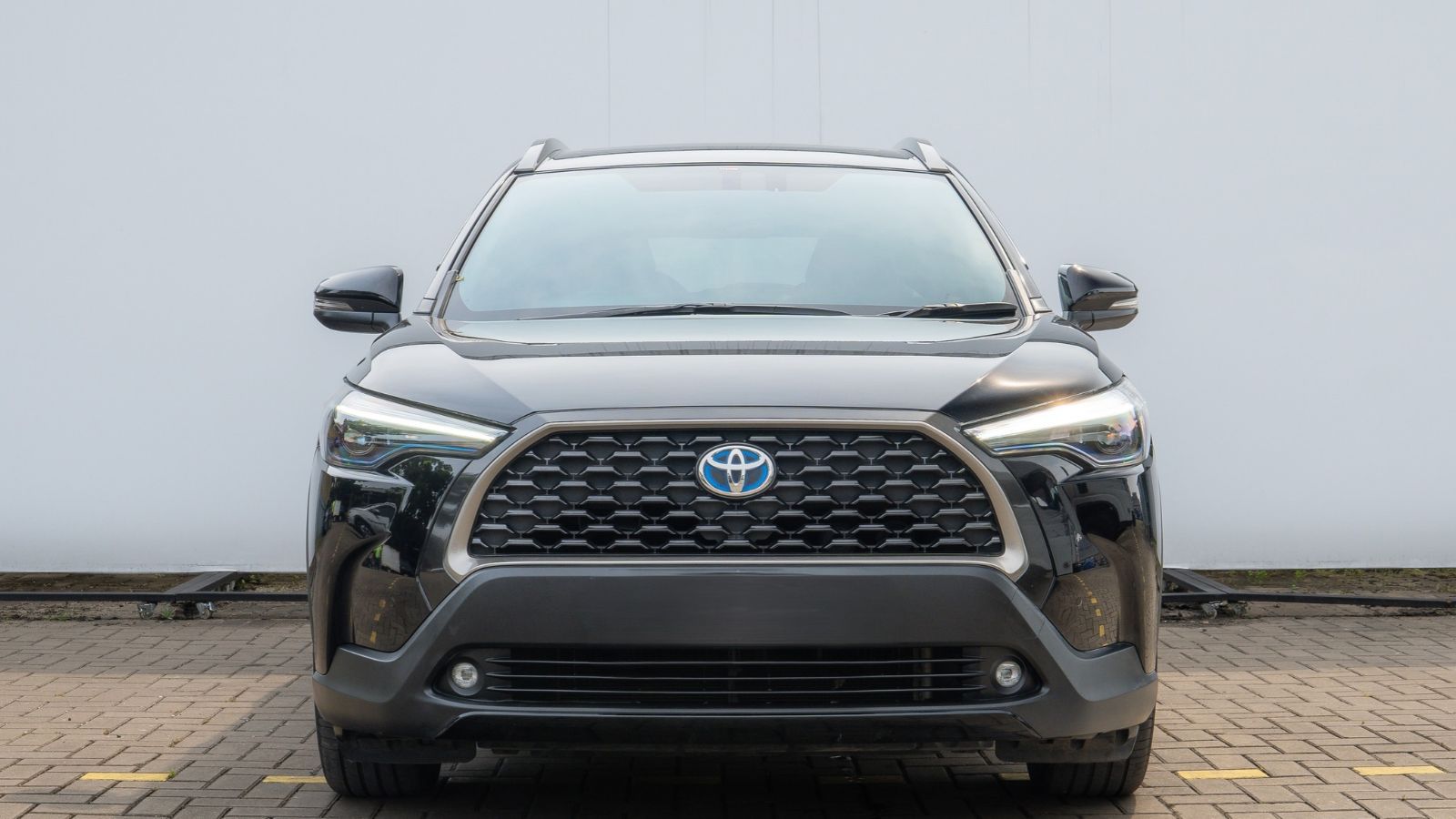
The gasoline Corolla Cross is already more economical on paper. Toyota rates Canadian front-wheel-drive versions at approximately 7.4 L/100 km combined and AWD versions at 7.8 L/100 km. Honda rates the HR-V at 8.3 L/100 km combined with front-wheel drive and 8.7 L/100 km with Real Time AWD. The difference is not enormous on a single commute, but it becomes meaningful across years of ownership.
The Corolla Cross Hybrid widens the gap dramatically, with Toyota quoting 5.6 L/100 km combined. Consider a driver travelling 20,000 kilometres annually. Compared with an AWD HR-V rated at 8.7 L/100 km, the Toyota hybrid would theoretically consume about 620 fewer litres over that distance using the official combined figures. At $1.60 per litre, that works out to roughly $990 before accounting for real-world conditions. Fuel economy varies with weather, speed, tires, traffic, and driving style, but the scale of the difference is difficult to dismiss. For buyers planning to keep the vehicle for years, Toyota offers far more room to reduce operating costs.
Canadian Winter Use Tilts Toward the Corolla Cross
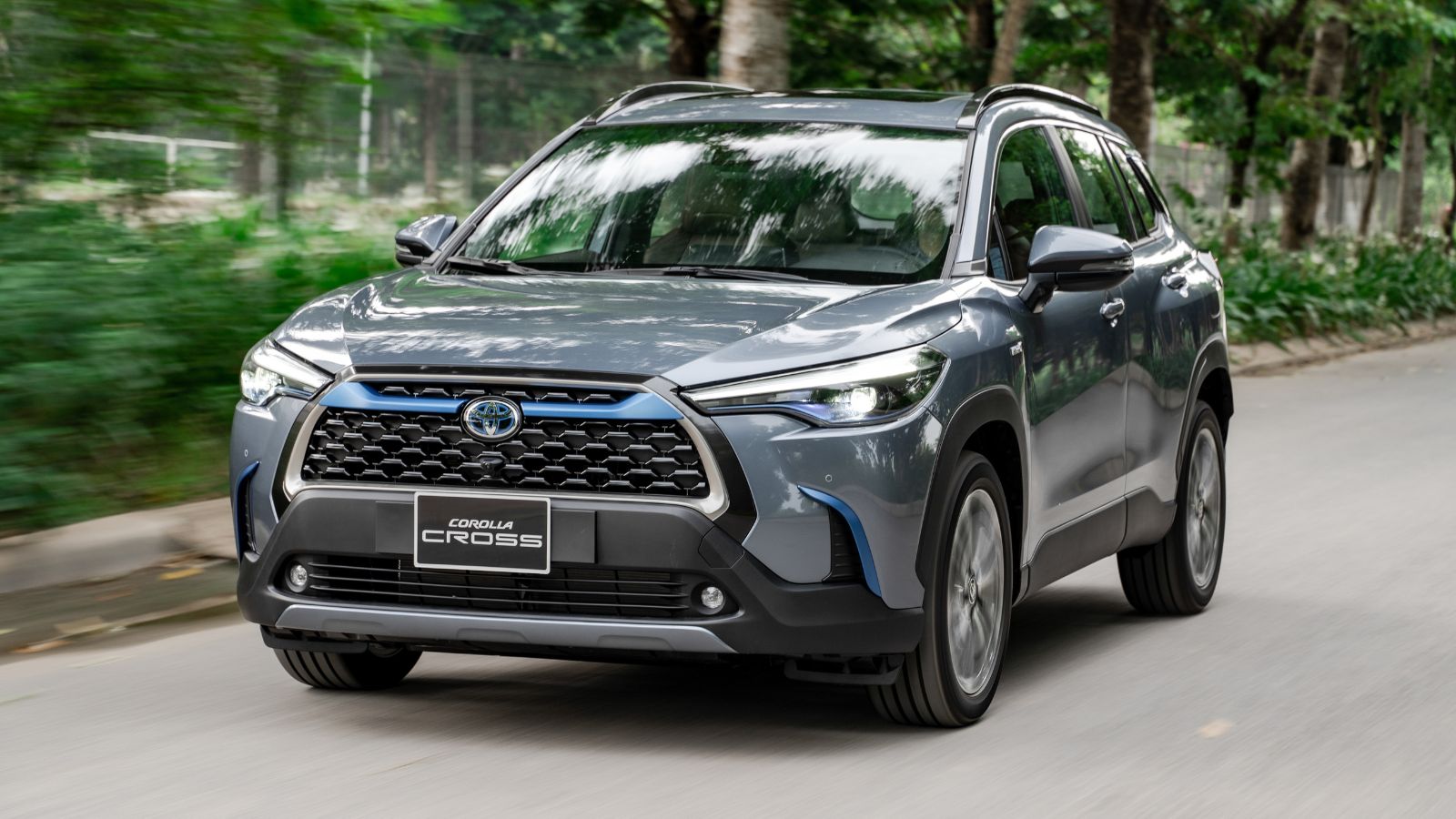
Both crossovers can provide all-wheel drive, but the Corolla Cross carries several advantages for rough winter conditions. Toyota’s gas AWD system can send as much as 50 per cent of available power toward the rear wheels when needed, while hybrid versions use an electrically driven rear axle. The gasoline Corolla Cross also provides roughly 8.2 inches of published ground clearance, with the hybrid close behind at about 8.0 inches.
The HR-V’s Real Time AWD system automatically transfers torque toward the rear when conditions demand it, and Honda also provides a Snow drive mode. However, published ground clearance is approximately 7.0 to 7.3 inches depending on configuration. An inch is not decisive on a plowed road, but it can become useful when a driveway has been buried overnight or deep snow has accumulated between lanes. Proper winter tires remain much more important than the badge on the AWD system, but Toyota supplies more physical clearance. For Canadian shoppers frequently dealing with unplowed roads, cottage access, or heavy snowfall, the Corolla Cross feels more SUV-like in this respect.
Honda Feels More Mature When the Road Starts to Bend
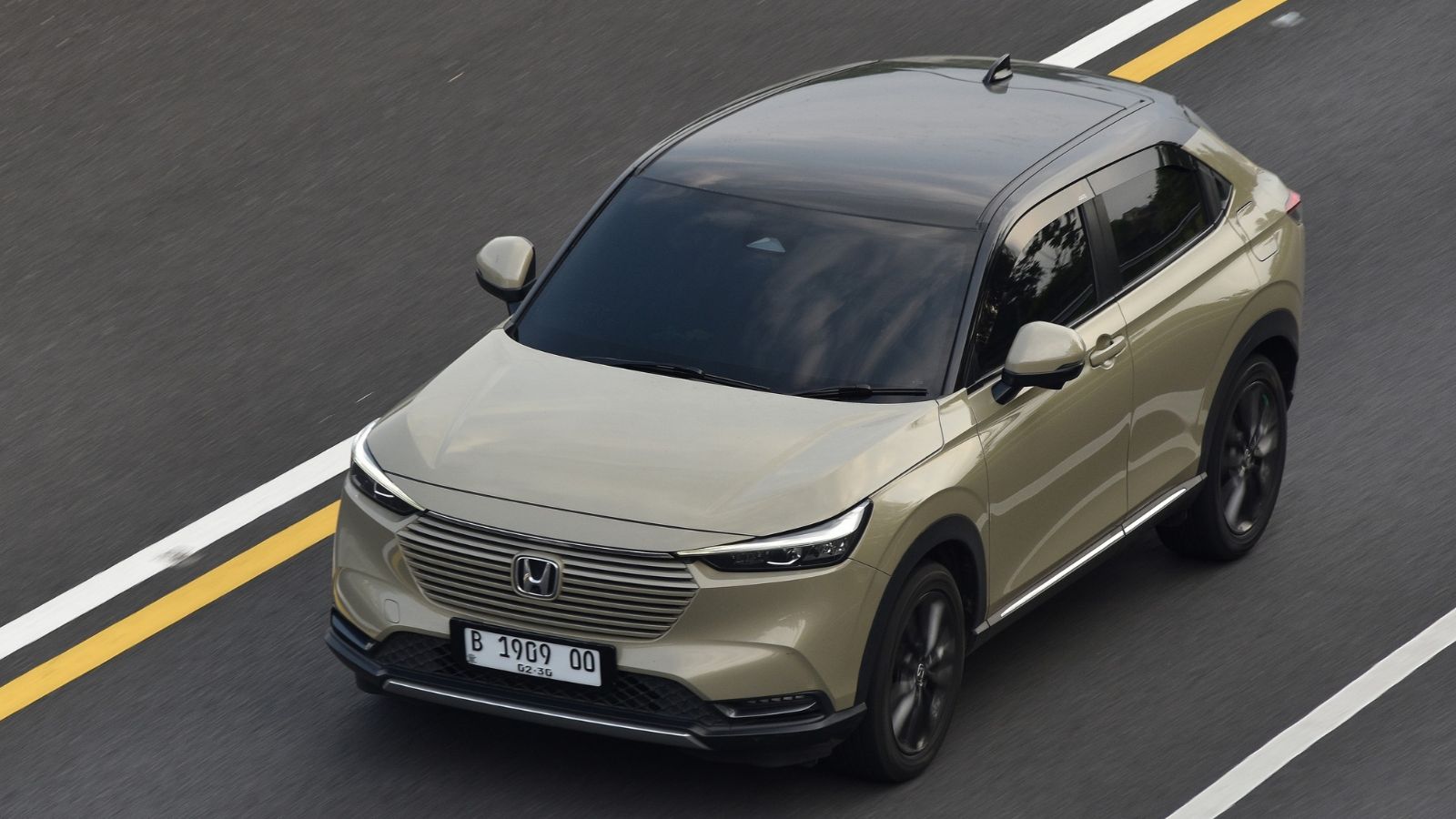
Power is only one part of how a vehicle feels. The HR-V earns back considerable ground with its chassis. Independent reviews consistently describe the Honda as composed, easy to place, and surprisingly tidy through corners. Its steering is light rather than sporty, but the suspension controls the body well while maintaining a generally comfortable ride. Honda’s Civic-derived architecture gives the HR-V a more settled personality than its modest engine output suggests.
The Corolla Cross prioritizes softness and ease instead. Reviewers have praised its comfortable ride but noted more body movement and less enthusiasm when driven quickly. There is an important distinction within Toyota’s lineup: front-wheel-drive gas models use a torsion-beam rear suspension, whereas AWD versions receive a more sophisticated independent rear arrangement and have been praised for better ride quality. The hybrid also feels smoother because electric assistance reduces how hard the engine must work during ordinary acceleration. Still, judged purely on steering, chassis balance, and everyday composure, the HR-V feels like the more polished vehicle. Honda loses the drag race but wins much of the road test.
The HR-V Cabin Makes a Better First Impression
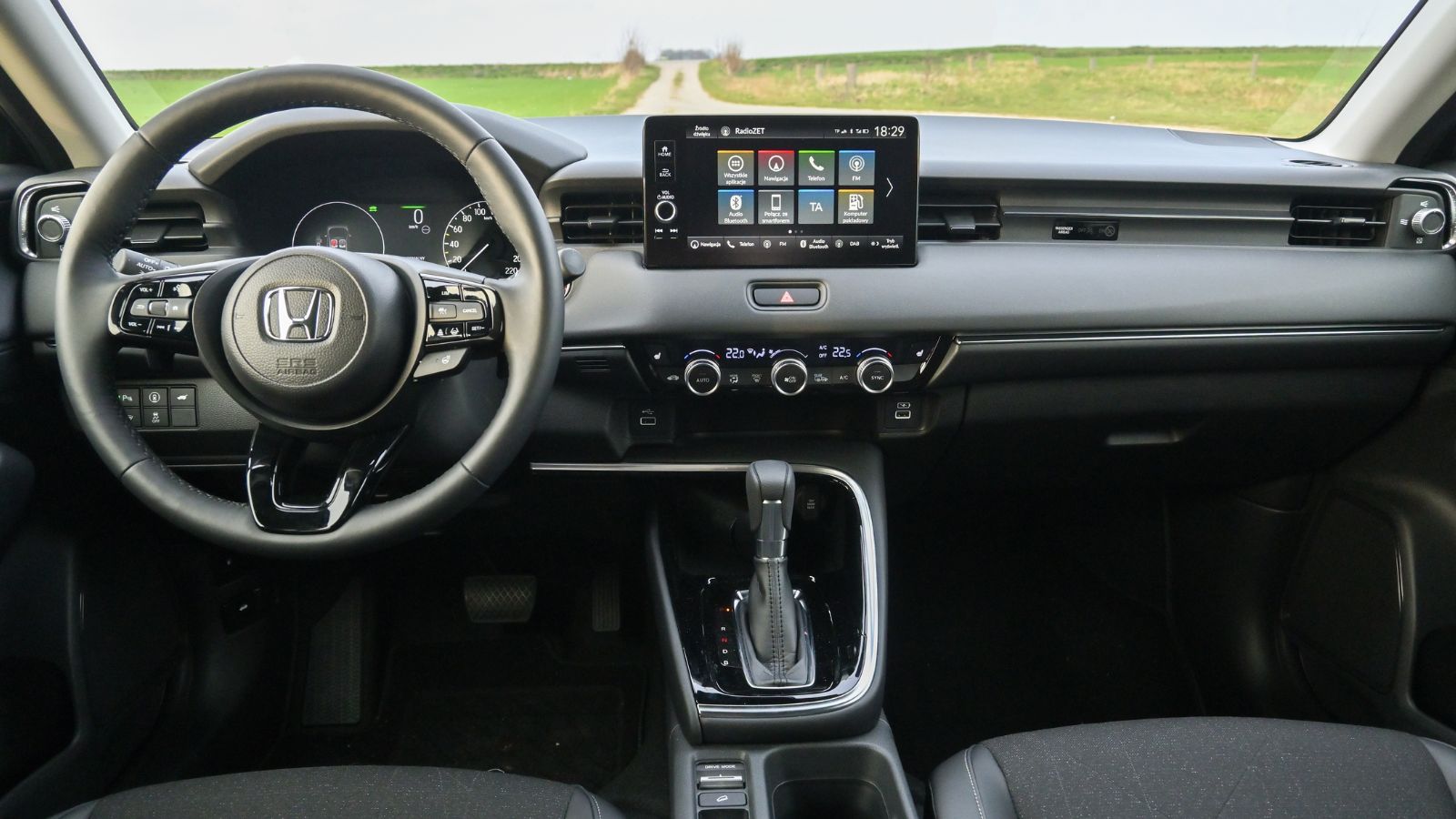
Neither crossover is pretending to be a luxury vehicle, yet material choices matter when drivers touch the same steering wheel, switches, console, and door panels every day. The HR-V borrows heavily from Honda’s current Civic design philosophy, giving it a simple horizontal dashboard and logically positioned controls. Reviewers have particularly praised the quality of major touch points and the intuitive arrangement of the cabin. The effect is restrained rather than flashy, but it generally feels thoughtfully assembled.
Toyota made worthwhile improvements to the Corolla Cross for 2026. The redesigned centre console is cleaner and more useful, and higher trims can add SofTex upholstery, large digital displays, heated rear seats, a moonroof, and other desirable equipment. Yet independent testing still identifies extensive hard plastics and relatively basic trim, especially in the second row. Toyota’s controls are straightforward, which has value of its own, but Honda creates a stronger impression of refinement at similar money. One qualification is seating: some testers have found the HR-V’s front cushions unusually firm, proving that an attractive cabin does not automatically guarantee better long-distance comfort.
Rear-Seat Space Is the Corolla Cross’s Biggest Practical Weakness
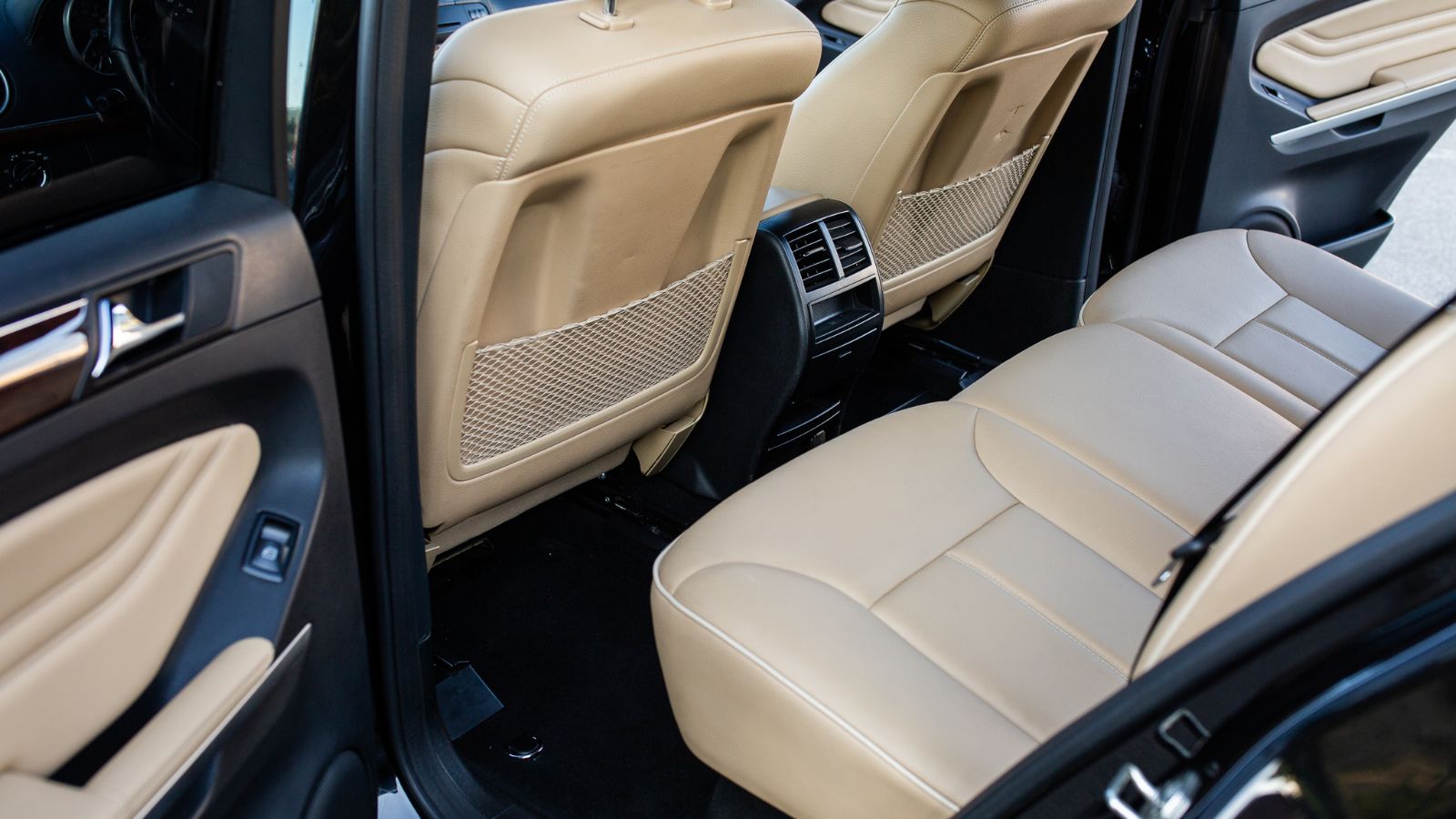
The specification that may surprise shoppers most is rear legroom. Honda publishes approximately 37.7 inches for the HR-V, while Toyota lists roughly 32.0 inches for the Corolla Cross in North American specifications. Manufacturer measurements do not always translate perfectly between brands, but the difference here is large enough to show up clearly in real-world testing. Reviewers repeatedly describe the Toyota’s rear quarters as tight and the Honda’s as unusually roomy for this class.
That difference matters beyond carrying four adults. Installing a rear-facing child seat often forces the front passenger seat forward, and growing children turn adequate knee room into inadequate knee room remarkably quickly. The Honda’s larger rear doors and generous second row can make those everyday tasks easier. The Corolla Cross remains perfectly usable for smaller children or occasional passengers, but buyers who routinely carry adults should physically try the back seat before signing anything. Toyota saves exterior length and still provides useful cargo room, but passenger accommodation pays part of the price. In this category, the HR-V is not simply better on paper; its packaging solves a genuine everyday compromise.
Cargo Space Is Much Closer Than the Back Seat Suggests
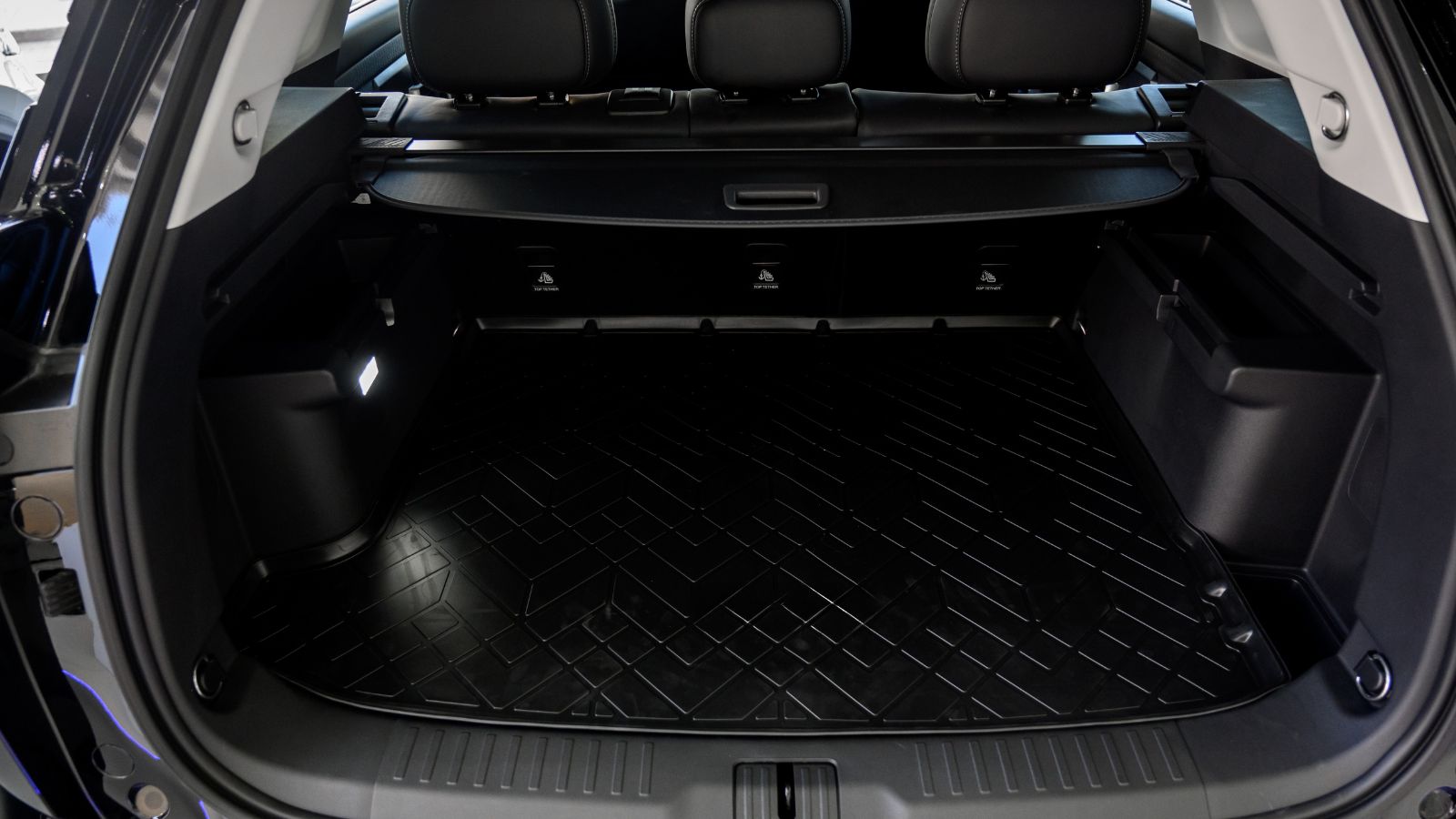
The Honda’s passenger-space advantage might suggest it also dominates cargo capacity, but the difference behind the second row is surprisingly small. Honda lists about 24.4 cubic feet behind the rear seats, while the front-wheel-drive Corolla Cross is around 24 cubic feet in comparable North American measurements. Real-world luggage testing by Car and Driver found both vehicles capable of swallowing seven carry-on cases with the rear seat in use.
Honda pulls ahead when those seats are folded. The same testing accommodated 22 carry-on cases in the HR-V versus 19 in the Corolla Cross. Toyota’s available AWD can also raise the cargo floor and reduce usable luggage volume compared with the front-wheel-drive version. That makes the Honda more versatile for occasional furniture runs, bulky sporting equipment, or airport duty involving several large suitcases. The Toyota is hardly impractical, and its relatively square cargo opening makes everyday loading simple. Still, Honda’s ability to combine a substantially roomier second row with competitive luggage capacity is one of the HR-V’s strongest pieces of packaging work.
Honda Gives More Screen Technology Without Requiring an Upgrade

For 2026, Honda made one of the HR-V’s previous trim-level compromises disappear. Canadian models receive a 9-inch touchscreen with wireless Apple CarPlay and Android Auto, along with wireless phone charging. A 7-inch digital information display is also standard. That means an entry HR-V does not immediately feel like the version purchased simply because the budget would not stretch farther.
Toyota’s approach provides more upside but also more separation between trims. The Corolla Cross starts with an 8-inch Toyota Multimedia display and standard wireless Apple CarPlay and Android Auto. Select higher grades move to a 10.5-inch touchscreen, while upper versions can add a 12.3-inch digital instrument cluster. The top XSE grades also introduce richer audio and convenience equipment. Toyota therefore offers the more impressive maximum specification, but Honda offers the more consistent baseline. For shoppers buying near the bottom of the range, that makes the HR-V unusually complete. For those already considering an XLE or Hybrid XSE, the Corolla Cross can ultimately provide the more elaborate cockpit.
Both Take Safety Seriously, but IIHS Gives Honda the Edge

Standard driver-assistance technology is extensive in both SUVs. The Corolla Cross comes with Toyota Safety Sense 3.0, including technologies such as automatic emergency braking with pedestrian detection, adaptive cruise control, lane-departure assistance, and other active-safety functions. Honda Sensing similarly equips the HR-V with collision-mitigation braking, adaptive cruise control with low-speed follow, lane-keeping assistance, road-departure mitigation, and related systems.
Independent crash testing creates a clearer distinction. The Insurance Institute for Highway Safety lists the 2026–27 HR-V as a Top Safety Pick+, its highest designation under the applicable criteria. The 2026 Corolla Cross earns Top Safety Pick status. Toyota receives “Good” ratings in the updated side and small-overlap evaluations, but an “Acceptable” result in the updated moderate-overlap test prevents it from matching Honda’s designation. That should not be interpreted as the Corolla Cross being unsafe; its results remain strong in several important categories, and its pedestrian front-crash-prevention system earns a “Good” rating. Still, when safety testing is used as the tiebreaker, Honda holds the stronger independent result.
The Corolla Cross Hybrid Is Ultimately the Less Compromised Choice
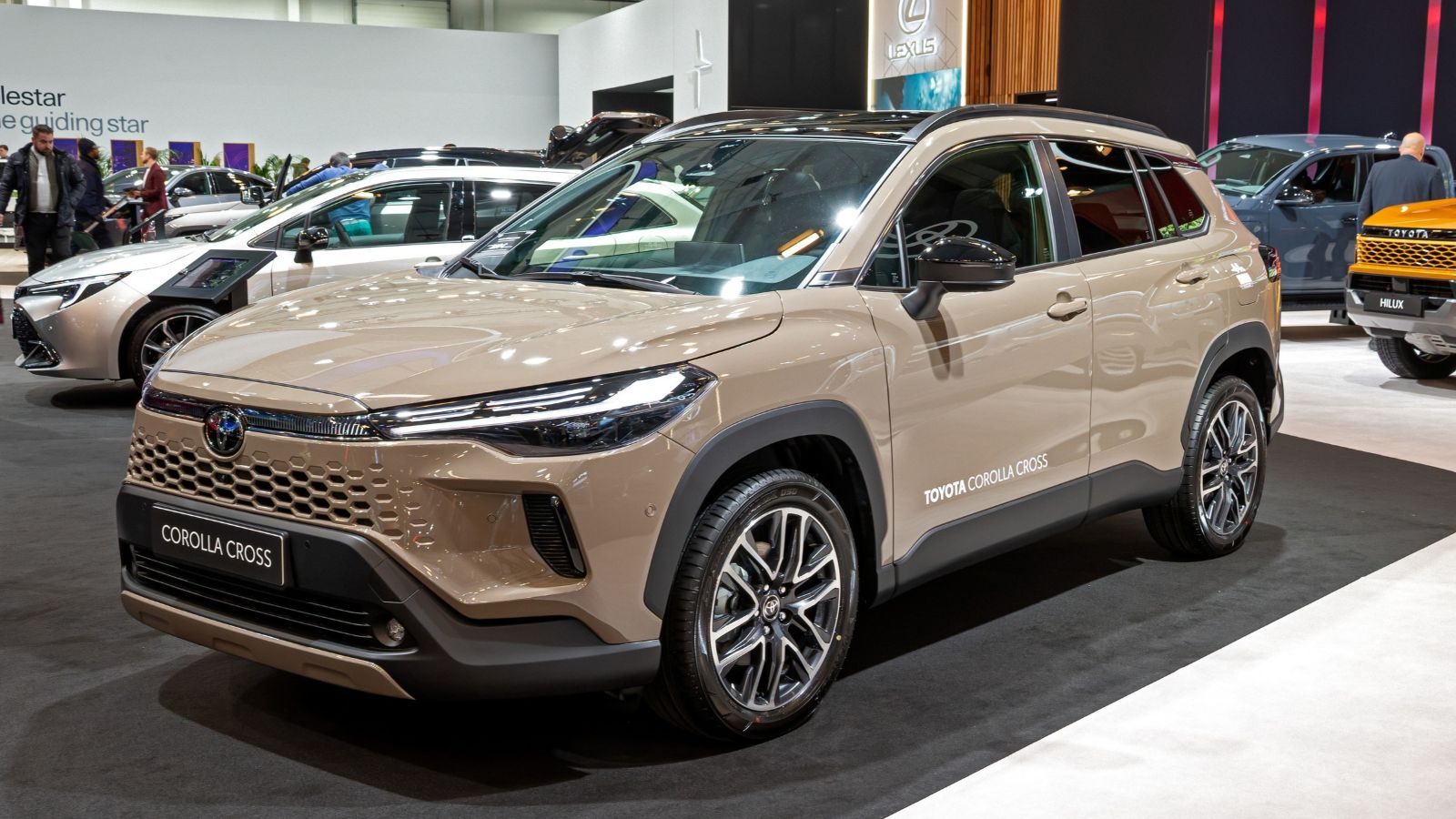
Price makes the conclusion more interesting. Toyota launched the 2026 Corolla Cross in Canada with an MSRP starting at $28,580, while Canadian pricing reported for the 2026 HR-V began around $30,000 before freight. More revealingly, Toyota listed the Corolla Cross Hybrid SE AWD at $35,810, putting an electrified 196-hp AWD version into roughly the same pricing neighbourhood as better-equipped gasoline HR-V trims. Actual transaction prices, incentives, fees, and remaining inventory can naturally change that equation.
The HR-V is arguably the more polished conventional small SUV. It has the better back seat, a more convincing cabin, generous standard technology, composed handling, and the stronger 2026 IIHS designation. Its biggest problem is concentrated under the hood: modest performance comes with relatively ordinary fuel economy, and there is no alternative powertrain. The Corolla Cross has more visible compromises—particularly rear-seat room and interior plastics—but the Hybrid SE AWD fixes its most important mechanical weaknesses while adding excellent efficiency. For most buyers, that makes the Corolla Cross Hybrid the less compromised package overall. For families regularly carrying adults in back, however, the HR-V remains the smarter choice.
19 Used Cars Canadians Should Avoid in 2026 (Based on Owner Complaints)

Buying a used car in Canada can feel safe until repair bills start stacking up. Owner complaints tell a different story than glossy listings. Transmission failures, electrical problems, and weak winter reliability show up again and again in consumer reports. Many of these issues appear after warranties expire, when owners least expect them. Some vehicles look affordable upfront, but become expensive to keep on the road. Others struggle in cold weather, urban driving, or long highway commutes. Here are 19 used cars Canadians should avoid in 2026 (based on owner complaints).
19 Used Cars Canadians Should Avoid in 2026 (Based on Owner Complaints)