

















Mazda has spent years occupying an unusual corner of the mainstream market, selling vehicles priced against familiar mass-market rivals while giving buyers design, materials and driving manners that often reach toward luxury territory. The redesigned 2026 CX-5 and the CX-50 take that formula in noticeably different directions. One emphasizes comfort, space and a thoroughly modern digital cabin; the other combines rugged styling with richer-feeling details and a much broader selection of powertrains. Their starting prices are separated by less than $100 in the United States, making the decision unusually interesting. Across 12 key areas, the comparison shows which Mazda feels more premium—and, just as importantly, which one provides the stronger premium experience for the money.
The CX-50 Makes the Stronger First Impression Inside
Open the doors of both vehicles, and the definition of “premium” immediately becomes complicated. The redesigned CX-5 has a cleaner, more minimalist dashboard than before, comfortable front seats and available leather in Black or Sport Tan. Higher trims also introduce ambient lighting and a panoramic roof, creating the kind of showroom atmosphere buyers increasingly expect from vehicles pushing toward the luxury end of the mainstream market. Its design is contemporary and deliberately uncluttered.
The CX-50, however, retains an advantage in tactile richness. Independent testing has specifically noted that a high-spec CX-50 uses more convincing soft-touch materials than the CX-5 Premium Plus. Its horizontal dashboard, substantial controls and available leather combinations—including Terracotta on the Turbo Meridian—give it a slightly more expensive character. The difference is not enormous, but people who judge quality by touching the dashboard, door panels and switchgear may come away thinking the CX-50 belongs to the pricier vehicle class.
The CX-5 Feels More Luxurious When Space Matters
Luxury is not only about leather and stitching. Extra breathing room can make an everyday vehicle feel considerably more expensive, and this is where the redesigned CX-5 has made major progress. Mazda stretched the model substantially for 2026, including a wheelbase of 110.8 inches, and specifically targeted increased rear-seat legroom, knee room and headroom. Larger rear-door openings also make it easier to enter the second row or install a child seat, an improvement that becomes more noticeable with repeated daily use.
The CX-50 shares the 110.8-inch wheelbase but packages its body differently. Its lower, wider stance helps create the outdoors-oriented appearance, while the CX-5 provides somewhat greater passenger space and headroom according to independent comparisons. The gasoline CX-50 lists 39.8 inches of rear legroom and 100.3 cubic feet of passenger volume. Both are perfectly usable five-passenger SUVs, but the CX-5’s taller, airier presentation now makes it feel more like the relaxed family crossover. For passengers, that additional sense of space can be a premium feature in itself.
The CX-5 Has the More Expensive-Looking Technology
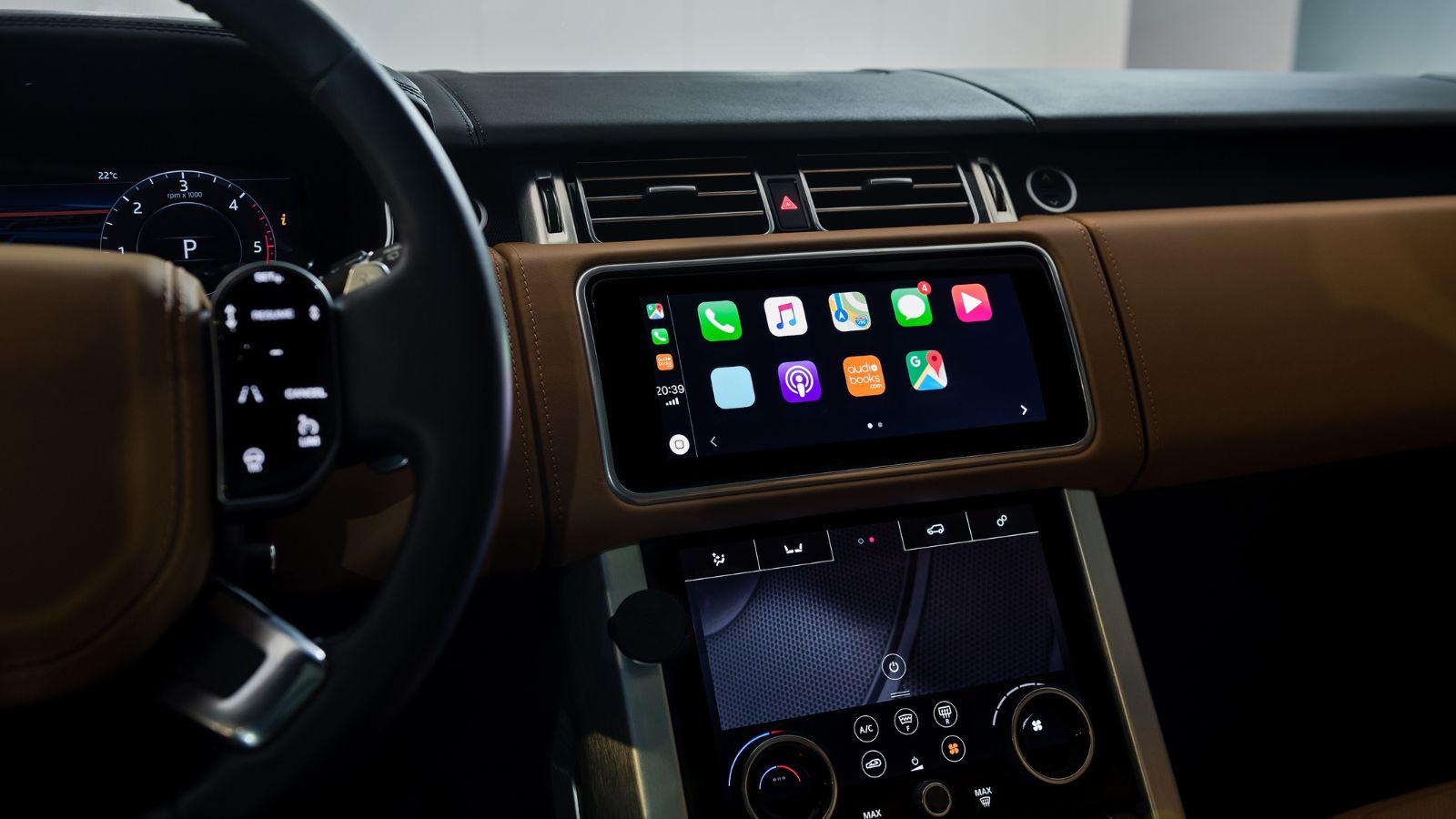
Few changes separate these Mazdas as dramatically as their infotainment systems. Every 2026 CX-5 receives a 12.9-inch touchscreen, while Premium Plus models upgrade to a massive 15.6-inch display—the largest screen Mazda has offered in one of its vehicles. Google built-in brings Google Maps and Google Assistant directly into the system, while Apple CarPlay and Android Auto remain supported. The large display gives the dashboard a more contemporary appearance than the CX-50’s setup.
The CX-50 continues with a 10.25-inch center display, wireless Apple CarPlay and Android Auto, Alexa Built-in and Mazda’s console-mounted multifunction controller. Its interface looks older beside the CX-5, but there is a twist: the CX-50 retains more traditional physical controls. The new CX-5 places functions such as climate adjustments inside its touchscreen, a decision that has drawn criticism from reviewers. Visually, the CX-5 wins this category easily. From an ease-of-use perspective, some buyers may actually find the older CX-50 layout more satisfying.
The CX-50 Offers Powertrains That Feel More Special
At the bottom of the range, these siblings are remarkably similar. The CX-5 uses a naturally aspirated 2.5-liter four-cylinder producing 187 horsepower and 186 lb-ft of torque, paired with a six-speed automatic and standard all-wheel drive. The comparable CX-50 makes 187 horsepower and 185 lb-ft and also uses a six-speed automatic with standard AWD. Neither engine is intended to turn an ordinary commute into a performance event.
Move higher through the CX-50 range, however, and the gap widens dramatically. Its turbocharged 2.5-liter engine can produce 256 horsepower and 320 lb-ft on 93-octane fuel, or 227 horsepower and 310 lb-ft on regular gasoline. Car and Driver recorded 6.4 seconds to 60 mph from a turbo CX-50, versus 8.0 seconds for its tested 2026 CX-5. The CX-50 also offers a 219-horsepower hybrid. For 2026, the CX-5 has no equivalent turbo or hybrid choice; Mazda says its new hybrid arrives in 2027. Powertrain variety gives the CX-50 a distinctly more upscale edge.
The CX-50 Is Sportier, but the CX-5 Has Become More Relaxed
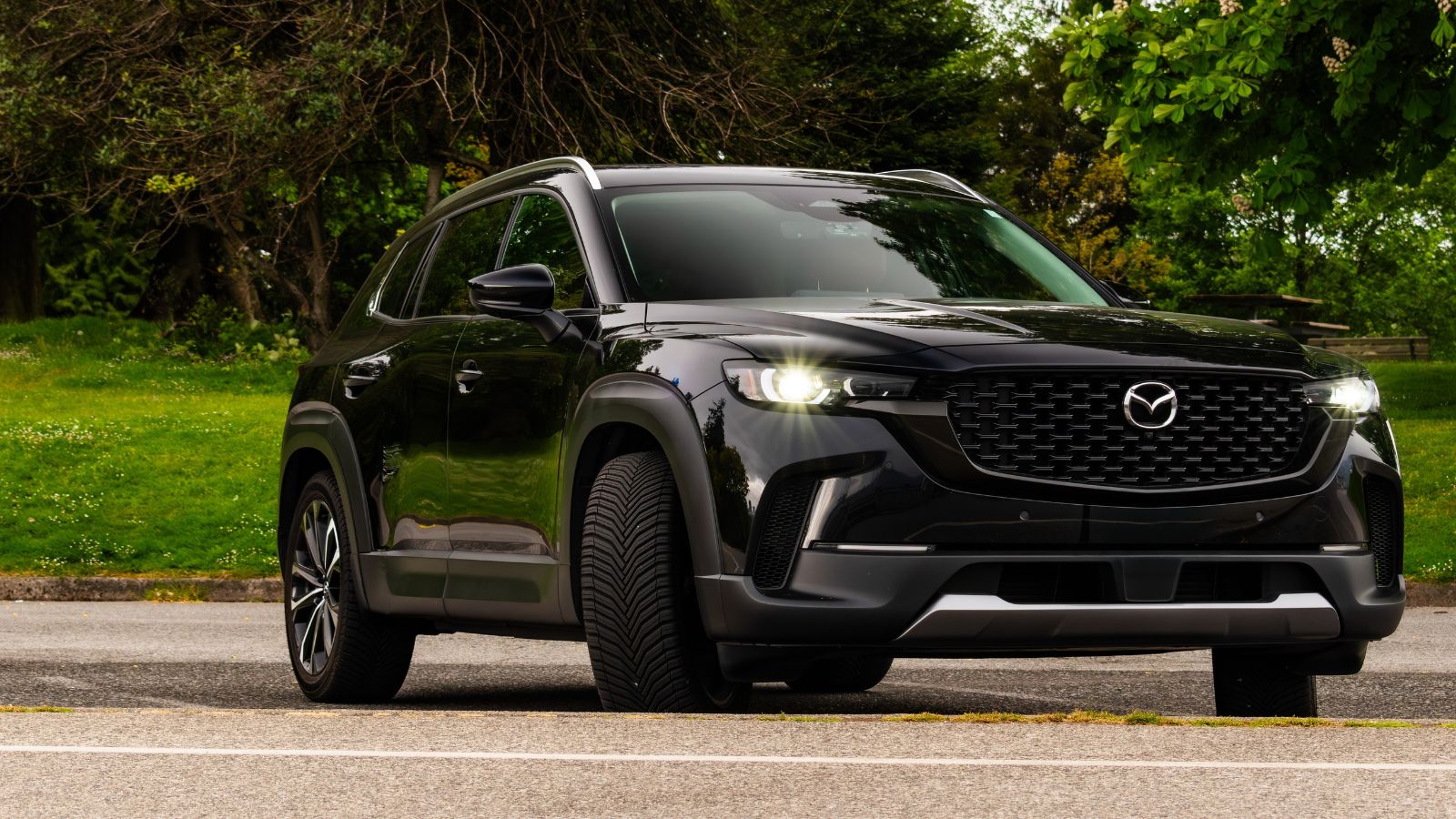
Mazda’s reputation for driver-focused crossovers remains visible in both vehicles, but their personalities are diverging. Reviewers continue to praise the CX-50 for accurate steering and balanced handling. It feels relatively low and planted for a compact crossover, and the additional performance from the optional turbo engine complements that chassis. Importantly, Mazda has managed to provide this responsiveness without turning the CX-50 into an excessively harsh daily driver.
The redesigned CX-5 has moved slightly in the opposite direction. Mazda retuned its suspension with greater compliance in mind, and road tests have found it comfortable over broken pavement while retaining above-average handling ability. There is still enough composure in corners to distinguish it from softer mainstream competitors, although some testers found the new steering either too heavy or less communicative than expected. For a buyer who equates premium with precision, the CX-50 has the advantage. Someone who associates premium vehicles with a smoother, calmer ride may prefer the CX-5’s new personality.
The CX-5 Makes a Stronger Case for Everyday Refinement
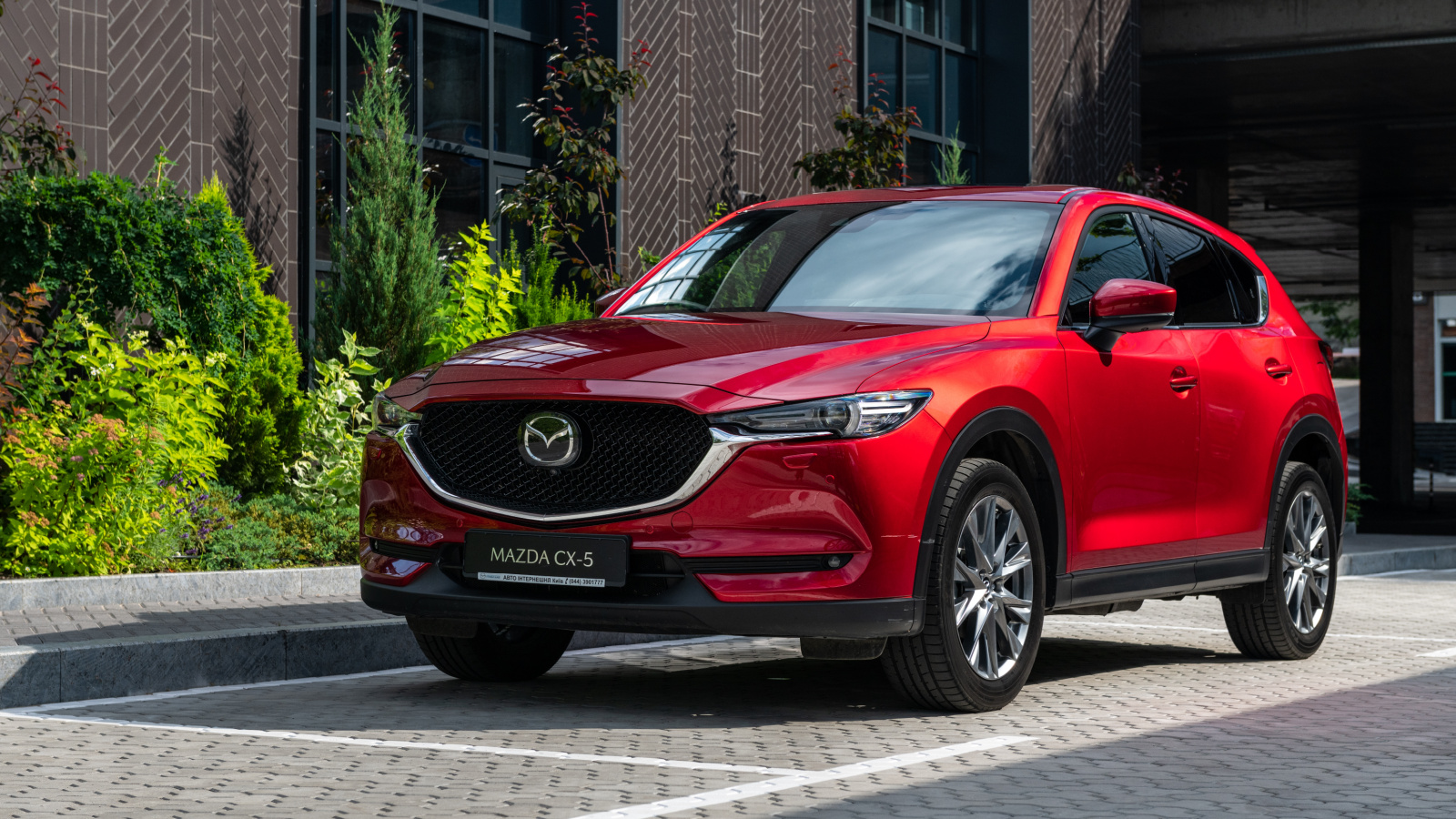
A vehicle can have beautiful materials and still fail to feel expensive if every highway trip is dominated by tire, wind or engine noise. The 2026 CX-5 performs well in this respect. Car and Driver measured 67 decibels inside its Premium Plus test vehicle at 70 mph, while reviewers have described the redesigned model as quiet and comfortable during steady-speed driving. Mazda also says reducing cabin noise was one of the priorities of the new generation.
The engine is less convincing when worked hard. Independent testers have noted that the naturally aspirated four-cylinder becomes more audible under heavy acceleration, reminding occupants that the powertrain remains fundamentally mainstream. The CX-50 follows a similar pattern: Edmunds found relatively little road noise at cruising speeds but more sound at full throttle. Consumer Reports has also characterized the CX-5’s seats as more forgiving than those in the CX-50. Overall, the CX-50 may feel richer to the fingertips, but the CX-5 can feel more relaxed during a long highway trip.
The CX-5 Now Wins the Practical-Luxury Argument
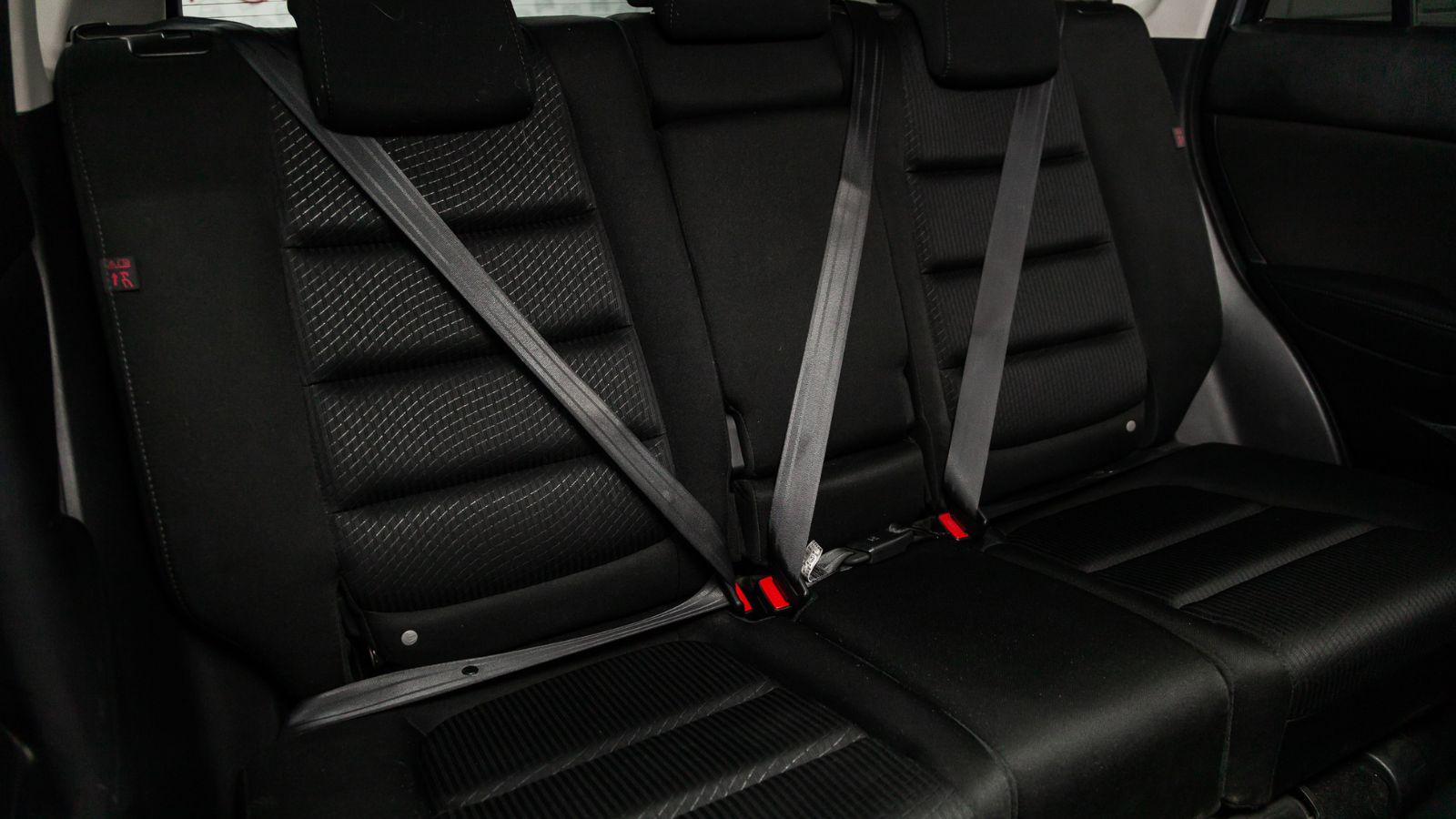
Previous CX-5 generations sometimes asked owners to accept smaller rear accommodations in exchange for sharp styling and enjoyable handling. The 2026 redesign addresses much of that compromise. Car and Driver lists roughly 34 cubic feet of cargo capacity behind the CX-5’s rear seats and about 67 cubic feet with them folded. Mazda also widened the rear hatch opening and lowered the load floor, making bulky items easier to move in and out.
The gasoline CX-50 officially provides 31.4 cubic feet with its rear seats upright and 56.3 cubic feet with them folded. Its cargo area has been intentionally shaped to accommodate outdoor equipment lengthwise, and its roof system is well suited to accessories for bikes, kayaks and other gear. That makes the CX-50 extremely useful for its intended audience, even though its raw cargo numbers do not lead this comparison. For families loading luggage, groceries, strollers or larger everyday items, the CX-5’s newfound practicality creates a more effortless experience—and effortless usability is something expensive vehicles are supposed to provide.
Their Exterior Designs Present Two Different Kinds of Premium
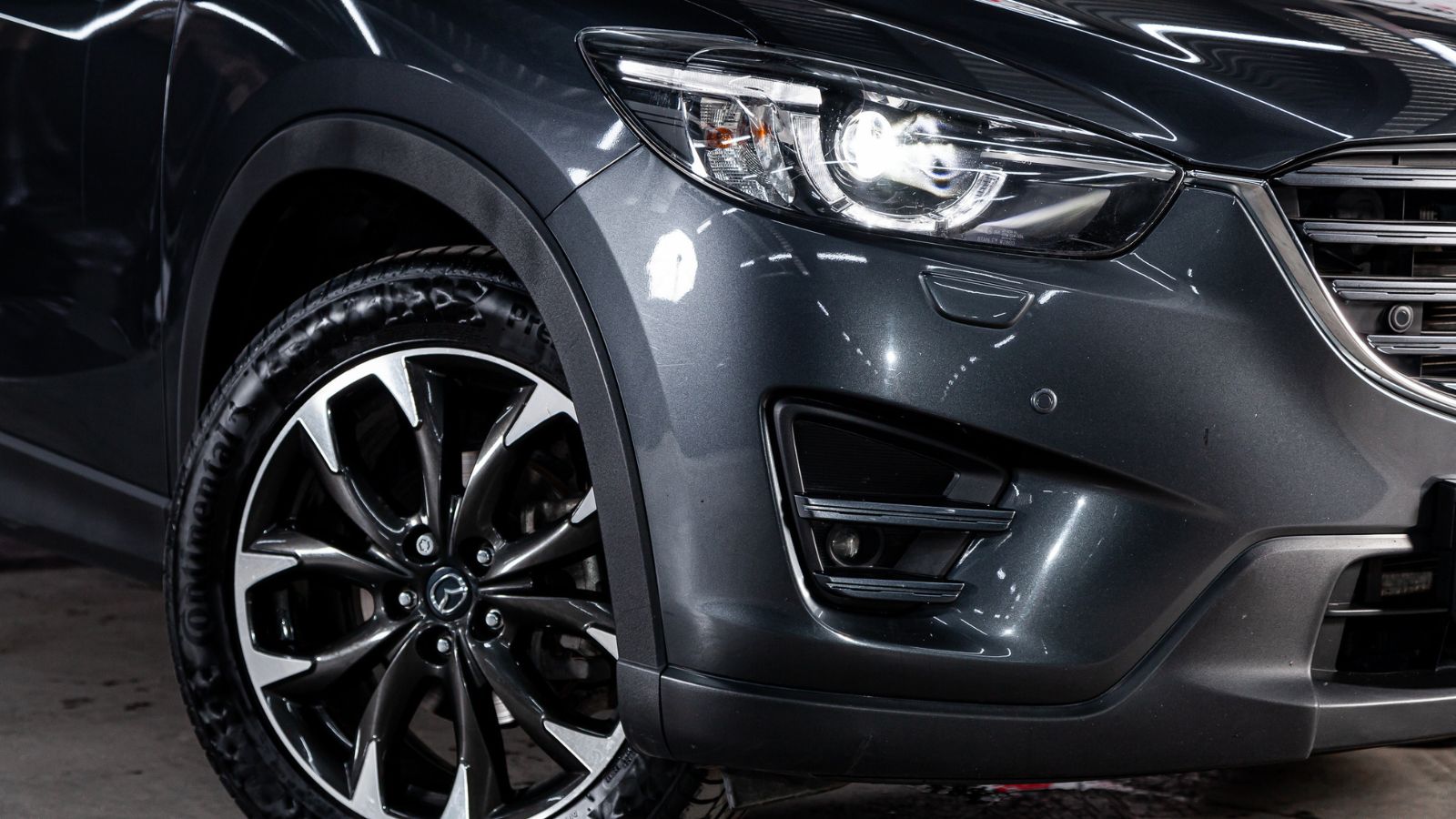
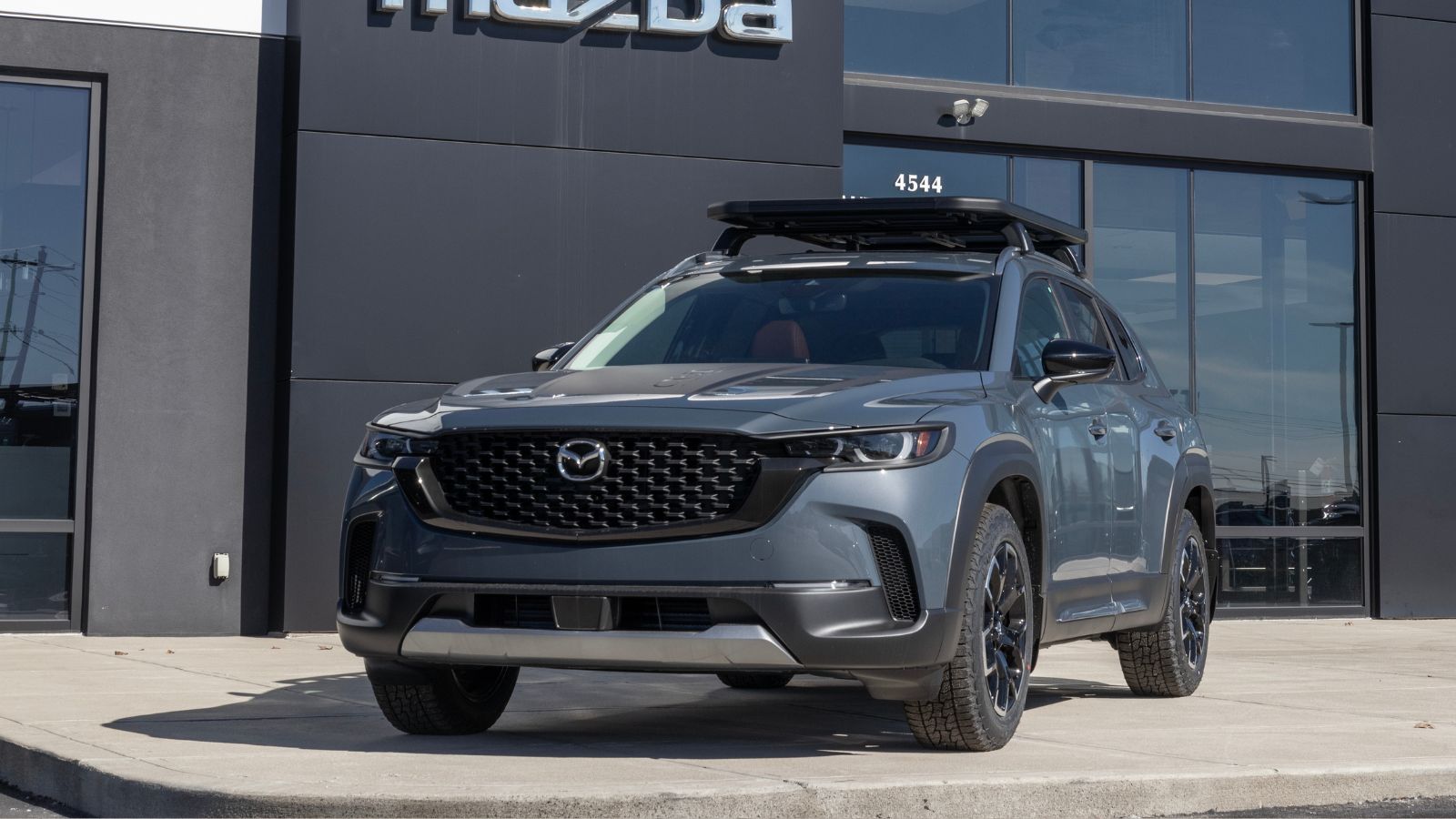
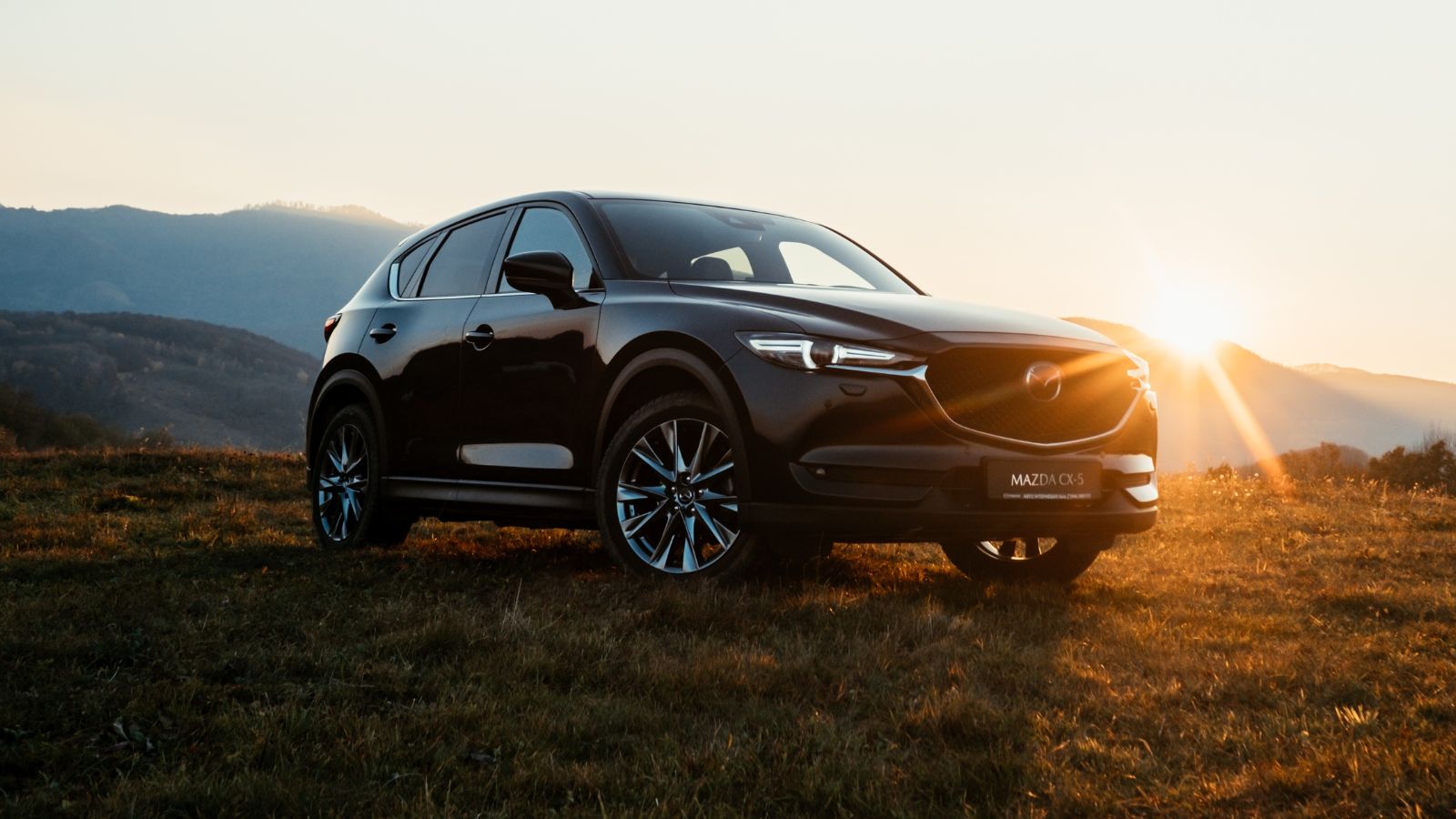
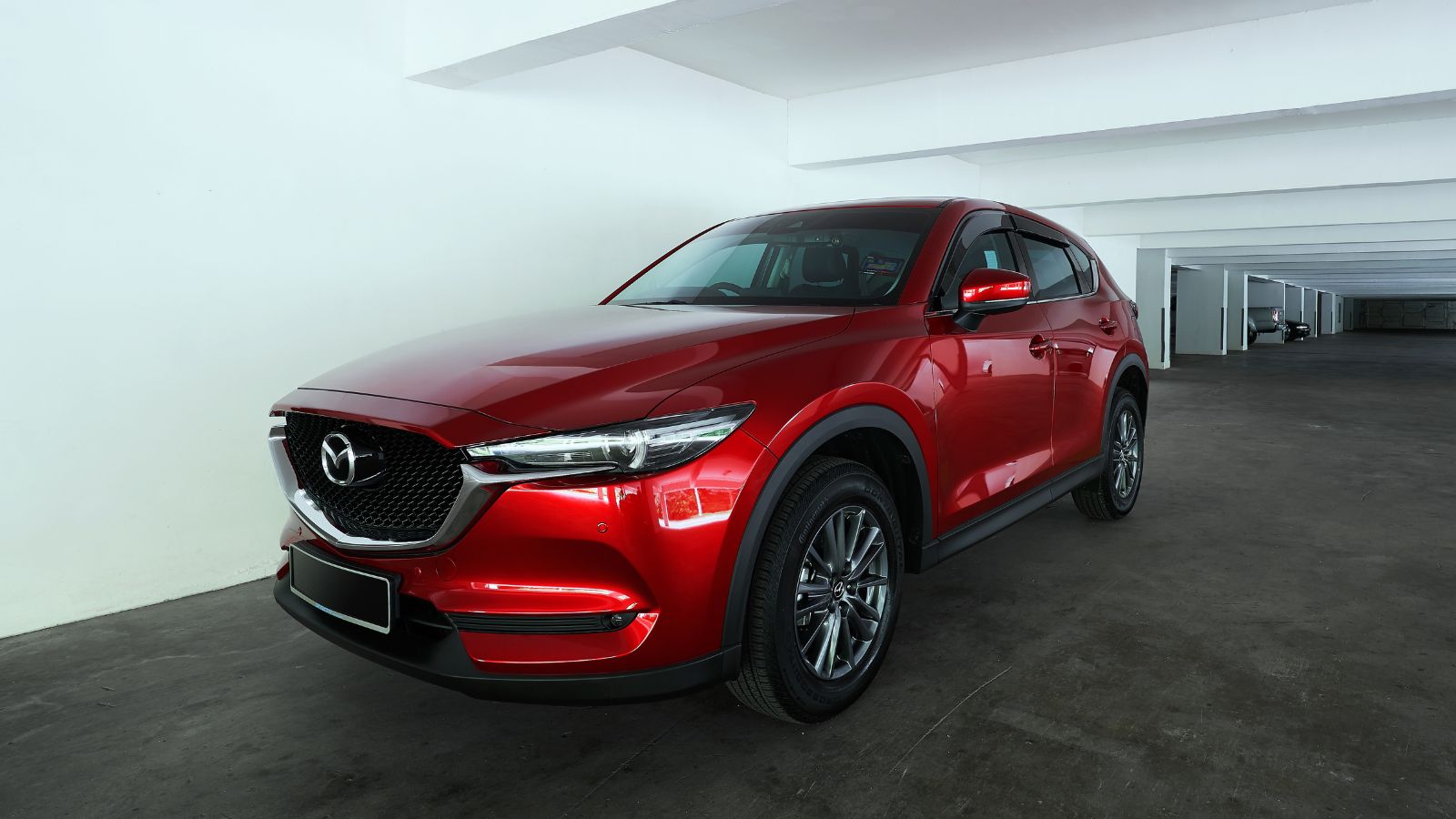
The CX-5 takes the more traditional route toward sophistication. Its latest evolution of Mazda’s Kodo design retains the familiar flowing proportions of previous generations but adds a broader stance, two-tier daytime-running-light treatment and prominent MAZDA lettering across the rear. Rather than relying heavily on rugged detailing, it appears designed to look at home outside an office, restaurant or downtown condominium. The result is understated rather than overtly adventurous.
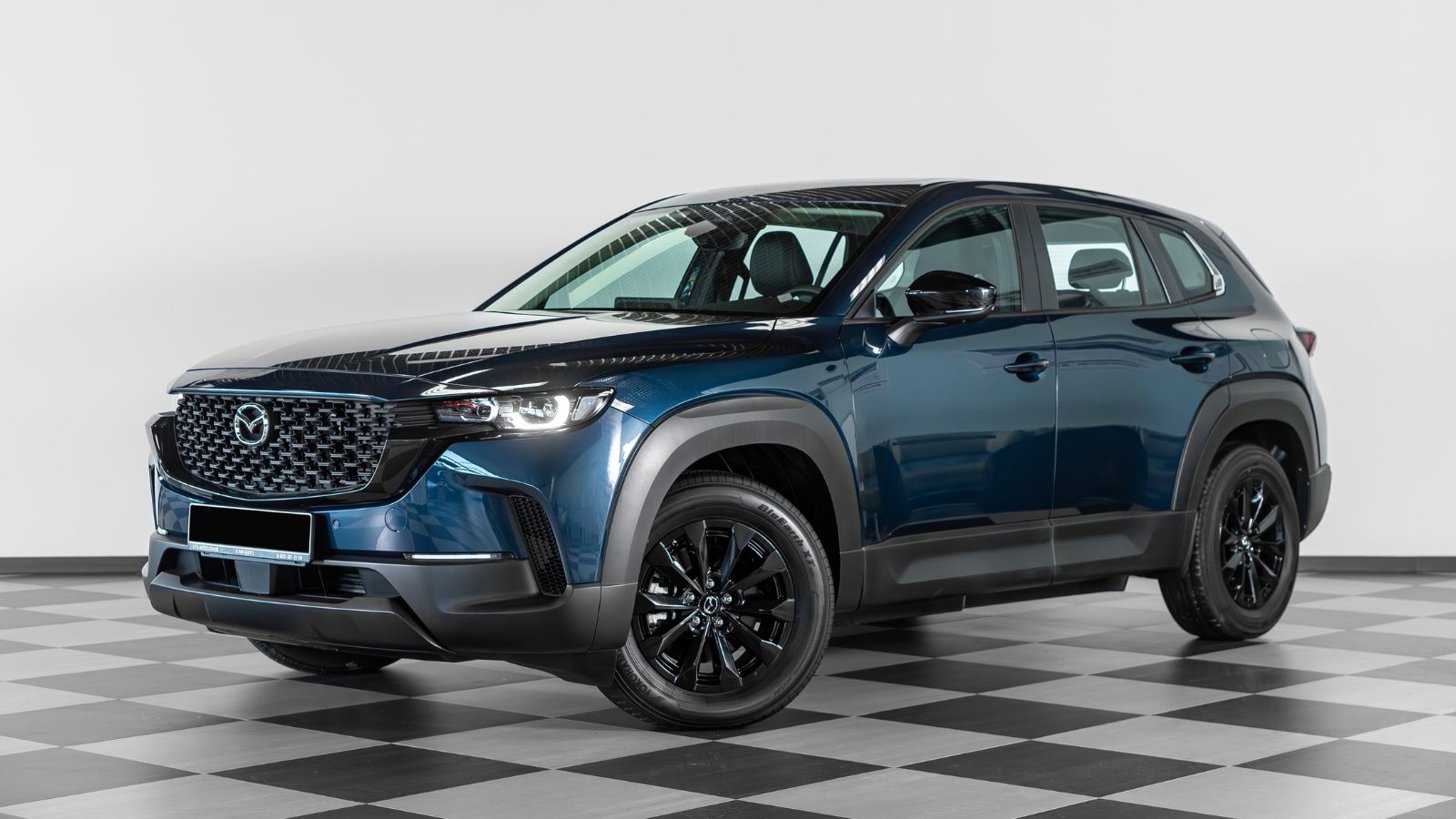
The CX-50 deliberately moves away from that interpretation. It is lower and wider in appearance, with stronger body cladding, roof rails and proportions intended to communicate outdoor capability. Meridian Edition models push the idea further with 18-inch wheels, all-terrain tires and adventure-oriented styling details. Neither approach is inherently more expensive-looking. Buyers accustomed to European-style urban crossovers may perceive the CX-5 as the more elegant design, while shoppers attracted to premium adventure vehicles may find the CX-50 more distinctive. Mazda has essentially created two separate visual definitions of an upscale compact SUV.
The Sweet Spot for Premium Equipment May Actually Be the CX-50
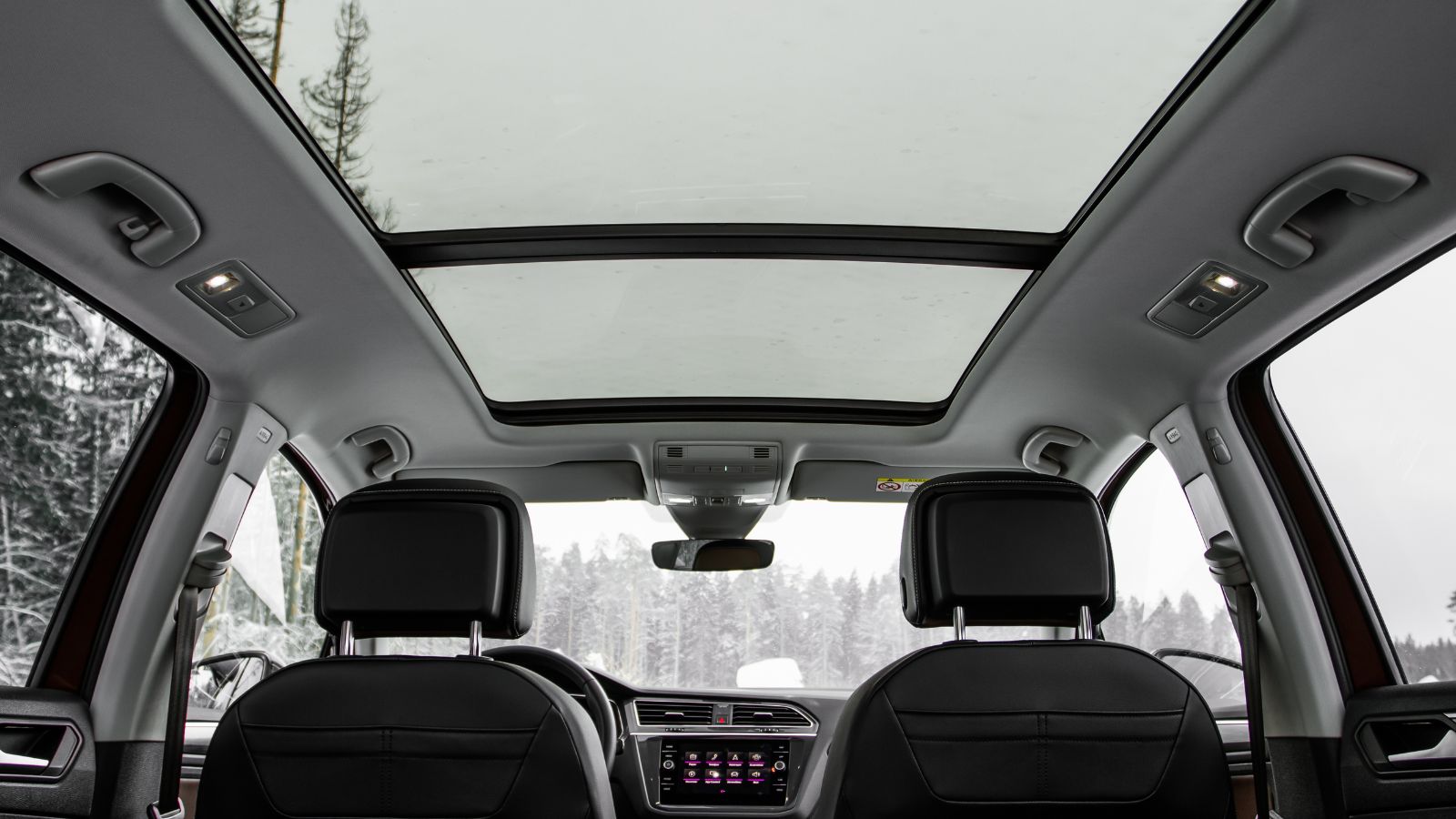
Trim selection changes this comparison considerably. The CX-5 2.5 S Premium starts at $36,900 before destination and brings leather upholstery, ventilated front seats, heated rear seats, a panoramic moonroof, multicolor ambient lighting and a 12-speaker Bose audio system. Step to the $38,990 Premium Plus and the package adds the 15.6-inch display, a 360-degree camera, hands-free power liftgate and additional driver-assistance technology. That is an impressive list for less than $40,000 before destination.
The CX-50 makes some luxury equipment available for less. Its $34,900 2.5 S Premium includes leather seating, ventilated front seats, Bose audio and 20-inch wheels, building on equipment such as the panoramic moonroof offered lower in the range. Buyers can also choose an available white leather treatment. Spending $37,900 moves into the 2.5 Turbo, adding significantly more power and further upscale equipment. The CX-5 counters with newer technology, but the CX-50 can deliver the traditional leather-and-features luxury formula at a surprisingly competitive price.
The CX-50 Hybrid Adds a Kind of Premium the CX-5 Cannot Yet Match

Fuel economy is nearly a draw when comparing the standard gasoline versions. Mazda rates the 2026 CX-5 at 24 mpg city, 30 highway and 26 combined. The naturally aspirated CX-50 carries the same 24/30/26 rating, while the more powerful Turbo Premium Plus is rated at 23/29/25. In ordinary gasoline form, fuel consumption therefore does little to separate the two vehicles.
The CX-50 Hybrid changes the equation. Its 219-horsepower gasoline-electric system carries EPA estimates of 39 mpg city, 37 highway and 38 combined, along with standard electronic all-wheel drive. It starts at $34,750, placing it squarely within the price range occupied by well-equipped gasoline versions of both Mazdas. For commuters covering substantial annual mileage, fewer stops at the pump can make the vehicle feel more sophisticated in everyday ownership. The CX-5 will eventually answer with Mazda’s own hybrid system, but that powertrain is scheduled for the 2027 model year rather than the current 2026 range.
Safety Credentials Do Not Give Either Mazda a Clear Advantage
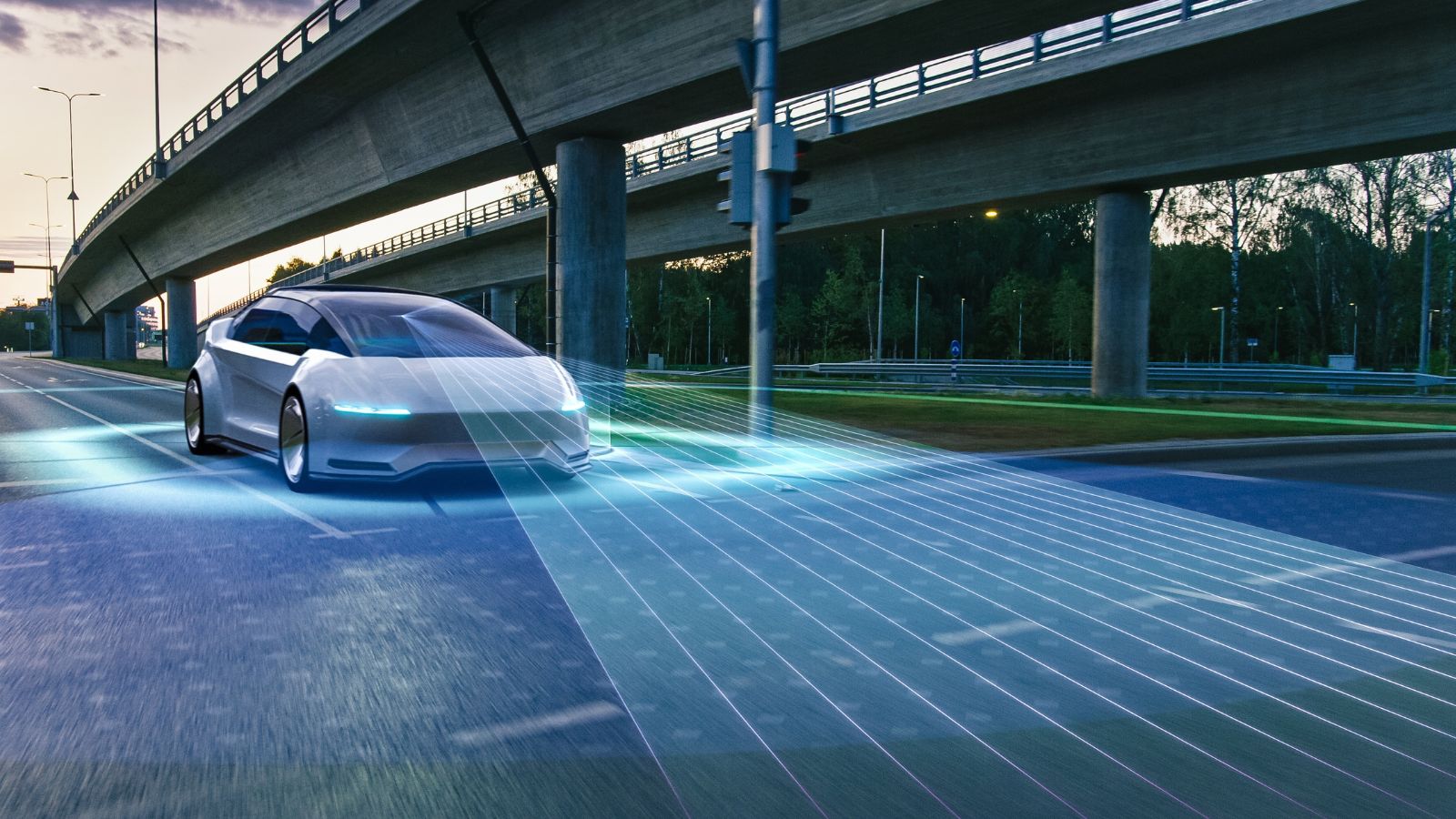
Premium positioning means little if safety engineering fails to keep pace, and both Mazdas perform strongly by that measure. The Insurance Institute for Highway Safety awarded both the 2026 CX-5 and 2026 CX-50 its TOP SAFETY PICK+ designation. Under the institute’s 2026 criteria, that requires strong performance in major crashworthiness tests along with qualifying headlight and front crash-prevention performance. Buyers therefore do not need to choose between the two simply to obtain Mazda’s strongest independent safety recognition.
The CX-5 also arrives with an extensive standard driver-assistance package that includes adaptive cruise control, blind-spot monitoring, lane-related assistance, rear cross-traffic alert and several automatic-braking functions. The CX-50 similarly provides standard technologies including blind-spot monitoring, adaptive safety functions, lane-departure warning and lane-keeping assistance, with additional systems available on upper trims. Higher CX-5 and CX-50 grades can also add 360-degree camera technology and more advanced assistance features. In this category, both vehicles support their premium aspirations convincingly.
The CX-50 Narrowly Wins on Premium Feel, but the CX-5 May Be the Better Luxury Substitute
The final decision becomes clearer when price is considered. The 2026 CX-5 starts at $29,990 before destination, while the CX-50 starts at $29,900—effectively a tie. Yet the CX-50 offers leather-equipped configurations, a hybrid and a potent turbo engine, and independent testers have found richer materials in key areas of its high-end cabin. For buyers who define premium through touch points, physical controls, exterior presence and effortless acceleration, the CX-50 narrowly feels more premium for the money.
The CX-5 makes an equally persuasive case from another direction. It offers more passenger and cargo space, a softer and quieter cruising personality, significantly larger displays and newer Google-based technology. Its $36,900 Premium trim is particularly convincing for buyers seeking the ambience of a near-luxury family SUV without moving into a luxury-brand price bracket. The best answer therefore depends on priorities: CX-50 for richer character and powertrain choice; CX-5 for comfort, space and technology. For pure perceived premium quality per dollar, the CX-50 wins by a small margin.
19 Used Cars Canadians Should Avoid in 2026 (Based on Owner Complaints)

Buying a used car in Canada can feel safe until repair bills start stacking up. Owner complaints tell a different story than glossy listings. Transmission failures, electrical problems, and weak winter reliability show up again and again in consumer reports. Many of these issues appear after warranties expire, when owners least expect them. Some vehicles look affordable upfront, but become expensive to keep on the road. Others struggle in cold weather, urban driving, or long highway commutes. Here are 19 used cars Canadians should avoid in 2026 (based on owner complaints).
19 Used Cars Canadians Should Avoid in 2026 (Based on Owner Complaints)