




















• About
  • Contact
AutoIgloo
  • News & Trends
    Volkswagen Recalls 208,724 Tiguan, Atlas and Audi Q3 Models in U.S. Over Steering-Loss Risk

    Volkswagen Recalls 4 Million Vehicles Over Steering-Corrosion Risk in Biggest Action Since Dieselgate

    18 Vehicles That Are Becoming Buyer’s Remorse Traps in Canada

    Ford F-150 Production Halt Spreads Across U.S. Plants, Adding New Risk to North American Truck Supply

    Volkswagen Opens Pre-Sales on a US$20,225 EV Built With XPeng Technology

    Ford Government Calls Volkswagen’s Two-Year Ontario EV Delay ‘Good News’ as Battery Strategy Faces New Questions

    Canada’s Auto Industry Says Tariff Fight Has Already Cost the Sector More Than $100 Billion

    Trump Trade Chief Says There’s ‘No Urgency’ for Canada Deal as Auto Tariffs Stay in Place

    Volkswagen Approves Historic Restructuring as Total Planned Job Cuts Reach 100,000

    Volkswagen Weighs New Audi U.S. Factory After Tariffs Cost It Billions — While Canada Waits on St. Thomas

    Chinese Brands Hit Record 12% of Europe’s Car Market as Canada Opens the Door to More China-Made EVs

    EU Pressures Britain to Raise Tariffs on Chinese Cars — Sharpening Canada’s Split From Western Auto Policy

  • Car Reviews
    Honda Asked Suppliers for 30% Parts Cost Cuts as $9.4-Billion Savings Drive Hits Global Supply Chain

    Why Some Buyers Are Choosing Older Hondas Over Newer SUVs

    18 Things That Can Make a Car Unsafe for Winter Road Trips

    Why Some Drivers Are Avoiding Vehicles With Complex Infotainment Systems

    21 Cars Canadians Are Starting to Regret Buying

    Why Some Drivers Regret Buying Big Wheels and Low-Profile Tires

    17 Vehicles That Are Quietly Getting Crushed by Insurance Costs in Canada

    Why So Many Drivers Are Nervous About Chinese-Made EV Batteries

    20 Used SUVs Canadians Should Think Twice About Buying

    20 Used SUVs Canadians Should Think Twice About Buying

    15 Vehicles That Are Starting to Feel Like a Bad Deal Around May Long Weekend

    15 Vehicles That Are Starting to Feel Like a Bad Deal Around May Long Weekend

  • Buying Guides
    18 Things That Can Make a Car Harder to Park Than Expected

    Why Some Buyers Regret Choosing the Sport Package

    The Traffic Stop Mistake That Can Turn a Warning Into a Ticket

    20 Things Canadians Should Check Before Buying a Vehicle With a Loan Still Owing

    The Dealership Fee That Buyers Should Always Ask About

    The Dealership Fee That Buyers Should Always Ask About

    23 Features That Are Making New Cars Harder (and Pricier) to Repair in Canada

    Why Some Canadians Are Avoiding Cars With Expensive Windshields

    18 Red Flags a Used Vehicle May Be a Money Pit

    The Car Buying Mistake That Makes Negotiating Almost Impossible

    Why Some Canadians Are Regretting Buying Vehicles With No Spare Tire

    Why Some Canadians Are Regretting Buying Vehicles With No Spare Tire

  • Comparisons
    Honda Asked Suppliers for 30% Parts Cost Cuts as $9.4-Billion Savings Drive Hits Global Supply Chain

    Why Some Buyers Are Choosing Older Hondas Over Newer SUVs

    25 EV Charging Mistakes Canadians Make in March (That Wreck Range)

    Why Some Canadians Are Choosing Hybrids Over Full EVs Again

    21 Used Car Features That Can Become Expensive Problems Later

    Why Some Canadians Are Choosing Front-Wheel Drive Over All-Wheel Drive

    Canada’s Auto Fight Gets Uglier as BYD Threatens to Sue Trump Administration

    Tesla Vs. BYD: Are Chinese EV’s Actually Better for Canadians?

    17 Vehicles That Are Quietly Getting Crushed by Insurance Costs in Canada

    Why So Many Drivers Are Nervous About Chinese-Made EV Batteries

    20 Used SUVs Canadians Should Think Twice About Buying

    20 Used SUVs Canadians Should Think Twice About Buying

  • EVs & Hybrids
    The Used EV Question Canadians Should Ask Before Buying One

    The Used EV Question Canadians Should Ask Before Buying One

    Why Some EV Owners Are Getting Sticker Shock From Home Charging Setups

    Why Some EV Owners Are Getting Sticker Shock From Home Charging Setups

    20 Signs Your Car Battery Is About to Leave You Stranded

    Canadian Auto Jobs Become a Central Fault Line as Ottawa Reveals Why It Rejected U.S. Vehicle Terms

    25 EV Charging Mistakes Canadians Make in March (That Wreck Range)

    Why Some Canadians Are Choosing Hybrids Over Full EVs Again

    The EV Charging Habit That Can Annoy Everyone Around You

    Canada Is Missing an EV-Battery Export Opening as EU Lithium Demand Heads for a 9-to-12-Fold Jump: Report

    16 Used-EV Surprises Canadians Don’t See Coming Until After They Buy

    The EV Charging Habit That Can Annoy Everyone Around You

  • More
    • Pricing & Deals
    • Winter Driving
    • Ownership & Maintenance
No Result
View All Result
AutoIgloo
  • News & Trends
    Volkswagen Recalls 208,724 Tiguan, Atlas and Audi Q3 Models in U.S. Over Steering-Loss Risk

    Volkswagen Recalls 4 Million Vehicles Over Steering-Corrosion Risk in Biggest Action Since Dieselgate

    18 Vehicles That Are Becoming Buyer’s Remorse Traps in Canada

    Ford F-150 Production Halt Spreads Across U.S. Plants, Adding New Risk to North American Truck Supply

    Volkswagen Opens Pre-Sales on a US$20,225 EV Built With XPeng Technology

    Ford Government Calls Volkswagen’s Two-Year Ontario EV Delay ‘Good News’ as Battery Strategy Faces New Questions

    Canada’s Auto Industry Says Tariff Fight Has Already Cost the Sector More Than $100 Billion

    Trump Trade Chief Says There’s ‘No Urgency’ for Canada Deal as Auto Tariffs Stay in Place

    Volkswagen Approves Historic Restructuring as Total Planned Job Cuts Reach 100,000

    Volkswagen Weighs New Audi U.S. Factory After Tariffs Cost It Billions — While Canada Waits on St. Thomas

    Chinese Brands Hit Record 12% of Europe’s Car Market as Canada Opens the Door to More China-Made EVs

    EU Pressures Britain to Raise Tariffs on Chinese Cars — Sharpening Canada’s Split From Western Auto Policy

  • Car Reviews
    Honda Asked Suppliers for 30% Parts Cost Cuts as $9.4-Billion Savings Drive Hits Global Supply Chain

    Why Some Buyers Are Choosing Older Hondas Over Newer SUVs

    18 Things That Can Make a Car Unsafe for Winter Road Trips

    Why Some Drivers Are Avoiding Vehicles With Complex Infotainment Systems

    21 Cars Canadians Are Starting to Regret Buying

    Why Some Drivers Regret Buying Big Wheels and Low-Profile Tires

    17 Vehicles That Are Quietly Getting Crushed by Insurance Costs in Canada

    Why So Many Drivers Are Nervous About Chinese-Made EV Batteries

    20 Used SUVs Canadians Should Think Twice About Buying

    20 Used SUVs Canadians Should Think Twice About Buying

    15 Vehicles That Are Starting to Feel Like a Bad Deal Around May Long Weekend

    15 Vehicles That Are Starting to Feel Like a Bad Deal Around May Long Weekend

  • Buying Guides
    18 Things That Can Make a Car Harder to Park Than Expected

    Why Some Buyers Regret Choosing the Sport Package

    The Traffic Stop Mistake That Can Turn a Warning Into a Ticket

    20 Things Canadians Should Check Before Buying a Vehicle With a Loan Still Owing

    The Dealership Fee That Buyers Should Always Ask About

    The Dealership Fee That Buyers Should Always Ask About

    23 Features That Are Making New Cars Harder (and Pricier) to Repair in Canada

    Why Some Canadians Are Avoiding Cars With Expensive Windshields

    18 Red Flags a Used Vehicle May Be a Money Pit

    The Car Buying Mistake That Makes Negotiating Almost Impossible

    Why Some Canadians Are Regretting Buying Vehicles With No Spare Tire

    Why Some Canadians Are Regretting Buying Vehicles With No Spare Tire

  • Comparisons
    Honda Asked Suppliers for 30% Parts Cost Cuts as $9.4-Billion Savings Drive Hits Global Supply Chain

    Why Some Buyers Are Choosing Older Hondas Over Newer SUVs

    25 EV Charging Mistakes Canadians Make in March (That Wreck Range)

    Why Some Canadians Are Choosing Hybrids Over Full EVs Again

    21 Used Car Features That Can Become Expensive Problems Later

    Why Some Canadians Are Choosing Front-Wheel Drive Over All-Wheel Drive

    Canada’s Auto Fight Gets Uglier as BYD Threatens to Sue Trump Administration

    Tesla Vs. BYD: Are Chinese EV’s Actually Better for Canadians?

    17 Vehicles That Are Quietly Getting Crushed by Insurance Costs in Canada

    Why So Many Drivers Are Nervous About Chinese-Made EV Batteries

    20 Used SUVs Canadians Should Think Twice About Buying

    20 Used SUVs Canadians Should Think Twice About Buying

  • EVs & Hybrids
    The Used EV Question Canadians Should Ask Before Buying One

    The Used EV Question Canadians Should Ask Before Buying One

    Why Some EV Owners Are Getting Sticker Shock From Home Charging Setups

    Why Some EV Owners Are Getting Sticker Shock From Home Charging Setups

    20 Signs Your Car Battery Is About to Leave You Stranded

    Canadian Auto Jobs Become a Central Fault Line as Ottawa Reveals Why It Rejected U.S. Vehicle Terms

    25 EV Charging Mistakes Canadians Make in March (That Wreck Range)

    Why Some Canadians Are Choosing Hybrids Over Full EVs Again

    The EV Charging Habit That Can Annoy Everyone Around You

    Canada Is Missing an EV-Battery Export Opening as EU Lithium Demand Heads for a 9-to-12-Fold Jump: Report

    16 Used-EV Surprises Canadians Don’t See Coming Until After They Buy

    The EV Charging Habit That Can Annoy Everyone Around You

  • More
    • Pricing & Deals
    • Winter Driving
    • Ownership & Maintenance
No Result
View All Result
AutoIgloo
No Result
View All Result

Home » News & Trends

Ford F-150 Production Halt Spreads Across U.S. Plants, Adding New Risk to North American Truck Supply

Nate Brewer by Nate Brewer
September 26, 2026
Reading Time: 6 mins read
A A
Photo Credit: Shutterstock

Photo Credit: Shutterstock

465
SHARES
1.5k
VIEWS
Share on FacebookShare on Twitter

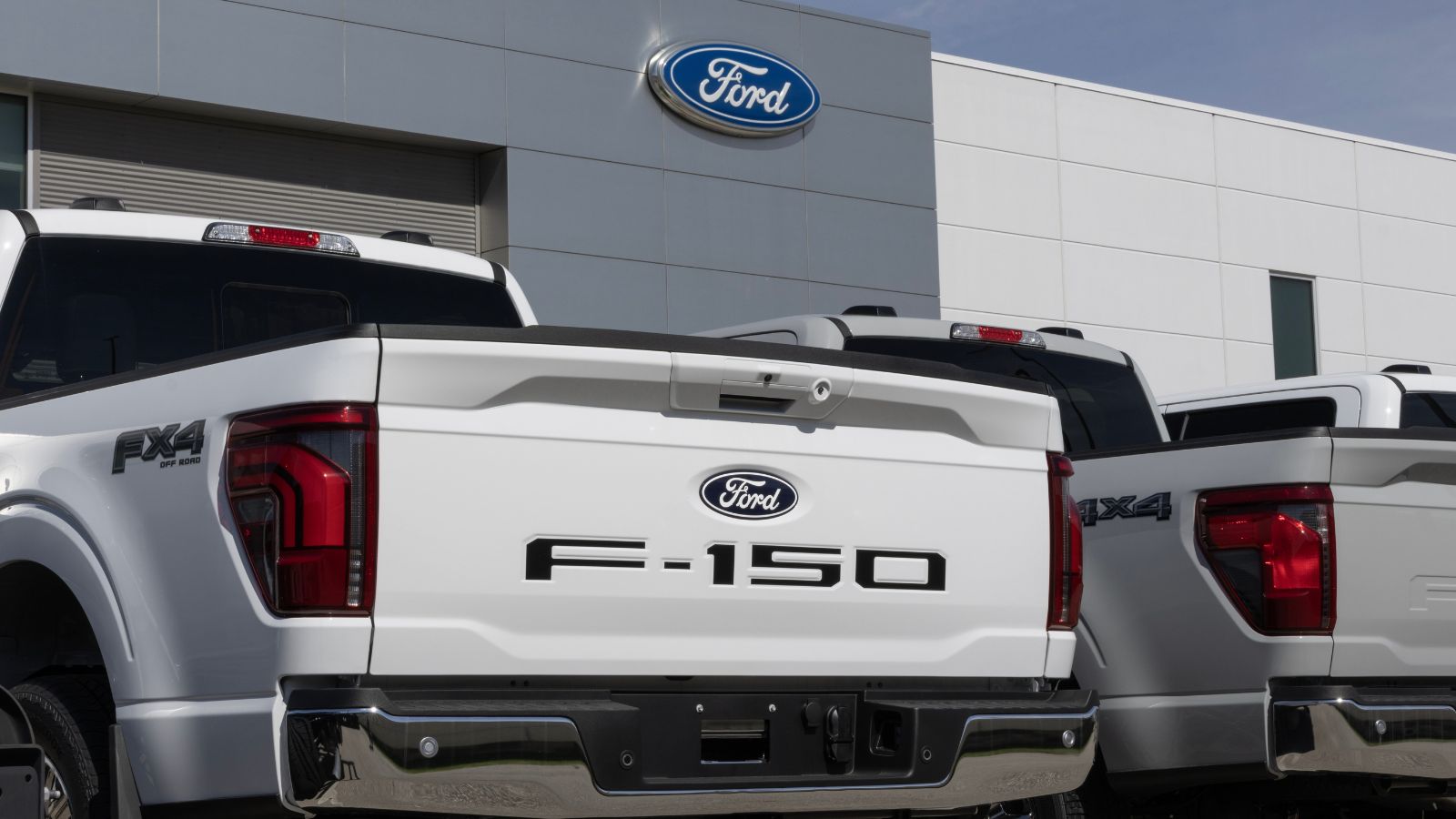
Ford’s effort to rebuild pickup-truck supply has hit another obstacle. Production of the F-150 has been halted at the Dearborn Truck Plant in Michigan, while shifts have also been cancelled at Ford’s Kansas City Assembly Plant because of the same supplier-related problem.

The timing makes the disruption more significant than an ordinary factory scheduling change. Ford spent much of 2026 recovering from earlier aluminum shortages that constrained F-Series production, and inventories were still rebuilding when the latest stoppage emerged. No supplier has been publicly identified in connection with the new problem, and there is no evidence yet of a widespread dealer shortage. Still, interruptions at both of Ford’s main U.S. F-150 assembly locations create a fresh risk for truck availability across the United States and Canada if the problem lasts longer than expected.

Dearborn’s F-150 Lines Have Gone Quiet

The most significant disruption is at Ford’s Dearborn Truck Plant, part of the Rouge manufacturing complex in Michigan. Reuters reported that all production crews were cancelled beginning Thursday, September 24, with the shutdown scheduled to continue through Tuesday, September 29. A union official separately told the Detroit Free Press that F-150 production was expected to remain halted through September 30, suggesting the precise return date may depend on shift scheduling and resolution of the supplier problem.

The scale matters. Ford lists approximately 4,995 employees at Dearborn Truck, including about 4,664 hourly workers as of June 2026. Mark DePaoli, UAW Region 1A director, told the Detroit Free Press that roughly 3,500 to 4,000 workers had been told to stay home during the stoppage. Dearborn currently builds the F-150 and high-performance F-150 Raptor, making an extended interruption there particularly important for Ford’s full-size pickup supply.

Kansas City Shows the Problem Is Bigger Than One Factory

The disruption is not confined to Michigan. Ford’s Kansas City Assembly Plant in Claycomo, Missouri, also cancelled F-150 shifts during the week because of the same supplier issue affecting Dearborn. Ford has not disclosed how many Kansas City shifts have been lost or how much production volume has been affected, but the involvement of a second major assembly plant changes the nature of the problem.

Kansas City is a substantial manufacturing operation in its own right. Ford says the facility employs approximately 9,205 people, including 8,589 hourly workers, and builds the F-150 alongside the Transit and E-Transit vans. Dearborn and Kansas City are Ford’s two listed U.S. assembly plants producing the conventional F-150. A problem reaching both locations therefore cannot be treated simply as a broken machine or localized maintenance issue at one factory. Until the missing component or supplier is identified, it remains difficult to know how quickly normal output can be restored.

This Is Not Another Aluminum Shutdown

One important distinction has emerged from the reporting: the current production interruption is not being blamed on the aluminum shortage that disrupted Ford earlier. Reports describing the latest halt say the problem involves a supplier, but the company has not publicly identified that supplier or the component involved. That leaves a major unanswered question because different components carry very different recovery timelines.

A relatively ordinary shortage can sometimes be resolved by expedited shipments, drawing down parts inventories or switching sourcing. A specialized component produced by only one qualified supplier can be considerably harder to replace. For now, there is no confirmed indication that the problem will become a prolonged stoppage. The lack of detail nevertheless adds uncertainty because Ford cannot assemble a completed pickup if even one required component is unavailable. Modern vehicle factories depend on thousands of parts arriving in tightly coordinated sequences, making seemingly small disruptions capable of temporarily stopping an entire line.

Ford Was Already Recovering From a Major Supply Shock

The newest stoppage arrives after an unusually difficult period for Ford’s truck operations. Fires at Novelis’ aluminum facility in Oswego, New York, during 2025 disrupted a major source of automotive aluminum and forced Ford to adjust F-Series production. Ford responded by announcing plans to build more than 50,000 additional F-150 and Super Duty trucks during 2026 as it worked to recover lost volume and meet demand.

Novelis restarted the Oswego hot mill in early June 2026, but the financial and operational impact of the outage did not disappear immediately. During Ford’s second-quarter earnings discussion, management said the company had already absorbed roughly US$800 million in temporary Novelis-related costs during 2026 and expected the full-year effect to reach about US$1.5 billion. The company had therefore entered the second half expecting truck output to improve. A separate supplier problem interrupts that recovery just as production was supposed to become more dependable.

F-Series Is Too Important for Repeated Disruptions to Be Ignored

Few vehicles matter more to Ford than the F-Series. The company reported 357,801 F-Series sales in the United States during the first half of 2026, keeping the lineup ahead of competing full-size pickups. Ford described the F-Series as being on track for a 50th consecutive year as America’s best-selling truck, illustrating just how deeply the nameplate is tied to the company’s retail and commercial business.

Those volumes also show why several lost production days can add up quickly. Ford had already acknowledged that first-half F-Series sales reflected production timing related to the earlier aluminum shortages. The company expected supply to recover more fully during the second half. That makes the September interruption more than an inconvenient factory pause: it subtracts production during a period that Ford had been relying on to rebuild availability. A short shutdown can be manageable, but repeated disruptions reduce the flexibility manufacturers normally use to balance inventories, dealer orders and fleet demand.

Ford Did Not Have a Huge Inventory Cushion

Ford was still working toward its preferred inventory level before the latest shutdown began. During its second-quarter earnings call, management said U.S. retail inventory stood at approximately 52 days of supply, slightly below the company’s target range of 55 to 65 days. Executives expected inventories to return toward normal levels as production recovered from the aluminum disruption.

That distinction is important. A manufacturer entering a shutdown with unusually high dealer stocks can often absorb a temporary factory interruption without customers noticing much difference. Ford was instead still rebuilding its cushion. That does not mean dealerships are about to run out of F-150s; inventory varies considerably by region, trim, engine, cab configuration and drivetrain. It does mean there is less room for repeated production losses before certain configurations become harder to replace. Customers looking for highly specific work-truck or premium configurations could feel any prolonged interruption sooner than shoppers willing to choose among trucks already sitting on dealer lots.

Canadian Truck Supply Is Directly Exposed

The consequences extend beyond the U.S. market because the F-Series remains unusually important in Canada. Ford sold 138,470 F-Series pickups in Canada during 2025, a 3.45% increase from 2024. The company says the F-Series finished as Canada’s best-selling pickup for a 60th consecutive year and the country’s best-selling vehicle overall for the 16th straight year.

That demand connects Canadian buyers directly to Ford’s North American manufacturing network. Ford’s current plant directory lists F-150 production at Dearborn and Kansas City, the same two U.S. facilities affected by the latest supplier problem. Canada does have an expanding role in Ford’s truck manufacturing footprint: the Oakville Assembly Complex in Ontario is now listed as producing F-250 through F-450 Super Duty trucks. However, that does not replace F-150 capacity lost in Michigan or Missouri. If the stoppage remains brief, Canadian inventories may see little noticeable effect. A longer interruption would raise the risk of delayed replenishment from U.S. factories.

Kentucky Can Help Ford, but It Does Not Build the F-150

Ford is using another part of its manufacturing network to soften the impact. Reuters initially reported that Kentucky Truck Plant had increased F-150 production, but the report was subsequently corrected: the Louisville-area factory increased truck production, not F-150 output. That distinction is important because Ford’s own plant information shows Kentucky Truck does not assemble the F-150.

Instead, Kentucky Truck currently builds F-250 through F-550 Super Duty pickups, along with the Ford Expedition and Lincoln Navigator. Raising truck output there can help Ford protect overall truck volumes and potentially satisfy some commercial or heavy-duty demand while F-150 lines are disrupted. It cannot directly replace every half-ton pickup that would otherwise have rolled out of Dearborn or Kansas City. Ford also lists Oakville, Ontario, as a Super Duty production location, giving the company additional North American heavy-duty capacity. The network provides flexibility, but individual truck models and configurations are not interchangeable.

The Length of the Shutdown Is Now the Key Question

For dealers and buyers, the most important variable is no longer whether Ford has suffered a production interruption; that is confirmed. The question is whether normal output resumes close to the current schedule. A shutdown lasting several days is very different from one that stretches into multiple weeks, particularly when two F-150-producing plants have already been affected.

As of the latest reporting, Ford has not announced a widespread F-150 shortage, identified the supplier involved or disclosed an estimated number of trucks lost to the disruption. That makes claims of an immediate North American truck shortage premature. The risk is instead cumulative. Ford came into September still recovering inventory, had previously planned higher 2026 F-Series production to replace lost volume, and now faces another supplier-related interruption. If Dearborn and Kansas City restart quickly, the impact may remain mostly a manufacturing headache. If cancellations continue, the effects could begin moving downstream to dealer inventories, order timing and the availability of particular F-150 configurations across the continent.


Recommended.

18 Red Flags a Used Vehicle May Be a Money Pit

15 Reasons Some “Great on Gas” Vehicles Still Cost More Than Expected

May 14, 2026
Hundreds of Cars Take Over 14 Saskatoon Blocks as One of Western Canada’s Largest Auto Shows Opens

Trump’s Canada Auto-Tariff Offer Comes With a Catch: More U.S. Parts Could Mean Lower Rates

August 20, 2026

Trending.

Chinese EV Price Pressure Gets a New Benchmark as Voyah Opens $63,420 Luxury MPV Orders

Europe’s EV Share Jumps to 30.5% as Electric-Car Sales Blow Past Forecasts

September 17, 2026
Chinese EV Price Pressure Gets a New Benchmark as Voyah Opens $63,420 Luxury MPV Orders

Ottawa EV Owners Put Electric Cars on Display as Gas Prices Push Back Toward $2 a Litre

September 5, 2026
GM Readies New Gas and Duramax Engines for Silverado HD and Sierra HD Ahead of November Production

GM’s New V8s Put Canadian Auto Jobs Back in Focus at St. Catharines Plant

September 19, 2026
Volvo Starts Scoring How Drivers Brake and Corner for Insurance Discounts — Canada Is Left Out of First Rolloutv

Volvo Plans 13 New Models by 2030 as EV and Hybrid Battle Intensifies

September 17, 2026
16 Cars That Could Lose Their Cool Factor Fast in Canada This Summer

Tesla Raises Canadian Prices by as Much as $30,000 as U.S. Auto Tariffs Hit Buyers

September 4, 2026
  • About
  • Contact
  • Privacy Policy
  • Disclaimer
  • Editorial Policies
  • Terms and Conditions
A Revir Media Group Website

2026 Autoigloo - © All rights reserved

No Result
View All Result
  • News & Trends
  • Car Reviews
  • Buying Guides
  • Comparisons
  • EVs & Hybrids
  • More
    • Pricing & Deals
    • Winter Driving
    • Ownership & Maintenance

2026 Autoigloo - © All rights reserved

This website uses cookies. By continuing to use this website you are giving consent to cookies being used. Visit our Privacy and Cookie Policy.