






















• About
  • Contact
AutoIgloo
  • News & Trends
    Debit Tap Processing Fees Rise 75% for Some Canadian Auto-Parts and Home-Supply Merchants

    Debit Tap Processing Fees Rise 75% for Some Canadian Auto-Parts and Home-Supply Merchants

    Top U.S. Senate Democrat Targets Trump’s Canada Tariffs, but Election Gains Offer No Guaranteed Relief for Auto Makers

    Top U.S. Senate Democrat Targets Trump’s Canada Tariffs, but Election Gains Offer No Guaranteed Relief for Auto Makers

    Ontario EV Owners Face a 10-to-1 Electricity Price Gap Under New November Rates

    Ontario EV Owners Face a 10-to-1 Electricity Price Gap Under New November Rates

    Nova Scotia CAA Auto Insurance Renewals Bring Credit-Score Discounts and a 30% Coverage Increase

    Nova Scotia CAA Auto Insurance Renewals Bring Credit-Score Discounts and a 30% Coverage Increase

    GM’s Chinese Joint-Venture Sales Collapse 51% as SAIC’s Own Brand Jumps 33%

    GM’s Chinese Joint-Venture Sales Collapse 51% as SAIC’s Own Brand Jumps 33%

    Toronto Battery Maker Lands $26-Million Deal to Convert Diesel Trucks to Electric Across Canada and U.S.

    Teamsters Say Some Canadian Trucking Firms Cut Driver Costs 20–30% by Misclassifying Workers

  • Car Reviews
    Mitsubishi Outlander Review: Is It Still the Underrated Family SUV?

    Mitsubishi Outlander Review: Is It Still the Underrated Family SUV?

    19 Cars With Windshields That Crack Constantly on Canadian Highways

    Subaru Forester vs Toyota RAV4: Which SUV Is Better for Canadian Winters?

    20 Cars Canadians Should Avoid If They Hate Expensive Windshield Replacements

    Hyundai Tucson vs Kia Sportage: Which Compact SUV Is the Better Everyday Buy?

    BYD, CATL and Xiaomi Are in the Mix for Xi’s Washington Trip as Canada and U.S. Split on Chinese EV Access

    Toyota RAV4 Plug-In Hybrid vs Regular Hybrid: Which One Should Canadians Buy?

    17 Vehicles That Are Quietly Getting Crushed by Insurance Costs in Canada

    Honda CR-V Hybrid Review: The Family SUV That Plays It Safe

    2026 Toyota RAV4 vs Honda CR-V: Which SUV Makes More Sense for Canadians?

    2026 Toyota RAV4 vs Honda CR-V: Which SUV Makes More Sense for Canadians?

  • Buying Guides
    Mitsubishi Outlander Review: Is It Still the Underrated Family SUV?

    Mitsubishi Outlander Review: Is It Still the Underrated Family SUV?

    16 Used SUVs That Suddenly Don’t Look Like Smart Buys in Canada

    Nissan Rogue vs Honda CR-V: Which SUV Feels Better After the Test Drive?

    19 Cars With Windshields That Crack Constantly on Canadian Highways

    Subaru Forester vs Toyota RAV4: Which SUV Is Better for Canadian Winters?

    Mazda CX-5 vs Mazda CX-50: Which One Feels More Premium for the Money?

    Mazda CX-5 vs Mazda CX-50: Which One Feels More Premium for the Money?

    17 Vehicles That Are Quietly Getting Crushed by Insurance Costs in Canada

    Honda CR-V Hybrid Review: The Family SUV That Plays It Safe

    18 Cars With Parts Prices So Wild They’re Becoming Hard to Own in Canada

    Is the New Toyota RAV4 Still the Safest Bet in Canada?

  • Comparisons
    19 Cars With Windshields That Crack Constantly on Canadian Highways

    Subaru Forester vs Toyota RAV4: Which SUV Is Better for Canadian Winters?

    21 Vehicles With the Best Real-World Fuel Economy in Canada (Not Just the Sticker)

    Toyota Corolla Cross vs Honda HR-V: Which Small SUV Is Less Compromised?

    20 Cars Canadians Should Avoid If They Hate Expensive Windshield Replacements

    Hyundai Tucson vs Kia Sportage: Which Compact SUV Is the Better Everyday Buy?

    BYD, CATL and Xiaomi Are in the Mix for Xi’s Washington Trip as Canada and U.S. Split on Chinese EV Access

    Toyota RAV4 Plug-In Hybrid vs Regular Hybrid: Which One Should Canadians Buy?

    Honda Asked Suppliers for 30% Parts Cost Cuts as $9.4-Billion Savings Drive Hits Global Supply Chain

    Why Some Buyers Are Choosing Older Hondas Over Newer SUVs

    25 EV Charging Mistakes Canadians Make in March (That Wreck Range)

    Why Some Canadians Are Choosing Hybrids Over Full EVs Again

  • EVs & Hybrids
    BYD, CATL and Xiaomi Are in the Mix for Xi’s Washington Trip as Canada and U.S. Split on Chinese EV Access

    Toyota RAV4 Plug-In Hybrid vs Regular Hybrid: Which One Should Canadians Buy?

    Geely Auto’s Core Profit Jumps 46% as Chinese EV Expansion Accelerates — With Canada Now Opening to Geely-Owned Lotus

    Geely Confirms Canadian Vehicle Sales for 2027 as Chinese Automakers Challenge Established Brands

    18 Cars That Will Feel Dated Fast as New Chinese EVs Arrive

    12 EVs Now Price Below $41,000 in Canada—Fiat 500e Falls Under $30,000 With Rebate

    The Used EV Question Canadians Should Ask Before Buying One

    The Used EV Question Canadians Should Ask Before Buying One

    Why Some EV Owners Are Getting Sticker Shock From Home Charging Setups

    Why Some EV Owners Are Getting Sticker Shock From Home Charging Setups

    20 Signs Your Car Battery Is About to Leave You Stranded

    Canadian Auto Jobs Become a Central Fault Line as Ottawa Reveals Why It Rejected U.S. Vehicle Terms

  • More
    • Pricing & Deals
    • Winter Driving
    • Ownership & Maintenance
No Result
View All Result
AutoIgloo
No Result
View All Result

Home » News & Trends

⁠Oil Drops 2% but Stays Near $100 as Canadian Drivers Face Another Volatile Fuel Day

Nate Brewer by Nate Brewer
September 18, 2026
Reading Time: 5 mins read
A A
Photo Credit: Shutterstock

Photo Credit: Shutterstock

465
SHARES
1.5k
VIEWS
Share on FacebookShare on Twitter

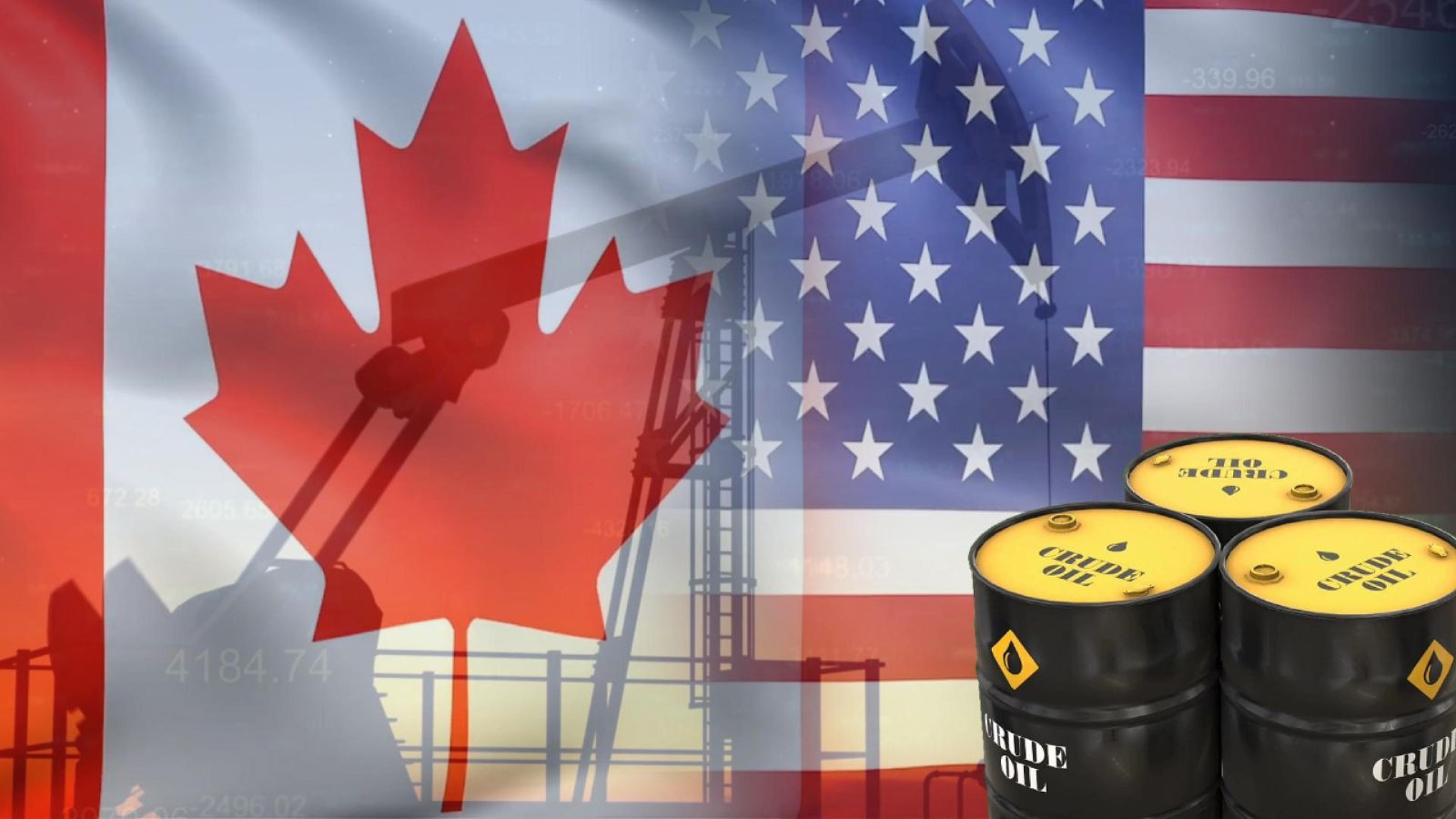
Oil prices finally moved lower on Friday, but Canadian motorists are unlikely to mistake the pullback for a return to cheap fuel. Brent crude fell roughly 2% in early trading to around US$102.68 a barrel, while West Texas Intermediate dropped about 1.8% to US$100.08 before both benchmarks pared some of their losses later in the session.

The retreat offered some relief after another turbulent stretch for global energy markets, yet crude remains dramatically more expensive than it was only weeks ago. Canadian fuel prices are reflecting that pressure. The national average for regular gasoline stood at about 183.4 cents per litre early Friday, just below Thursday’s level but nearly seven cents higher than a week earlier. For households watching the price board change almost daily, cheaper crude for a few hours does not necessarily mean cheaper gasoline tomorrow.

Oil Falls, but the Market Is Still Pricing in Serious Supply Risk

Friday’s decline came after several days in which traders had been forced to put an unusually large geopolitical premium into every barrel of crude. Brent had climbed above US$109 earlier in the week, while WTI traded above US$105 as attacks on Saudi energy infrastructure raised concerns that a meaningful share of global supply could become harder to move. By early Friday, some of those fears had eased. Brent futures dropped about US$2.14 to US$102.68 a barrel, while WTI slid US$1.83 to US$100.08. Prices subsequently recovered part of the decline, illustrating how quickly sentiment is changing.

The immediate source of relief was evidence that Saudi Arabia was finding ways to keep more oil moving. Saudi Aramco was reported to be increasing Gulf exports through ship-to-ship transfers near Oman while work continued on the damaged East-West pipeline. That pipeline is particularly important because it lets Saudi crude bypass the Strait of Hormuz and reach the Red Sea. Reports that roughly half its damaged capacity could return relatively quickly reduced fears of an immediate supply crunch. It did not eliminate them. Shipping routes remain vulnerable, Saudi deliveries to some European customers have been disrupted, and fighting in the region means another attack or logistical problem could send crude sharply higher again.

A 2% Oil Drop Does Not Immediately Become a 2% Drop at the Pump

For drivers, crude oil is only one part of the gasoline bill. Canadian pump prices also reflect refining costs, wholesale gasoline prices, transportation, retail margins and taxes. That helps explain a familiar frustration: oil can drop sharply during a trading session while the price on the neighbourhood gas-station sign barely moves. The Bank of Canada has described this tendency as the “rocket and feather” effect—gasoline prices can rise rapidly when crude becomes more expensive but sometimes retreat more slowly when oil falls.

Timing also matters. Much of the gasoline being sold on Friday was purchased or priced through the supply chain before Friday morning’s decline in crude. Refiners and wholesalers are responding not only to WTI and Brent but to the value of finished gasoline, available inventories and regional supply conditions. Canada also went through a major tax change days before the current spike. The temporary federal fuel-excise suspension expired after September 7, restoring the federal levy to 10 cents per litre on gasoline and four cents per litre on diesel beginning September 8. That does not explain every recent price move, but it increased the baseline Canadian motorists face just as international energy markets were becoming more turbulent.

Canadian Gas Prices Are Moving Sharply From One City to Another

The national average tells only part of the story. CAA reported regular gasoline averaging 183.4 cents per litre across Canada early Friday, down slightly from 183.9 cents Thursday. A week earlier the national average was 176.6 cents, while one month earlier it was only 167.9 cents. That means the typical Canadian price remained about 15.5 cents per litre above its level a month earlier despite Friday’s softer crude market. On a 50-litre fill, that difference works out to roughly $7.75.

Individual cities have been experiencing even sharper daily moves. Gas Wizard listed Toronto regular gasoline at approximately 180.9 cents per litre Friday after 188.9 cents Thursday, an eight-cent overnight swing. Montreal was around 202.9 cents after a five-cent decline. Vancouver remained considerably higher, with Friday estimates around 200.9 cents per litre and live station data averaging close to 203 cents. Those gaps are not unusual in Canada. Provincial and municipal fuel taxes differ, transportation costs vary, and local competition can change retail margins. Natural Resources Canada identifies taxes, market competition, sales volumes and station location among the main reasons neighbouring regions can post very different prices for essentially the same fuel.

Diesel Is Becoming an Even Bigger Concern Than Regular Gasoline

The headline decline in crude may be welcome to motorists, but diesel markets remain substantially more stressed. Vancouver’s Friday diesel benchmark was around 299.9 cents per litre, while Toronto data showed diesel near 222.9 cents. The difference is dramatic, but both numbers highlight the same broader issue: diesel is being hit not only by expensive crude but by an international shortage of refinery output. Diesel matters far beyond pickup trucks and passenger vehicles. It powers much of the freight, construction, farming and heavy equipment that keeps goods moving through the economy.

Global refining conditions help explain why the problem has persisted. The International Energy Agency reported that worldwide refinery throughput reached about 81.4 million barrels per day in August, roughly 4.2 million barrels per day below the level a year earlier. The agency said refining margins reached record levels in the Atlantic Basin, with diesel particularly strong. Reuters separately reported Asian diesel refining margins exceeding US$87 per barrel this week, also a record. Refinery disruptions have added pressure, including the shutdown of Exxon Mobil’s 275,000-barrel-a-day Joliet refinery in Illinois, an important Midwest supplier. When the bottleneck is refined fuel rather than crude alone, a modest decline in WTI does relatively little to relieve diesel buyers.

The Weak Canadian Dollar Makes Expensive Oil Harder to Escape

Canadian motorists face another complication that is easy to overlook when crude prices are quoted in U.S. dollars. Oil is traded internationally in dollars, meaning the exchange rate influences what Canadian refiners and fuel distributors effectively pay. The Canadian dollar weakened to about 71.4 U.S. cents on Friday, extending a lengthy run of losses. The Bank of Canada’s most recent official daily figure showed one U.S. dollar costing about C$1.3988 on September 17, compared with roughly C$1.3784 on September 8.

That difference may appear small at the currency counter, but it matters when businesses are purchasing large quantities of crude and refined petroleum products. A weaker loonie can partially offset the benefit Canadians would otherwise receive when the U.S.-dollar price of crude declines. High fuel prices are already showing up clearly in inflation statistics. Statistics Canada reported that gasoline prices were 22.8% higher in August than a year earlier. Canada’s overall Consumer Price Index rose 3.0%, while transportation costs were up 7.5%. For a commuter filling a vehicle several times per month, or a small company operating vans and trucks, energy volatility therefore reaches beyond the service station—it can feed directly into household budgets and business operating costs.

The Next Few Days Could Be Just as Unpredictable

There are genuine reasons oil could continue falling. Saudi Arabia is finding alternative ways to move crude, and reports indicate Aramco plans to export roughly 60 million barrels through Gulf routes during September and October. China has also increased exports of refined petroleum products. August exports of gasoline, diesel, jet fuel and marine fuels reached about 6.01 million tonnes, up 12.7% from a year earlier. More available crude and refined fuel would help ease some of the pressure that pushed prices higher earlier this month.

Yet the cushion remains thin. The International Energy Agency estimates global oil supply will decline by about 5.7 million barrels per day in 2026, while observed inventories fell another 95 million barrels in August. The agency has also cut its demand forecast sharply because high fuel costs and supply disruptions themselves are reducing consumption. That creates an unusual market in which weak demand is helping restrain prices even while physical supply remains vulnerable. For Canadian drivers, the practical implication is straightforward: Friday’s roughly 2% crude decline is encouraging, but it is not yet evidence that the latest fuel-price spike has ended. With WTI still hovering around US$100, refinery markets tight and geopolitical risks unresolved, large daily moves at both the trading screen and the gas pump could remain part of the autumn.


Recommended.

Stellantis Launches Up to $7,500 in Canadian Jeep Discounts as Tariff Fight Squeezes Auto Market

Stellantis Allocates Just 27 of 270 Special-Edition Dodge Chargers to Canada — Despite Building Them in Windsor

October 28, 2026
Why Some Drivers Regret Buying Big Wheels and Low-Profile Tires

20 Signs Your Tires Are Telling You Something Is Wrong

August 12, 2026

Trending.

Canada’s Ballard Puts a 250,000-Mile Performance Guarantee Behind Hydrogen Buses

Canada’s Ballard Puts a 250,000-Mile Performance Guarantee Behind Hydrogen Buses

October 2, 2026
10 Reasons the Canadian Car Market Feels Different Heading Into Summer

Canadian Auto Sales Rise 3.4% for a Fourth Straight Month—but 2026 Still Trails Last Year

October 3, 2026
PBO Warns U.S. Tariff War Threatens Up to 185,000 Canadian Jobs, With Auto Manufacturing Among Hardest Hit

PBO Warns U.S. Tariff War Threatens Up to 185,000 Canadian Jobs, With Auto Manufacturing Among Hardest Hit

October 21, 2026
22 Ways Canadians Accidentally Void Their Vehicle Warranty

B.C. Drivers Vote Today on the Future of ICBC Insurance as Parties Clash Over Private Competition and No-Fault Coverage

October 24, 2026
15 Vehicles Canadians May Want to Avoid Before May Long Weekend

Tesla Buyers in Canada Are Reporting Fresh Model Y Delivery Delays as Some Orders Slip Into October and November 2.

September 27, 2026
  • About
  • Contact
  • Privacy Policy
  • Disclaimer
  • Editorial Policies
  • Terms and Conditions
A Revir Media Group Website

2026 Autoigloo - © All rights reserved

No Result
View All Result
  • News & Trends
  • Car Reviews
  • Buying Guides
  • Comparisons
  • EVs & Hybrids
  • More
    • Pricing & Deals
    • Winter Driving
    • Ownership & Maintenance

2026 Autoigloo - © All rights reserved

This website uses cookies. By continuing to use this website you are giving consent to cookies being used. Visit our Privacy and Cookie Policy.




