




















• About
  • Contact
AutoIgloo
  • News & Trends
    17 Car Scams Canadians Should Watch for Before Sending a Deposit

    Why the Car That Looks Like a Deal Online Can Fall Apart in Person

    18 Auto Repairs Canadians Keep Putting Off Until the Bill Gets Ugly

    20 Signs a Vehicle May Cost More to Maintain Than It’s Worth

    Why Some Canadians Are Walking Away From Cars With Fancy Door Handles

    Why Some Canadians Are Walking Away From Cars With Fancy Door Handles

    Mistakes That Make Road Rage Worse in Heavy Traffic

    19 Driving Habits That Make Other Drivers Instantly Distrust You

    Scania-Backed Electric Truck Fleet Passes 100 Vehicles as Fleet Operators Test a New EV Ownership Model

    Scania-Backed Electric Truck Fleet Passes 100 Vehicles as Fleet Operators Test a New EV Ownership Model

    Nissan Finally Gives the Z NISMO a Six-Speed Manual—but Canadian Buyers Still Have No Launch Timing

    Nissan Puts $229M Into Kicks Hybrid Production as Automaker Pulls Back Elsewhere

  • Car Reviews
    Honda Asked Suppliers for 30% Parts Cost Cuts as $9.4-Billion Savings Drive Hits Global Supply Chain

    Why Some Buyers Are Choosing Older Hondas Over Newer SUVs

    18 Things That Can Make a Car Unsafe for Winter Road Trips

    Why Some Drivers Are Avoiding Vehicles With Complex Infotainment Systems

    21 Cars Canadians Are Starting to Regret Buying

    Why Some Drivers Regret Buying Big Wheels and Low-Profile Tires

    17 Vehicles That Are Quietly Getting Crushed by Insurance Costs in Canada

    Why So Many Drivers Are Nervous About Chinese-Made EV Batteries

    20 Used SUVs Canadians Should Think Twice About Buying

    20 Used SUVs Canadians Should Think Twice About Buying

    15 Vehicles That Are Starting to Feel Like a Bad Deal Around May Long Weekend

    15 Vehicles That Are Starting to Feel Like a Bad Deal Around May Long Weekend

  • Buying Guides
    18 Things That Can Make a Car Harder to Park Than Expected

    Why Some Buyers Regret Choosing the Sport Package

    The Traffic Stop Mistake That Can Turn a Warning Into a Ticket

    20 Things Canadians Should Check Before Buying a Vehicle With a Loan Still Owing

    The Dealership Fee That Buyers Should Always Ask About

    The Dealership Fee That Buyers Should Always Ask About

    23 Features That Are Making New Cars Harder (and Pricier) to Repair in Canada

    Why Some Canadians Are Avoiding Cars With Expensive Windshields

    18 Red Flags a Used Vehicle May Be a Money Pit

    The Car Buying Mistake That Makes Negotiating Almost Impossible

    Why Some Canadians Are Regretting Buying Vehicles With No Spare Tire

    Why Some Canadians Are Regretting Buying Vehicles With No Spare Tire

  • Comparisons
    Honda Asked Suppliers for 30% Parts Cost Cuts as $9.4-Billion Savings Drive Hits Global Supply Chain

    Why Some Buyers Are Choosing Older Hondas Over Newer SUVs

    25 EV Charging Mistakes Canadians Make in March (That Wreck Range)

    Why Some Canadians Are Choosing Hybrids Over Full EVs Again

    21 Used Car Features That Can Become Expensive Problems Later

    Why Some Canadians Are Choosing Front-Wheel Drive Over All-Wheel Drive

    Canada’s Auto Fight Gets Uglier as BYD Threatens to Sue Trump Administration

    Tesla Vs. BYD: Are Chinese EV’s Actually Better for Canadians?

    17 Vehicles That Are Quietly Getting Crushed by Insurance Costs in Canada

    Why So Many Drivers Are Nervous About Chinese-Made EV Batteries

    20 Used SUVs Canadians Should Think Twice About Buying

    20 Used SUVs Canadians Should Think Twice About Buying

  • EVs & Hybrids
    The Used EV Question Canadians Should Ask Before Buying One

    The Used EV Question Canadians Should Ask Before Buying One

    Why Some EV Owners Are Getting Sticker Shock From Home Charging Setups

    Why Some EV Owners Are Getting Sticker Shock From Home Charging Setups

    20 Signs Your Car Battery Is About to Leave You Stranded

    Canadian Auto Jobs Become a Central Fault Line as Ottawa Reveals Why It Rejected U.S. Vehicle Terms

    25 EV Charging Mistakes Canadians Make in March (That Wreck Range)

    Why Some Canadians Are Choosing Hybrids Over Full EVs Again

    The EV Charging Habit That Can Annoy Everyone Around You

    Canada Is Missing an EV-Battery Export Opening as EU Lithium Demand Heads for a 9-to-12-Fold Jump: Report

    16 Used-EV Surprises Canadians Don’t See Coming Until After They Buy

    The EV Charging Habit That Can Annoy Everyone Around You

  • More
    • Pricing & Deals
    • Winter Driving
    • Ownership & Maintenance
No Result
View All Result
AutoIgloo
  • News & Trends
    17 Car Scams Canadians Should Watch for Before Sending a Deposit

    Why the Car That Looks Like a Deal Online Can Fall Apart in Person

    18 Auto Repairs Canadians Keep Putting Off Until the Bill Gets Ugly

    20 Signs a Vehicle May Cost More to Maintain Than It’s Worth

    Why Some Canadians Are Walking Away From Cars With Fancy Door Handles

    Why Some Canadians Are Walking Away From Cars With Fancy Door Handles

    Mistakes That Make Road Rage Worse in Heavy Traffic

    19 Driving Habits That Make Other Drivers Instantly Distrust You

    Scania-Backed Electric Truck Fleet Passes 100 Vehicles as Fleet Operators Test a New EV Ownership Model

    Scania-Backed Electric Truck Fleet Passes 100 Vehicles as Fleet Operators Test a New EV Ownership Model

    Nissan Finally Gives the Z NISMO a Six-Speed Manual—but Canadian Buyers Still Have No Launch Timing

    Nissan Puts $229M Into Kicks Hybrid Production as Automaker Pulls Back Elsewhere

  • Car Reviews
    Honda Asked Suppliers for 30% Parts Cost Cuts as $9.4-Billion Savings Drive Hits Global Supply Chain

    Why Some Buyers Are Choosing Older Hondas Over Newer SUVs

    18 Things That Can Make a Car Unsafe for Winter Road Trips

    Why Some Drivers Are Avoiding Vehicles With Complex Infotainment Systems

    21 Cars Canadians Are Starting to Regret Buying

    Why Some Drivers Regret Buying Big Wheels and Low-Profile Tires

    17 Vehicles That Are Quietly Getting Crushed by Insurance Costs in Canada

    Why So Many Drivers Are Nervous About Chinese-Made EV Batteries

    20 Used SUVs Canadians Should Think Twice About Buying

    20 Used SUVs Canadians Should Think Twice About Buying

    15 Vehicles That Are Starting to Feel Like a Bad Deal Around May Long Weekend

    15 Vehicles That Are Starting to Feel Like a Bad Deal Around May Long Weekend

  • Buying Guides
    18 Things That Can Make a Car Harder to Park Than Expected

    Why Some Buyers Regret Choosing the Sport Package

    The Traffic Stop Mistake That Can Turn a Warning Into a Ticket

    20 Things Canadians Should Check Before Buying a Vehicle With a Loan Still Owing

    The Dealership Fee That Buyers Should Always Ask About

    The Dealership Fee That Buyers Should Always Ask About

    23 Features That Are Making New Cars Harder (and Pricier) to Repair in Canada

    Why Some Canadians Are Avoiding Cars With Expensive Windshields

    18 Red Flags a Used Vehicle May Be a Money Pit

    The Car Buying Mistake That Makes Negotiating Almost Impossible

    Why Some Canadians Are Regretting Buying Vehicles With No Spare Tire

    Why Some Canadians Are Regretting Buying Vehicles With No Spare Tire

  • Comparisons
    Honda Asked Suppliers for 30% Parts Cost Cuts as $9.4-Billion Savings Drive Hits Global Supply Chain

    Why Some Buyers Are Choosing Older Hondas Over Newer SUVs

    25 EV Charging Mistakes Canadians Make in March (That Wreck Range)

    Why Some Canadians Are Choosing Hybrids Over Full EVs Again

    21 Used Car Features That Can Become Expensive Problems Later

    Why Some Canadians Are Choosing Front-Wheel Drive Over All-Wheel Drive

    Canada’s Auto Fight Gets Uglier as BYD Threatens to Sue Trump Administration

    Tesla Vs. BYD: Are Chinese EV’s Actually Better for Canadians?

    17 Vehicles That Are Quietly Getting Crushed by Insurance Costs in Canada

    Why So Many Drivers Are Nervous About Chinese-Made EV Batteries

    20 Used SUVs Canadians Should Think Twice About Buying

    20 Used SUVs Canadians Should Think Twice About Buying

  • EVs & Hybrids
    The Used EV Question Canadians Should Ask Before Buying One

    The Used EV Question Canadians Should Ask Before Buying One

    Why Some EV Owners Are Getting Sticker Shock From Home Charging Setups

    Why Some EV Owners Are Getting Sticker Shock From Home Charging Setups

    20 Signs Your Car Battery Is About to Leave You Stranded

    Canadian Auto Jobs Become a Central Fault Line as Ottawa Reveals Why It Rejected U.S. Vehicle Terms

    25 EV Charging Mistakes Canadians Make in March (That Wreck Range)

    Why Some Canadians Are Choosing Hybrids Over Full EVs Again

    The EV Charging Habit That Can Annoy Everyone Around You

    Canada Is Missing an EV-Battery Export Opening as EU Lithium Demand Heads for a 9-to-12-Fold Jump: Report

    16 Used-EV Surprises Canadians Don’t See Coming Until After They Buy

    The EV Charging Habit That Can Annoy Everyone Around You

  • More
    • Pricing & Deals
    • Winter Driving
    • Ownership & Maintenance
No Result
View All Result
AutoIgloo
No Result
View All Result

Home » News & Trends

Canadian Gas Prices Are Nearly 40¢ a Litre Higher Than a Year Ago as National Average Hits 178.2¢

Nate Brewer by Nate Brewer
September 15, 2026
Reading Time: 6 mins read
A A
Photo Credit: Shutterstock

Photo Credit: Shutterstock

465
SHARES
1.5k
VIEWS
Share on FacebookShare on Twitter

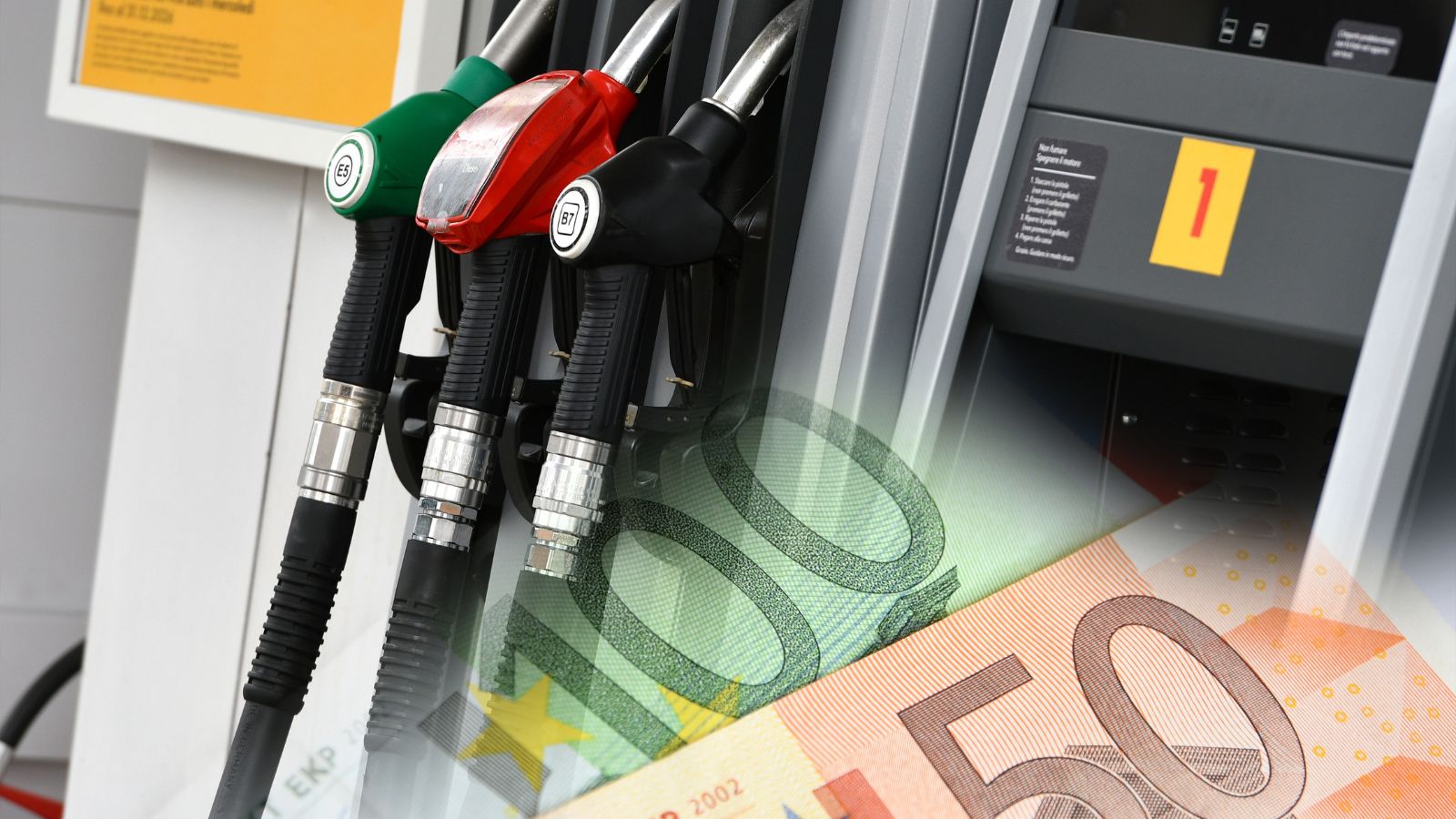
Canadian drivers are confronting a dramatically different fuel market than they were a year ago. CAA’s national average reached 178.2 cents per litre on September 14, compared with 138.8 cents a year earlier—a gap of 39.4 cents. By September 15, the average had eased modestly to 177.6 cents, but it remained 38.6 cents above the comparable year-ago level.

That small daily decline does little to change the broader picture. Pump prices remain elevated as crude oil trades above US$100 a barrel, geopolitical disruptions threaten global supply and refinery margins stay unusually strong. The impact now extends well beyond the numbers glowing above service-station signs. Higher gasoline costs are reshaping household transportation budgets, contributing heavily to Canadian inflation and keeping energy prices near the centre of the economic debate.

A Near-40-Cent Increase Changes the Cost of an Ordinary Fill-Up

The year-over-year change becomes more tangible when translated into the cost of filling a vehicle. At the September 14 national average of 178.2 cents per litre, 50 litres of regular gasoline costs about $89.10. At the 138.8-cent average recorded a year earlier, the same amount would have cost approximately $69.40. That works out to an extra $19.70 on a single 50-litre purchase. For a larger 60-litre fill, the difference approaches $23.65. Those amounts can accumulate rapidly for households that rely on a vehicle for commuting, school runs or work.

The September 15 average of 177.6 cents brings only marginal relief. A 50-litre purchase at that level still costs about $88.80, roughly $19.30 more than at the corresponding 139.0-cent national average one year earlier. Not every household buys the same amount of fuel or fills up at the national average, but the comparison illustrates why drivers can feel substantially poorer even when their driving habits have not changed. Gasoline is a highly visible expense, and unlike some discretionary purchases, it can be difficult for commuters in car-dependent communities to reduce quickly.

Prices Have Eased From Their 2026 Peak — But Remain Historically Painful

The current national average is not the highest Canadians have faced this year. CAA data show the national benchmark reached 190.4 cents per litre on May 6, the highest level recorded over the previous 12 months. At the other extreme, the same series fell to 120.0 cents on December 26, 2025. That 70-cent range underscores just how volatile the Canadian gasoline market has become, with changes in crude markets, geopolitical risk, refining conditions and seasonal demand being transmitted quickly to retail prices.

More recent movements tell a similarly unsettled story. CAA’s September 15 reading of 177.6 cents was below the 179.9-cent level recorded a week earlier, yet it remained 10.6 cents higher than the 167.0-cent average a month before. Drivers therefore are not experiencing a simple uninterrupted climb. Prices have surged, retreated and surged again as wholesale fuel markets respond to new developments. That volatility can make budgeting unusually difficult because a household that postpones filling the tank by only a few days can sometimes encounter a noticeably different price.

Oil Above US$100 Is Keeping Pressure on the Pump

One of the strongest forces behind Canadian gasoline prices is happening thousands of kilometres away. Brent crude was trading around US$105.74 a barrel on September 15, while West Texas Intermediate was near US$101.66. Oil markets were reacting to renewed concerns about Middle Eastern supply after attacks and an outage affecting Saudi Arabia’s East-West Pipeline, an important route that can move crude while bypassing the Strait of Hormuz. The disruption added another layer of uncertainty to a market already dealing with prolonged regional conflict.

The Bank of Canada has also pointed directly to high oil prices and unusually elevated margins on refined products such as gasoline and diesel. Crude oil is only one part of the pump price; refiners must turn that crude into usable fuels, and the difference between crude costs and wholesale refined-product prices can expand when refining capacity is tight or supply routes are disrupted. That helps explain why gasoline prices do not always move penny-for-penny with crude. A modest decline in oil therefore does not guarantee immediate relief if wholesale gasoline inventories or refinery margins remain under pressure.

Where Canadians Live Can Mean a 40-Cent Difference at the Pump

The national average hides enormous regional differences. Gas Wizard’s September 15 figures placed regular gasoline around 169.9 cents per litre in Edmonton and 171.9 cents in Calgary. Toronto was around 180.9 cents, while Halifax was approximately 190.2 cents. At the higher end, Vancouver was forecast around 206.9 cents, while St. John’s was listed at roughly 211.1 cents per litre. That puts more than 40 cents between some major Canadian markets on the same day.

For a 50-litre purchase, a 41-cent regional spread represents more than $20. Natural Resources Canada notes that these differences can come from several sources: provincial and municipal taxation, transportation costs, competition among stations, the volume of fuel sold and a community’s distance from fuel suppliers. Local market structure matters as well. A busy urban corridor with several competing stations can behave differently from a remote community with only a small number of retailers. In other words, the Canadian fuel story is simultaneously national and intensely local, with global crude prices setting the backdrop while regional conditions determine the final number on the pump.

Gasoline Is Doing Heavy Work in Canada’s Inflation Numbers

High fuel prices are now clearly visible in Canada’s broader inflation statistics. Statistics Canada reported that gasoline prices were 22.8% higher in August 2026 than in August 2025. Transportation prices overall were up 7.5% year over year, helping keep headline Consumer Price Index inflation at 3.0%. By comparison, the CPI excluding gasoline was up 2.4%, showing just how much energy costs were contributing to the difference between underlying price pressures and the headline number households encounter.

The Bank of Canada has been watching that distinction closely. When it held its policy rate at 2.25% on September 2, the central bank said inflation had been hovering around 3% largely because gasoline remained expensive. At that point, it saw relatively little evidence that elevated energy prices were spreading broadly through the rest of the economy. That is important because a temporary oil shock is different from persistent inflation across wages and services. The risk, however, grows the longer high fuel costs last. Businesses that depend on transportation eventually face pressure to recover higher operating costs through the prices they charge customers.

Ottawa’s Tax Relief Means Prices Could Have Been Even More Painful

The federal government has already intervened to cushion some of the fuel-price shock. Ottawa initially suspended the federal fuel excise tax beginning April 20, reducing the rate on regular gasoline from 10 cents per litre to zero. That temporary measure was originally scheduled to expire after September 7. Instead, the government announced on September 8 that the suspension would be extended through January 31, 2027 as Canadians continued to face high energy costs and broader economic uncertainty.

Under the announced schedule, the gasoline excise tax is set to return at half its normal rate—five cents per litre—from February 1 through March 31, 2027, before returning to the full 10-cent rate on April 1. The government estimates the extended program will provide about $5.3 billion in total fuel-tax relief during 2026-27. That creates an important context for current pump prices: Canadians are seeing gasoline near $1.80 a litre nationally even while the normal federal gasoline excise tax remains suspended. The relief has softened the bill, but it has not been large enough to offset the much stronger upward pressure coming from energy markets.

Canada Produces Plenty of Oil, but Drivers Still Pay a Global Price

High gasoline prices often revive a familiar question: why should a major oil-producing country such as Canada face expensive fuel at home? The answer lies in how crude and refined petroleum products are priced and moved. Natural Resources Canada explains that crude oil is priced according to global supply-and-demand conditions regardless of whether it is domestically produced or imported. Canadian refiners therefore do not simply receive Canadian crude at a protected domestic price while the rest of the world pays more.

Geography further complicates the picture. Western Canadian refineries rely heavily on domestic crude, while refineries in other parts of the country can use different combinations of domestic and imported supplies depending on pipelines, shipping routes, refinery configurations and economics. Refined gasoline itself also moves through regional wholesale markets before reaching service stations. Canada’s status as an oil exporter therefore provides substantial production and export capacity, but it does not insulate motorists from international energy shocks. When global crude becomes more expensive or international fuel supplies tighten, Canadian wholesale and retail markets respond as well.

The Next Move Could Come Quickly in Either Direction

There are reasons gasoline prices could soften from current levels. Canada’s national average has already pulled back from the 179.9-cent level recorded a week earlier, and gasoline demand commonly eases as the peak summer driving season ends. A de-escalation in the Middle East, restored oil infrastructure or weaker global demand could reduce some of the risk premium embedded in crude and refined-fuel prices. Even modest movements matter when translated across millions of litres sold every day.

The upside risk, however, remains difficult to dismiss. The Bank of Canada has warned that prolonged high oil prices and refinery margins raise the risk of broader inflation, while international energy markets remain highly sensitive to disruptions. Reuters reported that analysts were considering scenarios in which extended supply outages could drive Brent crude significantly higher than current levels. For Canadian drivers, that means the September pullback cannot yet be treated as the start of a durable decline. With gasoline still almost 40 cents above last year’s level, the most defensible expectation is continued volatility rather than a smooth return to cheaper fuel.


Recommended.

Tesla Shuts Hamilton’s 20-Stall Supercharger as 16-Stall V4 Replacement Goes Up

Tesla Pulls Factory Wrap Listings From Its Online Shop With No Word on Whether the Service Is Gone for Good

August 27, 2026
18 Cars That Hold Their Value Best in Canada Right Now

18 Cars That Hold Their Value Best in Canada Right Now

March 31, 2026

Trending.

⁠$28 Billion in Canadian Goods Face 50% Trump Tariffs at Midnight as Deal Still Isn’t Final

Canada-U.S. Trade Deal Fell Apart After Washington Left Ontario-Built Ford and GM Trucks Out of Auto Tariff Relief

August 23, 2026
Doug Ford Says U.S. ‘Wasn’t Budging’ on 25% Auto Tariffs as Ontario Puts ‘Every Single Tool’ on the Table

Doug Ford Says U.S. ‘Wasn’t Budging’ on 25% Auto Tariffs as Ontario Puts ‘Every Single Tool’ on the Table

August 23, 2026
Chinese EV Price Pressure Gets a New Benchmark as Voyah Opens $63,420 Luxury MPV Orders

Ottawa EV Owners Put Electric Cars on Display as Gas Prices Push Back Toward $2 a Litre

September 5, 2026
Mexico Pushes U.S. to Cut Auto Tariff From 25% to 5%–10% — and Give Canadian Parts More Room

Ottawa’s Chinese-EV Quota Opens Canada to 6.1% Tariffs Instead of the Former 100% Surtax

August 22, 2026
16 Cars That Could Lose Their Cool Factor Fast in Canada This Summer

Tesla Raises Canadian Prices by as Much as $30,000 as U.S. Auto Tariffs Hit Buyers

September 4, 2026
  • About
  • Contact
  • Privacy Policy
  • Disclaimer
  • Editorial Policies
  • Terms and Conditions
A Revir Media Group Website

2026 Autoigloo - © All rights reserved

No Result
View All Result
  • News & Trends
  • Car Reviews
  • Buying Guides
  • Comparisons
  • EVs & Hybrids
  • More
    • Pricing & Deals
    • Winter Driving
    • Ownership & Maintenance

2026 Autoigloo - © All rights reserved

This website uses cookies. By continuing to use this website you are giving consent to cookies being used. Visit our Privacy and Cookie Policy.