
















• About
  • Contact
AutoIgloo
  • News & Trends
    Bosch Workers Demand ‘Made in EU’ Rules as Supplier Plans 13,000 Auto Job Cuts

    Bosch Workers Demand ‘Made in EU’ Rules as Supplier Plans 13,000 Auto Job Cuts

    Buick Is Refreshing Its Electra E7 Just Five Months After Launch as China’s EV Cycle Speeds Up

    Buick Is Refreshing Its Electra E7 Just Five Months After Launch as China’s EV Cycle Speeds Up

    Leapmotor Unveils Next-Generation EV Platform and Promises a Second Brand in 2027

    Leapmotor Unveils Next-Generation EV Platform and Promises a Second Brand in 2027

    18 Vehicles That Could Trigger Buyer’s Remorse Faster Than Expected in Canada

    Maserati Reportedly Turns to Huawei and JAC for Two New EVs as Luxury Brand Fights Sales Slump

    The EV Charging Habit That Can Annoy Everyone Around You

    Leapmotor and FAW Team Up on Solid-State and Sodium-Ion Batteries as China’s EV Tech Race Accelerates

    Chinese EV Price Pressure Gets a New Benchmark as Voyah Opens $63,420 Luxury MPV Orders

    Europe’s EV Share Jumps to 30.5% as Electric-Car Sales Blow Past Forecasts

  • Car Reviews
    Honda Asked Suppliers for 30% Parts Cost Cuts as $9.4-Billion Savings Drive Hits Global Supply Chain

    Why Some Buyers Are Choosing Older Hondas Over Newer SUVs

    18 Things That Can Make a Car Unsafe for Winter Road Trips

    Why Some Drivers Are Avoiding Vehicles With Complex Infotainment Systems

    21 Cars Canadians Are Starting to Regret Buying

    Why Some Drivers Regret Buying Big Wheels and Low-Profile Tires

    17 Vehicles That Are Quietly Getting Crushed by Insurance Costs in Canada

    Why So Many Drivers Are Nervous About Chinese-Made EV Batteries

    20 Used SUVs Canadians Should Think Twice About Buying

    20 Used SUVs Canadians Should Think Twice About Buying

    15 Vehicles That Are Starting to Feel Like a Bad Deal Around May Long Weekend

    15 Vehicles That Are Starting to Feel Like a Bad Deal Around May Long Weekend

  • Buying Guides
    18 Things That Can Make a Car Harder to Park Than Expected

    Why Some Buyers Regret Choosing the Sport Package

    The Traffic Stop Mistake That Can Turn a Warning Into a Ticket

    20 Things Canadians Should Check Before Buying a Vehicle With a Loan Still Owing

    The Dealership Fee That Buyers Should Always Ask About

    The Dealership Fee That Buyers Should Always Ask About

    23 Features That Are Making New Cars Harder (and Pricier) to Repair in Canada

    Why Some Canadians Are Avoiding Cars With Expensive Windshields

    18 Red Flags a Used Vehicle May Be a Money Pit

    The Car Buying Mistake That Makes Negotiating Almost Impossible

    Why Some Canadians Are Regretting Buying Vehicles With No Spare Tire

    Why Some Canadians Are Regretting Buying Vehicles With No Spare Tire

  • Comparisons
    Honda Asked Suppliers for 30% Parts Cost Cuts as $9.4-Billion Savings Drive Hits Global Supply Chain

    Why Some Buyers Are Choosing Older Hondas Over Newer SUVs

    25 EV Charging Mistakes Canadians Make in March (That Wreck Range)

    Why Some Canadians Are Choosing Hybrids Over Full EVs Again

    21 Used Car Features That Can Become Expensive Problems Later

    Why Some Canadians Are Choosing Front-Wheel Drive Over All-Wheel Drive

    Canada’s Auto Fight Gets Uglier as BYD Threatens to Sue Trump Administration

    Tesla Vs. BYD: Are Chinese EV’s Actually Better for Canadians?

    17 Vehicles That Are Quietly Getting Crushed by Insurance Costs in Canada

    Why So Many Drivers Are Nervous About Chinese-Made EV Batteries

    20 Used SUVs Canadians Should Think Twice About Buying

    20 Used SUVs Canadians Should Think Twice About Buying

  • EVs & Hybrids
    The Used EV Question Canadians Should Ask Before Buying One

    The Used EV Question Canadians Should Ask Before Buying One

    Why Some EV Owners Are Getting Sticker Shock From Home Charging Setups

    Why Some EV Owners Are Getting Sticker Shock From Home Charging Setups

    20 Signs Your Car Battery Is About to Leave You Stranded

    Canadian Auto Jobs Become a Central Fault Line as Ottawa Reveals Why It Rejected U.S. Vehicle Terms

    25 EV Charging Mistakes Canadians Make in March (That Wreck Range)

    Why Some Canadians Are Choosing Hybrids Over Full EVs Again

    The EV Charging Habit That Can Annoy Everyone Around You

    Canada Is Missing an EV-Battery Export Opening as EU Lithium Demand Heads for a 9-to-12-Fold Jump: Report

    16 Used-EV Surprises Canadians Don’t See Coming Until After They Buy

    The EV Charging Habit That Can Annoy Everyone Around You

  • More
    • Pricing & Deals
    • Winter Driving
    • Ownership & Maintenance
No Result
View All Result
AutoIgloo
  • News & Trends
    Bosch Workers Demand ‘Made in EU’ Rules as Supplier Plans 13,000 Auto Job Cuts

    Bosch Workers Demand ‘Made in EU’ Rules as Supplier Plans 13,000 Auto Job Cuts

    Buick Is Refreshing Its Electra E7 Just Five Months After Launch as China’s EV Cycle Speeds Up

    Buick Is Refreshing Its Electra E7 Just Five Months After Launch as China’s EV Cycle Speeds Up

    Leapmotor Unveils Next-Generation EV Platform and Promises a Second Brand in 2027

    Leapmotor Unveils Next-Generation EV Platform and Promises a Second Brand in 2027

    18 Vehicles That Could Trigger Buyer’s Remorse Faster Than Expected in Canada

    Maserati Reportedly Turns to Huawei and JAC for Two New EVs as Luxury Brand Fights Sales Slump

    The EV Charging Habit That Can Annoy Everyone Around You

    Leapmotor and FAW Team Up on Solid-State and Sodium-Ion Batteries as China’s EV Tech Race Accelerates

    Chinese EV Price Pressure Gets a New Benchmark as Voyah Opens $63,420 Luxury MPV Orders

    Europe’s EV Share Jumps to 30.5% as Electric-Car Sales Blow Past Forecasts

  • Car Reviews
    Honda Asked Suppliers for 30% Parts Cost Cuts as $9.4-Billion Savings Drive Hits Global Supply Chain

    Why Some Buyers Are Choosing Older Hondas Over Newer SUVs

    18 Things That Can Make a Car Unsafe for Winter Road Trips

    Why Some Drivers Are Avoiding Vehicles With Complex Infotainment Systems

    21 Cars Canadians Are Starting to Regret Buying

    Why Some Drivers Regret Buying Big Wheels and Low-Profile Tires

    17 Vehicles That Are Quietly Getting Crushed by Insurance Costs in Canada

    Why So Many Drivers Are Nervous About Chinese-Made EV Batteries

    20 Used SUVs Canadians Should Think Twice About Buying

    20 Used SUVs Canadians Should Think Twice About Buying

    15 Vehicles That Are Starting to Feel Like a Bad Deal Around May Long Weekend

    15 Vehicles That Are Starting to Feel Like a Bad Deal Around May Long Weekend

  • Buying Guides
    18 Things That Can Make a Car Harder to Park Than Expected

    Why Some Buyers Regret Choosing the Sport Package

    The Traffic Stop Mistake That Can Turn a Warning Into a Ticket

    20 Things Canadians Should Check Before Buying a Vehicle With a Loan Still Owing

    The Dealership Fee That Buyers Should Always Ask About

    The Dealership Fee That Buyers Should Always Ask About

    23 Features That Are Making New Cars Harder (and Pricier) to Repair in Canada

    Why Some Canadians Are Avoiding Cars With Expensive Windshields

    18 Red Flags a Used Vehicle May Be a Money Pit

    The Car Buying Mistake That Makes Negotiating Almost Impossible

    Why Some Canadians Are Regretting Buying Vehicles With No Spare Tire

    Why Some Canadians Are Regretting Buying Vehicles With No Spare Tire

  • Comparisons
    Honda Asked Suppliers for 30% Parts Cost Cuts as $9.4-Billion Savings Drive Hits Global Supply Chain

    Why Some Buyers Are Choosing Older Hondas Over Newer SUVs

    25 EV Charging Mistakes Canadians Make in March (That Wreck Range)

    Why Some Canadians Are Choosing Hybrids Over Full EVs Again

    21 Used Car Features That Can Become Expensive Problems Later

    Why Some Canadians Are Choosing Front-Wheel Drive Over All-Wheel Drive

    Canada’s Auto Fight Gets Uglier as BYD Threatens to Sue Trump Administration

    Tesla Vs. BYD: Are Chinese EV’s Actually Better for Canadians?

    17 Vehicles That Are Quietly Getting Crushed by Insurance Costs in Canada

    Why So Many Drivers Are Nervous About Chinese-Made EV Batteries

    20 Used SUVs Canadians Should Think Twice About Buying

    20 Used SUVs Canadians Should Think Twice About Buying

  • EVs & Hybrids
    The Used EV Question Canadians Should Ask Before Buying One

    The Used EV Question Canadians Should Ask Before Buying One

    Why Some EV Owners Are Getting Sticker Shock From Home Charging Setups

    Why Some EV Owners Are Getting Sticker Shock From Home Charging Setups

    20 Signs Your Car Battery Is About to Leave You Stranded

    Canadian Auto Jobs Become a Central Fault Line as Ottawa Reveals Why It Rejected U.S. Vehicle Terms

    25 EV Charging Mistakes Canadians Make in March (That Wreck Range)

    Why Some Canadians Are Choosing Hybrids Over Full EVs Again

    The EV Charging Habit That Can Annoy Everyone Around You

    Canada Is Missing an EV-Battery Export Opening as EU Lithium Demand Heads for a 9-to-12-Fold Jump: Report

    16 Used-EV Surprises Canadians Don’t See Coming Until After They Buy

    The EV Charging Habit That Can Annoy Everyone Around You

  • More
    • Pricing & Deals
    • Winter Driving
    • Ownership & Maintenance
No Result
View All Result
AutoIgloo
No Result
View All Result

Home » News & Trends

Trump’s Clean-Car Rollback Hits Court Wall as Automakers Face Another North American Rules Fight

Nate Brewer by Nate Brewer
September 3, 2026
Reading Time: 5 mins read
A A
Photo Credit: Shutterstock

Photo Credit: Shutterstock

468
SHARES
1.5k
VIEWS
Share on FacebookShare on Twitter

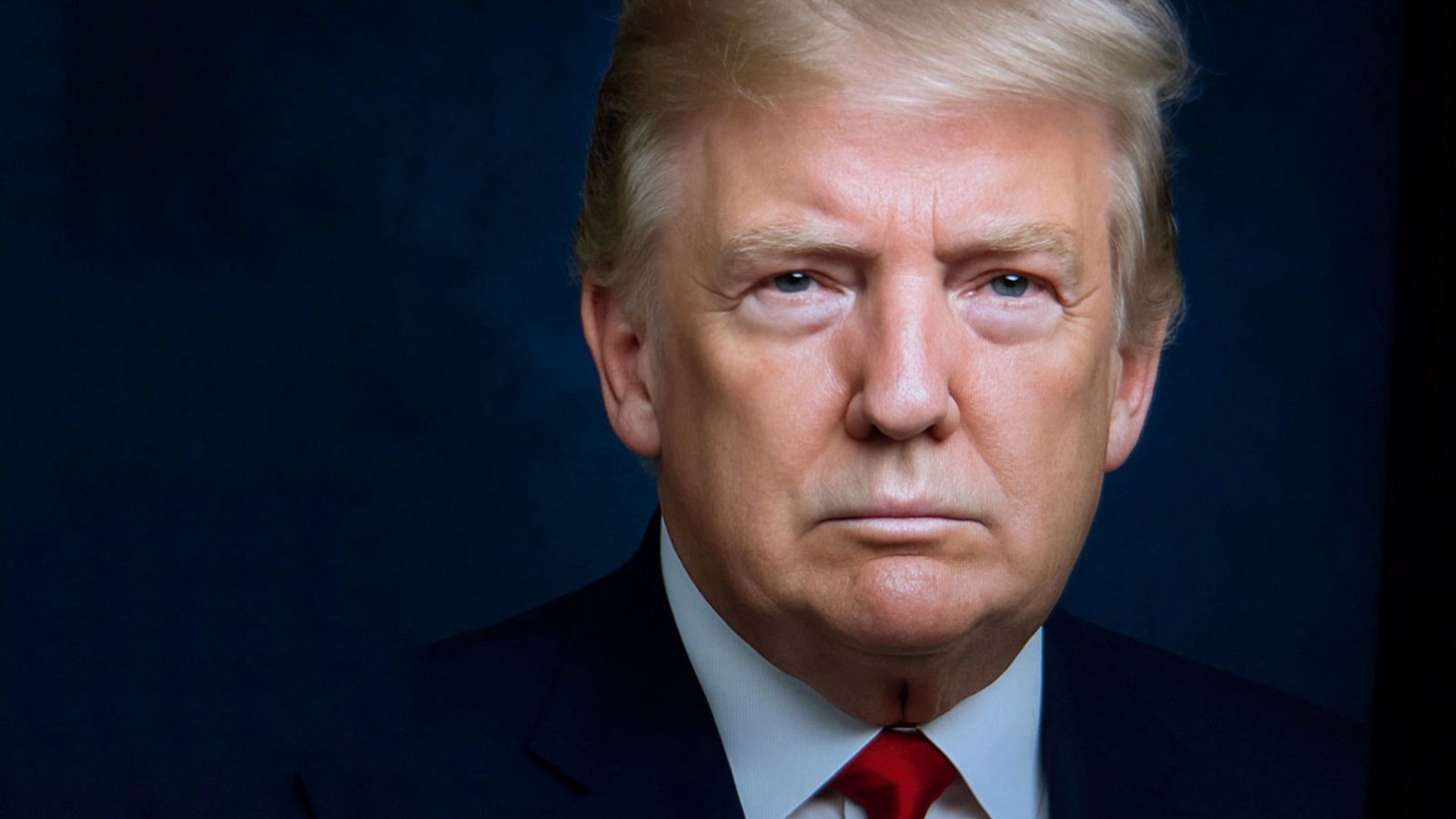
Donald Trump’s effort to dismantle U.S. clean-vehicle policy has run into another legal obstacle, just as automakers are trying to understand what the next generation of North American vehicle rules will actually require. A federal judge has temporarily blocked the Environmental Protection Agency from using an unusual regulatory route to place several California emissions waivers before Congress for possible repeal.

The decision does not reverse every clean-car rollback undertaken by Washington, and it does not automatically restore California’s separate 2035 zero-emission vehicle mandate. What it does is preserve another piece of California’s regulatory authority while courts examine whether the administration used the law correctly. For automakers already facing different U.S. federal, California and Canadian policies — plus an intensifying Canada-U.S. tariff fight — regulatory certainty remains elusive.

The Judge Stopped an Unusual Route Through Congress

U.S. District Judge Beryl Howell issued a preliminary injunction blocking the EPA’s attempt to reclassify four California Clean Air Act waiver decisions as rules that could be submitted to Congress under the Congressional Review Act. The distinction matters because the CRA provides an expedited process for Congress to overturn federal regulations, including the possibility of passage by a simple Senate majority. California argued that EPA waivers are administrative decisions granting permission, not regulations that Congress can simply erase through that process.

Howell ordered the EPA to take steps within its control to restore the situation that existed before the agency’s June actions. Her ruling sharply criticized the government’s reasoning, concluding that the EPA could not treat the waivers as rules for congressional purposes while disregarding the consequences that came with that characterization. Lawmakers had reportedly been preparing to act on the waivers, meaning the injunction changes the immediate political timetable even though the broader litigation is far from over.

California’s Special Authority Goes Back Decades

California occupies an unusual position in American environmental law. The Clean Air Act generally gives Washington responsibility for national vehicle-emissions standards, but it allows California to seek federal waivers permitting tougher state requirements because the state had vehicle-pollution controls before the modern federal system was established. According to California officials, administrations of both parties have granted more than 75 such waivers over roughly half a century.

The four waivers caught in the latest dispute include decisions tied to California’s greenhouse-gas standards for cars, its earlier Advanced Clean Cars program and regulations covering small off-road engines. One of the contested vehicle waivers dates back to 2009. That history is important because the Trump administration’s argument would change how decisions that had long been treated as waivers are categorized. California says doing that would create a new mechanism through which Congress could erase regulatory permissions that historically were handled through the Clean Air Act’s administrative and judicial processes.

The Ruling Does Not Simply Bring Back the 2035 Mandate

The latest court victory can easily be confused with California’s better-known Advanced Clean Cars II program, but the two fights are not identical. California adopted that program in 2022 with requirements beginning in the 2026 model year. Its original trajectory called for qualifying zero-emission vehicles and plug-in hybrids to reach 35% of new vehicle sales in 2026, 68% in 2030 and 100% in 2035. The Biden administration later granted the federal waiver needed for California to enforce those requirements.

Congress targeted that waiver separately in 2025, and Trump signed legislation overturning the approval after automakers including General Motors and Toyota pushed for relief. California challenged that action, and litigation remains unresolved. The Alliance for Automotive Innovation had argued that the mandated sales trajectory was substantially ahead of consumer demand and charging infrastructure. That means Howell’s September ruling is significant without being a blanket restoration of every California clean-car policy that the Trump administration and Congress have attacked.

Washington Has Already Rolled Back Federal Rules Much Further

California’s waiver battle is only one front in a sweeping shift in federal vehicle regulation. In February, the Trump EPA rescinded the 2009 greenhouse-gas Endangerment Finding that had provided the legal basis for federal greenhouse-gas limits on new motor vehicles. The agency simultaneously eliminated federal greenhouse-gas standards applying to light-, medium- and heavy-duty highway vehicles. EPA argues that the Clean Air Act does not authorize those standards for addressing global climate change and has promoted the move as a major reduction in regulatory costs.

The Transportation Department has also moved toward sharply weaker fuel-economy requirements. A recent NHTSA plan would put fleetwide fuel economy at roughly 34.5 miles per gallon in 2031 rather than the approximately 50.4 mpg target associated with the previous policy. NHTSA estimates weaker requirements could reduce vehicle costs by about $930, while also increasing fuel consumption by roughly 100 billion gallons and carbon emissions by about 5% through 2050. Those estimates remain politically and academically contested.

Economists Are Challenging the Cost Case for the Rollback

The economic debate surrounding weaker rules intensified in August when researchers from Yale, MIT, the University of Pennsylvania and other institutions published an analysis in Science challenging the assumptions behind EPA’s cost-benefit calculations. Their work examined how the government valued fuel savings, vehicle technology costs and changes in driving. According to the researchers, correcting several inconsistencies would erase the economic benefit claimed for eliminating federal greenhouse-gas standards.

Their calculation was dramatic: an EPA scenario showing roughly $790 billion in net benefits from repeal became an estimated $670 billion net cost after the researchers made their corrections. The authors also noted that the administration’s analysis excluded large climate and public-health benefits that earlier regulatory evaluations counted. EPA has defended its approach and its emphasis on affordability and consumer choice. The disagreement illustrates why vehicle regulation rarely reduces to a simple EV-versus-gasoline argument; assumptions about fuel prices, driving behaviour and technology costs can move projected benefits by hundreds of billions of dollars.

Automakers Wanted Relief but Still Need Predictable Rules

Major manufacturers have repeatedly argued that California’s aggressive electrification timetable moved faster than the market. The Alliance for Automotive Innovation, whose members include companies such as Ford, General Motors, Toyota, Honda, Hyundai, Volkswagen and Stellantis, supported the 2025 congressional action against California’s 2035 mandate. The organization has also argued for a coherent national vehicle standard rather than increasingly different requirements across jurisdictions.

That preference explains the industry’s complicated position today. Relaxing a difficult mandate can provide short-term compliance flexibility, but prolonged litigation can replace one problem with another: uncertainty about which standards will survive for vehicles being engineered several model years in advance. Manufacturers cannot redesign powertrains, factories and battery-sourcing plans every few months. The practical question is therefore becoming less about whether Washington regulates more or less and more about whether companies can rely on the rules long enough to plan billion-dollar product programs and assembly investments.

Canada Is Now Moving Away From Automatic U.S. Alignment

The regulatory split is becoming a distinctly North American problem because Canada is also rewriting its approach. Ottawa announced in February that it intends to repeal the Electric Vehicle Availability Standard and replace it with stronger, technology-neutral greenhouse-gas standards for model years 2027 through 2032. The government’s stated trajectory is designed to put Canada on a path toward roughly 75% EV sales in 2035 and 90% in 2040 rather than maintaining the existing requirement for 100% zero-emission sales by 2035.

A proposed regulatory package published in the Canada Gazette in August explicitly acknowledges that Canada’s vehicle-emissions rules have historically incorporated important elements of U.S. EPA regulations. Washington’s repeal of federal greenhouse-gas vehicle standards therefore created Canadian administrative problems as well as policy differences. Ottawa also noted that Canadian zero-emission vehicle sales fell from roughly 14% in 2024 to about 9% in 2025, before recovering to around 10% on average during the first four months of 2026.

The Same Factories Are Also Caught in a Tariff Fight

Regulatory uncertainty is arriving while North American production itself is under pressure. More than 90% of Canadian-made vehicles and about 60% of Canadian-made auto parts are exported to the United States, according to Ottawa. Canada produced more than 1.2 million passenger vehicles in 2025, while the broader auto industry supports hundreds of thousands of Canadian jobs. That dependence makes even modest changes in U.S. rules unusually consequential for Canadian assembly plants.

Tariffs add another layer. Toyota and Honda together account for more than three-quarters of Canadian vehicle production, and Reuters reported that Canadian-built models represent roughly 24% of Honda’s U.S. sales and 17% of Toyota’s. Trump has threatened a 50% tariff on Canadian vehicle imports beginning January 1, dramatically raising the cost of maintaining integrated production. Manufacturers must therefore consider emissions rules, EV demand, battery investment, trade policy and factory location at the same time. Howell’s injunction settles none of those questions permanently, but it ensures the clean-car fight will remain part of that already crowded calculation.


Recommended.

22 Vehicles That Are Great New… But a Money Pit After 5 Years (Canada Edition)

25 Cars That Are Quietly Getting Downgraded in Canada (Less Features, Same Price)

March 30, 2026
15 Ways a Low Monthly Payment Can Fool Canadian Car Buyers

15 Ownership Mistakes That Make a Vehicle Cost More Than Canadians Planned

May 13, 2026

Trending.

⁠$28 Billion in Canadian Goods Face 50% Trump Tariffs at Midnight as Deal Still Isn’t Final

Canada-U.S. Trade Deal Fell Apart After Washington Left Ontario-Built Ford and GM Trucks Out of Auto Tariff Relief

August 23, 2026
Doug Ford Says U.S. ‘Wasn’t Budging’ on 25% Auto Tariffs as Ontario Puts ‘Every Single Tool’ on the Table

Doug Ford Says U.S. ‘Wasn’t Budging’ on 25% Auto Tariffs as Ontario Puts ‘Every Single Tool’ on the Table

August 23, 2026
Chinese EV Price Pressure Gets a New Benchmark as Voyah Opens $63,420 Luxury MPV Orders

Ottawa EV Owners Put Electric Cars on Display as Gas Prices Push Back Toward $2 a Litre

September 5, 2026
Mexico Pushes U.S. to Cut Auto Tariff From 25% to 5%–10% — and Give Canadian Parts More Room

Ottawa’s Chinese-EV Quota Opens Canada to 6.1% Tariffs Instead of the Former 100% Surtax

August 22, 2026
16 Cars That Could Lose Their Cool Factor Fast in Canada This Summer

Tesla Raises Canadian Prices by as Much as $30,000 as U.S. Auto Tariffs Hit Buyers

September 4, 2026
  • About
  • Contact
  • Privacy Policy
  • Disclaimer
  • Editorial Policies
  • Terms and Conditions
A Revir Media Group Website

2026 Autoigloo - © All rights reserved

No Result
View All Result
  • News & Trends
  • Car Reviews
  • Buying Guides
  • Comparisons
  • EVs & Hybrids
  • More
    • Pricing & Deals
    • Winter Driving
    • Ownership & Maintenance

2026 Autoigloo - © All rights reserved

This website uses cookies. By continuing to use this website you are giving consent to cookies being used. Visit our Privacy and Cookie Policy.