
























A first Canadian winter behind the wheel can make familiar roads feel completely different. Snow hides lane markings, freezing rain can turn pavement slick within hours, and an ordinary commute can demand far more stopping distance and concentration than it did in September. Even the vehicle itself behaves differently as temperatures fall, from tire pressure changes to reduced battery performance.
Preparation matters as much as driving skill. These 18 things cover the essentials new drivers should understand before winter arrives, including tires, braking, black ice, visibility, snowplows, emergency supplies and changing provincial requirements. None eliminates winter risk completely, but together they can make the first season of cold-weather driving considerably more predictable.
Winter Tires Matter Before the First Big Snowfall
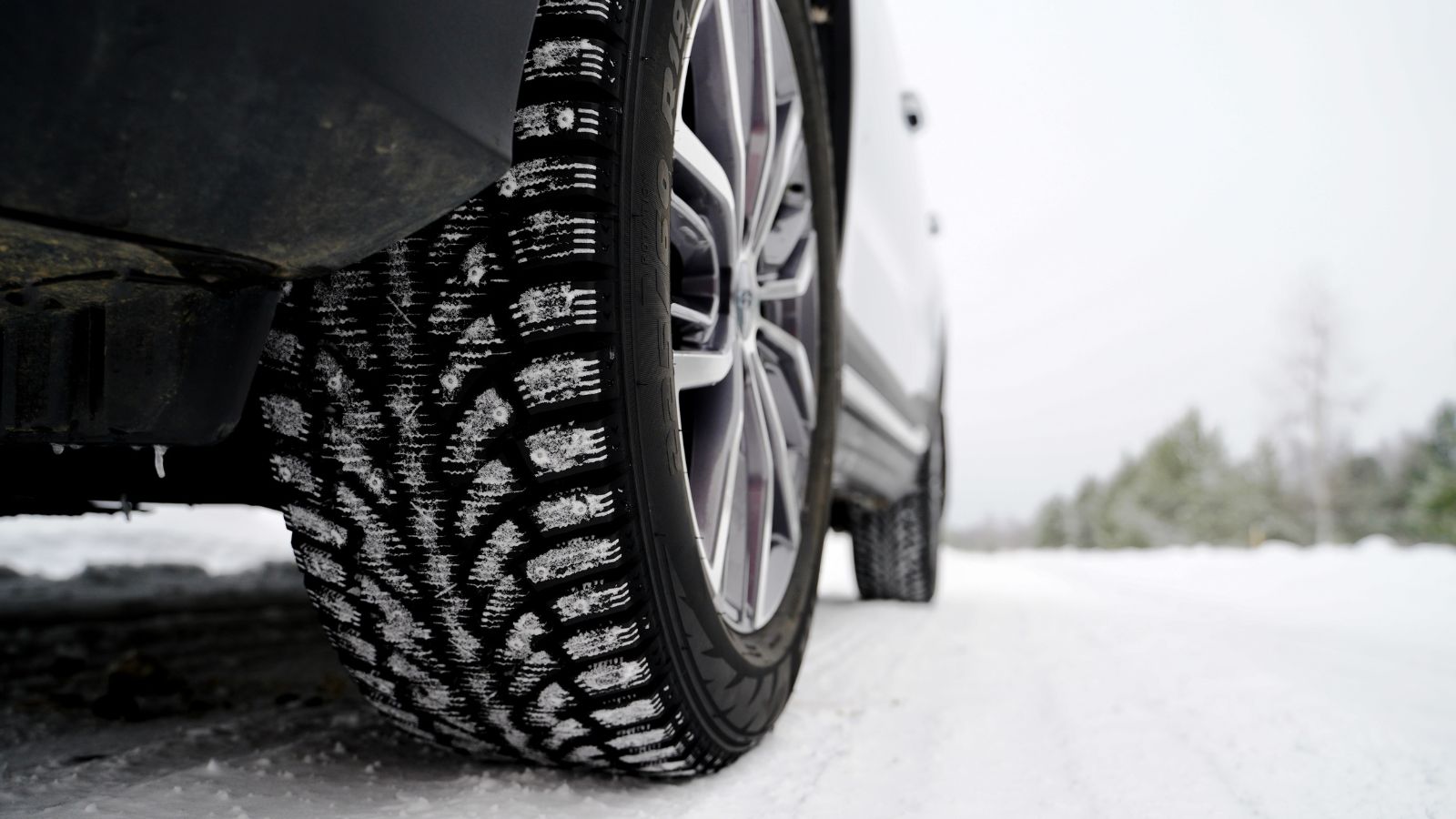
One of the easiest mistakes for a new driver is waiting for a major snowstorm before thinking about winter tires. Temperature matters even when the pavement looks perfectly clear. Transport Canada advises that all-season and summer tires begin losing elasticity and traction when temperatures fall below roughly 7°C. Purpose-built winter tires remain more flexible at lower temperatures and use tread patterns intended for cold, snowy and icy conditions. That difference becomes important during braking, cornering and emergency manoeuvres.
Drivers should look for the three-peaked mountain and snowflake symbol rather than assuming any tire with an aggressive-looking tread is designed for severe winter conditions. Transport Canada testing has demonstrated substantially longer stopping distances with all-season tires than winter tires on icy surfaces. A sunny November afternoon can therefore be deceptive: dry pavement at noon may become frost-covered after sunset. Installing suitable tires according to local seasonal conditions is safer than waiting for the first morning when the car cannot get confidently out of the driveway.
Four Proper Winter Tires Are Better Than Mixing and Matching
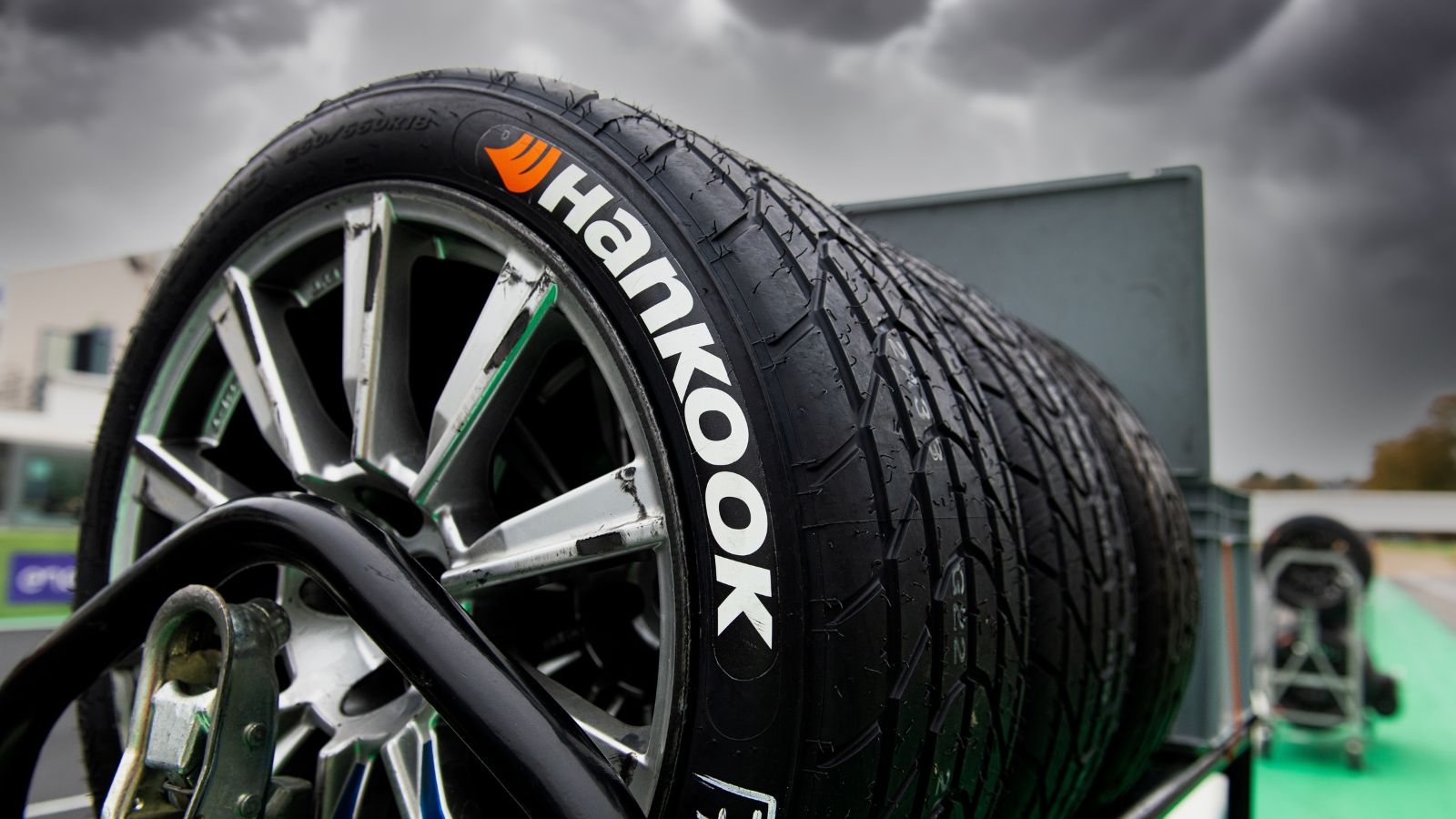
Buying two winter tires instead of four may look like an economical compromise, particularly for someone facing insurance, fuel and vehicle payments for the first time. It can also create an undesirable imbalance in available traction. Transport Canada recommends installing winter tires on all wheel positions and advises using tires with compatible type, size, speed rating and load index. Different tread designs or substantially different levels of grip can change how predictably a vehicle behaves when traction disappears.
Tread depth also deserves attention. Transport Canada advises against using winter tires with less than about 4 millimetres of tread for snow-covered conditions. Tires can therefore remain technically usable while no longer being ideal for serious winter driving. The best tires should also be placed on the rear axle when tread depths differ, helping preserve directional stability. For a new driver, predictable handling is especially valuable because recognizing understeer or oversteer is not yet instinctive. A matched set of healthy winter tires gives the vehicle a much more consistent foundation when roads become slippery.
Cold Weather Changes Tire Pressure Faster Than Many Drivers Expect
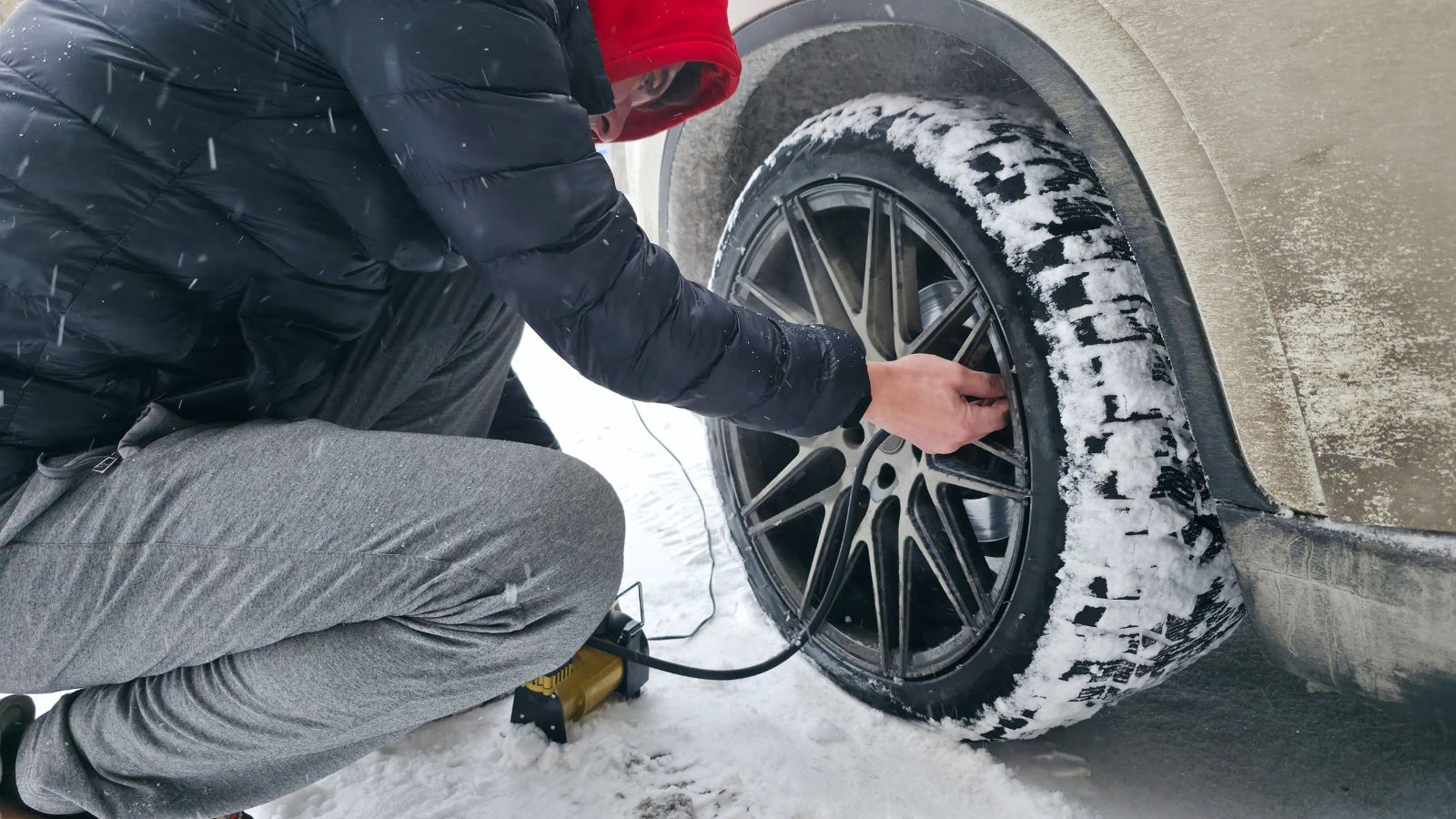
A tire that looked perfectly normal during an autumn inspection can become underinflated after a sharp temperature drop without having a puncture. Transport Canada says tire pressure decreases by about 1 psi for every 5°C reduction in temperature. A 20-degree seasonal drop can therefore produce a noticeable pressure change. Visual inspection alone is not enough because a tire can be significantly underinflated without appearing obviously flat.
Pressure should be checked when tires are cold, normally after the vehicle has been parked for at least three hours or driven no more than about two kilometres. The proper target comes from the vehicle manufacturer’s tire-information label, commonly found on the driver’s door frame, rather than the maximum pressure moulded onto the tire sidewall. Transport Canada recommends checking pressure at least monthly and before long trips. For new drivers, keeping a small pressure gauge in the vehicle is an inexpensive habit with practical benefits. Proper inflation supports predictable handling, braking, tire life and efficiency during the most demanding months of the year.
Winter Roads Require More Space and Less Speed
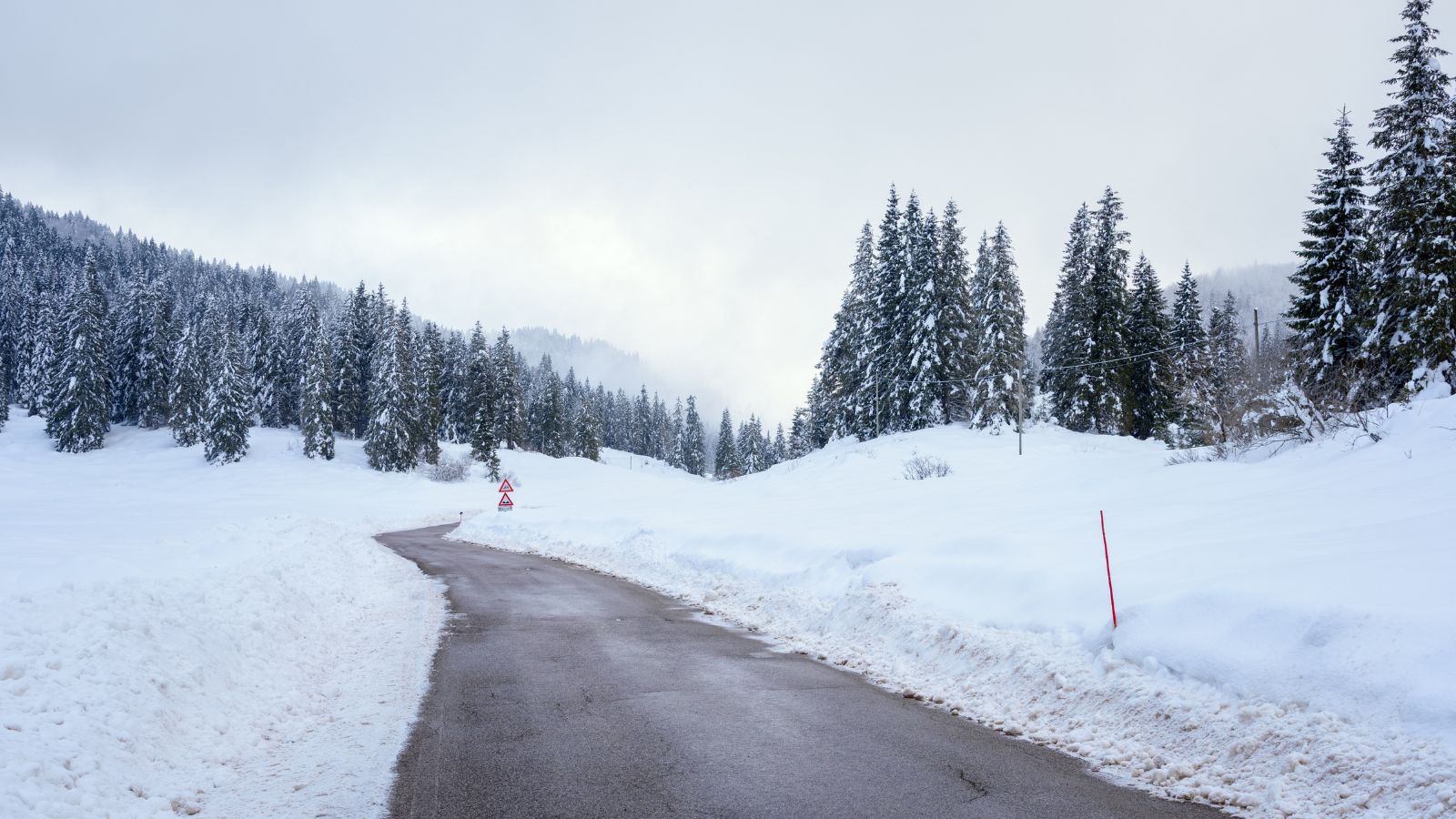
A speed limit indicates the maximum permitted speed under appropriate conditions; it does not guarantee that travelling at that speed is sensible during freezing rain or heavy snow. Transport Canada specifically advises drivers to match speed to weather and road conditions. Slippery pavement also lengthens the distance needed to stop, which makes a larger gap behind the vehicle ahead one of the most useful defensive-driving habits available.
The adjustment can feel strange to an inexperienced driver. Someone accustomed to following traffic at normal urban spacing may suddenly discover that a routine stoplight requires far more room when packed snow covers the road. Braking earlier and more gradually helps preserve traction and gives the driver behind more warning as well. Looking farther down the road is equally important because upcoming traffic lights, brake lights and curves can be anticipated rather than reacted to at the last second. Winter driving is generally smoother when every manoeuvre starts earlier: slowing, turning, changing lanes and stopping should all become more deliberate as grip deteriorates.
Black Ice Often Appears Where the Road Looks Almost Normal
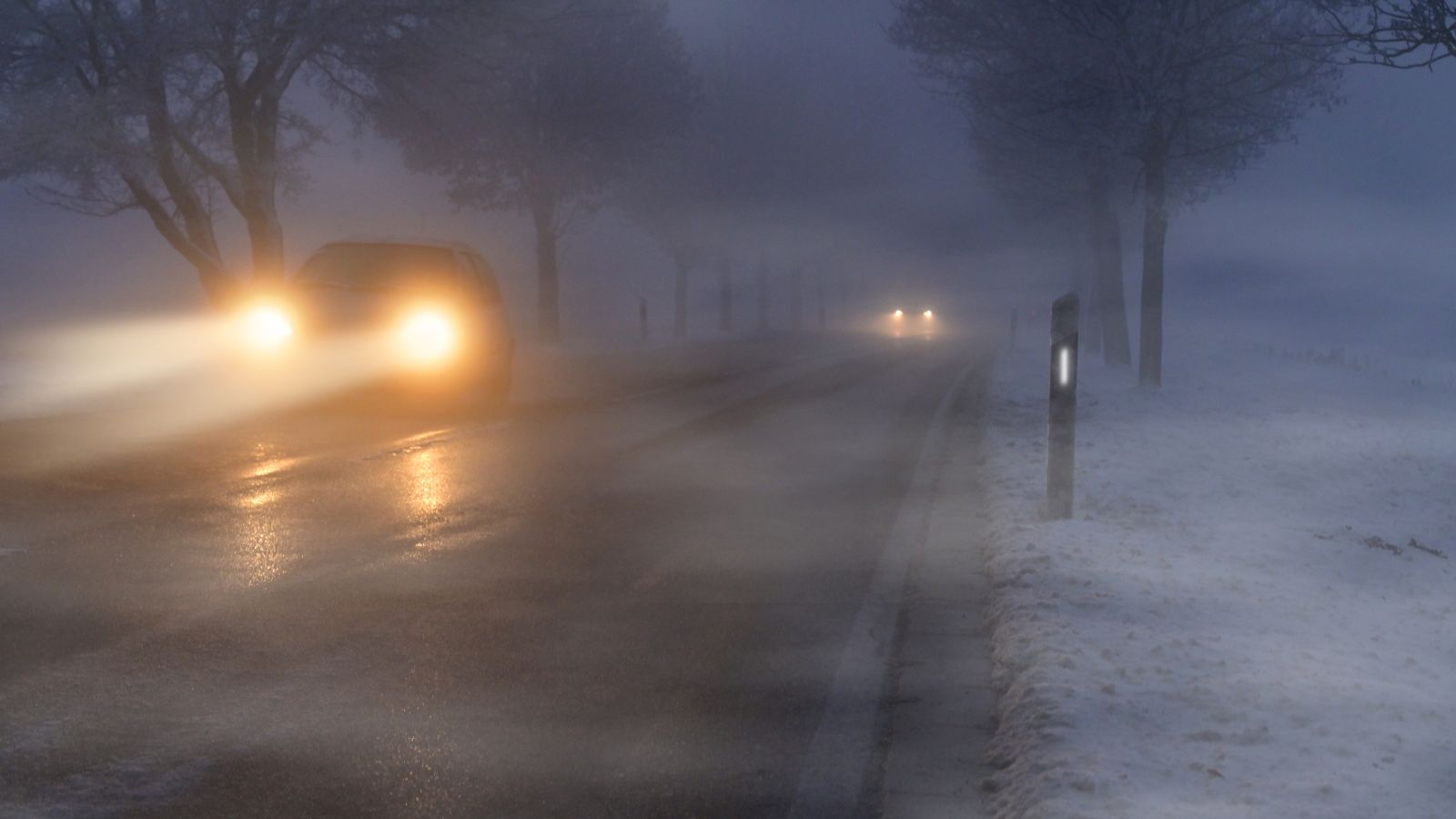
Some winter hazards are easy to see. A snowbank is obvious; a transparent film of ice may not be. Ontario’s official driver guidance describes black ice as a thin layer that can make pavement appear black and shiny instead of the more typical grey-white appearance of a winter road. It also warns that bridges, overpasses and shaded sections can freeze before surrounding pavement. Those locations deserve extra attention when temperatures hover around freezing.
The safest response happens before the tires reach the icy patch. Sudden braking or steering after traction disappears can make the situation worse, so drivers should scan the pavement ahead, reduce speed smoothly and avoid abrupt inputs when ice is possible. Early mornings, evenings and periods after melting snow or freezing rain deserve particular caution. A road may also change from wet to icy over a surprisingly short distance. For a first-time winter driver, one of the most important lessons is that a road does not have to look snowy to have extremely limited grip.
Stability Control Helps, but It Cannot Defeat Physics
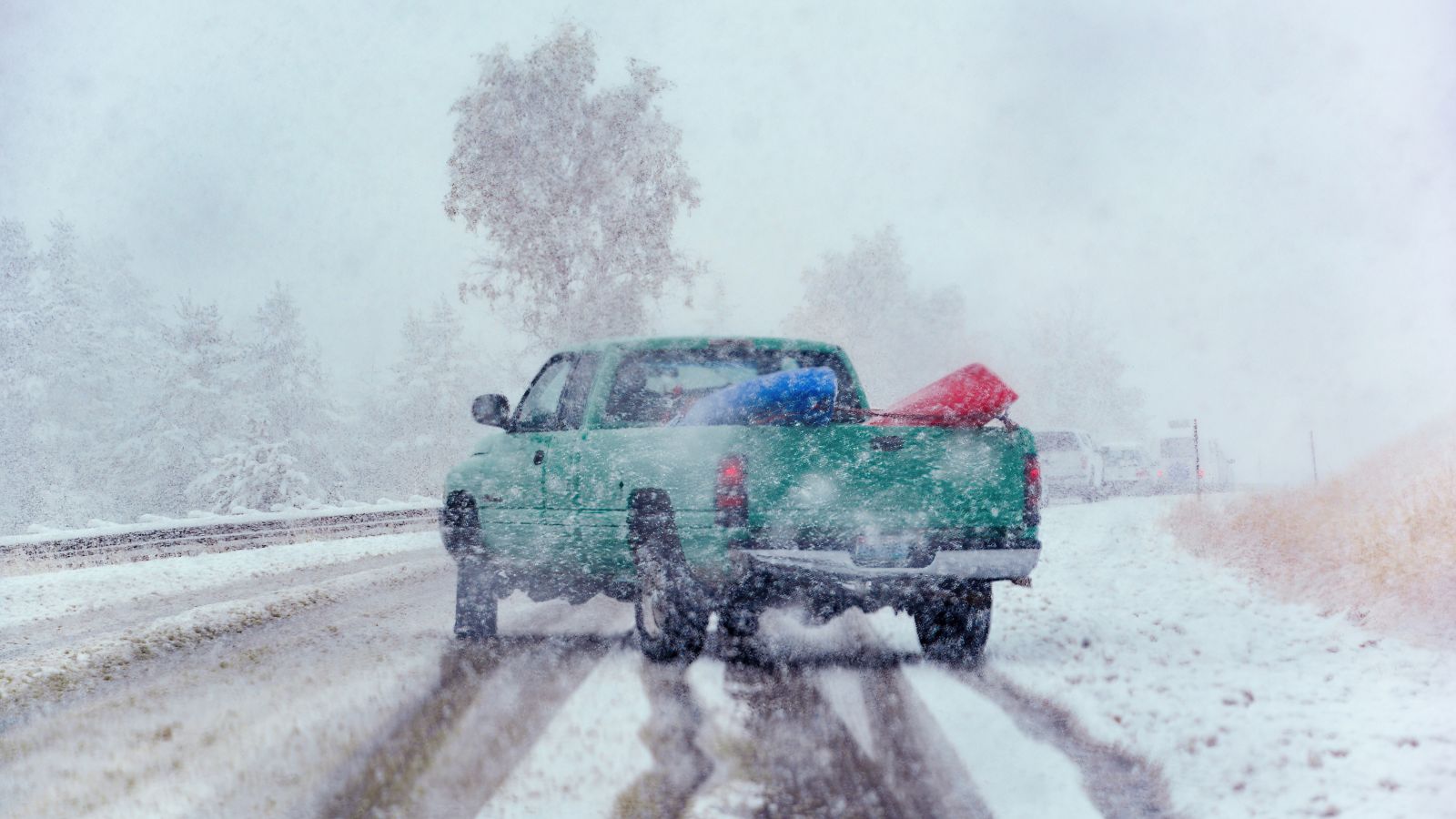
Modern vehicles contain electronic systems that can make winter driving considerably more manageable. Electronic stability control monitors whether the vehicle is travelling in the direction indicated by the driver’s steering inputs. When it detects a developing loss of control, it can brake individual wheels, reduce engine power or do both. Transport Canada notes that electronic stability control became standard equipment on Canadian-market vehicles beginning with the 2012 model year.
Traction control serves a related purpose by reducing excessive wheelspin on slippery surfaces. These systems are valuable, but they should not create false confidence. Transport Canada stresses that even a vehicle equipped with stability and traction technology can lose control if it is travelling too quickly for conditions. Tires remain critical because electronic aids cannot manufacture grip where little exists. If the stability-control warning light flashes while driving on snow, it is often a sign that the system is intervening because available traction is being approached or exceeded. The appropriate response is usually to slow down and drive more cautiously, not to push harder.
A Skid Is Easier to Manage When the Driver Avoids Panic
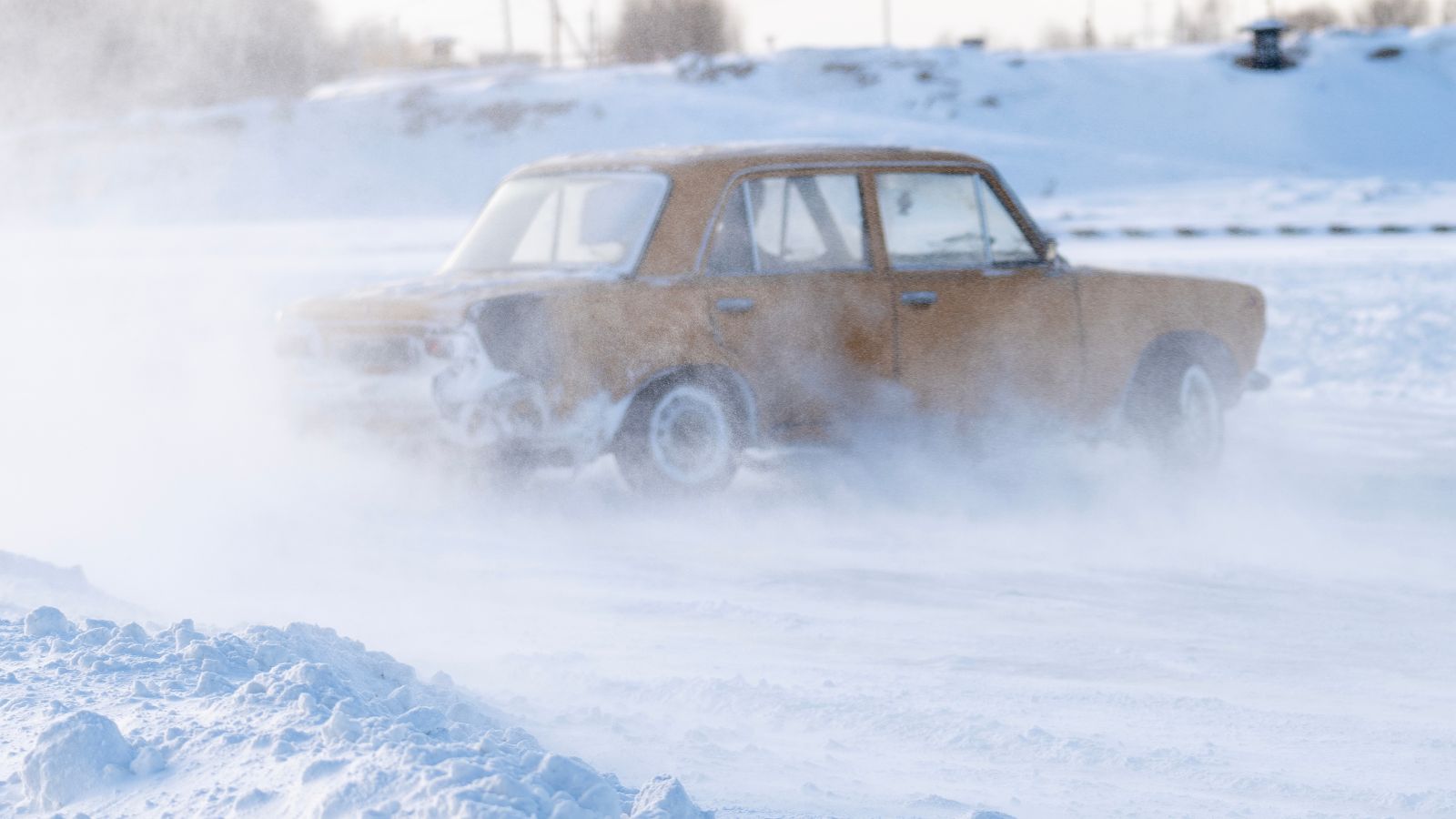
Few moments unsettle a new driver faster than turning the steering wheel and feeling the vehicle continue in another direction. Ontario’s driver handbook notes that skids frequently result from excessive speed for the conditions, hard braking, aggressive turning or sudden acceleration. Avoiding those actions is far easier than recovering after traction has disappeared, which is why smooth inputs become so important during winter.
If a skid does develop, the guidance is to ease off the accelerator or brake and steer toward the direction the driver wants the vehicle to travel, while taking care not to overcorrect. Once control returns, braking can be reapplied gently as needed. The instinct to snap the steering wheel in the opposite direction or slam on every control at once can turn a small slide into a larger one. New drivers can benefit from learning how their own vehicle responds in a controlled environment or approved winter-driving course. The goal is not to become comfortable skidding; it is to prevent panic if one unexpectedly occurs.
Clearing Only the Windshield Is Not Enough
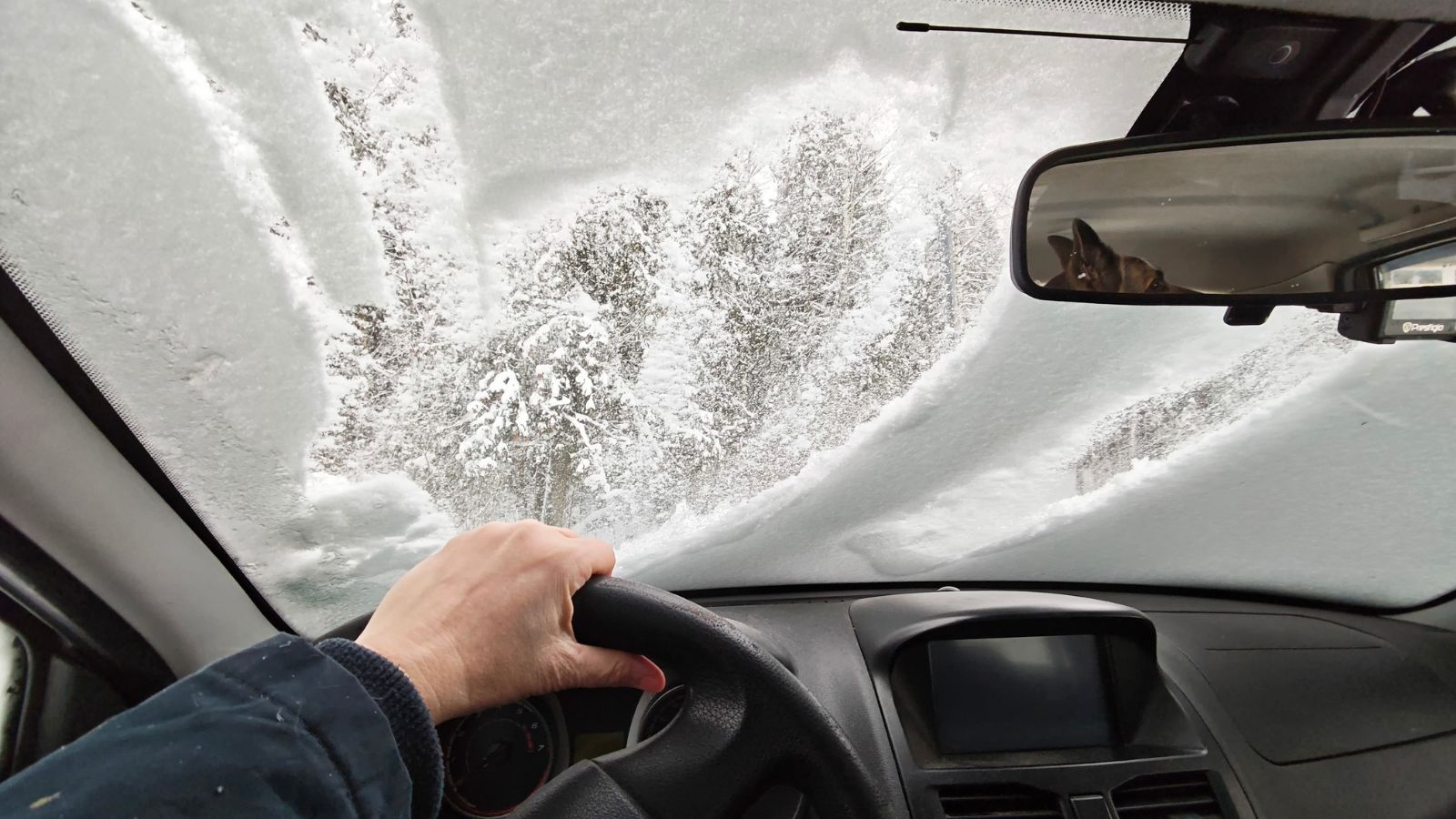
Running late after an overnight snowfall creates an obvious temptation: scrape a small viewing hole in the windshield and hope the defroster handles the rest. Transport Canada recommends a far more complete approach. Snow should be removed from the hood, roof, windows and lights, while frost and fog should be cleared from all windows before driving. Some provinces can also issue fines when vehicles have not been adequately cleared.
The safety reasons go beyond the driver’s own visibility. Snow left on a roof can slide forward under braking and cover the windshield, or blow backward into traffic at highway speed. Covered headlights and tail lamps make the vehicle harder for others to see precisely when visibility is already reduced. Side windows and mirrors are also essential when changing lanes around snowbanks or navigating crowded winter streets. A proper snow brush and ice scraper therefore belong among the most basic pieces of Canadian driving equipment. Spending several extra minutes clearing the vehicle is inconvenient, but discovering an obscured windshield while moving is far worse.
Daytime Running Lights Are Not Always the Same as Full Lighting
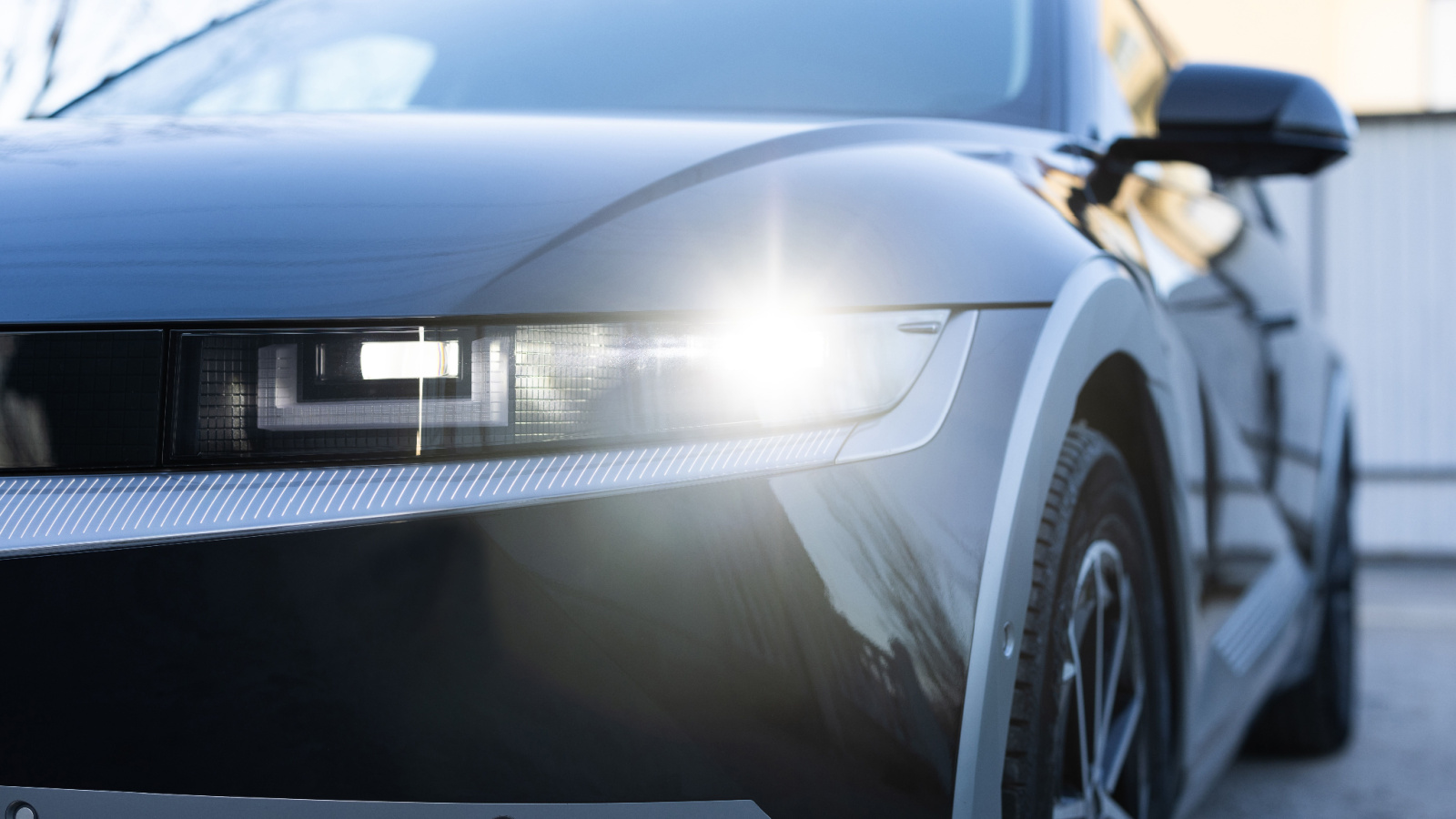
Canadian drivers are accustomed to seeing lights at the front of vehicles during the day, which can make it easy to assume the entire lighting system is operating automatically. That has not always been true. Transport Canada has specifically warned about so-called phantom vehicles, where dashboards or daytime running lights are illuminated but rear lights may not be. New Canadian lighting standards introduced requirements intended to reduce that problem on newer vehicles, but drivers should still understand how their own vehicle works.
Bad weather is a good time to take control rather than relying on assumptions. Transport Canada advises using headlights in darkness and poor weather, while Ontario recommends the vehicle’s full lighting system during poor visibility and whiteout conditions. High beams can actually make visibility worse in snow or fog because light reflects from airborne particles toward the driver. Low beams are usually more appropriate. A useful first-winter exercise is therefore remarkably simple: sit in the parked vehicle, learn every lighting symbol and confirm which front and rear lamps operate in each switch position.
Winter Washer Fluid and Good Wipers Can Become Safety Equipment
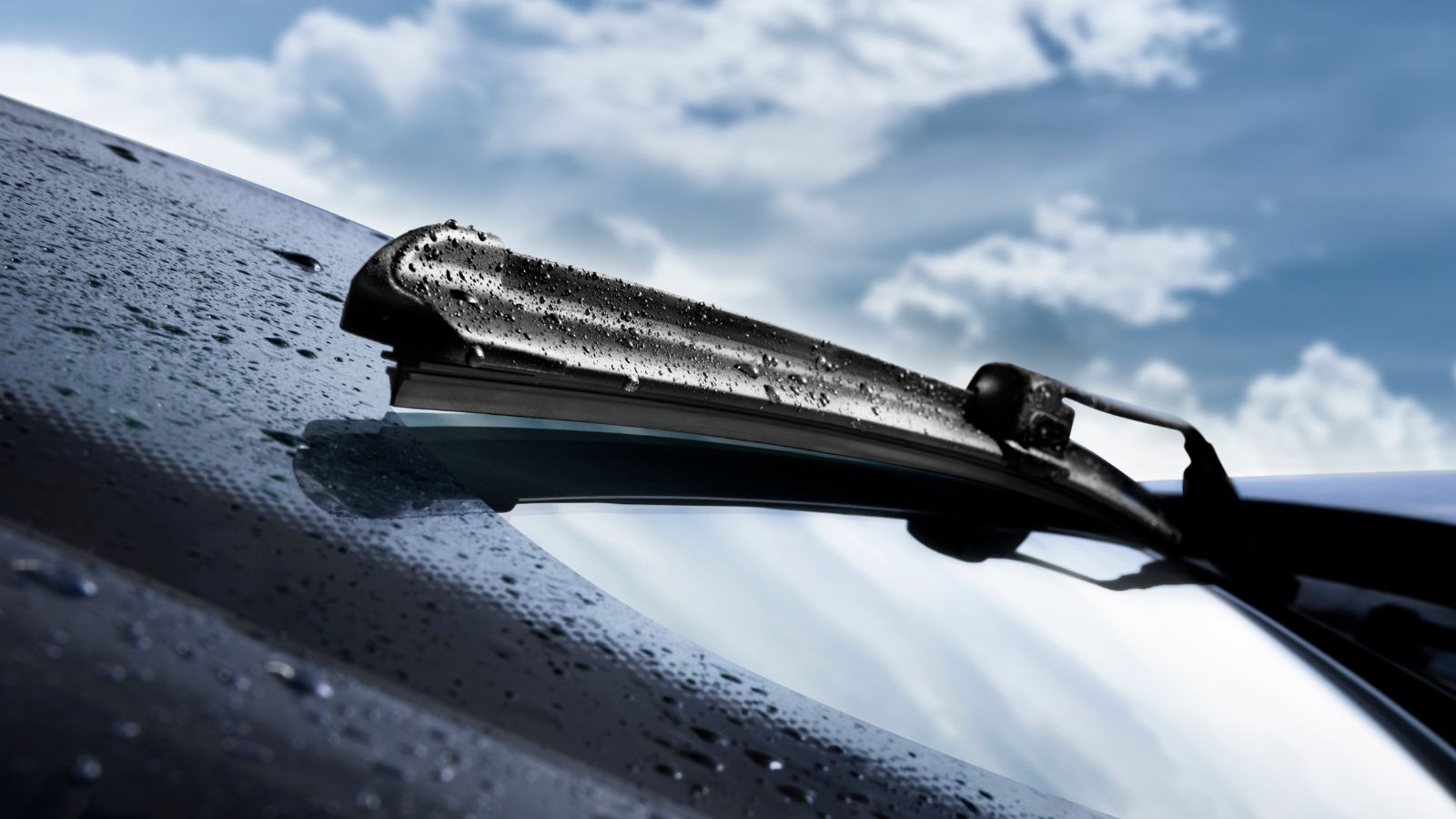
Visibility can disappear without a snowstorm. Road salt, wet snow and dirty slush thrown by vehicles ahead can coat a windshield within seconds, especially on busy highways. If the washer reservoir contains a warm-weather mixture that freezes or the wiper blades merely smear the grime, the driver can suddenly lose a clear view while moving at road speed.
Transport Canada’s winter-preparation guidance recommends checking that wiper blades are in good condition, replacing blades that streak, considering winter-designed wipers and using winter windshield fluid rated around -40°C. It also recommends carrying extra washer fluid. These are small maintenance items that are easy for a first-time vehicle owner to overlook because they rarely feel urgent during summer. In January, they can become essential. The defroster also needs to work properly because interior condensation and exterior frost can compromise visibility from opposite sides of the glass. A clean windshield, reliable blades and adequate cold-weather fluid form a surprisingly important winter safety system.
A Weak Battery May Reveal Itself on the Coldest Morning
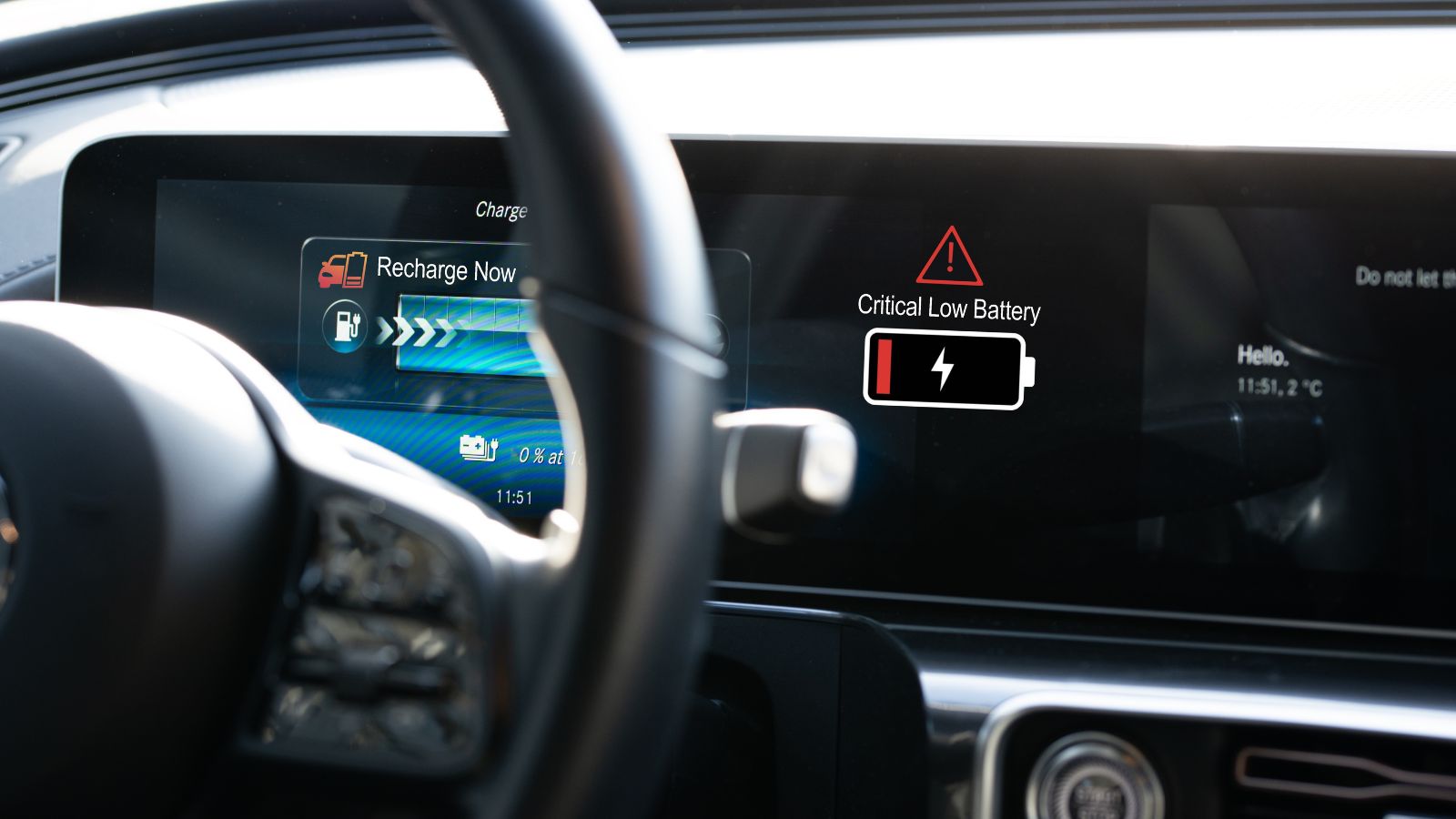
A vehicle that starts reliably through summer is not necessarily prepared for a deep freeze. Transport Canada includes the battery and charging system among the key components that should be checked when preparing a vehicle for winter. Its guidance recommends ensuring the battery is fully charged, keeping battery posts clean, examining the charging system and replacing a weak battery before it fails.
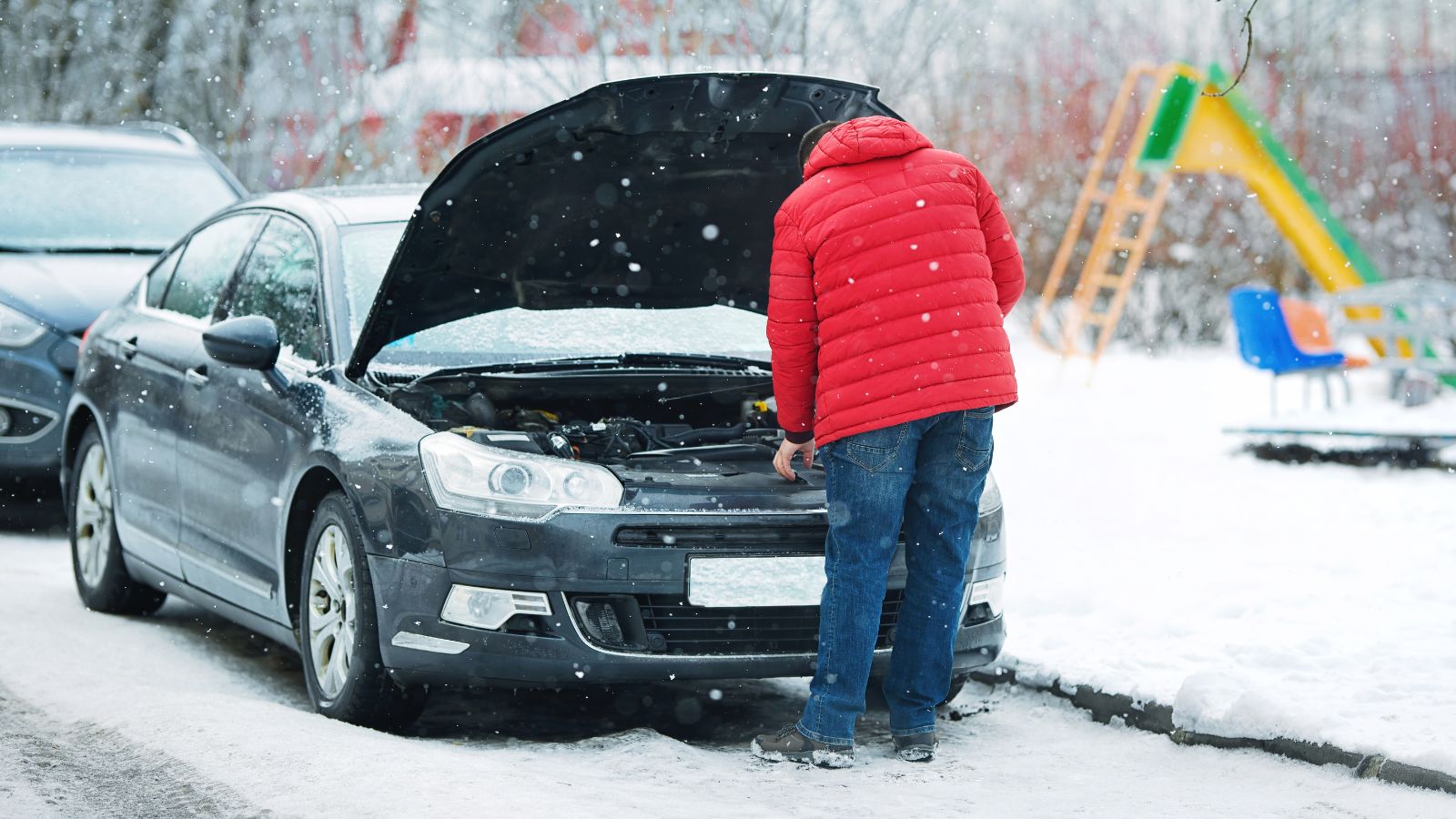
The human side of that advice becomes obvious on a dark January morning. A new driver may discover that a marginal battery which managed warmer starts no longer has enough reserve after a night of severe cold. That can turn a routine trip to school or work into an unexpected roadside problem. A pre-winter inspection can also cover brakes, lights, coolant, the heating and defrosting system and the exhaust. Drivers do not need to become mechanics, but they should know when the battery was last replaced, recognize signs such as unusually slow cranking and have a plan for obtaining assistance. Prevention is much easier than troubleshooting a no-start situation in freezing conditions.
An Emergency Kit Belongs in the Vehicle, Not at Home
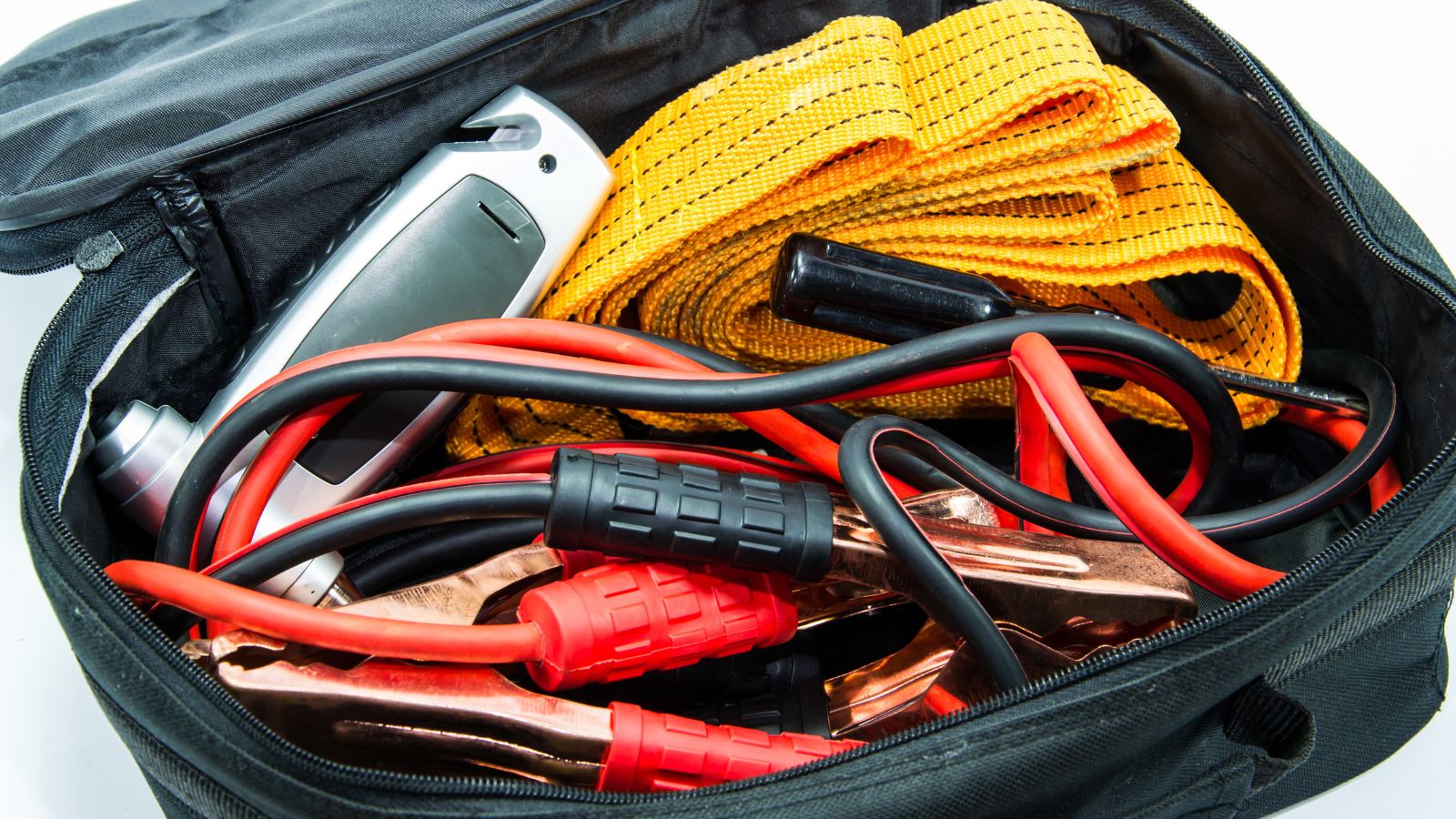
Most winter journeys end normally, which makes emergency supplies easy to dismiss until the day they are actually needed. Transport Canada’s recommended winter supplies include items such as a small shovel, traction material or mats, booster cables, a flashlight, warning devices, extra clothing, blankets, non-perishable food, water, a first-aid kit and additional washer fluid. A snow brush and ice scraper are basic necessities as well.
The purpose is not to prepare every commuter for an expedition into the Arctic. It is to handle ordinary situations that become more serious in winter: a vehicle slides into deep snow, a highway closes after a collision, a battery dies in a parking lot or worsening weather strands traffic for several hours. A charged phone and charging cable should also be part of the plan. Supplies should be checked occasionally because batteries discharge, food expires and useful items often disappear from the trunk during the year. For a new driver, assembling a kit before winter can turn several potential emergencies into manageable inconveniences.
Checking Conditions Before Leaving Can Be More Important Than Driving Skill
Winter-driving decisions begin before the engine starts. Transport Canada recommends checking weather reports and notes that Environment and Climate Change Canada issues warnings for conditions including heavy snow, blizzards, freezing rain, cold and strong winds. Many provinces and territories also provide traveller-information systems such as 511 services with road conditions, closures and, in some jurisdictions, snowplow information.
This matters because conditions can be dramatically different across a relatively short trip. A neighbourhood road may be wet while an exposed highway outside town is experiencing blowing snow, or freezing rain may be approaching faster than expected. Transport Canada advises delaying travel when conditions are poor if possible and allowing extra time when driving is necessary. For longer winter trips, telling someone the intended route and expected arrival time adds another layer of preparation. Learning when not to drive is part of becoming a competent winter driver. Cancelling or delaying a journey because of a severe weather warning is not a lack of confidence; sometimes it is the most informed driving decision available.
Snowplows Need More Room Than Ordinary Traffic
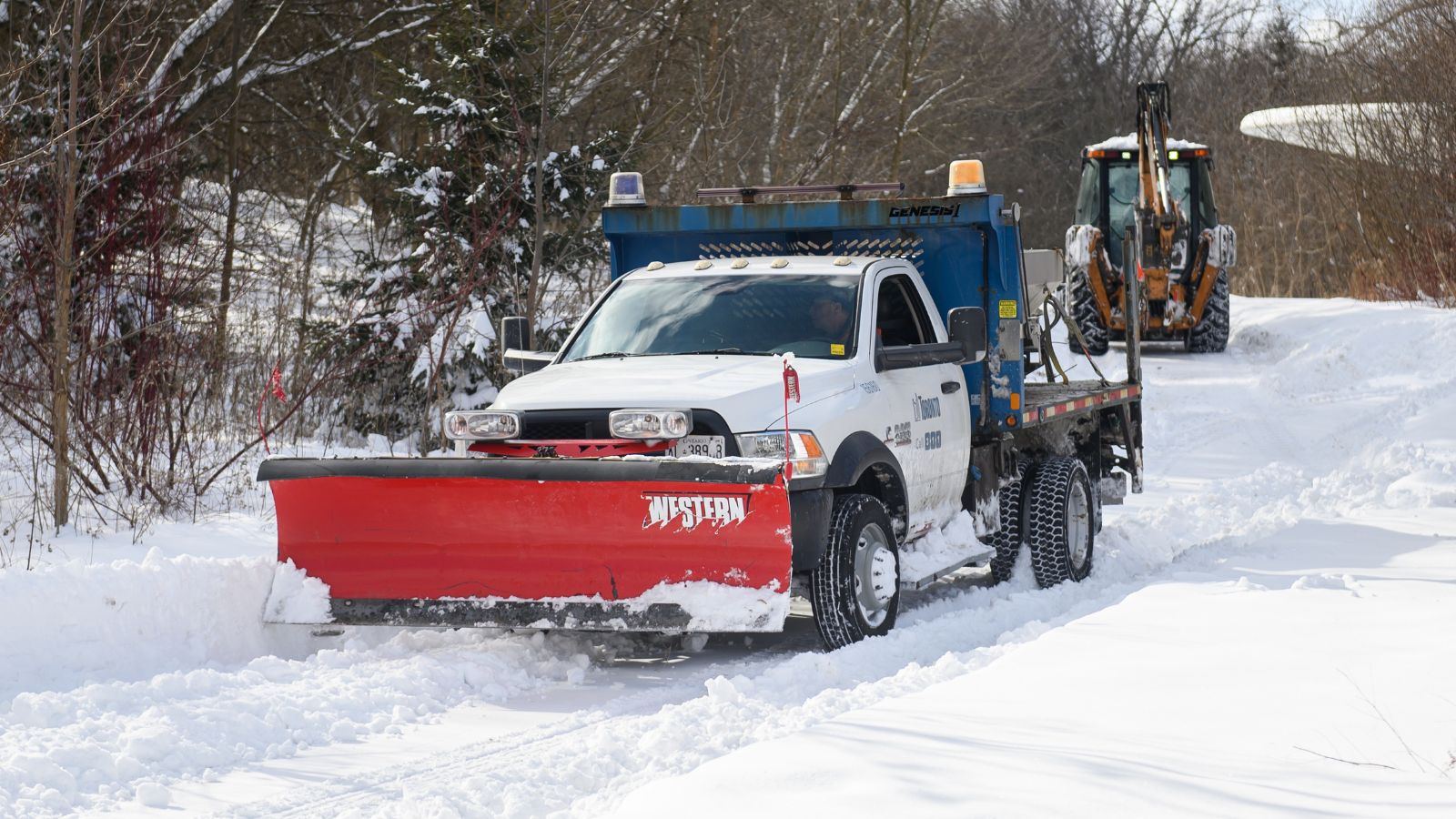
A snowplow can seem frustrating when traffic is crawling behind it, particularly when the road ahead appears empty. Passing one can be far more dangerous than it looks. Ontario advises motorists to stay back from working snowplows and not attempt to pass them. Blowing snow and the ridge created by the plow can sharply reduce visibility and destabilize vehicles entering the uncleared portion of the road.
The machines themselves can also be wider than the truck body suggests. Ontario’s driver handbook notes that some plows use wings extending as much as three metres to one side. On multi-lane highways, several units may operate in a staggered formation known as echelon plowing, moving snow from lane to lane. Trying to squeeze between them can place a car directly into heavy snow with little room to recover. A new driver’s safest strategy is patience. The road immediately behind the plow is generally being improved, while the roadway ahead of it may still be covered in snow, slush or ice.
Cruise Control Is Best Left Off When Conditions Turn Slippery

Cruise control feels useful on a long highway drive because it keeps speed steady and reduces the need for constant accelerator input. Winter changes that equation. Transport Canada advises against using cruise control in extreme weather, while Ontario’s winter-driving guidance specifically warns against using it on wet, snowy or icy pavement. The driver needs immediate, delicate control over acceleration when traction is uncertain.
The same caution applies to more sophisticated driver-assistance systems. Automatic emergency braking, lane-keeping functions, cameras and sensors can be affected by snow, ice and poor visibility. Transport Canada warns that some systems may not work normally in heavy snow and other difficult weather. A car filled with modern technology is therefore not a substitute for winter judgement. New drivers should read the owner’s manual and understand what each system can and cannot do before relying on it. When pavement becomes questionable, slowing down, staying engaged and controlling the vehicle manually is generally more appropriate than assuming electronics will compensate for deteriorating conditions.
Slush Between Lanes Can Make a Routine Lane Change Unpredictable
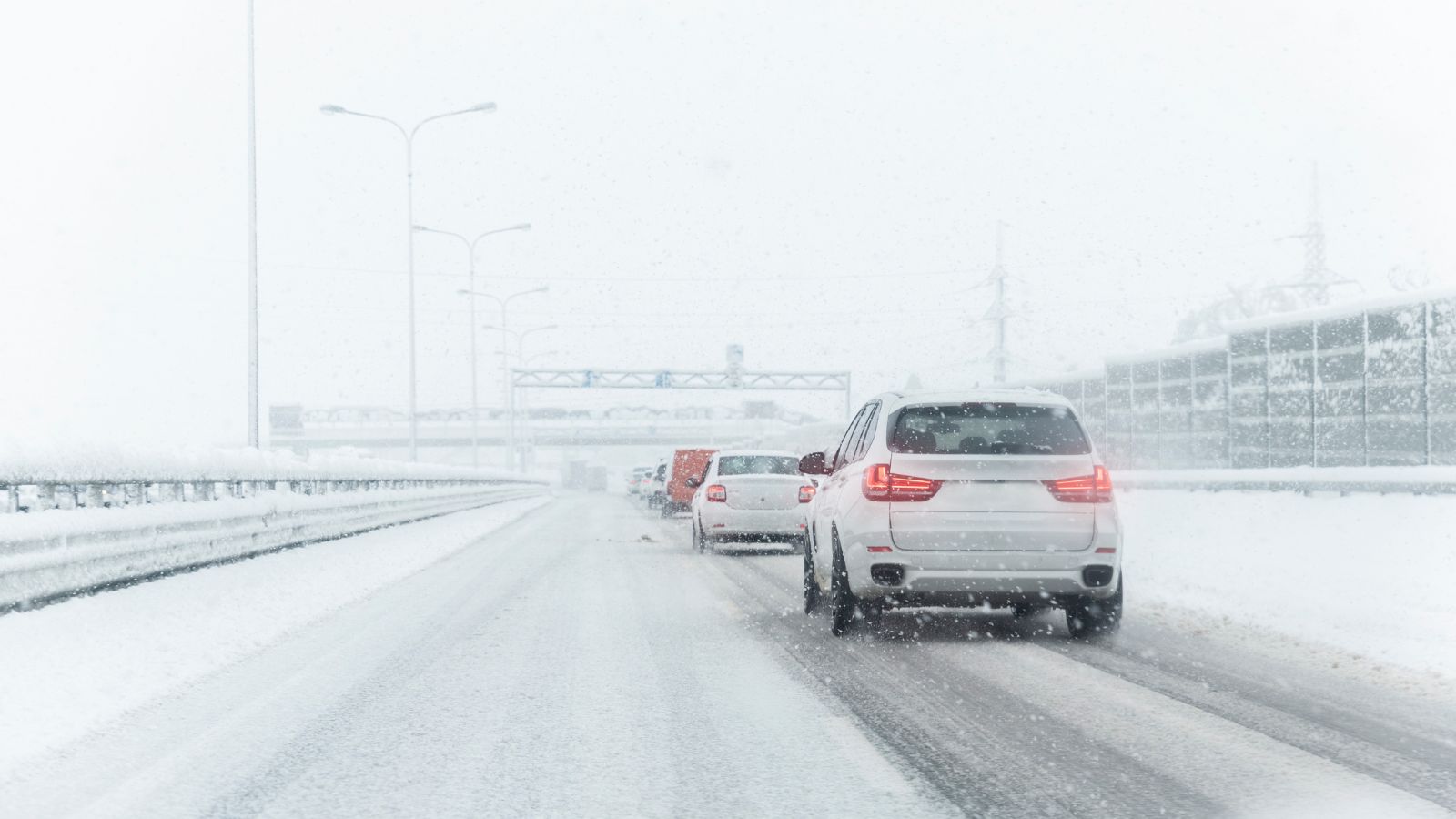
Snow-covered highways rarely have identical traction from one lane to the next. Transport Canada notes that accumulations of snow or slush may remain between lanes, making lane changes more difficult. The vehicle can feel reasonably stable while its tires follow two cleared tracks, then suddenly encounter resistance or reduced grip when crossing the ridge separating those tracks.
That is one reason sudden highway lane changes are particularly undesirable in winter. Drivers should check mirrors and blind spots early, signal well in advance and move across gradually while maintaining smooth steering and throttle inputs. Passing merely to save a few seconds may not be worth crossing several bands of accumulated slush. Large trucks introduce another visibility problem: Transport Canada notes that truck and bus tires can throw substantial slush, temporarily covering the windshield of a nearby car. Leaving space and having the wipers operating before approaching the spray can help. Winter highway driving often rewards staying in a stable lane and avoiding unnecessary manoeuvres until the road surface improves.
Winter Requires More Energy Planning From Both Gas and EV Drivers
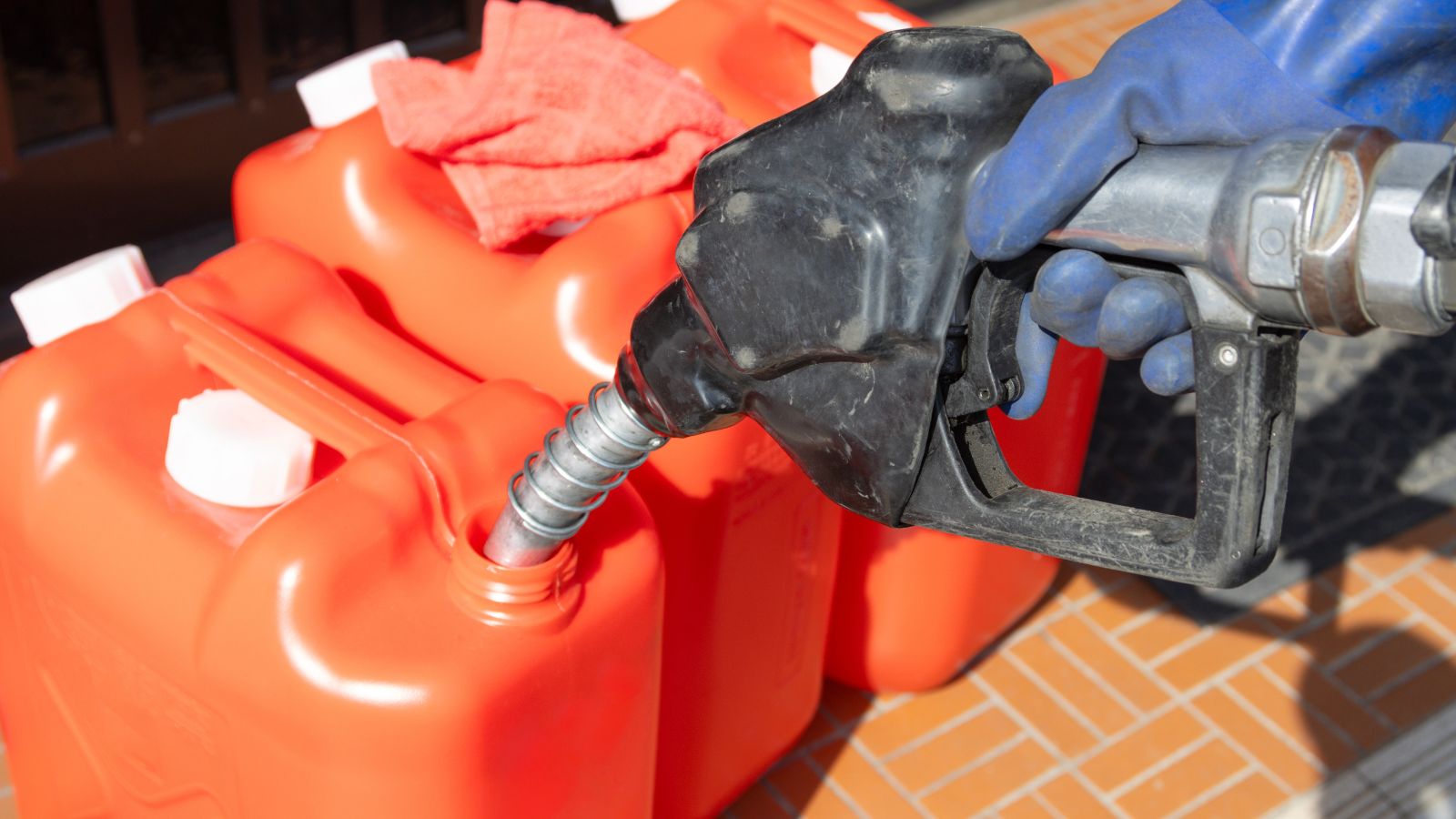
Transport Canada recommends keeping a fuel tank at least half full during winter travel. That extra reserve becomes useful if a journey takes much longer than expected because of congestion, a road closure or severe weather. It also reduces the pressure to search for fuel in unfamiliar areas during poor conditions. For a new driver accustomed to filling up only when the warning light appears, winter is a good reason to build a different habit.
Electric-vehicle drivers need a similar buffer. Transport Canada warns that cold weather can reduce EV driving range, meaning the displayed estimate on a mild day should not automatically become the assumption for a winter trip. Earlier Transport Canada laboratory testing involving three battery-electric vehicles found substantial cold-weather range reductions, particularly when cabin heating was used; those figures describe the tested vehicles and conditions rather than every modern EV. The broader lesson remains relevant: plan with reserve energy. Whether the vehicle uses gasoline or electricity, a winter detour or prolonged delay should not turn an inconvenient journey into an energy emergency.
Winter-Tire Rules Change When Drivers Cross Provincial Boundaries
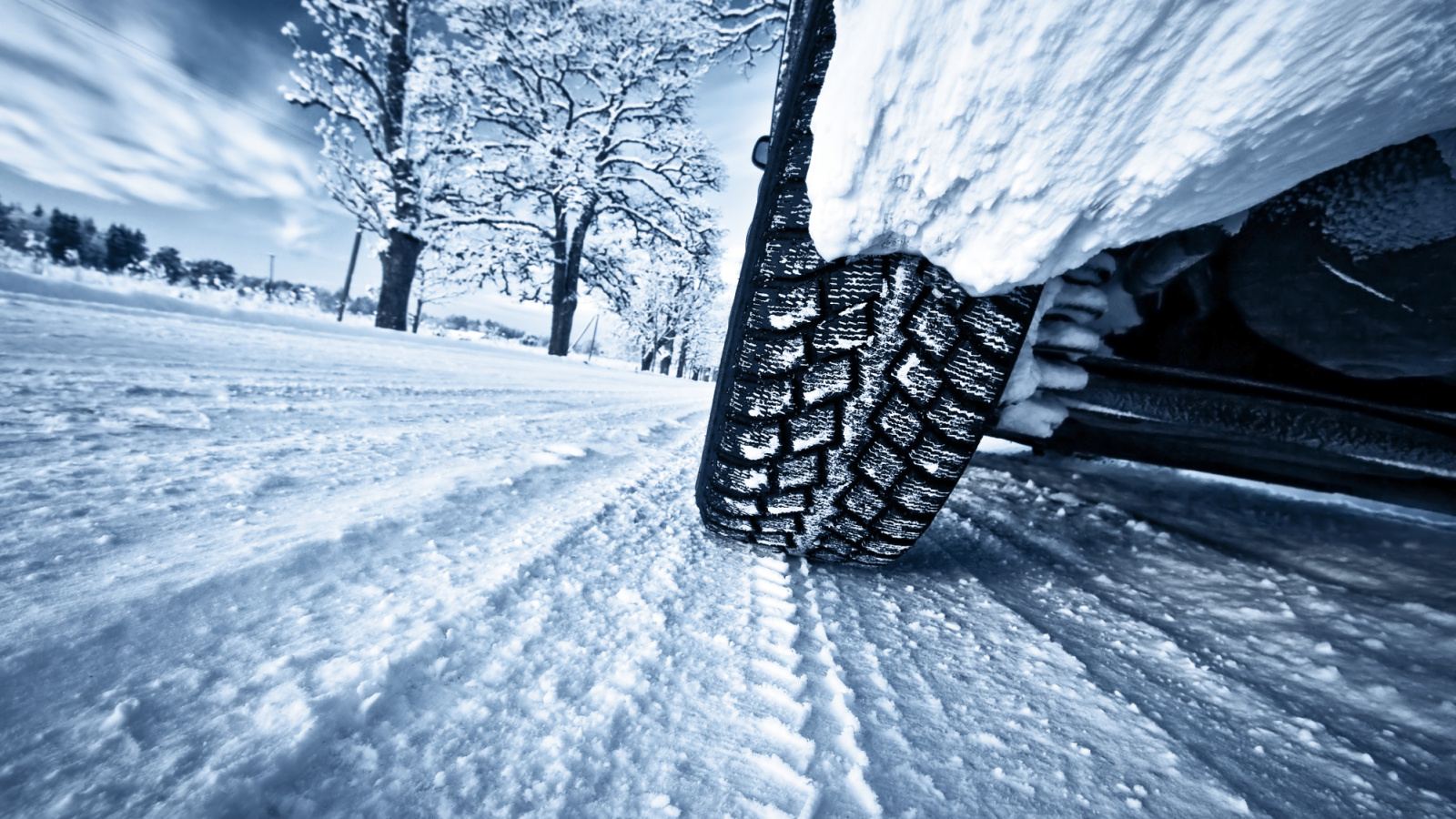
Canada does not have one nationwide winter-tire rule for every passenger vehicle. Provincial requirements can differ significantly, which matters to new drivers taking road trips. Québec requires most motor vehicles registered in the province to use compliant winter tires from December 1 through March 15, although its government lists specific exemptions. Vehicles registered outside Québec are not covered by that particular Québec registration-based requirement.
British Columbia uses a different system. Drivers must obey winter-tire and chain signs on designated routes from October 1 through April 30, with requirements on certain lower-elevation routes ending March 31. Rules governing acceptable tire markings and traction equipment should therefore be checked before travelling through the province, particularly on mountain highways. These differences demonstrate why advice learned in one city should not automatically be treated as national law. Before a winter road trip, a new driver should check the transportation ministry for every province or territory on the route. Winter preparation involves knowing the road rules as well as knowing how to handle the road.
19 Used Cars Canadians Should Avoid in 2026 (Based on Owner Complaints)

Buying a used car in Canada can feel safe until repair bills start stacking up. Owner complaints tell a different story than glossy listings. Transmission failures, electrical problems, and weak winter reliability show up again and again in consumer reports. Many of these issues appear after warranties expire, when owners least expect them. Some vehicles look affordable upfront, but become expensive to keep on the road. Others struggle in cold weather, urban driving, or long highway commutes. Here are 19 used cars Canadians should avoid in 2026 (based on owner complaints).
19 Used Cars Canadians Should Avoid in 2026 (Based on Owner Complaints)