


























Road salt solves one winter problem while quietly creating another. Chloride-based de-icers help keep icy roads usable, but the salty film left on a vehicle can accelerate corrosion when it remains in contact with metal and moisture. In Canada, where millions of tonnes of road salts are used in an average year, that exposure can become a routine part of winter driving rather than an occasional event.
The biggest mistake is not simply driving through road salt. It is allowing salty residue to remain on the vehicle for too long, particularly underneath and inside areas that are rarely inspected. These 12 ways that mistake can accelerate rust explain why washing strategy, parking habits, paint condition, hidden buildup, and seasonal maintenance can make such a noticeable difference over several winters.
Assuming Dried Road Salt Is No Longer a Problem

A vehicle can look dry after a winter commute while still carrying a coating of chloride residue. That distinction matters because road salt contributes ions that make moisture more electrically conductive, helping the electrochemical reactions involved in corrosion proceed more readily. Federal Highway Administration testing on steel has found corrosion rates increasing as chloride concentration increased. Canadian authorities, meanwhile, identify sodium chloride, calcium chloride, magnesium chloride, and related brines among the chemicals routinely used for winter road maintenance.
The scale of exposure can be enormous. Environment and Climate Change Canada has reported that roughly five million tonnes of road salts are used annually as de-icers in Canada on average. Much of that material never touches a particular vehicle, of course, but winter traffic repeatedly sprays salty water and slush onto lower body panels and mechanical components. The practical mistake is treating the white film as cosmetic dirt. Once chloride residue is present, removing it is part of corrosion prevention, not merely keeping the vehicle looking clean.
Waiting Weeks for the Next Convenient Car Wash
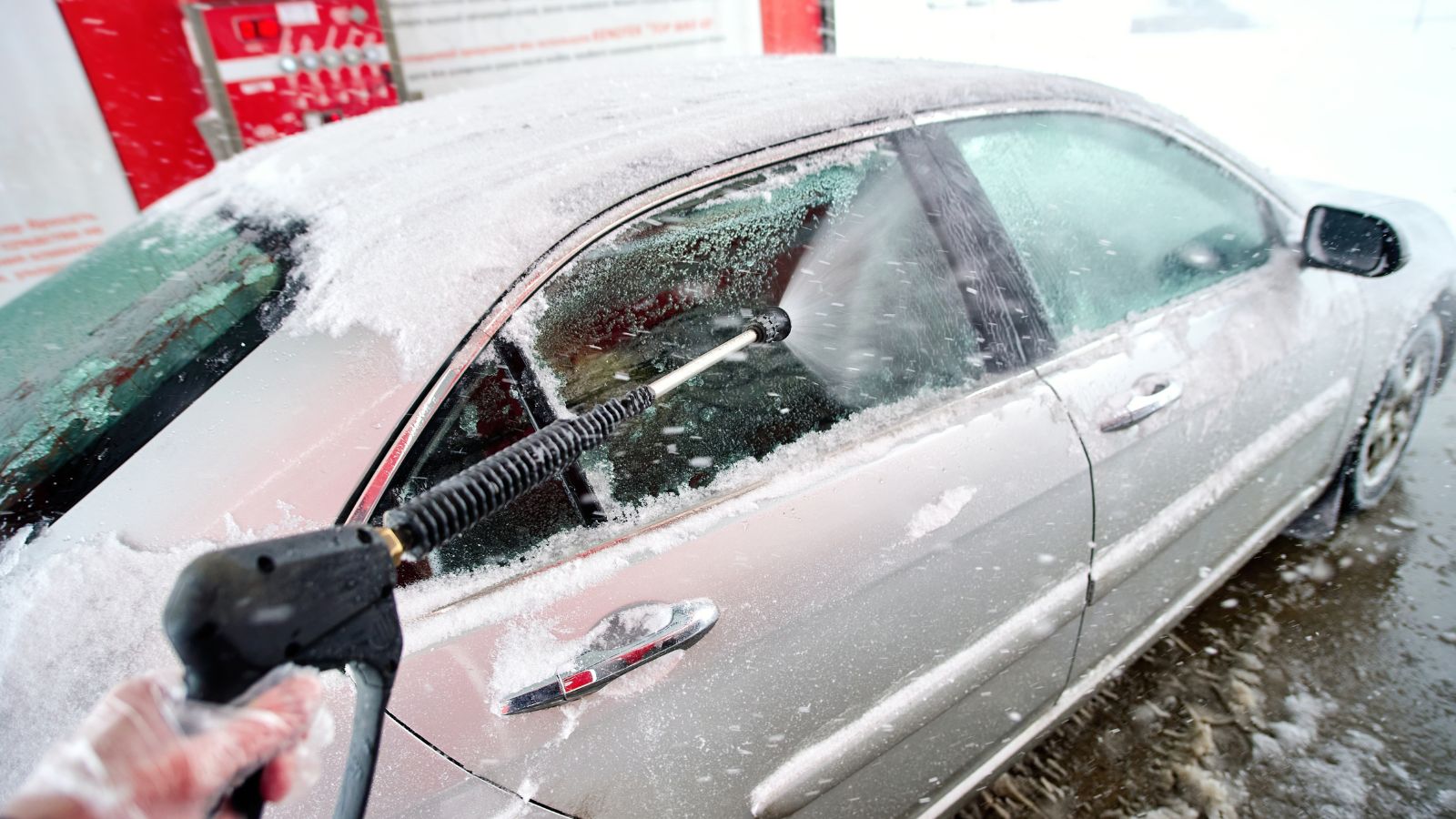
Salt damage develops through exposure over time, which makes postponing every wash until the vehicle looks exceptionally dirty a poor winter strategy. Consumer Reports recommends washing a vehicle about monthly during snow season and more frequently when it is visibly coated in salt. The organization specifically recommends cleaning the entire vehicle, including the undercarriage, because corrosive residue can remain long after a storm has passed and the main roads look dry again.
That does not mean every drive through light winter spray requires an immediate professional detailing. The more useful principle is to avoid allowing heavy buildup to remain indefinitely. A commuter travelling daily on heavily treated highways may accumulate salt much faster than a vehicle that spends most winter days parked. After several storms, the familiar grey-white crust along doors, rocker panels, wheels, and the rear hatch is a sign that the same material is probably underneath. Waiting for spring may save a few washes, but it also gives chloride deposits far more time to remain against vulnerable surfaces.
Washing the Paint but Forgetting the Undercarriage
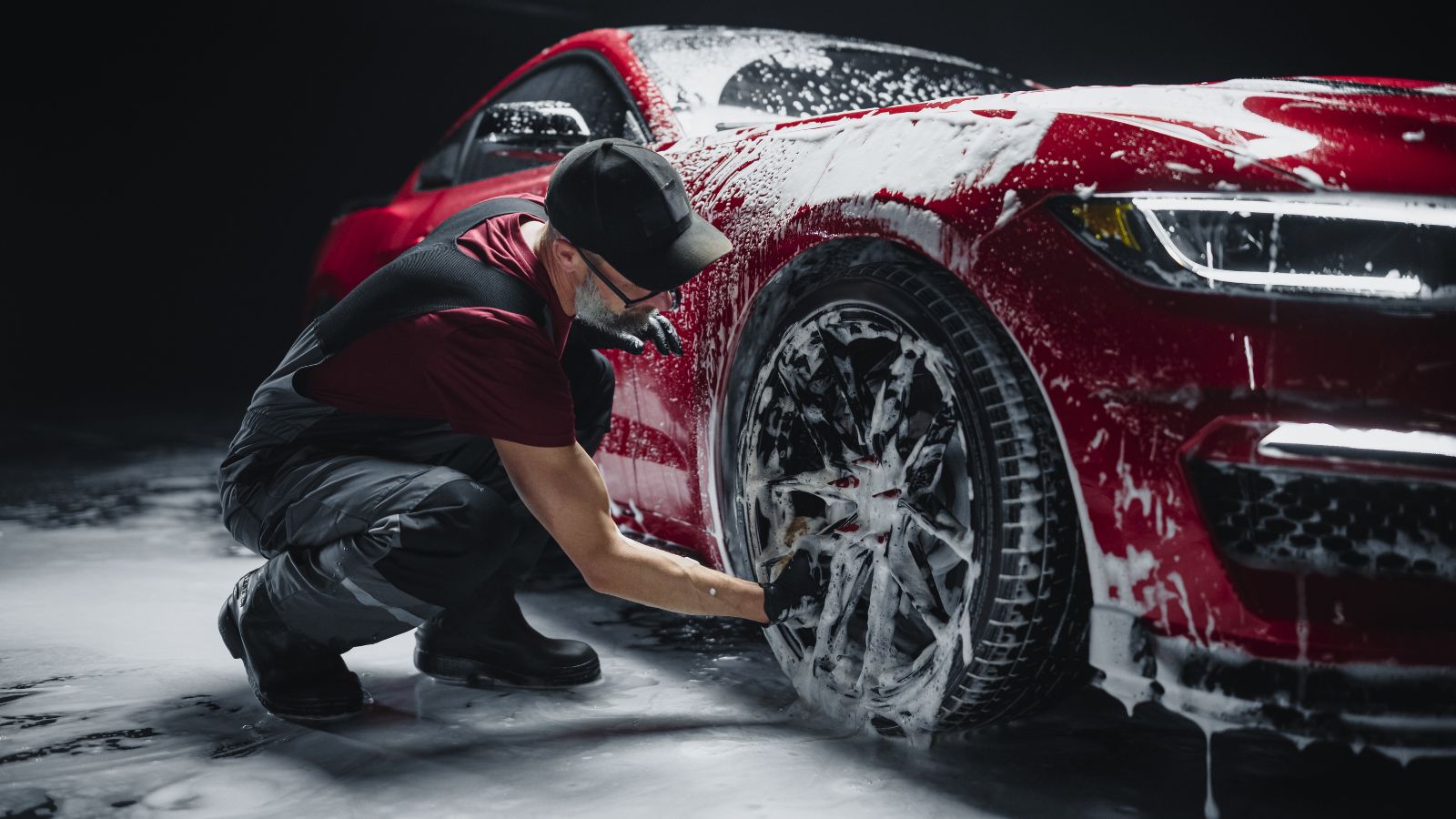
A shiny roof and clean hood can create the impression that winter grime has been handled, even while the underside remains coated. That is especially significant because the underbody contains structural sections, suspension hardware, exhaust components, brake lines, fuel lines, brackets, seams, and fasteners. Vehicle manufacturers have issued corrosion-related campaigns specifically for cars operated in regions with heavy road-salt use, illustrating that underbody corrosion can become more than a cosmetic problem.
One Subaru safety campaign, for example, addressed brake lines that could corrode over time when exposed to winter road salt, potentially developing perforations and leaks. Kia service documentation has similarly warned that failure to clean corrosive material from the underbody can accelerate rust on the frame, floor pan, fuel lines, suspension, driveline, steering, brakes, and exhaust components. The lesson is straightforward: choosing a wash that sprays only visible bodywork misses many of the areas receiving the heaviest salty spray. During salted-road season, an underbody rinse is often the more important part of the wash.
Parking a Salt-Covered Car in a Warm Garage
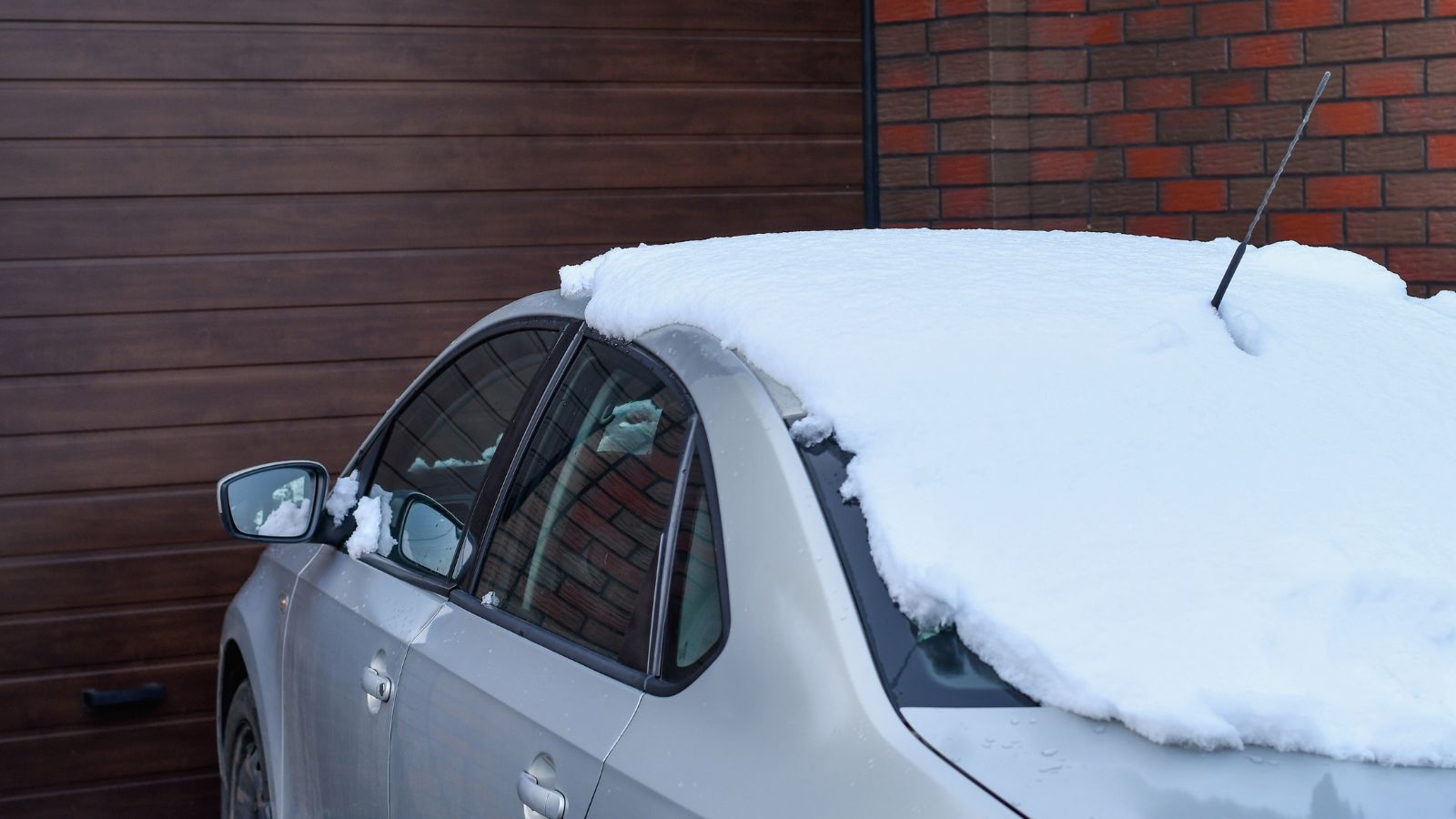
A garage is normally an excellent place to protect a vehicle, but there is an important winter qualification. Bringing a wet, salt-covered car repeatedly into a warm space can create favourable conditions for corrosion because the salty deposits remain moist while chemical reactions generally proceed faster at warmer temperatures. AAA specifically advises cleaning accumulated salt and drying the vehicle before putting a heavily contaminated car into a garage when practical.
Research published in Materials and Corrosion in 2026 adds nuance to the issue. A clean vehicle stored for long periods in a dry, ventilated heated garage can fare well. The concern becomes greater when a car is driven through de-icer every day, parked wet overnight, and returned to the same warm environment repeatedly, particularly when ventilation is poor. In other words, the garage itself is not the enemy. The mistake is repeatedly warming salty moisture without removing the contamination. A rinse and reasonable drying can turn the garage back into the protective environment owners expect it to be.
Ignoring the Salt Packed Into Wheel Wells and Seams
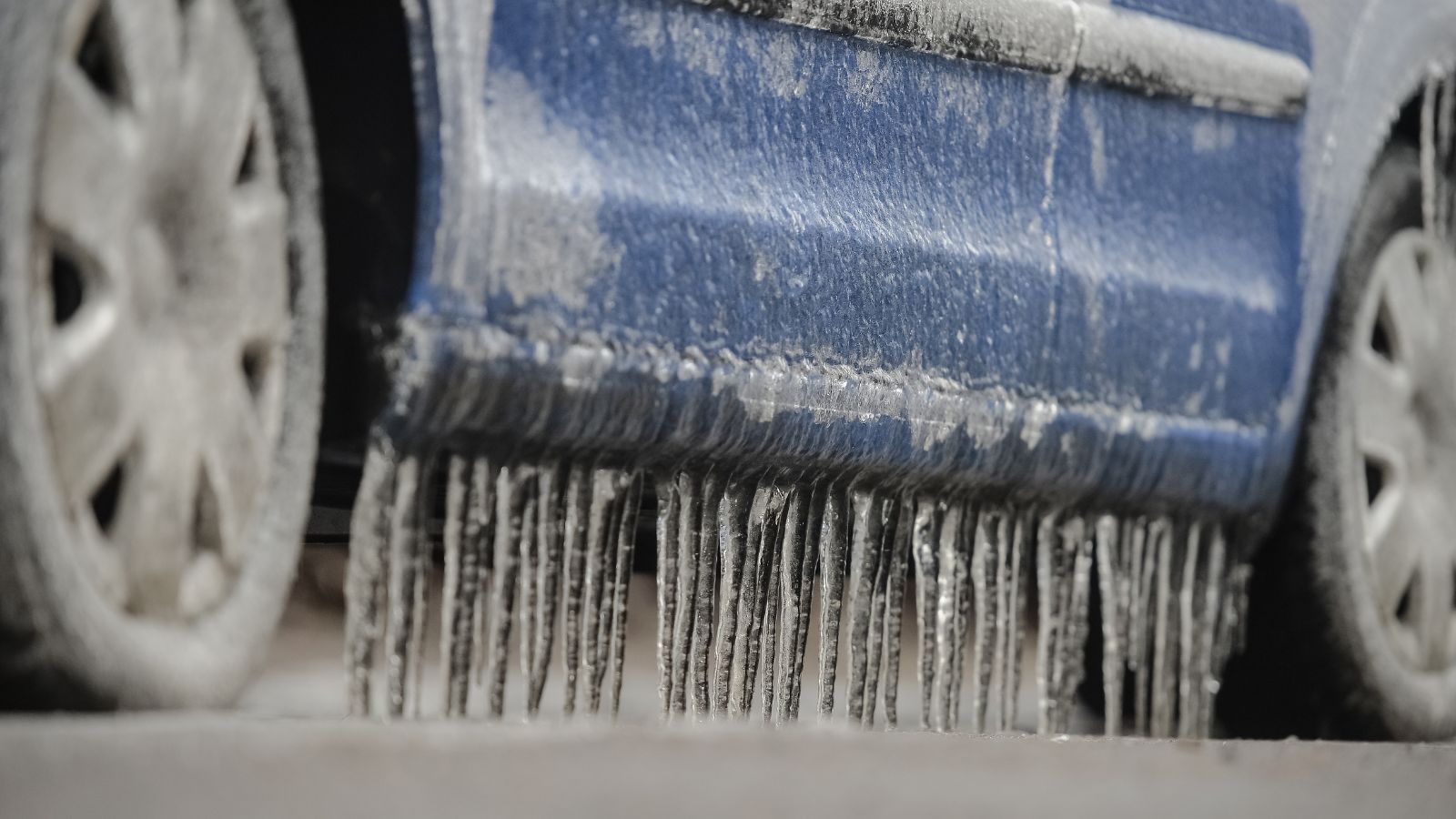
Wheel wells receive a direct blast of salty spray every time tires cut through treated slush. They also contain contours, seams, liners, brackets, and small recesses where gritty material can remain long after visible body panels have dried. AAA identifies wheel wells, body crevices, trim areas, and panel seams among locations where moisture can collect and corrosion can begin. Liquid de-icers can be especially good at reaching places that ordinary washing may miss.
The potential expense is not purely theoretical. AAA previously estimated that U.S. drivers in winter-weather regions spent about $15.4 billion over five years repairing rust damage associated with de-icing chemicals, with an average bill approaching $500 in its survey. Individual results vary enormously, but the figure illustrates why seemingly minor winter buildup deserves attention. When washing, clearing compacted slush around wheel arches and directing fresh water into accessible wheel-well areas can remove material that would otherwise sit there through repeated thaw cycles. A clean door skin does little good if corrosive grime remains packed a few centimetres behind it.
Leaving Stone Chips and Scratches Exposed All Winter
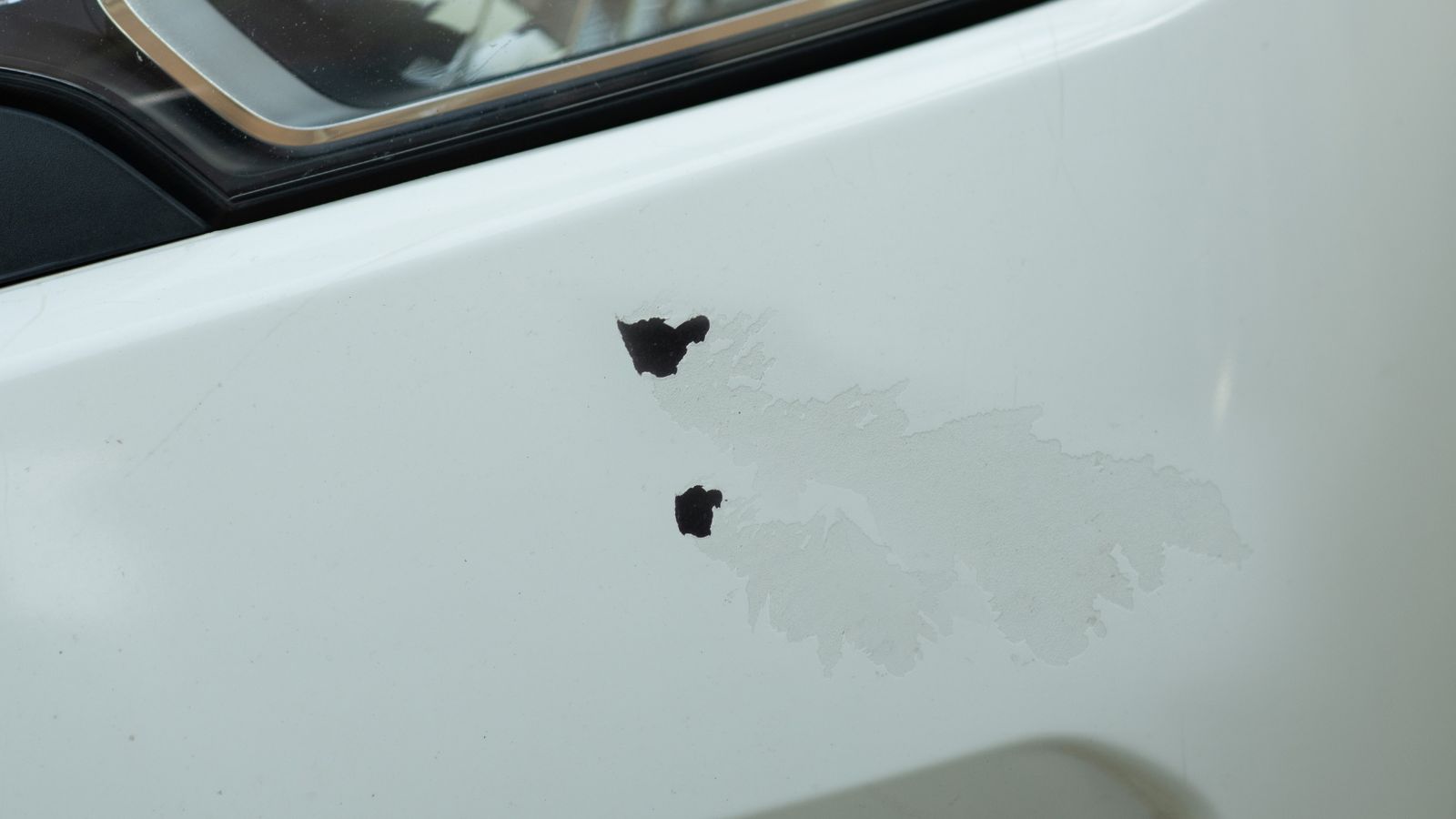
Modern automotive finishes provide several layers of protection between the environment and the underlying metal, but winter roads are particularly good at testing that barrier. Gravel, sand, and road debris can chip paint, especially on the hood edge, rocker panels, doors, and areas behind the wheels. Once damage penetrates deeply enough to expose metal, salty moisture has a much easier route to the surface that actually needs protection.
AAA’s automotive guidance recommends repairing body damage and touching up scratches or chips where bare metal is exposed. Its detailing guidance also notes that damage penetrating the primer can lead to corrosion unless treated. A tiny chip therefore deserves more attention before months of salted-road driving than it might receive during a dry summer. Rust often begins as something unimpressive: a pinpoint discoloration, a bubble under paint, or a rough edge around an old stone strike. Taking care of these small breaches early is considerably easier than addressing a larger blistered area after corrosion has begun spreading beneath the surrounding finish.
Treating Every Road De-Icer Like Ordinary Dry Table Salt
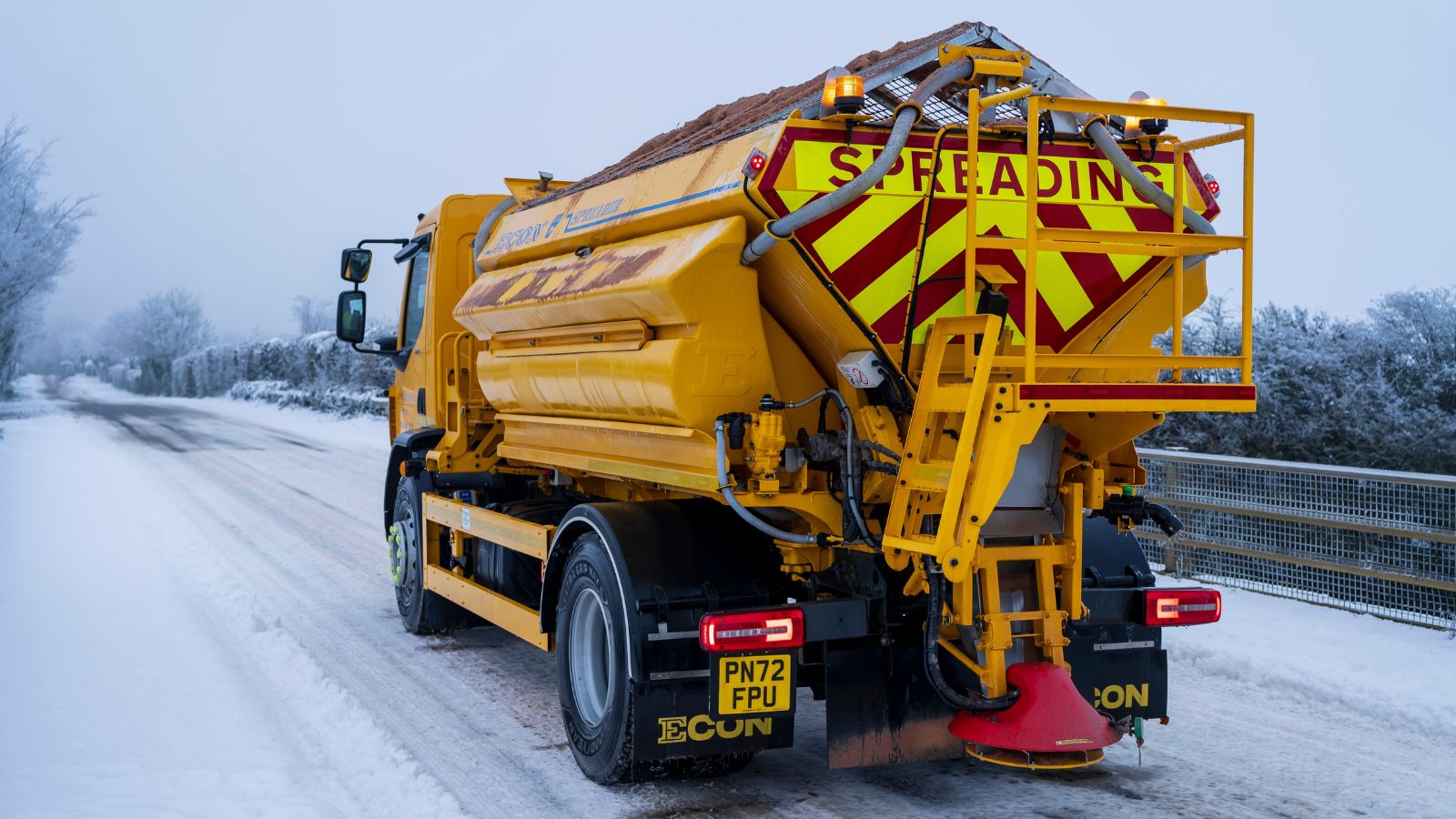
Winter road treatments are not limited to piles of dry sodium chloride. Canadian road-salt programs can involve sodium chloride, calcium chloride, magnesium chloride, and liquid brines used for de-icing or anti-icing. Some chloride salts have an especially important property for vehicle corrosion: they attract moisture from the air. Federal Highway Administration material notes that calcium chloride is hygroscopic and can absorb moisture at relative humidity around 42 percent, while sodium chloride begins doing so at a considerably higher humidity.
That means apparently dry residue does not always behave like harmless dust. Under suitable humidity, certain chloride deposits can maintain or regain moisture, sustaining a conductive salty film on contaminated surfaces. Liquid anti-icers also spread easily onto the underside of moving vehicles and into small recesses. Recent automotive-material research has continued to examine how sodium- and calcium-chloride environments affect common steel products used in vehicles. This is why simply waiting for salty slush to “dry out” is not the same as removing it. Fresh-water rinsing physically reduces the chloride contamination that drives the problem.
Believing One Big Spring Cleaning Is Enough
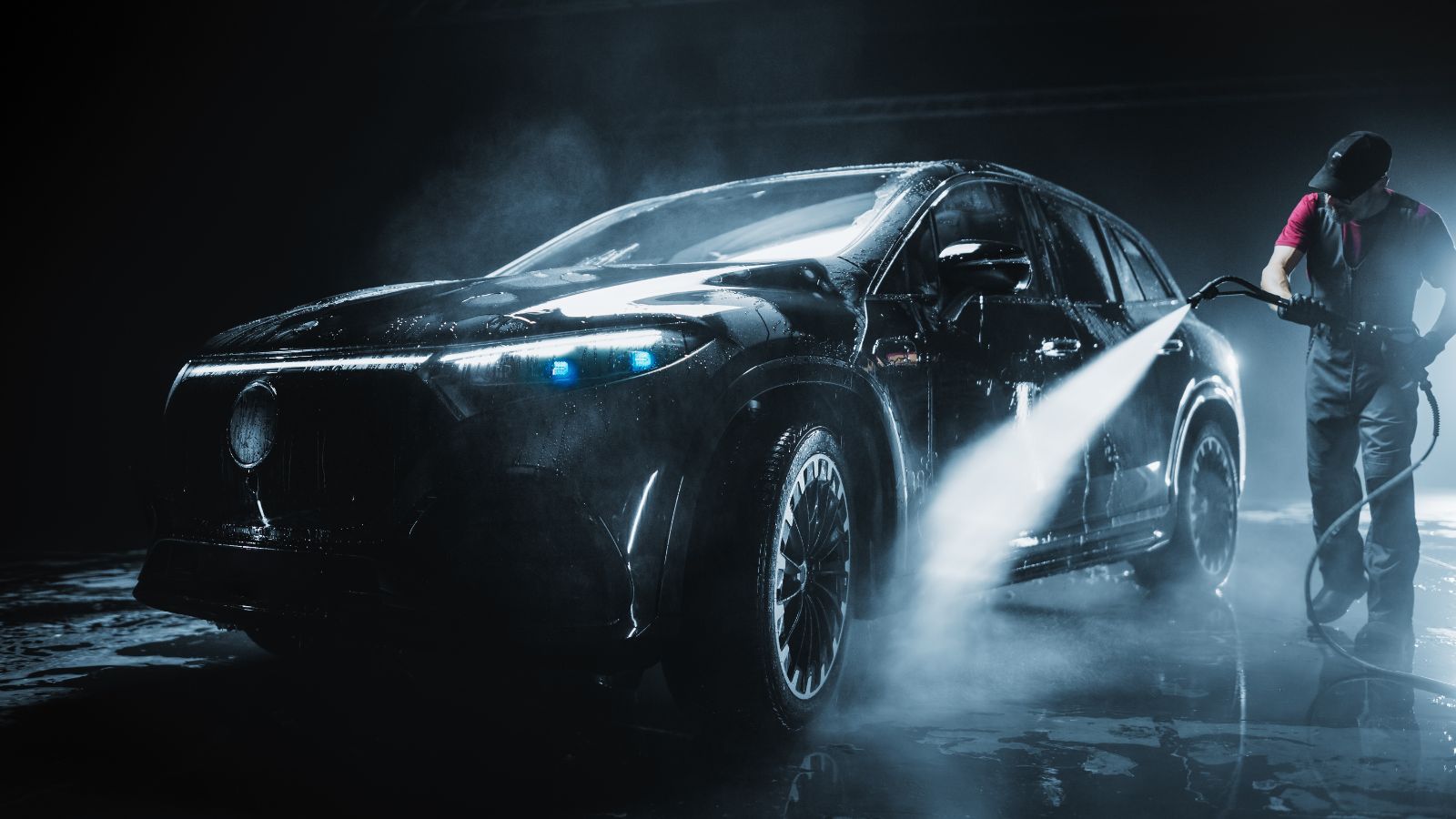
A thorough spring wash is valuable, but it works best as the final cleanup rather than the only cleanup. AAA recommends a final undercarriage cleaning after winter because leftover de-icer deposits can continue contributing to corrosion after the snow disappears. Manufacturer guidance submitted through the U.S. National Highway Traffic Safety Administration likewise advises periodic cleaning after salted-road exposure and careful inspection of underbody areas where mud and contaminants can collect.
The problem with relying exclusively on April or May is the amount of contact time accumulated beforehand. In a long winter, a vehicle may experience dozens of storms, brine applications, thaw cycles, and highway commutes before that final wash arrives. Salt lodged behind shields or inside wheel wells does not follow the calendar and become inactive on the first warm day. A better pattern combines occasional winter removal with a comprehensive spring rinse. The last wash of the season should pay special attention to the underside, wheel wells, seams, bumpers, and other places where residue can survive after visible winter grime has disappeared.
Following a Fixed Calendar Instead of Watching Salt Buildup
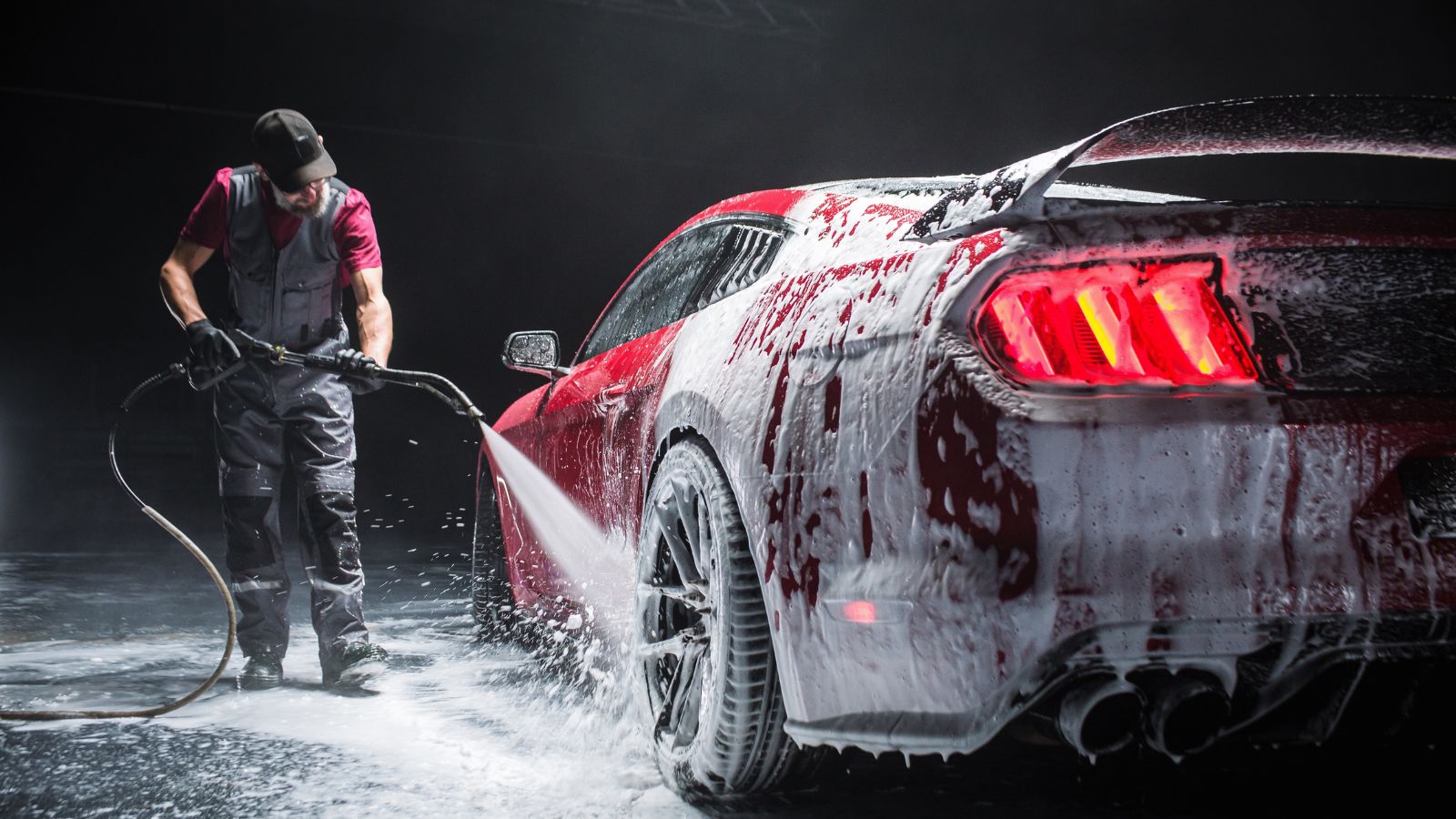
There is no single scientifically perfect washing interval for every vehicle because exposure varies dramatically. Consumer Reports recommends roughly monthly washing during snow season, or more often when the vehicle is coated with salt. Other automotive guidance aimed at vehicles in heavy-salt regions recommends rinsing more frequently during snowy periods and using an underbody wash regularly, particularly after winter storms. The apparent difference reflects exposure rather than a contradiction.
A vehicle driven 80 kilometres every weekday on brined highways will not accumulate contaminants at the same rate as a second car that leaves the garage twice a week. Weather also matters. A stretch of dry, cold days may create less new contamination than repeated storms followed by wet thaws. Instead of treating a calendar reminder as absolute, owners can watch the lower doors, rear bodywork, wheels, and wheel wells. When those areas quickly develop a thick salty coating again, the unseen underbody is receiving similar treatment. Washing frequency should rise and fall with winter conditions, driving distance, and visible accumulation rather than remaining identical from November through March.
Expecting Factory Protection to Do All the Work
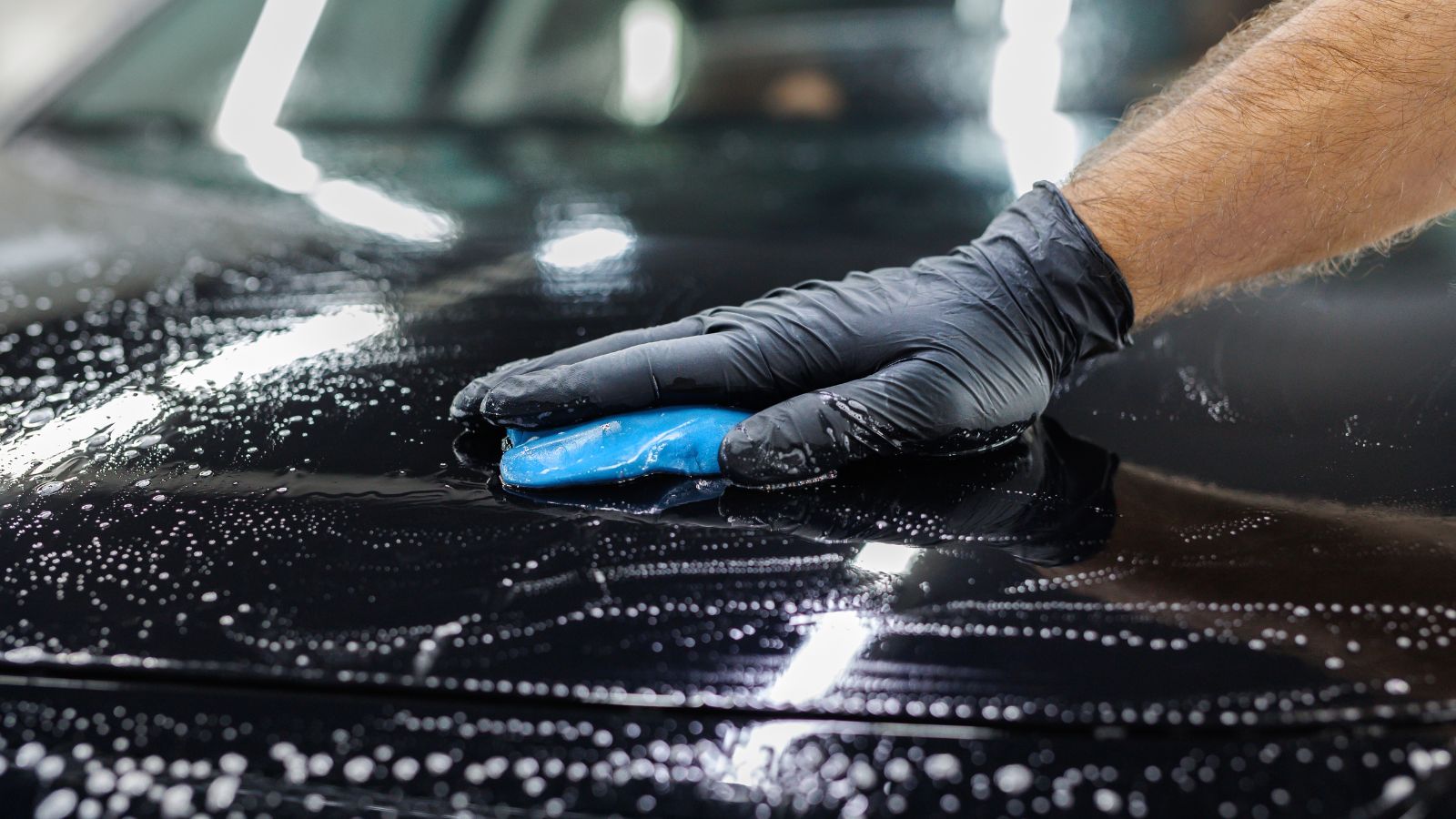
Modern vehicles generally resist corrosion far better than vehicles from several decades ago, thanks to improved coatings, galvanized materials, seam sealers, plastics, and factory corrosion treatments. Those improvements can create overconfidence, however. Protective systems are not invulnerable to rock impacts, abrasion, damaged seams, years of exposure, or salt trapped against components. Even recent manufacturer service campaigns have involved applying additional anti-corrosion material to vehicles operated in high-salt regions.
Wax provides another useful but limited defence. Consumer Reports recommends seasonal waxing to protect paint from contaminants including road salt, while its testing has found that the protective film from conventional waxes may fade within weeks rather than lasting indefinitely. Wax therefore helps preserve painted surfaces but does not make winter washing unnecessary. The same logic applies to approved corrosion inhibitors or underbody treatments: they can add protection, but they are not permission to leave a thick layer of chloride-covered mud underneath the vehicle. Protection works best as one layer in a routine that still includes cleaning, inspection, and prompt repair of damaged areas.
Assuming More Water Pressure Always Means Better Cleaning
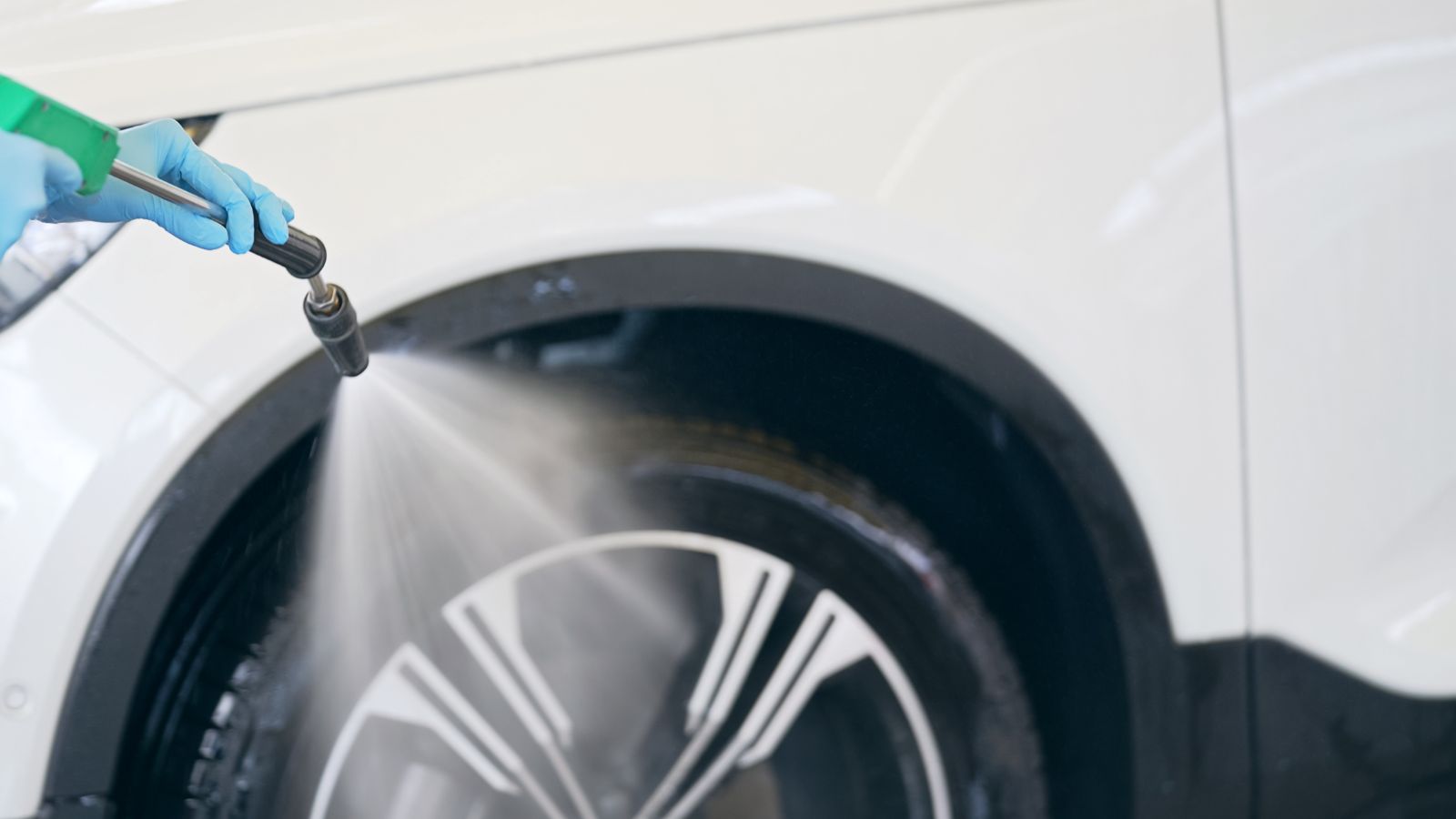
Removing salt requires enough water to flush contaminants away, but maximum pressure is not automatically the safest approach. AAA’s detailing guidance notes that excessive pressure under a vehicle can force dirt and deposits into small cracks and crevices, potentially leaving corrosive material in places where it becomes even more difficult to remove. It recommends cleaning wheel wells and the underside while using suitable automotive products and avoiding unnecessarily aggressive techniques.
Vehicle-specific instructions matter as well. Manufacturer technical information may caution against directing water toward sensitive electrical connectors, and some electrified vehicles carry special washing instructions involving high-pressure equipment or charging. That does not make ordinary underbody washing dangerous; automated washes use undercarriage sprays routinely. It simply means the goal is thorough flushing rather than blasting every component at point-blank range. A moderate stream of fresh water, appropriate car-safe cleaner when needed, and attention to accessible wheel wells and recesses can accomplish more than indiscriminate pressure. When the owner’s manual contains special washing precautions, those directions should take priority over generic advice.
Waiting for Obvious Rust Before Looking Underneath
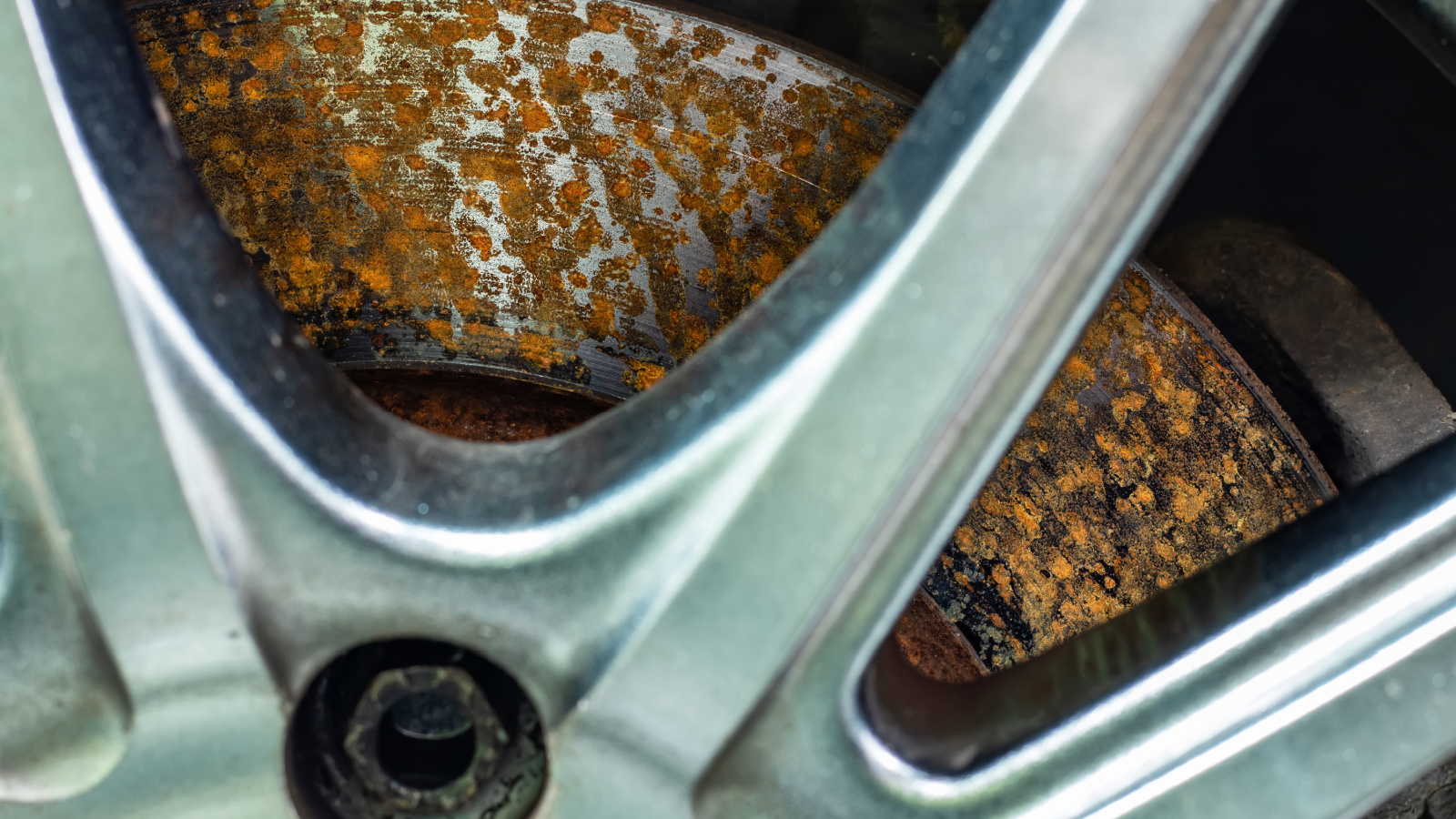
Visible orange rust on a fender is easy to notice. Corrosion on a brake pipe, mounting point, frame section, or suspension component may remain hidden much longer. That is why corrosion guidance from vehicle manufacturers and safety authorities includes inspection as well as washing. NHTSA-related recommendations cited in manufacturer campaigns have urged owners of older salt-exposed vehicles to have braking systems checked for signs such as scaling, flaking, leakage, or changes in pedal feel.
There is a practical reason to look early. Consumer Reports notes that road-salt corrosion can affect safety-related braking, steering, suspension, and fuel-system components. A winter commuter may see nothing unusual from the driver’s seat while a technician on a lift can see surface corrosion developing around lines, fasteners, seams, or brackets. Older vehicles, vehicles with known corrosion history, and cars that have spent many winters in heavily salted regions deserve particular attention. The cheapest stage to discover rust is generally before it has perforated a line, weakened a mounting area, or spread beneath surrounding coatings.
19 Used Cars Canadians Should Avoid in 2026 (Based on Owner Complaints)

Buying a used car in Canada can feel safe until repair bills start stacking up. Owner complaints tell a different story than glossy listings. Transmission failures, electrical problems, and weak winter reliability show up again and again in consumer reports. Many of these issues appear after warranties expire, when owners least expect them. Some vehicles look affordable upfront, but become expensive to keep on the road. Others struggle in cold weather, urban driving, or long highway commutes. Here are 19 used cars Canadians should avoid in 2026 (based on owner complaints).
19 Used Cars Canadians Should Avoid in 2026 (Based on Owner Complaints)