
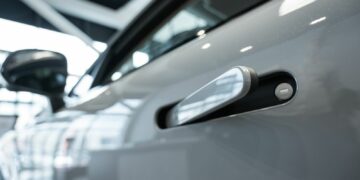
























Flush door handles were supposed to make modern cars look cleaner, smarter and more aerodynamic. In a Canadian showroom, they can certainly deliver that futuristic first impression. The calculation changes, however, when the same handle meets freezing rain, a weak 12-volt battery, a child in the rear seat or an emergency in which nobody has time to study an owner’s manual. There is no national Canadian dataset that isolates door-handle design as a reason for rejecting a vehicle, so the trend should not be overstated. What is clear is that automakers, safety organizations and regulators are paying more attention to the trade-offs created by powered and concealed entry systems. These 12 reasons explain why a simple mechanical pull handle is starting to look less old-fashioned and more reassuring to some Canadian buyers.
Winter Turns a Clever Handle Into a Chore
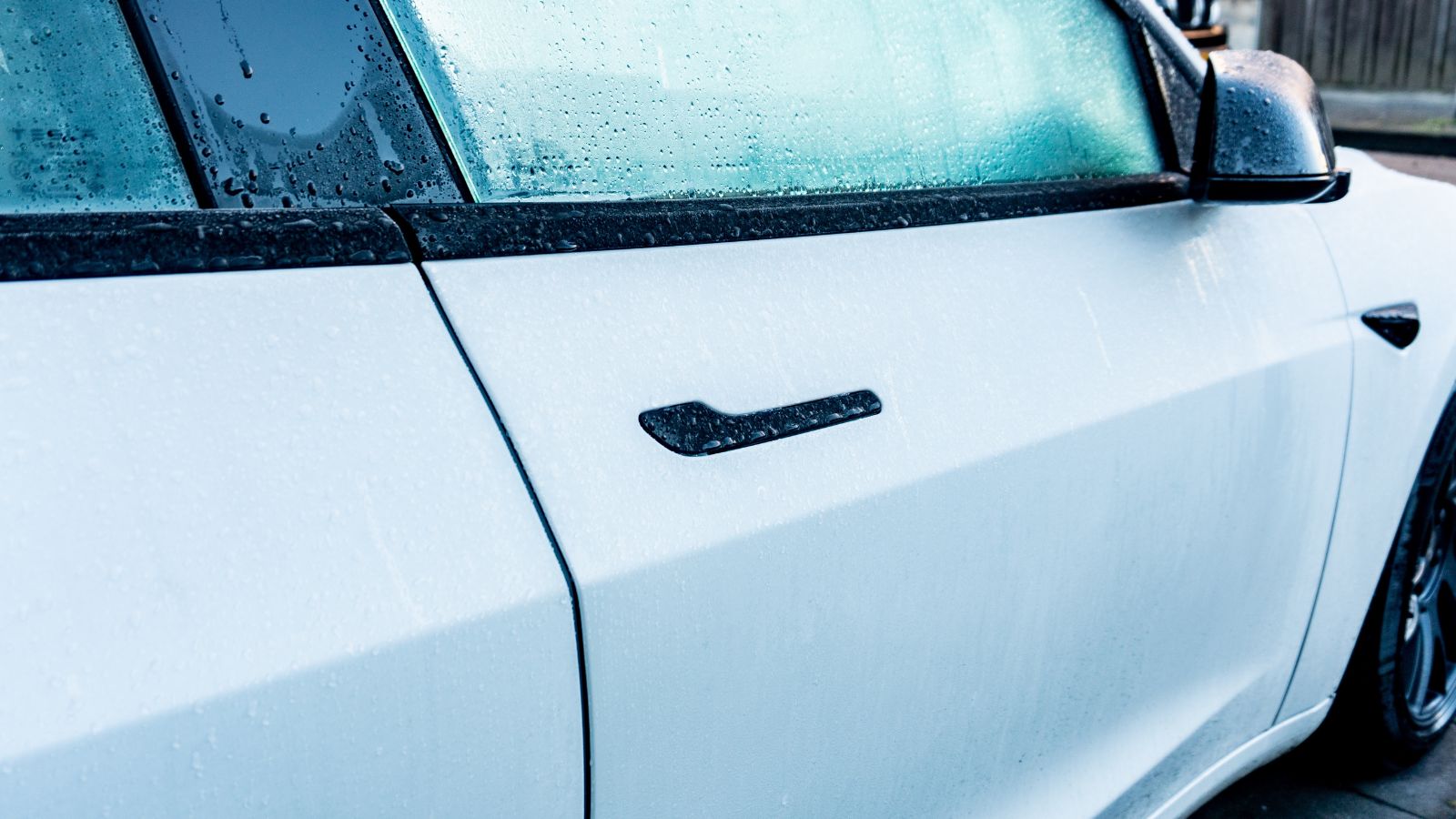
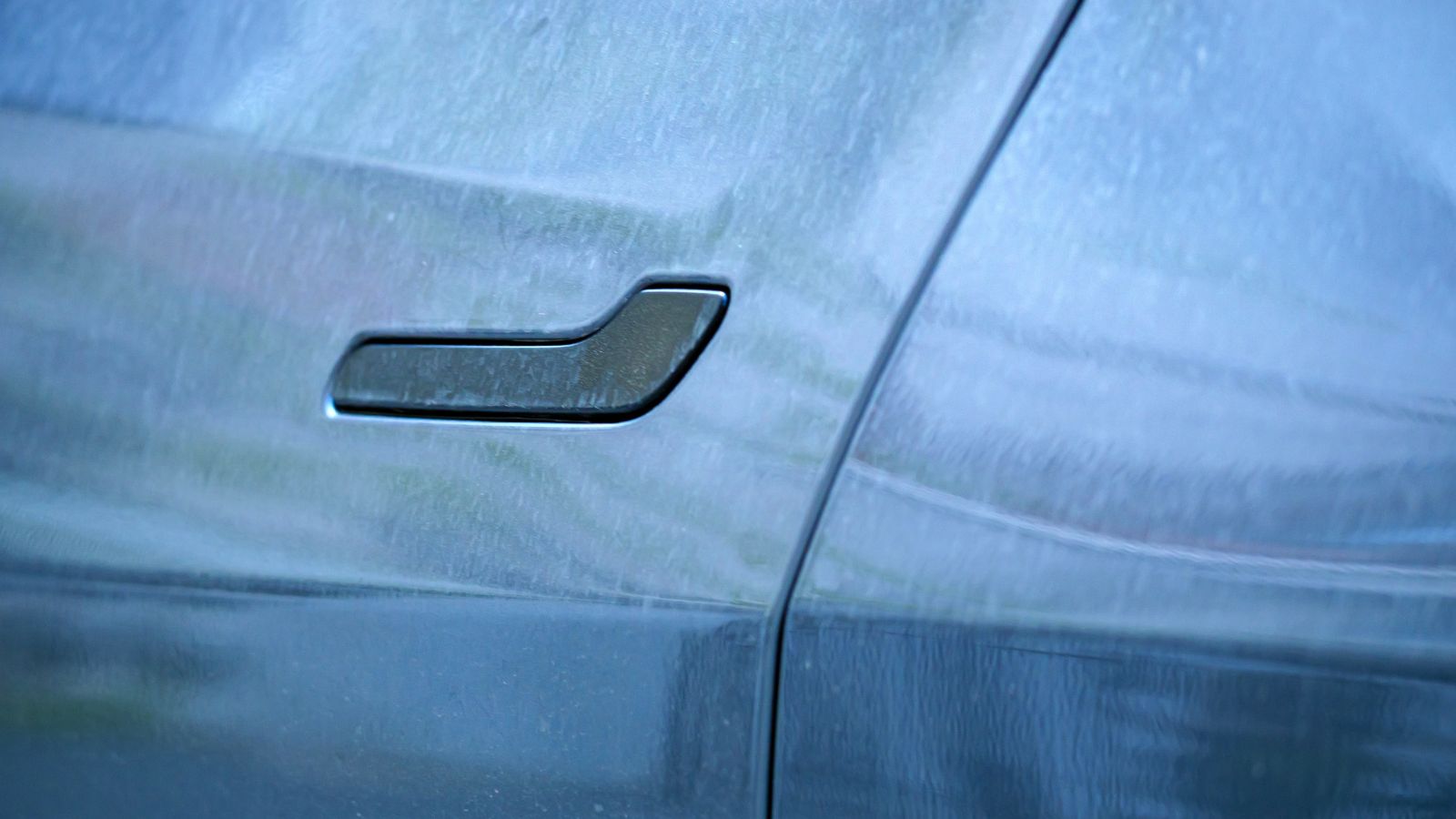
A flush handle can look clean on a showroom floor. A January morning in Ottawa, Winnipeg or Edmonton is a different test. Tesla’s Model 3 guidance acknowledges that ice can build up inside the handle and prevent it from opening. The company provides instructions for breaking the ice free and lets owners use the mobile app to unlatch the driver’s door in severe winter conditions. That is useful engineering, but it illustrates the extra routine that can accompany a design intended to disappear into the bodywork.
Cold weather already complicates Canadian vehicle ownership. CAA’s EV winter testing found substantial range losses in sub-zero conditions, while Canadian shoppers cite extreme-temperature performance as an EV concern. Door handles are only one part of that picture. Still, a buyer who parks outside may prefer a handle that can be grabbed immediately instead of one that may need preconditioning, an app command or de-icing.
A Dead 12-Volt Battery Can Become a Door Problem
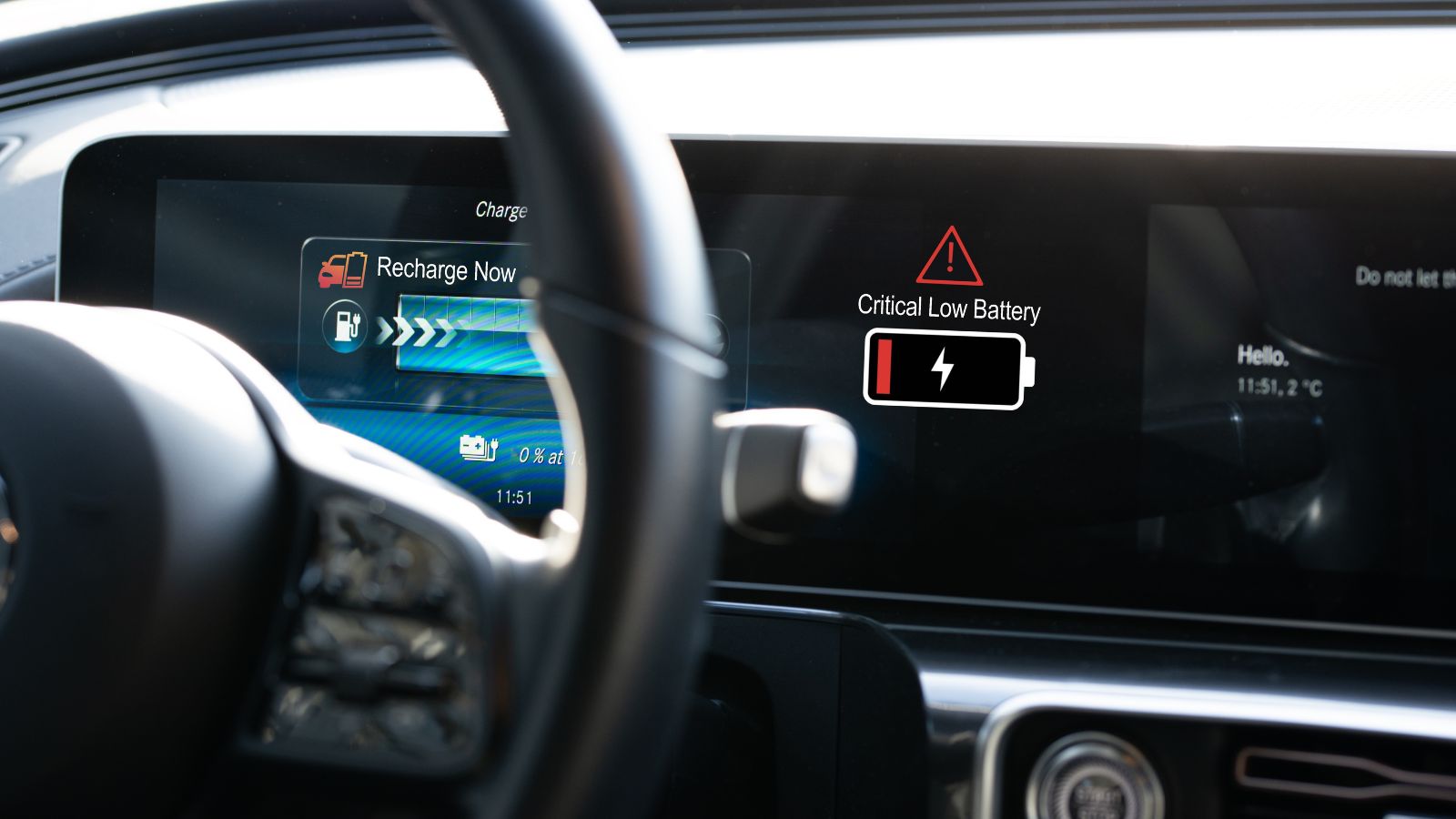
The large traction battery in an EV gets most attention, but many everyday functions still depend on a low-voltage electrical system. That includes locks, switches and powered entry hardware on some vehicles. Ford’s Mustang Mach-E documentation, for example, tells owners that if the 12-volt battery is dead, unlocking the vehicle requires applying 12-volt power to the system. Tesla’s Model Y also has procedures for opening doors when normal electrical power is unavailable.
That changes the meaning of a “dead battery” inconvenience. With a traditional mechanical exterior handle and key cylinder, owners understand the fallback. With an electronic entry system, the fallback can involve locating terminals, supplying external power or knowing a model-specific mechanical release. Most owners may never need those procedures, but Canadians who keep vehicles for years know that 12-volt batteries are consumable. For them, an exterior handle that remains mechanically obvious during electrical failure can feel like redundancy.
Emergency Releases Are Not Always Obvious
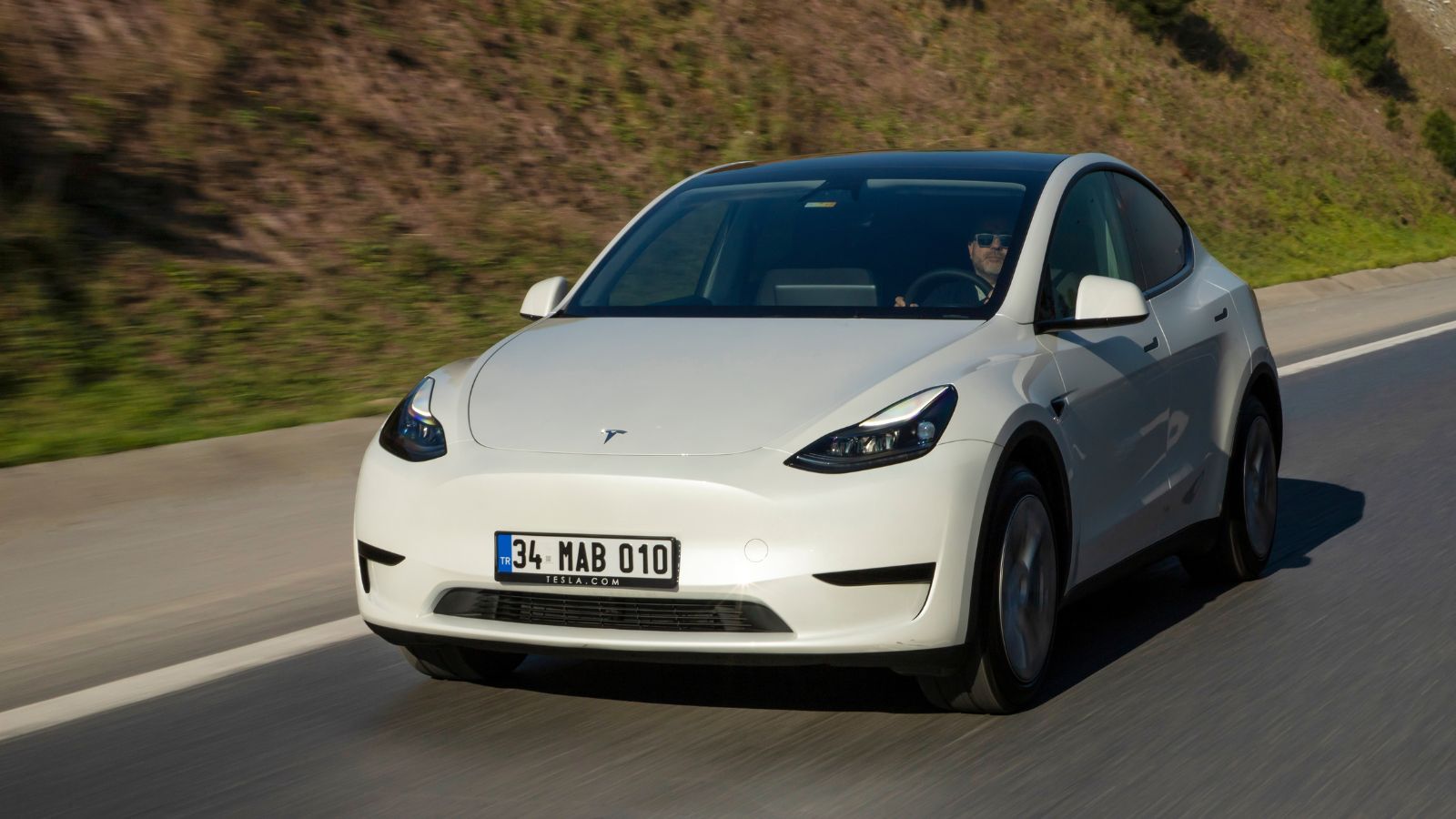
Electronic interior releases can make a cabin look minimalist because a button replaces a visible lever. The concern begins when the electrical system is damaged or unavailable. Tesla’s Model Y manual includes mechanical emergency releases, but the rear-door procedure requires removing a cover in the door pocket and pulling a cable. Consumer Reports has warned that manual releases in electronically operated doors can be difficult to locate or operate when occupants are under stress.
That distinction matters because an emergency is the worst possible time to learn a hidden sequence. A driver may know the vehicle, but a spouse, teenager, passenger, valet or first responder may not. Conventional hardware has one underrated advantage: its purpose is obvious from shape and placement. Fancy handles can still be engineered with safe backups, and many are. The question for cautious buyers is whether the backup is immediately discoverable when normal electrical operation disappears.
Rear-Seat Passengers Raise the Stakes
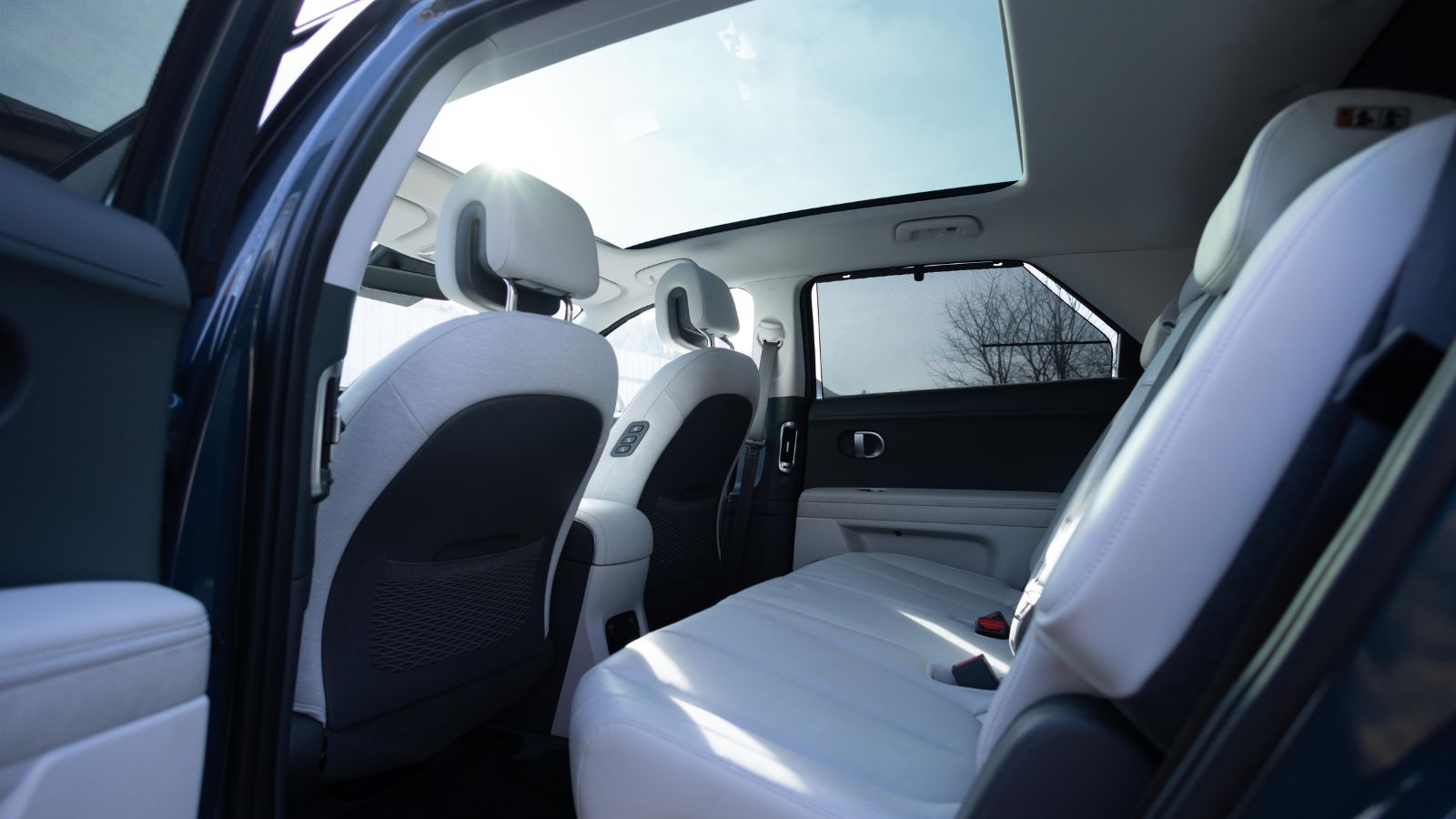
Door-handle design becomes more serious when children are involved. In 2025, the U.S. National Highway Traffic Safety Administration opened a preliminary investigation into about 174,000 model-year 2021 Tesla Model Y vehicles after complaints that exterior electronic door handles became inoperative. By an October information request, the agency said it had received 16 reports involving low 12-volt battery voltage. Some reports involved parents who had stepped out while a child remained in the rear seat.
The investigation did not mean every Model Y had a defect, nor did it establish that flush handles as a category are unsafe. It exposed a scenario family buyers immediately understand: an adult can be outside while the person needing help is too young to operate an interior emergency release. Reuters reported that some parents in the original complaint set broke windows to regain access. For families, that edge case can outweigh styling in an emergency.
Water and Freeze-Thaw Cycles Add Another Layer
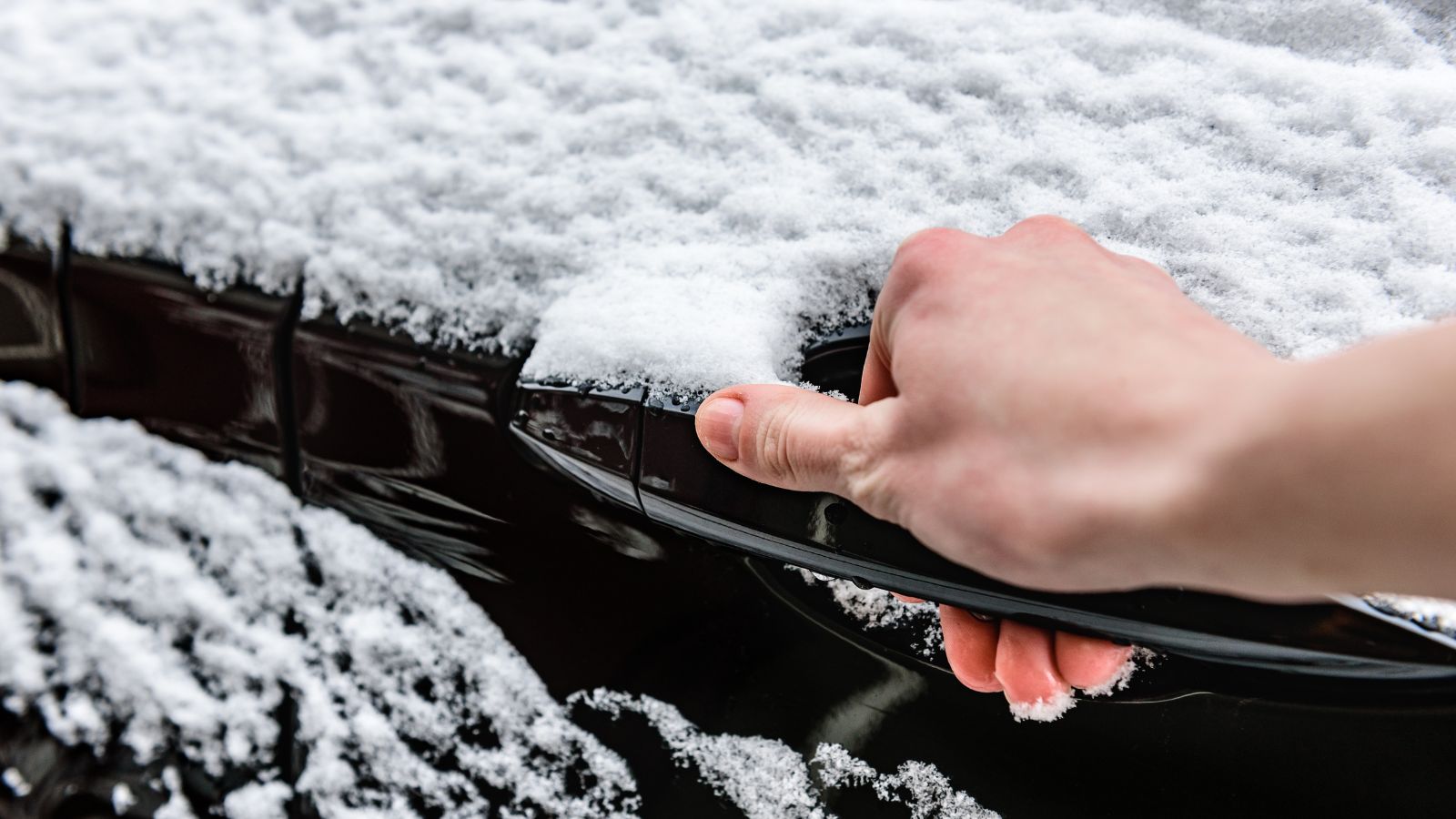
Traditional doors are not immune to winter. Weatherstripping can freeze, locks can seize and any handle can become surrounded by ice. Canadian winter-preparation guidance from CARFAX recommends treating door seals to reduce sticking, while manufacturer manuals advise drying water around door rubber after washing so doors do not freeze shut. With a flush design, the handle itself may also sit inside a recess or rely on a pivot, motor or presentation mechanism that must move before a hand can get a useful grip.
That can turn ordinary winter moisture into another maintenance consideration. A vehicle washed on a mild afternoon may sit outside as the temperature falls overnight. Freezing rain can produce the same effect without a car wash. Tesla’s dedicated ice-removal instructions for the Model 3 show that engineers anticipated this environment. The procedure is manageable, but some buyers simply do not want another cold-weather ritual on winter mornings.
More Mechanisms Mean More Things to Diagnose
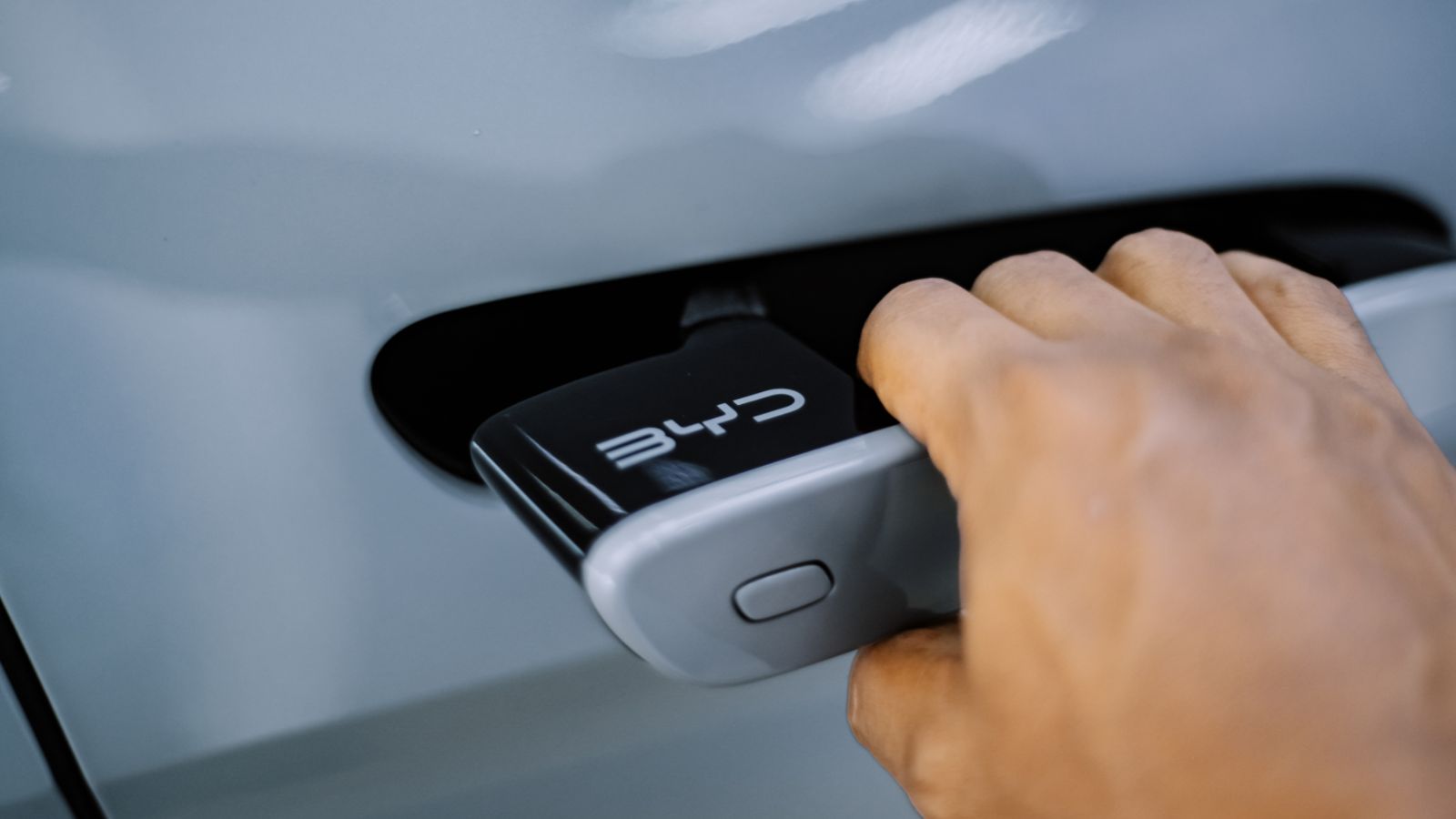
A fixed pull handle is not literally maintenance-free, but a powered flush system can add actuators, switches, sensors, wiring and control logic. An SAE technical paper on auto-flush handles describes the engineering needed to package and control the mechanism, including work to address finger jamming and retraction behaviour. That does not mean these systems are inherently unreliable; it does mean they are more mechanically and electronically elaborate than a basic handle connected to a latch.
Canadian repair data provide context, although they are not handle-specific. Mitchell reported in August 2026 that average severity for repairable battery-electric vehicle claims in Canada was C$6,645, versus C$5,411 for gasoline vehicles. Mitchell links modern repair complexity to dense electrical architectures, diagnostics, calibration and OEM components. A damaged fancy handle is only one component in that ecosystem, but long-term owners may still ask whether another powered mechanism provides enough everyday benefit to justify its complexity.
Fancy Entry Systems Ask Owners to Learn New Routines
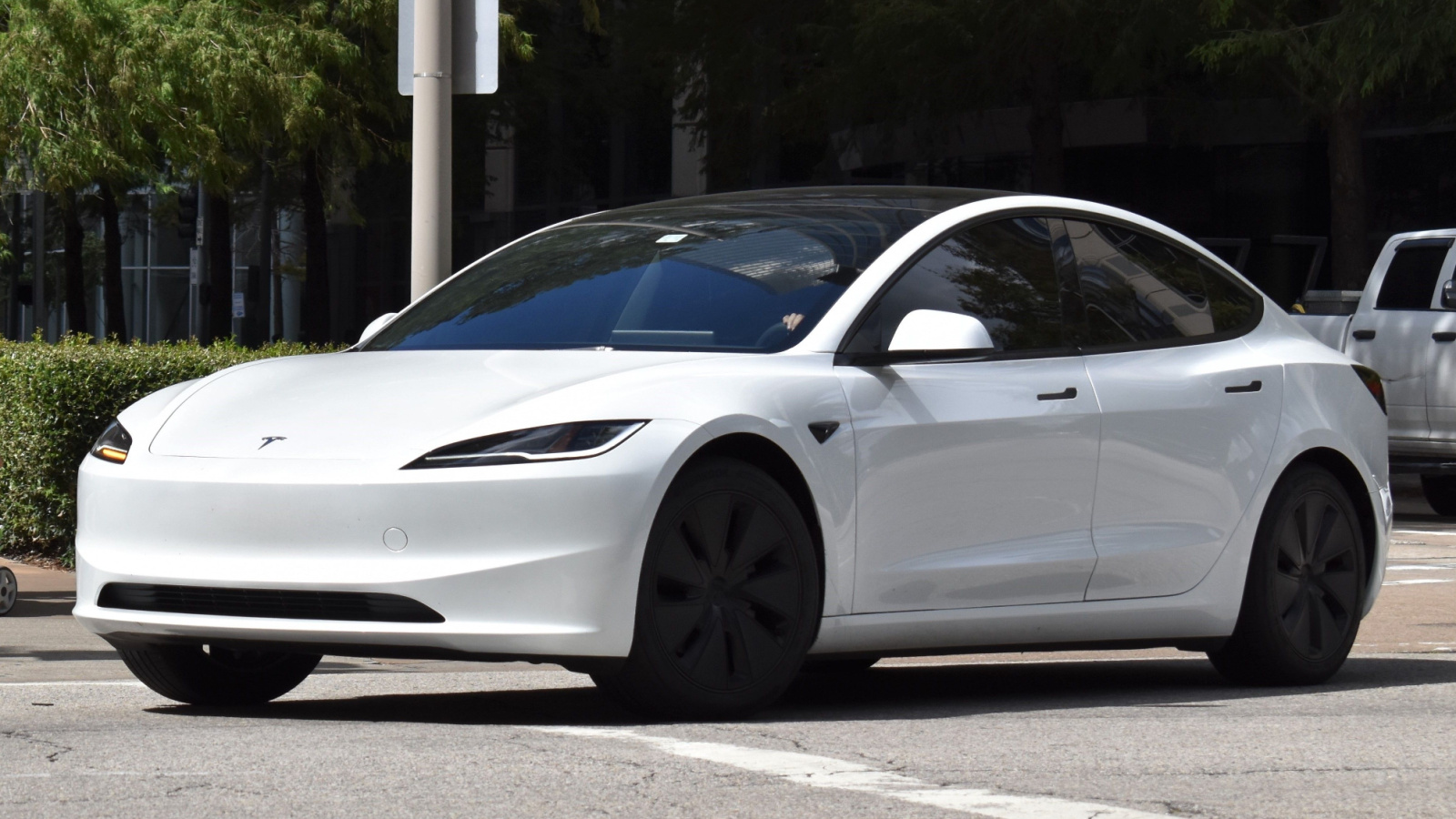
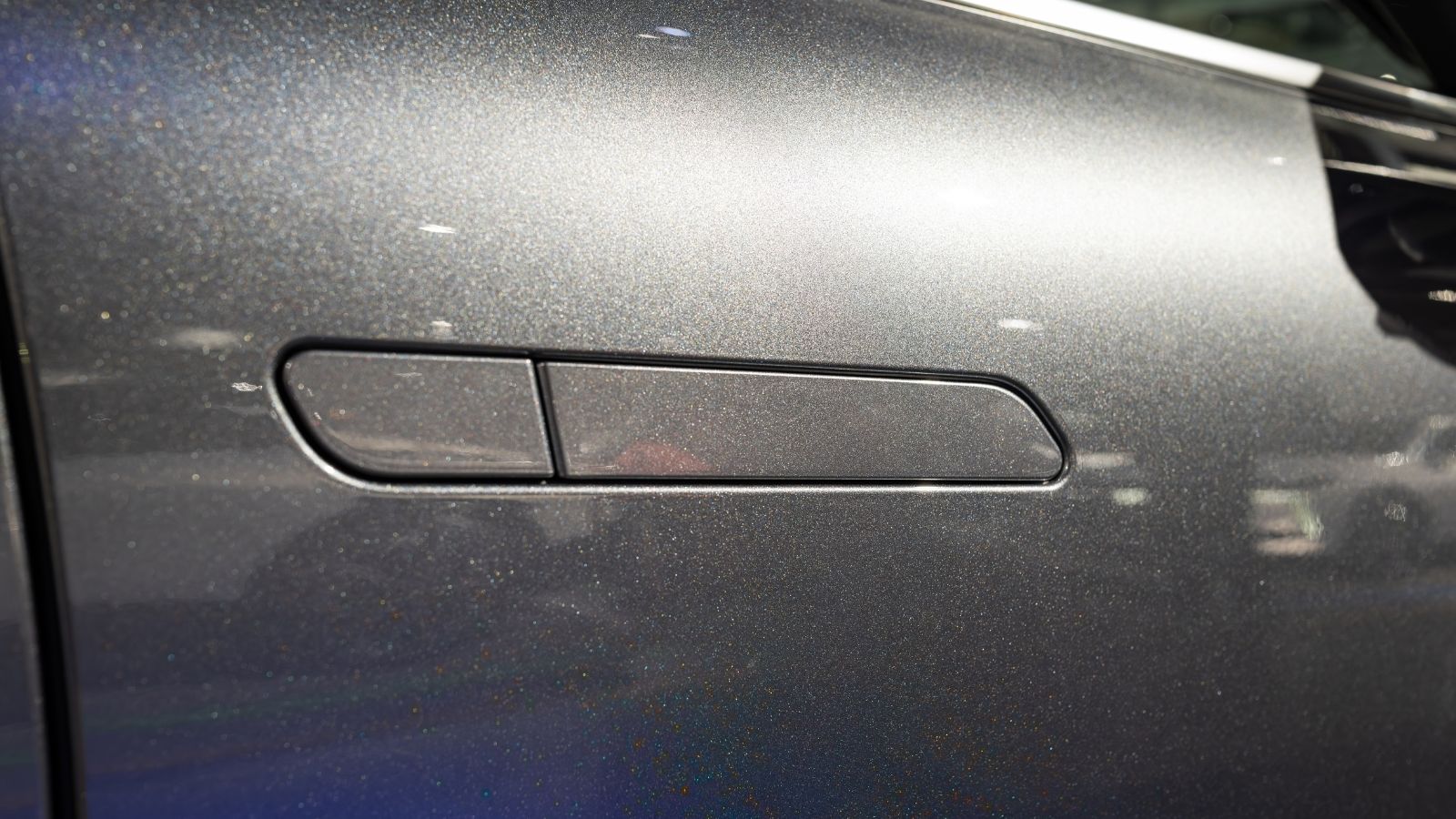
There is no single standard for modern door handles. On a Tesla Model 3, the user presses one end of the flush handle so the other end pivots outward. On the Mustang Mach-E, entry can involve a touchpad on the door trim and an electronic actuator. Hyundai describes the IONIQ 5’s concealed handles as touch-sensor-operated units that automatically release. Each system can become second nature, but the first interaction is not as universal as grabbing and pulling.
That matters more often than it seems. Cars are shared with family members, handed to parking attendants, rented, borrowed and used to pick up passengers unfamiliar with the design. A conventional handle communicates its function almost instantly. A concealed one may require a demonstration, especially in darkness or when it has not presented itself. For buyers who value a vehicle anyone can operate without coaching, that task can become surprisingly irritating over years.
The Design Is Not Equally Friendly to Every Hand
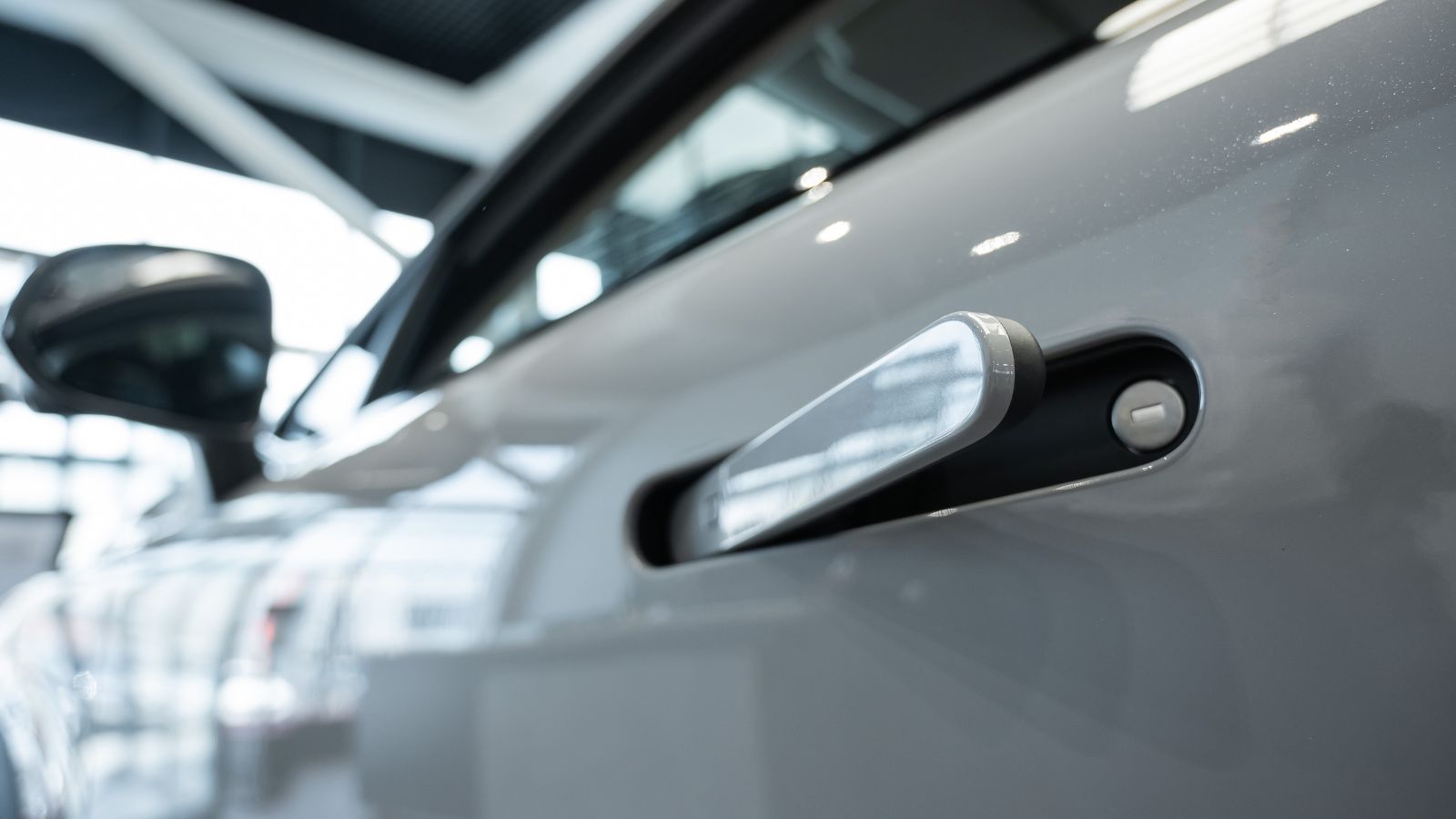
Automotive ergonomics becomes easy to overlook when products are designed around able-bodied adults. Research presented through the Human Factors and Ergonomics Society found that older adults placed greater value on vehicle door openings that made getting in and out easier and were less confident than younger adults that contemporary vehicle controls were easy to use. Recent design research on flush handles has also highlighted reduced intuitive usability and concerns about emergency access when styling and concealment take priority.
That has practical implications for households with aging parents, arthritis, limited grip strength, long fingernails or reduced dexterity. A recessed surface that must be pressed in one location and pulled from another may demand more precise hand movement than a fixed handle. Powered presentation can solve that problem when it works perfectly, but failure or ice can bring the underlying geometry back into play. Accessibility may ultimately matter more than showroom novelty.
The Aerodynamic Benefit Is Real, but It Is Only One Trade-Off
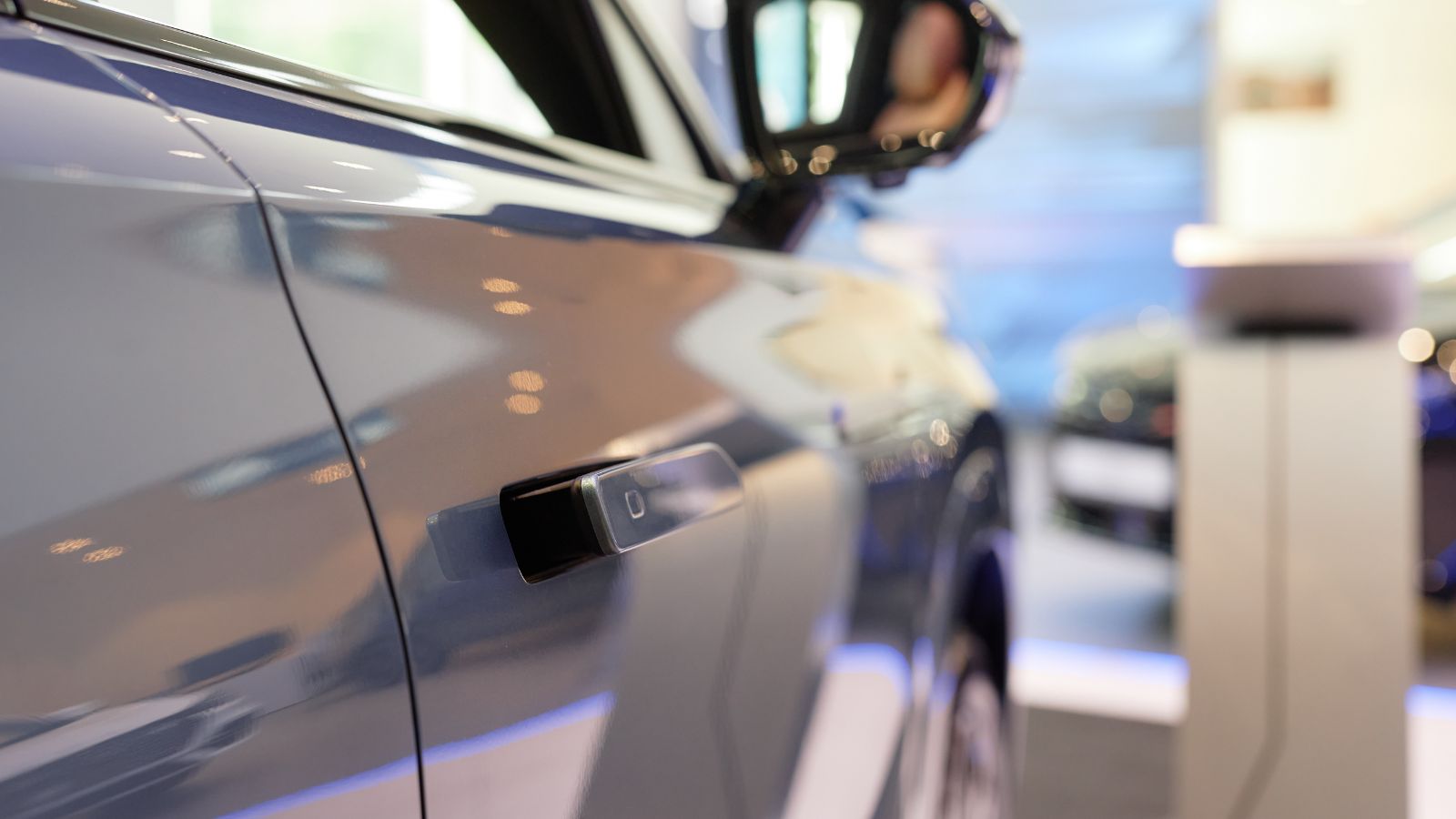
Automakers did not invent flush handles solely for visual drama. Hyundai says the IONIQ 5’s auto-flush handles improve clean exterior styling and aerodynamic efficiency. On an EV, reducing drag matters because aerodynamic improvements can contribute to efficiency and range. Flush hardware also helps designers create uninterrupted body surfaces, which is one reason the feature spread across premium cars and electric models.
The harder question is how much that benefit matters to a buyer compared with ease of use. Manufacturers generally present the handle as one element in an aerodynamic package that includes body shaping, underbody work, spoilers, wheels and active air management. Public material rarely isolates a range gain from door handles alone. That leaves room for different priorities. A commuter with a heated garage may accept the design. Someone parking outdoors through freezing rain may prefer a conventional pull handle, even if it is less slippery through the air.
Regulators Are Starting to Treat Door Access More Seriously
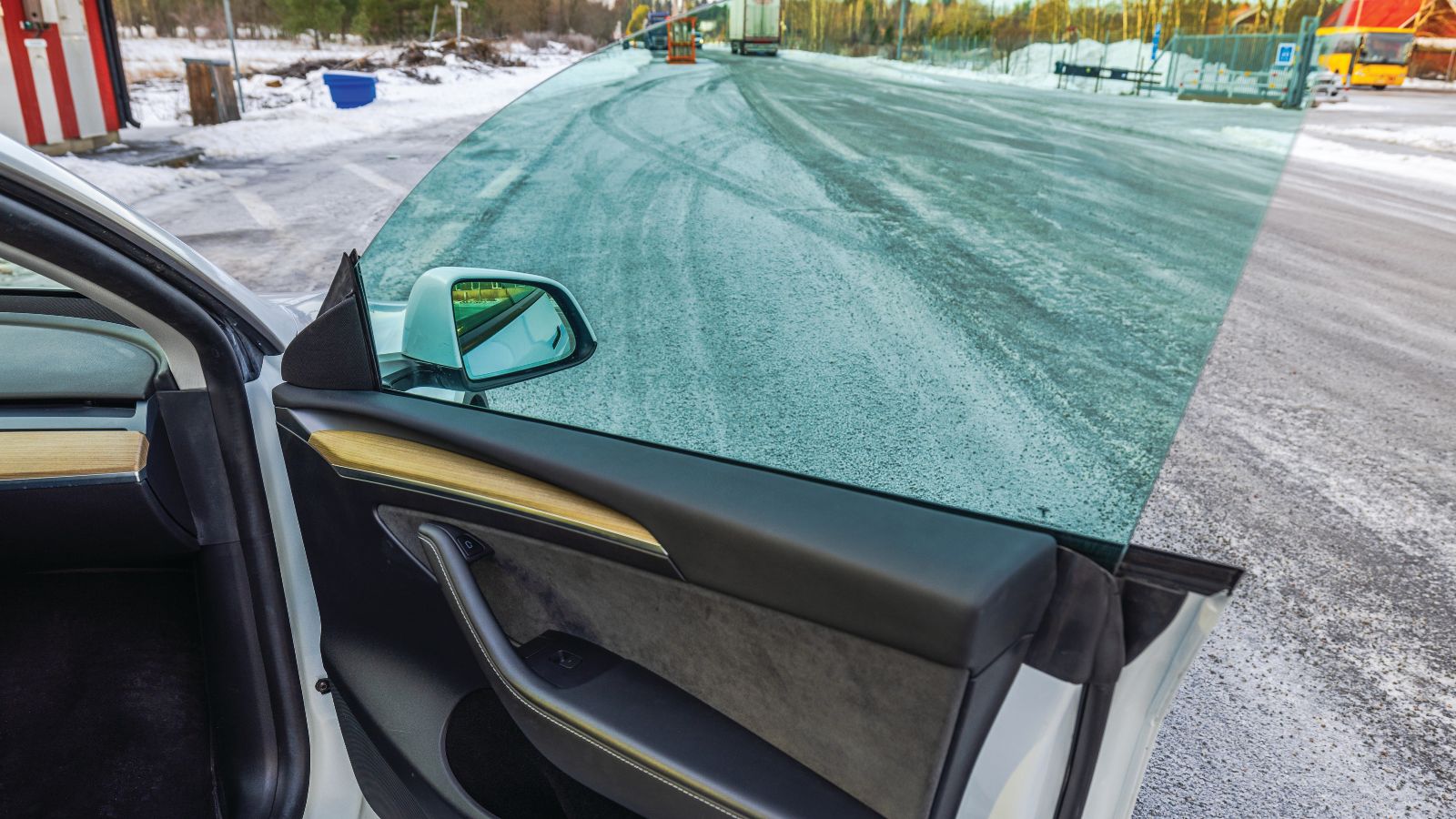
The regulatory direction is becoming hard for automakers to ignore. Euro NCAP’s 2026 protocols added a post-crash requirement for electrically powered exterior door handles to remain functional so rescuers can enter a damaged vehicle. China has gone further: rules announced in 2026 will phase out hidden door handles on new models beginning in 2027 and require mechanical solutions. In August, Chinese authorities launched a recall affecting about 4.3 million vehicles from Tesla and Chinese manufacturers over emergency door-release concerns.
Canada has not announced an equivalent ban. Canadian Motor Vehicle Safety Standard 206 governs door locks, latches and retention components, focusing on keeping doors secured and reducing ejection risk. The international discussion adds a question: after a crash or electrical failure, can occupants and rescuers operate the door quickly and intuitively? For Canadian shoppers, overseas rules do not determine sales, but they signal that handle design is no longer purely cosmetic.
Buyers Are Growing Less Patient With Technology for Technology’s Sake
The automotive market is showing a preference for technology that disappears into the background rather than demanding attention. JD Power’s 2026 Initial Quality Study found that keeping vehicle technology simple matters, with complicated features more likely to create reported problems. Its 2026 APEAL findings also showed gains in owner satisfaction from easier entry and exit, while emphasizing technology that is easy to live with.
Those studies are not Canadian door-handle polls, so they should not be stretched into one. They do, however, fit a purchasing pattern: buyers tolerate complexity when the payoff is obvious and become less enthusiastic when a basic task needs instructions. Canada adds pressures. JD Power’s 2026 Canada EV consideration research found that 54% of shoppers unlikely to consider an EV cited inadequate performance in extreme temperatures as a barrier. Against that backdrop, a handle that simply works can feel more luxurious than one that needs troubleshooting.
A Conventional Handle Is Starting to Look Like Useful Redundancy
The strongest case for a traditional pull handle is not nostalgia. It is redundancy. A visible mechanical handle tells a person where to put a hand, provides leverage and requires little interpretation. That does not guarantee winter performance, and conventional latches can fail too. The difference is that the normal action and emergency instinct are often the same: find the handle and pull. With some electronic systems, normal entry, power-loss entry and emergency exit can require different actions.
That is why the debate is unlikely to end with a verdict that flush handles are good or bad. The best designs can combine aerodynamic surfaces with accessible mechanical backups, cold-weather operation and intuitive rescue access. Regulators and testing organizations are pushing manufacturers in that direction. For some Canadian buyers, ordinary handles may already offer the ownership experience they want: straightforward operation, winter confidence, accessibility and fewer instructions attached to a task.
19 Used Cars Canadians Should Avoid in 2026 (Based on Owner Complaints)

Buying a used car in Canada can feel safe until repair bills start stacking up. Owner complaints tell a different story than glossy listings. Transmission failures, electrical problems, and weak winter reliability show up again and again in consumer reports. Many of these issues appear after warranties expire, when owners least expect them. Some vehicles look affordable upfront, but become expensive to keep on the road. Others struggle in cold weather, urban driving, or long highway commutes. Here are 19 used cars Canadians should avoid in 2026 (based on owner complaints).
19 Used Cars Canadians Should Avoid in 2026 (Based on Owner Complaints)