























A cold snap often feels like an overnight test that a vehicle never agreed to take. Systems that worked quietly in mild weather suddenly have to deliver more electrical power, move thicker fluids, maintain pressure, and keep fuel flowing while metal, rubber, and batteries behave differently in the cold.
Many winter breakdowns are not created by one freezing night; low temperatures simply expose weaknesses that were already developing. From aging batteries and neglected ignition parts to diesel fuel gelling and frozen wipers, these 21 trouble spots can turn an ordinary morning into a no-start, stall, overheating event, or safety problem. Knowing where cold weather adds stress makes it easier to spot warning signs before a seasonal inconvenience becomes a tow or an expensive repair.
Weak or Aging Battery
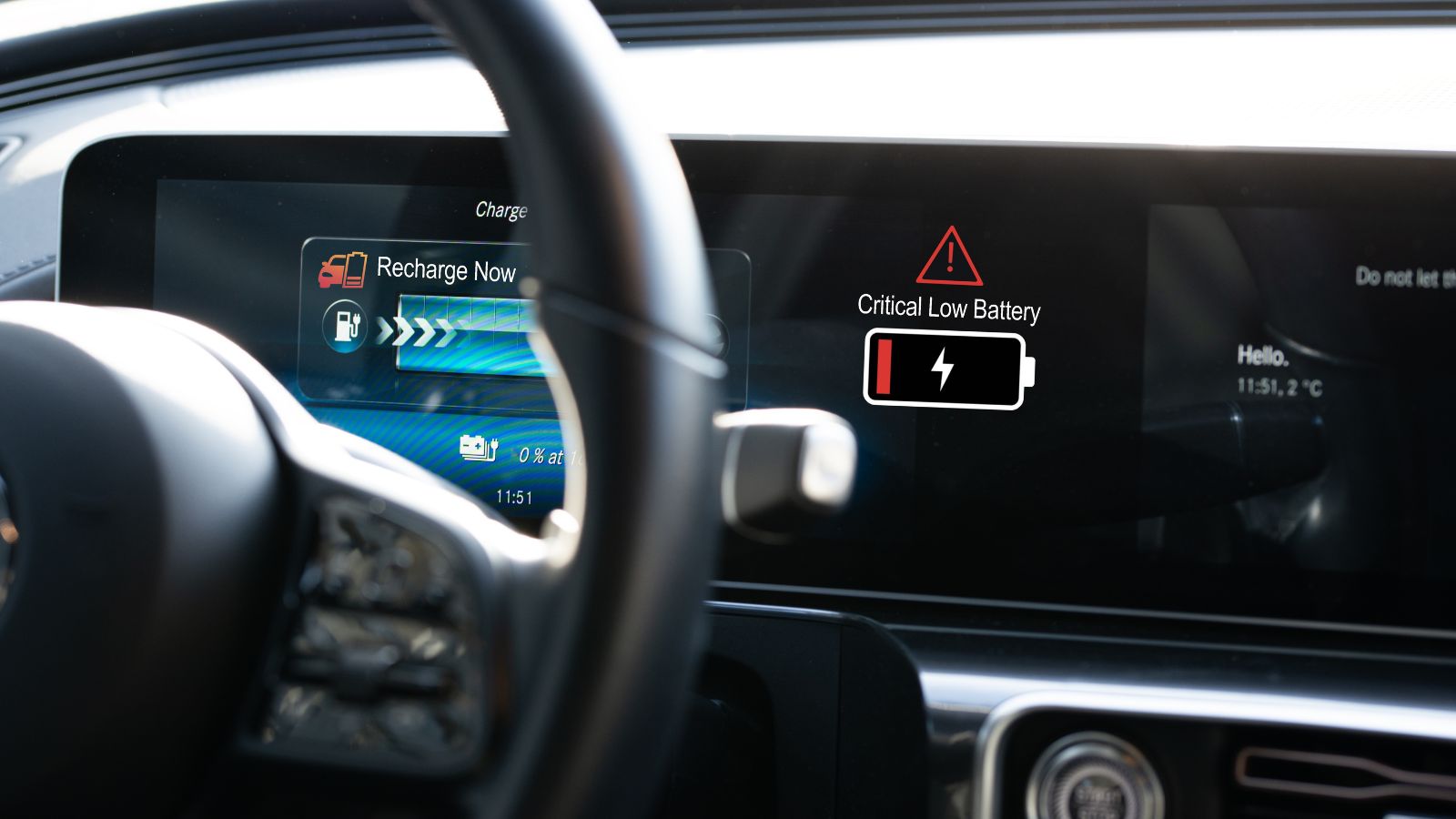
Cold weather exposes a marginal battery faster than almost any other vehicle problem. A battery that seemed perfectly adequate in October can suddenly crank slowly—or not at all—once a hard freeze arrives. Lower temperatures slow the chemical reactions inside a lead-acid battery while the engine simultaneously needs more energy to turn thick oil and cold internal parts. AAA has reported that a battery can lose roughly 35 percent of its strength at 32°F and about 60 percent at 0°F.
Age makes that seasonal stress more important. CAA notes that batteries in the three-to-five-year range may be nearing failure, although actual life varies with climate and use. A familiar winter scene is a car that starts after work on a mild afternoon but only clicks the next morning after an overnight cold snap. Testing battery condition before deep winter can reveal declining reserve capacity before the first truly cold start exposes it.
Too Many Short Trips

Repeated short trips can leave a battery progressively undercharged, and winter electrical demand makes the problem easier to notice. Starting an engine consumes a large burst of stored energy, while the alternator needs time afterward to replace that energy. Trips of only a few minutes may end before the charging system has recovered what the starter used, especially when the heater blower, rear defroster, headlights, heated seats, and other accessories are running.
AAA advises that vehicles used mostly for short drives can benefit from an occasional longer run because repeated brief trips may not give the alternator enough time to recharge the battery. That matters even more during a cold snap, when battery output is already reduced. A commuter who drives five minutes to a station, parks all day, and repeats the trip home can slowly enter winter with less reserve than expected. The eventual no-start may look sudden even though the discharge developed over many small trips.
Corroded or Loose Battery Connections
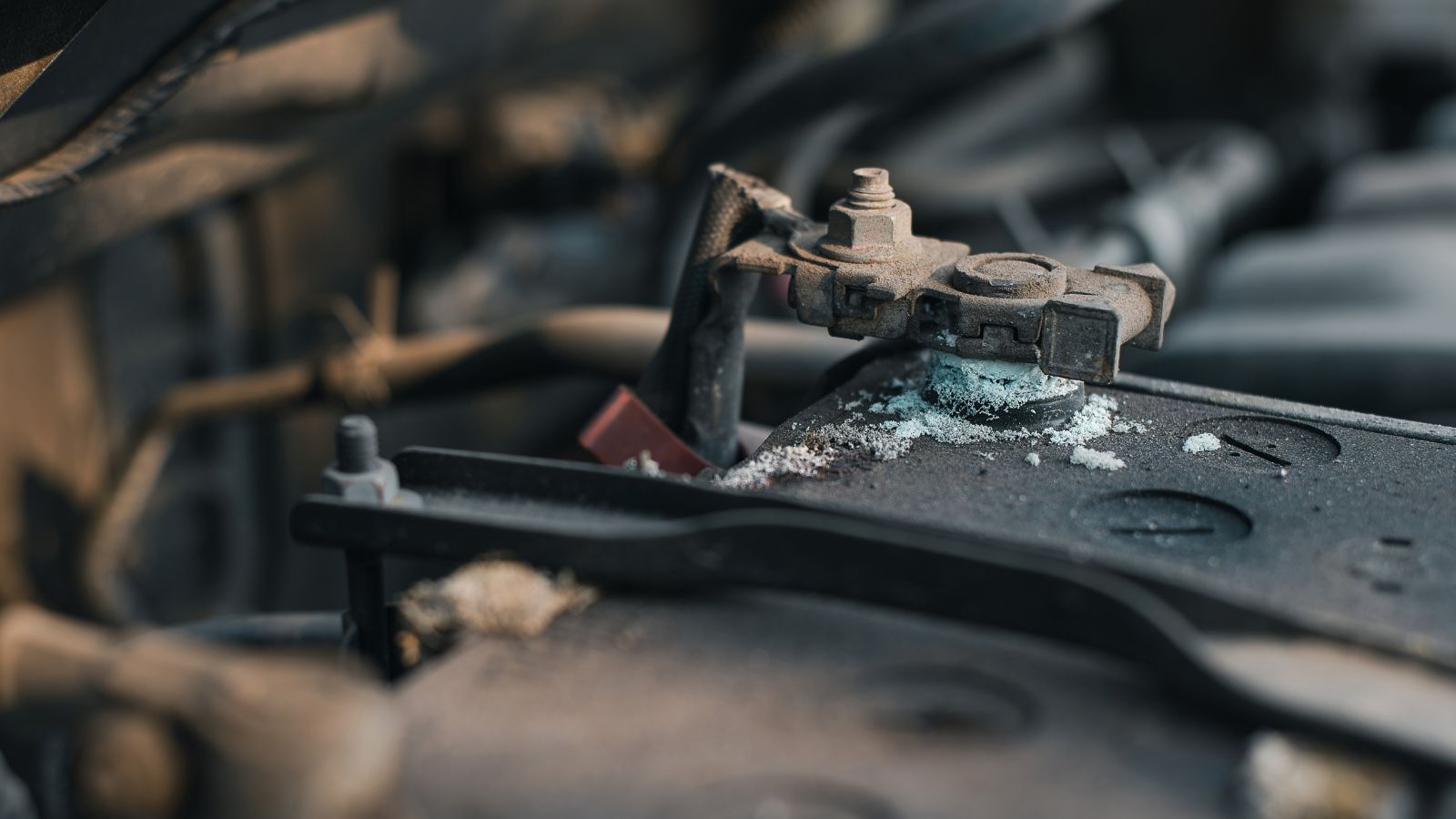
A healthy battery cannot help much if its power cannot travel cleanly through the cables. Corrosion around the battery posts and terminals adds electrical resistance, while a loose clamp can interrupt current when the starter demands substantial power. In warm weather the connection may be barely adequate; during a freezing start, reduced battery output and higher cranking resistance can make that same connection the point where the system finally fails.
AAA notes that terminal corrosion can cause slow cranking, dim lights, or a complete no-start because it inhibits electrical flow. Winter road salt and moisture can also contribute to corrosion around exposed connections. The warning signs are often visible: white, green, or bluish deposits around the posts, cable ends that move by hand, or lights that dim sharply when the key is turned. A driver may replace the battery and still have trouble if the real bottleneck is a dirty or poorly tightened connection between the battery and starter circuit.
A Worn Starter Motor or Solenoid
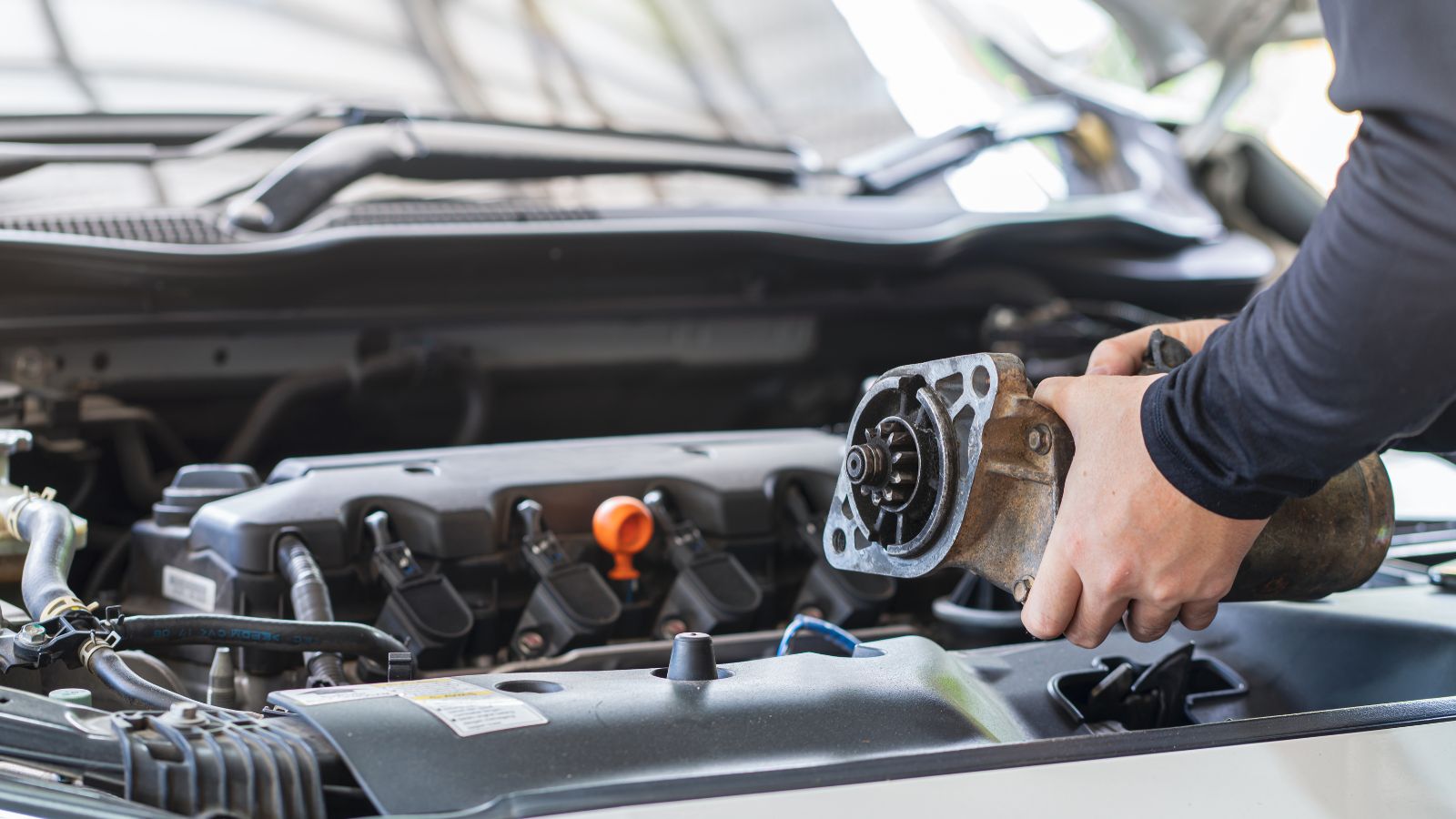
Cold starts demand more from the starter motor because the engine is harder to rotate and battery voltage is less forgiving. A starter with worn brushes, internal resistance, or a weak solenoid may function normally in mild weather yet hesitate when temperatures plunge. The symptom can be a single click, slow cranking, intermittent engagement, or a starter that works after several attempts. Thickened engine oil adds still more mechanical drag to the system.
Cold-specific starter faults are real enough that automakers have issued service bulletins for them. Hyundai, for example, documented certain Sonata starters that could click without cranking after extended below-freezing exposure because of a solenoid-related condition. That does not mean every winter no-start is a bad starter; weak batteries remain a common culprit. Still, when the battery tests well, connections are clean, and the engine barely turns, the starter deserves attention. Persistent cranking can also overheat and damage an already struggling starter.
A Weak Charging System
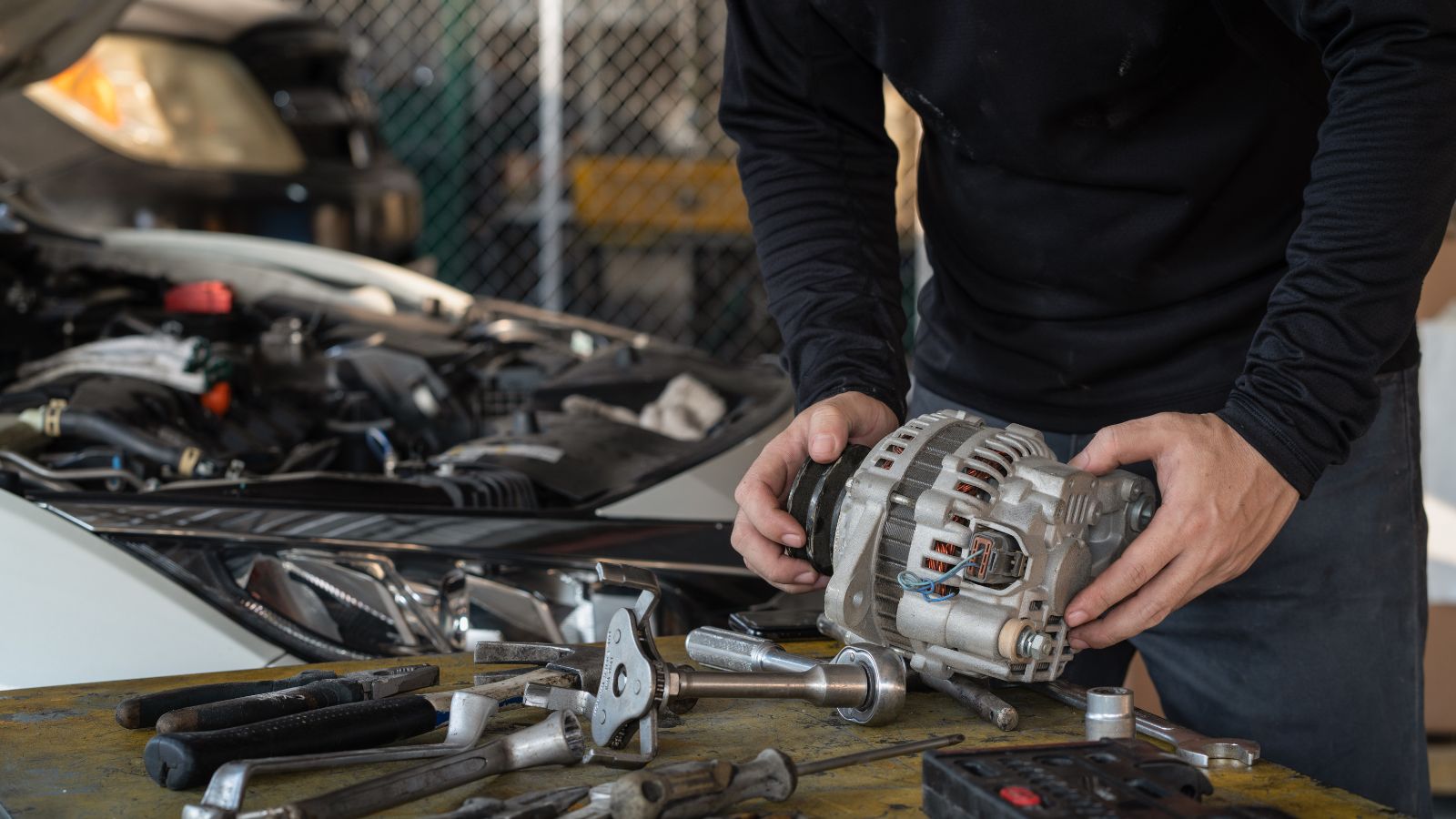
The alternator is what keeps the battery replenished after the engine starts, so a weak charging system can quietly create the next morning’s failure. Winter adds heavy electrical loads: headlights run longer, the cabin blower works harder, and heated glass, mirrors, seats, and steering wheels may all be drawing power. If the alternator, voltage regulator, wiring, or drive belt is marginal, the battery can finish each trip with less charge than expected.
CAA specifically recommends checking the charging system and belts before winter. DENSO’s charging-system guidance also lists a loose or worn belt, bad wiring, poor connections, and a faulty alternator among causes of insufficient charging. The practical clue is repetition: the battery is jumped, the car runs, then the same problem returns a day or two later. That pattern can mean the battery is being blamed for a charging fault. Dim lights, an illuminated battery warning lamp, or electrical accessories slowing at idle deserve prompt diagnosis.
The Wrong Engine-Oil Viscosity
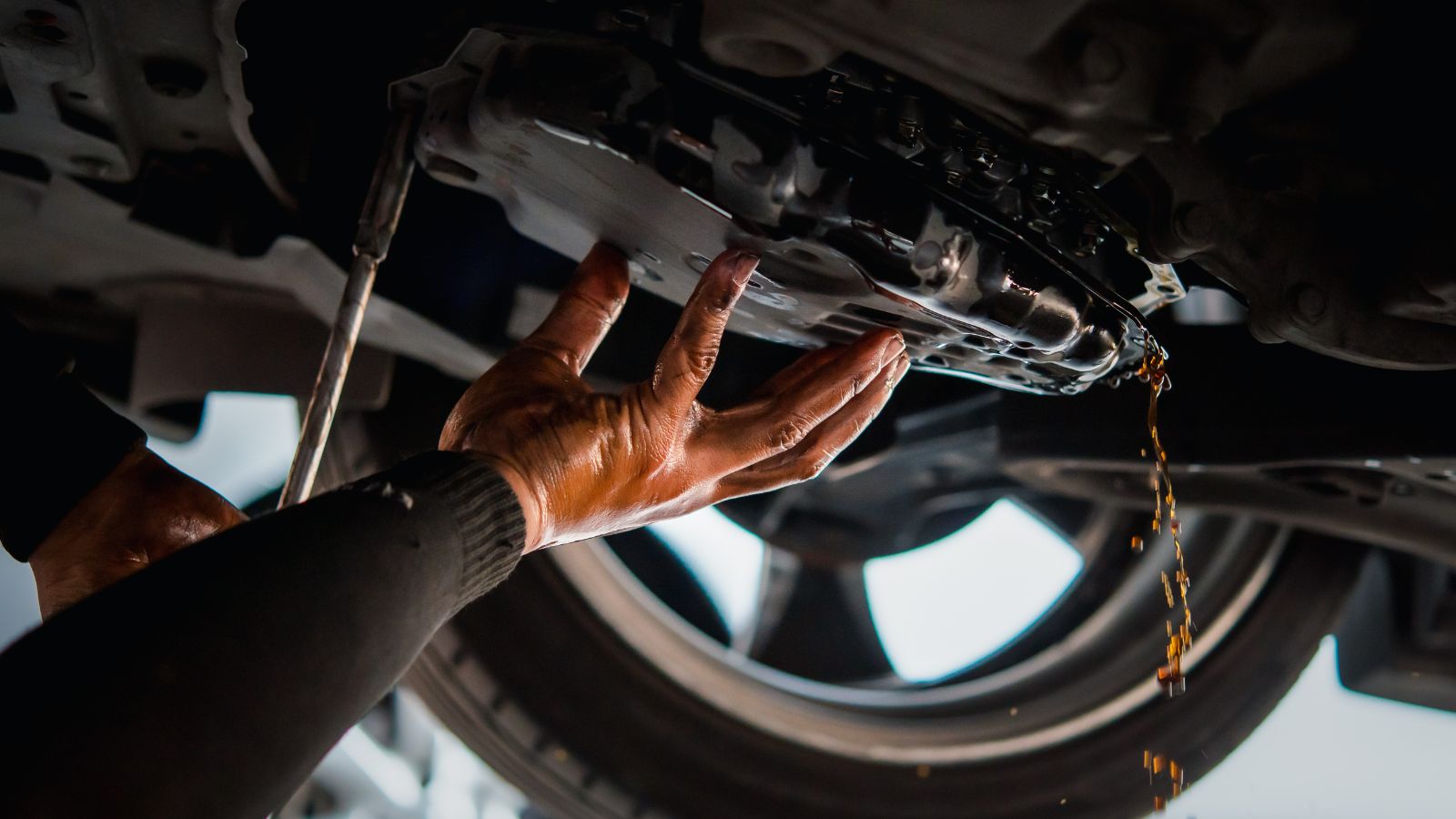
Engine oil naturally becomes more viscous as temperatures fall. Modern multigrade oils are designed to stay pumpable during cold starts, but using a grade that is too thick for the vehicle and climate can make the crankshaft harder to turn and delay oil circulation. That extra drag arrives at exactly the moment when the battery and starter are already under maximum stress, increasing the chance of slow cranking or a no-start in severe cold.
The “W” in grades such as 0W-20 or 5W-30 refers to winter performance, and lower first numbers generally indicate better low-temperature flow. AAA emphasizes that the owner’s manual should determine the proper SAE grade rather than guesswork. This matters because thinner is not automatically better; engines are engineered around specific viscosity ranges. A car filled with an unsuitable oil may behave normally in September but feel noticeably laboured at -20°C. Correct oil cannot fix a weak battery, but it can reduce unnecessary cold-start resistance.
Running Low on Engine Oil
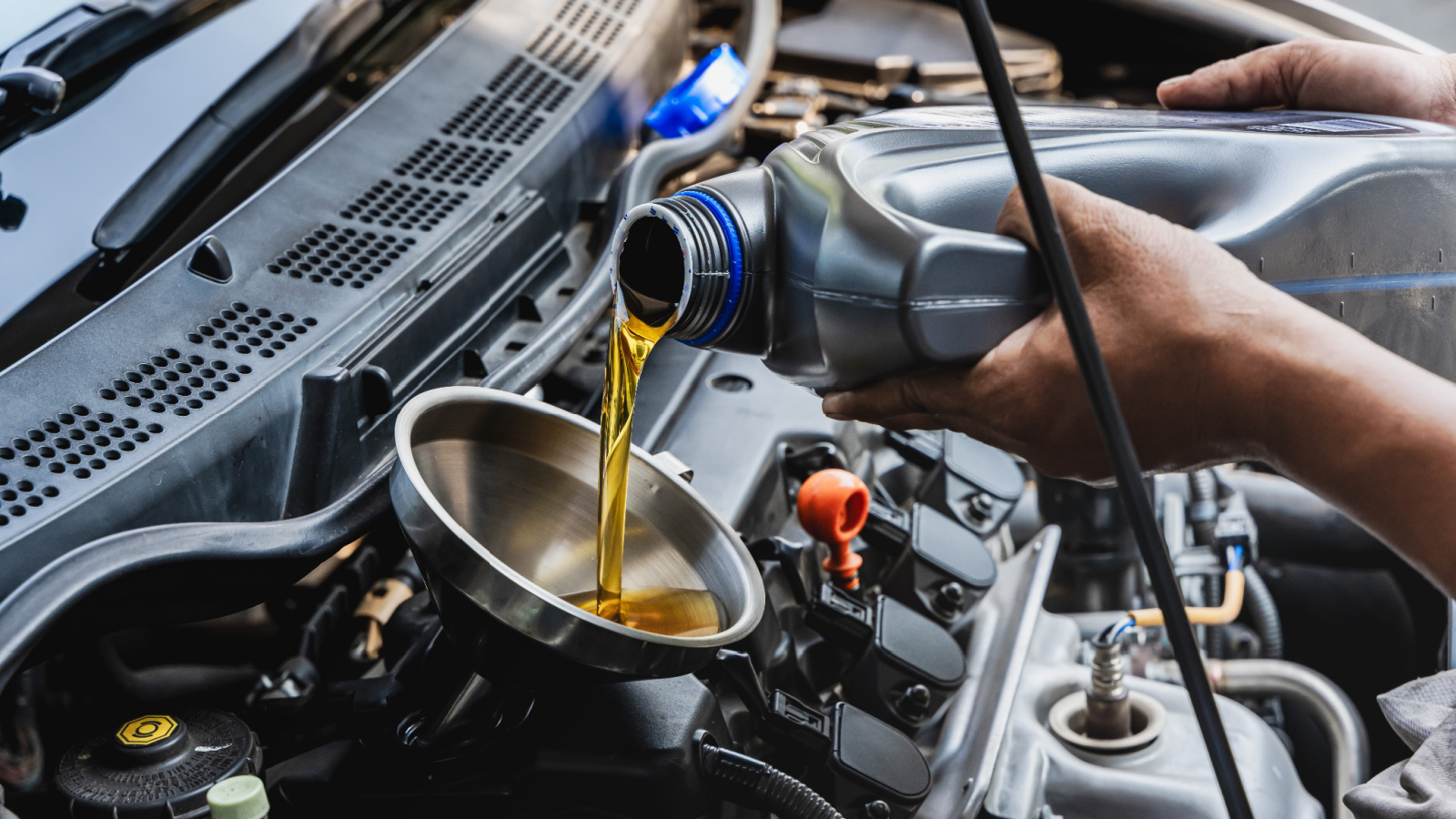
Cold weather does not create a low-oil condition, but it can turn an already neglected level into a more serious problem. Engine oil has to lubricate bearings, camshafts, pistons, and other moving parts immediately after startup, when cold components have not yet reached normal operating temperature. If the sump is already low, there is less lubricant available to circulate during a period when flow is naturally slower and the engine is under added starting stress.
AAA warns that insufficient oil can cause major engine damage and that low oil pressure should be treated as an urgent condition. A winter driver may notice the oil-pressure light staying on longer than usual, louder mechanical noise after startup, or a dipstick reading near or below the minimum mark. Those signs should not be dismissed as “just the cold.” Adding the manufacturer-specified oil may correct a simple low level, but recurring loss can point to a leak or consumption problem. Continued driving with inadequate lubrication can turn a cheap top-up into an engine repair.
Coolant With Inadequate Freeze Protection
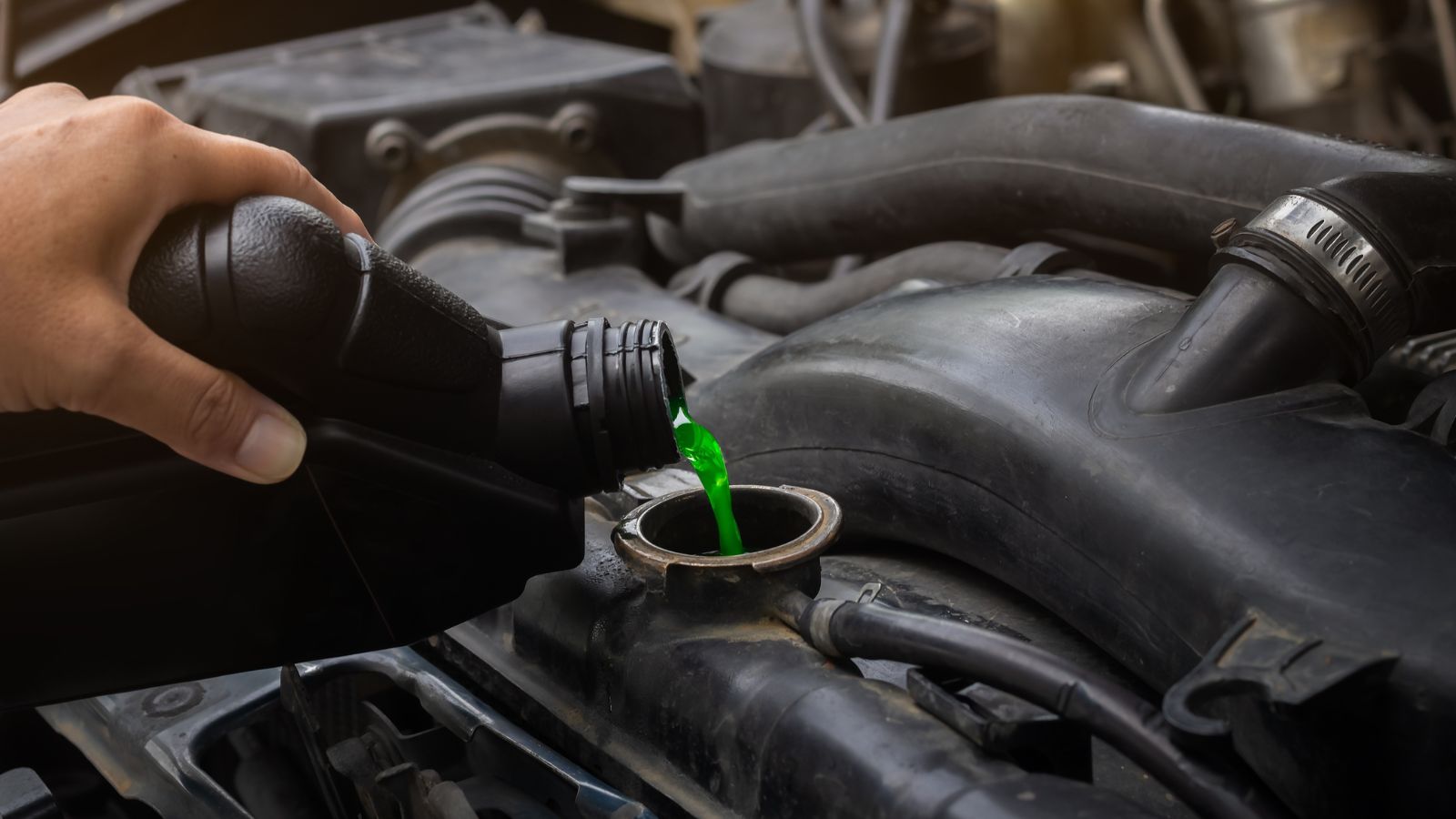
Antifreeze is not only about preventing overheating. The coolant mixture must also remain liquid at the lowest temperatures the vehicle is likely to encounter. Water alone freezes near 0°C, while properly formulated coolant lowers the freezing point and protects the cooling system from corrosion. If the mixture has been excessively diluted or is not suitable for the climate, severe cold can threaten circulation and expose the radiator, engine passages, and other components to freeze-related damage.
CAA advises checking coolant strength and level before winter and making sure the mixture meets local temperature requirements. SAE guidance likewise identifies lowering the coolant’s freezing point as a core function of engine antifreeze. The risk is easy to underestimate after repeated top-ups with plain water. A system that survived several mild winters may be vulnerable during one unusually deep freeze. Coolant concentration should be checked with the proper tester or by a technician, and the exact coolant specification should match the manufacturer’s requirements.
A Thermostat That Is Stuck
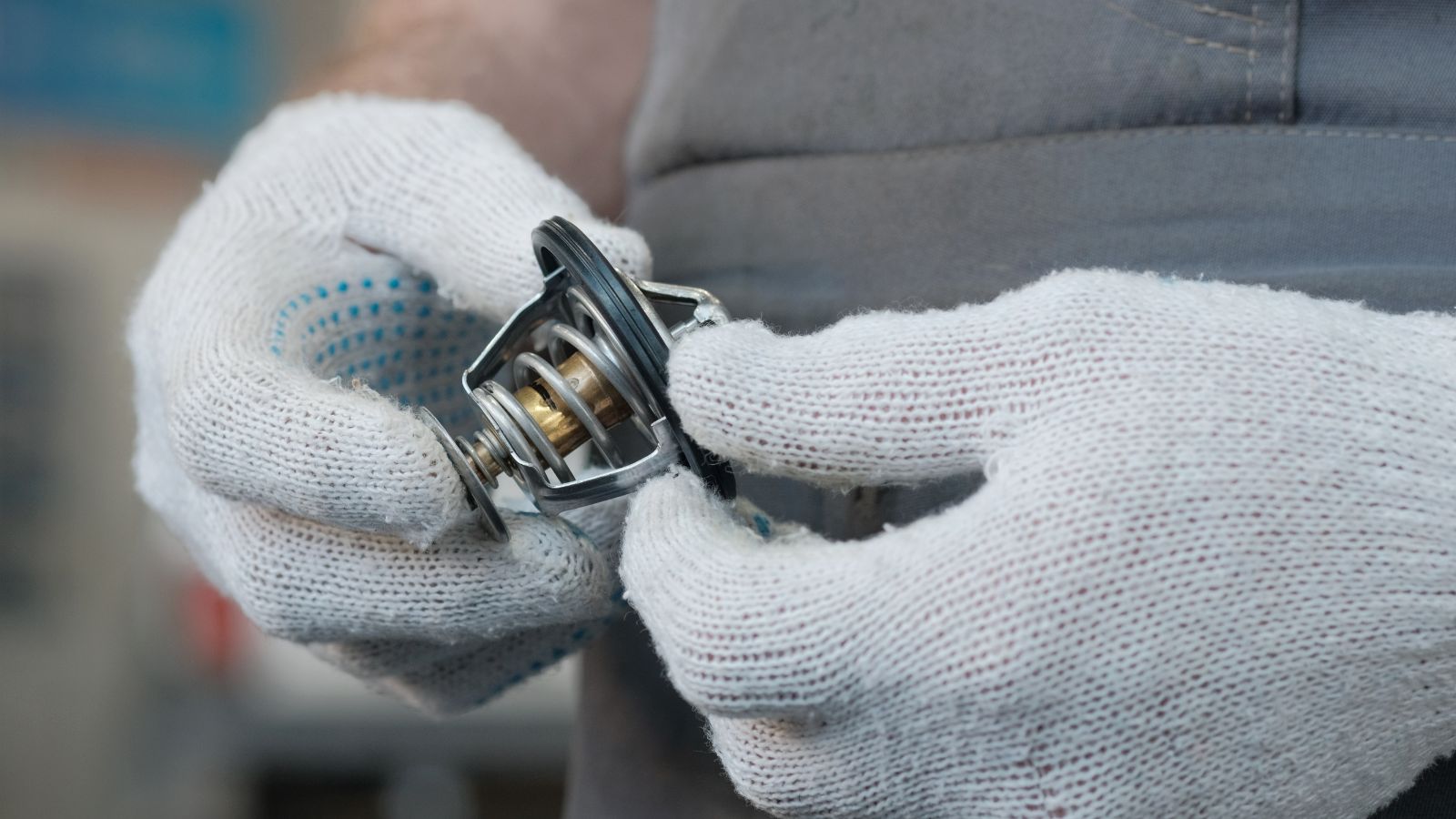
A thermostat is a small valve with a large effect on winter reliability. When the engine is cold, it helps the engine warm quickly by controlling coolant flow to the radiator. If it sticks open, the engine can take far too long to reach operating temperature, cabin heat may remain weak, and fuel economy can suffer. If it sticks closed, coolant cannot circulate normally to the radiator and the engine can overheat even when outside temperatures are well below freezing.
That last point surprises many drivers: a car can overheat in winter. Winter-maintenance guidance recommends checking the thermostat along with the water pump, radiator cap, hoses, and coolant condition. A stuck-open thermostat often becomes more obvious in cold weather because the temperature gauge stays unusually low and the heater never gets properly warm. A stuck-closed thermostat is more urgent; a climbing gauge or overheating warning requires stopping safely. Cold air outside cannot compensate for coolant that is not circulating through the engine as designed.
Worn Spark Plugs or Ignition Components
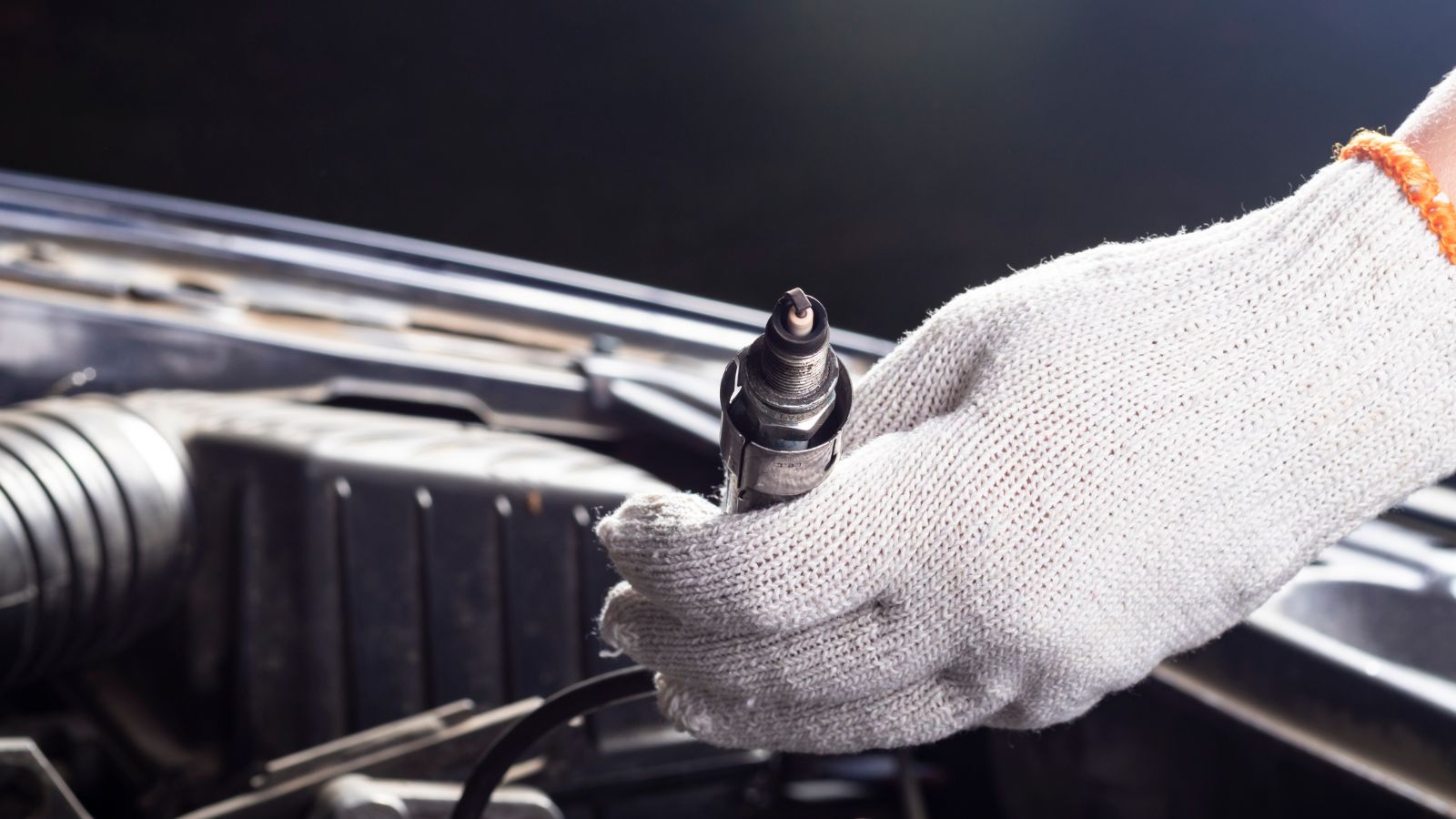
Gasoline engines still need a strong, well-timed spark when the weather turns cold. Worn spark plugs, damaged ignition wires on older vehicles, cracked distributor components, or failing ignition coils can make cold starting erratic because the engine is trying to ignite a colder, less easily vaporized fuel-air mixture. A marginal ignition system may therefore behave acceptably after the engine is warm but misfire, stumble, or refuse to fire first thing in the morning.
CAA specifically warns that faulty ignition components can make starting uncertain and may cause a breakdown. DENSO also lists worn or fouled plugs among causes of poor starting and misfiring. The engine may crank at normal speed, so the battery seems fine, yet it never quite catches. That points attention toward fuel and spark rather than the starter. Maintenance intervals vary widely by plug type and engine, so replacement should follow the vehicle manufacturer’s schedule rather than a universal mileage rule.
Too Much Moisture in a Nearly Empty Fuel Tank
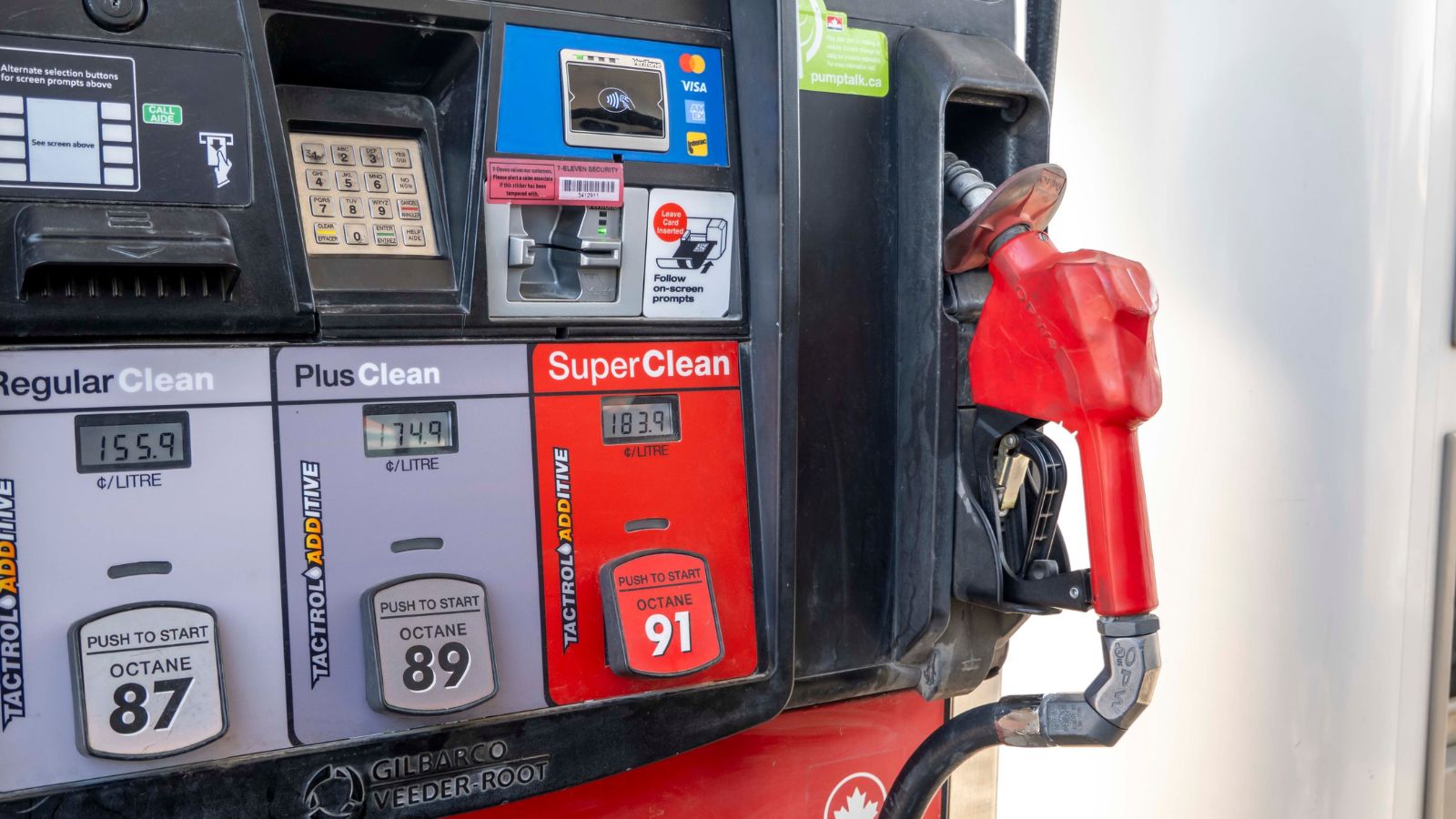
Gasoline itself is extremely unlikely to freeze in ordinary winter conditions, but water contamination is a different story. Moisture can condense in the air space of a partially empty tank as temperatures swing, and any water that reaches a vulnerable part of the fuel system can freeze sooner than the gasoline around it. A blockage in a line or filter can leave the engine cranking normally while little or no fuel reaches the cylinders.
CAA has advised keeping the fuel tank at least half full in very cold weather because a fuller tank reduces the air space where condensation can form. That advice also provides a practical safety buffer if traffic stops during a storm. Modern sealed fuel systems reduce the problem compared with older designs, so frozen fuel lines are not an everyday event. Still, contaminated fuel plus deep cold can produce the classic frustrating symptom: a car that has plenty of battery power yet will not start until temperatures rise or the blockage is cleared.
A Restricted Fuel Filter
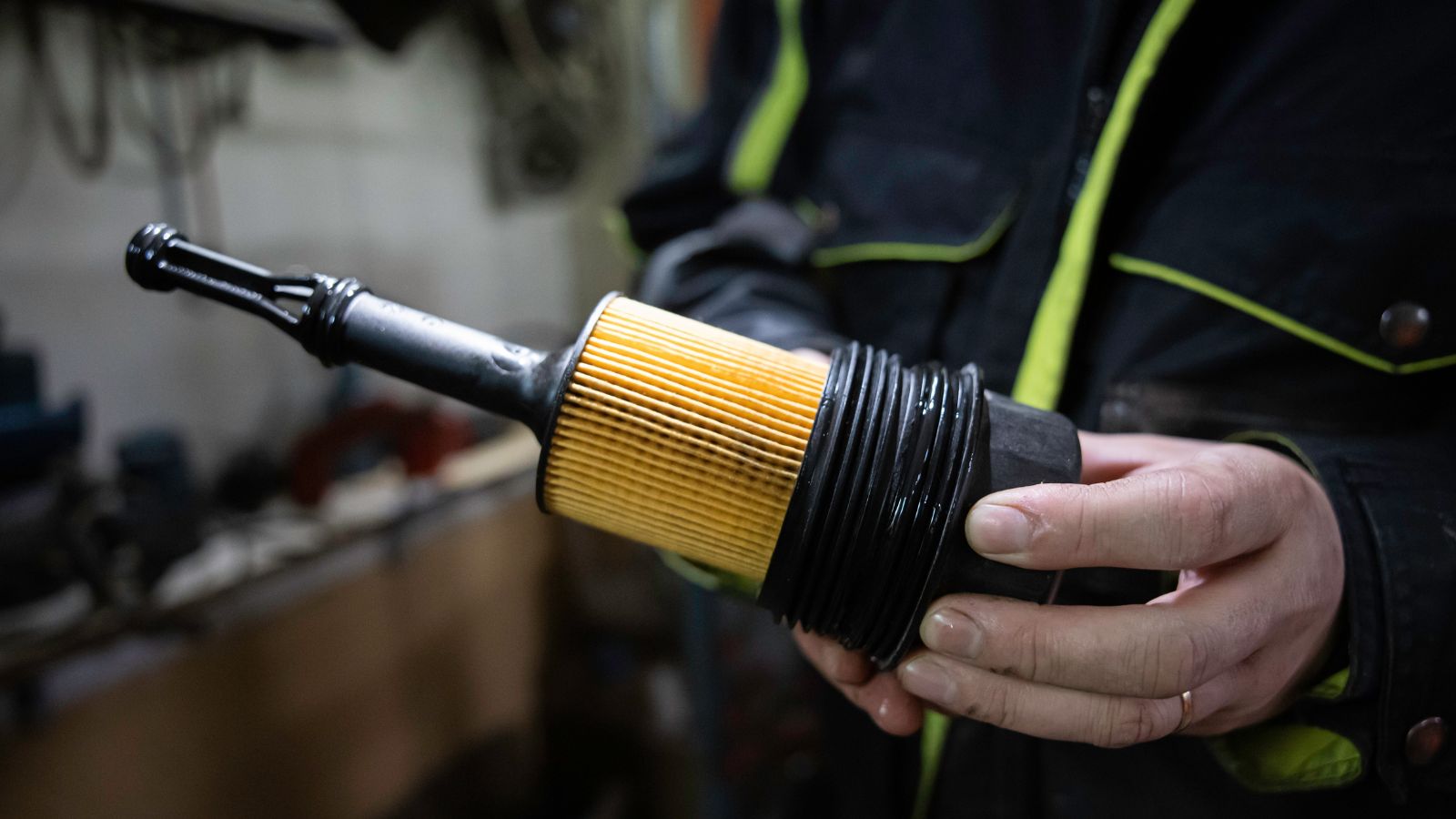
Cold engines need reliable fuel delivery, and a neglected fuel filter can become the hidden bottleneck. When an engine is started cold, its management system generally commands a richer mixture than it uses after warm-up. Anything that limits fuel flow—such as a clogged filter, contaminated fuel, or debris—can therefore show up first as hard starting, hesitation, or stalling during the coldest part of the day. The engine may run better once demand and conditions change.
Recognized automotive guidance identifies clogged filters, clogged injectors, weak pumps, sensor faults, and water in the fuel among potential causes of cold-weather stalling because they restrict the fuel the engine needs. A filter that is only partly blocked may allow normal light-load driving in mild weather, which makes diagnosis tricky. When the engine cranks normally but repeatedly fails to fire, technicians often check fuel pressure and delivery rather than continuing to blame the battery. Service intervals differ, so the manufacturer’s maintenance schedule remains the best guide.
Diesel Fuel That Gels in the Cold
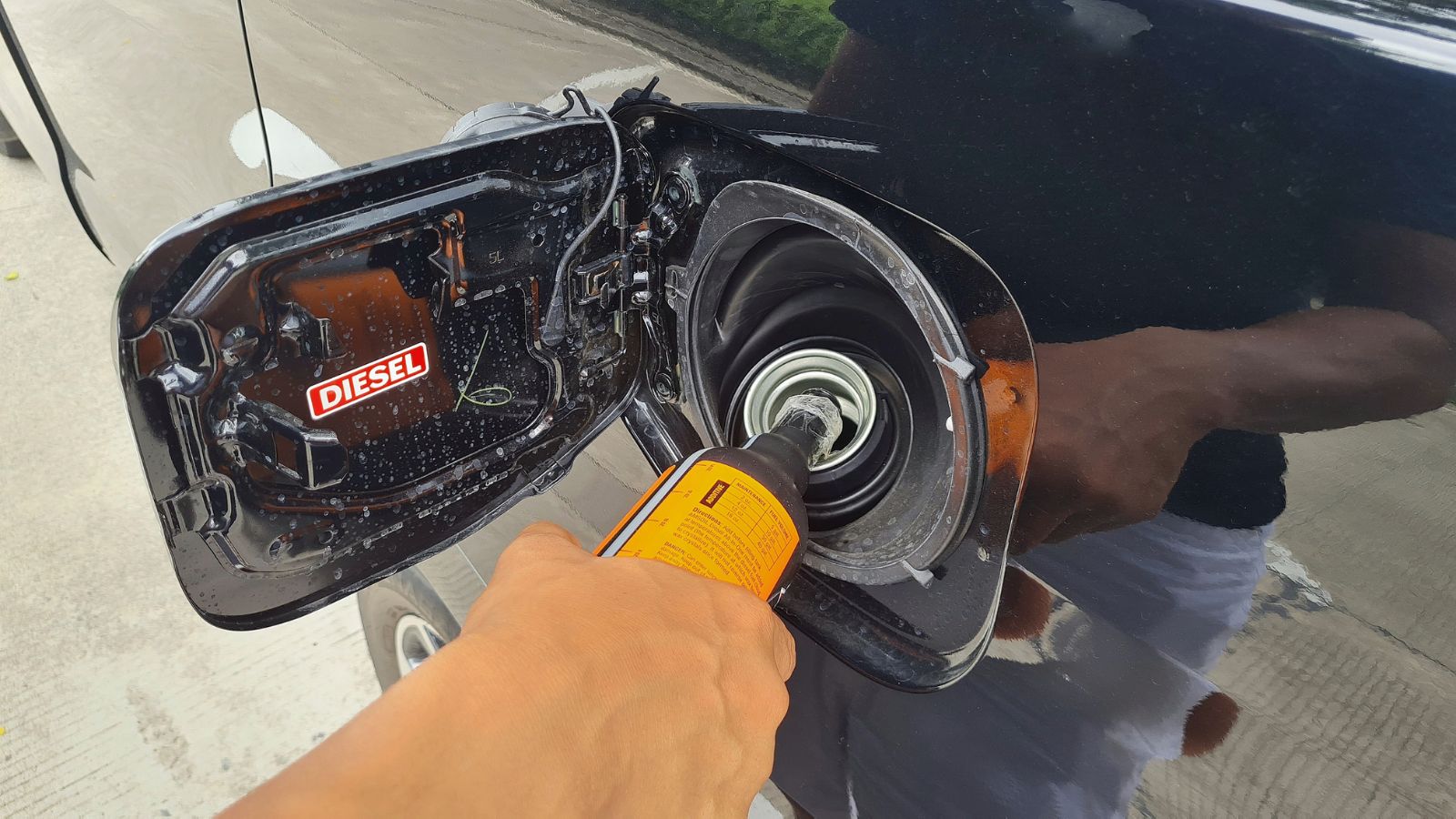
Diesel has a winter problem gasoline drivers rarely face: paraffin wax in the fuel can form crystals as temperature drops. Once enough crystals develop, they can restrict or plug the fuel filter and starve the engine. The result may be a no-start, loss of power, or an engine that fires briefly and then stalls. The exact temperature depends on the fuel blend, its cloud point, and whether the station is supplying properly winterized diesel.
SAE research and automaker guidance both document filter plugging from wax formation in cold diesel fuel. Ford, for example, warns that diesel not formulated for ambient conditions may gel and clog filters, sometimes producing the start-stall-no-restart pattern. The practical lesson is to buy fuel appropriate for the season and climate rather than assuming every diesel behaves the same. Anti-gel products should only be used if compatible with the engine and according to manufacturer directions; adding an unsuitable substance can create a different fuel-system problem.
A Fuel Pump That Is Already Weak
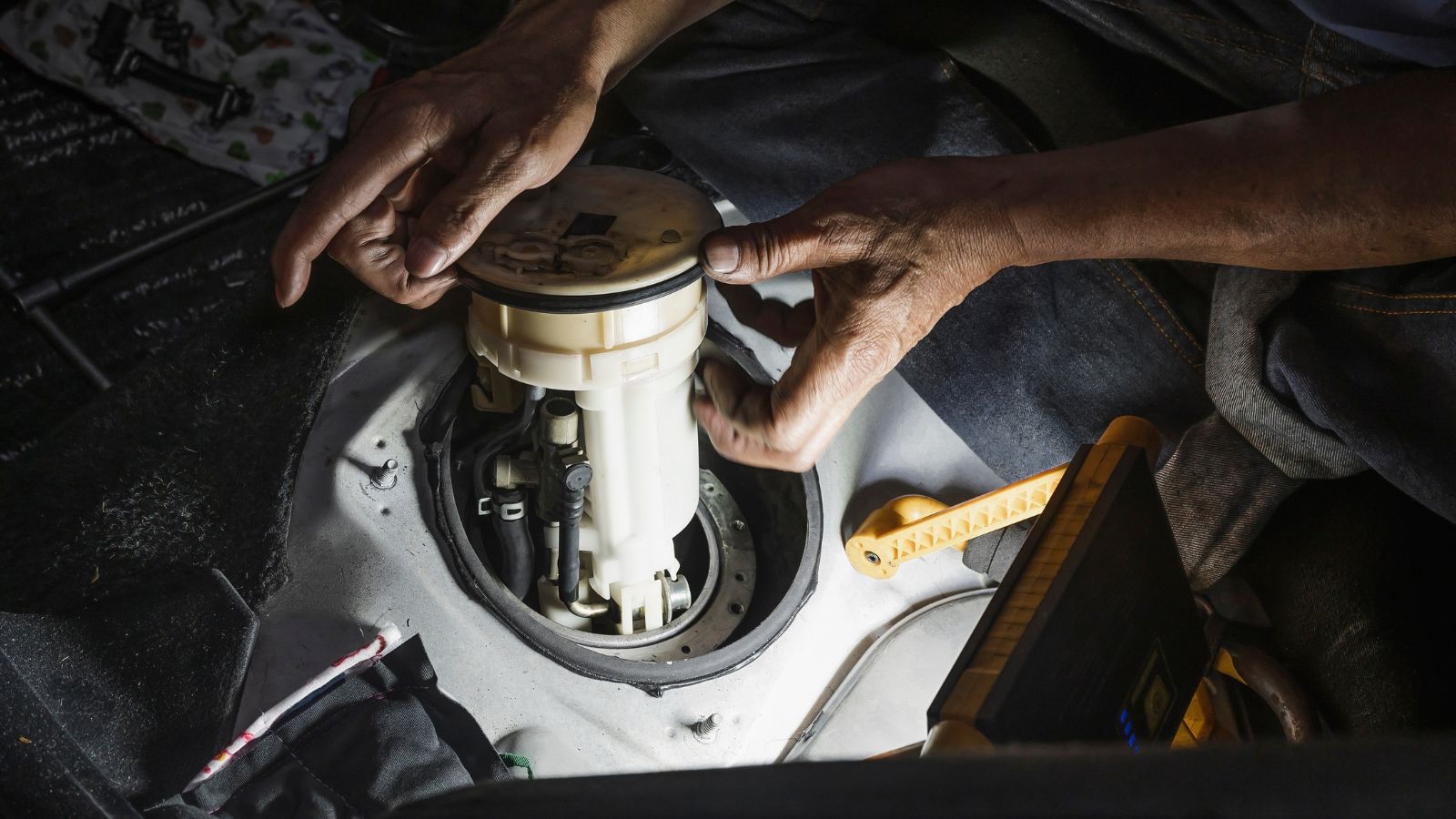
A fuel pump does not have to fail completely to cause a winter no-start. A worn pump may still produce enough pressure for a warm engine but struggle when a cold engine requires a richer mixture and stable delivery during cranking. That makes low temperature a useful stress test: the starter spins normally, there is spark, but fuel pressure rises slowly or falls short of specification until the vehicle has warmed or several start attempts have been made.
Automotive diagnostic guidance identifies a weak fuel pump as one of the fuel-delivery problems that can contribute to cold-weather stalling. Honda diagnostic information for hard starting also notes that insufficient fuel pressure during startup can delay ignition. Drivers sometimes chase batteries and spark plugs because those components are more familiar, while the pump remains hidden inside the tank. A technician can confirm the issue with pressure and electrical tests. Replacing parts by guesswork is especially expensive here, because clogged filters, sensor errors, and contaminated fuel can produce similar symptoms.
A Faulty Engine Coolant Temperature Sensor
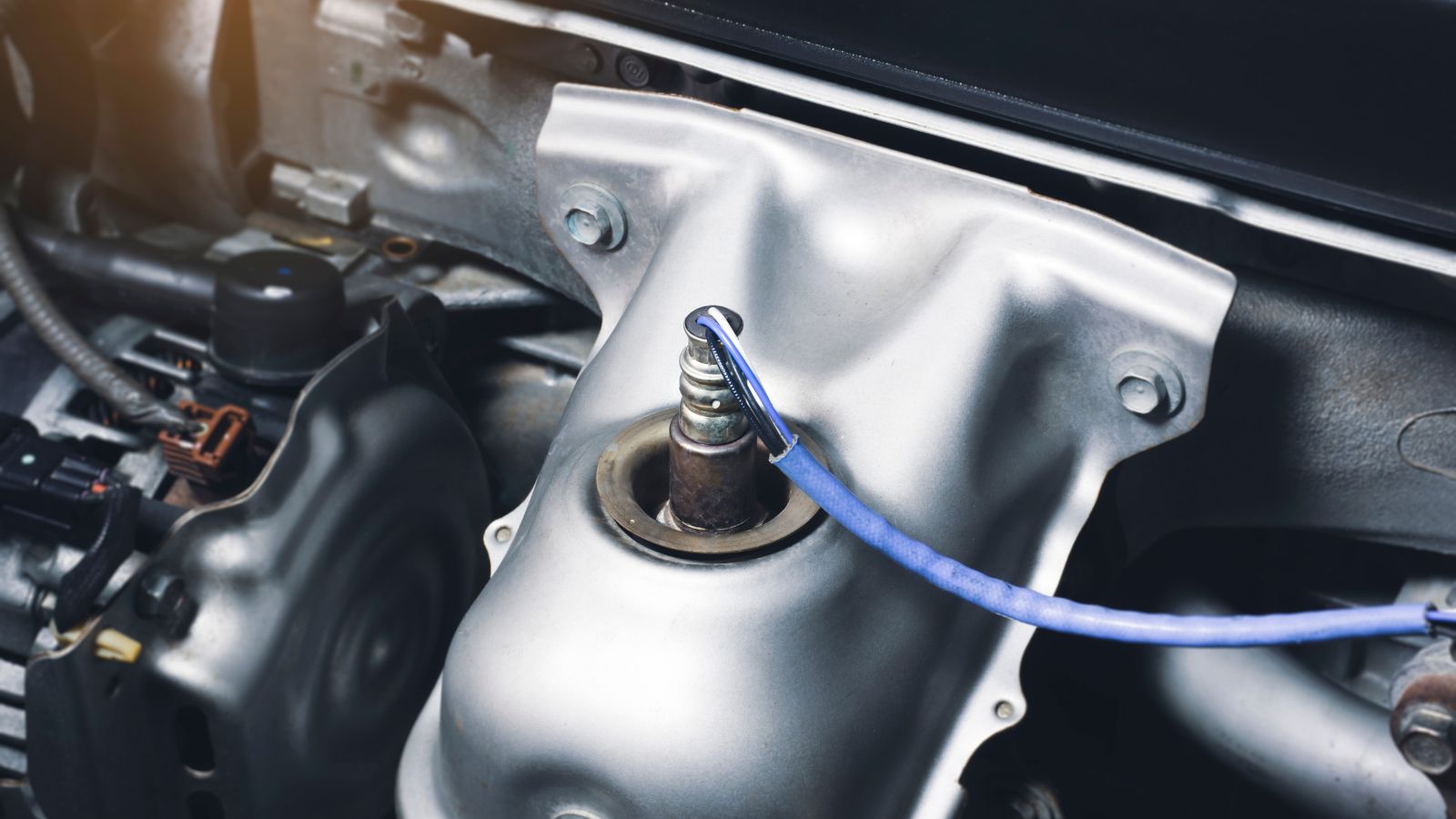
Modern engines rely on temperature data to decide how much fuel they need during a cold start. The engine coolant temperature sensor reports how cold the engine is to the control module, which then adjusts fueling and other settings. If the sensor falsely reports that a freezing engine is already warm, the computer may not provide enough enrichment. The engine can crank strongly yet take a long time to start—or fail to start at all.
Technical automotive training material describes the coolant temperature sensor as an input the computer uses to richen the air-fuel mixture when the engine is cold. Because the sensor is electronic, its failure may not create an obvious mechanical sound. Instead, the symptoms can resemble a fuel-pump or ignition problem. An OBD scan tool can compare the reported coolant temperature with actual ambient conditions before startup. If a car claims its engine is warm after sitting outside all night, that data discrepancy becomes a valuable diagnostic clue.
Failed Glow Plugs on a Diesel
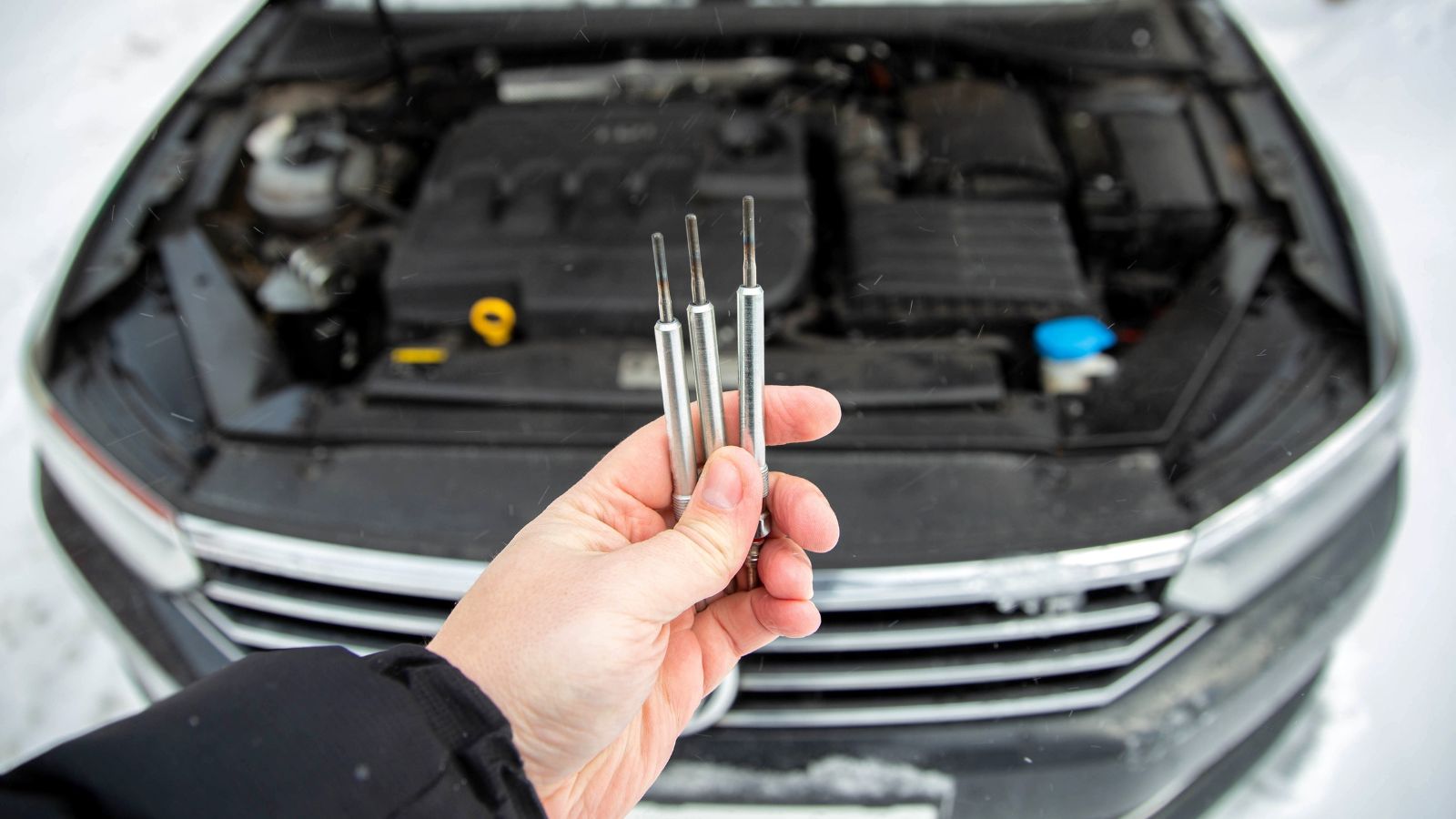
Diesel engines do not use spark plugs to ignite the fuel. They rely on heat created by compression, and many use glow plugs to add heat during cold starting. When one or more glow plugs, the control module, or the related wiring is weak, an engine that starts easily in summer can crank much longer in winter. White smoke, rough running immediately after startup, and repeated cold-start attempts can accompany the problem.
Bosch explains that low ambient temperatures and cold cylinder walls make reaching diesel ignition temperature more difficult, which is why glow plugs serve as an additional heat source. Ford owner guidance also instructs drivers to wait for the glow-plug indicator before cranking certain diesel engines. The effect varies by engine design: some direct-injection diesels tolerate a failed plug better than older systems. Still, a glow system that is marginal in autumn can become a no-start problem in deep cold, especially when paired with a weak battery or thick oil.
A Deteriorated Serpentine Belt
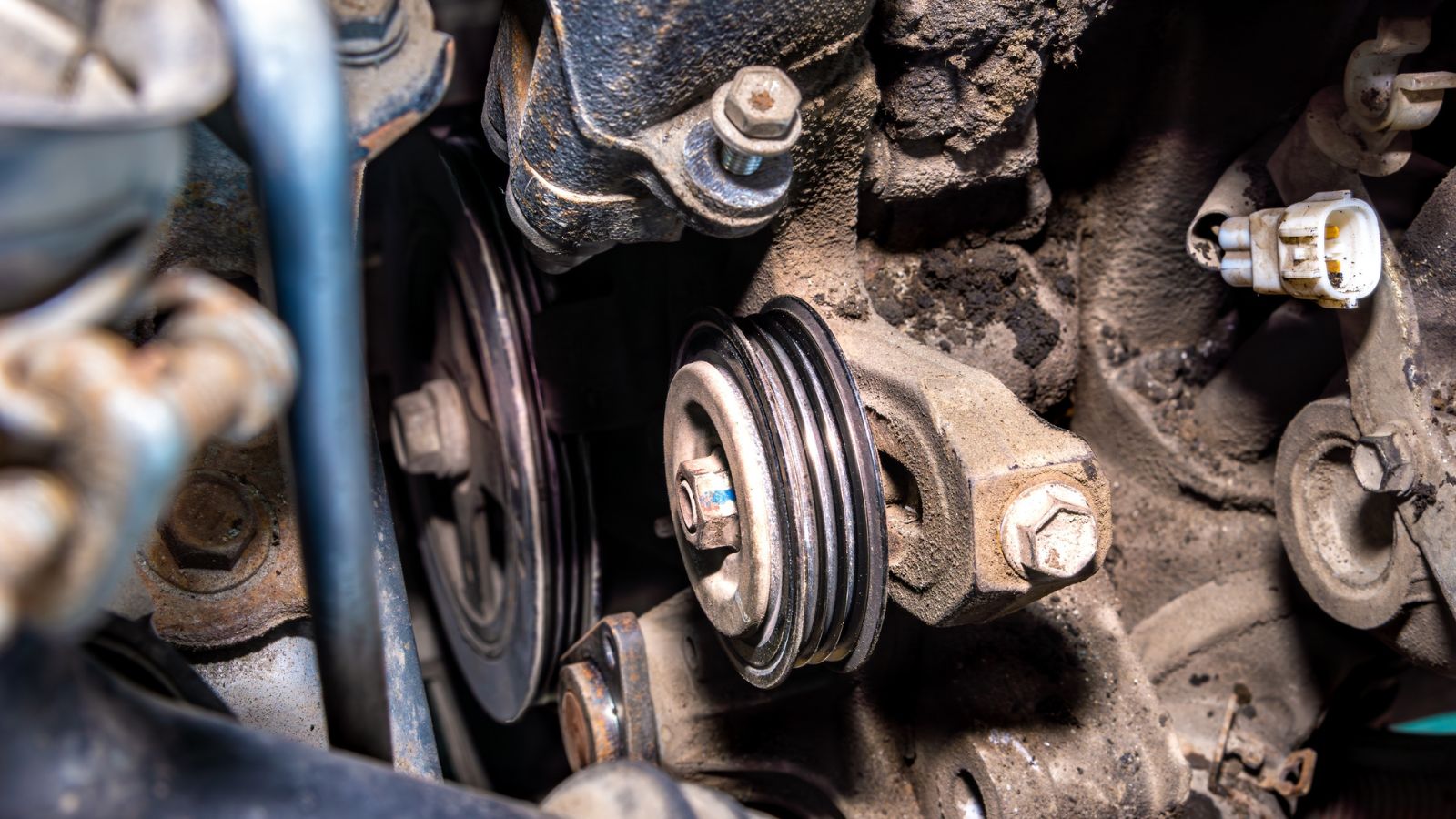
The serpentine belt often drives several systems that are essential to keeping a car alive, including the alternator and, on many engines, the water pump. A belt that is cracked, glazed, contaminated, stretched, or poorly tensioned can slip or break. In winter, a slipping belt may first show up as squealing after a cold start, weak charging, heavy steering on hydraulic systems, or rising engine temperature if coolant circulation is affected.
AAA notes that serpentine-belt failure can stop engine accessories from working and can lead to serious consequences such as lost coolant circulation and overheating. Winter checklists therefore call for inspecting drive belts before severe weather. The danger is that drivers often treat a few seconds of squeal as an annoyance rather than a warning. If the belt is also responsible for the alternator, continued slipping can leave the battery undercharged and create a later no-start. Inspection should include the belt, tensioner, pulleys, and any signs of fluid contamination.
Cracked or Brittle Cooling-System Hoses
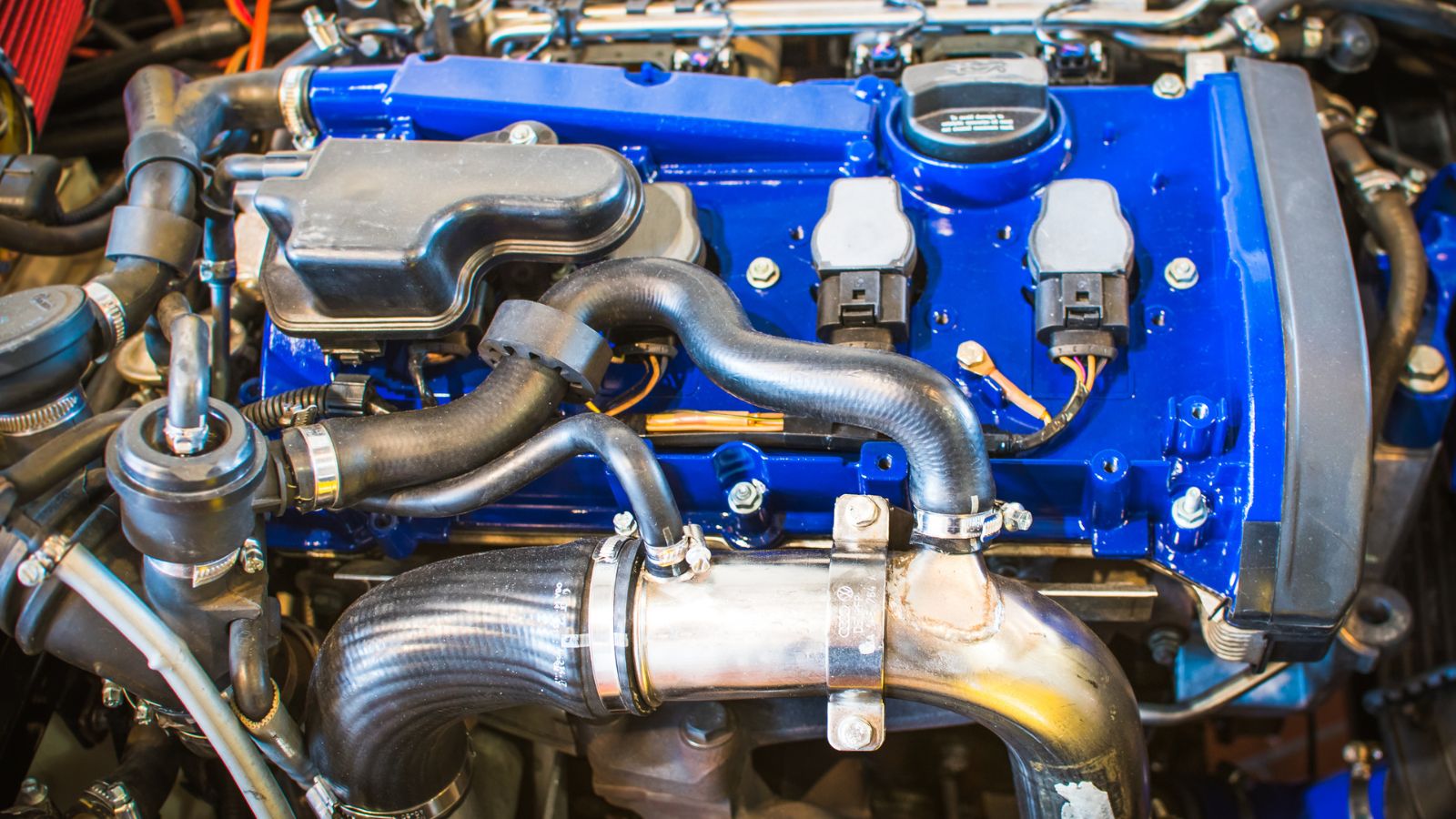
Cooling-system hoses live through constant heating and cooling, and age eventually makes rubber hard, soft, swollen, or cracked. Winter temperature swings can expose small leaks around hose ends and clamps as components contract and expand. A minor seep that goes unnoticed in fall can reduce coolant level over time, and a badly deteriorated hose can split. Once enough coolant is lost, the engine can overheat regardless of the temperature outside.
AAA winter guidance recommends checking hoses for cracks, leaks, loose clamps, brittleness, and excessively spongy areas. Its maintenance material also describes “cold leaks” that may appear after a vehicle cools and components change dimension. A sweet smell, dried coolant residue near a connection, steam, or a puddle under the car deserves investigation. Replacing an aging hose is far cheaper than continuing to drive with low coolant. The cold may reveal the weakness, but years of heat cycling and material deterioration are usually what created it.
Falling Tire Pressure
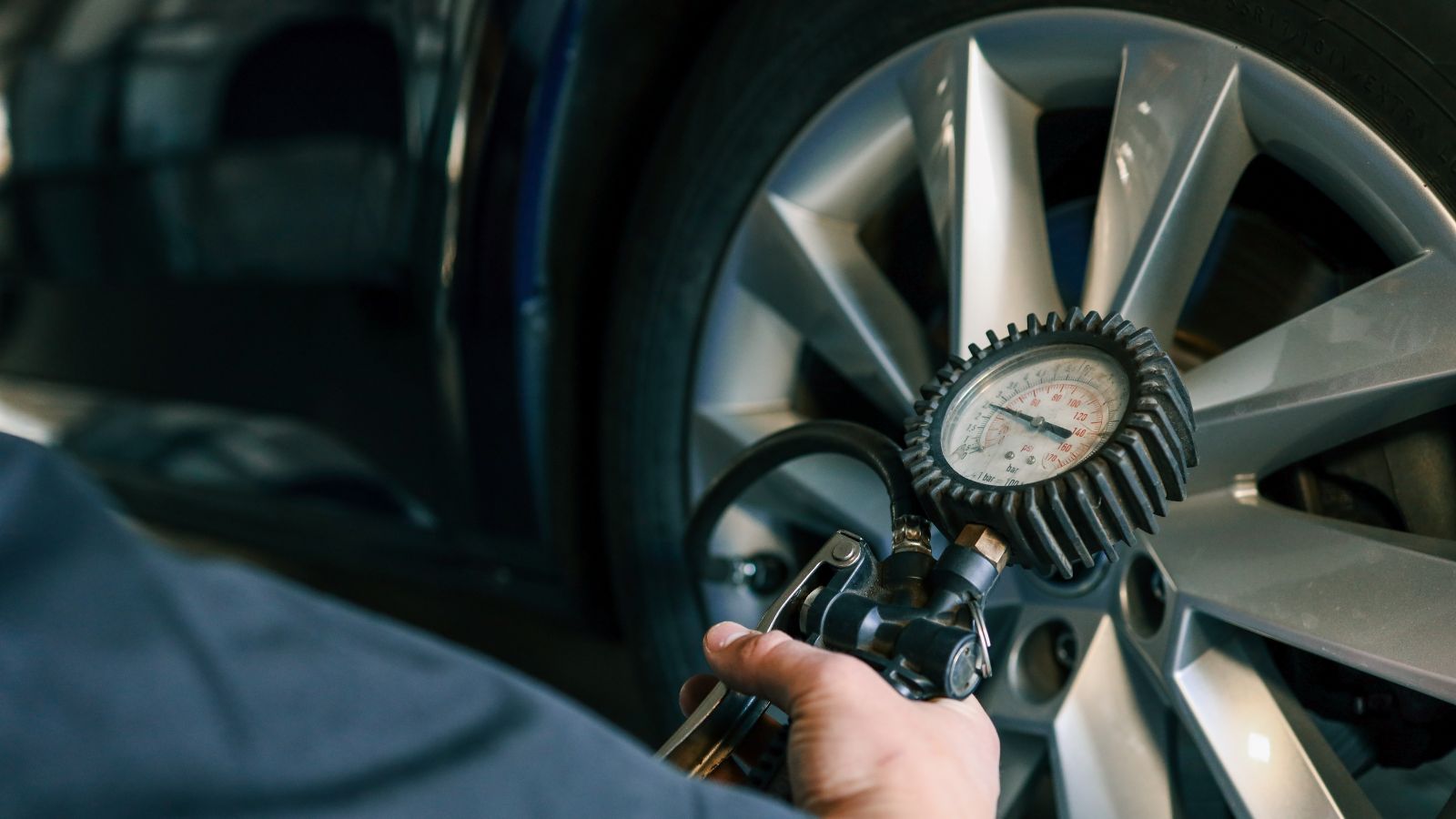
Temperature changes alter tire pressure even when there is no puncture. As outside air gets colder, the air inside a tire contracts and its measured pressure drops. AAA and federal safety guidance commonly use a rule of roughly 1 psi for every 10°F decrease in temperature. A tire that was correctly inflated during a warm afternoon can therefore trigger the pressure warning after a sharp overnight cold snap.
Underinflation is more than an irritating dashboard light. It can change handling, braking response, tread wear, and fuel efficiency, all of which matter more on snow or ice. The correct target is the vehicle manufacturer’s cold-tire pressure listed on the door-jamb placard or in the owner’s manual—not the maximum pressure molded into the tire sidewall. Pressure should be checked when the tires are cold. A driver who ignores a repeated winter warning may be overlooking a normal temperature-related drop, but a single tire losing much more than the others can still indicate a leak.
Washer Fluid That Is Not Winter-Rated
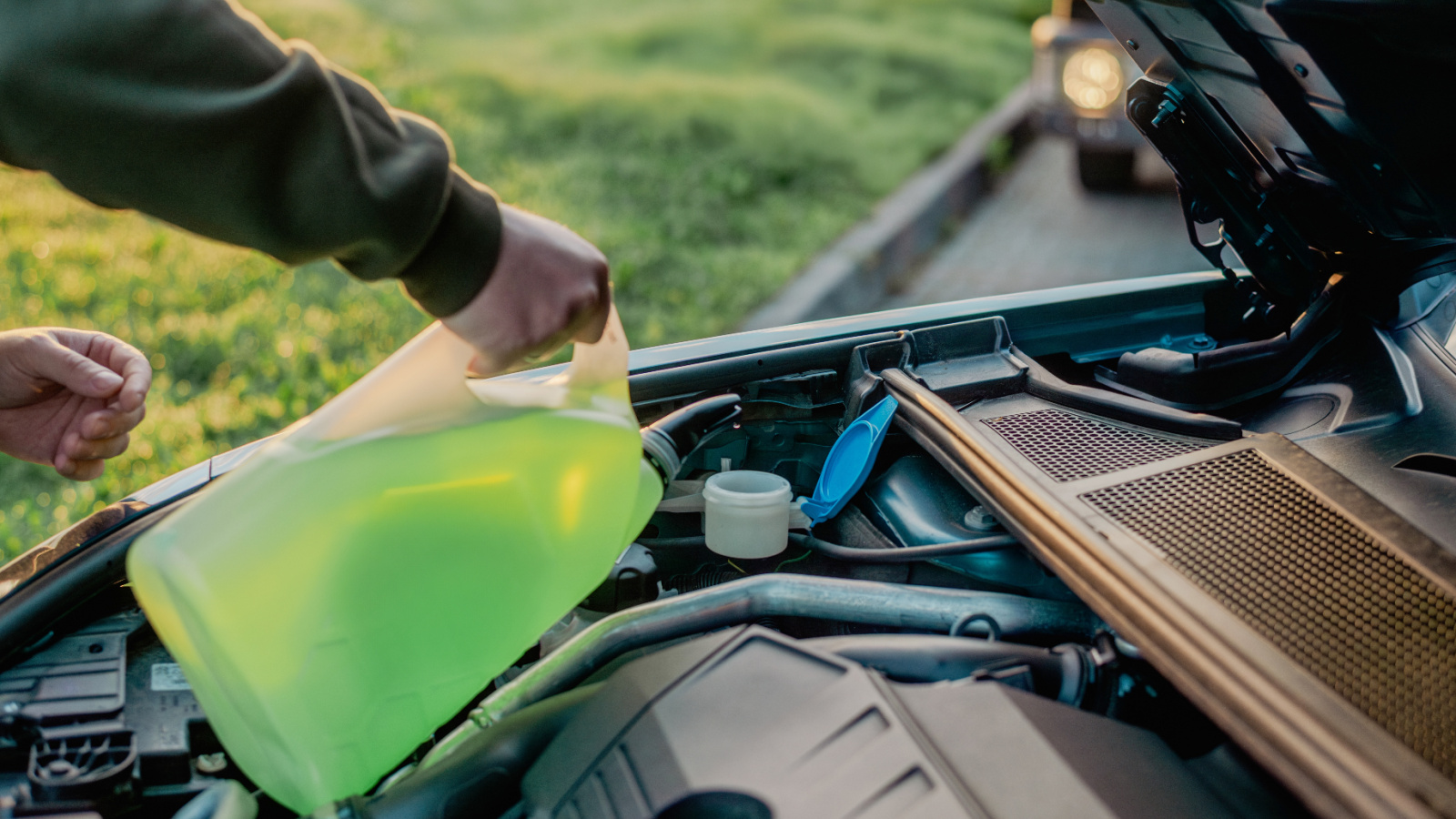
Windshield washer fluid can become a genuine winter failure point if the mixture is not designed for freezing temperatures. Plain water and warm-weather washer solutions can freeze in the reservoir, hoses, nozzles, or pump. Once frozen, the system may stop spraying precisely when salty slush is coating the windshield. Expanding ice can also damage parts of the washer system, turning a cheap fluid choice into a repair.
AAA recommends filling the reservoir with a winter formulation containing antifreeze protection and warns that ordinary washer fluid can freeze or damage the system. The label matters because freeze ratings vary by product and climate. A driver who topped up with water during summer may unknowingly dilute the mixture below its advertised protection. The safest approach is to use fluid rated for local winter lows and make the change before a deep freeze arrives. Clear visibility is not a cosmetic issue; a working washer system is essential when road spray repeatedly obscures the glass.
Wipers Frozen to the Windshield
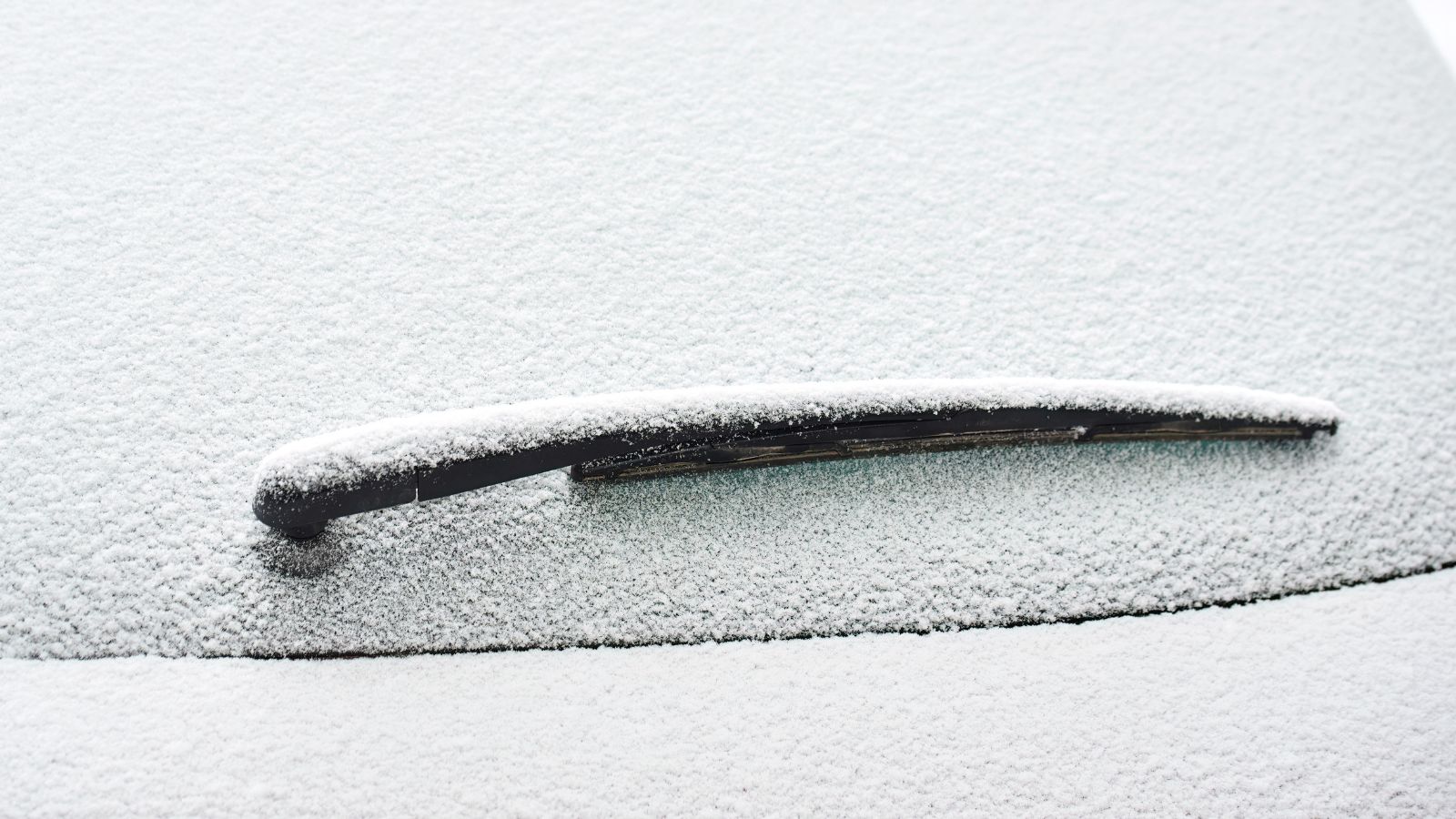
A frozen wiper blade can do more than leave streaks. When ice bonds the rubber to the windshield, switching the wipers on forces the motor and linkage to push against a load they were never designed to move. The blade can tear, the arm can bend, a linkage can break, or the motor and fuse can fail. Automatic rain-sensing wipers can make the problem easier to trigger if they were left enabled when the car was parked.
AAA advises clearing snow and ice before operating the wipers and warns that using them against frozen glass can damage blades, motors, and linkages. Britain’s AA has also reported cold-weather callouts involving frozen or broken wipers and burned-out motors. The safer routine is simple: turn automatic wipers off before parking, loosen ice with the defroster and a scraper, and confirm the blades move freely before switching them on. Forcing them may save seconds but can disable visibility equipment for the entire trip.
19 Used Cars Canadians Should Avoid in 2026 (Based on Owner Complaints)

Buying a used car in Canada can feel safe until repair bills start stacking up. Owner complaints tell a different story than glossy listings. Transmission failures, electrical problems, and weak winter reliability show up again and again in consumer reports. Many of these issues appear after warranties expire, when owners least expect them. Some vehicles look affordable upfront, but become expensive to keep on the road. Others struggle in cold weather, urban driving, or long highway commutes. Here are 19 used cars Canadians should avoid in 2026 (based on owner complaints).
19 Used Cars Canadians Should Avoid in 2026 (Based on Owner Complaints)