























A car that starts perfectly in autumn can suddenly sound exhausted on the first truly bitter morning. Cold weather deserves some of the blame, but the bigger problem is often a winter driving habit that quietly keeps the battery from recovering: repeatedly starting the vehicle for short trips and shutting it down before the charging system has had enough time to replenish what was used.
That pattern becomes especially punishing when temperatures fall, electrical accessories are running, and the vehicle spends long stretches parked between errands. Over time, a battery can remain chronically undercharged rather than simply suffering one unlucky cold start. These 12 factors explain how that seemingly harmless habit can accelerate battery trouble, why older batteries are particularly vulnerable, and what drivers can do before a sluggish morning start becomes a completely dead battery.
The Real Mistake Is Repeating Short Cold-Weather Trips
The damaging habit is not simply starting a vehicle when it is cold. It is repeatedly starting it, driving only a few kilometres or minutes, shutting it off, and assuming the battery has returned to the same condition it was in beforehand. Starting an engine requires a substantial burst of electrical energy. Once the engine is running, the alternator begins replacing that energy, but a very short journey may end before the process has caught up.
Do this once and a healthy battery will usually cope. Make it the normal winter routine—school drop-off, coffee run, grocery pickup and another short evening errand—and the deficit can accumulate. AAA specifically warns that vehicles driven mainly on short trips may not fully recharge their batteries. The risk grows in extreme temperatures. A longer drive periodically gives the charging system more opportunity to restore the battery rather than sending it into the next freezing morning with less reserve than it had the day before.
Cold Weather Shrinks the Battery’s Safety Margin
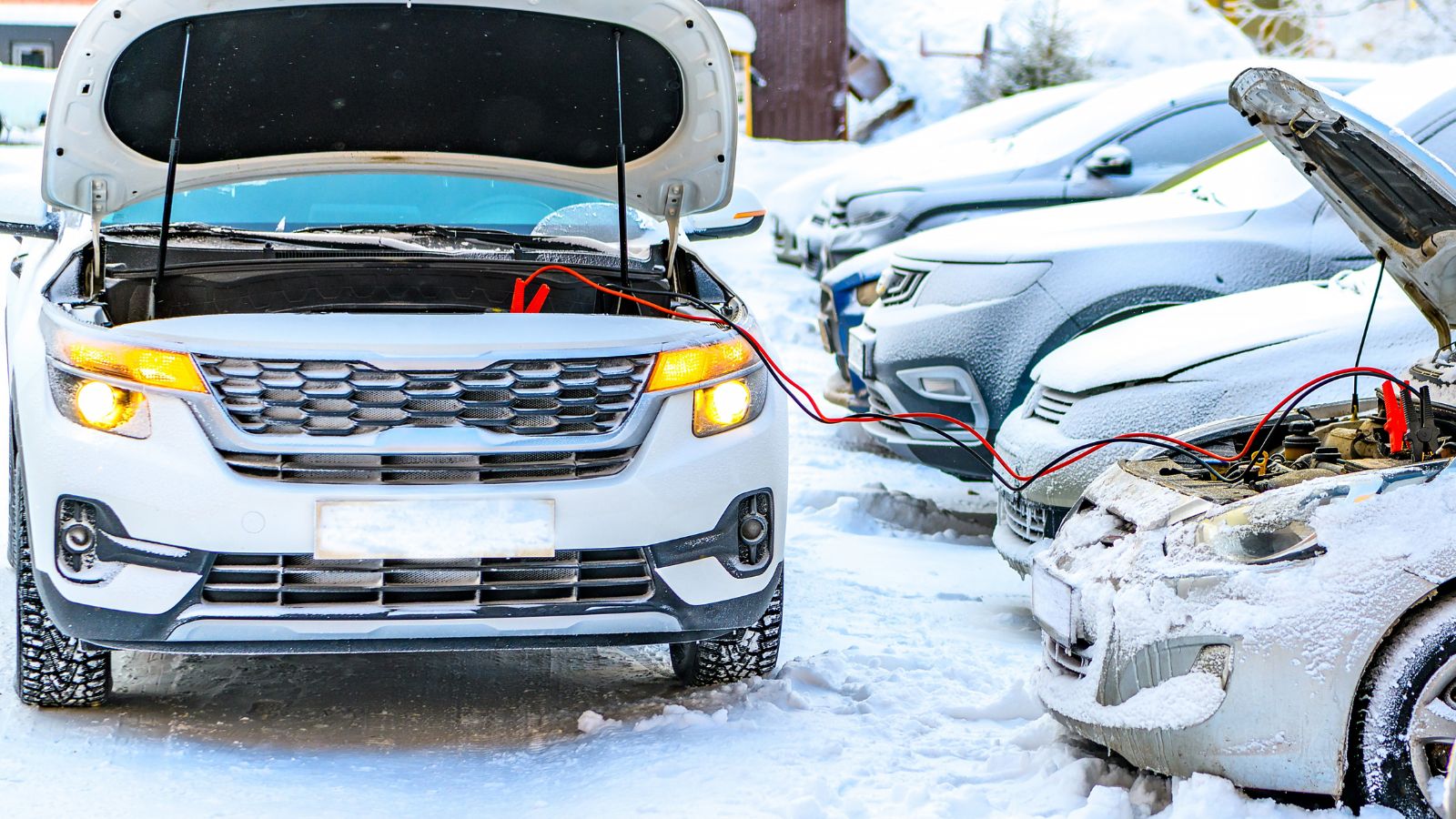
A conventional 12-volt starting battery depends on electrochemical reactions to deliver the high current required by the starter motor. Those reactions slow as temperatures fall. Consumer Reports notes that at about 0°F, or roughly -18°C, a typical battery has only about half the cranking power it can provide at 80°F. That difference matters enormously when the battery was already partially discharged before the temperature plunged.
The result is an uncomfortable winter contradiction: exactly when the vehicle needs dependable starting power, less of that power is readily available. A battery that seemed perfectly adequate during mild weather can therefore appear to fail almost overnight. That does not necessarily mean the cold suddenly destroyed a healthy battery. More often, low temperature has exposed limited reserve capacity, age, undercharging or another weakness. When repeated short trips keep the state of charge below its best level, cold weather removes much of the remaining cushion that previously allowed the battery to start the engine without complaint.
Every Freezing Start Demands More Energy
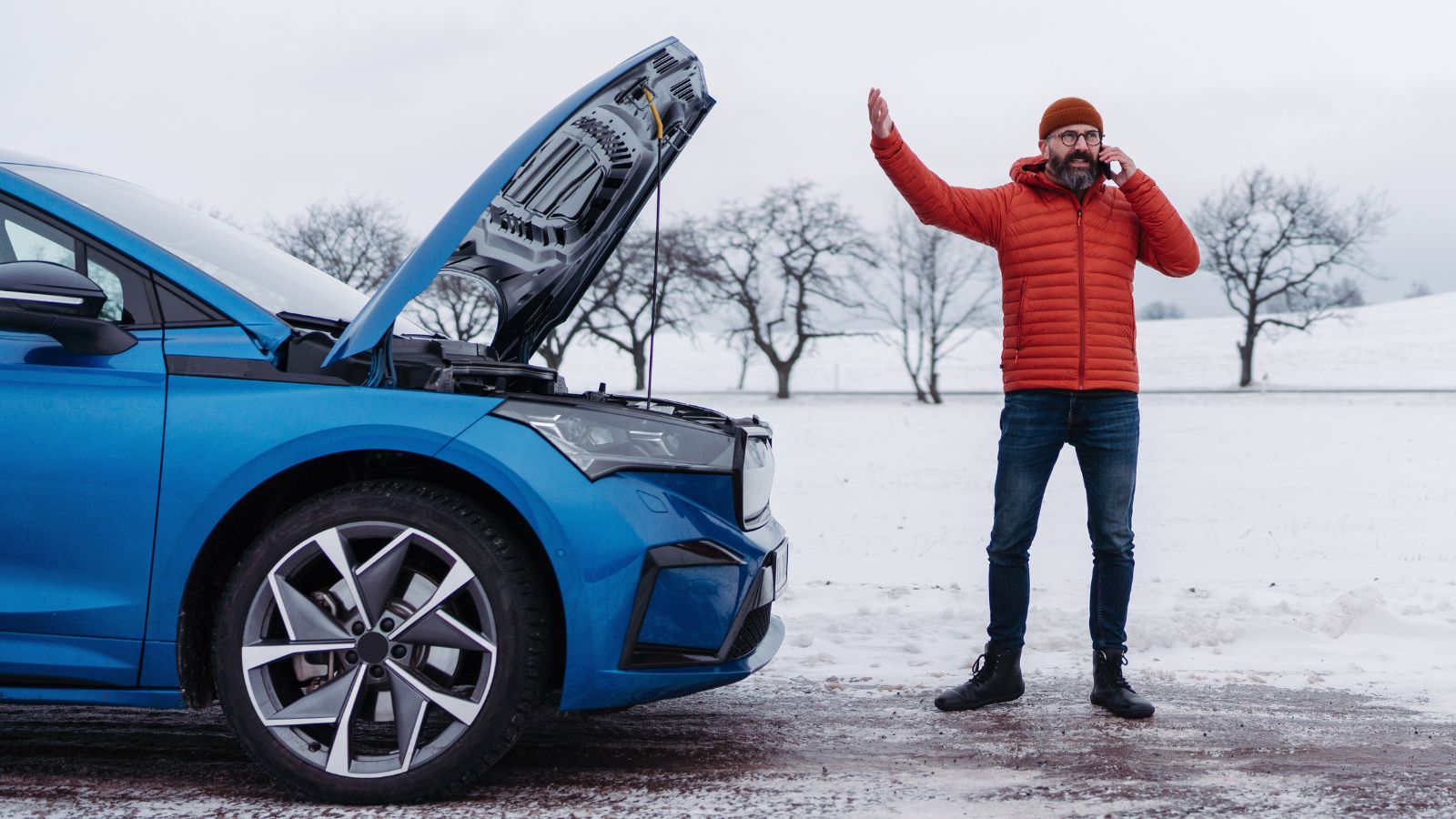
The battery is not merely producing less power in winter; the engine can also require more effort to start. AAA reports that an engine may need about 30% more energy to start when temperatures fall to around the freezing point. Cold engine oil becomes more resistant to movement, while the starter must overcome additional mechanical drag before combustion takes over. That combination creates a larger withdrawal from the battery at the beginning of each trip.
Imagine two otherwise identical commutes. One begins on a mild afternoon, while the other begins after the vehicle has spent a night outside at -10°C. The second start can represent a much tougher assignment for the electrical system even though the destination is exactly the same distance away. If that destination is only five minutes down the road, the battery gets a harder discharge followed by a limited recovery period. Repeating that equation every day is what makes short-distance winter driving considerably more troublesome than the same routine may appear during warmer weather.
A Five-Minute Errand May Not Repay the Battery
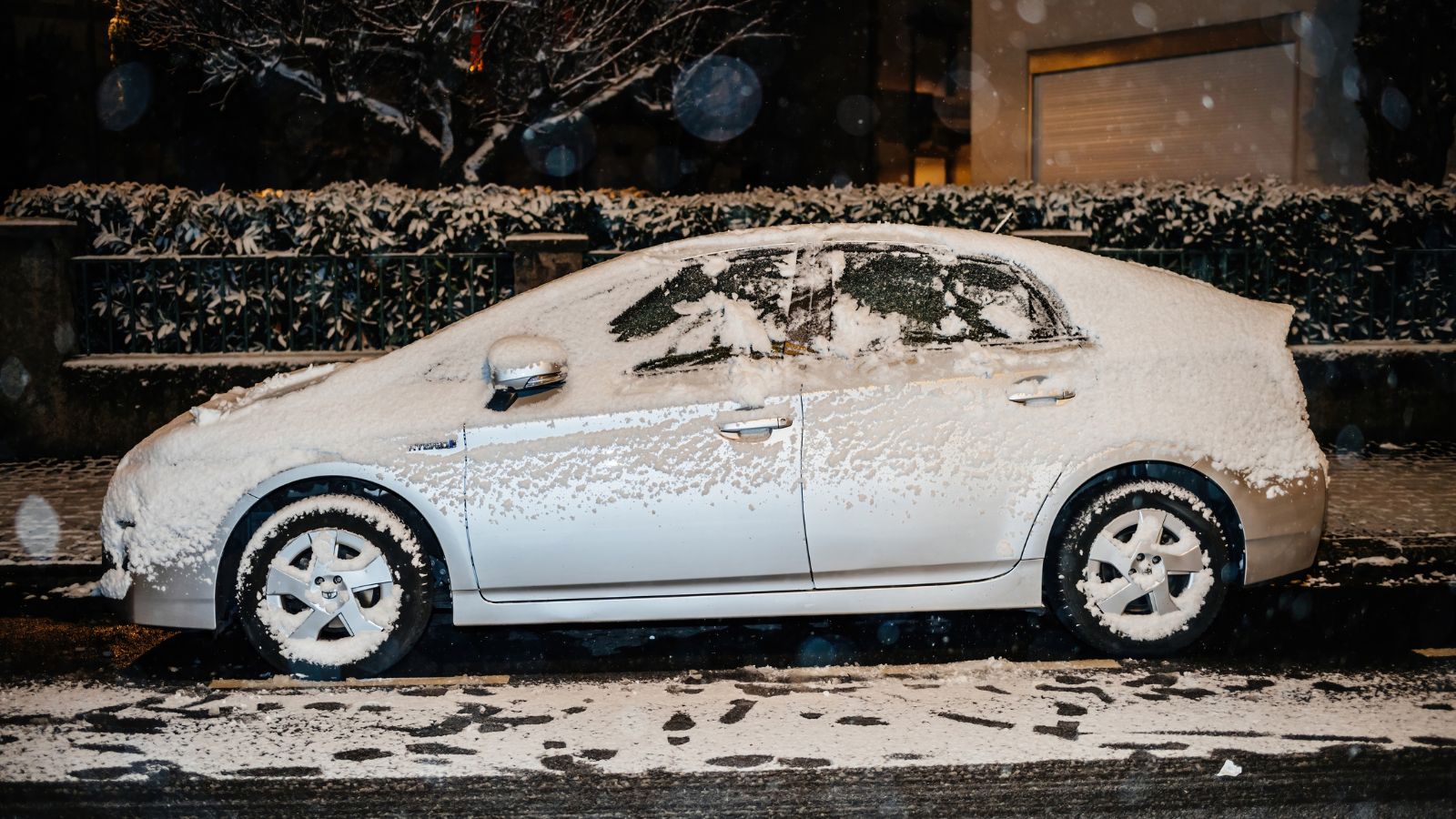
Once the engine starts, many drivers assume the alternator instantly restores everything the battery just supplied. Charging is not quite that simple. The alternator must power the vehicle’s operating electrical systems while also sending energy back into the battery. AAA has warned that short trips may not provide sufficient time for a complete recharge and notes that meaningful recovery can require considerably longer driving than a quick neighbourhood run.
That is why combining several errands can be friendlier to a battery than making several separate trips from home. One 30-minute outing involves one major starting event followed by sustained charging time. Three separate 10-minute outings require three starts while repeatedly interrupting the recovery process. Exact recharge time varies with battery condition, temperature, vehicle design and electrical demand, so there is no universal magic number. The useful principle is simpler: the shorter the drive and the colder the conditions, the greater the chance that the battery finishes the journey still carrying part of the starting-energy deficit.
Winter Accessories Make the Energy Deficit Worse
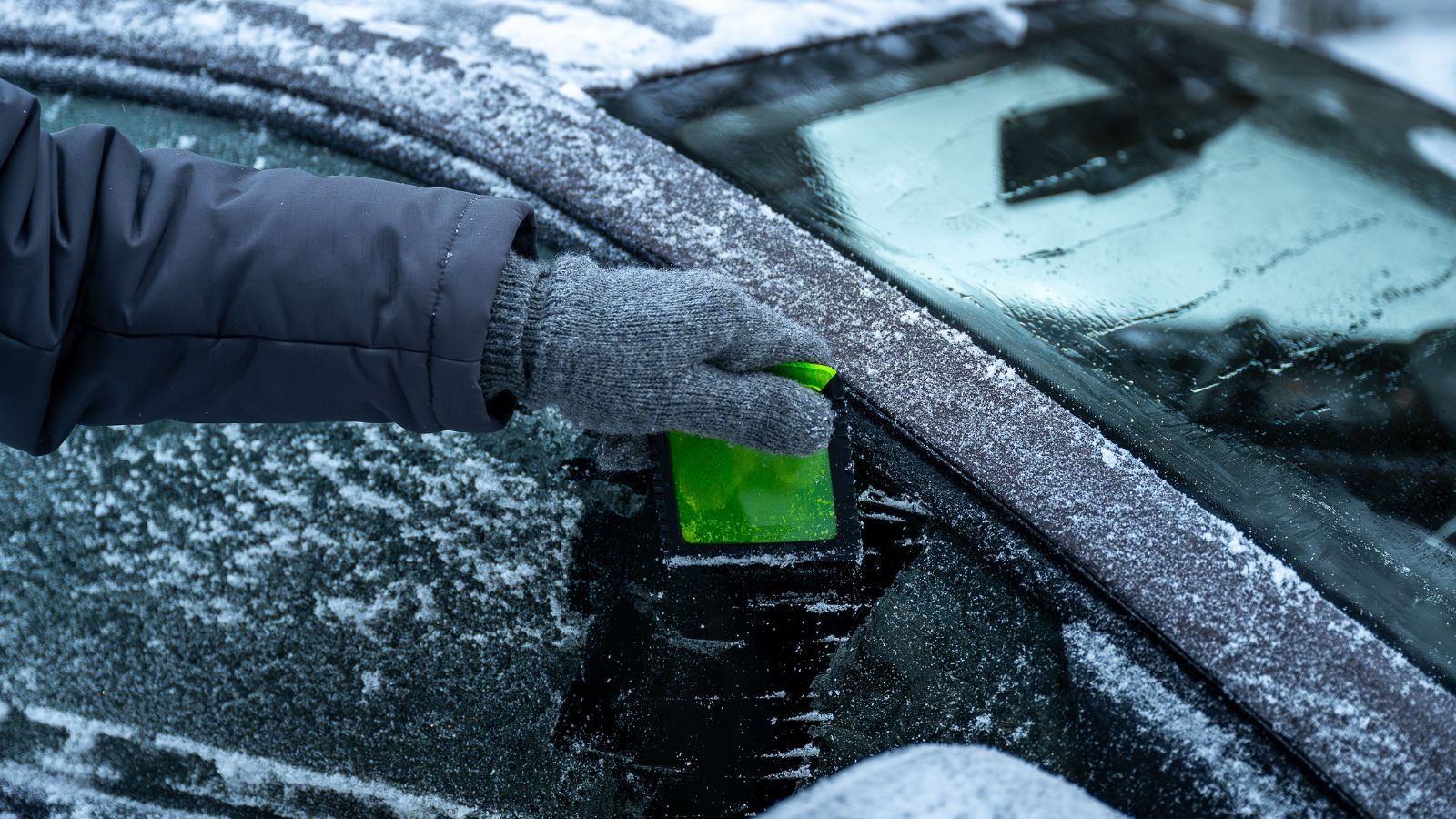
Winter driving rarely involves the alternator charging an otherwise electrically quiet vehicle. Headlights may already be on during a dark morning commute. The rear-window defroster is clearing ice, the blower motor is pushing warm air across the windshield, the wipers are moving slush, and heated seats or steering wheels may be operating. AAA identifies heaters, defrosters, lights and wipers among the additional electrical demands that accompany cold-weather driving.
Those features are not inherently bad for the battery; vehicles are designed to operate them. Trouble develops when heavy accessory use is combined with very short trips and an already low state of charge. The alternator must support those electrical loads while trying to replenish the battery after starting. On a longer journey there is substantially more opportunity to recover. During a seven-minute run to a store, there may not be. Turning unnecessary accessories off during starting can also reduce the immediate load when conditions are especially cold and the battery is marginal.
Idling Is Not the Same as Giving the Battery a Real Drive

A common response to battery concerns is to start the car in the driveway and let it idle for several minutes. That may feel like an easy way to replace lost charge, but it is not necessarily an effective substitute for driving. Battery University notes that an engine operating at idle or low speed may not provide sufficient charging, particularly when electrical accessories are consuming power at the same time.
Modern vehicles complicate the picture because charging strategies vary. Alternator output is influenced by engine speed, electrical demand, battery condition and computer-controlled energy-management systems. With the blower, lights, defroster and heated equipment operating, an idling vehicle can devote much of its electrical output to running those systems rather than meaningfully restoring a depleted battery. Consumer Reports likewise advises that driving is preferable to idling when the objective is topping up battery charge. For a vehicle suffering from a chronic short-trip routine, another brief period of idling may therefore preserve the same underlying problem rather than correct it.
Staying Partly Charged Can Accelerate Battery Aging
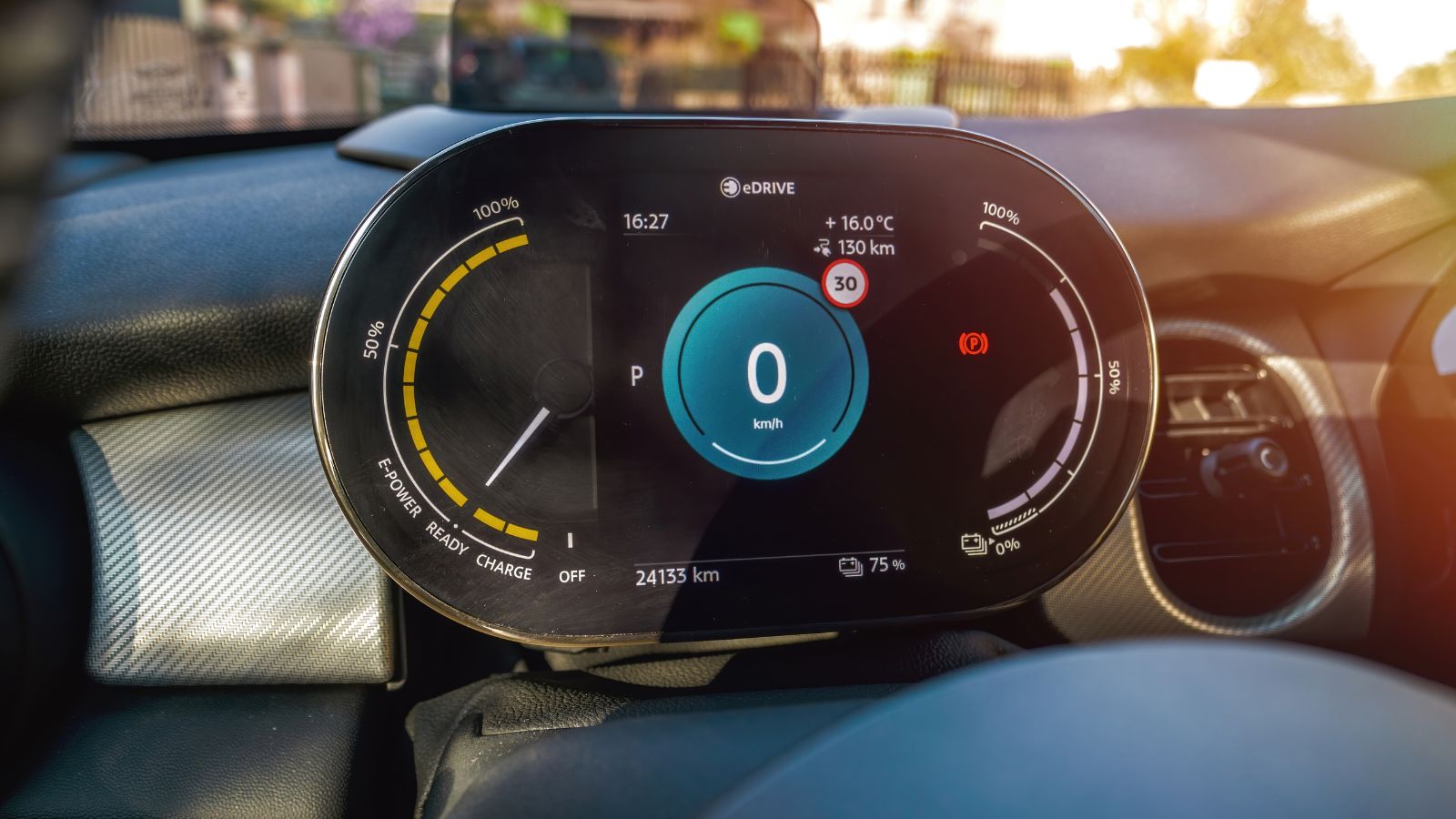
This is where a temporary winter charging problem can become a battery-life problem. Conventional automotive lead-acid batteries do not benefit from spending prolonged periods undercharged. Research published in the Journal of Power Sources has identified partial-state-of-charge operation and limited charging time as contributors to accelerated aging mechanisms, including sulphation. Lead sulphate naturally forms during discharge, but persistent undercharging can prevent the battery from properly returning toward its fully charged condition.
Over time, that can reduce available capacity and charge acceptance. In practical terms, the battery becomes progressively less capable of recovering from the exact driving pattern that created the problem. A short trip leaves it undercharged; the undercharged condition makes future performance poorer; another cold start then removes more of the remaining reserve. This does not mean a few trips to the corner store will destroy a battery. The concern is a repeated winter routine lasting weeks or months in which the battery rarely receives enough charging opportunity to recover fully.
Parking for Days Adds Another Source of Drain
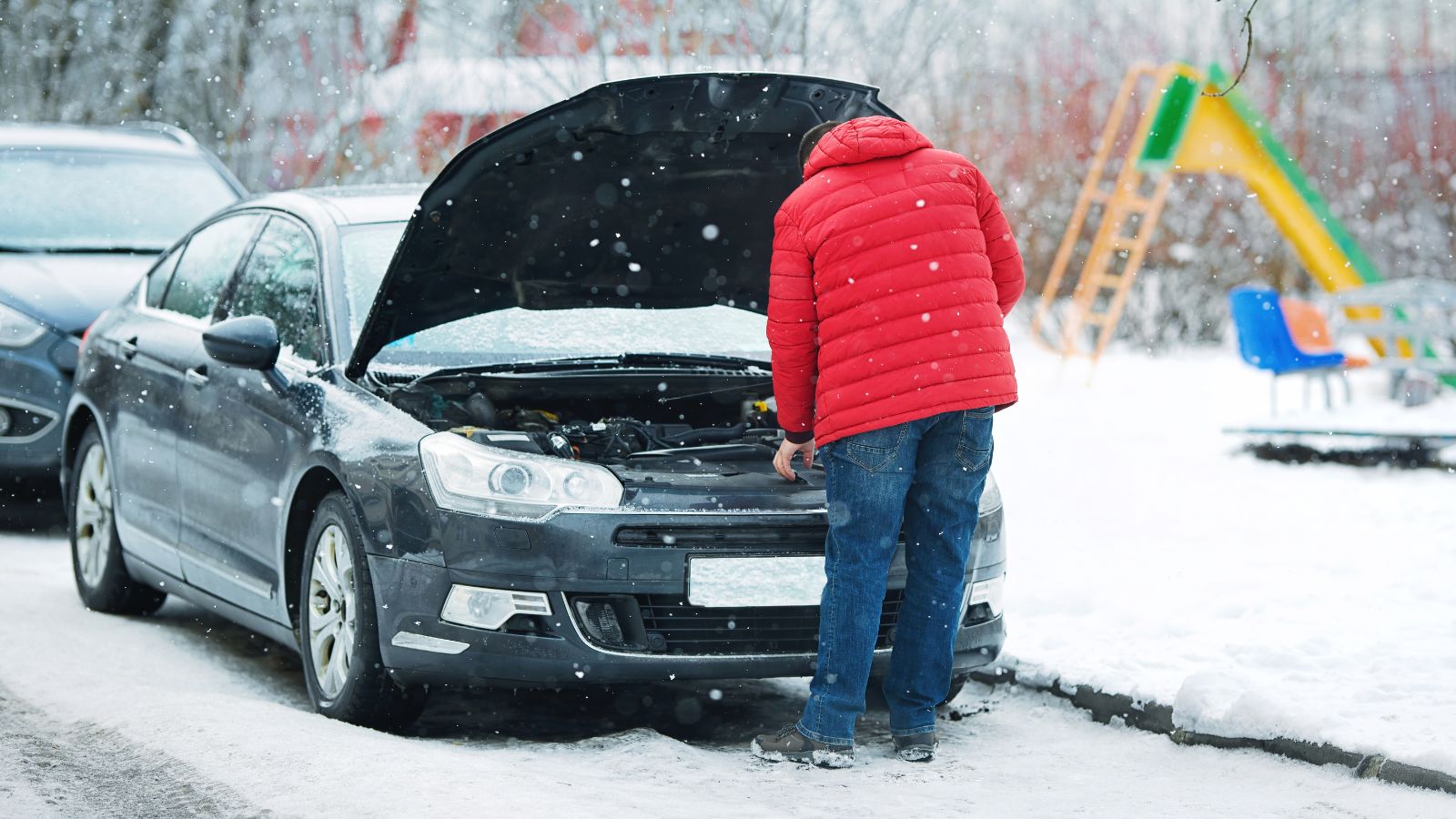
Short trips are only part of the modern winter-battery equation. Cars continue consuming small amounts of electricity after the engine is switched off. Security systems, keyless-entry receivers, communication modules, memory functions and other electronics may remain active. Consumer Reports notes that some modern vehicles have enough parked electrical demand that a week or two without driving can meaningfully drain the battery, although the exact tolerance differs substantially by model.
That matters for people whose cars now spend most weekdays parked. A vehicle might make one five-minute grocery trip, sit through several freezing nights, make another short journey and then remain unused again. The alternator is barely given an opportunity to restore charge, while background consumption continues between trips. All batteries also lose some charge naturally over time. If a healthy vehicle becomes unable to start after sitting only a few days, however, that can indicate an aging battery or abnormal parasitic draw requiring diagnosis rather than simply normal winter behaviour.
An Older Battery Has Much Less Room for Error
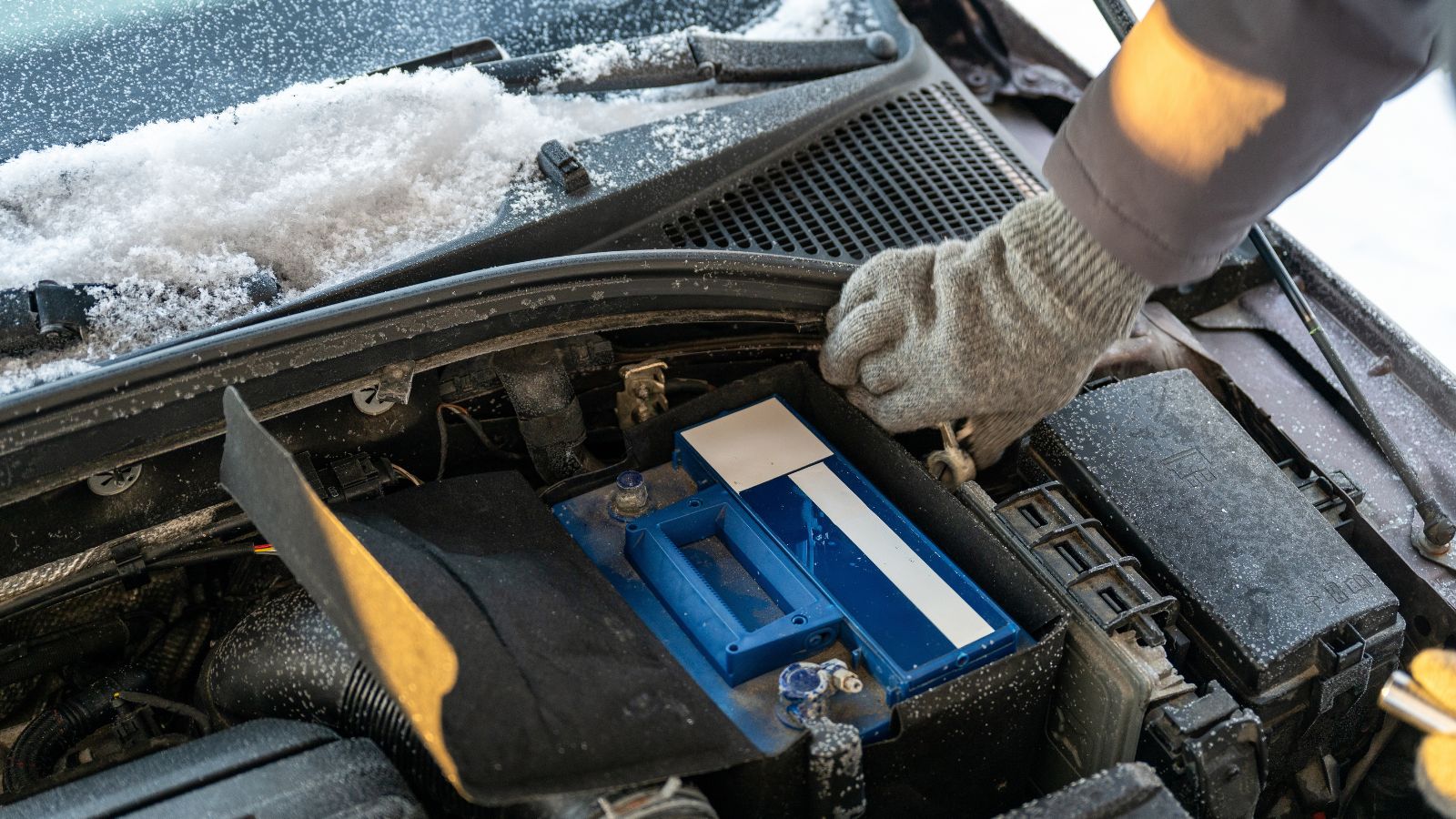
Age changes the calculation dramatically. CAA warns that a battery in the three-to-five-year range can become a winter liability, while Consumer Reports and AAA similarly describe roughly three to five years as a typical automotive-battery lifespan. Actual service life varies with climate, battery design, heat exposure, vibration, vehicle electronics and driving patterns, so age alone cannot determine whether a particular battery is finished.
Still, an older battery has less reserve to absorb a demanding winter routine. The same two-kilometre morning trip that caused no noticeable problem when the battery was new may become troublesome several winters later. Drivers often interpret the first slow crank as something that happened suddenly, yet degradation has usually been progressing long before that morning. Cold weather simply raises the starting requirement while reducing available performance. That is why a battery that has already required jump-starts, struggles to crank after sitting, or is approaching the end of its normal service window deserves attention before repeated short winter trips expose its remaining weakness.
Corroded or Loose Connections Can Make Everything Harder
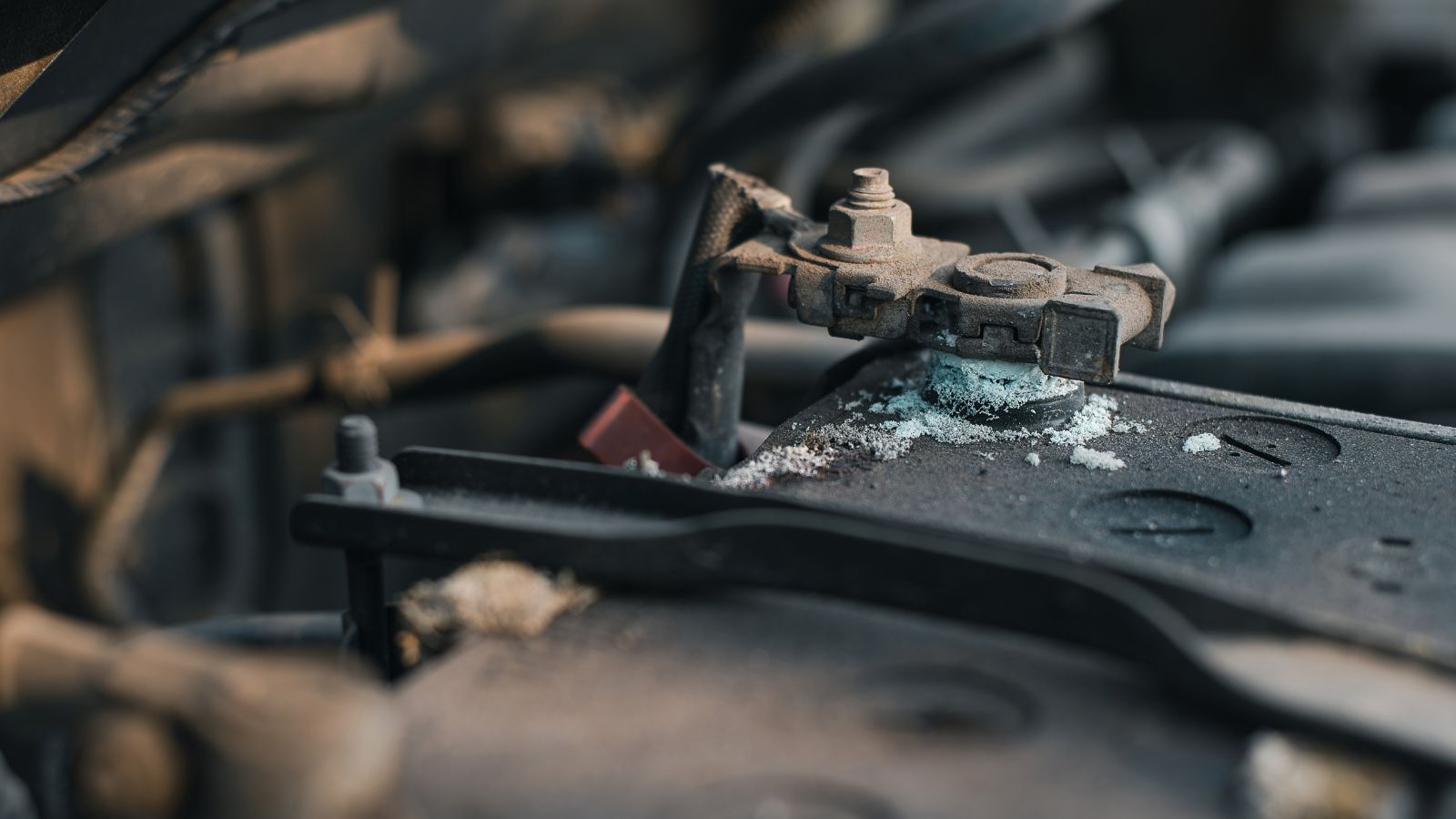
A battery can be reasonably healthy and still perform poorly if its electrical connections are compromised. Corrosion around battery terminals or loose cable connections interferes with efficient current transfer. Consumer Reports recommends keeping terminals clean, tight and free from corrosion and notes that corrosion can contribute to difficult starting, dim lights and other electrical symptoms. Winter provides little tolerance for those additional losses because the battery is already being asked to deliver high current under unfavourable conditions.
The same connections also matter when the alternator is trying to recharge the battery. A winter inspection therefore should not focus only on the battery’s age sticker. Technicians can inspect the posts, cables, mounting and charging system as a whole. White, greenish or bluish buildup around the terminals deserves attention, as does a battery that can physically move because its hold-down hardware is loose. The goal is to make sure every available amp can reach the starter and that charging energy can return efficiently afterward.
A Smart Maintainer Can Break the Short-Trip Cycle
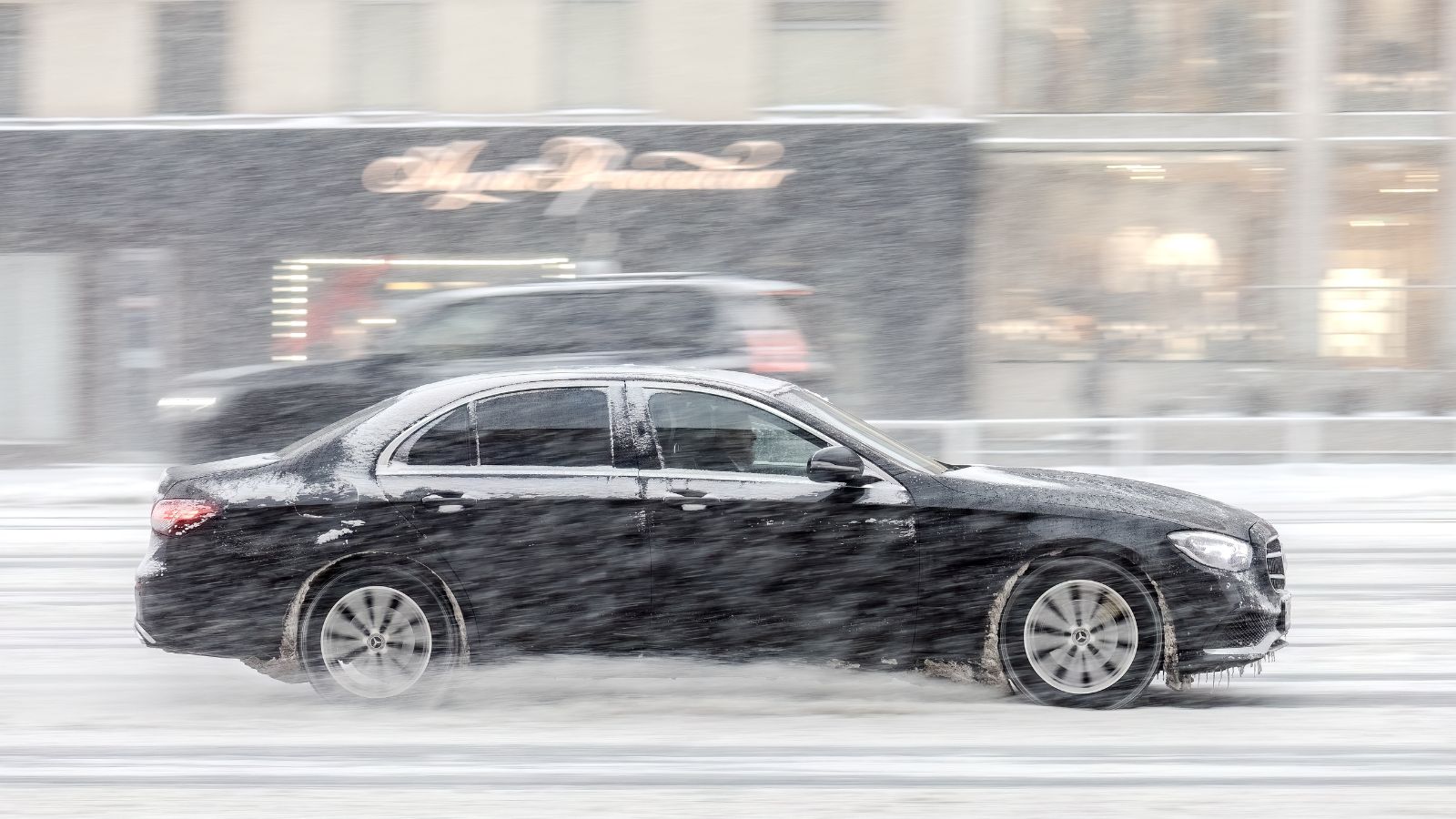
Some vehicles simply cannot be given regular long drives. A second car may sit outside most of the week, a retiree may drive only occasionally, or winter weather may make unnecessary trips undesirable. In those circumstances, an appropriate battery maintainer can provide a more controlled solution than repeatedly starting the engine for a few minutes. Consumer Reports recommends maintainers for vehicles that spend extended periods parked and explains that modern smart units can switch charging on and off automatically as needed.
Compatibility matters. Vehicles use different battery technologies, including conventional flooded lead-acid, enhanced flooded and AGM designs, and the charger should be suitable for the battery specified by the manufacturer. A proper maintainer is intended to preserve charge rather than disguise a defective battery or failing charging system. It also should not be confused with an old uncontrolled charger that can overcharge a battery if left connected indefinitely. For low-use winter vehicles, maintaining the appropriate state of charge can prevent the repeated undercharge cycle before another severe cold start arrives.
Test the Battery Before the Coldest Morning Finds the Problem
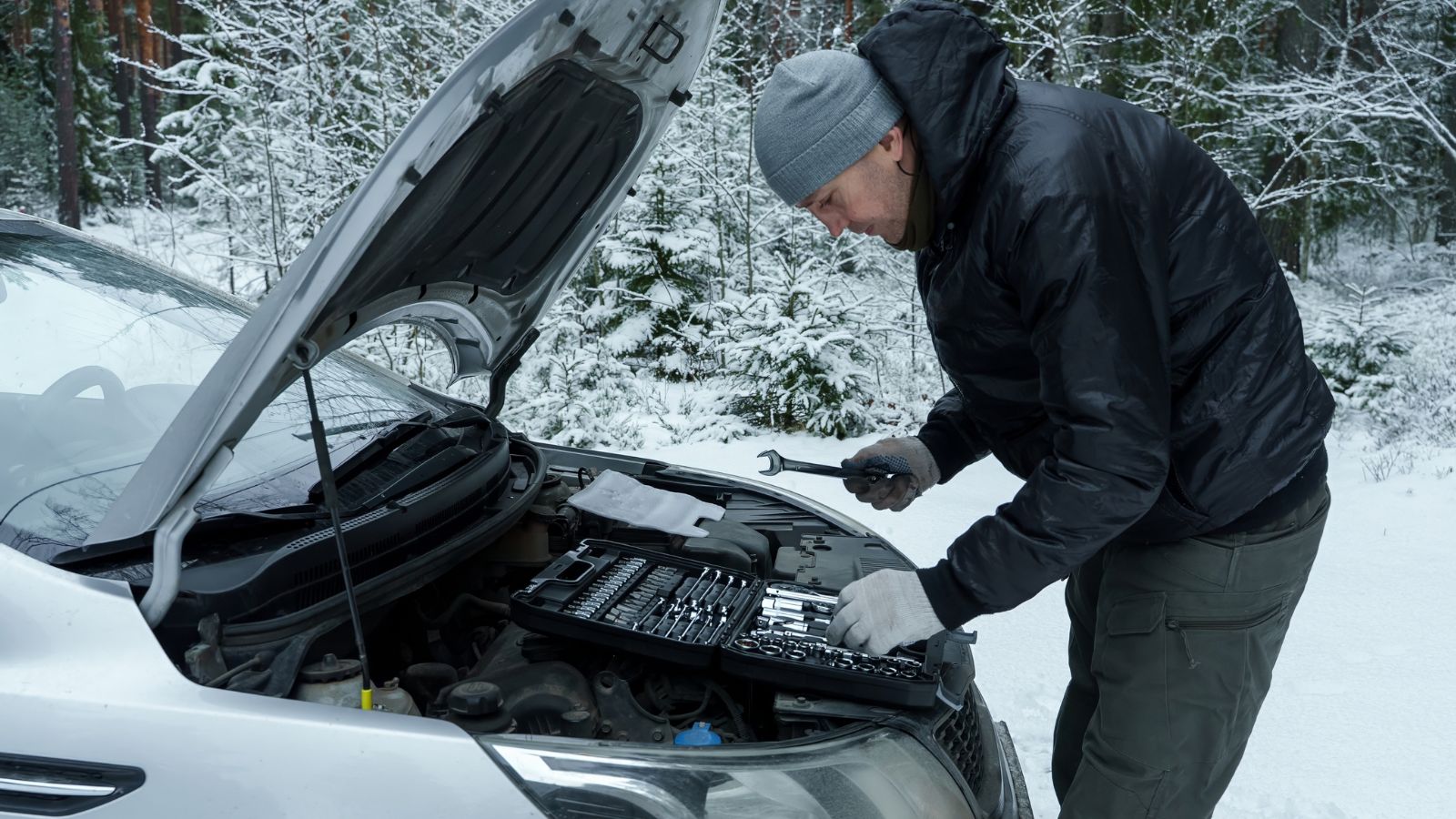
The best time to discover a marginal battery is in a garage or service bay, not outside on a -20°C morning. Consumer Reports recommends having batteries load-tested periodically as they age and specifically advises checking battery strength before winter. Testing can help distinguish a healthy but discharged battery from one that has genuinely lost starting capability. A technician can also assess the alternator and charging system when repeated battery trouble suggests something more than driving habits.
There are warning signs worth taking seriously before complete failure: noticeably slower cranking, repeated clicking during attempted starts, unusually dim lights or a battery that repeatedly needs boosting. Batteries with damaged, cracked or bulging cases require additional caution. AAA specifically warns against attempting to jump-start a battery suspected of being frozen. Ultimately, the cure for the cold-weather mistake is not to drive aimlessly all winter. It is to recognize when repeated short trips are leaving the battery undercharged and respond with longer combined trips, appropriate maintenance charging, inspection or replacement when testing shows the battery has reached the end of its useful life.
19 Used Cars Canadians Should Avoid in 2026 (Based on Owner Complaints)

Buying a used car in Canada can feel safe until repair bills start stacking up. Owner complaints tell a different story than glossy listings. Transmission failures, electrical problems, and weak winter reliability show up again and again in consumer reports. Many of these issues appear after warranties expire, when owners least expect them. Some vehicles look affordable upfront, but become expensive to keep on the road. Others struggle in cold weather, urban driving, or long highway commutes. Here are 19 used cars Canadians should avoid in 2026 (based on owner complaints).
19 Used Cars Canadians Should Avoid in 2026 (Based on Owner Complaints)