


























A vehicle can make an excellent first impression and still become surprisingly frustrating once the honeymoon period ends. Powerful acceleration, dramatic styling, giant screens, oversized wheels, and clever technology often stand out during a short test drive, while the smaller details of everyday ownership receive far less attention.
Over months and years, those details can matter much more. A difficult touchscreen becomes part of every commute. Poor visibility complicates every parking job. Uncomfortable seats become obvious halfway through a road trip. Even something as mundane as the absence of a spare tire can transform an ordinary inconvenience into an expensive delay. These 18 things illustrate why everyday usability deserves at least as much attention as horsepower, styling, technology, and the specification sheet.
Touchscreen Controls That Replace Too Many Buttons

A large center display can make a dashboard look clean and futuristic, but appearance and usability are not necessarily the same thing. When temperature settings, fan speed, seat heaters, audio functions, drive modes, and other commonly used features are buried in menus, simple adjustments can demand more attention than an old-fashioned knob or switch. What seems perfectly manageable while sitting in a showroom may become much less pleasant while driving over broken pavement, navigating traffic, or wearing winter gloves.
This is more than a matter of drivers resisting new technology. NHTSA’s guidance on in-vehicle electronics recognizes that visual-manual interactions can divert attention from driving, while Consumer Reports specifically evaluates whether vehicle controls can be operated safely and intuitively. Touchscreens themselves are not automatically problematic; well-designed ones can be excellent. The issue is forcing frequently used functions into displays when physical controls would allow them to be located and adjusted largely by feel. After thousands of routine trips, those extra taps can become one of the most noticeable parts of ownership.
Poor Visibility From the Driver’s Seat

A tall hood and narrow windows can make a vehicle look tough from the outside while creating a surprisingly restricted view from behind the wheel. Thick windshield pillars, large mirrors, high dashboards, rising beltlines, small rear windows, and bulky roof pillars can hide pedestrians, curbs, bicycles, parking lines, and even portions of another vehicle. Cameras and sensors help, but they do not necessarily replace the confidence that comes from simply being able to see clearly.
The trend has been measured rather than merely imagined. Research involving the Insurance Institute for Highway Safety and the U.S. Department of Transportation’s Volpe Center examined six popular models through redesigns spanning 1997 to 2023. Visibility within 10 metres of the vehicle declined in all six, with reductions reaching as much as 58% in the SUVs studied. That difference can become painfully obvious in a crowded parking lot. A buyer attracted to the commanding seating position of a large SUV may discover that the height does not automatically provide a commanding view of objects close to the vehicle.
Oversized Wheels and Low-Profile Tires
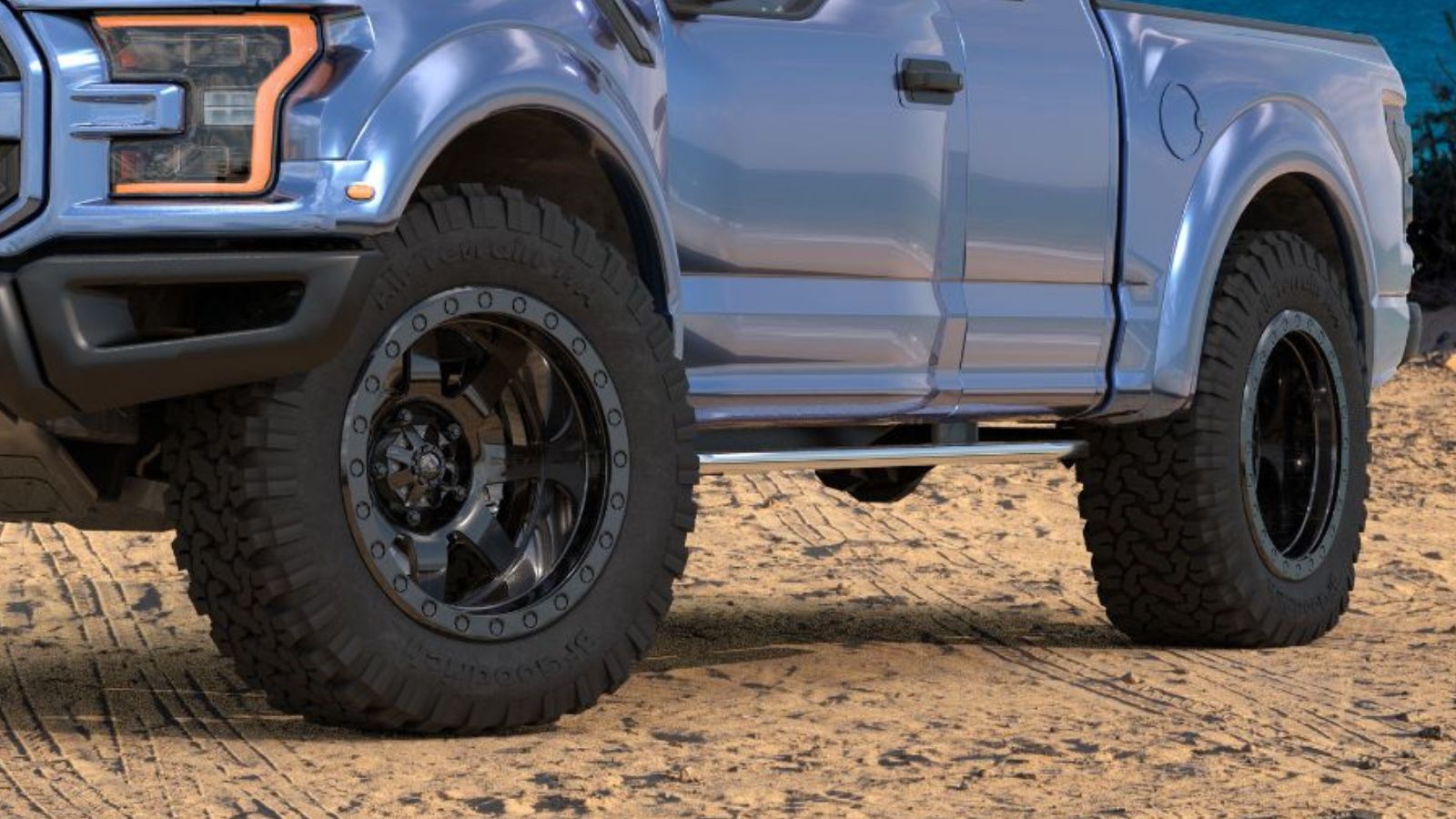
Large alloy wheels photograph beautifully and often distinguish expensive trims from cheaper versions. The downside is usually hidden in the thin strip of rubber wrapped around them. A low-profile tire has less sidewall available to flex when it encounters a sharp pothole or broken pavement. That can transmit more impact into the cabin while leaving both the tire and wheel more vulnerable to damage. Replacement tires for large wheel sizes can also cost considerably more.
Consumer Reports has repeatedly found that larger wheels paired with low-profile tires tend to produce a harsher ride and greater pothole-damage risk. AAA’s roadside research reinforces the financial side of the problem: potholes can damage tires, wheels, alignment components, shocks, and suspension parts. This trade-off matters particularly in places where winter freeze-thaw cycles leave roads scarred every spring. The difference between attractive 20- or 21-inch wheels and a more modest factory setup may seem insignificant during a dealership drive on smooth streets. After several years of potholes, replacement tires, and rough commutes, the smaller setup can look considerably more appealing.
Sporty Suspension That Never Gets a Day Off
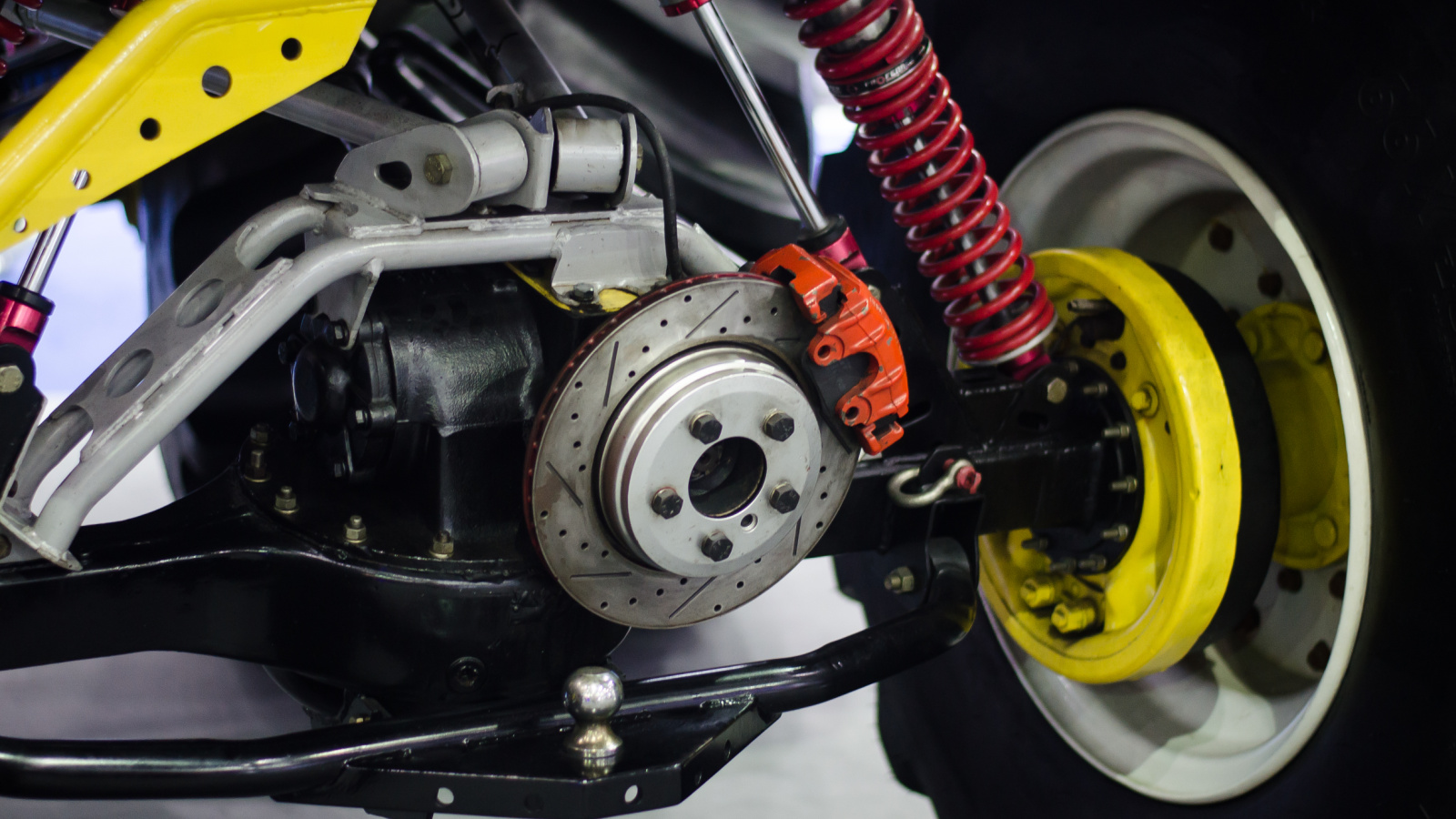
A suspension tuned to minimize body roll can make a vehicle feel wonderfully controlled on a smooth, winding road. Unfortunately, owners do not spend every day driving on smooth, winding roads. Expansion joints, patched asphalt, recessed utility covers, potholes, gravel surfaces, and poorly maintained urban streets expose the other side of aggressive suspension tuning. What feels impressively firm for 15 minutes can become tiring during a two-hour commute or family trip.
Ride quality is important enough that Consumer Reports tests it over a dedicated route containing bumps, ruts, undulations, and highway sections, evaluating whether a suspension isolates occupants or produces stiff, choppy, pitching movements. Adaptive dampers can reduce the compromise in some vehicles, but they are not universal and may be optional. Buyers should therefore be cautious about assuming that a performance package is an unqualified upgrade. Firmer springs, dampers, tires, or wheel combinations can improve handling while quietly reducing everyday comfort. A vehicle lives on ordinary roads far more often than it attacks a perfectly surfaced corner.
Awkward Entry and Cramped Rear-Seat Access
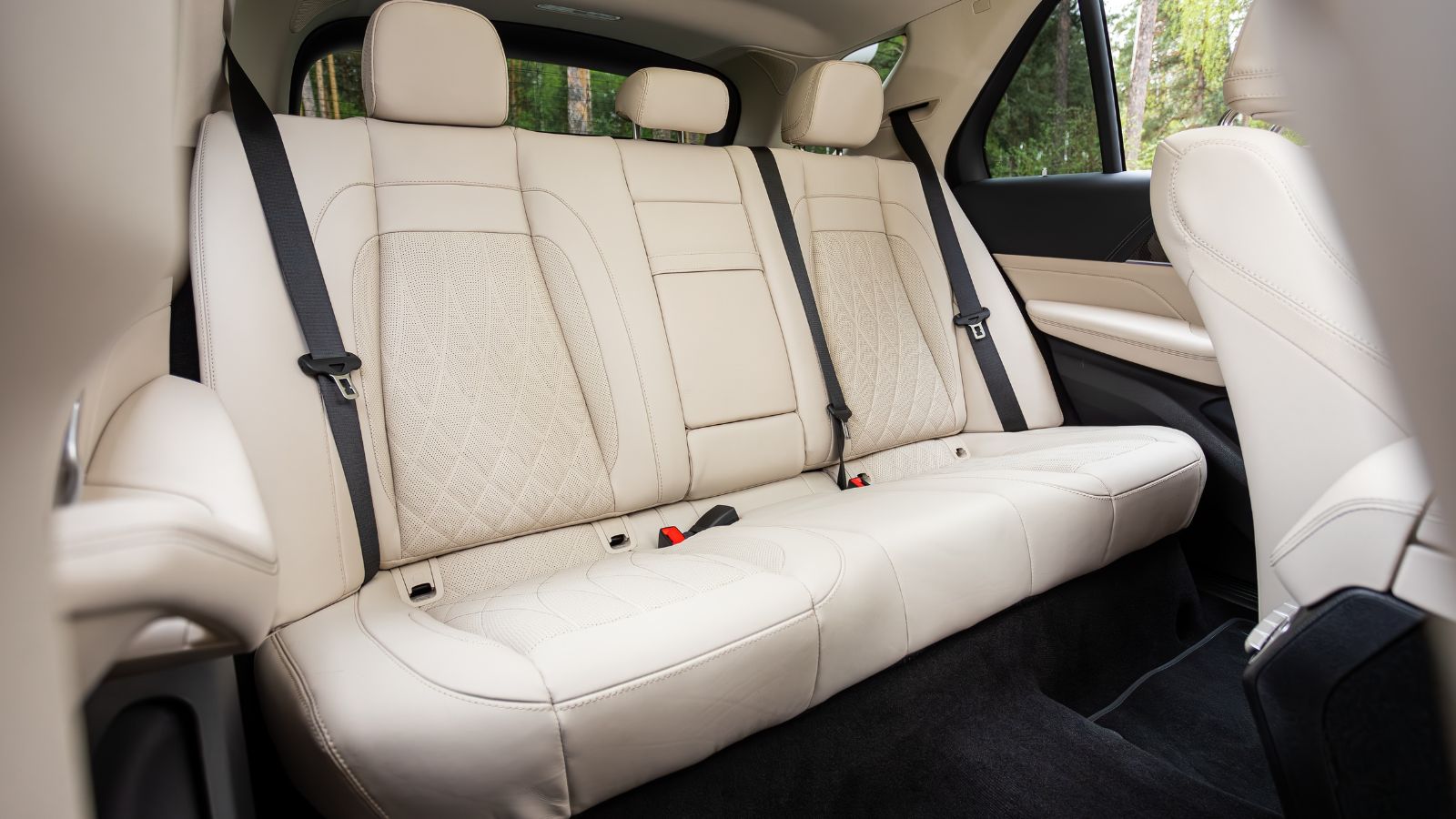
Interior dimensions do not tell the entire story of passenger comfort. A rear seat may have acceptable published legroom yet still be annoying to reach because of a narrow doorway, sloping roof, bulky wheel arch, high sill, or seat placed unusually close to the floor. Tall SUVs create a different problem: passengers may have to climb upward every time they enter. Neither drawback is likely to reveal itself when a buyer spends almost the entire test drive in the driver’s seat.
Consumer Reports treats entry and exit as an important component of vehicle comfort and specifically evaluates door width, sill height, head clearance, footwell access, and seat height. Recent vehicle testing provides practical examples. Its evaluation of the Subaru Uncharted noted a narrow rear opening combined with a sloping roof and restricted knee room that required passengers to squeeze, duck, and maneuver around the wheel well. These details become especially significant for families carrying children, older relatives, or passengers with limited mobility. Opening every door and physically trying every regularly used seat can reveal more than another ten minutes behind the wheel.
Cargo Space That Works Better on Paper Than in Reality
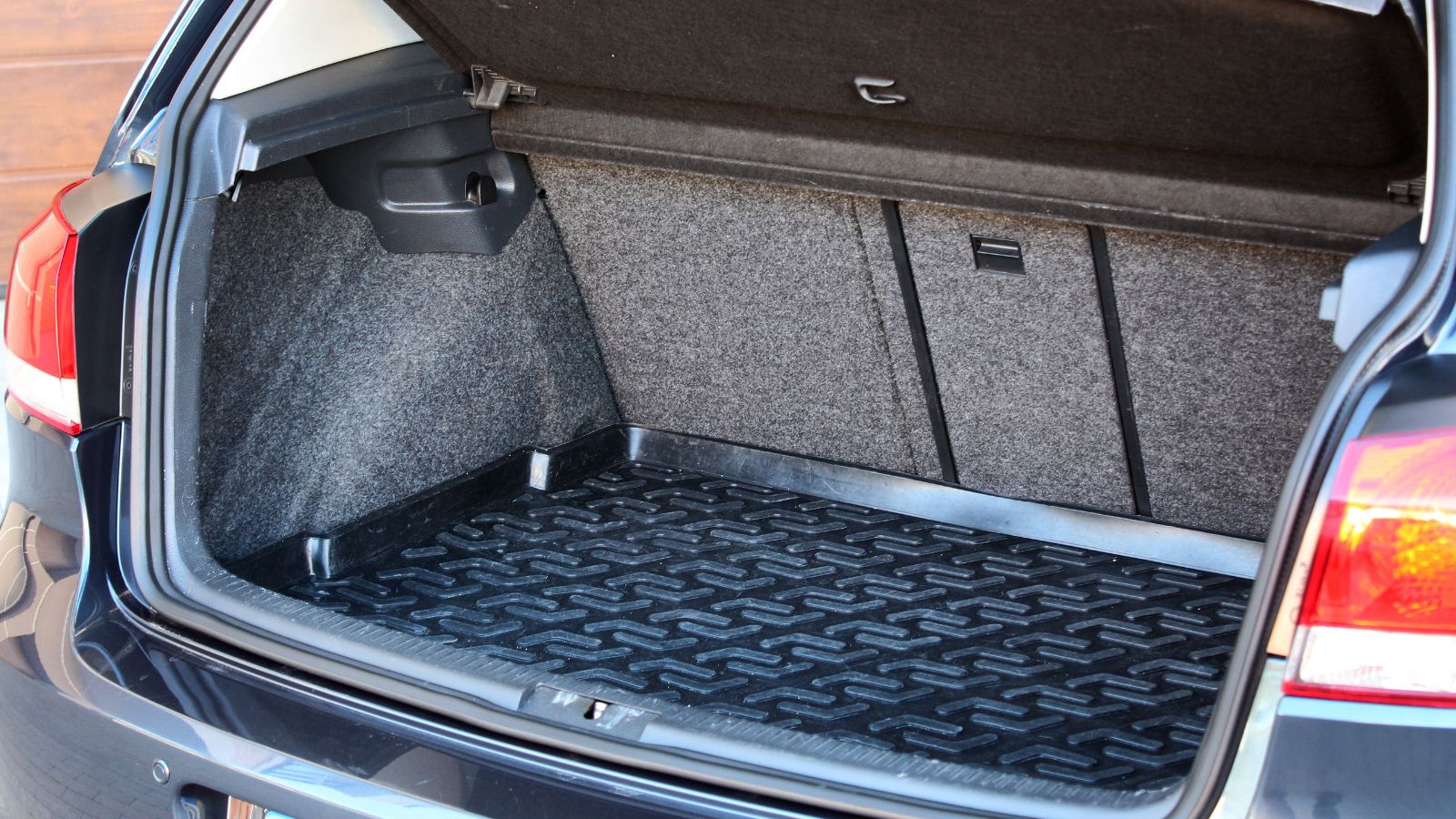
Cargo volume sounds wonderfully objective because it is expressed in cubic feet or litres. The problem is that two cargo areas with similar published numbers can behave very differently when faced with suitcases, strollers, hockey equipment, furniture, or a week’s groceries. Narrow hatch openings, sharply sloped roofs, protruding wheel wells, high loading floors, oddly shaped side panels, and limited space behind an occupied third row can reduce how much useful cargo actually fits.
Consumer Reports uses its own expandable rectangular frame to measure usable space because manufacturer volume figures may include irregular areas that cannot accommodate normal boxes or luggage. It also specifically measures room behind raised third-row seats, recognizing that a three-row vehicle is not particularly useful for a family trip if carrying passengers leaves almost nowhere for their bags. This is why loading a familiar stroller, suitcase, mobility device, or large piece of sports equipment before purchase can be remarkably informative. The most useful cargo area is not necessarily the one with the largest advertised number; it is the one shaped around what the household actually carries.
No Spare Tire When a Flat Becomes Serious

A flat tire used to involve a fairly predictable sequence: pull over, retrieve the spare, change the wheel, and continue driving. Many modern vehicles remove that option entirely. AAA research found that 28% of 2017 model-year vehicles lacked a spare tire as standard equipment, while more recent Consumer Reports guidance has estimated the share among new vehicles at roughly 40%. Buyers can easily miss the omission because the space beneath the cargo floor is rarely a major consideration during shopping.
Inflator-and-sealant kits offer some protection, but they are not equivalent to a spare. AAA testing found that such kits are intended for particular tread punctures and cannot solve problems such as major sidewall damage, blowouts, or certain pothole-related failures. That distinction becomes important when a tire fails far from a repair shop or late at night. A simple puncture may still be manageable, but a damaged sidewall can turn into a tow. Buyers who frequently travel through remote areas have an especially strong reason to inspect beneath the cargo floor before signing anything.
Run-Flat Tires With Their Own Compromises
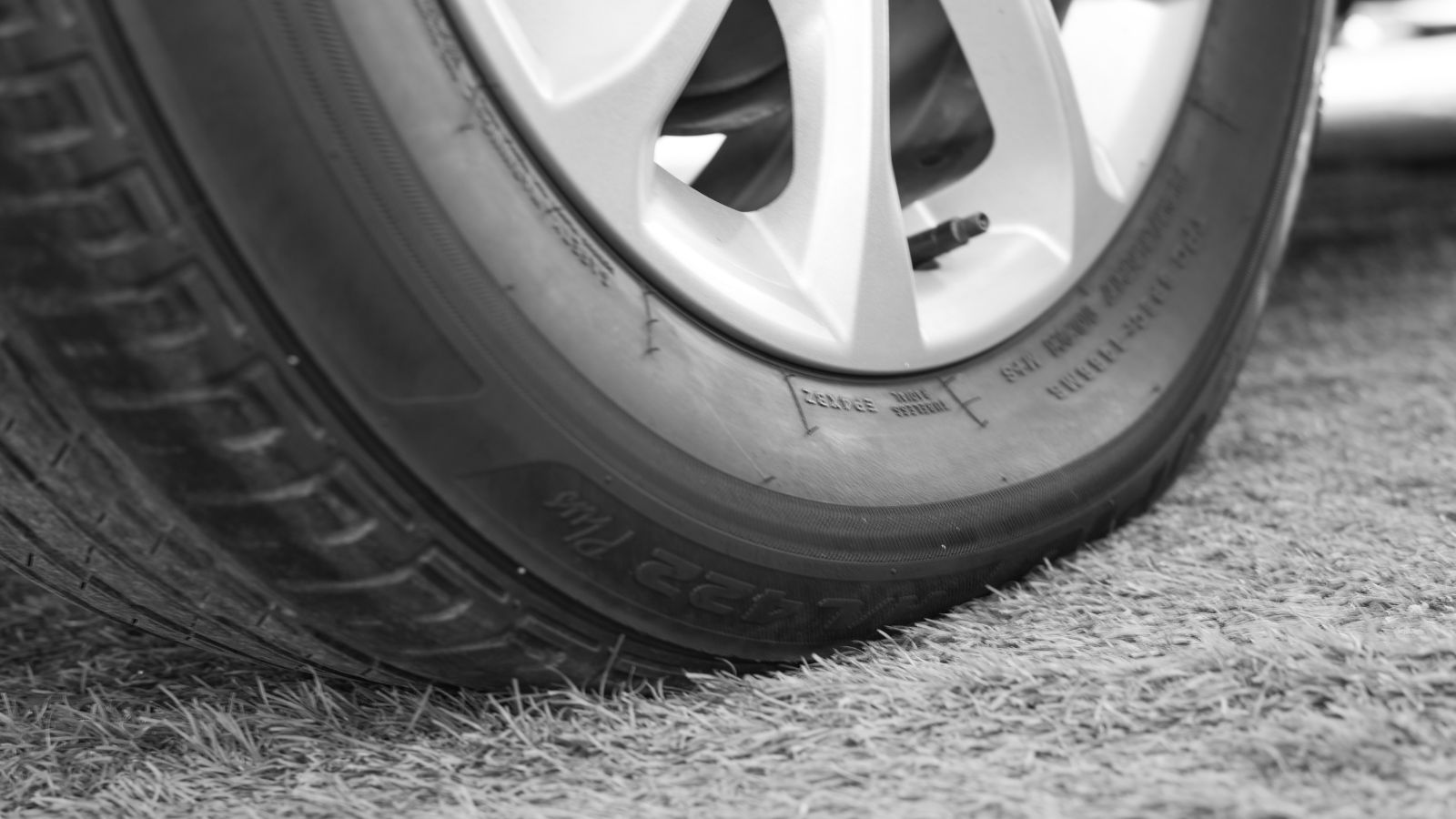
Run-flat tires attempt to solve the missing-spare problem by allowing a vehicle to continue moving for a limited distance after losing pressure. That can be extremely useful when stopping immediately would be unsafe or inconvenient. The reinforced construction required to support a vehicle without normal air pressure, however, introduces compromises that are easy to overlook when choosing a trim level. Depending on the particular tire and vehicle, owners can encounter a firmer ride, more limited replacement availability, and higher replacement costs.
Consumer Reports notes that run-flat tires typically provide approximately 50 miles of limited mobility after pressure loss, enough to reach help in many populated areas but potentially inadequate in remote regions. CR has also documented owner complaints involving stiffness, noise, cost, and replacement availability. Modern run-flats have improved considerably, so none of these disadvantages applies equally to every tire. The important point is that tire type forms part of the ownership experience. Discovering during a road trip that a damaged factory run-flat cannot be quickly replaced nearby is an inconvenient way to learn what came with the vehicle.
Seats That Feel Fine for 15 Minutes
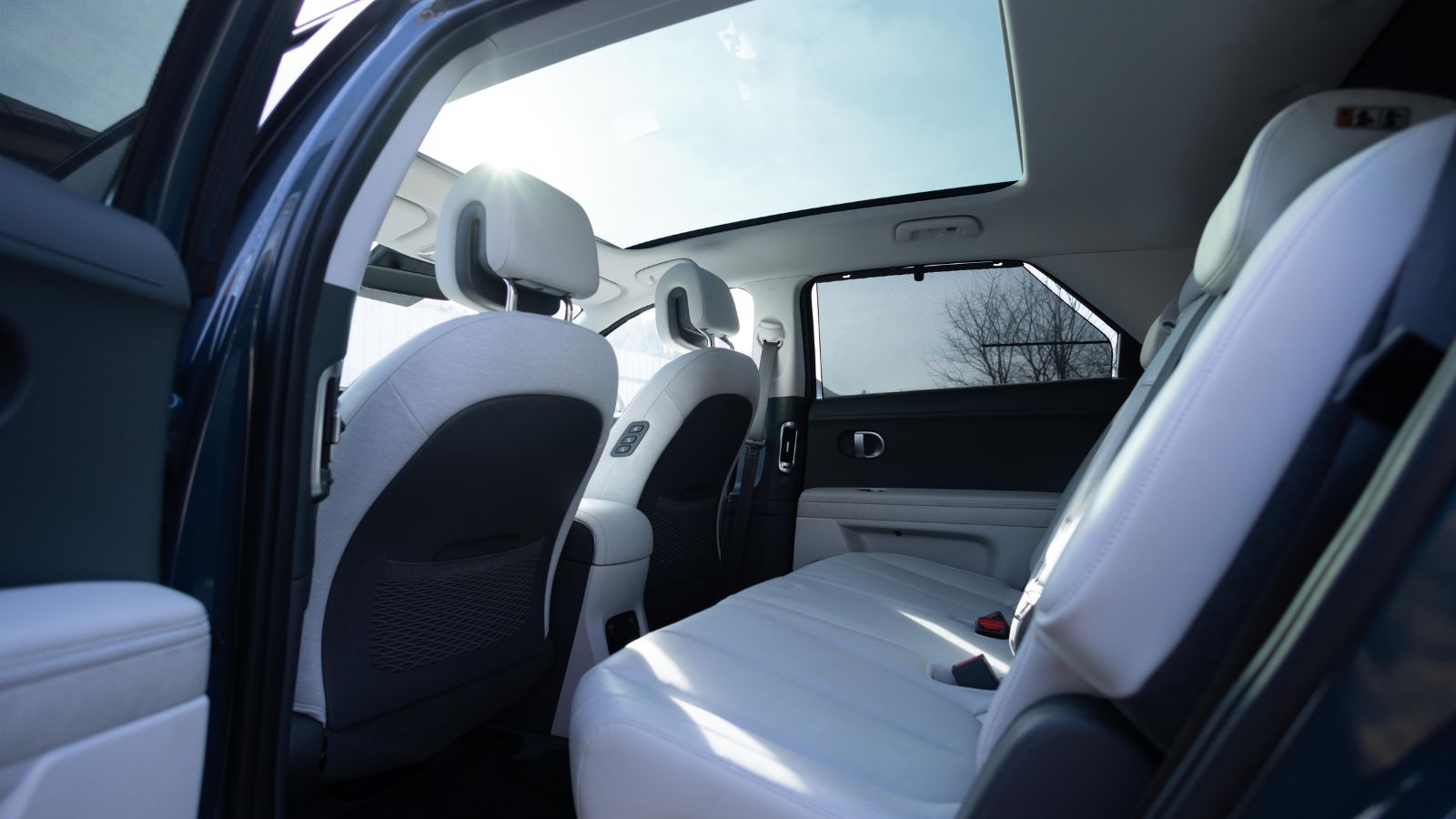
Seat comfort is one of the easiest qualities to misjudge during a short test drive. Soft padding can initially feel luxurious while providing inadequate thigh or lower-back support over longer distances. A head restraint may push an occupant’s head forward. Limited seat-bottom tilt can create pressure under the thighs, while insufficient steering-wheel or seat travel may prevent shorter or taller drivers from reaching a relaxed position. Those deficiencies tend to emerge slowly rather than dramatically.
J.D. Power’s 2025 U.S. Seat Quality and Satisfaction Study drew responses from more than 92,000 purchasers and lessees of new 2025-model-year vehicles. Among its frequently cited concerns were seat-adjustment range, headrest comfort, and design-related issues, and J.D. Power noted the strong relationship between seating problems and overall vehicle appeal. Consumer Reports similarly evaluates seats over extended use rather than relying on initial impressions. A longer test drive can therefore be valuable, particularly for anyone with a substantial commute. Seats are among the few vehicle components owners interact with during virtually every minute of every journey.
Driver-Assistance Systems That Never Stop Talking

Lane-departure warnings, parking sensors, driver-monitoring systems, collision alerts, and automatic braking can provide important safety benefits. Their usefulness does not mean every implementation is equally pleasant. Systems that beep too frequently, misread road markings, intervene abruptly, or generate warnings that owners do not understand can become frustrating enough that drivers begin switching them off. That defeats much of the purpose of installing the technology in the first place.
J.D. Power’s 2024 U.S. Advanced Driver Assistance Systems Quality and Satisfaction Study found that ADAS accounted for 24.9 reported problems per 100 vehicles, with alerts representing the largest individual issue at 9.0 problems per 100. Its research has repeatedly identified annoying or bothersome alerts as a source of dissatisfaction. The lesson is not to avoid driver assistance. It is to test how a particular vehicle delivers it. Buyers should experience lane keeping, adaptive cruise control, parking warnings, and driver monitoring before purchase and check whether unwanted settings can be adjusted. A helpful electronic co-driver should fade into the background instead of behaving like an anxious passenger.
Premium Fuel That Becomes a Permanent Expense

Fuel grade can be easy to ignore when comparing two vehicles with similar prices and fuel-economy ratings. Yet the label inside the fuel door may matter every week for years. Turbocharged and high-compression engines increasingly use higher-octane gasoline to deliver their intended output. Some manufacturers merely recommend premium for maximum performance, while others require it. The distinction should be checked in the owner’s manual rather than guessed from the badge on the trunk.
U.S. Department of Energy data illustrates how common the issue has become. For model year 2023, 26.7% of vehicle configurations in its data required premium gasoline, while another 26.3% recommended it. That means more than half fell into one of those two categories. DOE also advises that vehicles requiring premium should receive the specified fuel, while vehicles designed for regular generally gain little from unnecessarily buying a higher grade. A slightly less expensive vehicle can therefore carry a recurring cost disadvantage if its engine demands pricier fuel. Over years of ownership, the pump becomes part of the purchase price.
Electric Range That Shrinks in Winter
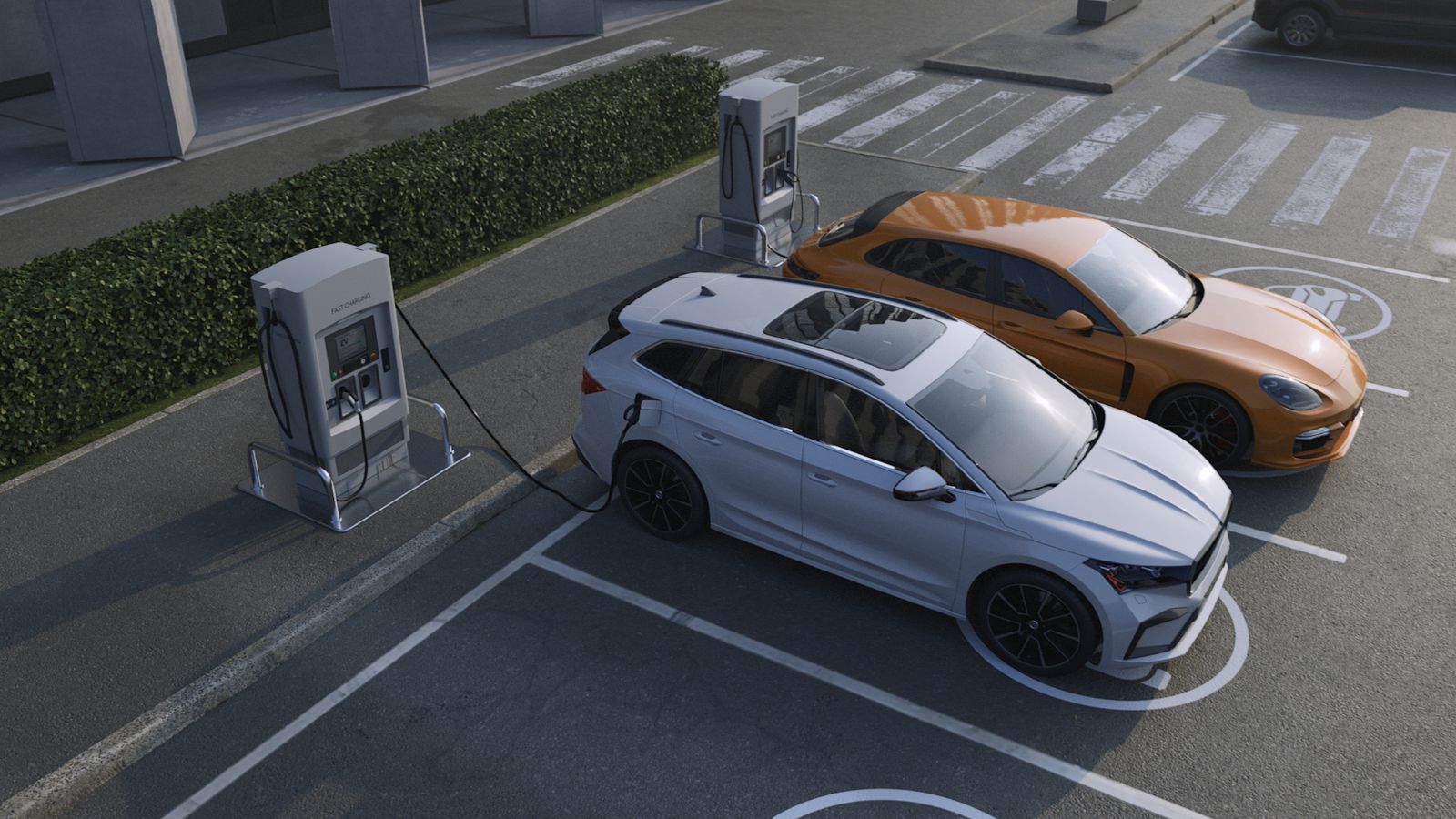
An EV’s rated range is one of the first numbers shoppers study, but it should not be treated as a distance that will appear under every condition. Temperature, speed, terrain, battery state, cabin heating, and driving behaviour all affect actual consumption. Winter creates a particularly visible difference because the battery operates less efficiently in the cold while energy must also be used to heat the cabin and, in many vehicles, condition the battery.
AAA released updated testing in 2026 after evaluating three EVs at 20°F, 75°F, and 95°F with cabin climate control set to 72°F. At 20°F, the EVs showed a 35.6% decline in efficiency and a 39% decrease in calculated range compared with the moderate-temperature test. Individual vehicles can perform better or worse, and heat pumps plus battery preconditioning can substantially improve winter usability. Still, a household routinely making long cold-weather journeys should evaluate winter range rather than relying solely on the headline EPA figure. An EV that comfortably exceeds daily needs in July may require more planning in January.
Fast-Charging Numbers That Do Not Tell the Whole Story
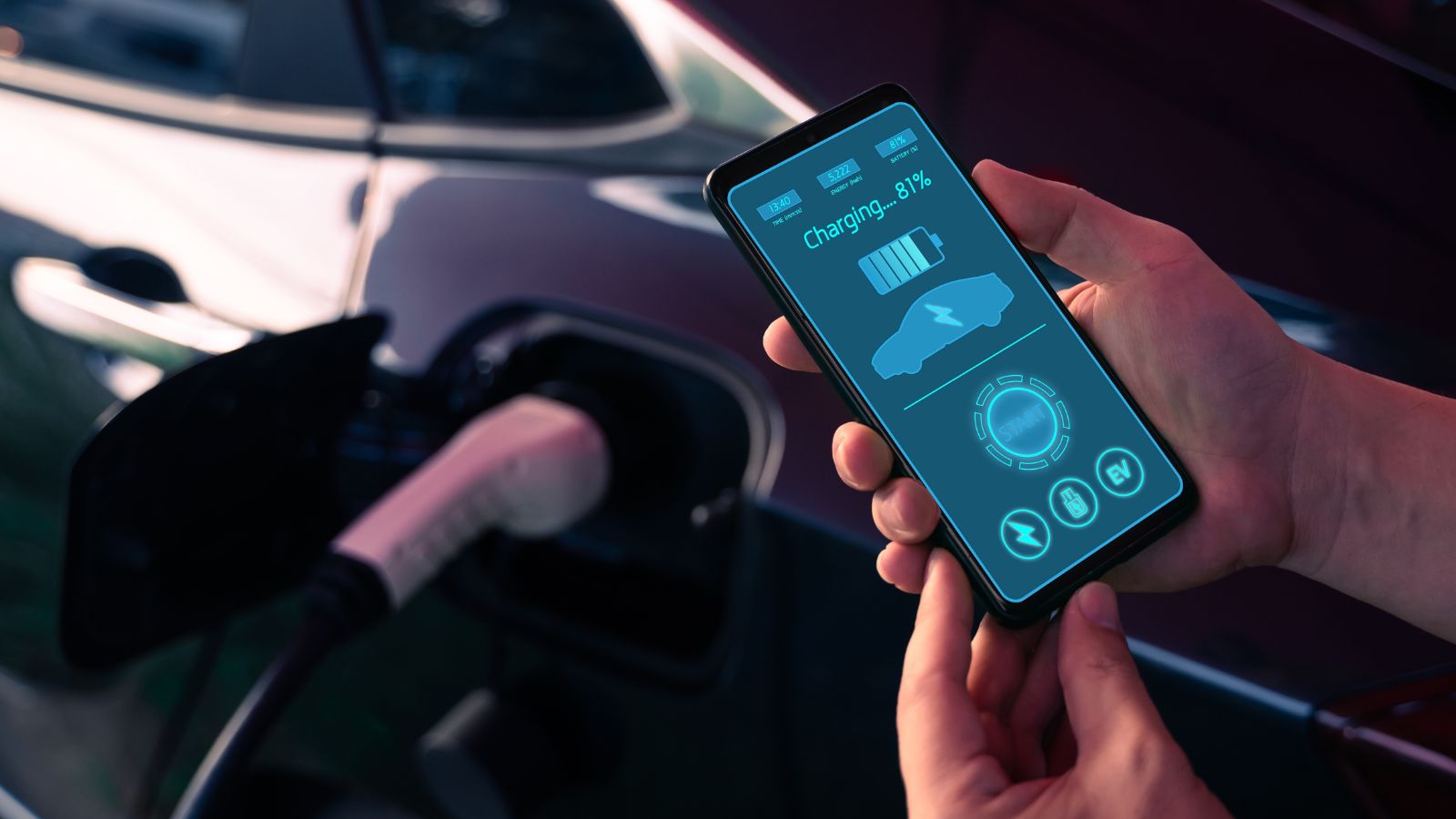
A manufacturer’s impressive peak charging figure can create the impression that an EV will absorb electricity at that rate throughout a charging stop. Batteries do not work that way. Charging power changes with battery temperature, state of charge, charger capability, vehicle software, and the battery’s thermal limits. A car advertised with a very high peak rate may reach that number only during part of the session before gradually reducing power.
Research from the National Renewable Energy Laboratory shows that DC fast-charging power generally falls substantially once battery state of charge reaches roughly 80% to 85%. The Department of Energy similarly advises drivers that charging from 80% toward 100% can take disproportionately longer. This makes the charging curve—the amount of power a vehicle can sustain over the session—more informative than the maximum number printed in a brochure. Buyers who expect frequent long-distance EV travel should examine real charging times such as 10% to 80%, battery-preconditioning capability, and charging performance in cold weather. Those details determine whether a road-trip stop feels like a coffee break or an extended layover.
Size That Makes Every Parking Lot Feel Smaller
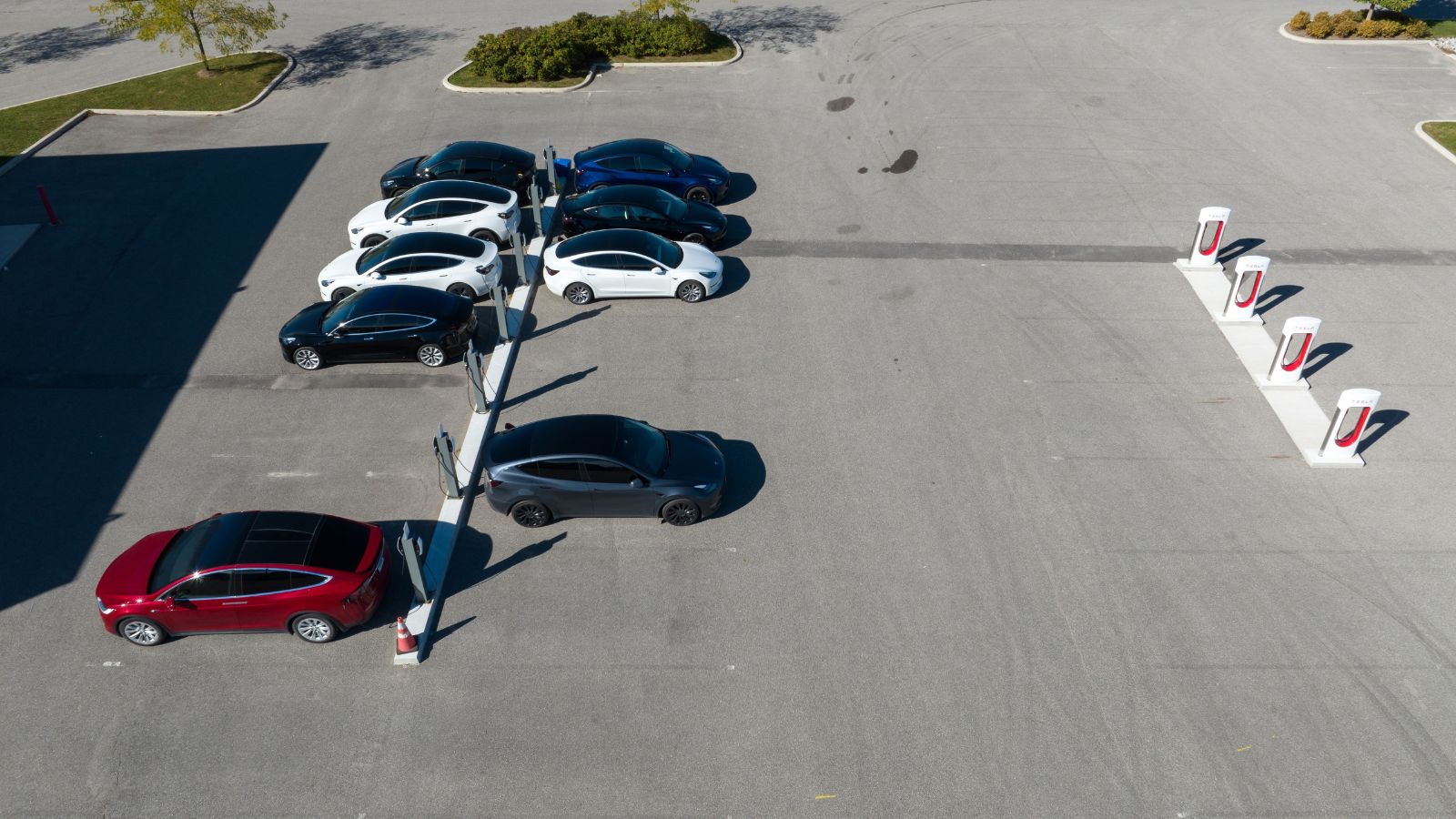
A full-size SUV or pickup can provide enormous passenger space, towing capability, cargo capacity, and road presence. Those benefits travel everywhere with the vehicle—including downtown garages, narrow driveways, school pickup zones, older parking structures, and crowded supermarket lots. Length and width are obvious on a specification sheet, but turning circle and low-speed maneuverability receive far less attention until an owner begins making three-point turns.
Consumer Reports has specifically noted that long-wheelbase large SUVs and pickups can be awkward in tight parking lots. Specifications demonstrate how dramatic the difference can become: CR lists the 2026 GMC Sierra 1500 at about 232 inches long with a 51-foot turning circle in the configuration shown in its data. Cameras, parking sensors, automated parking features, and rear-wheel steering can reduce the burden, but they do not physically shrink the vehicle. Buyers attracted to a huge cabin should test the vehicle somewhere deliberately inconvenient before purchase. Backing into a tight space can reveal more about everyday compatibility than another high-speed highway run.
Child-Seat Anchors That Are Technically There but Difficult to Use

Parents may reasonably assume that modern child-seat anchors are standardized enough to make installation straightforward. The hardware is standardized, but its usability can vary significantly from vehicle to vehicle. Lower anchors may be buried deep between cushions, surrounded by too little room for a connector, or positioned where considerable force is required. Top-tether anchors can also be difficult to see or confused with nearby cargo hardware.
The Insurance Institute for Highway Safety evaluates LATCH systems specifically because these differences affect installation ease. IIHS research using records from more than 14,000 child-restraint installations found that characteristics such as anchor depth, clearance, and attachment force were associated with correct use. A poor IIHS LATCH rating does not mean a correctly installed child seat is unsafe; it means achieving that correct installation may be more difficult. That is an important distinction for families using restraints every day. Bringing the actual child seat to the dealership and installing it in the intended seating position is one of the most practical vehicle tests a parent can perform.
A Noisy Cabin That Becomes Exhausting on Long Drives
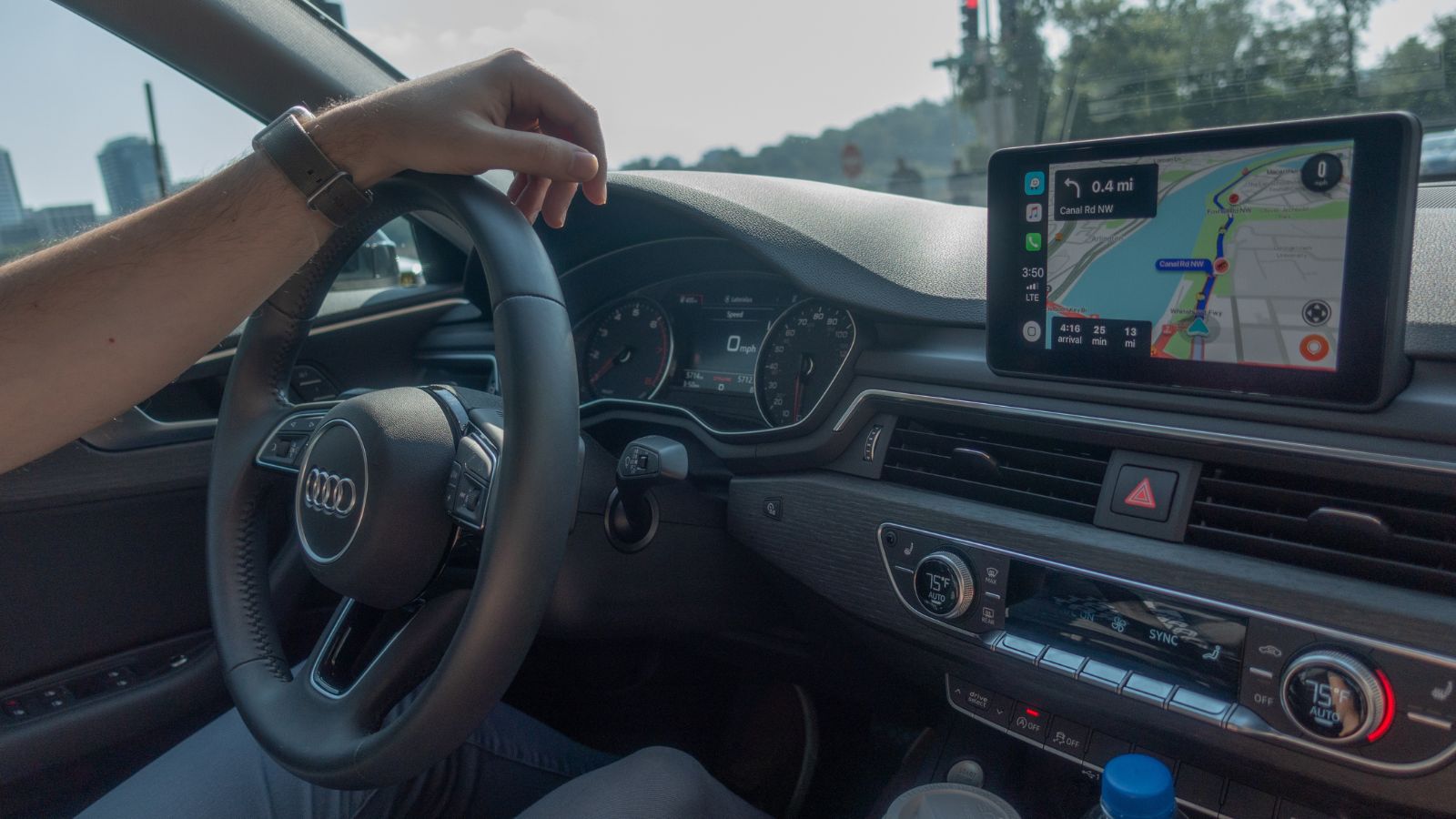
Engine sound can be entertaining when deliberately summoned, but constant road roar, tire hum, wind rush, and powertrain drone are different matters. Noise often seems insignificant on a short city test drive because speeds are low and the vehicle is unfamiliar. At sustained highway speeds, however, poor sound insulation or noisy tires can dominate the cabin and require passengers to raise their voices or increase audio volume.
Consumer Reports treats noise as a core part of its comfort assessment and evaluates vehicles through extensive real-world driving. Its recent testing illustrates how dramatic individual differences can be. In the 2026 Nissan Sentra it evaluated, CR reported noticeable wind noise beginning around 40 mph and becoming particularly tiring at approximately 65 mph and above. Other vehicles suppress those same sounds extremely well. Tire choice can also change the experience even within one model. Anyone regularly commuting on highways should therefore include a significant stretch at highway speed in the test drive. Cabin tranquillity rarely appears prominently in advertising, yet owners experience it during every long journey.
Flush and Electronic Door Handles That Complicate a Simple Job
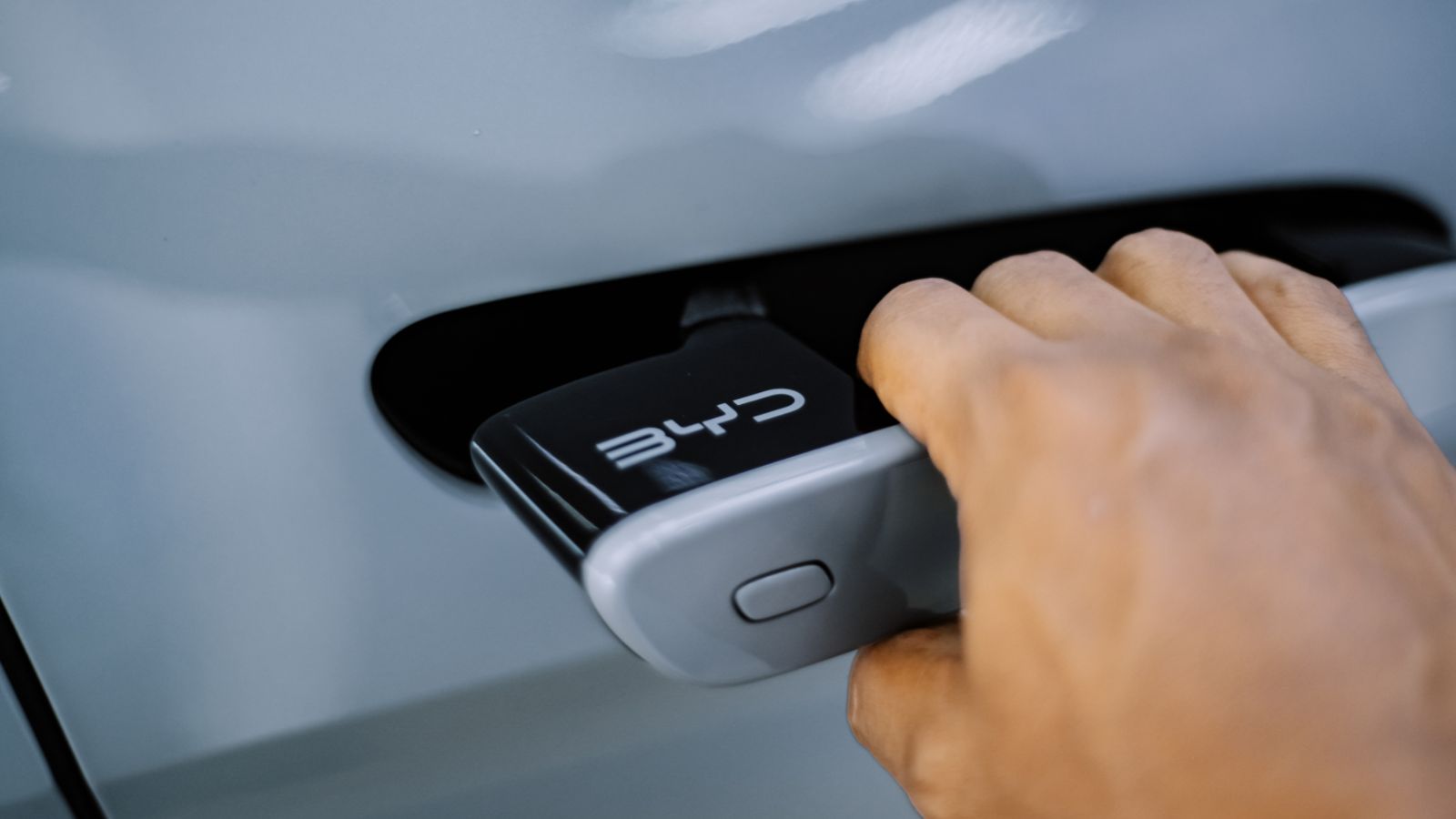
Opening a door should require almost no thought, which is precisely why unconventional handles can become surprisingly irritating. Flush-mounted handles improve aerodynamic smoothness and give a vehicle a clean appearance, but some require pressing one end, waiting for a motor, or approaching with the key in exactly the right way. Ice can add another complication in cold climates. Inside the cabin, electronic push-button releases can also require first-time passengers to receive a quick tutorial.
The concern extends beyond convenience. Consumer Reports has highlighted the difficulty of locating manual releases in some vehicles if electrical power is lost, while NHTSA opened a preliminary evaluation in 2025 involving electronic exterior door-handle operation on certain 2021 Tesla Model Y vehicles after complaints involving low-voltage battery conditions. That investigation does not mean every electronic handle is defective, and many work perfectly. It does demonstrate why a basic mechanical task deserves attention during shopping. Buyers should try every exterior and interior handle and locate the manual emergency releases before a dead battery or emergency makes that knowledge important.
Software and Phone Integration That Refuse to Disappear Into the Background
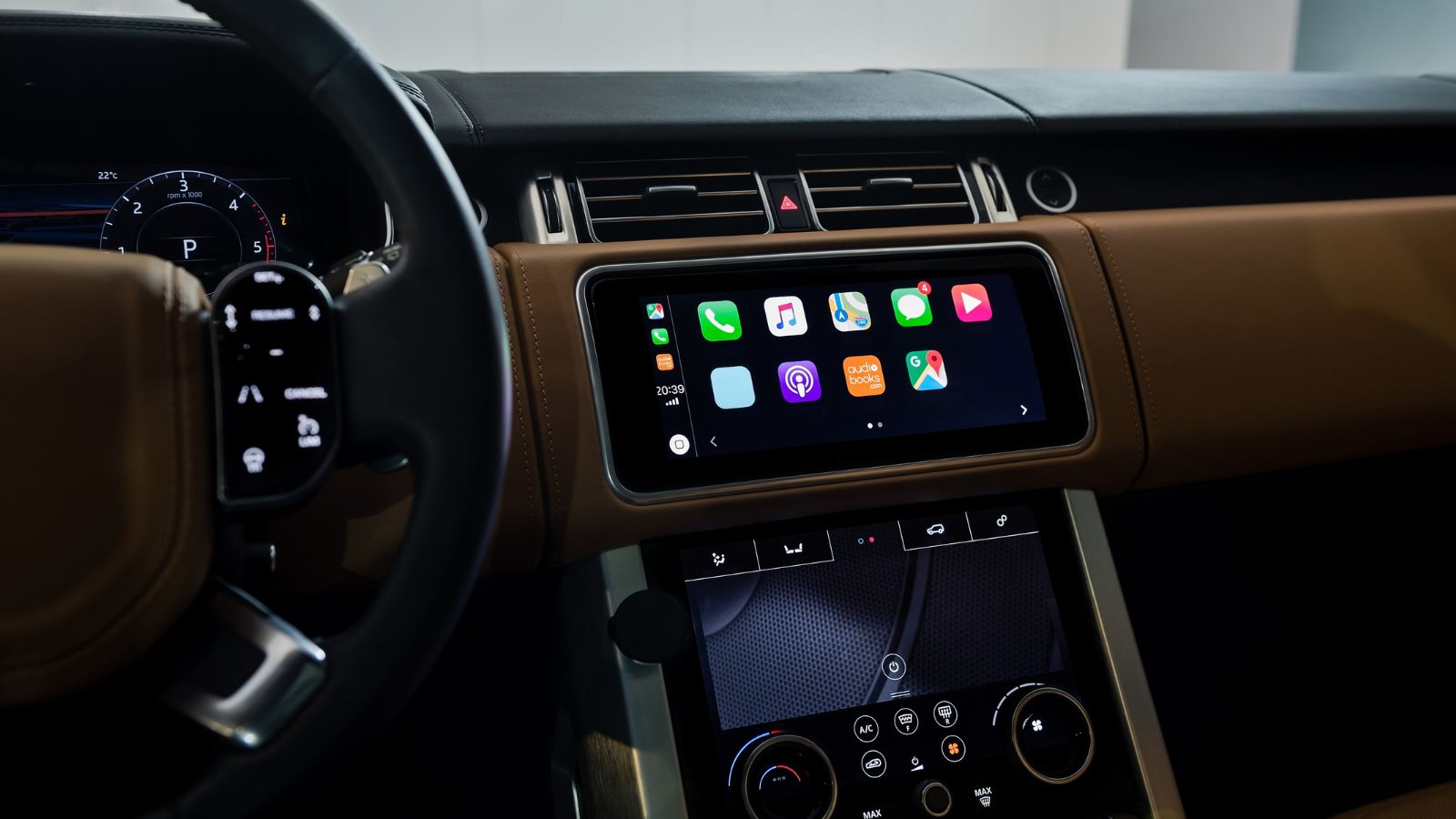
Modern vehicles increasingly behave like connected electronic devices. That brings genuine advantages: wireless smartphone integration, navigation, streaming entertainment, connected charging tools, remote climate control, digital keys, and software updates can make ownership easier. The frustration begins when those systems require repeated pairing, fail to recognize phones, disconnect unexpectedly, or change behaviour after an update. Unlike an obscure luxury feature, smartphone integration may be used during almost every drive.
J.D. Power’s 2026 U.S. Vehicle Dependability Study found infotainment remained the most problematic vehicle category at 56.7 problems per 100 vehicles among the three-year-old vehicles studied. Four of the five most commonly reported industry problems were related to phone integration, including Android Auto and Apple CarPlay connectivity, Bluetooth, wireless charging pads, and manufacturer app connectivity. J.D. Power also found many owners perceived little benefit from software updates. The takeaway is not that connected vehicles are inherently troublesome. It is that polished software deserves the same scrutiny as engines, transmissions, and suspension. A vehicle that starts every morning but argues with its owner’s phone every afternoon can still become difficult to live with.
19 Used Cars Canadians Should Avoid in 2026 (Based on Owner Complaints)

Buying a used car in Canada can feel safe until repair bills start stacking up. Owner complaints tell a different story than glossy listings. Transmission failures, electrical problems, and weak winter reliability show up again and again in consumer reports. Many of these issues appear after warranties expire, when owners least expect them. Some vehicles look affordable upfront, but become expensive to keep on the road. Others struggle in cold weather, urban driving, or long highway commutes. Here are 19 used cars Canadians should avoid in 2026 (based on owner complaints).
19 Used Cars Canadians Should Avoid in 2026 (Based on Owner Complaints)