
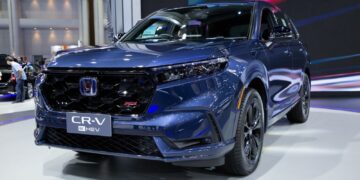




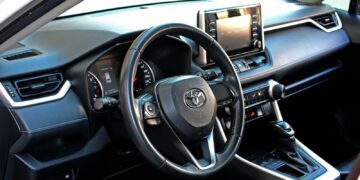
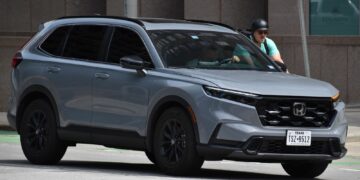
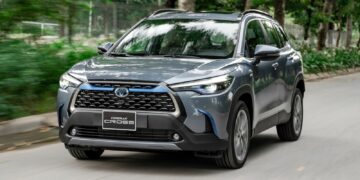








For years, the default upgrade path seemed obvious: trade the aging sedan or hatchback for a newer SUV loaded with more space, technology and safety equipment. Yet that equation no longer works for every buyer. High vehicle prices, expensive electronics and rising repair costs have made well-kept older Hondas look surprisingly rational again. Models such as the Civic, Accord, Fit and earlier CR-V combine familiar engineering with strong fuel economy and a reputation for lasting well beyond the first owner. None is automatically a smarter purchase than a modern crossover, particularly where safety is concerned. Still, there are practical reasons the appeal remains strong. These 12 factors help explain why some shoppers are walking past newer SUVs and taking another look at older Hondas.
The Price Gap Is Becoming Difficult to Ignore
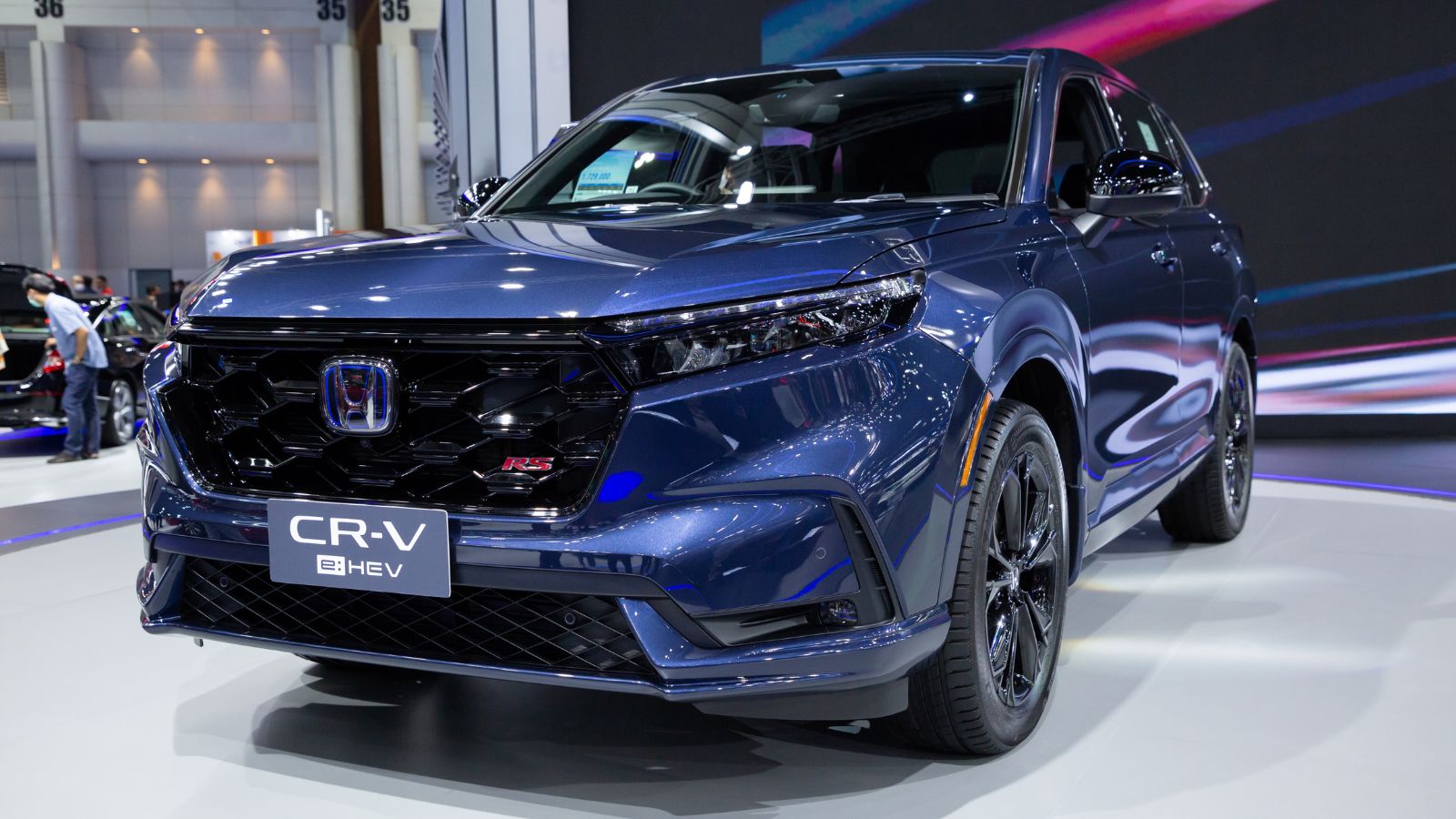
The most obvious attraction is also the hardest to argue with: purchase price. Canadian vehicle prices remain far above the levels buyers were accustomed to before the pandemic. AutoTrader data put the average new-vehicle asking price at more than $63,000 in June 2026, while the average used vehicle was still close to $37,000. Even mainstream compact SUVs can therefore represent a substantial financial commitment once taxes, financing and insurance are added.
Older Hondas occupy a very different part of the market. Current Canadian listings show 2012 Civics advertised from only a few thousand dollars into the low five figures, depending heavily on mileage and condition. A 2015 Honda Fit can also be found well below the price of a new crossover. Meanwhile, advertised 2026 CR-V examples commonly sit well above $45,000. Asking prices are not transaction prices, and the cheapest old cars often need work, but the difference can leave thousands of dollars available for maintenance before the economics begin to resemble a new-SUV payment.
Honda’s Longevity Reputation Has More Than Nostalgia Behind It

Older Hondas benefit from decades of stories about Civics and Accords seemingly refusing to die, but there is also measurable evidence behind that reputation. A 2025 iSeeCars longevity study estimated that the Honda Civic had a 10.9% chance of reaching at least 250,000 miles, or roughly 402,000 kilometres. The CR-V was close behind at 10.6%, while the Accord reached 8.8%. Those figures were substantially above the study’s average for passenger cars.
That does not mean every 15-year-old Civic is destined for another decade of service. Maintenance history becomes more important as mileage rises, and age-related wear can affect suspension components, seals, air conditioning, exhaust systems and countless other parts. Still, proven model history gives buyers something that a newly introduced SUV powertrain cannot provide: years of real-world evidence. RepairPal’s broader model data also continue to rate the Civic, Accord and CR-V strongly for repair frequency and cost. For a buyer willing to inspect carefully, that track record carries considerable weight.
Familiar, Less Complicated Powertrains Still Have Their Fans
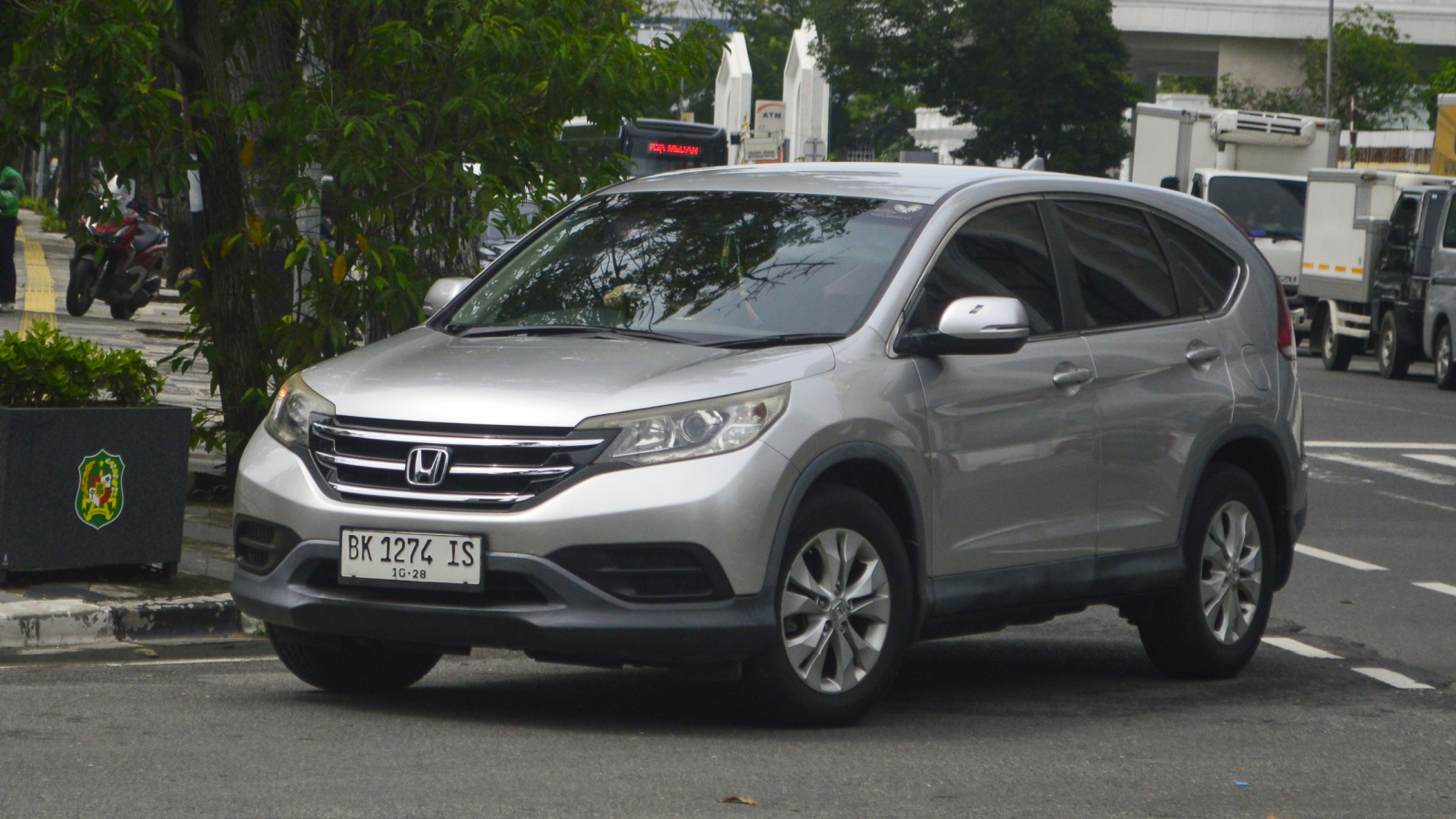
One reason certain older Hondas remain desirable is the straightforward nature of their drivetrains. The 2012 CR-V, for example, paired a naturally aspirated 2.4-litre four-cylinder engine with a conventional five-speed automatic. Older Accords were similarly available with naturally aspirated four-cylinder engines and conventional automatic or manual transmissions. These combinations became extremely familiar to technicians after years on the road.
Compare that with today’s CR-V lineup. Current gasoline versions use a 1.5-litre turbocharged engine and continuously variable transmission, while hybrid trims combine a 2.0-litre gasoline engine with an electric-drive system. Modern powertrains deliver impressive efficiency and performance, and their additional sophistication should not automatically be interpreted as unreliability. The appeal of the older setup is instead familiarity. There are fewer unfamiliar systems for an owner to understand, and enormous numbers have already accumulated high mileage. Someone who has owned the same basic Honda engine family for years may simply prefer the known quantity over a turbocharged, hybridized or more electronically integrated alternative.
Insurance May Be Easier on the Budget, Although There Is No Guarantee
The monthly vehicle payment is only one ownership cost. Insurance can alter the calculation dramatically, particularly in Canadian cities where premiums have climbed. Statistics Canada has reported that rising vehicle prices, replacement parts and repair expenses have helped push claim costs higher. The Insurance Bureau of Canada also notes that a vehicle’s year, value, theft experience, repair cost and claim history can all influence its insurance rating.
That creates a potential advantage for some older Hondas, but it is not as simple as saying old cars are always cheaper to insure. A lower-value vehicle may cost an insurer less to replace after a total loss, and an owner might choose different optional physical-damage coverage on an inexpensive car. On the other hand, newer vehicles can earn favourable insurance treatment because of collision-avoidance systems and other safety technology. Theft experience varies by model as well. The useful lesson is that a $7,000 Civic and a $45,000 SUV can produce very different quotes, making insurance worth checking before purchase rather than assuming the newer or older option will automatically win.
Older Hondas Can Feel Refreshingly Manageable in Everyday Traffic
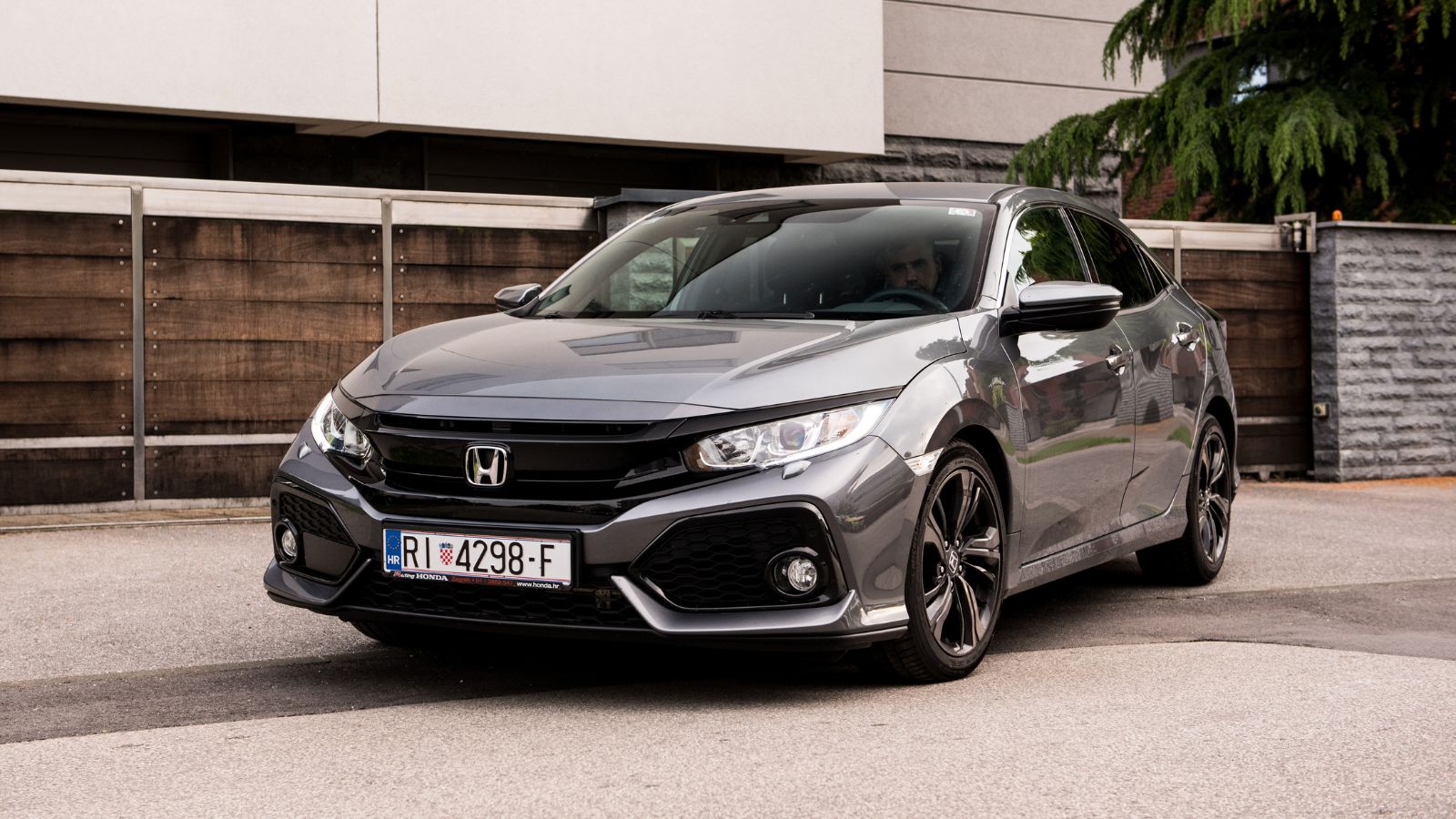
SUV growth has changed what counts as a “small” vehicle. Consider a 2015 Civic sedan and a current HR-V. The Civic measures about 179.4 inches long and 69 inches wide, with an LX curb weight around 2,754 pounds. The 2026 HR-V is almost identical in length at 179.8 inches, yet it stretches 72.4 inches across and weighs roughly 3,159 to 3,336 pounds depending on configuration.
Those numbers help explain why an older Civic can feel easier to place on a narrow street even when its length is surprisingly similar to a modern subcompact crossover. The lower seating position, narrower body and lighter mass create a different experience from today’s taller vehicles. Parking garages, crowded neighbourhoods and older driveways can make a few inches of width surprisingly valuable. This does not make the Civic objectively superior; buyers who appreciate a commanding seating position may strongly prefer an SUV. But for someone who does not need the height, returning to an older compact can make routine urban driving feel noticeably less cumbersome.
An Older Civic Can Still Return Competitive Fuel Economy
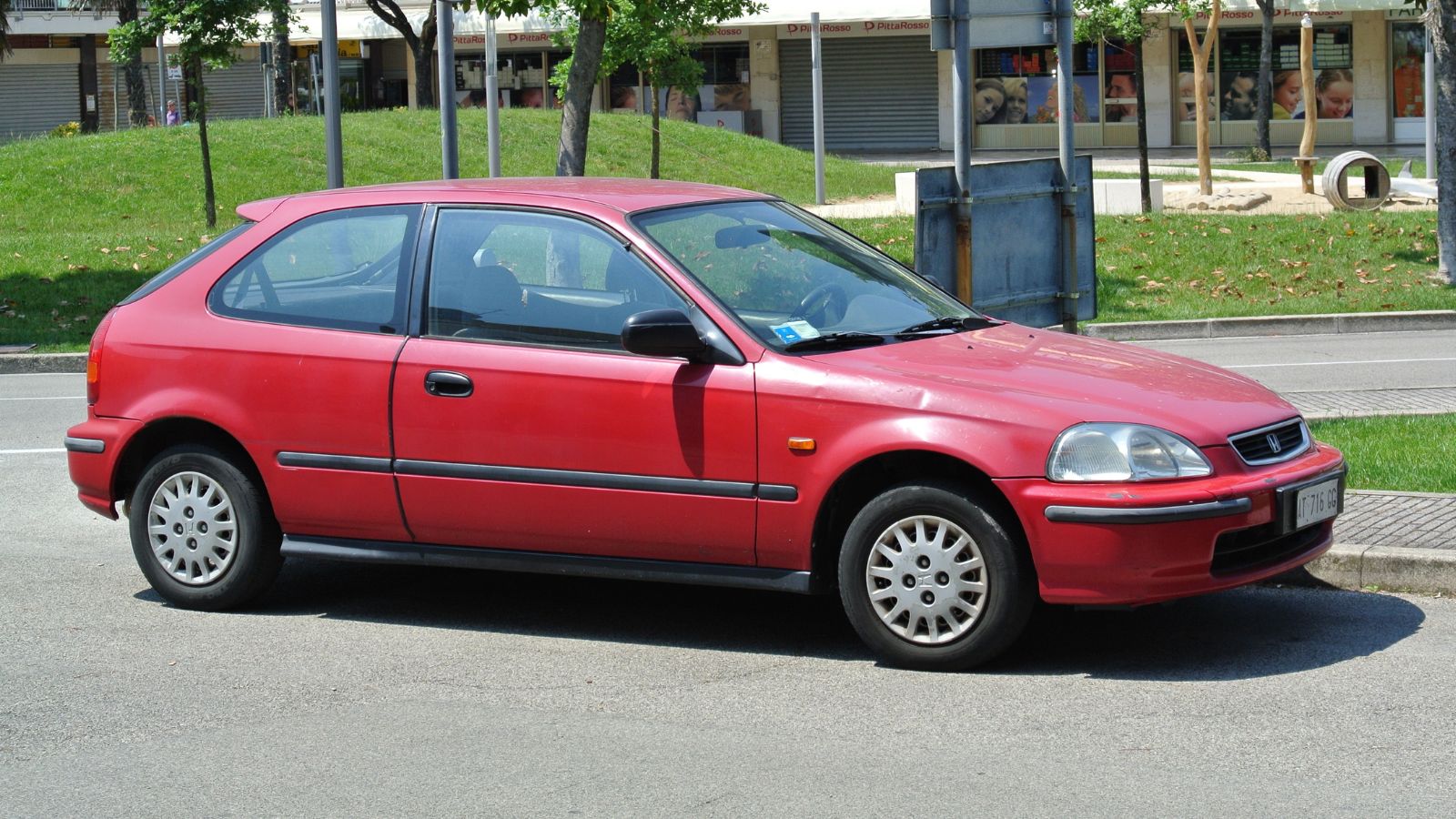
SUVs have become dramatically more efficient, but physics has not disappeared. A lighter, lower car can still deliver respectable fuel economy even without the latest hybrid technology. A 2015 Civic with its common automatic configuration carries an EPA combined rating of roughly 33 mpg. That remains competitive with numerous new gasoline-powered crossovers more than a decade later.
The 2026 HR-V, for example, is rated at 28 mpg combined with front-wheel drive and 27 mpg with all-wheel drive. The gasoline CR-V performs somewhat better, reaching around 29 to 30 mpg combined depending on drivetrain. Modern hybrids change the picture considerably: a front-wheel-drive CR-V Hybrid can achieve a 40-mpg combined rating. In other words, the argument is not that old Hondas use less fuel than every new SUV. They clearly do not. It is that buyers do not necessarily have to accept terrible fuel consumption simply because they chose an inexpensive 10- or 15-year-old compact. A healthy older Civic can remain a remarkably economical commuter.
Some Small Hondas Carry Far More Than Their Exterior Suggests
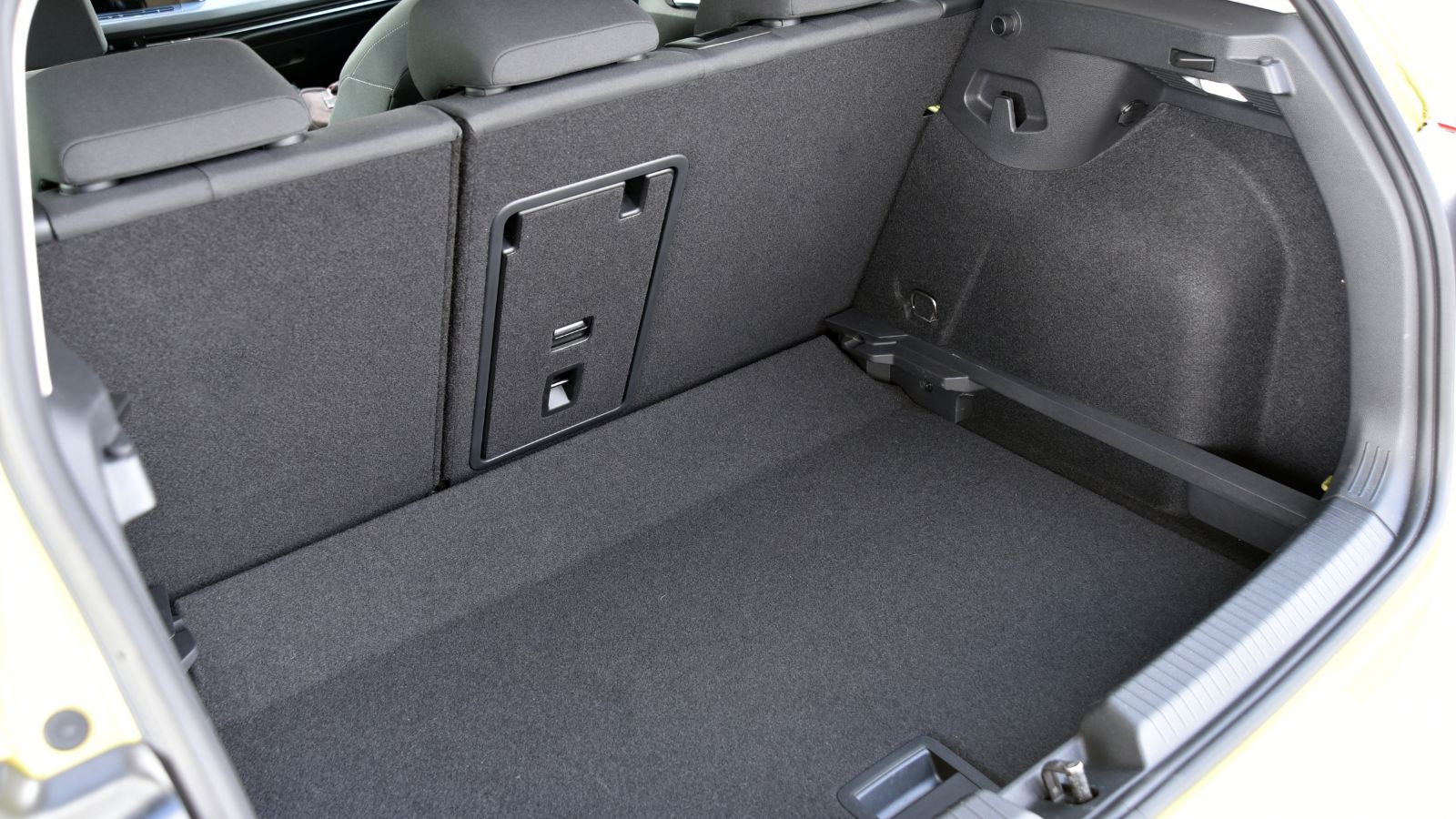
SUV ownership is frequently justified by cargo space, yet Honda spent years building unusually clever small cars. The Fit is the clearest example. Honda Canada listed up to 1,492 litres of cargo capacity for the 2015 Fit with its rear Magic Seat folded. The seat could also flip upward to create a tall central cargo area, while another configuration accommodated unusually long objects.
That level of flexibility remains impressive beside modern crossovers. The 2026 HR-V offers 55.1 cubic feet of maximum cargo space in U.S. specifications, only modestly beyond the 52.7 cubic feet Honda quoted for the 2015 Fit in the United States. The HR-V offers other advantages, including more ground clearance and an available all-wheel-drive system, but the comparison demonstrates why some owners question whether they genuinely need a larger SUV. An older Fit can swallow bicycles, furniture, boxes or plants in ways its tiny footprint does not suggest. Earlier CR-V generations were similarly designed around flat, useful cargo areas rather than sheer exterior bulk.
Some Drivers Would Rather Have Straightforward Controls Than More Screens

Modern infotainment is capable of far more than an old Honda stereo, but capability and usability are not identical. A 2026 academic review examined 73 papers dealing with in-vehicle touchscreen safety and usability and found that touchscreens tended to perform worse than physical or voice controls in a number of situations, although the researchers emphasized that results depend heavily on interface design and task.
Owner research tells a similar story about complexity. J.D. Power’s 2025 Multimedia Quality and Satisfaction Study found that five of the 10 most frequently reported vehicle issues involved multimedia systems, while touchscreen and digital-display problems increased slightly from the previous year. Older Hondas are hardly immune to bad interfaces; some mid-2010s Hondas were themselves criticized for frustrating touchscreen designs. The preference is therefore less about a specific model year than about simplicity. A buyer who mainly wants a clearly marked fan control, radio volume knob and uncomplicated instrument panel may see fewer screens as a feature rather than a technological deficiency.
Avoiding Advanced Electronics Can Make Certain Repairs Less Frightening
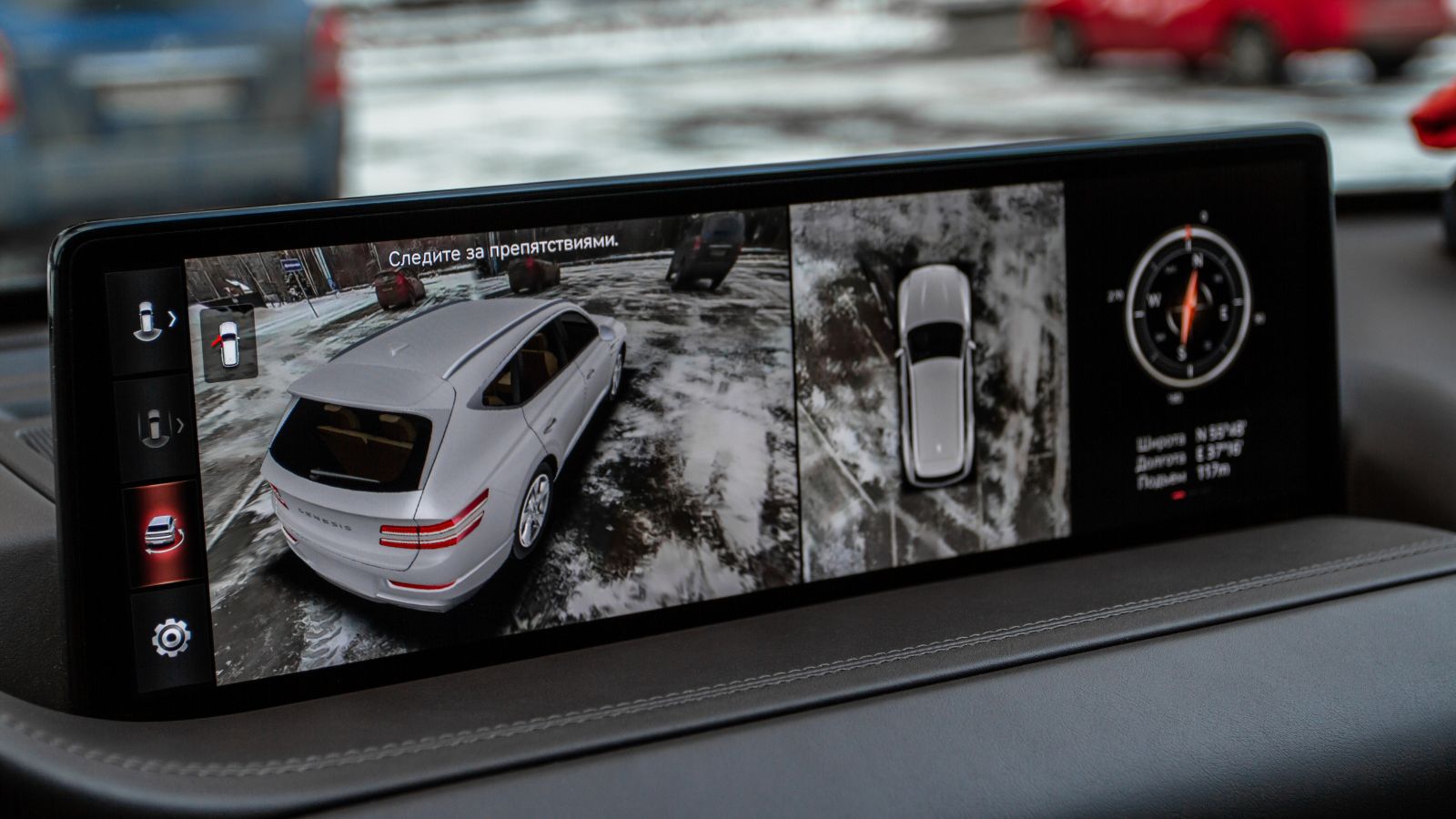
Modern driver-assistance technology can prevent crashes, but it also adds expensive components to places that were once comparatively simple to repair. Cameras can sit behind the windshield, radar modules behind the bumper and sensors inside mirrors. A minor impact that once required paint and plastic may now involve electronic diagnosis and calibration as well.
AAA studied common ADAS repair scenarios and found that advanced systems could account for as much as 37.6% of repair costs after certain crashes. Individual front radar repairs were estimated at roughly $500 to $1,300, while camera and sensor work could reach still higher amounts depending on location. Even replacing a windshield may require camera calibration. An older Honda without those systems sidesteps much of that complexity. There is an important trade-off, however: those sensors are not decorative gadgets. Research shows that technologies such as automatic emergency braking prevent collisions. The financial appeal of avoiding sensor repairs therefore has to be weighed against the very real safety benefit that created those sensors in the first place.
Millions of Hondas Have Created a Deep Pool of Parts and Repair Knowledge
Popular vehicles become easier for the automotive service industry to understand simply because technicians see so many of them. Honda announced the sale of its two-millionth Civic in Canada in 2017, after the model had already spent 19 consecutive years as the country’s best-selling passenger car. It ultimately extended that run to 24 years. In the United States, Honda announced in 2026 that Accord sales had surpassed 15 million.
That enormous installed base matters to an older-car buyer. Independent technicians have spent years diagnosing common Civic, Accord and CR-V problems, while replacement components are supported by a large original-equipment, recycled and aftermarket ecosystem. RepairPal’s aggregated model data estimate average annual repair and maintenance costs of about $368 for the Civic, $400 for the Accord and $407 for the CR-V, compared with $652 across all vehicles in its database. Those numbers do not predict the bill for a specific aging car, but they help explain why familiar Hondas remain comfortable territory for budget-minded owners.
Modest Wheels and Tires Can Be an Underrated Ownership Advantage
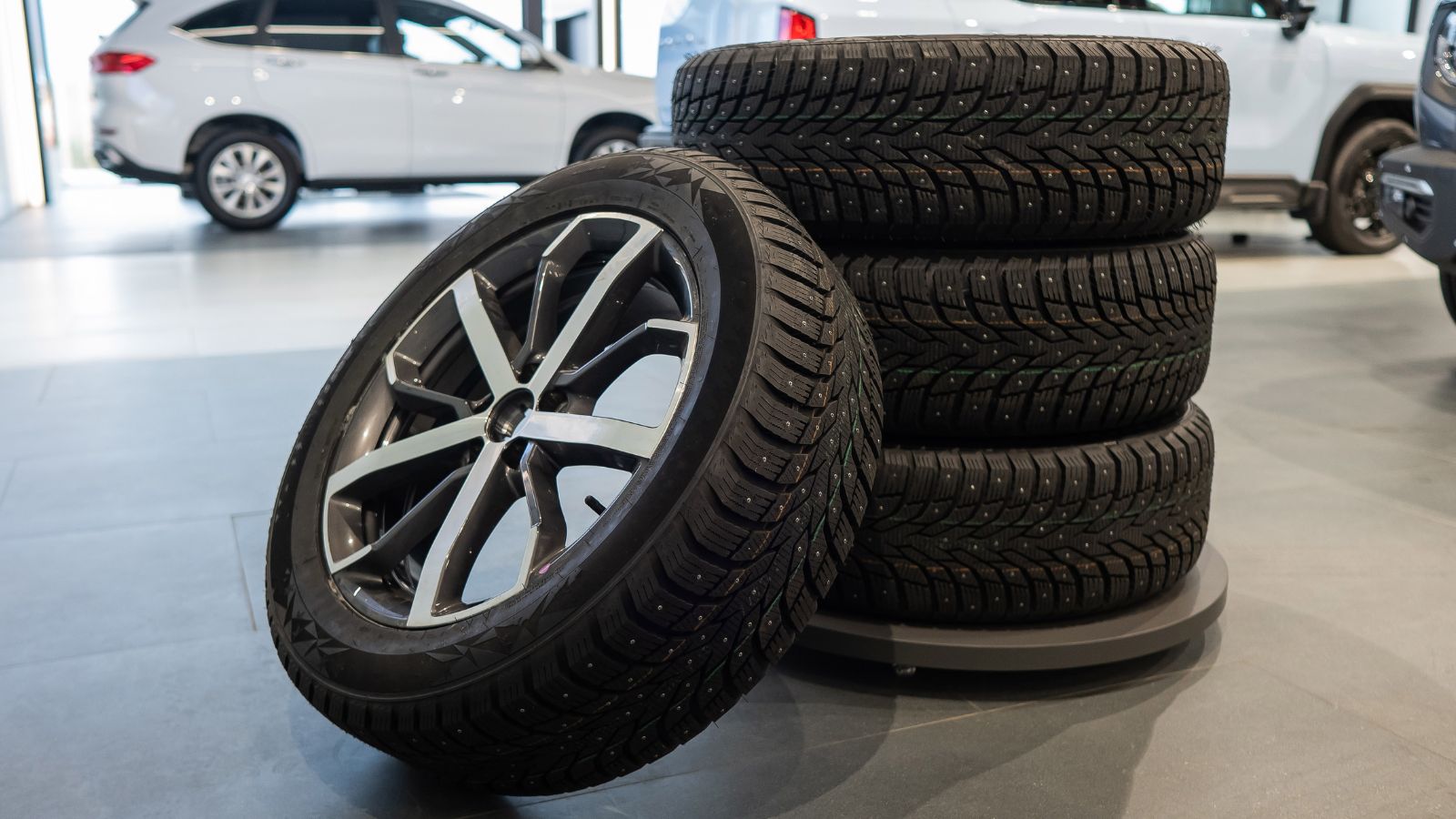
Wheel sizes have steadily grown as buyers and designers favour larger rims. A 2012 Accord could be fitted with relatively modest 16- or 17-inch wheels on mainstream versions, while even its sportier configurations topped out at 18 inches. The 2026 CR-V ranges from 17-inch wheels on the base model through 18-inch setups on numerous trims to 19-inch wheels on the Sport Touring Hybrid.
The difference matters every time tires need replacement. Consumer Reports has warned that larger wheels and their associated tires can be considerably more expensive, while smaller wheels paired with taller sidewalls are often cheaper and more practical. Taller sidewalls can also provide additional cushioning against rough pavement. That has obvious appeal in places where potholes and seasonal road damage are routine concerns. For Canadians buying a second set of winter tires, wheel diameter can affect the cost equation again. A basic older Honda rolling on a common 15-, 16- or 17-inch tire may therefore deliver savings long after its lower purchase price has been forgotten.
Modern Safety Is the Strongest Reason Not to Romanticize an Old Honda

There is a danger in turning simplicity into an unquestioned virtue. Newer vehicles generally offer safety technology that did not exist on many older Hondas. The Insurance Institute for Highway Safety has found that forward-collision warning combined with automatic emergency braking cuts rear-end crashes by about half and reduces injury-producing rear-end crashes even more. NHTSA considers the technology important enough that stronger automatic-emergency-braking requirements are being introduced for future vehicles.
That means an old Civic with a great engine, clean interior and low purchase price is not automatically the wiser choice. Crash structure, airbags, electronic stability systems and collision-avoidance technology evolved substantially across generations. Older vehicles also need careful attention to their individual histories. Transport Canada maintains a VIN-based recall system, and Honda Canada provides its own recall lookup for Canadian vehicles. Ultimately, the best older Honda is not simply the cheapest one available. It is one with documented care, sound mechanical and structural condition, completed safety recalls and a purchase price low enough to justify the compromises that come with its age.
19 Used Cars Canadians Should Avoid in 2026 (Based on Owner Complaints)

Buying a used car in Canada can feel safe until repair bills start stacking up. Owner complaints tell a different story than glossy listings. Transmission failures, electrical problems, and weak winter reliability show up again and again in consumer reports. Many of these issues appear after warranties expire, when owners least expect them. Some vehicles look affordable upfront, but become expensive to keep on the road. Others struggle in cold weather, urban driving, or long highway commutes. Here are 19 used cars Canadians should avoid in 2026 (based on owner complaints).
19 Used Cars Canadians Should Avoid in 2026 (Based on Owner Complaints)