























Cold weather can punish tires long before snow or ice becomes the obvious problem. One of the easiest mistakes is continuing to drive through falling temperatures without checking and adjusting tire pressure. A tire that was properly inflated during mild weather can quietly become underinflated after several cold days, increasing wear even when nothing looks wrong.
Twelve important tire-pressure problems explain why this winter habit can shorten tire life, hurt winter performance, and turn an otherwise healthy set of tires into an earlier-than-expected replacement expense. From temperature swings and hidden underinflation to misleading dashboard warnings and incorrect inflation targets, small maintenance oversights can add up quickly during a long winter.
Skipping Pressure Checks When Cold Weather Arrives
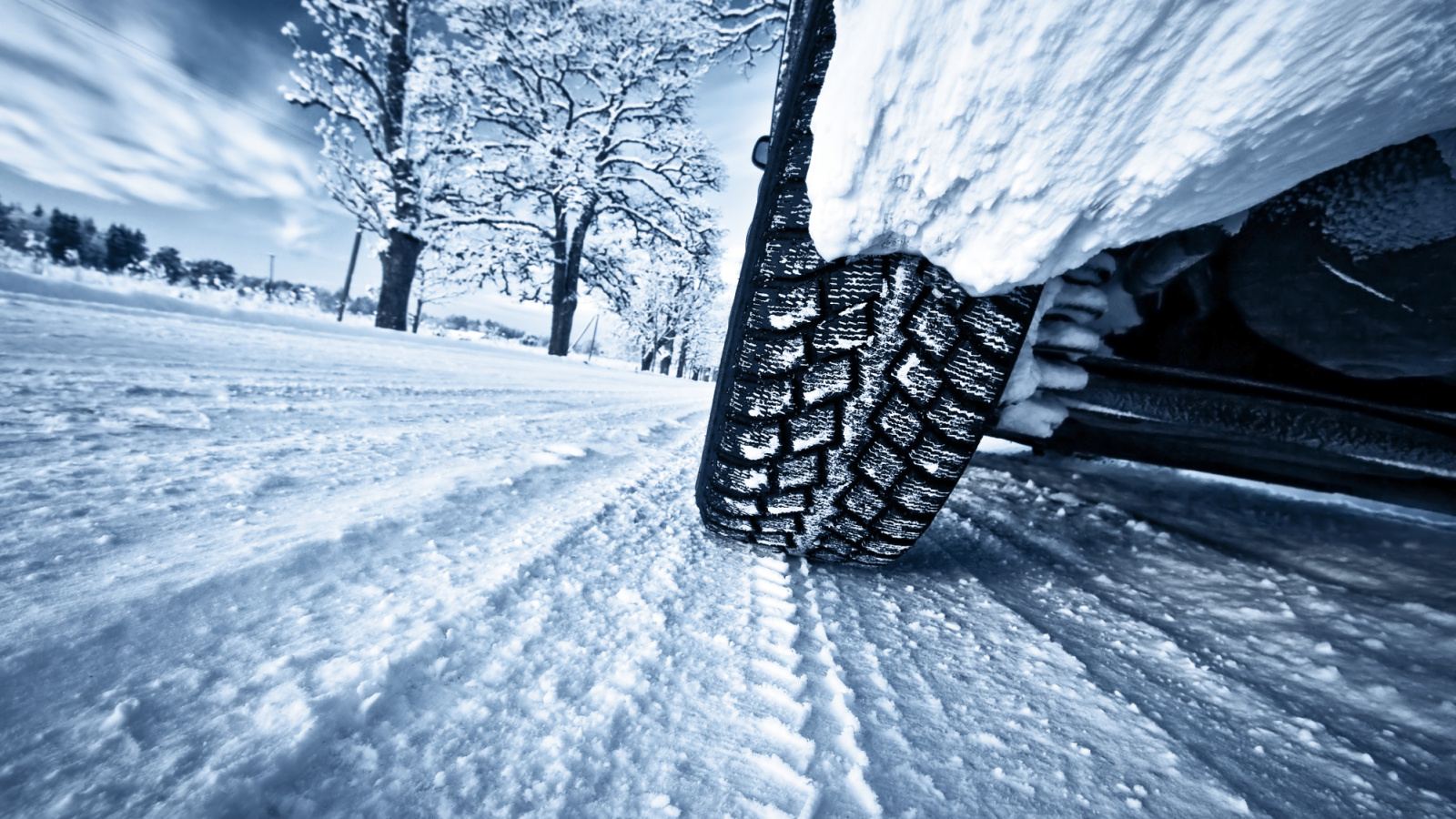
The damaging winter habit is simple: continuing to drive as temperatures fall without checking whether tire pressure has fallen with them. Cold weather reduces the pressure inside a tire even when there is no puncture, so a vehicle that felt perfectly normal in October can enter December with several pounds less pressure. Because the change is gradual, drivers often adapt to the softer feel instead of recognizing it as a maintenance problem.
That matters because the tire is designed to carry the vehicle at a specific cold inflation pressure. When pressure is too low, the casing flexes more than intended, creating extra heat and stress while changing how the tread meets the road. In winter, when traction is already limited, the result can be faster wear and less predictable handling. A quick gauge check can prevent a small seasonal pressure drop from becoming an expensive set of prematurely worn tires.
Cold Air Quietly Pulls Pressure Down
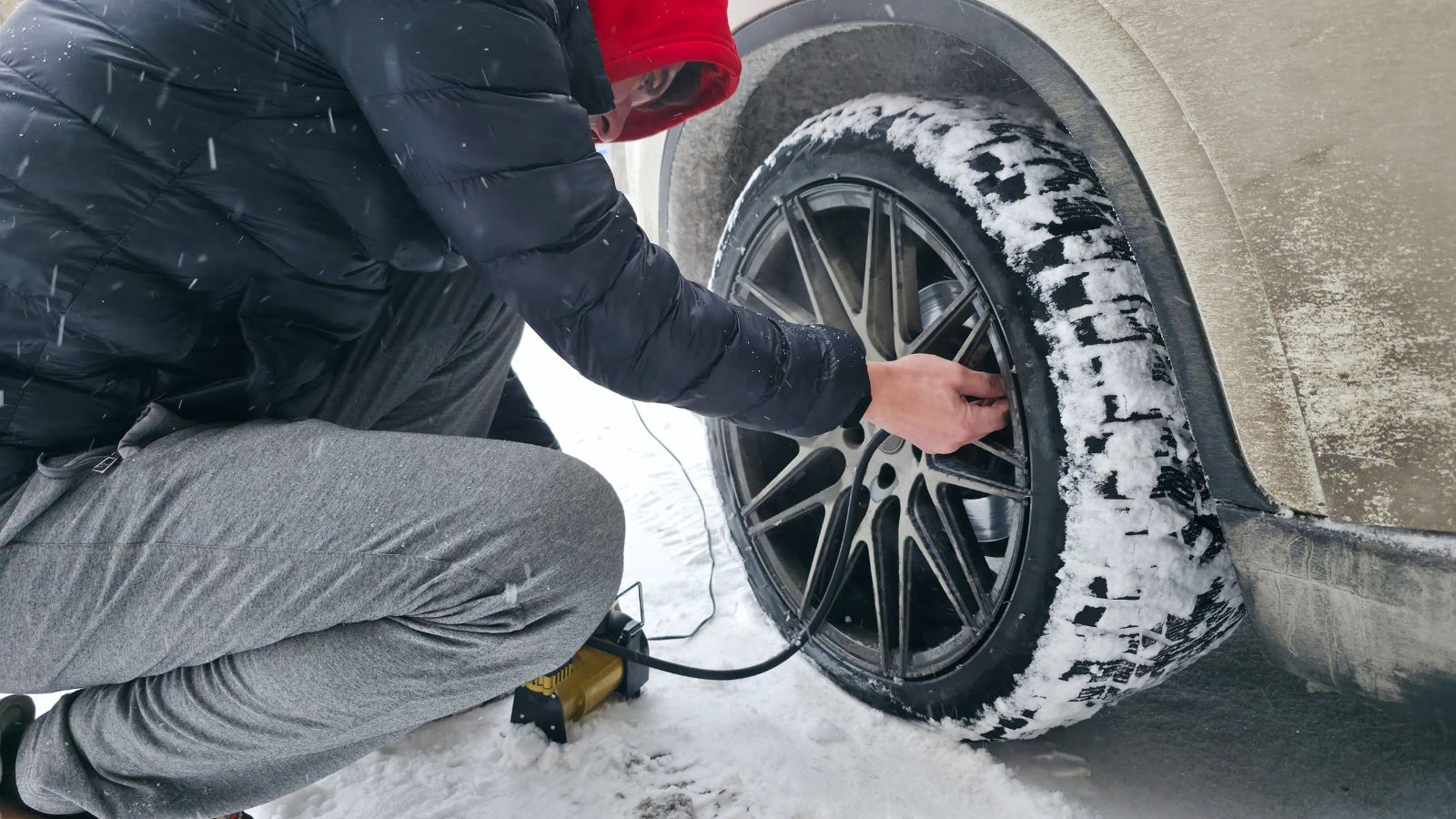
Cold air changes tire pressure faster than many owners realize. Transport Canada says tire pressure typically drops by about 1 psi for every 5°C decrease in temperature. A seasonal swing from 10°C to –10°C can therefore reduce pressure by roughly 4 psi even if the tire itself is healthy. That is enough to move a correctly inflated tire into a meaningful underinflation range without any obvious leak.
The problem becomes more pronounced when cold fronts arrive in succession. A vehicle parked outside overnight may show lower pressure than it did during a mild afternoon days earlier. Drivers who checked their tires once when winter tires were installed can assume the job is finished for the season, but temperature keeps changing afterward. Monthly checks are a baseline, and another check after a major cold snap is sensible because the air sealed inside the tire responds to the weather like enclosed gases.
Underinflation Makes the Tire Work Harder
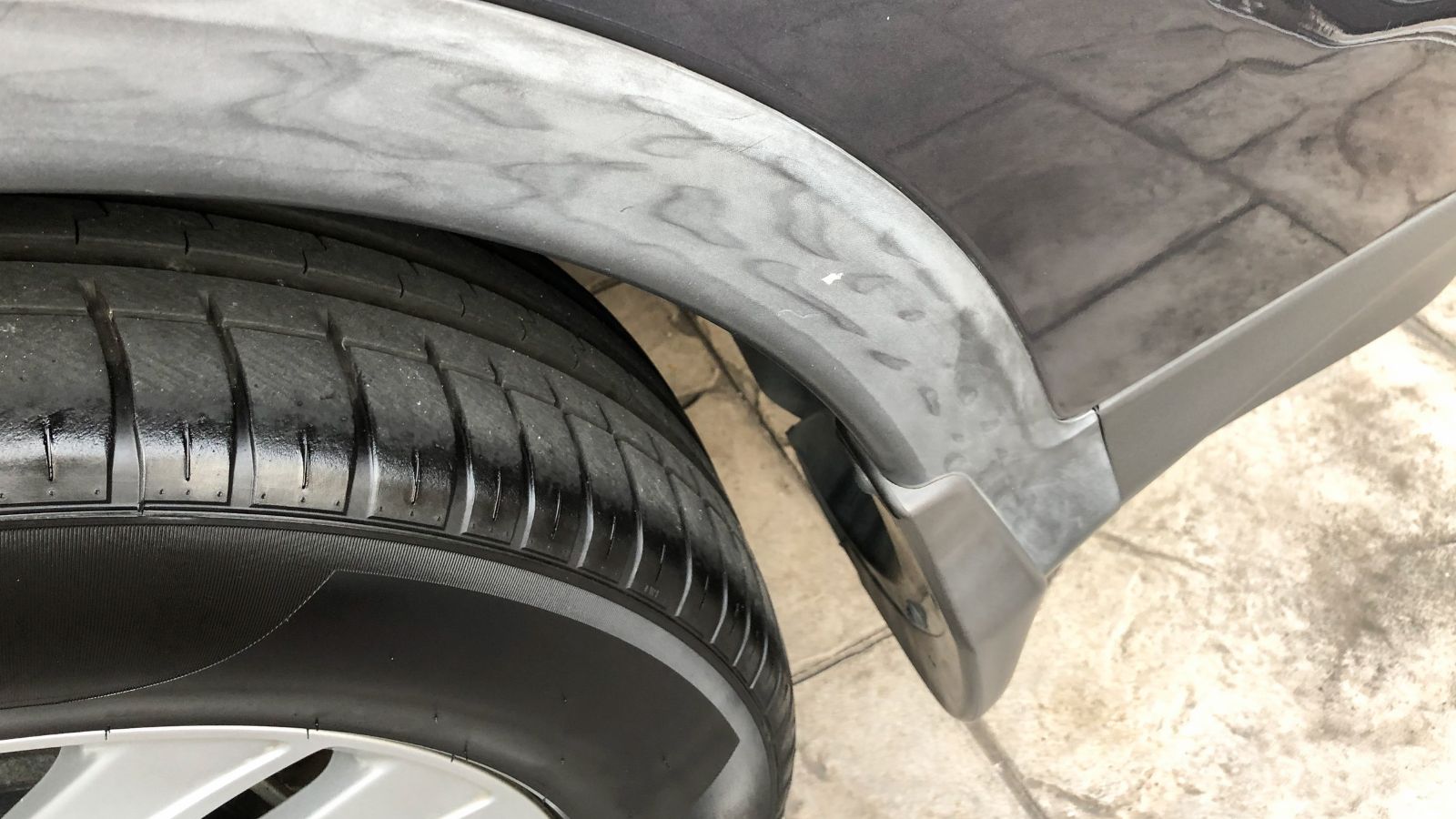
An underinflated tire does not simply sit a little lower. Its sidewalls and tread area flex more with every revolution because there is less internal pressure supporting the load. That repeated bending generates heat and mechanical stress inside the tire. Industry guidance from the U.S. Tire Manufacturers Association specifically warns that underinflated tires can develop excessive heat buildup, irregular wear, and internal damage.
Winter temperatures may make the road surface cold, but the tire still heats as it rolls. A commuter can leave home with a tire several psi low, drive at highway speed, and repeatedly work the casing thousands of times over the trip. Outside air may be freezing while the structure of the tire is being stressed from within. That is why cold weather does not protect an underinflated tire from heat-related damage. The risk comes from flexing under load, not simply from the temperature of the pavement.
Uneven Tread Wear Can Appear First
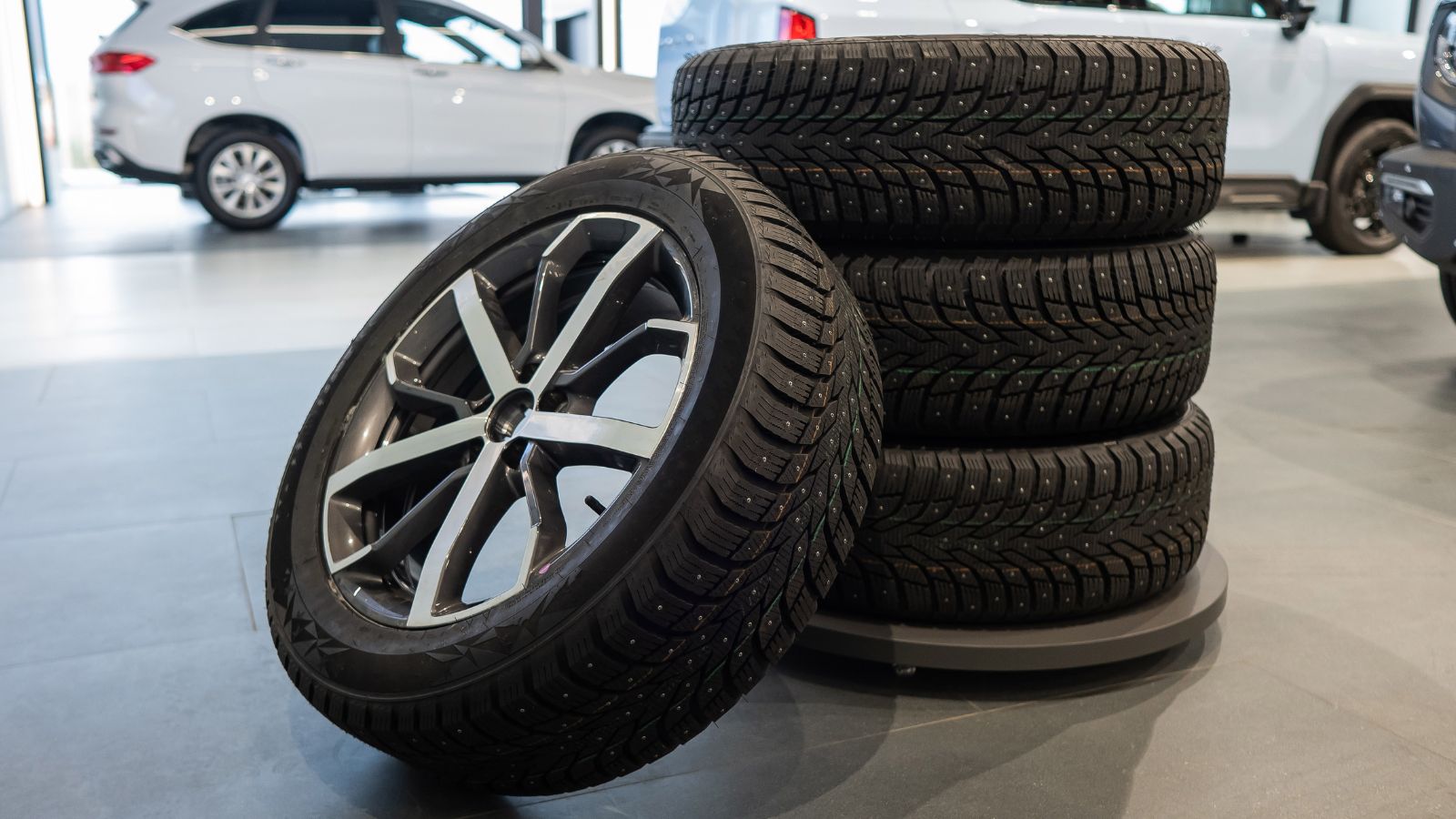
The first visible consequence is often uneven tread wear. Proper inflation helps the tire maintain the contact shape engineers intended. When pressure is too low, the tire can deform under load and wear irregularly, particularly around the shoulder areas. That may leave a winter tire with plenty of tread in one part of the footprint while other sections are being used up much faster.
Uneven wear is especially costly on winter tires because their value depends on usable tread depth and the ability of tread blocks and sipes to work in snow and slush. Transport Canada advises that tires worn close to 4 mm of tread should not be used on snow-covered roads. A driver who loses tread prematurely through poor inflation can therefore reach the winter-performance limit before the tire looks bald. The damage is cumulative, and adding air later cannot restore rubber that has already been scrubbed away.
A Few Missing PSI Can Cost Thousands of Kilometres
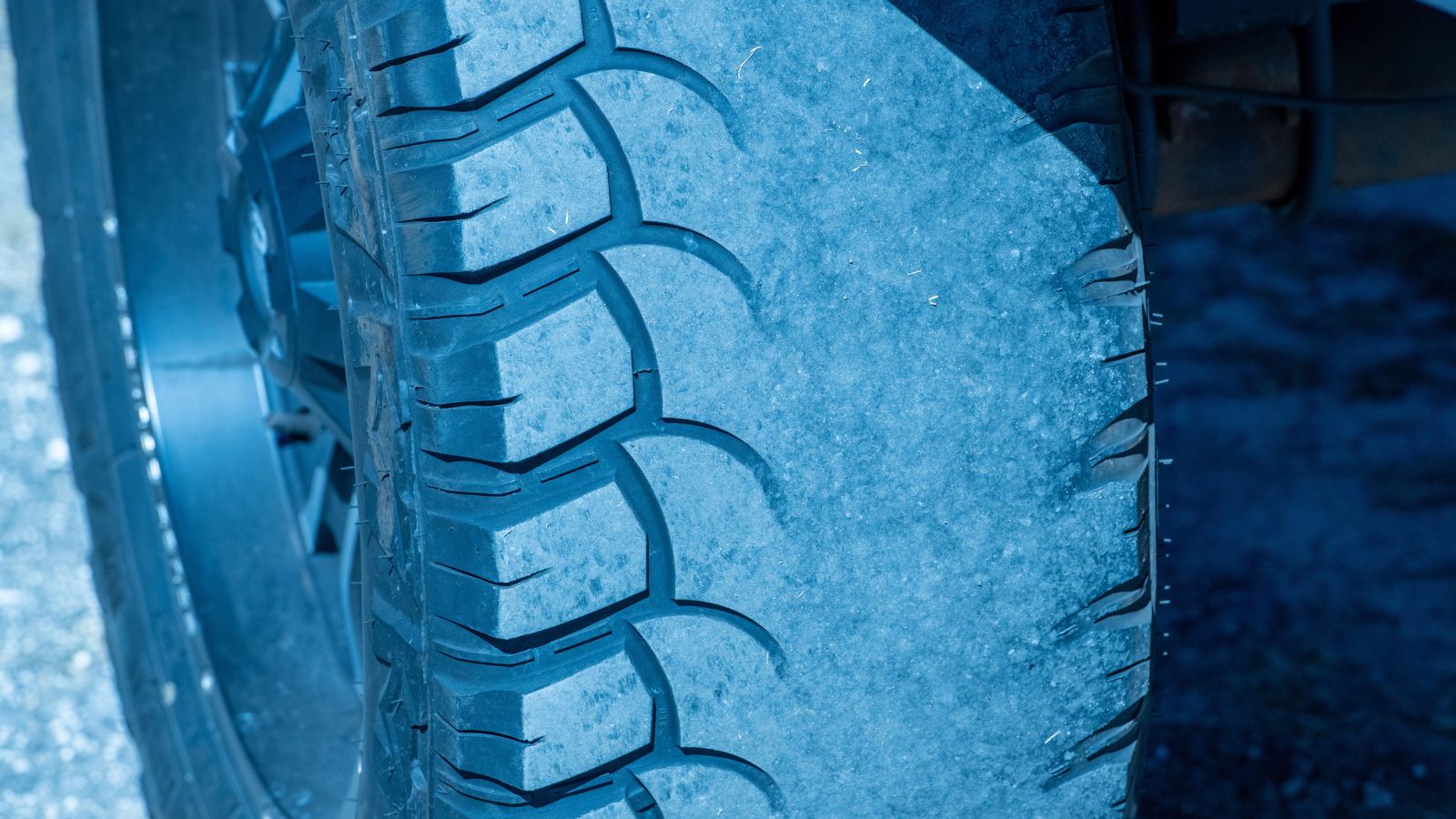
The financial effect can be large. Transport Canada gives a striking example: operating a vehicle with just one tire underinflated by 56 kPa, or 8 psi, can reduce that tire’s life by about 15,000 kilometres. That does not mean every 8-psi pressure loss will produce the same outcome, but it shows how quickly persistent underinflation can turn into real replacement cost.
For someone who bought a premium set of winter tires expecting several seasons of service, losing a large block of tread life can erase much of the value of the purchase. The frustrating part is that the cause may be something as ordinary as failing to compensate for colder weather. Owners often focus on tread depth, brand, or snow rating when judging tire longevity, yet inflation pressure is one of the simplest variables to control. A two-minute check can protect hundreds of dollars’ worth of rubber from avoidable wear.
Winter Tires Are Not Immune
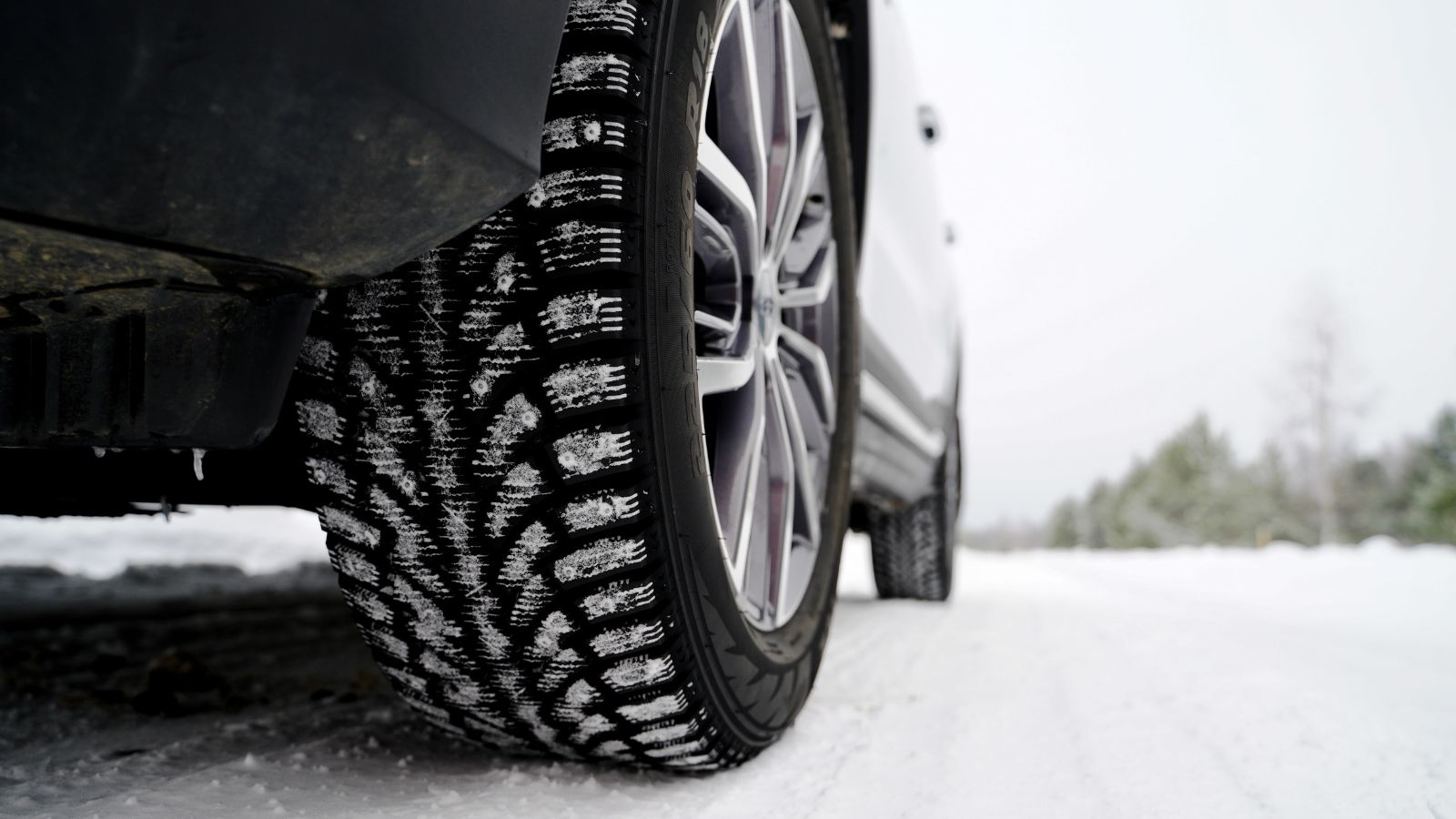
Winter tires are not immune simply because they were engineered for cold conditions. Their rubber compounds are designed to remain more flexible at low temperatures, and Transport Canada notes that winter tires retain elasticity and grip better than all-season or summer tires once temperatures fall below about 7°C. That advantage, however, assumes the tire is still being operated at the vehicle’s recommended pressure.
A high-quality winter tire running several psi low can still flex excessively, wear irregularly, and waste energy. In other words, the snowflake symbol on the sidewall is not a substitute for maintenance. This is easy to overlook because winter tires often feel softer and more compliant than summer tires by design, so a slightly underinflated tire may not immediately feel abnormal from the driver’s seat. The best winter setup combines the right tire type, adequate tread depth, and correct cold inflation pressure on all four corners safely.
Waiting for the TPMS Light Is a Mistake
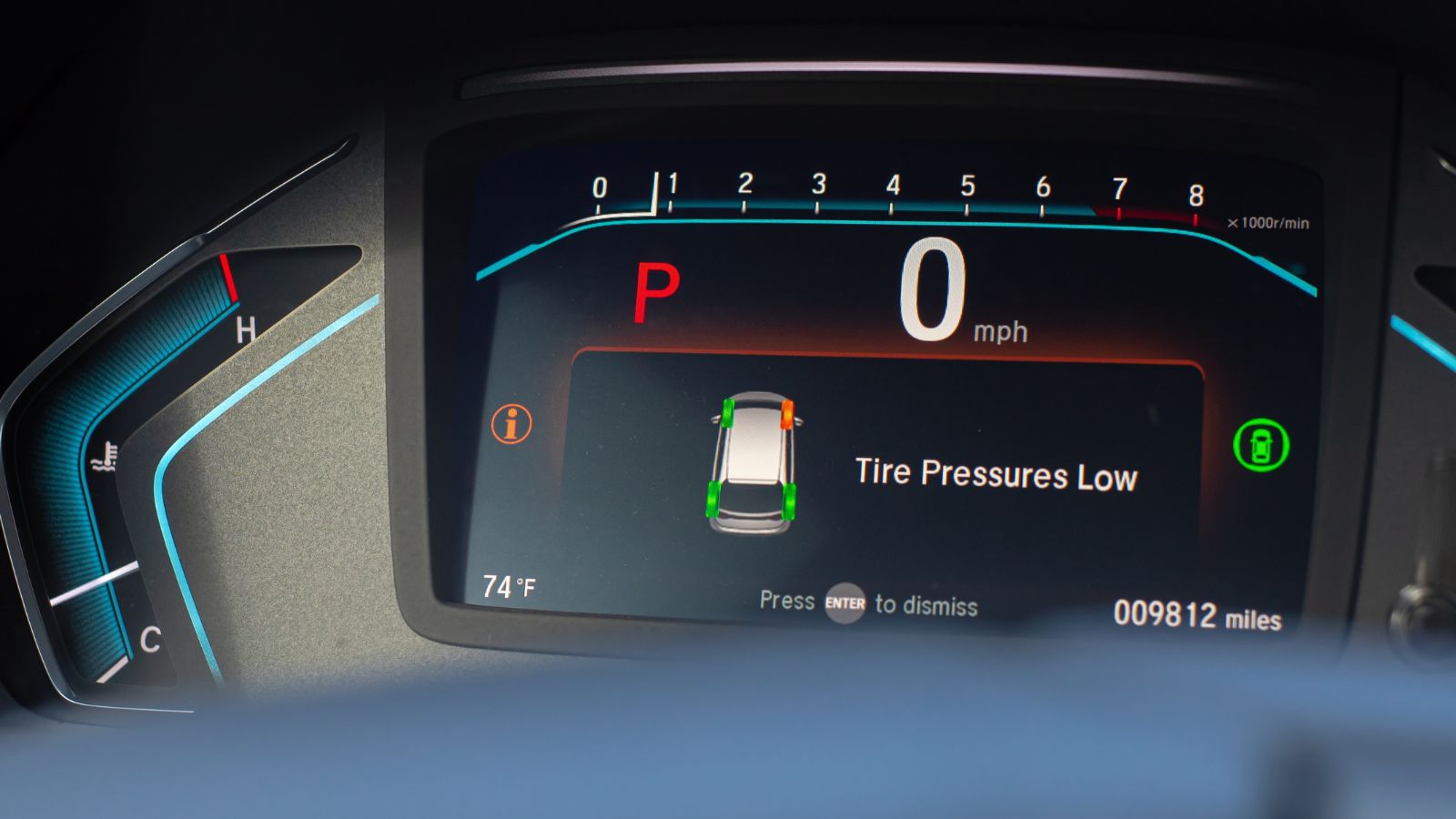
Dashboard tire-pressure warnings are useful, but waiting for the light can become a bad winter habit. NHTSA describes TPMS as a system that warns when a tire becomes significantly underinflated, and it still recommends routine monthly pressure checks with a gauge. That distinction matters because a tire can drift below its ideal pressure before the warning system decides the condition has crossed its alert threshold.
Cold weather can expose this limitation. A vehicle may sit through a sudden temperature drop, show no warning during one trip, and then illuminate the symbol on a colder morning. By that point, the pressure loss has occurred. TPMS should be treated as a safety backstop, not a maintenance schedule. Drivers who use the dashboard light as their only reminder may spend part of winter operating below recommended pressure without realizing it. A manual cold-pressure check catches smaller seasonal changes before they become larger ones.
Looking at the Tire Is Not Enough

Looking at a tire is not a reliable pressure test. Modern radial tires can retain a normal-looking profile even when they are meaningfully underinflated. Transport Canada says a tire may look fine while being underinflated by as much as 20 percent, while U.S. tire-industry guidance likewise says proper inflation cannot be determined accurately by appearance alone. A gauge is necessary.
Snow and winter grime make visual inspection even less useful. Sidewalls may be partly hidden by slush, wheel wells can be packed with ice, and low light can disguise subtle differences between tires. A driver walking around the vehicle may notice a nearly flat tire, but that is not the same as catching a 3- or 4-psi seasonal loss. The dangerous habit is assuming “it looks okay” means “it is okay.” Pressure is a measurement, not an appearance, and winter is precisely when that distinction becomes especially important during winter.
Warm-Tire Readings Can Be Misleading
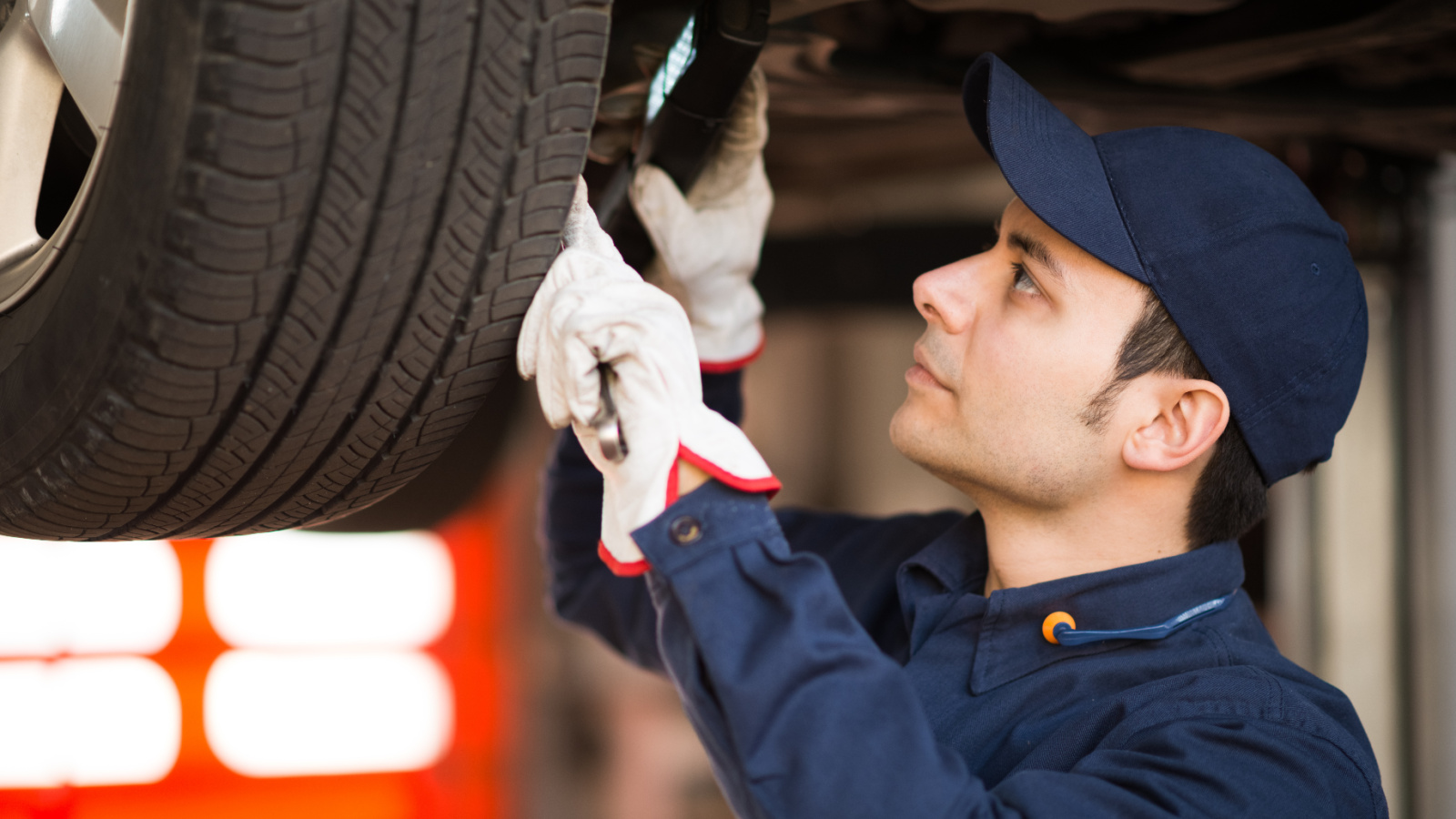
Even a driver who checks pressure can get misled by checking at the wrong time. Tire pressure rises as the tire warms during driving, which is why Transport Canada and NHTSA recommend measuring when tires are cold. A common definition is after the vehicle has been parked for at least three hours or driven a short distance. That gives a reading comparable with the manufacturer’s cold-pressure specification.
A heated garage adds another wrinkle. Transport Canada warns that a tire showing good pressure in a warm garage can be underinflated once exposed to below-zero conditions outside. Someone who adjusts pressure indoors and assumes the number will remain unchanged outdoors may therefore start a cold commute below the intended pressure. Consistency matters: measure under cold conditions, use the vehicle’s specified cold pressure, and recheck when large temperature shifts occur. The goal is not chasing every fluctuation, but avoiding a persistent seasonal deficit.
The Sidewall Number Is Not the Normal Target
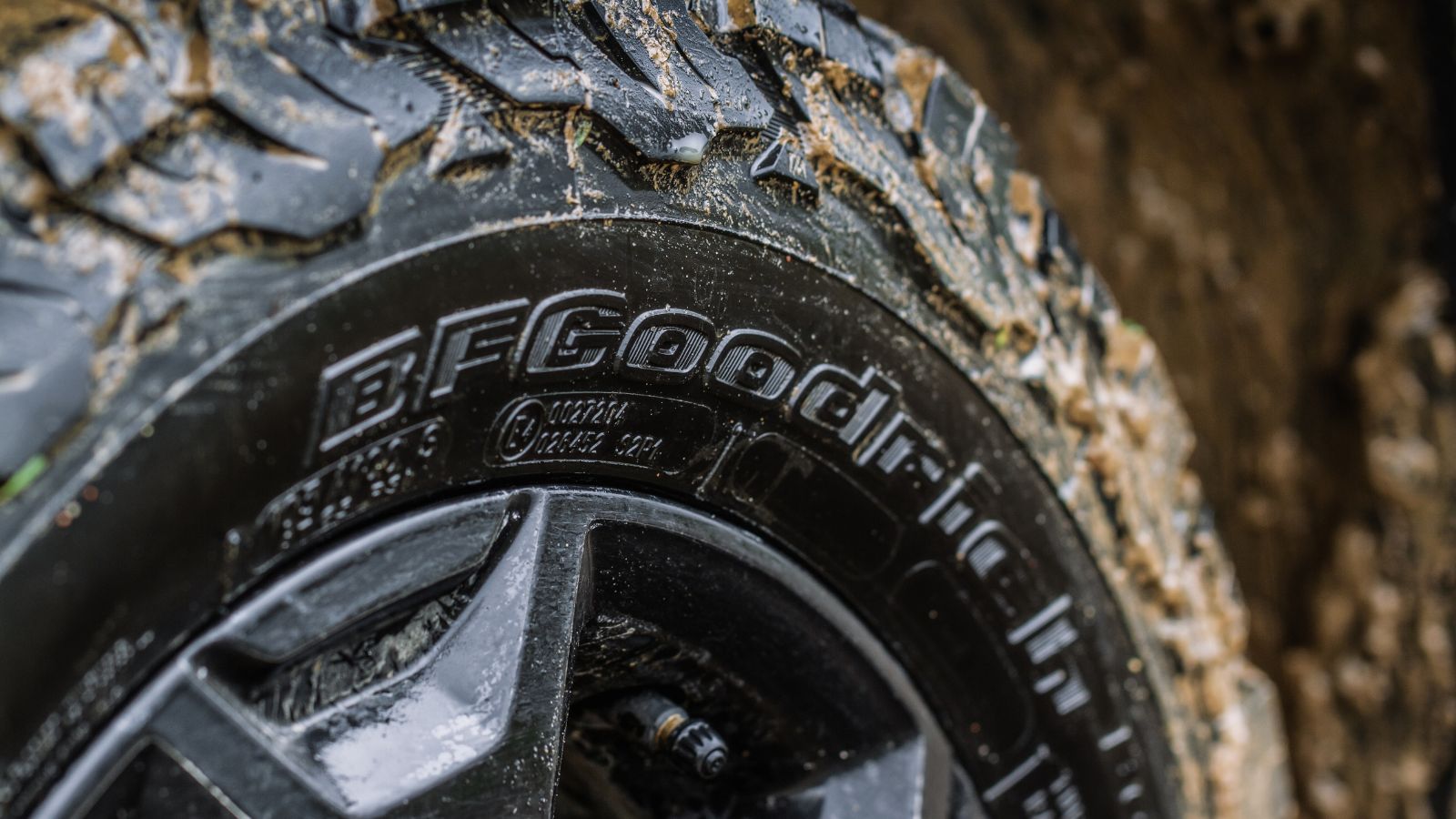
Another costly mistake is using the number molded into the tire sidewall as the everyday inflation target. NHTSA and tire-industry guidance explain that the correct operating pressure is normally the vehicle manufacturer’s recommendation, found on the driver-door placard or in the owner’s manual. The sidewall figure is a tire limit or rating, not a universal setting for every vehicle that can use that tire size.
This matters during winter because drivers sometimes react to low readings by adding air until the gauge approaches the most visible number they can find. That can turn underinflation into overinflation. Some vehicles also specify different pressures for the front and rear axles, so assuming all four tires should match can be wrong. The door placard is the reference point. If winter tires are a different approved size, the vehicle or tire professional’s guidance should be followed rather than guessing from the sidewall number alone.
Long Highway Drives Raise the Stakes

Underinflation becomes more punishing when a vehicle spends long periods at speed. As the tire rotates, excessive flexing creates heat; longer and faster trips mean that flexing is repeated continuously. Tire-safety guidance warns that underinflation and high speed can combine to increase heat buildup and raise the risk of internal damage or tire failure. The concern is mechanical stress, even if the winter air feels brutally cold.
That makes pre-trip checks especially important before holiday highway drives, ski trips, or commutes during a cold snap. A tire that is only mildly low around town may face a tougher workload during an hour of continuous highway travel with passengers and luggage aboard. The driver may notice vague steering, extra road noise, or nothing at all. Checking cold pressure before departure is far cheaper than discovering halfway through the trip that the tire has been running hot, soft, and overloaded for kilometres.
Overinflating for Winter Creates Another Problem
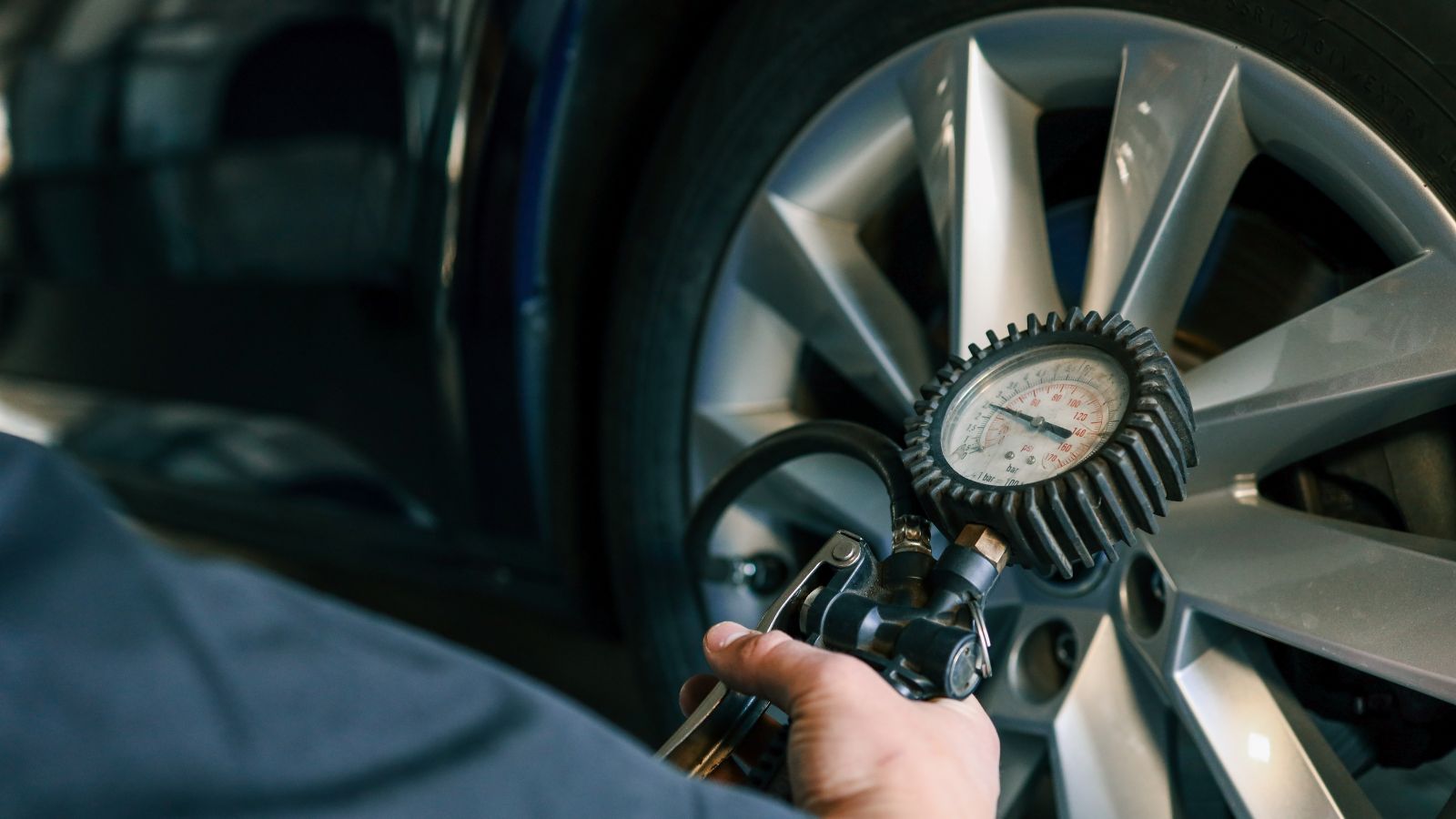
The answer is not to overinflate tires “for winter.” Too much pressure creates its own problems. Transport Canada notes that an overinflated tire can ride more heavily on the centre portion of the tread, reducing the contact area and contributing to increased wear, harsher ride quality, and handling issues. U.S. tire-industry guidance also warns that overinflated tires can be more vulnerable to damage when they strike obstacles such as potholes.
Winter roads provide plenty of those impacts. Freeze-thaw cycles can leave broken pavement, while snow can hide pothole edges until the wheel is already committed. A driver who adds excessive air in the hope of preventing cold-weather pressure loss may trade one form of tire abuse for another. The practical habit is simpler: use an accurate gauge, follow the vehicle placard, check pressures cold, and adjust when the weather changes substantially. Correct pressure—not “more pressure”—is what protects tire life best.
19 Used Cars Canadians Should Avoid in 2026 (Based on Owner Complaints)

Buying a used car in Canada can feel safe until repair bills start stacking up. Owner complaints tell a different story than glossy listings. Transmission failures, electrical problems, and weak winter reliability show up again and again in consumer reports. Many of these issues appear after warranties expire, when owners least expect them. Some vehicles look affordable upfront, but become expensive to keep on the road. Others struggle in cold weather, urban driving, or long highway commutes. Here are 19 used cars Canadians should avoid in 2026 (based on owner complaints).
19 Used Cars Canadians Should Avoid in 2026 (Based on Owner Complaints)