






















A lane-closure sign appears ahead, brake lights begin multiplying, and one lane suddenly empties as motorists rush to get over. It feels courteous. In heavy traffic, however, that instinct can make the backup longer and the merge more chaotic.
The problem is merging too early when congested traffic is approaching a lane closure. Transportation agencies increasingly use the zipper merge to address exactly that situation: both lanes remain in use until the designated merge point, where vehicles alternate into the remaining lane. The distinction matters because late merging is not appropriate for every highway situation. These 12 points explain why premature merging can worsen congestion, how a proper zipper merge works, where drivers commonly misunderstand it, and why traffic conditions should determine when the merge actually happens.
Merging Too Early Is the Mistake
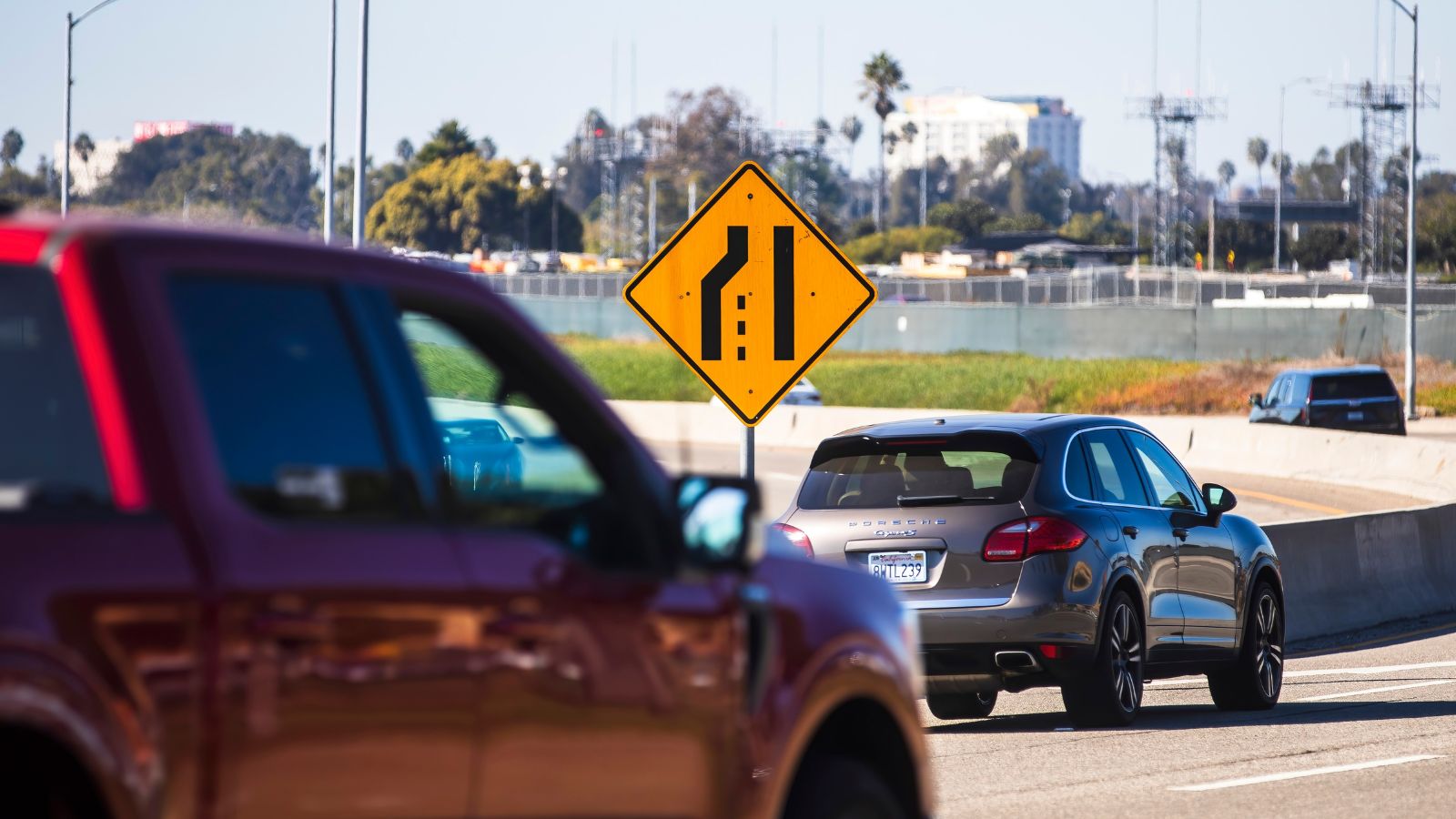
The trouble often starts at the first “lane closed ahead” sign. Drivers see the warning, immediately move into the continuing lane and then join a growing single-file queue even though hundreds of metres of perfectly usable pavement may remain beside them. In congested conditions, that creates an artificial restriction before the physical lane restriction has even begun. The ending lane becomes underused while the open lane becomes overloaded with vehicles waiting their turn.
Transportation guidance from agencies including the Federal Highway Administration describes the logic behind late or zipper merging as using all available lanes until the actual merge area. Minnesota transportation officials similarly warn that drivers who react to the first closure sign by slowing quickly and switching lanes can create unexpected lane movements. The important qualification is congestion: deliberately racing to the end of a disappearing lane at highway speed is not the objective. The efficient strategy is to keep both lanes productively occupied when traffic has already become heavy and slow.
Courtesy Can Accidentally Make the Queue Worse
Early merging survives partly because it feels polite. A motorist who sees a lane ending may believe staying in it resembles cutting ahead of everyone who already moved over. That social expectation can be powerful enough that drivers sometimes merge hundreds of metres before necessary simply to avoid appearing selfish. Recent transportation research has found substantial differences in drivers’ familiarity and comfort with zipper merging, while driver surveys indicate many people naturally favour earlier merging.
The irony is that an individual act of courtesy can become inefficient when thousands of motorists make the same choice. Imagine a packed continuing lane beside an almost empty ending lane. The drivers who moved over early are now occupying a queue much longer than the available roadway requires, while unused pavement sits immediately beside them. Transportation agencies promoting zipper merging try to replace the idea of “cutting the line” with a different rule of fairness: both lanes advance to one common merge point, and the vehicles take turns there.
An Empty Lane Is Wasted Queue Space
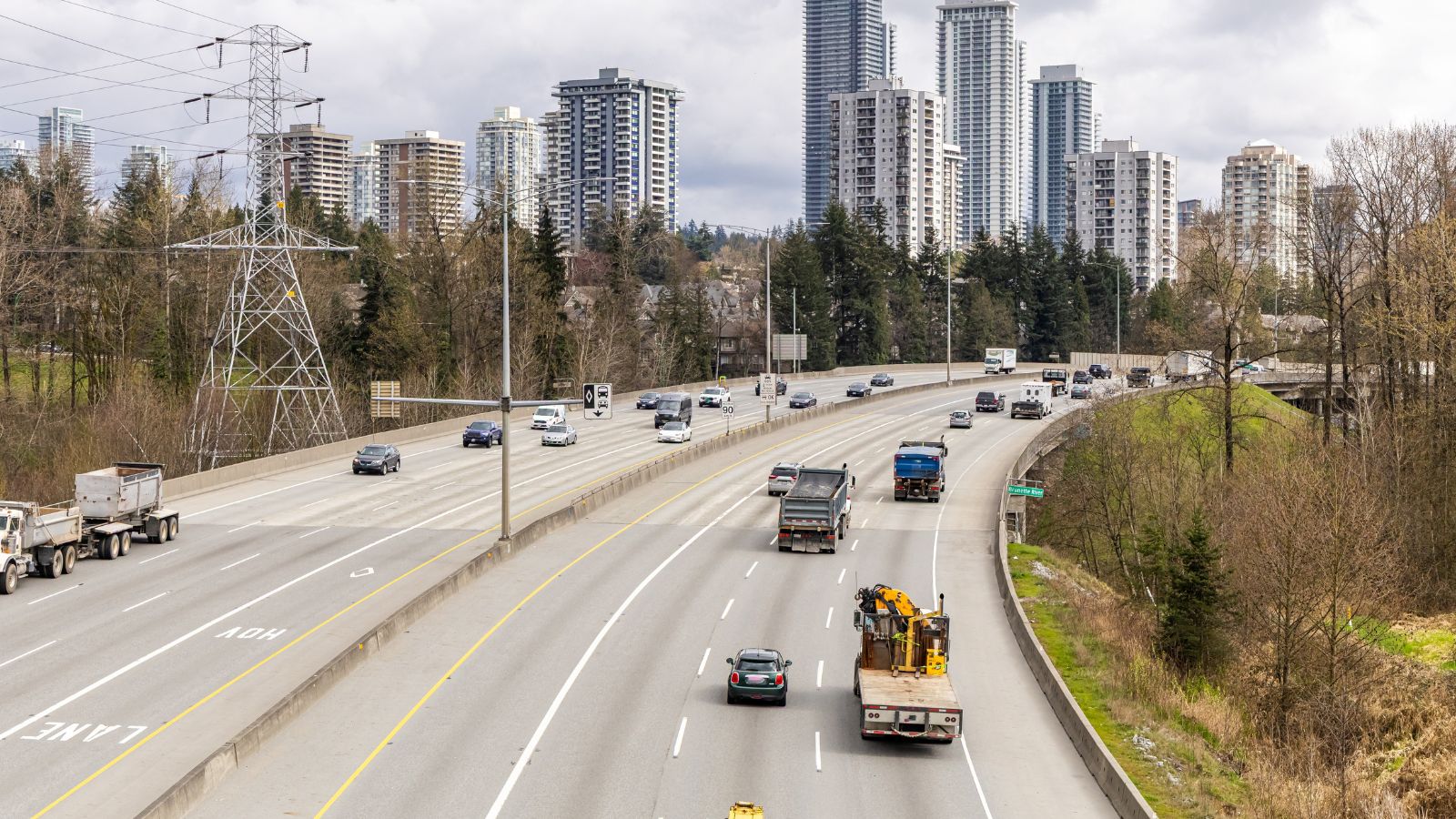
A traffic lane does more than carry moving vehicles; during congestion, it also provides physical space in which vehicles can queue. When motorists abandon an ending lane far upstream of a closure, that storage disappears. Instead of distributing slow-moving vehicles between two lanes, virtually everyone is packed into one. The highway has not physically narrowed yet, but driver behaviour has effectively narrowed it early.
That difference can be substantial. Minnesota transportation guidance says zipper merging can reduce the overall length of a traffic backup by as much as 40 percent. Federal guidance on dynamic lane-merging systems reports queue-length reductions in the range of 40 to 50 percent under suitable congested conditions. Those numbers should not be interpreted as a promise that every commute becomes 40 percent faster; queue length and travel time are different measures. The practical advantage is simpler: placing queued vehicles in two available lanes instead of prematurely concentrating them in one can significantly reduce how far upstream the congestion stretches.
Longer Queues Can Create Problems Far From the Closure
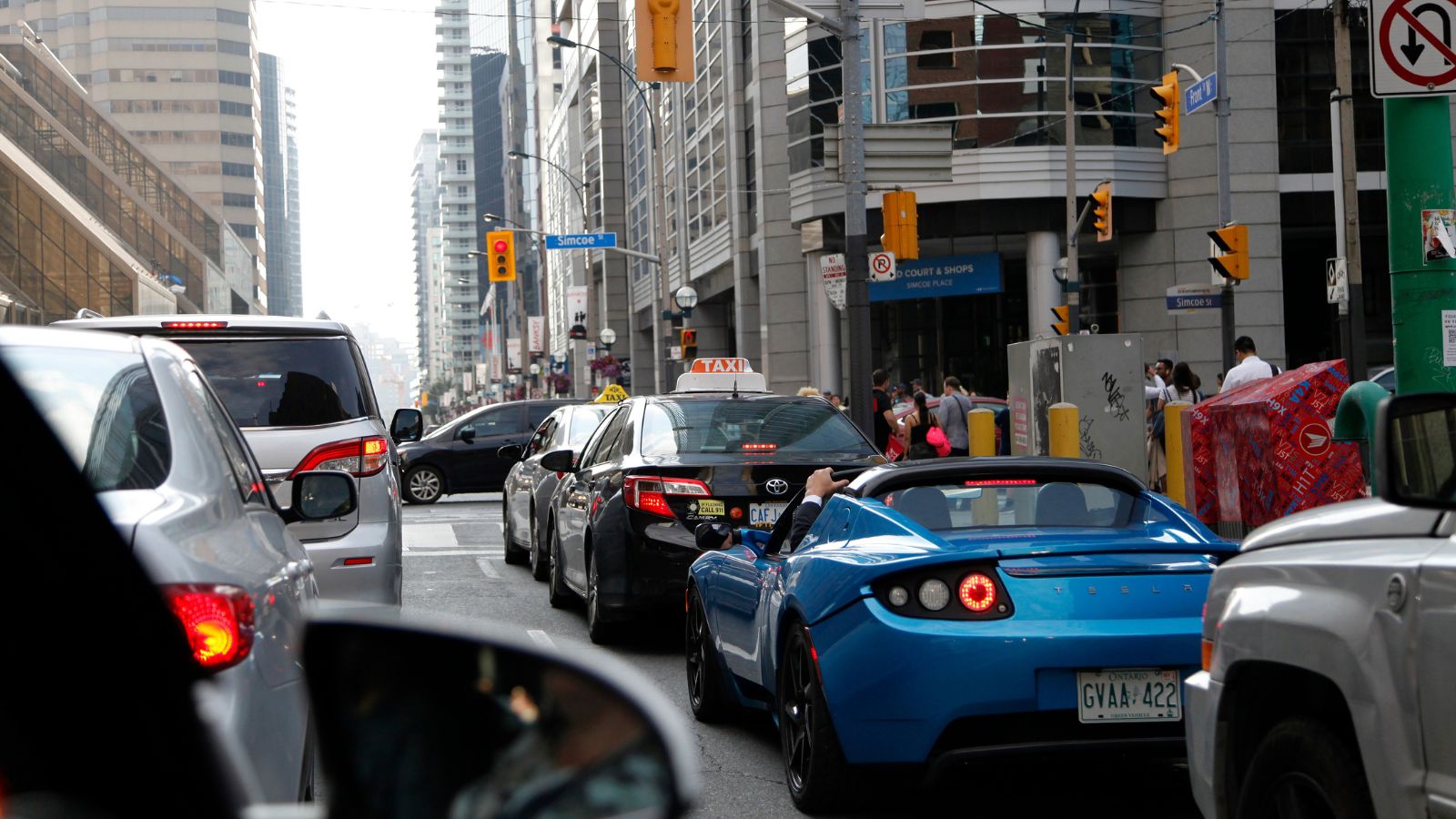
A backup does not remain politely contained beside the construction equipment that caused it. If it becomes long enough, its tail can reach an upstream interchange, block an exit or interfere with vehicles attempting to enter the highway. In urban areas, queues can eventually affect ramps connected to nearby streets and intersections. Traffic engineers call this kind of effect queue spillback, and managing it is one reason the physical length of a traffic queue matters.
Federal work-zone guidance specifically identifies unequal use of available lanes as a situation that can increase the possibility of queues spilling back toward upstream interchanges or intersections. Encouraging drivers to use all available lanes for queue storage can reduce that risk. This is why an apparently harmless empty lane matters beyond the drivers beside it. A kilometre of unnecessary single-file traffic can influence vehicles that are not even travelling through the lane closure. Shortening the physical backup helps keep ramps, intersections and neighbouring parts of the road network from being pulled into the same bottleneck.
Big Speed Differences Make Merging More Unpredictable
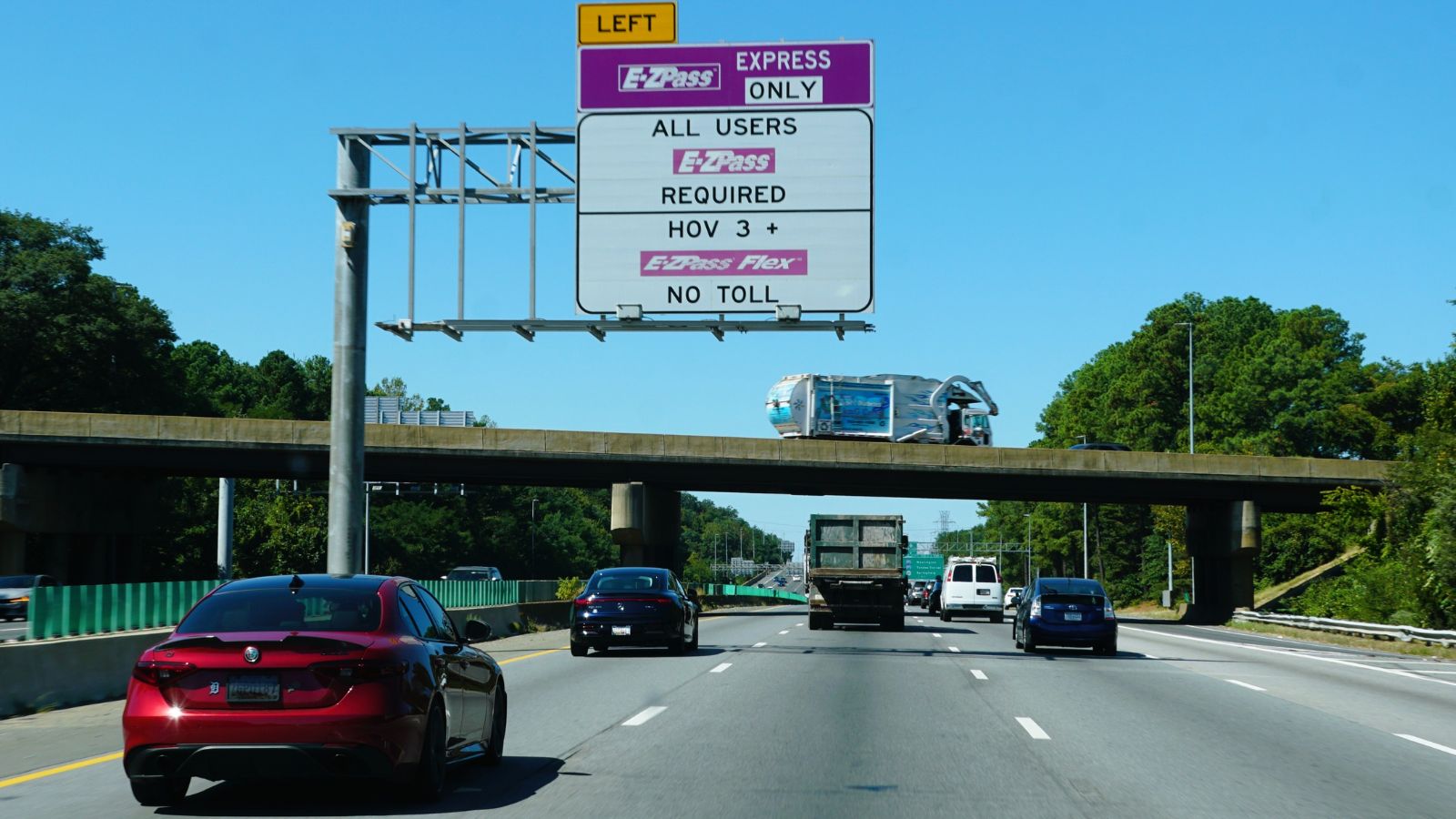
Traffic becomes particularly uncomfortable when one lane is crawling while the lane next to it is moving much faster. Drivers in the slower lane may suddenly jump into an opening, while motorists in the faster lane can encounter unexpected braking as they approach the merge. Transportation safety guidance repeatedly identifies large speed differences and sudden merging movements as concerns around lane reductions and work zones.
One objective of dynamic and zipper-merge systems is therefore not simply squeezing more cars through the roadwork. It is creating more similar speeds between the approaching lanes and concentrating the merge at a predictable location. Federal guidance says dynamic lane-merging systems can reduce speed differentials and unsafe merging movements, while Minnesota identifies reduced speed differences as a key benefit of zipper merging. When both lanes are moving slowly toward the same obvious merge point, there is less incentive for repeated lane swapping. Predictability matters: a slow, orderly stream of vehicles can be easier to manage than adjacent streams moving at dramatically different speeds.
A Real Zipper Requires Drivers to Take Turns
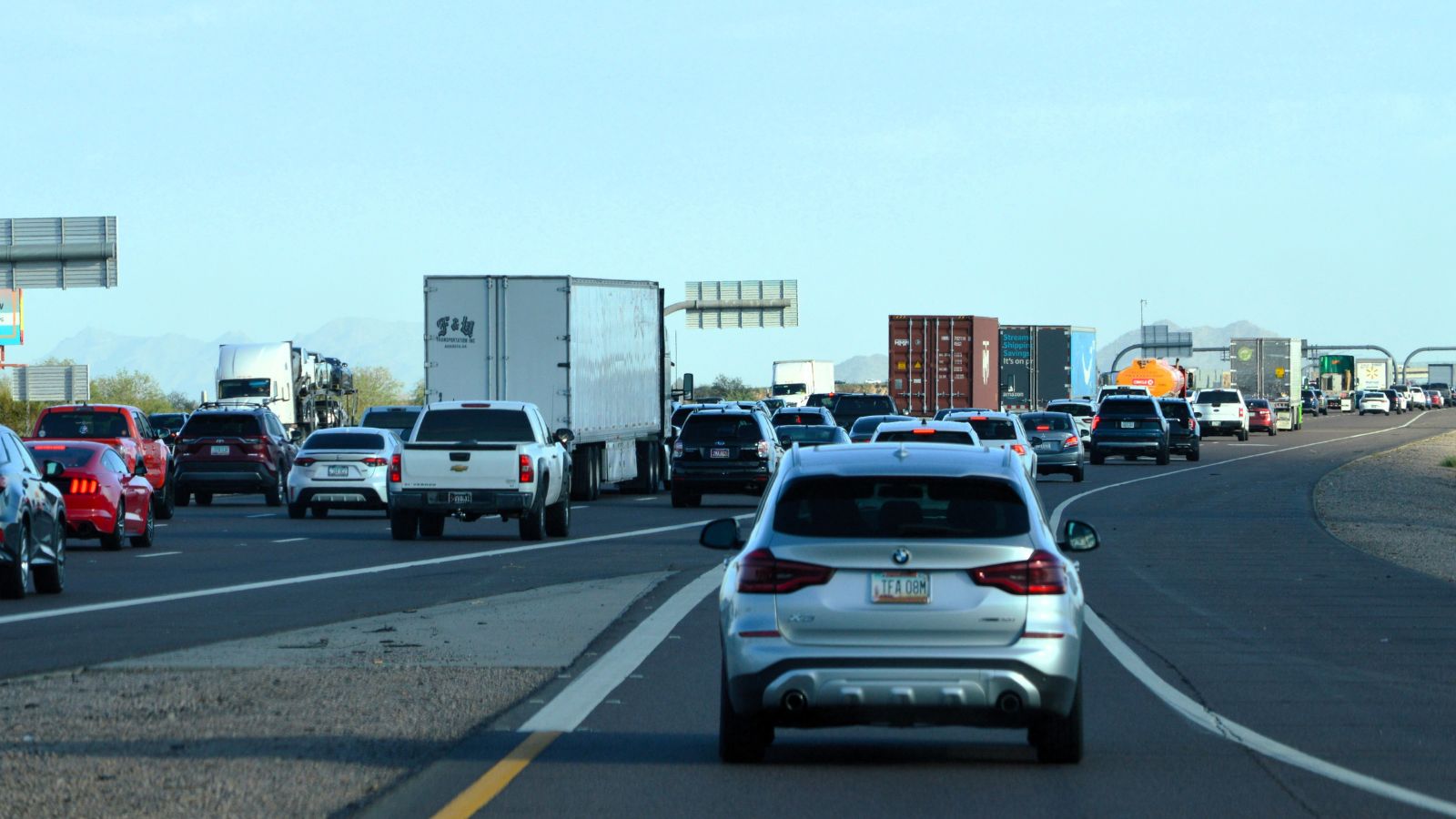
Using both lanes is only half of the technique. At the merge point, the pattern has to resemble an actual zipper: one vehicle proceeds from one lane, then one from the other. If three or four vehicles in the continuing lane refuse to create space, the ending lane stops. If several motorists from the ending lane push through the same opening, the continuing lane stops instead. Either behaviour destroys the orderly alternating pattern.
Canadian driver guidance makes this responsibility clear. Saskatchewan Government Insurance instructs motorists in the ending lane to signal, perform a shoulder check and merge when safe, while a driver in the continuing lane should allow one vehicle to enter. That combination is important because “zipper merge” does not mean the ending vehicle has permission to force its way into an unsafe gap. Nor does being in the continuing lane justify deliberately closing a reasonable gap. Successful merging depends on both streams behaving predictably enough that each driver knows approximately when the next vehicle will move.
Blocking the Ending Lane Does Not Fix the Problem
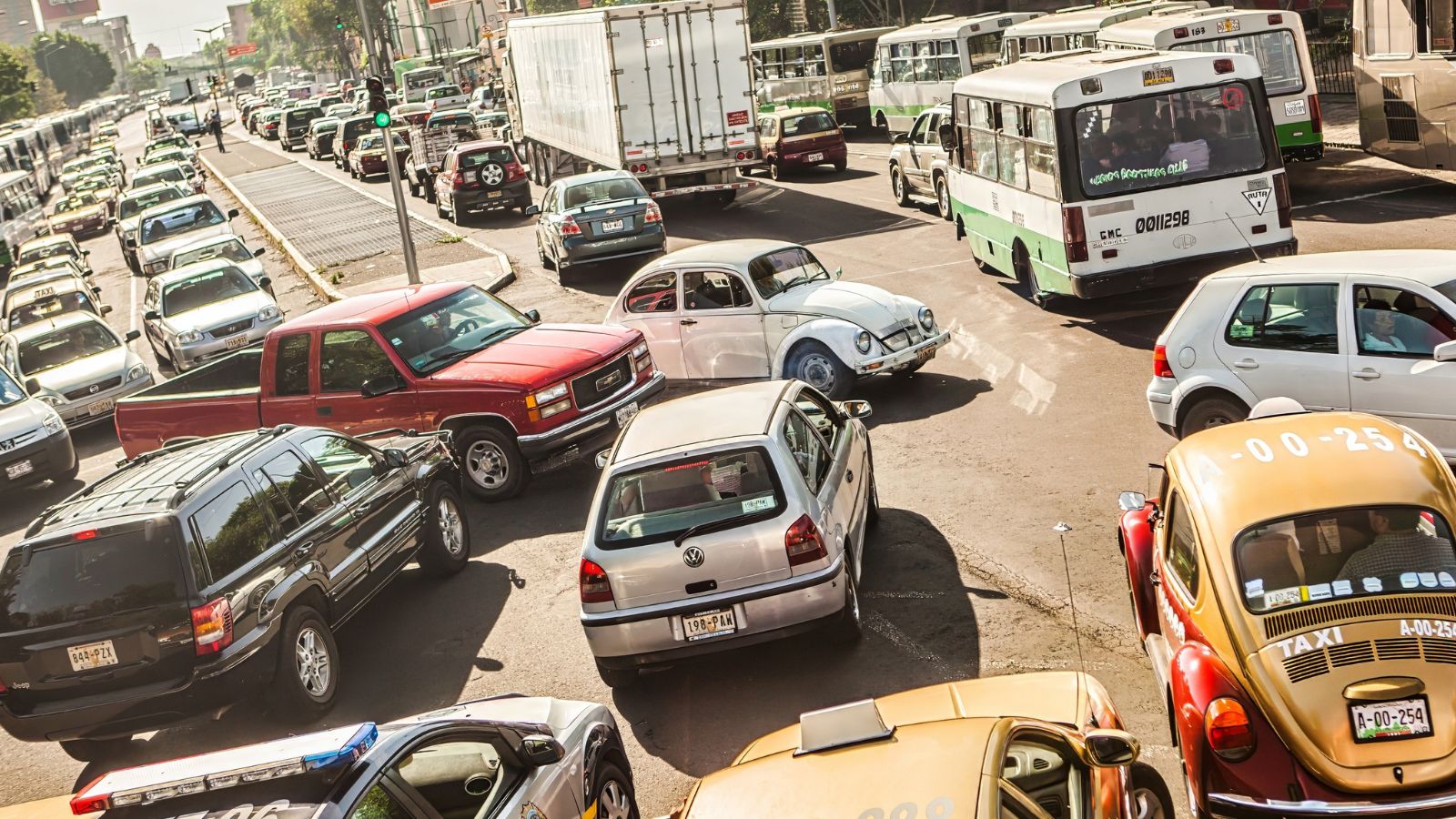
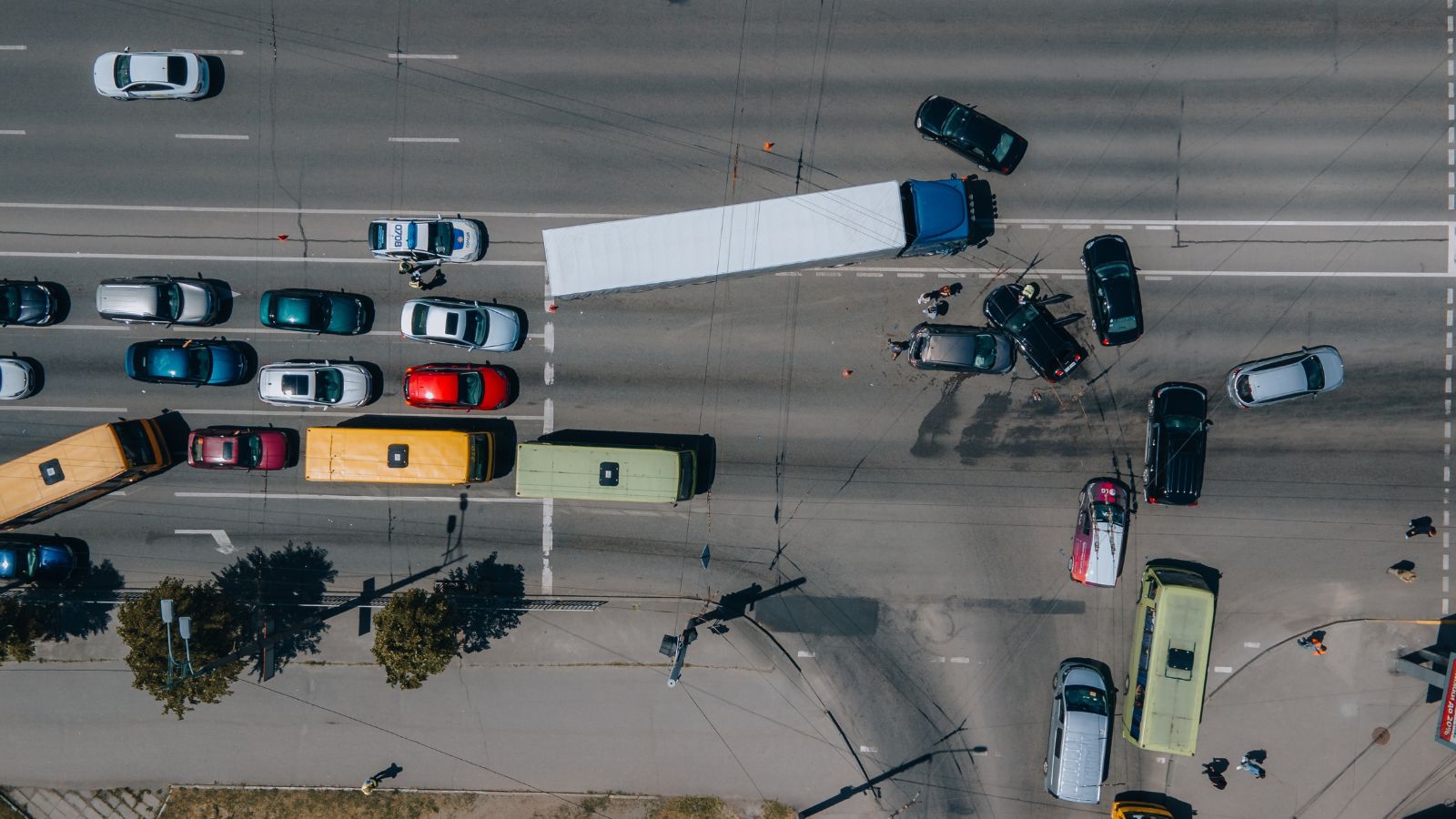
Few behaviours illustrate zipper-merge frustration better than a driver positioning a vehicle across part of the ending lane to prevent anyone from passing the single-file queue. To that motorist, the manoeuvre may feel like enforcing fairness. From a traffic-management perspective, however, it recreates the very early lane closure that the late-merge system is trying to avoid. Usable roadway disappears before the official merge point.
The conflict is not merely theoretical. Federal transportation guidance notes that Pennsylvania’s late-merge approach was developed partly to address hostility between motorists who merged early and those who continued toward the front of the queue. The system used messages telling motorists to use both lanes and later to merge and take turns. Agencies including Indiana also caution drivers that motorists remaining in the ending lane during an established zipper merge are not behaving improperly. Once a highway operator has directed traffic to use both lanes, becoming a self-appointed lane blocker adds unpredictability, encourages confrontation and can make an already stressful bottleneck harder to manage.
Heavy, Slow Traffic Changes When the Merge Should Happen

Zipper merging is often presented online as though drivers should always stay in a disappearing lane until the final metre. Transportation guidance is more nuanced. Late merging is designed primarily for conditions in which traffic volumes are high and speeds have fallen because of congestion. When traffic is flowing normally, gaps are larger and vehicles can often merge smoothly well before the lane disappears without producing a meaningful queue.
Alberta’s work-zone guidance provides a useful example of how engineers distinguish the conditions. Its late-merge strategy is intended for high-volume, low-speed conditions, with specified traffic-volume thresholds for certain multilane work zones: 1,000 vehicles per hour in each direction on rural highways and 1,500 on urban highways for at least two hours a day. Federal guidance likewise describes early merging as appropriate at lower volumes and near free-flow speeds. These figures are engineering criteria for particular systems, not universal driving laws, but they demonstrate the principle: the traffic condition determines the appropriate merging strategy.
Zipper Merging Is Not the Same as Entering From an On-Ramp
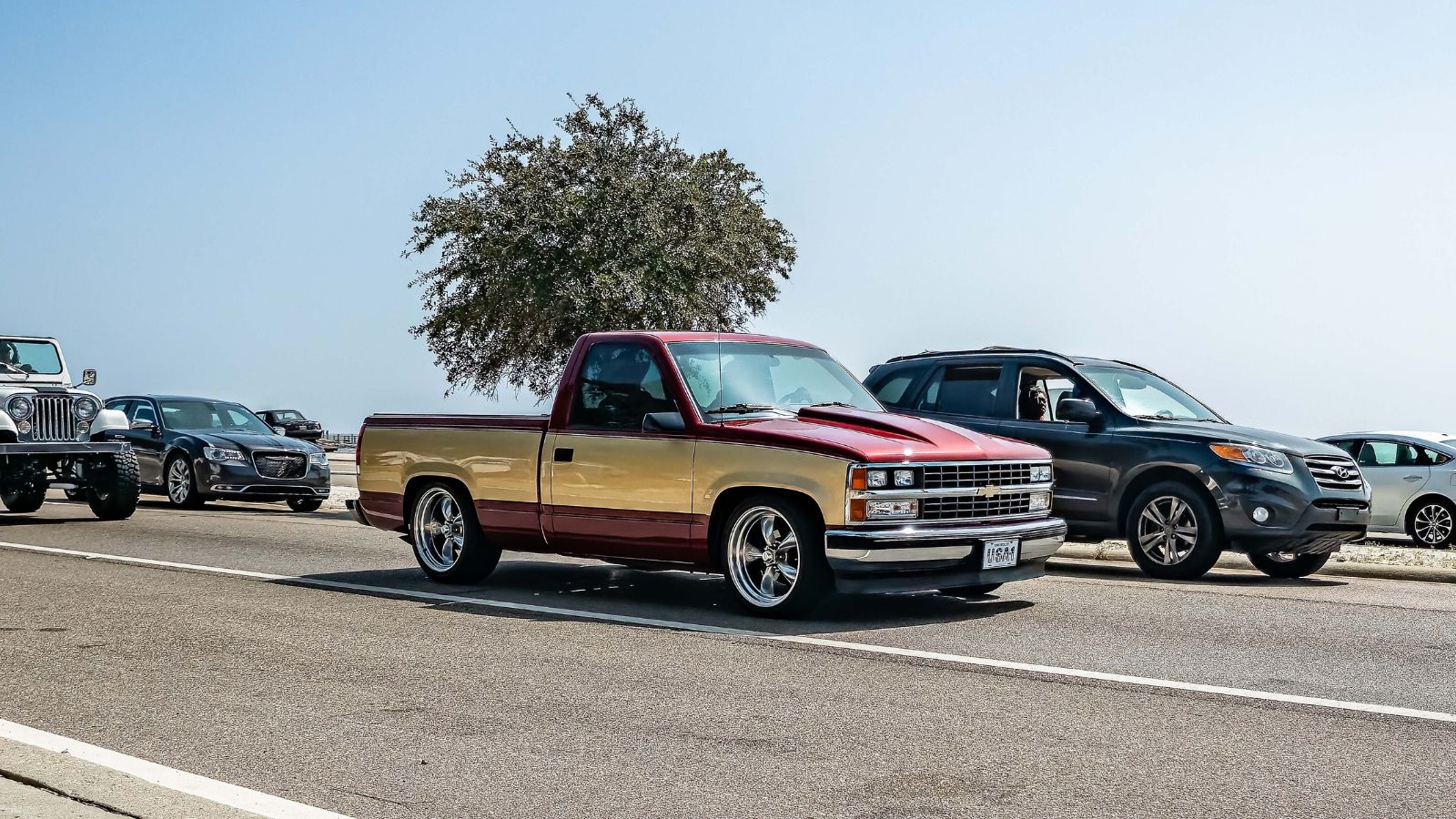
One of the most important distinctions is frequently lost when people debate “the correct way to merge.” A congested construction-zone lane reduction is not the same situation as entering a freeway through an acceleration lane. Zipper merging addresses two existing traffic streams being reduced into fewer lanes, typically after congestion develops. A freeway entrance involves a new stream of vehicles attempting to blend with traffic that may still be travelling at highway speed.
Ontario’s official driver guidance tells motorists entering a freeway to use the acceleration lane to increase their speed until it matches the traffic on the freeway, then signal and merge smoothly when a suitable opening is available. Saskatchewan guidance similarly warns that entering at substantially less than freeway speed can be dangerous. Waiting until the absolute end of an acceleration lane while travelling too slowly is therefore not “good zipper merging.” The lessons are different: in queued lane closures, use available roadway and alternate at the merge; on a normal entrance ramp, build speed, find a safe gap and blend smoothly.
The Turn Signal Does Not Replace a Safety Check
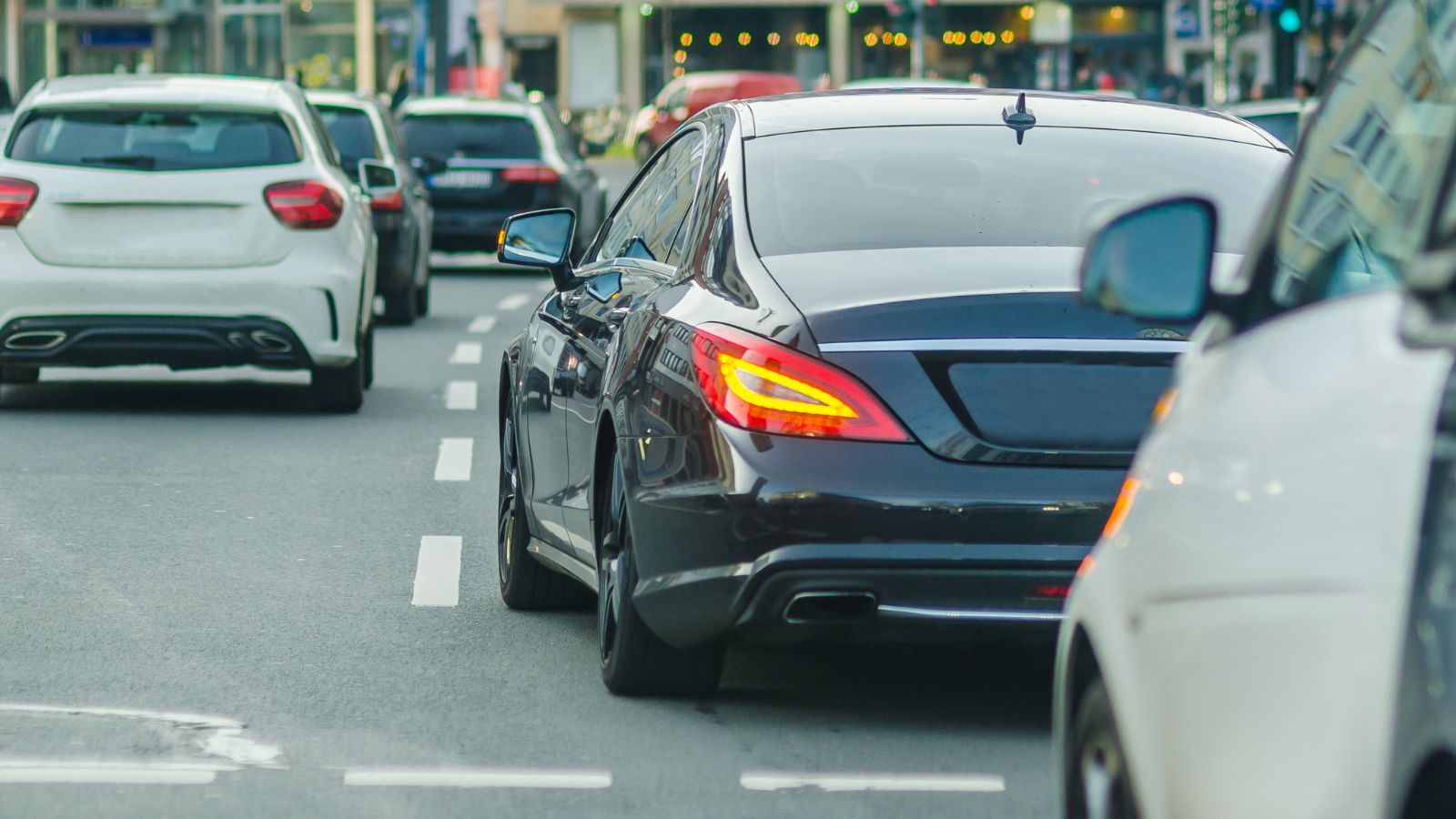
An orderly merging system still depends on basic driving technique. A turn signal communicates intention, but it does not create space or guarantee that another vehicle has seen the signal. A car can be beside the rear quarter of the merging vehicle, a motorcycle can be hidden in a blind spot, or another driver can be changing lanes toward the same opening. Even at low work-zone speeds, blindly assuming that alternating traffic will automatically produce a safe gap is risky.
Saskatchewan’s zipper-merge instructions explicitly tell the driver leaving the ending lane to signal, shoulder check and merge only when safe. Ontario’s lane-changing guidance similarly calls for checking mirrors, inspecting the blind spot, signalling and checking again before moving. The resulting merge should be smooth rather than abrupt. These details explain why successful zipper merging looks almost uneventful from above. There should be no dramatic dive into the next lane and no battle over a few metres of pavement. Each motorist communicates an intention, confirms the opening remains safe and then completes one predictable movement.
Clear Signs Can Change How Drivers Behave

Transportation agencies have learned that simply expecting motorists to understand zipper merging may not be enough. The first warning that a lane ends can trigger years of learned behaviour: get over immediately. That is why late-merge installations often include unusually direct messages such as “USE BOTH LANES DURING BACKUP,” followed nearer the taper by instructions to merge or take turns. The signs are not merely announcing construction; they are trying to establish a shared rule among hundreds of strangers.
Research published in 2026 examined freeway work zones using standard zipper-merge signs and supplementary portable electronic message boards. An upstream message encouraging use of both lanes improved utilization of the soon-to-close lane compared with static signs alone. Earlier field work summarized in the associated research program also found measurable increases in ending-lane utilization depending on distance from the taper. The finding reinforces an important traffic-management lesson: even a sound merging strategy becomes less effective when drivers disagree about what they are supposed to do. Clear, early instructions can make behaviour more consistent.
Predictable Cooperation Is What Ultimately Keeps Traffic Moving

There is no magic merging manoeuvre capable of restoring full highway capacity after a lane physically disappears. Two lanes becoming one creates a genuine bottleneck. What good traffic management can do is prevent motorists from adding an unnecessary bottleneck before reaching the real one. That means using available lanes intelligently, reducing needless lane changes and arriving at the narrowing point in a pattern that other drivers can anticipate.
Canadian transportation agencies have incorporated that thinking into formal work-zone guidance. British Columbia’s traffic-control manual includes dedicated zipper-merge layouts and specific signing for different expected queue lengths, including configurations for backups of 800 metres or more. Newfoundland and Labrador describes late merging as appropriate where congestion or queue length is a concern, while Alberta uses traffic conditions to distinguish early and late strategies. The practical takeaway is therefore more precise than “always merge late.” When heavy traffic is queued at a lane closure, abandoning the ending lane too early can make congestion unnecessarily long. Use both lanes when directed, take turns, signal, check the blind spot and let the road—not frustration—determine the merge point.
19 Used Cars Canadians Should Avoid in 2026 (Based on Owner Complaints)

Buying a used car in Canada can feel safe until repair bills start stacking up. Owner complaints tell a different story than glossy listings. Transmission failures, electrical problems, and weak winter reliability show up again and again in consumer reports. Many of these issues appear after warranties expire, when owners least expect them. Some vehicles look affordable upfront, but become expensive to keep on the road. Others struggle in cold weather, urban driving, or long highway commutes. Here are 19 used cars Canadians should avoid in 2026 (based on owner complaints).
19 Used Cars Canadians Should Avoid in 2026 (Based on Owner Complaints)