






















Modern driver-assistance technology can make highway driving calmer, but one feature may feel very different when snow starts covering the pavement: lane-keeping and lane-centering assistance. These systems generally rely on cameras and other sensors to understand where the vehicle sits within marked lanes. When winter erases those visual references, the assistance that felt almost invisible in July can become unavailable, inconsistent, or unexpectedly noticeable.
That does not make lane assistance inherently dangerous. Properly used, lane-departure prevention technology has demonstrated real safety benefits. The concern is understanding where its abilities end. These 12 factors explain why lane-keeping assistance can sometimes make winter driving feel more unsettling, why manufacturers place limits on its use, and what drivers can do to prevent a helpful feature from creating misplaced confidence.
Lane Assistance Is Doing More Than Many Drivers Realize

Lane-departure warning, lane-keeping assistance and lane-centering assistance are related but distinct technologies. A basic warning system simply alerts the driver when the vehicle appears to drift. Lane-keeping assistance may add steering or braking intervention, while lane-centering systems can provide continuous steering support to keep a vehicle near the middle of its lane. Transport Canada notes that many lane-keeping systems depend on a forward-facing camera watching pavement markings.
That distinction matters in winter because steering assistance can be so subtle in good conditions that drivers stop noticing how much work the technology is doing. On a dry freeway with bright markings, the steering wheel may quietly resist small departures or guide the car toward the centre. When snow suddenly covers the lines, that support may diminish or disappear. The car itself has not necessarily developed a problem; the operating environment has changed. Recognizing that difference is central to using the technology safely.
Snow Can Erase the Reference Points the Camera Needs
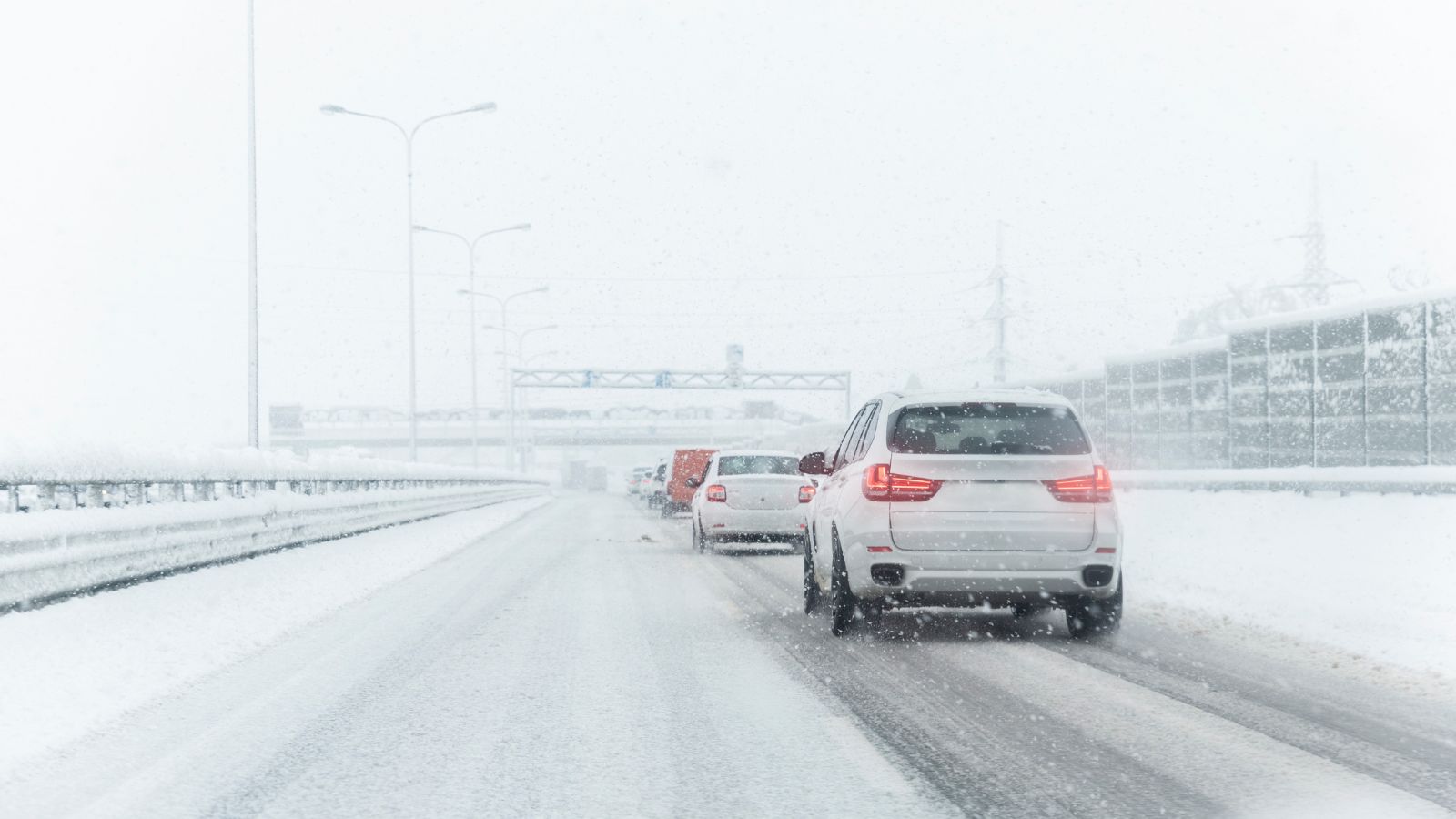
Fresh snow can transform a familiar four-lane highway into a broad white surface marked mainly by tire tracks. Human drivers can combine guardrails, traffic position, snowbanks, signs and experience to estimate where the lane should be. A camera-based lane system has a narrower job: identifying the visual information it was designed to recognize. Transport Canada specifically warns that lane assistance must be able to identify lane markings to work effectively.
The Insurance Institute for Highway Safety similarly notes that lane-departure warning and prevention sensors can have difficulty when roads are poorly marked or covered with snow. This creates an awkward winter transition. The system may work normally on a plowed section, lose the markings where drifting snow crosses the road, and become available again several kilometres later. A driver who assumes the steering assistance is permanently active may not immediately recognize those changes. Winter therefore makes understanding the dashboard status indicator nearly as important as understanding the feature itself.
Bad Visibility Can Reduce Performance Faster Than Expected
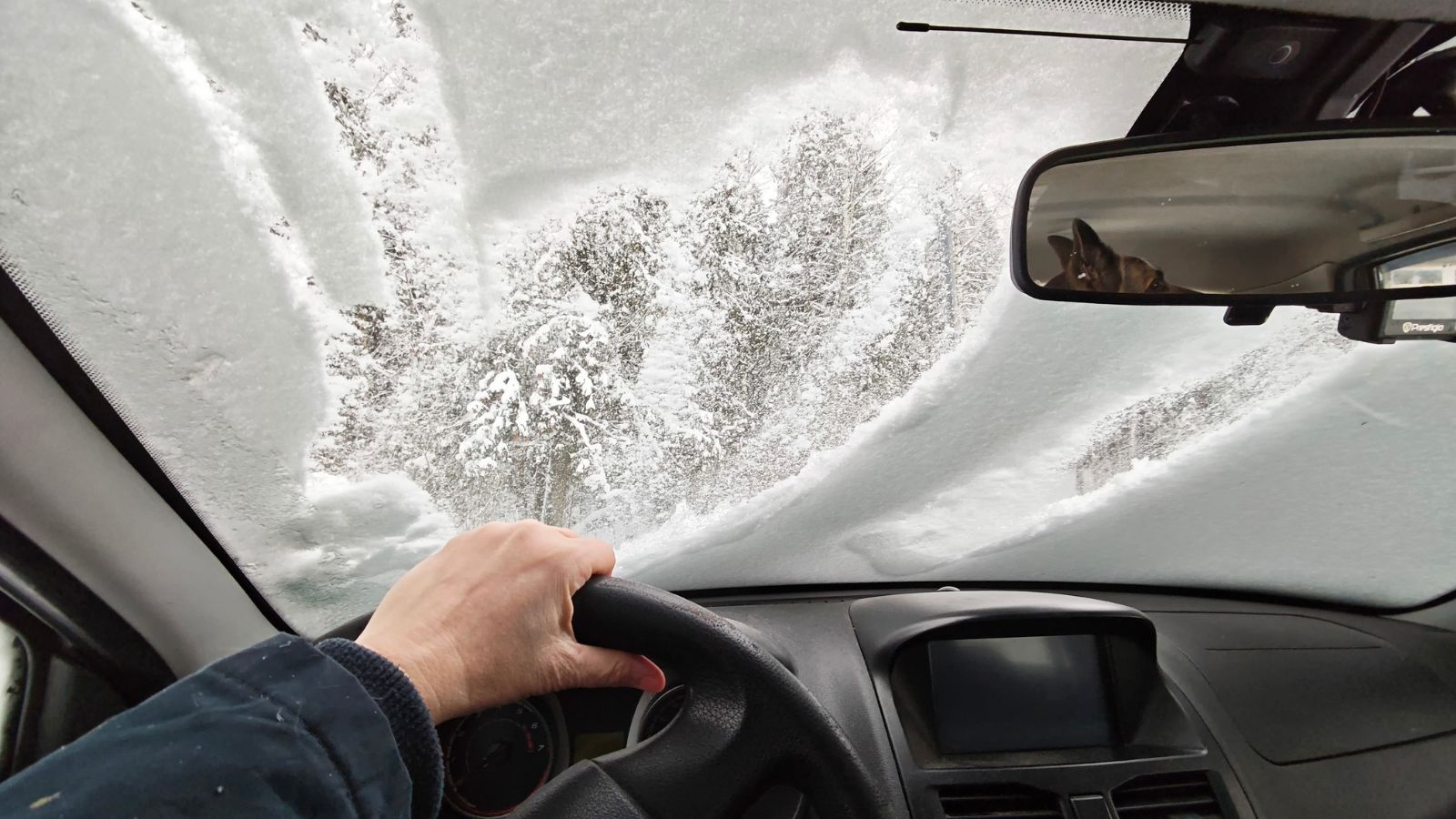
Snow is not the only problem. Blowing spray, sleet, freezing precipitation and dirty windshields can all reduce the quality of the image reaching a vehicle’s forward camera. Manufacturers routinely warn that poor visibility can interfere with lane-assistance systems, and some vehicles temporarily disable the feature when the camera view becomes sufficiently obstructed.
Testing in rain illustrates how strongly environmental conditions can matter. In a closed-course AAA study using simulated moderate-to-heavy rain, lane-keeping test vehicles departed their lane markers in 69 percent of the test runs. That experiment was not a snow test, so the result should not be applied directly to winter performance. It does demonstrate a broader point: systems that perform well under clear testing conditions may behave differently when visibility deteriorates. A Canadian winter commute can combine darkness, road spray and rapidly accumulating grime, giving a camera considerably less useful information than it received on the same road during a clear summer afternoon.
Winter Road Surfaces Can Look Confusing to the System
A lane camera is not simply searching for two perfect white stripes. It must distinguish legitimate road boundaries from many other visual patterns. Manufacturer documentation lists faded markings, old markings, pavement repairs, cracks, shadows, temporary construction lines and similar road features among conditions that can reduce accuracy or produce unexpected operation.
Winter can make that visual environment even messier. Pavement may contain partially visible lane paint surrounded by packed snow, dark wet tire paths and previous repair lines. After plowing, one lane marker may be exposed while the other remains hidden. In those circumstances, a human driver may recognize the road’s intended path from context while the assistance system sees incomplete or ambiguous information. Some systems simply become unavailable; others may continue working with reduced confidence. That helps explain why an occasional steering nudge on a messy road can feel as though the car is disagreeing with the driver, even when the feature is operating within its documented limitations.
A Steering Correction Feels Different When Grip Is Limited
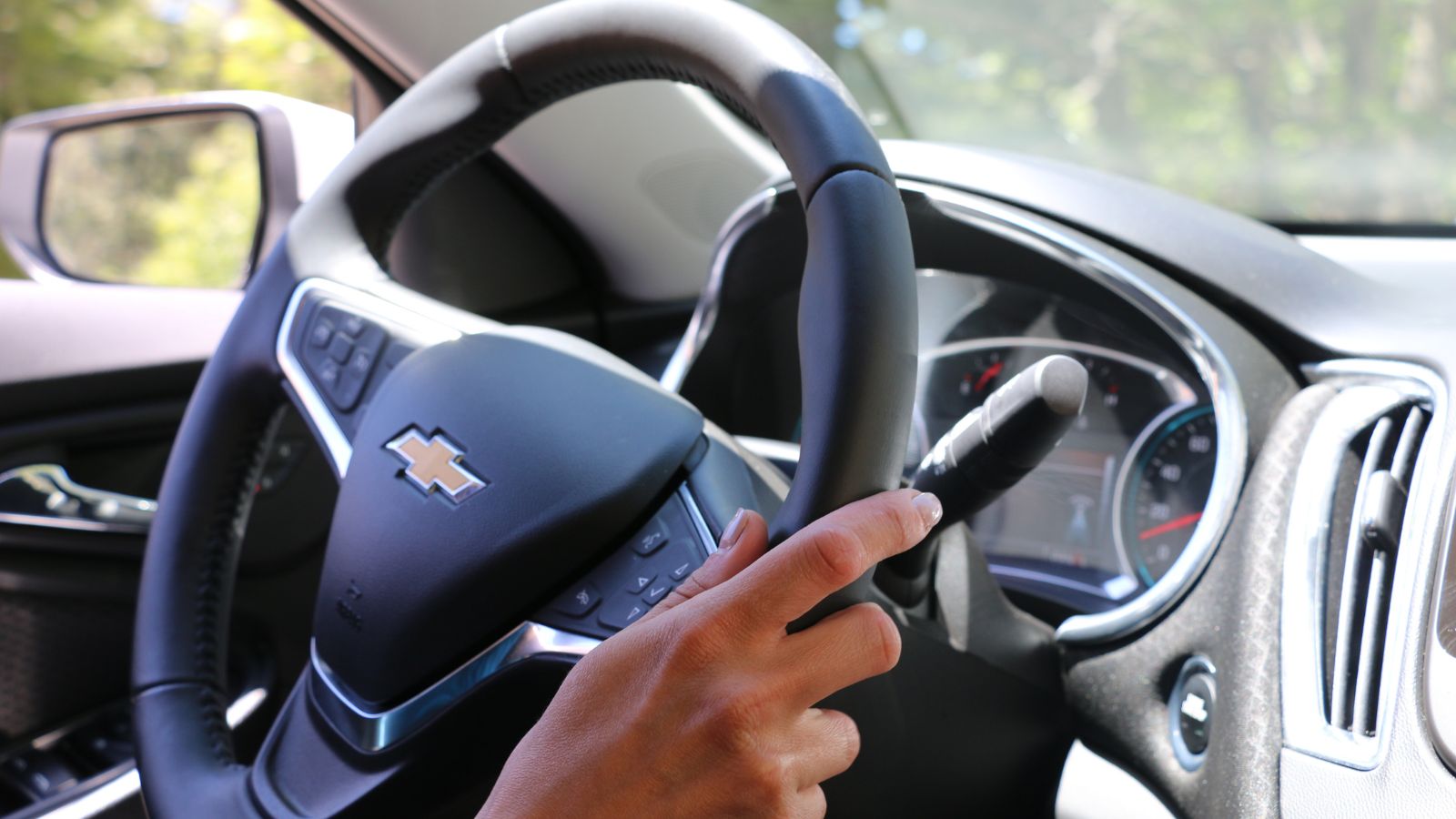
On dry asphalt, a small steering input from lane-keeping assistance may barely register. On packed snow or ice, however, drivers naturally become more sensitive to any movement through the steering wheel because available traction is lower. Transport Canada advises motorists to reduce speed on slippery roads and avoid sudden or jerking steering movements because loss of grip can lead to a skid.
That does not mean ordinary lane-assist interventions automatically cause skids. Nevertheless, several automakers place explicit restrictions on using the technology on slippery surfaces. Mazda, for example, warns against relying on its lane-keep system on icy or snow-covered roads, while General Motors documentation has instructed drivers to turn lane-keeping assistance off on slippery roads on certain vehicles. Subaru manuals have carried similar cautions for some versions of EyeSight. The precise restriction varies by model, which is why the owner’s manual matters. When traction is marginal, manufacturers may prefer the driver to manage steering directly rather than rely on automated corrections.
Curves and Hills Can Add Another Layer of Uncertainty

Winter does not remove the normal challenges faced by lane-centering technology; it adds to them. Curves and hill crests can already complicate camera-based lane tracking because markings disappear from the camera’s field of view or require stronger steering input. Snow-covered pavement can make those same situations more demanding.
An IIHS evaluation published in 2018 tested five contemporary lane-centering systems on curves and hills. Performance varied substantially. On the three tested curves, only one of the five vehicles remained within the lane during all 18 trials. Some systems required driver steering corrections, crossed lane markings or disengaged. The vehicles represented technology from that period, and modern systems have evolved considerably, so the results should not be treated as a verdict on every current model. They do illustrate why manufacturers continue to describe lane centering as assistance rather than autonomous driving. A snowy curve is exactly the sort of situation where the driver should be anticipating the road rather than waiting to discover what the system can see.
The Moment the System Disengages Can Be Easy to Miss
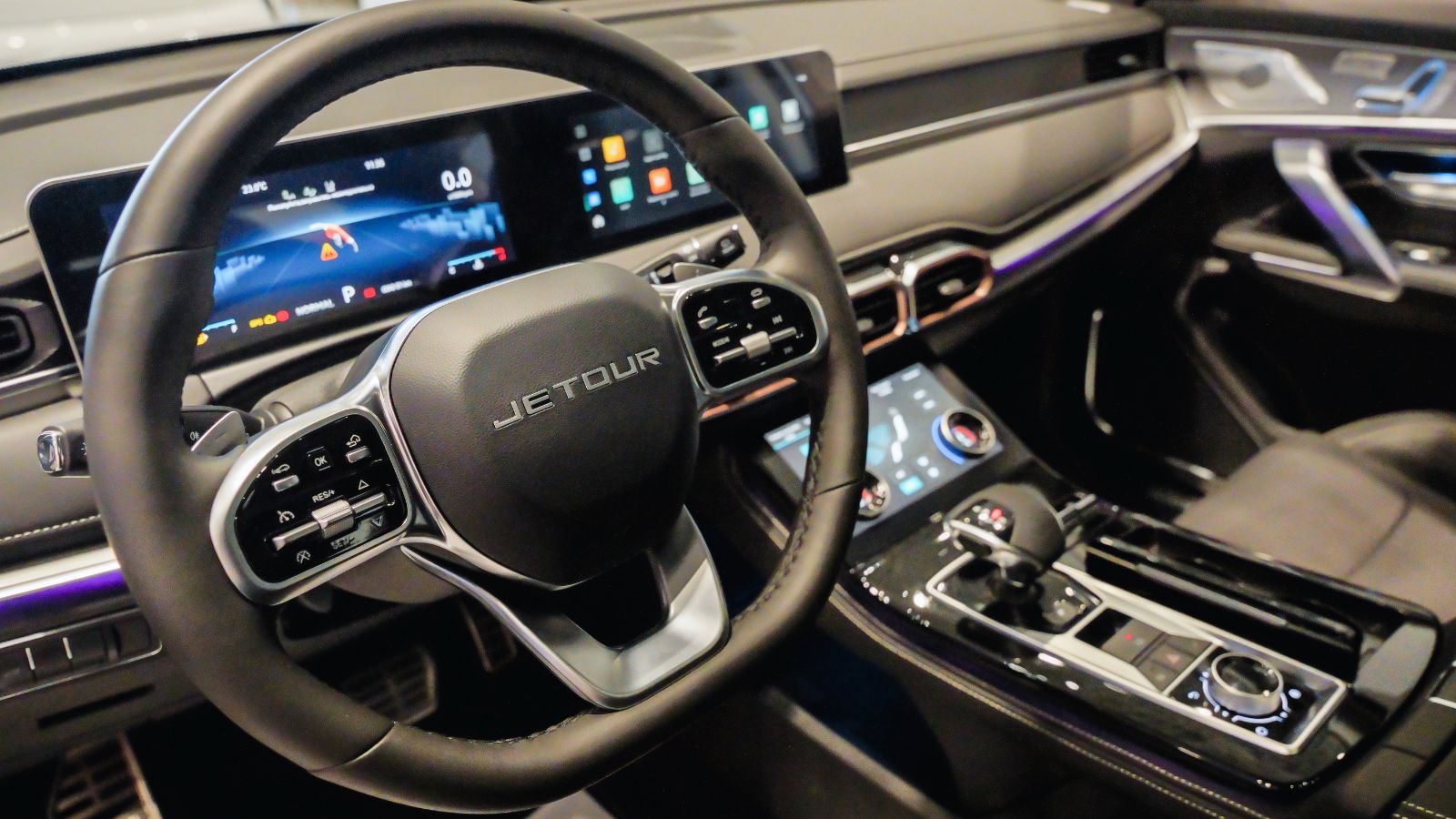
One of winter’s subtler hazards is not an incorrect steering input but the absence of steering assistance. Depending on the vehicle, lane centering may change colour on the instrument panel, display a message, sound a warning or simply become unavailable when it can no longer identify the road. If the driver has grown accustomed to continuous assistance, that transfer of responsibility can feel abrupt.
Human-factors research suggests these status changes are not always obvious. In an IIHS study involving 80 participants watching driving scenarios from a Mercedes-Benz E-Class, many people who had not received interface training struggled to recognize when lane centering was inactive. Training improved recognition, although participants still did not always understand why the system had stopped assisting. Winter makes that issue especially relevant because visibility can change repeatedly during a single drive. A feature may be available on cleared pavement, inactive during a snow squall and active again once markings become visible.
Familiarity Can Create More Trust Than the Technology Deserves
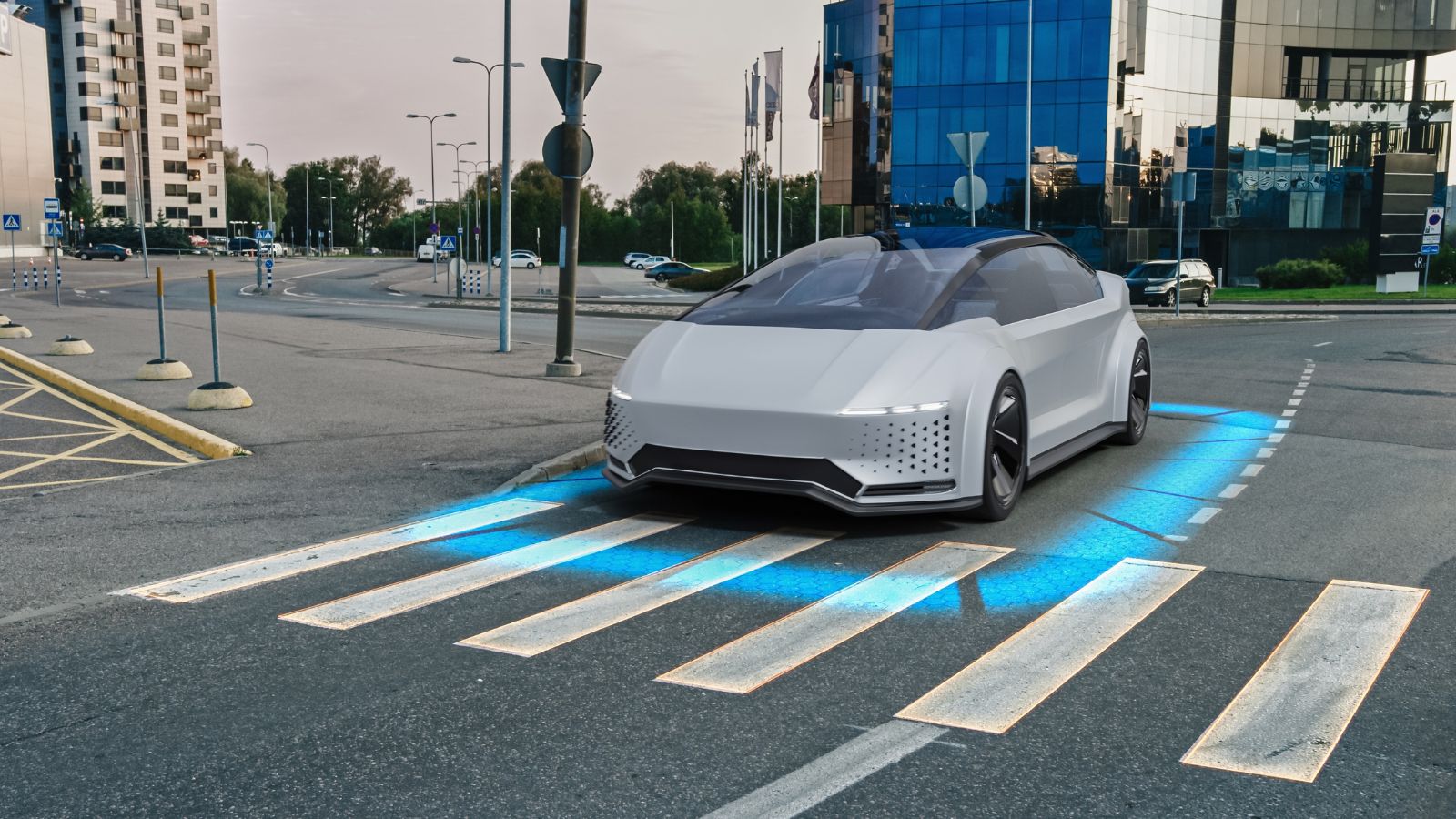
A system that behaves reliably for hundreds of kilometres can gradually become part of the background. The steering corrections stop feeling unusual, and the driver may become less conscious of maintaining precise lane position. Research on partial automation suggests that this familiarity can affect attention, particularly when lane centering is combined with adaptive cruise control.
IIHS research involving drivers using partial automation over several weeks found increased signs of disengagement as some participants became accustomed to the technology. A later 2025 analysis of additional participant groups likewise found higher odds of distraction or hands-free behaviour under partial automation in parts of the study. Those findings involve more sophisticated Level 2 systems rather than basic lane-keeping assistance alone, but the behavioural lesson is relevant: predictable assistance can encourage trust. Winter is precisely when that trust needs recalibration. Snow, faded markings and blocked cameras may remove abilities that were available during months of fair-weather driving.
Lane Keeping Cannot Create Traction
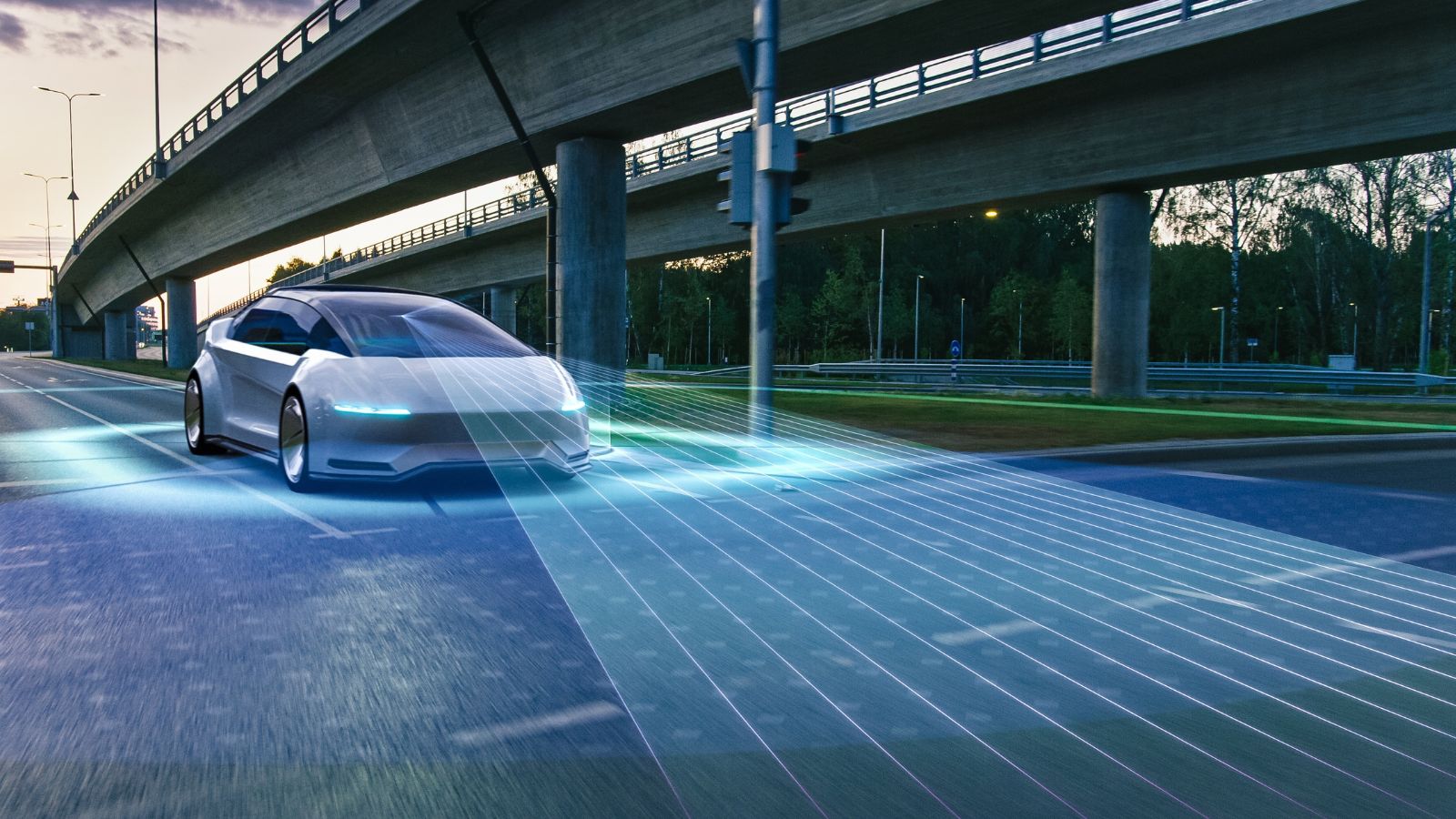
A glowing lane-assistance symbol can make a modern vehicle feel exceptionally capable, but software cannot change the friction available between the tires and an icy road. Lane centering can influence steering; it cannot make worn tires grip better, shorten every stop on ice or repeal the physics of a slippery surface. Transport Canada specifically cautions drivers not to rely on lane-keeping assistance during severe winter weather.
Tires remain one of the most important pieces of that equation. Transport Canada recommends winter tires on all four wheels in cold, snowy or icy conditions and notes that conventional all-season and summer tire compounds begin losing elasticity below approximately 7°C. The agency also advises against using tires worn near 4 millimetres of tread depth on snow-covered roads. Electronic stability control, anti-lock braking and driver assistance can help manage a vehicle, but each still depends on the tires’ ability to generate usable grip. A technologically advanced car on unsuitable tires remains poorly equipped for winter.
The Driver Still Has to Supervise the Steering

Lane assistance is sometimes marketed with futuristic names, but the legal and engineering reality is much less dramatic. Transport Canada describes lane-keeping and lane-centering features as driver assistance, not replacements for attention and judgment. Even systems that combine lane centering with adaptive cruise control generally require continuous supervision unless specifically approved for another level of automation under limited conditions.
Concern about supervision is significant enough that IIHS created a safeguard-rating program for partial automation. In its first 2024 evaluation, only one of 14 tested systems earned an acceptable rating, while 11 were rated poor. The assessment focused heavily on whether vehicles adequately monitored driver attention, issued escalating reminders and maintained appropriate safeguards. Those results concern partial automation systems, not every standalone lane-keeping feature, but they underline an important principle. The person behind the wheel must remain ready to steer. During winter, when a camera may suddenly lose its lane references, that responsibility becomes even more immediate.
There Are Times When Switching It Off Makes Sense

Turning a safety feature off can sound counterintuitive, especially when drivers are accustomed to leaving electronic aids enabled. Lane-keeping assistance is different from fundamental systems such as anti-lock brakes or electronic stability control because some manufacturers explicitly identify operating environments where lane assistance should not be used.
The exact guidance depends on the vehicle. Certain Mazda manuals tell drivers not to use lane-keep assistance on slippery roads including snow-covered and icy surfaces. General Motors documentation for some models warns that using lane-keeping assistance on slippery roads could contribute to loss of control and instructs drivers to switch it off. Other manufacturers describe snow-covered roads as conditions where the feature may be unreliable or unavailable rather than issuing a blanket deactivation instruction. That variation is important. Drivers should not assume advice for one model applies universally. Before the first major snowfall, checking the lane-assistance section of the specific owner’s manual can reveal limitations that were easy to overlook during the buying process.
A Clean Camera and Proper Calibration Matter More in Winter
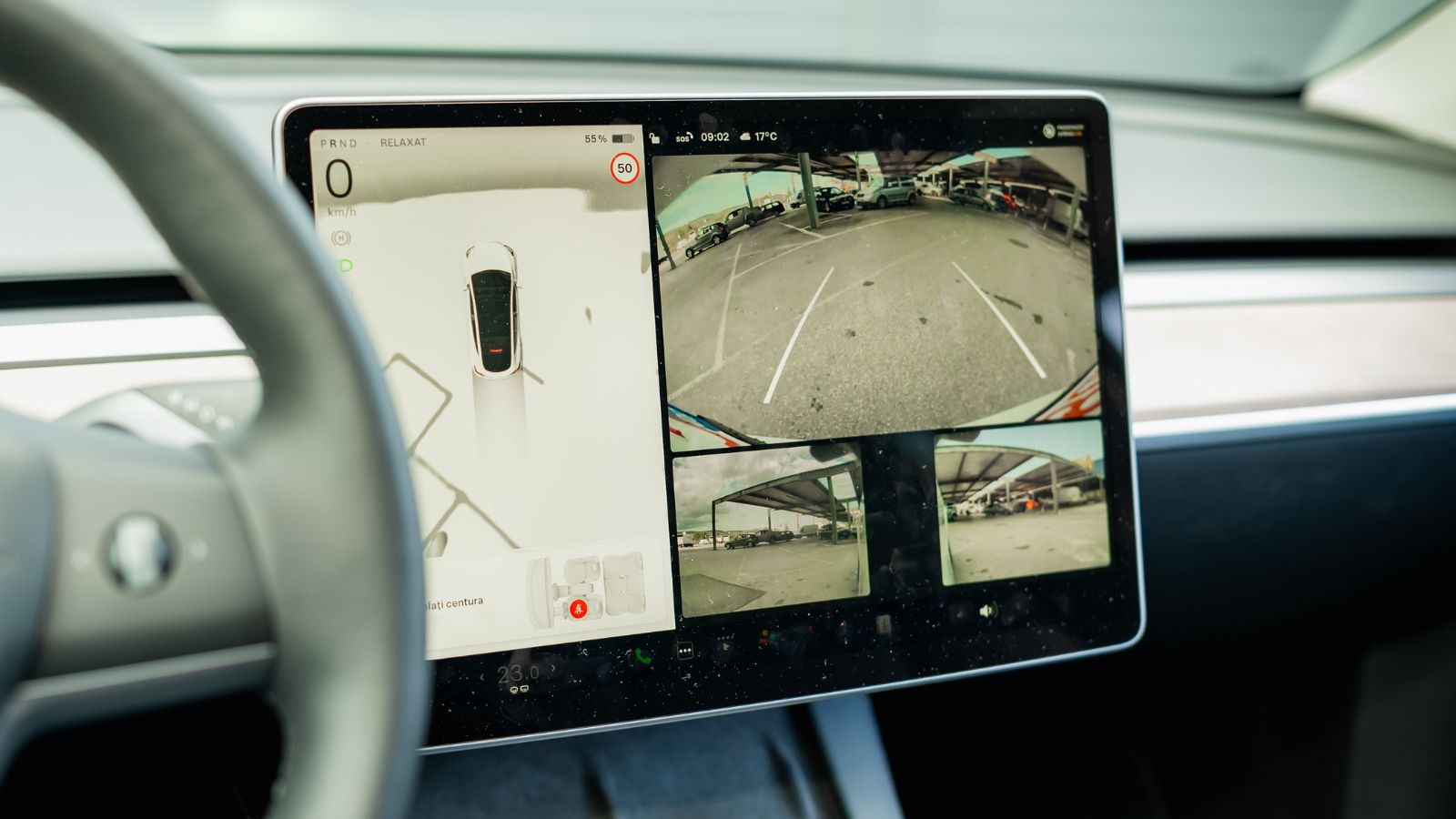
Before blaming strange winter behaviour on software, it is worth checking what the camera can actually see. Lane-assistance cameras are commonly mounted high on the windshield near the rear-view mirror. Snow, ice, condensation and grime in that area can interfere with detection. Some vehicles display a specific message when the camera becomes obscured, while manufacturer instructions may recommend cleaning the windshield or using the defroster to clear condensation.
Physical alignment matters as well. AAA notes that forward-facing ADAS cameras can require calibration after work such as windshield replacement, collision repair, suspension repair or wheel alignment. Calibration procedures vary by manufacturer, and some dynamic procedures require driving on roads with clear lane markings—something snow itself can make difficult. If lane assistance begins behaving strangely after windshield work or a minor collision, the problem may therefore deserve professional inspection rather than being dismissed as a winter quirk. The technology works best when its sensors are clean, correctly aimed and used only within the conditions for which they were designed.
19 Used Cars Canadians Should Avoid in 2026 (Based on Owner Complaints)

Buying a used car in Canada can feel safe until repair bills start stacking up. Owner complaints tell a different story than glossy listings. Transmission failures, electrical problems, and weak winter reliability show up again and again in consumer reports. Many of these issues appear after warranties expire, when owners least expect them. Some vehicles look affordable upfront, but become expensive to keep on the road. Others struggle in cold weather, urban driving, or long highway commutes. Here are 19 used cars Canadians should avoid in 2026 (based on owner complaints).
19 Used Cars Canadians Should Avoid in 2026 (Based on Owner Complaints)