

























Vehicle theft rarely comes with an unmistakable warning. In many cases, the first clue is something small: an unfamiliar person near a driveway, a lock that behaves strangely, disturbed trim, or an alert about an unknown tracking device. Other warnings come from the broader environment, including a sudden concentration of thefts involving the same model.
Canada has made progress against auto theft, yet the threat remains substantial and criminal methods continue to evolve. Recognizing the difference between coincidence and a genuine warning sign matters. None of these clues proves that a theft is about to occur, but these 21 signs can indicate that a vehicle has become more attractive, accessible, or visible to thieves—and that additional precautions may be warranted.
Your Make and Model Is Suddenly Showing Up on Theft Lists
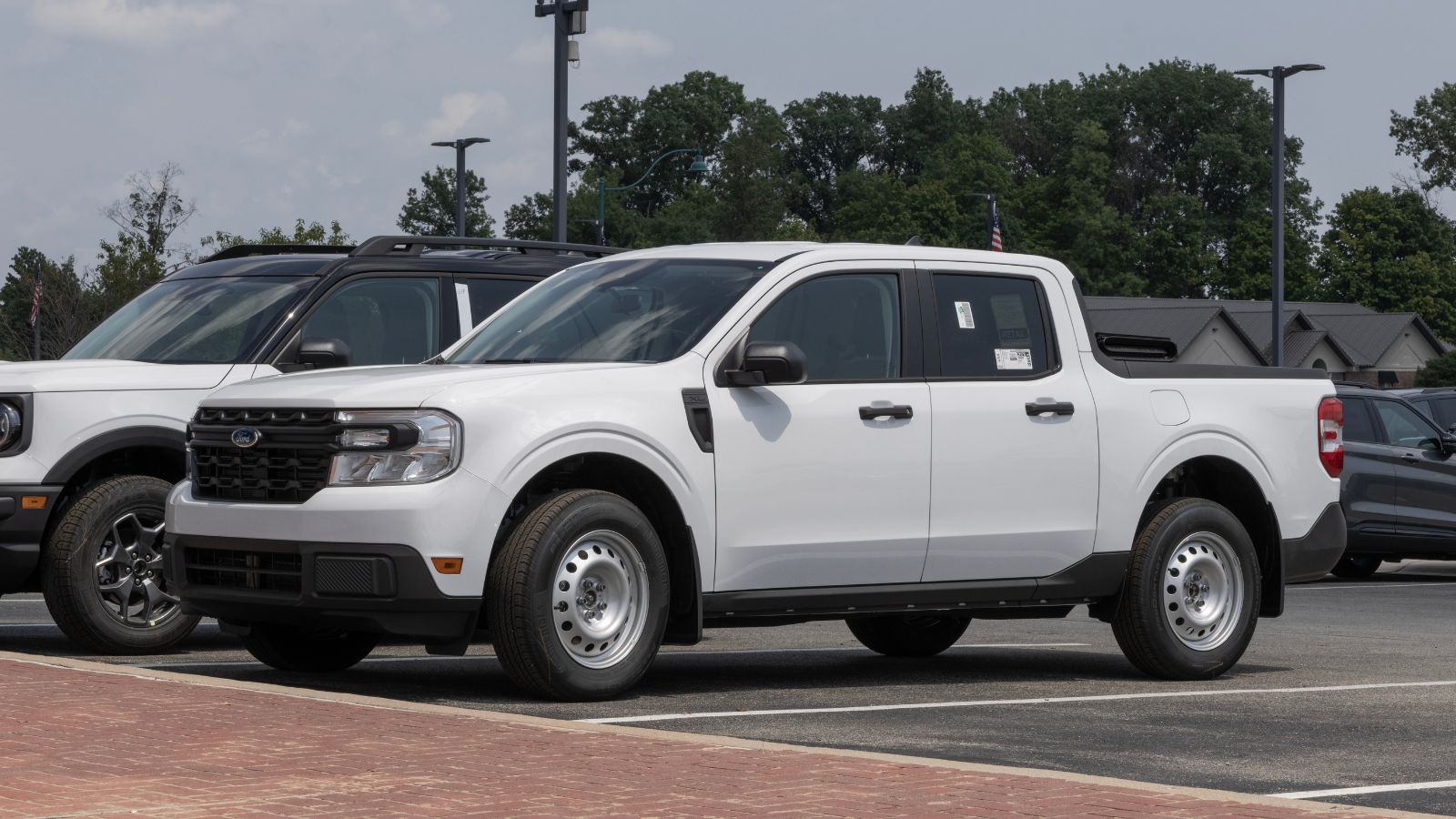
One of the clearest risk signals comes from the theft statistics themselves. Criminal groups do not choose vehicles randomly. Certain models become disproportionately attractive because they combine strong resale demand, useful parts, international marketability, or security systems that criminals have learned to defeat. Équité Association’s Canadian rankings have repeatedly shown SUVs and pickup trucks occupying many of the highest positions. Its latest available national list placed the Toyota RAV4 at the top for 2024, with other popular crossovers and trucks also heavily represented.
That does not mean every owner of a high-ranking vehicle should expect it to disappear. It does mean the vehicle deserves a different level of attention than it may have required when purchased. Theft preferences can change surprisingly quickly as security improves on one model or overseas demand moves toward another. Owners who discover that their exact generation has moved sharply upward on regional or national lists should consider that a genuine change in the threat environment rather than an abstract statistic.
Similar Vehicles Are Being Stolen in the Same Area
A theft nearby becomes considerably more relevant when the stolen vehicle resembles the one parked in the next driveway. Police agencies increasingly use crime mapping and location-specific enforcement because auto theft often concentrates in particular neighbourhoods rather than spreading evenly across a city. York Regional Police, for example, has used heat maps to identify communities with elevated vehicle-theft activity and has contacted owners in higher-risk areas as part of targeted prevention campaigns.
A single neighbourhood theft can still be random. Several thefts involving similar SUVs, pickups, luxury vehicles, or model years deserve more attention. Organized groups may have demand for a particular type of vehicle and continue searching an area after finding one. Residents often learn about the pattern through police notices, neighbourhood groups, security-camera footage, or a neighbour whose vehicle vanished overnight. When that happens, a familiar vehicle sitting in the same type of driveway may have moved from theoretically desirable to locally relevant.
An Unknown Tracker Alert Travels With the Car
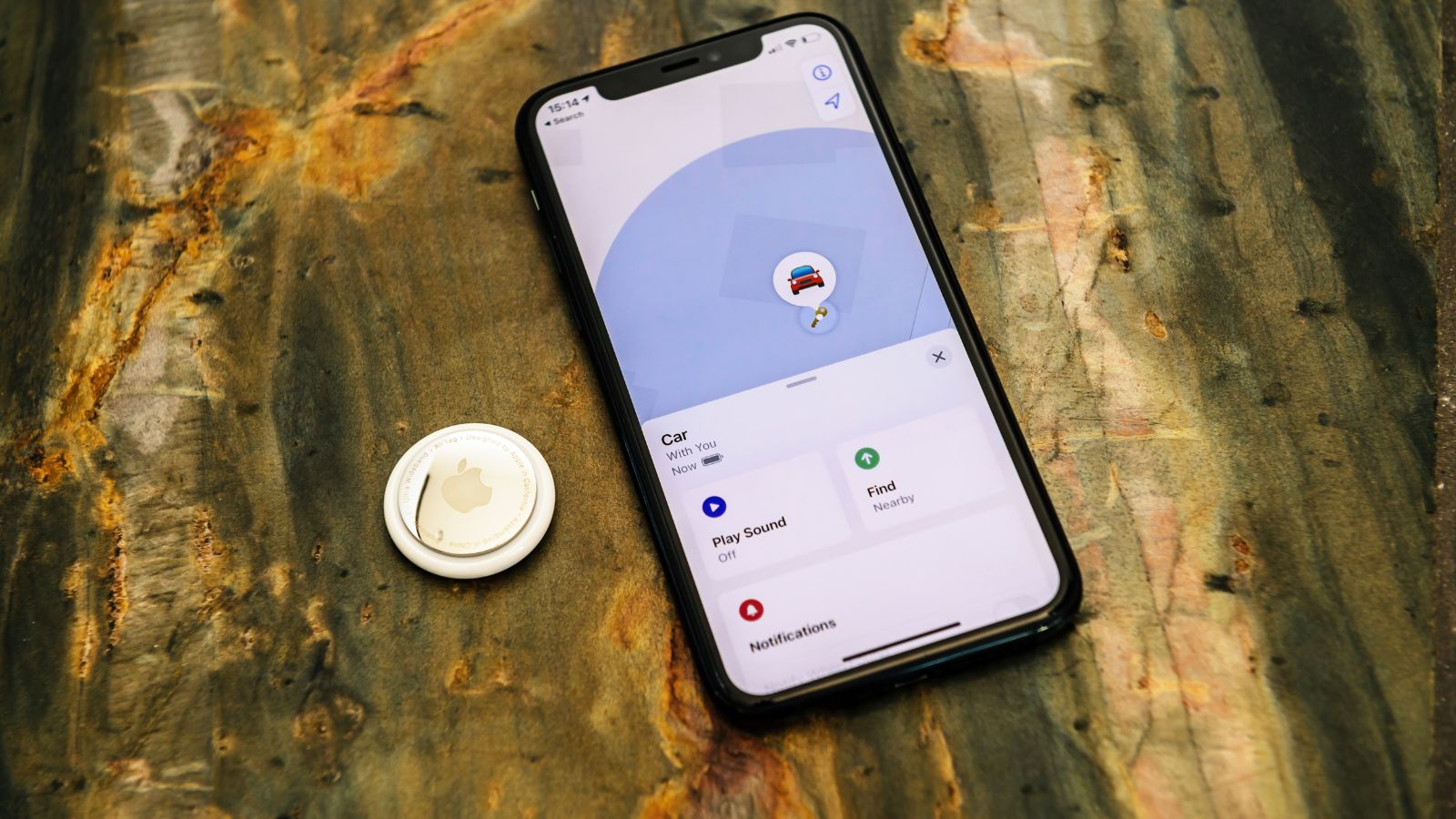
An unexpected Bluetooth-tracker notification is one warning that should not be dismissed automatically. Apple and Android devices can alert users when a compatible tracker that does not belong to them appears to be travelling with them over time. There are innocent explanations—a tracker may belong to a passenger or be attached to borrowed property—but Canadian theft investigators have also documented criminals placing small tracking devices on desirable vehicles.
Équité Association warned in 2026 that organized vehicle thieves have used GPS or Bluetooth devices to follow high-end vehicles from busy public places to quieter locations where stealing them may be easier. If an alert repeatedly follows the vehicle rather than appearing during one short trip, the situation deserves investigation. Smartphone tools can help locate some devices and preserve identifying information. Where personal safety may be involved, the safest response is not to confront anyone who may have planted it. Law-enforcement guidance emphasizes moving to a safe location and contacting police when circumstances appear suspicious.
You Find an Unfamiliar Device Attached to the Vehicle
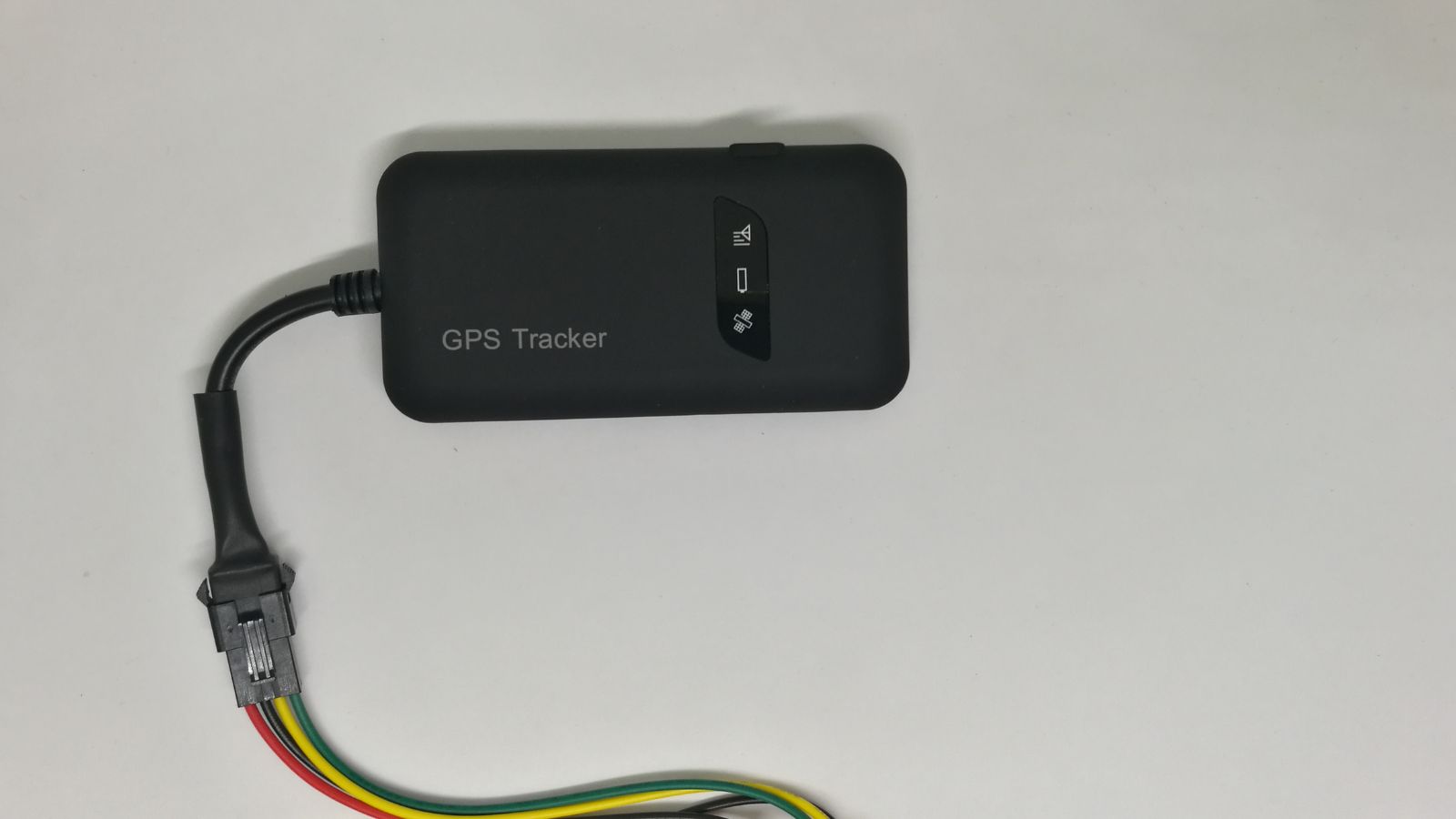
Discovering a small electronic device that no one in the household recognizes is even more concrete than receiving a phone notification. Équité Association has described theft cases in which scouts placed compact tracking devices on vehicles after spotting them at malls, hotels, or other busy locations. The device then allowed criminals to determine where the vehicle was normally kept and choose a more convenient time and place to steal it.
Modern trackers can be small enough to hide around exterior areas without attracting much attention. That is why a quick visual inspection after an unexplained tracking alert can be worthwhile. An unfamiliar object attached to the vehicle should not automatically be ripped off and discarded, especially when deliberate placement appears possible. Police may be interested in the device itself or identifying information associated with it. More importantly, finding one changes the situation from a general theft concern to possible active surveillance. Personal safety should take priority over protecting the vehicle or investigating whoever installed it.
People or Vehicles Keep Lingering Near the Driveway

One unfamiliar pedestrian walking past a house means almost nothing. Repeated behaviour is different. INTERPOL specifically advises motorists to remain alert for suspicious people or vehicles following them or loitering around their home, particularly in the context of vehicle crime and carjacking. Peel Regional Police similarly emphasizes awareness of suspicious people and vehicles near a driver or vehicle.
The detail that matters is pattern. Someone repeatedly slowing beside the same driveway, approaching the vehicle without an obvious reason, returning late at night, or following a vehicle from a commercial parking area deserves more attention than ordinary neighbourhood activity. Modern organized theft can involve more than the person who ultimately drives the vehicle away; scouts may identify desirable vehicles before another person commits the theft. Cameras can help distinguish routine foot traffic from repeated approaches. Drivers should avoid confronting suspicious strangers and instead save relevant footage, note times or vehicle descriptions when it is safe to do so, and report concerning behaviour through the appropriate police channel.
The Car Does Not Seem to Lock When the Fob Says It Did
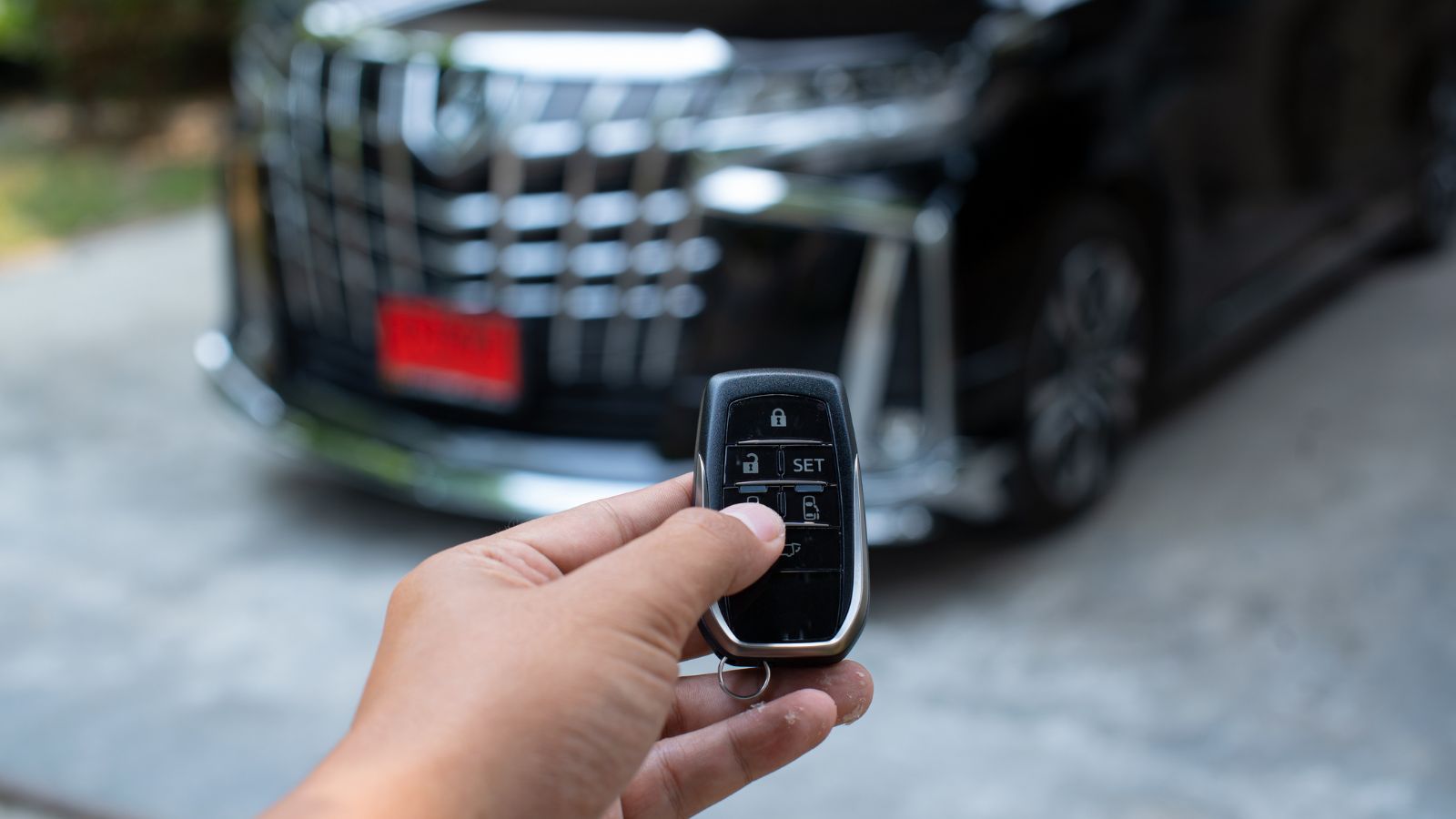
Electronic locking is convenient enough that many drivers press a button and walk away without checking the doors. That habit matters because signal-jamming attacks have been documented internationally. INTERPOL warns that criminals can interfere with the signal sent while a vehicle is being locked, potentially leaving it unlocked even though the owner believes the locking command worked. Police crime-prevention guidance consequently recommends physically confirming that the vehicle is secure.
One failed locking attempt is much more likely to be a weak fob battery, radio interference, or an ordinary technical fault than a thief. Repeated unexplained failures in the same parking area deserve closer attention, particularly if unfamiliar people are nearby. A vehicle that remains unlocked gives criminals access without broken glass or obvious damage, potentially allowing them to take property or reach systems inside the cabin. The most useful response is simple: verify the lock manually before leaving and treat recurring interference as something worth investigating rather than assuming the confirmation flash or sound tells the entire story.
Security Cameras Show Someone Testing the Door Handles
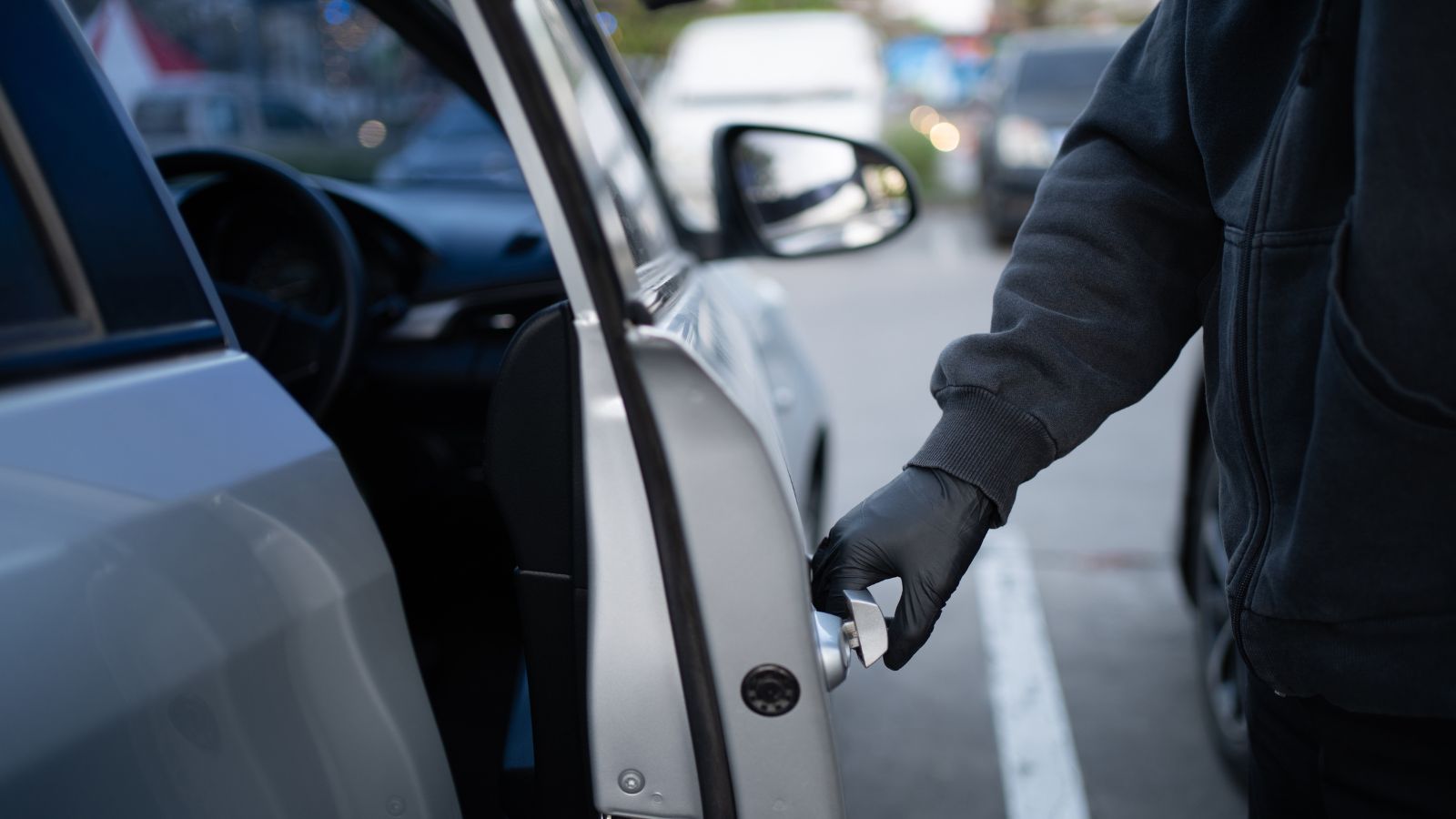
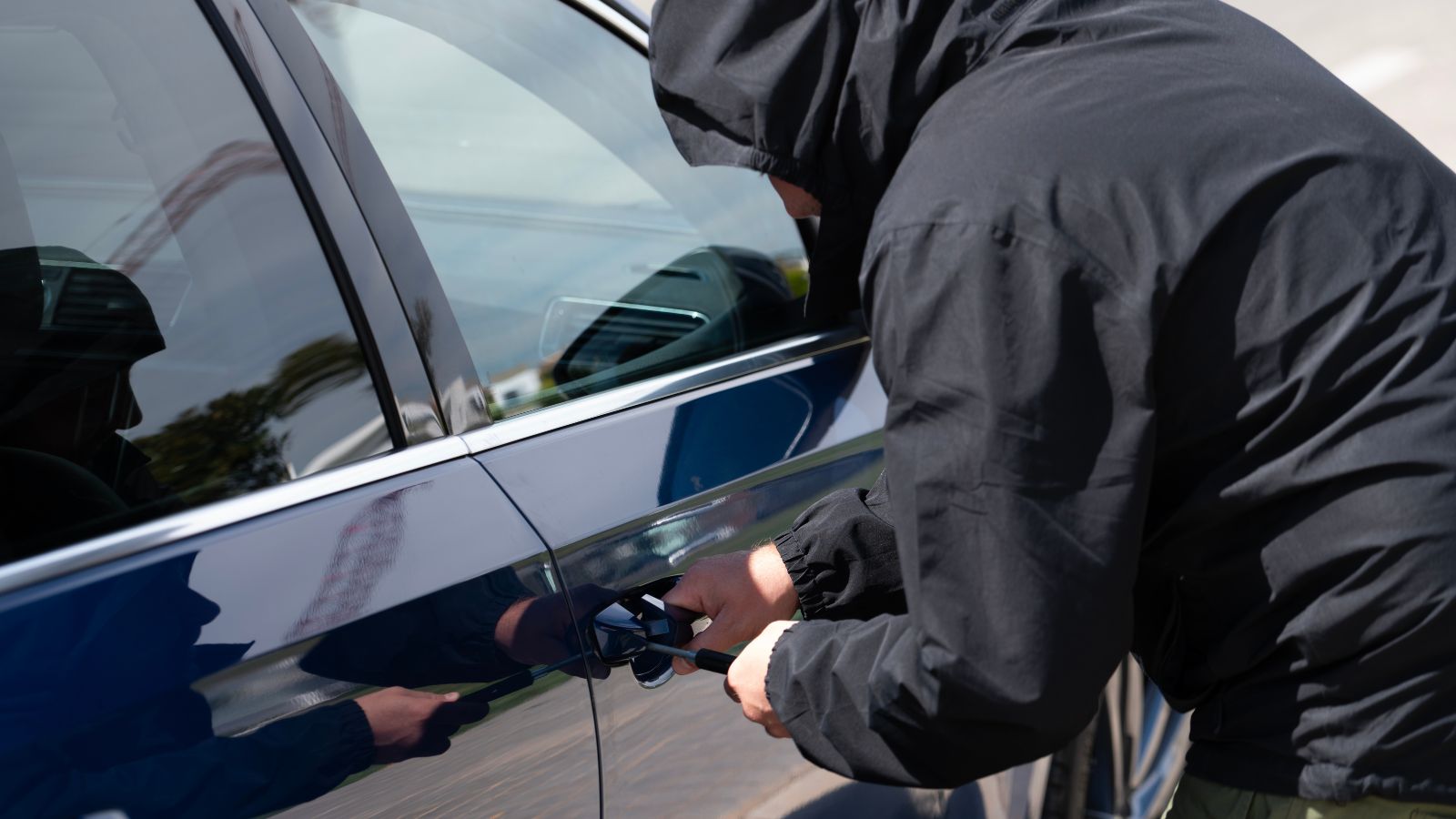
Door-handle testing is not an urban legend. Crime-prevention agencies describe offenders walking through streets, parking lots, and driveways looking for vehicles that have been left unlocked. The National Insurance Crime Bureau notes that some criminals deliberately test handles to identify an easier target, while police programs have been built around checking vehicles for the same vulnerability in high-theft locations.
Security-camera footage of someone trying one handle can represent opportunistic theft rather than a sophisticated plan to steal the entire vehicle. Even so, it proves that the vehicle has attracted criminal attention. That distinction matters. Someone who finds a door unlocked may steal property, a garage remote, registration information, keys, or other items that create additional security problems. Repeated handle-testing around the same driveway is more concerning still. After such an incident, owners should confirm that nothing is missing, review whether spare keys or documents were inside, preserve footage, and make sure the vehicle is consistently secured rather than assuming the unsuccessful attempt ended the risk.
Fresh Scratches Appear Around Locks, Glass, or Door Trim
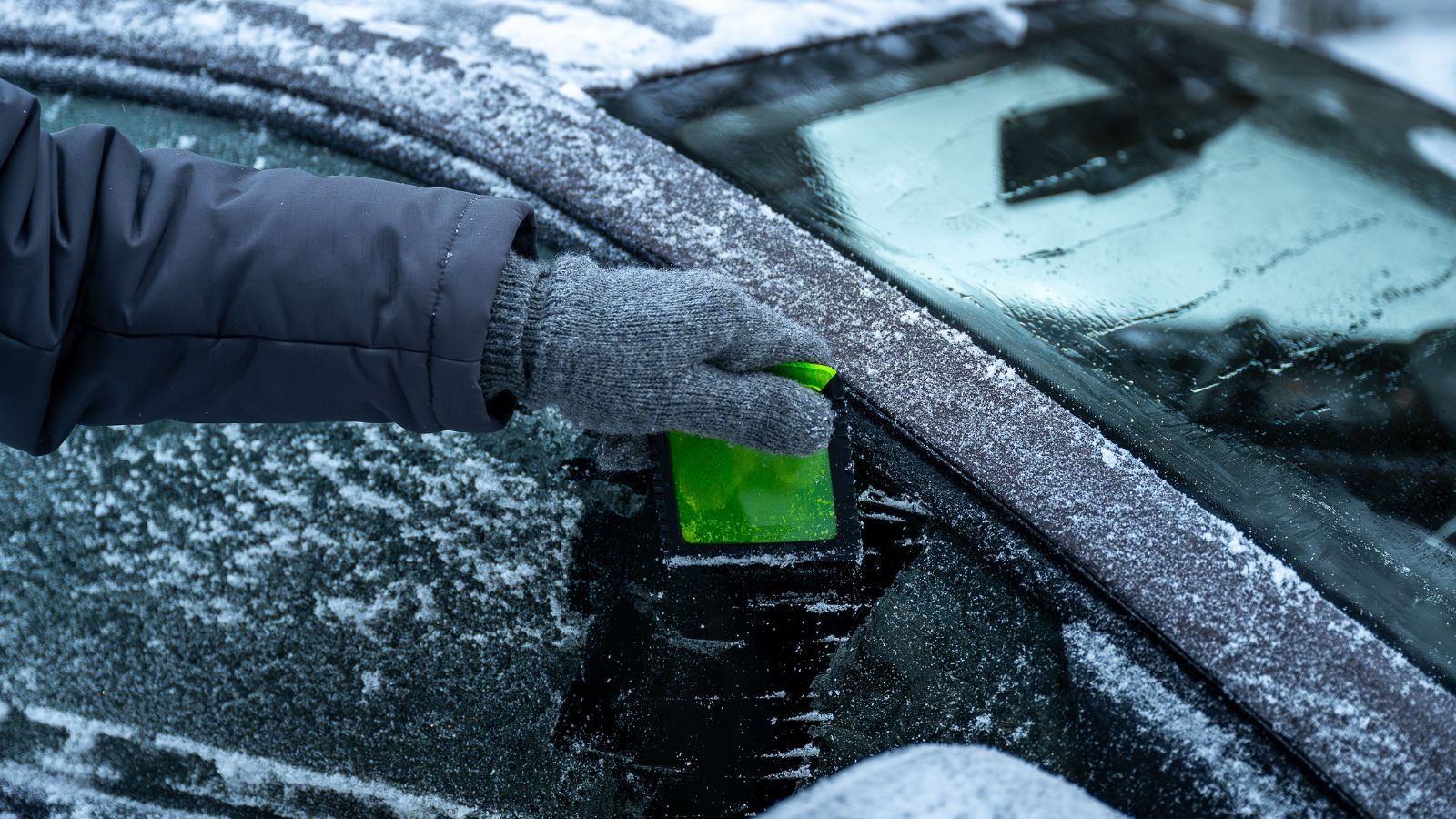
New damage around a door lock, window edge, weather stripping, or entry point deserves an explanation. Some marks come from normal use, careless passengers, ice scrapers, or parking-lot contact. Others can be evidence that someone attempted to force entry. INTERPOL advises people inspecting vehicles to pay attention to scratches and irregularities around locks because physical tampering can indicate criminal interference.
The strongest warning is unexplained damage that appears suddenly after the vehicle was parked unattended. A scratched lock cylinder, bent trim, disturbed weather seal, or marks consistent with prying should not simply be treated as cosmetic damage until the rest of the vehicle has been checked. Owners should inspect the cabin for missing property, verify that keys and documents remain accounted for, and determine whether nearby cameras recorded anything useful. Attempted entry does not necessarily mean the thief wanted the entire vehicle—contents may have been the objective—but it demonstrates that someone considered the vehicle worth attacking and may return if the original attempt was interrupted.
The OBD Area or Lower Dashboard Looks Disturbed
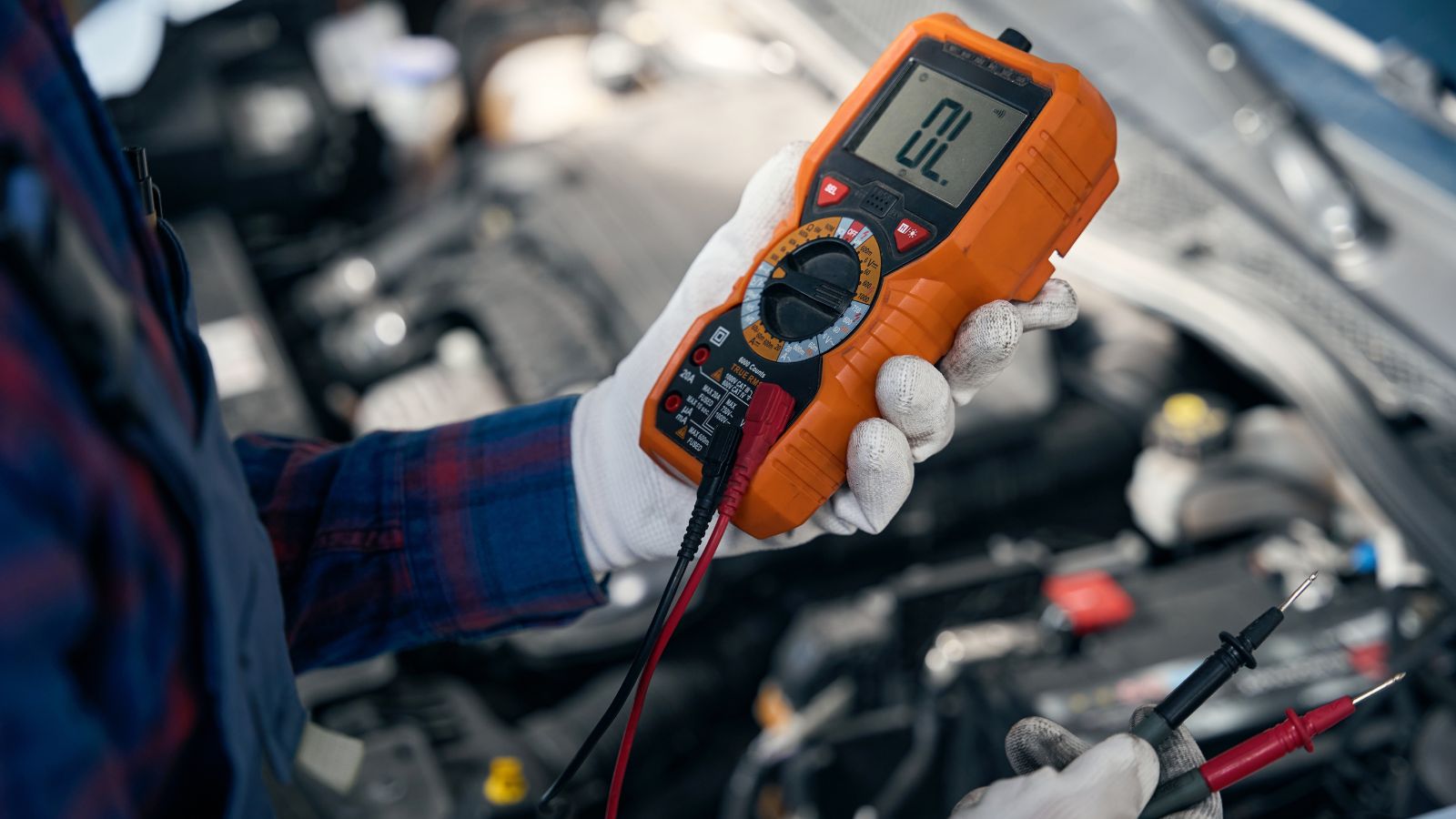
The diagnostic connector beneath the dashboard was designed to help technicians service vehicles, but access to electronic systems has also become part of the theft problem. Équité Association has specifically recommended locks for on-board diagnostic ports and has described unauthorized key reprogramming through vehicle diagnostic access as a theft threat. Canadian proposals to modernize vehicle-security requirements have likewise addressed electronic attack tools and reprogramming methods.
That makes unexplained disturbance around the lower dashboard more significant than it once was. Loose panels, missing fasteners, a displaced diagnostic-port cover, or trim that suddenly appears to have been removed should be examined, particularly when no mechanic or owner has recently worked there. Those symptoms can have innocent causes, so they are not proof of attempted theft. Combined with another indicator—such as an unlocked cabin, suspicious footage, or missing property—they become much harder to ignore. A dealership or trusted technician can help determine whether anything has been altered, disconnected, or accessed in an unusual way.
Exterior Electrical Trim Appears to Have Been Tampered With
Not every modern theft attempt begins inside the cabin. Vehicle-security organizations recognize CAN-bus attacks, in which criminals seek unauthorized access to a vehicle’s electronic communications. The exact vulnerability and access location vary substantially by manufacturer and model, so there is no universal piece of trim that proves an attack occurred. Nevertheless, unexplained interference with exterior electrical components deserves attention when it appears alongside other suspicious activity.
A headlamp assembly that suddenly sits incorrectly, a displaced bumper edge, damaged wheel-well material, or fresh marks around wiring should first be checked for mundane explanations such as road debris or minor parking contact. If those explanations do not fit, professional inspection becomes reasonable. Équité Association recommends aftermarket immobilization capable of protecting against CAN-bus, reprogramming, and relay-based attacks because physical locks alone may not address modern electronic theft. The useful warning sign is therefore not a specific scratch in a specific location, but unexplained tampering near vehicle electronics that has no maintenance or collision-related explanation.
A Licence Plate Goes Missing or Its Fasteners Look Disturbed
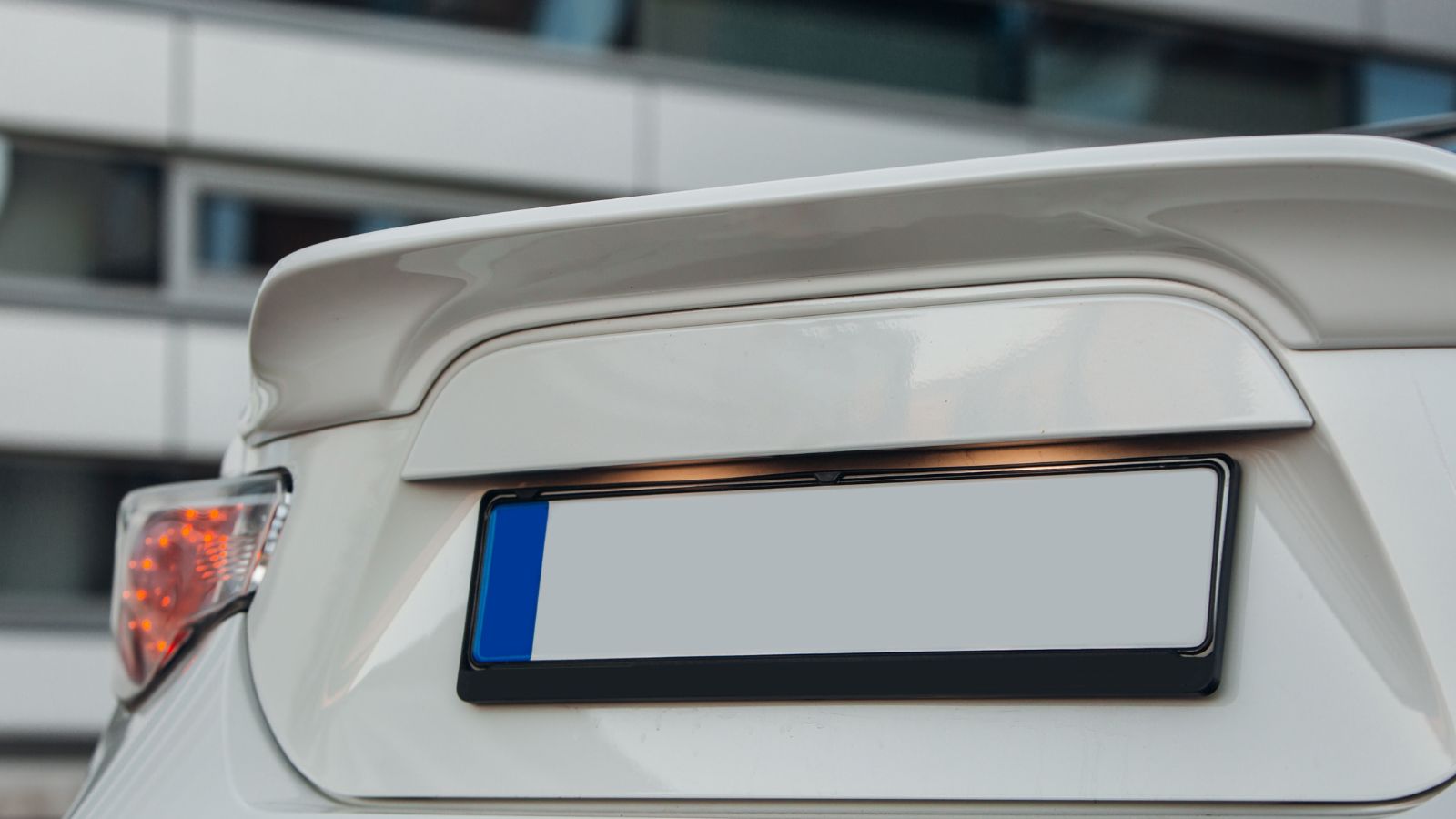
A missing licence plate is more than an inconvenience. Police agencies warn that stolen plates can be placed on another vehicle to conceal its real identity, avoid enforcement, or facilitate other crimes. Police.uk recommends tamper-resistant fasteners specifically because stolen registration plates can be used when changing or disguising the identity of a vehicle. Canadian police services also treat stolen plates as reportable property crimes.
Sometimes the plate itself is the only thing the thief wants. Nevertheless, loose screws, damaged mounting points, or a plate that disappears unexpectedly show that someone has already interfered with the vehicle. Owners should report a stolen plate promptly rather than simply ordering a replacement and assuming the matter ends there. Reporting creates a record if that plate later appears on another vehicle or is connected to offences. It is also worth checking the rest of the vehicle for entry attempts or missing property, since licence-plate theft can occur alongside broader vehicle crime rather than in isolation.
A Key or Spare Fob Can No Longer Be Accounted For

A missing key changes a vehicle’s risk immediately. Police and insurance crime-prevention guidance repeatedly tells owners to keep both primary and spare keys secure and never leave them in or around the vehicle. Even sophisticated electronic security can become irrelevant if someone possesses a legitimate key or fob. A spare disappearing after a party, service visit, house intrusion, move, or other event should not be treated as harmless until its location is known.
Misplaced keys are common, so there is no reason to assume criminal intent every time one cannot be found. The concern rises when other suspicious circumstances are present: the key vanished from its normal location, someone gained unauthorized access to the home or car, or the vehicle itself has recently been examined by strangers. Depending on the vehicle, a dealer or qualified technician may be able to remove a missing key from the authorized-key list and reprogram the remaining ones. The important point is that physical possession of the vehicle is not required for a thief to create a future vulnerability.
A Prospective Buyer Had Unsupervised Access to the Keys

Private sellers naturally focus on payment scams and dangerous test drives, but the keys themselves also deserve protection. Metropolitan Police guidance warns people selling vehicles not to let a prospective buyer take the keys out of sight because dishonest buyers may clone them and return later. Other police agencies advise sellers to accompany potential purchasers on test drives rather than surrendering control of the vehicle.
The warning sign appears after a viewing when something about the interaction no longer makes sense. Perhaps a supposed buyer handled the keys away from the seller, disappeared briefly with them, showed unusual interest in security features, or abruptly lost interest in the vehicle afterward. None of those details proves cloning occurred, but they create enough uncertainty to justify caution. This is especially important with valuable or theft-prone models advertised publicly, since the listing itself reveals the vehicle’s existence. Sellers should also avoid unnecessarily disclosing where keys are stored or what anti-theft systems are installed.
Registration Papers or a Garage Opener Disappear From the Cabin
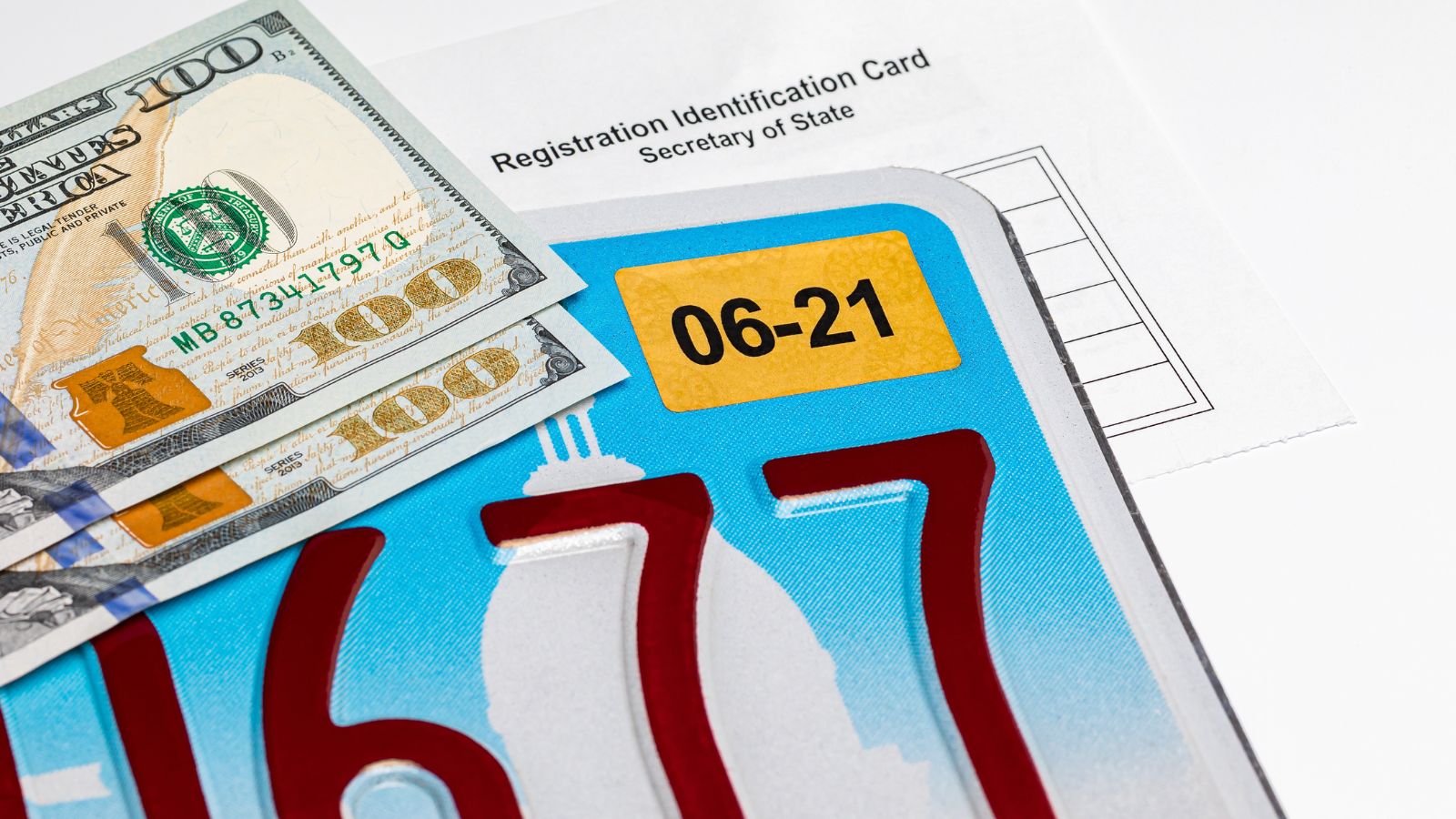
A thief who enters a vehicle does not need to steal the vehicle immediately to create a larger problem. Registration documents can contain useful identifying information, while a garage-door opener may provide access to the property where the vehicle and its keys are kept. INTERPOL advises motorists not to leave registration papers in vehicles, and Canadian police similarly recommend removing garage-door remotes and personal documents from unattended vehicles.
That makes a strangely selective break-in worth taking seriously. If inexpensive items remain while registration papers, keys, identification, or a garage remote disappear, the incident should not be treated like an ordinary search for loose change. The person who entered may now possess information or access that extends beyond the cabin. Changing or disabling the garage remote, checking the home’s security, securing all vehicle keys, and reporting stolen documents may be prudent. The loss may still have nothing to do with a later vehicle theft, but it has removed security layers that previously stood between the vehicle and an offender.
The Interior Has Been Rummaged Through but Almost Nothing Was Taken
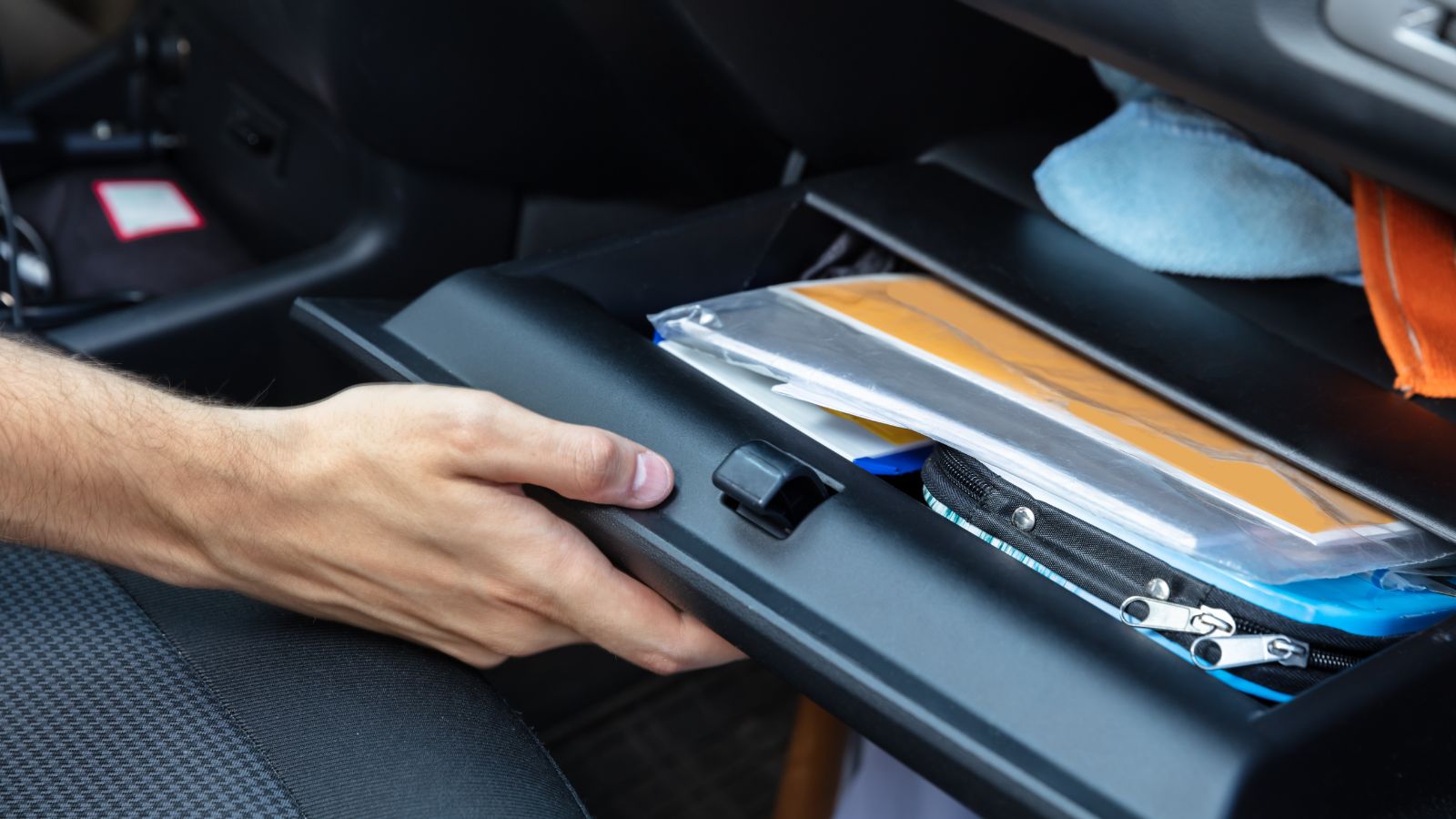
A glovebox hanging open or console contents scattered across the seats can look more confusing than alarming when nothing valuable is missing. Yet the important fact is that somebody successfully entered the vehicle. Theft-from-auto is often opportunistic, and police prevention guidance emphasizes that offenders commonly look for unlocked doors and visible property before deciding what to take.
Once someone has been inside, the owner should determine exactly what was accessible. Spare keys, vehicle paperwork, parking passes, building access cards, garage remotes, and electronic devices can be more consequential than a missing handful of coins. It is also possible the person was simply searching for valuables and found nothing worth taking. Either way, an unexplained interior disturbance confirms that the vehicle’s security failed somewhere. Reviewing camera footage, changing garage access if necessary, securing documents elsewhere, and making sure the doors actually lock are sensible steps. A failed theft-from-auto can still provide an offender with information useful for a later attempt.
The Alarm Starts Triggering After Unexplained Contact

Most false alarms have innocent causes: wind, animals, sensor problems, nearby construction, or an aging electrical system. However, police crime-prevention material for commercial vehicles notes that thieves may deliberately bump or interfere with vehicles while assessing their alarms. That means repeated unexplained activations deserve more scrutiny when they occur during unusual activity around the vehicle.
Context is crucial. One alarm at 3 a.m. does not establish that criminals are testing the car. Several activations accompanied by security footage showing someone approaching, touching, or looking underneath the vehicle are far more meaningful. Some modern security and tracking systems can also notify an owner when a vehicle is moved or interfered with. Rather than disabling an apparently troublesome alarm immediately, it can be useful to determine what is triggering it first. If the cause cannot be explained mechanically or environmentally, the incidents may represent attempted access, parts theft, or reconnaissance. Preserving the timing and any associated video can help identify whether a pattern exists.
A Suspicious Tow Truck Appears Around the Vehicle

Not every stolen vehicle is driven away under its own power. Police crime-prevention guidance warns motorists to be alert to suspicious towing activity because a vehicle can also be physically removed. A legitimate tow normally has an understandable reason for being there—parking enforcement, roadside assistance, repossession, collision recovery, or an owner request. The warning comes when the circumstances do not fit.
An unmarked or questionable tow vehicle repeatedly circling a parked car, operators who cannot explain who authorized the tow, or unexpected activity around a vehicle that is not disabled deserves attention. The safest response is not physical confrontation. If a theft appears to be underway, police should be contacted and useful details recorded from a safe location. Modern electronic immobilizers are valuable, but they cannot stop every form of physical removal. That is one reason secure garages, positioning that restricts easy access, cameras, and tracking systems remain useful even for vehicles equipped with sophisticated factory security.
The Vehicle Regularly Sits in Higher-Risk Parking Environments

Where a vehicle spends its unattended hours can matter almost as much as what model it is. Peel Regional Police identifies large remote parking lots, shopping malls, commuter-rail stations, movie theatres, airports, residential driveways, and unlocked garages among locations where vehicle theft occurs. Other police agencies consistently recommend well-lit, populated, or secured parking because visibility increases the chance that suspicious activity will be noticed.
A long-term parking routine can become especially relevant for a desirable vehicle. The owner may park in the same isolated commuter lot every weekday, leave the vehicle at an airport for several days, or use a quiet corner of a large shopping centre where patterns are easy to observe. None of those choices means thieves are actively watching the car, but they increase exposure and predictability. When combined with another warning—such as a tracker alert or reports of similar vehicles disappearing from that location—the parking routine becomes a much stronger signal that security should be upgraded.
Visible Property Makes the Vehicle More Rewarding to Attack

Sometimes the car itself is not the first prize. Laptops, phones, shopping bags, work tools, roof-rack equipment, and other visible property can turn an otherwise unremarkable vehicle into an attractive break-in target. Canadian and international police agencies repeatedly advise drivers to remove valuables from sight because opportunistic thieves often choose vehicles offering an obvious reward.
The connection to whole-vehicle theft is indirect but important. Once an offender breaks in, additional opportunities become available. Registration papers, spare keys, garage remotes, building-access devices, and vehicle electronics may all become accessible. Vans and work trucks can face particular exposure when criminals believe valuable tools are routinely stored inside. Exterior accessories can be targets as well, and police guidance recommends securing roof-mounted or externally carried equipment. A vehicle that constantly looks profitable to open receives more criminal attention than an empty one. Reducing that incentive does not make theft impossible, but it removes one of the simplest reasons for someone to approach in the first place.
Fresh Underbody Marks or Late-Night Sawing Noises Appear

Whole-vehicle theft is only part of auto crime. Catalytic converters remain desirable because they contain valuable metals and can be removed quickly. The RCMP notes that thieves commonly target SUVs and trucks because their greater ground clearance makes the exhaust system easier to reach. Vancouver Police issued a fresh warning in July 2026 after dozens of catalytic-converter thefts were reported in parts of the city, with many occurring overnight.
Warning signs can appear before the part is completely removed. Unexplained scraping or cutting sounds near a parked vehicle, someone lying underneath it, fresh tool marks, or signs of disturbed exhaust components should not be ignored. The RCMP specifically advises reporting suspicious power-tool noises and people underneath parked vehicles. Owners should not crawl under a vehicle or confront a suspected thief while a crime may be occurring. Parking against barriers where practical, using lighting and cameras, and installing model-appropriate converter protection can make access more difficult.
The Vehicle Is Routinely Left Running, Unlocked, or Easy to Enter

Some vehicles become targets not because criminals planned around a particular model but because an opportunity suddenly presents itself. Police and insurance organizations consistently warn against leaving a running vehicle unattended, leaving keys inside, failing to close windows, or walking away without confirming that doors are locked. The National Insurance Crime Bureau describes unlocked vehicles as something offenders may actively search for while moving through parking lots and neighbourhoods.
Canadian winters make this especially relevant because drivers sometimes start a vehicle and return indoors while the cabin warms. The convenience can create a period in which the vehicle is ready to be driven away with minimal resistance. The same principle applies to quick stops at stores, fuel stations, schools, or driveways where a driver believes the vehicle will be unattended for only a moment. In these cases, the “sign” is really a repeated vulnerability: the vehicle is advertising itself as the easiest option nearby. Removing that opportunity remains one of the simplest layers of theft prevention.
19 Used Cars Canadians Should Avoid in 2026 (Based on Owner Complaints)

Buying a used car in Canada can feel safe until repair bills start stacking up. Owner complaints tell a different story than glossy listings. Transmission failures, electrical problems, and weak winter reliability show up again and again in consumer reports. Many of these issues appear after warranties expire, when owners least expect them. Some vehicles look affordable upfront, but become expensive to keep on the road. Others struggle in cold weather, urban driving, or long highway commutes. Here are 19 used cars Canadians should avoid in 2026 (based on owner complaints).
19 Used Cars Canadians Should Avoid in 2026 (Based on Owner Complaints)