























Most driving trouble does not begin with stunt driving or obvious rule-breaking. It often starts with an ordinary habit that seems harmless because other motorists do it every day. In Canada, that risk is amplified by provincial and municipal differences: a manoeuvre or vehicle modification accepted in one place may be restricted in another.
These 19 situations show how phones, snow, tint, parking, lane use, alcohol, tires and even a horn can create legal trouble when the conditions are misunderstood. The examples draw from current rules and official guidance in Ontario, Québec, Alberta and Toronto, making one point especially clear: familiarity is not the same as legality, and small details can matter as much as the behaviour itself.
Checking a Phone at a Red Light
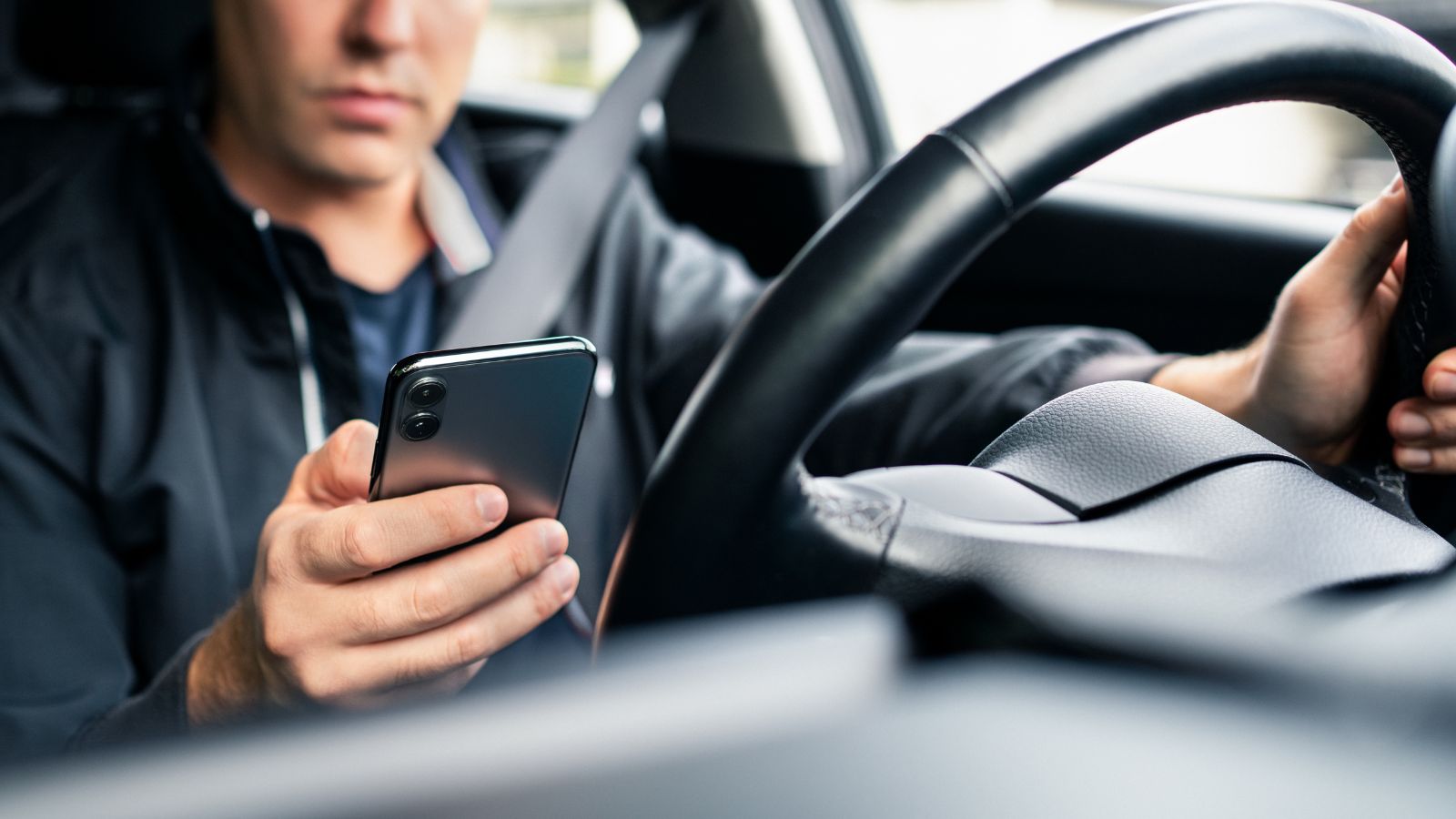
A red light can feel like a pause in driving, but Ontario law does not treat it that way. The province says distracted-driving restrictions continue while a vehicle is stopped in traffic or at a red light. Holding a phone to text, dial or otherwise use it can therefore trigger an offence even when the wheels are not moving. The narrow emergency exception allows a driver to call police, fire or ambulance services, but routine messages or checks do not qualify.
That distinction catches drivers because the behaviour seems less risky than using a phone at highway speed. A commuter waiting through a long light may think there is enough time to read a notification, yet the legal line is tied to being in traffic, not whether the car is rolling. Ontario’s own advice is straightforward: if a phone must be used, pull over and park safely before touching it.
Typing a Destination Into a Handheld GPS
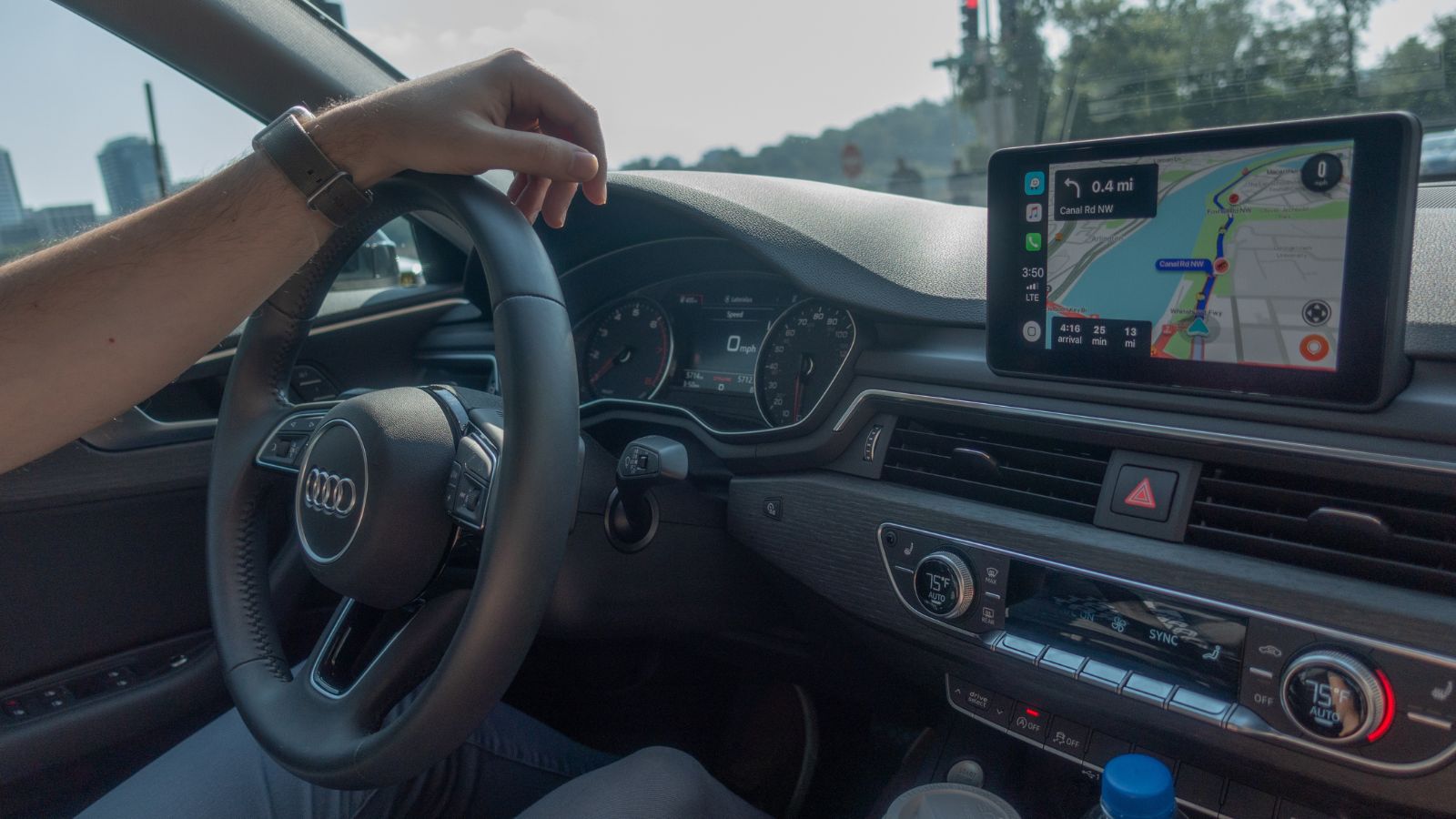
Navigation feels like a driving tool rather than a distraction, but the way it is operated matters. In Ontario, programming a GPS on a cellphone or other handheld communication device is prohibited while driving, including while stopped in traffic. Voice commands are allowed, and a GPS display may be viewed when it is built into the dashboard or securely mounted. The problem begins when a driver starts tapping through menus on a handheld device.
That can surprise someone who is not sending a message or scrolling social media at all. Imagine missing an exit, stopping at a red light and quickly typing a new address into a phone. The task may be directly related to the trip, but the handheld interaction can still violate the distracted-driving rules. Setting the route before departure, using voice input or parking safely before making changes avoids turning a navigation correction into a ticketable mistake.
Eating or Grooming Until It Affects Control
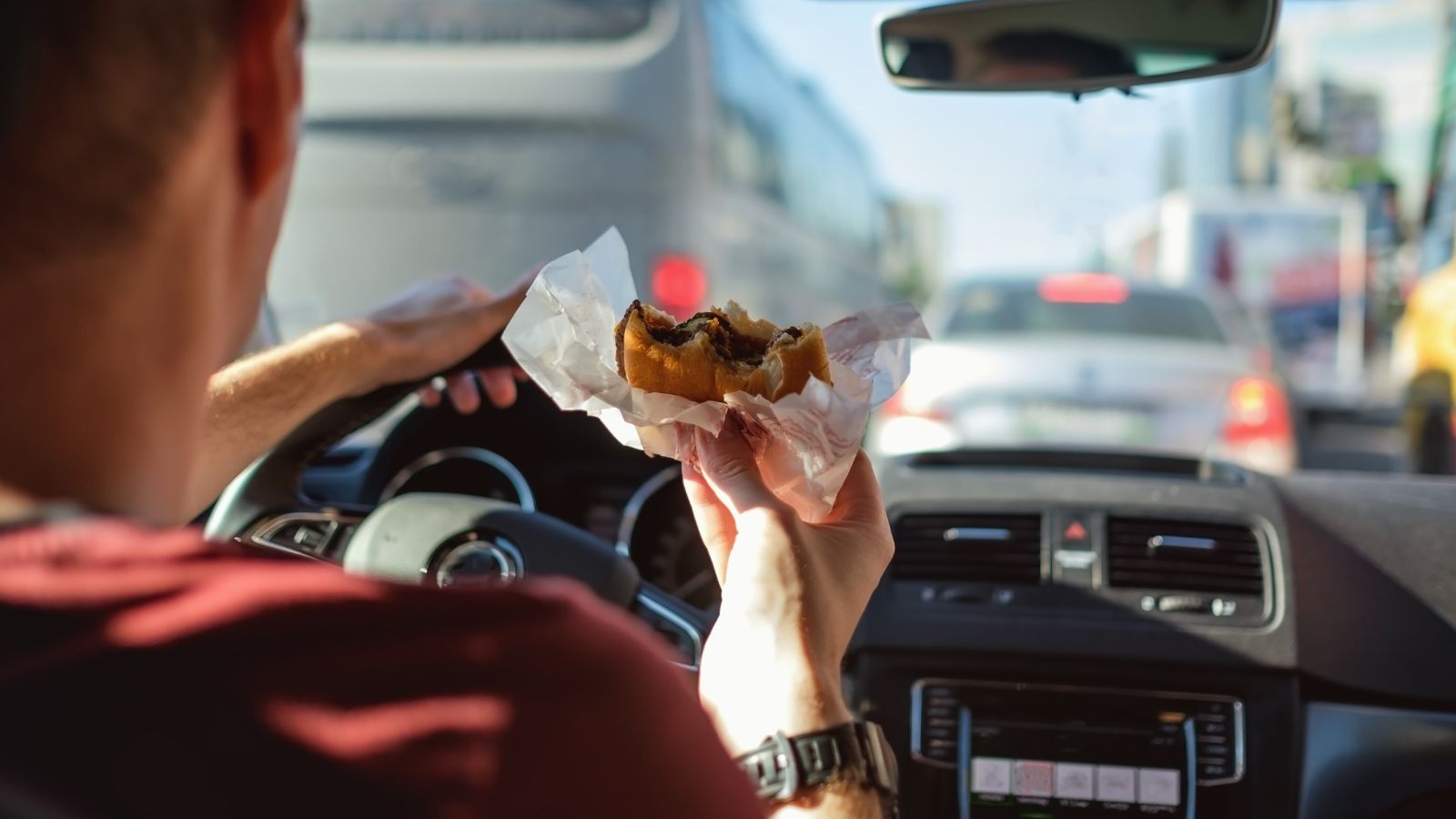
Ontario’s distracted-driving law is focused heavily on electronic devices, so eating a sandwich, drinking coffee, smoking, reading or grooming is not automatically captured by that specific prohibition. That does not make those activities risk-free from an enforcement standpoint. Ontario explicitly warns that a driver can still be charged with careless or even dangerous driving when another activity interferes with safe vehicle control.
The practical issue is behaviour, not the snack itself. A driver who takes one hand off the wheel for a coffee at a quiet moment is in a very different situation from someone looking down to unwrap food while drifting across a lane. The second scenario can create evidence of unsafe operation even though no phone is involved. The common assumption that “it is not in the distracted-driving law, so it is legal” misses the broader duties that still apply behind the wheel, because wider safety rules remain.
Wearing Headphones in Both Ears in Québec
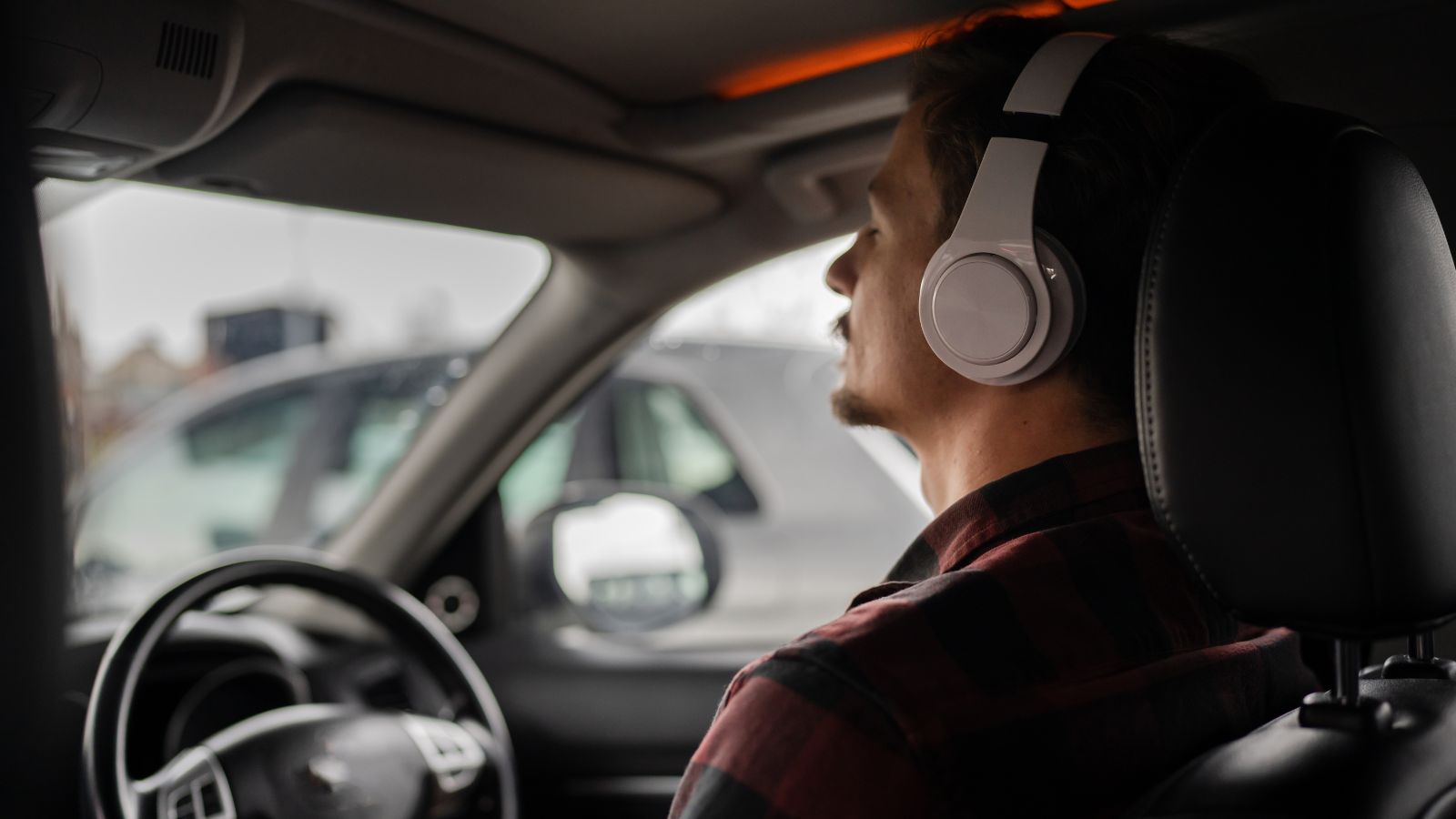
Listening to music through earbuds may seem no different from using a car stereo, but Québec draws a specific line. The SAAQ says drivers of road vehicles may wear a headphone or earphone in only one ear so that surrounding sounds remain audible. Wearing headphones or earphones in both ears is prohibited. The SAAQ lists a fine of $100 to $200 for violating that rule.
The distinction matters because modern noise-cancelling earbuds can make a cabin feel unusually quiet. A driver may still see traffic normally while missing a siren, horn, bicycle bell or other warning outside the vehicle. Someone crossing into Québec from a province without the same one-ear rule could easily assume the practice is universally accepted. It is not. Provincial differences like this are one reason a habit that has never attracted attention at home can become an unexpected enforcement issue during a road trip, sometimes suddenly.
Adding Dark Tint to the Front Windows
Window tint rules vary sharply across Canada, and factory glass is not the same thing as aftermarket film. Alberta states that tinting material may not be attached to the windshield or to the windows immediately to the left and right of the driver unless a qualifying medical or physical exemption has been granted. Ontario uses different wording, prohibiting coatings that obstruct the driver’s view or substantially obscure the vehicle’s interior through the front side windows.
That means a tint job sold by a shop is not automatically road-legal in every province. A used vehicle imported from another jurisdiction can also arrive with film that was acceptable where it came from but problematic after registration elsewhere. Alberta’s exemption process is deliberately limited and requires medical documentation. The safer assumption is that front-glass tint is regulated equipment, not merely a styling choice, and that local rules should be checked locally before installation.
Using a Plate Cover That Obscures the Number
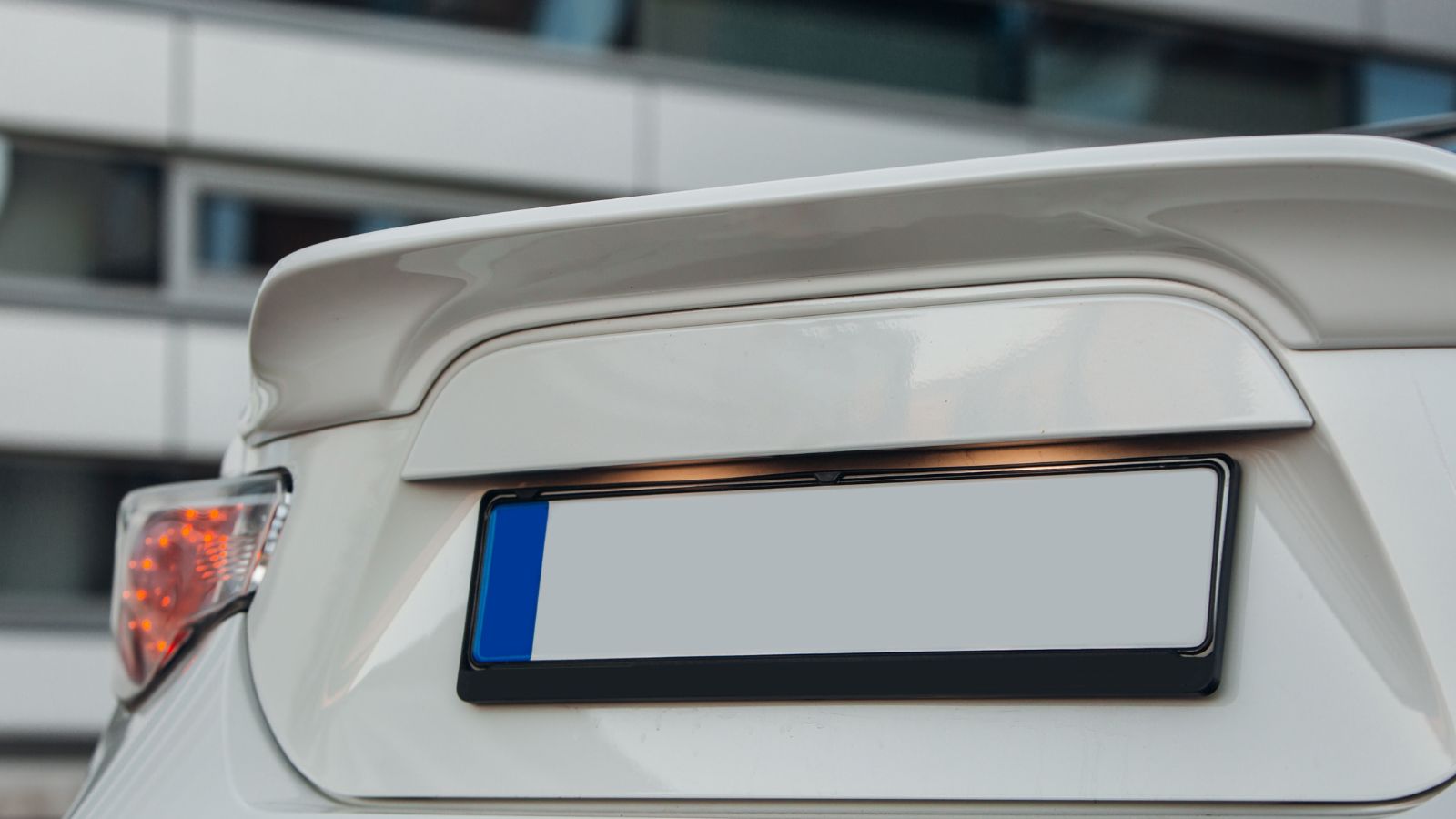
Licence-plate covers are often sold as weather protection or cosmetic accessories, but they can create trouble when they interfere with identification. Ontario’s Highway Traffic Act requires every plate to be kept free from dirt and obstruction, with the entire plate and its numbers plainly visible. The law also restricts obstructions that prevent identification by systems such as red-light cameras or electronic toll equipment.
The important word is obstruction. A frame that clips a corner, a smoked shield that reduces contrast, accumulated road salt or a cover that reflects glare can turn a decorative accessory into an enforcement problem if the plate is no longer plainly readable. Drivers sometimes assume that anything sold by a retailer must be lawful on public roads. Vehicle-equipment rules do not work that way. The responsibility remains with the person operating the vehicle to ensure the plate can be clearly seen and identified at all times.
Driving With Snow or Ice That Can Fly Off

A snow-covered roof can look like a harmless winter shortcut, especially when the windshield and mirrors have already been cleared. Québec law is more demanding. The Highway Safety Code prohibits driving a vehicle covered with snow, ice or other material that may detach and create a hazard for road users. The SAAQ says that offence can bring a $60 to $100 fine plus costs.
Visibility creates a separate issue. Québec guidance says a driver can also face a $100 to $200 fine when ice, snow or other material on the windshield or windows reduces visibility. The danger is familiar: a slab of roof ice can break loose at speed and strike the vehicle behind, while loose snow can blow forward and obscure the driver’s own view during braking. Clearing only a “porthole” in the windshield may save minutes in the driveway but can leave the vehicle unsafe. Shortcuts carry consequences.
Making a U-Turn Wherever There Is No Sign

The absence of a “No U-turn” sign does not automatically make the manoeuvre legal. Ontario prohibits U-turns in several visibility-sensitive locations. Drivers may not turn around on a curve when approaching traffic cannot be seen within 150 metres, on or within 30 metres of a railway crossing, near the crest of a grade with restricted visibility, or within 150 metres of a bridge, viaduct or tunnel when the view is obstructed.
Those distances matter because a U-turn places a vehicle across lanes that normally carry faster traffic. On a rural road, a driver may see no sign and assume the manoeuvre is fine, only to be positioned just beyond a hillcrest where another motorist has little warning. Ontario’s driver handbook therefore emphasizes sightlines in both directions. The safer legal test is not simply “Is there a sign?” but “Is this one of the locations where the law restricts the turn?”
Turning Right on Red on the Island of Montréal
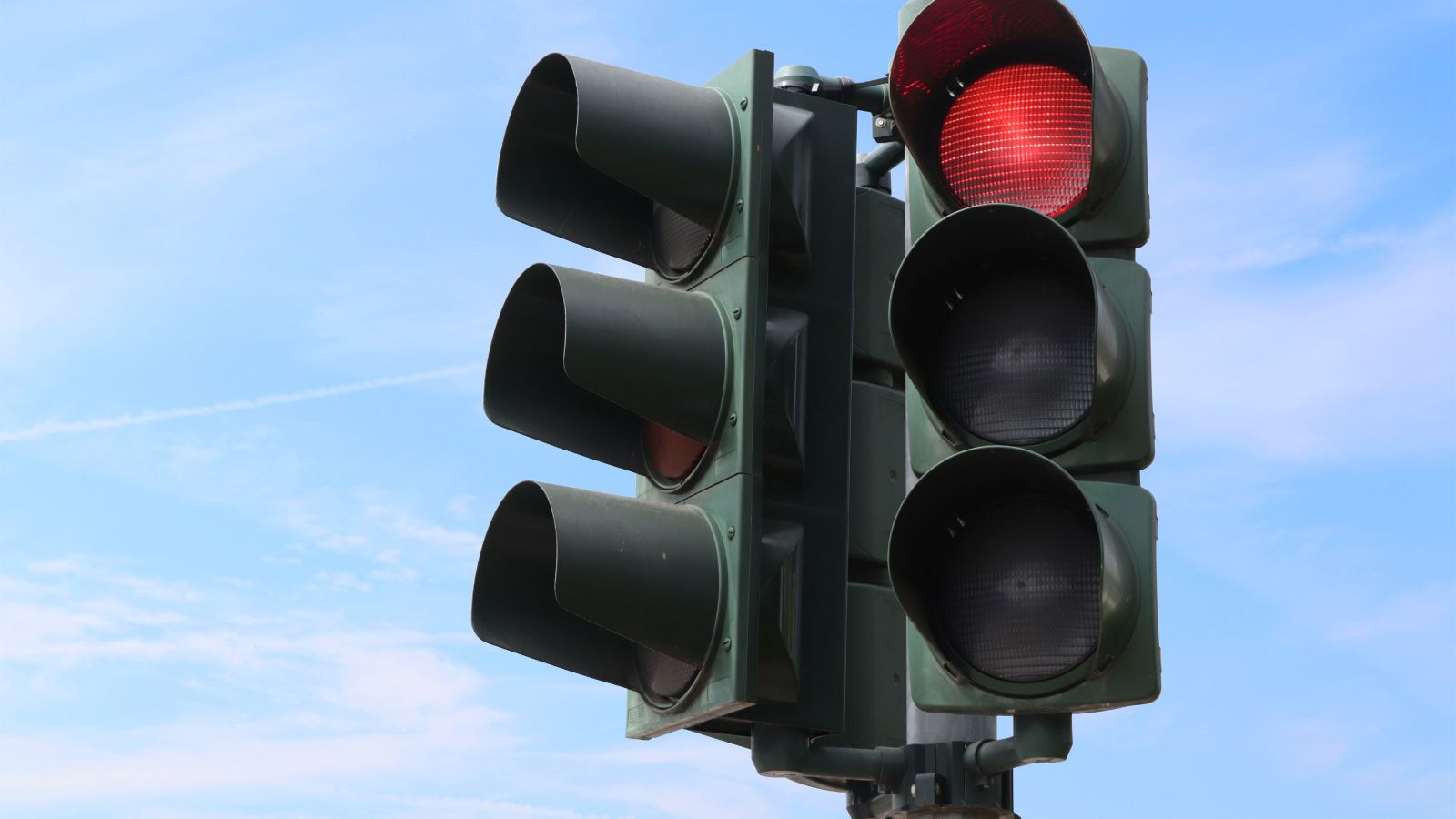
Right turns on red are common across much of Canada, which makes Montréal an easy place for an otherwise experienced driver to make a mistake. Québec allows right turns on red in most of the province unless signs prohibit them, but the practice is banned across the island of Montréal. The SAAQ notes that signs announcing the island-wide prohibition are posted at entry points such as bridges, tunnels, ferries and the airport.
Even where a right turn on red is allowed elsewhere in Québec, it is not a rolling turn. A complete stop is mandatory before the driver yields to pedestrians, cyclists and other traffic. The SAAQ treats failing to stop or turning where prohibited like a red-light violation, with a stated fine of $100 to $200 and three demerit points. A habit learned in another city can therefore quickly become costly simply because a municipal boundary changes the rule.
Using the Shoulder to Get Around Traffic
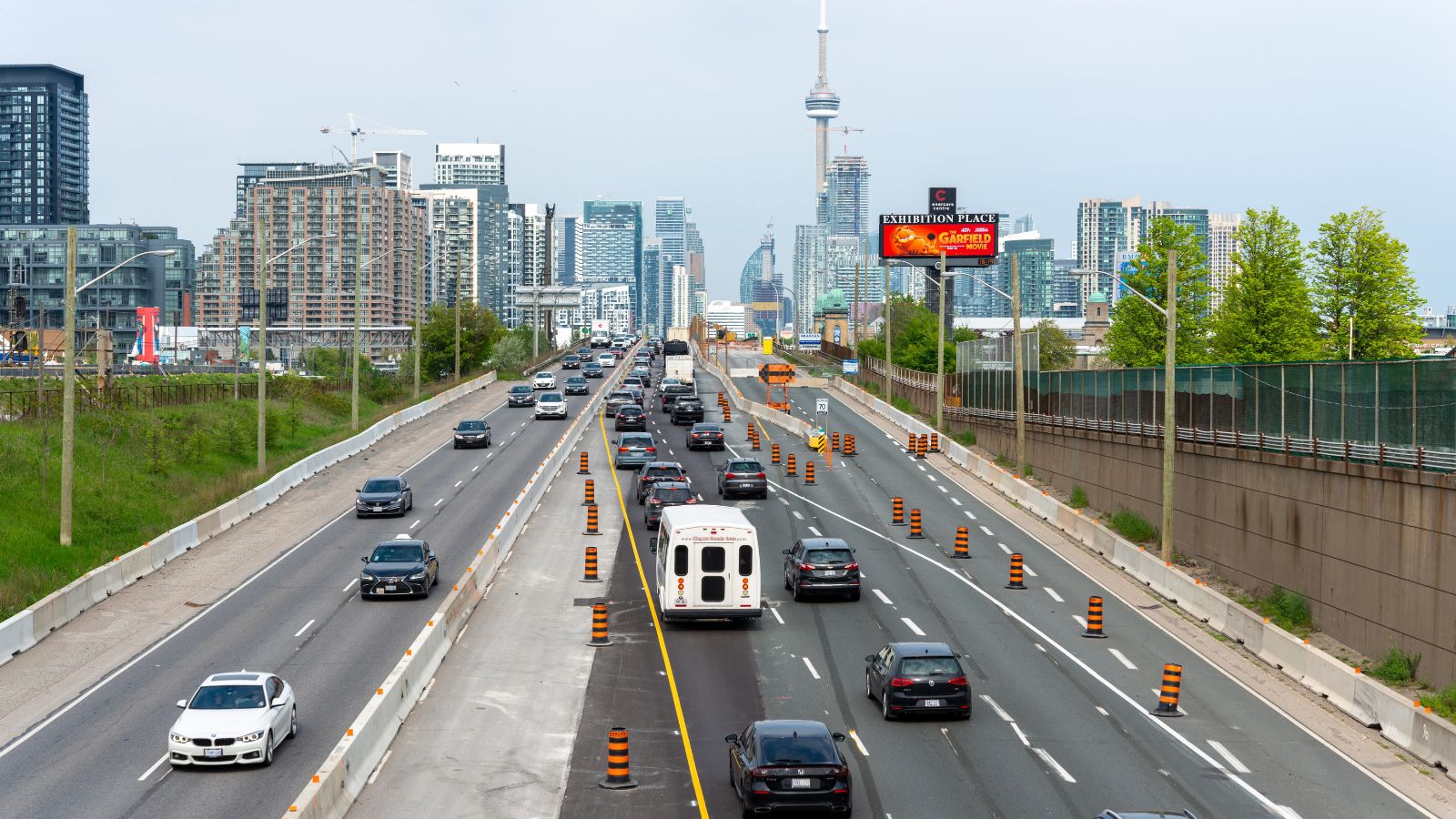
A paved shoulder can look like an extra lane when traffic stops, but Ontario permits shoulder passing only in a narrow situation. The Ministry of Transportation says a driver may use the right shoulder to pass a vehicle that is turning left, and only when that shoulder is paved. Passing on the left shoulder is not permitted. The Highway Traffic Act otherwise prohibits overtaking by driving off the roadway.
That leaves little room for the rush-hour manoeuvre of slipping past a queue on the shoulder to reach an exit or intersection. The shoulder is not a passing lane simply because it is wide enough for a car. It may be needed by disabled vehicles, cyclists or emergency responders. The legal exception is tied to one obstacle—a vehicle turning left—and a paved right shoulder. Treating the shoulder as a shortcut can turn a few seconds saved into an avoidable traffic charge.
Camping Left While Moving Slower Than Traffic
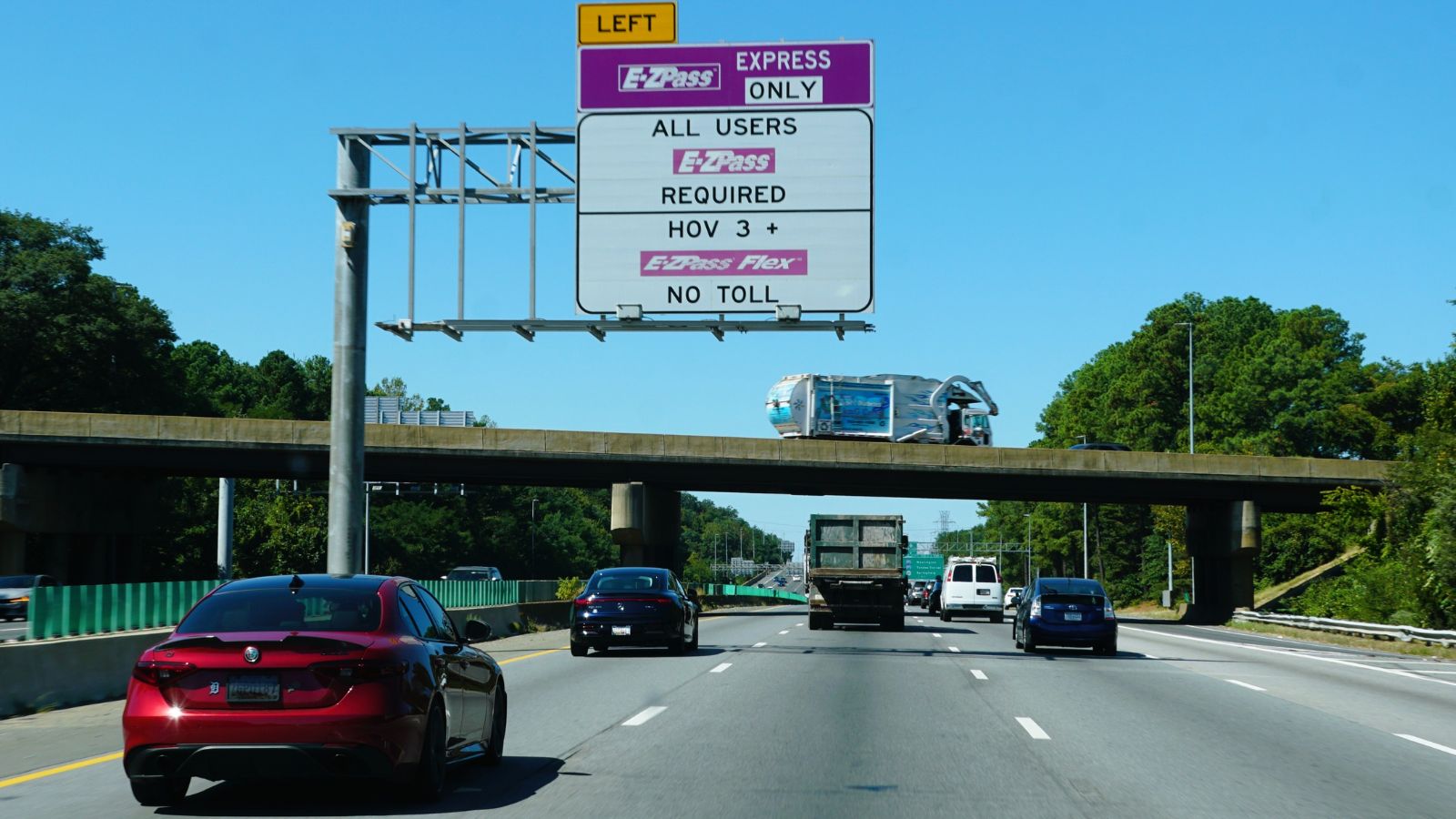
Many drivers treat the speed limit as the only rule that matters in the left lane, but Ontario also regulates lane position for slower-moving traffic. The Highway Traffic Act says a vehicle travelling below the normal speed of traffic at that time and place must, where practicable, take the right-hand lane or stay as close as practicable to the right edge. Exceptions include passing another vehicle or preparing for a left turn.
This is more nuanced than saying the left lane is always illegal unless a driver is overtaking. Traffic density, road design and speed all matter. Still, a motorist moving slower than the flow while remaining left can create a problem even if the driver believes the speed limit ends the discussion. Ontario’s handbook warns drivers not to block the normal and reasonable movement of traffic. Lane discipline is therefore part of lawful road use, not merely highway etiquette.
Rolling Through a Stop Sign

A stop sign does not mean “slow enough to look.” Ontario requires a complete stop. The Ministry of Transportation says the vehicle must stop at the marked stop line, or if there is none, before the crosswalk or edge of the intersection as applicable. The same complete-stop principle applies at a red traffic light before a permitted right turn.
Rolling stops are easy to normalize on empty residential streets because a driver may clearly see that no one is coming. Legally, visibility does not replace the stop itself. Ontario’s road-test guidance is even more explicit: the vehicle should not roll forward or backward while stopped. That makes the slow crawl through a four-way stop a poor gamble, even when another road user is nowhere in sight. The requirement is simple enough that an officer does not need a collision or near miss to identify the violation. A full stop matters.
Following an Emergency Vehicle Too Closely
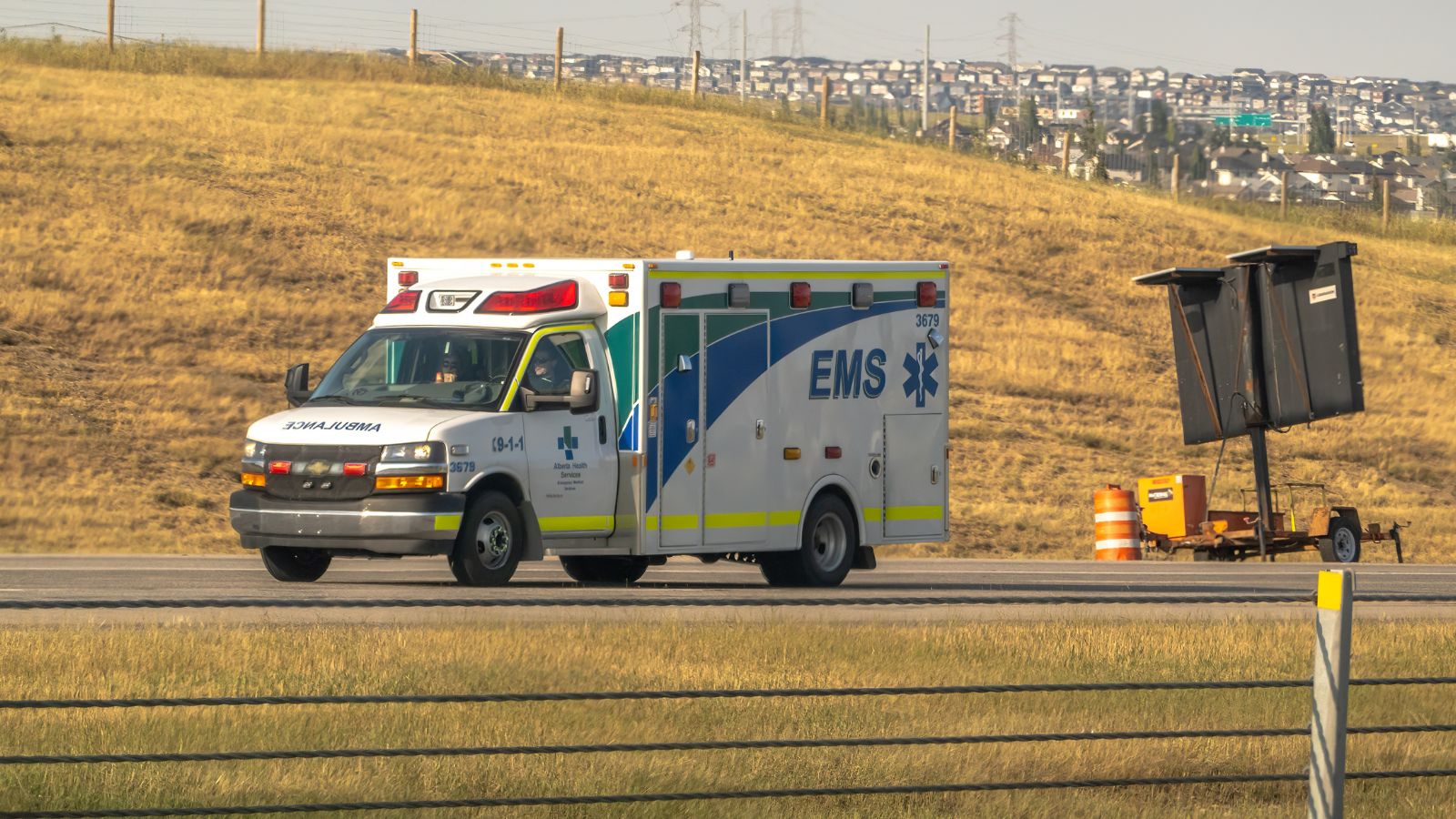
When an ambulance or fire vehicle clears a path through congestion, the open space behind it can look tempting. Ontario warns drivers not to use that gap as a shortcut. Provincial guidance says it is illegal to follow within 150 metres of a fire vehicle or ambulance responding to a call. Drivers must also yield to approaching emergency vehicles and obey move-over requirements around stopped emergency and roadside vehicles.
This matters because an emergency response rarely involves just one vehicle. Another ambulance, police cruiser or fire apparatus may be close behind, and crews may stop suddenly or position vehicles across lanes. A driver who tucks into the wake of the first responder can interfere with that response while creating a hazard. The empty lane is not a temporary express lane for civilian traffic. Once the emergency vehicle passes, motorists should re-enter traffic only when the way is clear and lawful.
Keeping an Open Alcohol Container Within Reach
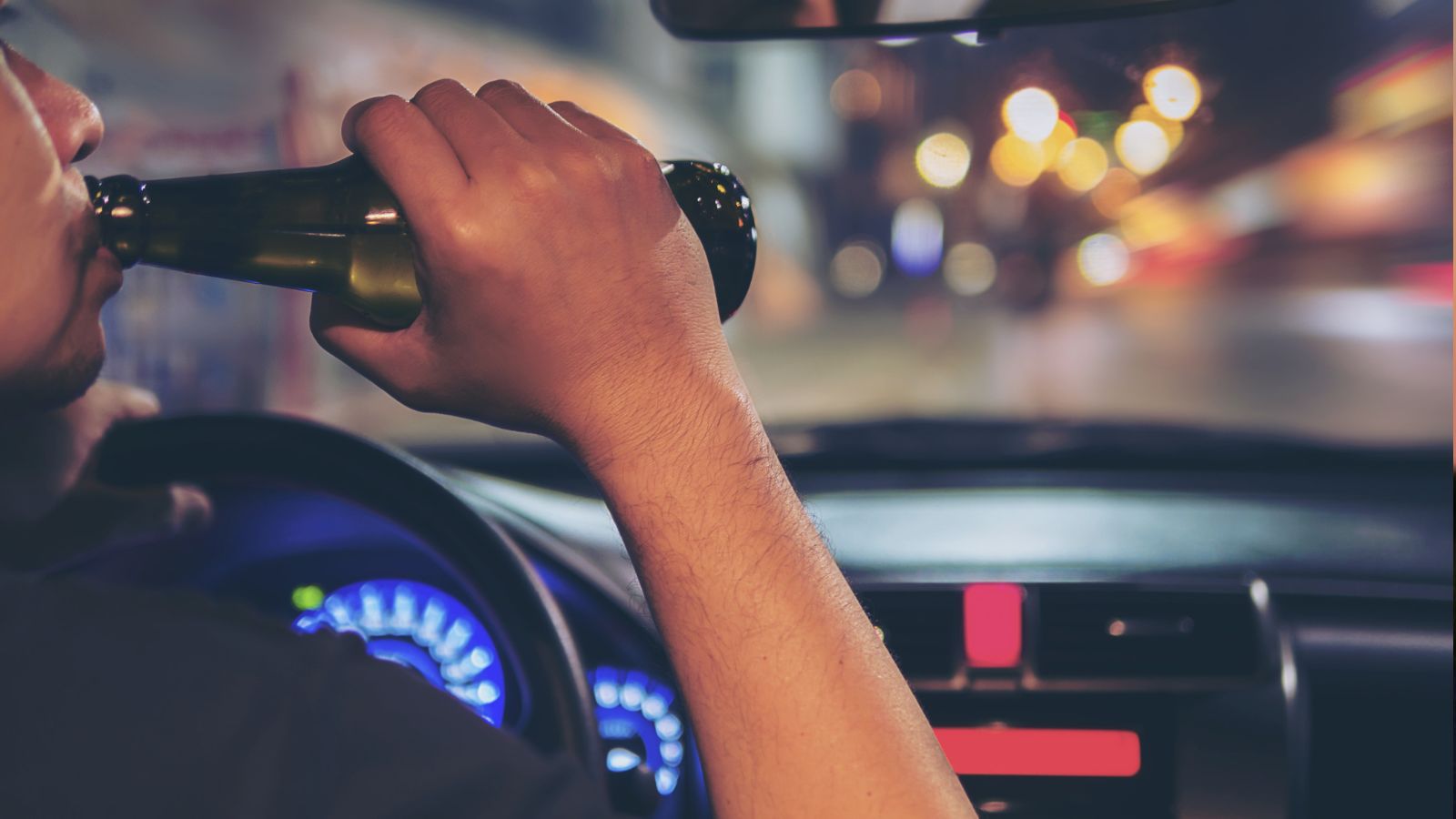
A sober driver can still create an alcohol-related vehicle offence if open liquor is carried the wrong way. Ontario’s Liquor Licence and Control Act says a person must not drive or have care or control of a motor vehicle containing liquor unless an exception applies. The common exceptions are liquor in an unopened container with the seal unbroken, or liquor packed in closed baggage or otherwise not readily available in the vehicle.
That can matter after a picnic, restaurant visit or cottage weekend. A half-finished bottle placed in a cupholder or loose on the passenger-side floor is different from a sealed bottle in a grocery bag. The rule focuses on how liquor is contained and accessible, not simply whether the driver is impaired. Someone can therefore be below the criminal blood-alcohol threshold—or have consumed nothing at all—and still invite legal trouble by transporting an opened container inside the passenger compartment.
Removing the Front Licence Plate in Ontario
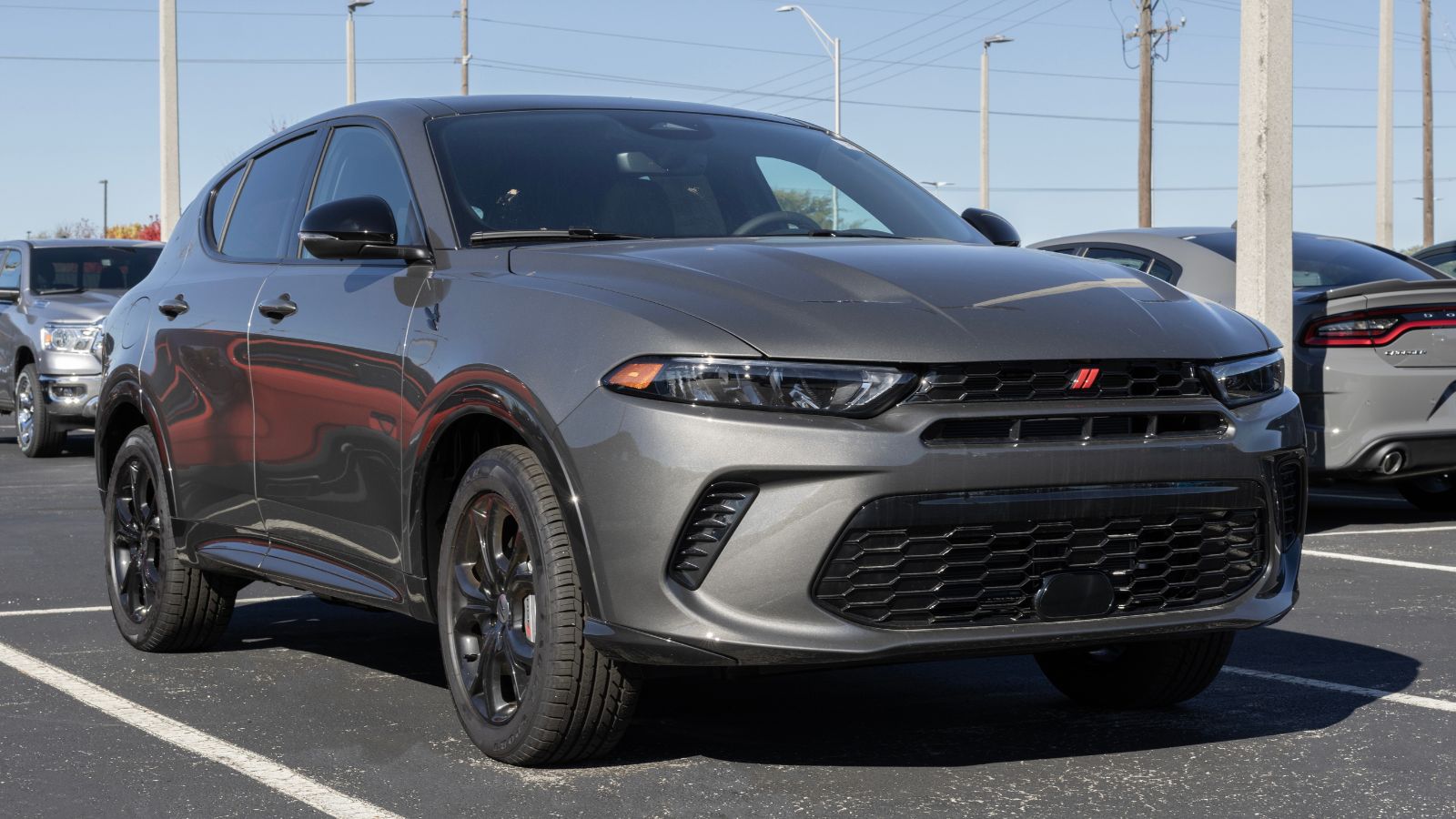
Single rear plates are normal in some parts of Canada, so a driver can easily assume Ontario’s front plate is optional, especially after buying a standard aftermarket bumper with no obvious mounting point. Ontario’s vehicle-permit regulation says motor vehicles other than motorcycles and motor-assisted bicycles must generally display number plates conspicuously on both the front and rear. A limited exception exists for year-of-manufacture plates from years when only one plate was issued.
That makes appearance a poor reason to remove the front plate from an Ontario passenger vehicle. Owners of sports and modified cars sometimes dislike drilling a bumper or blocking part of a grille, but the registration requirement does not disappear because the mounting location is inconvenient. A relocation bracket is a better answer than putting the plate in the trunk. Provincial plate rules differ, which is why seeing legal one-plate vehicles from elsewhere can create the wrong impression.
Assuming Studded Tires Are Legal Everywhere in Ontario
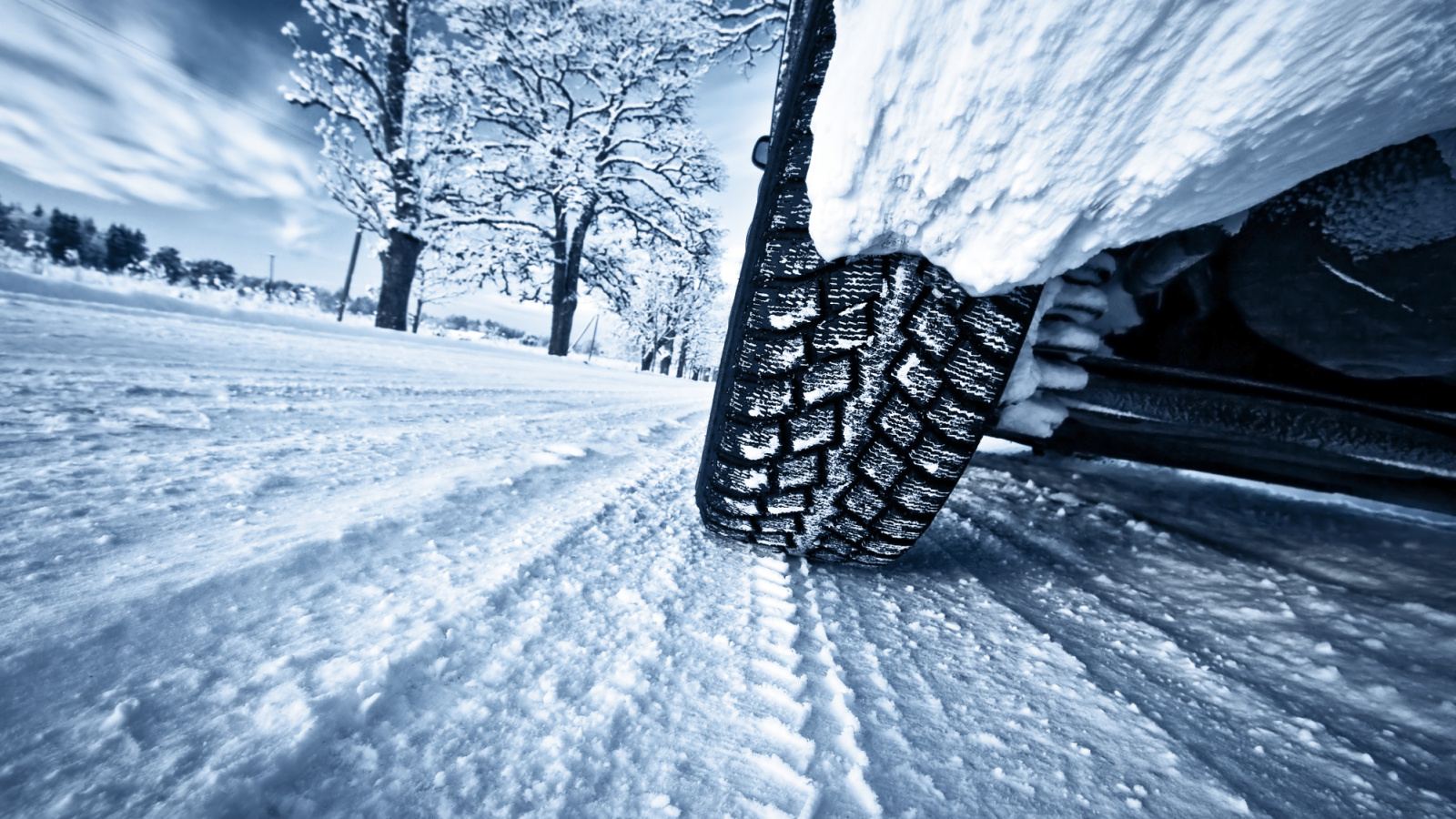
Winter tires and studded tires are not interchangeable in Ontario law. The province’s winter-driving guidance says studded tires are allowed on vehicles registered in Northern Ontario but are not allowed in Southern Ontario, with exceptions for out-of-province visitors and Northern Ontario residents. That regional distinction can catch drivers who assume winter equipment is automatically legal everywhere once temperatures fall.
A set of metal-studded tires may be perfectly sensible on icy northern roads yet create an enforcement problem after a vehicle is registered or normally operated in the south. Ontario also regulates the type and use of studs, so this is not simply a matter of choosing an aggressive winter tread. The important lesson is that “winter legal” is not one province-wide category. Before buying a used set of studded tires or moving a vehicle between regions, drivers should check whether their residence and intended use fit Ontario’s restrictions. Eligibility matters.
Idling Longer Than a Local Bylaw Allows
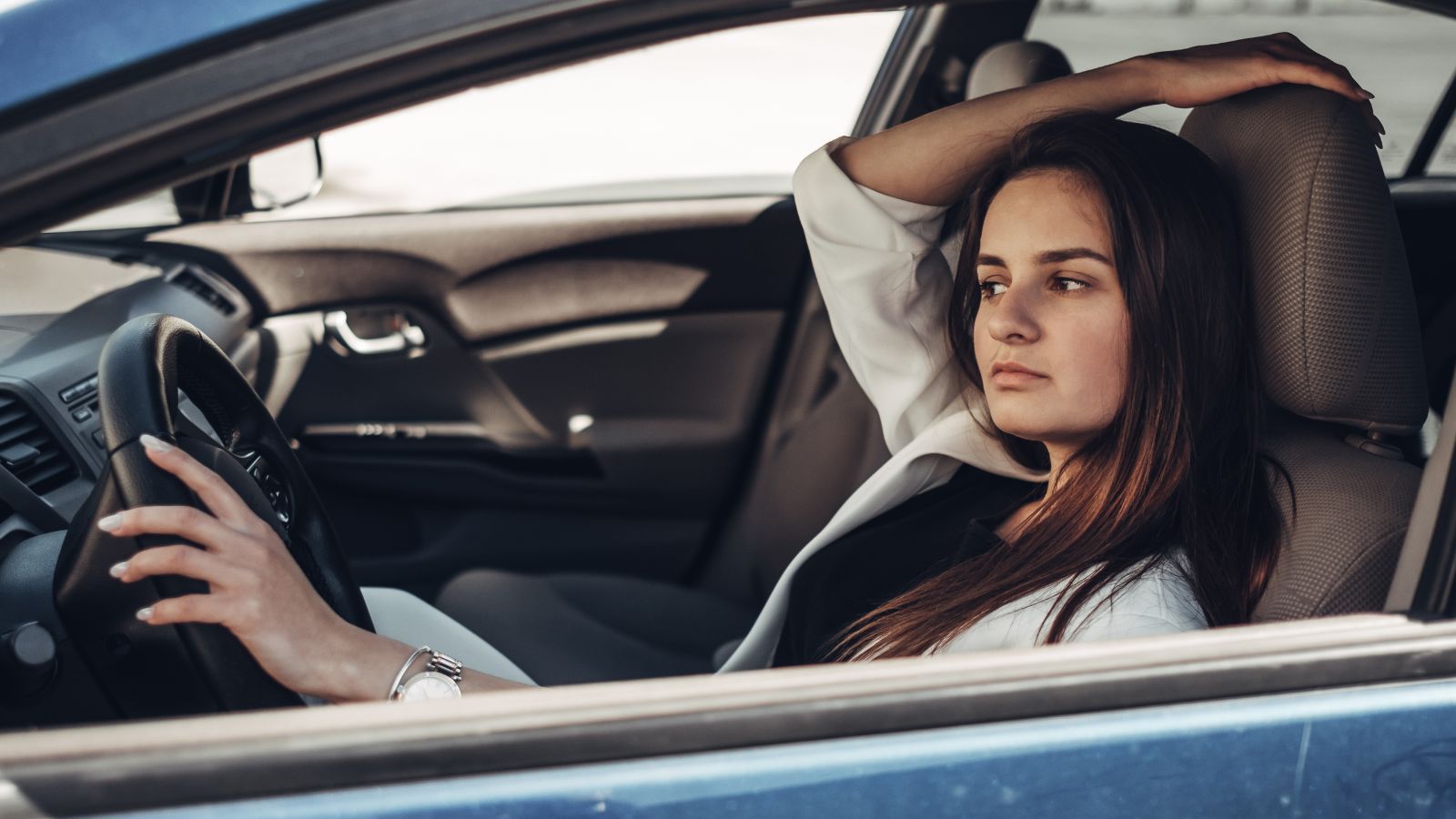
There is no single Canada-wide idling limit, but municipal bylaws can make a stationary, parked vehicle an enforcement issue. Toronto’s Idling Control By-law limits idling to no more than one minute in a 60-minute period, subject to specified exceptions. The city says the rule is intended to reduce unnecessary emissions and improve air quality, and it enforces the bylaw municipally.
That is easy to overlook because the engine may be running while the vehicle is parked. A driver waiting outside a store, school or apartment building can assume that not moving means traffic law no longer matters. Local rules can say otherwise. The Toronto limit is also shorter than many expect, which makes long warm-ups or air-conditioning waits potentially problematic. Because anti-idling rules vary by municipality, drivers who routinely wait with the engine running should check the local bylaw rather than relying on habits formed in another city. Exceptions matter.
Parking Close to a Fire Hydrant Without a Sign
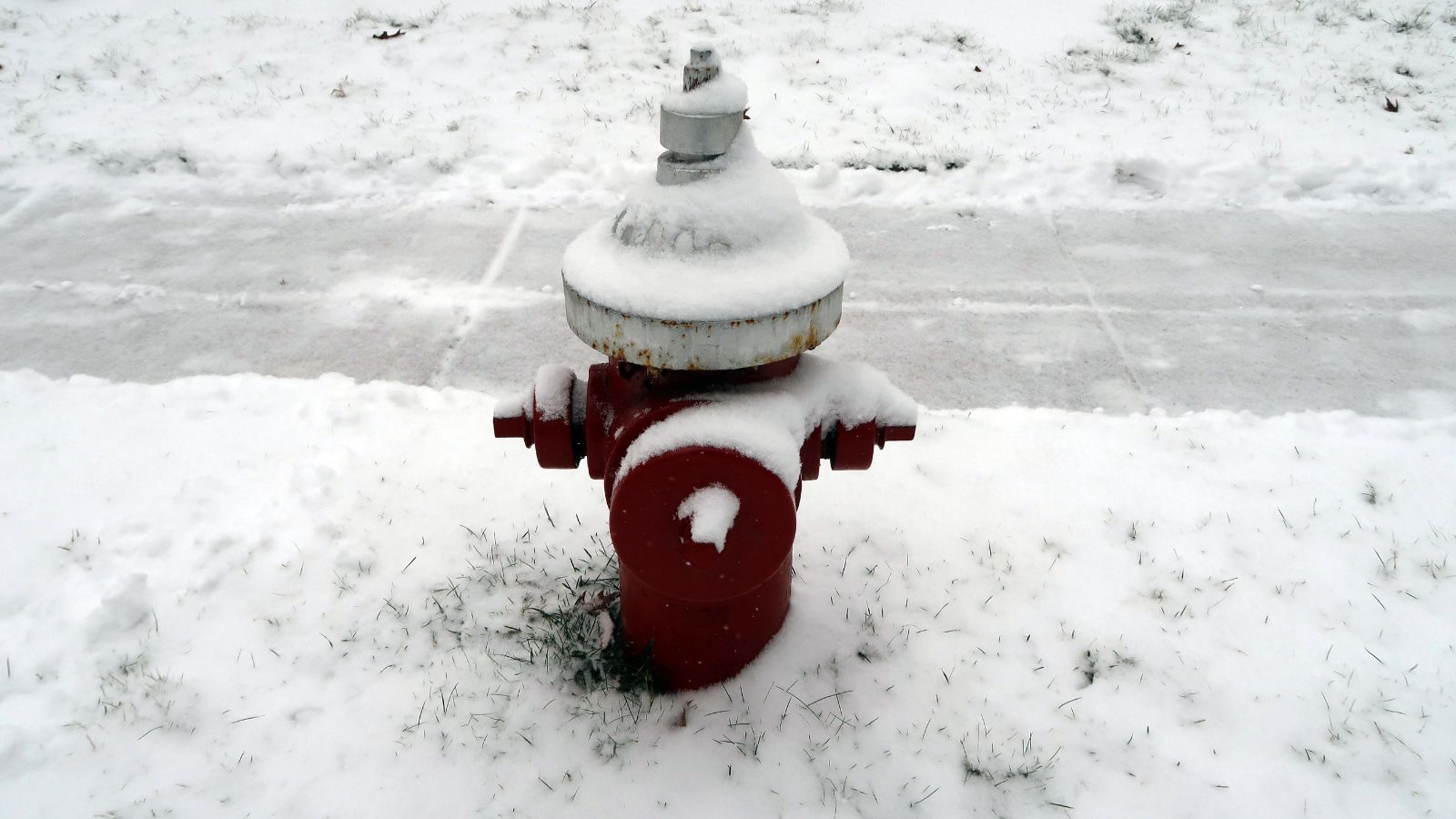
A curb does not need a “No Parking” sign to be off-limits. Ontario’s driver handbook warns that not all parking bylaws are posted and says not to park within three metres of a fire hydrant. Toronto uses the same three-metre rule and measures it from the point on the roadway directly in front of the hydrant, regardless of how far the hydrant is set back.
That detail matters on streets where a hydrant may sit behind a sidewalk, lawn or snowbank and look farther away than it really is. A driver focused on curb markings can end up too close while believing the space is unrestricted. The clearance exists so fire crews can reach the hydrant quickly. When there is any doubt, leaving more than three metres is safer than judging the minimum from the driver’s seat. Snowbanks can hide the reference point, and an unmarked curb creates no exemption.
Honking Just to Show Impatience in Québec
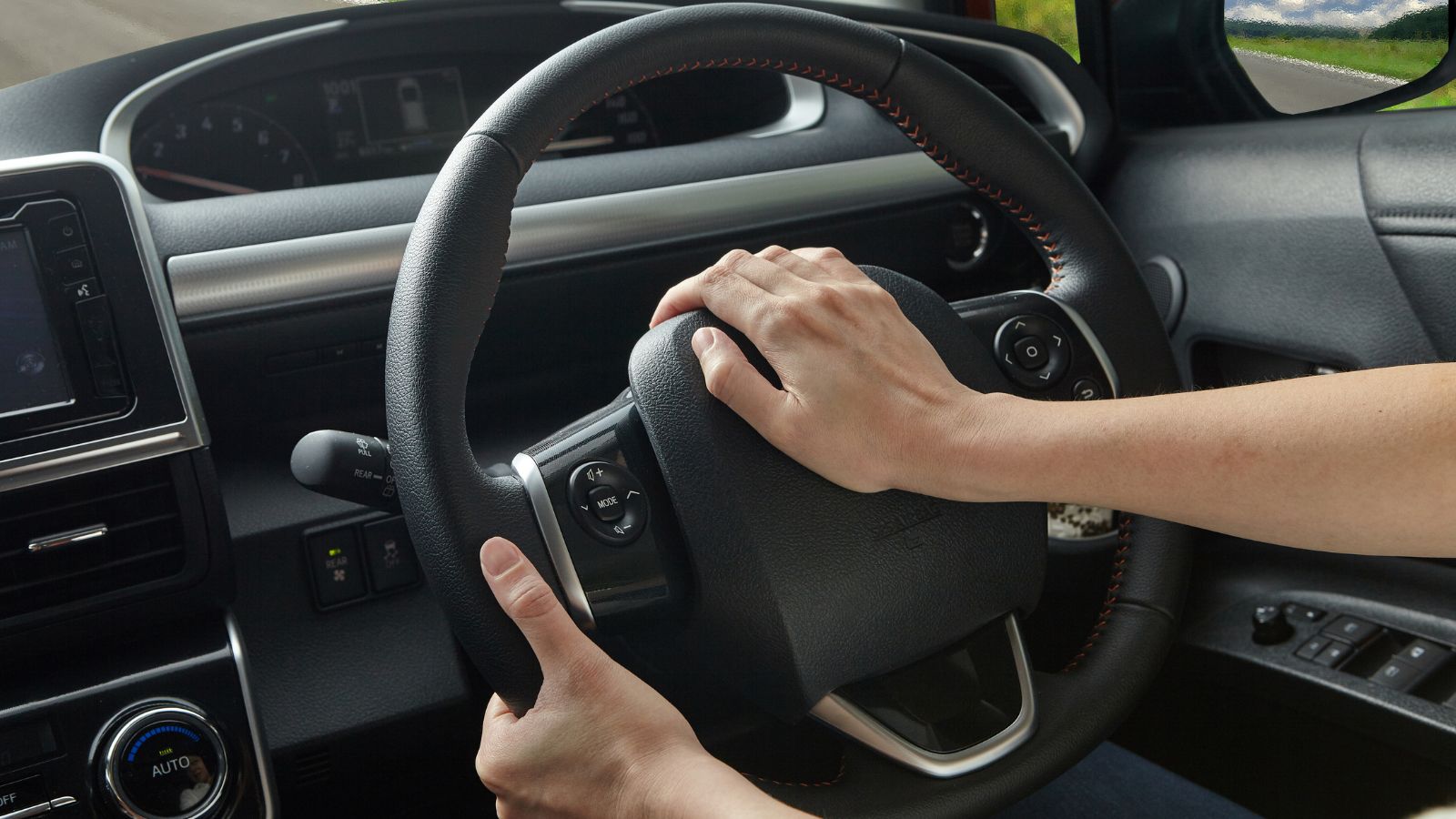
A horn is safety equipment, but Québec does not treat it as a general-purpose communication tool for frustration. The SAAQ says horns should be used only when necessary and specifically advises against honking to express impatience in traffic. Its current guidance says a peace officer can issue a fine of up to $281 when someone honks without a valid reason.
That makes the familiar blast at a driver who hesitates at a green light more than a question of manners. Québec also reminds motorists not to honk at a driver who chooses not to turn right on red where the turn is permitted, because the turn is a privilege rather than an obligation. The law’s logic is simple: a horn is meant to warn, not punish. Used to alert someone to an immediate risk, it serves a safety purpose; used as an emotional reaction, it can become an unnecessary-noise offence.
19 Used Cars Canadians Should Avoid in 2026 (Based on Owner Complaints)

Buying a used car in Canada can feel safe until repair bills start stacking up. Owner complaints tell a different story than glossy listings. Transmission failures, electrical problems, and weak winter reliability show up again and again in consumer reports. Many of these issues appear after warranties expire, when owners least expect them. Some vehicles look affordable upfront, but become expensive to keep on the road. Others struggle in cold weather, urban driving, or long highway commutes. Here are 19 used cars Canadians should avoid in 2026 (based on owner complaints).
19 Used Cars Canadians Should Avoid in 2026 (Based on Owner Complaints)