





















• About
  • Contact
AutoIgloo
  • News & Trends
    Mexico Pushes U.S. to Cut Auto Tariff From 25% to 5%–10% — and Give Canadian Parts More Room

    Equipment Dealers Warn Canada-U.S. Tariff Fight Is Damaging Both Sides as Trade Talks Stay Frozen

    9 Auto Brands Canadians Are Watching Much More Closely Right Now

    Kia Refreshes Sportage, Sorento and Carnival With New Black Editions — Canadian Launch Not Confirmed

    Tesla Shuts Hamilton’s 20-Stall Supercharger as 16-Stall V4 Replacement Goes Up

    Tesla Pulls Factory Wrap Listings From Its Online Shop With No Word on Whether the Service Is Gone for Good

    9 Auto Brands Canadians Are Watching Much More Closely Right Now

    Hyundai Puts $350,000 Into B.C. Childhood Cancer Care as Canadian Program Tops $4.1 Million

    BYD Quietly Adds Canada to Its Global Website With a ‘Coming Soon’ Page as U.S. Auto Fight Deepens

    BYD Unveils Smaller Mako Plug-In Hybrid Pickup as Its Global Truck Push Expands — Canada Still Unconfirmed

    18 Red Flags a Used Vehicle May Be a Money Pit

    CanadaOne’s 42 Canadian Dealerships Add A$1 Billion to Eagers Revenue in Just Two Months

  • Car Reviews
    18 Things That Can Make a Car Unsafe for Winter Road Trips

    Why Some Drivers Are Avoiding Vehicles With Complex Infotainment Systems

    21 Cars Canadians Are Starting to Regret Buying

    Why Some Drivers Regret Buying Big Wheels and Low-Profile Tires

    17 Vehicles That Are Quietly Getting Crushed by Insurance Costs in Canada

    Why So Many Drivers Are Nervous About Chinese-Made EV Batteries

    20 Used SUVs Canadians Should Think Twice About Buying

    20 Used SUVs Canadians Should Think Twice About Buying

    15 Vehicles That Are Starting to Feel Like a Bad Deal Around May Long Weekend

    15 Vehicles That Are Starting to Feel Like a Bad Deal Around May Long Weekend

    15 Vehicles That Are Starting to Scare Off Canadian Buyers

    15 Vehicles That Are Starting to Scare Off Canadian Buyers

  • Buying Guides
    17 Things That Make Car Leasing in Canada Feel More Expensive Than It Looks

    20 Reasons a Cheap Monthly Payment Can Still Be a Bad Deal

    27 Things Canadian Drivers Should Do Before Pothole Season Destroys Their Suspension

    The Bad Habit That Makes Your Engine Work Harder Than It Should

    19 Signs a Used SUV That Looks Like a Deal Probably Isn’t

    17 Things Drivers Should Check Before Buying a Car at Auction

    25 EV Charging Mistakes Canadians Make in March (That Wreck Range)

    Why Some Canadians Are Choosing Hybrids Over Full EVs Again

    22 Signs a Car Has Been in a Serious Crash Even if the Report Looks Clean

    21 Things That Make a Used Car Listing Seem Suspicious

    23 Features That Are Making New Cars Harder (and Pricier) to Repair in Canada

    Why Some Buyers Regret Choosing the Cheapest Trim Level

  • Comparisons
    25 EV Charging Mistakes Canadians Make in March (That Wreck Range)

    Why Some Canadians Are Choosing Hybrids Over Full EVs Again

    21 Used Car Features That Can Become Expensive Problems Later

    Why Some Canadians Are Choosing Front-Wheel Drive Over All-Wheel Drive

    Canada’s Auto Fight Gets Uglier as BYD Threatens to Sue Trump Administration

    Tesla Vs. BYD: Are Chinese EV’s Actually Better for Canadians?

    17 Vehicles That Are Quietly Getting Crushed by Insurance Costs in Canada

    Why So Many Drivers Are Nervous About Chinese-Made EV Batteries

    20 Used SUVs Canadians Should Think Twice About Buying

    20 Used SUVs Canadians Should Think Twice About Buying

    16 Cars That Are a Nightmare to Repair Because Parts Are Backordered

    23 Cars Canadians Love That Have One Deal-Breaker Flaw

  • EVs & Hybrids
    20 Signs Your Car Battery Is About to Leave You Stranded

    Canadian Auto Jobs Become a Central Fault Line as Ottawa Reveals Why It Rejected U.S. Vehicle Terms

    25 EV Charging Mistakes Canadians Make in March (That Wreck Range)

    Why Some Canadians Are Choosing Hybrids Over Full EVs Again

    The EV Charging Habit That Can Annoy Everyone Around You

    Canada Is Missing an EV-Battery Export Opening as EU Lithium Demand Heads for a 9-to-12-Fold Jump: Report

    16 Used-EV Surprises Canadians Don’t See Coming Until After They Buy

    The EV Charging Habit That Can Annoy Everyone Around You

    17 SUVs That Are Losing Their Appeal Fast in Canada

    GM Canada Says EV Sales Jumped More Than 30% as CUSMA Uncertainty Hangs Over Showrooms

    9 Auto Brands Canadians Are Watching Much More Closely Right Now

    Toyota Canada Says Electrified Vehicles Are Now Nearly 70% of Its Q2 Sales

  • More
    • Pricing & Deals
    • Winter Driving
    • Ownership & Maintenance
No Result
View All Result
AutoIgloo
  • News & Trends
    Mexico Pushes U.S. to Cut Auto Tariff From 25% to 5%–10% — and Give Canadian Parts More Room

    Equipment Dealers Warn Canada-U.S. Tariff Fight Is Damaging Both Sides as Trade Talks Stay Frozen

    9 Auto Brands Canadians Are Watching Much More Closely Right Now

    Kia Refreshes Sportage, Sorento and Carnival With New Black Editions — Canadian Launch Not Confirmed

    Tesla Shuts Hamilton’s 20-Stall Supercharger as 16-Stall V4 Replacement Goes Up

    Tesla Pulls Factory Wrap Listings From Its Online Shop With No Word on Whether the Service Is Gone for Good

    9 Auto Brands Canadians Are Watching Much More Closely Right Now

    Hyundai Puts $350,000 Into B.C. Childhood Cancer Care as Canadian Program Tops $4.1 Million

    BYD Quietly Adds Canada to Its Global Website With a ‘Coming Soon’ Page as U.S. Auto Fight Deepens

    BYD Unveils Smaller Mako Plug-In Hybrid Pickup as Its Global Truck Push Expands — Canada Still Unconfirmed

    18 Red Flags a Used Vehicle May Be a Money Pit

    CanadaOne’s 42 Canadian Dealerships Add A$1 Billion to Eagers Revenue in Just Two Months

  • Car Reviews
    18 Things That Can Make a Car Unsafe for Winter Road Trips

    Why Some Drivers Are Avoiding Vehicles With Complex Infotainment Systems

    21 Cars Canadians Are Starting to Regret Buying

    Why Some Drivers Regret Buying Big Wheels and Low-Profile Tires

    17 Vehicles That Are Quietly Getting Crushed by Insurance Costs in Canada

    Why So Many Drivers Are Nervous About Chinese-Made EV Batteries

    20 Used SUVs Canadians Should Think Twice About Buying

    20 Used SUVs Canadians Should Think Twice About Buying

    15 Vehicles That Are Starting to Feel Like a Bad Deal Around May Long Weekend

    15 Vehicles That Are Starting to Feel Like a Bad Deal Around May Long Weekend

    15 Vehicles That Are Starting to Scare Off Canadian Buyers

    15 Vehicles That Are Starting to Scare Off Canadian Buyers

  • Buying Guides
    17 Things That Make Car Leasing in Canada Feel More Expensive Than It Looks

    20 Reasons a Cheap Monthly Payment Can Still Be a Bad Deal

    27 Things Canadian Drivers Should Do Before Pothole Season Destroys Their Suspension

    The Bad Habit That Makes Your Engine Work Harder Than It Should

    19 Signs a Used SUV That Looks Like a Deal Probably Isn’t

    17 Things Drivers Should Check Before Buying a Car at Auction

    25 EV Charging Mistakes Canadians Make in March (That Wreck Range)

    Why Some Canadians Are Choosing Hybrids Over Full EVs Again

    22 Signs a Car Has Been in a Serious Crash Even if the Report Looks Clean

    21 Things That Make a Used Car Listing Seem Suspicious

    23 Features That Are Making New Cars Harder (and Pricier) to Repair in Canada

    Why Some Buyers Regret Choosing the Cheapest Trim Level

  • Comparisons
    25 EV Charging Mistakes Canadians Make in March (That Wreck Range)

    Why Some Canadians Are Choosing Hybrids Over Full EVs Again

    21 Used Car Features That Can Become Expensive Problems Later

    Why Some Canadians Are Choosing Front-Wheel Drive Over All-Wheel Drive

    Canada’s Auto Fight Gets Uglier as BYD Threatens to Sue Trump Administration

    Tesla Vs. BYD: Are Chinese EV’s Actually Better for Canadians?

    17 Vehicles That Are Quietly Getting Crushed by Insurance Costs in Canada

    Why So Many Drivers Are Nervous About Chinese-Made EV Batteries

    20 Used SUVs Canadians Should Think Twice About Buying

    20 Used SUVs Canadians Should Think Twice About Buying

    16 Cars That Are a Nightmare to Repair Because Parts Are Backordered

    23 Cars Canadians Love That Have One Deal-Breaker Flaw

  • EVs & Hybrids
    20 Signs Your Car Battery Is About to Leave You Stranded

    Canadian Auto Jobs Become a Central Fault Line as Ottawa Reveals Why It Rejected U.S. Vehicle Terms

    25 EV Charging Mistakes Canadians Make in March (That Wreck Range)

    Why Some Canadians Are Choosing Hybrids Over Full EVs Again

    The EV Charging Habit That Can Annoy Everyone Around You

    Canada Is Missing an EV-Battery Export Opening as EU Lithium Demand Heads for a 9-to-12-Fold Jump: Report

    16 Used-EV Surprises Canadians Don’t See Coming Until After They Buy

    The EV Charging Habit That Can Annoy Everyone Around You

    17 SUVs That Are Losing Their Appeal Fast in Canada

    GM Canada Says EV Sales Jumped More Than 30% as CUSMA Uncertainty Hangs Over Showrooms

    9 Auto Brands Canadians Are Watching Much More Closely Right Now

    Toyota Canada Says Electrified Vehicles Are Now Nearly 70% of Its Q2 Sales

  • More
    • Pricing & Deals
    • Winter Driving
    • Ownership & Maintenance
No Result
View All Result
AutoIgloo
No Result
View All Result

Home » News & Trends

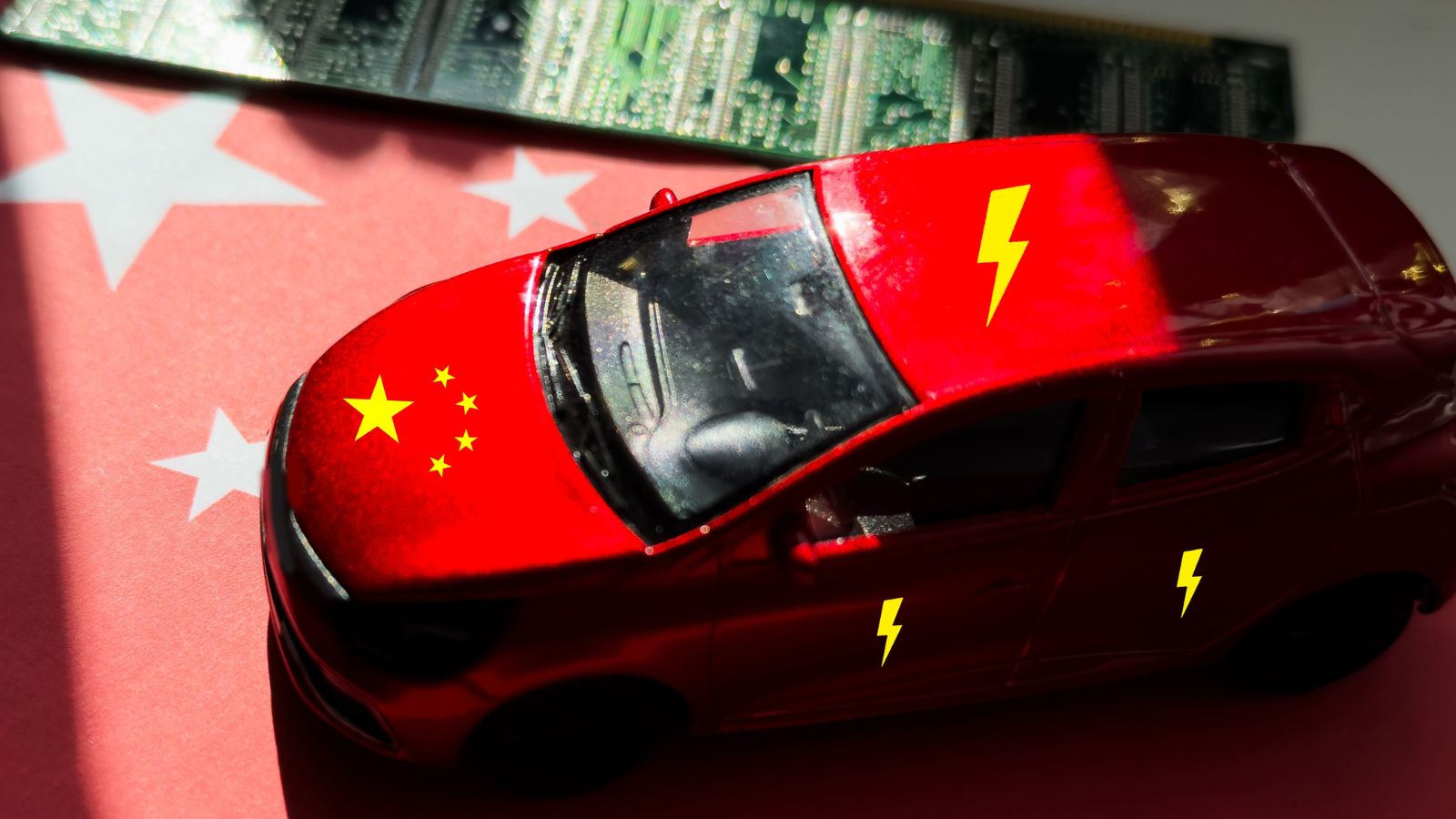
China Moves to Block Under-Tested Cars as Its EV Makers Push Deeper Into Export Markets

Nate Brewer by Nate Brewer
August 26, 2026
Reading Time: 5 mins read
A A
Photo Credit: Shutterstock

Photo Credit: Shutterstock

465
SHARES
1.5k
VIEWS
Share on FacebookShare on Twitter

China’s automotive revolution has been built partly on extraordinary speed. New models arrive rapidly, software changes constantly, and manufacturers compete to put emerging technologies into showrooms before rivals can respond. Beijing is now signalling that speed has limits.

China’s Ministry of Industry and Information Technology says vehicles that have not undergone sufficient testing and validation should not be allowed onto the market, after acknowledging concerns about aggressive design choices, product quality and automated-driving safety. The tougher stance comes as Chinese new-energy vehicles expand far beyond their home market. Chinese officials say the country’s NEVs are now sold in more than 100 countries and regions, turning domestic quality controls into an issue with increasingly global consequences.

Beijing Draws a Line Around “China Speed”

The clearest warning came from Vice Minister of Industry and Information Technology Xin Guobin during an August 26 State Council Information Office briefing. Xin acknowledged that China’s new-energy vehicle industry has become one of the country’s manufacturing success stories, but said irrational competition remains a significant problem. More importantly for consumers, he said some aggressively innovative vehicle designs have been installed before receiving sufficient experimental validation. The ministry’s response is unusually direct: strengthen scrutiny of innovative designs, improve testing and verification requirements and prohibit insufficiently tested products from entering the market.

That distinction matters. Beijing has not announced a blanket prohibition on exporting experimental Chinese cars, nor has it suggested that Chinese-made EVs generally fail safety testing. The measure concerns China’s vehicle market-entry system and the standards manufacturers must satisfy before products reach customers. Still, the ramifications extend well beyond Chinese dealerships. Domestic models increasingly become export products, while engineering platforms, batteries, software and electronic systems developed for China are reused internationally. More demanding validation at home can therefore influence vehicles eventually shipped to Europe, Asia, Latin America and other markets.

Faster Development Has Become a Competitive Weapon

Chinese automakers have rewritten expectations around how quickly a new vehicle can move from concept to production. A Reuters investigation found that some Chinese manufacturers have reduced development cycles for new or redesigned vehicles to as little as roughly 18 months, dramatically shorter than the multi-year programs traditionally associated with major global automakers. AlixPartners data cited by Reuters also showed that the average Chinese-brand electric or plug-in hybrid model on the domestic market was only about 1.6 years old, compared with 5.4 years for foreign-brand competitors.

That speed has obvious advantages. Carmakers can respond quickly to changing battery costs, consumer preferences, infotainment trends and competitors’ pricing. A feature that catches attention at one manufacturer can appear elsewhere remarkably quickly. Yet every compressed development schedule creates a difficult engineering question: which parts of the traditional testing process can genuinely be accelerated through simulation and better tools, and which still require time, mileage and exposure to extreme conditions? Durability problems do not always appear during a launch event or an early road test. Door systems, software interactions, batteries, suspension components and electronic controls may reveal weaknesses only after prolonged use. Beijing’s new emphasis suggests regulators do not want commercial speed to outrun that reality.

The Crackdown Was Already Taking Shape

The August announcement is not an isolated intervention. In July, Chinese regulators summoned major automakers to reinforce expectations around production consistency, durability, reliability and testing of new technologies. Companies were instructed to examine risks inside their own operations as well as among important suppliers. Later that month, MIIT inspectors visited Chery, Nio and JAC, examining areas including intelligent-connected vehicle safety, design and development capabilities, production controls and compliance with market-entry requirements.

Regulators did more than inspect paperwork. MIIT said vehicles and traction batteries were randomly selected during those visits and sent to relevant institutions for testing against national standards. In early August, the ministry also met with vehicle testing organizations and described inspection and testing as an important gatekeeper for product safety. China had already revised its formal requirements for admitting vehicle manufacturers and products, with the updated framework scheduled to take effect on January 1, 2027. Together, those actions show a regulatory shift from general warnings about the industry’s price war toward closer examination of how cars are engineered, validated and consistently produced once factories begin building them at scale.

Door-Handle Recalls Show Why Design Validation Matters

China’s regulatory push is arriving alongside a highly visible demonstration of what can happen when unconventional automotive design meets emergency situations. Chinese authorities have been dealing with concerns surrounding electronically operated and concealed door handles, a styling and aerodynamic feature adopted by numerous EV makers. A sweeping recall announced this month covers roughly 4.3 million vehicles from nine manufacturers, including Tesla as well as Chinese brands, and focuses on emergency door-release systems that regulators believe may be difficult to locate or operate when electrical power is lost after a crash.

The recall is separate from MIIT’s new market-entry warning, but the two developments point in the same direction. China has also moved toward restricting concealed exterior door handles without adequate mechanical alternatives, with tougher requirements expected in 2027. Meanwhile, a proposed revision of the country’s Road Traffic Safety Law would add specific provisions for autonomous vehicles and clarify responsibilities when automated systems are operating. These measures illustrate the changing regulatory challenge. Modern cars increasingly combine mechanical engineering, software, sensors, powered mechanisms and artificial intelligence. A feature can appear elegant or technically advanced yet introduce new failure modes that conventional testing was never designed to catch.

Export Growth Raises the Cost of Getting It Wrong

The timing is especially important because China’s automobile industry increasingly depends on overseas growth. Chinese passenger-vehicle exports climbed sharply during the first half of 2026 as domestic sales weakened and manufacturers looked abroad for additional volume. Industry data reported by the Associated Press showed more than 4.4 million passenger vehicles exported during the first six months of the year. June exports alone reached roughly 905,000 vehicles, around 80% higher than a year earlier.

Individual manufacturers are scaling even faster. Chery Group said it exported 202,533 vehicles in July, up about 70% year over year and the first time a Chinese automaker reported more than 200,000 exports in a single month. The broader numbers help explain why quality control is becoming an economic issue rather than merely a domestic consumer-protection issue. A reliability controversy affecting tens of thousands of cars in one country can now spread across multiple continents, forcing recalls, replacement parts, dealer repairs and reputational damage in markets where Chinese brands are still building trust. For manufacturers seeking decades-long global franchises, avoiding those problems may ultimately be worth more than shaving another few months from development.

Europe Is Becoming a Crucial Test of Chinese Ambitions

Europe illustrates both the opportunity and the difficulty awaiting Chinese manufacturers. Battery-electric demand there has accelerated in 2026. JATO Dynamics reported about 359,300 BEV registrations across its European coverage in June, up more than 50% year over year and representing 25.7% of the market. Chinese and Chinese-owned brands have been among the beneficiaries: BYD registered roughly 38,300 electric and plug-in hybrid vehicles during the month, while MG recorded about 38,500.

Expansion has continued despite trade barriers. The European Union imposes additional countervailing duties on China-built battery EVs after concluding that Chinese producers benefited from subsidies that threatened European manufacturers. Definitive rates include 17% for BYD, 18.8% for Geely and 35.3% for SAIC, on top of the EU’s normal vehicle tariff. Manufacturers are responding by broadening their powertrain lineups, investing locally and building engineering footprints closer to customers. Chery, for example, has been expanding its British operations, including plans for a research and development presence. Competing successfully in such markets will require more than low prices; long-term durability, service support and regulatory credibility increasingly matter too.

Tougher Testing Could Become an Export Advantage

China’s new approach contains an apparent contradiction. The industry became globally competitive by moving faster than many established rivals, yet regulators are now asking manufacturers to slow down enough to prove that unfamiliar technologies actually work safely and reliably. The challenge will be tightening validation without eliminating the development speed that has become one of the sector’s major advantages. Simulation, standardized testing, better supplier controls and earlier engineering verification could allow manufacturers to preserve much of that pace without treating customers as part of the development process.

Foreign regulators will still make their own decisions. Passing Chinese market-entry requirements does not automatically qualify a vehicle for Europe, Britain, Australia, Canada or other jurisdictions, each of which has its own safety and certification framework. Nor does Beijing’s announcement prove that every rapidly developed vehicle has been inadequately tested. Its significance is broader: China’s government is openly acknowledging that relentless competition can create incentives to commercialize innovation prematurely. As Chinese vehicles become common sights thousands of kilometres from Shanghai, Shenzhen and Hefei, the reputation of the country’s entire auto industry increasingly depends on whether “China speed” can be matched by equally convincing evidence of quality.


Recommended.

Geely Auto’s Core Profit Jumps 46% as Chinese EV Expansion Accelerates — With Canada Now Opening to Geely-Owned Lotus

Geely Auto’s Core Profit Jumps 46% as Chinese EV Expansion Accelerates — With Canada Now Opening to Geely-Owned Lotus

August 17, 2026
23 Features That Are Making New Cars Harder (and Pricier) to Repair in Canada

Nearly 380,000 Canadians Tell Ottawa Their Headlights Are Too Bright

June 10, 2026

Trending.

⁠$28 Billion in Canadian Goods Face 50% Trump Tariffs at Midnight as Deal Still Isn’t Final

Canada-U.S. Trade Deal Fell Apart After Washington Left Ontario-Built Ford and GM Trucks Out of Auto Tariff Relief

August 23, 2026
Quebec’s BRP Prepares 2027 Vehicle Reveal Tonight as Canadian Manufacturer Pushes New Can-Am Lineup

Quebec’s BRP Prepares 2027 Vehicle Reveal Tonight as Canadian Manufacturer Pushes New Can-Am Lineup

August 17, 2026
Doug Ford Says U.S. ‘Wasn’t Budging’ on 25% Auto Tariffs as Ontario Puts ‘Every Single Tool’ on the Table

Doug Ford Says U.S. ‘Wasn’t Budging’ on 25% Auto Tariffs as Ontario Puts ‘Every Single Tool’ on the Table

August 23, 2026
Mexico Pushes U.S. to Cut Auto Tariff From 25% to 5%–10% — and Give Canadian Parts More Room

Ottawa’s Chinese-EV Quota Opens Canada to 6.1% Tariffs Instead of the Former 100% Surtax

August 22, 2026
19 Things That Can Make Your Car Insurance Claim Get Denied

Foreign Insurer Can Apply to Enter Canada’s Auto-Insurance Market Starting Today

August 17, 2026
  • About
  • Contact
  • Privacy Policy
  • Disclaimer
  • Editorial Policies
  • Terms and Conditions
A Revir Media Group Website

2026 Autoigloo - © All rights reserved

No Result
View All Result
  • News & Trends
  • Car Reviews
  • Buying Guides
  • Comparisons
  • EVs & Hybrids
  • More
    • Pricing & Deals
    • Winter Driving
    • Ownership & Maintenance

2026 Autoigloo - © All rights reserved

This website uses cookies. By continuing to use this website you are giving consent to cookies being used. Visit our Privacy and Cookie Policy.


