



















• About
  • Contact
AutoIgloo
  • News & Trends
    Mexico Pushes U.S. to Cut Auto Tariff From 25% to 5%–10% — and Give Canadian Parts More Room

    Equipment Dealers Warn Canada-U.S. Tariff Fight Is Damaging Both Sides as Trade Talks Stay Frozen

    9 Auto Brands Canadians Are Watching Much More Closely Right Now

    Kia Refreshes Sportage, Sorento and Carnival With New Black Editions — Canadian Launch Not Confirmed

    Tesla Shuts Hamilton’s 20-Stall Supercharger as 16-Stall V4 Replacement Goes Up

    Tesla Pulls Factory Wrap Listings From Its Online Shop With No Word on Whether the Service Is Gone for Good

    9 Auto Brands Canadians Are Watching Much More Closely Right Now

    Hyundai Puts $350,000 Into B.C. Childhood Cancer Care as Canadian Program Tops $4.1 Million

    BYD Quietly Adds Canada to Its Global Website With a ‘Coming Soon’ Page as U.S. Auto Fight Deepens

    BYD Unveils Smaller Mako Plug-In Hybrid Pickup as Its Global Truck Push Expands — Canada Still Unconfirmed

    18 Red Flags a Used Vehicle May Be a Money Pit

    CanadaOne’s 42 Canadian Dealerships Add A$1 Billion to Eagers Revenue in Just Two Months

  • Car Reviews
    18 Things That Can Make a Car Unsafe for Winter Road Trips

    Why Some Drivers Are Avoiding Vehicles With Complex Infotainment Systems

    21 Cars Canadians Are Starting to Regret Buying

    Why Some Drivers Regret Buying Big Wheels and Low-Profile Tires

    17 Vehicles That Are Quietly Getting Crushed by Insurance Costs in Canada

    Why So Many Drivers Are Nervous About Chinese-Made EV Batteries

    20 Used SUVs Canadians Should Think Twice About Buying

    20 Used SUVs Canadians Should Think Twice About Buying

    15 Vehicles That Are Starting to Feel Like a Bad Deal Around May Long Weekend

    15 Vehicles That Are Starting to Feel Like a Bad Deal Around May Long Weekend

    15 Vehicles That Are Starting to Scare Off Canadian Buyers

    15 Vehicles That Are Starting to Scare Off Canadian Buyers

  • Buying Guides
    17 Things That Make Car Leasing in Canada Feel More Expensive Than It Looks

    20 Reasons a Cheap Monthly Payment Can Still Be a Bad Deal

    27 Things Canadian Drivers Should Do Before Pothole Season Destroys Their Suspension

    The Bad Habit That Makes Your Engine Work Harder Than It Should

    19 Signs a Used SUV That Looks Like a Deal Probably Isn’t

    17 Things Drivers Should Check Before Buying a Car at Auction

    25 EV Charging Mistakes Canadians Make in March (That Wreck Range)

    Why Some Canadians Are Choosing Hybrids Over Full EVs Again

    22 Signs a Car Has Been in a Serious Crash Even if the Report Looks Clean

    21 Things That Make a Used Car Listing Seem Suspicious

    23 Features That Are Making New Cars Harder (and Pricier) to Repair in Canada

    Why Some Buyers Regret Choosing the Cheapest Trim Level

  • Comparisons
    25 EV Charging Mistakes Canadians Make in March (That Wreck Range)

    Why Some Canadians Are Choosing Hybrids Over Full EVs Again

    21 Used Car Features That Can Become Expensive Problems Later

    Why Some Canadians Are Choosing Front-Wheel Drive Over All-Wheel Drive

    Canada’s Auto Fight Gets Uglier as BYD Threatens to Sue Trump Administration

    Tesla Vs. BYD: Are Chinese EV’s Actually Better for Canadians?

    17 Vehicles That Are Quietly Getting Crushed by Insurance Costs in Canada

    Why So Many Drivers Are Nervous About Chinese-Made EV Batteries

    20 Used SUVs Canadians Should Think Twice About Buying

    20 Used SUVs Canadians Should Think Twice About Buying

    16 Cars That Are a Nightmare to Repair Because Parts Are Backordered

    23 Cars Canadians Love That Have One Deal-Breaker Flaw

  • EVs & Hybrids
    20 Signs Your Car Battery Is About to Leave You Stranded

    Canadian Auto Jobs Become a Central Fault Line as Ottawa Reveals Why It Rejected U.S. Vehicle Terms

    25 EV Charging Mistakes Canadians Make in March (That Wreck Range)

    Why Some Canadians Are Choosing Hybrids Over Full EVs Again

    The EV Charging Habit That Can Annoy Everyone Around You

    Canada Is Missing an EV-Battery Export Opening as EU Lithium Demand Heads for a 9-to-12-Fold Jump: Report

    16 Used-EV Surprises Canadians Don’t See Coming Until After They Buy

    The EV Charging Habit That Can Annoy Everyone Around You

    17 SUVs That Are Losing Their Appeal Fast in Canada

    GM Canada Says EV Sales Jumped More Than 30% as CUSMA Uncertainty Hangs Over Showrooms

    9 Auto Brands Canadians Are Watching Much More Closely Right Now

    Toyota Canada Says Electrified Vehicles Are Now Nearly 70% of Its Q2 Sales

  • More
    • Pricing & Deals
    • Winter Driving
    • Ownership & Maintenance
No Result
View All Result
AutoIgloo
  • News & Trends
    Mexico Pushes U.S. to Cut Auto Tariff From 25% to 5%–10% — and Give Canadian Parts More Room

    Equipment Dealers Warn Canada-U.S. Tariff Fight Is Damaging Both Sides as Trade Talks Stay Frozen

    9 Auto Brands Canadians Are Watching Much More Closely Right Now

    Kia Refreshes Sportage, Sorento and Carnival With New Black Editions — Canadian Launch Not Confirmed

    Tesla Shuts Hamilton’s 20-Stall Supercharger as 16-Stall V4 Replacement Goes Up

    Tesla Pulls Factory Wrap Listings From Its Online Shop With No Word on Whether the Service Is Gone for Good

    9 Auto Brands Canadians Are Watching Much More Closely Right Now

    Hyundai Puts $350,000 Into B.C. Childhood Cancer Care as Canadian Program Tops $4.1 Million

    BYD Quietly Adds Canada to Its Global Website With a ‘Coming Soon’ Page as U.S. Auto Fight Deepens

    BYD Unveils Smaller Mako Plug-In Hybrid Pickup as Its Global Truck Push Expands — Canada Still Unconfirmed

    18 Red Flags a Used Vehicle May Be a Money Pit

    CanadaOne’s 42 Canadian Dealerships Add A$1 Billion to Eagers Revenue in Just Two Months

  • Car Reviews
    18 Things That Can Make a Car Unsafe for Winter Road Trips

    Why Some Drivers Are Avoiding Vehicles With Complex Infotainment Systems

    21 Cars Canadians Are Starting to Regret Buying

    Why Some Drivers Regret Buying Big Wheels and Low-Profile Tires

    17 Vehicles That Are Quietly Getting Crushed by Insurance Costs in Canada

    Why So Many Drivers Are Nervous About Chinese-Made EV Batteries

    20 Used SUVs Canadians Should Think Twice About Buying

    20 Used SUVs Canadians Should Think Twice About Buying

    15 Vehicles That Are Starting to Feel Like a Bad Deal Around May Long Weekend

    15 Vehicles That Are Starting to Feel Like a Bad Deal Around May Long Weekend

    15 Vehicles That Are Starting to Scare Off Canadian Buyers

    15 Vehicles That Are Starting to Scare Off Canadian Buyers

  • Buying Guides
    17 Things That Make Car Leasing in Canada Feel More Expensive Than It Looks

    20 Reasons a Cheap Monthly Payment Can Still Be a Bad Deal

    27 Things Canadian Drivers Should Do Before Pothole Season Destroys Their Suspension

    The Bad Habit That Makes Your Engine Work Harder Than It Should

    19 Signs a Used SUV That Looks Like a Deal Probably Isn’t

    17 Things Drivers Should Check Before Buying a Car at Auction

    25 EV Charging Mistakes Canadians Make in March (That Wreck Range)

    Why Some Canadians Are Choosing Hybrids Over Full EVs Again

    22 Signs a Car Has Been in a Serious Crash Even if the Report Looks Clean

    21 Things That Make a Used Car Listing Seem Suspicious

    23 Features That Are Making New Cars Harder (and Pricier) to Repair in Canada

    Why Some Buyers Regret Choosing the Cheapest Trim Level

  • Comparisons
    25 EV Charging Mistakes Canadians Make in March (That Wreck Range)

    Why Some Canadians Are Choosing Hybrids Over Full EVs Again

    21 Used Car Features That Can Become Expensive Problems Later

    Why Some Canadians Are Choosing Front-Wheel Drive Over All-Wheel Drive

    Canada’s Auto Fight Gets Uglier as BYD Threatens to Sue Trump Administration

    Tesla Vs. BYD: Are Chinese EV’s Actually Better for Canadians?

    17 Vehicles That Are Quietly Getting Crushed by Insurance Costs in Canada

    Why So Many Drivers Are Nervous About Chinese-Made EV Batteries

    20 Used SUVs Canadians Should Think Twice About Buying

    20 Used SUVs Canadians Should Think Twice About Buying

    16 Cars That Are a Nightmare to Repair Because Parts Are Backordered

    23 Cars Canadians Love That Have One Deal-Breaker Flaw

  • EVs & Hybrids
    20 Signs Your Car Battery Is About to Leave You Stranded

    Canadian Auto Jobs Become a Central Fault Line as Ottawa Reveals Why It Rejected U.S. Vehicle Terms

    25 EV Charging Mistakes Canadians Make in March (That Wreck Range)

    Why Some Canadians Are Choosing Hybrids Over Full EVs Again

    The EV Charging Habit That Can Annoy Everyone Around You

    Canada Is Missing an EV-Battery Export Opening as EU Lithium Demand Heads for a 9-to-12-Fold Jump: Report

    16 Used-EV Surprises Canadians Don’t See Coming Until After They Buy

    The EV Charging Habit That Can Annoy Everyone Around You

    17 SUVs That Are Losing Their Appeal Fast in Canada

    GM Canada Says EV Sales Jumped More Than 30% as CUSMA Uncertainty Hangs Over Showrooms

    9 Auto Brands Canadians Are Watching Much More Closely Right Now

    Toyota Canada Says Electrified Vehicles Are Now Nearly 70% of Its Q2 Sales

  • More
    • Pricing & Deals
    • Winter Driving
    • Ownership & Maintenance
No Result
View All Result
AutoIgloo
No Result
View All Result

Home » News & Trends

Hyundai Plans 58 New or Refreshed North American Models as USMCA Uncertainty Hangs Over Auto Investment

Nate Brewer by Nate Brewer
August 26, 2026
Reading Time: 5 mins read
A A
Photo Credit: Shutterstock

Photo Credit: Shutterstock

465
SHARES
1.5k
VIEWS
Share on FacebookShare on Twitter

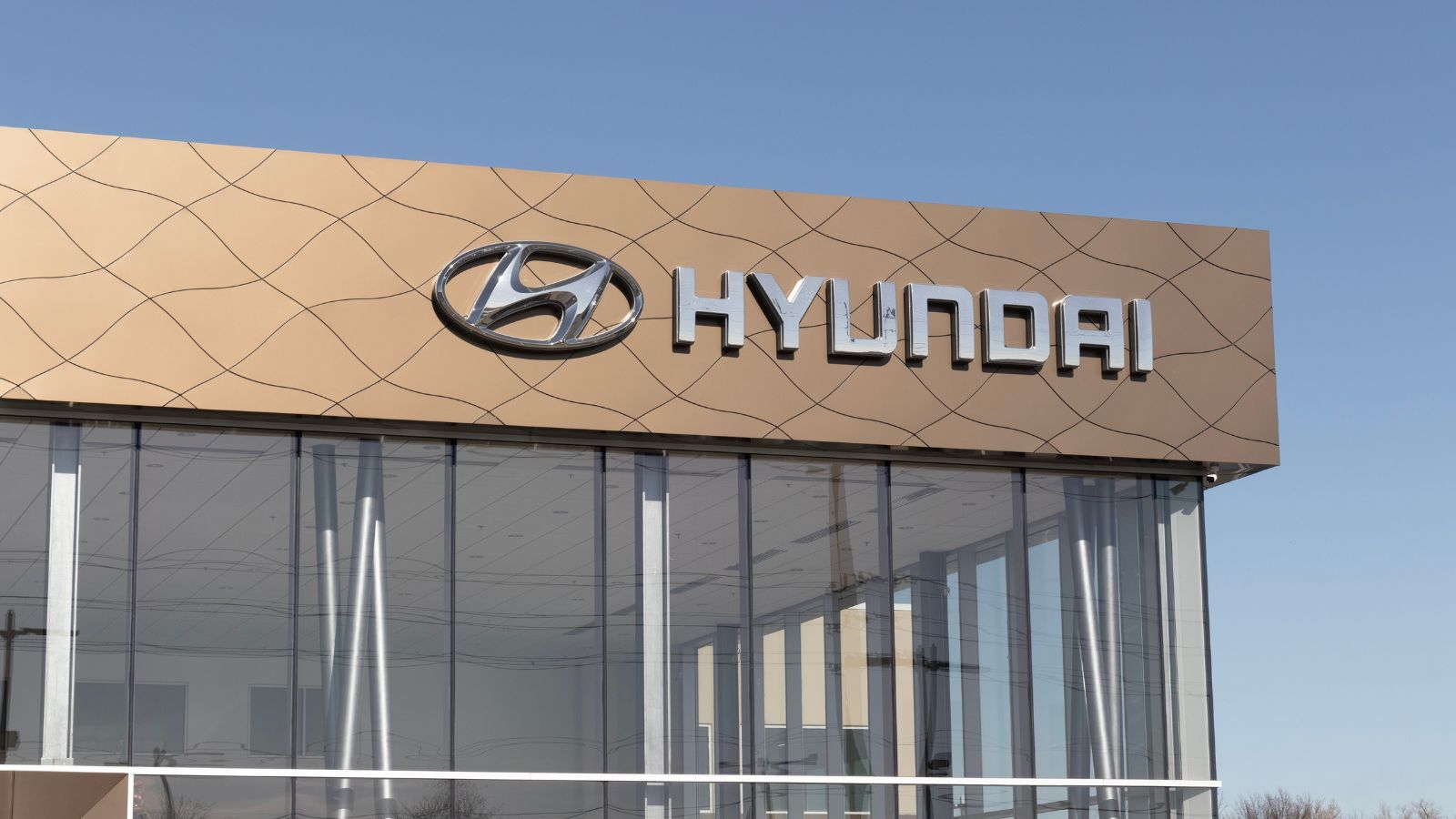
Hyundai Motor is preparing one of the most aggressive product pushes in its history just as the rules governing North American auto manufacturing are becoming harder to predict. The South Korean automaker plans 58 new or refreshed vehicle launches in North America by 2030, backed by more factory capacity, heavier local sourcing and a much broader mix of hybrids, electric vehicles and extended-range models.

The scale of the plan shows Hyundai is not retreating from North America despite tariff tensions and uncertainty surrounding the future implementation of USMCA, known as CUSMA in Canada. Instead, the company is trying to make its operations more resilient by building more vehicles and sourcing more components inside the region.

Hyundai Is Launching a Much Bigger North American Product Offensive

Hyundai’s 58 planned North American launches form more than half of a global program covering over 100 new or refreshed vehicles through 2030. The rollout includes complete redesigns, updated versions and vehicles aimed at market segments where Hyundai has historically had a smaller presence. Globally, more than 18 entries are expected to be entirely new products or moves into new segments. Among the vehicles already identified are a new Elantra, Tucson and Tucson Hybrid, alongside the company’s first Santa Fe extended-range electric vehicle. The Tucson remains especially important because Hyundai says cumulative global sales of the nameplate have passed 10 million units.

That breadth matters because the industry’s technology race is no longer moving neatly in one direction. Automakers spent much of the early 2020s preparing for rapid battery-electric adoption, only to encounter uneven demand, changing government incentives and sharply different consumer preferences between regions. Hyundai’s response is essentially to widen the menu. Rather than relying on one propulsion technology to carry its growth, the company is spreading investment across conventional vehicles, hybrids, battery EVs and extended-range models. For dealerships and consumers, that could mean a noticeably different Hyundai showroom before the decade is over.

Hybrids Have Become Central to the North American Strategy

The clearest change in Hyundai’s plan is the growing importance of hybrids. The company intends to offer more than 10 hybrid models in North America by 2030 and expects hybrids to account for roughly half of its regional sales by that point. Hyundai says cumulative hybrid sales in North America have already surpassed one million vehicles. Reuters and the Financial Times also reported strong recent hybrid demand, with U.S. hybrid sales rising sharply as motorists sought fuel savings without depending entirely on public charging infrastructure.

Hyundai is therefore treating hybrids as more than a temporary bridge to battery-electric vehicles. They are becoming a major commercial pillar. That approach gives the automaker flexibility if EV adoption accelerates more slowly than earlier industry forecasts anticipated. It can also help Hyundai compete more directly with Toyota, which built a large advantage by steadily expanding hybrid availability across mainstream models. For a household replacing a Tucson or Santa Fe, the practical choice may increasingly be between gasoline, hybrid and electrified variants of familiar vehicles rather than between an internal-combustion model and a completely separate EV.

Hyundai Wants to Build Far More Vehicles Inside North America

Product variety is only one side of the strategy. Hyundai also plans to add about 500,000 units of North American manufacturing capacity by 2030 as part of a global capacity increase of 1.27 million vehicles. Its Georgia manufacturing complex is central to that expansion. Hyundai Motor Group Metaplant America initially had capacity for approximately 300,000 vehicles annually, with plans already announced to raise that figure to 500,000. Hyundai’s existing Alabama operation will also play a larger role as the company spreads hybrid and extended-range production across its American factories.

The company has already committed enormous sums to the U.S. manufacturing ecosystem. Hyundai Motor Group announced an additional $21 billion U.S. investment program covering 2025 through 2028, including spending on vehicle manufacturing, parts, logistics, steel, robotics and other technologies. The Georgia complex itself was part of a $12.6 billion investment and began producing the IONIQ 5 in 2024. These are long-lived facilities that cannot be shifted across borders as easily as a purchasing contract, making stable North American trade rules particularly important when companies decide where the next generation of vehicles and components will be built.

Local Parts Sourcing Is Becoming a Form of Tariff Insurance

Hyundai is also raising its target for locally sourced North American parts to 80% by 2030, up from an earlier 60% goal. That is a significant shift for an automaker headquartered in South Korea, and it fits a wider strategy of shortening supply chains and producing closer to customers. Hyundai Motor Group has also invested in U.S. battery manufacturing and is developing an integrated steel facility intended to supply automotive steel to its American plants. Taken together, those investments reduce dependence on components imported from outside North America.

There is a straightforward business logic behind that localization. Tariffs can quickly change the economics of a vehicle assembled in one country using components from several others. Higher regional sourcing does not eliminate trade risk, particularly when governments impose sector-specific duties or rewrite content requirements, but it can give manufacturers more options. Hyundai can move production between regional plants, source more parts domestically and design future vehicles around increasingly localized supply networks. The strategy therefore serves two purposes: it supports Hyundai’s expansion plans while providing a larger buffer against political decisions that could make imported vehicles or components more expensive.

USMCA’s Auto Rules Are Again Part of the Investment Calculation

The trade backdrop is particularly important because the first formal joint review of USMCA took place on July 1, 2026. Canada has emphasized that the agreement remains legally in force until 2036, but the review process has opened major questions about how the three countries will manage automotive trade, rules of origin and economic security. U.S. and Mexican negotiators have repeatedly discussed automobiles, steel, aluminum and industrial rules of origin during bilateral meetings connected to the review.

Those issues go directly to the heart of modern auto manufacturing. A vehicle may be assembled in the United States while using engines, electronics, steel, battery materials and other components that move repeatedly between Canada, Mexico and the U.S. before reaching the showroom. Changes to how qualifying North American content is calculated can therefore alter where manufacturers source parts and place production. Hyundai’s localization push partly insulates it from those pressures, but the company still operates inside a deeply interconnected continental market. For automakers making multibillion-dollar decisions, knowing what will qualify for tariff-free treatment several years from now can be almost as important as today’s labour or electricity costs.

Extended-Range EVs Show Hyundai Is Hedging Its Technology Bets

One of the more revealing products in Hyundai’s roadmap is the Santa Fe EREV, scheduled to arrive in the first half of 2027. Hyundai expects the extended-range model to deliver more than 600 miles of combined driving range. Unlike a conventional hybrid, an extended-range EV is primarily propelled electrically while an onboard combustion engine can generate electricity once battery energy runs low. Hyundai plans to build the Santa Fe EREV at its Alabama factory, giving the technology a distinctly North American manufacturing role from the start.

The idea addresses two persistent barriers to EV adoption: charging availability and range anxiety. A family could handle routine commuting primarily through electric driving while retaining the ability to travel long distances without structuring every trip around fast-charging stops. Hyundai is not abandoning battery EVs—the company still wants electrified vehicles to represent 60% of global sales by 2030—but the EREV strategy acknowledges that different customers face very different charging conditions. Apartment residents, rural households and drivers covering long interstate or interprovincial distances may not make the same powertrain choice as homeowners with reliable overnight charging.

Hyundai Is Betting That Flexibility Will Matter More Than Picking One Winner

Hyundai’s broader financial targets make clear that this is not merely a defensive response to tariffs. The company still aims to sell 5.55 million vehicles globally in 2030 and raise its operating profit margin above 9%. North America is central to those ambitions. Hyundai reported 595,457 North American vehicle sales in the first half of 2026, its best first-half performance in the region, while U.S. deliveries reached 489,656 vehicles. That gives the company a substantial existing customer base on which to layer the coming wave of new products.

The harder question is whether trade policy will allow manufacturers to make equally confident decisions about where those vehicles are built. Hyundai can increase U.S. production, localize components and diversify powertrains, but an automaker cannot completely engineer political uncertainty out of its business. The company’s 58-model North American offensive therefore illustrates the industry’s unusual position in 2026: manufacturers still see enormous opportunity in the continent, yet they are designing factories and supply chains with greater protection against sudden policy changes. Hyundai is expanding, but it is expanding with more contingency plans built in.


Recommended.

Kinew Calls Trump a ‘Bad Person’ and Tells Canadians to Keep Boycotting U.S. Goods

Kinew Calls Trump a ‘Bad Person’ and Tells Canadians to Keep Boycotting U.S. Goods

August 21, 2026
18 Cars With Parts Prices So Wild They’re Becoming Hard to Own in Canada

18 Cars With Parts Prices So Wild They’re Becoming Hard to Own in Canada

March 30, 2026

Trending.

⁠$28 Billion in Canadian Goods Face 50% Trump Tariffs at Midnight as Deal Still Isn’t Final

Canada-U.S. Trade Deal Fell Apart After Washington Left Ontario-Built Ford and GM Trucks Out of Auto Tariff Relief

August 23, 2026
Quebec’s BRP Prepares 2027 Vehicle Reveal Tonight as Canadian Manufacturer Pushes New Can-Am Lineup

Quebec’s BRP Prepares 2027 Vehicle Reveal Tonight as Canadian Manufacturer Pushes New Can-Am Lineup

August 17, 2026
Doug Ford Says U.S. ‘Wasn’t Budging’ on 25% Auto Tariffs as Ontario Puts ‘Every Single Tool’ on the Table

Doug Ford Says U.S. ‘Wasn’t Budging’ on 25% Auto Tariffs as Ontario Puts ‘Every Single Tool’ on the Table

August 23, 2026
Mexico Pushes U.S. to Cut Auto Tariff From 25% to 5%–10% — and Give Canadian Parts More Room

Ottawa’s Chinese-EV Quota Opens Canada to 6.1% Tariffs Instead of the Former 100% Surtax

August 22, 2026
19 Things That Can Make Your Car Insurance Claim Get Denied

Foreign Insurer Can Apply to Enter Canada’s Auto-Insurance Market Starting Today

August 17, 2026
  • About
  • Contact
  • Privacy Policy
  • Disclaimer
  • Editorial Policies
  • Terms and Conditions
A Revir Media Group Website

2026 Autoigloo - © All rights reserved

No Result
View All Result
  • News & Trends
  • Car Reviews
  • Buying Guides
  • Comparisons
  • EVs & Hybrids
  • More
    • Pricing & Deals
    • Winter Driving
    • Ownership & Maintenance

2026 Autoigloo - © All rights reserved

This website uses cookies. By continuing to use this website you are giving consent to cookies being used. Visit our Privacy and Cookie Policy.