




















• About
  • Contact
AutoIgloo
  • News & Trends
    Mexico Pushes U.S. to Cut Auto Tariff From 25% to 5%–10% — and Give Canadian Parts More Room

    Equipment Dealers Warn Canada-U.S. Tariff Fight Is Damaging Both Sides as Trade Talks Stay Frozen

    9 Auto Brands Canadians Are Watching Much More Closely Right Now

    Kia Refreshes Sportage, Sorento and Carnival With New Black Editions — Canadian Launch Not Confirmed

    Tesla Shuts Hamilton’s 20-Stall Supercharger as 16-Stall V4 Replacement Goes Up

    Tesla Pulls Factory Wrap Listings From Its Online Shop With No Word on Whether the Service Is Gone for Good

    9 Auto Brands Canadians Are Watching Much More Closely Right Now

    Hyundai Puts $350,000 Into B.C. Childhood Cancer Care as Canadian Program Tops $4.1 Million

    BYD Quietly Adds Canada to Its Global Website With a ‘Coming Soon’ Page as U.S. Auto Fight Deepens

    BYD Unveils Smaller Mako Plug-In Hybrid Pickup as Its Global Truck Push Expands — Canada Still Unconfirmed

    18 Red Flags a Used Vehicle May Be a Money Pit

    CanadaOne’s 42 Canadian Dealerships Add A$1 Billion to Eagers Revenue in Just Two Months

  • Car Reviews
    18 Things That Can Make a Car Unsafe for Winter Road Trips

    Why Some Drivers Are Avoiding Vehicles With Complex Infotainment Systems

    21 Cars Canadians Are Starting to Regret Buying

    Why Some Drivers Regret Buying Big Wheels and Low-Profile Tires

    17 Vehicles That Are Quietly Getting Crushed by Insurance Costs in Canada

    Why So Many Drivers Are Nervous About Chinese-Made EV Batteries

    20 Used SUVs Canadians Should Think Twice About Buying

    20 Used SUVs Canadians Should Think Twice About Buying

    15 Vehicles That Are Starting to Feel Like a Bad Deal Around May Long Weekend

    15 Vehicles That Are Starting to Feel Like a Bad Deal Around May Long Weekend

    15 Vehicles That Are Starting to Scare Off Canadian Buyers

    15 Vehicles That Are Starting to Scare Off Canadian Buyers

  • Buying Guides
    17 Things That Make Car Leasing in Canada Feel More Expensive Than It Looks

    20 Reasons a Cheap Monthly Payment Can Still Be a Bad Deal

    27 Things Canadian Drivers Should Do Before Pothole Season Destroys Their Suspension

    The Bad Habit That Makes Your Engine Work Harder Than It Should

    19 Signs a Used SUV That Looks Like a Deal Probably Isn’t

    17 Things Drivers Should Check Before Buying a Car at Auction

    25 EV Charging Mistakes Canadians Make in March (That Wreck Range)

    Why Some Canadians Are Choosing Hybrids Over Full EVs Again

    22 Signs a Car Has Been in a Serious Crash Even if the Report Looks Clean

    21 Things That Make a Used Car Listing Seem Suspicious

    23 Features That Are Making New Cars Harder (and Pricier) to Repair in Canada

    Why Some Buyers Regret Choosing the Cheapest Trim Level

  • Comparisons
    25 EV Charging Mistakes Canadians Make in March (That Wreck Range)

    Why Some Canadians Are Choosing Hybrids Over Full EVs Again

    21 Used Car Features That Can Become Expensive Problems Later

    Why Some Canadians Are Choosing Front-Wheel Drive Over All-Wheel Drive

    Canada’s Auto Fight Gets Uglier as BYD Threatens to Sue Trump Administration

    Tesla Vs. BYD: Are Chinese EV’s Actually Better for Canadians?

    17 Vehicles That Are Quietly Getting Crushed by Insurance Costs in Canada

    Why So Many Drivers Are Nervous About Chinese-Made EV Batteries

    20 Used SUVs Canadians Should Think Twice About Buying

    20 Used SUVs Canadians Should Think Twice About Buying

    16 Cars That Are a Nightmare to Repair Because Parts Are Backordered

    23 Cars Canadians Love That Have One Deal-Breaker Flaw

  • EVs & Hybrids
    20 Signs Your Car Battery Is About to Leave You Stranded

    Canadian Auto Jobs Become a Central Fault Line as Ottawa Reveals Why It Rejected U.S. Vehicle Terms

    25 EV Charging Mistakes Canadians Make in March (That Wreck Range)

    Why Some Canadians Are Choosing Hybrids Over Full EVs Again

    The EV Charging Habit That Can Annoy Everyone Around You

    Canada Is Missing an EV-Battery Export Opening as EU Lithium Demand Heads for a 9-to-12-Fold Jump: Report

    16 Used-EV Surprises Canadians Don’t See Coming Until After They Buy

    The EV Charging Habit That Can Annoy Everyone Around You

    17 SUVs That Are Losing Their Appeal Fast in Canada

    GM Canada Says EV Sales Jumped More Than 30% as CUSMA Uncertainty Hangs Over Showrooms

    9 Auto Brands Canadians Are Watching Much More Closely Right Now

    Toyota Canada Says Electrified Vehicles Are Now Nearly 70% of Its Q2 Sales

  • More
    • Pricing & Deals
    • Winter Driving
    • Ownership & Maintenance
No Result
View All Result
AutoIgloo
  • News & Trends
    Mexico Pushes U.S. to Cut Auto Tariff From 25% to 5%–10% — and Give Canadian Parts More Room

    Equipment Dealers Warn Canada-U.S. Tariff Fight Is Damaging Both Sides as Trade Talks Stay Frozen

    9 Auto Brands Canadians Are Watching Much More Closely Right Now

    Kia Refreshes Sportage, Sorento and Carnival With New Black Editions — Canadian Launch Not Confirmed

    Tesla Shuts Hamilton’s 20-Stall Supercharger as 16-Stall V4 Replacement Goes Up

    Tesla Pulls Factory Wrap Listings From Its Online Shop With No Word on Whether the Service Is Gone for Good

    9 Auto Brands Canadians Are Watching Much More Closely Right Now

    Hyundai Puts $350,000 Into B.C. Childhood Cancer Care as Canadian Program Tops $4.1 Million

    BYD Quietly Adds Canada to Its Global Website With a ‘Coming Soon’ Page as U.S. Auto Fight Deepens

    BYD Unveils Smaller Mako Plug-In Hybrid Pickup as Its Global Truck Push Expands — Canada Still Unconfirmed

    18 Red Flags a Used Vehicle May Be a Money Pit

    CanadaOne’s 42 Canadian Dealerships Add A$1 Billion to Eagers Revenue in Just Two Months

  • Car Reviews
    18 Things That Can Make a Car Unsafe for Winter Road Trips

    Why Some Drivers Are Avoiding Vehicles With Complex Infotainment Systems

    21 Cars Canadians Are Starting to Regret Buying

    Why Some Drivers Regret Buying Big Wheels and Low-Profile Tires

    17 Vehicles That Are Quietly Getting Crushed by Insurance Costs in Canada

    Why So Many Drivers Are Nervous About Chinese-Made EV Batteries

    20 Used SUVs Canadians Should Think Twice About Buying

    20 Used SUVs Canadians Should Think Twice About Buying

    15 Vehicles That Are Starting to Feel Like a Bad Deal Around May Long Weekend

    15 Vehicles That Are Starting to Feel Like a Bad Deal Around May Long Weekend

    15 Vehicles That Are Starting to Scare Off Canadian Buyers

    15 Vehicles That Are Starting to Scare Off Canadian Buyers

  • Buying Guides
    17 Things That Make Car Leasing in Canada Feel More Expensive Than It Looks

    20 Reasons a Cheap Monthly Payment Can Still Be a Bad Deal

    27 Things Canadian Drivers Should Do Before Pothole Season Destroys Their Suspension

    The Bad Habit That Makes Your Engine Work Harder Than It Should

    19 Signs a Used SUV That Looks Like a Deal Probably Isn’t

    17 Things Drivers Should Check Before Buying a Car at Auction

    25 EV Charging Mistakes Canadians Make in March (That Wreck Range)

    Why Some Canadians Are Choosing Hybrids Over Full EVs Again

    22 Signs a Car Has Been in a Serious Crash Even if the Report Looks Clean

    21 Things That Make a Used Car Listing Seem Suspicious

    23 Features That Are Making New Cars Harder (and Pricier) to Repair in Canada

    Why Some Buyers Regret Choosing the Cheapest Trim Level

  • Comparisons
    25 EV Charging Mistakes Canadians Make in March (That Wreck Range)

    Why Some Canadians Are Choosing Hybrids Over Full EVs Again

    21 Used Car Features That Can Become Expensive Problems Later

    Why Some Canadians Are Choosing Front-Wheel Drive Over All-Wheel Drive

    Canada’s Auto Fight Gets Uglier as BYD Threatens to Sue Trump Administration

    Tesla Vs. BYD: Are Chinese EV’s Actually Better for Canadians?

    17 Vehicles That Are Quietly Getting Crushed by Insurance Costs in Canada

    Why So Many Drivers Are Nervous About Chinese-Made EV Batteries

    20 Used SUVs Canadians Should Think Twice About Buying

    20 Used SUVs Canadians Should Think Twice About Buying

    16 Cars That Are a Nightmare to Repair Because Parts Are Backordered

    23 Cars Canadians Love That Have One Deal-Breaker Flaw

  • EVs & Hybrids
    20 Signs Your Car Battery Is About to Leave You Stranded

    Canadian Auto Jobs Become a Central Fault Line as Ottawa Reveals Why It Rejected U.S. Vehicle Terms

    25 EV Charging Mistakes Canadians Make in March (That Wreck Range)

    Why Some Canadians Are Choosing Hybrids Over Full EVs Again

    The EV Charging Habit That Can Annoy Everyone Around You

    Canada Is Missing an EV-Battery Export Opening as EU Lithium Demand Heads for a 9-to-12-Fold Jump: Report

    16 Used-EV Surprises Canadians Don’t See Coming Until After They Buy

    The EV Charging Habit That Can Annoy Everyone Around You

    17 SUVs That Are Losing Their Appeal Fast in Canada

    GM Canada Says EV Sales Jumped More Than 30% as CUSMA Uncertainty Hangs Over Showrooms

    9 Auto Brands Canadians Are Watching Much More Closely Right Now

    Toyota Canada Says Electrified Vehicles Are Now Nearly 70% of Its Q2 Sales

  • More
    • Pricing & Deals
    • Winter Driving
    • Ownership & Maintenance
No Result
View All Result
AutoIgloo
No Result
View All Result

Home » News & Trends

Tesla Opens 325-kW Moncton Supercharger, but New Brunswick Drivers Still Pay by the Minute

Nate Brewer by Nate Brewer
August 26, 2026
Reading Time: 6 mins read
A A
Photo Credit: Shutterstock

Photo Credit: Shutterstock

466
SHARES
1.5k
VIEWS
Share on FacebookShare on Twitter

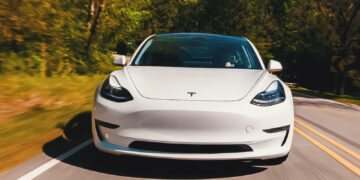
Tesla has added a notably faster charging stop to New Brunswick’s EV network, but the newest hardware has arrived with an old-fashioned way of calculating the bill. The company’s new Moncton Supercharger at the Granite Centre features eight V4 stalls capable of delivering up to 325 kW to compatible vehicles, placing some of Tesla’s newest charging equipment beside the Trans-Canada Highway. Yet drivers are still charged according to how long they remain plugged in rather than the amount of electricity their batteries receive. That contrast makes Moncton more than another dot on Tesla’s charging map. It highlights how rapidly charging technology is advancing while Canadian measurement rules, provincial electricity laws and different utility structures continue to shape what drivers actually pay at the plug.

A New High-Power Stop on the Trans-Canada Highway

The Moncton site opened at 50 Granite Drive in the Granite Centre, adding eight V4 Supercharger stalls and becoming Tesla’s seventh Supercharger location in New Brunswick. Its position just off the Trans-Canada Highway is significant because Moncton sits on one of the principal road corridors connecting New Brunswick with Nova Scotia and routes heading west toward Quebec. Existing Tesla locations in the province include Aulac, Lincoln, Quispamsis, Saint-Léonard, Salisbury and Woodstock. For long-distance EV drivers, another high-capacity stop can provide an important alternative when existing sites are busy, unavailable or simply poorly positioned for a particular journey.

The hardware also represents a substantial jump from many older Tesla installations in the province. The V4 equipment is advertised at up to 325 kW for compatible vehicles, compared with 150-kW equipment still operating at some established New Brunswick Superchargers. Construction in Moncton began in 2025, and Tesla’s network is not finished expanding in the province. Work also began in August on another location at Fredericton’s Regent Mall, which would increase the provincial total again when commissioned.

325 kW Is a Ceiling, Not a Guaranteed Charging Speed

A 325-kW label can make a charging stop sound almost instantaneous, but the figure describes the maximum power the equipment can potentially deliver under suitable conditions. The vehicle still determines how much power it can accept. Battery temperature, state of charge, battery chemistry and the vehicle’s charging architecture all influence what appears on the charging screen. An EV arriving with a warm, depleted battery may initially charge rapidly and then progressively reduce its power draw as the battery fills. Another vehicle may never approach the station’s maximum because its own hardware has a lower peak charging limit.

Natural Resources Canada describes DC fast charging as typically capable of bringing an EV to roughly an 80% charge in about 25 to 30 minutes, while explicitly warning that actual results vary by vehicle, battery, temperature and other conditions. That distinction is particularly important in Moncton because charging speed affects not only how long someone waits but also which time-pricing tier applies. The station can supply exceptionally high power, but the practical experience will depend heavily on the car that arrives and the condition of its battery.

The Price Still Runs on a Clock

Despite the new equipment, Moncton does not currently use the straightforward dollars-per-kilowatt-hour system drivers increasingly encounter elsewhere in Canada. Tesla owners are charged according to charging-power bands. Reported pricing begins at $0.35 per minute when the vehicle is drawing no more than 60 kW and rises to $1.85 per minute when charging above 180 kW. Compatible non-Tesla vehicles face higher reported rates, ranging from $0.50 per minute at the lowest band to $2.60 per minute above 180 kW. Tesla says its per-minute Supercharger system uses four charging-speed tiers so the price changes according to the power a vehicle is receiving.

That arrangement means a charging session has two moving variables: time and charging speed. A car may begin in the highest tier when its battery is low, then move into lower-power tiers as charging tapers. Drivers therefore cannot determine the cost simply by looking at the number of kilowatt-hours they need. Tesla also notes that Supercharger prices can change and that current site-specific pricing is displayed through its vehicle navigation system or app, making an up-to-date price check particularly useful before a long trip.

Why New Brunswick Is Different

The unusual billing method reflects an overlap between federal measurement rules and New Brunswick’s electricity framework. Measurement Canada allows public charging operators to bill by the kilowatt-hour when appropriate metering requirements are satisfied. Its temporary-dispensation program permits eligible Level 3 fast-charging equipment to use energy-based billing before the permanent approval regime is fully implemented, provided operators meet specified accuracy, registration and consumer-protection requirements. Across Canada, thousands of public charging ports have already moved into energy-based billing under that evolving framework.

New Brunswick adds another layer. Section 72 of the provincial Electricity Act generally provides that no person other than the provincial electricity corporation may sell or supply electricity to a consumer, subject to limited exceptions. EV industry publications reporting on the Moncton opening identify that provincial structure as the reason Tesla continues using time-based pricing there. NB Power’s own eCharge network also retains time-based fast-charging rates: its 2026-27 schedule lists $30 an hour for a 100-kW charger and $20 an hour for a 50-kW charger. The result is a provincial charging market where the minute remains unusually important.

Per-Minute Pricing Changes the Economics of a Fast Charge

Charging by time creates a different set of incentives from charging by energy. Under a kilowatt-hour model, two drivers purchasing the same amount of electricity can, in principle, pay the same energy charge even if one vehicle takes longer to accept it. Under time billing, a vehicle’s charging performance becomes part of the cost equation. Cold batteries, a high starting state of charge or a conservative charging curve can all extend the session. Tesla’s tiered system partly addresses that issue by charging less per minute at lower power levels, rather than applying one flat minute rate regardless of speed.

Even so, the customer is still purchasing time rather than receiving a simple price for each unit of energy. That can make comparisons between charging networks more complicated. Measurement Canada has explicitly supported the broader transition toward kilowatt-hour billing because verified energy measurement provides consumers with a clearer basis for what they are buying. The distinction becomes more noticeable as chargers become faster: a 325-kW station can deliver energy at a dramatically different pace from an older 50-kW unit, making both charging curves and pricing bands important parts of the final bill.

Moncton Arrives During a Broader New Brunswick Charging Buildout

Tesla’s expansion is occurring alongside a larger push to increase public charging capacity across New Brunswick. In early August, the provincial government announced that more than $6 million from its 2026-27 Climate Change Fund would support three EV-charging initiatives. Of that amount, $5 million was earmarked for expanding the NB Power eCharge network with 16 new fast chargers providing 29 charging ports. The province said the focus would include areas where private operators may not currently see a sufficient commercial case to build infrastructure on their own.

That public investment gives the Moncton opening a wider context. Tesla is adding high-powered infrastructure along commercially attractive transportation routes, while government-backed programs are trying to reduce gaps in places that may be less profitable. Natural Resources Canada has previously funded dozens of electric charging installations in New Brunswick through federal infrastructure programs as well. Taken together, the projects indicate that the province’s network is becoming denser even if pricing and connector arrangements remain fragmented. For drivers, additional stations matter because redundancy can be nearly as valuable as outright charging speed during busy travel periods.

Non-Tesla Drivers Gain Another Charging Option

The Moncton Supercharger is not restricted to Tesla vehicles. The V4 site is reported as available to compatible EVs from other manufacturers using the necessary NACS adapter, although Tesla advises non-Tesla drivers to check its app for vehicle compatibility, station access and adapter requirements. That makes the opening more relevant than it would have been during the years when the Supercharger network functioned mainly as a proprietary advantage for Tesla owners.

The industry around the connector has also changed. Tesla’s North American Charging Standard has been formalized by SAE International as the J3400 family of standards, covering the physical connector as well as broader electrical, functional and safety requirements. Major automakers began committing to the connector earlier in the decade, and newer EVs are increasingly being designed around it while adapters provide a bridge for existing CCS-equipped vehicles. V4 Supercharger hardware also uses longer cables than previous generations, an important practical improvement because charging-port placement varies widely among brands. Moncton therefore expands both Tesla’s network and the increasingly shared North American fast-charging ecosystem.

The Next Charging Battle May Be About Billing, Not Speed

The Moncton station shows how charging infrastructure can improve dramatically without every part of the ownership experience moving at the same pace. Eight 325-kW-capable stalls address the physical question of where and how quickly EVs can charge. The per-minute billing structure raises a separate question about how electricity should be sold to motorists. Measurement Canada continues developing permanent standards for EV charging meters, with its temporary program allowing qualifying Level 3 equipment placed into service before 2030 to participate in kilowatt-hour billing when its requirements are met.

For New Brunswick drivers, however, federal meter approval is only part of the picture because the provincial electricity framework remains relevant. No publicly announced date identified in the sources reviewed for this piece establishes when the new Moncton Supercharger might switch to kilowatt-hour pricing. In the meantime, motorists have a straightforward practical task: check the station’s current rate before plugging in and remember that the vehicle’s charging performance can influence the bill. Moncton now has faster hardware; the economics of using it remain distinctly New Brunswick.


Recommended.

23 Things That Make Canadian Commutes More Expensive Than People Realize

The Roadside Mistake That Can Make a Breakdown More Dangerous

June 23, 2026
17 Driving Expenses Canadians Notice More Once Warm Weather Hits

17 Ways a Road Trip Vehicle Can Drain Money Before the Weekend Starts

May 14, 2026

Trending.

⁠$28 Billion in Canadian Goods Face 50% Trump Tariffs at Midnight as Deal Still Isn’t Final

Canada-U.S. Trade Deal Fell Apart After Washington Left Ontario-Built Ford and GM Trucks Out of Auto Tariff Relief

August 23, 2026
Quebec’s BRP Prepares 2027 Vehicle Reveal Tonight as Canadian Manufacturer Pushes New Can-Am Lineup

Quebec’s BRP Prepares 2027 Vehicle Reveal Tonight as Canadian Manufacturer Pushes New Can-Am Lineup

August 17, 2026
Doug Ford Says U.S. ‘Wasn’t Budging’ on 25% Auto Tariffs as Ontario Puts ‘Every Single Tool’ on the Table

Doug Ford Says U.S. ‘Wasn’t Budging’ on 25% Auto Tariffs as Ontario Puts ‘Every Single Tool’ on the Table

August 23, 2026
Mexico Pushes U.S. to Cut Auto Tariff From 25% to 5%–10% — and Give Canadian Parts More Room

Ottawa’s Chinese-EV Quota Opens Canada to 6.1% Tariffs Instead of the Former 100% Surtax

August 22, 2026
19 Things That Can Make Your Car Insurance Claim Get Denied

Foreign Insurer Can Apply to Enter Canada’s Auto-Insurance Market Starting Today

August 17, 2026
  • About
  • Contact
  • Privacy Policy
  • Disclaimer
  • Editorial Policies
  • Terms and Conditions
A Revir Media Group Website

2026 Autoigloo - © All rights reserved

No Result
View All Result
  • News & Trends
  • Car Reviews
  • Buying Guides
  • Comparisons
  • EVs & Hybrids
  • More
    • Pricing & Deals
    • Winter Driving
    • Ownership & Maintenance

2026 Autoigloo - © All rights reserved

This website uses cookies. By continuing to use this website you are giving consent to cookies being used. Visit our Privacy and Cookie Policy.