


















Electric vehicles still carry a collision-repair premium in Canada, but that premium is becoming noticeably harder to describe as a permanent disadvantage. New second-quarter 2026 data from Mitchell International puts average repairable claims severity for battery-electric vehicles at C$6,645, compared with C$5,411 for gasoline-powered vehicles. The difference — C$1,234 — is the smallest Mitchell has recorded in Canada.
That finding matters because electric vehicles have historically been associated with expensive electronics, sensor-heavy bodywork and greater dependence on original-equipment parts. Yet the latest numbers suggest the collision-repair market is slowly adapting. Importantly, the data measure repairable collision claims, not routine maintenance, battery replacement or every mechanical repair an EV owner might face.
The Repair-Cost Premium Is Shrinking
The latest Canadian numbers represent a meaningful change from only a few months earlier. In the first quarter of 2026, Mitchell reported average repairable severity of C$7,185 for battery-electric vehicles and C$5,605 for internal-combustion vehicles. That was a gap of C$1,580. By the second quarter, the difference had fallen to C$1,234, a quarter-over-quarter narrowing of C$346. The gap is also smaller than it was in the second quarter of 2025, when BEVs averaged C$6,633 and gasoline vehicles C$5,156.
That does not mean every damaged EV has suddenly become cheap to fix. Rather, averages for the two powertrains are moving closer together. Gasoline-powered vehicles have become increasingly sophisticated themselves, carrying cameras, radar modules, active safety systems and complex body structures that can make seemingly ordinary collision work expensive. At the same time, collision centres have had more years to become familiar with high-volume EV models and the procedures required to return them safely to the road.
EV Complexity Has Not Disappeared
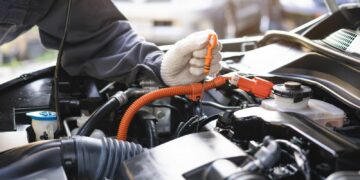
Modern battery-electric vehicles can still demand more specialized collision work than conventional cars. High-voltage electrical systems require specific safety procedures, while cameras, radar sensors and other advanced driver-assistance technology may need inspection, scanning or recalibration after repairs. Even damage concentrated around a bumper or quarter panel can involve equipment that did not exist on mainstream vehicles a generation ago.
Mitchell’s 2025 claims data illustrated that difference. Battery-electric vehicles averaged 1.70 calibration operations per estimate, compared with 1.54 for internal-combustion vehicles. The distinction is not enormous on an individual claim, but across thousands of repairs those additional procedures can add labour, equipment use and diagnostic time. EV construction also tends to integrate electronic systems closely with the vehicle’s broader architecture. That helps explain why the repair premium has narrowed rather than disappeared. Collision shops are becoming more experienced, but the underlying technology still requires careful handling, technician training and access to manufacturer repair information.
Original-Equipment Parts Remain a Major Cost Factor
One of the clearest differences between EV and gasoline collision repairs remains the type of replacement parts appearing on estimates. Mitchell’s Q2 2026 data show that 84.74% of parts dollars on BEV estimates were designated for original-equipment manufacturer parts, compared with 61.44% for internal-combustion vehicles. That is a significant difference because alternatives such as aftermarket or recycled components can broaden sourcing choices and sometimes reduce repair costs.
Repair-versus-replace decisions also remain slightly different. Approximately 15% of parts on BEV estimates were written to be repaired rather than replaced, compared with about 17% for ICE vehicles. Those percentages may look close, but parts make up a substantial share of a collision bill. When a vehicle relies more heavily on new OEM components, disruptions in manufacturing, shipping or tariffs can quickly matter. For a body shop, a damaged component that can be repaired keeps the original part on the vehicle. A component that must be replaced introduces another part order, another price and potentially another wait.
Total Losses Can Change the Repair Average
There is another reason the repair-cost gap may be narrowing that has little to do with making a particular repair cheaper. Mitchell has pointed to higher total-loss frequency as one factor influencing the numbers. When an insurer decides that a heavily damaged vehicle is not economically sensible to repair, that claim leaves the pool of repairable vehicles used to calculate average repair severity. That can alter the average even if the underlying complexity of repairing an EV has not fundamentally changed.
The economics become especially important as the EV fleet ages. A new vehicle with a high market value can economically justify substantial collision work. The same model several years later may cross the total-loss threshold with less damage because its market value has declined. Mitchell reported that Canadian BEV market values fell 13% during 2025, the largest reduction among the powertrain categories it tracked. As more older EVs enter collision-claim databases, the relationship between vehicle value, repair estimate and total-loss decisions becomes increasingly important when interpreting headline repair-cost comparisons.
More Canadian EVs Are Reaching Collision Shops
The narrowing cost gap is arriving while battery-electric vehicles make up a larger portion of Canadian repair work. BEVs represented 5.42% of repairable Canadian collision claims in Q2 2026, a record for Mitchell’s Canadian data and an increase of 12.4% from a year earlier. Mild hybrids were slightly higher at 5.52%, while plug-in hybrids accounted for roughly 1.85% of repairable claims.
The geographic concentration is striking. British Columbia recorded a BEV repairable-claims frequency of 9.34%, the highest market measured in North America, followed closely by Quebec at 9.19%. Broader registration statistics point in the same direction. Statistics Canada recorded 43,113 new zero-emission vehicle registrations during the first quarter of 2026, equal to 10.8% of all new vehicle registrations. Battery-electric registrations increased 12.9% year over year, while plug-in hybrids rose 22.9%. More EVs on Canadian roads inevitably mean more EVs eventually appearing in collision centres, giving the repair industry more incentive to invest in expertise and equipment.
A Few Familiar Models Dominate the Work
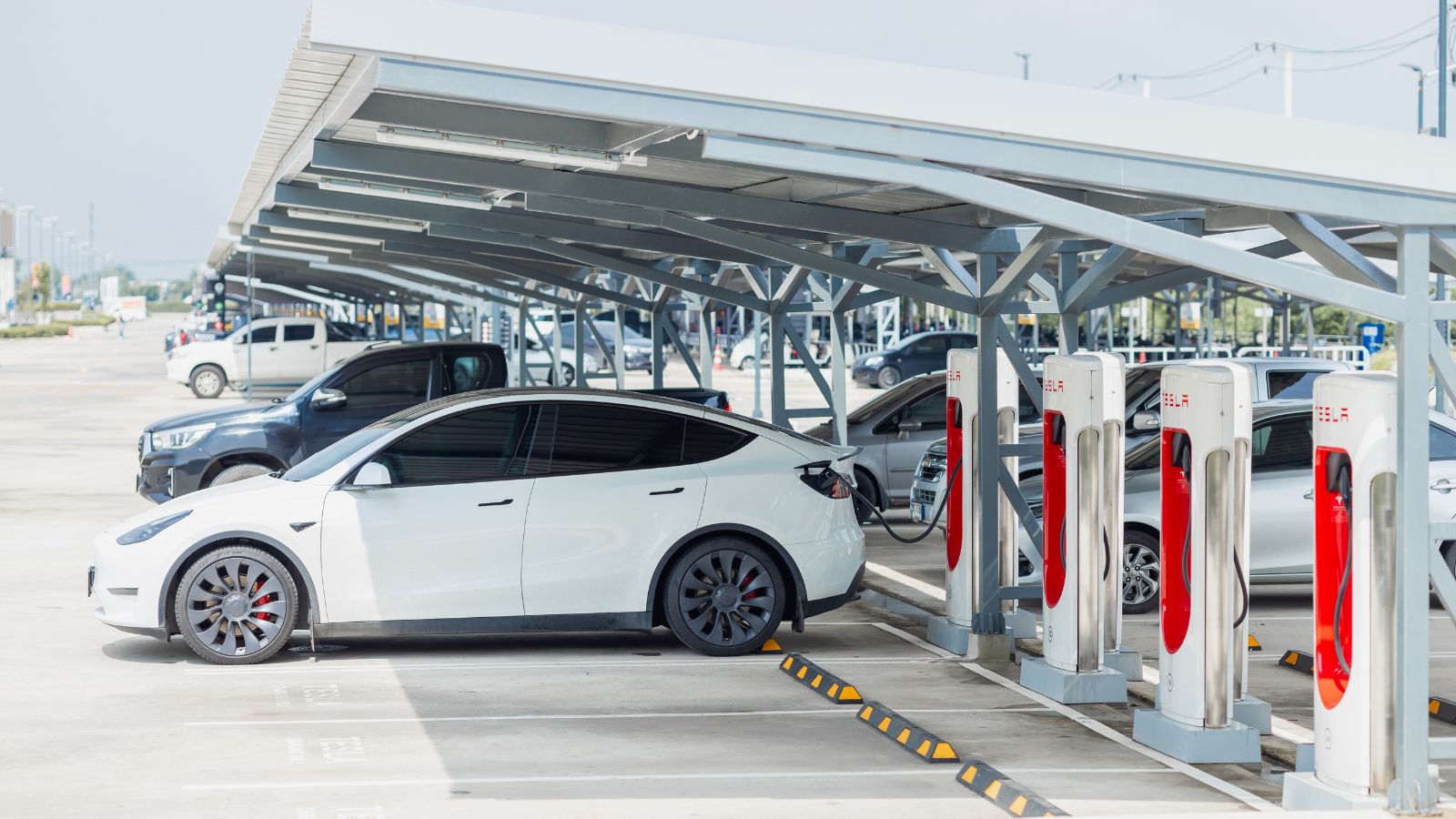
Canadian EV collision repair is not spread evenly across hundreds of different models. Tesla remains especially prominent. During Q2 2026, the Model Y accounted for 23.29% of Canadian repairable BEV claims, while the Model 3 represented another 22.79%. Together, those two vehicles made up more than 46% of the battery-electric claims measured by Mitchell. The Ford Mustang Mach-E followed at 5.16%, with the Hyundai Ioniq 5 at 4.45% and Hyundai Kona EV at 4.08%.
That concentration can matter to the repair ecosystem. A technician who repeatedly encounters the same vehicle architecture, disassembly sequence and calibration requirements does not start from zero every time another example enters the shop. Parts suppliers also have stronger reasons to build inventories around vehicles appearing regularly in claims. None of that proves that higher repair volume alone caused the C$1,234 gap, but it illustrates what Mitchell means when describing a maturing EV fleet. Electric cars are gradually shifting from unfamiliar specialty vehicles into recurring collision-shop business.
The $1,234 Figure Is Not an Owner’s Typical Repair Bill
The headline number needs context. C$1,234 represents the difference between two average claim-severity figures across repairable collision claims. It does not mean an EV owner will necessarily pay C$1,234 more after an accident. The individual out-of-pocket expense depends on insurance coverage, deductibles, the type of damage and the repair required. A minor paint repair and a collision involving sensors, structural components and suspension hardware can produce dramatically different totals regardless of powertrain.
Collision costs also involve more than the final estimate. Enterprise Mobility data reported by Collision Repair Magazine showed Canadian collision-related rental periods averaging 14.9 days in Q2 2026, while non-drivable claims averaged considerably longer. Average first-party deductibles in the same data increased from C$529 to C$581 year over year. Those numbers help explain why drivers can feel the financial impact of an accident even when the insurer absorbs most of the repair invoice. The shrinking EV repair premium is encouraging, but it is only one piece of the ownership-cost picture.
Parity Is Getting Closer, but It Is Not Guaranteed
The direction of the data is significant. Canadian BEV collision repairs remain more expensive on average, yet the gap has reached its lowest level since Mitchell began tracking the comparison. That is exactly the kind of change expected as technology matures: repairers gain experience, high-volume models become familiar and an increasingly diverse fleet changes the mix of claims entering shops.
There are also reasons the narrowing trend could stall or reverse. Mitchell has specifically warned that trade uncertainty and geopolitical disruptions could increase replacement-part costs and availability problems. EVs may be particularly exposed because such a high proportion of their parts spending still goes toward OEM components. At the same time, gasoline vehicles continue adding the cameras, sensors and electronic systems that once made EV repair costs look unusually complicated. The most useful takeaway, therefore, is not that EVs have suddenly become as cheap to repair as gas cars. It is that the once-large collision-repair divide is becoming substantially less distinctive.