


























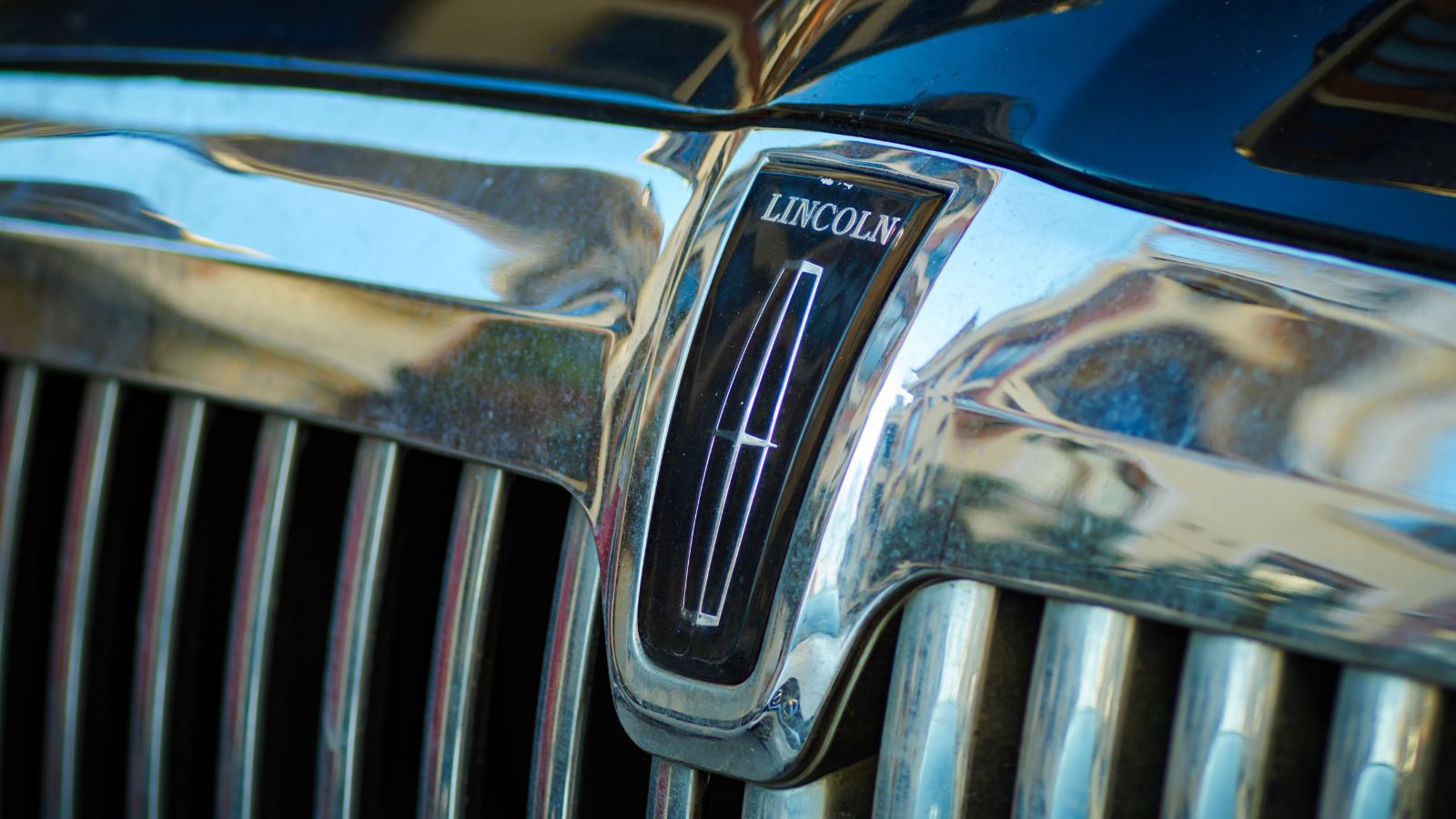
Lincoln’s next major SUV could take the brand somewhere it has rarely gone: deep into the luxury off-road market. Fresh reporting says Ford’s luxury division is moving ahead with a body-on-frame SUV based on Bronco architecture, with an internal program code and a tentative production start in late summer 2029 at Michigan Assembly in Wayne. A Lincoln dealer cited in the reporting said the vehicle could start around US$70,000 and sit below the Navigator.
That is a meaningful step beyond earlier reports that surfaced in February, but it is not a formal product announcement. Ford has declined to confirm future-product speculation, and major details—including the name, powertrain, design and final price—remain unsettled. What is emerging is a clearer picture of how Lincoln could combine Bronco capability with its increasingly technology-heavy, comfort-focused luxury identity.
The Rumor Is Starting to Look Like a Program
Earlier reports described a Bronco-based Lincoln as a possibility for the 2029–2030 period. The latest reporting adds details that make the project sound more developed. AutoForecast Solutions vice president Sam Fiorani told the Detroit Free Press that the program has a code and timing, with production expected to begin in late summer 2029 beside the Bronco at Michigan Assembly. A Lincoln dealer also said retailers had been asking for a G-Class-style vehicle built around Bronco hardware.
That does not mean a showroom arrival is guaranteed. Automakers develop internal programs years before launch, and plans can be delayed, redesigned or canceled. Still, the shift from a broad future-product rumor to a reported production window matters. For dealers, it offers something more concrete to discuss than a styling exercise. For Lincoln, it suggests a vehicle intended to fill a genuine portfolio gap rather than simply producing a luxury-themed Bronco special edition.
Bronco Hardware Gives Lincoln a Credible Starting Point
The Bronco gives Lincoln a strong mechanical starting point because the current SUV is engineered for genuine off-road work. Ford lists standard four-wheel drive, available electronic-locking front and rear axles, multiple terrain modes and removable doors and roofs across the Bronco range. A four-door Bronco measures 189.4 inches long on a 116.1-inch wheelbase, dimensions that put it within a useful midsize footprint for a premium SUV intended to remain manageable on trails and city streets.
Sharing architecture would not require Lincoln to copy the Bronco’s personality. A luxury version could use different suspension tuning, structural isolation, bodywork and cabin materials while retaining hard points that support four-wheel drive and trail capability. That distinction will be crucial. Someone spending around $70,000 may value the ability to reach a remote cabin or snowy trailhead, but that same owner is also likely to expect a calm highway ride, lower noise levels and a cabin substantially removed from Ford’s washout-floor, removable-panel approach.
Lincoln Has Room for a Different Kind of SUV
A rugged two-row model would also give Lincoln something its current U.S. lineup lacks. The brand now centers on three nameplates: the two-row Nautilus, three-row Aviator and full-size Navigator. The compact Corsair ended production with the broader phaseout of the Ford Escape and Corsair program, leaving Lincoln with fewer showroom choices even as its remaining SUVs have moved further upscale in design, technology and pricing.
The proposed off-roader would not simply replace the Corsair’s old role. It would target a different customer—someone who wants visible capability and a more adventurous image without stepping into a full-size Navigator. That could help Lincoln reach buyers who currently consider vehicles such as the Lexus GX or Defender. It also creates useful contrast inside the showroom: Nautilus for road-focused two-row comfort, Aviator for three-row family duty, Navigator for maximum space, and a body-on-frame model for buyers who want luxury mixed with genuine mud, snow and trail credibility.
$70,000 Would Fill a Strategic Price Gap
The reported US$70,000 target is notable because it would land in a relatively open space inside Lincoln’s pricing ladder. Lincoln lists the 2027 Aviator from $56,910, while the 2027 Navigator starts at $89,995. A roughly $70,000 base price would therefore place the new SUV comfortably above Lincoln’s midsize entry point but about $20,000 below its full-size flagship before options and destination-related differences are considered.
That positioning could be more important than chasing the Mercedes-Benz G-Class directly. Luxury buyers routinely move upward through trim levels, appearance packages and premium interiors, meaning a $70,000 starting point could still support versions priced substantially higher. The 2026 Aviator Black Label, for example, starts at $86,660. A Bronco-based Lincoln could use a similar ladder: a well-equipped core version for rugged-luxury shoppers, followed by more expensive models focused on materials, audio, suspension and exclusive design themes. The challenge will be making every price increase feel like added Lincoln substance rather than expensive Bronco decoration.
Lexus GX and Defender Are the More Direct Benchmarks
The Mercedes-Benz G-Class makes a dramatic headline rival, but the Lexus GX and Defender may be more realistic price competitors. Lexus lists the 2026 GX from $68,335 including delivery, and the model combines body-on-frame construction, full-time four-wheel drive and a twin-turbocharged V6. Land Rover lists the Defender 110 from about $65,000 before destination. Both figures sit remarkably close to the dealer-estimated starting price being discussed for the proposed Lincoln.
The G 550 occupies an entirely different financial tier. Mercedes-Benz lists the 2026 G 550 at $153,900 before options, more than twice the reported Lincoln target. That gap could actually help Lincoln define its vehicle. A household considering a GX or well-equipped Defender could view a $70,000 Lincoln as a realistic alternative, particularly if it combines credible trail hardware with a quieter American-luxury cabin. Competing on capability, comfort and road presence is more plausible than immediately attempting to match the G-Class’s decades of status, pricing power and cultural cachet.
Luxury Execution Will Matter More Than Shared Bones
The biggest engineering challenge may be making Bronco bones disappear when the road turns smooth. Lincoln’s products increasingly emphasize comfort and cabin technology. The 2026 Nautilus uses a 48-inch panoramic display and offers Lincoln Rejuvenate, which coordinates lighting, display visuals, seating and available scents. The Navigator also uses a 48-inch display, while the Aviator can be equipped with an Air Glide suspension designed to adjust vehicle height and improve ride comfort.
Those features illustrate the standard a rugged Lincoln would have to meet. The current Bronco celebrates exposed utility, removable body panels and trail-ready hardware; those qualities are central to its appeal but can work against the isolation expected from a luxury vehicle. MotorTrend has suggested that the Lincoln version would likely avoid removable doors and roof panels. Whether that detail survives development is unknown, but the underlying logic is clear: the SUV needs to feel composed after a muddy weekend, rather than simply feeling like a Bronco with thicker carpeting and a more expensive badge on Monday morning.
The Powertrain Is Still a Major Unknown
The reports available so far have not identified a production powertrain for the future Lincoln, leaving one of the project’s most important questions unresolved. Ford’s current Bronco range shows how broad the corporate parts shelf already is: the 2026 model offers a 300-horsepower 2.3-liter turbocharged four-cylinder, a 330-horsepower 2.7-liter twin-turbo V6, and a 418-horsepower 3.0-liter twin-turbo V6 in the Bronco Raptor.
Lincoln has its own useful reference points. The 2027 Aviator uses a 3.0-liter twin-turbocharged V6 rated at 400 horsepower and 415 pound-feet of torque, while the Nautilus offers a 285-horsepower hybrid. Those existing systems demonstrate Ford’s ability to pair substantial power or electrification with a Lincoln badge, but they do not establish what a 2029 off-roader will use. By then, emissions rules, fuel prices and Ford’s electrification strategy could look different. Claims that it will use a particular V6, hybrid or other configuration therefore remain speculation until Ford provides technical details.
Michigan Assembly Makes the Manufacturing Story Plausible
The reported factory choice is one of the stronger clues that the project could be practical. Ford’s Michigan Assembly Plant in Wayne already builds the Ranger and Bronco. Ford lists approximately 6,066 employees there as of June 2026, including about 5,683 hourly workers, across a 369-acre site. Building a related Lincoln beside the Bronco could allow Ford to share manufacturing knowledge, suppliers and some underlying components instead of creating a completely separate industrial footprint.
The timing also fits Lincoln’s newly stated manufacturing direction. On August 12, Ford announced plans to increase Lincoln production in the United States beginning in 2030 and phase out U.S.-market imports from China. That official announcement does not confirm the rumored SUV or its reported 2029 production start, but it makes another Michigan-built Lincoln considerably less surprising than it would have seemed previously. A new domestic model could ultimately help bridge Lincoln’s existing U.S.-built Aviator and Navigator with the brand’s broader production strategy.
Ford’s Off-Road Bet Is Already Paying Off
Ford has a strong business reason to keep exploring off-road products: customers are buying them. Through the first half of 2026, Ford reported record Bronco sales of 76,936 vehicles, including a record 45,739 during the second quarter. Sales of Ford’s specialized off-road performance vehicles increased 6.5 percent, while off-road-oriented vehicles and packages represented 23.9 percent of the company’s first-half sales mix.
Lincoln’s remaining SUVs have shown strength as well. Ford said Nautilus posted record second-quarter sales, while Aviator deliveries reached a record 13,422 units in the first half, an increase of 11.7 percent. Those figures explain why a rugged Lincoln could be more than an enthusiast fantasy. Ford already has a popular adventure nameplate, Lincoln has customers responding to newer premium SUVs, and management has emphasized Bronco, large SUVs and off-road performance among its strengths. Combining those demand stories could create a higher-margin product without requiring Ford to invent an entirely new vehicle category.
The Product Could Broaden Lincoln Without Abandoning Its Identity
Lincoln has spent recent years emphasizing what it calls “sanctuary” rather than chasing the aggressive performance language common across the luxury market. Nautilus and Navigator cabins use expansive digital displays, carefully integrated lighting and comfort-oriented features, while Aviator focuses heavily on quietness, seating and controlled ride quality. A Bronco-based SUV would therefore present an unusual opportunity: Lincoln could add toughness without turning itself into another performance-focused premium brand.
The most convincing version would probably emphasize effortless capability rather than theatrical rock crawling. Owners might use low-range four-wheel drive on snowy roads, muddy cottage tracks or rough access roads more frequently than they tackle extreme obstacles. That creates room for a distinct interpretation of off-road luxury. Instead of copying Bronco Raptor or trying to imitate the G-Class, Lincoln could sell the idea of reaching difficult places comfortably. Such positioning would preserve the brand’s established character while giving it a visual and mechanical toughness that Nautilus, Aviator and Navigator do not currently provide in the same form.
2029 Still Leaves Plenty of Room for Change
The safest way to view the reported Lincoln is as a future program, not a finished vehicle. Ford told the Detroit Free Press that it does not comment on speculation about future products. There is no official name, confirmed powertrain, final MSRP or firm public launch date. No Canadian price or launch plan has been announced either, and the roughly US$70,000 figure comes from a dealer rather than from Ford.
Three years is a long time in automotive product planning. Ford has changed major programs before, including canceling a planned three-row electric SUV after previously pursuing a different electrification roadmap. Market conditions, regulations, supplier costs and rival products can all alter a vehicle before production. For now, the important development is that the Bronco-based Lincoln reportedly has an internal program code, a factory and a tentative production window. If those pieces remain intact, Lincoln could enter the end of the decade with an adventurous SUV and a distinctly different interpretation of American off-road luxury.