


























A car heater can appear to lose strength even when the engine is producing normal heat. One of the most common reasons is also one of the easiest to overlook: a cabin air filter left in service until dirt and debris restrict the airflow passing through the heating, ventilation, and air-conditioning system. The result may be weak vents, a cabin that warms slowly, and a windshield that takes longer to clear.
These 12 points explain how that simple maintenance mistake affects heater performance, why the decline often goes unnoticed, which driving conditions accelerate filter loading, how to replace the filter correctly, and when weak heat signals a more serious coolant or HVAC fault.
The Overlooked Filter That Quietly Restricts Heat
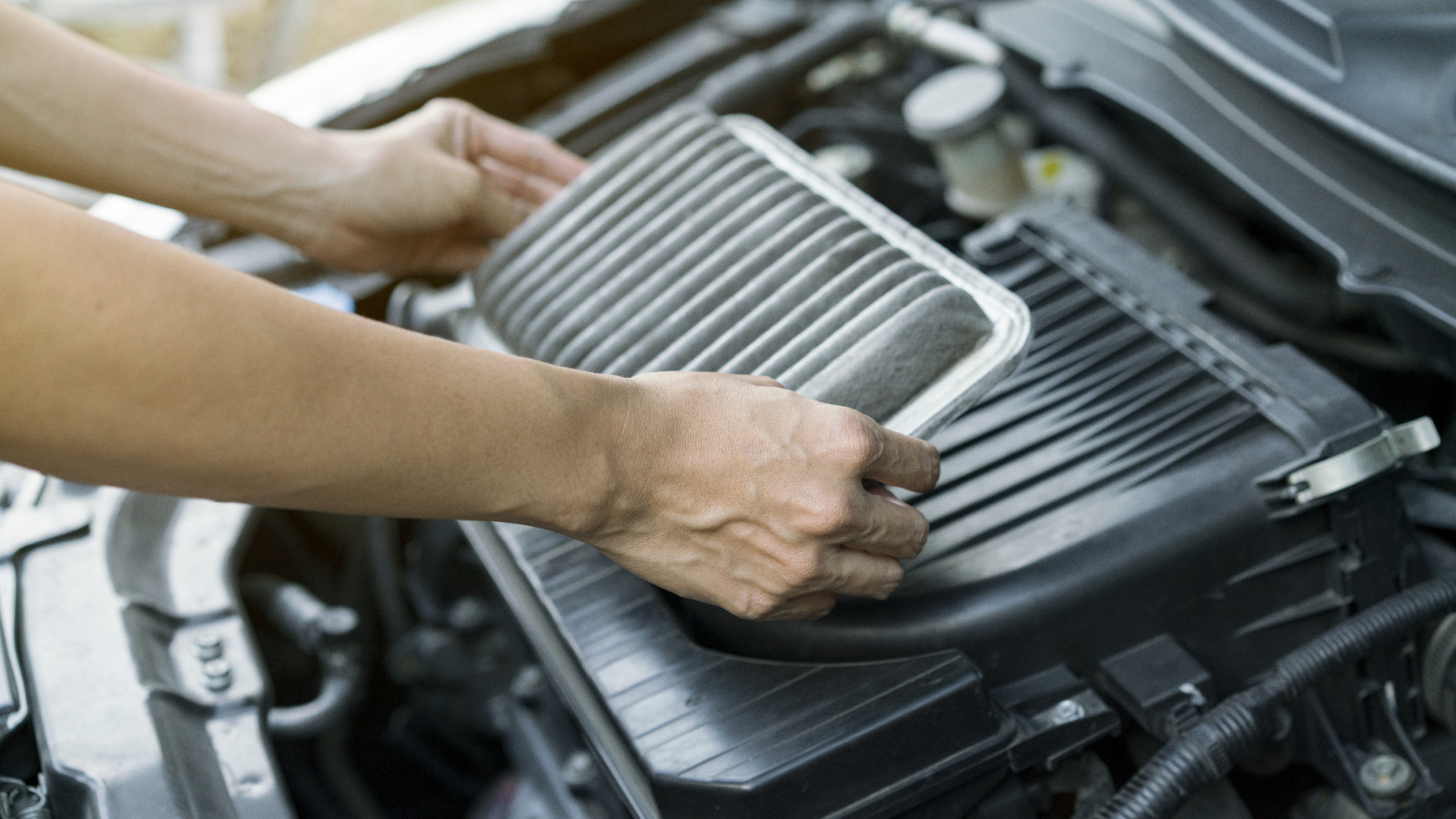
The easy-to-miss mistake is leaving the cabin air filter in place long after it has become loaded with dust, pollen, road grit, and leaves. This filter sits in the ventilation path used by the heating and air-conditioning system. As debris accumulates, the filter becomes more resistant to airflow. The heater may still be producing warmth, yet the vents deliver less air into the passenger compartment, making the system feel slow, weak, or uneven.
That distinction matters because many drivers judge heater performance only by temperature. They turn the dial higher, select maximum fan speed, and wait longer, assuming the engine is not creating enough heat. In reality, a restricted filter can create a delivery problem rather than a heat-generation problem. A winter commuter might notice that the footwell eventually warms while the rest of the cabin remains chilly. Because the decline usually happens gradually, it is easy to accept the weaker airflow as normal aging instead of recognizing a routine maintenance issue.
Warm Air Is Useless Without Enough Airflow
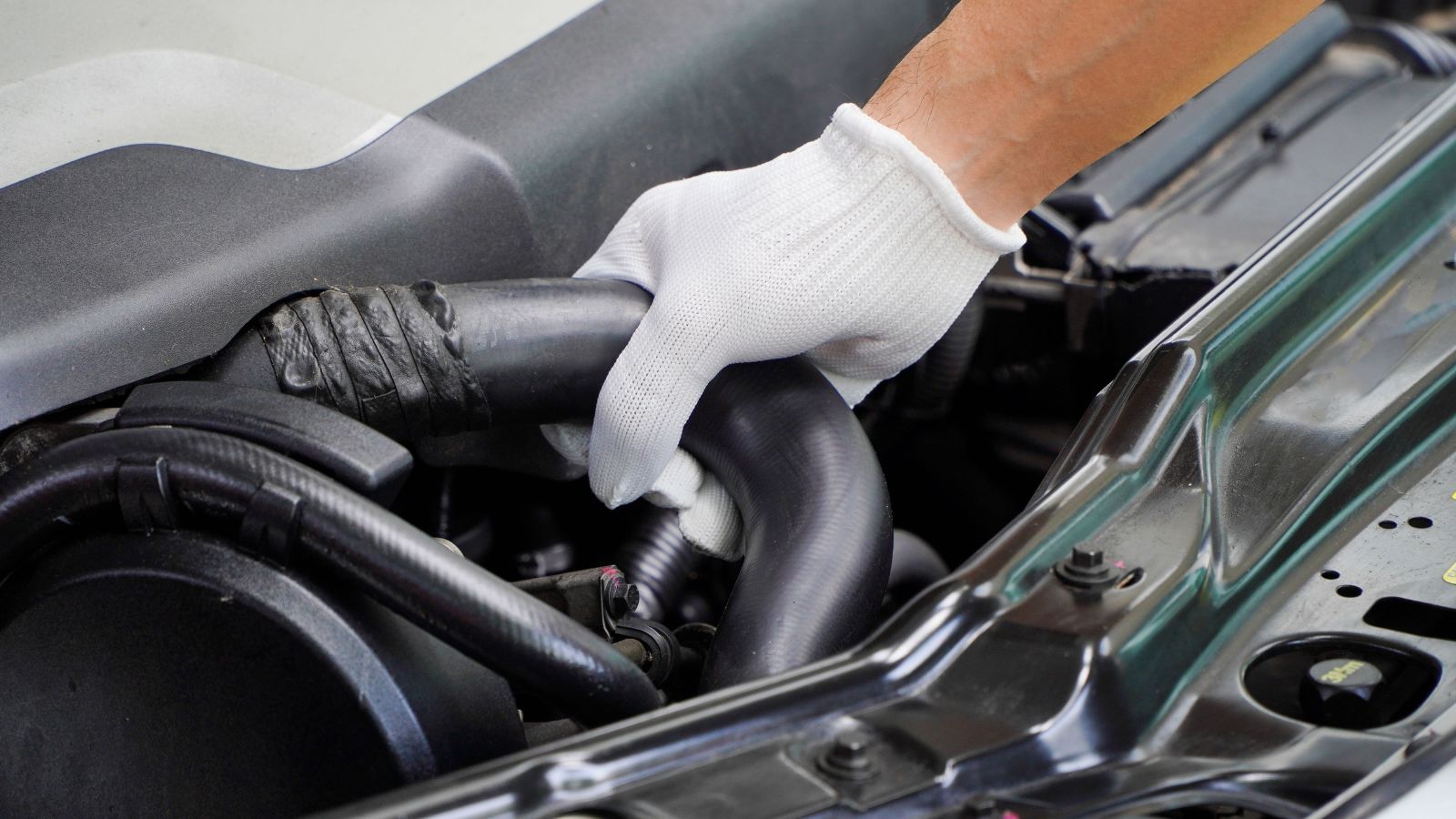
In most gasoline-powered vehicles, hot engine coolant passes through a small heat exchanger called the heater core. The blower then pushes cabin air across that warm surface and through the vents. Both parts of the process are necessary: the heater core supplies thermal energy, while moving air carries that energy into the cabin. A clogged filter interferes with the second half of the job, so the system can contain plenty of heat without distributing it effectively.
This explains a familiar winter contradiction. The engine temperature gauge may be normal, and air held close to a vent may feel warm, but the cabin still takes an unusually long time to become comfortable. Increasing the temperature setting cannot fully compensate when too little air is moving. It is similar to standing near a warm radiator with a closed door between rooms: heat exists, but circulation is inadequate. Restoring airflow often makes the heater feel dramatically stronger even though no coolant component, thermostat, or heater core was replaced.
The Restriction Usually Develops Too Slowly to Notice
Cabin filters rarely become blocked overnight. Laboratory and on-road research on automotive filters shows that captured particles alter pressure drop, the resistance air must overcome to pass through the filter media. As dust loading increases, the blower must work against more restriction. The driver experiences the result as a slow decline in vent output rather than a sudden failure, which is one reason the maintenance item is frequently overlooked.
The gradual nature of the change can be deceptive. Someone who drives the same vehicle daily may not notice a small weekly loss in airflow, while a passenger returning after several months might immediately comment that the heater seems weak. Seasonal transitions can also hide the trend. A filter that was merely adequate during mild autumn weather may feel severely restrictive once winter demands sustained heat and rapid windshield clearing. Comparing present airflow with a remembered “new vehicle” standard is unreliable; inspecting the filter and consulting the maintenance schedule provide a more objective answer.
Maximum Fan Speed Can Disguise the Problem
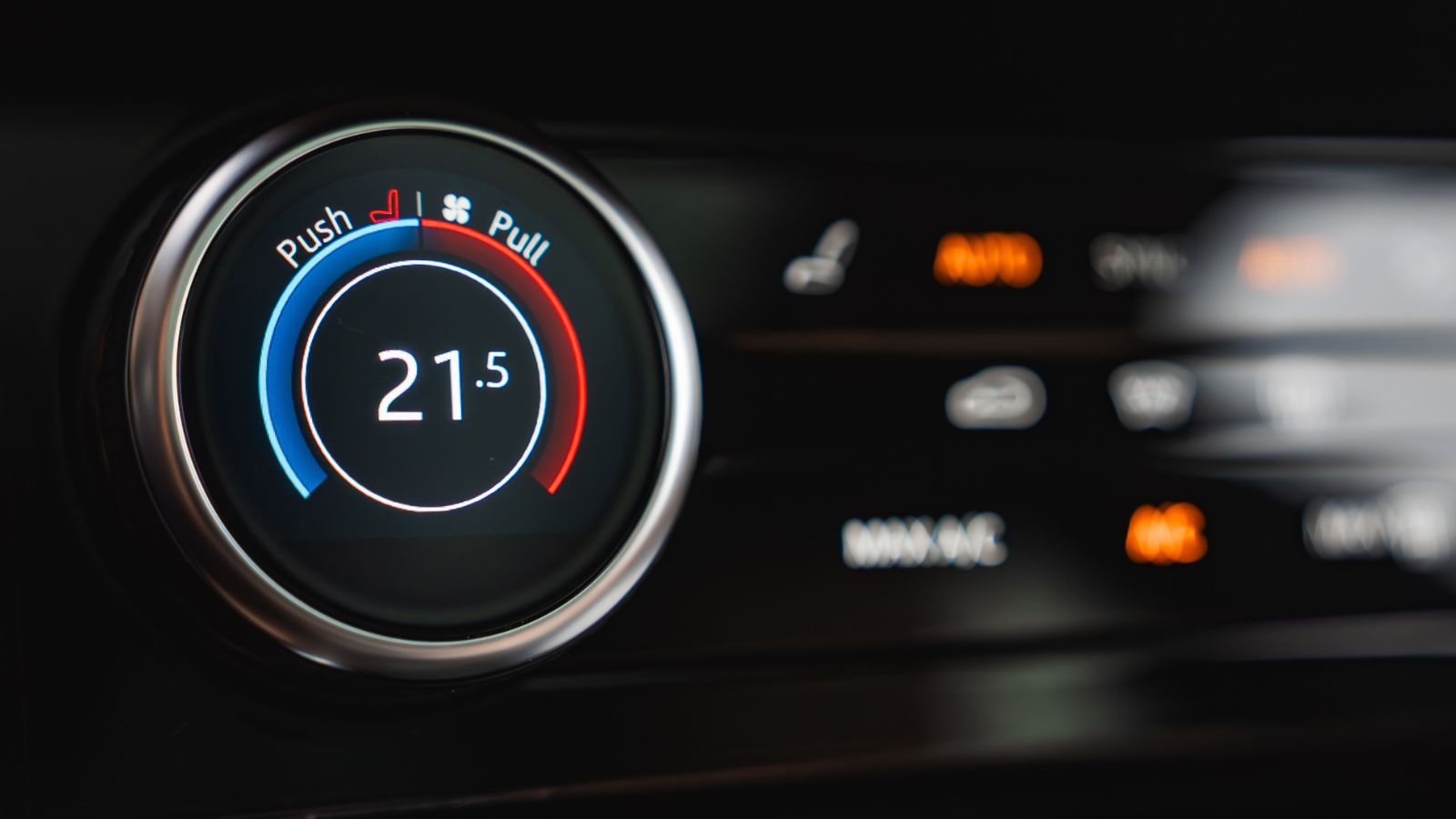
Turning the fan to its highest setting can temporarily disguise a restricted filter because the blower becomes louder and may force a little more air through the obstruction. Noise, however, is not the same as useful airflow. A healthy system should produce a noticeable increase in vent volume as fan speed rises. When the sound climbs sharply but the stream from the vents changes very little, restriction in the intake path or filter deserves attention.
A restricted cabin filter can place greater load on the ventilation fan and may shorten its service life. That does not mean every noisy blower has been damaged by a dirty filter, but it explains why repeatedly compensating with maximum fan speed is not a real repair. A driver may spend an entire winter tolerating a roaring dashboard while receiving only modest heat. Checking the filter first is inexpensive compared with replacing a blower motor, resistor, or electronic controller, and it helps separate a simple airflow problem from an electrical or mechanical fan fault.
Windshield Defrosting Can Suffer Too
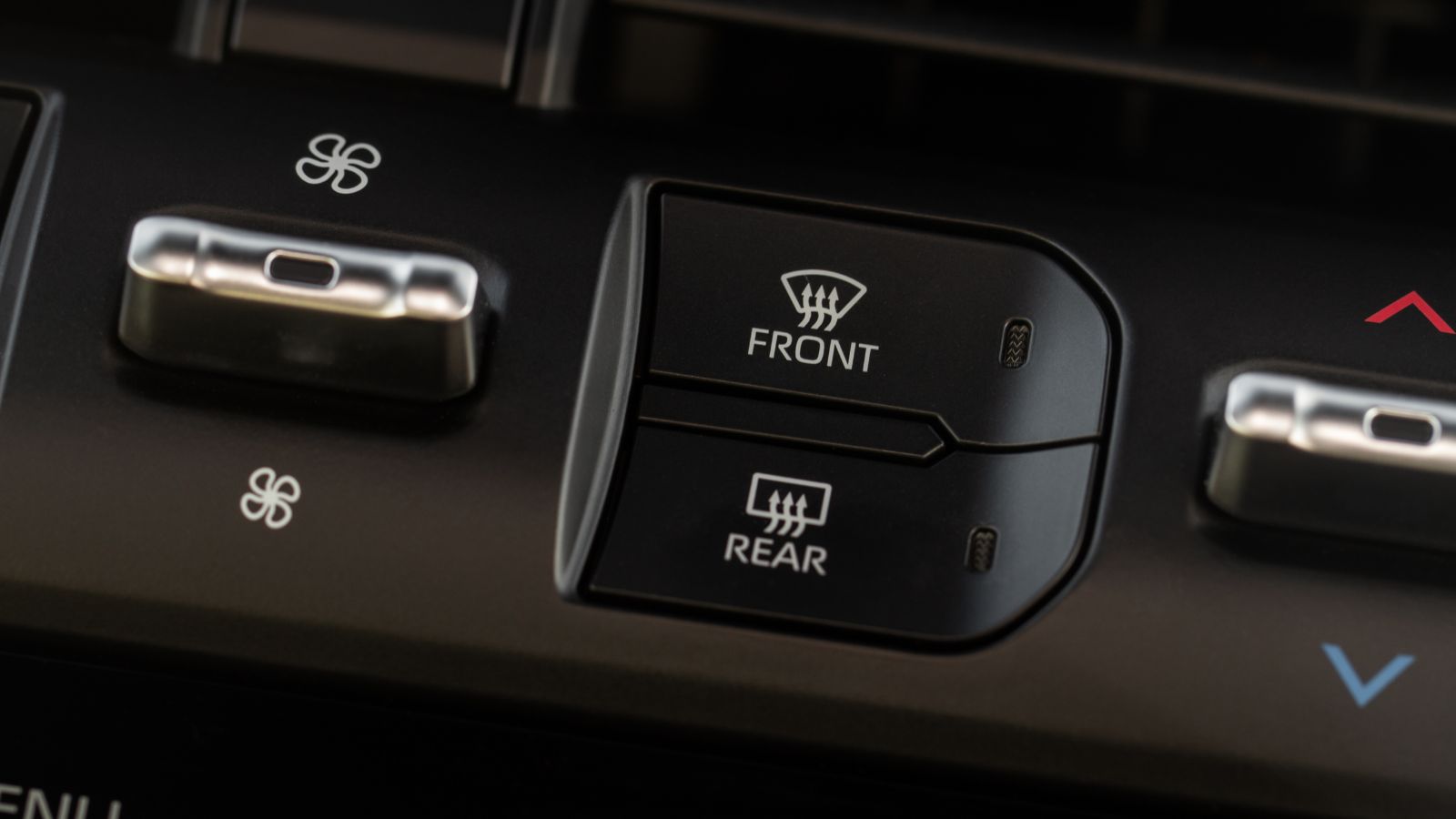
Weak heater airflow is more than a comfort complaint because the same ventilation system usually directs air toward the windshield for defrosting and defogging. A restricted cabin filter can make windows fog more easily and take longer to clear. In freezing rain, wet snow, or humid cold weather, those extra minutes matter: moisture can rebuild on the glass while the driver is already moving, especially when several occupants are adding warm, damp breath to the cabin.
Vehicle safety rules treat windshield defrosting as an essential function, and recall documents repeatedly state that loss of defrost or defog capability can reduce visibility and increase crash risk. A dirty filter is not equivalent to a complete system failure, but the safety principle is the same: the windshield needs adequate conditioned airflow. If maximum defrost produces little air, the vehicle should not be treated as merely uncomfortable. The filter, intake opening, blower operation, and HVAC controls should be checked before poor weather turns marginal performance into a visibility problem.
Dusty Driving Conditions Can Shorten Filter Life

Replacement needs are shaped by the environment as much as by mileage. Vehicles driven on gravel roads, near construction, through heavy pollen seasons, or in areas with frequent airborne dust can load a cabin filter faster than vehicles used on cleaner paved routes. Leaves and plant debris can also collect around the fresh-air intake near the base of the windshield, reducing supply before air even reaches the filter.
This is why a calendar or odometer alone cannot describe every driver’s maintenance needs. A car that covers relatively few kilometres may still spend months parked under shedding trees or travel through smoky, dusty conditions. Conversely, a high-mileage highway vehicle in a cleaner environment may show less visible loading. The practical approach is to combine the manufacturer’s schedule with symptoms and inspection. Reduced airflow, persistent odours, slower defrosting, and a filter whose pleats are visibly packed with debris all justify attention. Severe operating conditions are not rare exceptions; for many commuters, they are the normal setting in which the HVAC system works.
One Replacement Interval Does Not Fit Every Car

There is no single replacement interval that fits every vehicle. Factory recommendations commonly range from 15,000 to 30,000 miles, while individual manufacturers and models may specify different distances, time limits, or maintenance-monitor reminders. The owner’s manual and scheduled-maintenance guide remain the best references because filter size, location, media, blower design, and intended service conditions vary across vehicles.
Treating the longest interval found online as a universal rule can therefore make heater performance worse. A driver may postpone replacement because the odometer has not reached a quoted figure even though the filter is already restricted by dust or pollen. The opposite mistake is changing a clean filter far more often than necessary without inspecting it. A balanced routine checks the model-specific schedule, considers local conditions, and responds to performance symptoms. Keeping a note of the last replacement date also prevents the common situation in which no one remembers whether the filter was changed last year, three years ago, or only discussed during a service visit.
Installing the New Filter Incorrectly Creates New Problems

Replacing the filter does not help much if the wrong part is installed, the media is crushed, or the airflow arrow points in the wrong direction. Cabin filters are shaped for specific housings, and many use arrows that indicate the direction of airflow rather than simply which side faces upward. Manufacturer installation guidance stresses correct orientation, while some owner manuals warn that unsuitable replacement filters can reduce filtration and climate-control performance.
A rushed installation can also leave the access cover unlatched or allow debris to fall into the blower area. That may create whistling, rattling, bypass air, or continued weak output even though the filter is new. The old filter should be removed gently, loose leaves should be vacuumed from the accessible housing, and the replacement should slide into place without being forced. When glove-box dampers, trim panels, wiring, or airbags complicate access, professional service is sensible. The goal is not merely to insert fresh media; it is to restore the designed airflow path without damaging nearby components.
Leaving Recirculation On Can Compound the Trouble
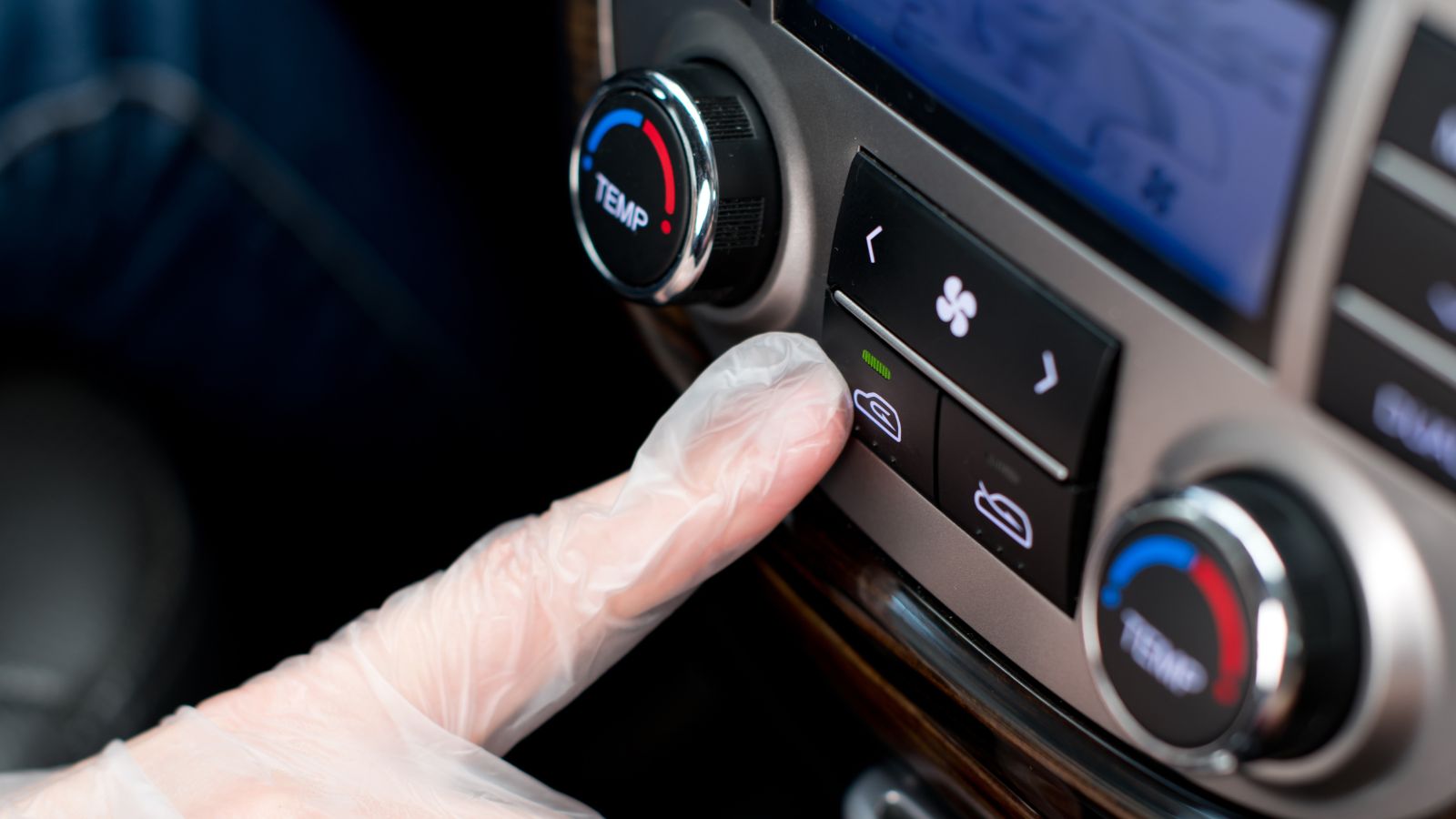
Recirculation can help a cabin warm more quickly because the system reuses air that is already warmer than the outdoor supply. Leaving recirculation on continuously, however, can allow interior humidity to build and make windows fog. Some owner manuals warn that prolonged recirculated-air use may cause fogging, and many vehicles automatically disable recirculation when maximum defrost is selected to bring in outside air and manage moisture.
A clogged filter can make this situation feel confusing. The driver selects recirculation for faster warmth, airflow remains weak because of restriction, and moisture begins collecting on the glass. The natural response may be to raise the fan speed while keeping the same settings, which produces more noise without solving either problem. For windshield clearing, the vehicle’s prescribed defrost mode should take priority over personal habits. Fresh-air selection, air-conditioning operation, and recirculation behaviour differ by model, so the owner’s manual should guide the exact settings rather than a one-size-fits-all dashboard formula.
A Clean Filter Cannot Fix Every Heater Failure
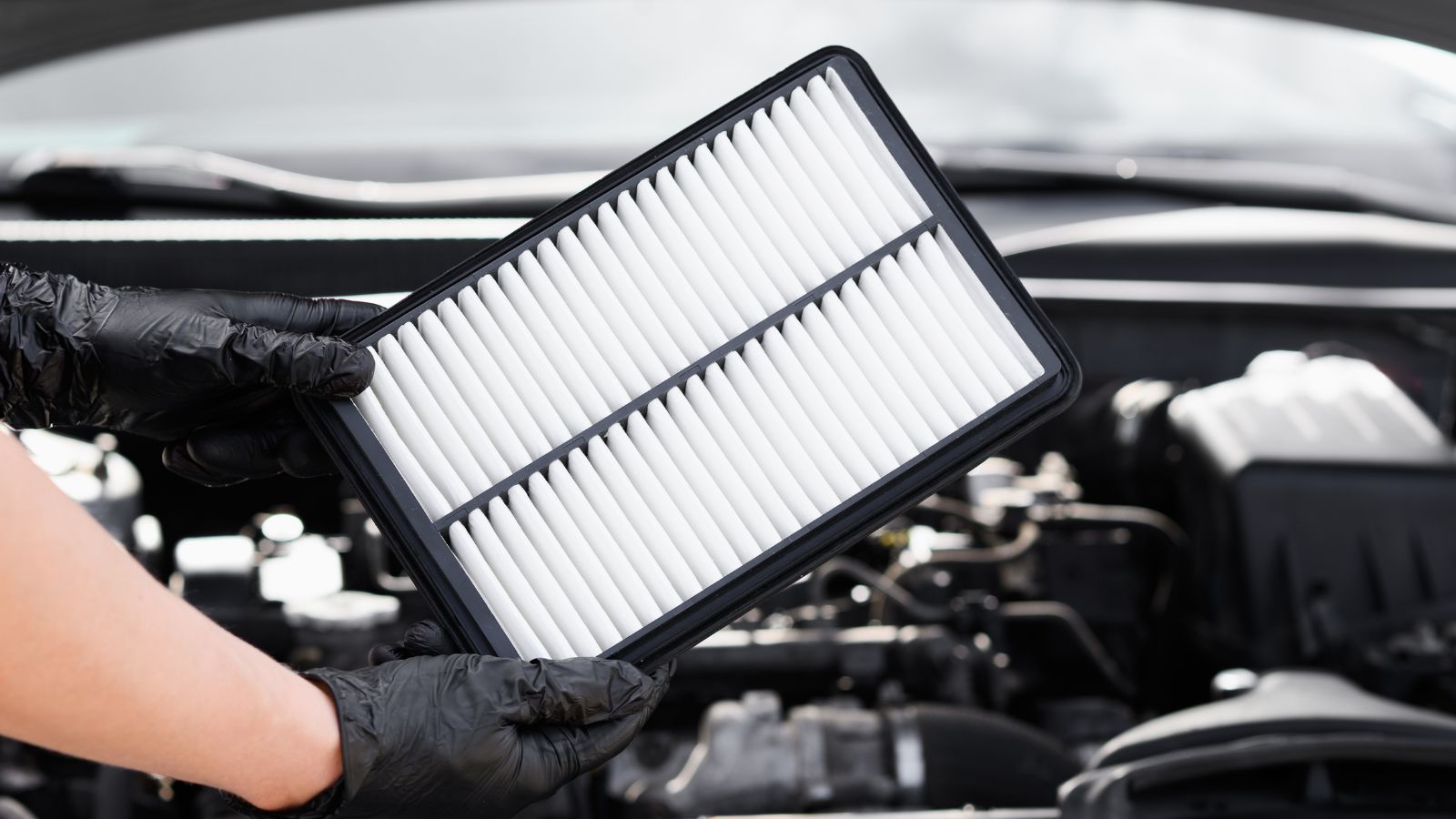
A clean cabin filter can restore airflow, but it cannot repair a heater that is producing genuinely cold air. Low coolant may prevent enough hot fluid from reaching the heater core. A thermostat stuck open can keep the engine below normal operating temperature in cold weather. A restricted or leaking heater core, failed blower, blocked intake, fuse problem, or malfunctioning blend-door actuator can also produce weak, cold, uneven, or misdirected output.
The symptom pattern helps narrow the possibilities. Warm air with very low vent volume points toward airflow restriction or blower trouble. Strong airflow that never becomes warm suggests a temperature-generation or air-mixing problem. Clicking behind the dashboard may indicate an actuator issue, while a sweet smell, unexplained coolant loss, damp carpeting, or persistent interior film can justify prompt heater-core inspection. Coolant systems can be hot and pressurized, so caps should never be opened on a hot engine. When heat remains poor after the filter and basic settings are checked, diagnosis should move beyond guesswork to a qualified technician.
Electric Vehicles Still Depend on Unrestricted Airflow
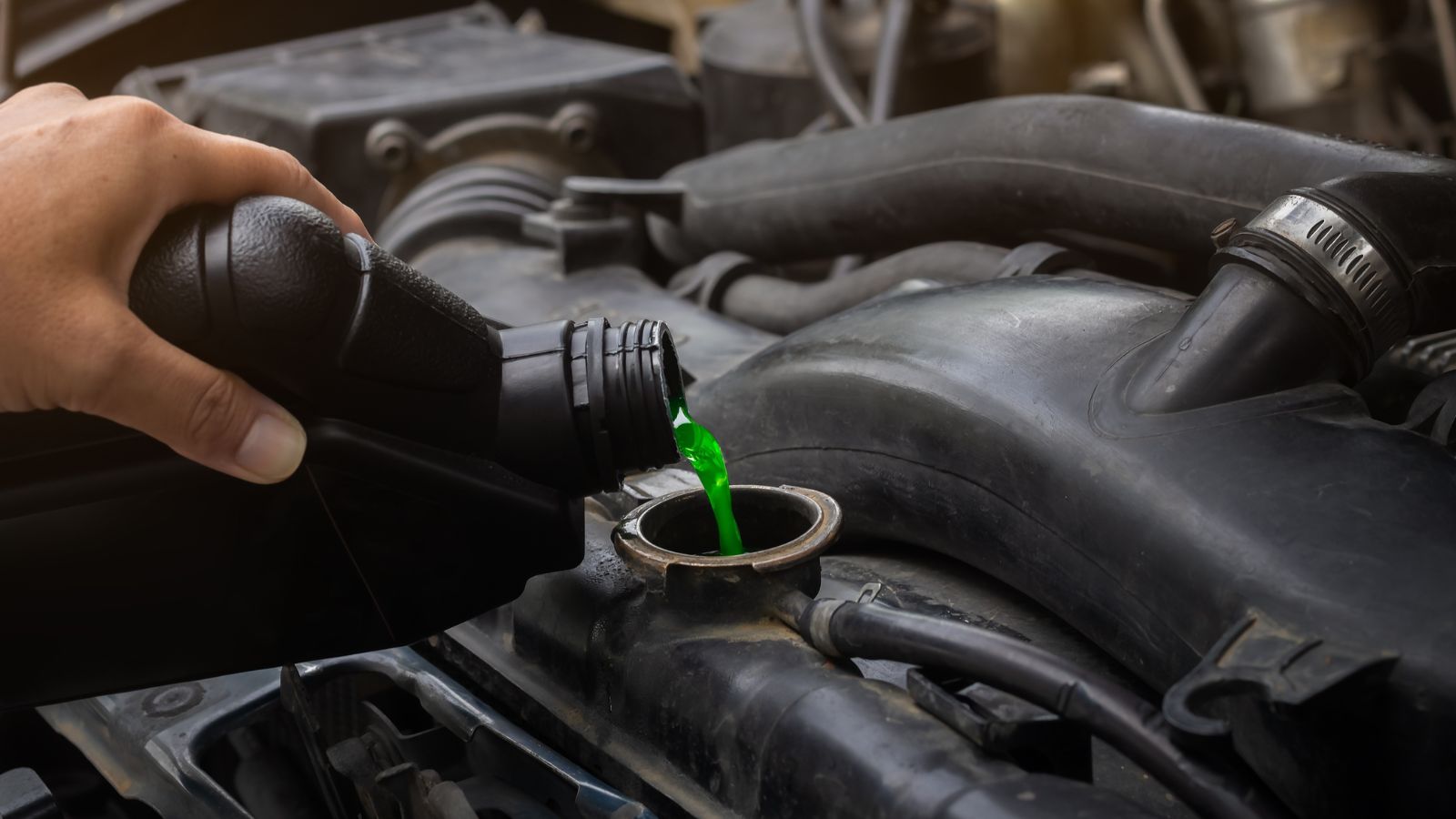
Electric vehicles and many hybrids generate cabin heat differently from conventional cars, often using resistance heaters, heat pumps, or electrically managed coolant circuits. The U.S. Department of Energy reports that HVAC power consumption is a major contributor to cold-weather energy use in battery-electric vehicles. Heat-pump-equipped models can reduce heating power demand under suitable conditions, although performance varies with temperature and vehicle design.
The cabin filter still matters because every heating technology depends on moving conditioned air to occupants and glass. A restricted filter does not necessarily mean the heater itself is consuming more energy, and replacing one should not be marketed as a guaranteed range boost. It does mean that useful airflow can remain poor while the vehicle spends energy trying to maintain cabin temperature. Preconditioning an EV while it is plugged in can warm the cabin and battery before departure, but it cannot overcome a severely blocked airflow path. EV and hybrid owners should therefore follow the same model-specific filter maintenance discipline as drivers of gasoline vehicles.
A Simple Airflow Check Can Reveal the Problem
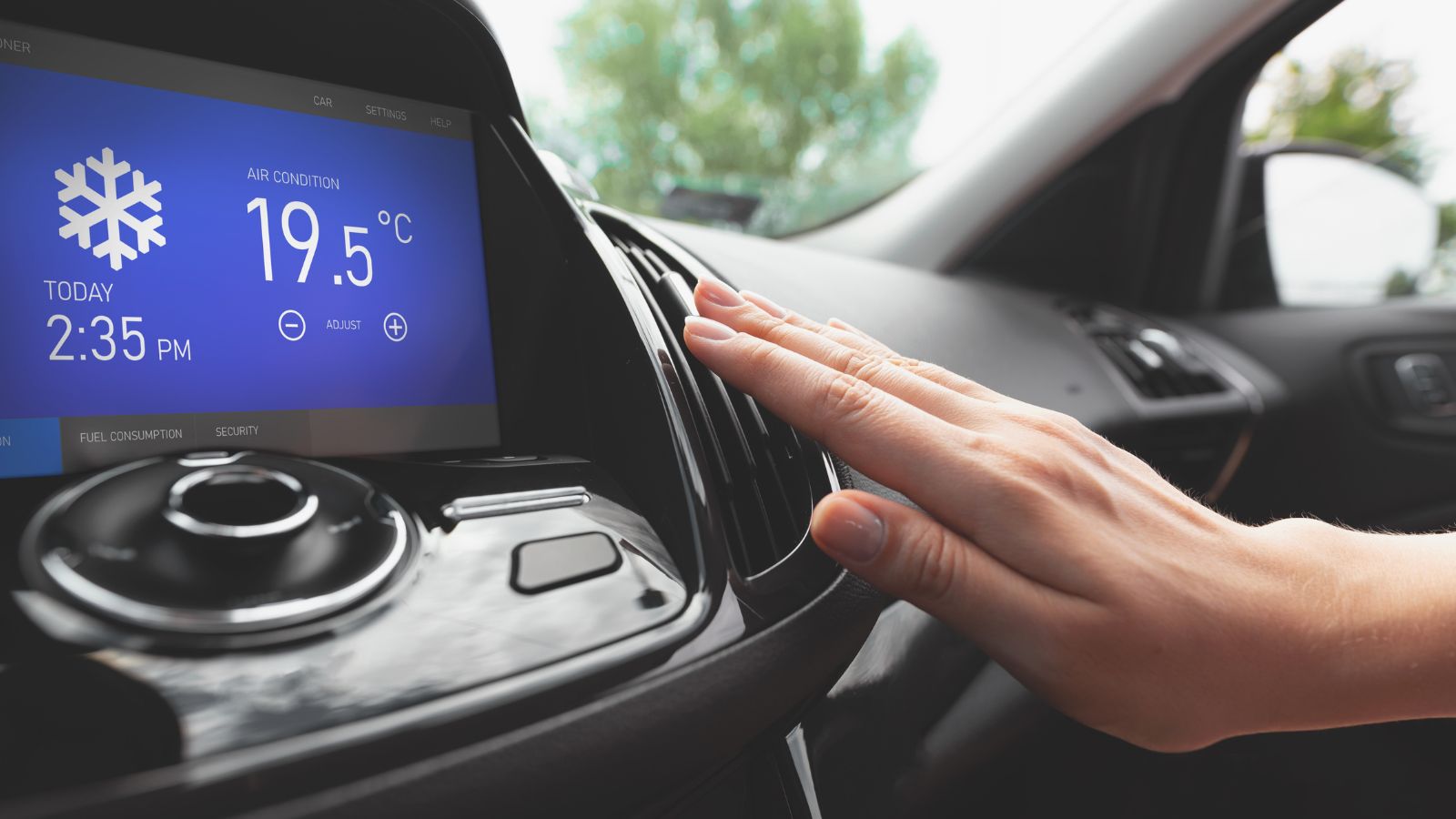
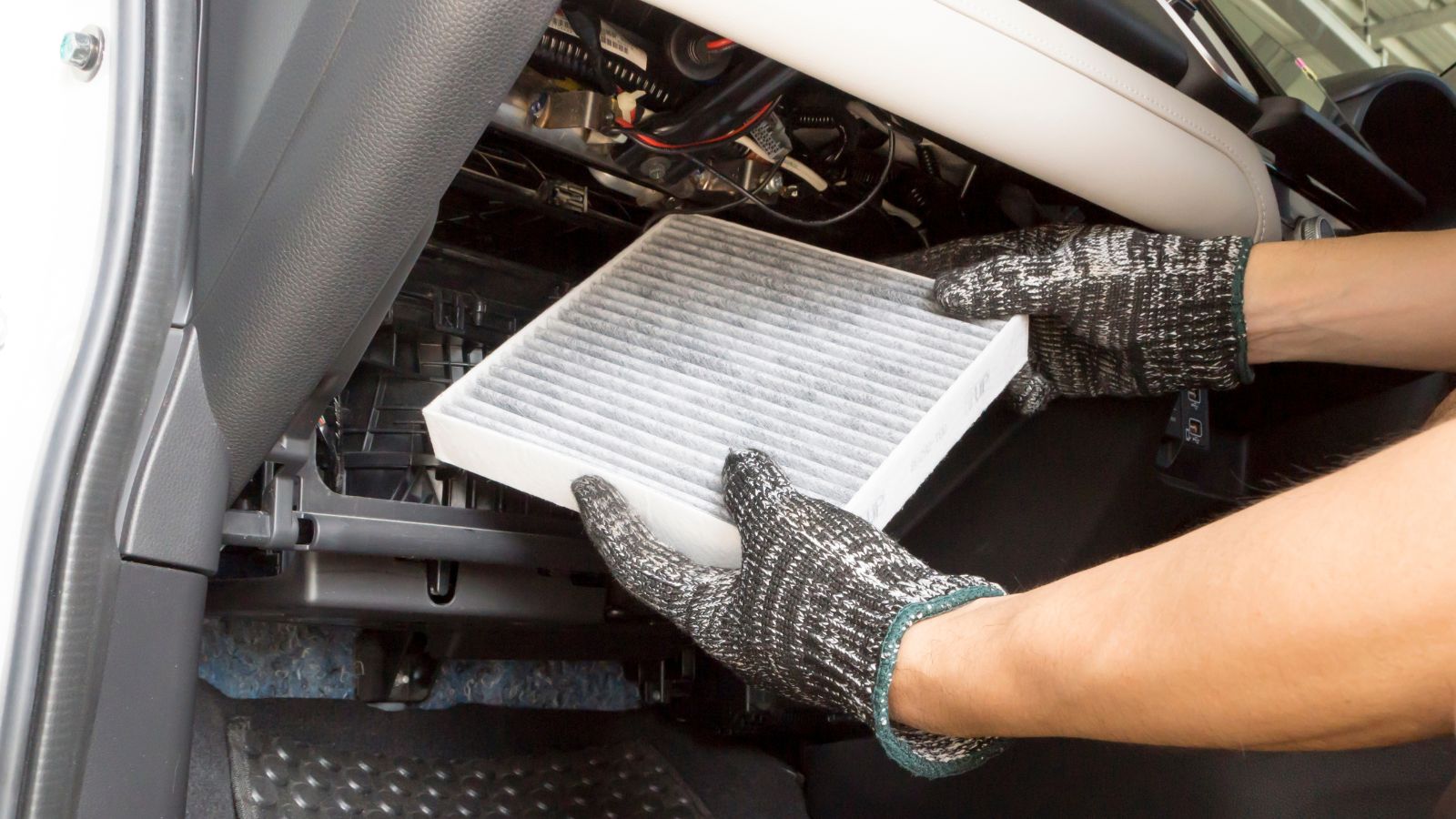
A sensible first check begins with the vehicle safely parked. Run the climate system, move through several fan speeds, and compare airflow from the dashboard, floor, and windshield outlets. Confirm that vents are open and that the exterior intake near the windshield is not buried under leaves, snow, or ice. If airflow is weak across modes, locate the cabin filter using the owner’s manual rather than assuming it is behind every glove box.
Inspect the filter in good light. Dark colour alone does not prove failure because some filters contain activated carbon, but packed pleats, leaf fragments, visible dust mats, odour, and poor airflow are meaningful signs. Install the exact specified replacement in the marked direction, secure the cover, and retest the system. Do not operate indefinitely with the filter removed; manufacturers warn that foreign material can enter and degrade the HVAC system. If access requires substantial trim removal, airflow does not improve, or coolant and electrical symptoms appear, professional diagnosis is the safer next step.
19 Used Cars Canadians Should Avoid in 2026 (Based on Owner Complaints)

Buying a used car in Canada can feel safe until repair bills start stacking up. Owner complaints tell a different story than glossy listings. Transmission failures, electrical problems, and weak winter reliability show up again and again in consumer reports. Many of these issues appear after warranties expire, when owners least expect them. Some vehicles look affordable upfront, but become expensive to keep on the road. Others struggle in cold weather, urban driving, or long highway commutes. Here are 19 used cars Canadians should avoid in 2026 (based on owner complaints).
19 Used Cars Canadians Should Avoid in 2026 (Based on Owner Complaints)