
























A vehicle can feel perfectly refined on an open highway yet become surprisingly frustrating once it enters crowded urban streets. Tight parking spaces, repeated stops, uneven pavement and unpredictable traffic expose characteristics that may barely register during a dealership test drive. Some irritations come from basic dimensions, while others involve transmission calibration, electronic assistance systems or controls that demand too much attention.
These 18 factors can turn an otherwise appealing vehicle into an exhausting city companion. None automatically makes a model unreliable or unsafe, and several involve features designed to improve efficiency, comfort or protection. The problem is that urban driving rewards smoothness, visibility and simplicity. When those qualities are missing, even a brief commute can begin to feel like work.
Excessive Width
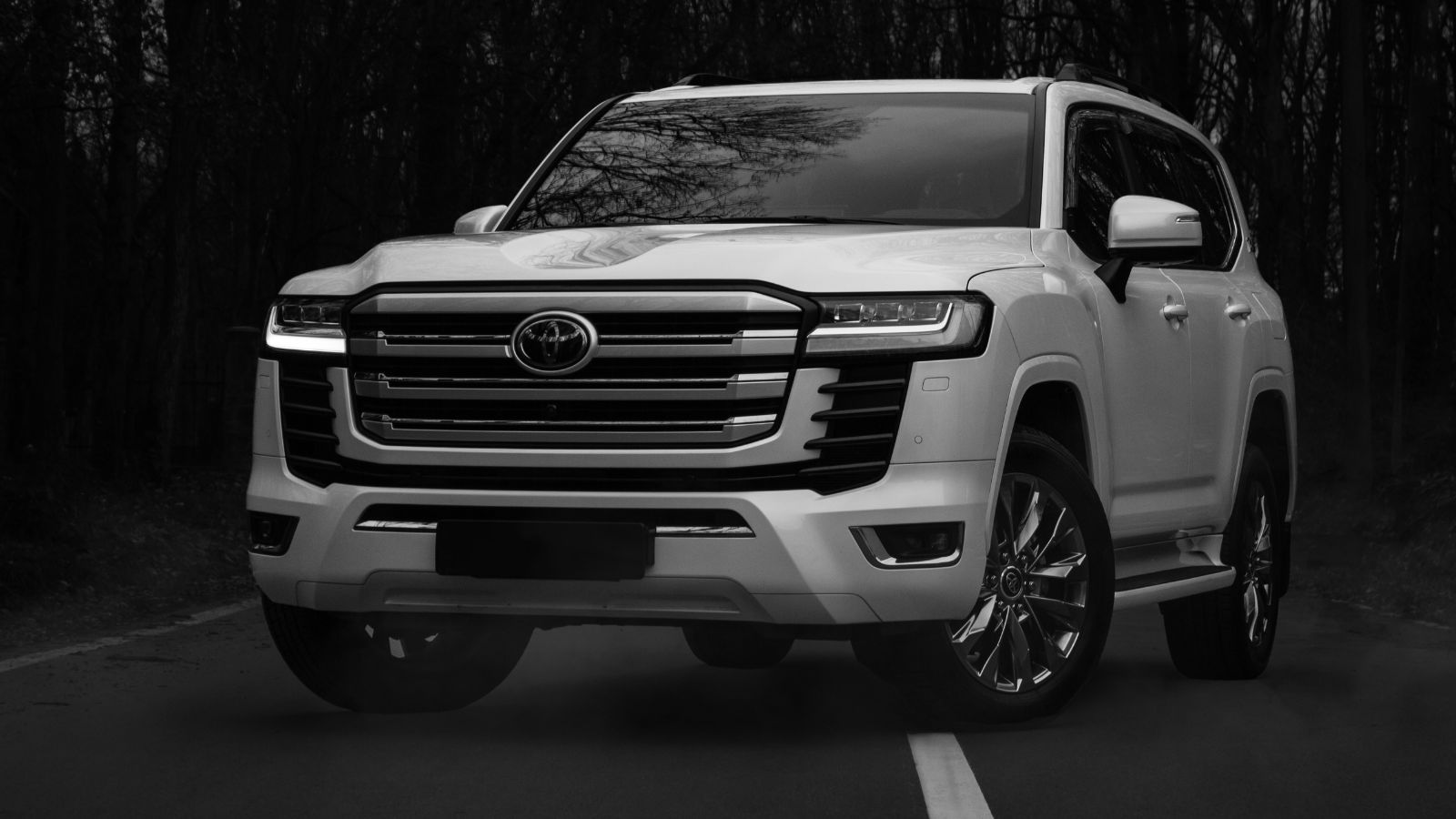
Modern vehicles have gradually become wider, particularly in the SUV and luxury segments. That extra width may create more shoulder room and a stronger road presence, but it becomes difficult to appreciate when squeezing between delivery trucks, concrete barriers and curbside cyclists. Transport & Environment reported that new passenger vehicles in Europe were becoming approximately one centimetre wider every two years. Its analysis also found that about half of the 100 best-selling models in 2023 were too wide for a commonly used 180-centimetre minimum on-street parking space.
The irritation is not limited to finding a space. Drivers may have to fold mirrors, approach narrow lanes cautiously or stop while an oncoming vehicle passes. Parking beside another wide vehicle can leave so little door clearance that passengers must climb out before the car is positioned. A large vehicle may still fit within the painted lines, yet feel oversized for the streets around it. In suburban driving, that width can seem luxurious. In an older downtown neighbourhood, it can become a constant calculation involving mirrors, curbs and centimetres of clearance.
Poor Outward Visibility
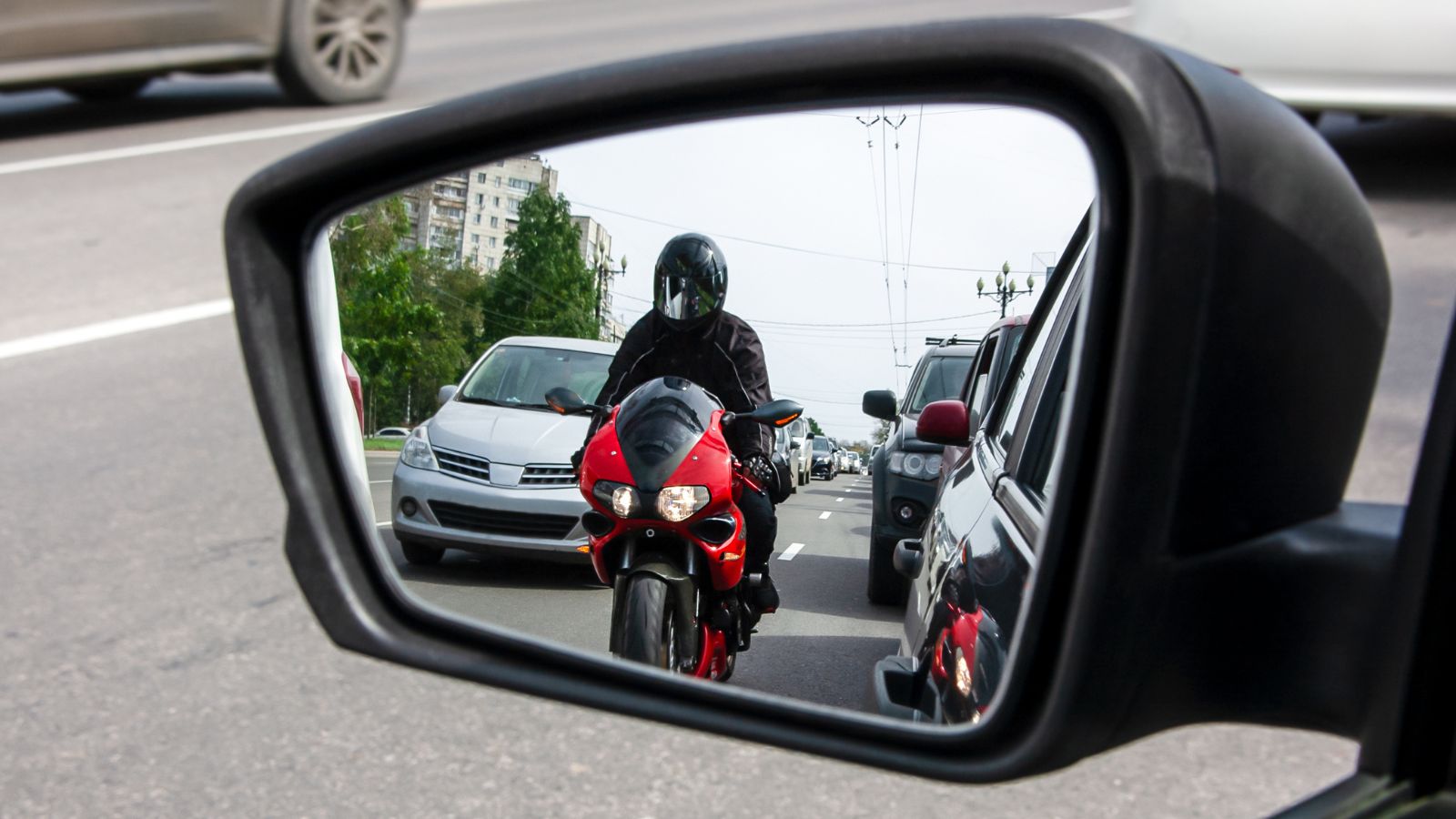
Thick roof pillars, high beltlines, small rear windows and bulky mirrors can make a vehicle feel protective from the inside. They can also hide pedestrians, cyclists, bollards and entire portions of an intersection. The Insurance Institute for Highway Safety has found that large driver-side blind zones can increase the risk of striking a pedestrian during a left turn. Separate IIHS research examining vehicle designs over time found substantial reductions in the area drivers could directly see around some newer SUV models.
Cameras and blind-spot monitors help, but they do not always replace the confidence created by clear glass and thin pillars. A driver pulling away from a busy curb may need to consult the mirrors, centre display, warning lights and surroundings in rapid succession. At a crowded crosswalk, a pedestrian can disappear behind an A-pillar just as the vehicle begins turning. The resulting uncertainty slows every manoeuvre. Even when nothing dangerous happens, repeatedly leaning forward, checking twice and waiting for warning systems to confirm what the driver cannot see can make routine city travel mentally tiring.
A Large Turning Circle
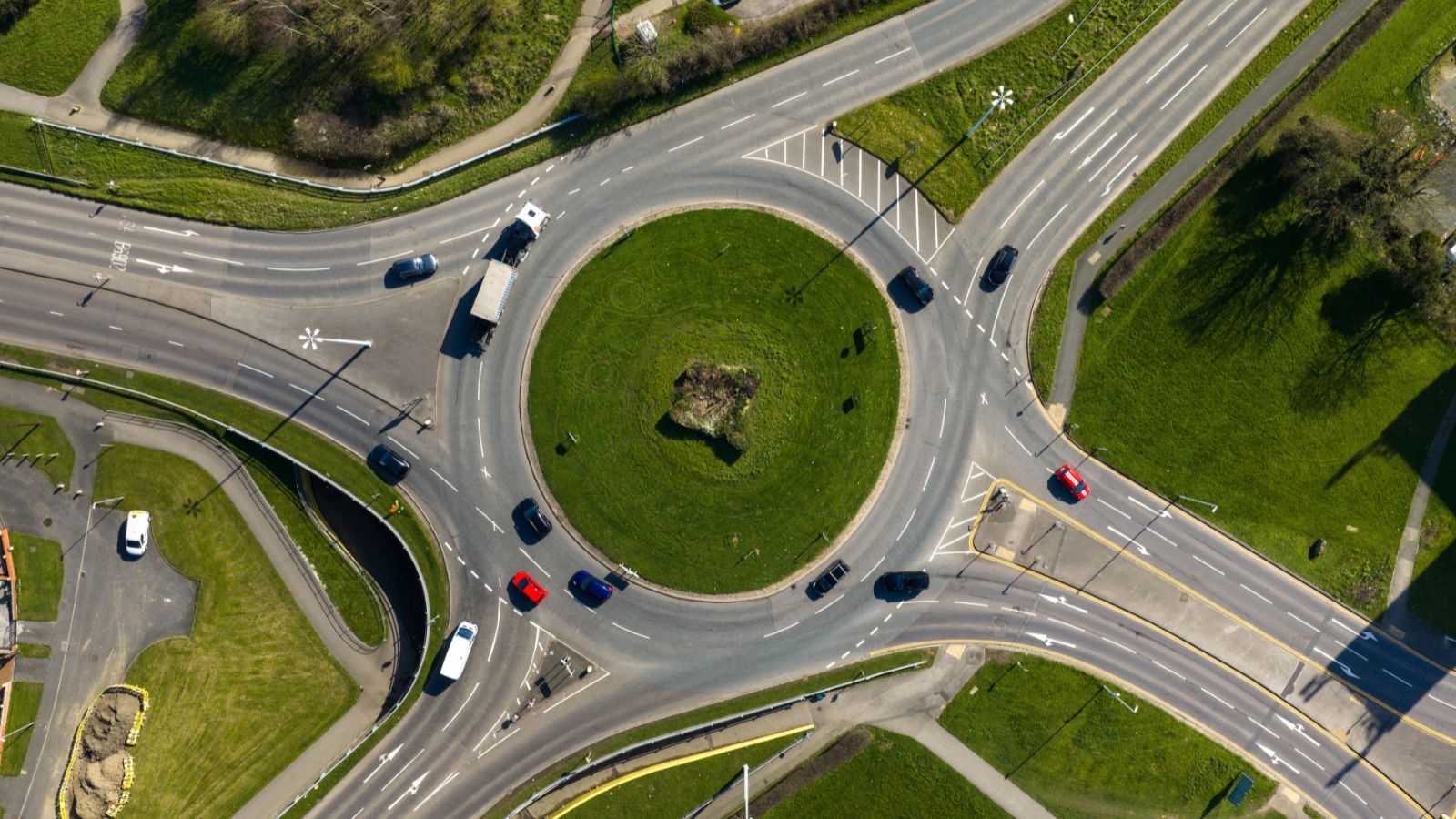
Turning-circle figures rarely receive the same attention as horsepower, cargo space or touchscreen size, yet they can shape nearly every urban trip. A vehicle that requires a wide arc may struggle with narrow parking garages, alley entrances, U-turns and compact roundabouts. As a useful comparison, official specifications for the 2026 Honda Civic list turning diameters of roughly 36 to 38 feet, depending on the trim. GMC has stated that its Sierra EV can achieve a 44-foot turning circle with conventional two-wheel steering.
Several feet can be the difference between completing a manoeuvre cleanly and making an awkward three-point turn while traffic waits. Long wheelbases, steering-angle limitations and large tires may all influence the experience. The frustration is especially noticeable in underground garages, where ramps, support columns and tightly painted corners leave little room for correction. A large turning circle does not necessarily make a vehicle difficult on the highway, but city driving demands frequent low-speed direction changes. When each one requires extra reversing and repositioning, the vehicle can begin to feel far larger than its exterior dimensions suggest.
Jerky Low-Speed Transmission Behaviour
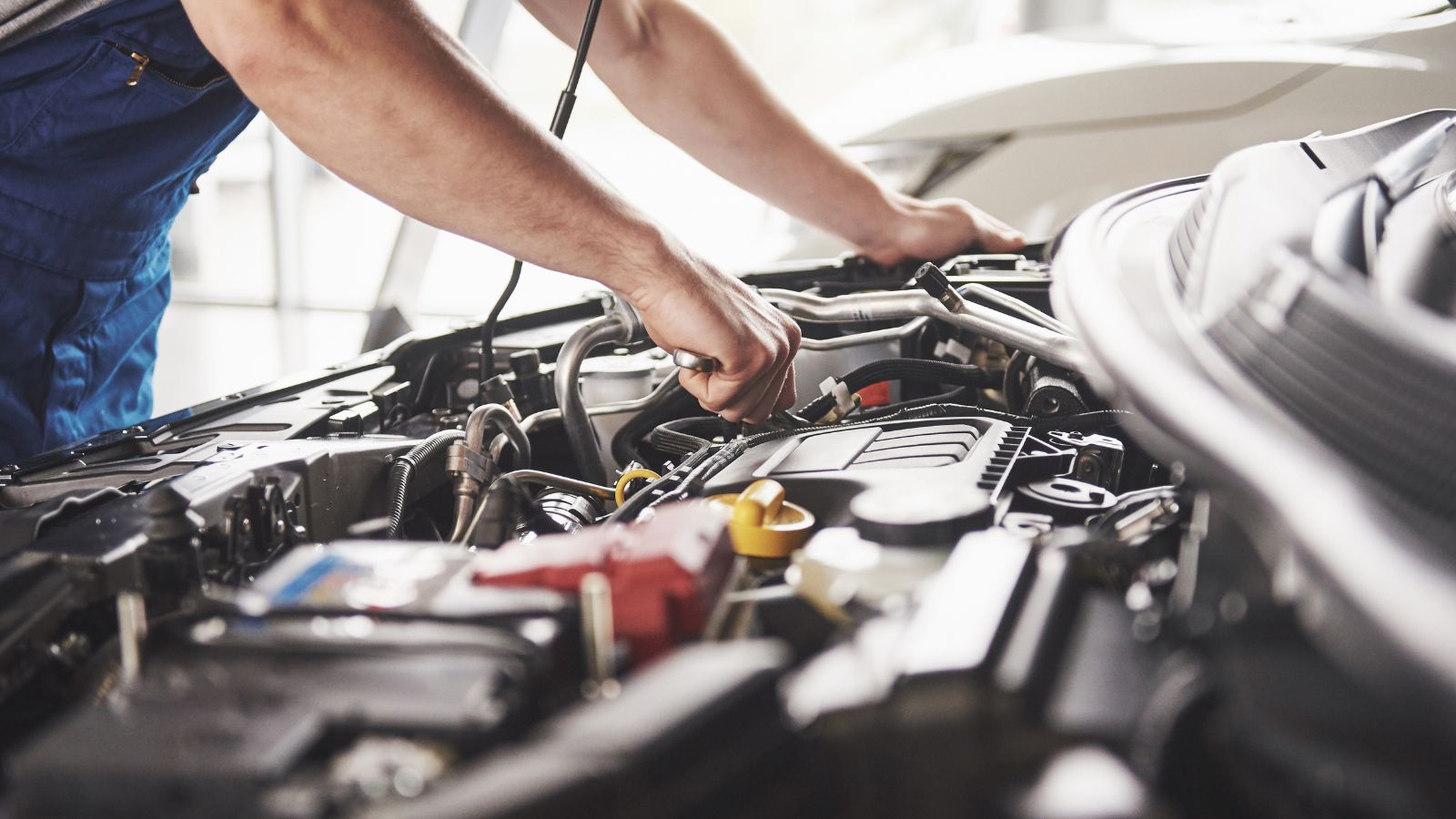
Some automatic transmissions are smooth once the vehicle is moving but become indecisive in crawling traffic. Dual-clutch transmissions can be particularly noticeable because their internal operation resembles that of a manually shifted gearbox. Manufacturer guidance from Kia and Hyundai acknowledges that drivers may feel more pronounced shifts, vibration or shuddering during low-speed starts, stop-and-go movement and hill manoeuvres. These characteristics do not always indicate a mechanical problem, but they can still be irritating.
Imagine inching forward through a busy intersection where traffic moves only a car length at a time. The transmission engages, releases and engages again, sometimes producing a slight lurch that makes smooth spacing difficult. A driver may alternate between the accelerator and brake more often than expected, while passengers interpret every movement as impatience. The behaviour can become worse on inclines or when trying to creep precisely into a parking space. A transmission designed for quick, efficient shifting at speed may therefore feel clumsy in the exact conditions that dominate urban commuting.
Intrusive Stop-Start Operation
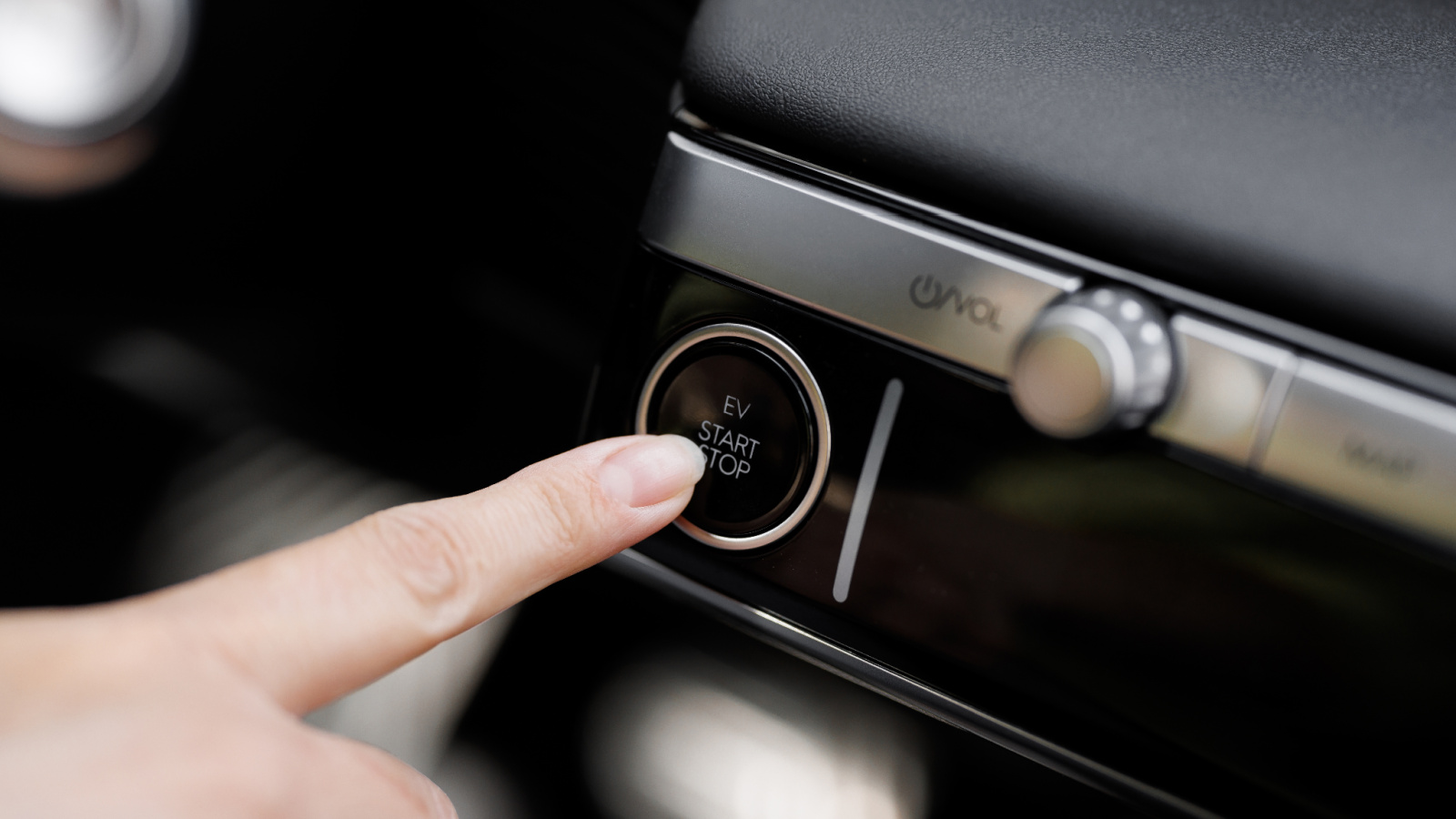
Automatic stop-start systems shut off the engine while a vehicle is stationary and restart it when driving resumes. The technology can reduce unnecessary idling, and the U.S. Department of Energy says it can improve fuel economy by approximately four to five percent, with the greatest benefit often occurring in stop-and-go conditions. However, the quality of the restart matters. A slow, noisy or vibration-heavy system can make every red light feel like a miniature engine event.
Some vehicles restart when the brake pressure changes slightly, the steering wheel moves or the climate-control system requests more power. Manufacturer instructions also note that brake-pedal response and cabin vibration may feel different during stop-start operation. In dense traffic, the engine may cycle repeatedly within a few minutes. Drivers who dislike the sensation often reach for the disable button at the beginning of every journey, only to discover that the system automatically reactivates after the vehicle is restarted. A feature created to save fuel then becomes another daily setting that must be managed.
Overactive Driver-Assistance Alerts
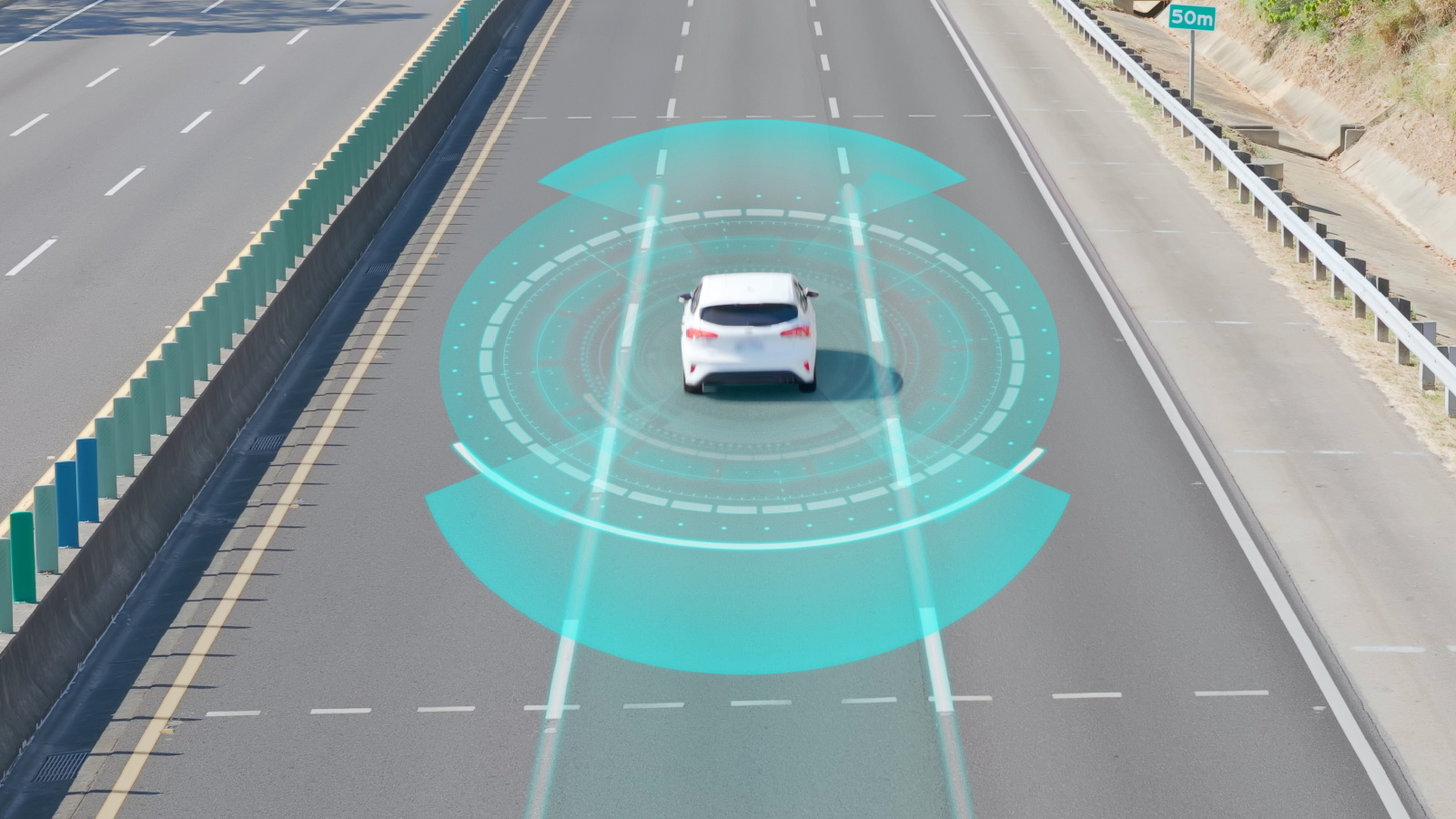
Lane-departure warnings, forward-collision systems and blind-spot monitors can provide valuable protection. Their usefulness declines, however, when they repeatedly warn about situations the driver already understands. In an IIHS study involving thousands of vehicle owners, most respondents reported experiencing at least occasional false or unnecessary alerts. Some said they had disabled particular systems because the warnings were too frequent or annoying.
City streets are especially challenging for automated detection. Parked cars sit close to the travel lane, cyclists pass on either side and lane markings may be faded, temporary or completely absent. A vehicle may beep when another car turns away, vibrate the steering wheel during a deliberate lane adjustment or flash a collision warning near a tight bend. None of these reactions has to be severe to become distracting. After enough unnecessary warnings, drivers may stop treating the alert as urgent. The most pleasant systems intervene selectively and communicate clearly; the least pleasant ones make ordinary urban complexity sound like a continuous emergency.
A Harsh Suspension Tune
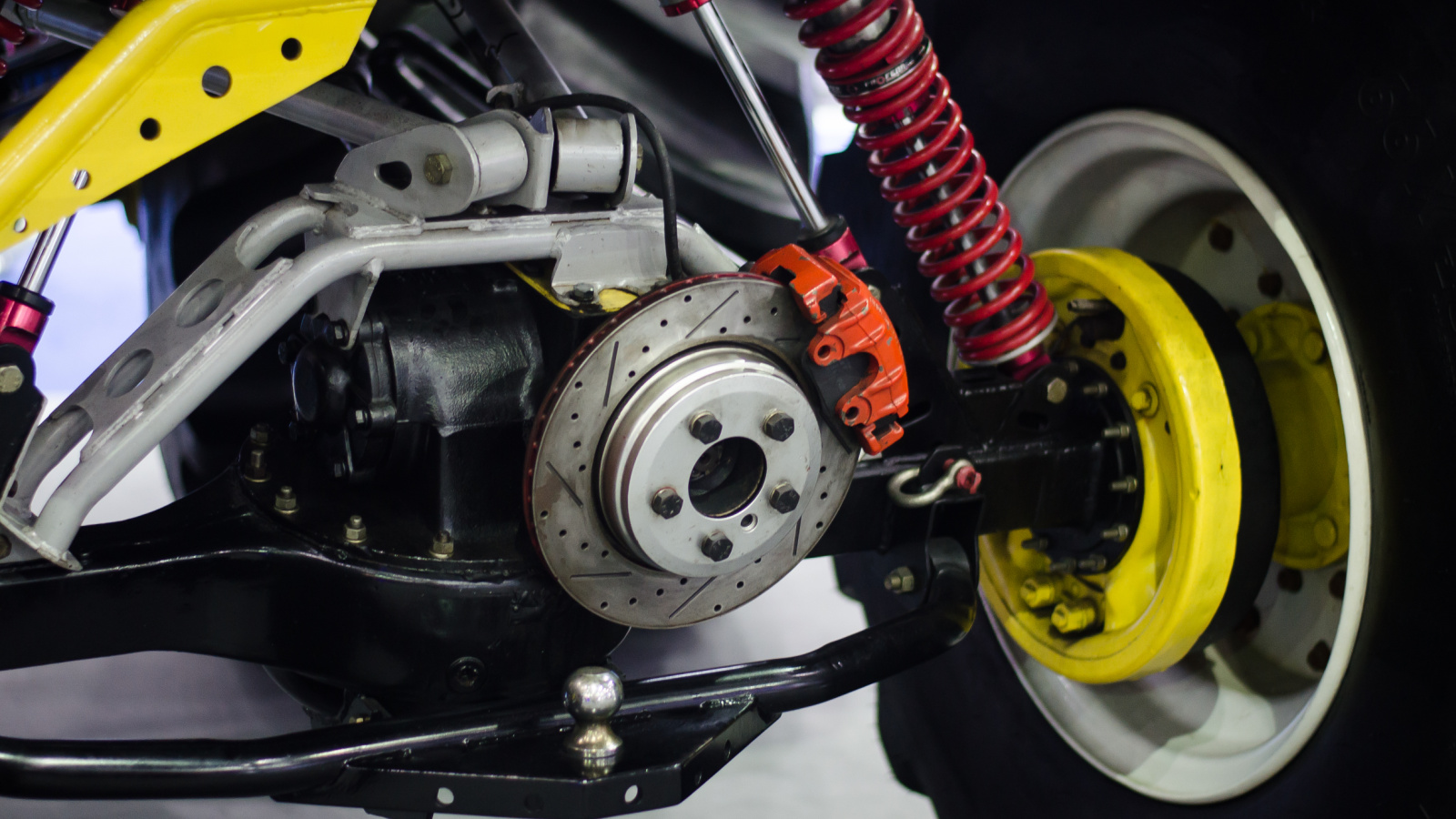
A firmly tuned suspension can make a vehicle feel responsive on smooth roads. In the city, it may transmit expansion joints, utility covers, patched asphalt and broken pavement directly into the cabin. Engineering research emphasizes that unsprung mass—the weight of components such as wheels, tires and parts of the suspension—plays an important role in ride quality. Stiff springs, firm dampers and limited tire compliance can make managing those impacts more difficult.
The result is not always a dramatic crash over a pothole. More often, it is a steady sequence of sharp movements that causes coffee to splash, phones to slide and passengers to brace for the next rough patch. A sporty model may feel composed during a fast corner yet restless at 30 kilometres per hour on a neglected downtown road. Drivers can also find themselves weaving around surface damage, which creates its own stress in crowded traffic. A suspension does not need to be soft, but it should absorb common urban imperfections without making every repaired seam feel like a structural event.
Large Wheels and Low-Profile Tires
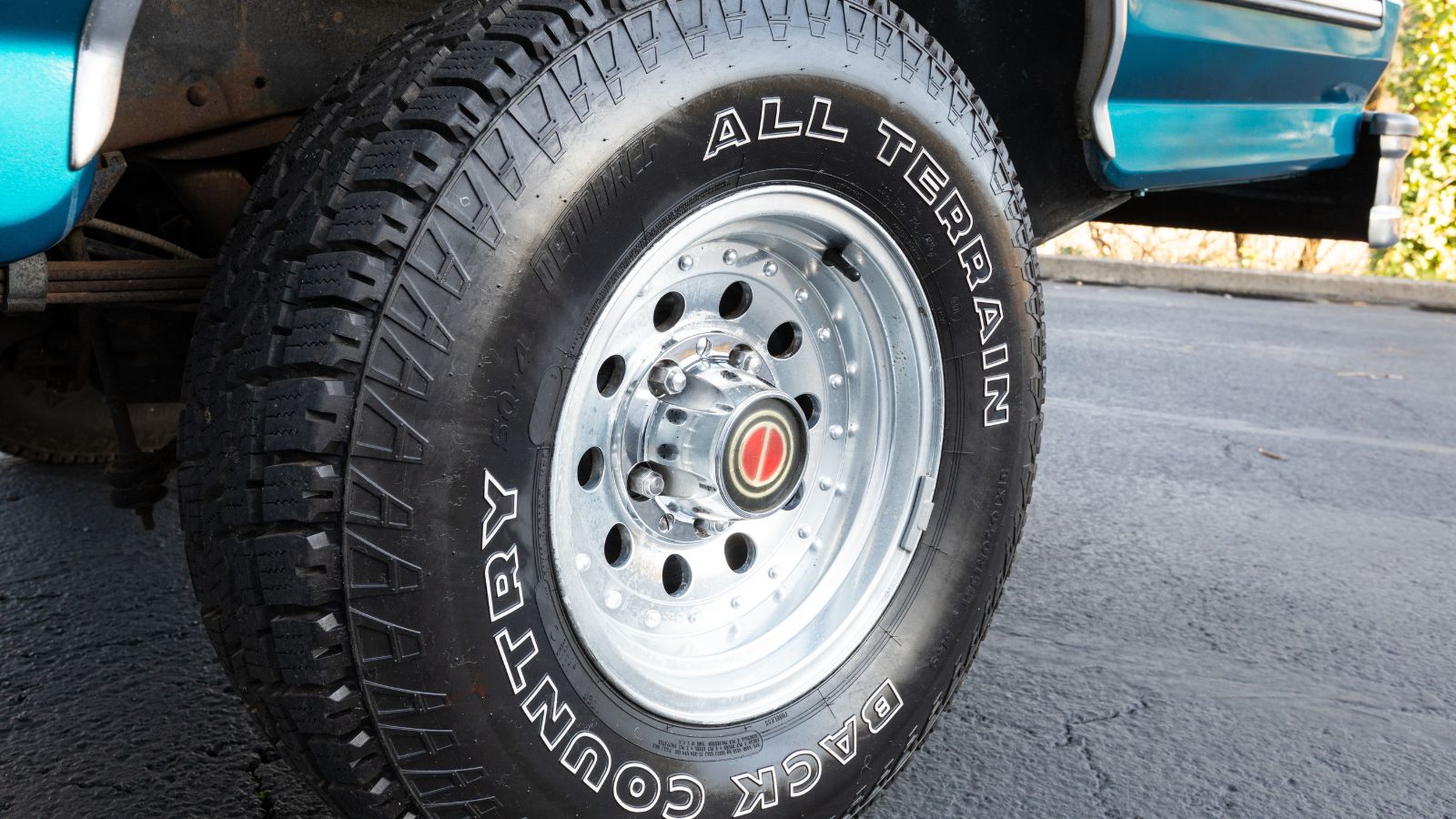
Large alloy wheels can dramatically improve a vehicle’s appearance. They usually require tires with shorter sidewalls, leaving less rubber available to cushion impacts. Michelin notes that wheel diameter and tire profile influence both steering response and ride comfort. That trade-off becomes particularly important in cities where potholes, curbs and broken pavement are difficult to avoid.
The financial consequences can be substantial. AAA estimated that pothole damage cost American drivers $26.5 billion in 2021, with affected motorists paying nearly $600 on average. Tires, wheels and suspension components are among the parts most exposed. A deep pothole that would produce a dull thump on a smaller wheel may bend a large rim, damage a tire sidewall or knock the alignment out of specification. Even without damage, low-profile tires can make the ride noisier and more abrupt. The impressive wheels that looked perfect under showroom lighting may therefore encourage constant pothole scanning and turn every curbside parking attempt into a test of precision.
Grabby Regenerative Braking
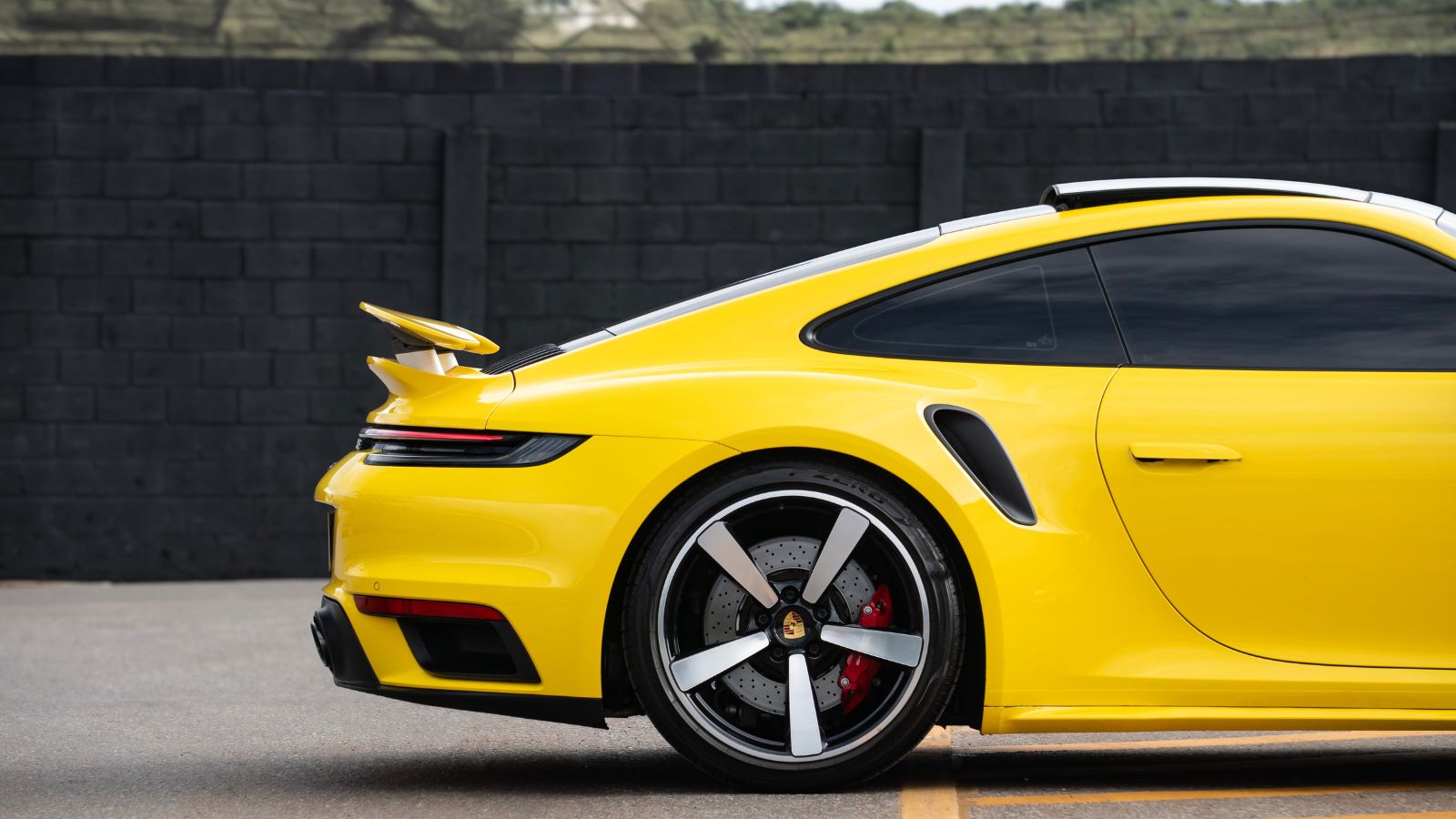
Electric and hybrid vehicles can recover energy by using their motors to slow the vehicle. The U.S. Department of Energy estimates that regenerative braking can recapture a meaningful portion of the energy used during standardized driving, and many models allow drivers to choose between lighter coasting and stronger one-pedal deceleration. City traffic offers frequent opportunities for regeneration, which can improve efficiency and reduce reliance on conventional brakes.
The experience is highly dependent on calibration. Strong regenerative braking may slow the car more abruptly than a new driver expects when the accelerator is released. Passengers can feel repeated forward-and-back movement until the driver learns to modulate the pedal smoothly. Some vehicles also alter the amount of regeneration as the battery charge, temperature or selected drive mode changes. The behaviour is not necessarily defective; it is simply different from the predictable coasting of many conventional cars. When the transition between regeneration and friction braking feels inconsistent, however, maintaining a gentle crawl through traffic can require more concentration than it should.
Delayed Throttle or Turbo Response
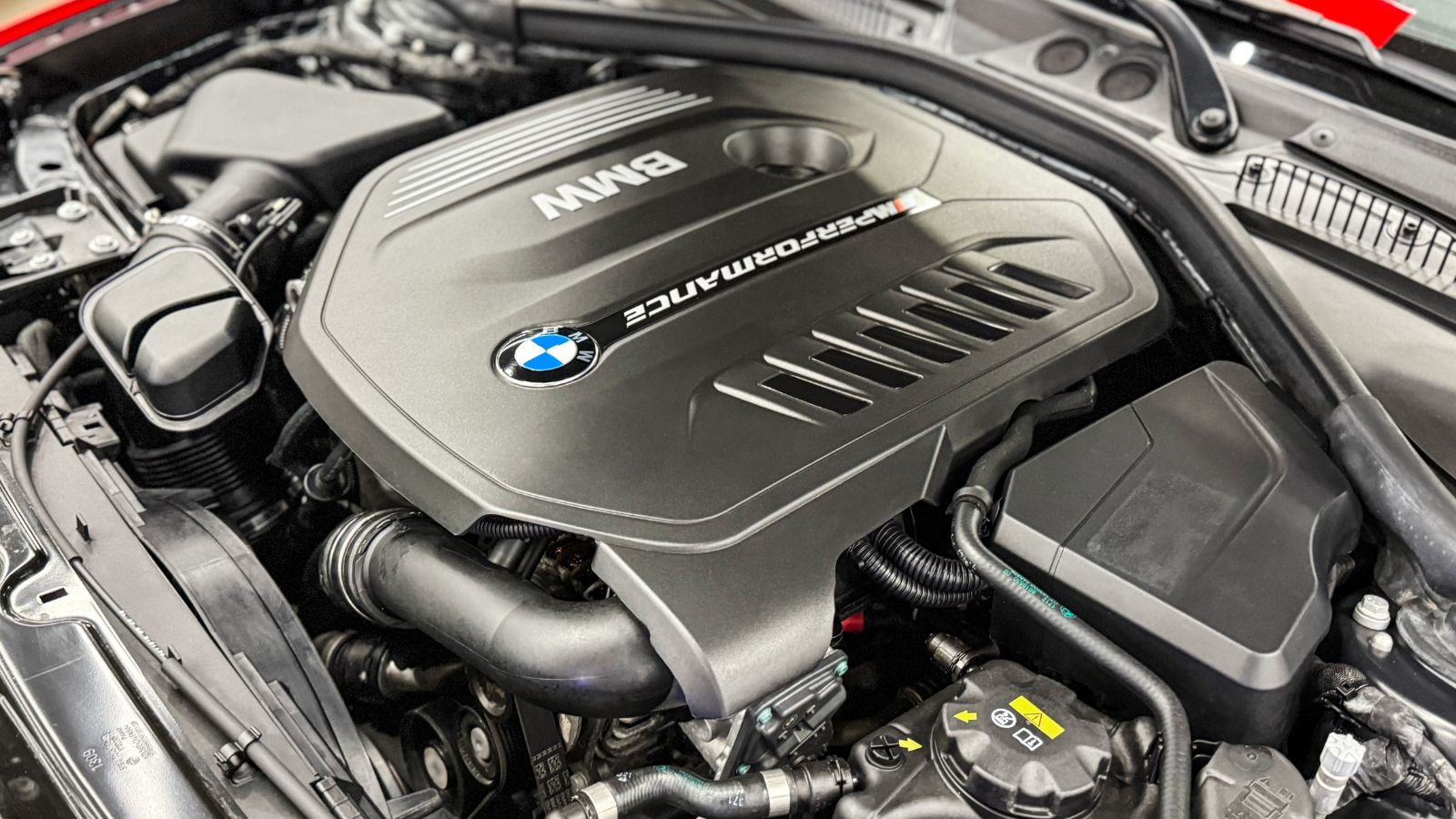
Urban traffic often requires brief, precise bursts of acceleration: entering a roundabout, crossing a busy lane or moving into a gap before it closes. A vehicle with delayed throttle response can hesitate at exactly those moments. Turbocharged engines may experience a pause while exhaust flow builds enough energy to spin the turbocharger and create additional boost. Automotive engineers have spent decades reducing this effect through smaller turbines, electric assistance, variable geometry and improved engine controls.
Even a delay of less than a second can feel significant when the driver expects an immediate reaction. Pressing harder may cause the vehicle to suddenly surge once the requested power arrives, making smooth progress difficult. Some electronic throttle systems also soften initial response to improve efficiency or prevent wheelspin. That calibration may be unobtrusive in relaxed suburban driving but frustrating when merging from a short city side street. The most agreeable vehicles deliver power progressively and predictably. Those that alternate between hesitation and acceleration can make drivers feel as though they are negotiating with the powertrain rather than controlling it.
Weak Climate Control While Stopped
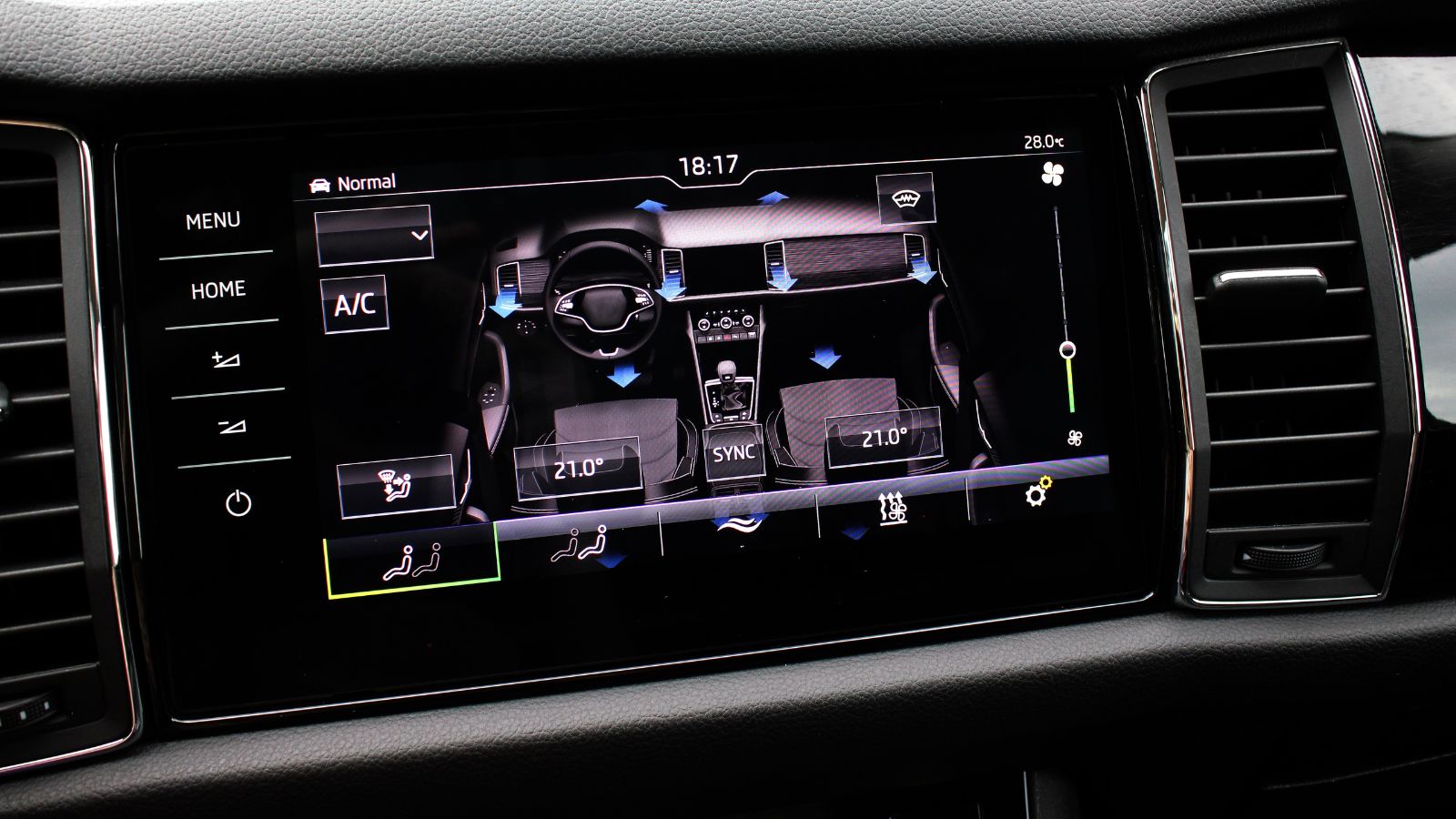
Climate-control performance can change when a stop-start system shuts off the engine. Some vehicles use electric compressors and maintain consistent cooling, while others reduce fan speed or restart the engine when the cabin requires more cooling. Toyota’s operating guidance notes that airflow may be reduced during stop-start operation and that drivers can disable the feature when prioritizing air-conditioning performance. Engineering literature has likewise identified engine-off climate control as an important challenge for stop-start vehicles.
The weakness becomes obvious during humid summer congestion. A cabin that was comfortable while moving may begin warming at every long traffic signal. The engine then restarts, cool air returns and the cycle repeats a few blocks later. Occupants may continuously adjust the temperature or lower the setting to compensate. In winter, delayed heat can create similar frustration, particularly during short journeys when the engine has little time to warm. A system that technically maintains the selected temperature may still feel inconsistent when its sound, airflow and cooling strength change every time the vehicle stops.
Touchscreen-Heavy Controls

Touchscreens can present navigation, entertainment and vehicle settings in a clean, modern interface. Problems arise when simple functions are buried in menus or lack physical controls that can be located by touch. AAA research found that programming navigation destinations in tested infotainment systems took an average of about 40 seconds. None of the 30 systems evaluated created a low level of driver demand, and most were rated high or very high.
City driving is a poor environment for extended screen interaction. Traffic lights change quickly, cyclists approach from unexpected directions and lanes may split with little warning. Adjusting heated seats or fan speed should not require several glances away from the road. Touch-sensitive sliders can be equally frustrating when bumps cause a finger to miss the intended setting. Voice controls help when they understand the request, but failed commands can take even longer than tapping the screen. A sophisticated interface may impress during a stationary demonstration, yet a few well-placed buttons often prove far more satisfying during a busy commute.
Nervous Parking Sensors
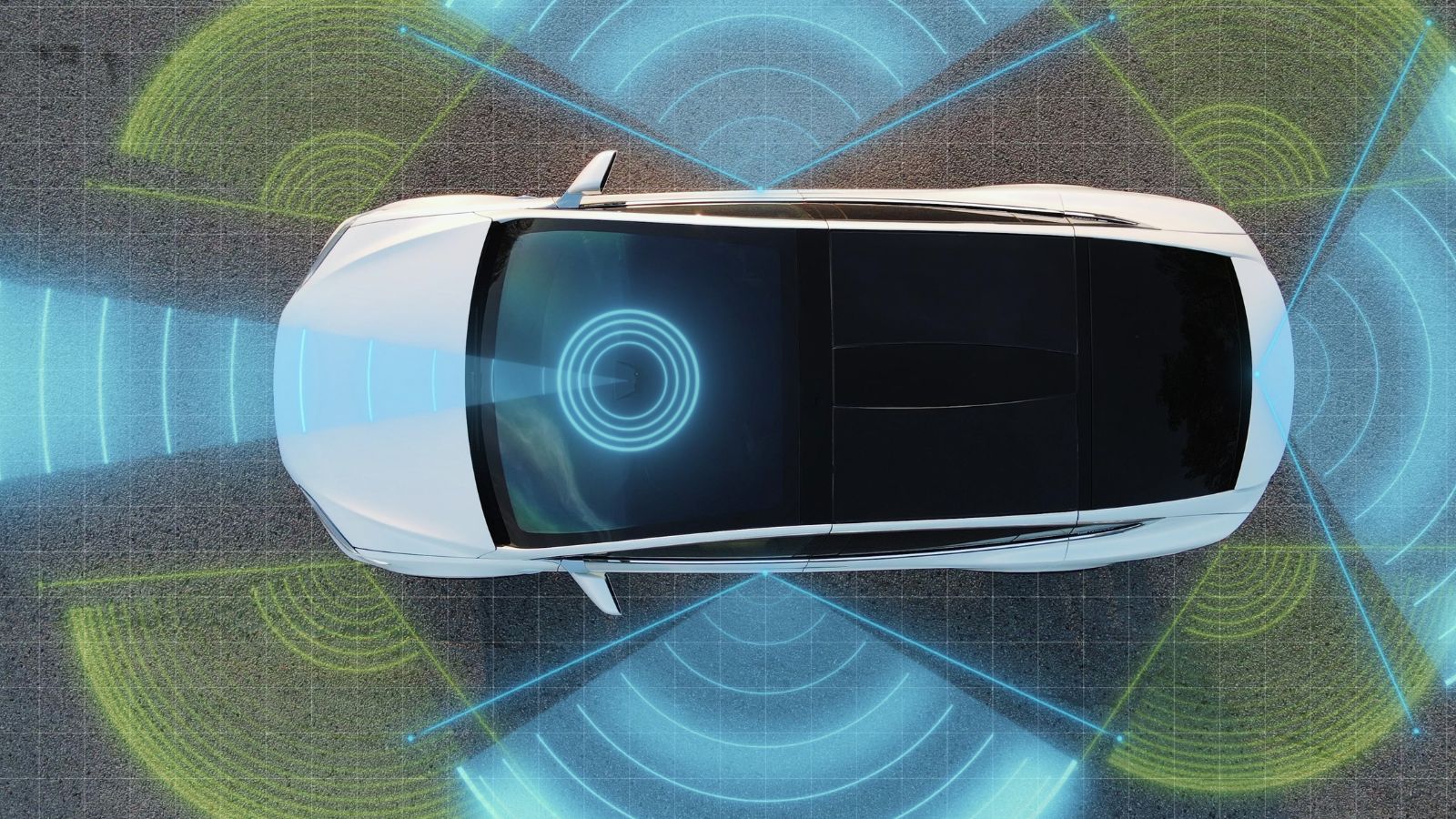
Parking sensors are meant to simplify tight manoeuvres, but they can become overwhelming when they react to everything nearby. Manufacturer instructions commonly warn that dirt, snow, water, ice, heavy rain, slopes and certain roadside objects can interfere with ultrasonic sensors. Toyota also notes that warnings may occur in narrow roads or around curbs even when a collision is not imminent.
In a cramped garage, several sensors may sound simultaneously as the vehicle passes a wall, column or neighbouring bumper. The display changes colour, the beeping accelerates and the driver may struggle to determine which object presents the real risk. Some systems even apply the brakes automatically, producing a startling stop when the driver was moving carefully. Cameras provide useful context—IIHS research has linked rear cameras with a reduction in police-reported backing crashes—but lenses can also become dirty or distorted by rain. A well-tuned system informs without panicking. An overly sensitive one turns every routine parking attempt into a loud argument between the vehicle and its surroundings.
Awkward Creep and Auto-Hold Behaviour
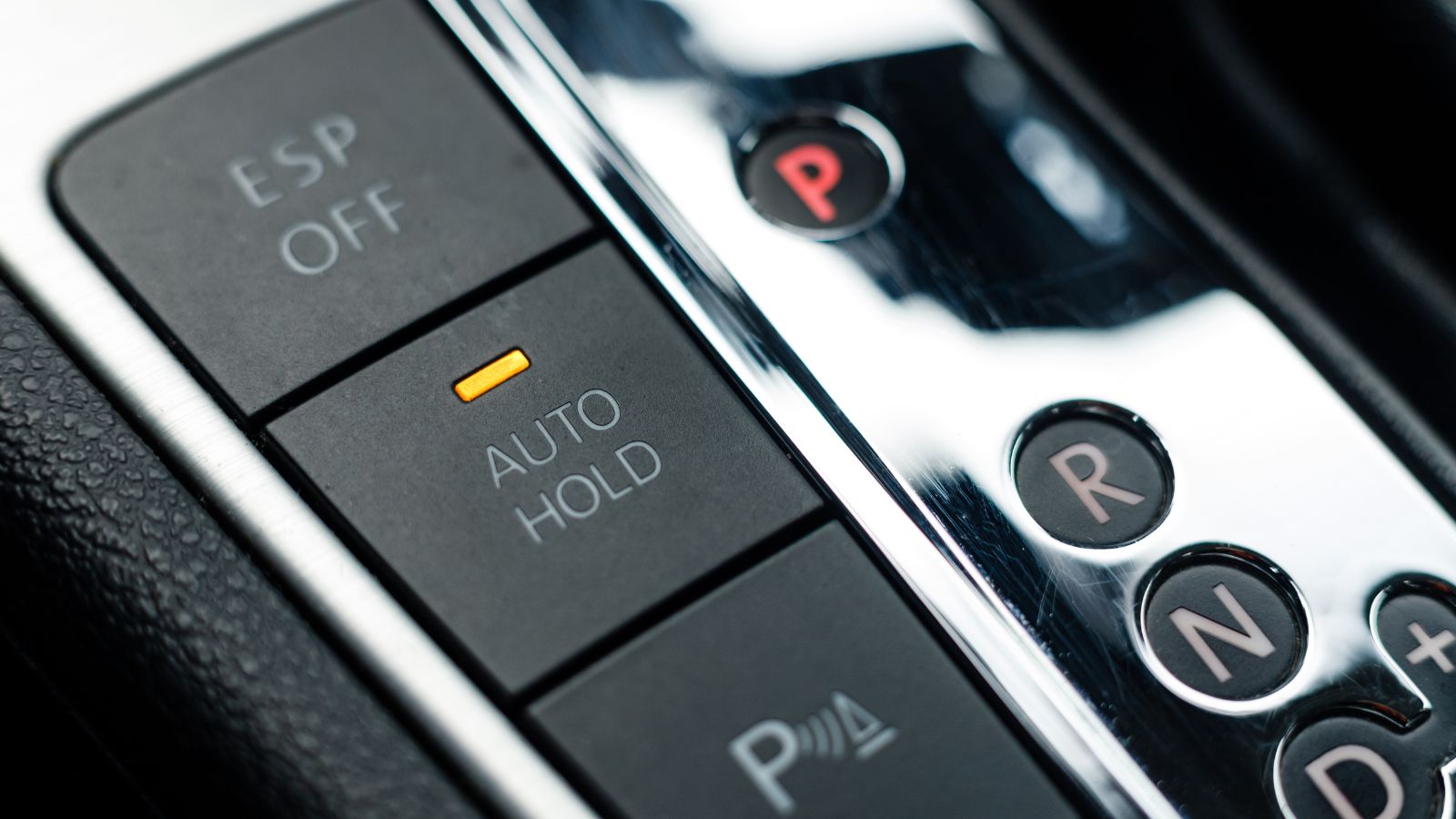
Automatic brake-hold systems keep a vehicle stationary after the driver releases the brake pedal. Honda describes the feature as useful at traffic lights and in heavy traffic because the brakes remain applied until the accelerator is pressed. The convenience is real, especially during long waits, but the release behaviour can vary considerably between vehicles.
In one model, the car may move gently as soon as the accelerator is touched. In another, nothing happens until additional pressure is applied, followed by a sudden release of the brakes. Dual-clutch and automated-manual transmissions may also simulate conventional automatic “creep” through clutch control rather than a torque converter. Engineers specifically calibrate lower gears and clutch operation to improve these low-speed manoeuvres. When that calibration is imperfect, parking and queueing can feel strangely mechanical. Drivers may hesitate between holding the brake, trusting auto hold and adding throttle. A feature designed to reduce effort then demands practice before it feels natural, particularly on slopes or when centimetre-by-centimetre movement is required.
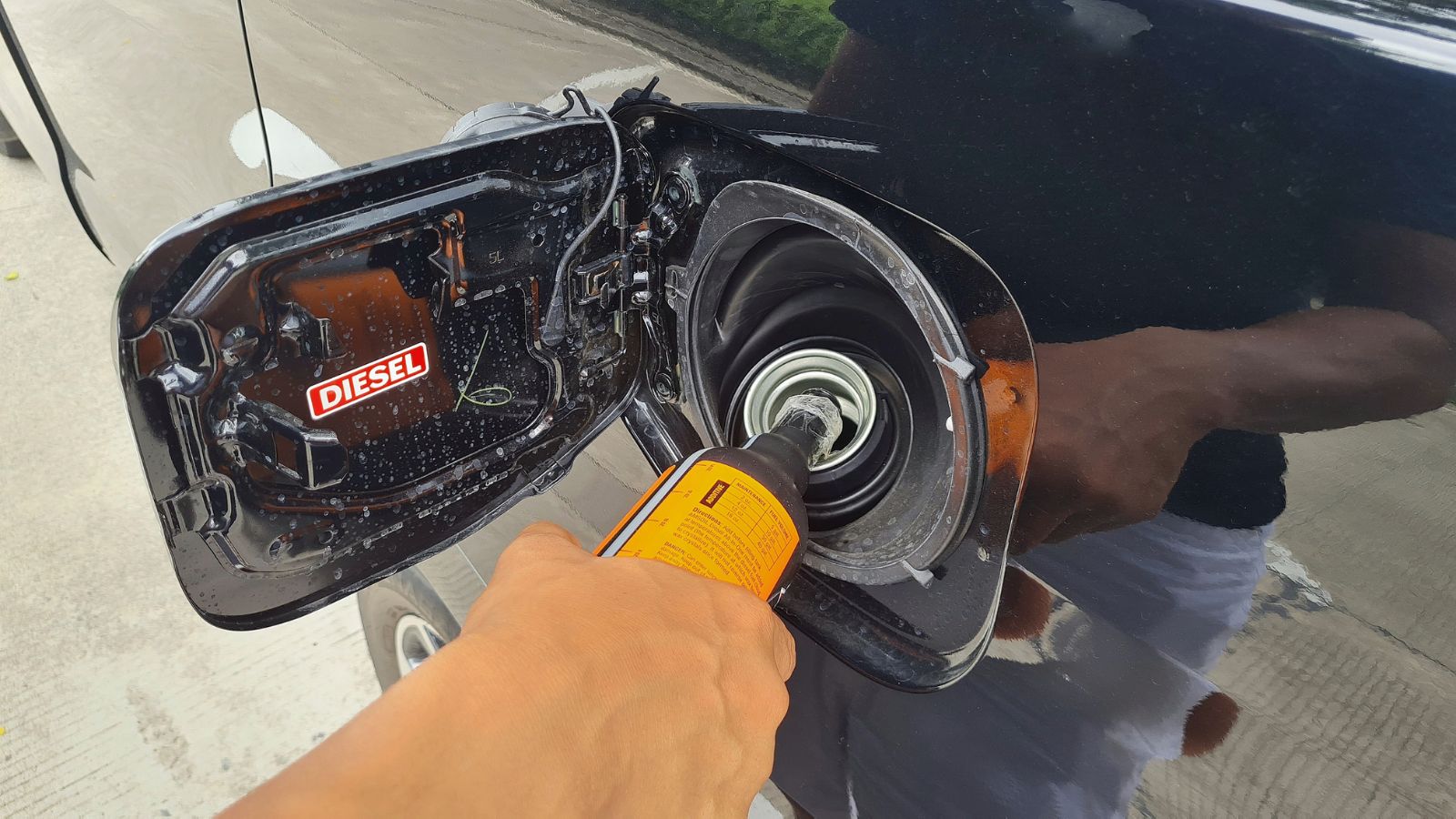
A Diesel Particulate Filter That Dislikes Short Trips
Modern diesel vehicles use particulate filters to trap soot from the exhaust. The collected material must periodically be burned away during a regeneration process that requires sufficiently high exhaust temperatures. British government guidance warns that incomplete regeneration can allow soot to accumulate, affecting performance and potentially leading to expensive repairs.
Frequent short journeys and slow urban traffic may prevent the engine from reaching the conditions needed to complete regeneration. Volkswagen advises that drivers who mainly make short, stop-start trips should consider whether a petrol, hybrid or electric vehicle better matches their routine. When a filter begins filling, the vehicle may display a warning and request a longer drive at a steady speed. That can be deeply inconvenient for someone whose normal journeys never leave the city centre. Instead of the vehicle adapting to the commute, the commute must occasionally be reorganized around the emissions system. Diesel still suits many high-mileage drivers, but an urban-only duty cycle can make ownership feel unnecessarily complicated.
Low Ground Clearance and Long Overhangs
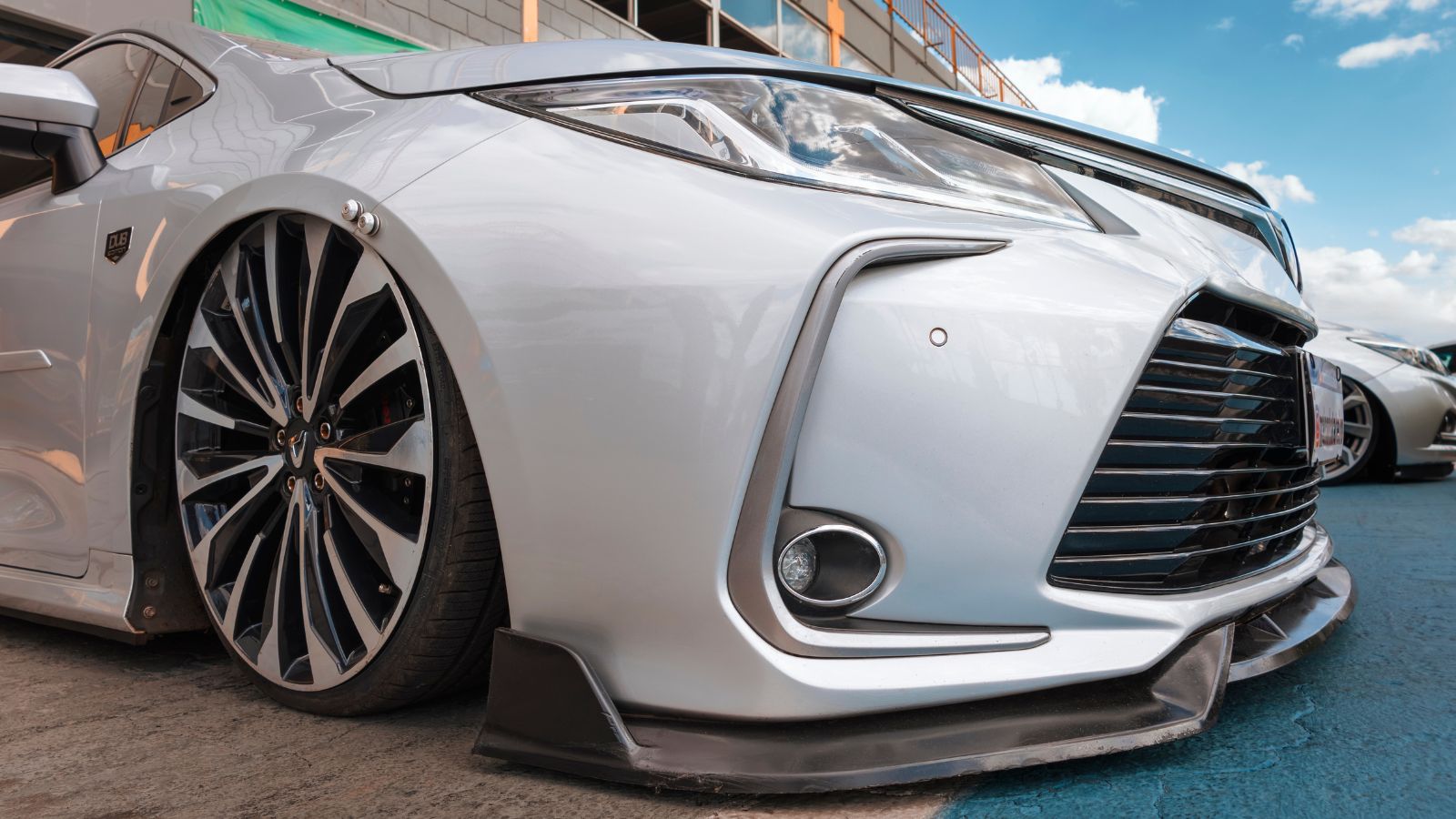
Low bodywork can improve aerodynamics and give a vehicle a sleek appearance. It also reduces the margin available when crossing steep garage entrances, raised intersections and speed humps. The Federal Highway Administration describes a typical speed hump as approximately three to four inches high and around 12 feet long. Vehicle-engineering standards consequently measure approach, departure and breakover angles to determine how easily a vehicle clears obstacles.
Long front or rear overhangs can make the problem worse because the body reaches the slope before the tires begin climbing it. Drivers may approach ramps diagonally, slow almost to walking speed or listen anxiously for the sound of plastic scraping pavement. Parking curbs present another risk to low bumpers and aerodynamic panels. A sports car owner may accept these compromises as part of the design, but some ordinary sedans and efficiency-focused vehicles also sit surprisingly low. When every underground garage entrance requires special technique, a stylish profile can become a recurring urban nuisance.
Heavy Fuel Use in Stop-and-Go Traffic
Internal-combustion vehicles are generally least efficient when repeatedly accelerating, braking and idling. The U.S. Department of Energy estimates that an idling vehicle can consume roughly one-quarter to one-half gallon of fuel per hour, depending on engine size and air-conditioning use. It also reports that aggressive acceleration and braking can reduce fuel economy by 10 to 40 percent in stop-and-go traffic.
A fuel-consumption display makes the penalty impossible to ignore. The average rises as the vehicle accelerates away from a light, then barely improves before traffic stops again. Heavy vehicles and powerful engines require more energy to regain speed, while conventional brakes discard much of that energy as heat. Hybrids can perform better in these conditions because they reduce engine idling and recover energy through regenerative braking. For owners of less efficient models, however, a short congested commute may use more fuel than a much longer highway journey. Frequent station visits and rapidly falling range estimates can make the vehicle feel poorly suited to its daily environment.
Poor Seat Ergonomics

City traffic involves constant pedal movement, steering input and visual scanning, often while the vehicle travels only a few kilometres. A seat that feels acceptable during a brief test drive can become uncomfortable after repeated delays. Research on professional drivers has linked prolonged sitting, awkward posture and whole-body vibration with lower-back discomfort. Congestion magnifies the issue by increasing the time spent seated without providing meaningful changes in body position.
The problem is not limited to inadequate cushioning. A high seat base may place pressure behind the thighs, while limited steering-wheel adjustment can force the driver to reach forward. Firm side bolsters may restrict movement, and a head restraint angled too far forward can create neck tension. INRIX estimated that drivers in several major American cities lost more than 100 hours to congestion during 2025, illustrating how quickly small ergonomic flaws can accumulate. A supportive seat cannot eliminate traffic, but it can prevent a slow commute from becoming physically exhausting. In city use, comfort is not merely a luxury feature; it is part of the vehicle’s everyday usability.
19 Used Cars Canadians Should Avoid in 2026 (Based on Owner Complaints)
Buying a used car in Canada can feel safe until repair bills start stacking up. Owner complaints tell a different story than glossy listings. Transmission failures, electrical problems, and weak winter reliability show up again and again in consumer reports. Many of these issues appear after warranties expire, when owners least expect them. Some vehicles look affordable upfront, but become expensive to keep on the road. Others struggle in cold weather, urban driving, or long highway commutes. Here are 19 used cars Canadians should avoid in 2026 (based on owner complaints).
19 Used Cars Canadians Should Avoid in 2026 (Based on Owner Complaints)