


























A repair is supposed to restore confidence, yet the first drive home can sometimes bring a new vibration, harsher ride, unfamiliar noise, or warning light. That does not automatically mean the work failed. Modern vehicles combine mechanical parts, hydraulic circuits, electronic modules, sensors, software, and tightly specified fluids, so a small installation or calibration detail can change how the entire vehicle feels. In other cases, the repaired component is working correctly but exposes wear elsewhere that had been masked by the original problem. These 20 reasons explain why a vehicle may feel worse after a repair, which changes can be temporary, and which symptoms deserve a prompt return visit to the shop.
The Original Problem Was Only Partly Diagnosed

Many symptoms can be produced by more than one fault. A steering-wheel shake, for example, may involve tire imbalance, wheel runout, a worn suspension joint, or a brake rotor problem. Replacing the first visibly worn part can improve one cause without eliminating the others. The result is frustrating because the vehicle may still feel wrong, or the remaining vibration may become more obvious once the loudest symptom disappears. Diagnostic work is therefore different from simply identifying a damaged component; it requires confirming that the suspected fault actually reproduces the complaint.
This is especially common on older vehicles with several aging systems. A technician may correctly replace a failed wheel bearing, only for a cupped tire to continue producing highway noise. AAA notes that some repairs require additional testing and that older vehicles can have multiple problems, while the Federal Trade Commission advises consumers to obtain clear written descriptions of the condition being diagnosed. A precise complaint such as “vibration between 80 and 95 km/h under light throttle” gives a shop far more useful information than “the car feels bad.”
A Fastener Was Left Loose or Torqued Incorrectly
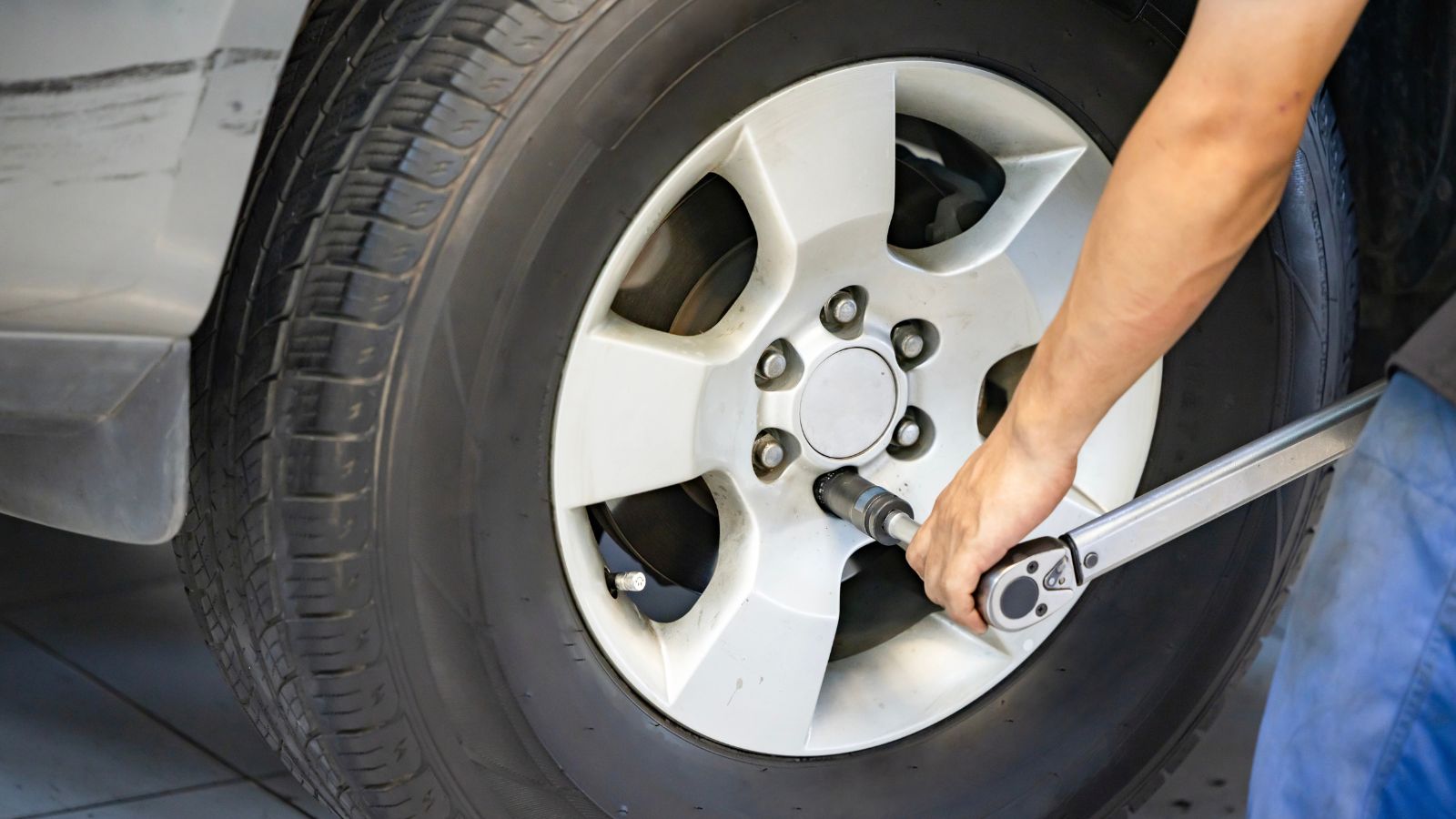
Modern vehicles rely on hundreds of fasteners that must be tightened to specific values and, in some locations, replaced rather than reused. A bolt that is too loose can allow movement, clunking, rattling, alignment changes, or component separation. A bolt that is too tight can stretch, distort, or damage the part it is meant to secure. The symptoms may appear immediately after a repair because suspension, steering, brake, drivetrain, and engine-mount work often requires disturbing heavily loaded fasteners.
The difference between correct and incorrect torque is not always visible during a quick inspection. A shock bolt may look seated while still being loose enough to move over bumps. NHTSA-filed safety documents have warned that under-torqued suspension hardware can vibrate loose, while over-torqued hardware can be damaged. Other recall records describe reused or incorrectly torqued driveshaft fasteners failing after service. A fresh clunk, metallic knock, wandering sensation, or vibration that began immediately after repair should therefore be treated as a reason for prompt reinspection rather than something to “drive through.”
Wheel Alignment Shifted During the Work

Suspension and steering repairs can alter toe, camber, caster, or steering-wheel position even when the replacement part appears to fit correctly. Struts, tie rods, control arms, ball joints, subframes, and steering racks all influence wheel geometry. A small change may make the vehicle pull, require constant correction, feel nervous on the highway, or return the steering wheel off-centre. Uneven road crown can also exaggerate the sensation, which is why proper testing matters.
Alignment is particularly important after strut replacement or any repair that changes the relationship between the wheel and body. KYB advises that alignment is required after replacing struts to restore proper handling and tire wear. A technically successful repair can therefore feel worse simply because the mechanical work was completed but the alignment step was skipped, rushed, or based on incorrect vehicle specifications. A printout showing before-and-after measurements is useful because it documents whether all adjustable angles were brought within the manufacturer’s range rather than merely centring the steering wheel.
Tire Pressures Were Set Incorrectly
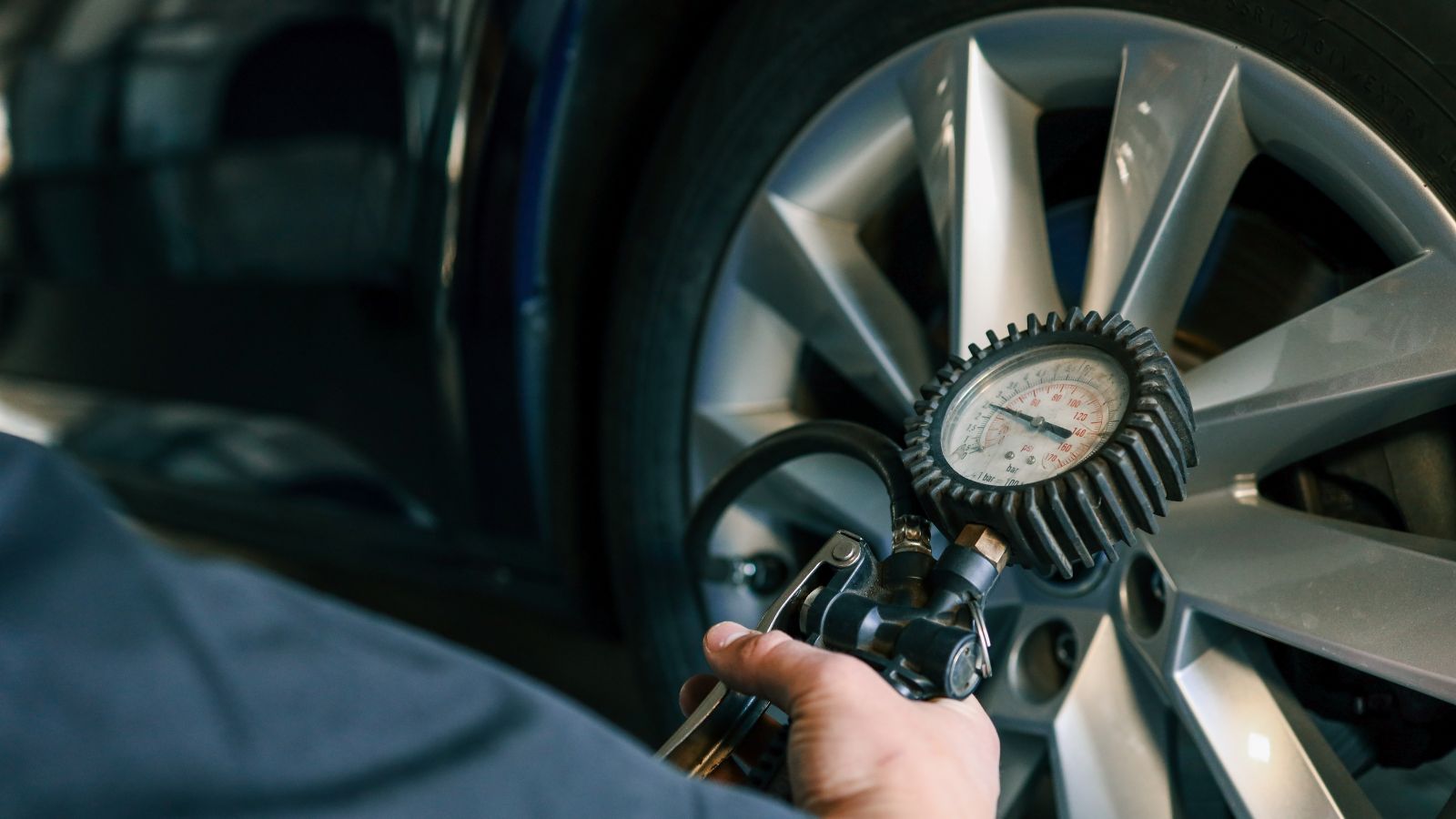
Tire pressure strongly affects steering response, ride comfort, grip, and the amount of road texture transmitted into the cabin. A shop may inflate tires while they are warm, use a generic pressure, or set all four to the maximum number moulded into the tire sidewall instead of the vehicle manufacturer’s cold-pressure specification. The vehicle can then feel harsh, skittish, slow to respond, or unusually heavy at the steering wheel even though no mechanical part is defective.
Overinflation can reduce comfort and increase noise because the tire has less ability to absorb small impacts. Underinflation can dull steering, increase rolling resistance, and reduce stability. Michelin advises using the manufacturer’s recommended pressure and notes that both low and excessive pressure can affect handling, braking, traction, wear, and comfort. This is one of the simplest post-repair checks: pressures should be measured cold with an accurate gauge and compared with the placard, usually located on the driver’s door jamb. A few minutes of verification can explain a surprisingly large change in vehicle feel.
A Wheel or Tire Was Not Balanced Properly
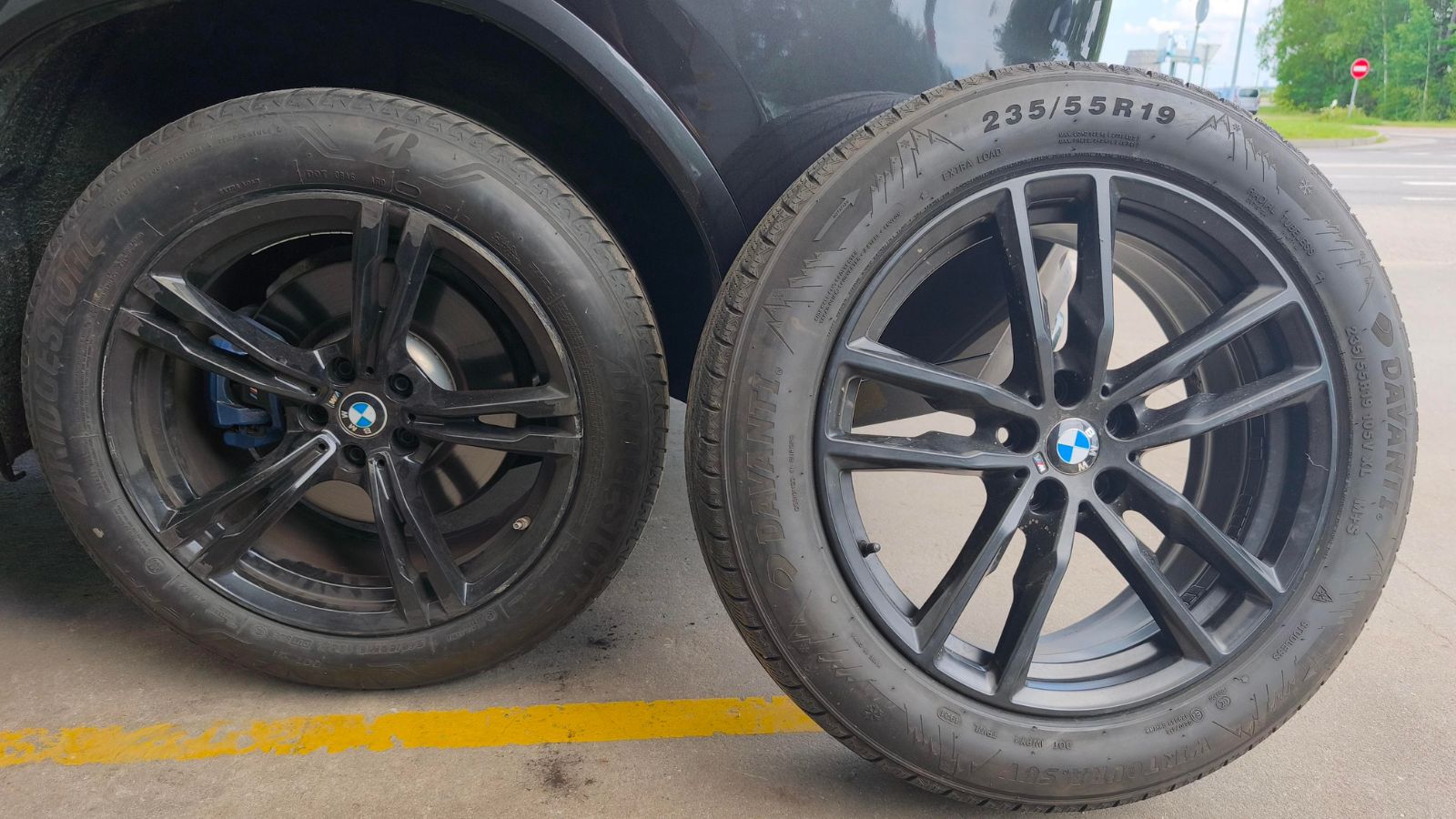
Wheel balance problems often appear as a speed-related vibration rather than a constant roughness. A missing weight, dirt trapped between the wheel and hub, inaccurate centring on the balancing machine, or a tire with excessive road-force variation can create a shake that was not present before service. The steering wheel may tremble with a front-wheel issue, while a rear imbalance can be felt more through the seat or floor.
Conventional balancing corrects mass imbalance, but it does not always identify a tire that is unusually stiff in one area or a wheel that is not perfectly round. Hunter explains that road-force equipment applies a load to the tire and can diagnose vibration sources beyond ordinary imbalance. Its technical material also describes static imbalance as an up-and-down “jiggle” that may be felt in the steering wheel or body. If vibration begins after tire removal, rotation, brake work, or suspension repair, the shop should verify wheel seating, lug-nut torque, balance, and road-force variation rather than assuming the new symptom is unrelated.
New Brakes Have Not Bedded In Yet

Fresh brake pads and rotors do not always feel exactly like the worn components they replaced. Their contact surfaces need a controlled period of bedding so the pad and rotor mate evenly and establish a stable friction layer. During this period, braking may feel slightly different, and mild odour, noise, or changing pedal response can occur. However, strong vibration, grinding, pulling, or a pedal that sinks should never be dismissed as normal bedding.
Brembo advises that new pads and rotors should be road-tested and bedded for roughly 200 to 300 kilometres using brief, progressive braking rather than repeated severe stops. The purpose is to stabilize contact between the surfaces and check for noise or vibration. A vehicle used immediately for heavy towing, mountain descents, or repeated emergency-style stops may overheat the new components before that process is complete. Drivers should follow the part maker’s or repairer’s instructions, but they should also return promptly if stopping performance is inconsistent or the symptoms are worsening rather than settling.
Air Remained in a Hydraulic or Cooling System
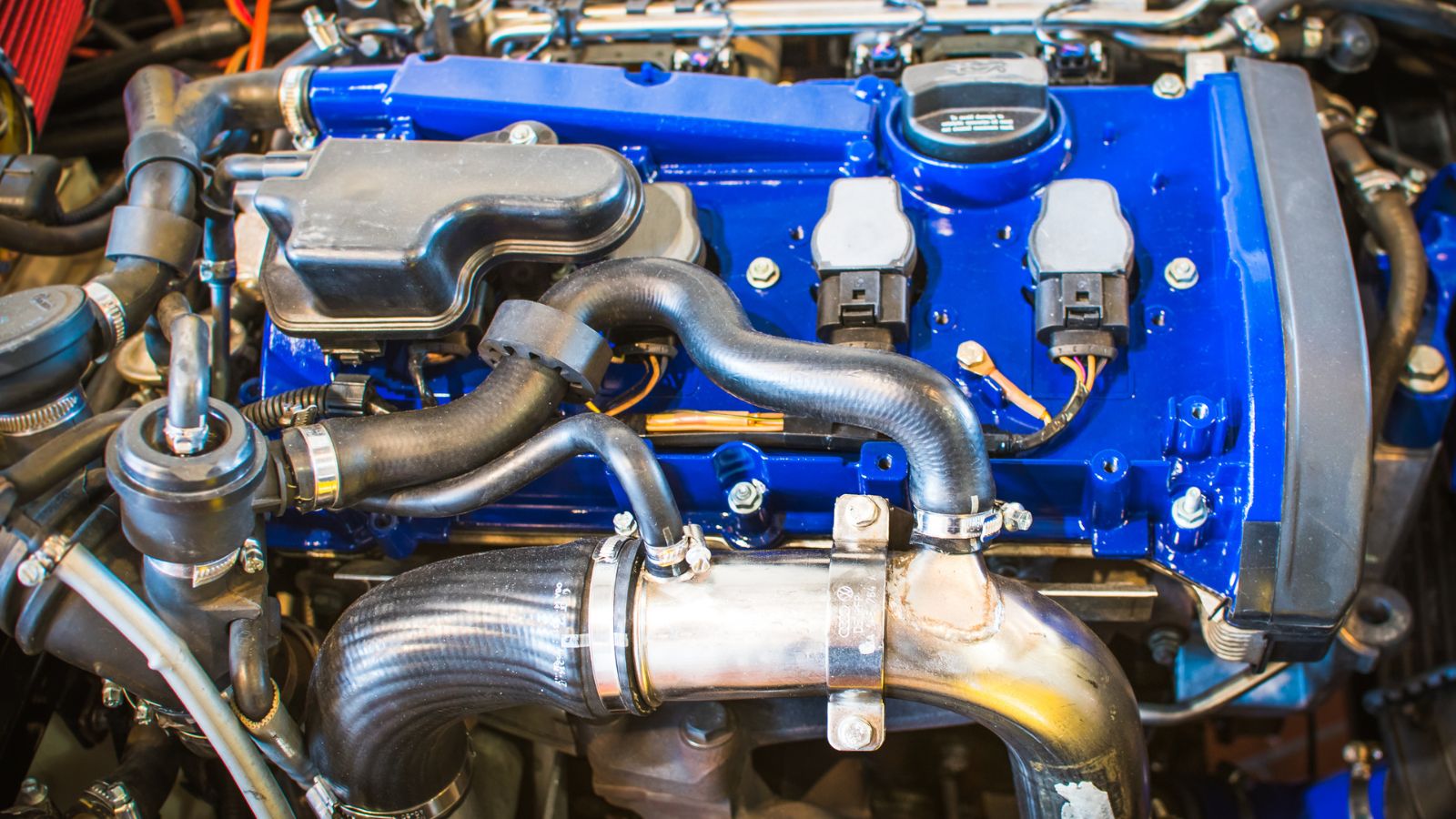
Opening a hydraulic or cooling circuit can introduce air that must be removed through the correct bleeding procedure. In a brake system, compressible air can make the pedal feel soft, long, or inconsistent because some pedal travel is used to compress the trapped air instead of applying full hydraulic pressure. In a cooling system, an air pocket can interfere with circulation, cabin heat, coolant-level readings, or temperature control. Some power-steering systems can also become noisy or jerky if they are not bled correctly after component replacement.
The exact procedure varies widely by vehicle. Some systems require scan-tool commands, vacuum filling, specific wheel sequences, or repeated heat cycles. Bosch technical information emphasizes the role of brake fluid in transmitting pressure and describes bleeding equipment used to refill the circuit. Prestone advises checking coolant levels after service because levels may change as the system stabilizes. A soft brake pedal, gurgling heater, fluctuating temperature gauge, or sudden loss of power-steering smoothness after related work deserves immediate follow-up.
A Fluid Level or Specification Is Wrong

Fluids are engineered components, not interchangeable liquids. Engine oil, automatic-transmission fluid, manual gear oil, differential lubricant, coolant, brake fluid, and power-steering fluid can each require a particular viscosity, chemistry, or manufacturer approval. A level that is too low can cause noise, delayed engagement, overheating, or poor lubrication. Overfilling can create foaming, aeration, leaks, or abnormal pressure. Even when the level is correct, the wrong specification may change shift quality or mechanical feel.
Automatic transmissions are especially sensitive because fluid supplies hydraulic pressure, cooling, lubrication, and carefully controlled friction. Valvoline notes that automatic-transmission fluids are defined by automaker specifications rather than a simple universal weight. Castrol similarly warns that gear oils are not interchangeable and that the wrong type can lead to poor performance and accelerated wear. After fluid service, the invoice should identify the exact product and specification used. If shifting, steering, braking, or engine noise changed immediately, the shop should verify both level and fluid approval using the manufacturer’s temperature-dependent checking procedure.
Battery Disconnection Erased Learned Settings

Disconnecting or replacing a 12-volt battery can clear information stored in electronic control units. The vehicle may then need to relearn idle control, throttle behaviour, transmission adaptations, steering-angle information, window limits, parking-assist settings, or other functions. During the early relearn period, idle speed may fluctuate, automatic shifts may feel unfamiliar, fuel economy displays may reset, and convenience features may behave differently. These effects can make a mechanically sound repair feel unfinished.
Toyota’s owner information states that battery removal or discharge can clear ECU information and that some systems require initialization after reconnection. The exact effects depend on the model; some vehicles relearn automatically through normal driving, while others require a prescribed procedure or scan tool. A shop should distinguish temporary adaptation from a genuine fault. Persistent stalling, harsh shifts, warning lights, or disabled safety features should not be explained away indefinitely as “the computer learning.” The correct next step is to check stored trouble codes and confirm that every required initialization has been completed.
Required Software Initialization or Calibration Was Missed

Replacing a part is sometimes only the physical half of a repair. Cameras, radar sensors, steering-angle sensors, electronic parking brakes, occupant-detection systems, active suspension modules, and many other components may require programming, calibration, or initialization. If that step is omitted, the vehicle can display warnings, intervene unexpectedly, steer differently, or disable features that were operating before the repair.
Calibration requirements can be surprisingly precise. A General Motors bulletin filed with NHTSA describes checking a long-range radar bracket on a level alignment rack and positioning it within a narrow angular tolerance before performing a radar learn procedure. Toyota manuals also list systems that must be initialized after battery work or maintenance. Windshield replacement, front-end repair, wheel alignment, suspension work, and sensor removal can all trigger model-specific procedures. Because requirements differ, the repairer must consult current service information rather than rely on a generic rule. A post-repair scan showing no codes does not always prove that calibration was performed correctly.
A Sensor, Connector, Ground, or Hose Was Left Disturbed
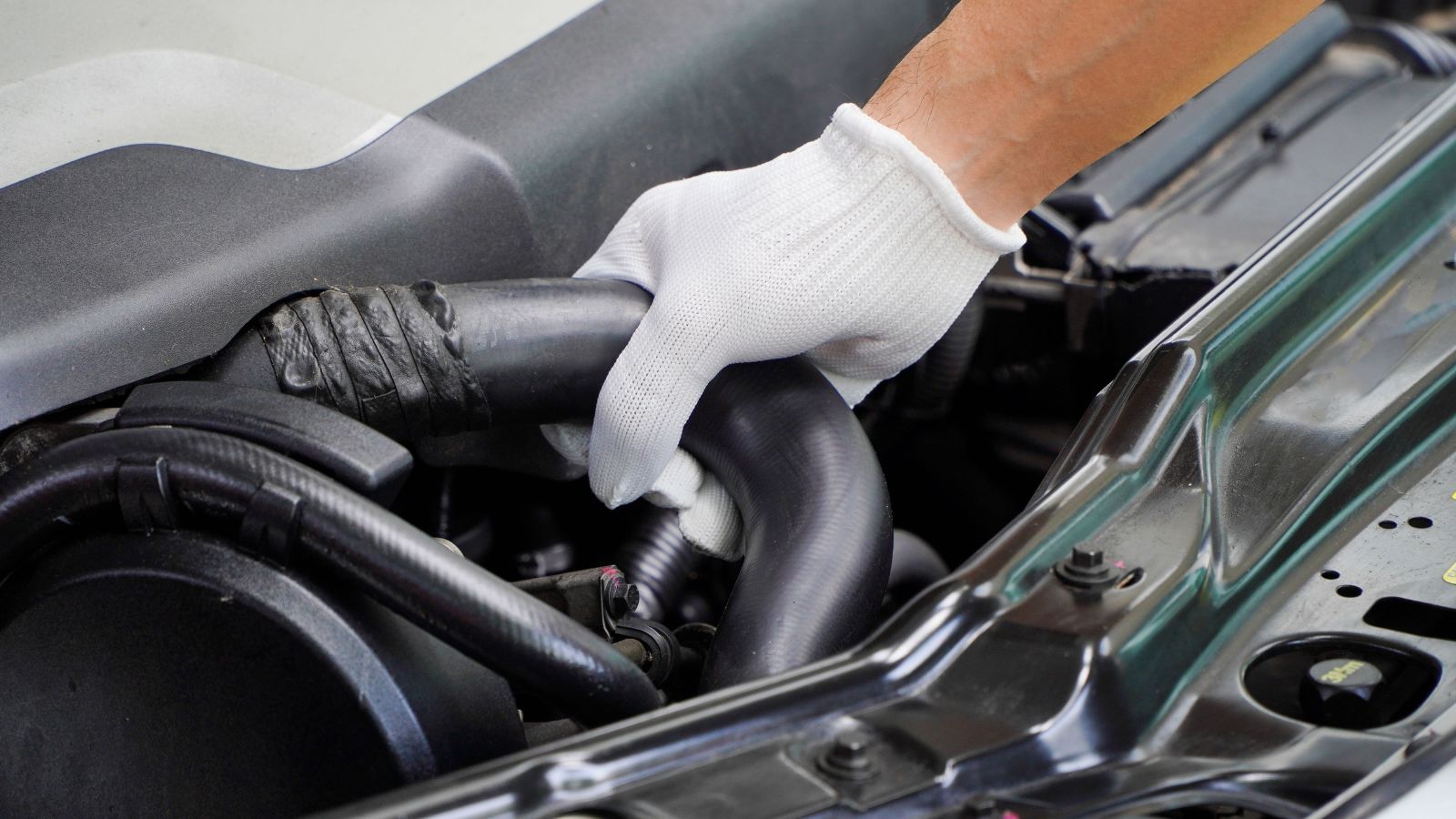
Many repairs require moving wiring harnesses, disconnecting sensors, removing grounds, or shifting hoses out of the way. A connector that is not fully latched, a terminal pushed back inside its housing, a loose ground, or a pinched vacuum hose can create symptoms that seem unrelated to the original job. The vehicle may idle roughly, lose power, illuminate several warnings, shift poorly, or show intermittent failures that change with vibration and temperature.
Electrical grounds deserve particular attention because one loose connection can affect several modules at once. General Motors service information filed with NHTSA states that secure, corrosion-free grounds are essential and that loose connections can cause improper system function or loss of module communication. Other bulletins specifically instruct technicians to document conditions such as an unconnected connector, pushed-out terminal, or loose ground fastener. When several new warning lights appear immediately after repair, the pattern often justifies inspecting recently disturbed connectors and grounds before replacing additional expensive modules.
Engine or Transmission Mounts Were Mispositioned

Engine and transmission mounts do more than hold the powertrain in place. Their rubber or fluid-filled construction is tuned to isolate vibration while controlling movement under acceleration, braking, and shifting. If a mount is installed under stress, centred incorrectly, tightened in the wrong sequence, or paired with a part having different damping characteristics, normal engine pulses can be transmitted into the seat, pedals, steering wheel, or body.
Manufacturer bulletins provide real examples of this sensitivity. General Motors has published guidance on engine vibration after mount or bracket replacement, including procedures involving bolt replacement, positioning, and verification. Other NHTSA-filed bulletins describe incorrect mount damping rates causing idle shake, low-frequency booming, and road-input vibration. A post-repair buzz that changes when shifting from Park to Drive, turning on the air conditioner, or raising engine speed slightly can point toward mount preload or contact. Correcting it may require loosening, centring, settling, and retorquing the assembly rather than replacing another mount blindly.
A Heat Shield or Exhaust Part Is Touching
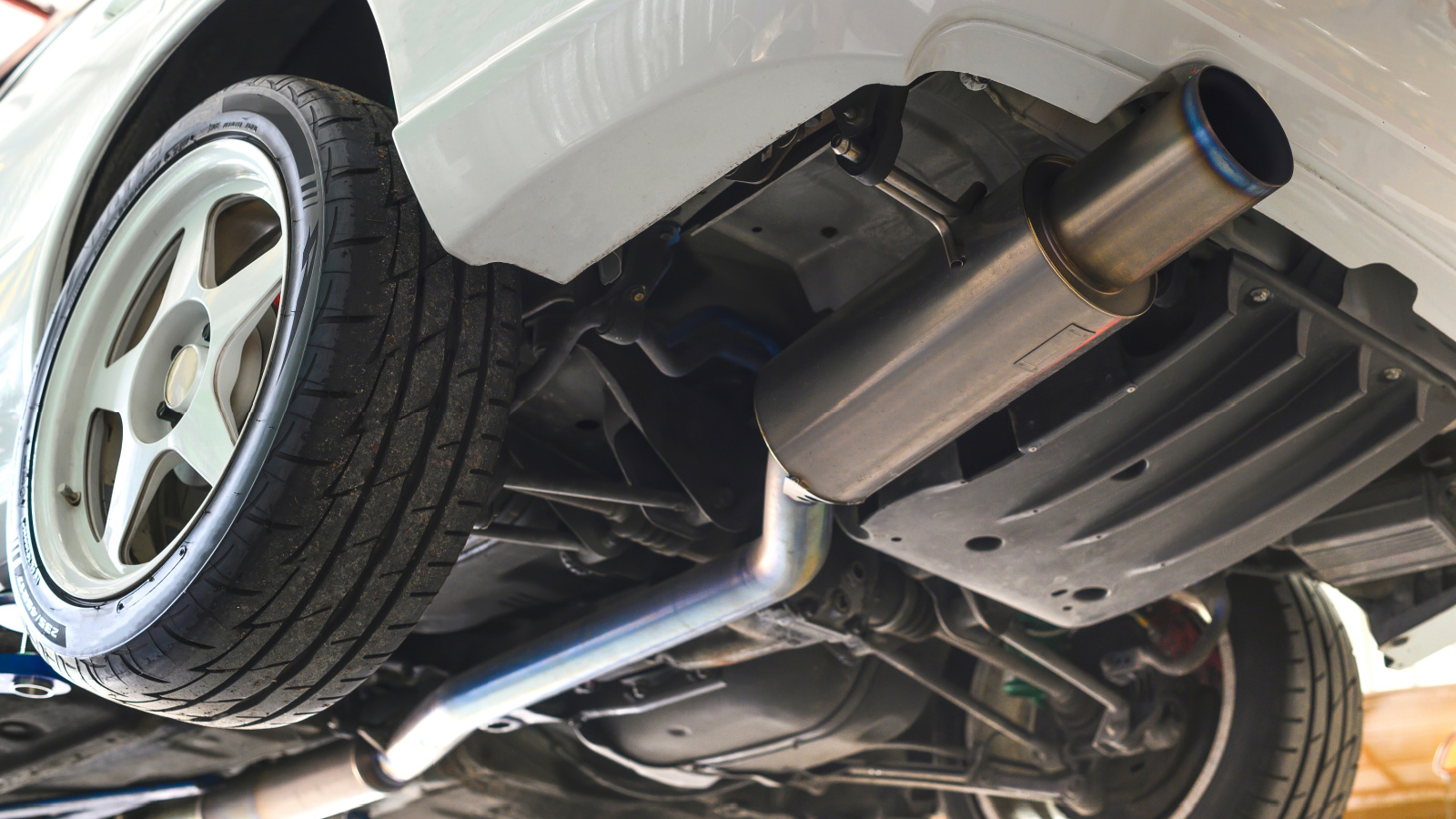
Exhaust systems expand as they heat, and their thin metal shields sit close to the body, brackets, wiring, and underbody panels. A shield bent during access, a missing retainer, or an exhaust component shifted slightly during repair can create a metallic rattle, buzz, or droning noise. The sound may appear only at a certain engine speed, over bumps, or after the exhaust reaches operating temperature, making it easy to miss during a brief inspection.
NHTSA’s service-bulletin database contains numerous manufacturer examples. Nissan documented a rattle caused by a detached exhaust heat-shield weld, while General Motors described underbody heat-shield retainers becoming loose or missing. These cases illustrate why a tiny contact point can make a vehicle sound dramatically worse despite normal engine operation. A technician can often reproduce the problem by checking clearances and lightly loading suspect shields when the exhaust is cool. Because exhaust components can become extremely hot, this is not a safe area for casual roadside inspection.
A Splash Shield or Undertray Was Reinstalled Poorly
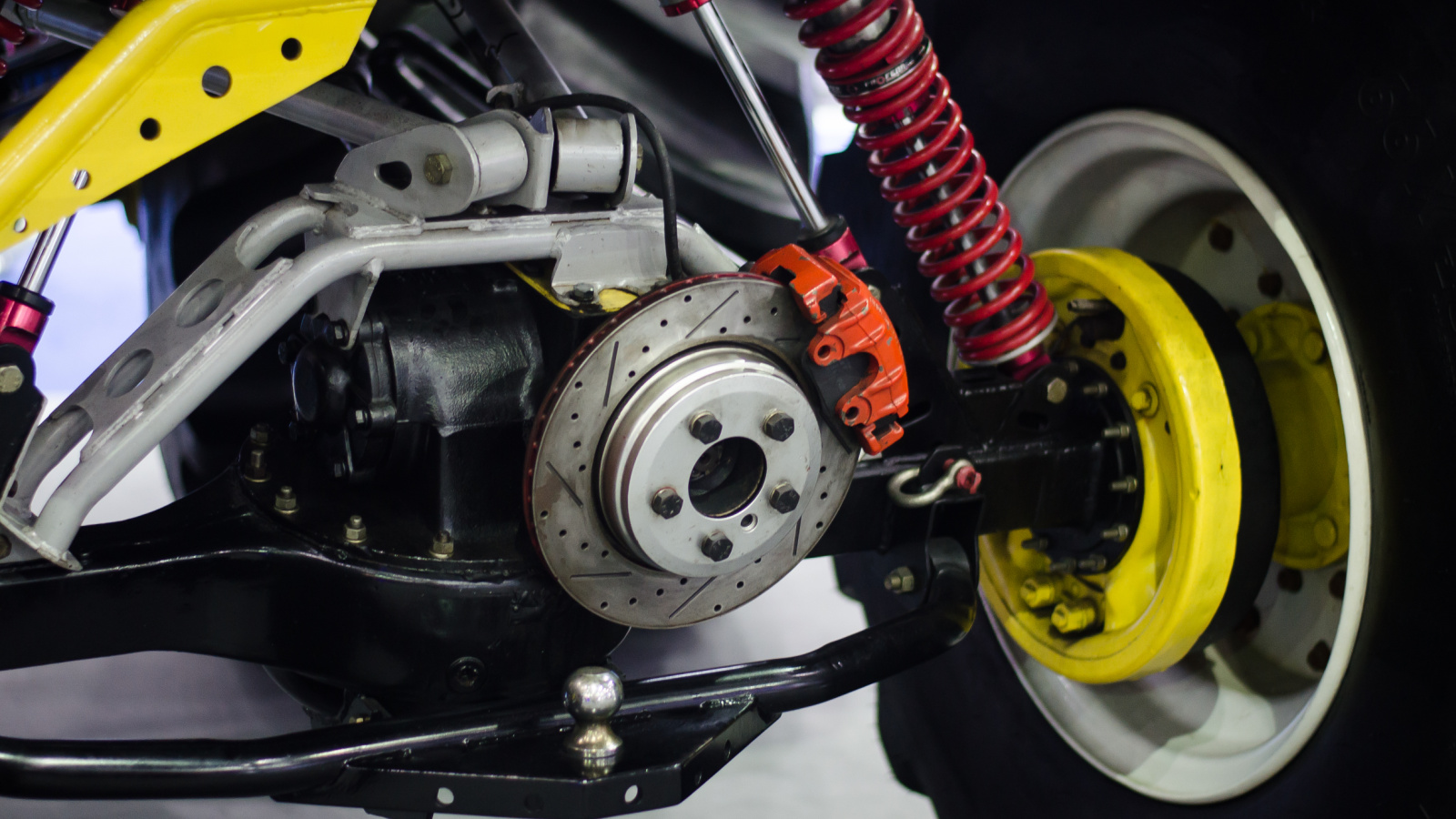
Plastic undertrays, fender liners, acoustic panels, and splash shields are frequently removed for access to the engine, transmission, brakes, or suspension. These parts manage airflow, reduce noise, keep water and debris away from components, and protect wiring or belts. Missing clips, cracked mounting holes, or an incorrectly overlapped panel can cause scraping, fluttering, ticking, wind noise, or vibration that grows with road speed.
Manufacturer bulletins show how noticeable these seemingly minor parts can become. One Land Rover technical bulletin describes a loose underbody splash shield producing scraping or wind noise. A Ford bulletin attributes an underbody rattle to loose shield fasteners, and a General Motors bulletin describes a fender liner contacting the body and creating a rattle or ticking sound above about 65 km/h. If the new noise follows oil-pan, bumper, wheel-well, or lower-engine work, checking the complete fastener pattern is often more productive than searching for an internal mechanical failure.
The Replacement Part Has Different Characteristics

A replacement part can fit and function without reproducing the original ride, noise, or response exactly. Brake-pad compounds vary in initial bite and noise. Tires of the same nominal size can differ in sidewall stiffness and tread pattern. Shocks can use different damping curves, and engine mounts can transmit more vibration if their rubber stiffness differs. In electronics-heavy areas, even a visually similar grille, windshield, or bracket can affect sensors if it is not the correct specification.
Michelin advises that mixing tire sizes, constructions, speed ratings, and wear levels can alter handling and stability. NHTSA-filed manufacturer guidance also warns that wrong or certain aftermarket front-end parts may block or misalign radar sensors. The important distinction is between a legitimate design difference and an unsuitable part. The invoice should identify the brand, part number, and whether the component is new, remanufactured, used, OEM, or aftermarket. If the vehicle’s character changed substantially, comparing the installed part with the manufacturer’s application and specifications is a reasonable next step.
Worn Components Nearby Became More Noticeable

A new part can expose weaknesses around it. Fresh brake pads may reveal rotor runout or a sticking caliper. A new wheel bearing may make tire noise easier to hear. Replacing one mount can shift more load to another weakened mount. New shocks can control body motion better while worn bushings begin to clunk more distinctly. This does not necessarily mean the new component caused the adjacent wear; the repair may simply have changed how forces and sounds travel through the vehicle.
Brembo notes that brake squeal and vibration are often linked to deterioration in other braking components rather than a defect in the new pad or rotor itself. Monroe similarly recommends replacing shocks or struts in pairs because uneven damping across an axle can produce inconsistent performance and place additional demands on surrounding components. A good reinspection should therefore look beyond the item on the invoice. The most useful question is not only “Is the new part good?” but also “What else shares the same load path?”
Suspension Bushings Were Tightened at the Wrong Height
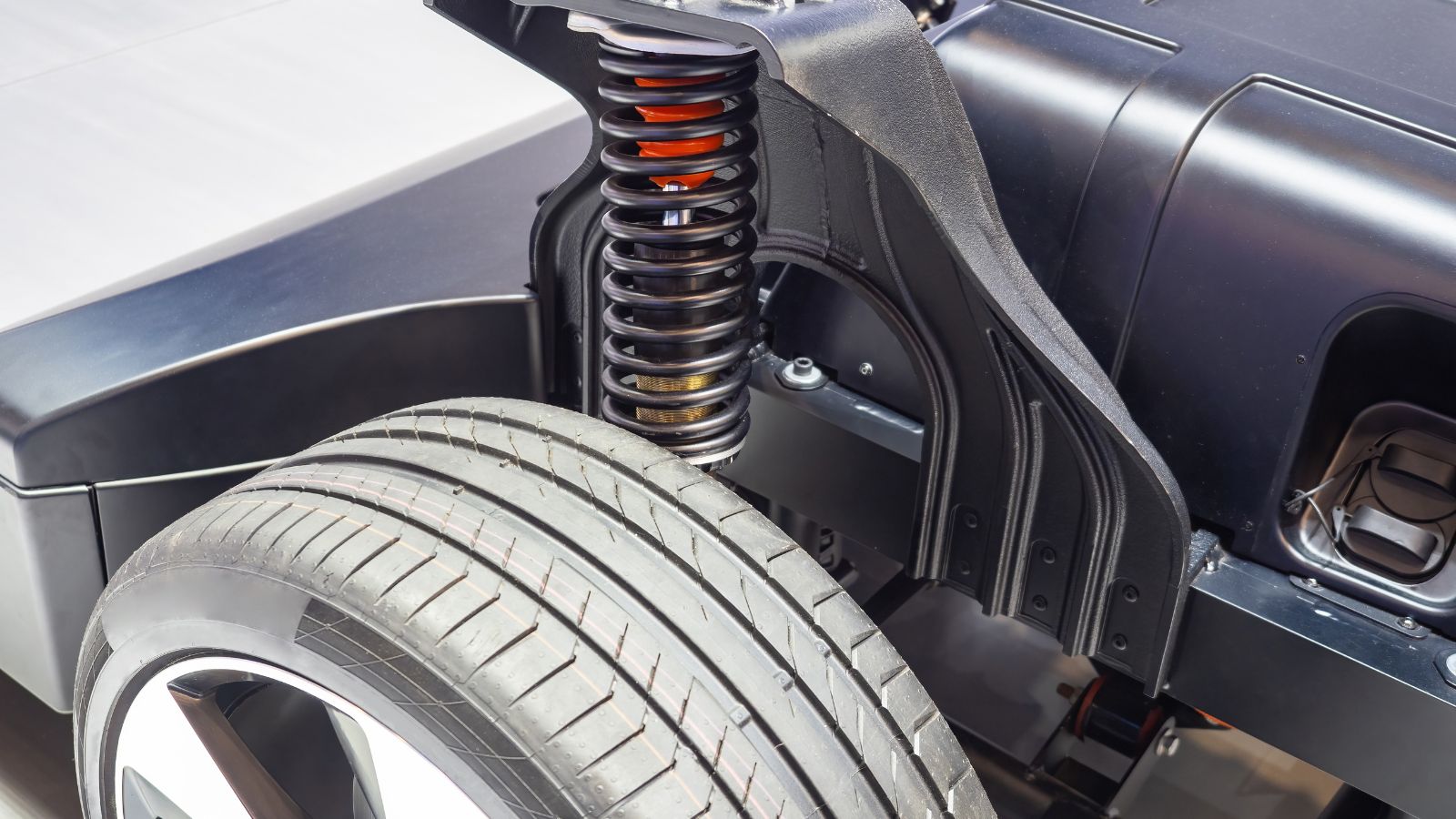
Rubber suspension bushings are designed to twist through a limited range as the suspension moves. If their fasteners are fully tightened while the wheels hang and the suspension is at full droop, the rubber can be preloaded when the vehicle is lowered to normal ride height. That preload may create a harsh ride, altered stance, restricted movement, or early bushing failure. The part may be new and correctly oriented yet still feel wrong because it was locked in the wrong position.
MOOG’s technical guidance specifically warns that torquing rubber bushings with the suspension unloaded can add excessive twist and load. It recommends final tightening at normal ride height so the bushing rests near its intended neutral position. This detail matters after control-arm, trailing-arm, axle, or some shock and strut work. A vehicle that suddenly feels unusually stiff, sits unevenly, or squeaks over small movements after bushing replacement should be checked for correct ride-height torque rather than immediately blamed on “firm new parts.”
Brake Surfaces Were Contaminated or Installed With Runout
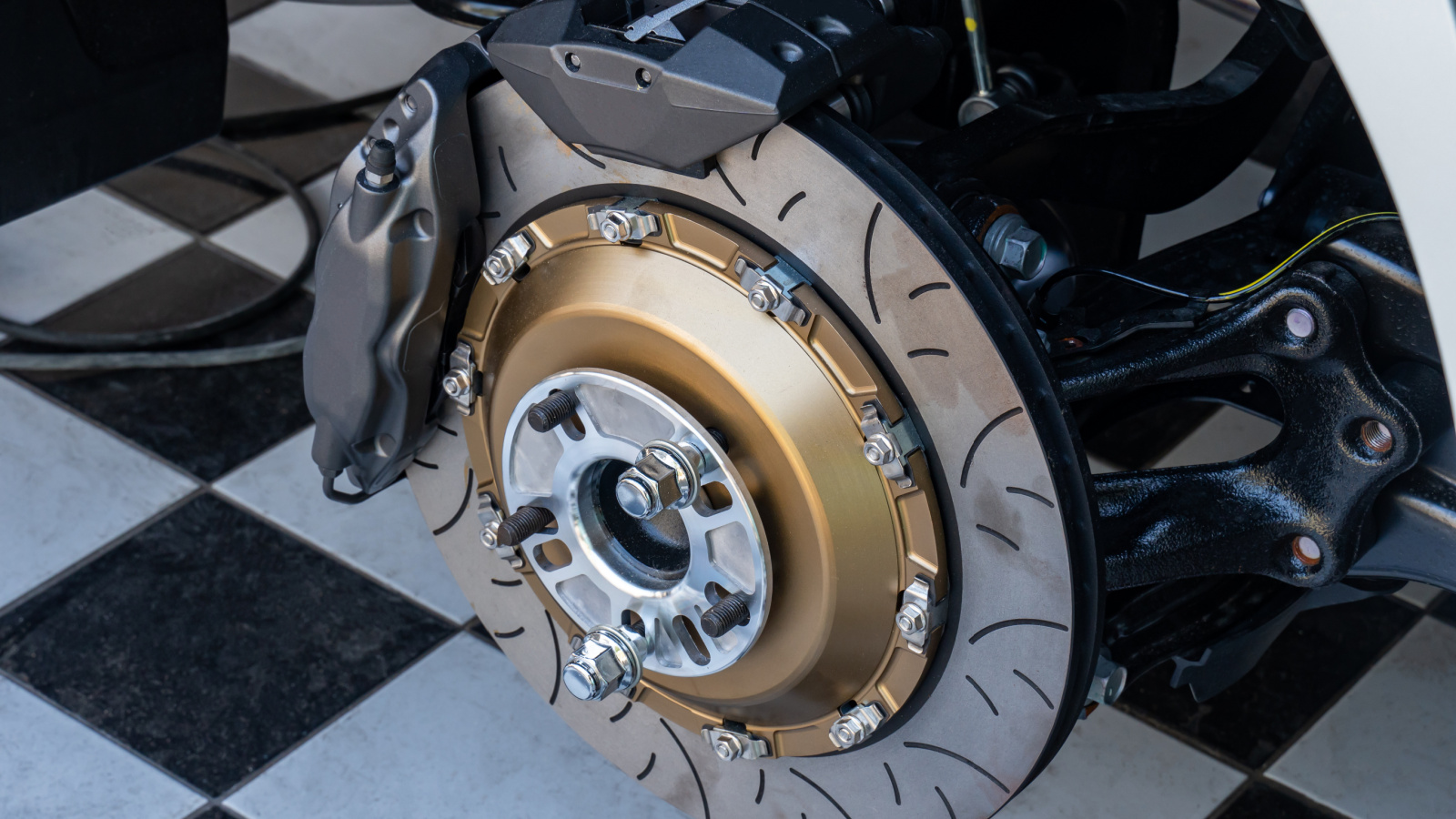
Brake work is sensitive to cleanliness and assembly accuracy. Grease, corrosion, metal debris, or protective coating left on a rotor can affect friction and create odour, noise, pulling, or uneven braking. Rust or dirt trapped between the rotor and hub can prevent the rotor from sitting flat. Uneven wheel-nut tightening can then add lateral runout, which may develop into pedal pulsation or steering-wheel shake.
Manufacturer brake-service procedures filed with NHTSA repeatedly instruct technicians to verify that rotors are free of grease and contamination, measure runout, clean mating surfaces, and tighten wheel nuts in the specified pattern and torque sequence. These steps explain why a brake job can feel worse even when quality pads and rotors were installed. A small amount of hub contamination can be magnified at the rotor’s outer edge. If vibration began immediately, the shop should measure runout with a dial indicator instead of assuming the new rotor is automatically defective.
The Repair Was Not Properly Road-Tested

A repair cannot be fully verified on a hoist. Some noises require body movement, drivetrain load, braking heat, steering input, or a specific speed range. A technician who only starts the engine in the bay may miss a highway vibration, a clunk during weight transfer, a pull under braking, or a warning that appears after several kilometres. A rushed handoff can therefore return a vehicle that is mechanically assembled but not functionally confirmed.
ASE study guides treat road testing as a core diagnostic and verification task. They call for road tests to reproduce drivetrain noise and vibration, assess mechanical or hydraulic problems, evaluate shift quality, and verify repairs. The road test should mirror the original complaint as closely and safely as possible. For example, a noise reported only during cold starts cannot be verified after the vehicle has been warmed all day. When practical, a customer and technician driving together can prevent misunderstandings and help identify the exact sensation before more parts are ordered.
Only One Side or One Axle Was Restored
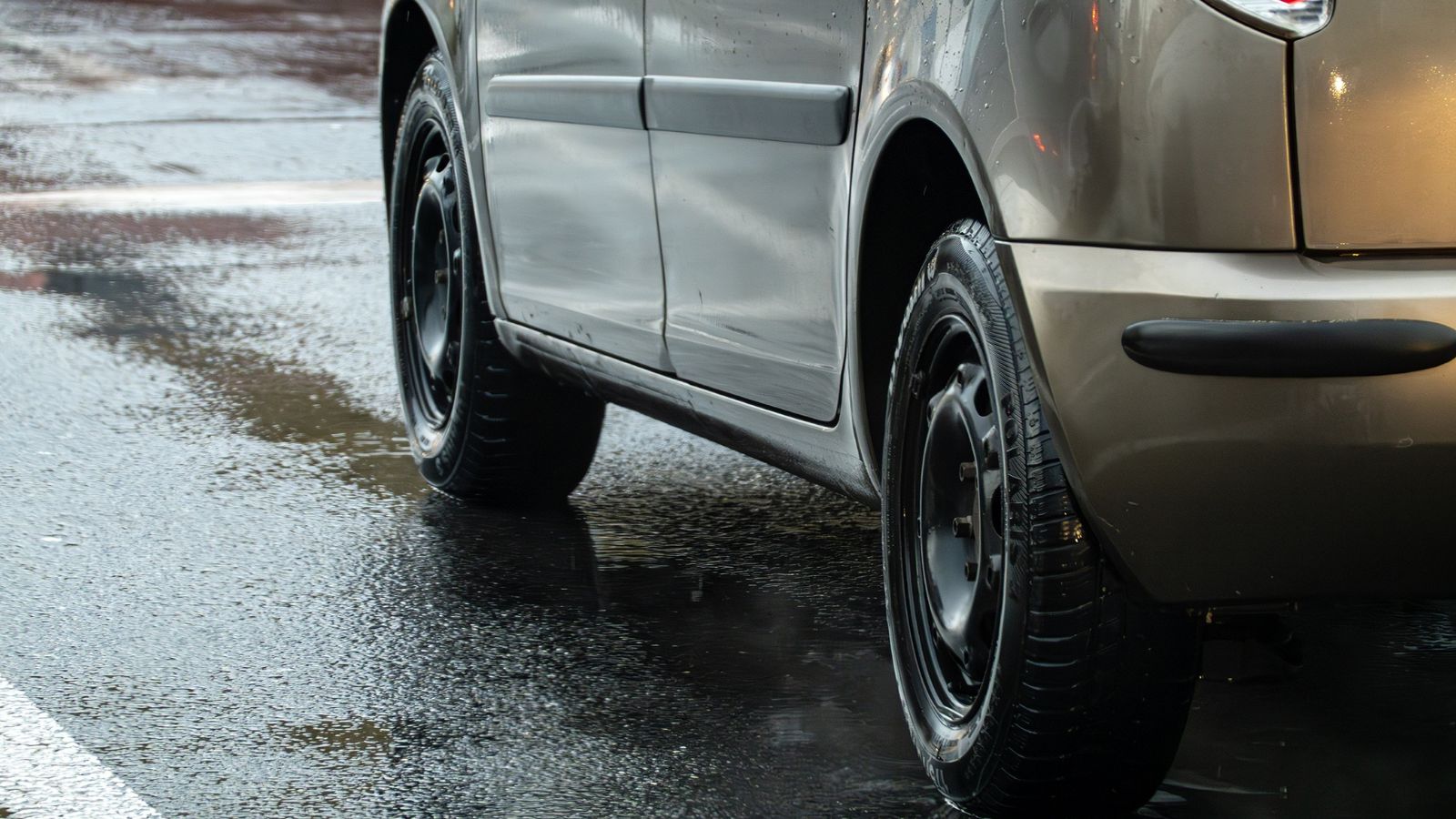
Replacing a single component can create a left-to-right or front-to-rear performance mismatch. One new shock beside an old weak shock may produce uneven damping. Two new tires paired with deeply worn or differently constructed tires can change wet grip and steering balance. A single brake component with different friction characteristics may also make the vehicle feel less consistent. The repair may have removed the failed item while leaving the vehicle’s overall balance worse than before.
Monroe recommends replacing shocks and struts in axle pairs to maintain consistent damping and handling. Michelin advises using matching tire types and warns that differences in size, construction, speed rating, and wear can affect stability. It also recommends placing two new tires on the rear axle when all four cannot be replaced, helping preserve wet-road stability. These are not universal instructions for every component, but they illustrate a broader principle: paired systems should be evaluated as systems. When the vehicle feels uneven after a one-corner repair, the opposite side and the full axle deserve inspection.
19 Used Cars Canadians Should Avoid in 2026 (Based on Owner Complaints)

Buying a used car in Canada can feel safe until repair bills start stacking up. Owner complaints tell a different story than glossy listings. Transmission failures, electrical problems, and weak winter reliability show up again and again in consumer reports. Many of these issues appear after warranties expire, when owners least expect them. Some vehicles look affordable upfront, but become expensive to keep on the road. Others struggle in cold weather, urban driving, or long highway commutes. Here are 19 used cars Canadians should avoid in 2026 (based on owner complaints).
19 Used Cars Canadians Should Avoid in 2026 (Based on Owner Complaints)