


























A brand-new car can lose thousands in value while the factory oil is still in its engine. Some decline is unavoidable: the market stops treating the vehicle as new once it is titled. Other losses arrive through mileage, damage, missing equipment, customization, or forces the owner cannot control, including redesigns and factory discounts.
These 17 ways explain how a vehicle can move from showroom-fresh to noticeably less valuable before its first oil change. Together, they show why low mileage alone does not guarantee a strong resale price. Condition, history, specification, timing, and market demand can matter just as much—and sometimes much more—than how recently the keys were handed over.
The New-Car Premium Disappears Immediately
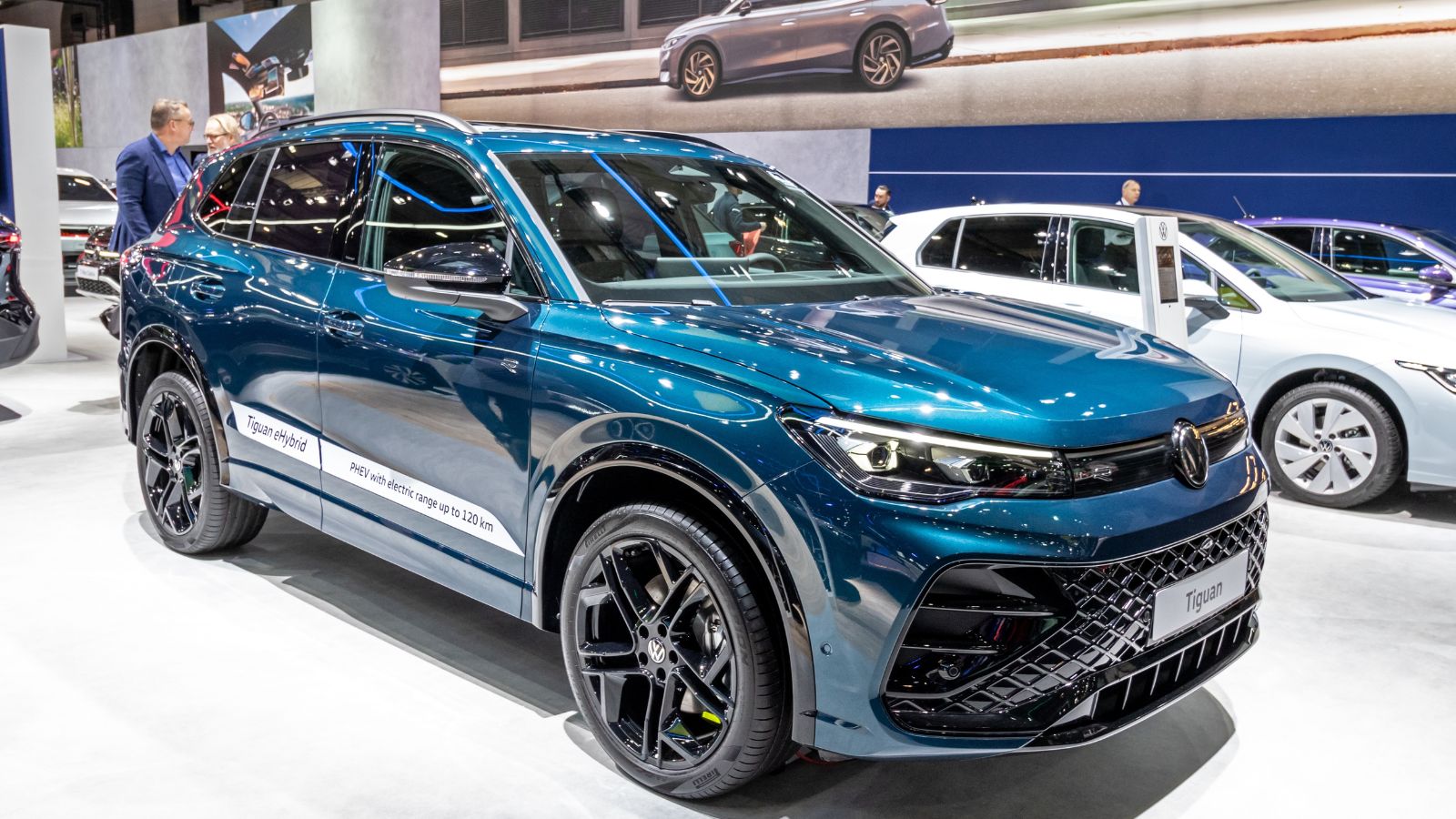
A vehicle does not need mechanical wear to begin depreciating. The moment it is titled and driven away, it becomes a used vehicle in the eyes of the resale market. That status change matters because a second buyer cannot receive the same untouched condition, full choice of specification, or first-owner experience that justified the original retail price. Even a car with only a few hundred kilometres may therefore attract offers well below its invoice price.
The early loss can feel especially harsh when an owner changes plans quickly because of a move, job change, or family need. Kelley Blue Book says many new vehicles lose 20 percent or more during the first year, while Edmunds estimates average first-year depreciation at roughly 23.5 percent of MSRP. The precise amount varies widely, but the lesson is consistent: the steepest value decline often begins long before the engine reaches its first oil service.
Taxes, Fees, and Dealer Add-Ons Do Not Become Resale Value
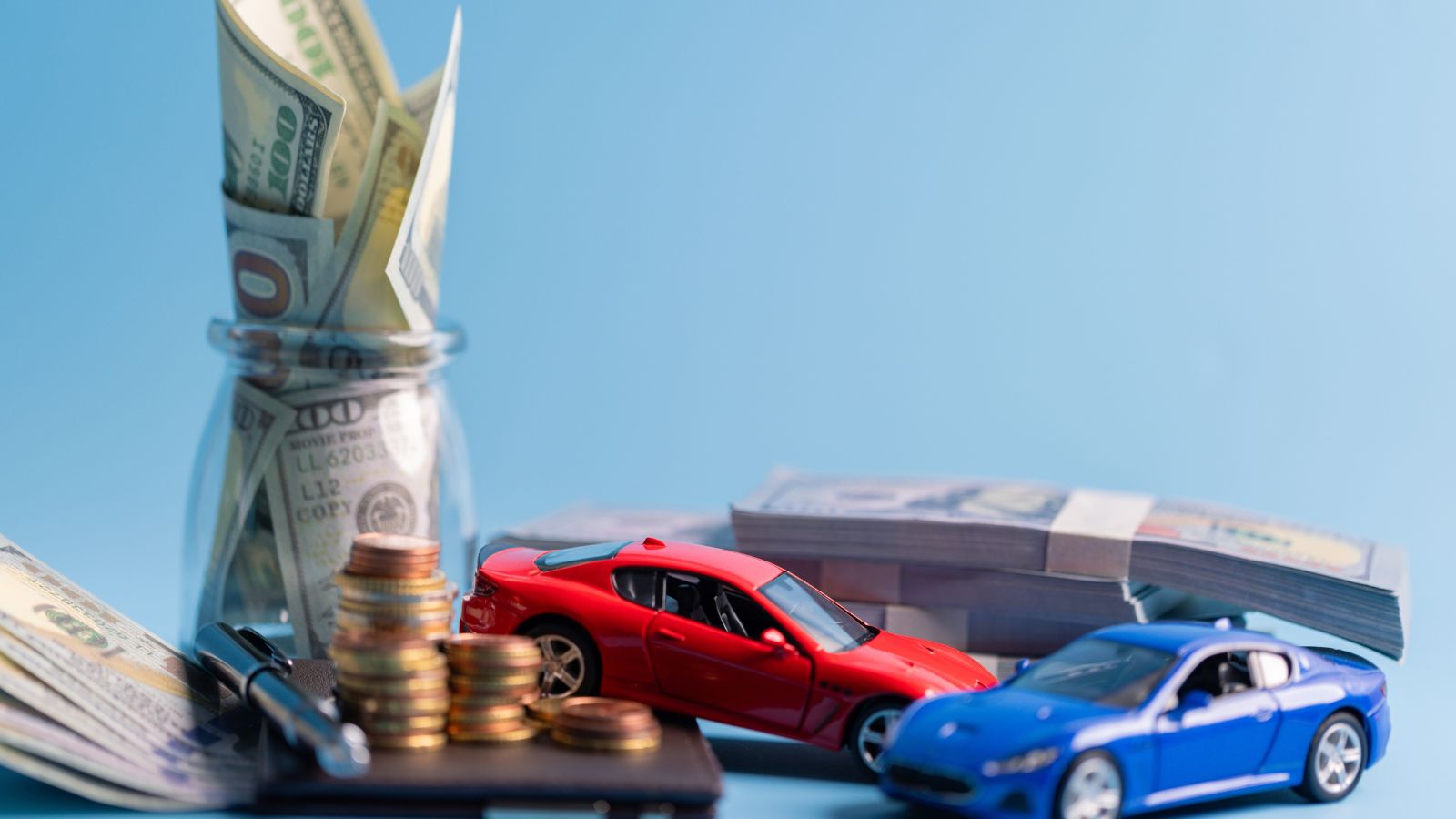
The amount paid at delivery is not the same as the car’s market value. Sales taxes, registration charges, documentation fees, loan costs, and many protection products increase the buyer’s total outlay without increasing what another shopper will pay for the vehicle itself. A trade-in appraisal generally focuses on the car’s year, trim, mileage, condition, equipment, history, and current demand rather than reimbursing every line on the original contract.
This gap can be startling on a nearly new vehicle. A buyer may have spent thousands on paint protection, nitrogen-filled tires, fabric treatments, wheel insurance, or appearance packages, yet much of that spending is invisible in wholesale pricing. Consumer Reports notes that many optional packages add little or no resale value, while Kelley Blue Book’s market ranges exclude taxes, title, and fees. The car may still look new, but a large portion of the purchase cheque has already become unrecoverable at resale.
Choosing a Model With Weak Resale Demand

Depreciation is not evenly distributed across the market. Two cars purchased for similar prices can produce dramatically different trade-in offers because buyers place different values on brand reputation, reliability expectations, body style, operating costs, and desirability. A model that was heavily promoted when new may become difficult to resell if used-car shoppers prefer a competing vehicle with stronger recognition or a better record for durability.
Large studies show how wide the spread can become. iSeeCars’ 2026 depreciation analysis found that average five-year depreciation across vehicles was about 41.5 percent, while several individual models lost well over half their original value. That difference begins forming immediately, not after years of ownership. Someone who buys a slow-selling luxury sedan, an unpopular powertrain, or a model with thin dealer support may discover before the first oil change that the marketplace has already assigned the car a weaker future than the window sticker suggested.
Putting on Mileage Faster Than the Market Expects
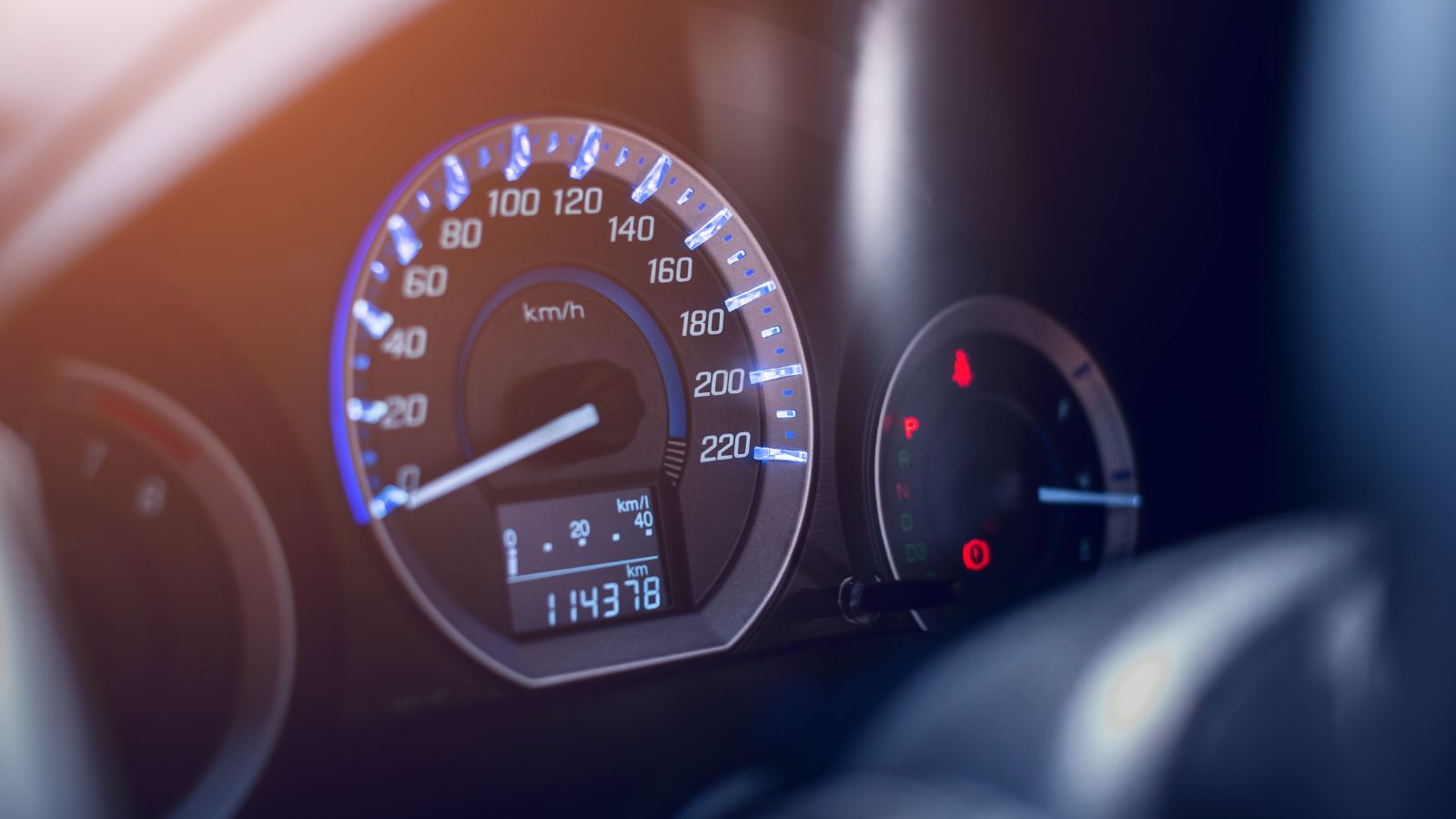
A first oil change may arrive quickly for a driver with a long commute, frequent highway trips, or intensive family travel. Mileage is one of the basic inputs used by vehicle valuation systems, and a nearly new car with unusually high kilometres can look older than its calendar age. Appraisers compare the odometer with typical usage for the vehicle’s age, then adjust the offer when the reading is above the expected range.
The effect is partly psychological and partly financial. Buyers know that higher mileage uses more of the factory warranty, shortens the time before tires and brakes may need attention, and narrows the vehicle’s appeal to shoppers seeking an almost-new example. Kelley Blue Book says its values are adjusted upward or downward when mileage differs from typical levels. A six-month-old car driven like a two-year-old commuter may lose value faster than an identical vehicle used mainly for weekend trips.
Having Even a Minor Collision Reported

A low-speed parking-lot impact can affect value long after the bumper has been repainted. Once a collision appears in a vehicle-history database, future buyers and dealers may treat the car differently from an otherwise identical example with a clean record. The concern is not limited to visible damage; shoppers may wonder about repair quality, hidden alignment issues, replacement parts, or whether paint matching will remain obvious over time.
That caution becomes a price discount. CARFAX reports that accident history reduces used-car retail value by about $500 on average, with severe accident damage associated with an average reduction of roughly $2,100. Those are broad averages rather than guarantees, but they show why even a small claim can matter on a nearly new car. The repairs may restore function and appearance, yet the history entry can permanently separate the vehicle from the highest-value group of clean, accident-free examples in the market today.
Suffering Structural or Frame Damage
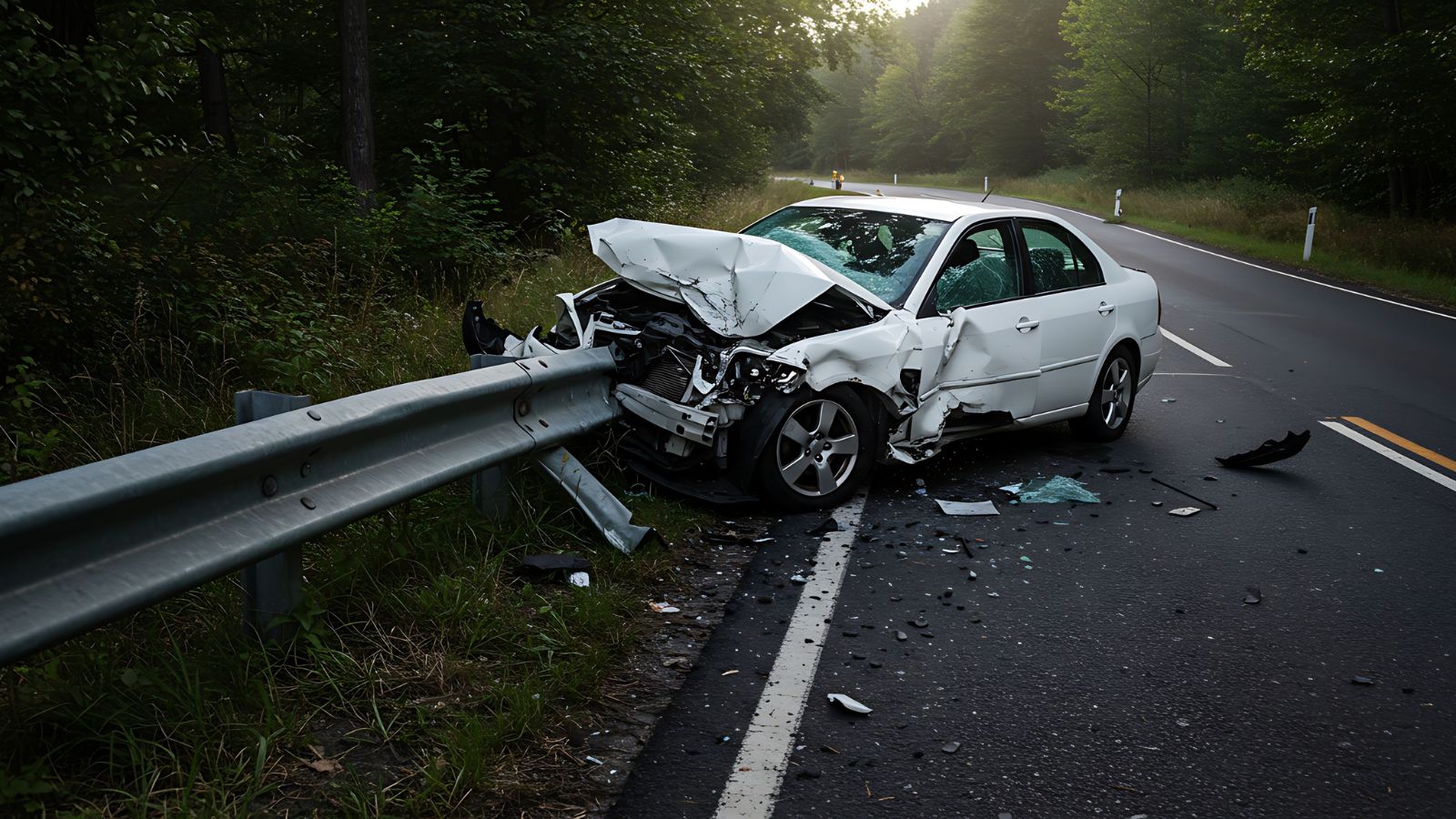
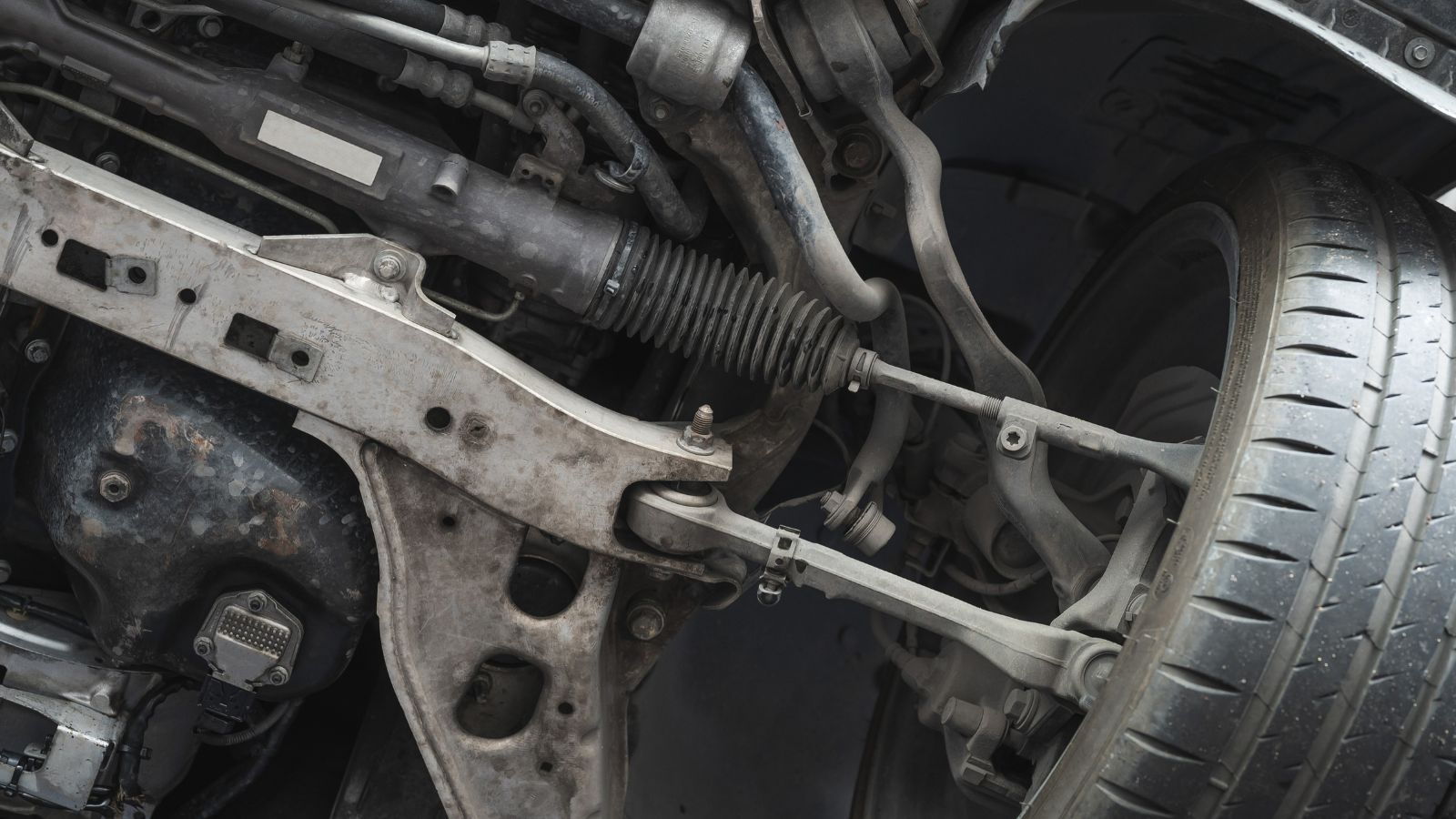
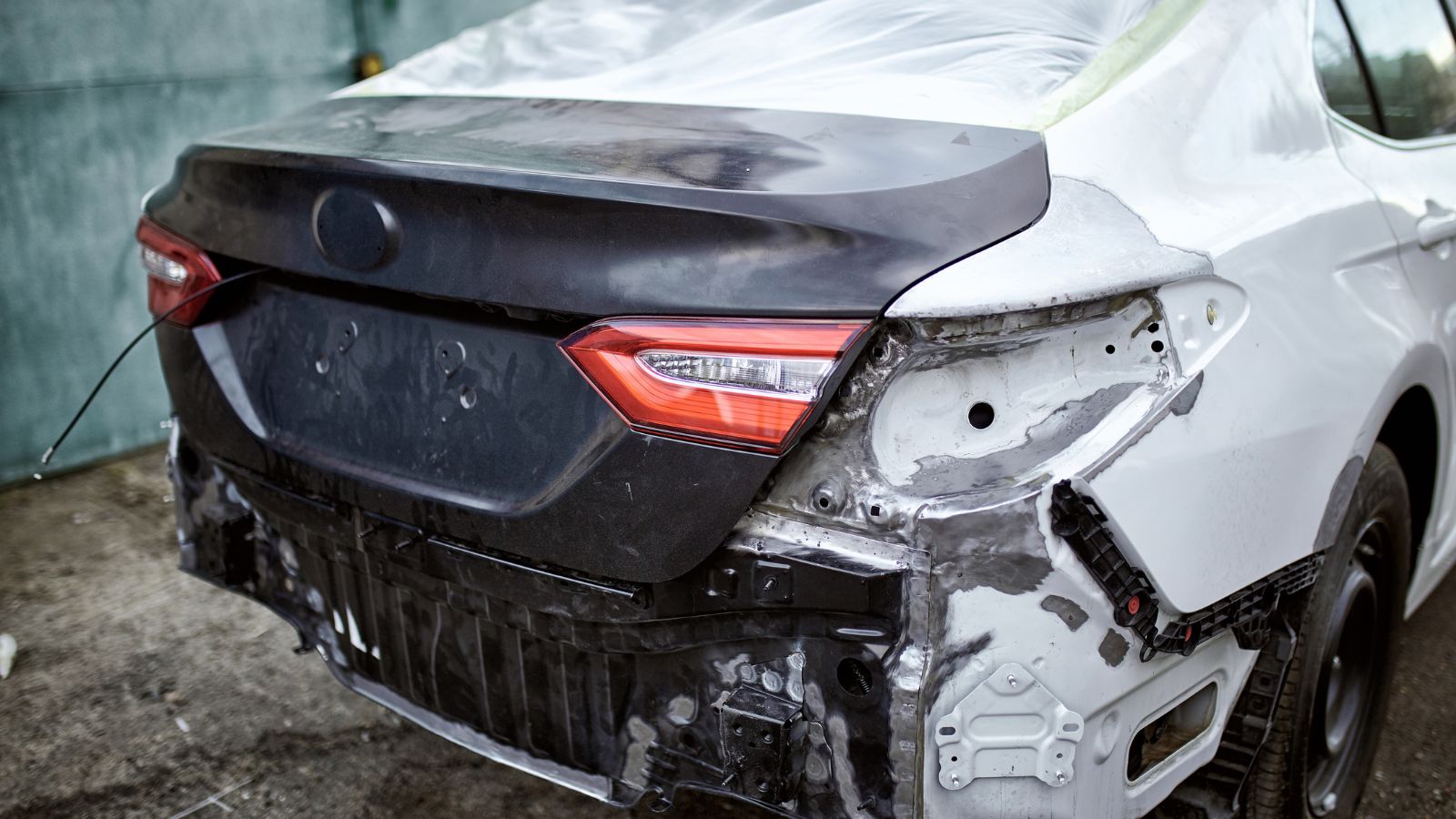
Structural damage creates a deeper valuation problem than a scratched panel because it raises questions about crash integrity, alignment, tire wear, and the quality of major repairs. Modern vehicles rely on engineered crumple zones and carefully positioned structural components. When those areas are bent, cut, welded, or replaced, a later buyer may demand extensive documentation and an independent inspection before considering the vehicle.
Even excellent repair work does not necessarily erase the market penalty. CARFAX notes that a vehicle repaired after structural damage usually loses value compared with a similar vehicle that never suffered such damage. Dealers may also anticipate a smaller buyer pool and greater difficulty obtaining financing or insurance for certain title histories. A new car involved in a serious crash before its first oil change can therefore move almost instantly from depreciation into diminished-value territory, where its history—not its mileage—becomes the dominant factor in every future appraisal.
Collecting Dents, Scratches, Chips, or Hail Damage
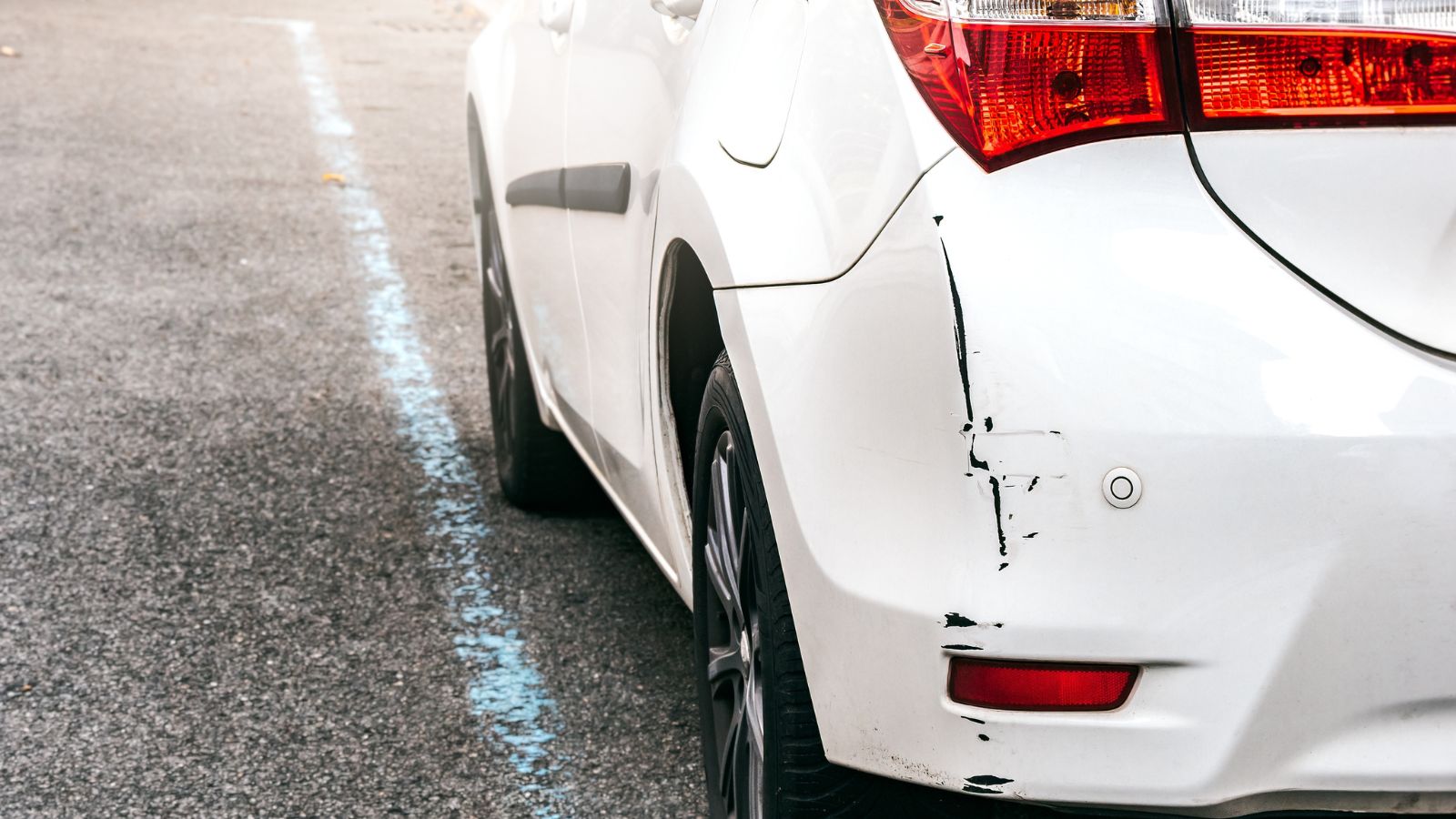
A vehicle can look older after only a few weeks if it accumulates door dings, bumper scrapes, stone chips, or hail marks. These flaws may be cosmetic, but appraisers price the car according to the condition in which it can be resold. If a dealer expects to pay for paintless dent repair, refinishing, polishing, or panel work, that reconditioning cost is likely to appear as a lower offer.
Condition standards are especially unforgiving on nearly new cars because buyers expect them to look close to showroom fresh. Edmunds describes its highest appraisal category as having no visible wear, while Consumer Reports says vehicle damage and reconditioning costs directly affect overall value. A single chip may not matter much, but several visible flaws can move the car into a lower condition grade. Wear on an older vehicle may be accepted, while the same marks on a nearly new one appear premature.
Damaging Wheels or Wearing Tires Unevenly
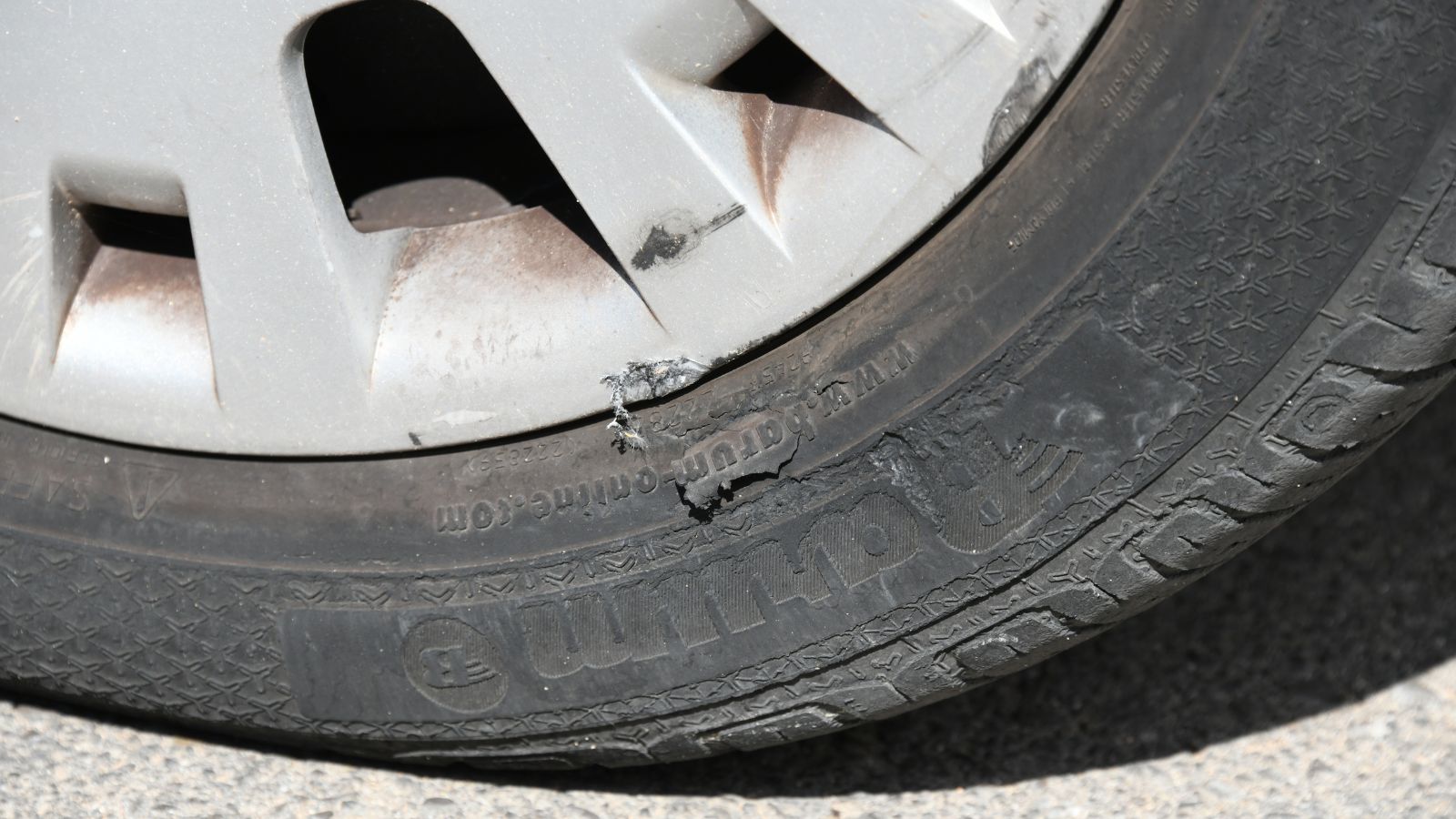
Large alloy wheels and low-profile tires can suffer expensive damage from potholes, curbs, and road debris. A scraped rim, bent wheel, sidewall bubble, or mismatched replacement tire may seem minor during daily driving, yet it signals immediate expense to an appraiser. Uneven tread can also suggest poor alignment, suspension damage, or aggressive use, even when the underlying cause is less serious.
Used-car values account for condition and the cost needed to prepare a vehicle for resale. Consumer Reports identifies damage and reconditioning expense as factors that lower value, while Kelley Blue Book bases appraisals partly on condition. On a nearly new car, a dealer may expect a matching tire set or repaired wheels before placing it on the lot. The deduction can exceed the visible damage because the buyer is also pricing risk. One curb strike before the first oil change can turn pristine transportation into a reconditioning project.
Letting the Cabin Age Too Quickly
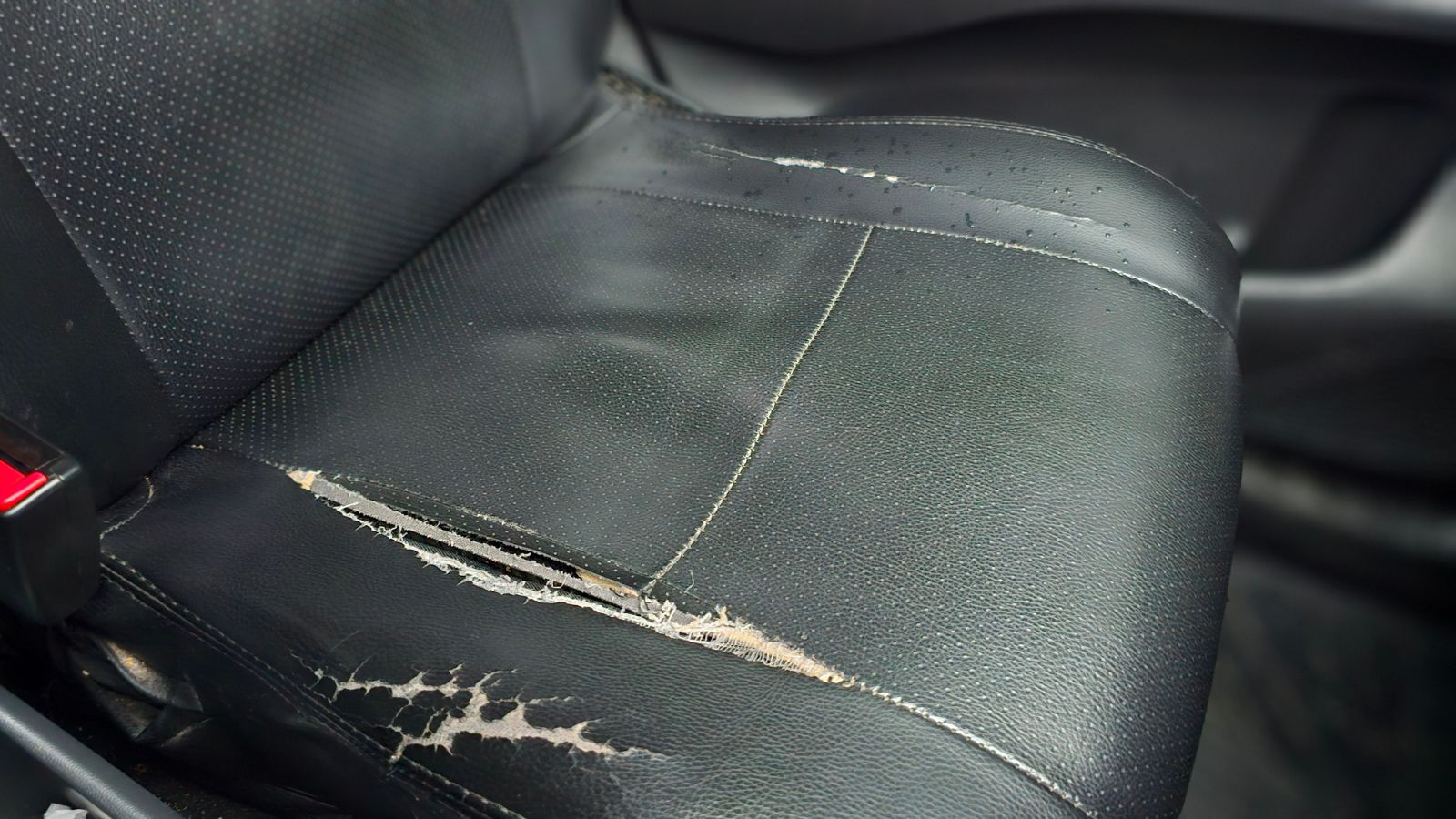
The interior reveals how a vehicle has been treated more clearly than the odometer. Stained upholstery, scratched trim, torn cargo carpeting, food spills, pet hair, smoke residue, and odours can make a nearly new car feel heavily used. Dealers know that smells and stains require specialized cleaning, while damaged soft-touch surfaces or perforated leather may need replacement rather than a quick detail.
Appraisal systems separate vehicles by interior as well as exterior condition. Edmunds reserves its top condition category for cars with no visible wear, and Consumer Reports says reconditioning costs influence value. This matters because shoppers comparing two nearly identical cars often choose the one that feels cleaner and less personal. A family vehicle can accumulate years of apparent wear during a single messy season. Before the first oil change, the cabin may already have moved the vehicle out of the premium “like-new” bracket supporting the strongest resale price.
Losing the Spare Key or Factory Accessories

Modern key fobs are no longer cheap pieces of cut metal. They may contain proximity entry, remote start, memory settings, liftgate controls, or even parking functions, and replacement commonly requires programming. Kelley Blue Book estimates that a replacement fob can cost about $150 to $500 or more. A missing second key therefore creates a real expense that a dealer or private buyer may factor into negotiations.
The same principle applies to removable factory equipment. Cargo covers, charging cables, tow-eye tools, wheel-lock keys, owner’s manuals, headrests, and branded floor mats can be costly or inconvenient to replace. Their absence also makes a nearly new vehicle look incomplete. An appraiser may not deduct the full retail replacement price for every missing item, but the car loses the advantage of being turnkey and fully equipped. A simple misplaced key during the first months of ownership can erase more value than many owners expect.
Installing Modifications That Narrow the Buyer Pool
Customization often feels like an improvement to the owner but a complication to the next buyer. Loud exhaust systems, lowered suspension, oversized wheels, body kits, tinted lamps, engine software, aftermarket wiring, and nonfactory audio equipment may raise concerns about warranty coverage, reliability, legality, or how aggressively the car was driven. Even tasteful changes can reduce demand because they replace a broadly acceptable factory specification with one person’s preferences.
Edmunds warns that customizations are likely to reduce trade-in value because dealers may return the vehicle to stock condition before resale. It also notes that dealer-installed accessories are difficult to value consistently. The owner can spend thousands and still receive a lower appraisal if original parts were discarded. A modified car may find an enthusiastic private buyer, but that market is smaller and less predictable. Before the first oil change, the vehicle can be worth less to dealers than an untouched example.
Creating Gaps in the Service and Warranty Record
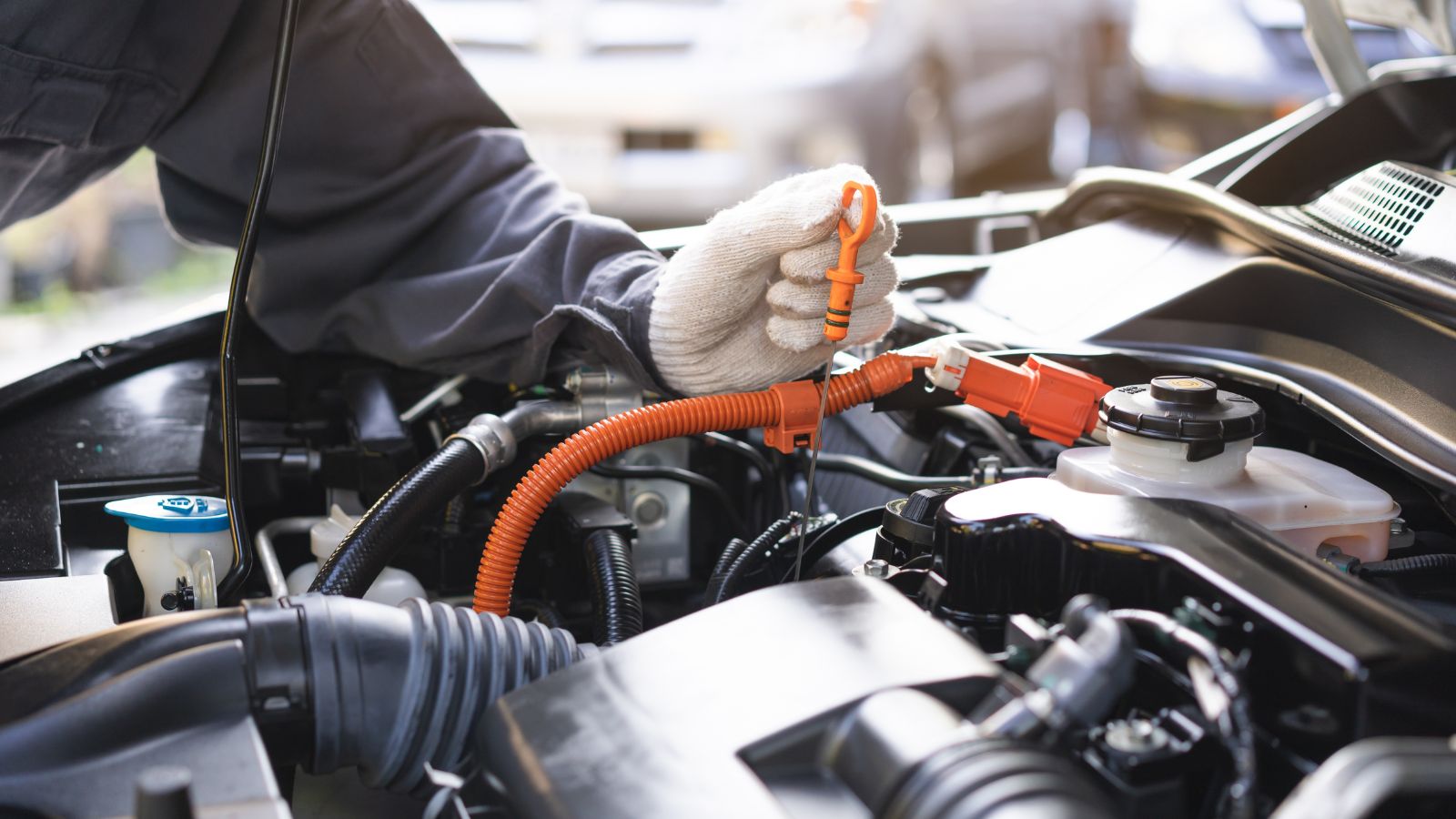
A new car should have a simple history, so missing records or unresolved service issues can create disproportionate doubt. Buyers may question whether required inspections, software campaigns, break-in checks, or early repairs were completed properly. An open recall may be repaired free of charge, but it still adds uncertainty when no remedy is available or when a buyer sees an unresolved safety concern during an early inspection.
CARFAX says its history-based valuation considers service records, recall status, accidents, title brands, and ownership history. Kelley Blue Book likewise lists maintenance and accident history among depreciation factors. The first oil change may not yet be due, but documentation can matter if the vehicle has visited a dealer for warning lights, defects, or campaign work. A complete paper trail reassures the next buyer; a vague explanation about what was done can make an appraiser protect against unknown costs by lowering the offer considerably.
Picking a Colour, Trim, or Option Mix Buyers Avoid
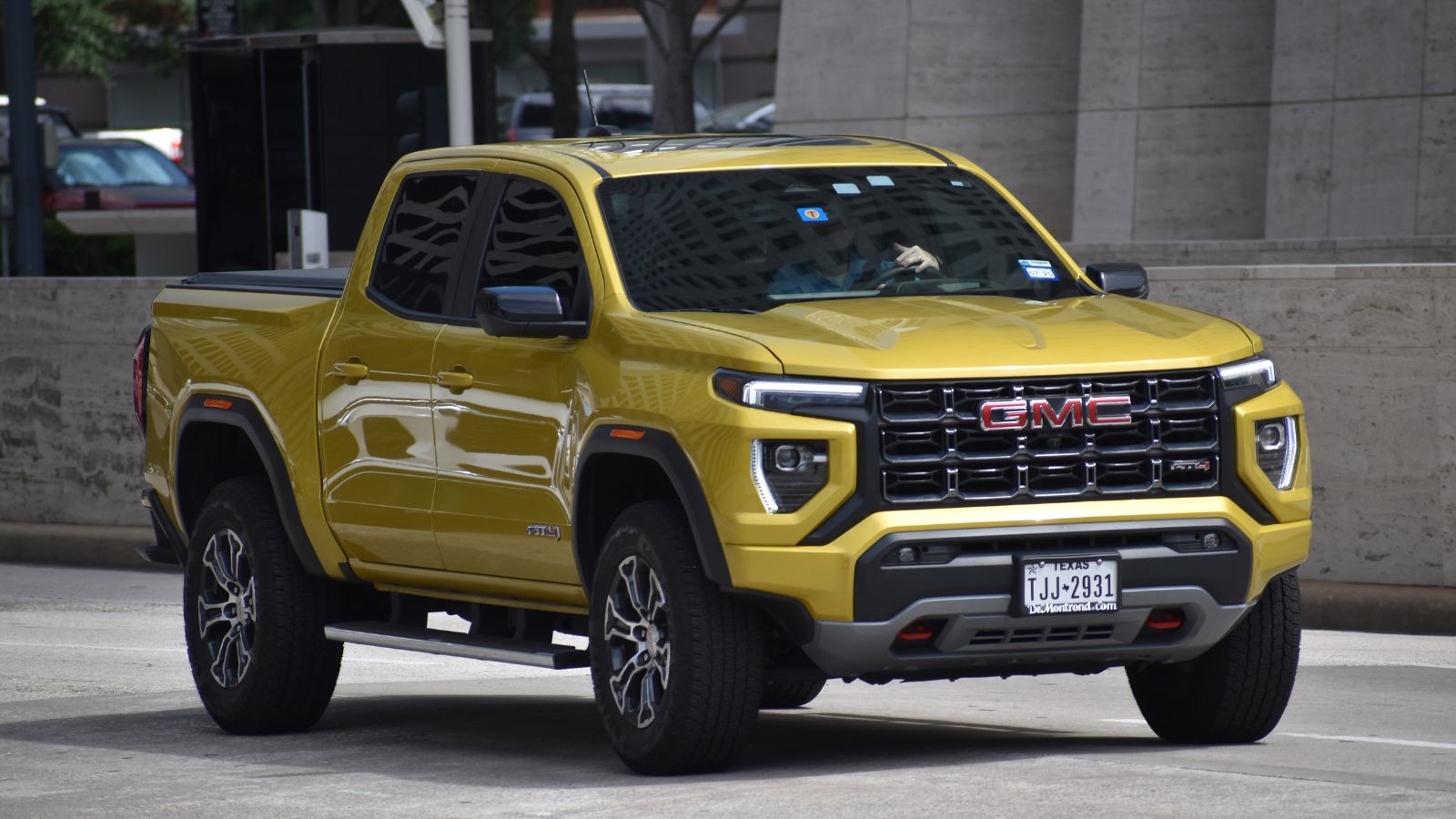
Personal taste has a measurable market effect. A rare paint colour may attract passionate shoppers in one vehicle category but repel buyers in another. Likewise, a base trim missing expected features can be harder to sell, while an expensive package may return only a fraction of its original cost. Resale value depends not only on how much equipment was added, but whether used-car buyers actively seek that configuration.
iSeeCars’ colour study found meaningful three-year depreciation differences, with the average vehicle losing 31 percent while yellow vehicles lost 24 percent and gold vehicles performed worse than average. Consumer Reports also notes that many options and packages add little or no resale value. Context matters: bright colours can support scarcity value on sports cars yet limit demand on family sedans. Before the first service visit, an unusual build may already be trading below a more conventional version of the same car today.
Watching a Redesign Make the Car Look Old
A vehicle can become visually dated even while it still smells new. When an automaker launches a redesigned generation with fresher styling, better fuel economy, improved safety technology, or a more modern cabin, the outgoing model suddenly competes with a clearly newer product. Used-car shoppers often pay more for the current body style, leaving the previous design to depreciate faster.
Edmunds estimates that the model year immediately before a redesign tends to depreciate about 6 to 8 percent more quickly than the model replacing it. The effect can appear within months if a buyer purchases late in a product cycle. A discounted outgoing model may still be an excellent long-term value for someone who keeps it, but an early resale is less forgiving. Before the first oil change, the owner may be holding a technically current vehicle that the market already treats as yesterday’s version, despite its very low mileage.
Seeing the Manufacturer Cut New-Car Prices

Resale prices are anchored partly to what a comparable new vehicle costs today, not merely what the first owner paid. When an automaker introduces large rebates, subsidized financing, added standard equipment, or an outright price cut, nearly new examples must compete with cheaper brand-new inventory. Dealers cannot ask used-car shoppers to ignore a factory discount that includes a full warranty and first-owner status.
Government and industry research recognizes this connection. A U.S. Office of the Comptroller of the Currency analysis noted that manufacturer incentives lower the effective price of new vehicles and put downward pressure on used values. The International Energy Agency documented how Tesla’s 2023 new-car price cuts rapidly eroded used electric-vehicle pricing. That pattern can affect any segment. An owner may do everything right and still lose thousands before the first oil change because the manufacturer changed the reference price after the original retail sale has already closed.
Getting Caught by a Sudden Market Shift
Vehicle value can fall without anything changing on the car itself. Interest rates, fuel prices, regional weather, inventory levels, tax incentives, and consumer preferences all influence what shoppers are willing to pay. A large SUV may weaken when fuel costs rise, while a convertible may attract less demand in a cold region or at the wrong time of year. Electric-vehicle values can move when incentives, charging expectations, or battery technology change.
Kelley Blue Book says its valuations account for economic trends, seasonal shifts, regional demand, and broader market dynamics. Edmunds similarly lists current market conditions among the factors affecting trade-in values. These forces can move faster than an oil-change interval. A model purchased during a shortage may be appraised after inventory normalizes, while a fashionable body style can cool abruptly. The vehicle has not deteriorated, but the pool of eager buyers—and therefore its real market value—has changed significantly and unexpectedly.
Receiving a Flood, Salvage, or Rebuilt Title

One severe event can overwhelm ordinary depreciation. Flooding, fire, or a major crash may lead an insurer to declare the vehicle a total loss. If it is later repaired and returned to the road, the title may carry a salvage, flood, or rebuilt brand. That permanent history warns future buyers that the car once suffered damage serious enough to change its legal status.
NHTSA explains that totaled flood vehicles typically receive salvage or flood titles and may later receive rebuilt titles after repair and inspection. The FTC advises buyers to treat these vehicles with caution, while CARFAX notes that branded-title history affects VIN-specific value. Even a car with low mileage and a spotless repair can face reduced demand, financing difficulty, and insurance limitations. Before the first oil change, a storm or collision can move the vehicle from used-car pricing into a heavily discounted category for the rest of its life.
22 Things Canadians Do to Their Cars in Spring That Mechanics Hate

Spring brings relief to many Canadian drivers after months of snow, freezing temperatures, and icy roads that put serious strain on vehicles. As temperatures rise across the country, drivers begin washing cars, switching tires, and preparing vehicles for warmer weather and upcoming road trips. However, mechanics across Canada notice the same mistakes every spring when drivers attempt to recover from winter damage. Road salt, potholes, and harsh winter driving conditions often leave vehicles with hidden problems that drivers ignore. Some spring habits even create new mechanical issues that could have been avoided with proper maintenance. Here are 22 things Canadians do to their cars in spring that mechanics hate.