


























Auction prices can create the impression that a bargain is only one winning bid away. In reality, the hammer price is often the easiest part of the decision. Title restrictions, hidden structural damage, missing keys, buyer fees, transportation costs, and registration problems can quickly turn an inexpensive vehicle into an expensive project.
These 17 checks cover the paperwork, history, mechanical condition, auction rules, and total ownership costs that matter before bidding. They are designed to help drivers separate a genuinely useful car from a vehicle that merely photographs well or starts briefly in an auction yard.
Read the Auction Rules Before Bidding
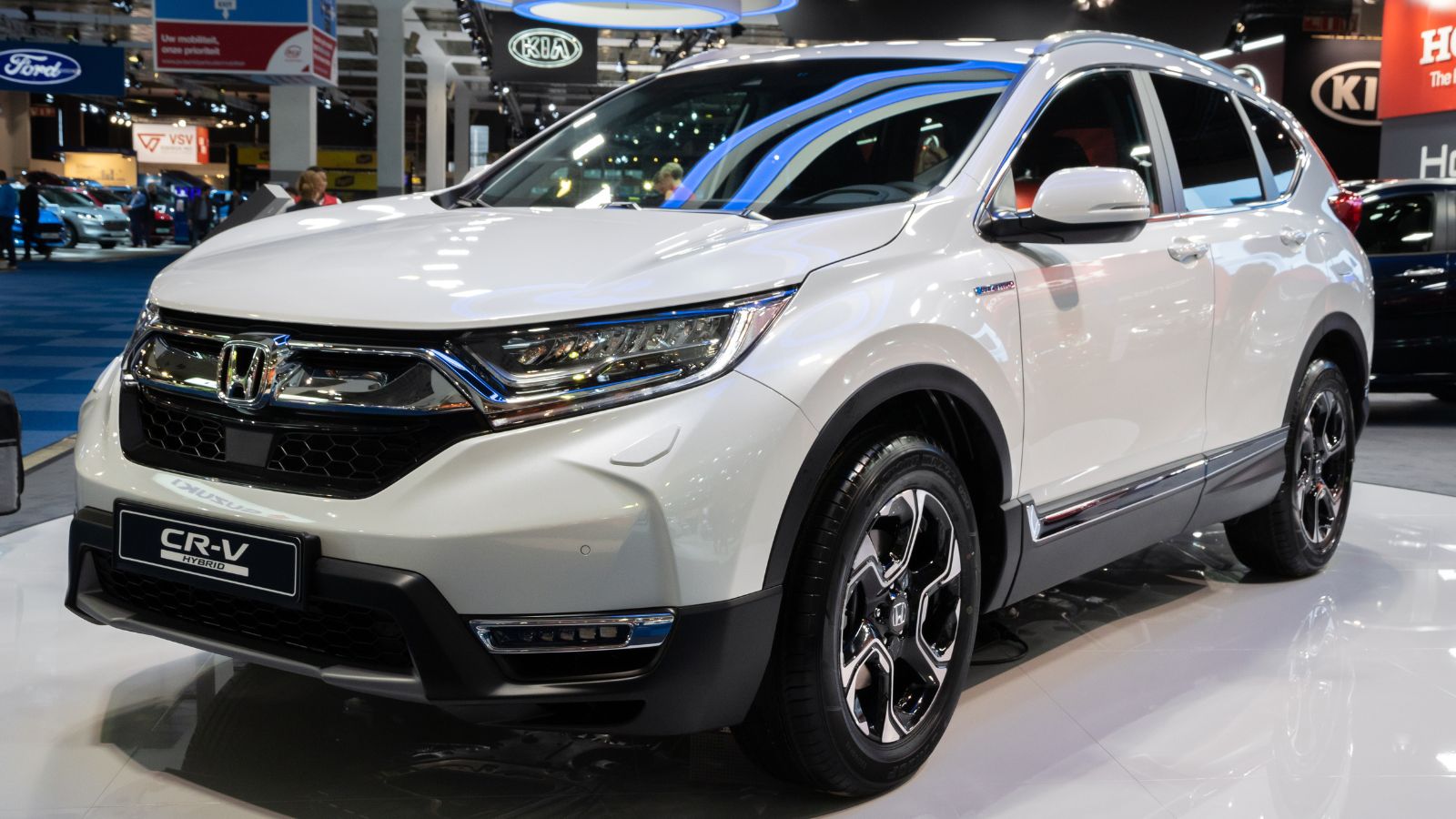
Auction houses do not all sell vehicles under the same rules. Some events are open to the public, while others require a dealer licence, broker, membership, deposit, or proof of business credentials. Buyers should read the registration requirements, bidding process, payment methods, cancellation policy, and seller-approval terms before focusing on any particular car. A bid placed through a broker may also create a separate contract with additional fees and conditions.
The most important phrase is often “as is.” It usually means the buyer accepts the vehicle’s condition with limited or no warranty protection, although exact legal rights depend on the auction, seller, and jurisdiction. Arbitration may cover only specific undisclosed defects and may have short deadlines. For example, an auction’s “green,” “yellow,” or “red” light system can change what is eligible for a claim. Understanding those rules before bidding is far safer than learning them after a mechanical problem appears.
Match the VIN Everywhere
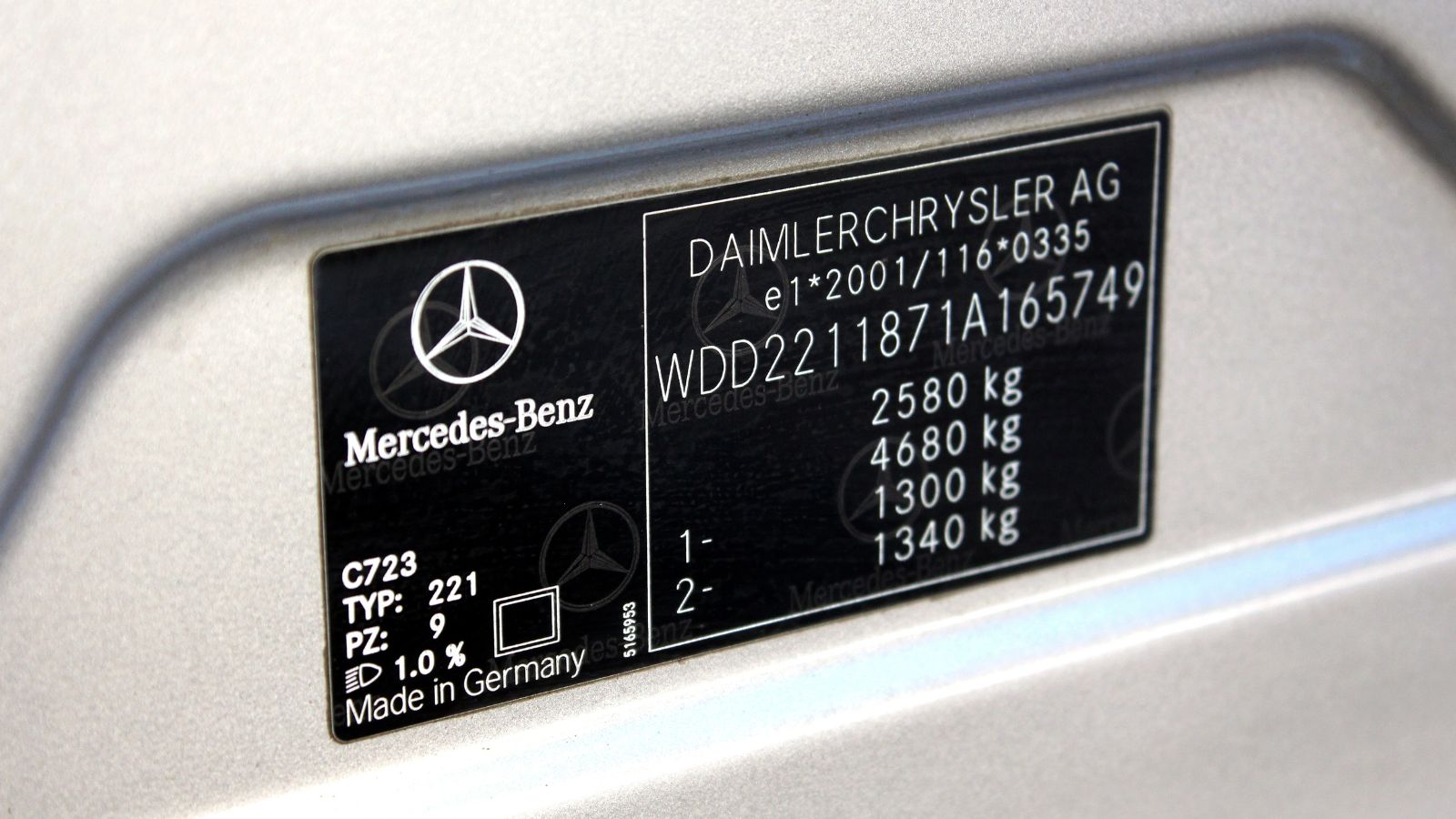
The vehicle identification number should match everywhere it appears: the auction listing, title document, windshield plate, door label, and available history records. Modern road vehicles generally use a 17-character VIN, and a single incorrect character can point to a listing error, paperwork problem, swapped component, or entirely different vehicle. Photographs should be enlarged carefully, especially when the car cannot be inspected in person.
A mismatched VIN is not a minor clerical issue to overlook during a fast auction. Imagine winning a silver sedan whose listing VIN belongs to a similar black sedan with a different title history. Correcting the mistake may delay pickup, registration, or resale, and the auction’s dispute window may be brief. Buyers should save screenshots of the listing and photograph the visible VIN during the preview. The safest approach is to stop before bidding whenever numbers are obscured, altered, unreadable, or inconsistent with the official sale document.
Decode the Title Brand
A clean-looking body does not guarantee a clean title. Title brands can identify vehicles previously classified as salvage, rebuilt, flood-damaged, junk, nonrepairable, or affected by another serious condition. The terminology and legal consequences vary by jurisdiction, so buyers should determine exactly what the announced document allows: normal registration, inspection after repairs, parts-only use, export, restricted use, or no lawful return to public roads.
The difference can be enormous. A rebuilt vehicle may be registrable after meeting local safety and anti-theft requirements, while a nonrepairable vehicle may never qualify for ordinary registration. A low auction price therefore may reflect legal restrictions rather than cosmetic damage. Buyers should obtain the exact title type in writing and check its brand history through official records. Phrases such as “clean title pending,” “bill of sale only,” or “certificate of destruction” deserve careful investigation, because deceptively similar-sounding documents can carry very different ownership and road-use rights.
Confirm the Title Is Actually Available

Title status deserves a separate check from title branding. A vehicle may have an acceptable brand yet still be sold with the title absent, delayed, pending, duplicated, or held by another party. Auction rules often explain how long the seller has to provide it. Until the title is available and properly assigned, registration, export, financing, and resale can be difficult or impossible.
Liens and ownership chains matter as well. The seller shown in the paperwork should have authority to transfer the vehicle, and any recorded security interest should have a valid release. Consider a buyer who repairs a car immediately, only to discover that the title remains tied to an unresolved lender claim. The vehicle may sit while storage and labour costs continue. Before bidding, confirm which document will be issued, when it will be released, whose name appears on it, and whether lien-release or transfer forms are still required.
Investigate the History and Mileage

A history report can reveal title dates, brand records, odometer readings, total-loss information, and possible theft data that auction photographs cannot show. In the United States, NMVTIS reports focus on several fraud-prevention indicators, while commercial reports may add maintenance, registration, or accident entries. Buyers should compare more than one source when the vehicle’s story appears incomplete, especially after a recent interstate transfer or ownership change.
No database is perfect. Uninsured flood damage, private repairs, missing service records, and reporting delays can leave gaps. Odometer readings should therefore be compared with inspection records, maintenance invoices, tyre dates, seat wear, pedals, steering-wheel condition, and auction photographs. A low-mileage car with heavily polished pedal pads and a worn driver’s bolster deserves more scrutiny. A detailed history report is best treated as an investigative tool, not a guarantee, and any unexplained mileage jump, rollback, exemption, or “not actual” notation should affect the maximum bid.
Check for Open Safety Recalls
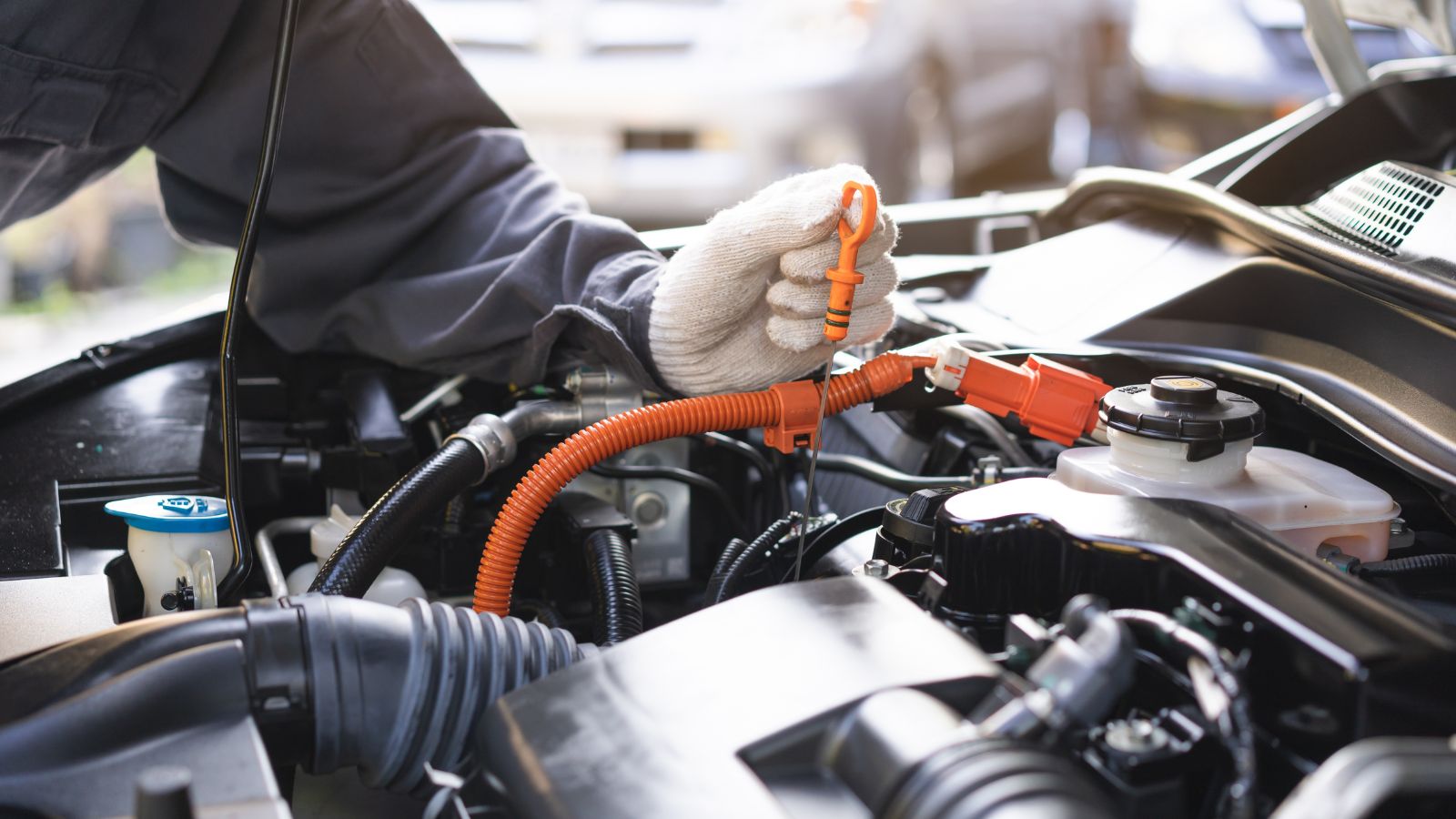
Every auction vehicle should be checked for open safety recalls using its VIN. Recalls are issued when a manufacturer or safety regulator identifies an unreasonable safety risk or a failure to meet applicable standards. Repairs are generally provided without charge through the manufacturer’s dealer network, but the buyer still needs to know whether the vehicle can be transported, registered, inspected, or safely used before recall repair.
An unrepaired recall can complicate an otherwise simple project. A car needing a replacement airbag inflator, fuel-system component, or electrical module may face parts delays or require a dealer visit after other repairs are finished. Auction descriptions do not always highlight recall status, because it can change and is tied to the VIN. Buyers should save the search result, contact a franchised dealer when necessary, and confirm whether the campaign is open, completed, or subject to special restrictions before assigning value to the vehicle.
Inspect the Vehicle in Person

Auction photographs are useful, but they are not a substitute for a physical inspection. Images may omit the underside, roof, interior corners, fluid leaks, warning messages, tyre wear, or damage hidden by shadows. Some yards offer only a short preview period, so buyers should confirm access rules and arrive with a flashlight, gloves, mirror, tyre gauge, basic scan tool, and written checklist.
When possible, a qualified mechanic or independent inspector should examine the vehicle before the sale. The inspection should match the vehicle’s risk: a repossessed running car needs a different approach from a flood-damaged hybrid or collision vehicle with deployed airbags. For example, a four-hour preview window leaves little time to research problems after arriving. Buyers should study the listing beforehand, identify model-specific trouble areas, and prioritise expensive systems. If inspection is prohibited, that uncertainty belongs in the bid calculation rather than being dismissed as normal auction risk.
Examine Structural Repairs and Corrosion

Structural damage can affect alignment, crash performance, tyre wear, door fit, suspension geometry, and resale value even when exterior panels appear straight. Buyers should inspect frame rails, aprons, pillars, floor sections, welds, seams, suspension mounting points, and areas around the radiator support and rear structure. Uneven gaps, fresh undercoating, rippled metal, torn seam sealer, or paint overspray can indicate repairs.
Auction disclosure rules may require sellers to announce certain structural damage, alterations, or repairs, but a buyer should not rely on announcements alone. Definitions can be technical, and not every replaced panel is classified as structural. A pickup with a welded towing modification, for instance, may require different disclosure treatment from a sedan with a replaced outer quarter panel. Severe corrosion matters too; rust that changes a load-bearing component’s shape or thickness is more serious than surface oxidation. When doubt remains, professional measurement or body-shop inspection belongs in the budget.
Search for Water and Fire Damage

Water damage often hides behind clean carpets and freshly detailed interiors. Buyers should look for silt in seat tracks, corrosion inside electrical connectors, water lines beneath trim, mismatched carpet, damp insulation, fogged lamps, mould odour, and rust in protected areas. The spare-wheel well and low-mounted control modules are useful points because moisture can remain after visible surfaces have been cleaned.
History checks strengthen the physical inspection but cannot replace it. Vehicles without comprehensive insurance may never appear in an insurer-based total-loss database, and titles can move between jurisdictions. Fire damage requires similar caution: soot inside cavities, melted loom coverings, brittle connectors, heat-discoloured metal, or replacement wiring can signal damage beyond photographs. A car that starts during preview may still develop intermittent electrical faults later. The practical example is simple: one interior module may be affordable, but corrosion across wiring harnesses can turn troubleshooting into months of labour and repeated expense.
Evaluate the Engine From a Cold Start

An engine should be evaluated from a true cold start when access allows. A warm engine can conceal hard starting, timing noise, smoke, weak compression symptoms, or rough idle that appears only after sitting. Buyers should check whether the seller or yard started the vehicle before preview and compare coolant temperature with ambient conditions. “Engine starts” or “run and drive” labels are not proof of roadworthiness.
Fluid condition provides valuable clues. Low oil, metallic particles, creamy contamination, burnt transmission fluid, empty coolant, or fresh fluid surrounding an obvious leak can indicate neglect or last-minute preparation. Exhaust colour, crankcase pressure, cooling-fan operation, and unusual knocking deserve attention. For example, an engine that idles smoothly for one minute may still overheat once the thermostat opens. When prolonged testing is impossible, buyers should price the car as an unknown mechanical risk, rather than assume a brief start has ruled out major internal repairs.
Test the Transmission and Drivetrain
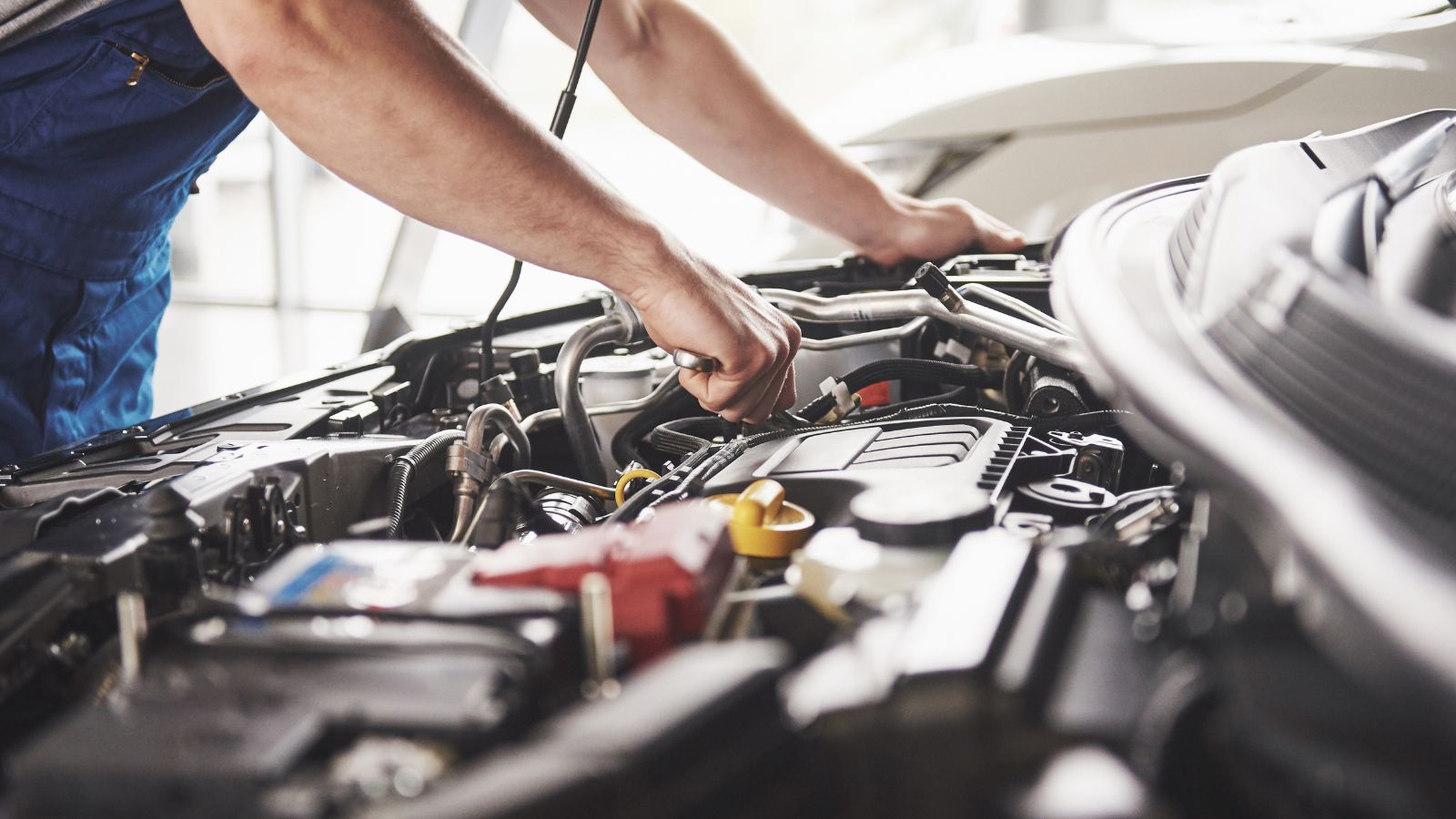
Transmission and drivetrain repairs can erase an auction discount quickly, so buyers should test available modes. Automatic transmissions should engage reverse and drive without excessive delay, harsh impact, slipping, or warning messages. Manual cars should select gears cleanly and move without obvious clutch slip or noise. Four-wheel-drive systems, transfer cases, differentials, and electronic drive modes should be checked when permitted.
A vehicle moving a few metres under its own power proves little. Auction “run and drive” designations commonly mean the vehicle started, entered gear, and moved when it arrived; they do not guarantee condition or highway capability. A collision-damaged crossover, for example, may creep forward while leaking differential fluid or carrying a bent axle. Buyers should listen for clicking, grinding, whining, and clunks, inspect driveshafts and housings, and budget for towing. When no meaningful road test is allowed, transmission value should be discounted because shift quality under load remains unknown.
Price the Tyres, Brakes, Steering, and Suspension
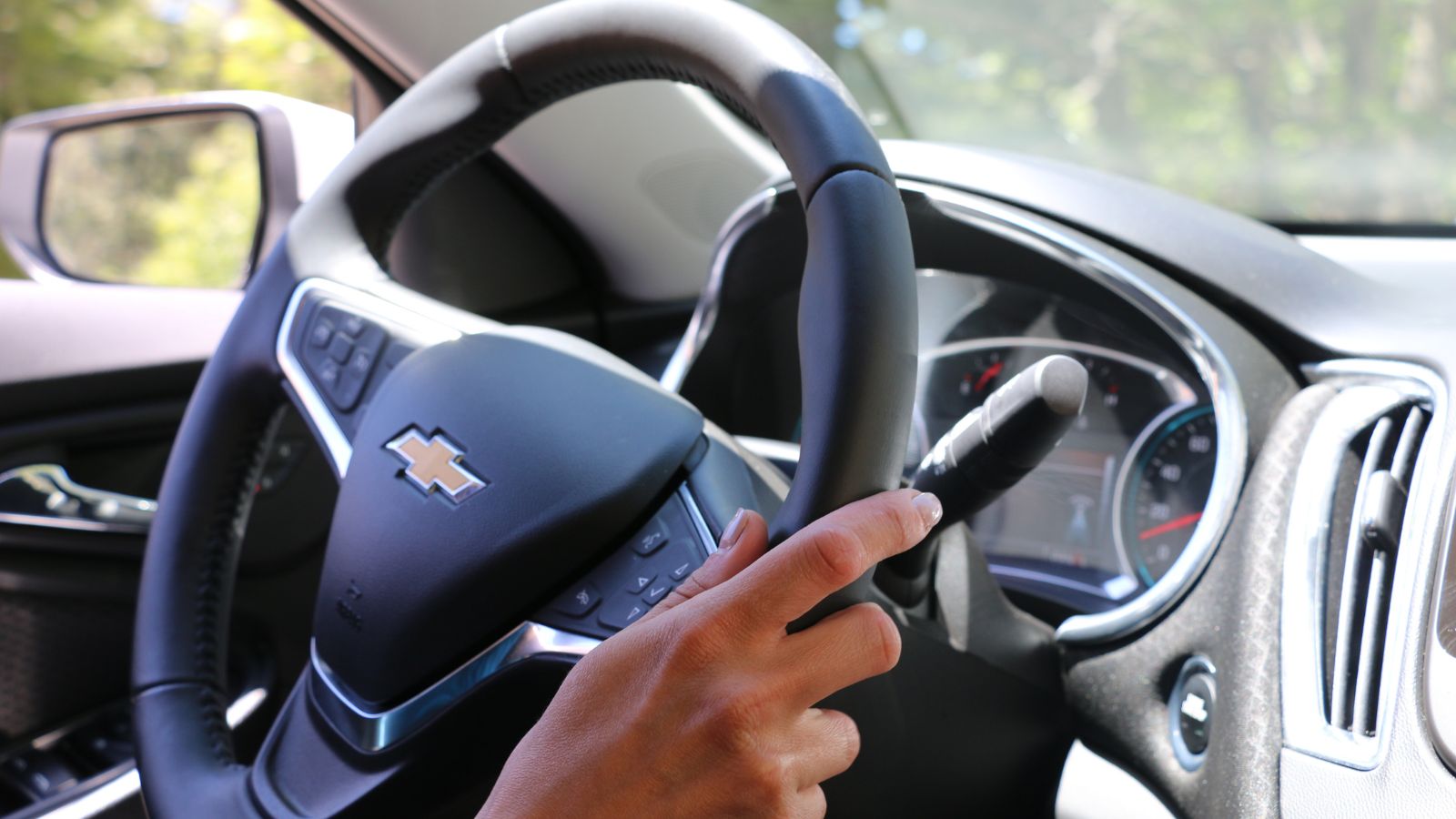
Tyres, brakes, steering, and suspension are wear items, but replacing several at once can add thousands to the total purchase cost. Buyers should measure tread across each tyre, check manufacturing dates, inspect sidewalls and wheels, and look for mismatched brands or uneven wear. Cupping, feathering, or one new tyre among three worn ones may indicate alignment, suspension, or collision problems rather than simple neglect.
Brake rotors, pads, hoses, calipers, and fluid condition deserve attention. Grinding, vibration, a sinking pedal, warning lights, or heavy rust after storage can point to more than routine service. Steering should feel consistent, and suspension corners should sit evenly without leaking struts, broken springs, or damaged control arms. A buyer who budgets only for four tyres may later discover bent wheels, seized calipers, and worn wheel bearings. Because many arbitration policies exclude ordinary wearable items, these costs usually remain with the buyer even when wear is severe.
Scan the Warning Lights and Electronics
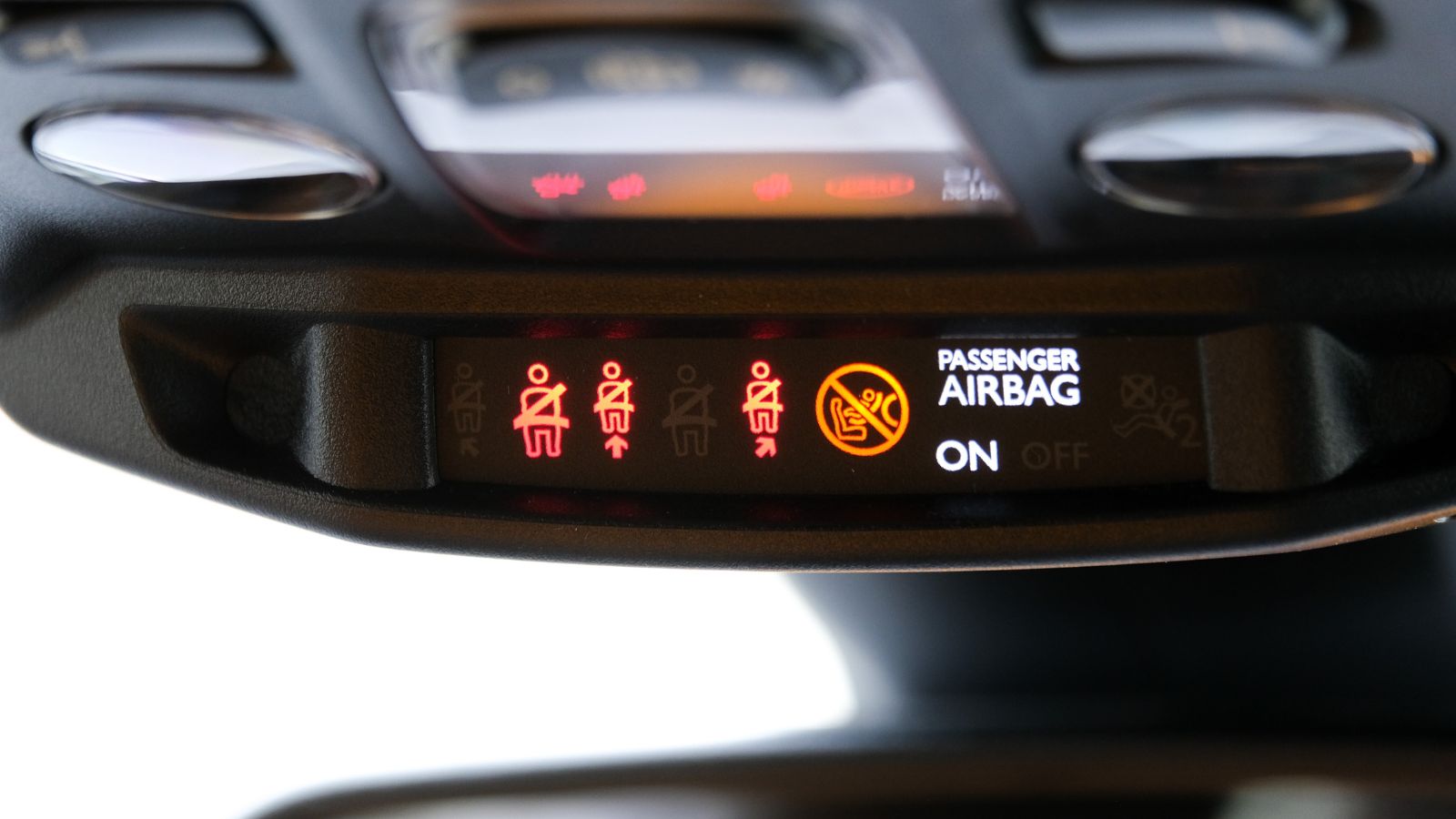
Dashboard lights should illuminate during the ignition self-check and then switch off as designed after the engine starts. Missing illumination can be as suspicious as a warning that stays on, because bulbs, clusters, or software may have been altered. Buyers should test windows, locks, climate control, cameras, infotainment, charging ports, seat functions, exterior lighting, and switches rather than assuming electrical accessories are minor.
An OBD scan adds valuable context. Stored, pending, and permanent diagnostic codes can reveal engine, emissions, transmission, airbag, braking, and communication faults. Readiness monitors also matter: several “not ready” results can appear after codes were cleared or the battery was disconnected, meaning the vehicle has not completed enough self-tests to confirm repair. For example, a dark check-engine light with incomplete monitors is not the same as a clean system. Scan results should be photographed before bidding, and local emissions rules checked because unresolved faults may prevent registration.
Verify the Keys, Airbags, and ADAS Equipment
Missing keys can become surprisingly expensive. They may require a programmed transponder, smart fob, immobiliser reset, towing to a dealer, or replacement of damaged security modules. Auction listings may note that a key was present when photographed, yet some terms still decline to guarantee key availability later. Buyers should verify the number and type of keys, not merely look for an icon.
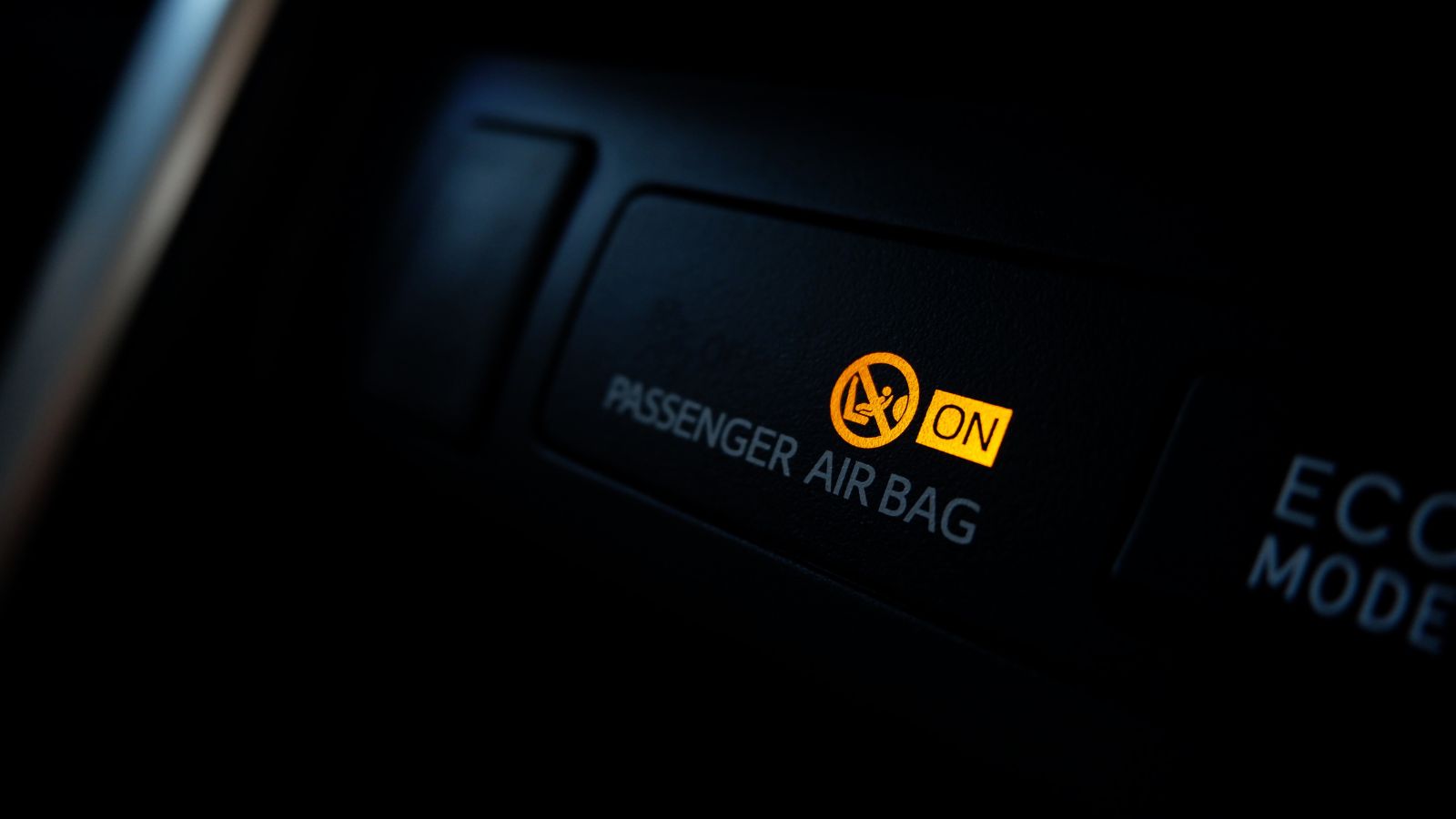
Safety equipment deserves equally close attention. Airbag warning lights, cut dashboard panels, replaced seatbelts, mismatched steering-wheel covers, and deployed curtain airbags can reveal incomplete collision repair. Cameras, radar units, parking sensors, and windshield-mounted driver-assistance hardware may need replacement and calibration. AAA research found that individual ADAS component work in studied scenarios ranged from hundreds to well over a thousand dollars. A lightly damaged bumper can therefore hide a costly sensor problem. The bid should reflect proof of functioning systems, not the assumption that warning lights only need resetting.
Calculate the Total Cost, Not Just the Bid

The winning bid is only the beginning of the invoice. Buyer premiums, internet bidding charges, gate or loading fees, broker fees, membership costs, taxes, title handling, environmental charges, document fees, and payment-method surcharges can change the total. Fee schedules may vary by sale price, buyer type, payment method, and annual purchase volume, so a percentage guessed from another auction can be misleading.
Before bidding, buyers should build a line-by-line worksheet using the auction’s current fee calculator or published schedule. Add estimated repairs, tyres, keys, inspection, insurance, registration, transport, and a contingency for hidden damage. Then work backward to a firm maximum bid. For example, a car worth $12,000 after repair may not be attractive at a $6,000 bid if fees, towing, parts, and labour add another $7,000. The disciplined bidder evaluates the completed project cost; the emotional bidder watches only the number flashing on the auction screen.
Confirm Registration, Insurance, and Emissions Requirements
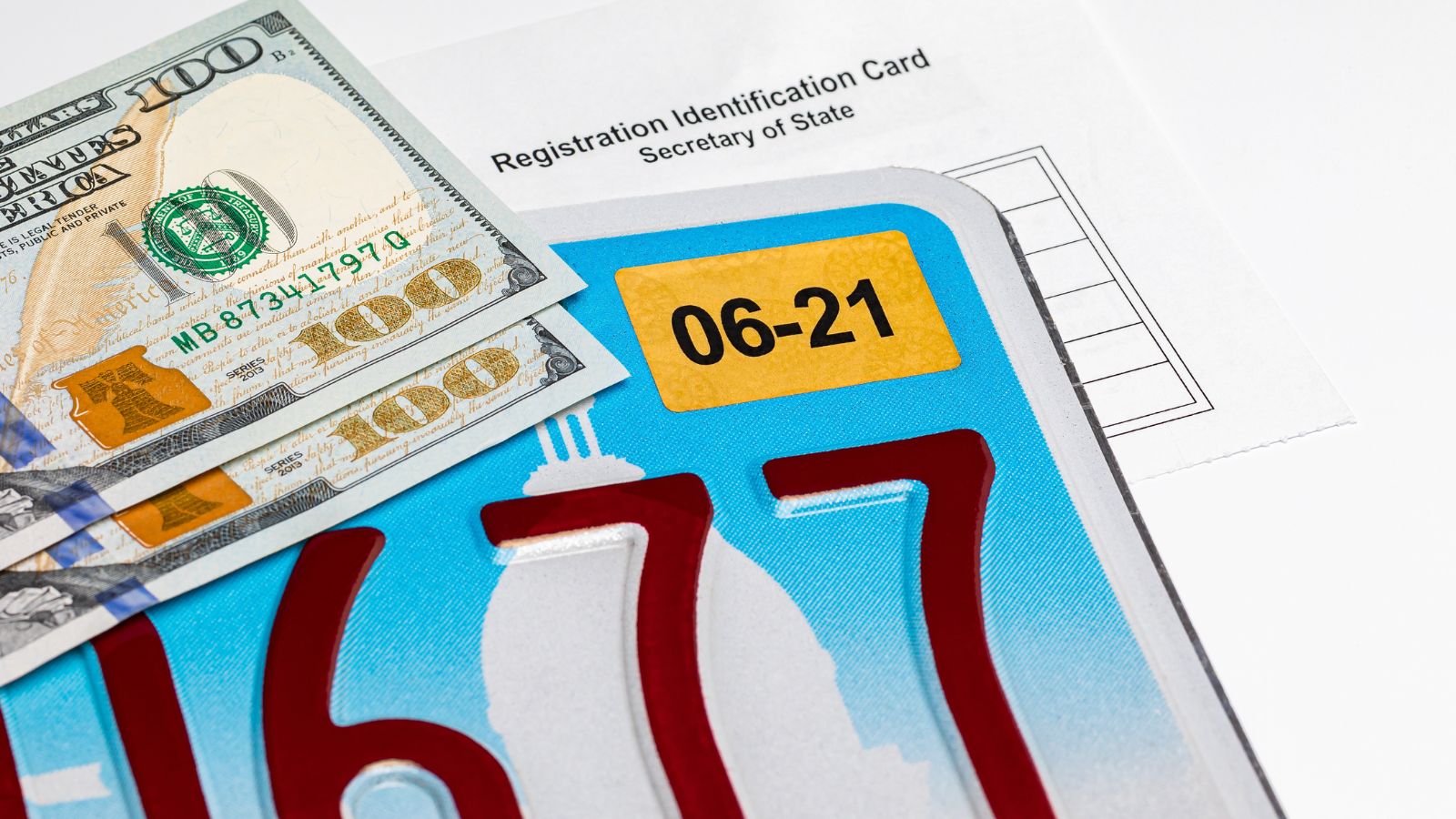
A vehicle can be repairable yet difficult to register, insure, finance, or test for emissions. Buyers should contact the local motor-vehicle authority before bidding on unfamiliar title documents, out-of-state vehicles, imports, or salvage classifications. Requirements may include inspections, photographs, parts receipts, anti-theft checks, emissions compliance, reconstructed-title applications, or proof that damage has been repaired. Rules differ widely, so assumptions from another jurisdiction can be costly.
Insurance should be quoted using the exact VIN and title status, not merely the year and model. Some insurers may limit physical-damage coverage or decline vehicles previously declared total losses. Emissions systems also matter: a missing catalytic converter, illuminated malfunction light, or incomplete OBD readiness monitors can prevent a required inspection. A practical example is a finished rebuild that cannot be registered until receipts and inspections are complete. Confirming these steps before the auction protects both the budget and the project timeline and ownership cost.
Plan Payment, Pickup, and Transportation

Payment and removal deadlines can create costs after the auction. Buyers should confirm accepted payment methods, posting times, storage charges, loading procedures, pickup appointments, title-release timing, and whether the yard will load an inoperable vehicle. Wire transfers may take time, while late payment or missed collection can trigger penalties. A vehicle with locked wheels or missing suspension may need equipment rather than an ordinary tow truck.
Transport should be priced before bidding, especially for distant, nonrunning, oversized, electric, or heavily damaged vehicles. The carrier needs accurate information about keys, rolling condition, tyre inflation, ground clearance, fluid leaks, and loose parts. For example, a cheap vehicle several states away may require a forklift fee or a second tow after delivery. Buyers should reserve funds and a pickup plan well before sale day. A bargain that accumulates storage while transport is arranged is no longer the bargain shown by the hammer price.
19 Used Cars Canadians Should Avoid in 2026 (Based on Owner Complaints)

Buying a used car in Canada can feel safe until repair bills start stacking up. Owner complaints tell a different story than glossy listings. Transmission failures, electrical problems, and weak winter reliability show up again and again in consumer reports. Many of these issues appear after warranties expire, when owners least expect them. Some vehicles look affordable upfront, but become expensive to keep on the road. Others struggle in cold weather, urban driving, or long highway commutes. Here are 19 used cars Canadians should avoid in 2026 (based on owner complaints).
19 Used Cars Canadians Should Avoid in 2026 (Based on Owner Complaints)