



















• About
  • Contact
AutoIgloo
  • News & Trends
    Li Auto Reboots Flagship Mega EV After Deliveries Collapse 63%, Adding Four LiDAR Sensors

    Li Auto Reboots Flagship Mega EV After Deliveries Collapse 63%, Adding Four LiDAR Sensors

    Li Auto’s Vehicle Margin Is Cut in Half as EV Deliveries Fall 11.5%

    Li Auto’s Vehicle Margin Is Cut in Half as EV Deliveries Fall 11.5%

    Toyota Puts 468-Km bZ on Sale in Canada at $45,985 as EV Price Fight Intensifies

    Toyota Cuts China bZ5 EV to About US$16,170 as Sales Sink Nearly 65%

    The EV Charging Habit That Can Annoy Everyone Around You

    China’s Gas-Car Production Falls 59% as EVs Reach 64.3% of Retail Sales

    China Moves to Block Under-Tested Cars as Its EV Makers Push Deeper Into Export Markets

    China Moves to Block Under-Tested Cars as Its EV Makers Push Deeper Into Export Markets

    9 Auto Brands Canadians Are Watching Much More Closely Right Now

    Hyundai Plans 58 New or Refreshed North American Models as USMCA Uncertainty Hangs Over Auto Investment

  • Car Reviews
    18 Things That Can Make a Car Unsafe for Winter Road Trips

    Why Some Drivers Are Avoiding Vehicles With Complex Infotainment Systems

    21 Cars Canadians Are Starting to Regret Buying

    Why Some Drivers Regret Buying Big Wheels and Low-Profile Tires

    17 Vehicles That Are Quietly Getting Crushed by Insurance Costs in Canada

    Why So Many Drivers Are Nervous About Chinese-Made EV Batteries

    20 Used SUVs Canadians Should Think Twice About Buying

    20 Used SUVs Canadians Should Think Twice About Buying

    15 Vehicles That Are Starting to Feel Like a Bad Deal Around May Long Weekend

    15 Vehicles That Are Starting to Feel Like a Bad Deal Around May Long Weekend

    15 Vehicles That Are Starting to Scare Off Canadian Buyers

    15 Vehicles That Are Starting to Scare Off Canadian Buyers

  • Buying Guides
    25 EV Charging Mistakes Canadians Make in March (That Wreck Range)

    Why Some Canadians Are Choosing Hybrids Over Full EVs Again

    22 Signs a Car Has Been in a Serious Crash Even if the Report Looks Clean

    21 Things That Make a Used Car Listing Seem Suspicious

    23 Features That Are Making New Cars Harder (and Pricier) to Repair in Canada

    Why Some Buyers Regret Choosing the Cheapest Trim Level

    18 Things That Can Make a Car Unsafe for Winter Road Trips

    Why Some Drivers Are Avoiding Vehicles With Complex Infotainment Systems

    22 Things Canadians Should Know Before Buying a Diesel Vehicle

    22 Things Canadians Should Know Before Buying a Diesel Vehicle

    15 Ways a Low Monthly Payment Can Fool Canadian Car Buyers

    The Car Buying Mistake That Gives Dealers More Control

  • Comparisons
    25 EV Charging Mistakes Canadians Make in March (That Wreck Range)

    Why Some Canadians Are Choosing Hybrids Over Full EVs Again

    21 Used Car Features That Can Become Expensive Problems Later

    Why Some Canadians Are Choosing Front-Wheel Drive Over All-Wheel Drive

    Canada’s Auto Fight Gets Uglier as BYD Threatens to Sue Trump Administration

    Tesla Vs. BYD: Are Chinese EV’s Actually Better for Canadians?

    17 Vehicles That Are Quietly Getting Crushed by Insurance Costs in Canada

    Why So Many Drivers Are Nervous About Chinese-Made EV Batteries

    20 Used SUVs Canadians Should Think Twice About Buying

    20 Used SUVs Canadians Should Think Twice About Buying

    16 Cars That Are a Nightmare to Repair Because Parts Are Backordered

    23 Cars Canadians Love That Have One Deal-Breaker Flaw

  • EVs & Hybrids
    20 Signs Your Car Battery Is About to Leave You Stranded

    Canadian Auto Jobs Become a Central Fault Line as Ottawa Reveals Why It Rejected U.S. Vehicle Terms

    25 EV Charging Mistakes Canadians Make in March (That Wreck Range)

    Why Some Canadians Are Choosing Hybrids Over Full EVs Again

    The EV Charging Habit That Can Annoy Everyone Around You

    Canada Is Missing an EV-Battery Export Opening as EU Lithium Demand Heads for a 9-to-12-Fold Jump: Report

    16 Used-EV Surprises Canadians Don’t See Coming Until After They Buy

    The EV Charging Habit That Can Annoy Everyone Around You

    17 SUVs That Are Losing Their Appeal Fast in Canada

    GM Canada Says EV Sales Jumped More Than 30% as CUSMA Uncertainty Hangs Over Showrooms

    9 Auto Brands Canadians Are Watching Much More Closely Right Now

    Toyota Canada Says Electrified Vehicles Are Now Nearly 70% of Its Q2 Sales

  • More
    • Pricing & Deals
    • Winter Driving
    • Ownership & Maintenance
No Result
View All Result
AutoIgloo
  • News & Trends
    Li Auto Reboots Flagship Mega EV After Deliveries Collapse 63%, Adding Four LiDAR Sensors

    Li Auto Reboots Flagship Mega EV After Deliveries Collapse 63%, Adding Four LiDAR Sensors

    Li Auto’s Vehicle Margin Is Cut in Half as EV Deliveries Fall 11.5%

    Li Auto’s Vehicle Margin Is Cut in Half as EV Deliveries Fall 11.5%

    Toyota Puts 468-Km bZ on Sale in Canada at $45,985 as EV Price Fight Intensifies

    Toyota Cuts China bZ5 EV to About US$16,170 as Sales Sink Nearly 65%

    The EV Charging Habit That Can Annoy Everyone Around You

    China’s Gas-Car Production Falls 59% as EVs Reach 64.3% of Retail Sales

    China Moves to Block Under-Tested Cars as Its EV Makers Push Deeper Into Export Markets

    China Moves to Block Under-Tested Cars as Its EV Makers Push Deeper Into Export Markets

    9 Auto Brands Canadians Are Watching Much More Closely Right Now

    Hyundai Plans 58 New or Refreshed North American Models as USMCA Uncertainty Hangs Over Auto Investment

  • Car Reviews
    18 Things That Can Make a Car Unsafe for Winter Road Trips

    Why Some Drivers Are Avoiding Vehicles With Complex Infotainment Systems

    21 Cars Canadians Are Starting to Regret Buying

    Why Some Drivers Regret Buying Big Wheels and Low-Profile Tires

    17 Vehicles That Are Quietly Getting Crushed by Insurance Costs in Canada

    Why So Many Drivers Are Nervous About Chinese-Made EV Batteries

    20 Used SUVs Canadians Should Think Twice About Buying

    20 Used SUVs Canadians Should Think Twice About Buying

    15 Vehicles That Are Starting to Feel Like a Bad Deal Around May Long Weekend

    15 Vehicles That Are Starting to Feel Like a Bad Deal Around May Long Weekend

    15 Vehicles That Are Starting to Scare Off Canadian Buyers

    15 Vehicles That Are Starting to Scare Off Canadian Buyers

  • Buying Guides
    25 EV Charging Mistakes Canadians Make in March (That Wreck Range)

    Why Some Canadians Are Choosing Hybrids Over Full EVs Again

    22 Signs a Car Has Been in a Serious Crash Even if the Report Looks Clean

    21 Things That Make a Used Car Listing Seem Suspicious

    23 Features That Are Making New Cars Harder (and Pricier) to Repair in Canada

    Why Some Buyers Regret Choosing the Cheapest Trim Level

    18 Things That Can Make a Car Unsafe for Winter Road Trips

    Why Some Drivers Are Avoiding Vehicles With Complex Infotainment Systems

    22 Things Canadians Should Know Before Buying a Diesel Vehicle

    22 Things Canadians Should Know Before Buying a Diesel Vehicle

    15 Ways a Low Monthly Payment Can Fool Canadian Car Buyers

    The Car Buying Mistake That Gives Dealers More Control

  • Comparisons
    25 EV Charging Mistakes Canadians Make in March (That Wreck Range)

    Why Some Canadians Are Choosing Hybrids Over Full EVs Again

    21 Used Car Features That Can Become Expensive Problems Later

    Why Some Canadians Are Choosing Front-Wheel Drive Over All-Wheel Drive

    Canada’s Auto Fight Gets Uglier as BYD Threatens to Sue Trump Administration

    Tesla Vs. BYD: Are Chinese EV’s Actually Better for Canadians?

    17 Vehicles That Are Quietly Getting Crushed by Insurance Costs in Canada

    Why So Many Drivers Are Nervous About Chinese-Made EV Batteries

    20 Used SUVs Canadians Should Think Twice About Buying

    20 Used SUVs Canadians Should Think Twice About Buying

    16 Cars That Are a Nightmare to Repair Because Parts Are Backordered

    23 Cars Canadians Love That Have One Deal-Breaker Flaw

  • EVs & Hybrids
    20 Signs Your Car Battery Is About to Leave You Stranded

    Canadian Auto Jobs Become a Central Fault Line as Ottawa Reveals Why It Rejected U.S. Vehicle Terms

    25 EV Charging Mistakes Canadians Make in March (That Wreck Range)

    Why Some Canadians Are Choosing Hybrids Over Full EVs Again

    The EV Charging Habit That Can Annoy Everyone Around You

    Canada Is Missing an EV-Battery Export Opening as EU Lithium Demand Heads for a 9-to-12-Fold Jump: Report

    16 Used-EV Surprises Canadians Don’t See Coming Until After They Buy

    The EV Charging Habit That Can Annoy Everyone Around You

    17 SUVs That Are Losing Their Appeal Fast in Canada

    GM Canada Says EV Sales Jumped More Than 30% as CUSMA Uncertainty Hangs Over Showrooms

    9 Auto Brands Canadians Are Watching Much More Closely Right Now

    Toyota Canada Says Electrified Vehicles Are Now Nearly 70% of Its Q2 Sales

  • More
    • Pricing & Deals
    • Winter Driving
    • Ownership & Maintenance
No Result
View All Result
AutoIgloo
No Result
View All Result

Home » News & Trends

Toyota Canada Says Electrified Vehicles Are Now Nearly 70% of Its Q2 Sales

Henry Sheppard by Henry Sheppard
July 7, 2026
Reading Time: 6 mins read
A A
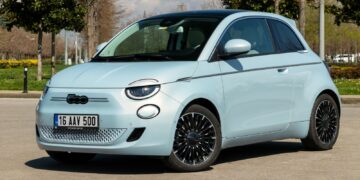
Photo Credit: Shutterstock

Photo Credit: Shutterstock

476
SHARES
1.5k
VIEWS
Share on FacebookShare on Twitter

Toyota Canada’s latest sales numbers point to a major shift in what Canadian drivers are choosing at dealerships. Electrified vehicles are no longer a side category or a showroom experiment; they are now close to the centre of Toyota’s Canadian business.

In Q2 2026, Toyota Canada said electrified vehicles made up 68.6% of its overall Canadian sales, while Toyota Division electrified vehicles reached 69.5% of Toyota-brand sales. The milestone reflects a broader change in the market: many buyers are still cautious about going fully electric, but they are increasingly comfortable with hybrids, plug-in hybrids, and battery-electric options that reduce fuel use without requiring every household to change its driving habits overnight.

Electrified Sales Move From Niche to Mainstream

Toyota Canada reported 54,935 electrified vehicle sales in Q2 2026, a record quarterly total for the company. That figure represented 68.6% of Toyota Canada Inc.’s overall Q2 sales, meaning roughly seven out of every ten vehicles it sold in Canada during the quarter had some form of electrified powertrain. For a mass-market automaker best known for practical vehicles such as the Corolla, Camry, RAV4, Highlander, Sienna, Tacoma, and Tundra, that is a meaningful signal.

The trend was even stronger inside the Toyota brand itself. Toyota Division electrified vehicles represented 69.5% of all Toyota-brand units sold in Q2, while Lexus electrified vehicles represented 61.9% of Lexus Division sales. This does not mean nearly 70% of Toyota Canada’s sales were fully electric vehicles. Toyota uses “electrified” to include hybrids, plug-in hybrids, battery-electric vehicles, and related low-emission powertrains. That distinction matters because Toyota’s strongest Canadian momentum appears to be coming from a broad mix of electrified options rather than a single all-electric bet.

Q2 Was a Record Quarter Across Several Measures

Toyota Canada’s Q2 performance was not limited to electrified vehicles. The company said it sold 80,046 vehicles in Canada during the quarter, up 9.1% year over year, making it a quarterly record. June also set a monthly record, with 26,243 vehicles sold, up 19.0% from June 2025. In a market where affordability, inventory, interest rates, and charging access still shape buying decisions, Toyota’s ability to grow overall sales while pushing electrified volume higher is notable.

Toyota Division carried much of the momentum, with 70,492 vehicles sold in Q2, up 12.0% year over year. Lexus Division sold 9,554 vehicles, down 8.3% from the prior year’s quarter, but still had a strong electrified mix. The company also said its first half of 2026 was a record, with 129,674 total vehicles sold, up 4.4% year over year. Those numbers suggest Toyota’s electrified strategy is not simply replacing one type of buyer with another; it is helping the company expand volume while shifting the product mix.

Hybrids Remain Toyota’s Bridge Technology

The headline number is powerful because Toyota has spent decades building customer trust around hybrids. The original Prius became a symbol of fuel-saving technology long before most consumers were ready to think about charging at home. That legacy now gives Toyota a wide lane in Canada, where many households want lower fuel costs but may not yet be prepared to rely entirely on public charging or install home charging equipment.

This is where Toyota’s “multi-pathway” approach matters. Rather than pushing only battery-electric vehicles, Toyota offers hybrids, plug-in hybrids, and fully electric models for different lifestyles. A suburban family may choose a RAV4 Hybrid because it feels familiar and works in winter. A commuter with access to home charging may consider a Prius Plug-in Hybrid or RAV4 Plug-in Hybrid. A city driver may be more open to a battery-electric crossover. Toyota’s Q2 sales suggest that offering several levels of electrification can move more mainstream buyers than relying on a single technology path.

Zero-Emission Sales Are Growing, but Still a Smaller Slice

Toyota Canada also reported a record total of 13,759 zero-emission vehicles in Q2, a category it defined as battery-electric and plug-in hybrid vehicles. Battery-electric vehicle sales reached 4,967 units, helped by record bZ and Lexus RZ sales, along with the first full quarter of the new 2026 C-HR and the introduction of the bZ Woodland. Plug-in hybrid sales also set records, supported by models such as the RAV4 Plug-in Hybrid, Prius Plug-in Hybrid, Lexus NX 450h+, and Lexus RX 450h+.

This distinction is important for readers following Canada’s clean-vehicle debate. A regular hybrid can reduce gasoline use, but it is not considered a zero-emission vehicle because it still depends on a combustion engine and does not travel significant distances on plug-in electric power. Plug-in hybrids and battery-electric vehicles are treated differently in federal and industry reporting. Toyota’s numbers show both realities at once: Canadian drivers are adopting electrification quickly, but the biggest volume still appears to come from hybrids and other familiar formats rather than battery-electric vehicles alone.

RAV4 and Other Everyday Models Are Driving the Shift

Toyota’s electrified growth is not happening only in niche nameplates. Several high-volume, everyday models helped push the company’s Q2 numbers higher. Toyota Canada said the RAV4 Hybrid posted a record quarter, while the RAV4 Plug-in Hybrid also set a Q2 record. The Sienna Hybrid, Prius Family, Prius Plug-in, Crown Signia, Grand Highlander, and 4Runner Hybrid were also among the models that reached quarterly or monthly records.

That matters because Canadians often buy vehicles for commuting, family use, long-distance drives, winter conditions, and weekend hauling. Electrification becomes more durable when it is attached to familiar body styles: compact SUVs, minivans, midsize crossovers, and pickup trucks. Toyota’s Canadian manufacturing footprint also adds a local dimension. The company has built millions of vehicles in Canada, and Toyota Motor Manufacturing Canada produces important models such as the RAV4 Hybrid, Lexus RX Hybrid, and Lexus NX Hybrid. For many buyers, the move toward electrification may feel less risky when it comes through nameplates they already know.

Canada’s EV Market Has Been Uneven, Which Helps Explain Toyota’s Strategy

The broader Canadian EV market has not moved in a straight line. Federal data showed that new light-duty EV market share reached 15.4% in 2024 before falling to 10.3% in 2025. Statistics Canada later reported that Q1 2026 zero-emission vehicle registrations rose year over year to 43,113 units, representing 10.8% of all new motor vehicle registrations. That rebound followed the return of federal purchase support through the Electric Vehicle Affordability Program.

This choppy pattern helps explain why Toyota’s hybrid-heavy approach may be resonating. Many Canadians are interested in lower-emission driving, but not all of them are ready for a full EV. Some live in condos or rentals. Others drive long distances, tow, visit rural areas, or worry about winter range. Hybrids reduce fuel use without requiring charging behaviour to change. Plug-in hybrids add electric commuting for households that can charge. Full EVs fit buyers with the right routes and infrastructure. Toyota’s Q2 result reflects that middle-ground demand.

Charging Infrastructure Is Improving, but Still Shapes Buyer Confidence

Charging access remains one of the biggest practical factors in Canada’s EV adoption. Transport Canada’s dashboard listed 38,364 public light-duty EV chargers in 2025, including 30,289 Level 2 chargers and 8,075 Level 3 chargers. The federal government has also said more than 30,000 EV chargers have been installed and partially funded through the Zero Emission Vehicle Infrastructure Program, with additional public fast-charging stations planned through the Canada Infrastructure Bank.

Even with that progress, infrastructure is not evenly experienced by every driver. A homeowner with a garage in a major city has a very different EV experience than a renter in a smaller community, a northern driver, or someone who parks on the street. That gap creates a market where hybrids and plug-in hybrids can feel like practical stepping stones. Toyota’s success shows that electrification can grow quickly when consumers do not have to make an all-or-nothing decision about charging, range, and daily routines.

Policy Changes Add More Uncertainty to the Road Ahead

Canada’s clean-vehicle policy environment has shifted in recent years. The federal Electric Vehicle Availability Standard originally set regulated zero-emission sales targets beginning with the 2026 model year and rising toward 2030 and 2035 goals. More recently, federal policy moved toward a new affordability program, charging investments, and updated emissions standards, while previous ZEV mandate timelines were changed. That policy uncertainty has left automakers balancing long-term electrification plans with short-term market realities.

Toyota Canada’s numbers suggest the company is benefiting from a strategy that can adapt to that uncertainty. If battery-electric demand accelerates, Toyota is adding more BEV options. If consumers remain cautious, hybrids and plug-in hybrids keep the brand aligned with lower-emission trends without depending entirely on charging infrastructure. This flexibility may become especially important as affordability pressures continue. For many households, the next vehicle purchase is not just about climate targets; it is about monthly payments, winter reliability, resale value, fuel savings, and whether the vehicle works without hassle.

The Main Takeaway: Electrification Has Become Toyota Canada’s Core Business

Toyota Canada’s Q2 results show that electrification is no longer a future-facing talking point. It is now a majority of the company’s Canadian sales mix. The nearly 70% figure is especially significant because it comes from mainstream buyer behaviour, not only early adopters. Families buying SUVs, commuters choosing sedans, and drivers replacing older vehicles are increasingly ending up in electrified Toyota and Lexus models.

The bigger story is that Canada’s transition may not look like a clean break from gasoline to battery-electric vehicles overnight. It may look more gradual, with hybrids, plug-in hybrids, and EVs all expanding at the same time. Toyota is betting that consumers will move faster when they have choices that fit their lives rather than a single prescribed path. In Q2 2026, that bet produced one of the clearest signs yet that electrified vehicles have moved from the edge of the showroom to the centre of Toyota Canada’s sales engine.


Recommended.

26 Cars With Driver-Assist Tech That’s Causing More Repairs Than People Expected

26 Cars With Driver-Assist Tech That’s Causing More Repairs Than People Expected

March 20, 2026
19 Popular Cars That Become Money Pits After the Warranty Ends

20 “Reliable” Cars That Struggle the Most in Canadian Winters

April 1, 2026

Trending.

⁠$28 Billion in Canadian Goods Face 50% Trump Tariffs at Midnight as Deal Still Isn’t Final

Canada-U.S. Trade Deal Fell Apart After Washington Left Ontario-Built Ford and GM Trucks Out of Auto Tariff Relief

August 23, 2026
Quebec’s BRP Prepares 2027 Vehicle Reveal Tonight as Canadian Manufacturer Pushes New Can-Am Lineup

Quebec’s BRP Prepares 2027 Vehicle Reveal Tonight as Canadian Manufacturer Pushes New Can-Am Lineup

August 17, 2026
Doug Ford Says U.S. ‘Wasn’t Budging’ on 25% Auto Tariffs as Ontario Puts ‘Every Single Tool’ on the Table

Doug Ford Says U.S. ‘Wasn’t Budging’ on 25% Auto Tariffs as Ontario Puts ‘Every Single Tool’ on the Table

August 23, 2026
Mexico Pushes U.S. to Cut Auto Tariff From 25% to 5%–10% — and Give Canadian Parts More Room

Ottawa’s Chinese-EV Quota Opens Canada to 6.1% Tariffs Instead of the Former 100% Surtax

August 22, 2026
19 Things That Can Make Your Car Insurance Claim Get Denied

Foreign Insurer Can Apply to Enter Canada’s Auto-Insurance Market Starting Today

August 17, 2026
  • About
  • Contact
  • Privacy Policy
  • Disclaimer
  • Editorial Policies
  • Terms and Conditions
A Revir Media Group Website

2026 Autoigloo - © All rights reserved

No Result
View All Result
  • News & Trends
  • Car Reviews
  • Buying Guides
  • Comparisons
  • EVs & Hybrids
  • More
    • Pricing & Deals
    • Winter Driving
    • Ownership & Maintenance

2026 Autoigloo - © All rights reserved

This website uses cookies. By continuing to use this website you are giving consent to cookies being used. Visit our Privacy and Cookie Policy.