


























A new car’s value can change faster than its odometer. One day it is a fresh purchase with factory plastic still tucked into the cabin; the next, a small event, paperwork change, market shift, or visible flaw can make buyers and dealers treat it very differently. Depreciation is expected, but some losses arrive suddenly because resale value depends on trust, timing, condition, reputation, and demand. This breakdown covers 20 things that can make a new car lose value almost overnight, from accident history and mileage spikes to incentives, recalls, title issues, and trends that can turn yesterday’s smart purchase into a harder vehicle to resell.
Being Registered and Driven as a Used Vehicle
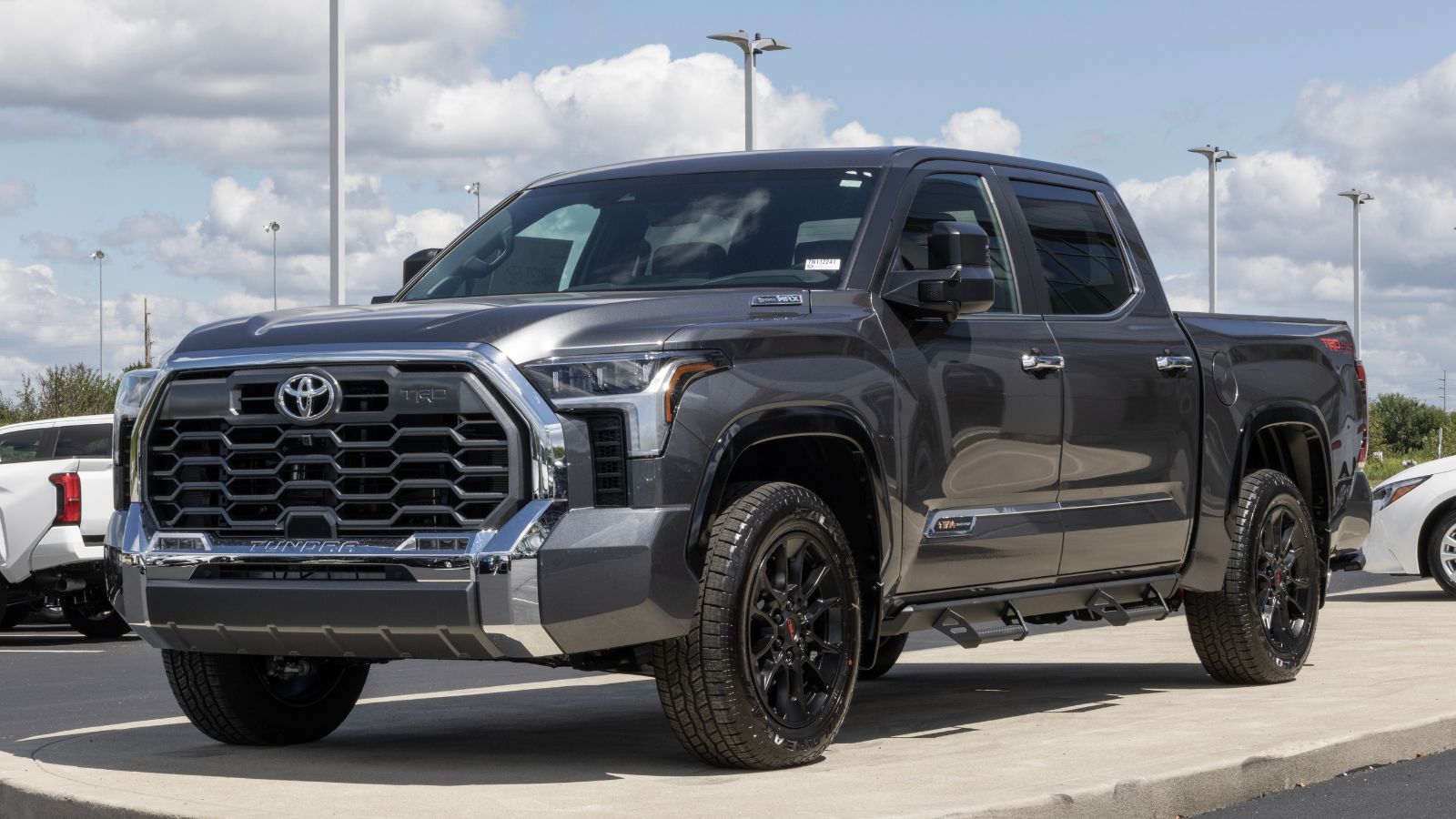
The first value drop often happens before anything goes wrong mechanically. Once a new car is titled, registered, and driven away, the next buyer usually sees it as used, even if it has only a few hundred miles. That status change matters because buyers expect a discount for taking over a vehicle that no longer qualifies as untouched inventory, factory-fresh stock, or a full new-car shopping experience.
The loss can feel unfair because the vehicle may still look perfect. A buyer who changes plans after two weeks may discover that trade-in offers reflect wholesale realities, not the original window sticker. Depreciation studies often show the first year as one of the steepest periods, which is why short ownership can be so expensive. The car may be nearly new, but the market no longer prices it as new.
A Sudden Spike in Mileage
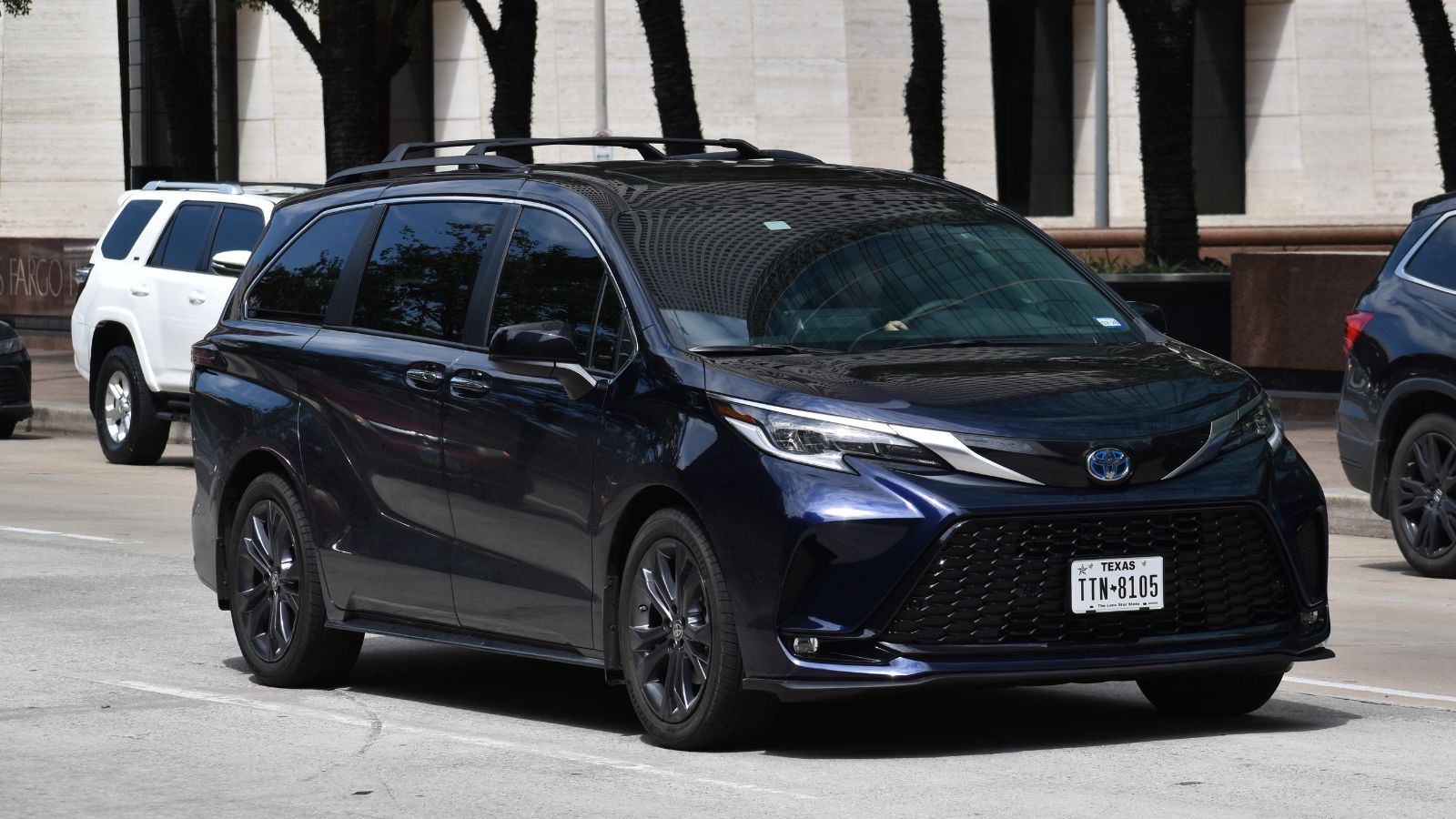
Mileage is one of the simplest signals buyers understand. A new car with 600 miles looks lightly used; the same model with 6,000 miles after a few months raises questions about road trips, rideshare use, business driving, or unusually heavy wear. Even when the mileage is honest and harmless, valuation tools and dealer appraisals often adjust downward because mileage shortens the remaining useful life.
The effect becomes more noticeable when the mileage is far above what buyers expect for the model year. A commuter who adds highway miles quickly may have a mechanically sound car, but the odometer tells a story that competes with lower-mileage examples online. Dealers know shoppers sort listings by mileage, so they price aggressively to keep the car visible. Overnight value loss can happen when a once-new car suddenly looks older than its registration date.
A Reported Accident, Even a Minor One
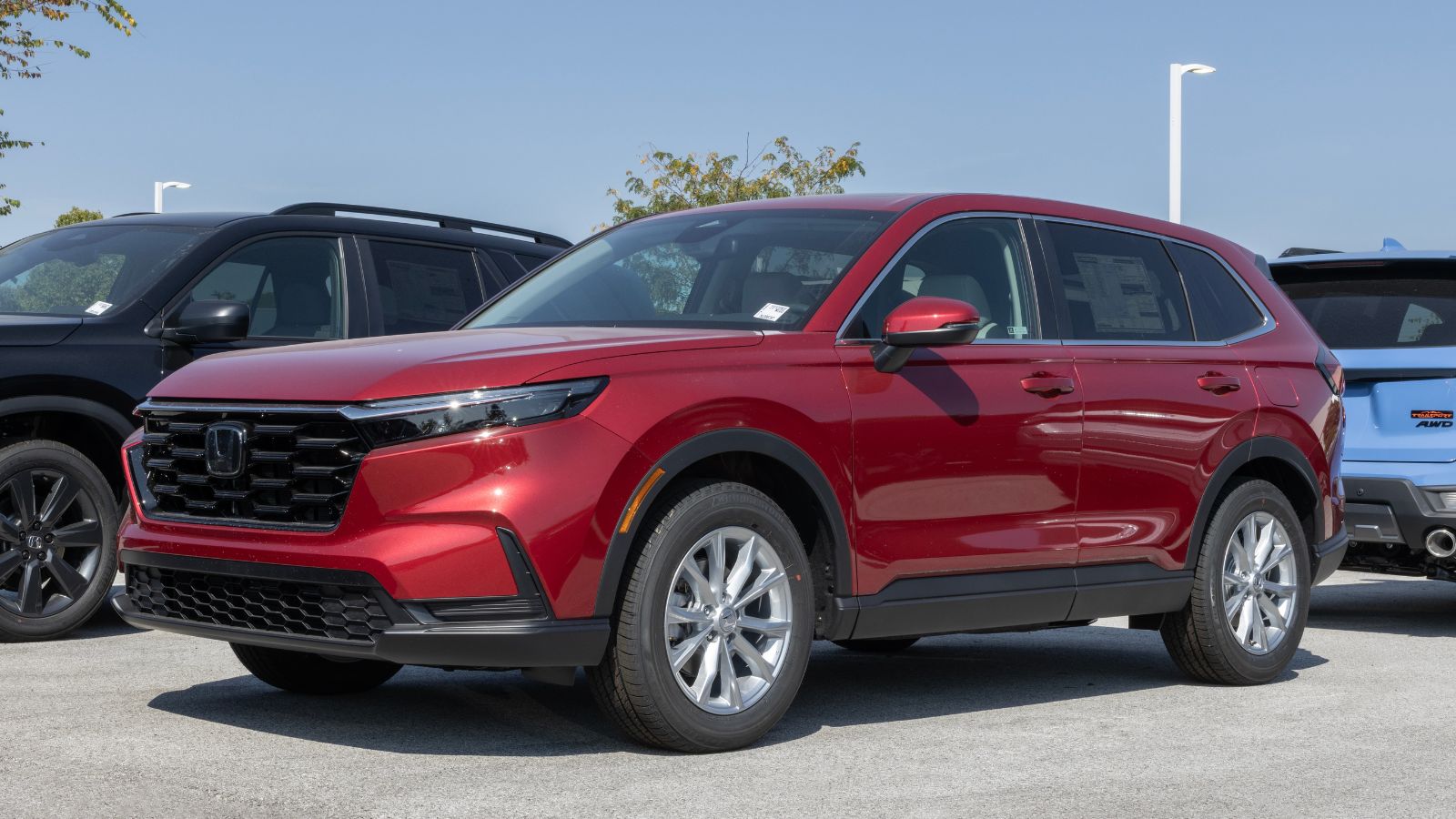
A small collision can follow a car much longer than the dent itself. Once an accident appears on a vehicle history report, buyers may wonder whether the repair was cosmetic, structural, or hiding future problems. Even if the vehicle was repaired correctly with original parts, the stigma can reduce its market value because shoppers often compare it against similar cars with clean records.
The hit is especially sharp for new cars because expectations are higher. A repaired bumper on a 10-year-old commuter car may be tolerated; the same repair on a two-month-old sedan can trigger hesitation. Dealers often lower trade offers because they know shoppers will ask for discounts. A minor parking-lot scrape may not change how the car drives, but the paper trail can change how the market sees it.
Severe Damage or a Total-Loss Event
Major damage can transform a new car’s value almost immediately. Structural repairs, airbag deployment, frame damage, fire exposure, or a total-loss insurance record can push a vehicle into a completely different pricing category. Buyers are not only thinking about appearance; they are thinking about safety, alignment, resale difficulty, and whether future insurers or lenders will treat the car differently.
Even after professional repairs, severe damage often creates doubt that cannot be polished away. A car may pass inspection and still sell for far less than a comparable clean-title vehicle. The loss is not only emotional but mathematical: dealers must account for slower resale, extra inspections, and buyer objections. For a new vehicle, the gap between “nearly new” and “previously seriously damaged” can be enormous.
A Salvage, Rebuilt, Flood, or Branded Title
Title branding is one of the fastest ways a vehicle can lose value. Terms such as salvage, rebuilt, flood, junk, lemon, or odometer brand are official signals that the car has a serious history. Even if repairs are complete and the vehicle looks normal, a branded title permanently changes how many buyers, banks, insurers, and dealers evaluate it.
This matters because title brands are not just opinions from a salesperson. They are part of a formal vehicle-history ecosystem designed to warn buyers about major past events. A new car caught in a flood or declared a total loss after a crash can become difficult to finance and harder to insure. The discount may be steep enough that the vehicle appeals mainly to bargain hunters, rebuilders, or buyers comfortable accepting extra risk.
Flood or Water Exposure
Flood damage is especially damaging because water can reach places that are difficult to inspect. Carpets may dry, panels may be cleaned, and warning lights may disappear, but moisture can affect wiring, sensors, modules, seat tracks, airbag components, and corrosion-prone metal. A new car that smells musty or shows water stains can lose buyer confidence immediately.
The fear is not exaggerated. Flood-damaged cars often move far from the storm area and reappear in other markets, sometimes after cosmetic cleanup. That makes buyers cautious when a nearly new vehicle has unexplained interior odors, condensation in lights, rusty fasteners, or electrical glitches. Unlike a visible dent, water damage can feel unpredictable. The possibility of future electronic problems can make a dealer reduce the offer before any major failure appears.
An Open Recall That Sounds Serious
Not every recall destroys value, but timing and perception matter. A small software update may be no big deal, while a recall involving airbags, braking, battery fire risk, steering, or “do not drive” warnings can make buyers pause. If a new car has an open safety recall and the repair is not yet available, the value can take a temporary hit because the problem is unresolved.
The issue becomes more serious when the recall receives widespread news coverage. A shopper may not understand the technical details, but a headline about fire risk or sudden loss of power is enough to create hesitation. Dealers also dislike uncertainty because they may have to hold inventory until repairs are completed. Even when the manufacturer fixes the issue for free, the gap between announcement and remedy can pressure resale value.
Heavy Manufacturer Discounts on the Same Model
A new car can lose value when the manufacturer suddenly starts discounting identical models. If the same vehicle is now available with thousands in rebates, low-rate financing, or dealer cash, a lightly used example must compete against cheaper new inventory. Buyers will naturally ask why they should pay close to used-car asking price when a brand-new version costs only slightly more.
This is one of the most frustrating forms of depreciation because the owner did nothing wrong. The vehicle did not crash, flood, or break. The market simply moved. Incentives often rise when inventory builds or demand slows, and those discounts can reset the price ceiling for everyone. A car bought at full sticker in January can look overpriced by March if the brand begins clearing lots aggressively.
A Big Price Cut From the Automaker
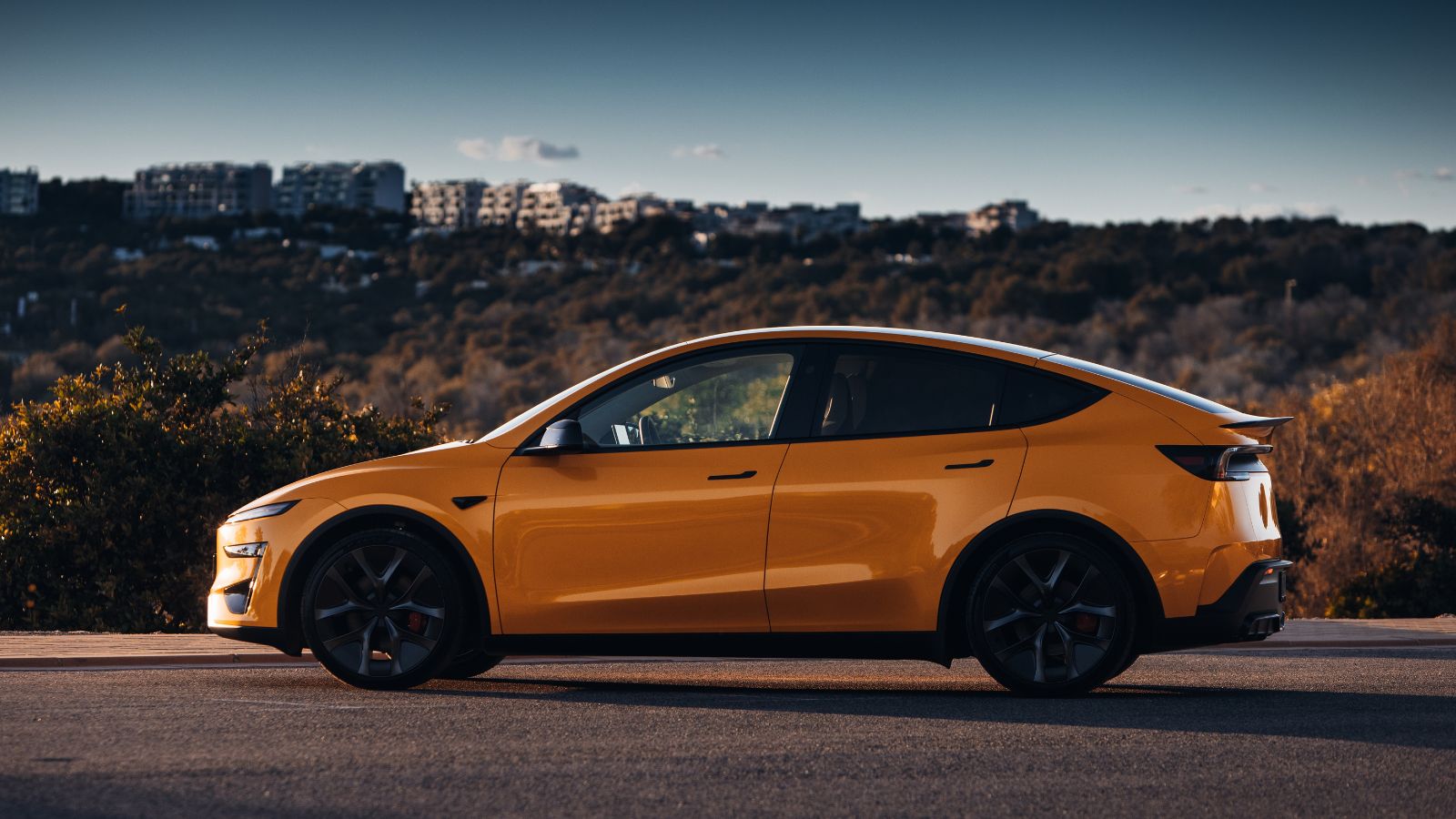
Direct price cuts can hit resale value even harder than temporary incentives. When an automaker lowers the official price of a model, used versions immediately look less attractive at their old values. This has been especially visible in segments where competition changes quickly, such as electric vehicles, luxury vehicles, and technology-heavy models.
The effect can feel sudden because pricing guides, dealers, and private sellers all respond to the new benchmark. A buyer who paid a premium for early access may find that later shoppers can buy the same or improved vehicle for less. That makes the original car harder to sell without a meaningful discount. The vehicle may still be excellent, but the market has been told it is worth less.
Electric Vehicle Incentive Changes
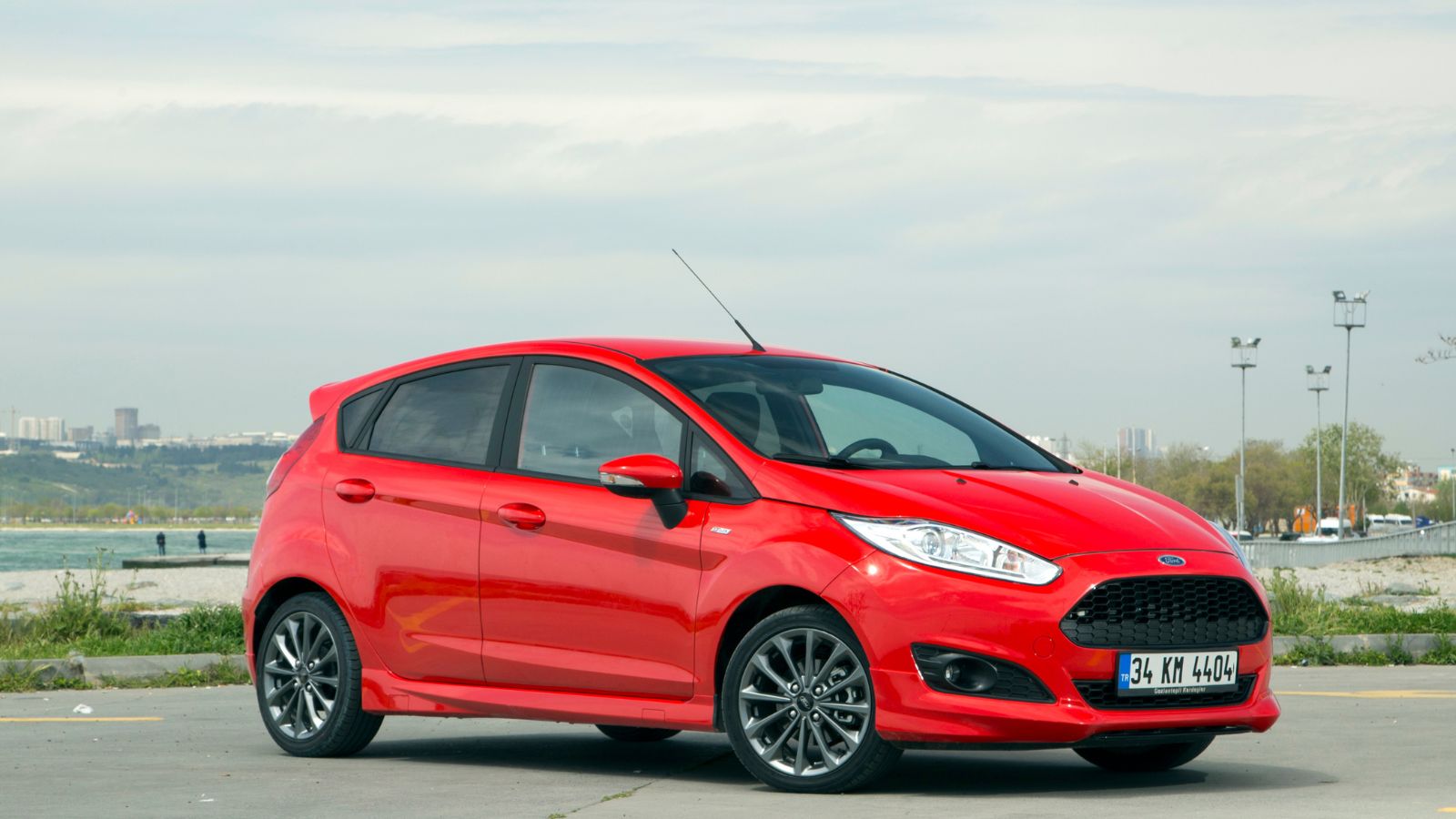
Electric vehicles can be especially sensitive to tax credits, rebates, and eligibility rules. A new EV that qualifies for a large incentive may be easier to sell; one that loses eligibility can become less competitive overnight. Buyers compare the effective price after incentives, not only the sticker price, so policy changes can quickly reshape demand.
Battery technology and charging standards also move quickly. If a newer model offers more range, faster charging, a better plug standard, or improved software, a recently purchased EV can feel dated sooner than expected. Used EV values have also been influenced by fleet sales and shifting supply. For owners, the painful part is that depreciation may come from market forces rather than any defect in the vehicle itself.
A Reputation Problem Spreading Online
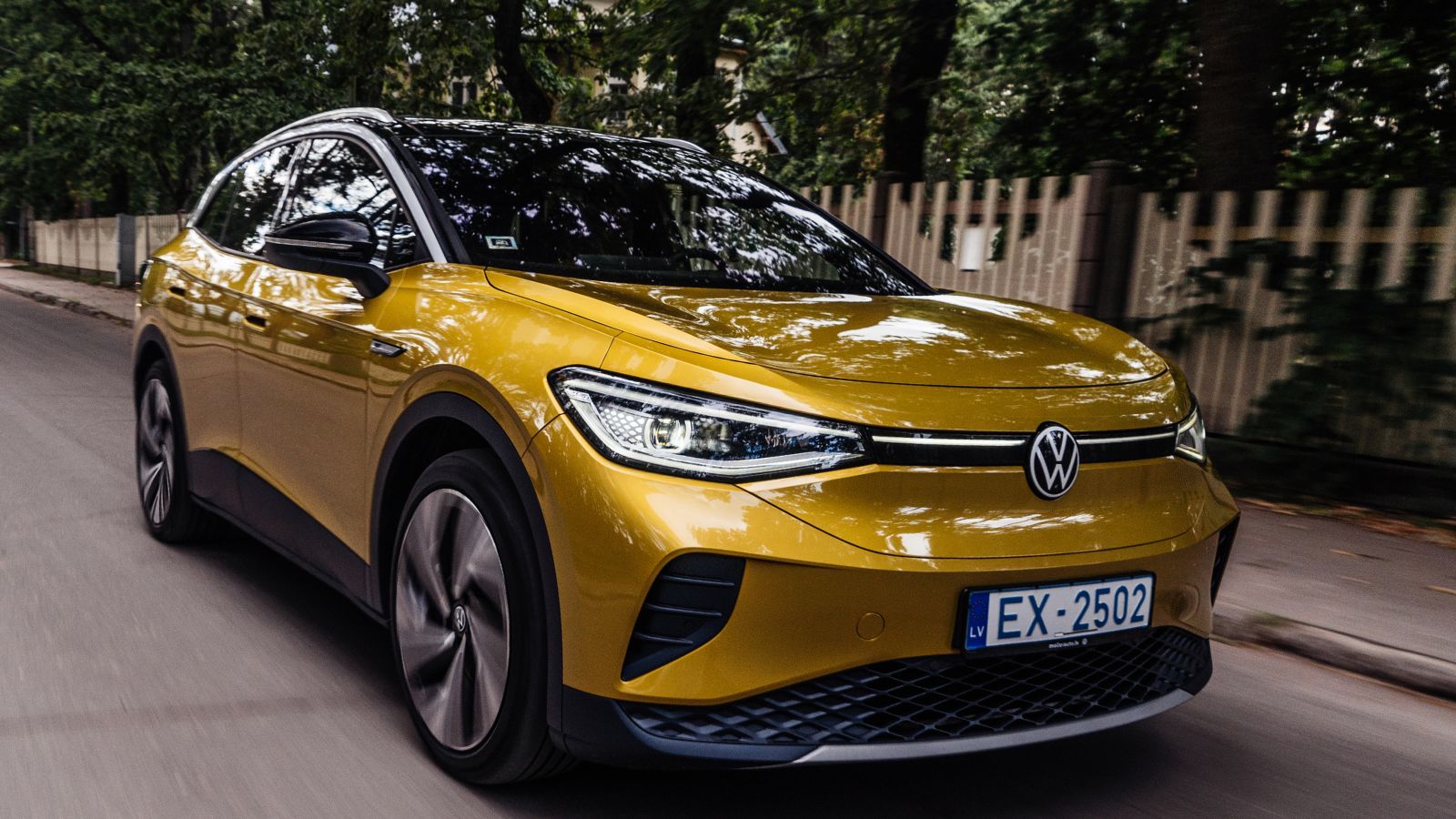
Modern resale value can be influenced by reputation faster than ever. A pattern of complaints about transmissions, infotainment failures, battery issues, paint defects, or engine problems can spread across owner forums, video platforms, and consumer publications. Even before formal recalls appear, shoppers may start avoiding certain trims or model years.
This can hurt a new car that has never experienced the problem. Dealers know that reputation affects how quickly a vehicle sells, so they may reduce offers for models attracting negative attention. A single viral repair story does not prove every vehicle is flawed, but perception can still move prices. In the used market, confidence is currency. When confidence drops, resale value often follows.
Poor Reliability Ratings or Weak Residual Forecasts
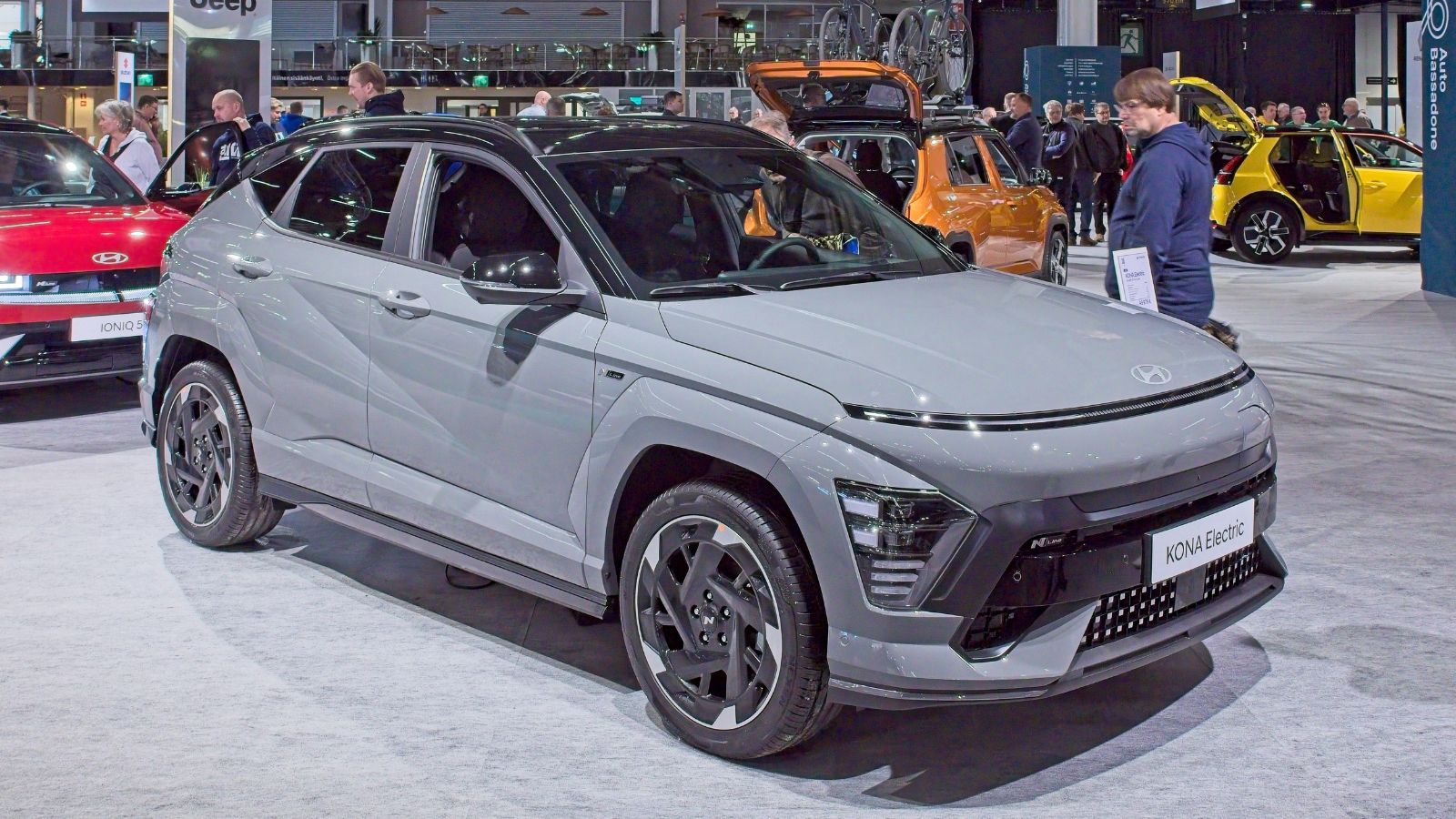
Residual value is closely tied to expectations. If analysts, leasing companies, or industry guides expect a model to lose value faster than rivals, that forecast can shape lease terms, dealer decisions, and resale pricing. Vehicles with weaker reliability reputations or uncertain long-term demand often face larger discounts because buyers price in future repair risk.
This is why two new cars with similar sticker prices can behave very differently after purchase. A mainstream model known for durability may remain strong, while a luxury or niche model with expensive parts can slide quickly. Buyers do not only purchase horsepower, screens, and leather; they also buy confidence. If the market doubts long-term dependability, the value can soften well before the warranty expires.
Choosing Options Buyers Do Not Want
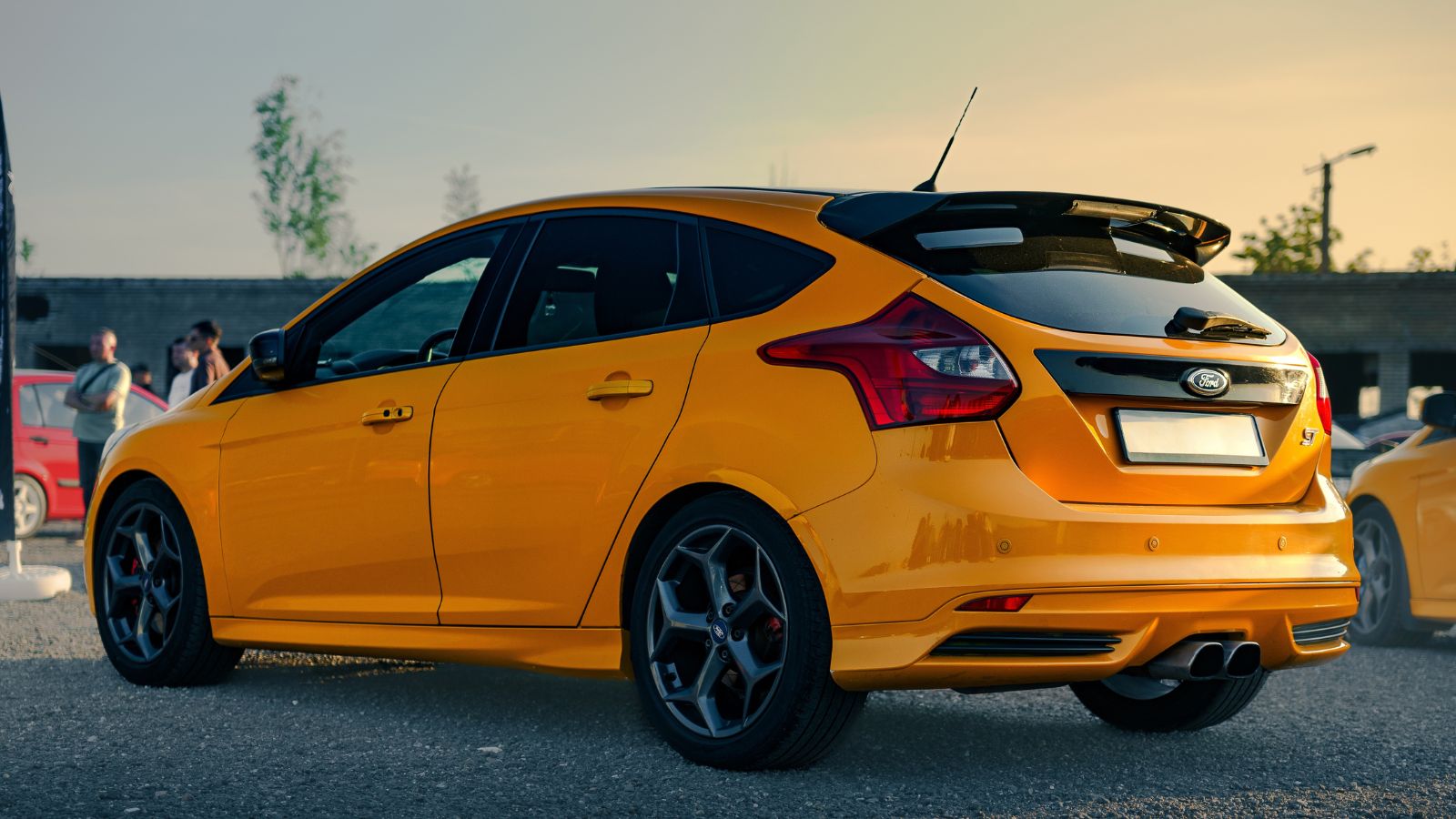
Expensive options do not always return money at resale. A panoramic roof, oversized wheels, unusual interior color, rear-seat entertainment package, or performance package may raise the original price but appeal to only a narrow group of used buyers. When a dealer evaluates the car, those extras may be treated as nice to have rather than dollar-for-dollar value.
This catches many owners by surprise because the payment was based on the full transaction price. A buyer may have spent thousands on features that looked impressive in the showroom but become less important in the used market. Some options can even reduce demand if they add repair costs, reduce ride comfort, or make the car harder to insure. Custom taste is often expensive when it must be resold to strangers.
An Unpopular Color or Hard-to-Match Paint
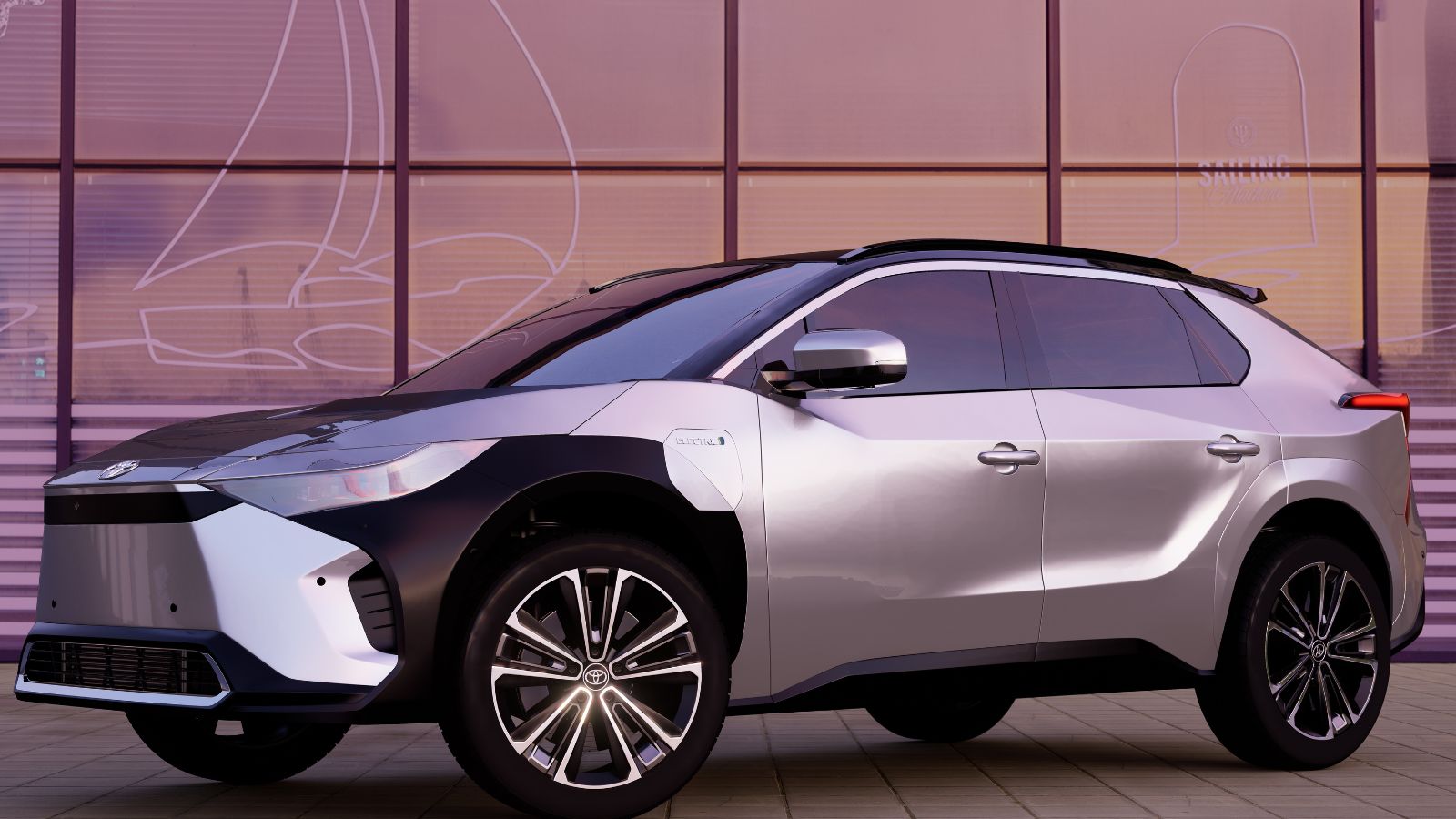
Color can affect value more than many people expect. Common shades may be safe, but some finishes age poorly in the market, while unusual colors can either help or hurt depending on the vehicle. A bright color on a sports car may attract buyers; the same color on a family SUV may narrow the audience. Matte, pearl, or specialty paints can also be costly to repair.
The issue becomes urgent when the paint is scratched, mismatched, or damaged shortly after purchase. A new car with a poor repaint on one panel may raise suspicions about accident history even if the damage was minor. Buyers want factory consistency, especially on a nearly new vehicle. If the color is hard to match or unpopular locally, the car may need a lower price to move quickly.
Visible Interior Wear, Odors, or Pet Damage
A new car can lose value quickly when the cabin no longer feels new. Smoke odor, pet hair, food stains, torn upholstery, scratched trim, and strong air freshener smells all suggest hard use. Even small interior problems matter because buyers expect a late-model car to feel clean, fresh, and carefully kept.
Odors are especially difficult because they create doubt. A buyer may wonder whether smoke, moisture, pets, or spilled liquids are trapped in carpets and vents. Dealers often account for reconditioning costs before making a trade offer, and some smells require professional treatment. The vehicle may drive perfectly, but if the interior tells a rough story, the appraisal can drop quickly. In resale, presentation is not cosmetic fluff; it helps buyers trust the car.
Scratched Wheels, Dents, and Paint Damage
Cosmetic damage can make a new car look older than it is. Curb rash on wheels, door dings, bumper scuffs, cracked trim, windshield chips, and scratched paint all reduce the “nearly new” impression. Individually, these problems may seem small, but appraisers often add up the cost of repairs and subtract it from the offer.
The timing makes the loss feel worse. A three-year-old vehicle is expected to have a few marks; a three-week-old vehicle is not. Buyers also use visible damage as a negotiation tool, sometimes assuming careless ownership even when the flaw came from one unlucky parking-lot incident. A new car does not have to be mechanically damaged to lose value. It only needs to stop looking like a new car.
Aftermarket Modifications
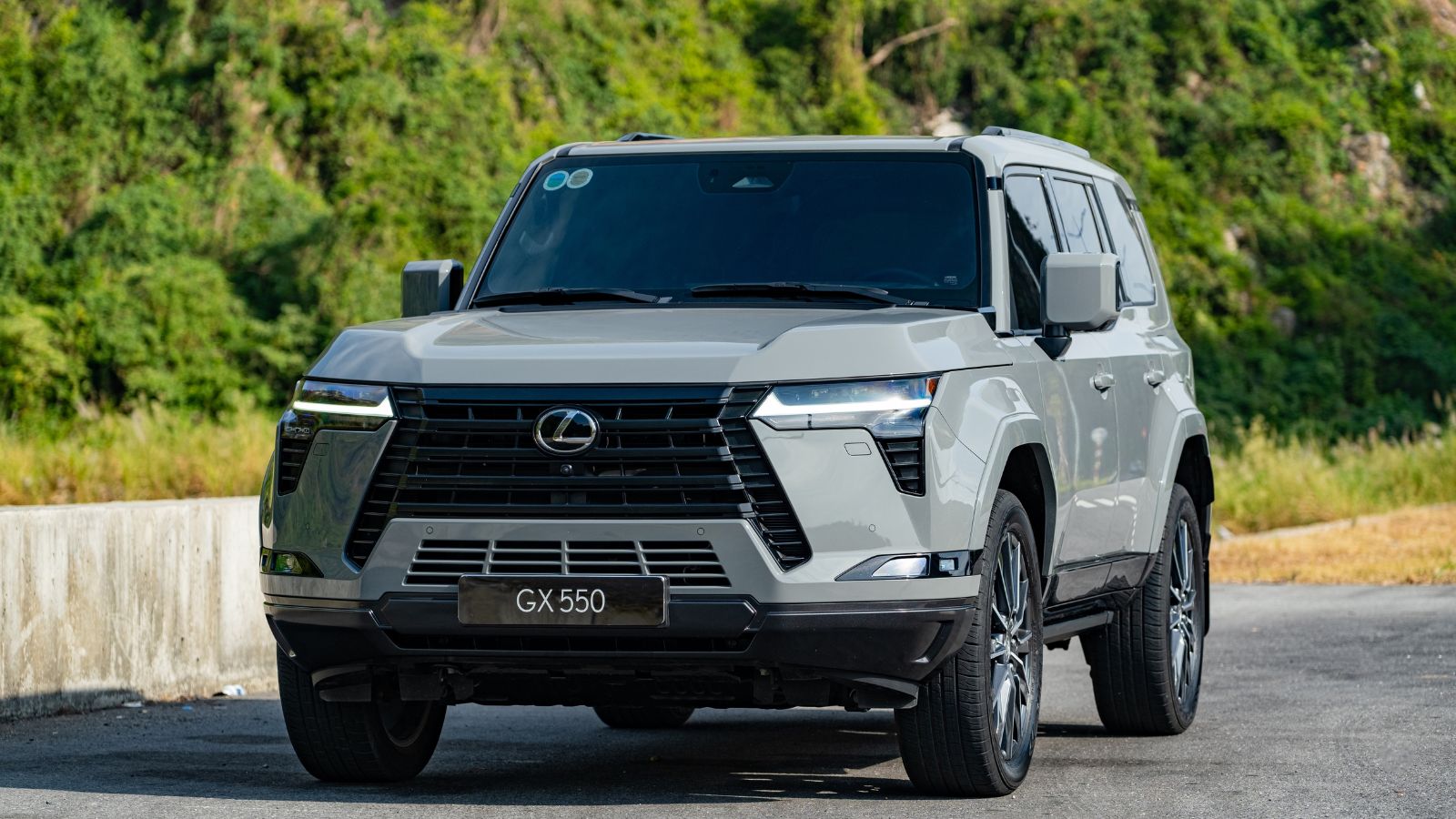
Modifications can make a car more personal but less valuable to the broader market. Lowering springs, oversized wheels, loud exhausts, engine tunes, aftermarket lighting, wraps, and audio upgrades may appeal to the owner while making dealers and future buyers cautious. The concern is not only taste; it is whether the changes affected reliability, warranty coverage, emissions compliance, or insurance.
A lightly modified new car may still be perfectly safe, but it no longer looks untouched. Appraisers may wonder whether the vehicle was driven hard or altered beyond factory specifications. Some modifications are reversible, but the labor and uncertainty can still lower offers. The more specialized the build, the smaller the buyer pool becomes. A car customized for one person may need a discount to attract the next.
Missing Maintenance or Service Records
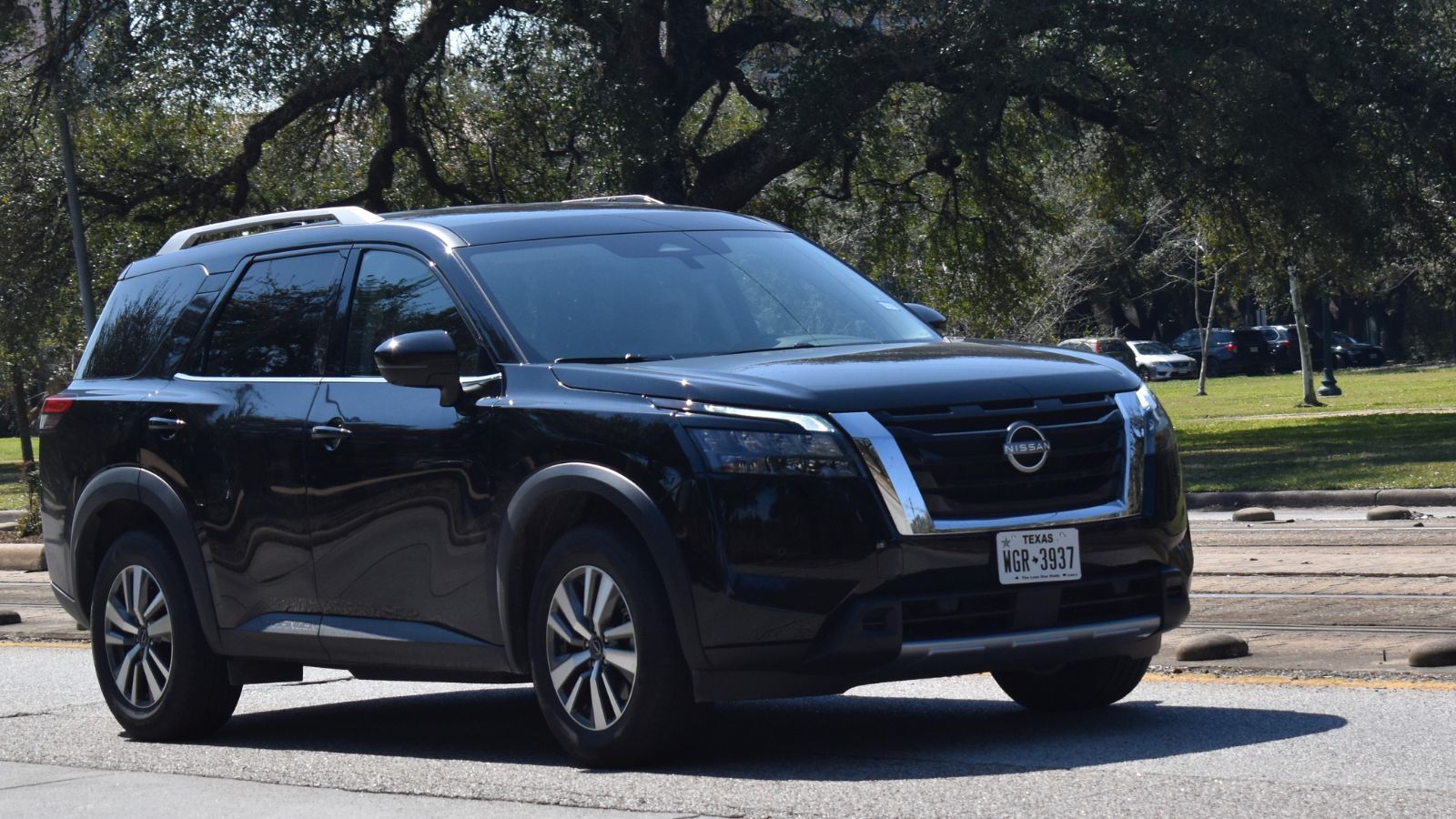
A new car with missing service documentation can lose credibility quickly, especially if it has already reached its first maintenance interval. Oil changes, tire rotations, software updates, recall repairs, and warranty work help build a clean ownership story. When records are missing, buyers may not know whether the work was skipped or simply undocumented.
This matters more on modern vehicles because maintenance can affect warranty claims and long-term reliability. A seller who says “it was done” may still face skepticism without receipts, dealer records, or app history. Dealers prefer paper trails because they help market the car confidently. A new car does not need a thick service folder yet, but the early records should make sense. Gaps invite questions, and questions reduce offers.
Commercial, Rental, Rideshare, or Fleet Use
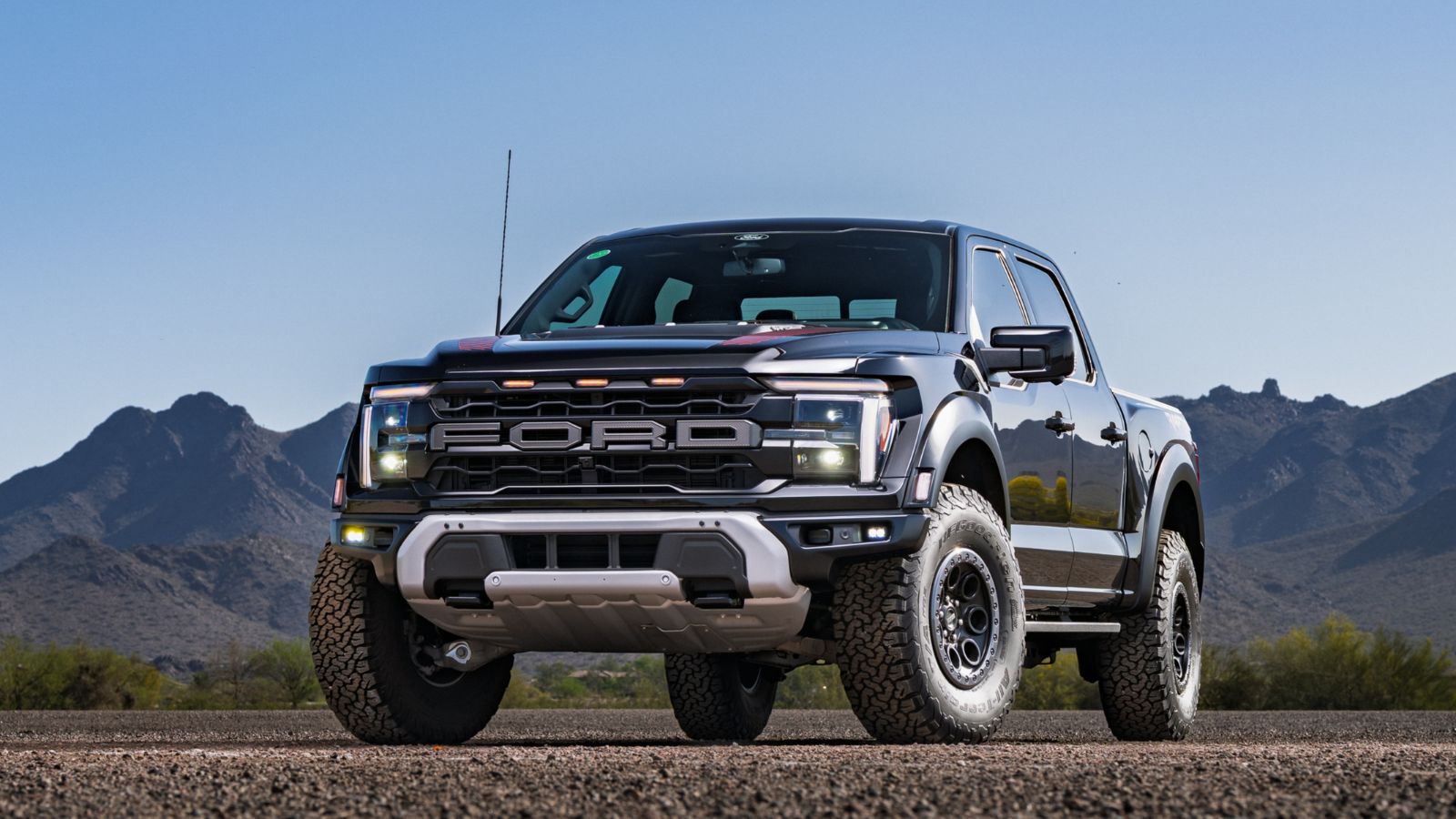
A new car used for rideshare, delivery, rental, or company duty can lose value quickly because buyers assume harder use. Even if the car is maintained well, commercial driving often means frequent starts, heavy city miles, door wear, curb contact, idling, and many different drivers or passengers. Vehicle history reports may also identify prior rental, fleet, lease, or commercial use.
The stigma is strongest when the mileage is high for the age. A nearly new car with 18,000 miles and fleet history will be compared with personal-use vehicles that look less stressed. Some buyers are comfortable with former fleet cars if the price is right and records are strong, but few expect to pay the same as a private-owner example. Use history can instantly change the pricing conversation.
Theft Risk or Insurance Concerns
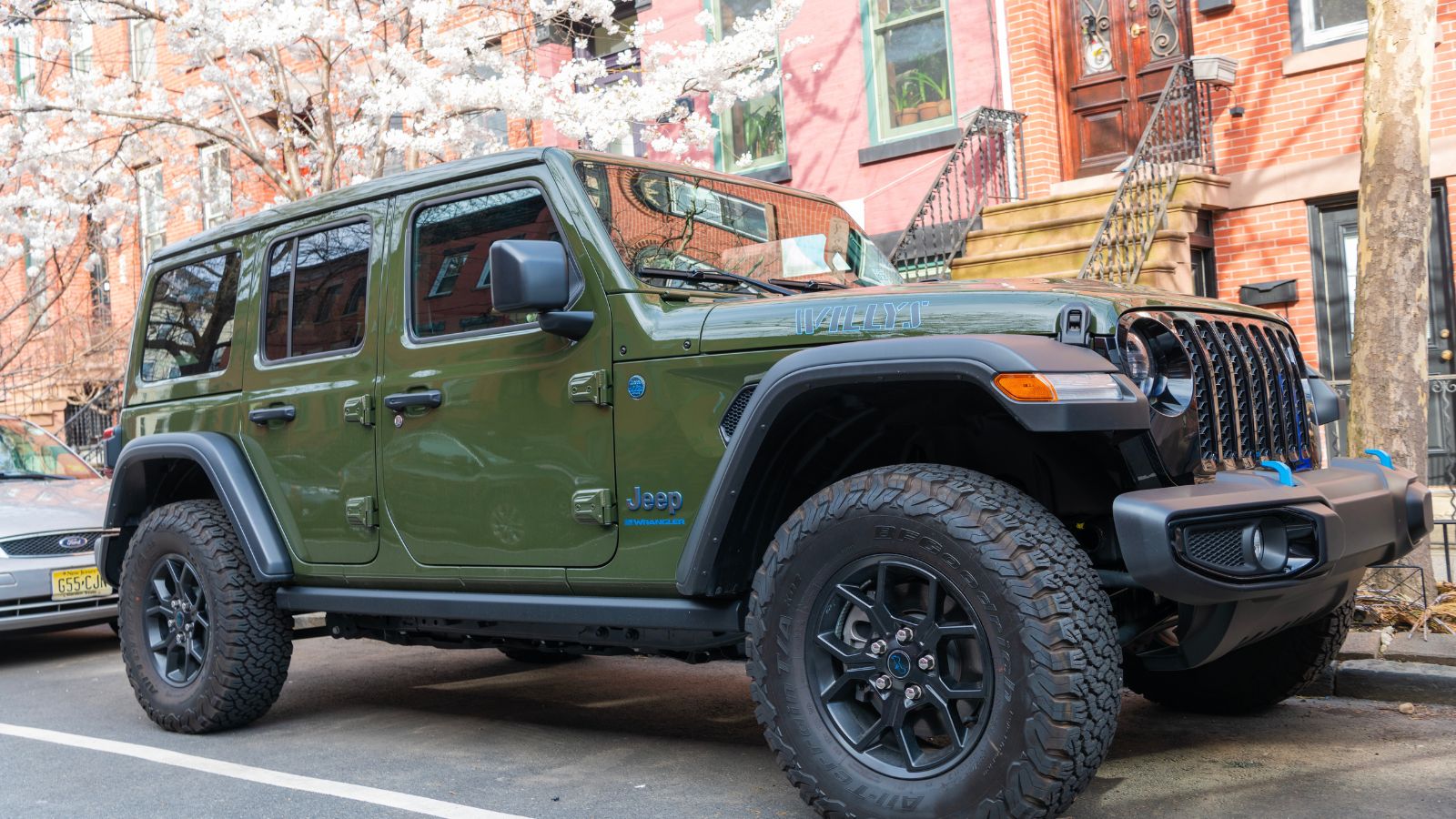
A vehicle’s value can suffer when it becomes associated with theft risk or expensive insurance. If a model appears on theft lists, lacks certain anti-theft protections, or becomes costly to insure in specific regions, buyers may hesitate. The car itself may be mechanically excellent, but ownership costs and security concerns can influence demand.
Insurance friction can shrink the buyer pool. Some shoppers walk away when quotes are much higher than expected, while lenders may require comprehensive coverage that makes monthly costs harder to justify. Theft reputation can also affect trade-in values because dealers consider how easy the vehicle will be to resell. A car does not have to be stolen to lose value; it only has to become known as a target.
A Fast Shift in Used-Car Market Conditions
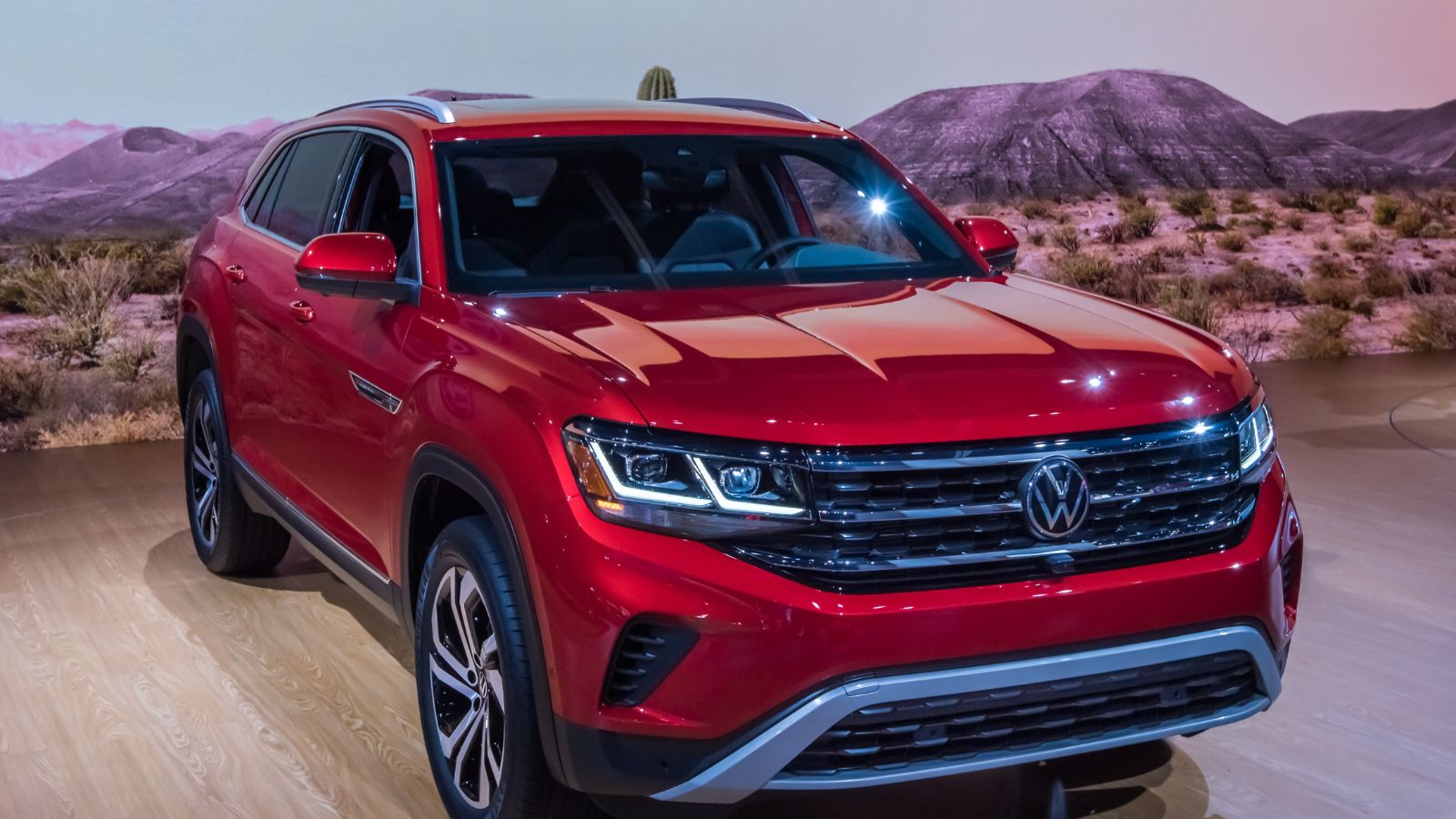
Vehicle values move with the broader market. Wholesale prices, interest rates, fuel costs, consumer confidence, inventory levels, and seasonal demand can all change what a dealer is willing to pay. A new car bought during a tight market may look less valuable if inventory improves, financing gets expensive, or used-car demand softens.
These shifts can feel sudden because owners usually remember the price they paid, while dealers focus on what similar cars are bringing at auction now. A pickup may strengthen when fuel prices are stable and work demand is strong; a large SUV may soften when fuel costs rise. Depreciation is not only about the car in the driveway. It is also about the market surrounding it, and that market can move quickly.
A New Generation, Facelift, or Discontinuation Announcement
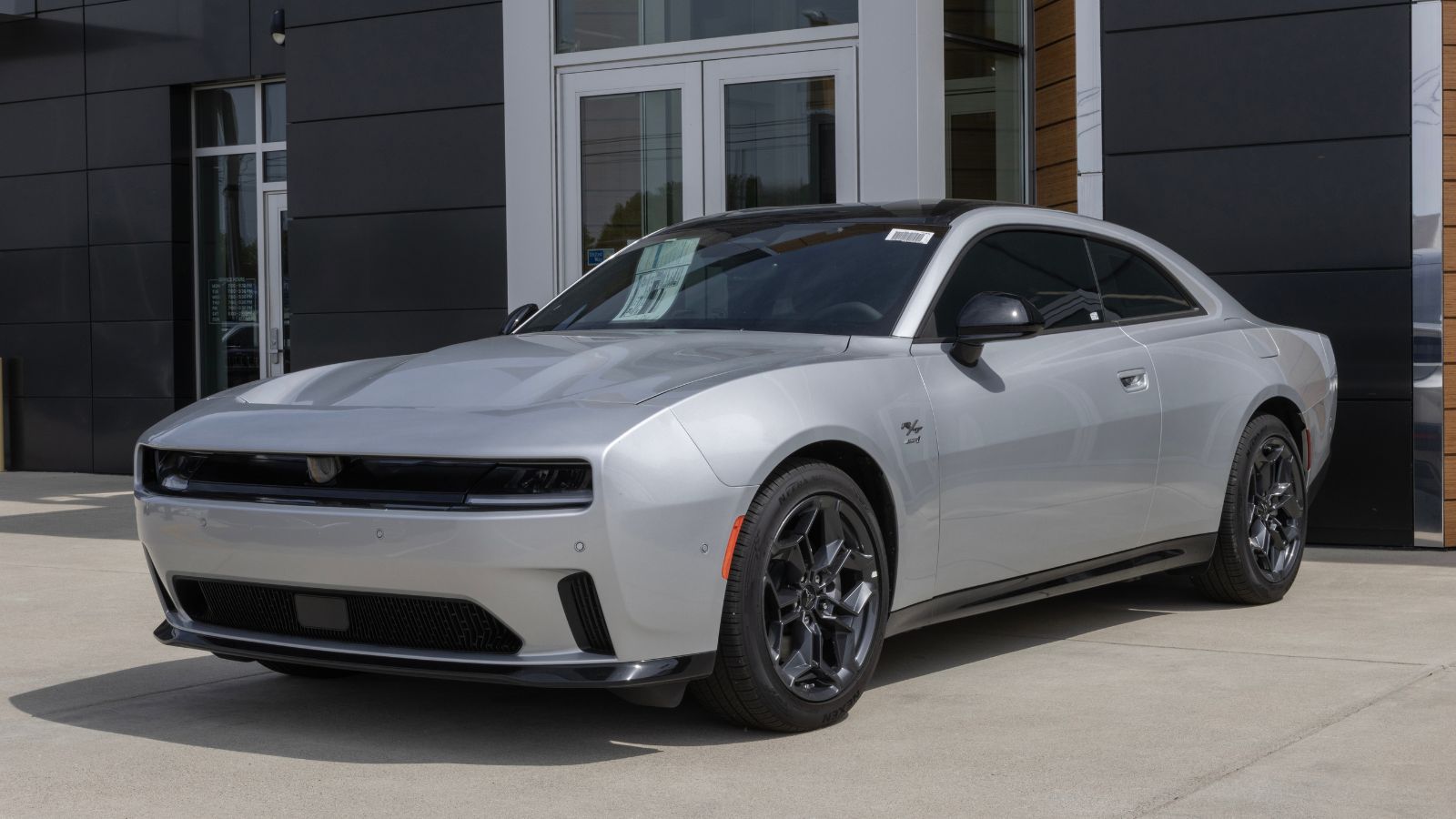
A redesign can make a recently purchased vehicle feel older almost immediately. When the next model gets a better interior, improved safety technology, more range, better fuel economy, or a fresh exterior, shoppers may discount the outgoing version. Even a mild facelift can change buyer perception if the older model suddenly looks dated beside showroom inventory.
Discontinuation can work both ways, but for most ordinary vehicles it adds uncertainty. Buyers may wonder about parts support, resale demand, or whether the model was dropped because sales were weak. Some enthusiast cars become collectible, but many discontinued models simply become harder to explain. A new car can still be reliable and practical, yet lose value because the product cycle moved on faster than the owner expected.
22 Things Canadians Do to Their Cars in Spring That Mechanics Hate

Spring brings relief to many Canadian drivers after months of snow, freezing temperatures, and icy roads that put serious strain on vehicles. As temperatures rise across the country, drivers begin washing cars, switching tires, and preparing vehicles for warmer weather and upcoming road trips. However, mechanics across Canada notice the same mistakes every spring when drivers attempt to recover from winter damage. Road salt, potholes, and harsh winter driving conditions often leave vehicles with hidden problems that drivers ignore. Some spring habits even create new mechanical issues that could have been avoided with proper maintenance. Here are 22 things Canadians do to their cars in spring that mechanics hate.