


























A used car often wins attention with the extras: a wide glass roof, power everything, advanced safety alerts, or a luxury suspension that makes the test drive feel smoother than expected. Those features can make an older vehicle feel modern, but age, mileage, moisture, software issues, and neglected maintenance can turn convenience into a costly ownership surprise.
These 21 used car features are worth checking closely because many depend on motors, sensors, modules, seals, batteries, cameras, pumps, or specialized calibration. When they work, they add comfort and confidence. When they fail, the repair bill can feel far larger than the feature ever seemed.
Panoramic Sunroofs

A panoramic sunroof can make a used car feel more upscale the moment light fills the cabin. The hidden risk is that the feature is not just glass; it usually includes drains, seals, tracks, motors, shades, control modules, and interior trim that may need to be removed for proper repairs. A small water stain near the headliner can be the first clue that the roof has been leaking for months.
The expensive part is often labor. Technicians may need to lower the headliner, remove trim panels, clear clogged drains, replace a motor, or diagnose an electronic module. Water intrusion can also reach wiring, carpet padding, airbags, or infotainment components. On a used car, a sunroof that opens slowly, rattles, whistles, or leaves a musty smell deserves more attention than a quick button test in the driveway.
Power Sliding Doors and Power Liftgates
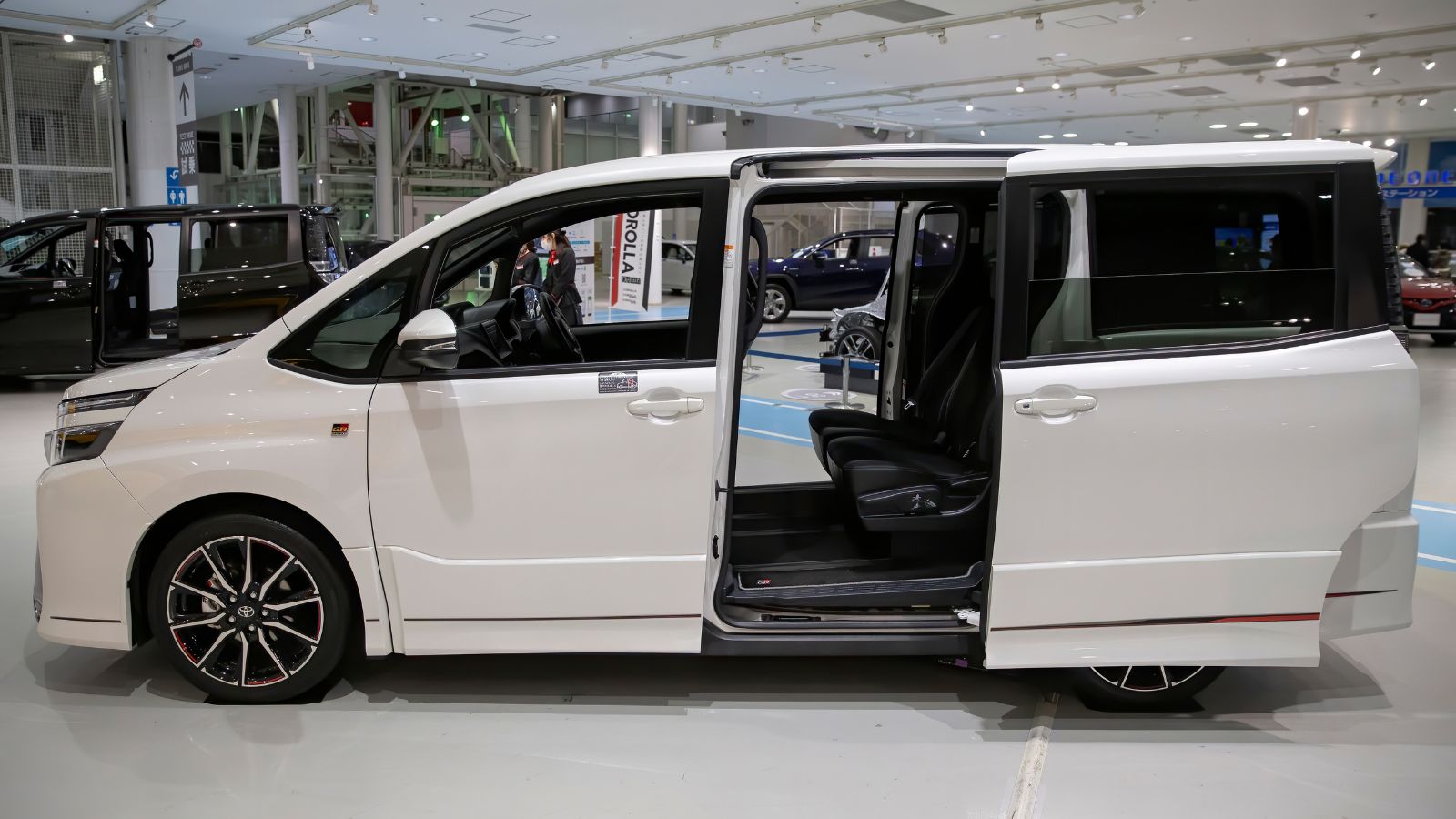
Power doors are wonderful when hands are full, especially on minivans, crossovers, and family SUVs. They also add motors, cables, sensors, latches, switches, and anti-pinch systems to what used to be a simple hinge or manual hatch. A door that hesitates, reverses, beeps without closing, or needs a shove may be warning of an expensive failure rather than a minor annoyance.
These systems often suffer from years of grit, weak struts, worn rollers, misalignment, or tired motors. A family van that has opened its sliding doors several times a day for ten years has given those parts a hard life. The same applies to a power liftgate used constantly for groceries, sports gear, and luggage. During inspection, every button should be tested: key fob, dashboard switch, exterior handle, and interior controls.
Air Suspension
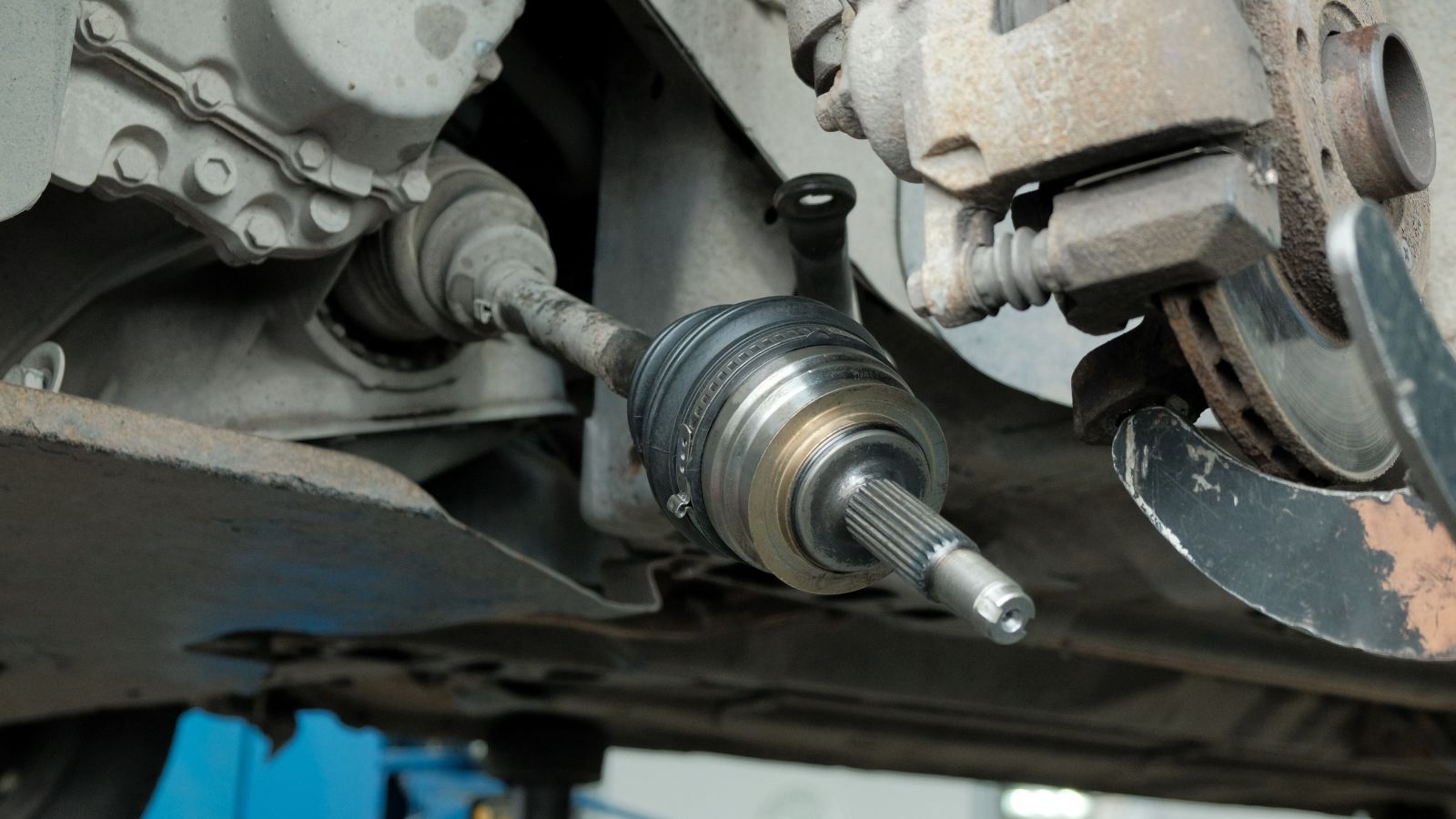
Air suspension can make a used luxury car, SUV, or pickup feel impressively smooth. Instead of ordinary steel springs, it may use air springs, compressors, height sensors, reservoirs, valves, and electronic control modules. That complexity is the reason a vehicle can lower for highway driving or raise for rough ground, but it is also why a tired system can become one of the largest repair surprises on an older vehicle.
The warning signs are often visible before a test drive even begins. A corner that sits lower overnight, a compressor that runs frequently, or a dashboard suspension warning can point to leaks or failing components. Some owners replace only one air spring, then face another failure months later. The ride may be beautiful when healthy, but on a high-mileage used vehicle, air suspension should be treated as a major inspection item.
Adaptive Dampers
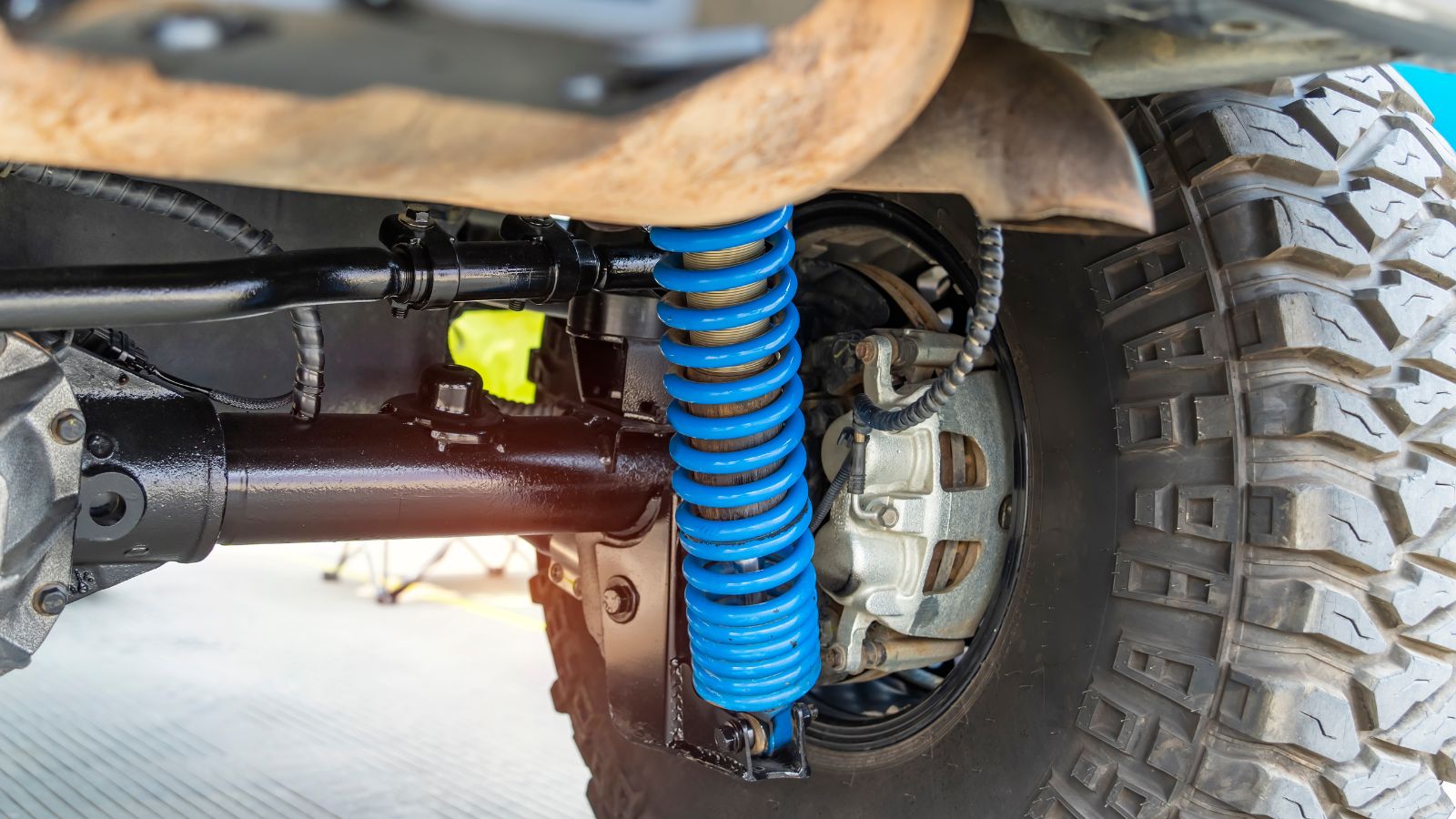
Adaptive dampers promise the best of both worlds: comfort in daily driving and firmness when the road gets twisty. Unlike basic shocks, these dampers can change their behavior electronically through valves, magnetic fluid, or computer-controlled settings. That means a “Sport” or “Comfort” button may be connected to parts that cost far more than ordinary suspension components.
A worn adaptive damper may not always leak dramatically. Sometimes the car just feels floaty, clunky, uneven, or oddly harsh over small bumps. The trouble is that replacing one side may not restore balanced handling, so owners can end up replacing pairs or complete sets. A used car with selectable suspension modes should be driven over smooth roads, rough pavement, and speed bumps to confirm that the system actually changes character.
Turbocharged Engines
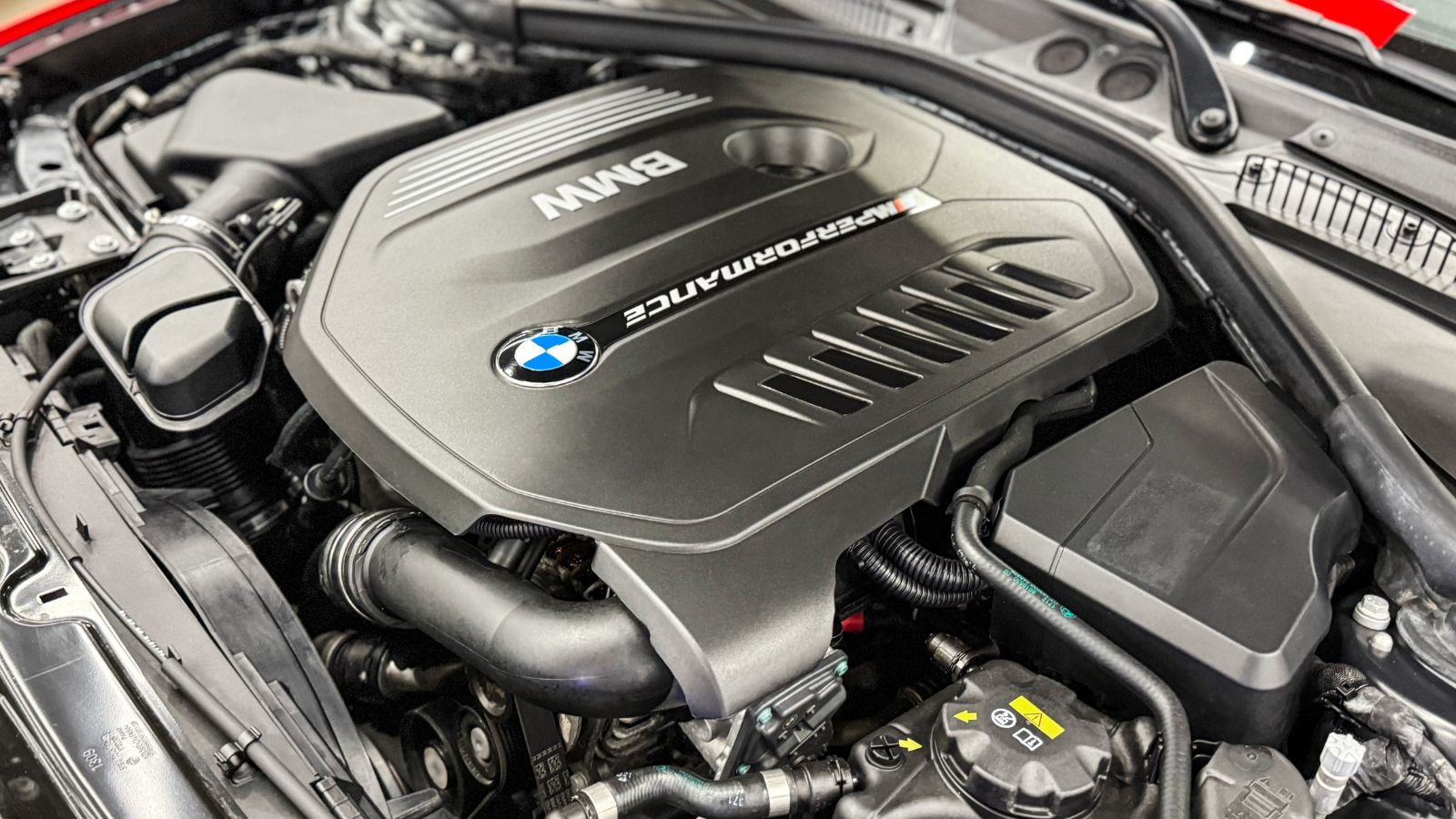
Turbochargers help small engines produce strong power while supporting better fuel-economy targets. They spin at extremely high speed and rely on clean oil, proper cooling, healthy sensors, and tight intake plumbing. That makes maintenance history especially important. A used turbo car that missed oil changes, overheated, or was shut down hard after aggressive driving may carry problems that are not obvious during a short test drive.
Symptoms can include whistling noises, blue smoke, sluggish acceleration, boost warnings, oil leaks, or rough running. A turbocharger failure can also send debris or oil into other parts of the intake and exhaust system. The attraction is easy to understand: a small turbo engine can feel lively and efficient. The risk is that the extra performance comes from a high-stress component that can be expensive once the vehicle is out of warranty.
Direct Injection Fuel Systems
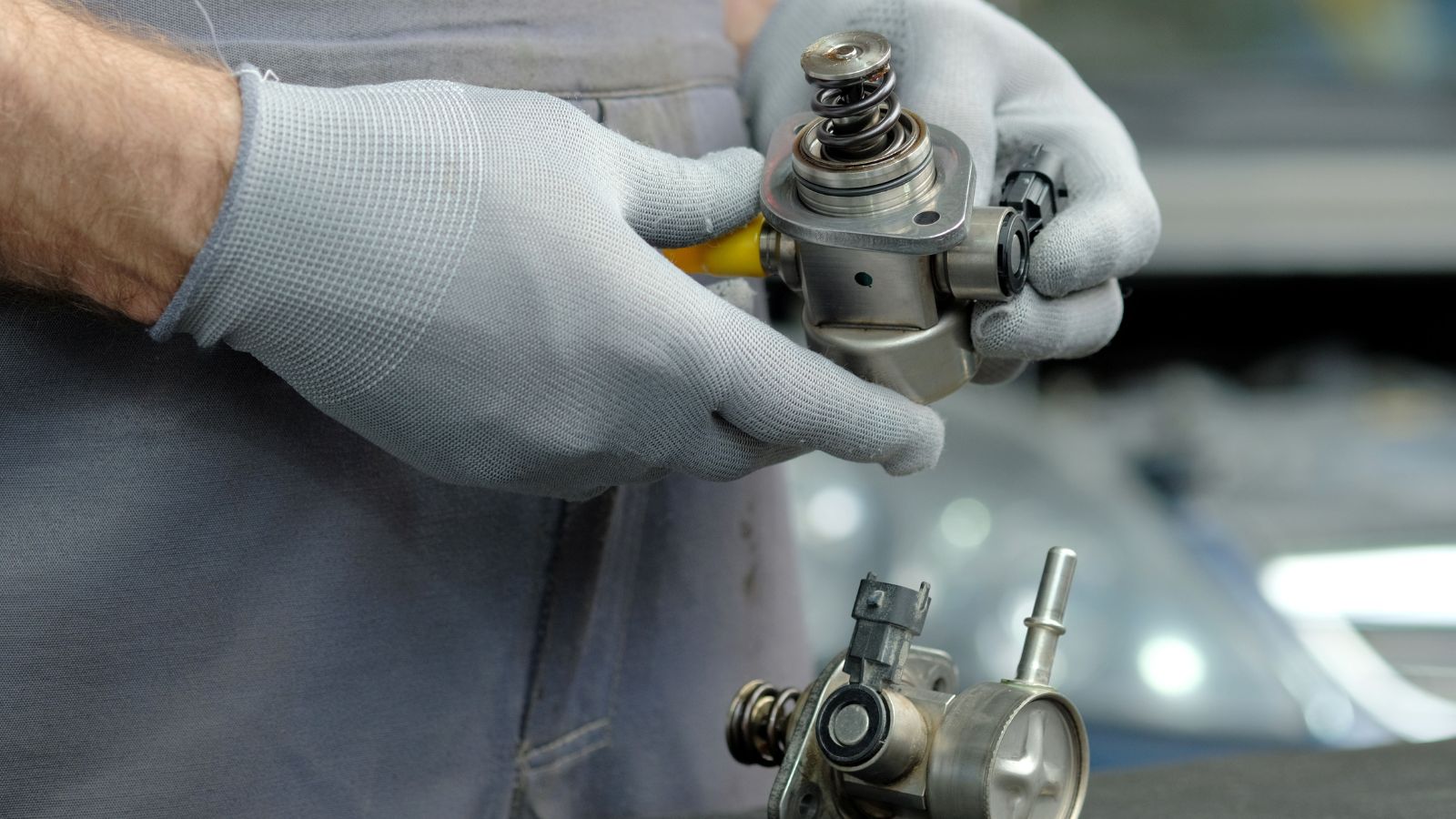
Gasoline direct injection has become common because it can improve power, efficiency, and emissions control. The system sprays fuel directly into the combustion chamber under high pressure. That design has advantages, but on some engines it can also allow carbon deposits to build on intake valves because fuel no longer washes over them the way it does in many port-injected engines.
On a used car, carbon buildup may show up as hesitation, rough idle, misfires, reduced power, or poor fuel economy. Cleaning can require specialized equipment and labor, especially when intake components must be removed. Some modern engines combine port and direct injection to reduce this issue, but many used vehicles do not. A buyer should listen for uneven idle, ask about walnut-blasting or intake cleaning history, and check whether the engine family is known for deposits.
Continuously Variable Transmissions
A continuously variable transmission, or CVT, can feel smooth because it does not shift through fixed gears like a conventional automatic. That smoothness can be appealing in a used compact car, hybrid, or crossover. The concern is that some CVTs are sensitive to heat, fluid condition, driving style, and service history. When symptoms appear, repair options may be limited compared with older automatic transmissions.
Warning signs include shuddering, whining, delayed engagement, slipping sensations, high engine revs without matching acceleration, or jerky low-speed behavior. A transmission service record matters because many owners misunderstand CVT fluid intervals or assume the unit is sealed for life. A used car with a questionable CVT should be driven after fully warming up, including stop-and-go traffic and steady highway speeds, because problems may not appear in the first five minutes.
Dual-Clutch Transmissions
Dual-clutch transmissions were designed to deliver quick shifts and strong efficiency. In simple terms, they use two clutches to preselect gears, making shifts feel fast and sporty. The tradeoff is that the system can be complex, especially in traffic where repeated low-speed starts, creeping, and parking maneuvers create heat and wear. Some dry-clutch designs have been especially sensitive to driving conditions.
A used vehicle with a dual-clutch gearbox should not lurch, chatter, hesitate, slam into gear, or feel confused when moving slowly. Repairs can involve clutch packs, control modules, software updates, mechatronic units, or full transmission replacement. A sporty test drive may hide the issue, while a slow crawl through a parking lot reveals it. For buyers, the best clue is often how the vehicle behaves during the least glamorous part of driving.
All-Wheel Drive and Four-Wheel Drive Systems

All-wheel drive can add confidence in rain, snow, gravel, and steep driveways, but it also adds parts that front-wheel-drive cars do not have. Depending on the vehicle, that may include a transfer case, driveshaft, rear differential, extra axles, couplings, sensors, and additional fluids. These systems are durable when maintained, but neglected fluid changes or mismatched tires can create expensive problems.
A used AWD vehicle should be checked for binding in tight turns, clunks during acceleration, vibrations at speed, and leaks near differentials or the transfer case. Tire condition matters more than many buyers realize because some AWD systems dislike large differences in tread depth. A single damaged tire can sometimes lead to replacing a full set. The feature is useful, but it should not be treated as maintenance-free.
Hybrid High-Voltage Batteries
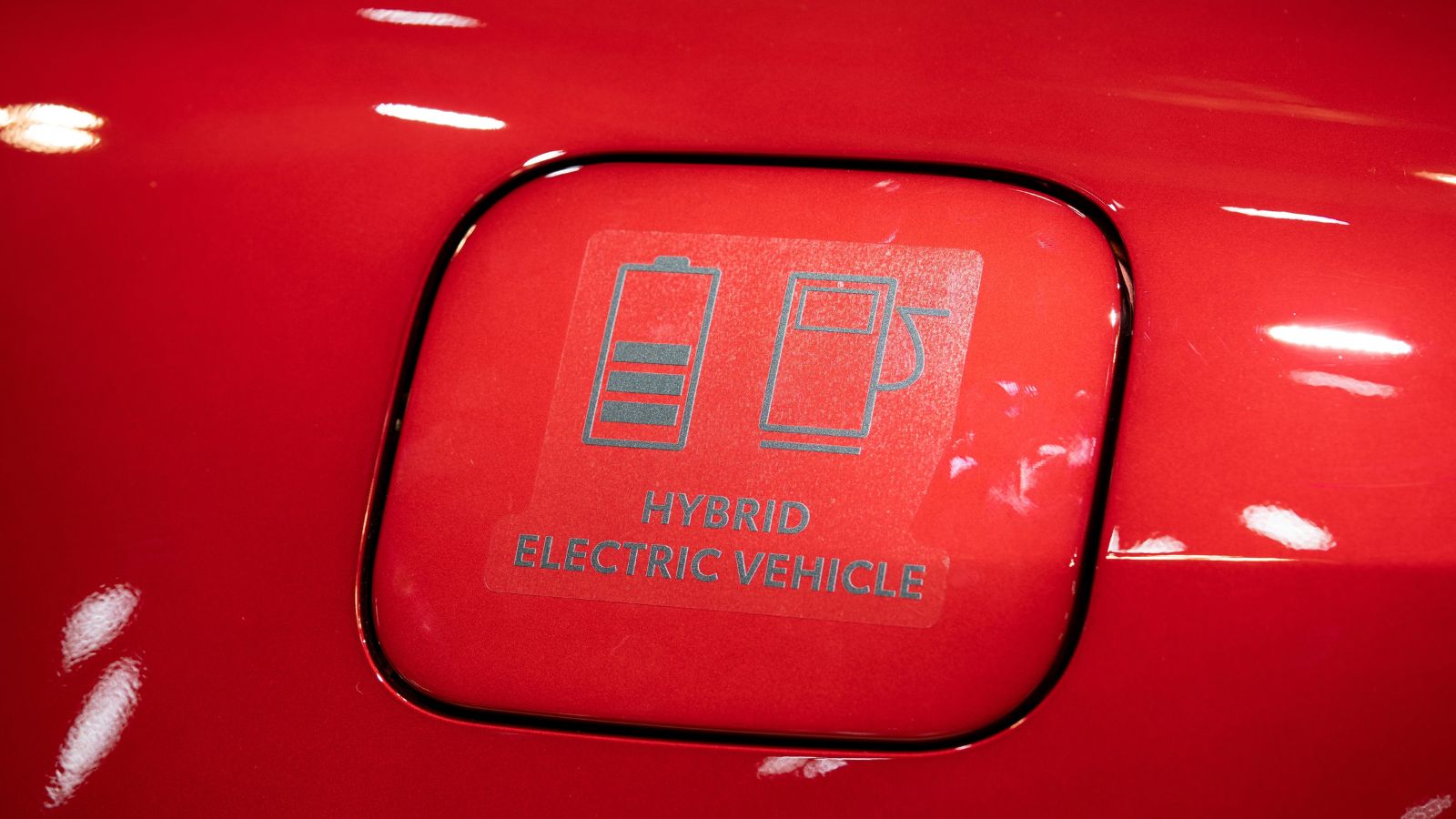
Hybrid batteries are often more durable than nervous shoppers expect, and many hybrids have strong reliability records. The expensive risk appears when the vehicle is older, high-mileage, poorly maintained, accident-damaged, or outside battery warranty. A hybrid battery is not the same as the small 12-volt battery under the hood; it is a high-voltage pack made of many cells and managed by dedicated electronics.
Symptoms of a weakening pack can include reduced fuel economy, frequent engine cycling, warning lights, poor electric-only operation, or a battery gauge that rises and falls unusually quickly. A pre-purchase inspection should include hybrid-system diagnostics, not just a generic scan. For a taxi, rideshare car, or old commuter hybrid, the battery may have lived a harder life than the odometer suggests.
Electric Vehicle Batteries and Charging Hardware
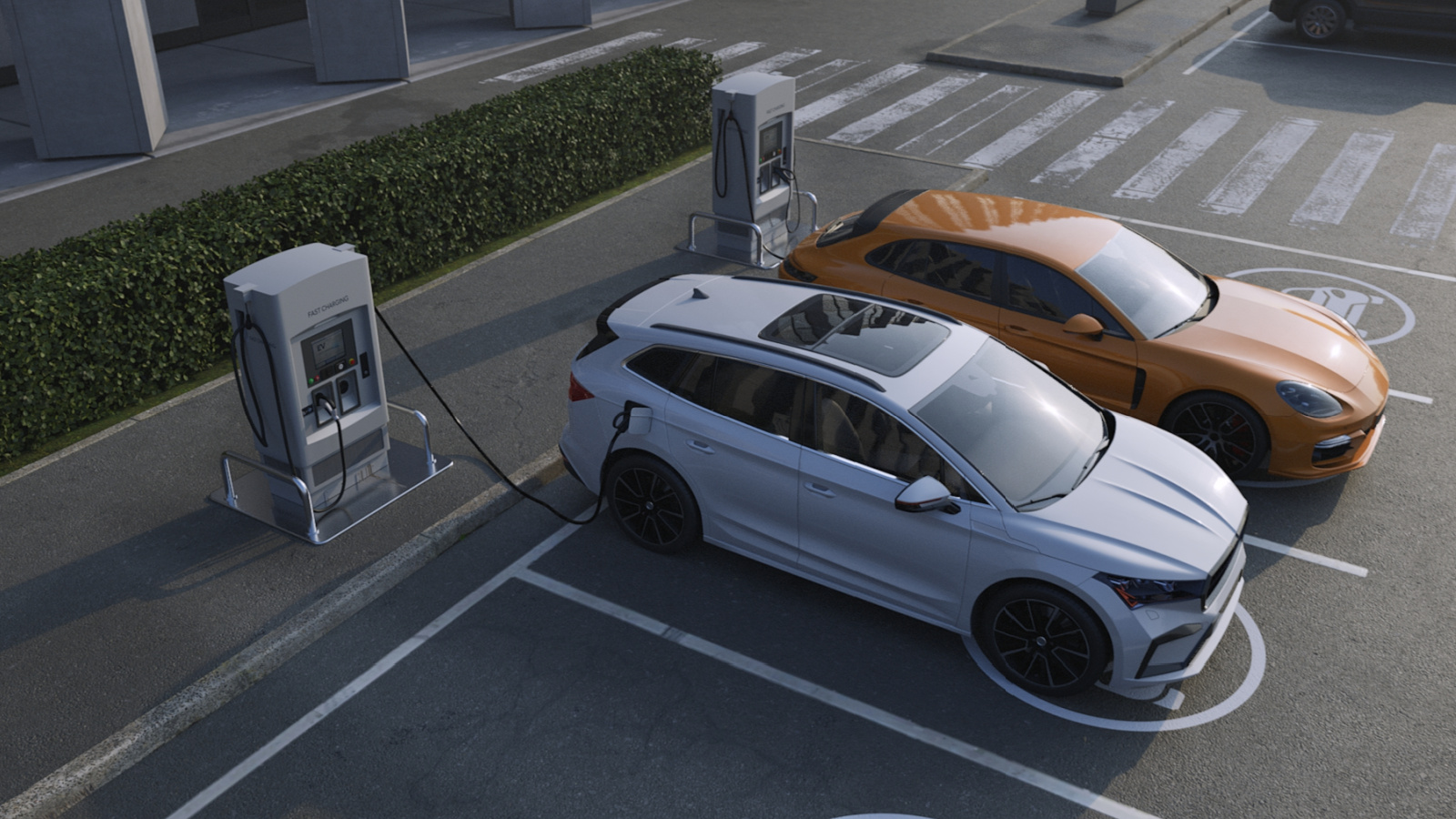
A used electric vehicle can be a smart purchase, especially when depreciation makes it affordable. The battery pack, onboard charger, charging port, cooling system, and power electronics are the features that deserve careful attention. Battery failure is not common in many modern EVs, but range loss, charging faults, coolant leaks, or high-voltage warnings can affect value and usability.
The key is to judge the car by battery health, not only age and mileage. Two identical used EVs can have different range depending on climate, charging habits, storage patterns, and software history. A battery that charges slowly, stops charging unexpectedly, or shows a large range drop in cold or hot weather may need deeper diagnostics. Buyers should ask for battery health data and confirm that charging works on both Level 1 or Level 2 equipment and, where applicable, DC fast charging.
Diesel Emissions Systems
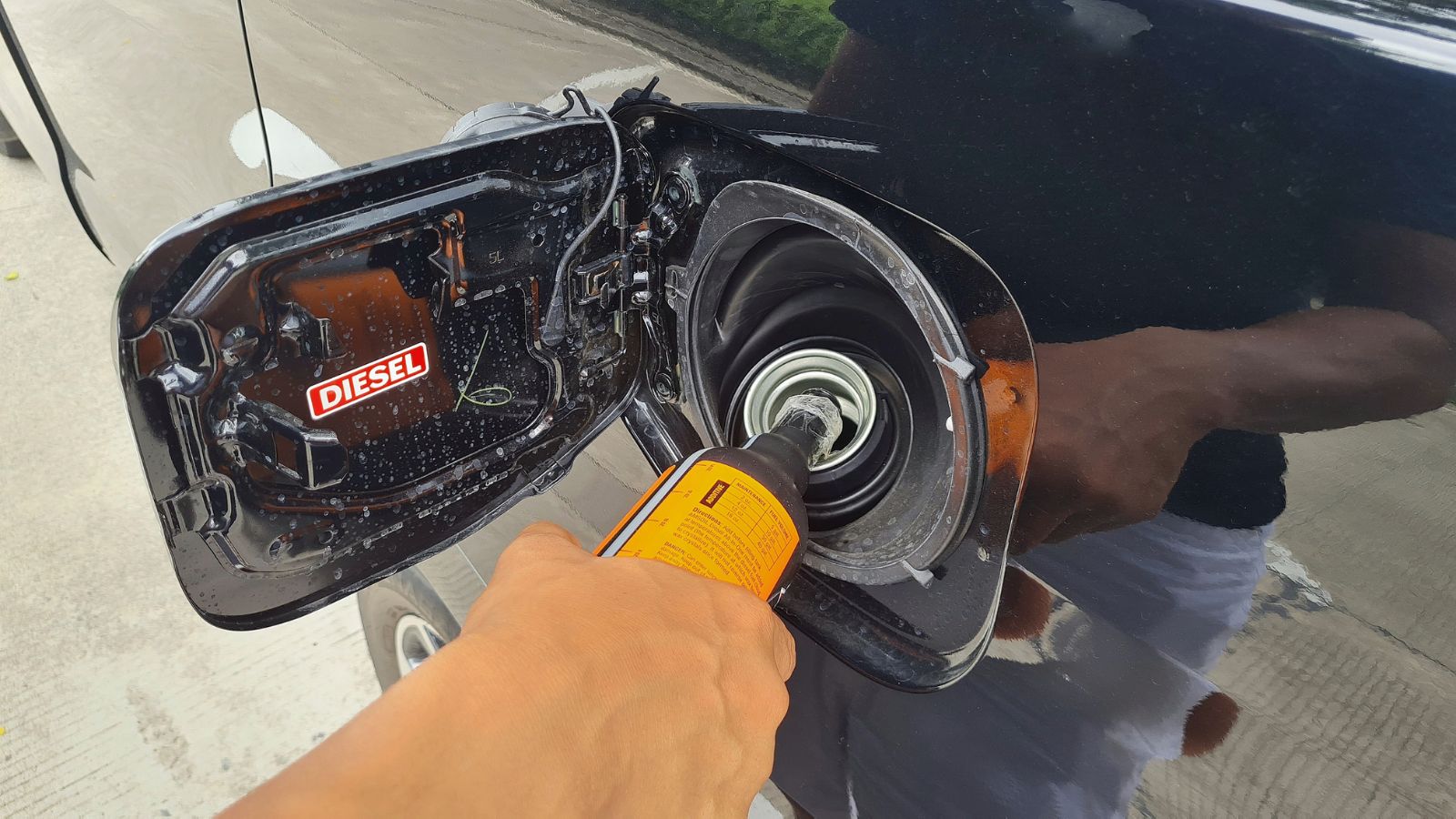
Modern diesel engines can deliver strong torque and long range, but their emissions equipment can become expensive as the vehicle ages. Diesel particulate filters, DEF systems, selective catalytic reduction components, sensors, heaters, pumps, and exhaust temperature controls all work together. These systems are designed to reduce pollution, but short trips and poor maintenance can prevent them from operating properly.
Used diesel buyers should be careful with vehicles that have frequent warning lights, forced-regeneration history, limp-mode complaints, or evidence of deleted emissions equipment. A clogged diesel particulate filter can create drivability issues, while DEF system faults can prevent the vehicle from restarting after a countdown. Diesel can make sense for towing or highway use, but a lightly used urban diesel with repeated short trips may carry hidden after-treatment trouble.
Advanced Driver Assistance Sensors
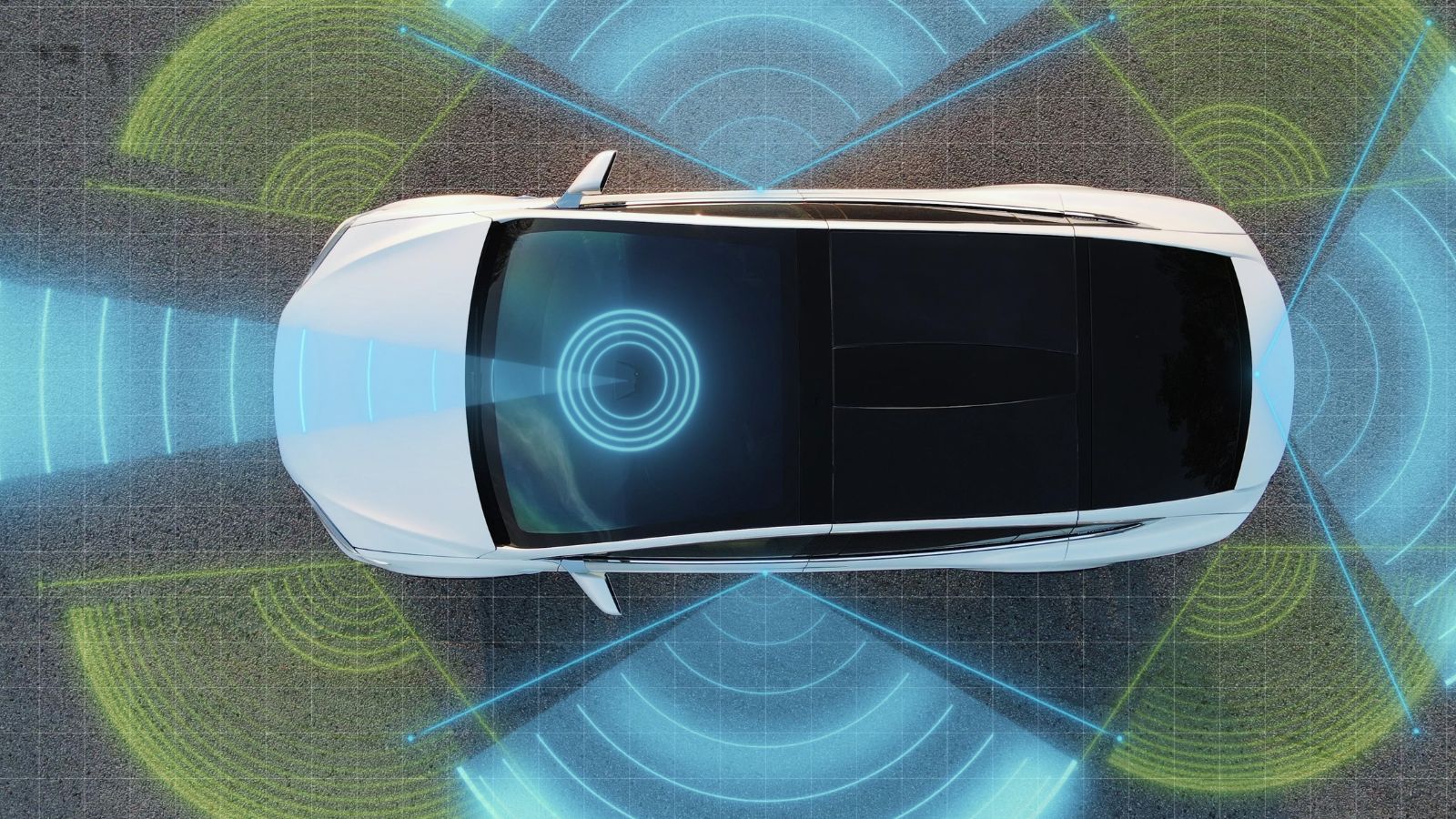
Automatic emergency braking, adaptive cruise control, blind-spot monitoring, lane assistance, and rear cross-traffic alerts can make a used car feel safer and more modern. The hidden cost is that these features depend on cameras, radar sensors, ultrasonic sensors, brackets, wiring, software, and precise calibration. A minor bumper hit that once meant paintwork can now involve sensor diagnosis and alignment.
The system may appear to work during a short drive, but small faults can show up later as false warnings, unavailable features, or inconsistent alerts. Replacement bumpers, aftermarket grilles, poor body repairs, or misaligned brackets can interfere with sensor operation. A used car with advanced safety features should be scanned for stored codes and inspected for collision repairs around bumpers, mirrors, windshields, and front grilles.
Windshield Mounted Cameras

Many modern cars place cameras near the rearview mirror to support lane keeping, automatic high beams, traffic-sign recognition, adaptive cruise functions, or emergency braking. That makes the windshield part of a larger safety system. A crack, replacement windshield, or poorly mounted camera can create more than a glass bill; it may require calibration so the vehicle understands the road correctly.
A used car with a fresh windshield should come with documentation showing that calibration was completed when required. Warning lights may not always appear immediately if calibration is marginal. The system might drift in lane-centering mode, miss lane markings, or behave unpredictably in poor weather. A clear windshield sticker or new glass is not enough; the question is whether the camera behind it was restored to factory specifications.
360-Degree Cameras and Parking Sensors
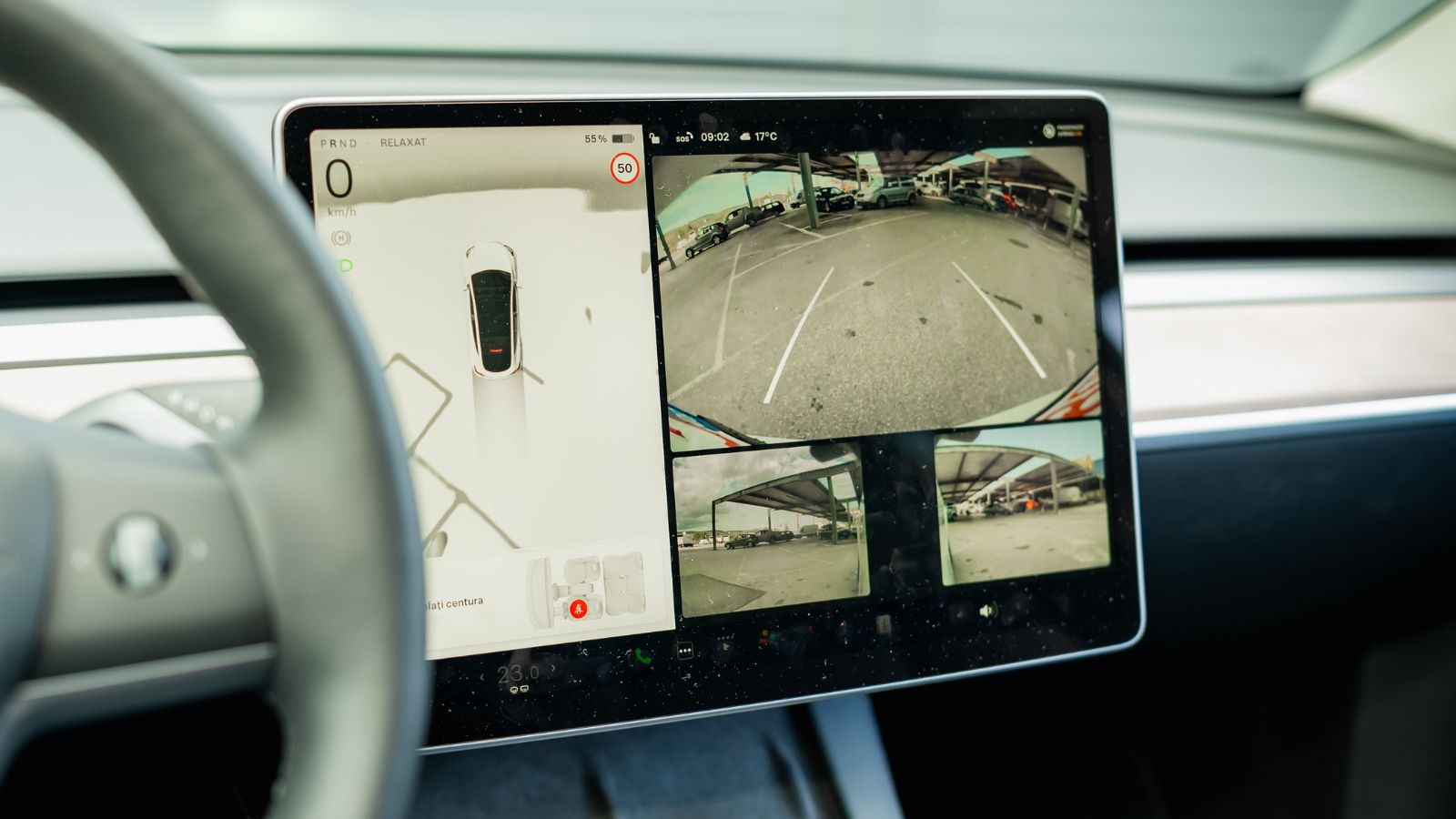
A 360-degree camera system can make a large SUV feel easy to park, and ultrasonic sensors can help prevent low-speed bumps. These features depend on cameras in mirrors, grilles, tailgates, and bumpers, plus modules that stitch images together. Parking sensors are also placed where small impacts, road salt, pressure washing, and bumper repairs can affect them.
On a used vehicle, a blurry camera, missing guide lines, distorted image, constant beeping, or dead sensor may not seem urgent until replacement parts and programming enter the bill. A single mirror camera can affect the whole overhead view, while a painted-over bumper sensor may trigger false alerts. Every camera angle should be tested in daylight and shade, and every sensor should respond consistently during a slow parking maneuver.
Large Infotainment Touchscreens

Big screens can make an older used vehicle look current, especially when navigation, climate controls, audio, phone pairing, and vehicle settings all live in one display. The drawback is that one screen may control many functions that used to have separate buttons. If it freezes, delaminates, reboots, loses touch response, or fails to pair phones, the inconvenience can go beyond entertainment.
Infotainment problems are common owner complaints because software, Bluetooth, apps, microphones, USB ports, maps, amplifiers, and screens all interact. A used car should be tested with a real phone, not just glanced at from the passenger seat. Pairing, calls, navigation, backup camera display, audio controls, and climate settings should all be checked. A screen that works only after restarting the car is already providing a warning.
Digital Instrument Clusters and Head-Up Displays

Digital instrument clusters and head-up displays can give a cabin a premium feel. They can show speed, warnings, navigation prompts, driver-assistance graphics, and efficiency data in crisp detail. The risk is that these displays are not cosmetic extras. If they go blank or glitch, important safety information may disappear, and repairs may involve software updates, modules, display panels, or dealer programming.
A used car with digital gauges should be checked during startup, night driving, and changing drive modes. Look for flickering, missing pixels, delayed boot-up, warning messages, or dim sections. A head-up display should adjust properly and remain visible without distortion. Unlike an old analog gauge bulb, a failing display may not be a simple fix. The more information routed through screens, the more important screen reliability becomes.
Heated, Ventilated, and Memory Power Seats
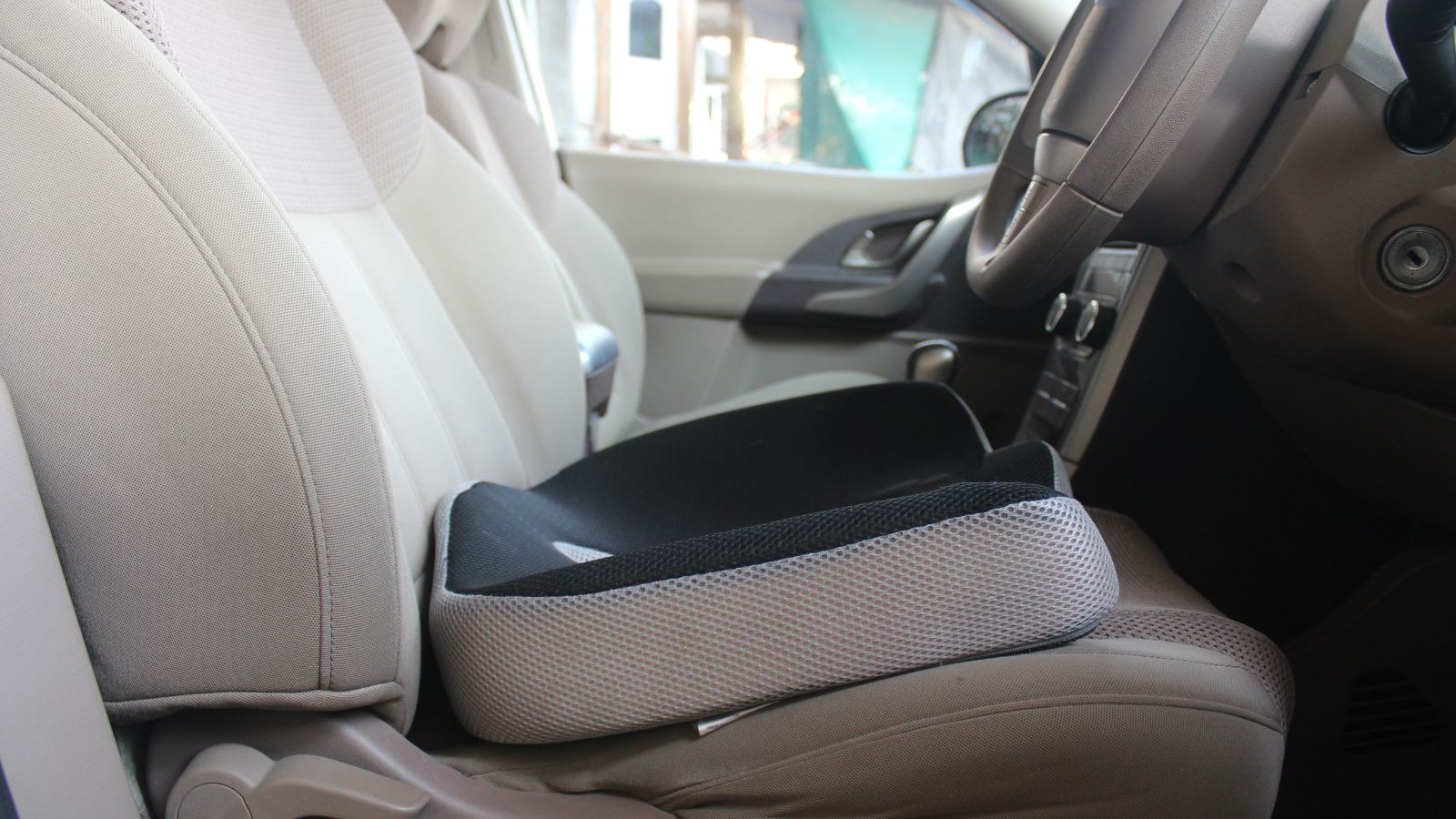
Comfort seats sell used cars quickly. Heated cushions, ventilation fans, lumbar support, memory positions, massage settings, and multiple motors can make a test drive feel luxurious. Beneath the upholstery, however, these features rely on heating elements, fans, switches, control modules, wiring, occupancy sensors, and seat motors. Age, spilled drinks, worn foam, and repeated adjustment can all create problems.
A power seat that moves in every direction except one may need more than a switch. Heated seats can fail from broken elements, and ventilated seats can become noisy or weak when fans clog with dust. Memory functions may stop communicating with mirrors or steering-column settings. Each function should be tested long enough to confirm it works, not merely switched on for a second. Comfort becomes costly when the seat must be removed for diagnosis.
Power-Folding Mirrors and Electronic Door Handles
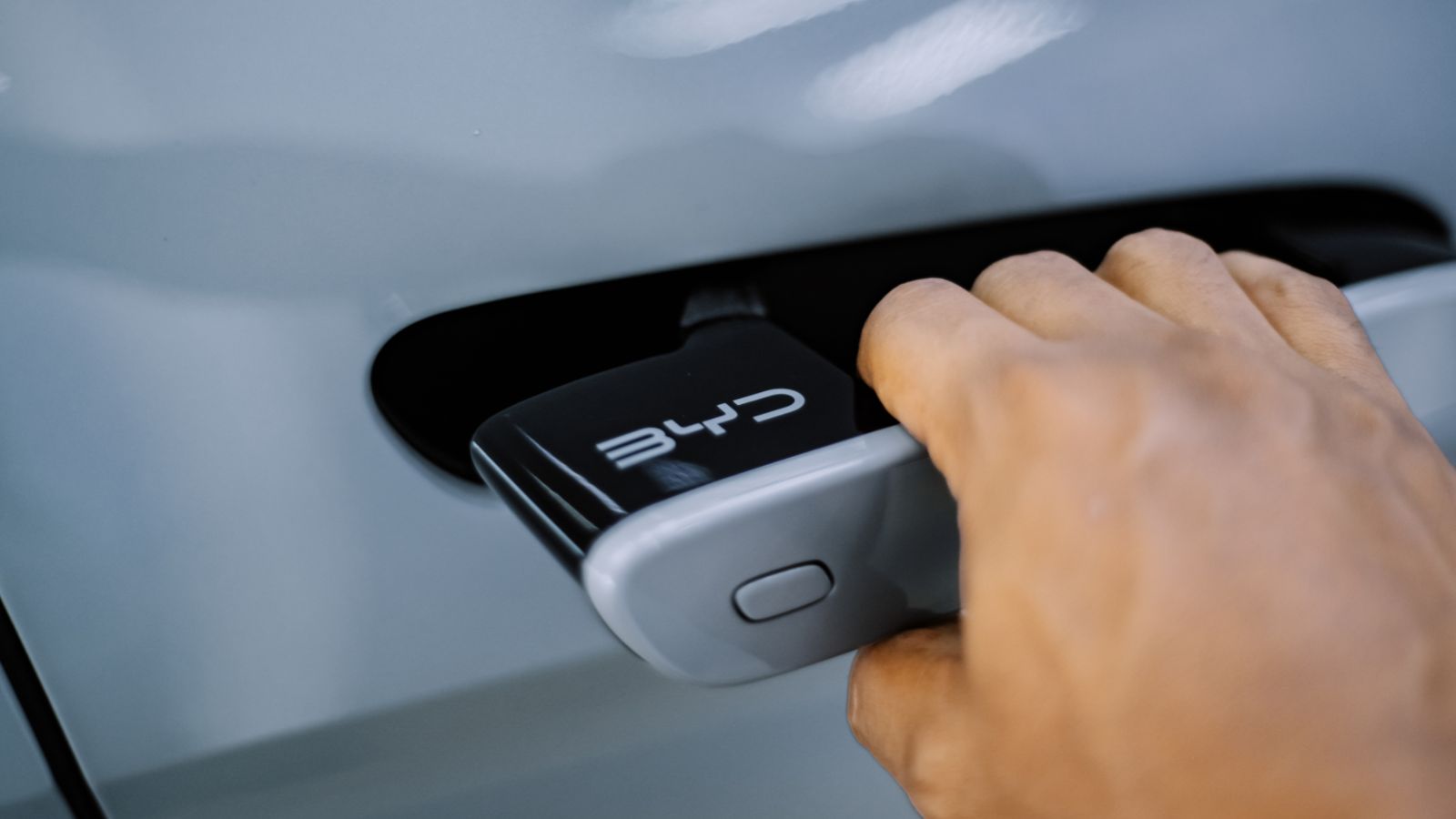
Power-folding mirrors, auto-dimming glass, puddle lamps, cameras, blind-spot indicators, and heating elements can all be packed into a modern side mirror. That makes a mirror strike in a parking lot far more expensive than it once was. Electronic or flush door handles add another layer, using switches, motors, sensors, and wiring where a simple mechanical handle used to live.
On used vehicles, these parts often reveal how the car was treated. A mirror that folds slower on one side, clicks loudly, or shows a blind-spot warning fault may be near failure. Door handles that pop out inconsistently or fail in cold weather can become more than a convenience issue. They should be tested repeatedly, including with the key fob, passive entry, and manual backup release.
Keyless Entry and Smart Keys
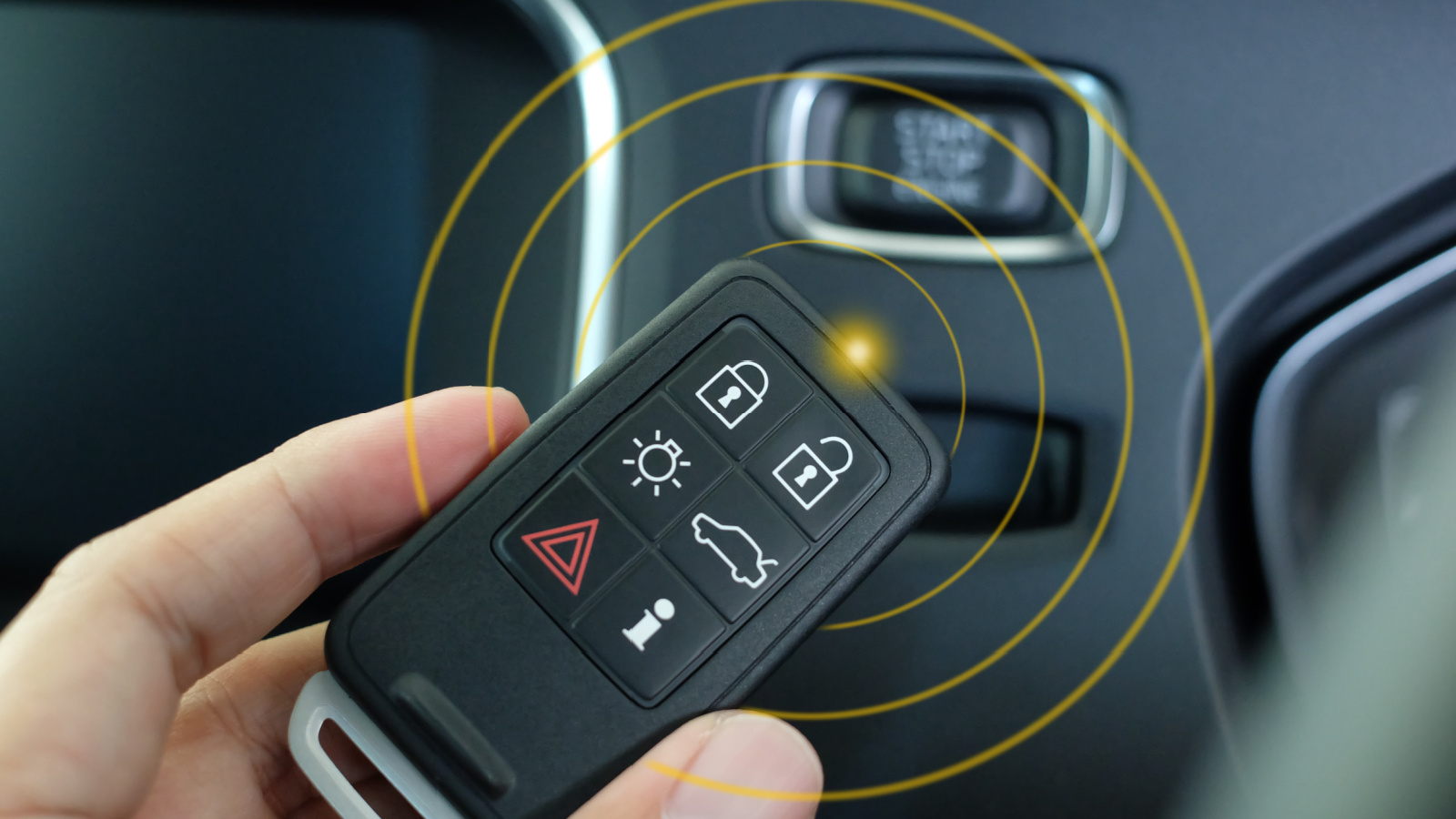
Keyless entry and push-button start feel ordinary now, but the technology can create avoidable expense on a used car. A smart key is not just a metal blade; it includes electronics, programming, security authentication, and sometimes proximity functions. Losing one key or buying a car with only one working fob can become a costly problem immediately after purchase.
There is also a diagnostic angle. A car that occasionally fails to detect the key may have a weak fob battery, but it could also have antenna, module, or wiring issues. The start button, passive door unlock, trunk release, remote start, and backup starting method should all be tested. A missing second key should be treated as a negotiating point because replacement and programming may cost far more than many buyers expect.
Oversized Wheels and Low-Profile Tires
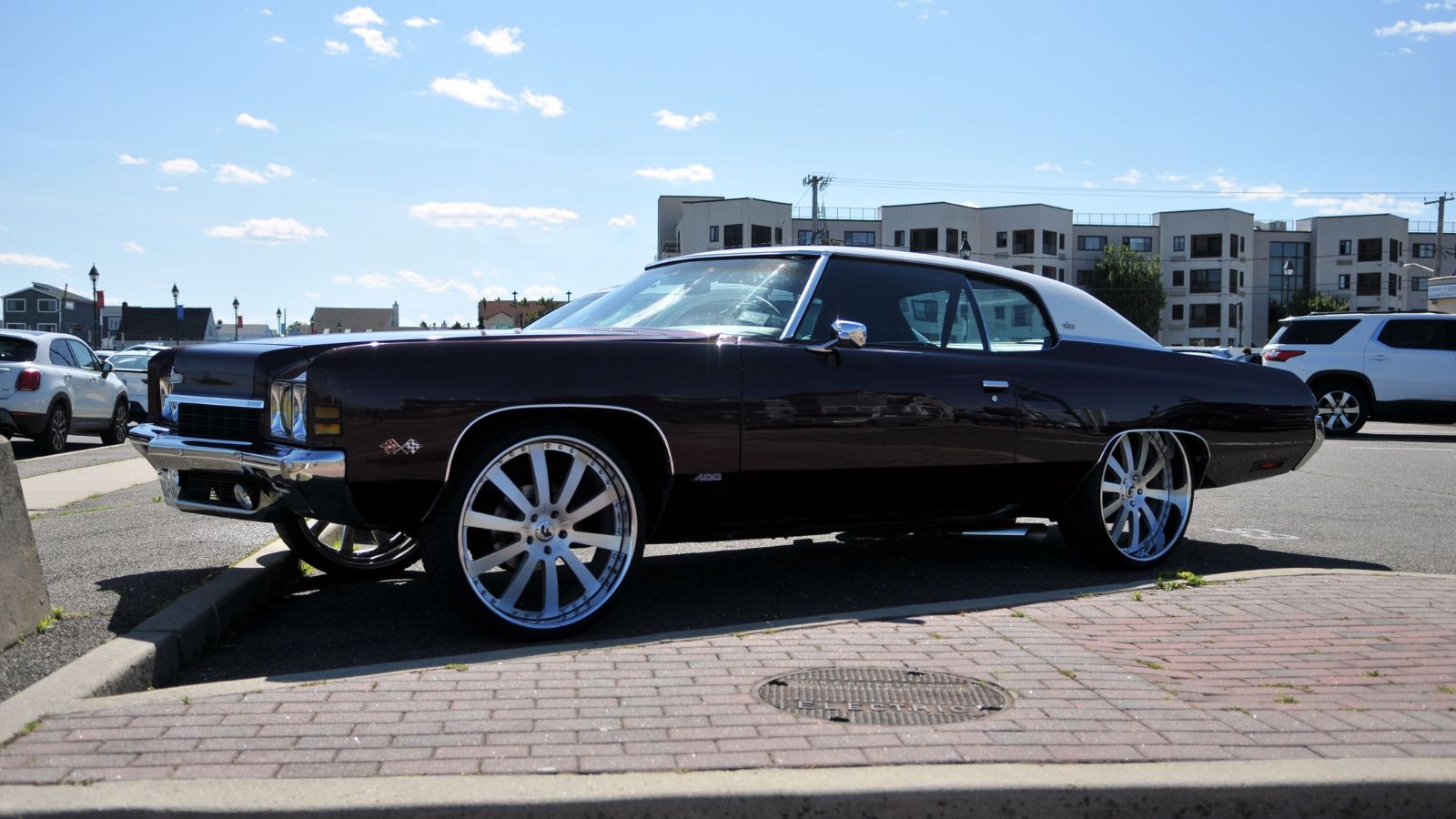
Large alloy wheels can make a used car look sharper, but they often come with low-profile tires that have shorter sidewalls. Less sidewall can mean less cushion between the wheel and potholes, broken pavement, curbs, and winter road damage. The result can be bent rims, cracked wheels, sidewall bubbles, harsher ride quality, and more frequent tire replacement.
This feature is especially important on luxury sedans, sporty trims, and crossovers upgraded with appearance packages. A vehicle may look better on 20-inch wheels than 17-inch wheels, but replacement tires usually cost more, ride comfort may suffer, and road impacts can become expensive. Buyers should inspect the inner edges of rims, check for vibrations at highway speed, and look for mismatched tire brands or uneven tread wear. Stylish wheels are easy to admire; damaged ones are easy to regret.
22 Things Canadians Do to Their Cars in Spring That Mechanics Hate

Spring brings relief to many Canadian drivers after months of snow, freezing temperatures, and icy roads that put serious strain on vehicles. As temperatures rise across the country, drivers begin washing cars, switching tires, and preparing vehicles for warmer weather and upcoming road trips. However, mechanics across Canada notice the same mistakes every spring when drivers attempt to recover from winter damage. Road salt, potholes, and harsh winter driving conditions often leave vehicles with hidden problems that drivers ignore. Some spring habits even create new mechanical issues that could have been avoided with proper maintenance. Here are 22 things Canadians do to their cars in spring that mechanics hate.