


























Tires rarely fail all at once without warning. More often, they are weakened by small habits that feel harmless in daily driving: a little too little air, one more pothole taken at speed, another skipped rotation, or a season too long on the wrong rubber. These mistakes do not just shorten tire life; they can affect braking, steering, fuel use, and roadside safety. Here are 17 common things drivers do that quietly destroy their tires before they realize what is happening.
Running on Low Tire Pressure
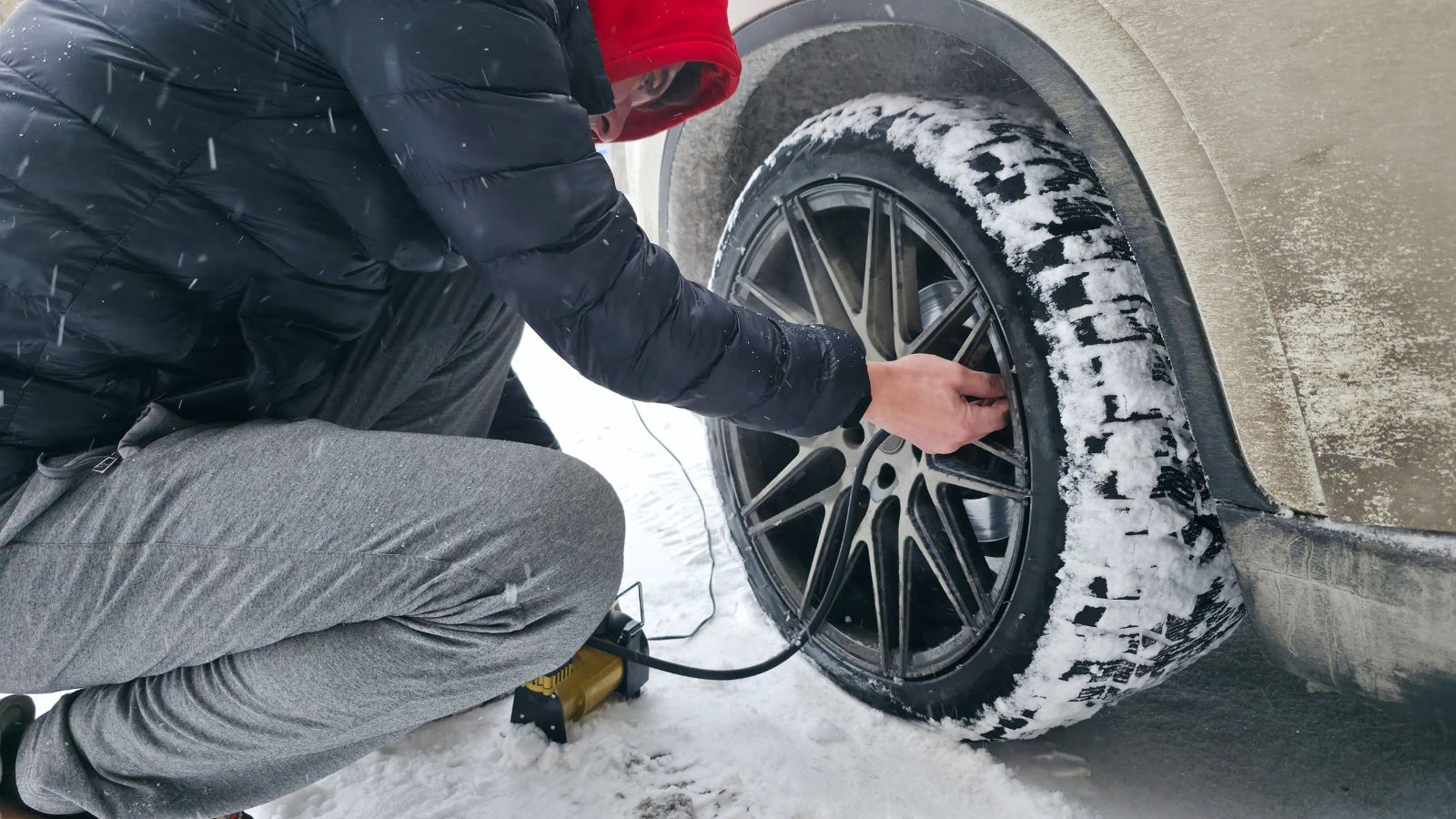
Underinflation is one of the fastest ways to shorten a tire’s life because it forces the sidewalls to flex more than they were designed to. That extra flex creates heat, and heat is one of rubber’s worst enemies. A tire that looks only slightly soft in a driveway may be carrying far more stress once the vehicle is moving at highway speed.
This mistake often begins innocently. A driver checks the tire visually, sees no obvious sag, and assumes everything is fine. Meanwhile, the outer shoulders may be wearing faster than the center tread. Over time, the tire can develop internal damage that is not visible from the outside, turning a cheap air-pressure check into a costly replacement.
Trusting the TPMS Light Too Much
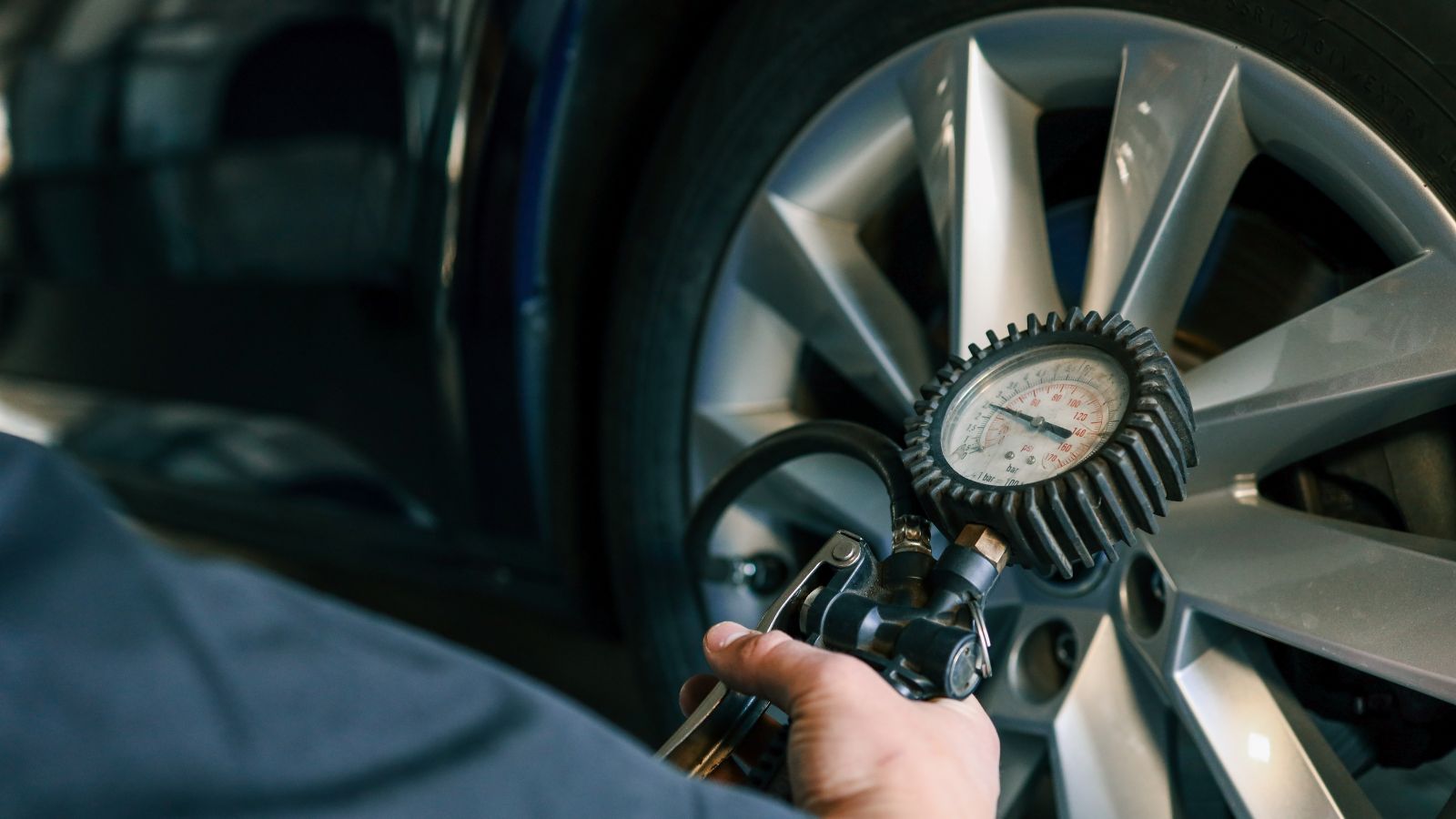
Tire Pressure Monitoring Systems are helpful, but they are not meant to replace a gauge. Many drivers wait for the warning light before checking pressure, not realizing the system may not alert them until a tire has already lost a significant amount of air. By then, the tire may have been running hot and stressed for days or weeks.
A common example is the commuter who only notices the dashboard light on a cold morning. The tire may have been gradually losing pressure through a slow leak, a valve issue, or a temperature swing. Monthly pressure checks catch problems earlier, especially before long drives, heavy loads, or seasonal temperature changes.
Filling Tires to the Number on the Sidewall
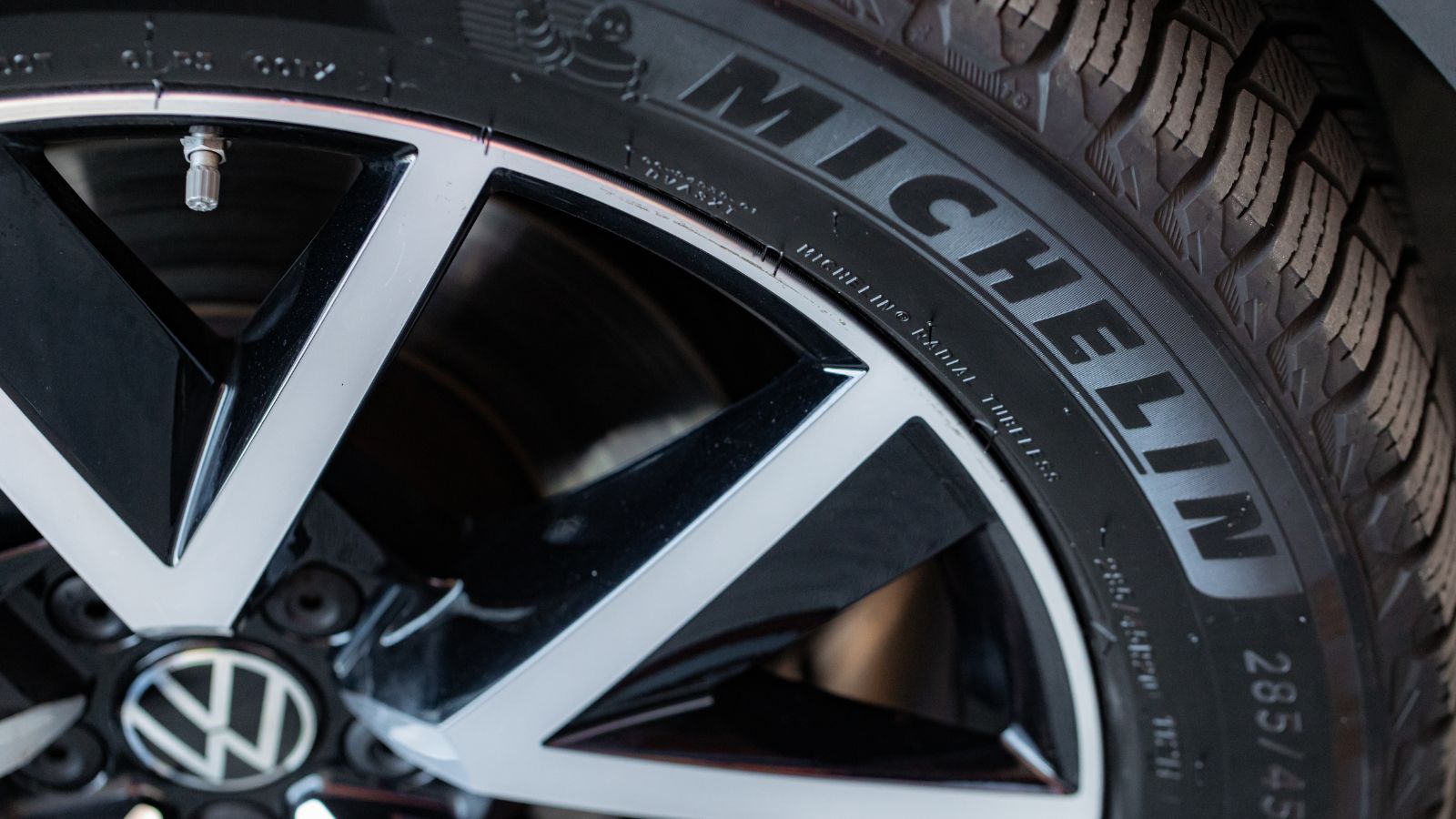
Some drivers see the pressure number molded into the tire sidewall and treat it as the target. That is usually a mistake. The sidewall figure is typically the maximum cold pressure for the tire, not the recommended pressure for the vehicle. The correct number is usually found on the driver’s door placard or in the owner’s manual.
Overinflation can make the center of the tread carry too much of the load, leading to uneven wear. It can also make the tire more vulnerable to impact damage from potholes and road debris. The ride may feel sharper, but that harshness often means the tire is absorbing bumps less effectively than it should.
Skipping Tire Rotations

Tires do not wear evenly by themselves. Front tires often handle more steering and braking forces, while rear tires may wear differently depending on the vehicle’s drive layout. Skipping rotations allows those patterns to deepen until one pair looks worn out long before the others. By then, rotating may no longer even things out.
This is especially common with busy drivers who only think about tires when buying new ones. Regular rotation spreads the workload more evenly across the set. It can also reveal problems early, such as feathering, cupping, or one-sided wear. A routine rotation visit may feel minor, but it often prevents premature replacement of otherwise usable tires.
Ignoring a Slight Pull in the Steering
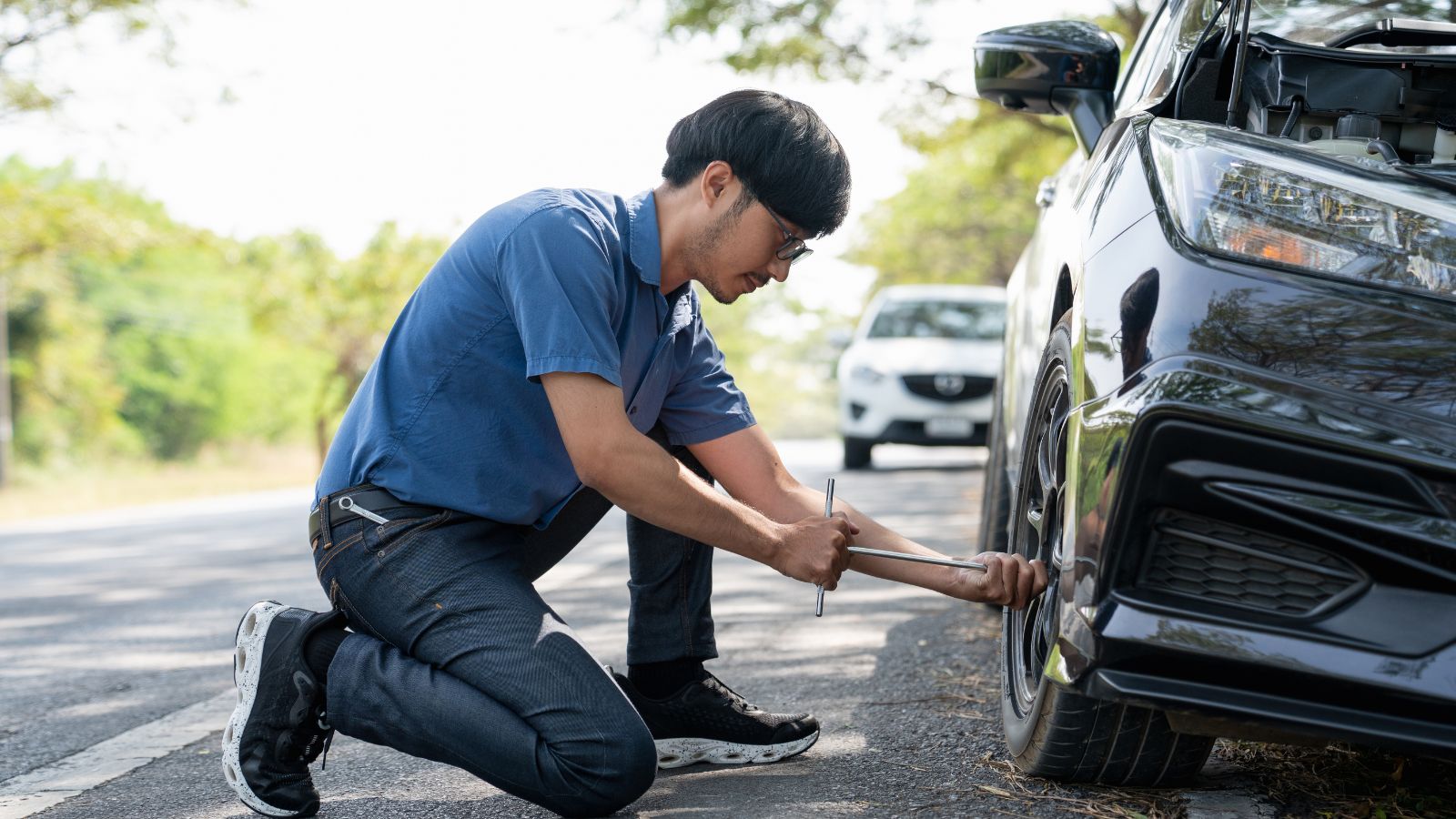
A vehicle that drifts left or right on a straight road is often telling a tire story. Misalignment changes how the tire contacts the pavement, sometimes forcing one edge to scrub against the road mile after mile. The driver may only feel a gentle pull, but the tread may be wearing unevenly every time the car moves.
This often happens after hitting a curb, pothole, or rough construction edge. A small alignment change can create a big wear pattern over thousands of kilometers or miles. If the steering wheel sits off-center or the vehicle needs constant correction, the tires are probably paying the price before the driver notices visible damage.
Driving Through Vibration Instead of Fixing It

A vibration at highway speed can be more than an annoyance. It may point to tire imbalance, wheel damage, a separated belt, uneven wear, or suspension trouble. When a tire and wheel assembly does not rotate smoothly, certain tread areas can take repeated impact loads, creating scalloped or patchy wear.
Many drivers turn up the music and keep going, especially if the vibration comes and goes. That delay can make the tire harder to save. A tire that starts with a simple balance issue may later develop wear that cannot be corrected. Any new vibration should be treated as a maintenance warning, not just a comfort problem.
Hitting Potholes and Curbs Too Casually
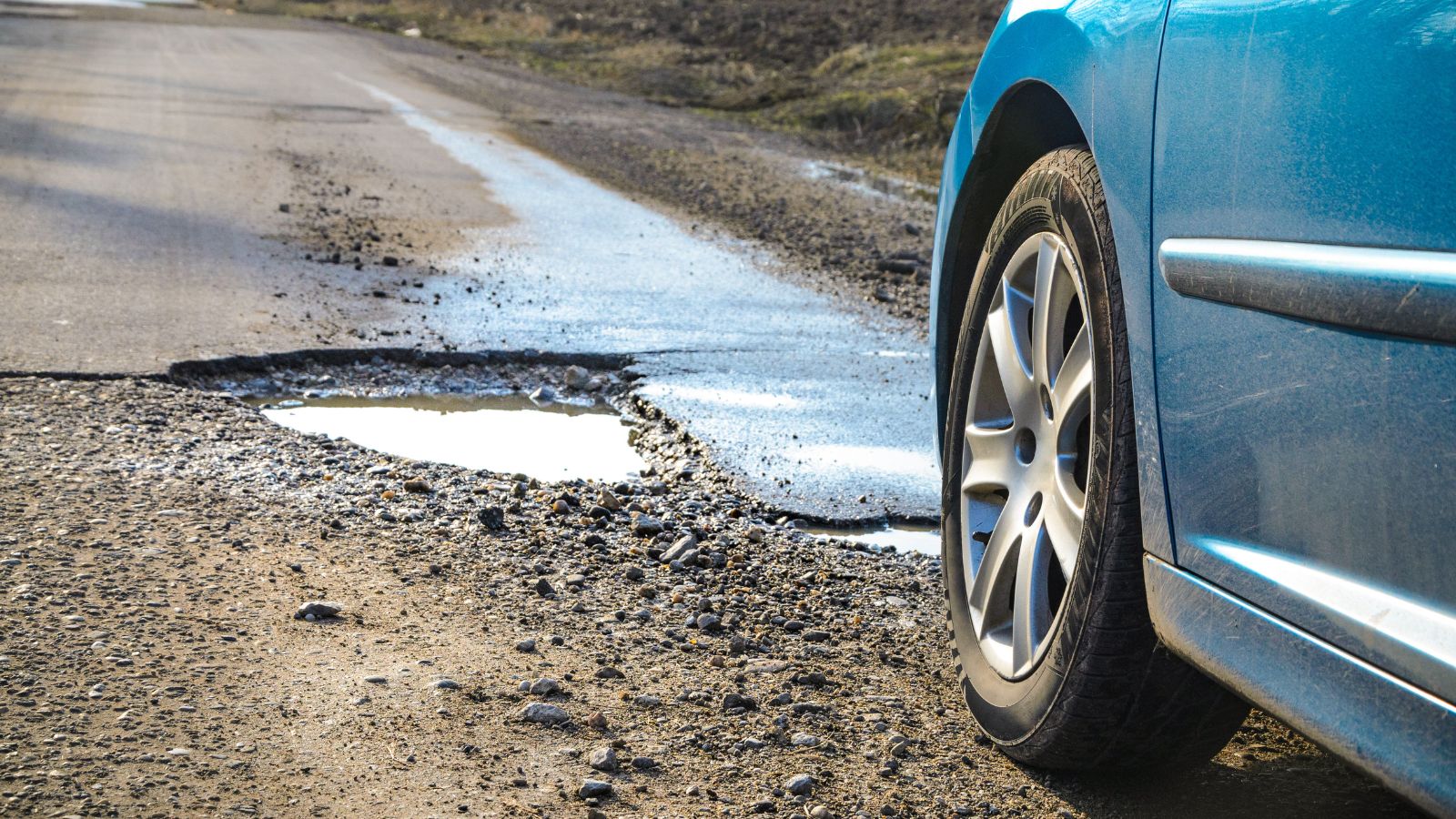
Potholes and curbs can damage tires even when nothing bursts immediately. A hard impact can pinch the sidewall, bend a wheel, knock off a balance weight, or disturb the alignment. The tire may look fine at first, then show a bubble, vibration, or slow leak days later. That delayed effect is why impact damage often gets missed.
The everyday example is a driver clipping a curb while parking or striking a hidden pothole in rain. The car keeps moving, so the incident is forgotten. But the sidewall may have been bruised internally. Once a bulge appears, the tire is no longer something to “watch for a while”; it needs professional attention.
Braking Hard When It Is Avoidable

Emergency braking is sometimes necessary, but frequent hard stops grind tread away faster than smooth driving. The tire must convert vehicle speed into heat and friction, and aggressive braking concentrates that stress on the contact patch. In severe cases, especially when wheels lock, flat spots can appear on the tread.
A delivery driver rushing between stops or a commuter following too closely in traffic may wear tires faster than someone driving the same distance more smoothly. The difference is not always mileage; it is how that mileage is driven. More following distance and earlier braking give tires a chance to work without being punished every few blocks.
Launching Hard From Stops
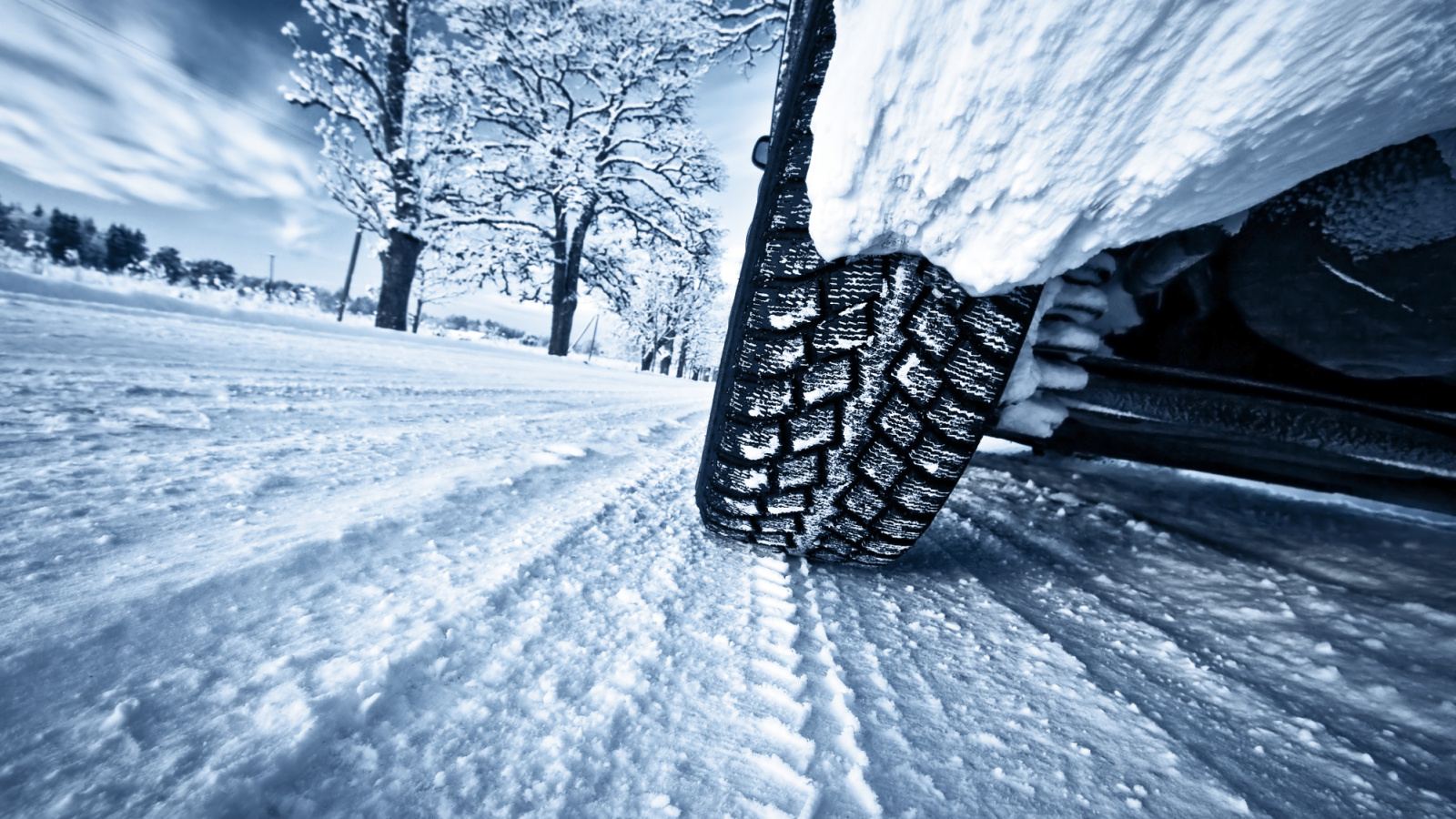
Rapid acceleration may feel controlled from the driver’s seat, but the tires experience it as sudden torque. Front-wheel-drive cars can scrub the front tires during quick launches, while rear-wheel-drive vehicles can wear the rear tires rapidly under repeated hard starts. Electric vehicles can be especially demanding because instant torque arrives with little drama.
The wear may show up as faster tread loss rather than obvious damage. A driver who enjoys quick starts at lights might wonder why one set of tires disappears sooner than expected. Even without smoky burnouts, repeated aggressive launches heat and abrade the tread. Smooth throttle inputs are one of the simplest ways to make tires last longer.
Cornering Like Every Ramp Is a Test Track
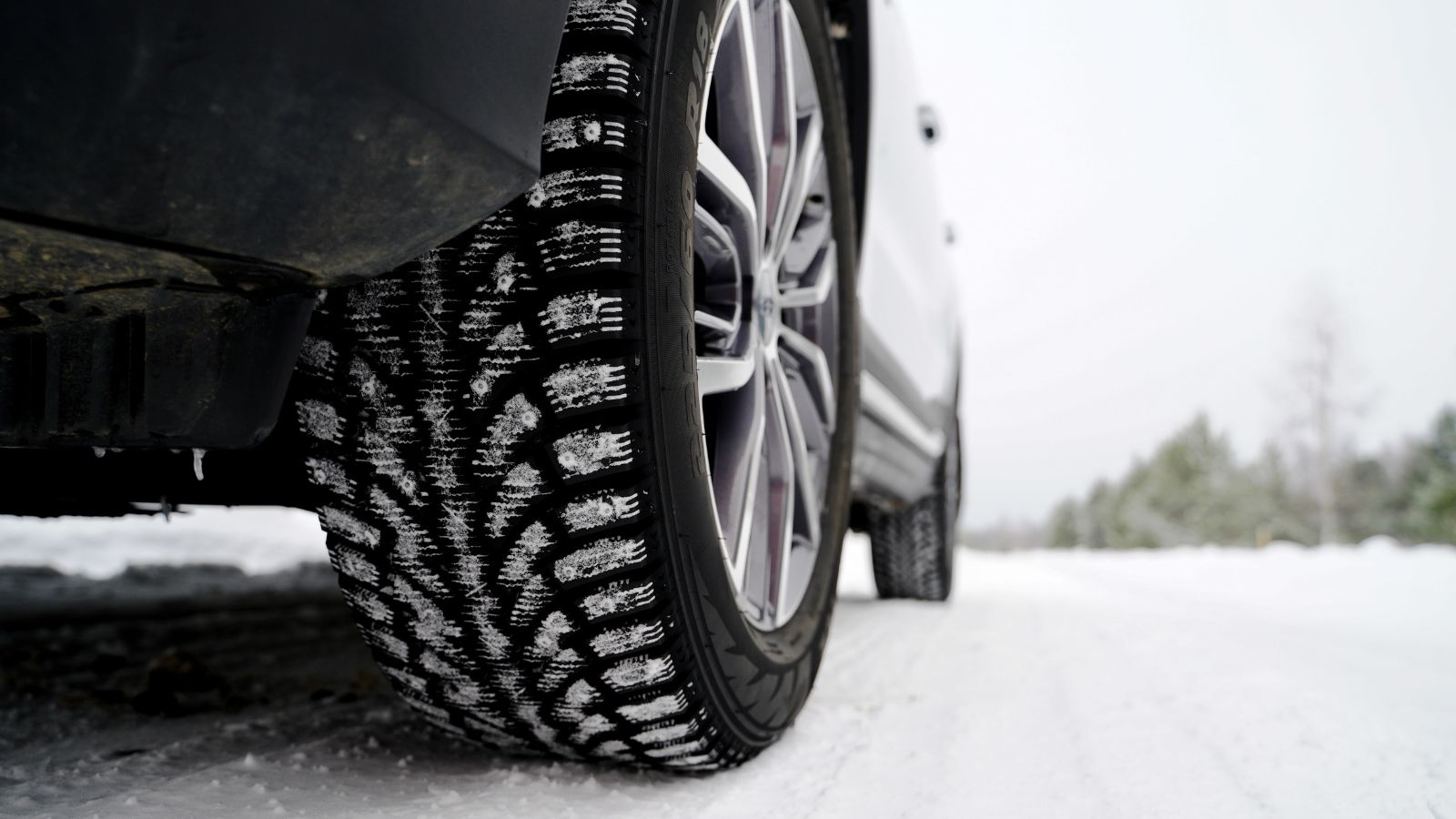
Sharp cornering loads the outside tires heavily and pushes the tread shoulders against the pavement. The faster the turn, the more the tire has to deform and grip at the same time. Over time, this can round off shoulders, create uneven wear, and make the vehicle feel less planted in wet conditions.
This habit often hides in everyday driving. A driver may take the same highway ramp briskly every morning or swing into parking lots with a little too much speed. The tire damage builds quietly because no single turn feels extreme. Slowing slightly before corners, rather than braking and turning hard at once, reduces shoulder scrub significantly.
Carrying Too Much Weight
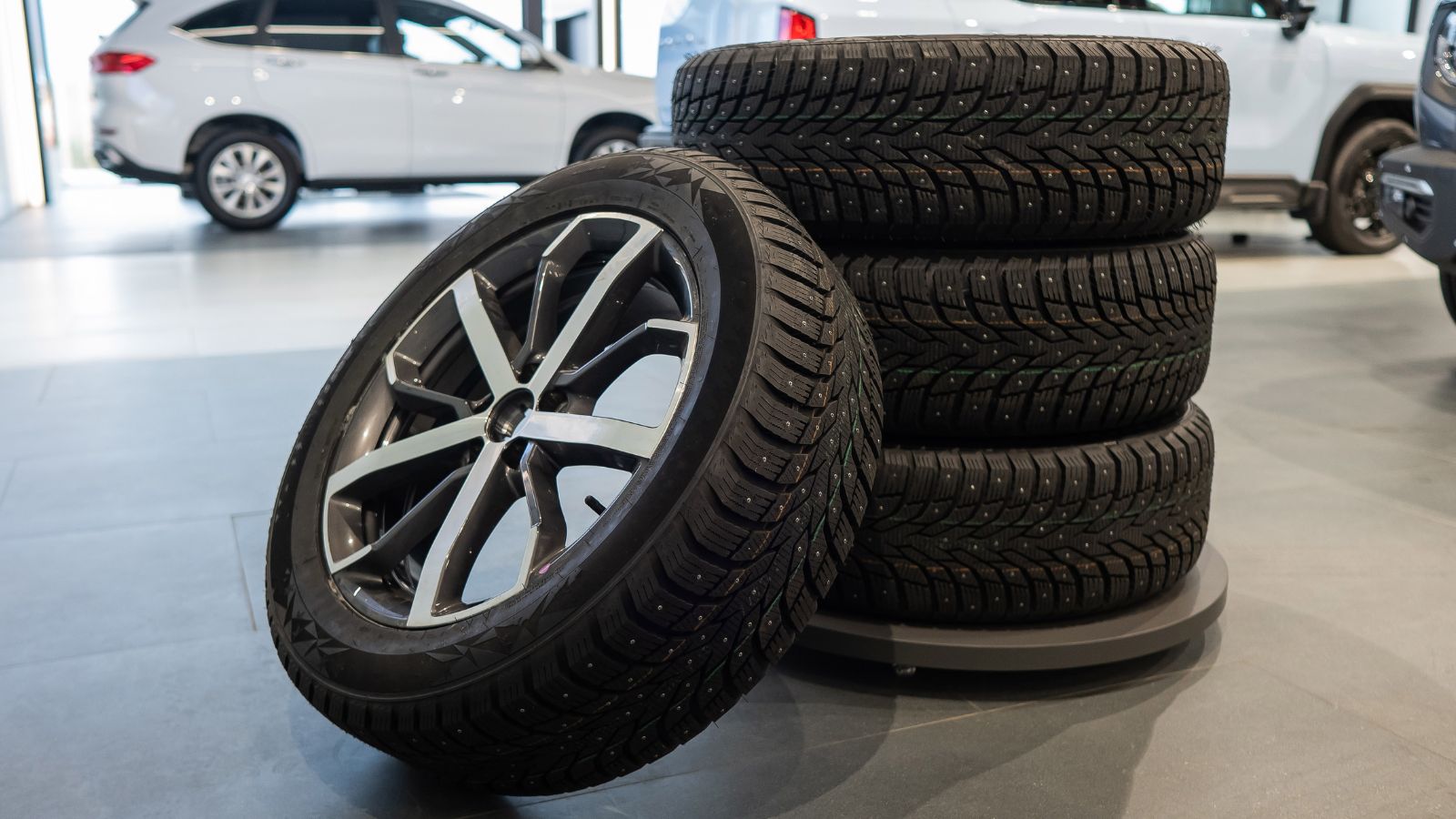
Tires are built to carry specific loads, and overloading makes them work harder than intended. Extra passengers, tools, luggage, sports gear, or towing weight can increase heat buildup and stress. If pressure is not checked before heavy trips, the tires may be underinflated for the load they are carrying.
This is common before vacations, moves, or cottage weekends, when cargo slowly fills every available space. A vehicle that feels only a little heavy may still be asking too much from its tires. The tire and loading label exists for a reason. Staying within limits and checking pressure before a loaded drive can prevent heat-related wear and damage.
Driving Too Fast in Hot Conditions

Heat is a major tire enemy, and speed creates more of it. At higher speeds, tires flex rapidly, compress, rebound, and build temperature. Add hot pavement, underinflation, or heavy cargo, and the tire may be operating closer to its limits than the driver realizes. Long summer highway drives can be especially demanding.
This does not mean every warm-weather drive is dangerous. It means tires need to be in good condition before heat and speed are added. A worn, underinflated, or overloaded tire has less margin. Drivers who check pressure, inspect tread, and respect speed limits give the tire a much better chance of surviving hot-weather travel.
Letting Tread Get Too Low
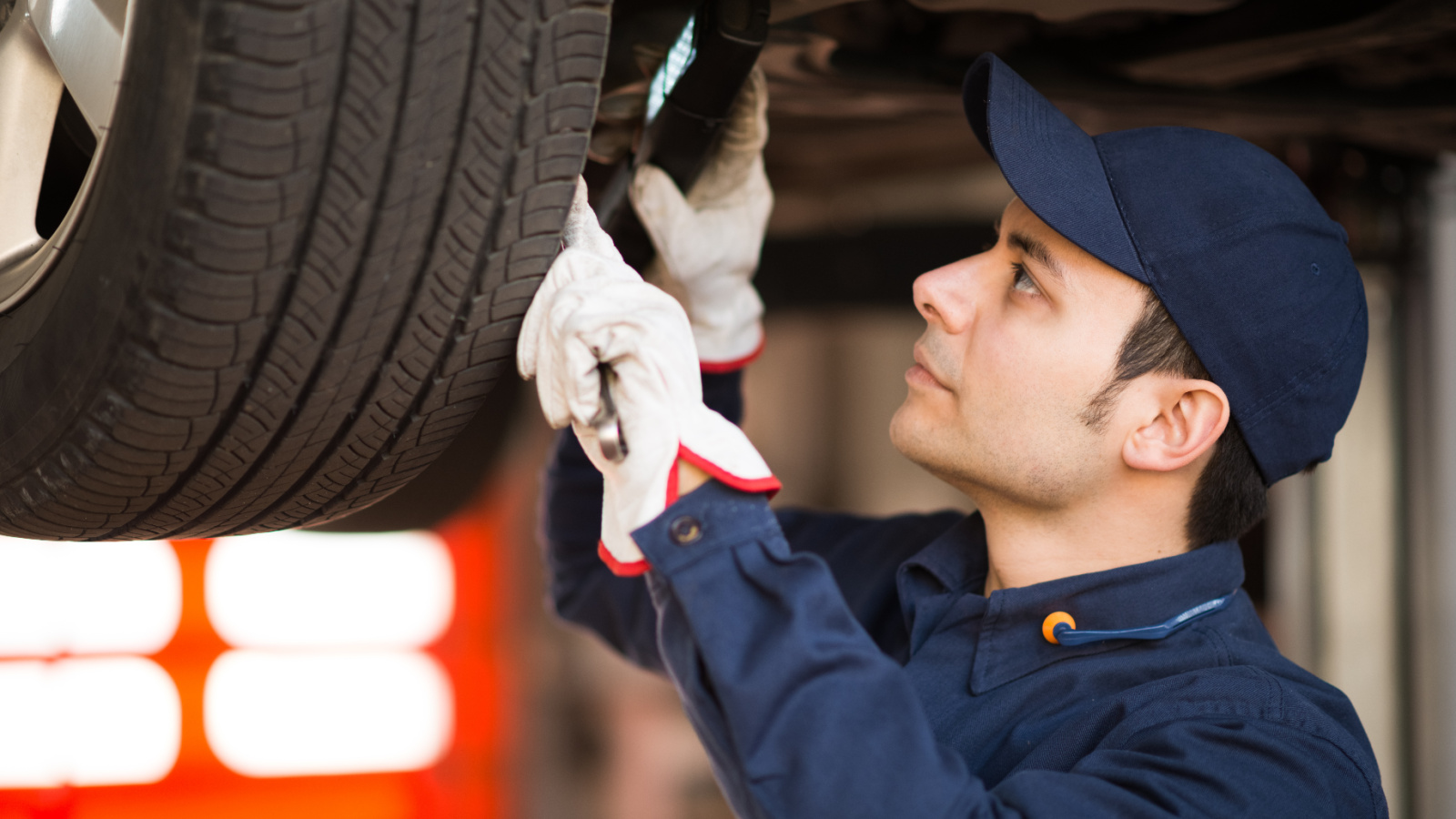
Tread is not just decoration; it helps grip, channel water, and maintain control. As tread depth shrinks, wet-weather performance and resistance to hydroplaning can decline. Worn tires also give drivers less rubber to protect the casing from everyday road hazards. Waiting until the tire looks bald is waiting too long.
The legal minimum in many places is commonly associated with 2/32 of an inch, but tires can feel compromised before they look dramatic. A driver may first notice longer stopping distances in rain or more wheelspin on painted road markings. Monthly tread checks make tire wear visible before bad weather exposes the problem.
Using Winter Tires in Warm Weather
Winter tires are designed to stay flexible in cold temperatures. That same flexibility becomes a disadvantage in warm weather, where the softer compound can wear quickly on dry pavement. Drivers who leave winter tires on through spring and summer may save one seasonal changeover but sacrifice expensive tread life.
The mistake often seems practical at first. The tread still looks good, appointments are inconvenient, and warm weather arrives gradually. But every hot commute can grind away rubber designed for snow, slush, and cold pavement. Once the shoulders begin to round and braking feels less crisp, the tire may already have lost much of its winter advantage.
Mixing Tires That Should Not Be Mixed
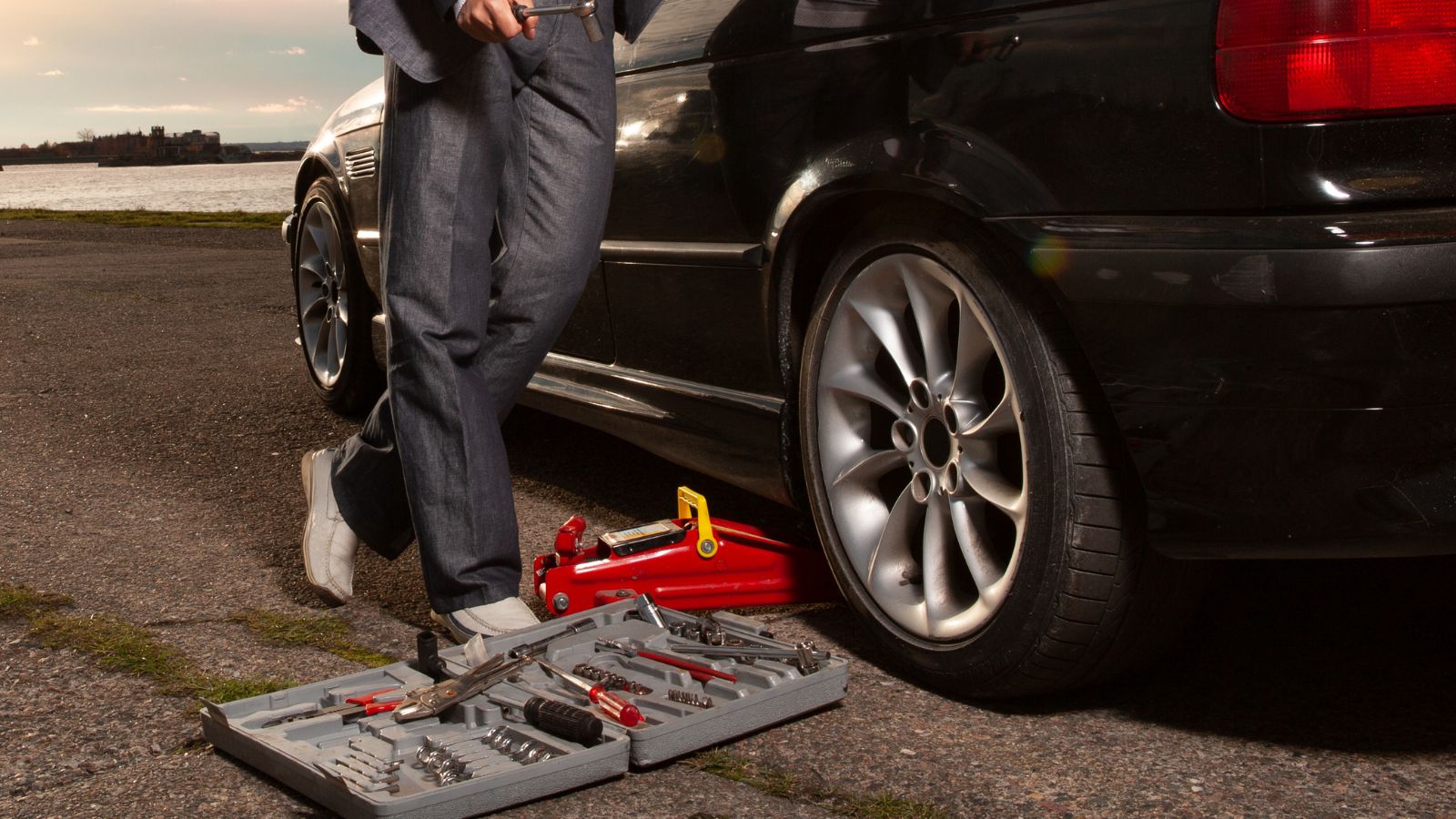
Replacing only one tire can seem economical, but mismatched size, tread depth, construction, speed rating, or type can create uneven handling. On all-wheel-drive and four-wheel-drive vehicles, different rolling circumferences can also place stress on driveline components. Even tires with the same labeled size can behave differently if one is new and the others are worn.
A common case is installing one bargain tire after a puncture and assuming the problem is solved. The car may drive acceptably in dry conditions, but emergency braking, wet roads, or traction-control intervention can reveal the imbalance. Matching tires by specification and tread depth is not just tidiness; it helps the whole vehicle respond predictably.
Treating Temporary Puncture Fixes as Permanent
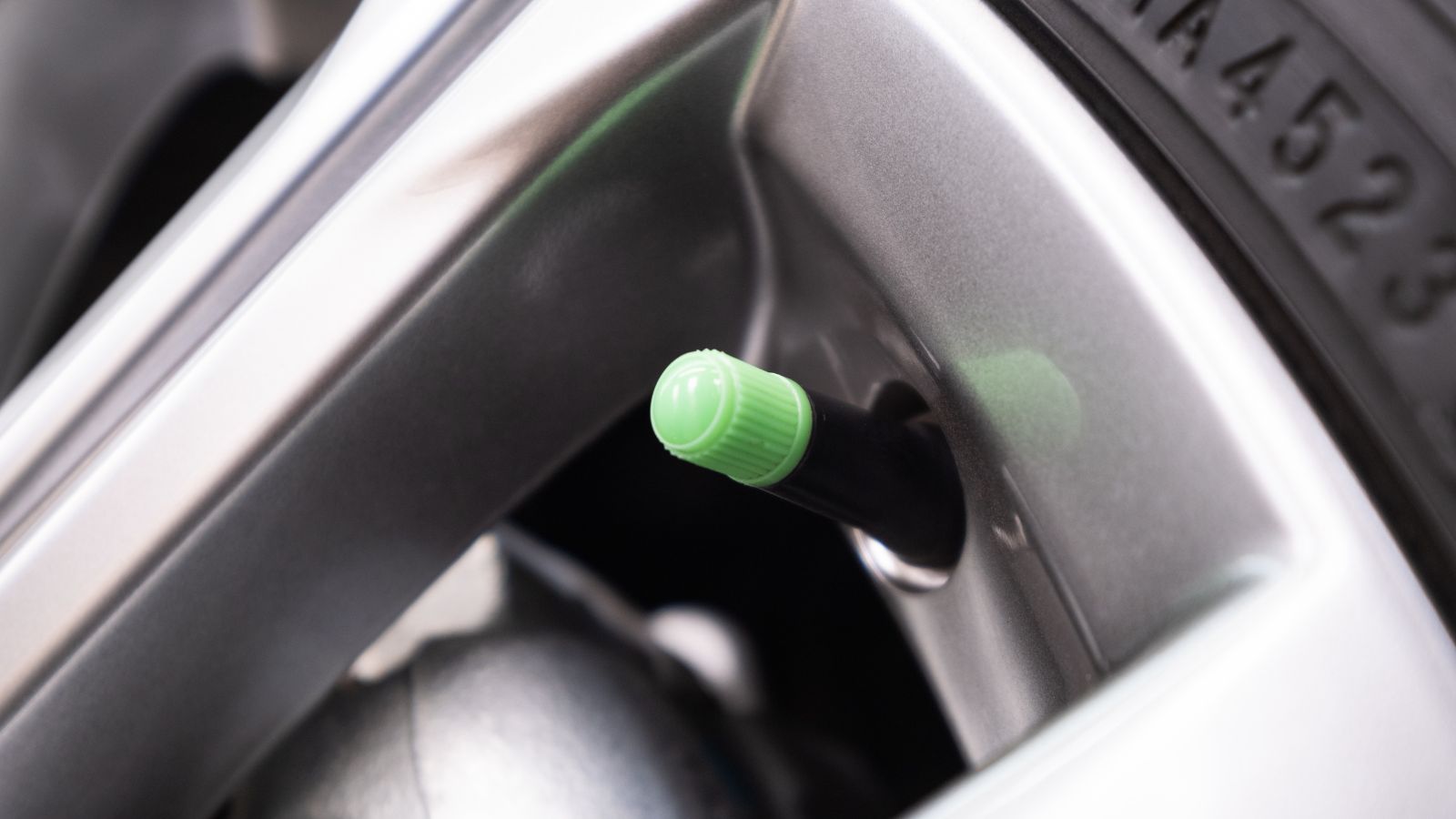
A plug, sealant, or emergency inflator can get a vehicle out of a difficult situation, but it should not automatically become the final repair. A puncture may have damaged the inner liner, sidewall, or steel belts in ways that cannot be seen from the outside. Without proper inspection, moisture can enter and weaken the tire structure.
This often happens after a nail is found in the tread. The tire holds air after a quick repair, so the driver moves on. Proper repair generally requires removing the tire from the wheel, inspecting the inside, filling the injury path, and sealing the inner liner. Temporary fixes are useful; pretending they are permanent can be expensive and risky.
Storing Tires Poorly or Letting a Car Sit Too Long
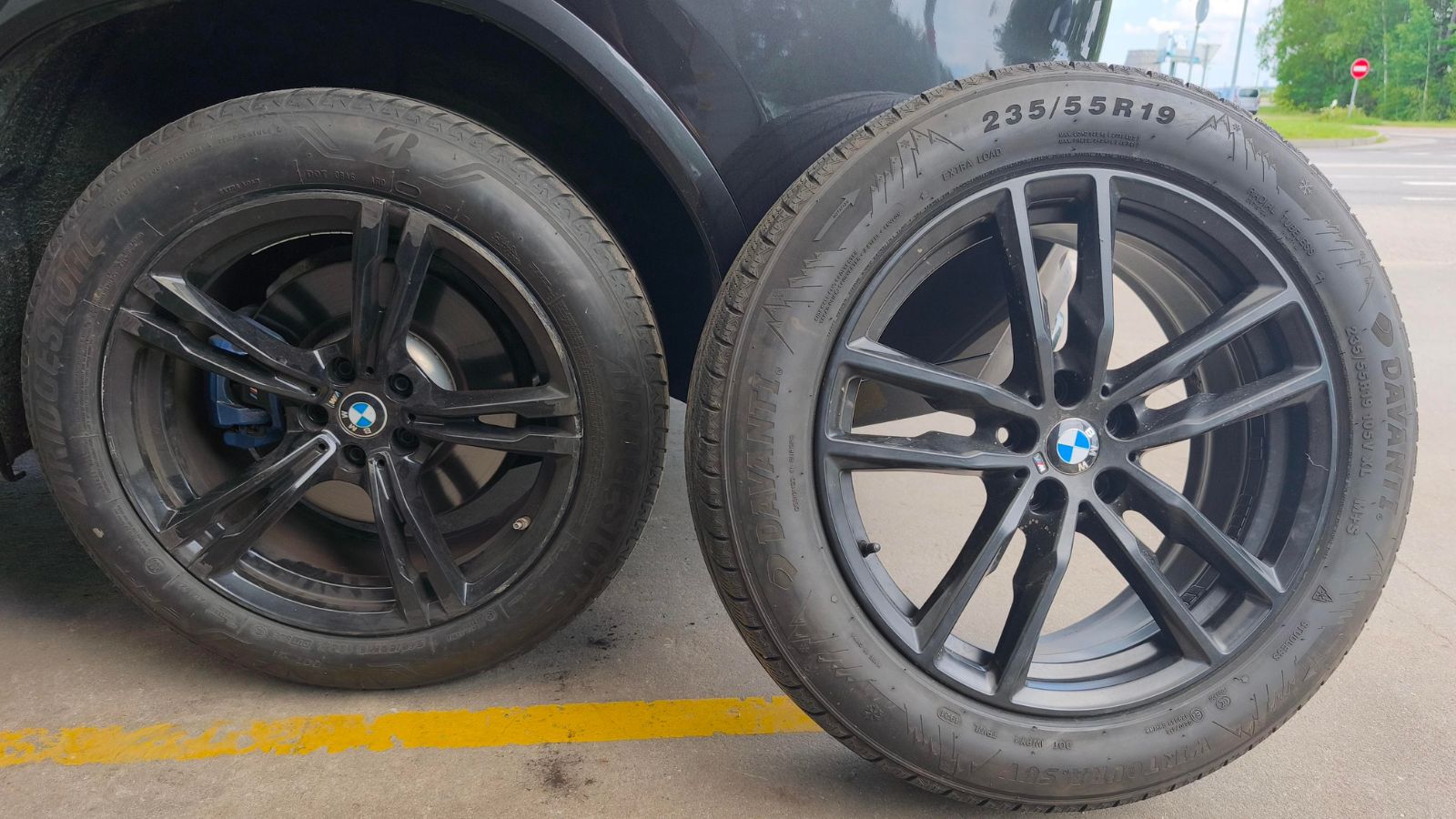
Tires age even when they are not being driven. Sunlight, heat, ozone, moisture, petroleum products, and harsh chemicals can all accelerate cracking and rubber deterioration. Tires stored beside furnaces, electric motors, fuel cans, or direct sunlight may lose condition faster than expected, even if the tread looks almost new.
A parked vehicle can also develop flat spots when weight rests on the same contact patch for too long. Seasonal cars, rarely used second vehicles, and stored tire sets deserve periodic attention. Clean, dry, cool storage away from chemicals and sunlight helps preserve the rubber. Moving a stored vehicle occasionally can also reduce the chance of long-term deformation.
22 Things Canadians Do to Their Cars in Spring That Mechanics Hate

Spring brings relief to many Canadian drivers after months of snow, freezing temperatures, and icy roads that put serious strain on vehicles. As temperatures rise across the country, drivers begin washing cars, switching tires, and preparing vehicles for warmer weather and upcoming road trips. However, mechanics across Canada notice the same mistakes every spring when drivers attempt to recover from winter damage. Road salt, potholes, and harsh winter driving conditions often leave vehicles with hidden problems that drivers ignore. Some spring habits even create new mechanical issues that could have been avoided with proper maintenance. Here are 22 things Canadians do to their cars in spring that mechanics hate.