


























A smooth highway drive can turn unsettling the moment a steering wheel starts trembling, a seat begins buzzing, or the whole vehicle feels as if it is riding over rough pavement. At higher speeds, small mechanical issues become easier to feel because tires, wheels, axles, brakes, and drivetrain parts are rotating faster and working under greater load.
There are 18 common reasons a car may shake at highway speed, ranging from simple tire imbalance to more serious steering, suspension, brake, or drivetrain faults. Some causes are minor and inexpensive when caught early, while others can affect braking, handling, tire life, or vehicle control. The pattern of the shake often provides clues: steering-wheel vibration may point forward, seat vibration may point rearward, and shaking under acceleration or braking can narrow the search further.
Tire Imbalance

Tire imbalance is one of the most common reasons a car feels fine around town but starts shaking at highway speed. A wheel-and-tire assembly must rotate evenly, and even a small weight difference can become noticeable as speed rises. Drivers often describe it as a buzzing steering wheel around 55 to 70 mph, then a smoother feel again at different speeds.
A real-world example is a car that begins shaking shortly after new tires are installed. The tires may be perfectly safe, but if one balance weight falls off or the assembly was not balanced accurately, the rotation can create a rhythmic vibration. Modern balancing equipment can usually detect the issue quickly, and correcting it can prevent premature tire and suspension wear.
Poor Wheel Alignment
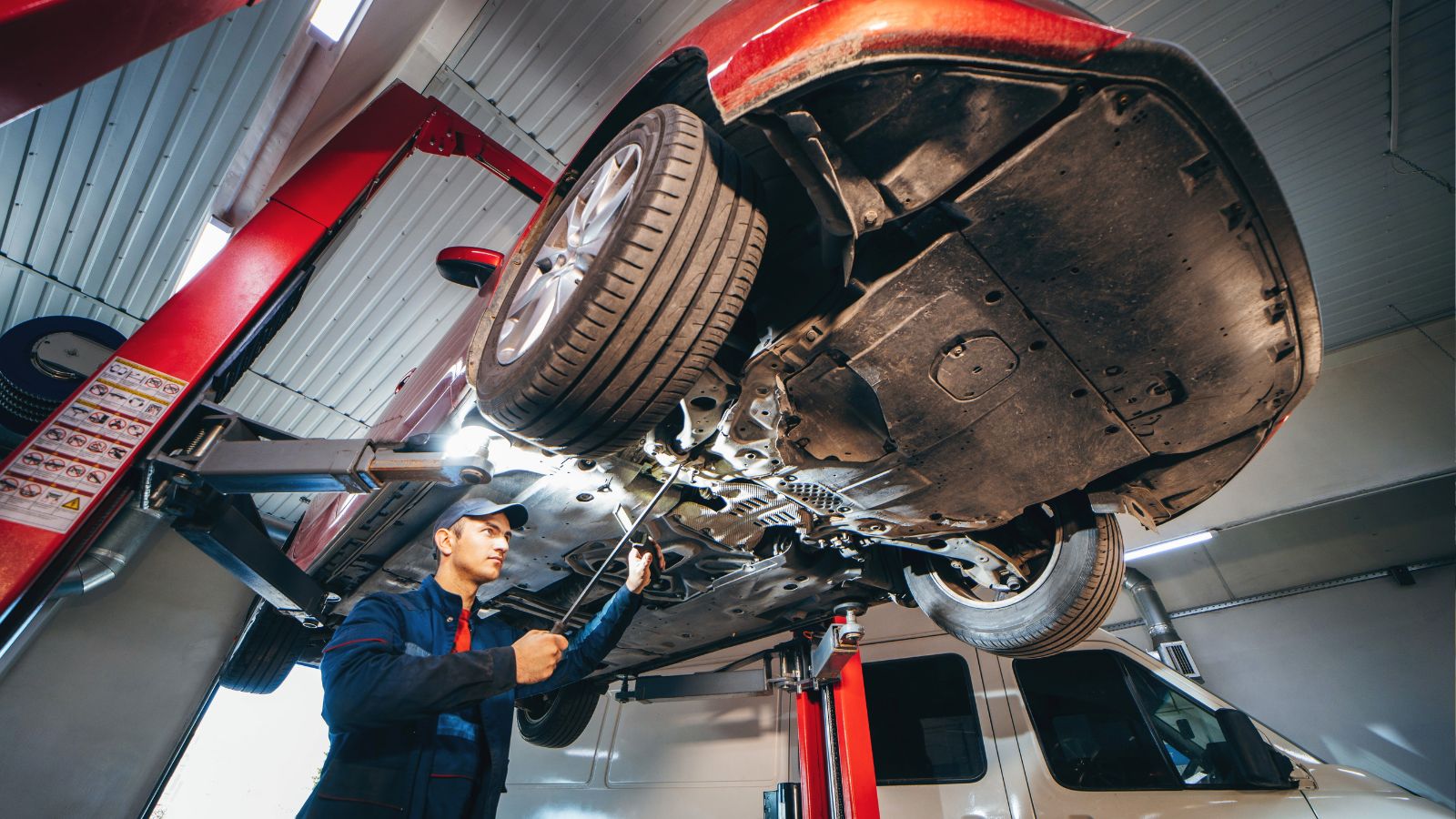
Wheel alignment is often confused with balancing, but the two are different. Balancing addresses weight distribution in each wheel-and-tire assembly, while alignment adjusts the angles of the wheels so they meet the road correctly. When alignment is off, a vehicle may pull to one side, wear tires unevenly, or feel nervous at highway speeds.
The shake may not always start immediately after the alignment goes bad. A pothole strike, curb hit, or worn suspension part can gradually change wheel angles. Over time, the tires develop uneven wear, and that worn tread pattern can create vibration even after the alignment is corrected. That is why technicians often inspect both the alignment and tire condition together instead of treating them as separate problems.
Uneven or Cupped Tire Wear
Cupped tires have a scalloped or choppy tread pattern that can make a car hum, thump, or shake at speed. This often happens when tires do not stay planted evenly against the road. Worn shocks, loose suspension components, severe imbalance, or neglected rotations can all contribute to irregular tread wear.
The tricky part is that cupping can remain after the original mechanical issue is fixed. A driver may replace worn shocks and still feel a vibration because the tire surface has already worn unevenly. Running a hand lightly over the tread may reveal alternating high and low spots. Once severe cupping develops, balancing may reduce vibration, but the tire may never ride smoothly again.
Low or Uneven Tire Pressure
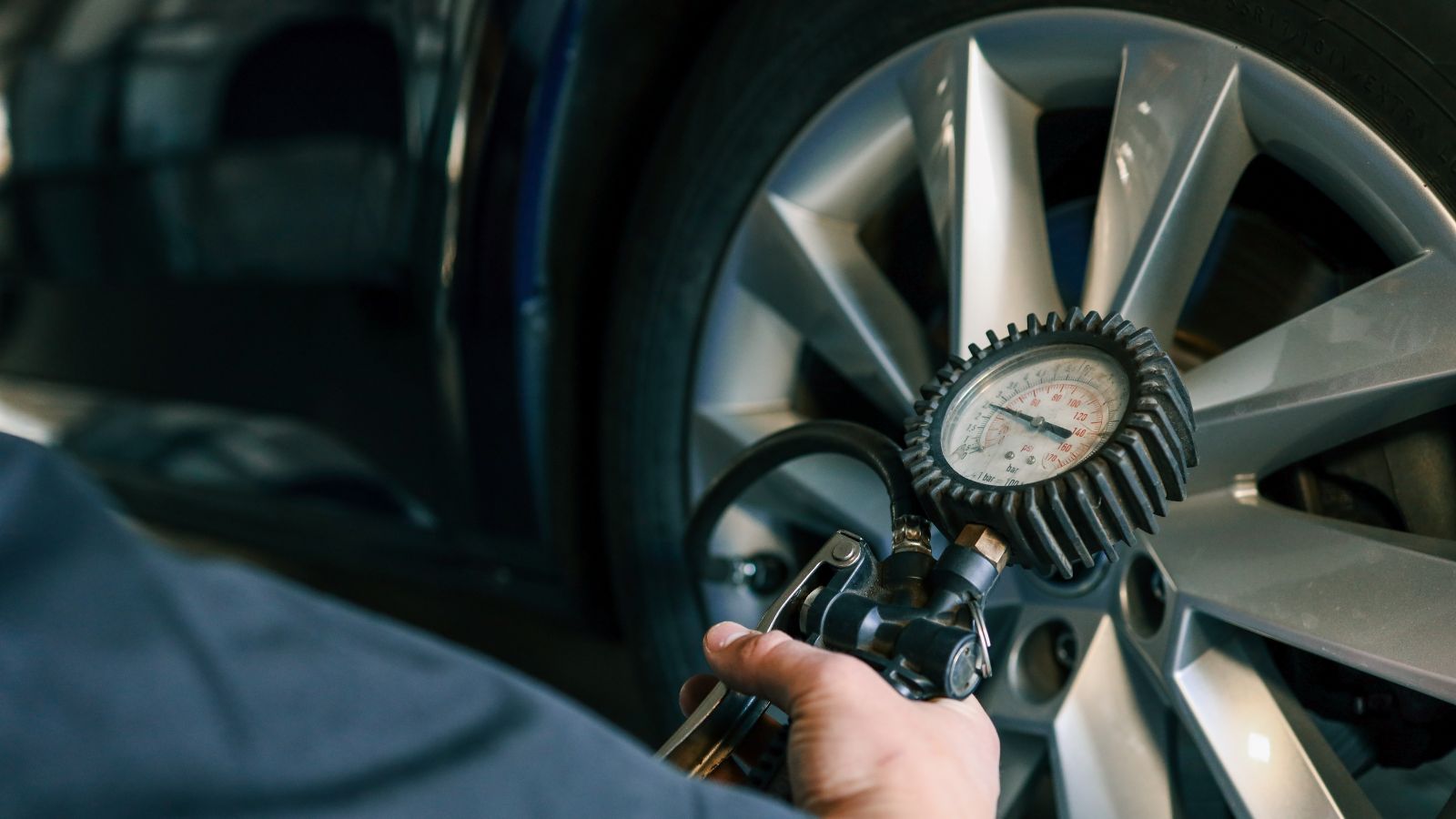
Tire pressure affects the shape of the contact patch, the way the tire flexes, and how evenly it carries the vehicle’s weight. When one tire is noticeably underinflated, it can deform more than the others and create a vibration, especially as speed builds. Uneven pressure across an axle can also make the car feel unstable.
This is easy to overlook because a tire can be low without looking flat. Many drivers only notice a problem after the dashboard tire-pressure warning appears or after a longer highway trip makes the ride feel rough. Checking pressures when tires are cold, using the placard on the driver’s door jamb, and correcting slow leaks can solve a shake before it becomes a damaged tire.
Internal Tire Damage
A tire can look acceptable from the outside and still have internal damage. Impacts from potholes, curbs, debris, or long periods of underinflated driving can damage belts or casing layers inside the tire. When that structure changes shape, the tire may no longer roll evenly, producing a wobble or shake that becomes more obvious at highway speed.
A bulge, blister, visible sidewall damage, or sudden new vibration should be treated seriously. The danger is not just discomfort; internal tire damage can increase the risk of air loss or failure. In many cases, the tire must be replaced rather than repaired. A technician may need to demount the tire to inspect damage that cannot be seen while it is still on the wheel.
Bent Wheel or Damaged Rim
A bent wheel can mimic a tire balance problem because both create vibration through rotating parts. The difference is that balancing cannot fully correct a wheel that is physically out of round. A rim may hold air and look mostly normal from the outside, yet still have enough runout to shake the steering wheel, seat, or floor at speed.
This often appears after a hard pothole hit or curb impact. Low-profile tires can make the wheel more vulnerable because there is less sidewall cushioning between the rim and the road. A shop can spin the wheel on balancing equipment and check whether it wobbles. If the wheel is bent, repair or replacement may be needed before any balance job will last.
Loose or Improperly Torqued Wheels
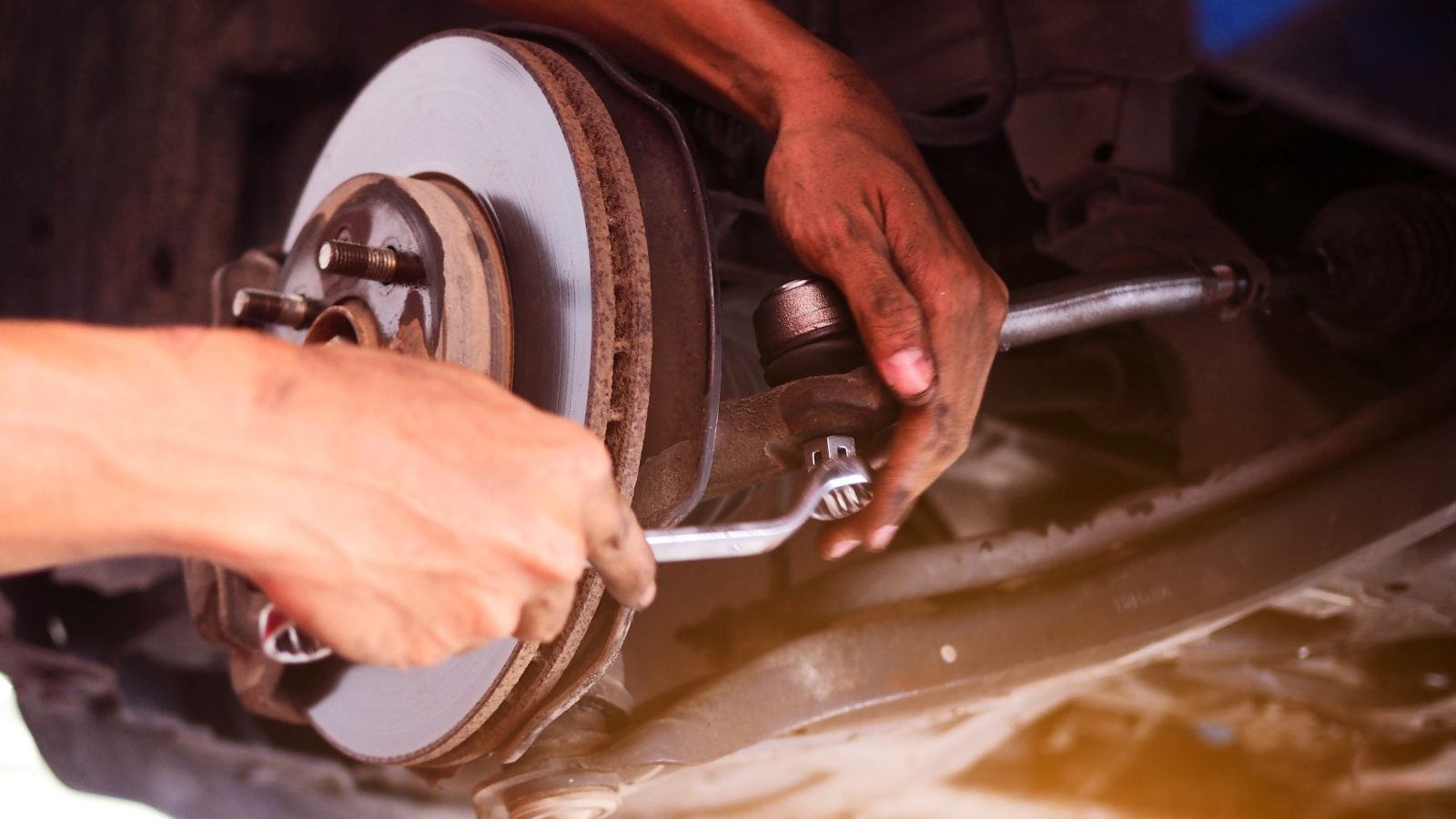
Loose lug nuts or uneven wheel torque can create a dangerous vibration. The wheel may not sit perfectly flush against the hub, allowing tiny movement that becomes a wobble as speed increases. In severe cases, loose hardware can damage wheel studs, elongate lug holes, or lead to wheel separation.
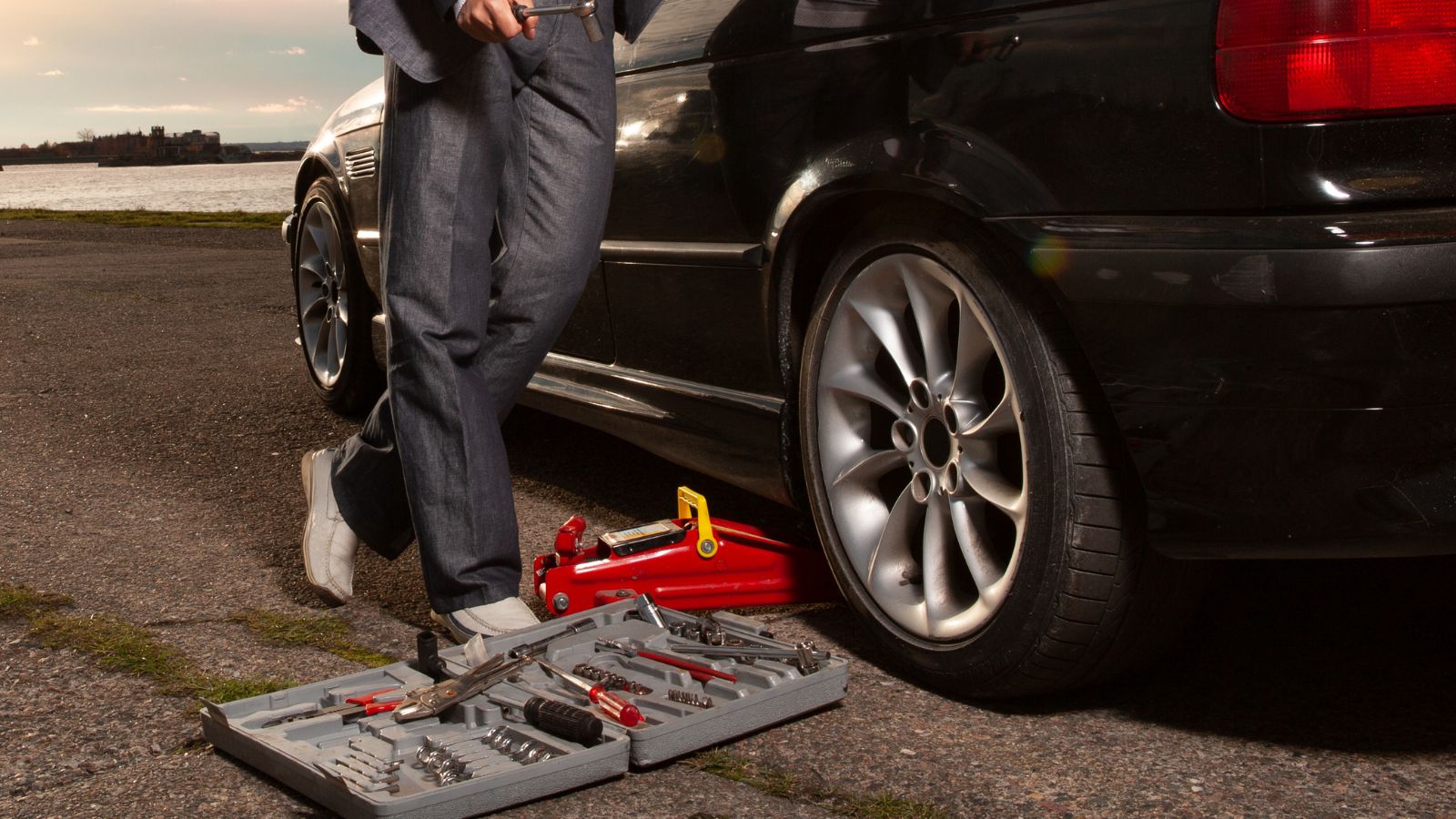
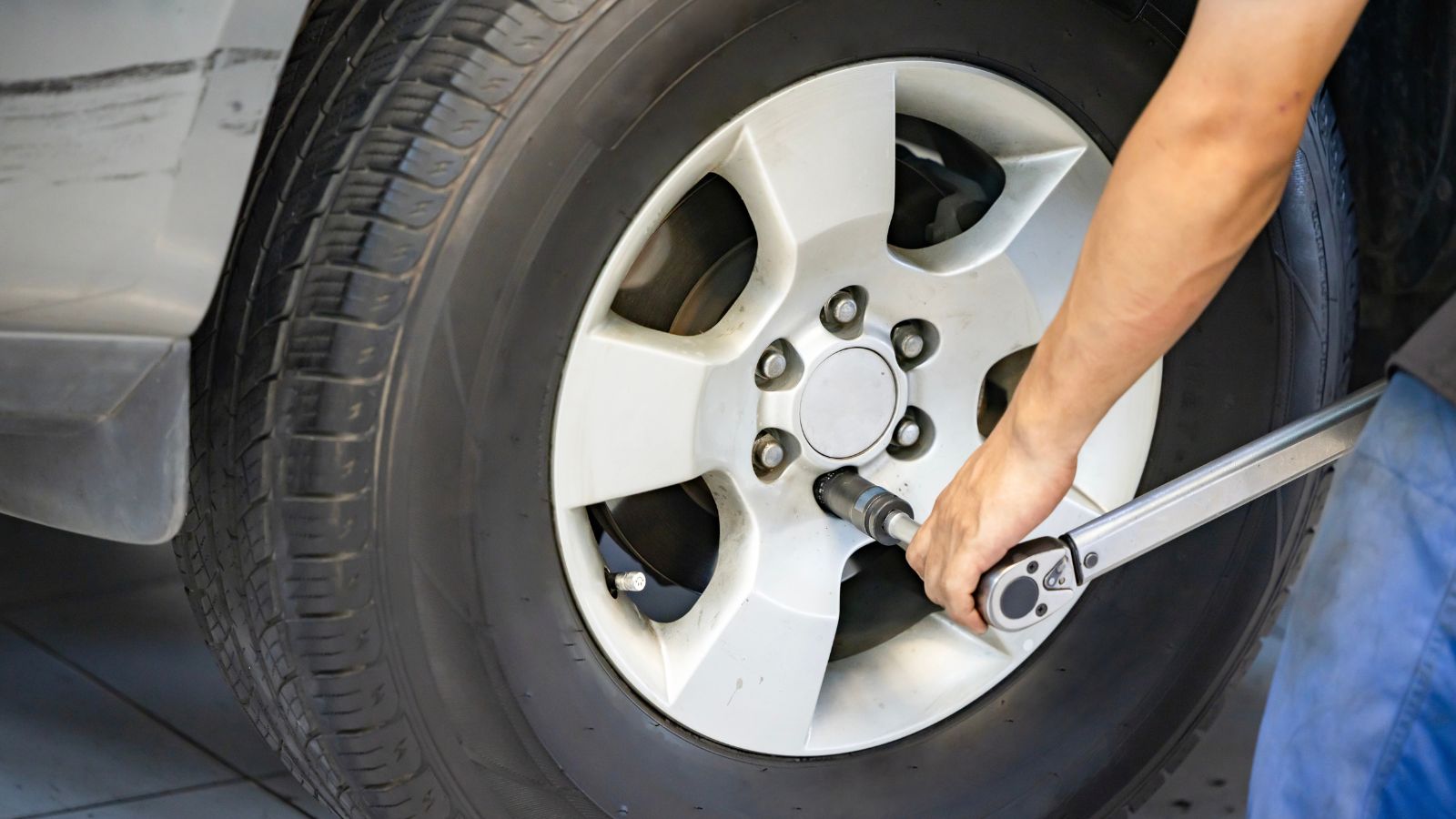
This is especially worth checking after tire rotation, seasonal tire changes, brake work, or roadside wheel replacement. A driver may feel a new shake shortly after service and assume the tires are out of balance, when the real issue is mounting. Wheel fasteners should be tightened in the correct pattern and to the manufacturer’s torque specification, not simply blasted on with an impact gun.
Brake Rotor or Pad Problems
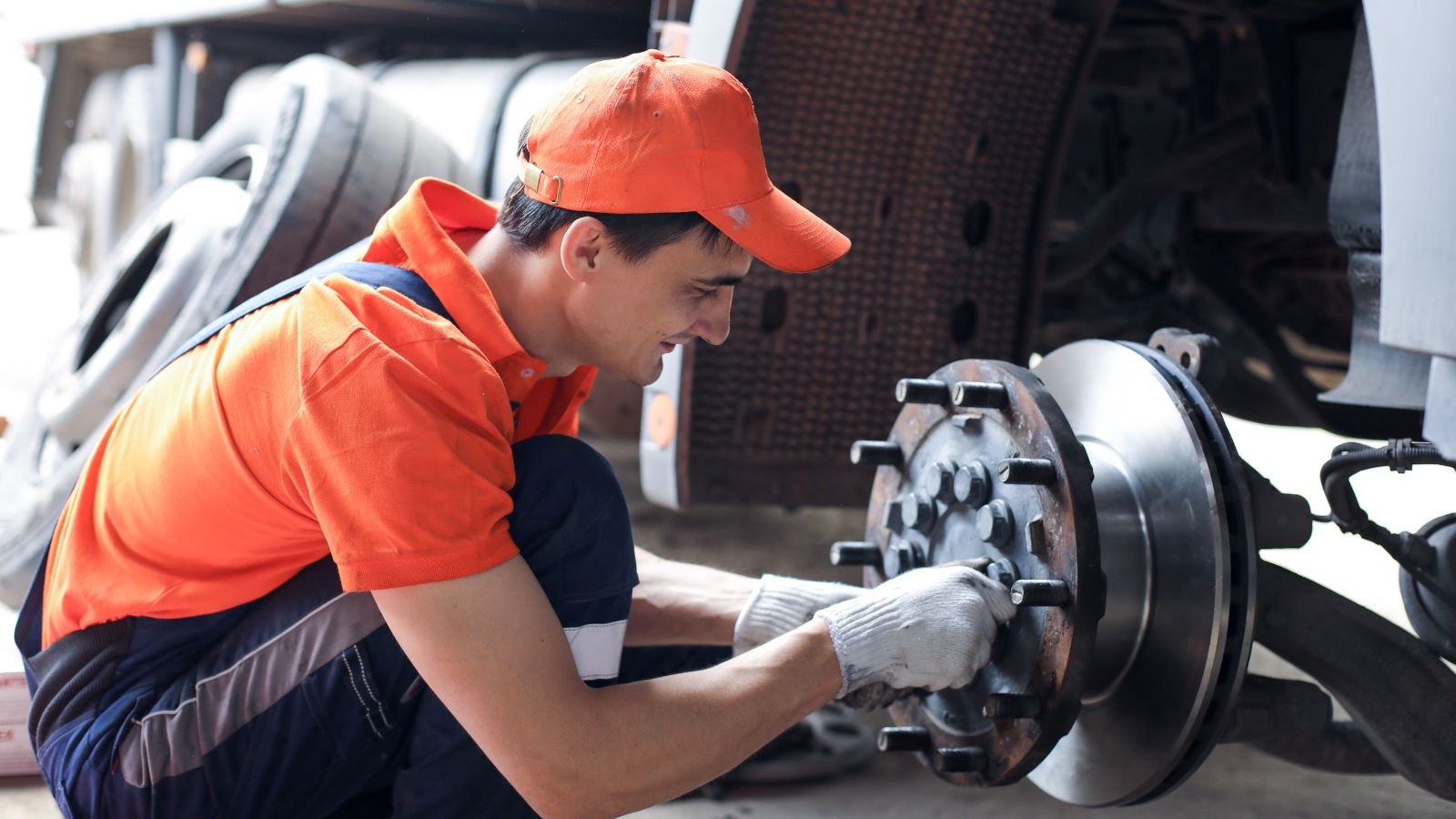
If the car shakes mainly while braking from highway speed, brake components move high on the suspect list. Uneven rotor thickness, heat spots, worn pads, or rotor runout can create a pulsing brake pedal and steering-wheel shake. The faster the vehicle is moving before braking, the more noticeable the vibration may become.
A common example is a car that drives smoothly at 65 mph but shudders when slowing down for an exit ramp. That pattern often points to the brake system rather than tire balance. Rotor problems can be worsened by overheating, sticking calipers, improper wheel torque, or worn suspension parts. Ignoring the vibration may increase stopping distance and accelerate pad and rotor wear.
Sticking Brake Caliper
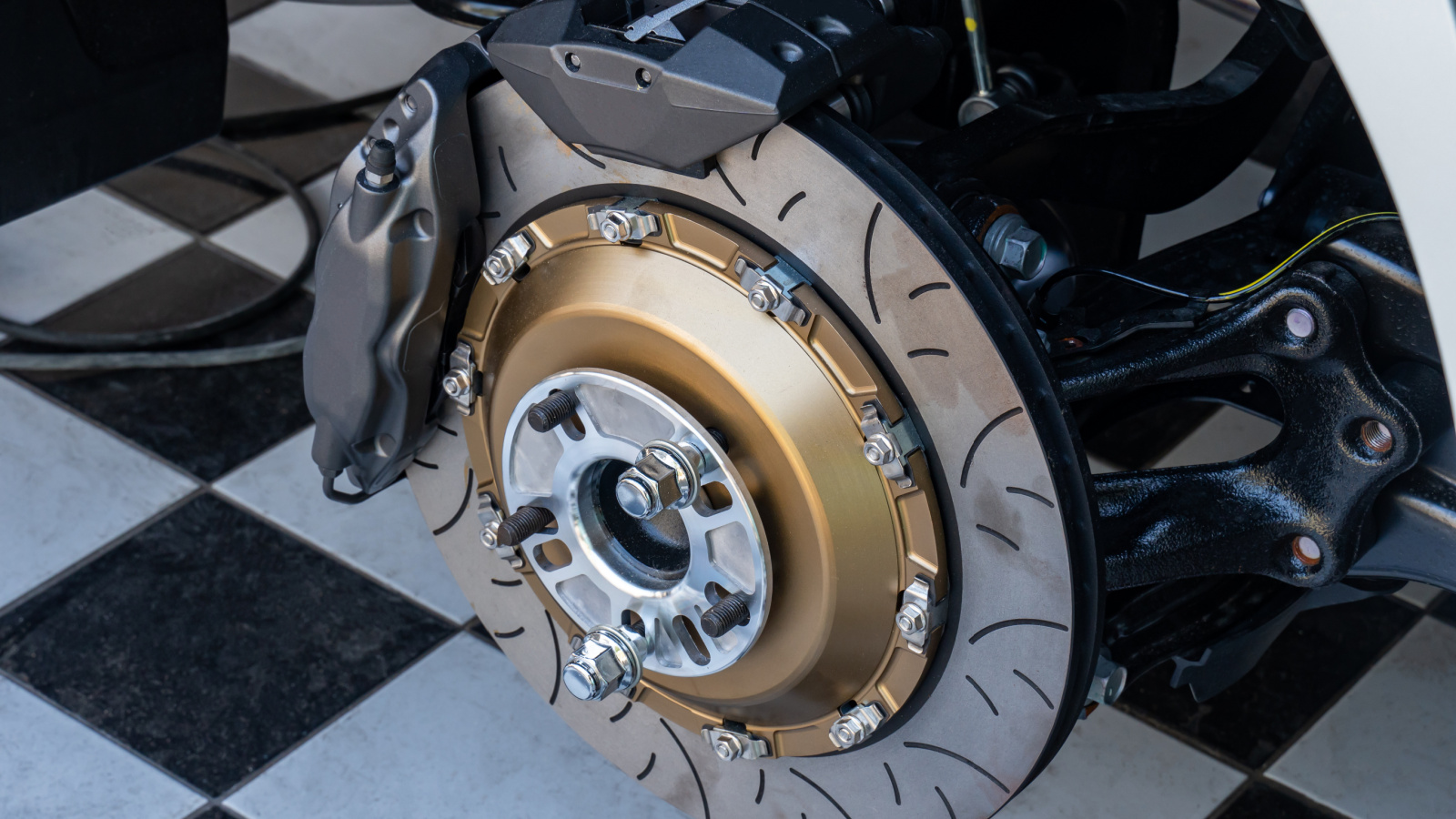
A brake caliper should squeeze the pads against the rotor when braking and release afterward. When a caliper sticks, a pad can drag against the rotor while driving. That constant friction creates heat, uneven wear, pulling, burning smells, reduced fuel economy, and sometimes a shake that becomes worse after several miles at highway speed.
This kind of vibration can be intermittent because heat changes the behavior of brake parts. A car may feel normal when cold, then shake after a commute or long downhill stretch. One wheel may feel much hotter than the others after driving, though touching hot brake parts is unsafe. A sticking caliper should be inspected quickly because excessive heat can damage rotors, pads, wheel bearings, and nearby components.
Worn Wheel Bearings
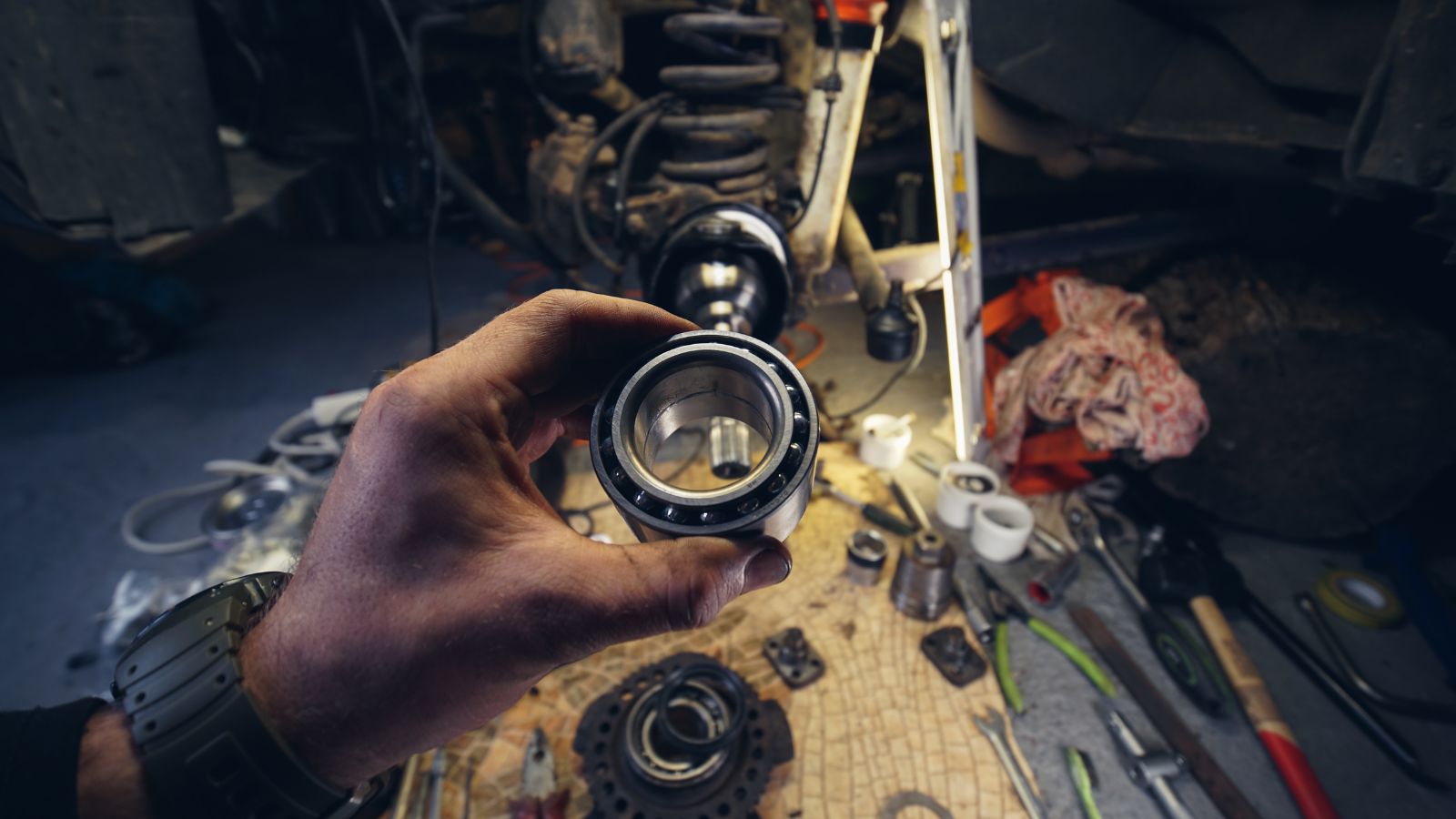
Wheel bearings allow the wheel to rotate smoothly while supporting vehicle weight. When a bearing wears, it can create humming, growling, looseness, or vibration that changes with speed. Some drivers first notice a sound that gets louder on the highway, then later feel a faint shake through the steering wheel or seat.
A bearing problem can be mistaken for tire noise because both may grow with speed. One clue is that the noise may change when the vehicle’s weight shifts during gentle lane changes. A failing bearing should not be ignored, because excessive play can affect wheel stability and braking. Proper diagnosis usually involves checking for looseness, roughness, noise, and sometimes heat at the hub.
Worn Tie Rods or Steering Linkage
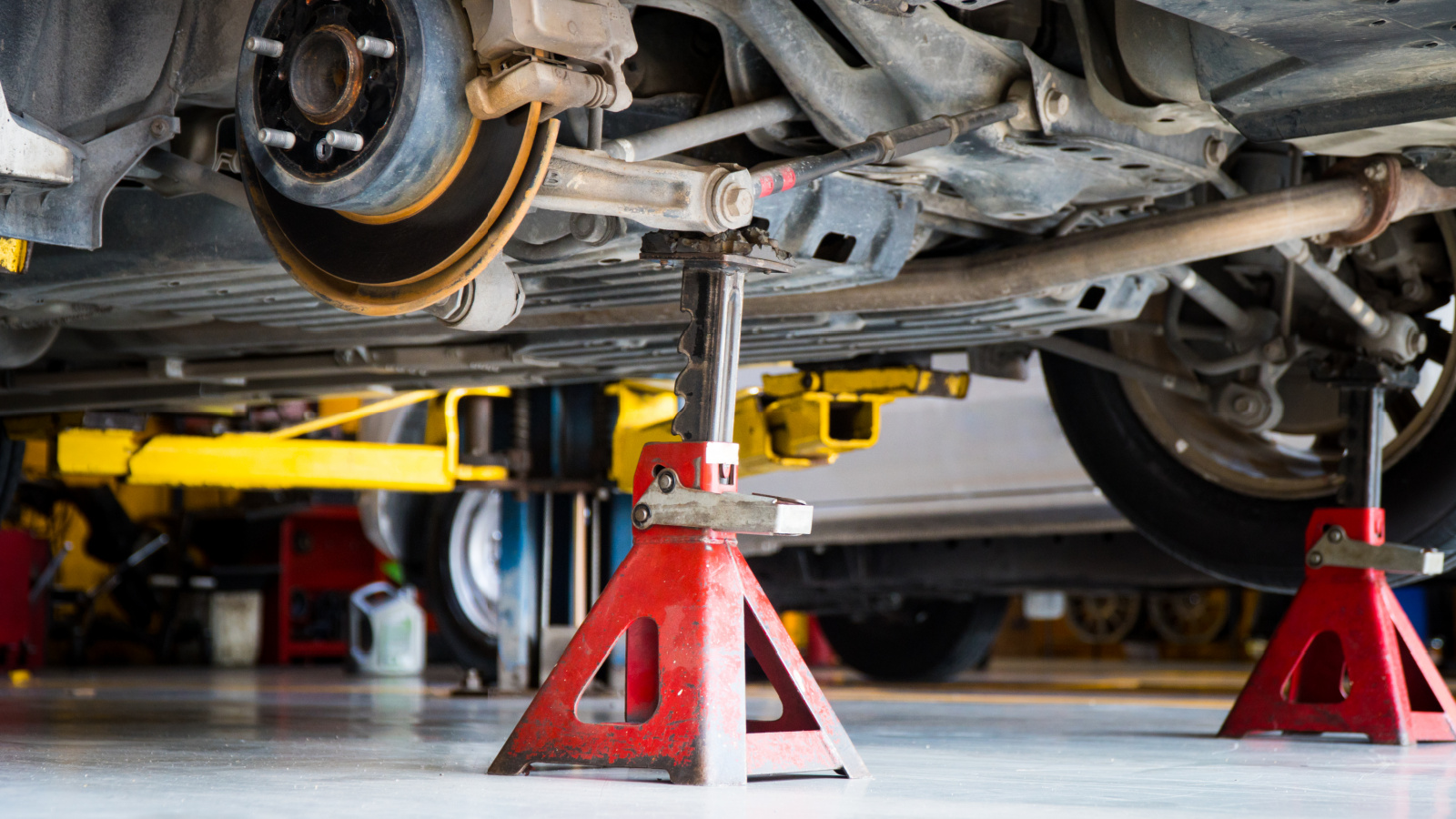
Tie rods connect steering input to the front wheels. When tie rod ends wear, the steering can feel loose, shaky, or delayed. At highway speed, that looseness may show up as vibration, wandering, clunking over bumps, or uneven tire wear. It may feel as though the car needs constant small corrections to stay centered.
A small amount of play in steering parts can become more noticeable once the tires are spinning fast and reacting to road forces. The vibration may also worsen after hitting bumps because the wheel is no longer being held as precisely. Replacing worn tie rods usually requires an alignment afterward, since those parts directly affect the wheel angles that determine tire wear and tracking.
Worn Ball Joints, Bushings, or Control Arms
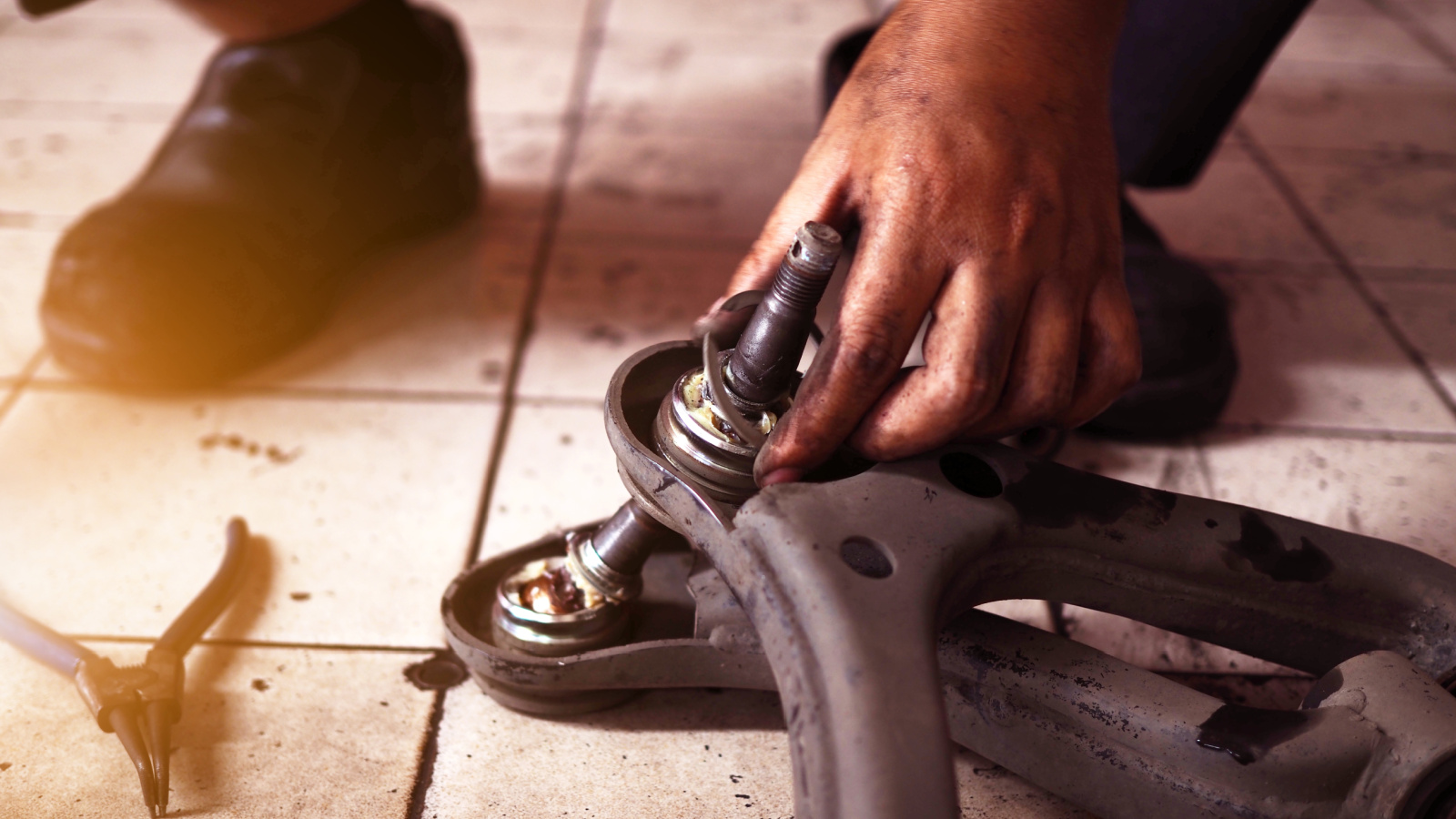
Ball joints and control arm bushings help locate the wheels while allowing suspension movement. When they wear, the wheel can move in ways it should not, creating vibration, clunks, wandering, or a front-end shimmy. The shake may be worse on uneven pavement or after hitting a bump at speed.
These problems can feel unpredictable because the vibration may depend on road surface, steering angle, or braking force. A worn bushing may allow the wheel to shift slightly under load, while a loose ball joint can affect alignment and tire contact. Aside from comfort, these are safety-related parts. Severe wear can compromise handling and, in extreme cases, allow major suspension separation.
Weak Shocks or Struts
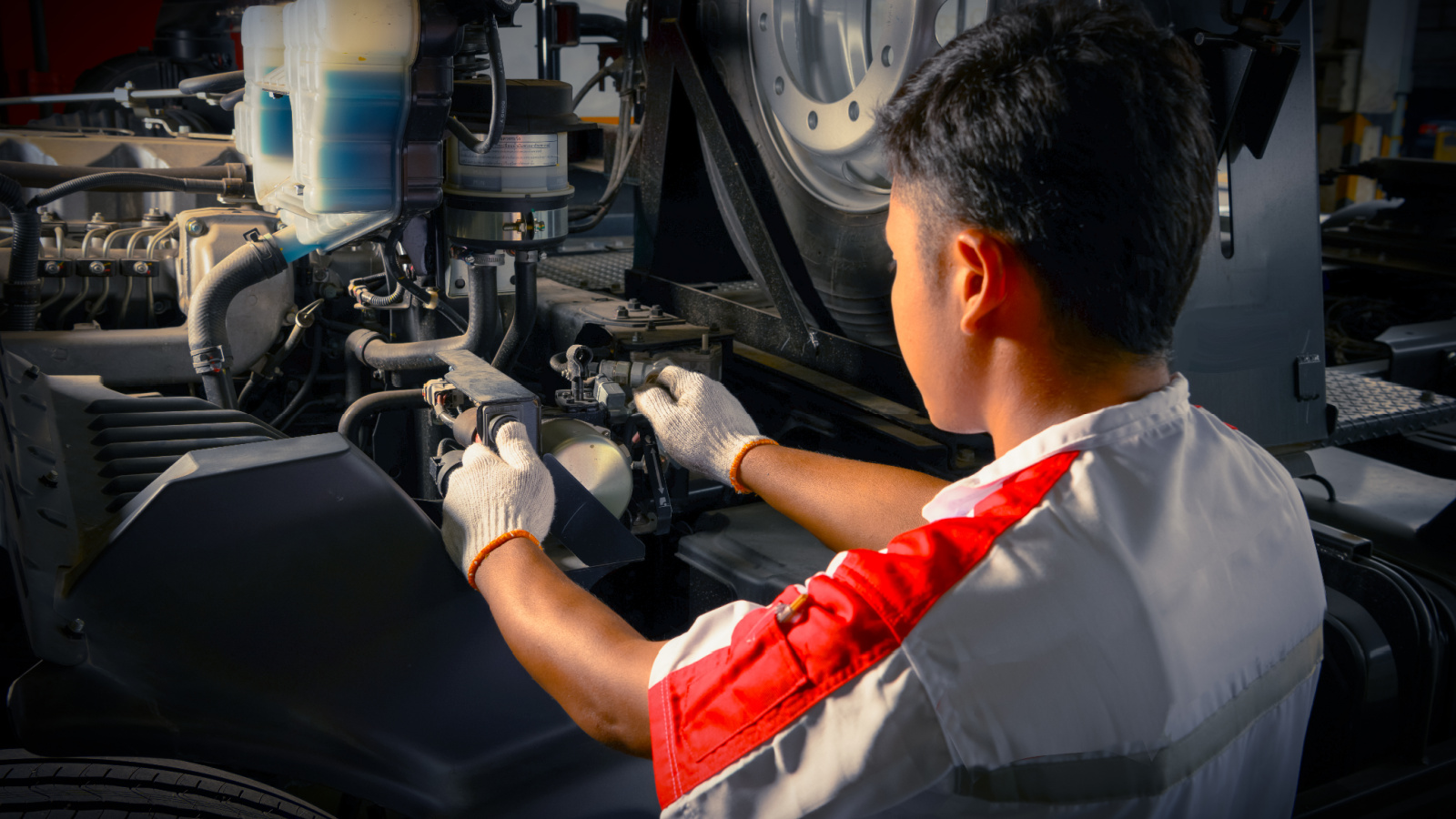
Shocks and struts control tire movement after bumps. When they lose damping ability, tires can bounce rather than stay pressed evenly against the pavement. At highway speed, that bouncing can feel like vibration, floating, or repeated body motion after dips and expansion joints. Over time, it can also contribute to cupped tire wear.
The humanized version is the older commuter car that feels acceptable on smooth city streets but becomes unsettled on concrete highways. Each seam sends a small ripple through the suspension, and the worn dampers cannot calm it quickly. New shocks or struts may not fix a tire already worn into a choppy pattern, so a full inspection often includes tire condition, alignment, and suspension play.
Bad CV Axle or Joint
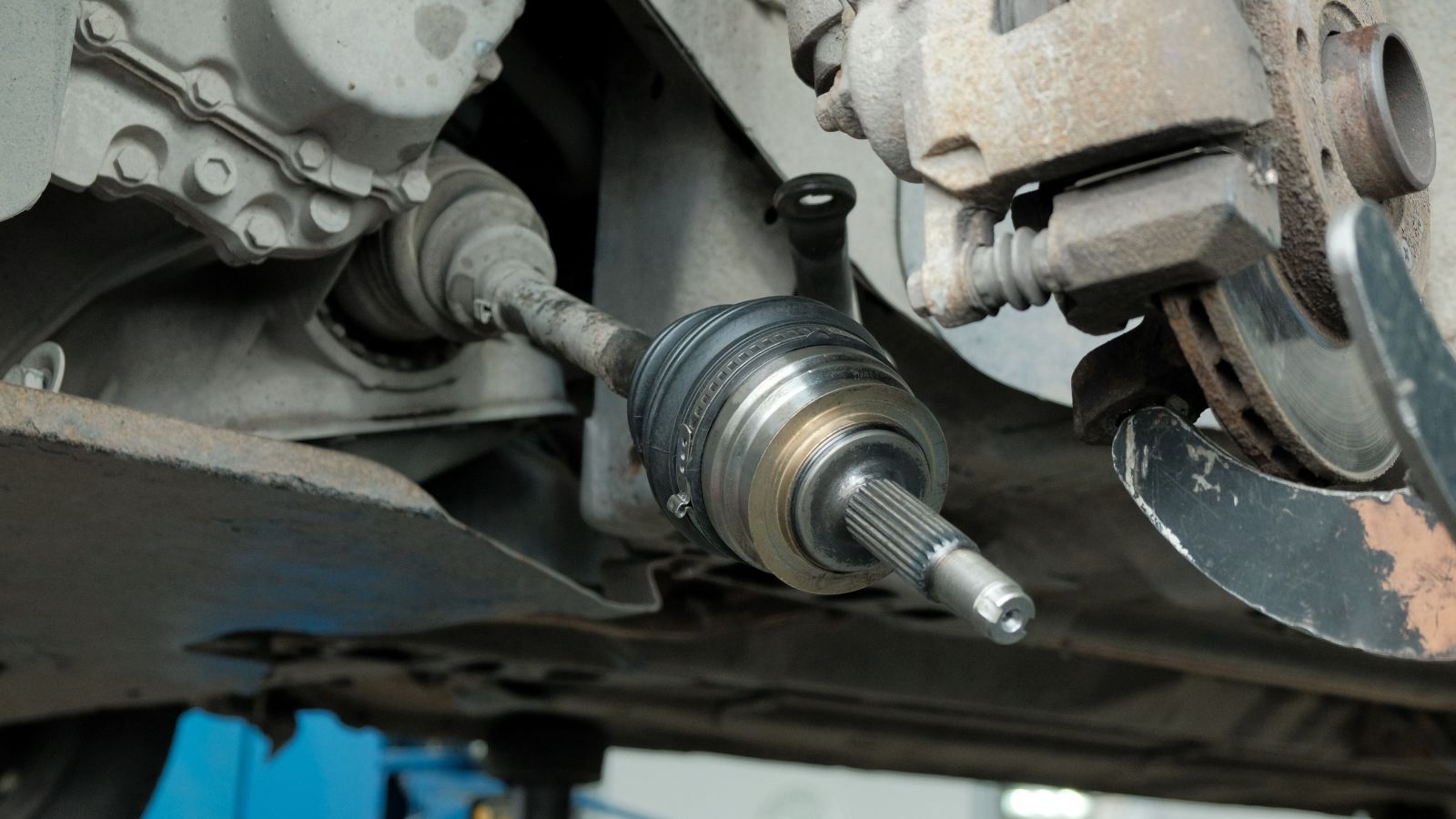
Constant-velocity axles transfer power to the wheels while allowing suspension and steering movement. When an inner CV joint wears or an axle bends, the car may shake during acceleration, especially at higher speeds or when climbing a grade. Outer CV joints more often click during tight turns, but axle problems can still create vibration felt through the floor or front end.
One clue is whether the shake changes when the throttle changes. If the vibration is strongest under acceleration and fades while coasting, a driveline part such as a CV axle becomes more likely than a simple tire balance issue. Torn CV boots and grease splatter around the wheel well are warning signs because lost grease allows dirt and moisture to damage the joint.
Driveshaft or U-Joint Trouble
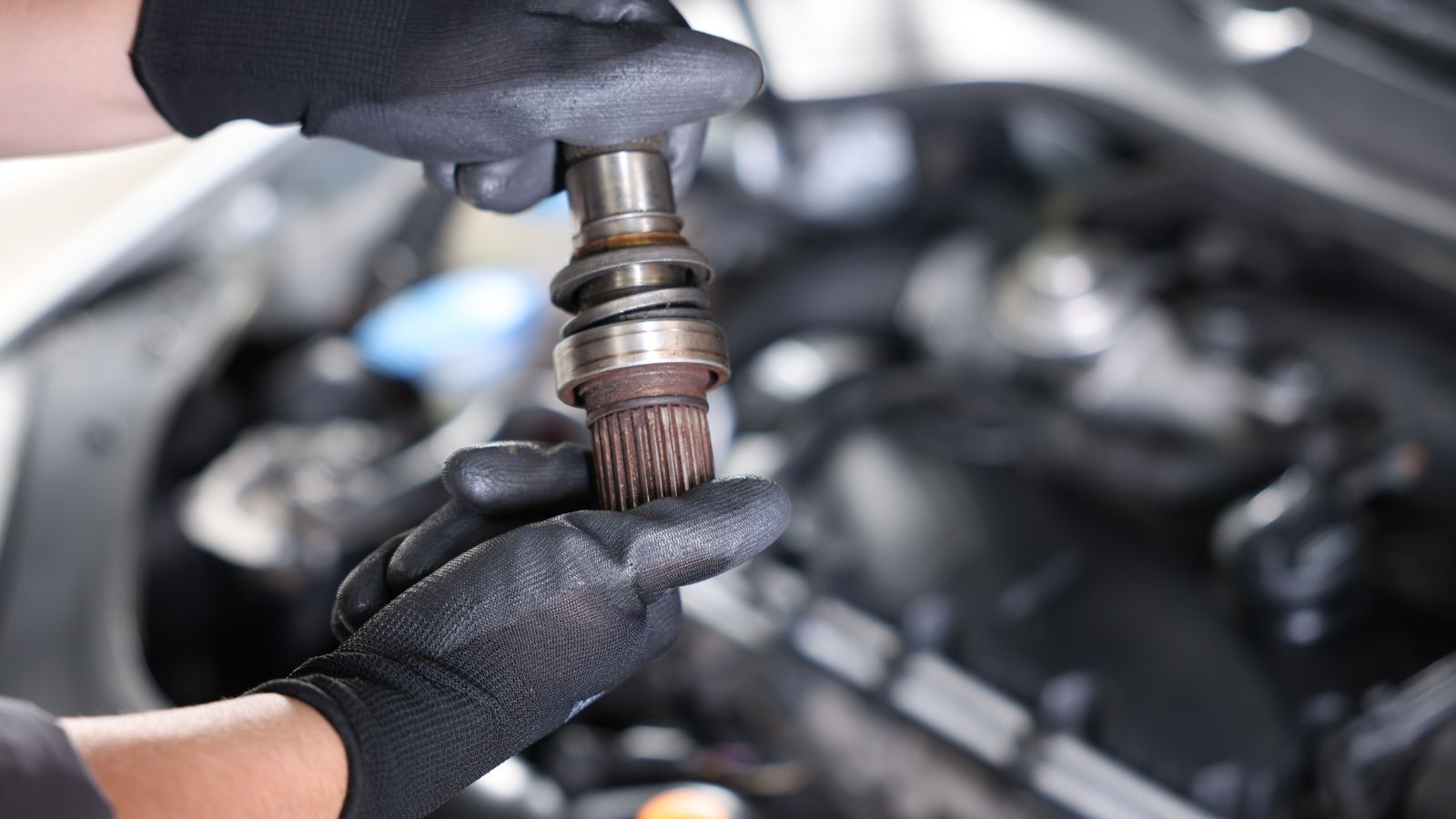
Rear-wheel-drive, four-wheel-drive, and many all-wheel-drive vehicles use driveshafts and universal joints to send power to the axle. If a U-joint wears, a driveshaft bends, or the shaft loses balance, the vibration often feels like it comes from the middle or rear of the vehicle. It may increase with road speed and sometimes appears under acceleration or deceleration.
A worn U-joint can also make clunking noises when shifting from drive to reverse or when getting on and off the throttle. Because driveshafts rotate rapidly at highway speed, small faults can feel dramatic. Ignoring the problem can risk damage beyond the original joint or shaft, so technicians usually inspect for looseness, seized movement, missing balance weights, and worn mounting points.
Engine Misfire

Not every highway shake starts at the wheels. An engine misfire can make the vehicle shudder, stumble, or lose power, especially under load. This may happen while accelerating onto a highway or climbing a hill, when the engine needs stronger combustion from every cylinder. Spark plugs, ignition coils, fuel delivery issues, air leaks, and sensor faults can all be involved.
A flashing check-engine light is an important warning sign because it can indicate a severe misfire that may damage the catalytic converter. The vibration can feel different from tire shake: more like a rhythmic stumble from the engine than a wheel-speed wobble. Scanning diagnostic trouble codes is usually the starting point, but proper diagnosis still requires confirming the actual cause instead of replacing parts blindly.
Worn Engine or Transmission Mounts

Engine and transmission mounts hold heavy drivetrain components in place while isolating vibration from the cabin. When the rubber or fluid-filled mount material wears, cracks, or collapses, normal engine movement can transfer into the body. The result may feel like shaking at idle, a clunk when shifting gears, or a vibration that gets worse under acceleration.
At highway speed, weak mounts can amplify other issues. A small engine misfire, rough shift, or driveline load change may feel much harsher because the drivetrain is no longer properly cushioned. This is why a driver might notice the dashboard, floor, or seat vibrating instead of only the steering wheel. Mount inspection often includes checking for visible cracks, leaks, excessive engine movement, and metal-to-metal contact.
Torque Converter or Transmission Shudder

Automatic transmissions can create a vibration that feels surprisingly similar to driving over rumble strips. One common source is torque converter clutch shudder, which can happen when the converter lockup clutch does not engage smoothly. It often appears at steady cruising speeds, light throttle, or gentle uphill driving.
This problem can be misdiagnosed as tire imbalance because it happens on the highway. The difference is that transmission shudder may change when the throttle is adjusted, the gear changes, or the converter clutch unlocks. Fluid condition, software updates, internal clutch wear, and transmission faults can all play a role. A technician may use a scan tool and test-drive data to separate torque converter shudder from wheels, tires, or engine misfire.
Snow, Mud, Debris, or Poor Wheel Fitment

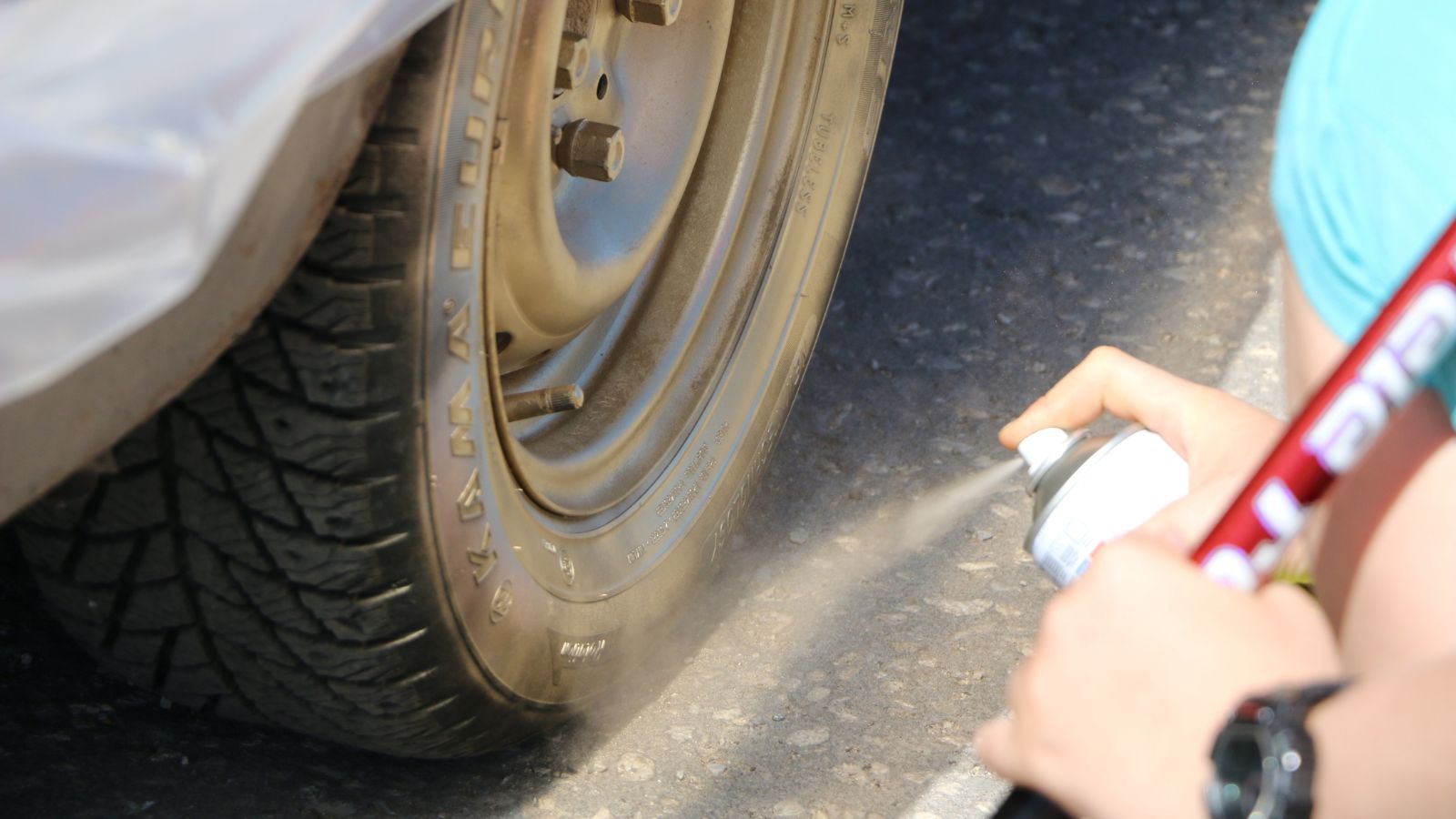
Sometimes the cause is not a worn part at all. Snow, ice, mud, road tar, or packed debris inside a wheel can throw off balance temporarily and cause a sudden highway shake. Drivers often notice this after a snowstorm, muddy road, construction zone, or off-road parking area, then find the vibration disappears after the wheels are cleaned.
Aftermarket wheel fitment can also cause vibration if the wheel does not center properly on the hub. Missing hub-centric rings, incorrect center bore, improper spacers, or mismatched hardware can make the wheel sit slightly off-center even when the lug nuts are tight. This is why a car may shake only after a new wheel set is installed, despite fresh tires and balancing.
22 Things Canadians Do to Their Cars in Spring That Mechanics Hate

Spring brings relief to many Canadian drivers after months of snow, freezing temperatures, and icy roads that put serious strain on vehicles. As temperatures rise across the country, drivers begin washing cars, switching tires, and preparing vehicles for warmer weather and upcoming road trips. However, mechanics across Canada notice the same mistakes every spring when drivers attempt to recover from winter damage. Road salt, potholes, and harsh winter driving conditions often leave vehicles with hidden problems that drivers ignore. Some spring habits even create new mechanical issues that could have been avoided with proper maintenance. Here are 22 things Canadians do to their cars in spring that mechanics hate.