


























Repair bills can turn from routine to alarming in a matter of minutes, especially when a trusted professional says a vehicle is unsafe, overdue, or about to fail. Most technicians are honest, and many recommendations prevent bigger problems later. Still, pressure, vague explanations, and unnecessary maintenance packages can leave drivers paying for work that does little for safety or reliability. These 21 signs highlight the difference between responsible repair advice and recommendations that deserve a closer look.
The Estimate Is Vague or Only Verbal
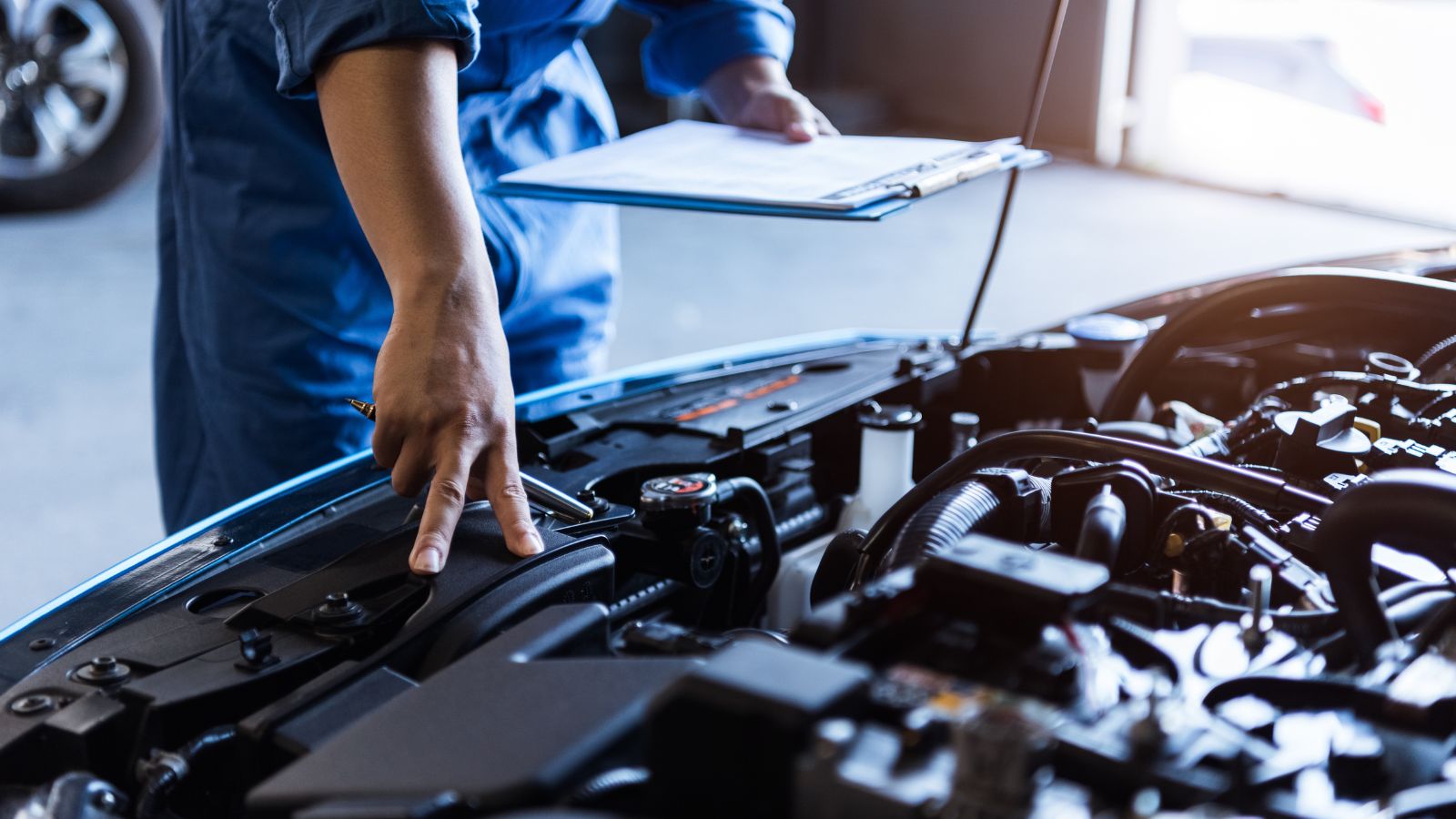
A trustworthy repair recommendation should come with a clear estimate, not just a quick number mentioned across the counter. When a mechanic says a job will be “around a thousand” without listing the condition, parts, labour, taxes, shop fees, or approval rules, the driver is left with very little to compare. A vague estimate also makes it easier for the final bill to grow.
This matters because many consumer-protection rules focus on written estimates, itemized invoices, and authorization before extra work is done. A careful shop can explain what is being repaired, why it matters, and what happens if the cost changes. If the paperwork feels empty, rushed, or incomplete, the recommendation may need a second look before anyone signs.
They Push Work Before Explaining the Diagnosis
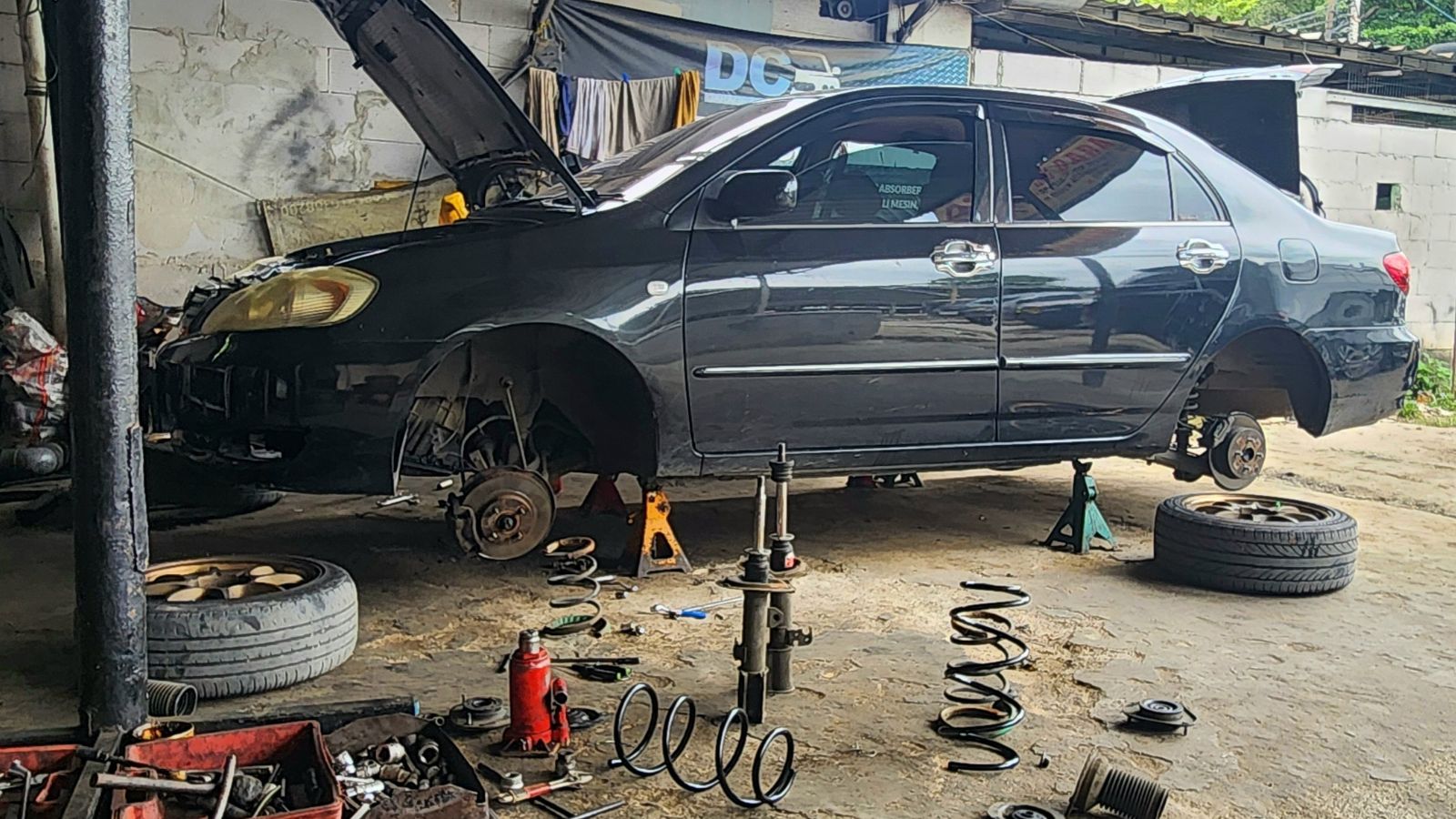
A major warning sign appears when the shop jumps straight to a repair without explaining how it reached that conclusion. “Needs a new alternator” means less than “battery voltage tested low under load, charging output was below spec, and the belt was inspected.” Good diagnosis connects symptoms, test results, and the recommended fix.
The risk is that a guessed repair can become an expensive experiment. A driver who came in for a hard start might be sold a battery, starter, fuel pump, or sensor depending on who guesses first. Professional advice should include the test performed, the result found, and why that result points to one repair over another. If the answer is mostly “trust me,” caution is reasonable.
The Schedule Does Not Match the Owner’s Manual
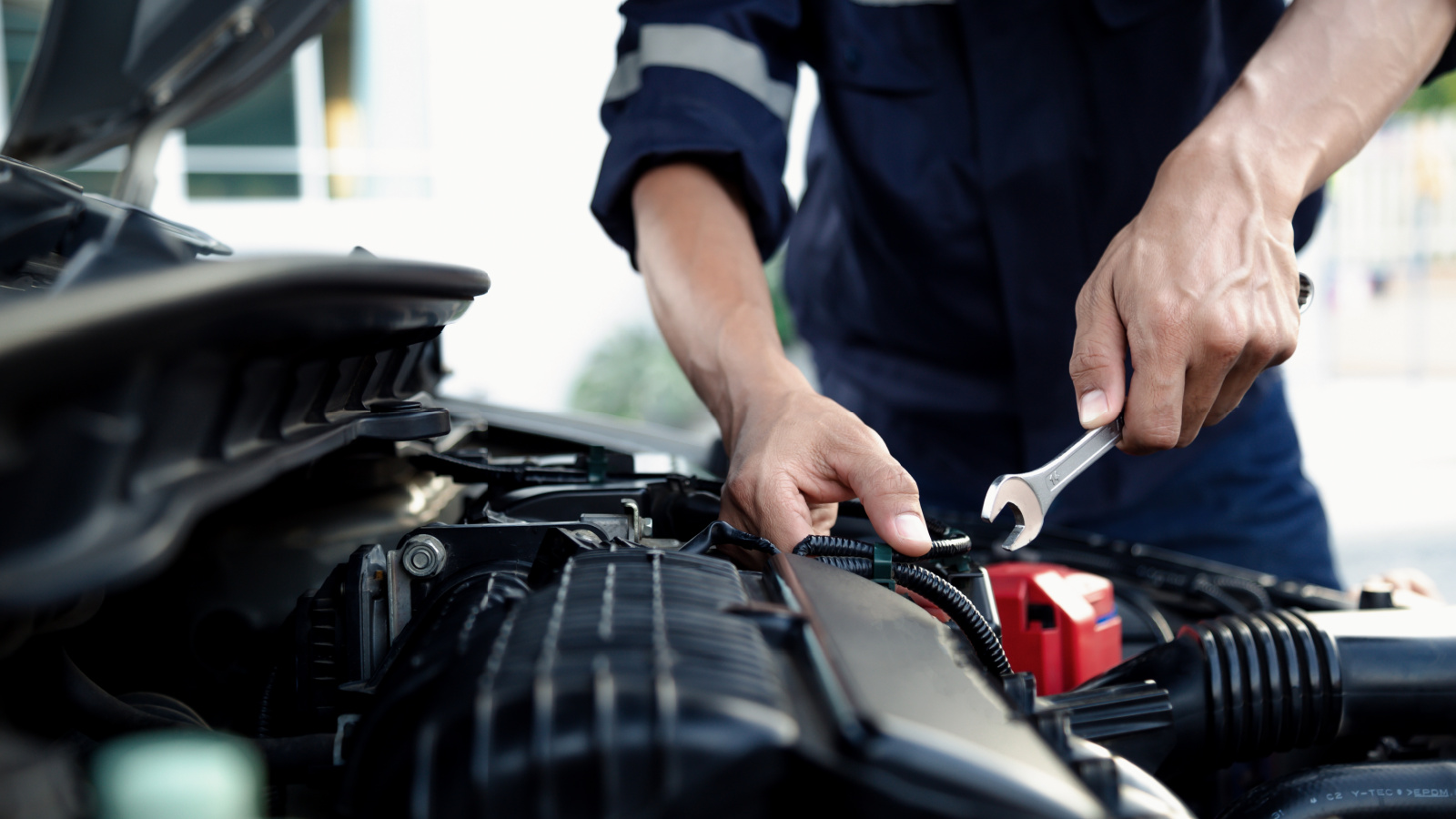
Maintenance schedules vary by vehicle, engine, driving conditions, and fluid type. When a mechanic recommends oil changes, tire rotations, coolant service, spark plugs, or transmission work far more often than the manufacturer’s schedule, that difference should be explained. Severe-duty driving can justify shorter intervals, but it should not be used as a blanket excuse for every customer.
The owner’s manual is not perfect bedtime reading, yet it is one of the strongest tools a driver has. It lists manufacturer-recommended intervals, fluid specifications, warning-light explanations, and service reminders. A shop that ignores it and follows only its own “house schedule” may be selling more maintenance than the vehicle needs. Asking for the manual-based reason can quickly separate care from upselling.
Every Recommendation Is Labeled Urgent

Some repairs are genuinely urgent, especially brakes, steering, fuel leaks, overheating, or serious tire damage. The concern starts when nearly every item is presented as an emergency. A slightly dirty cabin filter, a future tire replacement, and a seeping gasket should not all carry the same level of alarm as a brake fluid leak.
Urgency should match evidence. A responsible technician can usually divide recommendations into “unsafe now,” “repair soon,” and “monitor.” That ranking helps drivers budget and make decisions without panic. If a shop uses dramatic language for routine wear items, it may be leaning on fear rather than diagnosis. The phrase “not safe to leave” should come with a clear explanation, photos, measurements, or visible evidence.
They Refuse to Show the Worn Part
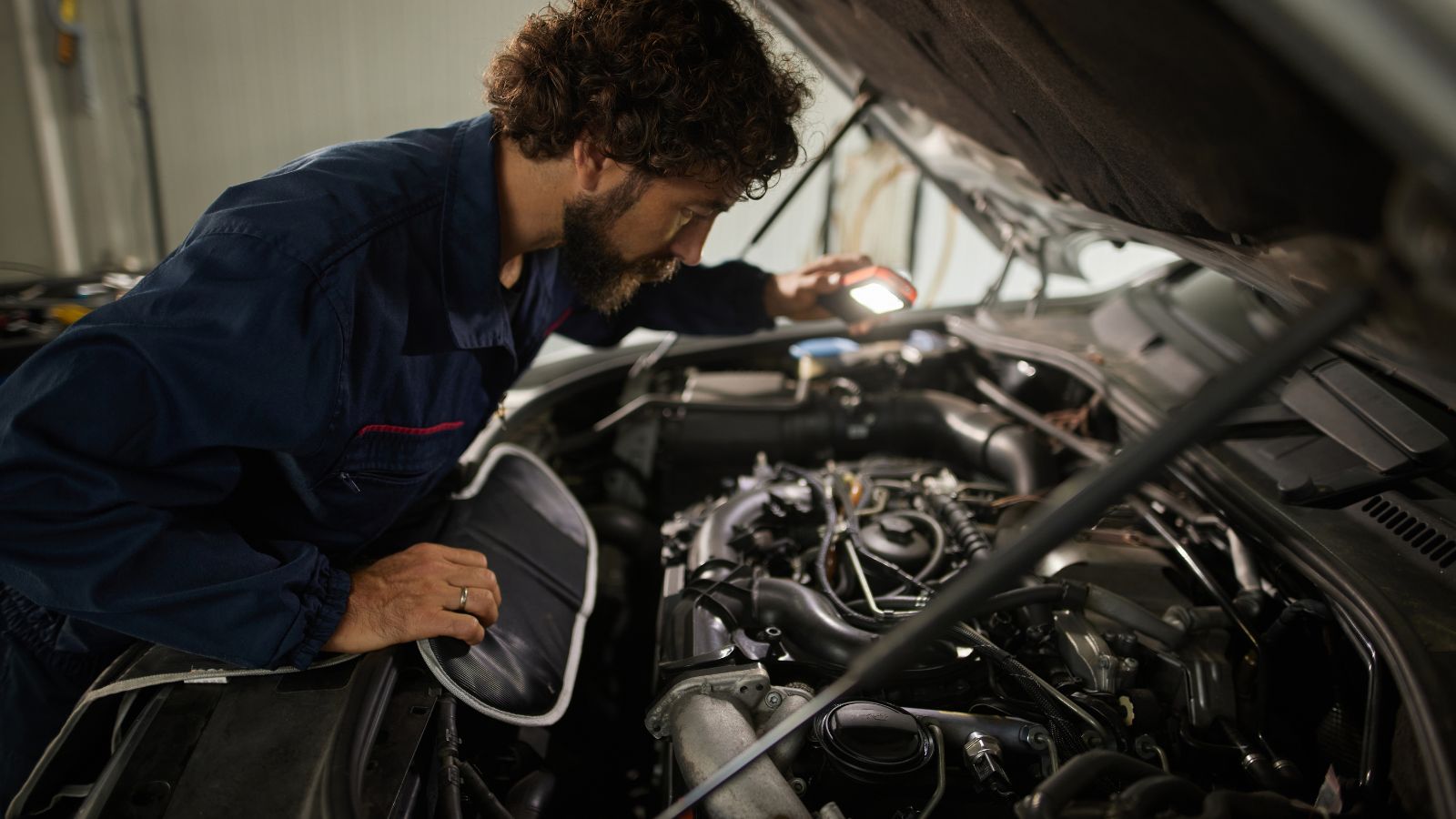
Many repair recommendations are easier to understand when the old part is visible. A cracked belt, leaking hose, worn brake pad, loose ball joint, or bulging tire can usually be shown in person, by photo, or on video. If the shop refuses to show the issue or says customers “wouldn’t understand,” that is not a confidence-building answer.
There are exceptions: some parts are buried deep in the vehicle, contaminated, or returned for a core charge. Even then, the shop should explain why the part cannot be shown and provide documentation. In many places, repair rules or consumer guidance encourage customers to ask for replaced parts. A transparent shop treats proof as part of the service, not as an inconvenience.
They Avoid Written Approval for Extra Work
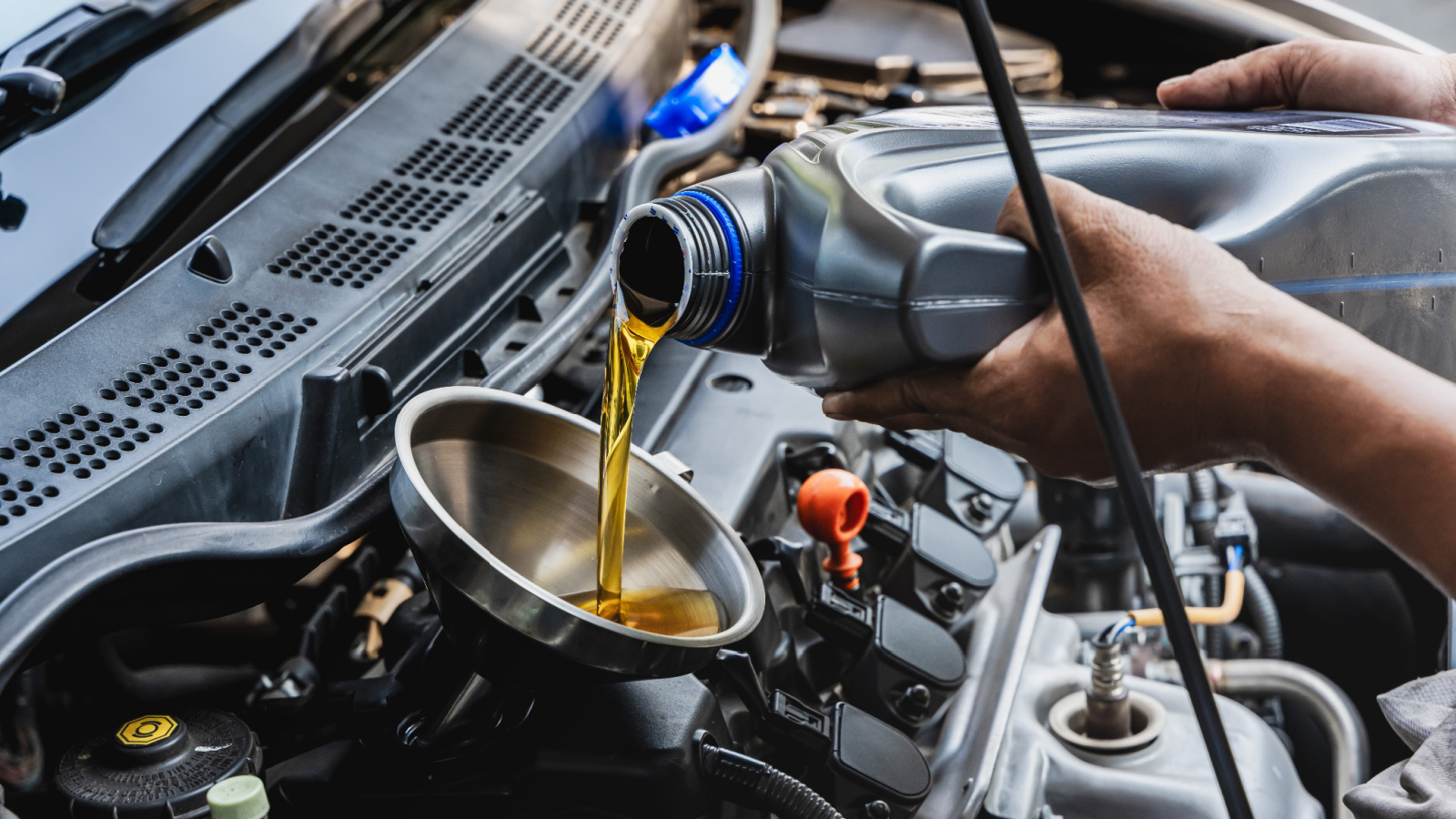
A repair visit often changes once a technician gets deeper into the vehicle. That is normal. The warning sign is when additional work appears on the invoice without a documented approval call, text, email, or signed authorization. “We had to do it” should not replace permission, especially when the added work is expensive.
Clear authorization protects both sides. It gives the driver a chance to ask questions, pause the repair, compare prices, or decline non-urgent work. It also protects the shop from disputes about what was approved. If a mechanic resists putting approval limits in writing, the driver loses control of the bill. A trustworthy process makes the next step clear before the wrench turns.
They Claim Warranty Coverage Requires Their Shop

Some drivers are told that using an independent shop, aftermarket part, or non-dealer maintenance will automatically void a warranty. That kind of broad claim is often misleading. Warranty rules can be complicated, and covered repairs may need to be done through a specific dealer if the work is free under the warranty, but routine maintenance is usually not locked to one shop.
A fair service advisor should explain the distinction. Keeping records matters, and parts or poor workmanship can cause warranty disputes if they damage a covered component. But a statement that all maintenance must be done at one dealer to preserve coverage deserves skepticism. Warranty pressure can be a powerful upsell, especially for newer vehicles whose owners fear losing protection.
They Recommend Flushes for Nearly Every Fluid

Fluid changes are legitimate maintenance. Coolant, brake fluid, differential fluid, power steering fluid, and transmission fluid can degrade or become contaminated. The warning sign is the automatic “flush package” offered at every visit, regardless of mileage, vehicle history, fluid condition, or manufacturer guidance.
Flushes can also be more expensive than simple drain-and-fill service. In some cases, a flush may not be listed in the vehicle’s recommended maintenance schedule, and certain transmission services require careful procedures. A responsible mechanic can explain why a flush is needed now, what fluid condition was found, and whether the manufacturer calls for that method. Without that explanation, the phrase can become a profitable add-on.
A Smooth-Running Car Suddenly Needs Fuel Injector Cleaning
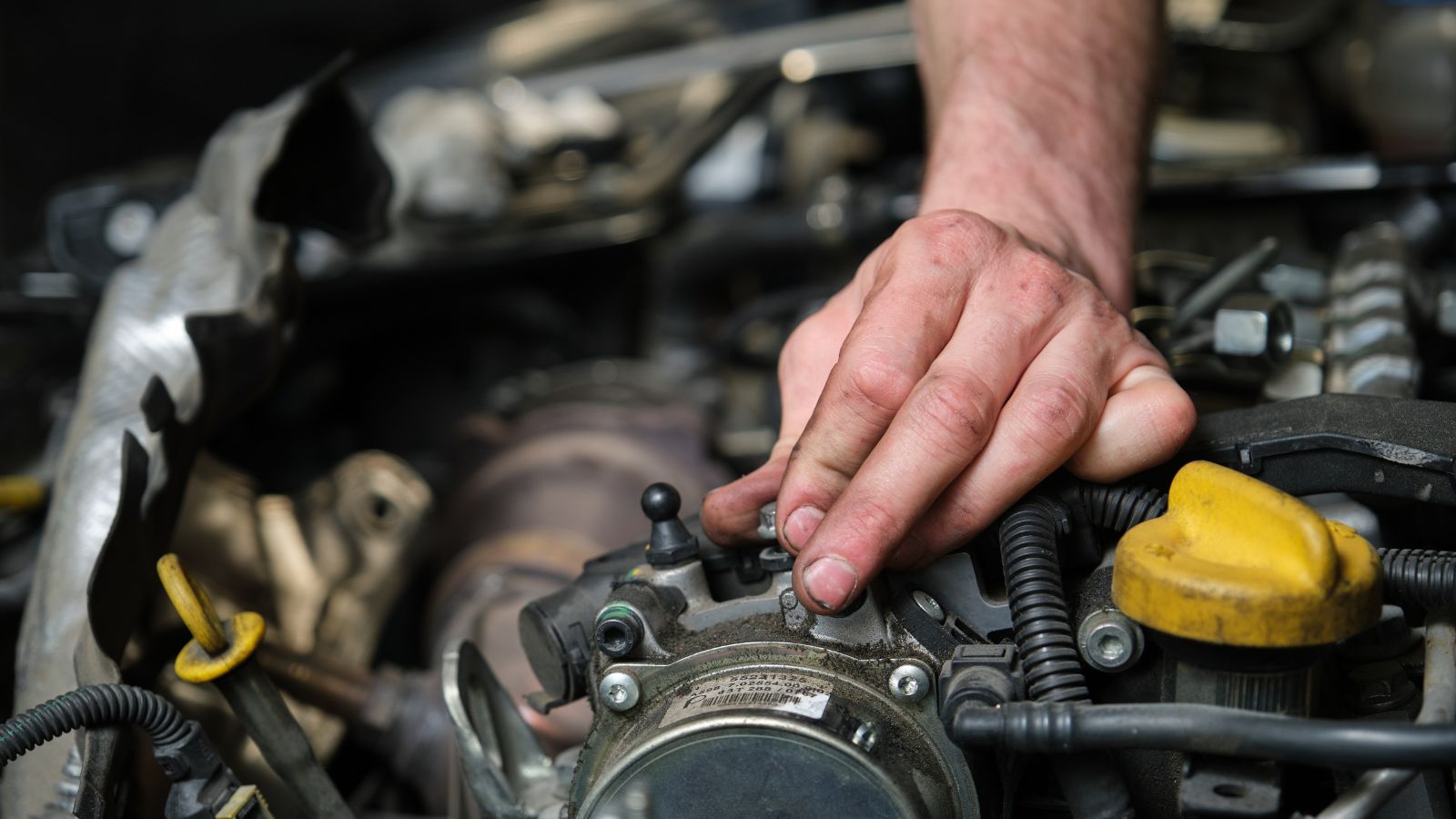
Fuel injector cleaning is often marketed as a quick way to restore power, fuel economy, or smooth idling. It can help when injectors are genuinely dirty and symptoms or diagnostic data support the recommendation. But if the vehicle runs normally, has no relevant warning light, and has no documented performance issue, the need is less obvious.
Modern fuel systems and better fuel detergents have reduced the routine need for injector cleaning on many vehicles. That does not mean the service is fake; it means it should solve a specific problem. A driver who came in for an oil change should be wary of a sudden injector flush pitched with no misfire codes, rough idle, poor starting, or fuel-trim evidence.
Brake Work Is Recommended Without Measurements

Brakes are too important to ignore, but that does not mean every brake recommendation is automatically justified. A proper brake inspection should include pad thickness, rotor condition, fluid condition, leaks, warning lights, pedal feel, noise, vibration, and sometimes rotor measurements. “They look low” is weaker than a clear measurement and explanation.
Brake pads wear differently depending on driving habits, vehicle weight, road conditions, and material quality. Many vehicles also have wear sensors or audible indicators. A shop that recommends pads, rotors, calipers, and fluid without showing measurements may be bundling work beyond what is currently needed. The safest response is not to dismiss the concern, but to ask for the evidence behind the full brake package.
Tire Replacement Is Suggested Without Tread or Damage Evidence

Tires should be replaced when tread is too low, damage is visible, sidewalls are cracked or bulging, or uneven wear creates a safety issue. A recommendation becomes questionable when the mechanic cannot provide tread-depth readings, point out damage, or explain why the tires are unsafe today.
Tread wear indicators and simple depth gauges make tire discussions more concrete. Uneven wear may point to alignment or suspension issues, while a bulge or deep cut can justify immediate replacement. A vague warning such as “those tires are getting bad” is not enough on its own. The driver should be shown the tread, the damage, or the measurement. Safety advice should be specific, not mysterious.
Alignment or Balancing Is Pitched Without Symptoms
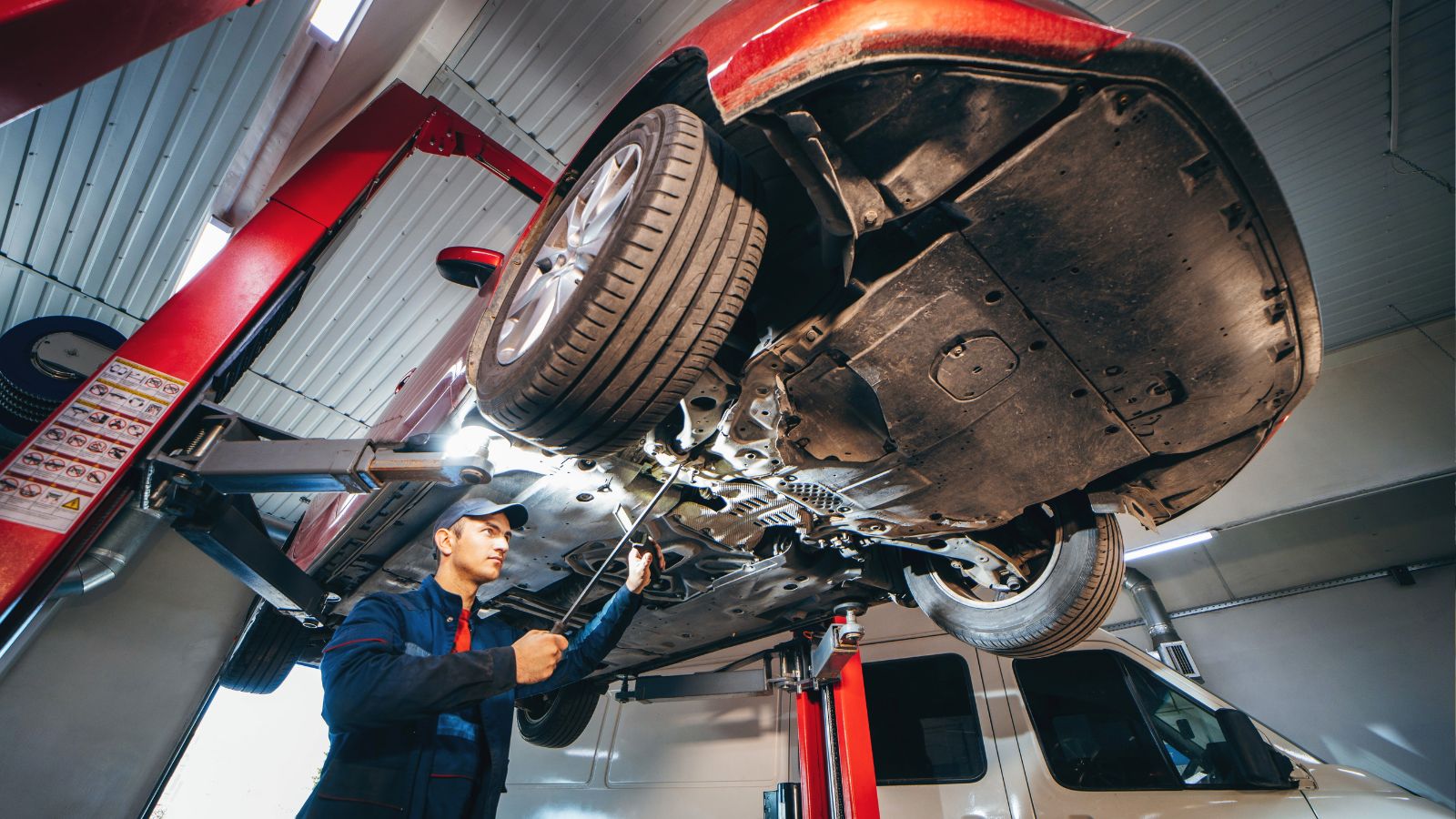
Wheel alignment and tire balancing are legitimate services, but they solve different problems. Alignment is commonly linked to uneven tire wear, pulling, steering-wheel position, or handling concerns. Balancing is usually tied to vibration at certain speeds. When either service is recommended without symptoms, tire-wear evidence, or recent impact damage, it may be worth questioning.
A good shop can explain what triggered the recommendation. Did the vehicle hit a pothole? Are the tire shoulders wearing unevenly? Does the steering wheel sit off-centre? Is there vibration at highway speed? Without those clues, the service may simply be part of a routine upsell. Drivers should ask whether the mechanic found a measurable issue or is only recommending it as a precaution.
Unrelated Parts Are Bundled Into One Big Package
Some parts should be replaced in pairs or sets for safety and balance. Brake pads on the same axle, matching tires, and certain suspension parts may fall into that category. The red flag appears when a single failed component turns into a broad package of unrelated parts without a clear reason.
For example, one noisy wheel bearing does not automatically prove all four wheel bearings are bad. One worn CV axle does not always require replacing the opposite side. A weak battery does not automatically mean the alternator and starter should be replaced too. Bundling can make the repair feel more complete, but it should be justified by inspection results. Good repair advice separates what failed from what is merely nearby.
Filters Are Added at Every Visit Without Being Shown
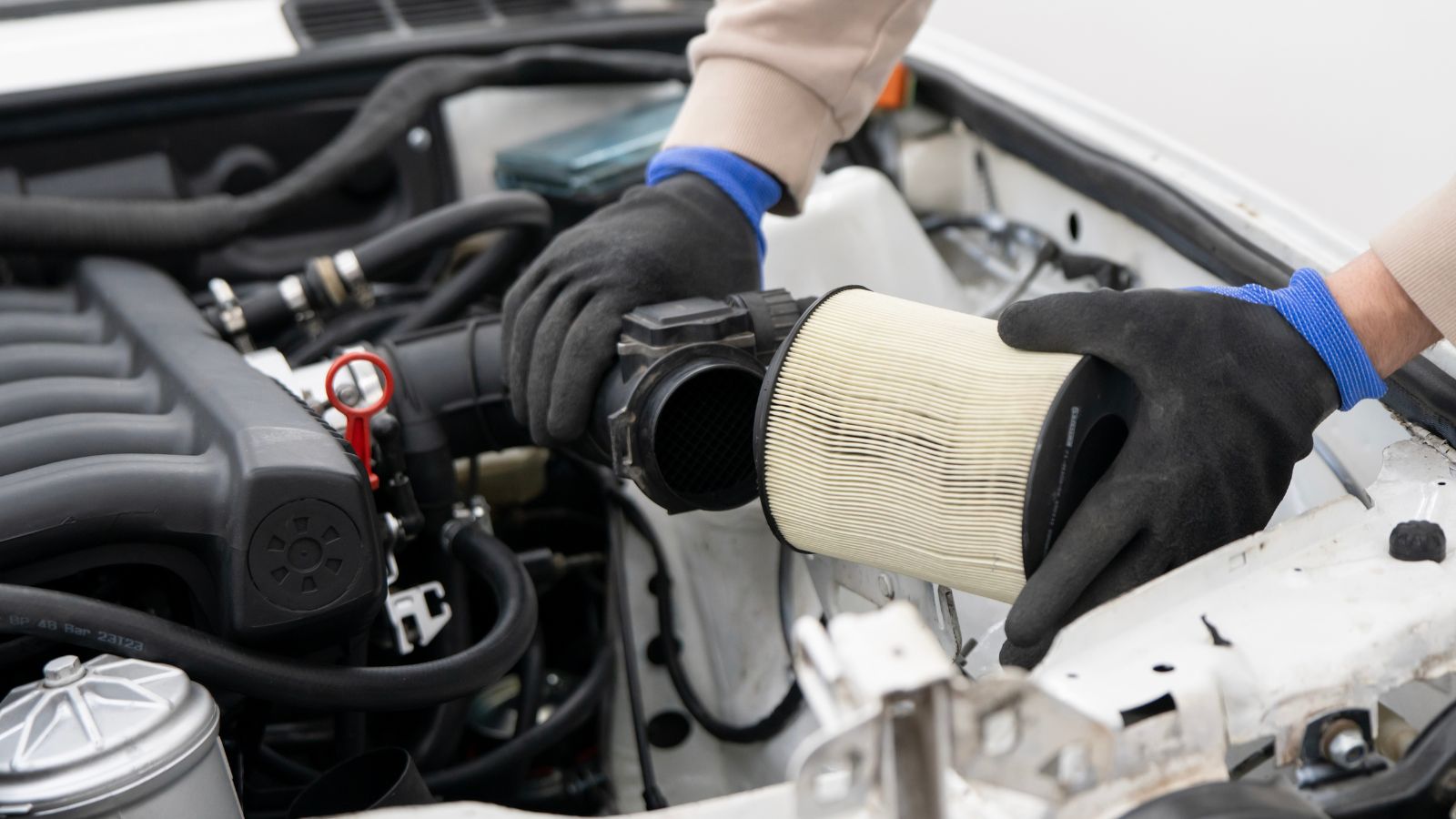
Engine air filters and cabin air filters are common upsells because they are relatively easy to inspect and replace. They also genuinely matter: one protects the engine from debris, and the other helps clean air entering the cabin. The concern begins when a filter is recommended at every oil change without showing dirt, mileage history, or the manufacturer’s interval.
Many drivers have seen the familiar counter display: a blackened filter held next to a bright new one. That can be useful if it is actually from the vehicle being serviced. A transparent shop will show the customer’s filter, explain its condition, and mention whether replacement is due or optional. If the recommendation arrives automatically, the filter may be more sales habit than current need.
A Check Engine Light Gets an Instant Repair Quote
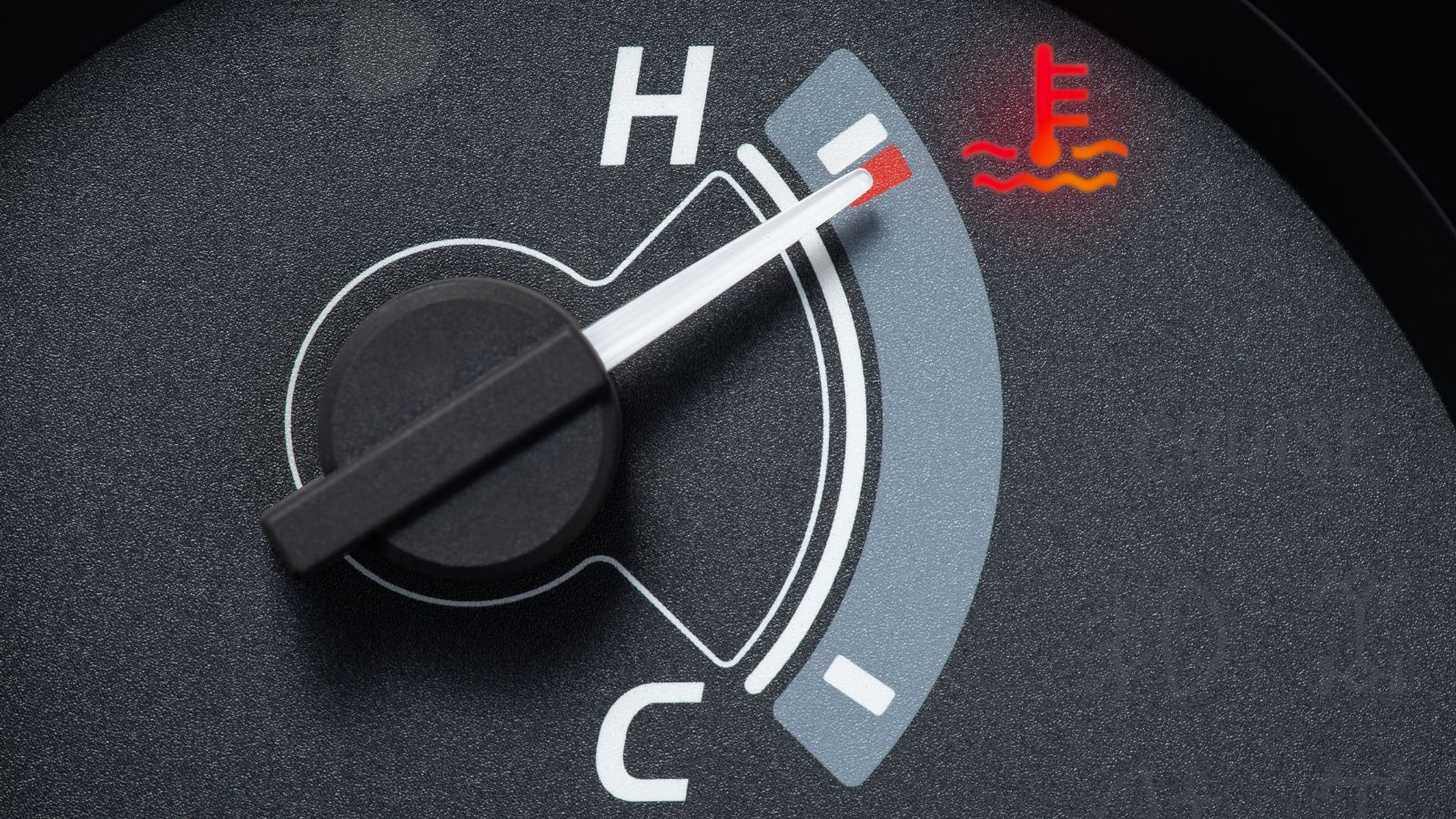
A check engine light can point to anything from a loose fuel cap to a catalytic converter issue. The diagnostic trouble code is a starting point, not always the final answer. When a mechanic gives a major repair quote without reading codes, checking related data, or testing the circuit or component, the recommendation may be premature.
This is especially important because several different problems can trigger the same symptom. An oxygen sensor code might reflect the sensor itself, wiring, exhaust leaks, fuel mixture, or another upstream issue. A responsible diagnostic process explains the code, the tests performed, and the confirmed fault. If the shop only says the computer “told them” to replace a part, the repair may be based on a shortcut.
Premium Fluids or Parts Are Pushed Without Vehicle Need
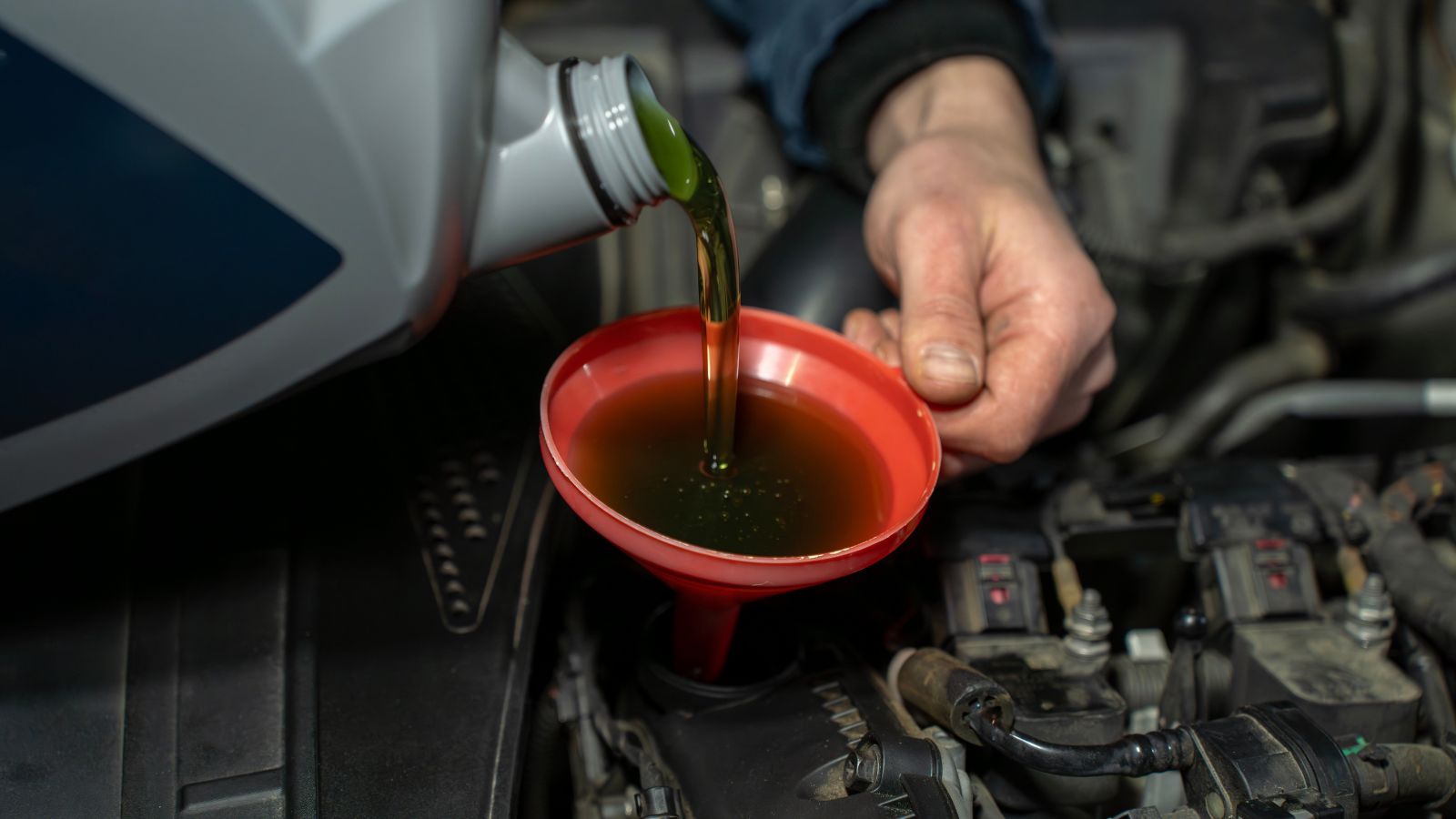
Many vehicles require specific fluids, and using the wrong specification can cause real problems. But more expensive does not always mean more appropriate. Synthetic oil, premium transmission fluid, upgraded brake pads, or “performance” parts should match the vehicle’s requirements and driving conditions, not just the shop’s sales script.
A commuter car used mainly for normal driving may not need the most expensive option on the shelf. The owner’s manual usually lists the required oil viscosity, fluid type, and sometimes part specifications. A good mechanic can explain whether the premium option is required, recommended, or simply optional. If the cheaper approved part meets the standard, the upsell should be presented honestly, not as a necessity.
The Invoice Includes Fees That Were Never Discussed
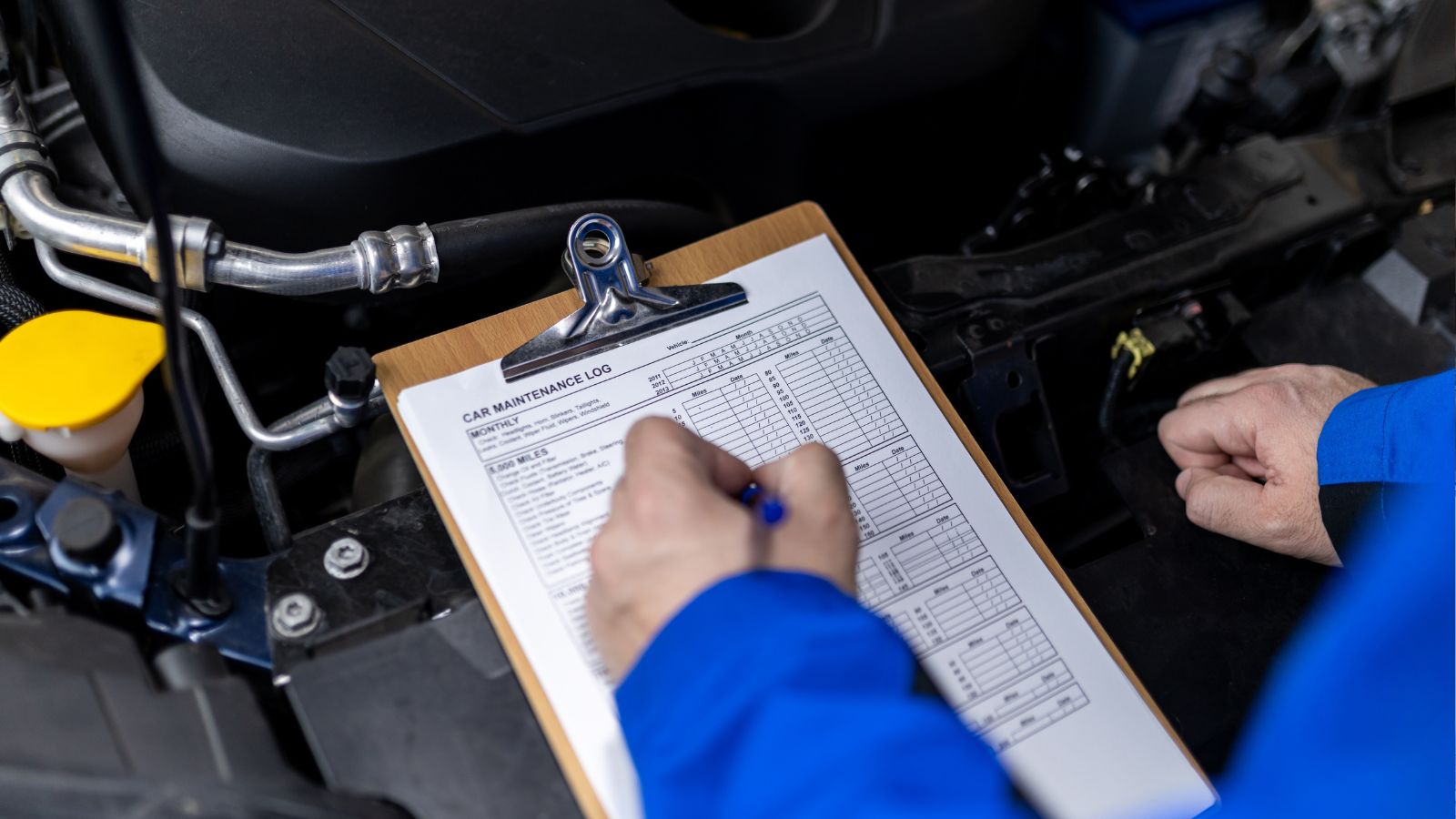
Shop supplies, environmental charges, diagnostic fees, storage charges, teardown fees, and disposal costs can be legitimate. The problem is surprise. A driver who approved a repair based on one estimate may feel trapped when extra line items appear only at pickup.
A clear estimate should disclose expected fees and how they are calculated. Some repair rules require itemized bills, labour charges, parts information, warranties, and limits on how much the final bill can exceed the estimate. Even where the exact rules differ, transparency is a basic sign of professionalism. If a shop cannot explain an unfamiliar fee, or if the fee was never mentioned before work began, the charge deserves a closer question.
Recall or Warranty Repairs Are Presented as Paid Work

Safety recalls are not ordinary upsells. When a vehicle has an open safety recall, the manufacturer generally provides the remedy through authorized channels, often at no charge to the owner. A shop that tries to sell a paid repair for a known open recall, without telling the driver to check recall coverage, may be withholding useful information.
Not every technical bulletin, goodwill repair, or service campaign is the same as a safety recall. Still, a good shop should help clarify whether a problem is covered by recall, warranty, service contract, or customer-pay repair. Before approving expensive work, drivers should check the vehicle identification number through official recall tools or contact the manufacturer. Paying first and asking later can be costly.
They Discourage Second Opinions
A shop that is confident in its diagnosis should not panic when a customer wants a second opinion. Expensive, unexpected, or complicated repairs are exactly the moments when another qualified view can be useful. A second opinion may confirm the first estimate, reveal a cheaper path, or catch a misdiagnosis before parts are replaced.
The red flag is emotional pressure: “This price is only good today,” “No other shop will know,” or “If you leave, the car will fail.” Sometimes a vehicle truly should not be driven because of brake, steering, fuel, or overheating risks. In that case, the shop should explain the safety concern clearly. Otherwise, a respectful pause is part of informed decision-making, not an insult.
The Low Quote Grows After the Car Is Apart
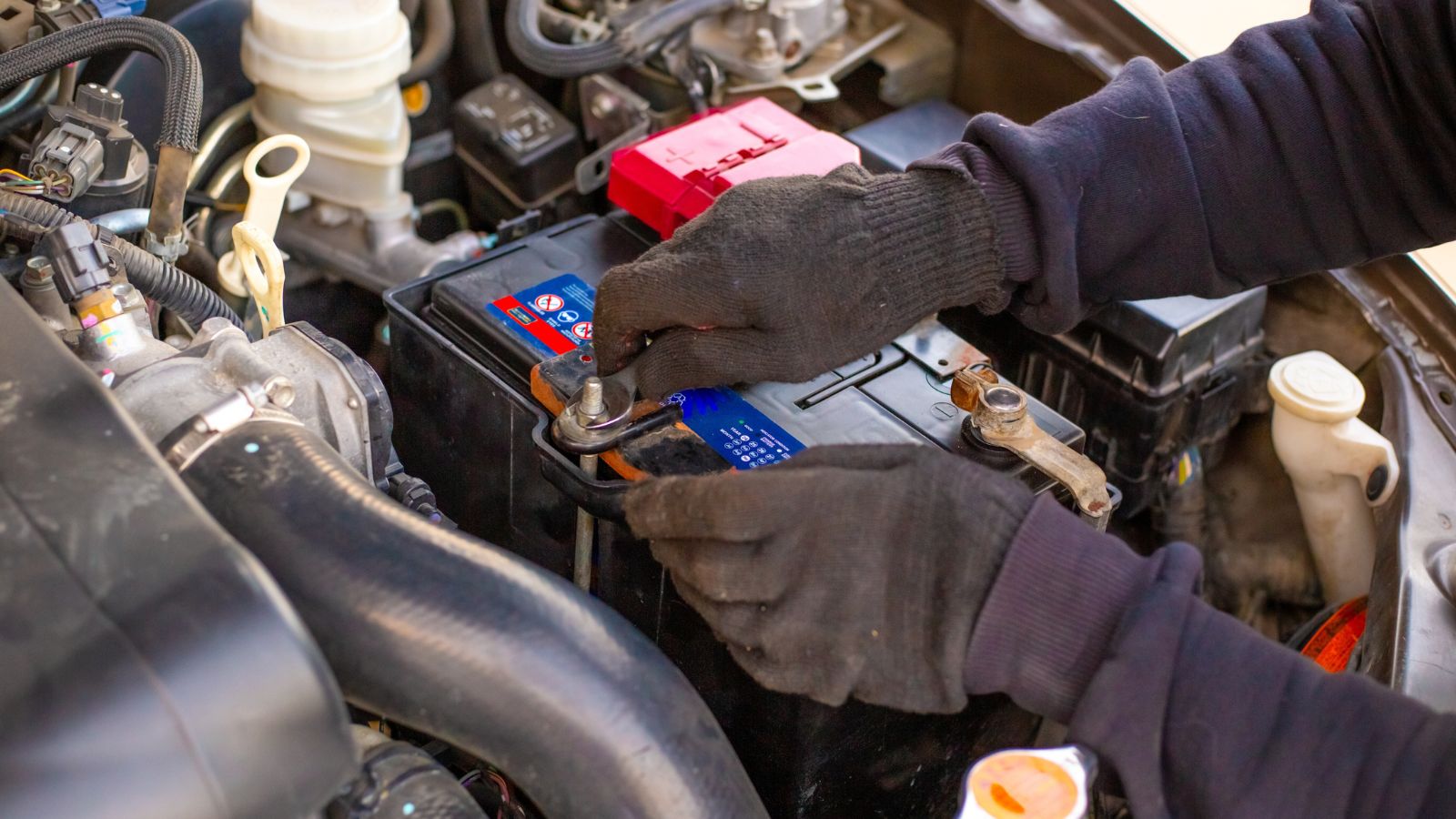
A low initial quote can be honest, especially when the shop has not yet inspected hidden components. But repeated “while we’re in there” additions can turn a bargain into an expensive surprise. The concern is strongest when the shop gave a suspiciously low price to get approval, then discovered predictable extras after disassembly.
Good communication prevents that trap. A careful estimate can explain possible related costs in advance, such as seized bolts, worn rotors, leaking seals, or additional labour if parts break during removal. The driver can then decide with realistic expectations. If the shop keeps adding common items that should have been discussed upfront, the original quote may have been more bait than estimate.
The Explanation Does Not Match the Symptoms
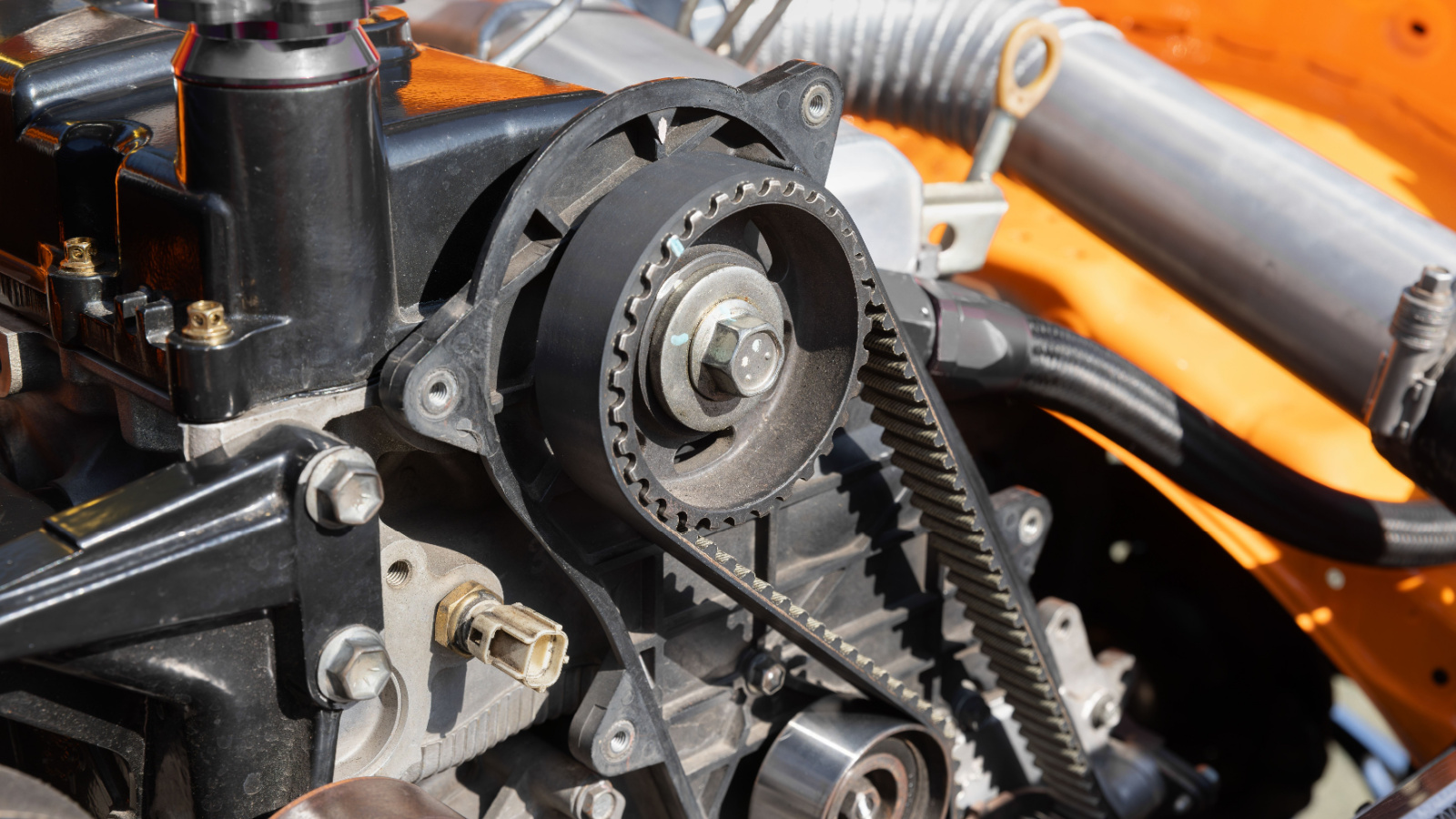
The best repair recommendations connect the customer’s complaint to the vehicle’s condition. A grinding noise when braking should lead to brake inspection. A vibration at highway speed may point toward tires, wheels, suspension, or driveline checks. A no-start complaint should lead to battery, starter, fuel, ignition, or control-system testing.
When the explanation jumps to an unrelated repair, caution is appropriate. A driver who reports a steering pull but receives a fuel-system cleaning pitch should ask how the two are connected. Sometimes inspections reveal unrelated problems, and those may still be valid. But the shop should separate the original complaint from additional findings. Clear categories prevent confusion and make unnecessary work easier to spot.
Photos and Videos Look Generic or Unclear
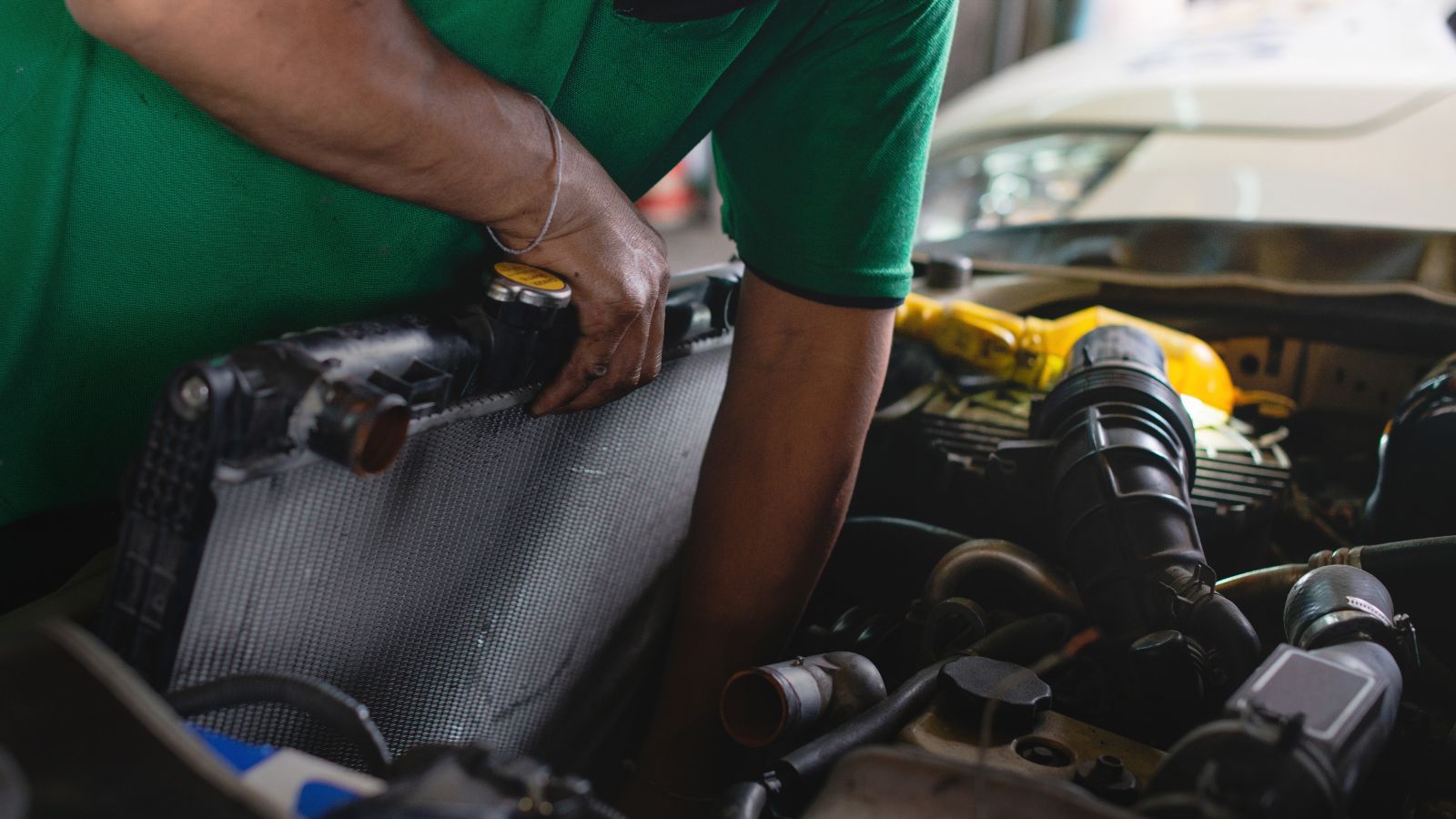
Digital inspection reports can be helpful. Photos of worn pads, leaking shocks, cracked bushings, or contaminated fluid give drivers a better view of parts they cannot easily see. The warning sign is when the images are blurry, cropped too tightly, unlabeled, or look like generic examples rather than the vehicle being serviced.
Good digital evidence should identify the relevant area and match the estimate. A tire photo should show tread or damage. A brake photo should show the pad or rotor issue. A fluid photo should explain what is being compared and why it matters. If the shop sends dramatic images but cannot connect them to the vehicle, mileage, or repair line, the evidence may be more persuasive than precise.
They Cannot Prioritize the Recommendations

A long inspection report is not automatically dishonest. Older vehicles often have several wear items developing at once. The problem is when the shop cannot tell which repairs are safety-critical, which are maintenance, which can wait, and which are optional upgrades. Without priority, every line item competes for the same dollars.
A reliable mechanic understands that most drivers have budgets. They should be able to say, for example, that tires and brakes come first, a minor oil seep can be monitored, and a cabin filter can wait until the next visit. Prioritization does not mean ignoring problems; it means making repair decisions in the right order. If every item is treated as equally urgent, the recommendation may be more about revenue than risk.
The Shop Resists Itemized Parts and Labour
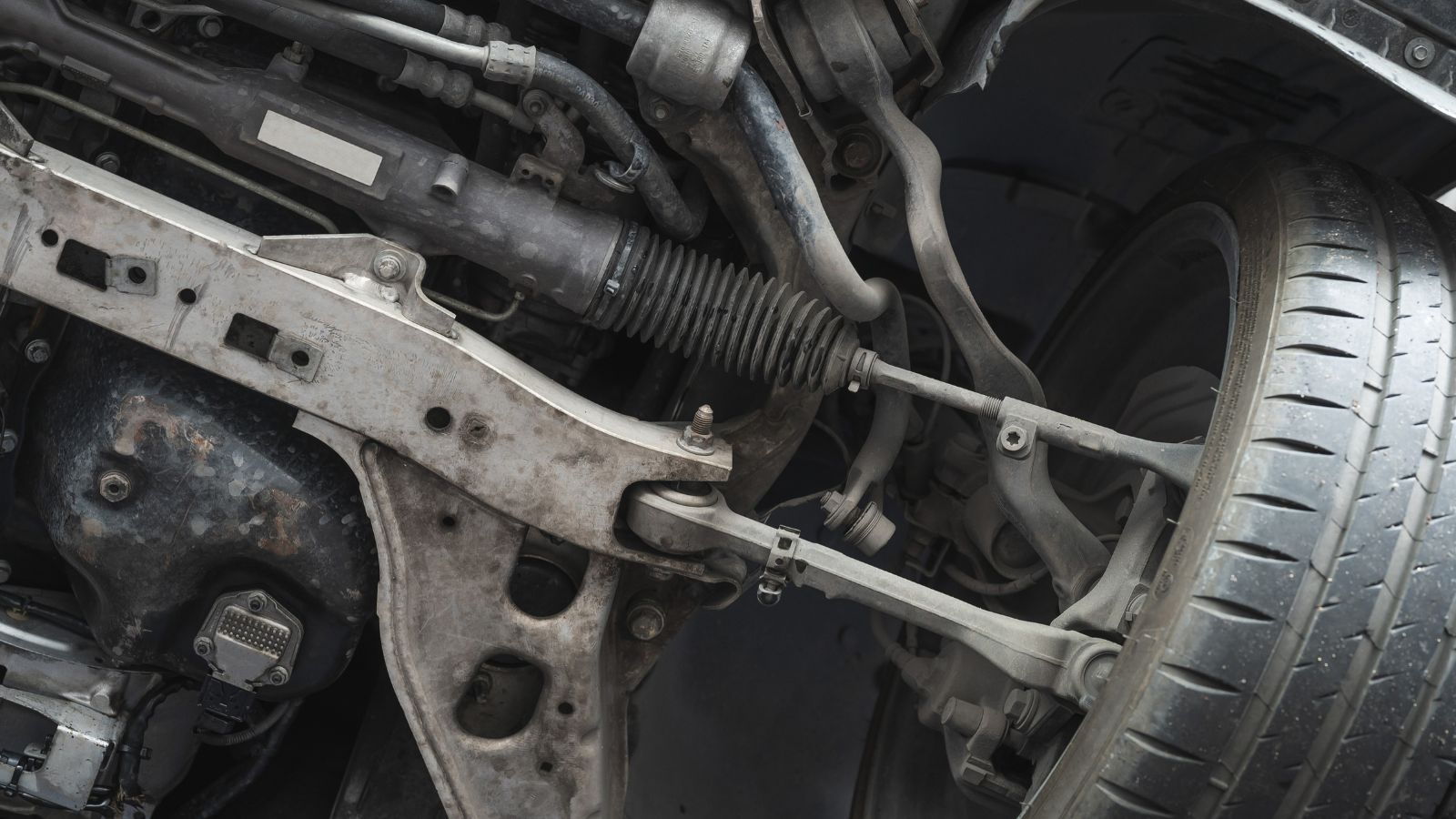
An itemized estimate lets a driver see whether the cost is coming from labour time, part price, diagnostic work, supplies, taxes, or subcontracted service. A shop that gives only one all-in number may be hiding nothing, but it is also asking for more trust than necessary. Itemization is especially important for large repairs.
Parts can differ widely: new, rebuilt, remanufactured, aftermarket, recycled, or original equipment. Labour rates and book times can also vary by shop. A transparent invoice explains what is being installed and what is being charged. If the mechanic refuses to break down a major estimate, comparing prices becomes nearly impossible. The lack of detail is not proof of wrongdoing, but it is a reason to slow down.
The Advice Changes When Questions Start

A solid diagnosis usually becomes clearer when questions are asked. The shop should be able to explain the symptom, test, failure, risk, and repair path in plain language. If the story changes several times, the recommendation expands without new evidence, or the mechanic becomes irritated by basic questions, the trust level drops quickly.
Drivers do not need to be experts to ask fair questions. “What happens if this waits?” “What measurement did you find?” “Is this required by the manual?” and “Can the old part be shown?” are reasonable. Good shops answer because informed customers are easier to work with. If polite questions create pressure, confusion, or defensiveness, that may be the clearest sign that the recommendation deserves outside confirmation.
22 Things Canadians Do to Their Cars in Spring That Mechanics Hate

Spring brings relief to many Canadian drivers after months of snow, freezing temperatures, and icy roads that put serious strain on vehicles. As temperatures rise across the country, drivers begin washing cars, switching tires, and preparing vehicles for warmer weather and upcoming road trips. However, mechanics across Canada notice the same mistakes every spring when drivers attempt to recover from winter damage. Road salt, potholes, and harsh winter driving conditions often leave vehicles with hidden problems that drivers ignore. Some spring habits even create new mechanical issues that could have been avoided with proper maintenance. Here are 22 things Canadians do to their cars in spring that mechanics hate.