

























Canadian driveways tell a clear story: practical crossovers, do-it-all pickups, and cold-weather-friendly all-wheel drive remain hard to resist. New vehicles often win people over with space, power, safety technology, fuel-saving promises, or the comfort of a familiar badge.
Long-term ownership can feel different once winter wear, insurance renewals, recall notices, depreciation, theft risk, and repair bills start to pile up. These 20 vehicles are popular for understandable reasons, but many owners eventually discover that the true cost of keeping them is not always visible during the test drive.
Ford F-Series
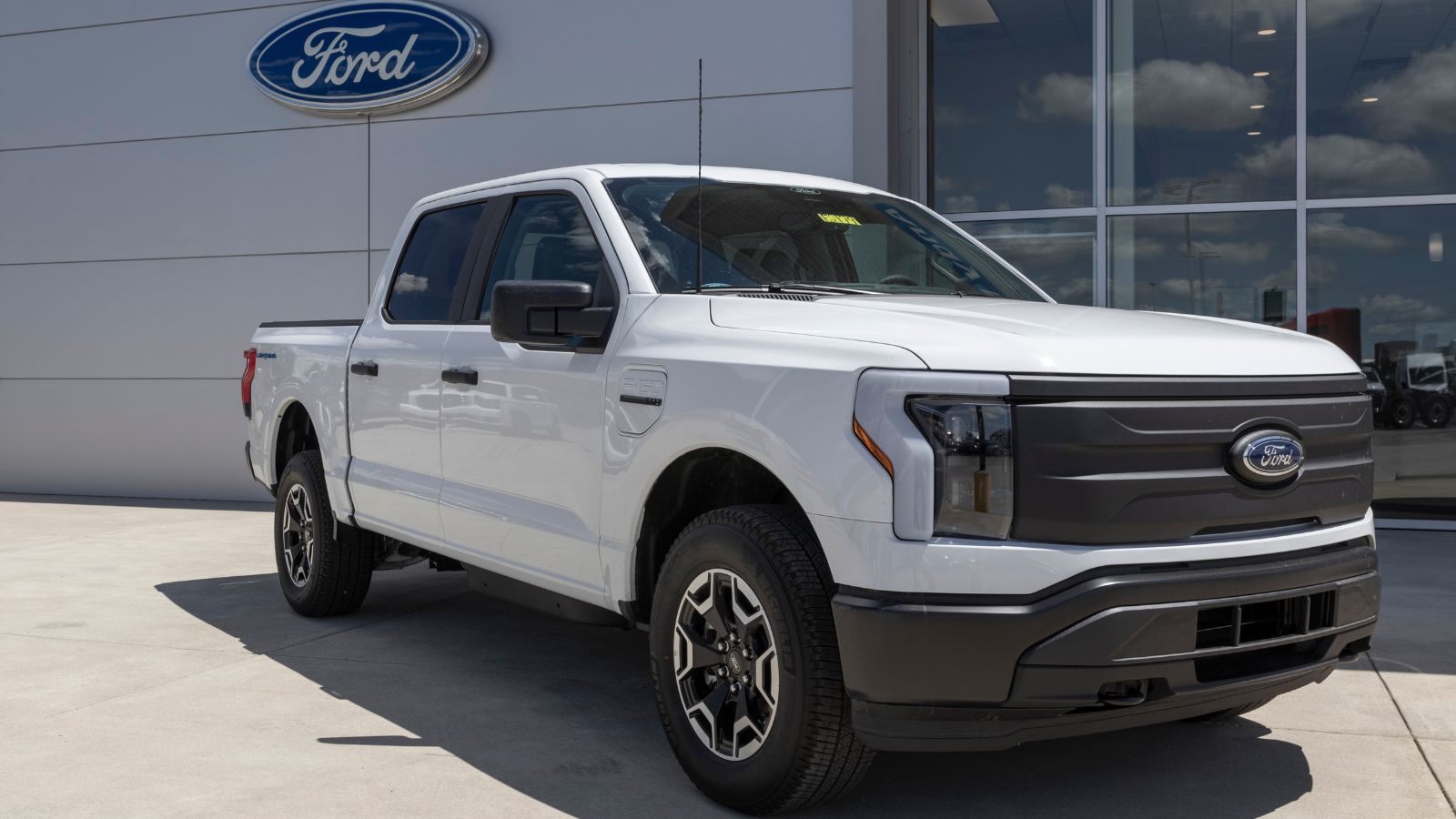
The Ford F-Series is almost a Canadian institution, prized by contractors, cottage owners, farmers, and families who want one vehicle that can tow, haul, commute, and survive bad weather. Its sales strength reflects a deep attachment to pickup capability, especially in regions where a truck doubles as both work tool and household vehicle.
The frustration usually arrives later. Larger tires, heavier brakes, higher fuel use, expensive bodywork, and rising insurance costs can make daily ownership feel less practical than the showroom pitch suggested. Theft risk adds another layer of stress, particularly for newer trucks with desirable parts and strong resale demand. Owners who bought the truck “just in case” often discover that occasional towing does not soften the year-round costs.
Toyota RAV4
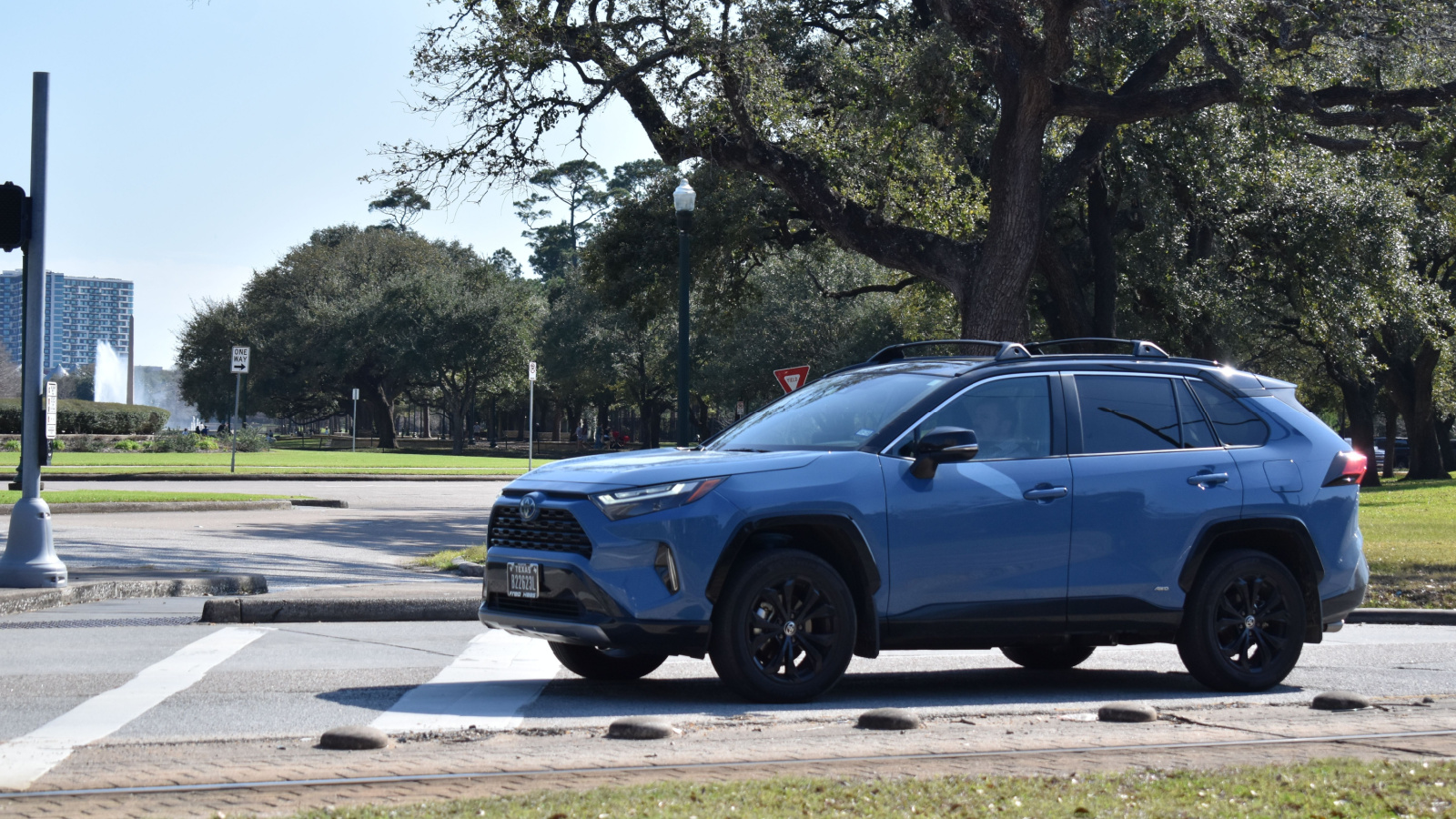
The Toyota RAV4 is loved because it feels like the sensible answer to almost everything. It is compact enough for urban parking, useful enough for family errands, and available with fuel-saving hybrid options. In Canada, that mix has made it one of the most sought-after vehicles on the road.
The same popularity can become part of the ownership problem. High demand can keep used prices firm, make replacement parts more competitive, and attract thieves. Hybrid and plug-in hybrid versions also brought attention to corrosion concerns involving high-voltage cable components in salt-heavy climates. Many owners still appreciate the RAV4’s practicality, but long-term peace of mind can depend heavily on model year, maintenance records, anti-theft protection, and whether winter road salt has been kind.
Honda CR-V
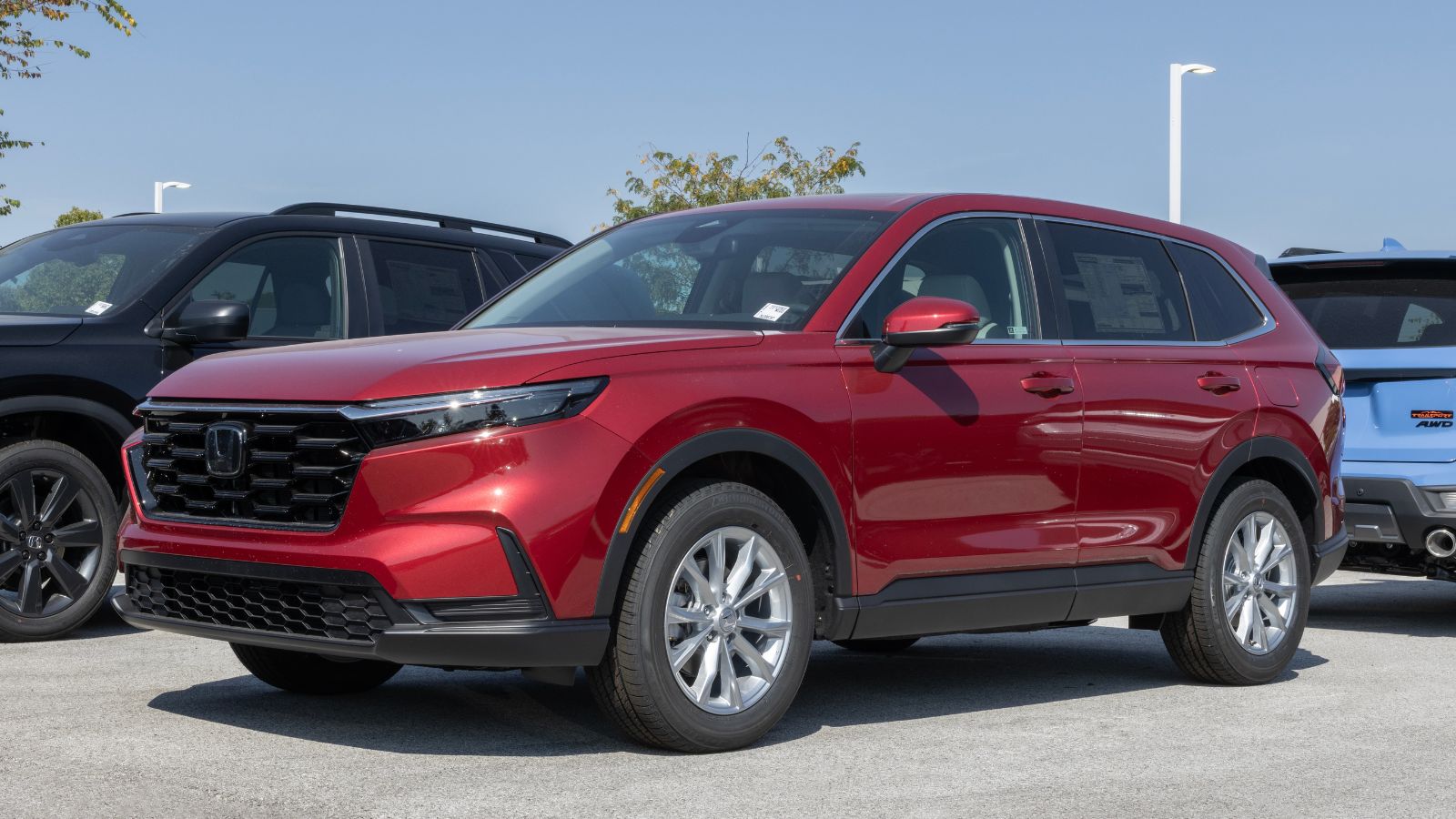
The Honda CR-V has built its reputation on exactly what Canadian families tend to value: interior space, efficient powertrains, strong resale value, and a cabin that feels easy to live with. It is the kind of SUV that rarely feels flashy, which is part of its appeal. Many buyers choose it because it seems like the safe, rational pick.
Long-term ownership can be more complicated than that image suggests. The CR-V has appeared prominently on national theft lists, which can affect insurance conversations and daily parking habits. Some turbocharged 1.5-litre Honda engines from earlier years also drew attention for oil-dilution complaints and later legal action around engine concerns. A used CR-V can still be an excellent choice, but owners who skipped service history checks may find the badge alone does not guarantee a drama-free decade.
Ram 1500
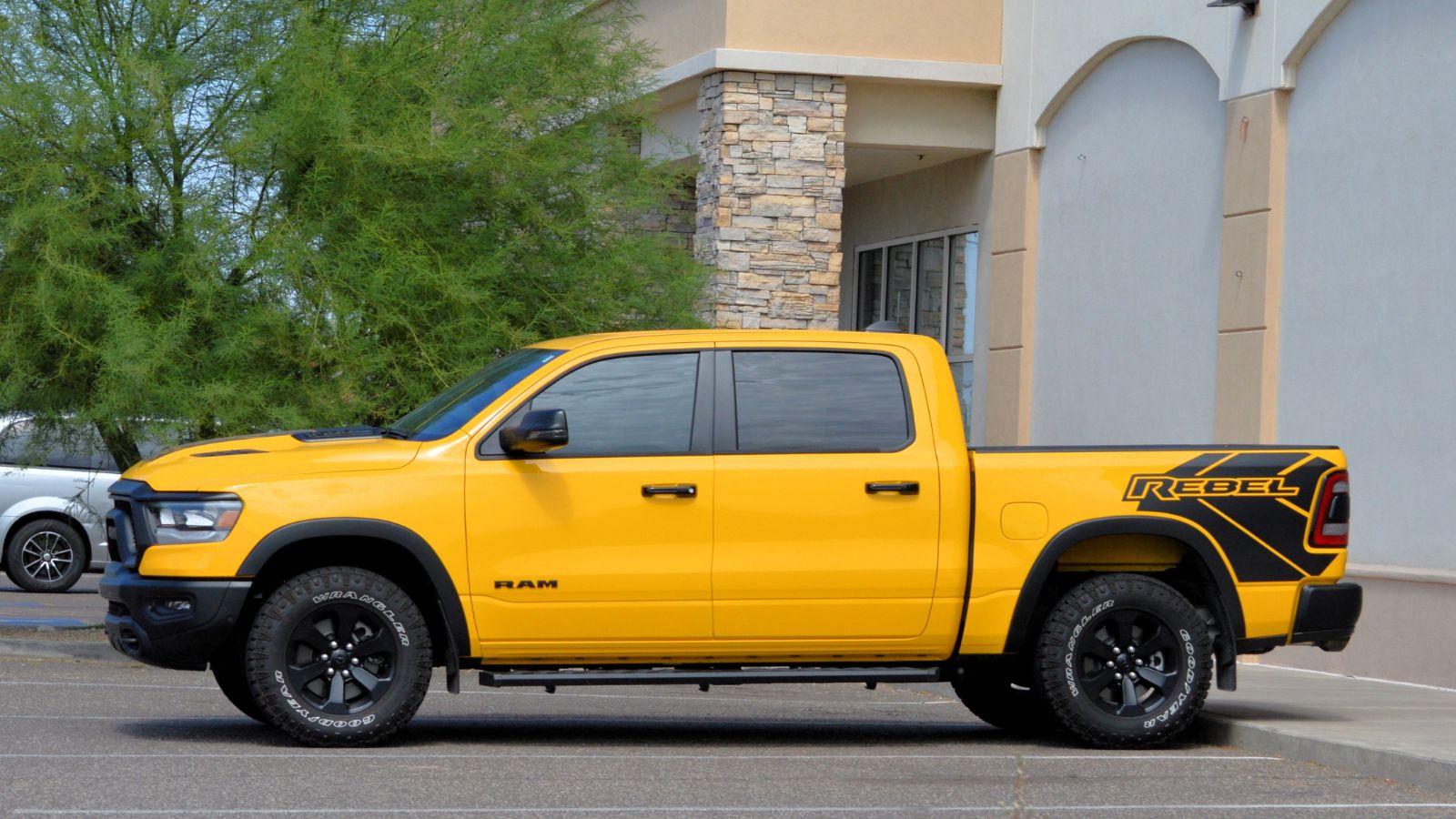
The Ram 1500 wins buyers with comfort. Its cabin can feel more like a living room than a work truck, and higher trims have helped make full-size pickups feel luxurious rather than purely utilitarian. For drivers spending hours on highways or job sites, that refinement is a major selling point.
The long-term reality can be harsher. Big-truck consumables are expensive, from tires and brakes to suspension parts and fuel. Some owners also face the added unease of theft risk, electronic recalls, and the cost of repairing luxury features once warranty coverage fades. Air suspension, large touchscreens, heated everything, and advanced driver-assistance systems are wonderful when they work. When they do not, the truck can feel less like a bargain and more like a rolling list of premium repair possibilities.
Chevrolet Silverado
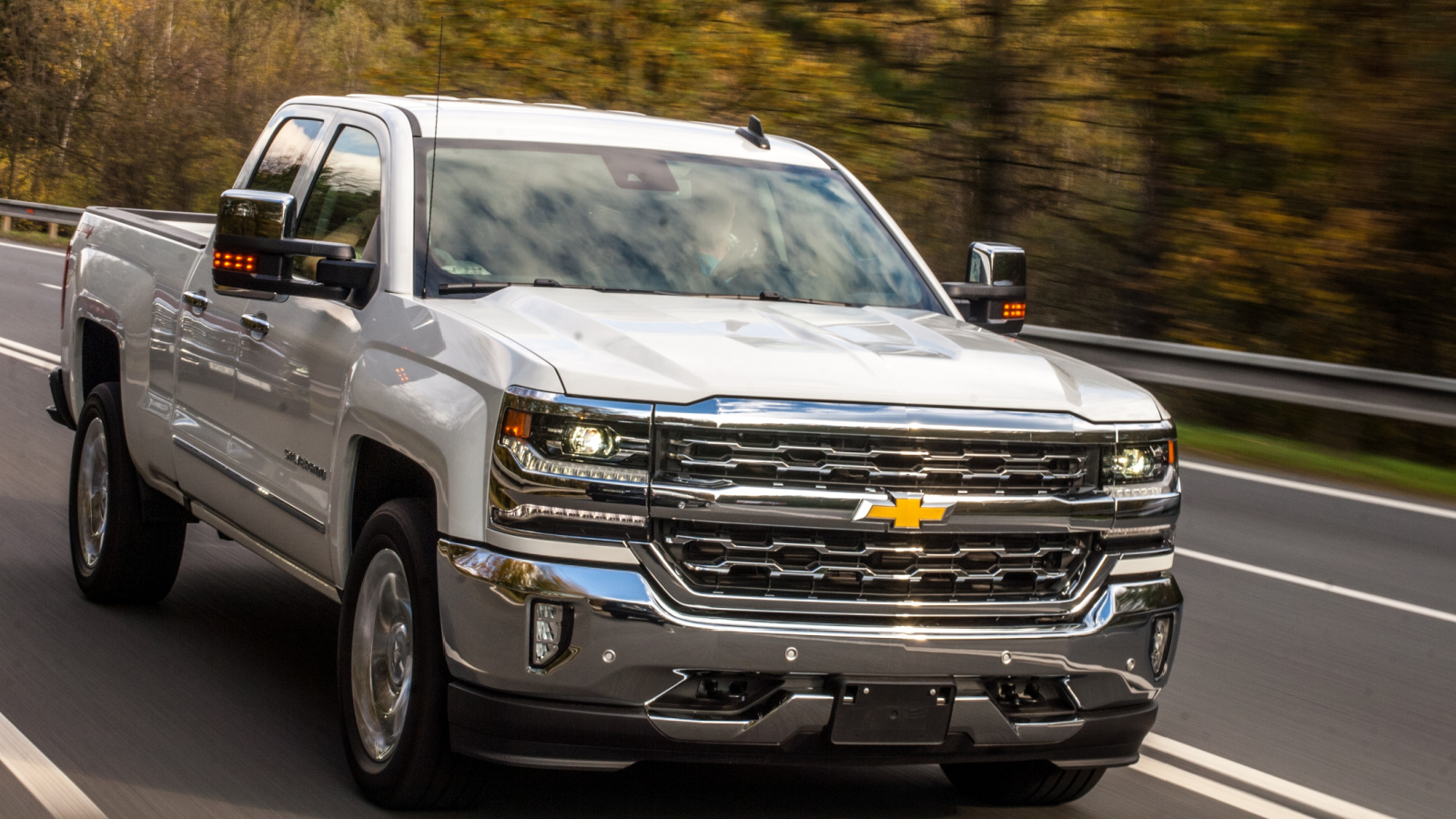
The Chevrolet Silverado appeals to buyers who want a familiar, capable, no-nonsense truck. It has a strong work-truck image, broad dealer support, and enough trims to suit everyone from fleet operators to drivers who want leather, screens, and serious towing numbers. For many Canadians, it feels like a dependable default.
Long-term ownership can become frustrating when the truck is used mostly for commuting. Fuel, tires, brakes, and insurance create a steady cost base before any repair arrives. Some recent GM trucks have also faced transmission-related recalls, while lawsuits and owner complaints have kept attention on certain V8 engine issues. Not every Silverado is troubled, but the gap between a simple truck image and modern mechanical complexity can surprise buyers who expected old-school durability with fewer complications.
GMC Sierra
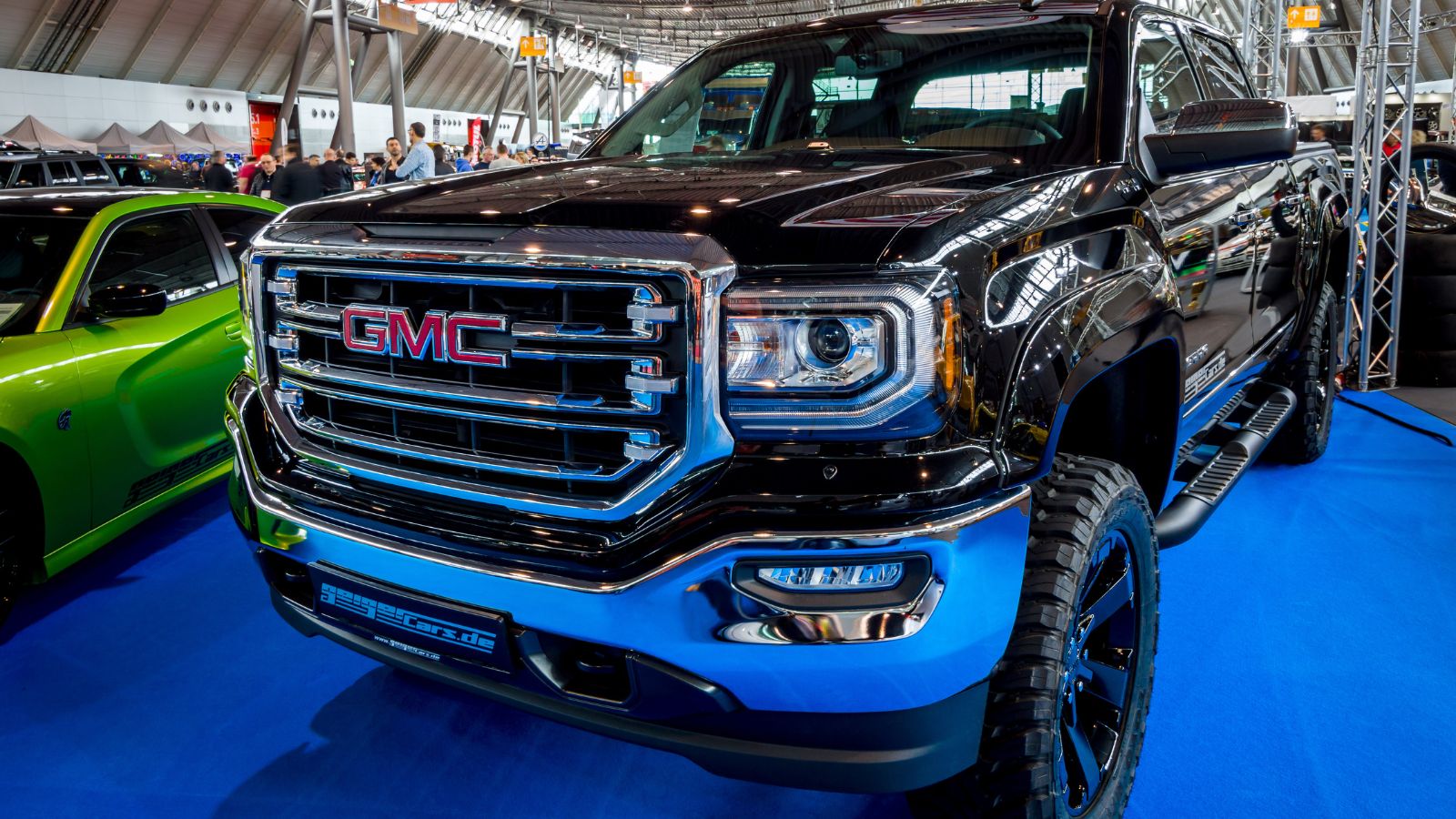
The GMC Sierra often feels like the Silverado’s more polished sibling. Buyers like the upscale interiors, Denali trims, confident towing ability, and professional look. It can satisfy both practical needs and status instincts, which explains why many Canadian owners stretch their budgets for one.
The difficulty is that premium trucks bring premium ownership costs. Large wheels mean expensive winter tires, luxury trim pieces cost more to repair, and body damage is rarely cheap. Because the Sierra shares key mechanical roots with other GM full-size trucks, some owners also pay close attention to transmission recalls and engine-related complaints affecting certain model years. It may still be deeply satisfying to drive, but long-term ownership can feel heavy when the truck is financed like a luxury vehicle and maintained like commercial equipment.
Nissan Rogue
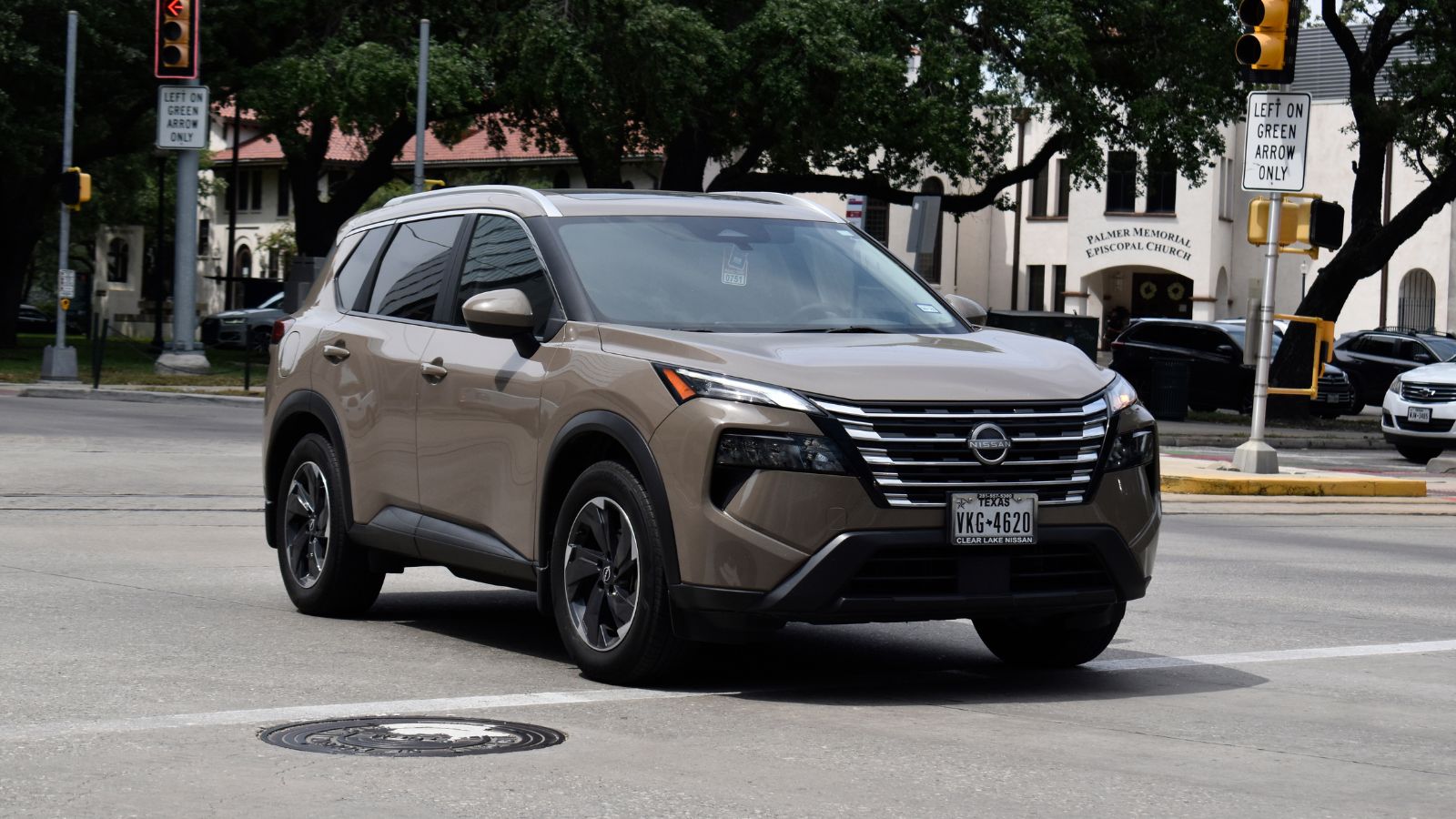
The Nissan Rogue attracts buyers with a comfortable cabin, easy driving manners, strong feature content, and family-friendly pricing. It often feels like a smart middle ground for shoppers who want an SUV without stepping into full-size costs. In many Canadian communities, it has become a familiar school-run and commuter vehicle.
The ownership hesitation comes from Nissan’s long-running association with continuously variable transmission concerns on older models. Even when newer versions improve, used shoppers often carry that reputation into negotiations and resale decisions. A Rogue with careful maintenance can serve a household well, but a neglected one may raise expensive questions about transmission behaviour, fluid service, and warranty history. For owners planning to keep it well beyond the payment term, the savings at purchase can feel less comforting if drivetrain anxiety lingers.
Hyundai Tucson
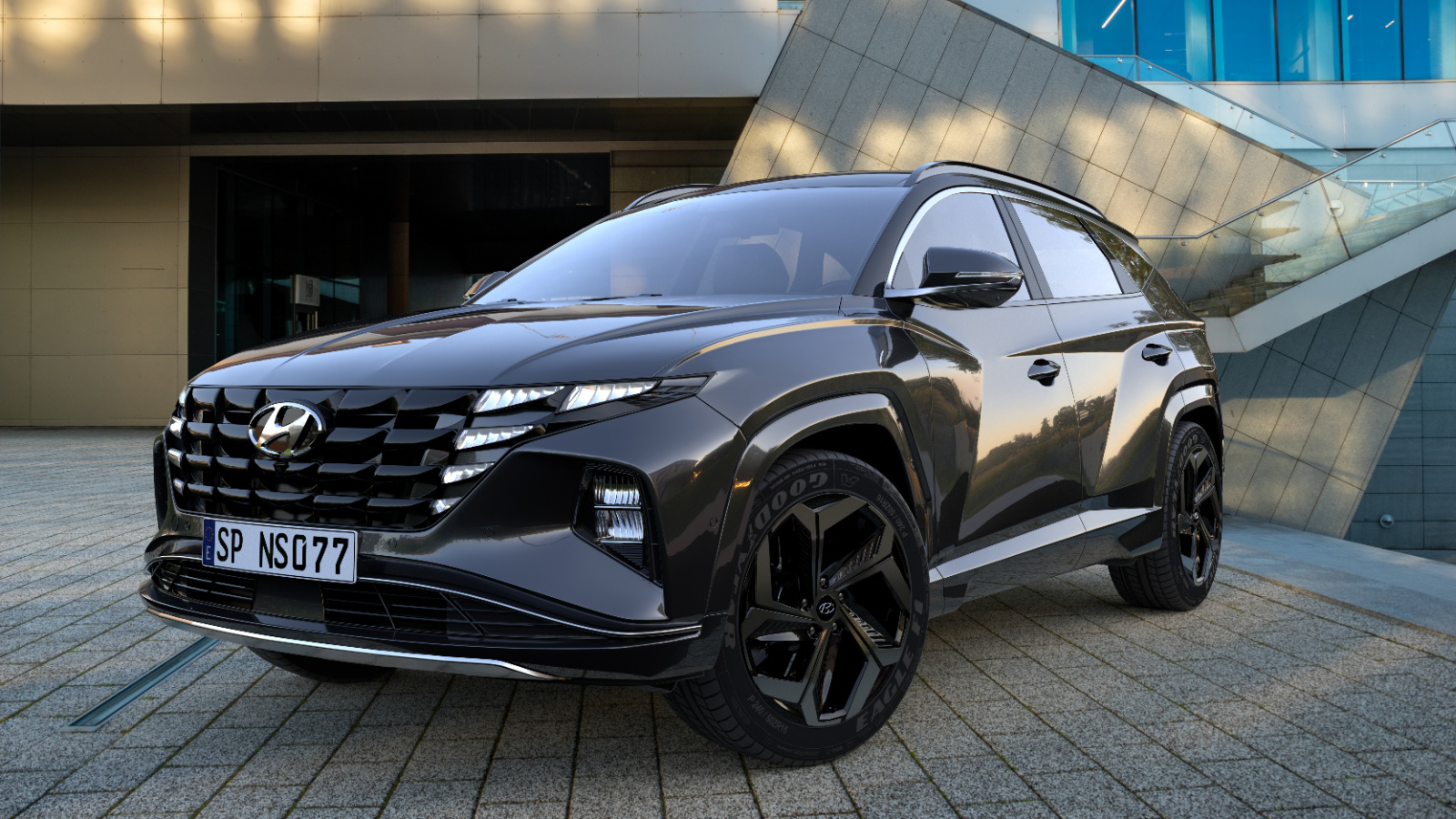
The Hyundai Tucson is easy to like at the buying stage. It offers bold styling, a generous feature list, available hybrid powertrains, and the reassuring pull of long warranty coverage. Its recent sales momentum shows how successfully Hyundai has moved the Tucson from value alternative to mainstream family choice.
Over time, the ownership picture can depend on powertrain, driving conditions, and confidence in the broader Hyundai-Kia engine history. Past engine and fire-related settlements involving Hyundai and Kia models have made some used buyers more cautious, even when a specific Tucson has no issue. Higher-tech trims also bring sensors, cameras, screens, and hybrid components that may not feel as inexpensive to maintain as the purchase price suggested. The Tucson can be a good long-term vehicle, but only if buyers treat the warranty as protection rather than permission to ignore maintenance.
Ford Escape
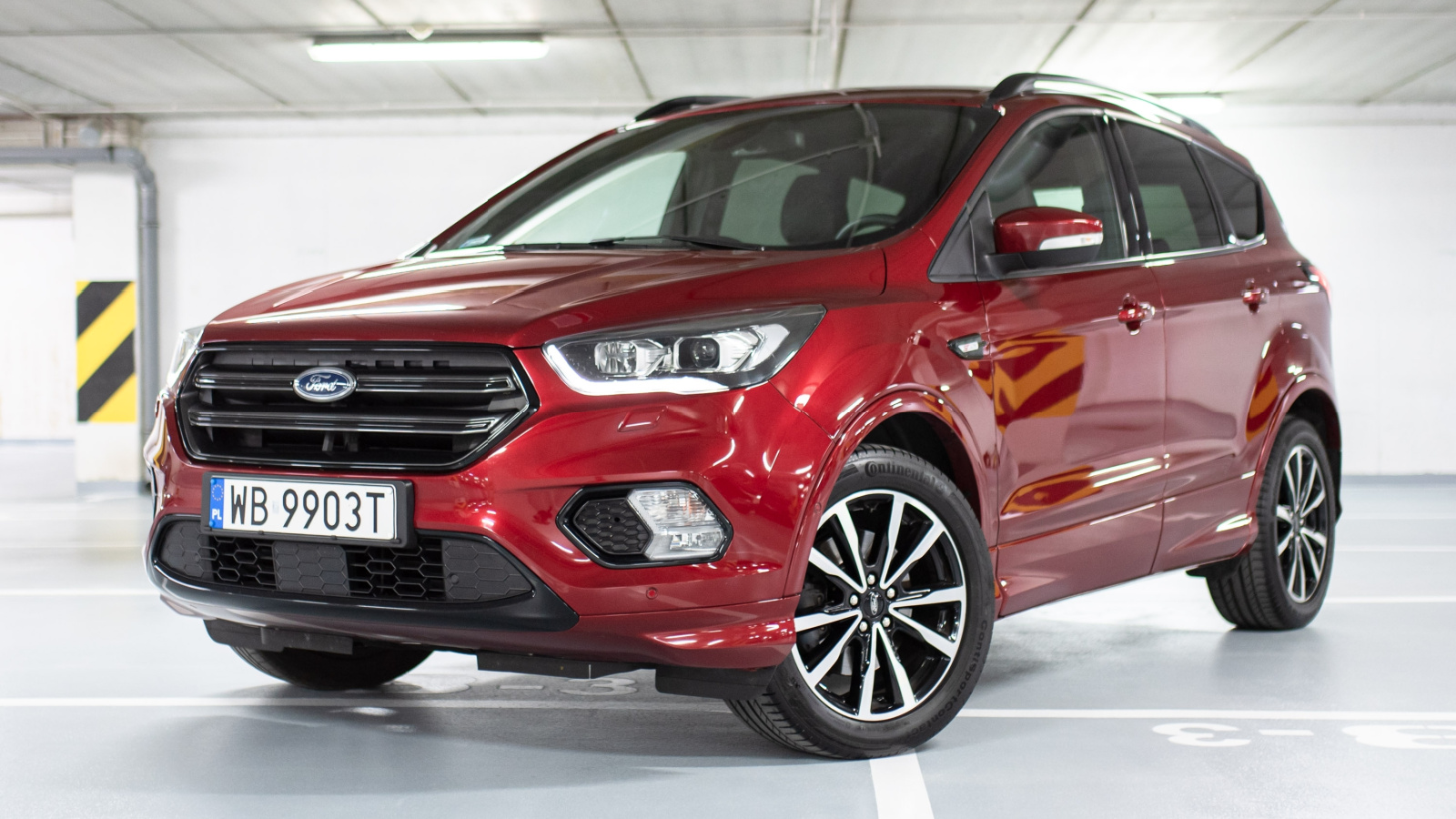
The Ford Escape remains appealing because it is practical without feeling oversized. It fits Canadian cities, handles winter commuting well with available all-wheel drive, and comes in several powertrain choices, including hybrid versions. For families who do not want a bulky SUV, that flexibility is a major draw.
The frustration comes from complexity and recall history. Certain recent Escapes were included in fuel-injector-related recalls tied to fire risk, and modern small turbocharged engines can be less forgiving of skipped oil changes than older naturally aspirated designs. Owners may also discover that compact SUV ownership does not always mean compact repair bills. Once warranty coverage ends, a small crossover filled with electronics, turbo hardware, emissions systems, and all-wheel-drive components can feel more expensive than its friendly size suggests.
Subaru Crosstrek
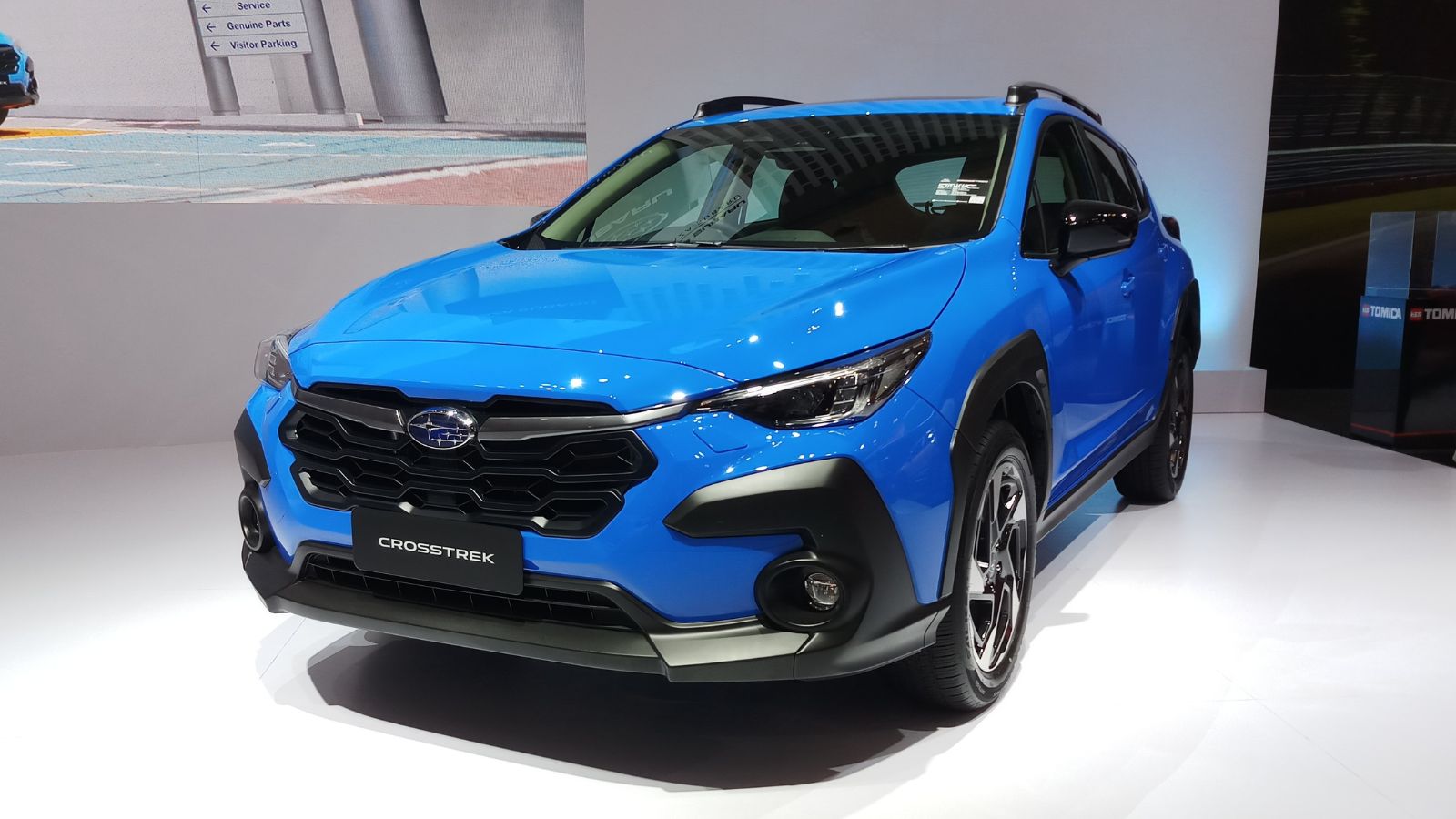
The Subaru Crosstrek is practically designed for Canadian habits. Standard all-wheel drive, manageable dimensions, roof-rack friendliness, and a rugged image make it attractive to drivers who ski, hike, camp, or simply want confidence on messy roads. It feels sensible without looking dull.
Long-term ownership can be less romantic. Some owners grow tired of modest acceleration, continuously variable transmission feel, and the cost of maintaining all-wheel-drive hardware. Subaru has previously offered warranty enhancements for CVTs on certain older models, which keeps transmission durability in the minds of used buyers. Windshields, eyesight-camera calibration, wheel bearings, and suspension wear can also become meaningful expenses as kilometres build. The Crosstrek still has a loyal following, but owners expecting a cheap small hatchback may be surprised by the cost of its adventure-ready personality.
Honda Civic
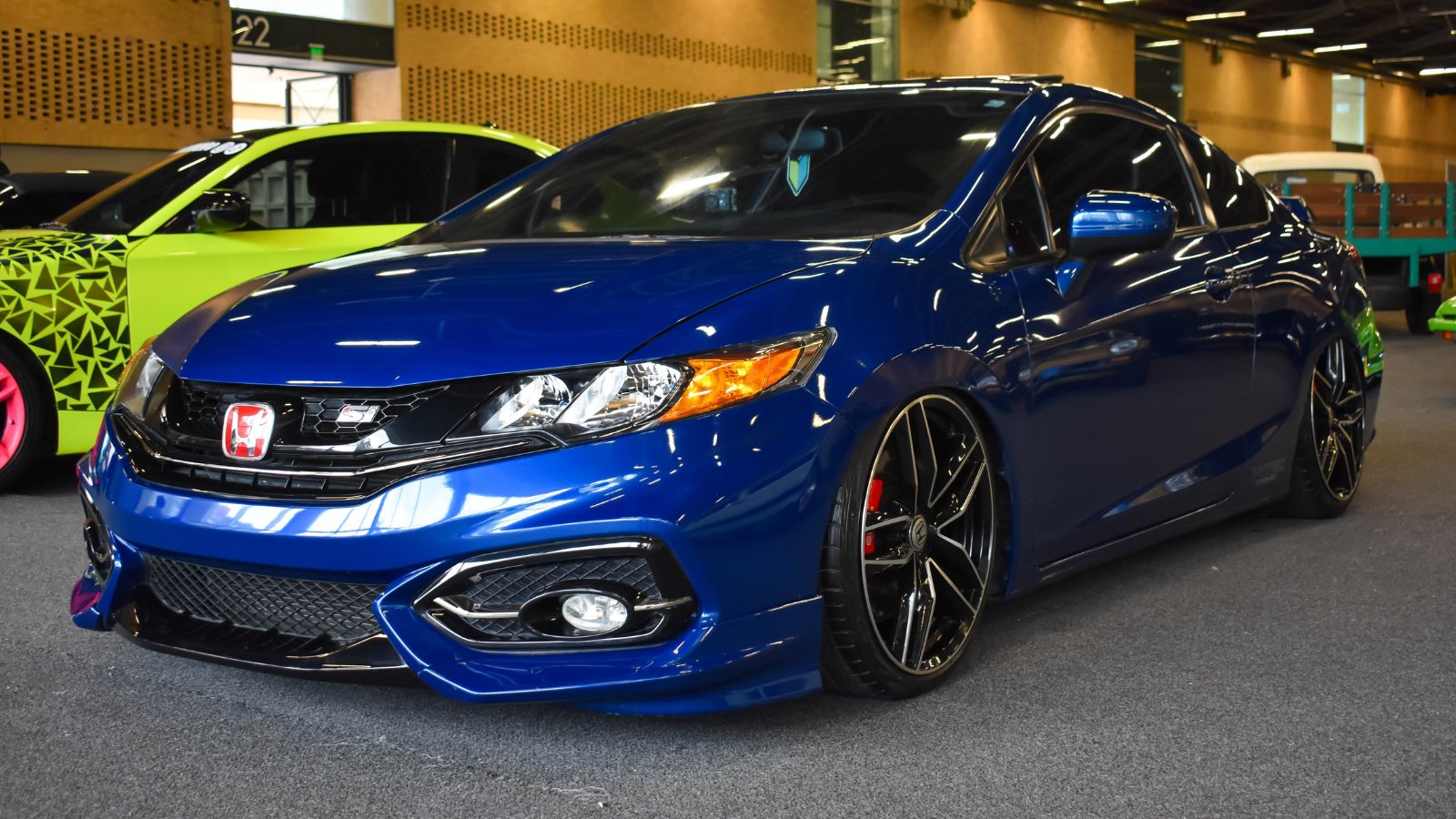
The Honda Civic is loved because it does so many things well. It is efficient, easy to park, enjoyable enough to drive, and backed by decades of Canadian familiarity. For students, commuters, young families, and downsizers, it has long felt like one of the safest small-car bets.
Long-term ownership can be more irritating than its reputation implies. Popularity makes the Civic attractive to thieves, and higher insurance premiums can follow certain model years or regions. Some turbocharged 1.5-litre versions also became part of oil-dilution discussions and warranty actions, which matters for used shoppers expecting bulletproof simplicity. A well-maintained Civic can last for years, but the experience is not always cheap. Theft prevention, careful service records, winter tires, and insurance shopping can matter almost as much as the Honda badge.
Jeep Wrangler
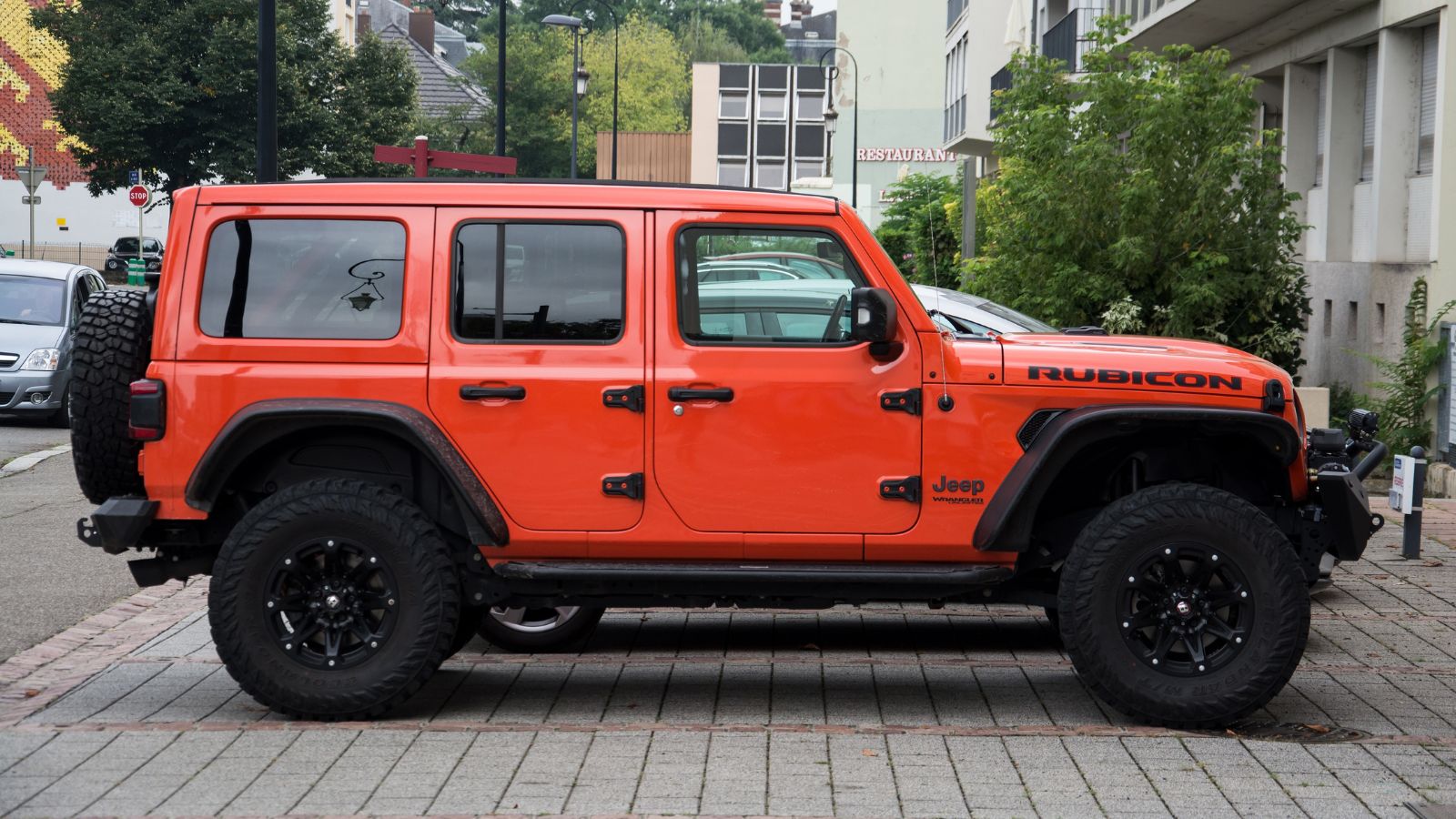
The Jeep Wrangler is bought with the heart as much as the head. Removable roof panels, real off-road hardware, upright styling, and a strong community make it feel special in a market full of rounded crossovers. For many owners, it represents freedom rather than transportation.
Daily ownership can wear down that romance. Wranglers can be noisy, thirsty, rougher-riding, and less aerodynamic than conventional SUVs. Soft tops, seals, tires, and suspension parts may need attention sooner than expected, especially after winter use or off-road weekends. Theft risk is also a concern, and plug-in hybrid Wrangler 4xe models have faced battery-fire-related recall warnings that told some owners not to charge and to park away from structures until repairs were completed. The Wrangler remains lovable, but it asks for compromise every day.
Jeep Grand Cherokee 4xe
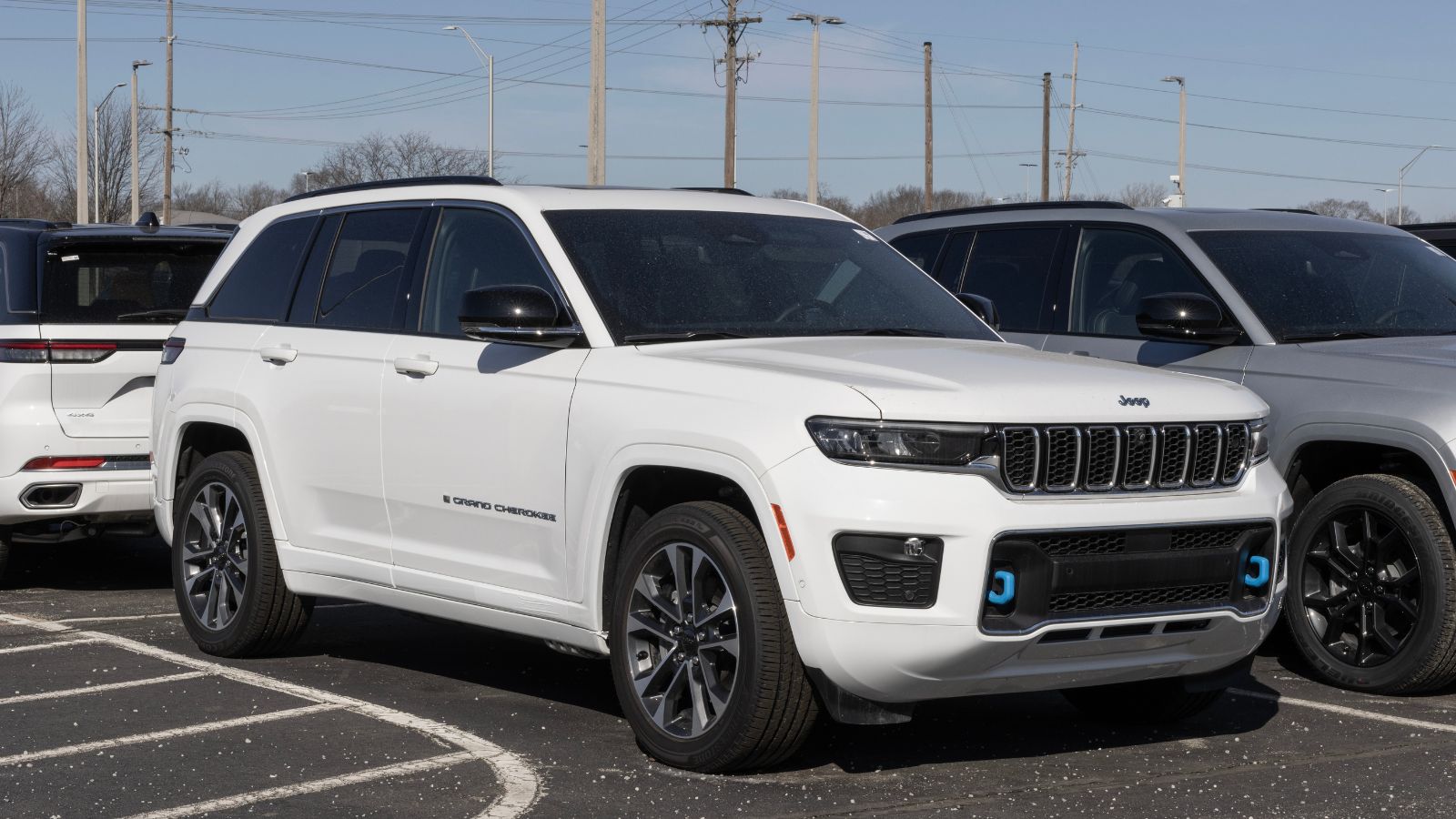
The Jeep Grand Cherokee 4xe attracts buyers who want luxury, four-wheel-drive confidence, and short electric trips without giving up a gasoline engine. On paper, it looks perfectly suited to Canadian households that commute during the week and head out of town on weekends.
The long-term concern is complexity. A plug-in hybrid Grand Cherokee combines a premium SUV, a high-voltage battery, electric motors, software controls, and traditional Jeep mechanical systems. That can be impressive when everything works smoothly, but repairs outside warranty may be intimidating. Battery-fire recall warnings affecting certain 4xe vehicles also damaged confidence for some owners, especially when instructions included parking outdoors and avoiding charging until repair work was completed. The promise is appealing, but the ownership experience can feel too complicated for drivers who wanted simple family transportation.
Tesla Model Y
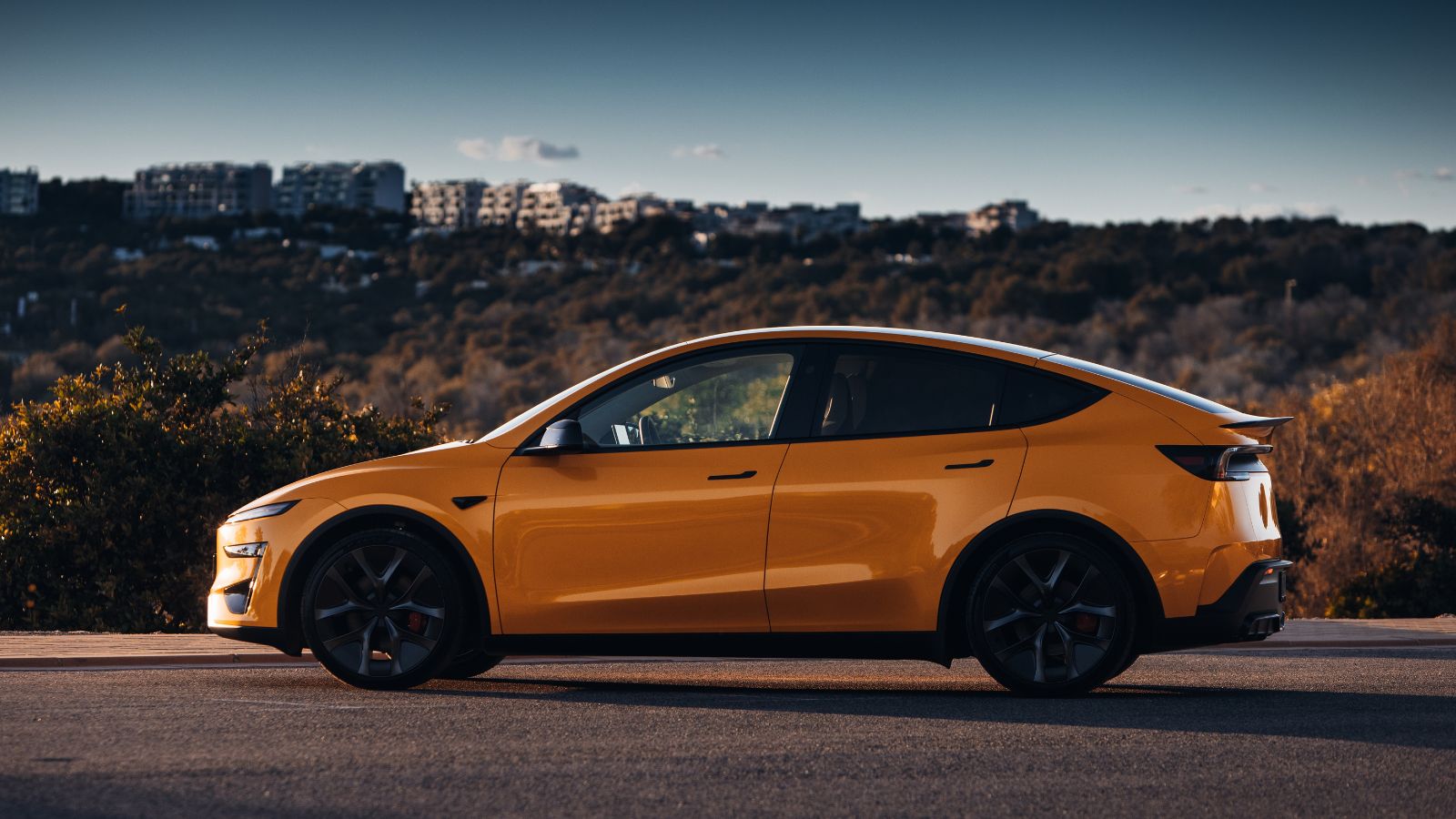
The Tesla Model Y became attractive because it blends crossover space, strong acceleration, charging-network access, and a modern cabin into one easy-to-understand EV package. For many Canadian buyers, it feels like the electric vehicle that finally fits normal family life.
The frustrations are often seasonal and financial. Cold weather can reduce real-world EV range, and highway driving in winter may make advertised range feel optimistic. Tires can wear quickly because of vehicle weight and instant torque, while collision repairs and insurance pricing can surprise owners who expected EVs to be cheaper across the board. Software updates are exciting until a changed interface annoys daily routines. The Model Y can be rewarding, but long-term satisfaction depends on charging access, winter expectations, tire budgeting, and tolerance for Tesla’s service model.
Tesla Model 3
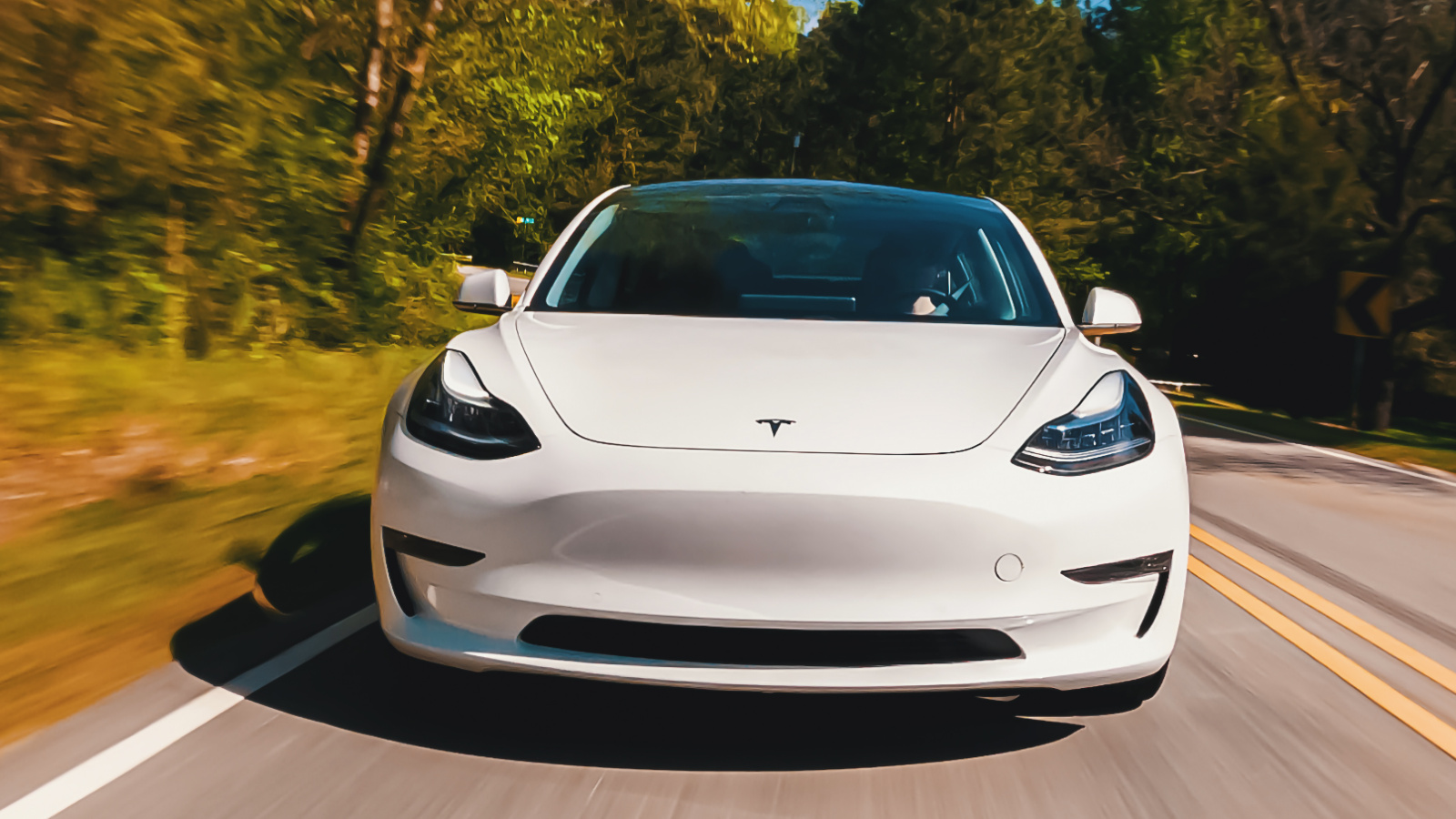
The Tesla Model 3 wins people over with speed, efficiency, minimalist design, and the feeling of owning something ahead of the curve. It has been one of Canada’s most visible battery-electric vehicles, especially in urban and suburban markets where home charging is realistic.
Over time, some owners discover that low routine maintenance does not mean low overall cost. Winter range loss, expensive tires, windshield or glass repairs, insurance premiums, and resale swings can alter the math. Long trips can be simple on strong charging routes and frustrating on weaker ones. The minimalist cabin also divides people after the novelty fades, especially when climate, wiper, or drive settings rely heavily on screens. The Model 3 can be excellent for the right household, but it is less forgiving when charging, climate, and repair expectations are wrong.
Chevrolet Bolt EV
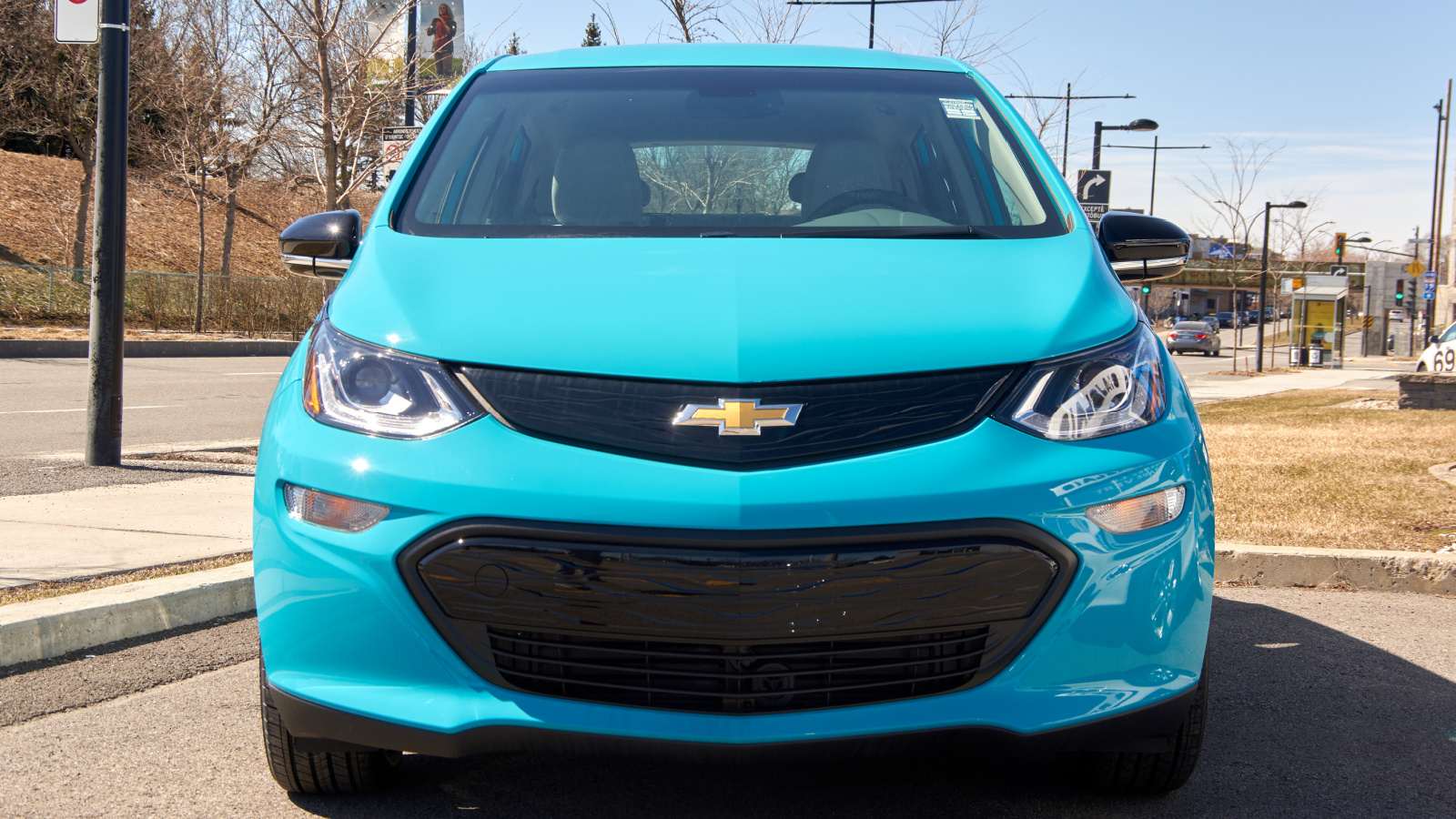
The Chevrolet Bolt EV appealed to Canadians because it made electric driving seem attainable. It was smaller, less expensive than many EVs, and practical enough for commuting, errands, and urban life. For buyers priced out of larger electric SUVs, the Bolt felt like a breakthrough.
Long-term ownership has carried emotional baggage. The Bolt’s high-voltage battery recall, tied to rare fire-risk defects, led to years of charge-limit advice, battery replacements, software fixes, and resale uncertainty. Many owners eventually received remedies, and the car’s low running costs still make sense for some households. Still, living through recall anxiety can change how a vehicle feels. A car bought for simplicity can become exhausting when parking, charging limits, battery diagnostics, and resale questions dominate ownership conversations.
Hyundai Kona Electric
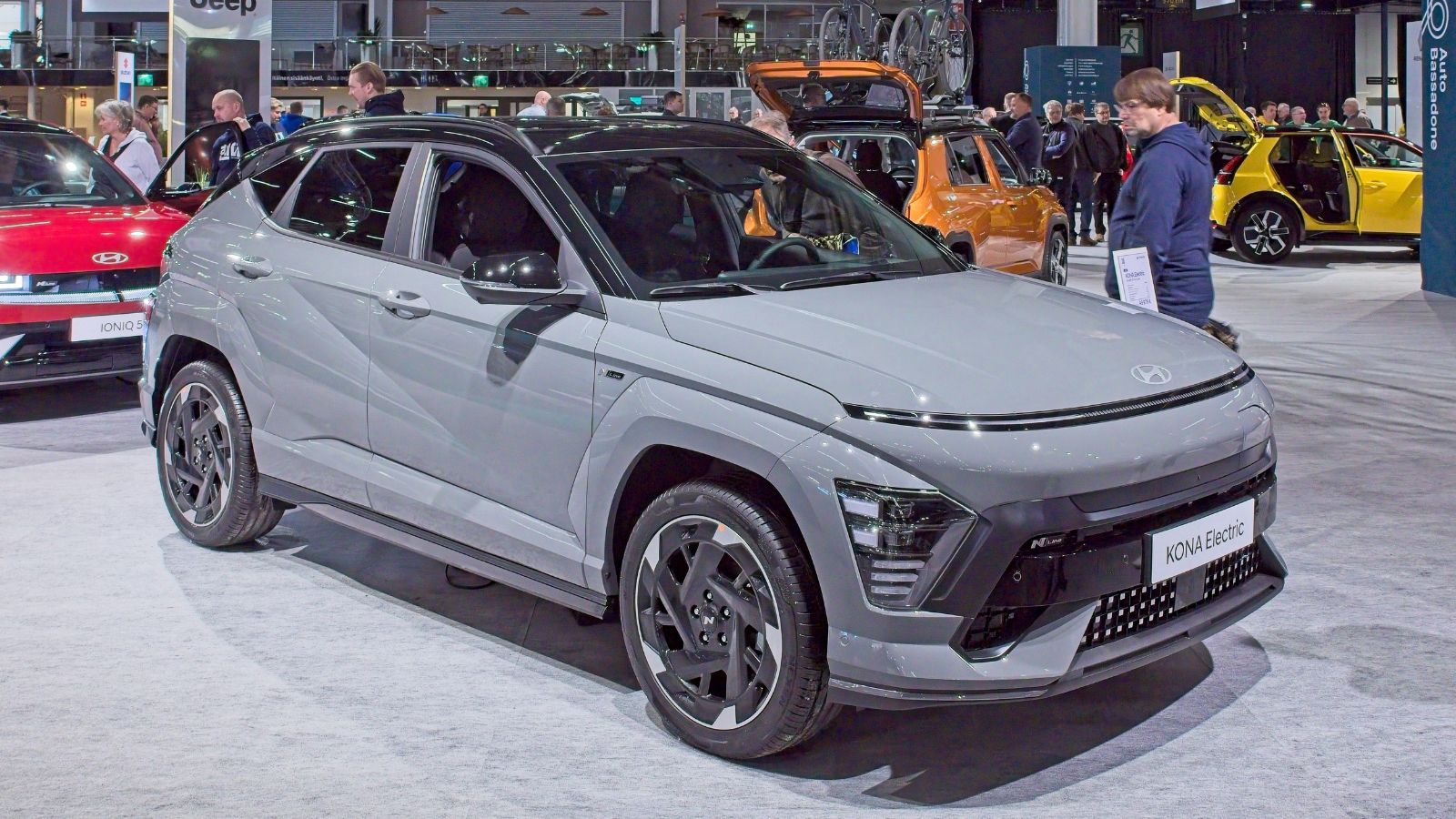
The Hyundai Kona Electric became popular because it offered useful EV range in a compact, approachable package. It was easier to park than larger electric SUVs, more affordable than many premium EVs, and familiar enough for buyers who were not ready to jump into a luxury brand.
The trade-offs become clearer with time. Rear-seat and cargo space are limited, winter range can fall, and public charging access still varies sharply by region. Earlier Kona Electric battery recalls also created anxiety for some owners, including warnings about charge limits and parking outdoors until repairs were completed. For a commuter with home charging, it can be efficient and pleasant. For a family expecting one compact EV to handle road trips, winter weekends, and growing kids, the compromises can start to feel bigger than the savings.
Volkswagen Tiguan
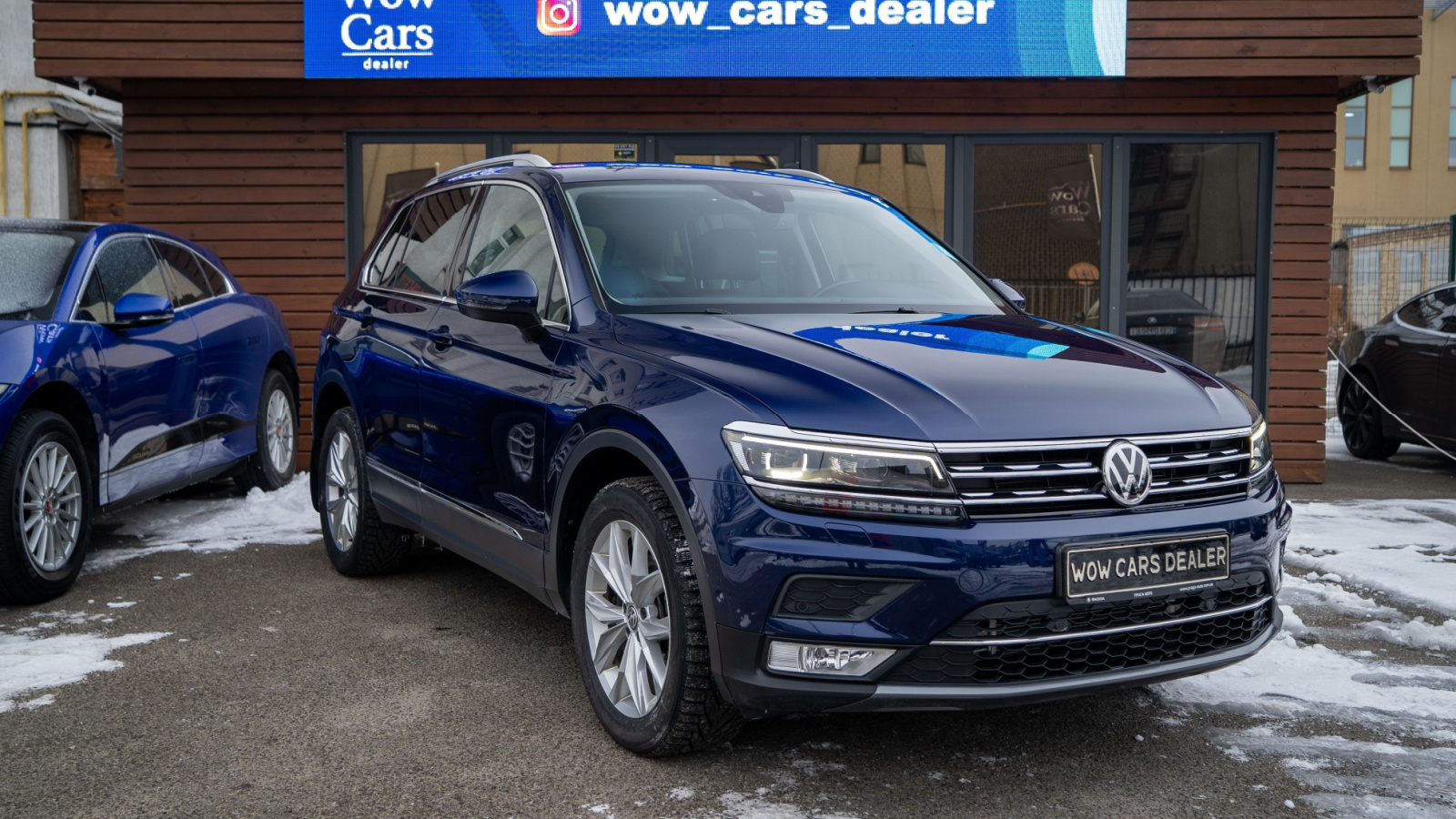
The Volkswagen Tiguan is attractive because it feels more polished than many mainstream compact SUVs. The cabin has a European simplicity, the ride is composed, and the available third row in some versions gave families a reason to look twice. It can feel like a small step toward luxury without a luxury badge.
Long-term ownership can be less flattering. Some reports have focused on oil-consumption concerns in certain Tiguan model years, and Volkswagen recalls have also addressed fuel-system components on affected vehicles. German-brand service costs can feel high when compared with Japanese and Korean rivals, especially once brakes, fluids, sensors, and turbo-related components enter the picture. The Tiguan is easy to enjoy during a test drive, but buyers planning to keep one for many winters need to be comfortable with strict maintenance and careful oil-level monitoring.
Subaru Outback
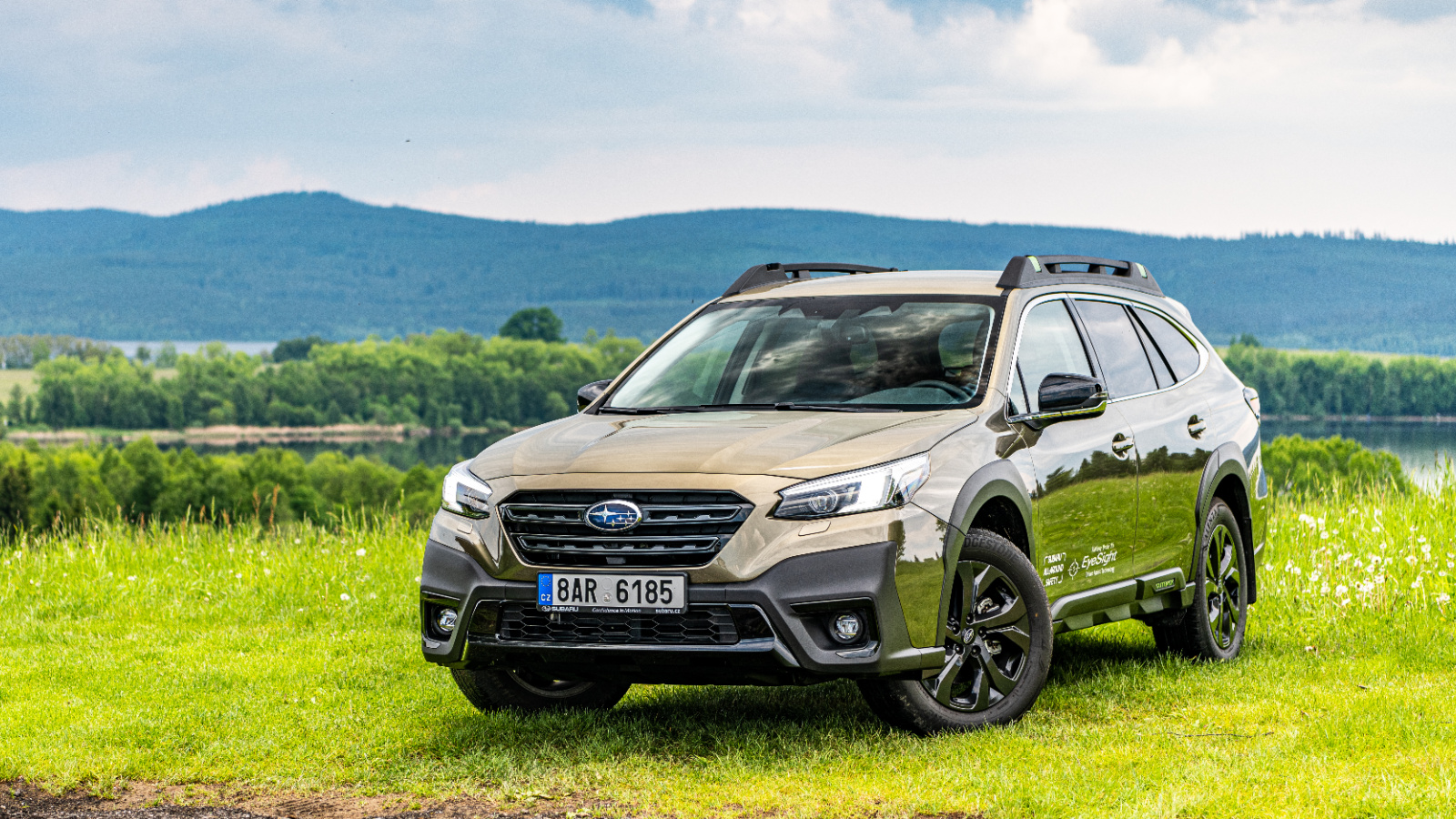
The Subaru Outback has deep Canadian appeal because it sits between wagon and SUV. It offers standard all-wheel drive, generous cargo space, a relaxed driving position, and enough ground clearance for snowbanks, cottage roads, and gravel driveways. It feels practical without becoming a full-size SUV.
The ownership complaints tend to accumulate slowly. Continuously variable transmission concerns on older Subaru models, windshield cracking settlements affecting certain vehicles, and driver-assistance-camera calibration costs can all make repairs feel more specialized than expected. Some owners also find infotainment systems frustrating as vehicles age. The Outback is still a strong match for many climates and lifestyles, but it is not a maintenance-free wagon. Its long-term value depends on fluid service, tire matching, glass care, and whether owners budget for the technology that makes it feel modern.
Mazda CX-5
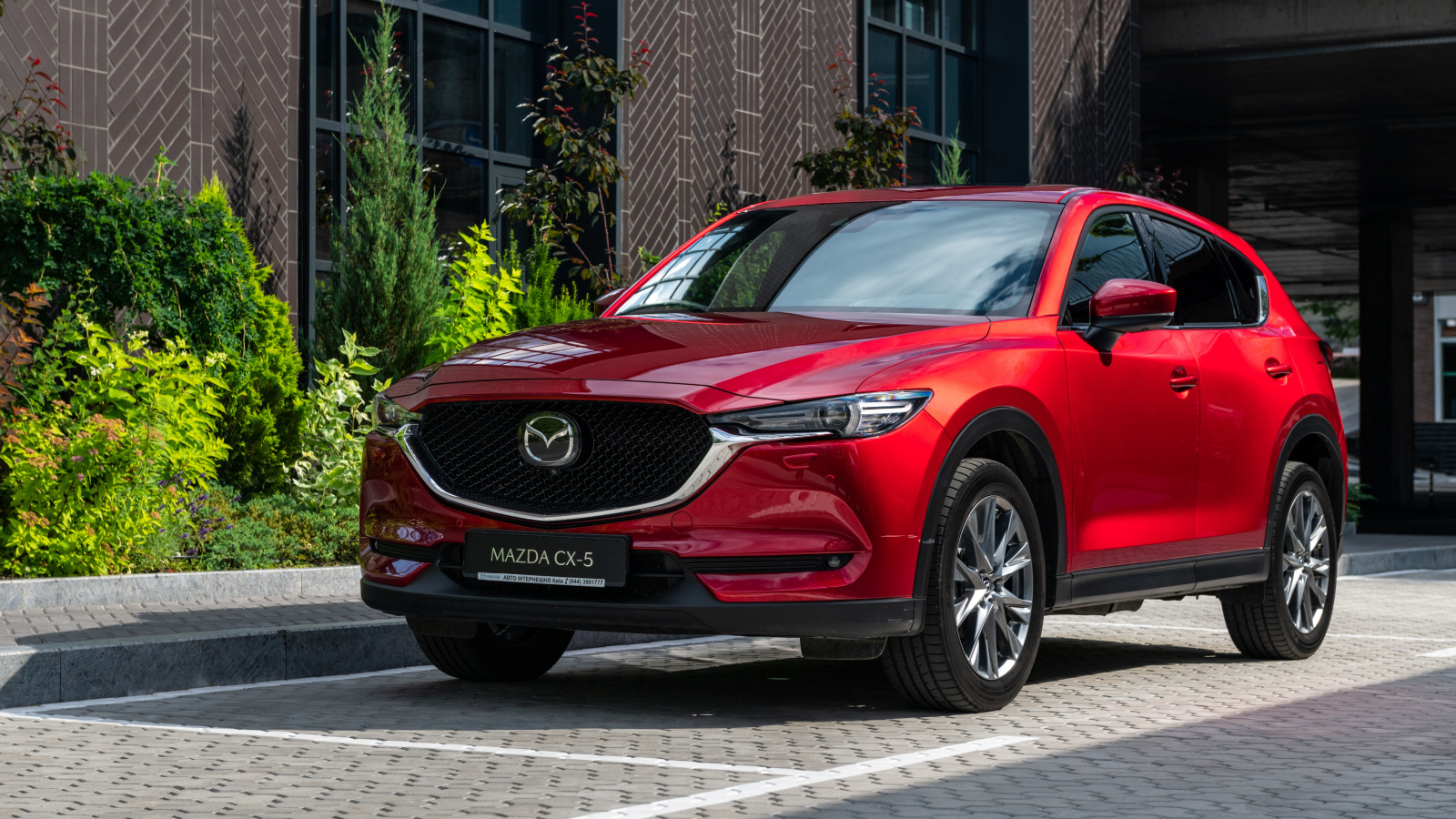
The Mazda CX-5 wins buyers with steering feel, sharp styling, upscale interiors, and standard all-wheel-drive confidence in recent Canadian-market versions. It feels more engaging than many compact SUVs, which helps explain why owners often fall for it during the first drive. It delivers personality in a segment known for cautious practicality.
Long-term ownership can expose its compromises. Rear-seat and cargo space are tighter than some rivals, fuel economy may disappoint drivers expecting hybrid-like savings, and premium-feeling cabins can make scuffs, rattles, or trim wear more noticeable. In theft-prone regions, even models that are not national headline targets can still appear on provincial watch lists. The CX-5 is not a bad long-term vehicle, but it can disappoint owners who expected a sporty compact SUV to be roomy, ultra-efficient, inexpensive, and worry-free all at once.
22 Things Canadians Do to Their Cars in Spring That Mechanics Hate

Spring brings relief to many Canadian drivers after months of snow, freezing temperatures, and icy roads that put serious strain on vehicles. As temperatures rise across the country, drivers begin washing cars, switching tires, and preparing vehicles for warmer weather and upcoming road trips. However, mechanics across Canada notice the same mistakes every spring when drivers attempt to recover from winter damage. Road salt, potholes, and harsh winter driving conditions often leave vehicles with hidden problems that drivers ignore. Some spring habits even create new mechanical issues that could have been avoided with proper maintenance. Here are 22 things Canadians do to their cars in spring that mechanics hate.