


























A breakdown becomes frightening fast when a vehicle stops where it was never meant to sit: beside fast-moving traffic. The biggest roadside mistake is treating the shoulder like a safe waiting room instead of a temporary danger zone. A flat tire, dead battery, overheating engine, or minor collision can quickly become more serious when people stand near the vehicle, walk around traffic, or assume hazard lights are enough.
This covers 12 ways that one roadside mistake can make a breakdown more dangerous, from choosing the wrong stopping spot to standing in the crush zone while waiting for help. The goal is simple: reduce panic, improve visibility, and keep people away from the path of moving vehicles.
Stopping Too Close to Moving Traffic
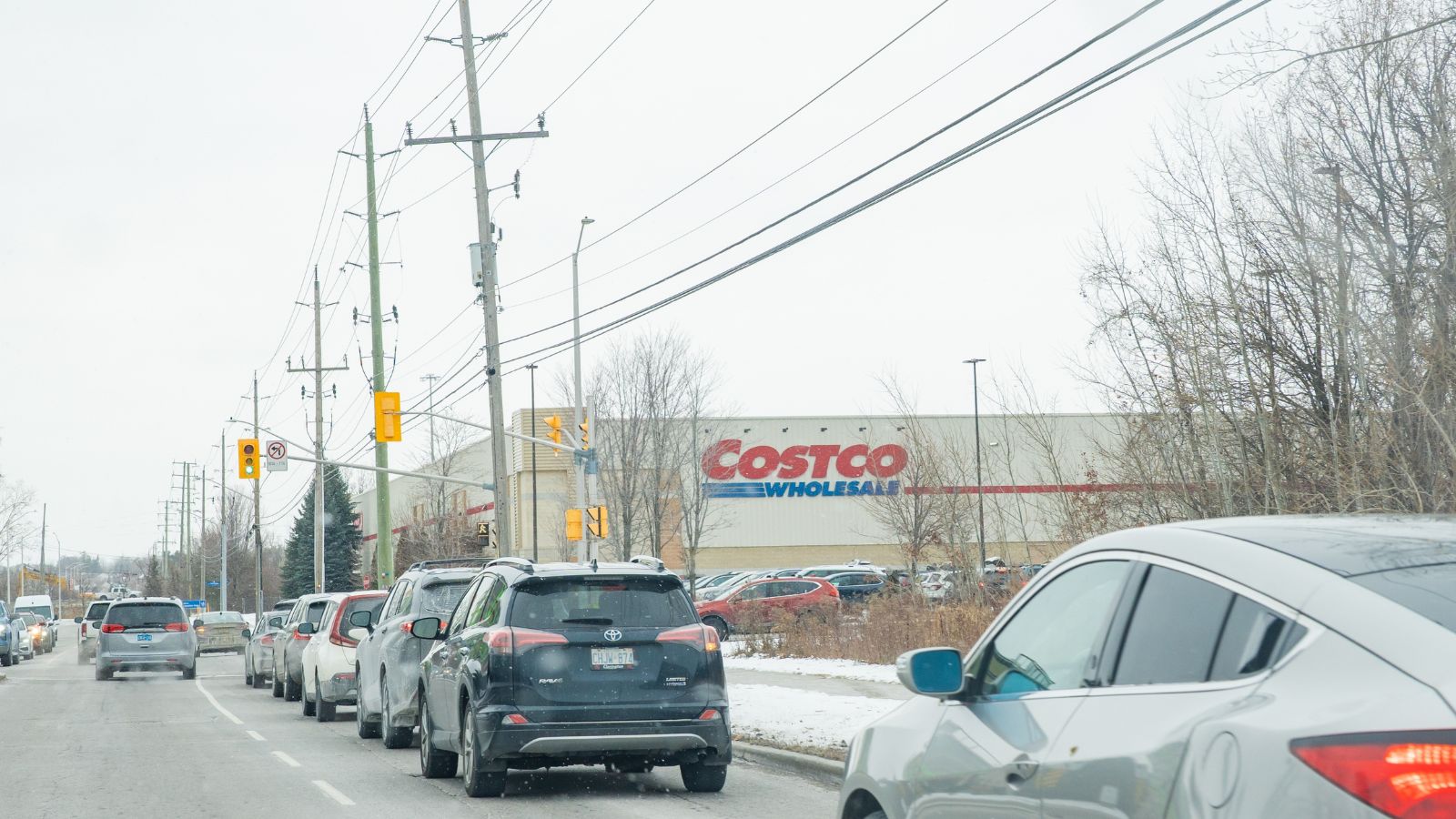
The first mistake often happens before the vehicle fully stops. A driver feels the tire wobble, sees steam from the hood, or hears a warning chime and immediately pulls onto the narrowest part of the shoulder. That reaction is understandable, but it can leave the vehicle sitting inches from live traffic. On highways, the speed difference between a stopped car and passing traffic is enormous, and even a slight drift by another driver can become catastrophic.
A safer stop usually means moving as far away from the travel lane as the situation allows. That could mean reaching a wider shoulder, exit ramp, service road, parking lot, or rest area rather than stopping at the first patch of pavement. The key is not to keep driving a badly damaged vehicle, but to avoid stopping in the most exposed place unless there is no other choice.
Standing Beside the Vehicle
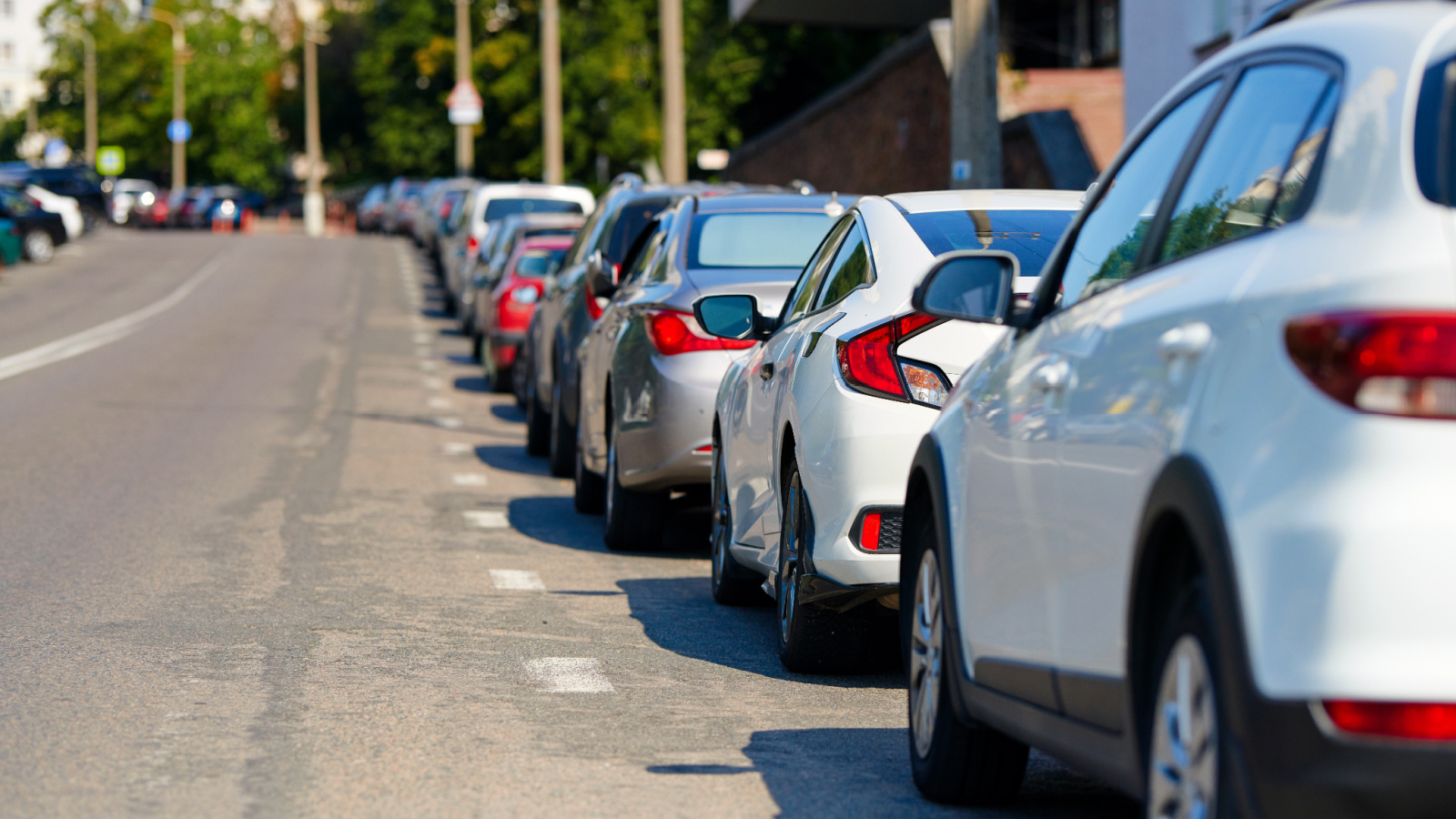
Many people step out after a breakdown because it feels active and responsible. They want to inspect the tire, check the bumper, open the hood, or wave down help. The problem is that standing beside the vehicle places a person close to traffic and often in a driver’s blind spot. A stopped car can also be pushed forward or sideways if struck from behind, turning the area around it into a dangerous zone.
When leaving the vehicle is necessary, the safest move is usually to exit on the side away from traffic and get behind a guardrail, barrier, embankment, or other protected area. If there is no safe place outside, staying belted inside may be safer in some circumstances. The worst option is lingering between the vehicle and traffic while making calls or checking damage.
Forgetting That Hazard Lights Are Only a Warning
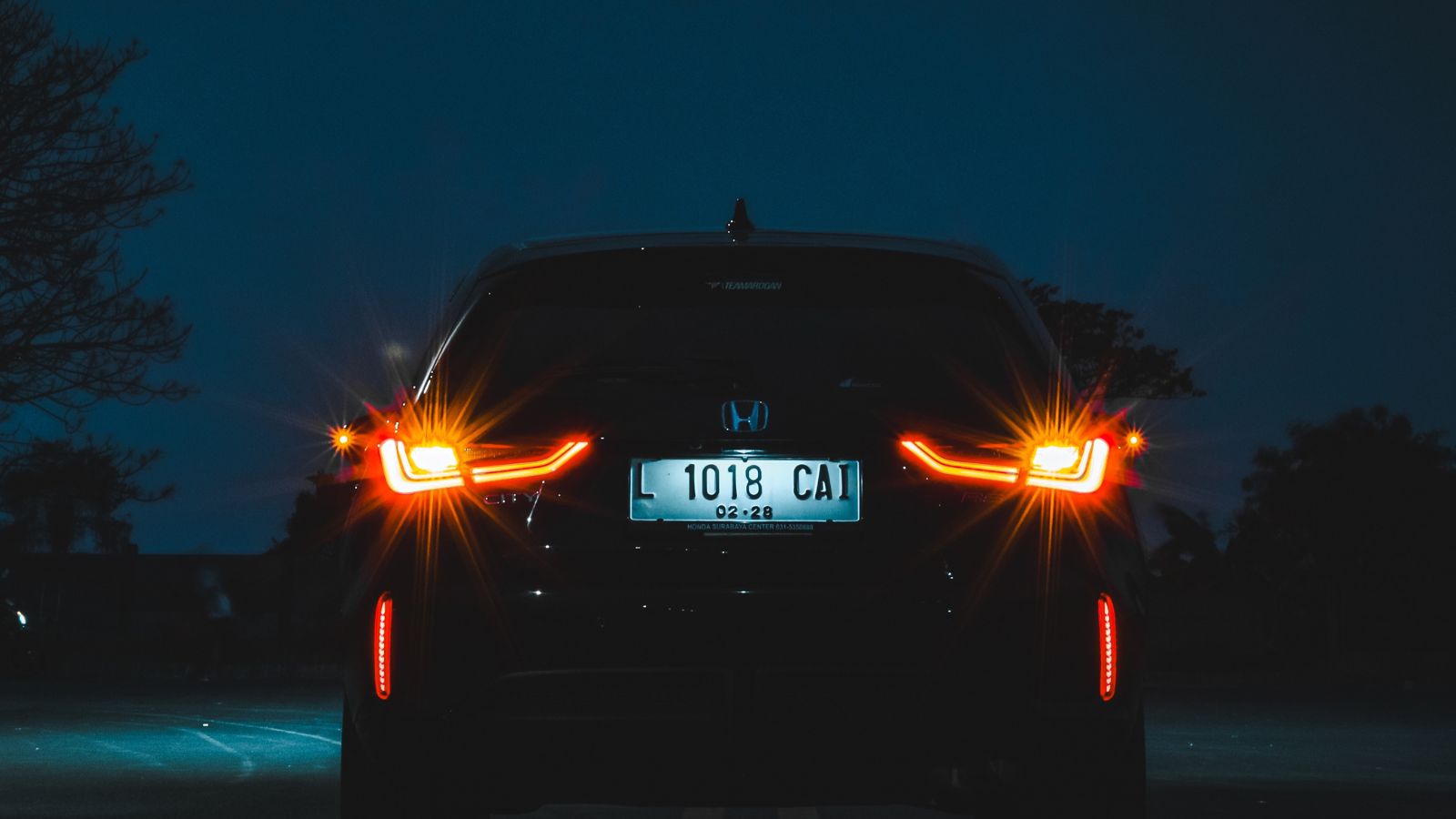
Hazard lights help, but they do not create protection. They alert drivers that something unusual is happening, yet they cannot force another motorist to slow down, move over, or notice the stopped vehicle in time. Rain, fog, glare, curves, hills, and distracted driving can all reduce the value of flashing lights. A vehicle with hazards on is more visible, but it is still vulnerable.
This is why breakdown safety depends on layers: hazards, distance from traffic, a safe waiting position, reflective equipment, and clear communication with roadside assistance. Drivers sometimes assume that clicking the hazard button solves the problem. It is only the beginning. The vehicle still needs to be positioned as far from traffic as possible, and people should avoid standing near the lane.
Changing a Tire in a Bad Location
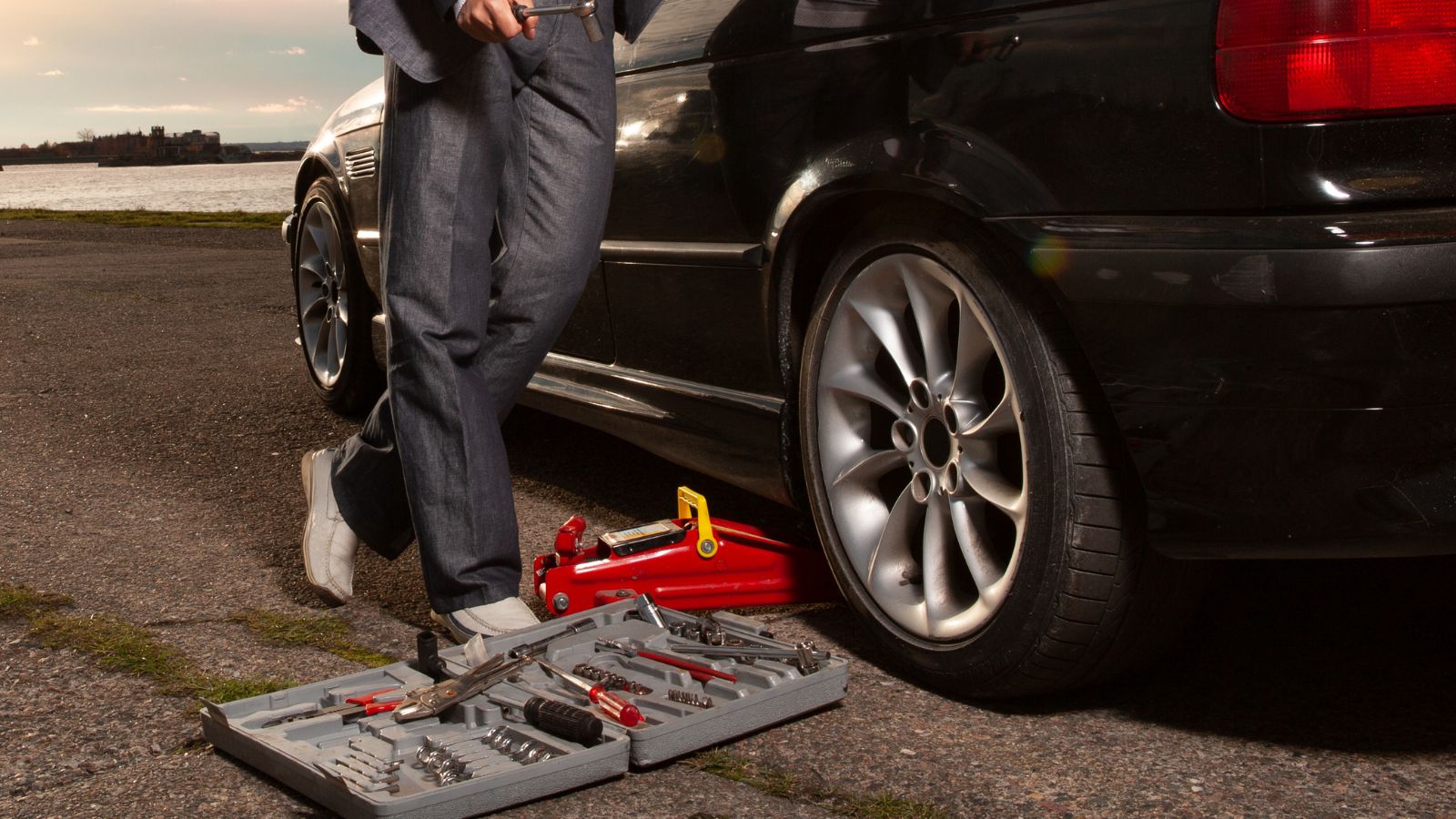
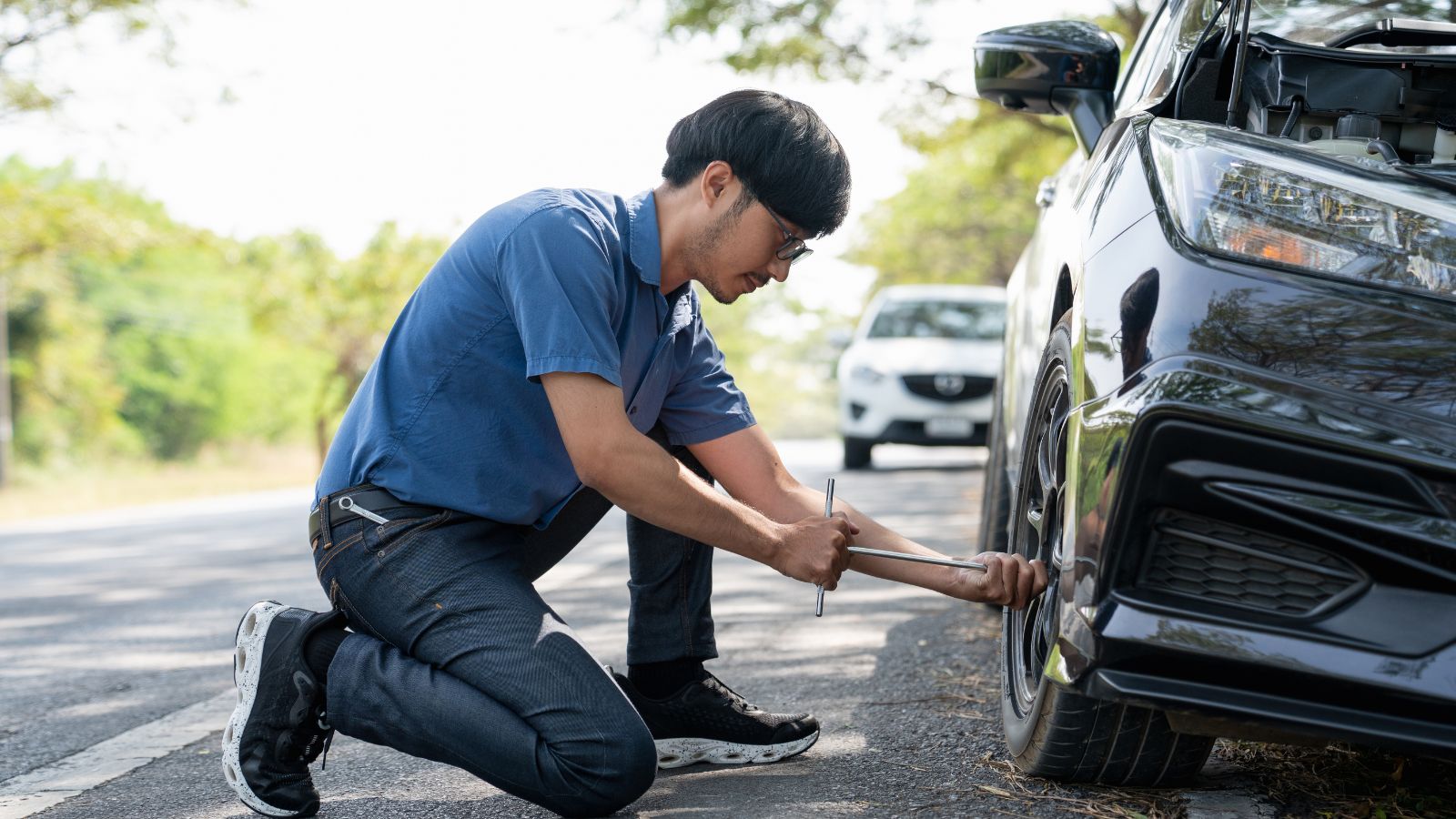
Changing a tire on the roadside can look simple in a parking lot and feel completely different on a highway shoulder. The work requires crouching near the pavement, focusing on lug nuts, placing a jack correctly, and staying close to the disabled wheel. That means attention is pulled away from traffic exactly when danger is highest. If the flat is on the traffic side, the risk becomes even greater.
A tire can be replaced later; a life cannot. If the vehicle is in a narrow shoulder, around a curve, near a ramp, or in poor visibility, calling roadside assistance or law enforcement is often the safer decision. Even experienced drivers can misjudge how close passing vehicles are when trucks, wind, and speed make the shoulder feel unstable.
Waiting Behind or In Front of the Vehicle
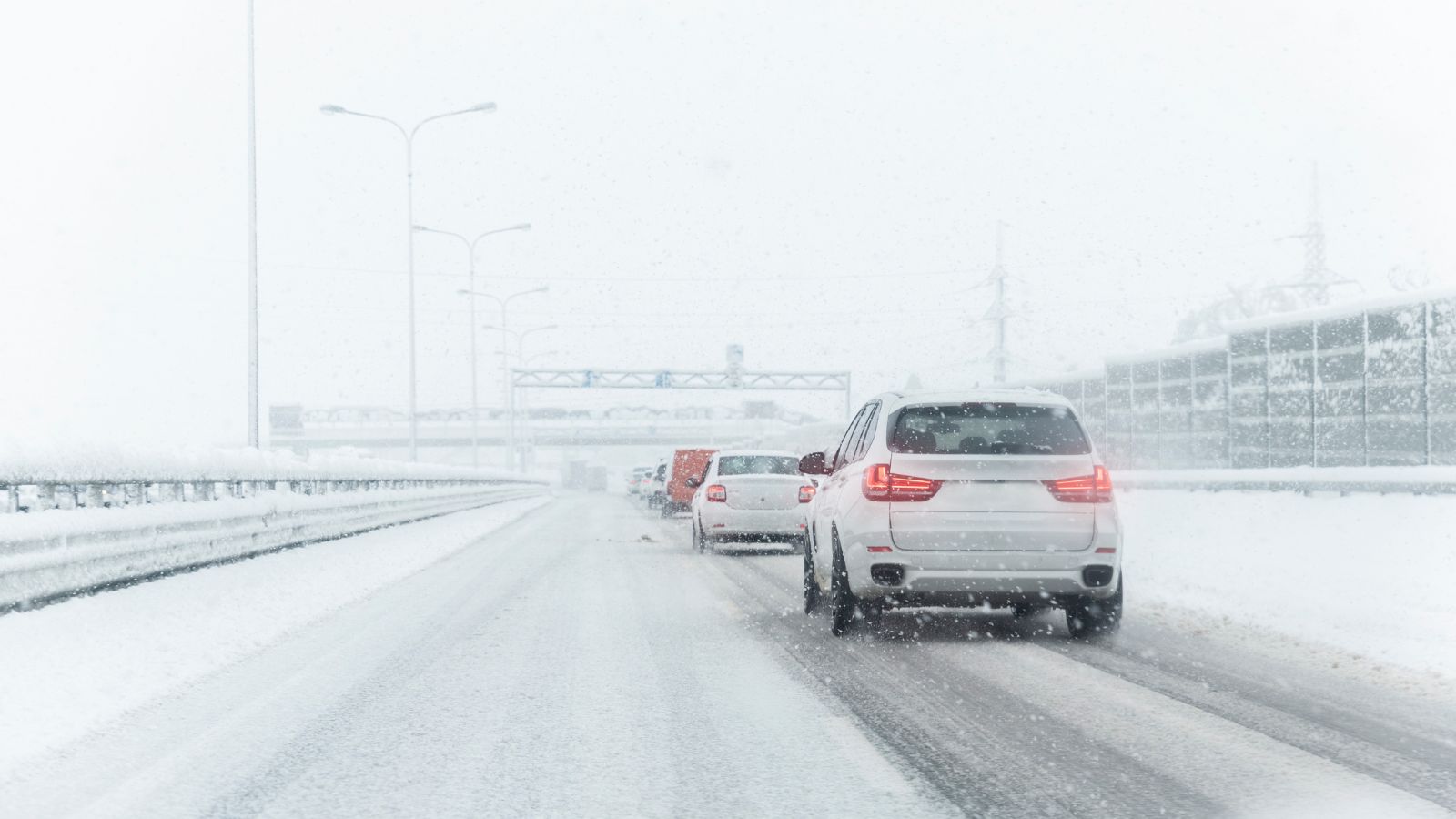
One of the most dangerous waiting spots is directly behind or in front of a disabled vehicle. Behind the car, a person may be in the path of a rear-end collision. In front of it, a person can be pinned if the vehicle is pushed forward. These positions can feel natural because people often walk around the car to inspect damage, retrieve items, or watch for the tow truck.
A better waiting spot is away from the road and away from the vehicle’s potential path if it is hit. Behind a barrier is ideal when available. If no barrier exists, distance matters. Standing well off the shoulder is usually safer than leaning on the car, sitting on the trunk, or waiting between vehicles. The goal is to avoid being part of the crash scene if another driver fails to react.
Assuming the Shoulder Is a Safe Lane
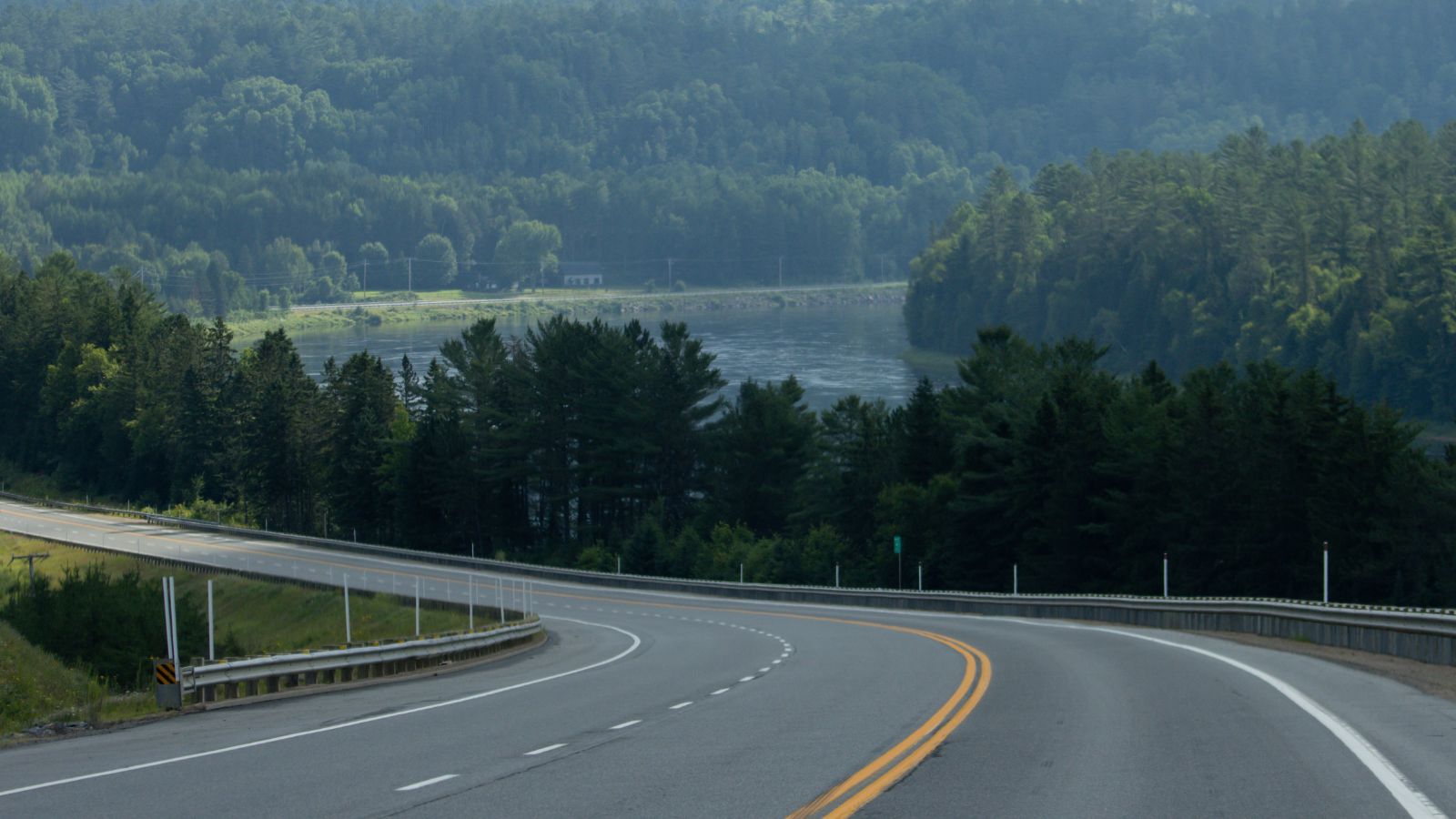
The shoulder looks like empty pavement, but it is not built to function like a regular lane. It may contain debris, uneven surfaces, rumble strips, drainage grates, soft edges, or broken asphalt. Other drivers may also use the shoulder illegally or drift onto it while distracted. Emergency vehicles, tow trucks, and road crews may need access to the same space.
A breakdown on the shoulder should be treated as temporary exposure, not a place to solve every problem. Small decisions matter: keeping wheels turned away from traffic when appropriate, avoiding sudden door openings, and minimizing movement around the vehicle. A shoulder can provide room to escape the travel lane, but it does not remove the risk created by speed, limited space, and human error.
Calling for Help Without Giving a Precise Location
A breakdown becomes more dangerous when help cannot find the vehicle quickly. Many drivers call roadside assistance and describe the location as “near the highway” or “a few miles past an exit,” which can delay response. On divided highways, giving the wrong direction of travel can send help to the opposite side. In rural areas, poor landmarks can add even more confusion.
A clearer call includes highway name, direction of travel, nearest exit, mile marker, cross street, visible landmarks, vehicle description, and whether anyone is in immediate danger. Phone location sharing can help, but it should not replace spoken details. A tow operator or dispatcher needs enough information to approach safely, position the service vehicle correctly, and avoid unnecessary searching in high-speed traffic.
Walking Along the Road for Help
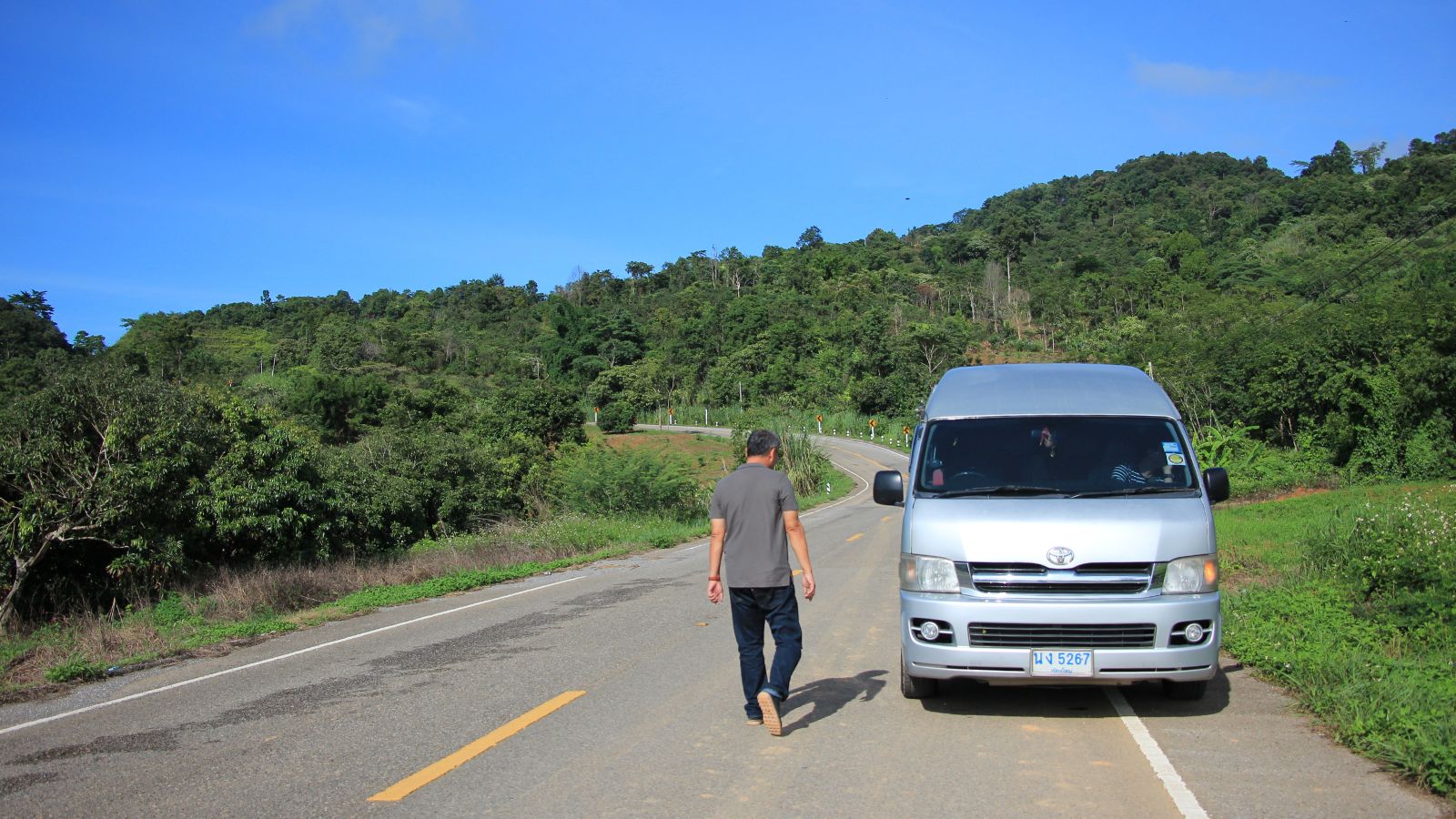
When a gas station or exit appears nearby, walking may seem reasonable. In reality, pedestrians on highway shoulders are extremely vulnerable. Drivers do not expect people to be walking beside high-speed traffic, especially at night or in bad weather. A short walk can also become longer than expected because exits, ramps, fences, and barriers may not provide a safe path.
Unless there is an immediate threat such as fire, it is often safer to call for help and remain in a protected location near the vehicle rather than walking along the road. If walking is unavoidable, moving as far from traffic as possible and staying visible is critical. Dark clothing, low light, and narrow shoulders create a dangerous mix that drivers may recognize too late.
Ignoring Visibility at Night or in Bad Weather

Darkness changes everything about a breakdown. A stopped vehicle may blend into shadows, rain spray, snow, fog, or the glare from approaching headlights. Drivers may not understand that a vehicle is stopped until they are very close. Even reflective paint, taillights, and hazards can be harder to interpret when visibility is poor or traffic is heavy.
Visibility should be treated as an emergency tool. Reflective triangles, bright clothing, a flashlight, and interior lights can help create a clearer warning, but they must be used without stepping into traffic. In winter weather, snowbanks may limit escape routes and reduce shoulder width. In heavy rain, standing water and spray can make the roadside even harder for passing drivers to read.
Letting Passengers Scatter Around the Scene
A breakdown with passengers can become chaotic. One person looks under the hood, another opens the trunk, a child steps out to see what happened, and someone else walks toward the shoulder to make a phone call. The more people move around the vehicle, the harder it becomes to keep everyone away from traffic. Panic spreads quickly when no one knows where to stand.
A safer response gives everyone one clear instruction: stay belted if remaining inside is safest, or exit away from traffic and move together to a protected location. Children and pets need extra attention because they may not understand how dangerous the shoulder is. Keeping the group together also makes it easier for police, tow operators, or roadside technicians to assess the scene.
Standing Too Close to Tow Trucks and Responders
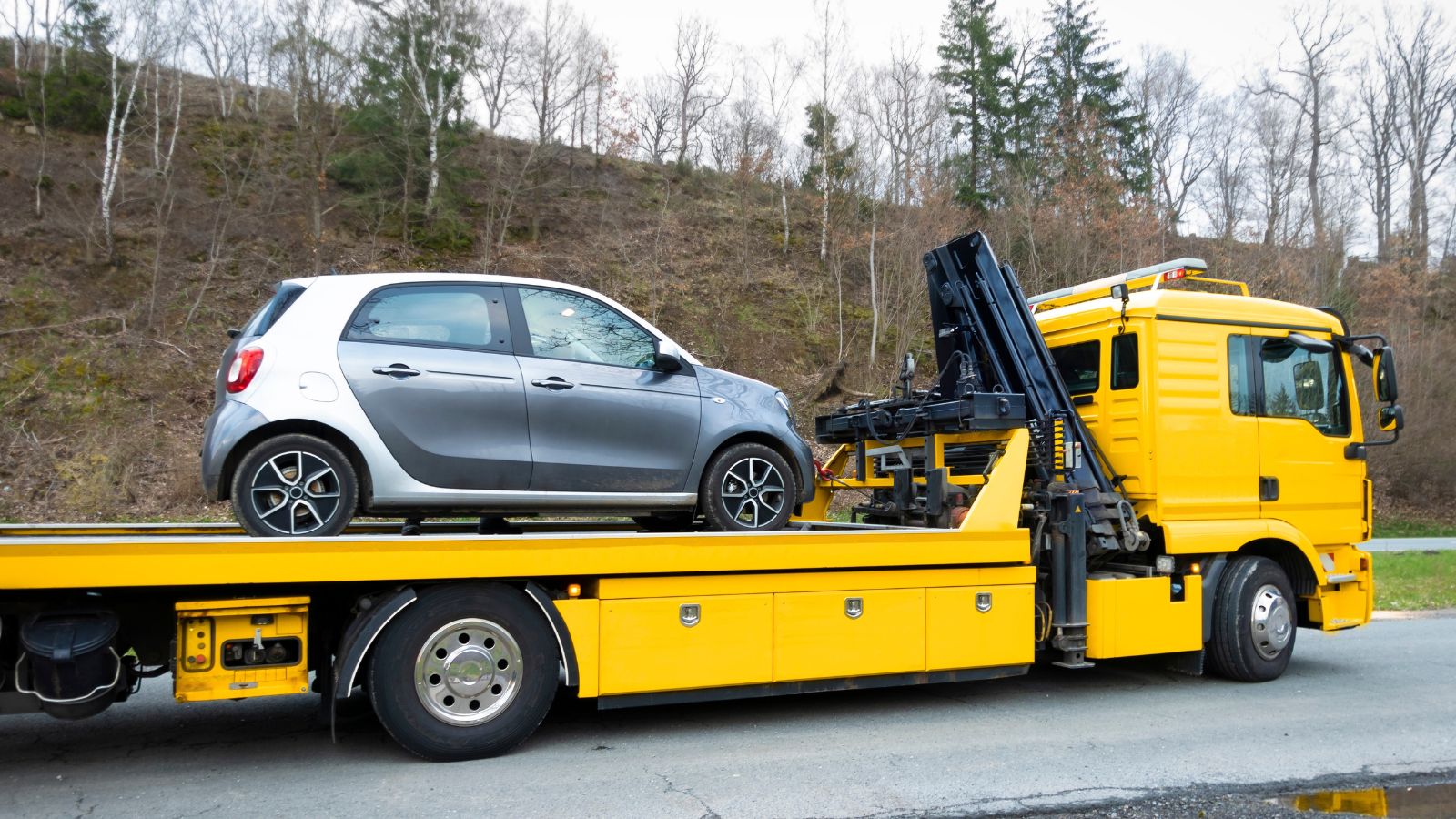
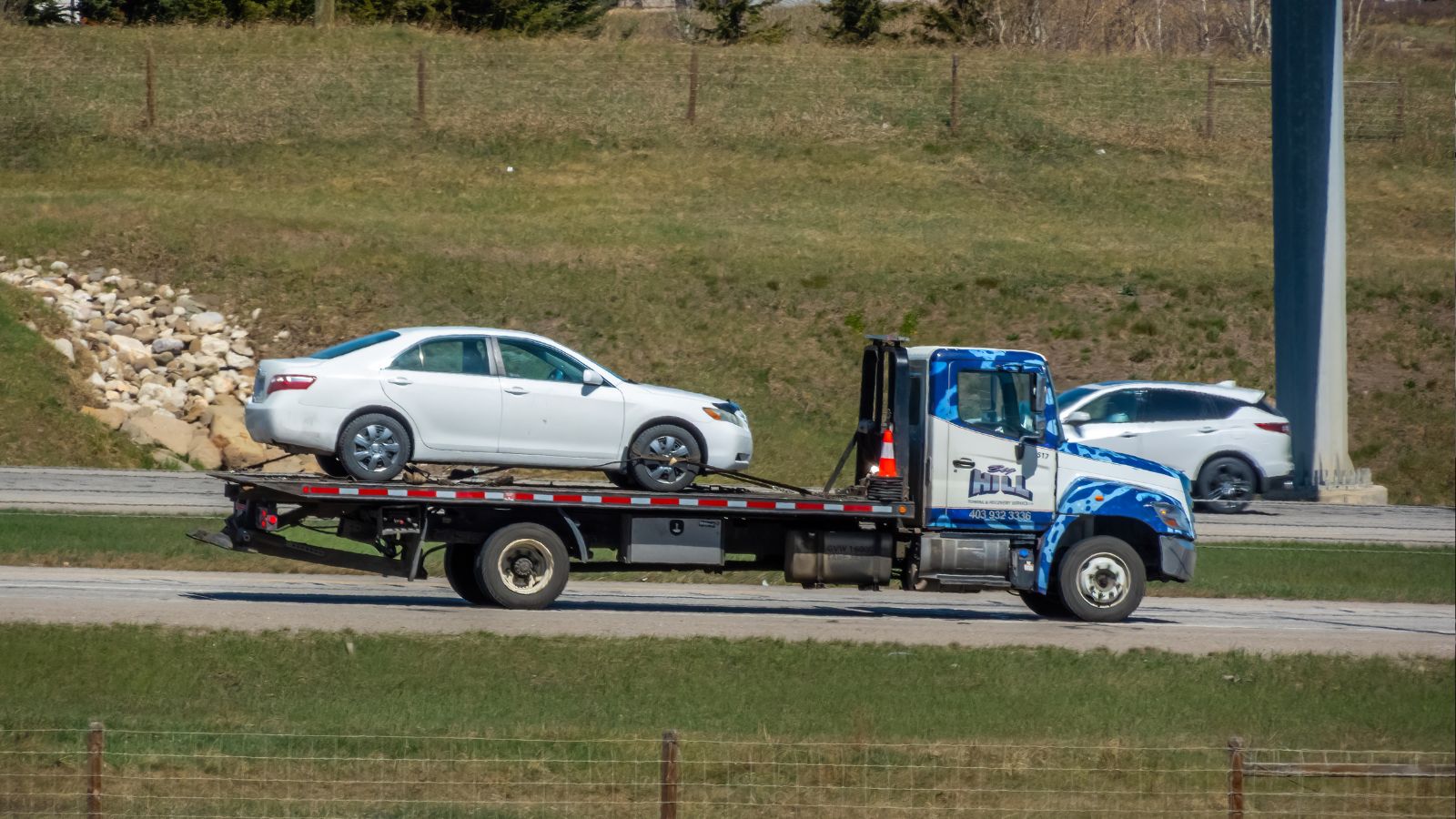
When help arrives, many drivers relax and step closer to the action. That is another risky moment. Tow operators, police officers, firefighters, and roadside technicians often work inches from moving traffic while positioning equipment, loading vehicles, or setting warning devices. A driver standing nearby can distract responders or place themselves in the same danger zone.
The safer choice is to follow instructions and stay well away from the work area. Move-over laws exist because roadside workers face real struck-by risks, and a disabled vehicle can attract attention while still being hard to avoid. Letting trained responders control the scene gives them space to work and keeps bystanders from drifting into blind spots, cables, ramps, or traffic lanes.
Failing to Prepare Before a Breakdown Happens
The roadside mistake often starts long before the breakdown. A vehicle without a safety kit, reflective gear, charged phone, flashlight, or roadside assistance plan leaves the driver with fewer options when something goes wrong. In that moment, people improvise, and improvisation beside traffic can be dangerous. A simple kit can reduce the need to wander around the vehicle or take unnecessary risks.
Preparation does not need to be complicated. Useful items include a reflective vest, warning triangles, flashlight, phone charger, basic first-aid supplies, gloves, water, and emergency contact information. Routine maintenance also reduces breakdown risk in the first place. Tire pressure, battery health, coolant levels, belts, and warning lights may seem ordinary, but they can prevent a stressful roadside stop from happening at highway speed.
22 Things Canadians Do to Their Cars in Spring That Mechanics Hate
Spring brings relief to many Canadian drivers after months of snow, freezing temperatures, and icy roads that put serious strain on vehicles. As temperatures rise across the country, drivers begin washing cars, switching tires, and preparing vehicles for warmer weather and upcoming road trips. However, mechanics across Canada notice the same mistakes every spring when drivers attempt to recover from winter damage. Road salt, potholes, and harsh winter driving conditions often leave vehicles with hidden problems that drivers ignore. Some spring habits even create new mechanical issues that could have been avoided with proper maintenance. Here are 22 things Canadians do to their cars in spring that mechanics hate.