





















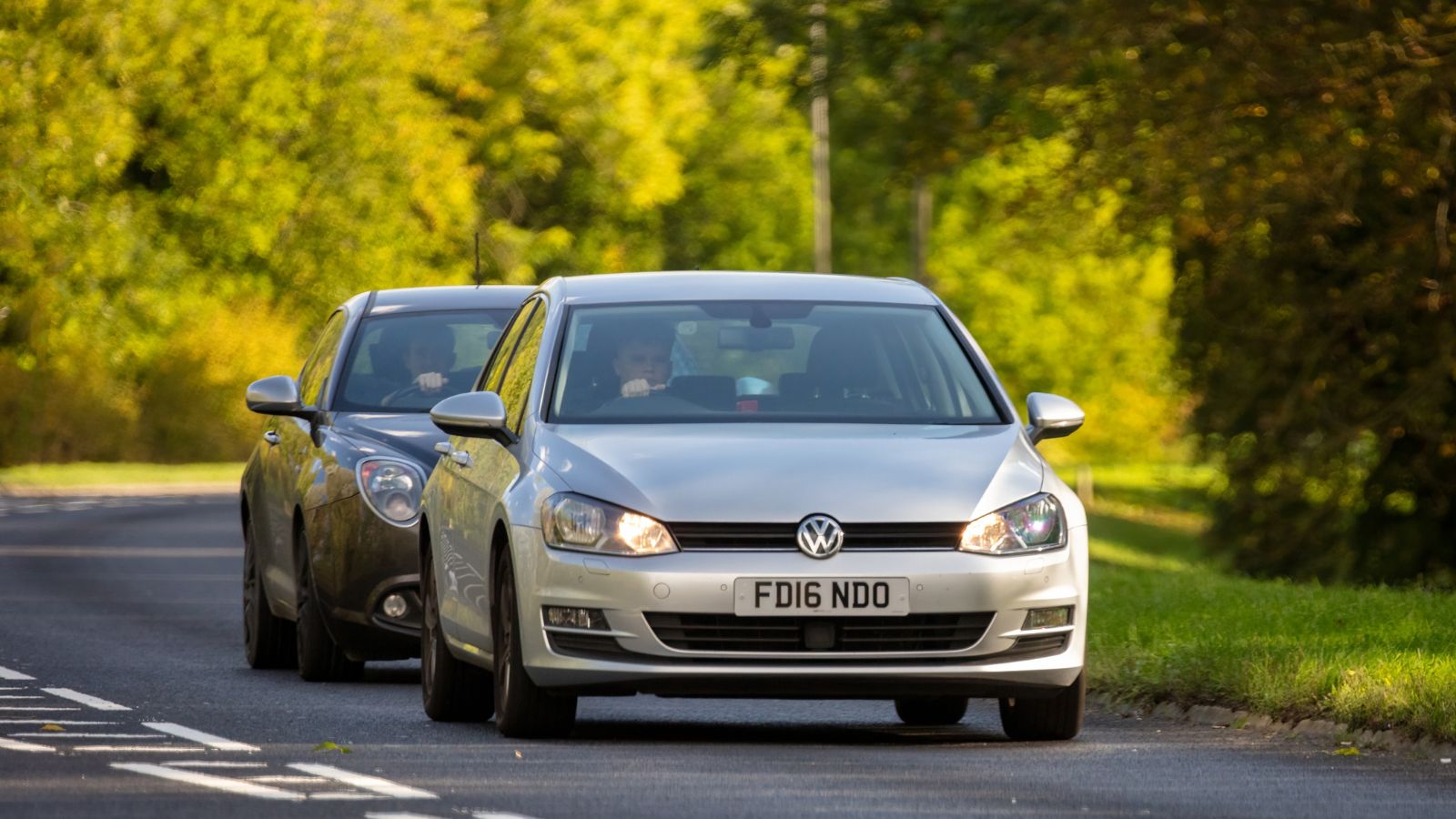
A routine drive can turn tense in seconds when one careless move makes the road feel less predictable. Most drivers can tolerate traffic, construction, and bad weather; what raises tempers fastest is the sense that someone nearby is being selfish, distracted, or needlessly risky.
These 15 driving moves are the ones most likely to make other drivers instantly angry because they interrupt trust. They force sudden braking, create uncertainty, or make everyone else compensate for one person’s choice. The irritation is emotional, but the safety concerns behind it are very real.
Tailgating So Closely There Is No Room to React
Tailgating is one of the fastest ways to turn an ordinary drive into a stressful one. When a driver fills the rearview mirror, the person ahead may feel pressured, trapped, or even threatened. It is especially aggravating in heavy traffic because the lead driver often has nowhere to go. A few feet of extra pressure rarely saves time, but it can make every brake tap feel personal.
The danger is practical, not just emotional. Safety guidance often recommends measuring following distance in seconds rather than car lengths because speed changes everything. At highway speeds, even a short glance away can erase the time needed to react. The driver being tailgated may also brake more cautiously, which can make traffic behind both vehicles even more unstable.
Cutting In Without Signaling
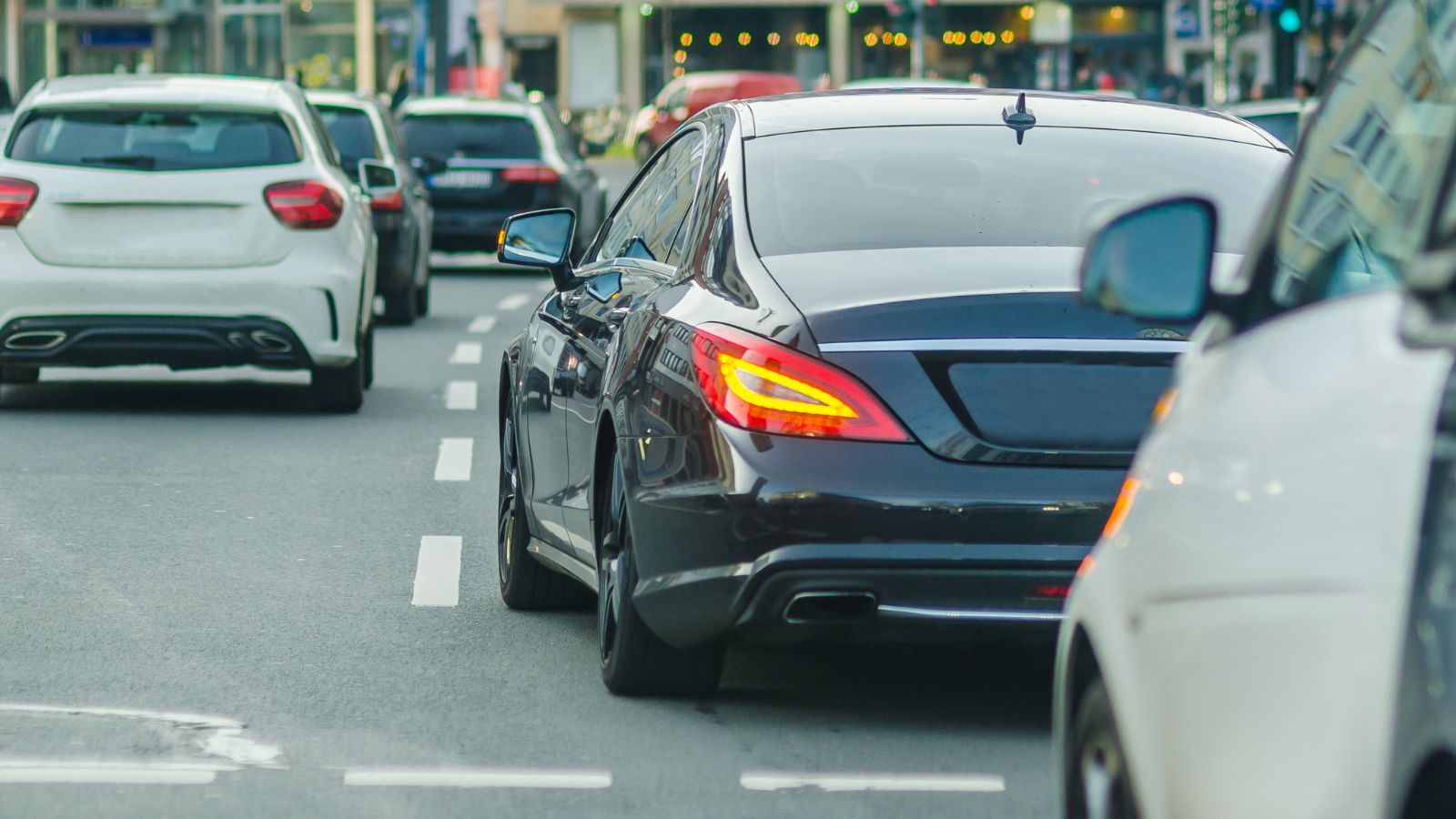
A sudden lane cut without a signal makes other drivers angry because it removes the one thing road users depend on most: advance warning. Turn signals are a basic form of communication. They tell nearby drivers that a vehicle is about to move, giving them time to slow, hold position, or create space. Without that warning, a lane change feels less like a maneuver and more like an ambush.
Research using naturalistic driving data has found that drivers do not always signal before starting lane changes. That matters because even a clean lane change can feel rude when the intention appears late or not at all. A driver who slips into a small gap without signaling may think the move was efficient, while everyone around them experiences it as careless and entitled.
Camping in the Passing Lane
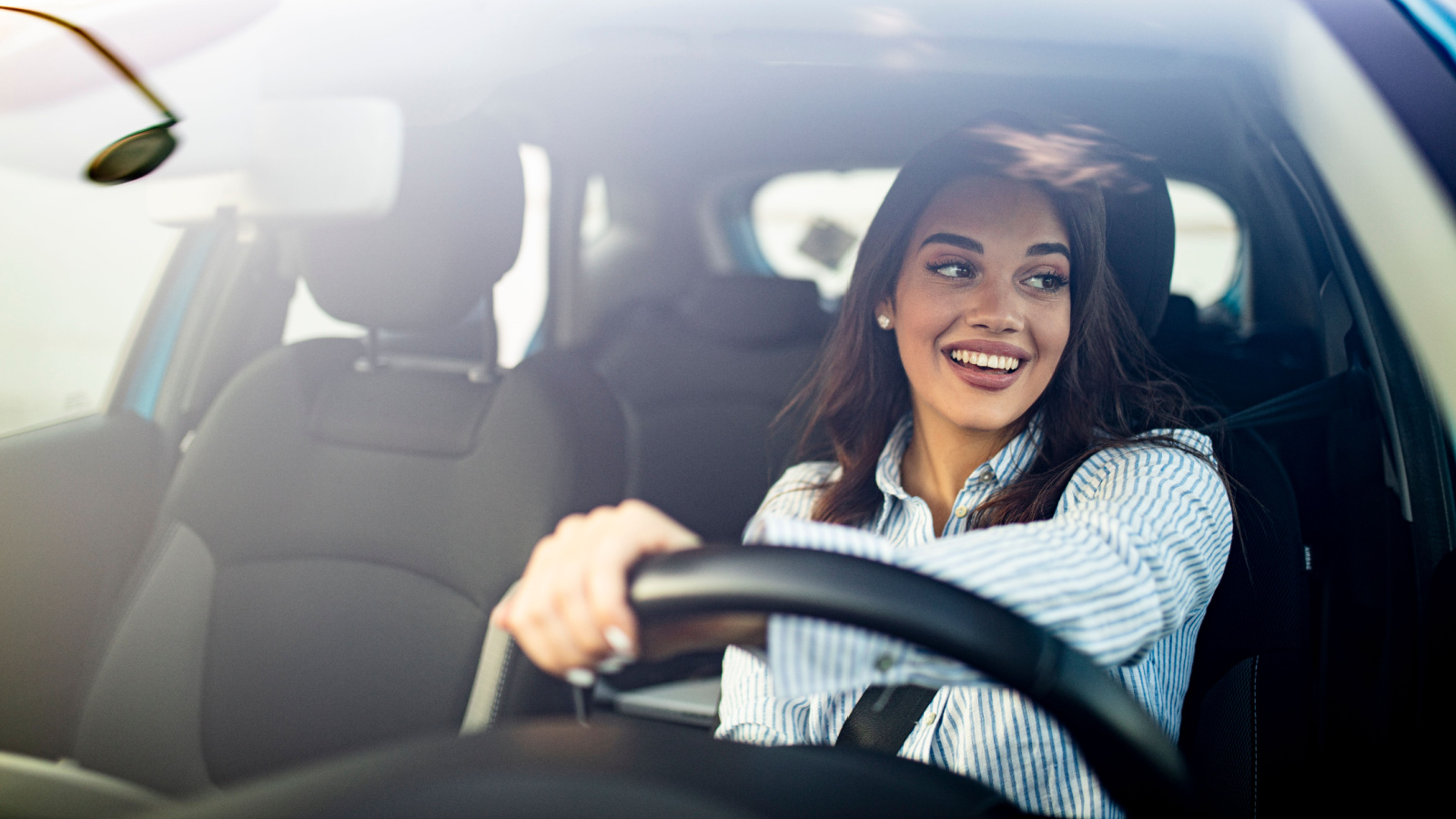
Few moves annoy highway drivers as reliably as sitting in the passing lane while matching the speed of traffic beside them. The anger often comes from a sense of blockage. Faster traffic stacks up behind the vehicle, drivers begin passing on the right, and the road becomes less orderly. Even calm drivers can become impatient when the lane meant for passing turns into a rolling wall.
The issue is not simply that some people want to drive fast. Passing lanes help traffic flow by separating vehicles with different speeds and intentions. When one driver stays there unnecessarily, others may make more lane changes to get around, which increases friction and risk. Many regions treat the left lane as a passing lane by law or guidance, which is why “keep right except to pass” has become such a widely repeated rule.
Speeding Up to Block a Merge
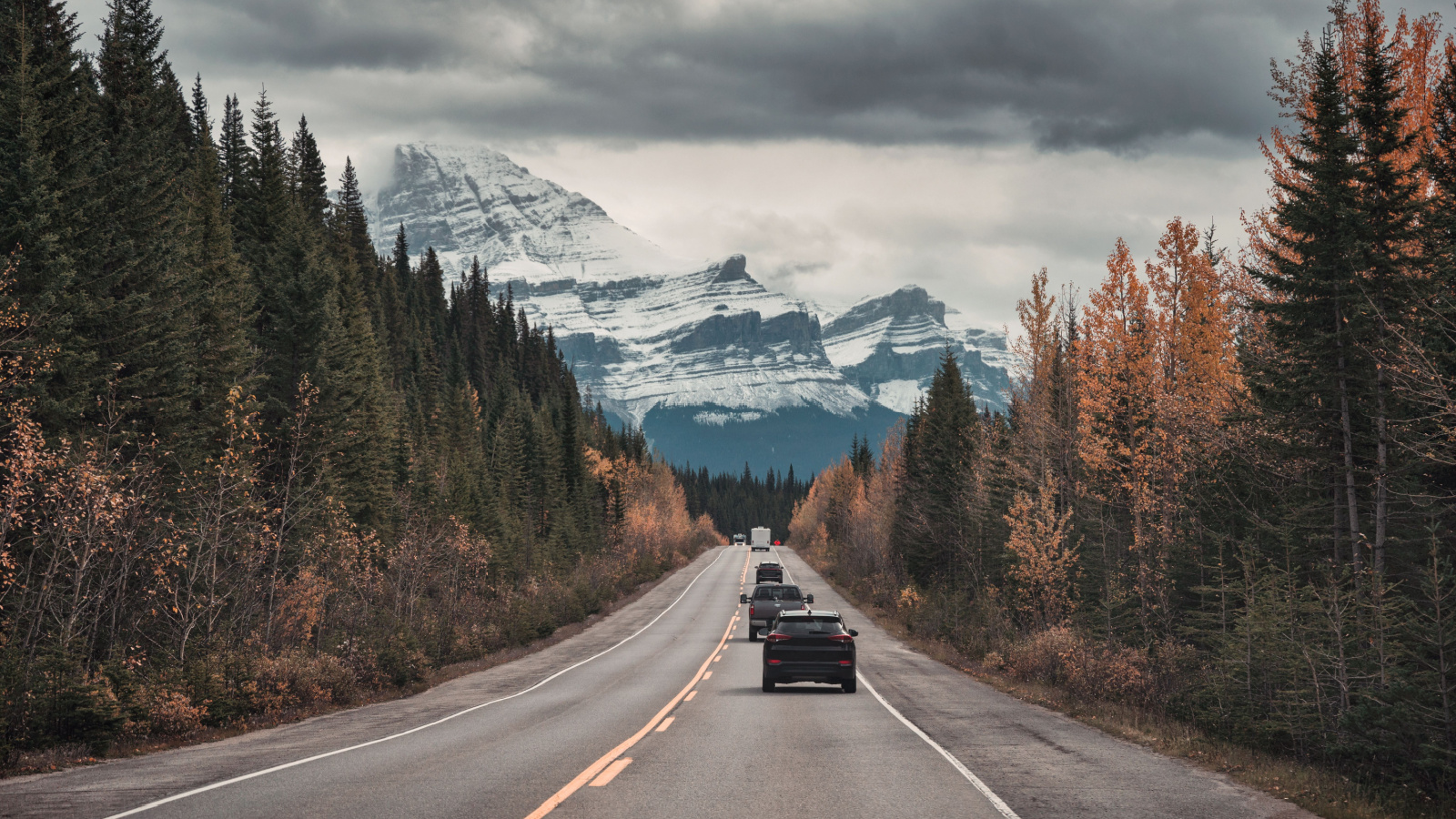
Blocking a merge is one of those moves that feels personal even when it happens in seconds. A driver trying to enter a lane signals, begins to move, and suddenly the vehicle behind accelerates to close the gap. The message is clear: not here. That tiny act of territorial driving can trigger anger because it turns cooperation into competition.
Merging works best when drivers create predictable gaps and avoid sudden speed changes. In work zones and lane reductions, transportation agencies often encourage controlled merging strategies because they can improve flow, reduce queue lengths, and limit aggressive behavior. Blocking a merge does the opposite. It forces the merging driver to brake, hesitate, or squeeze in later, creating exactly the kind of tension that makes everyone nearby less patient.
Refusing to Zipper Merge Properly
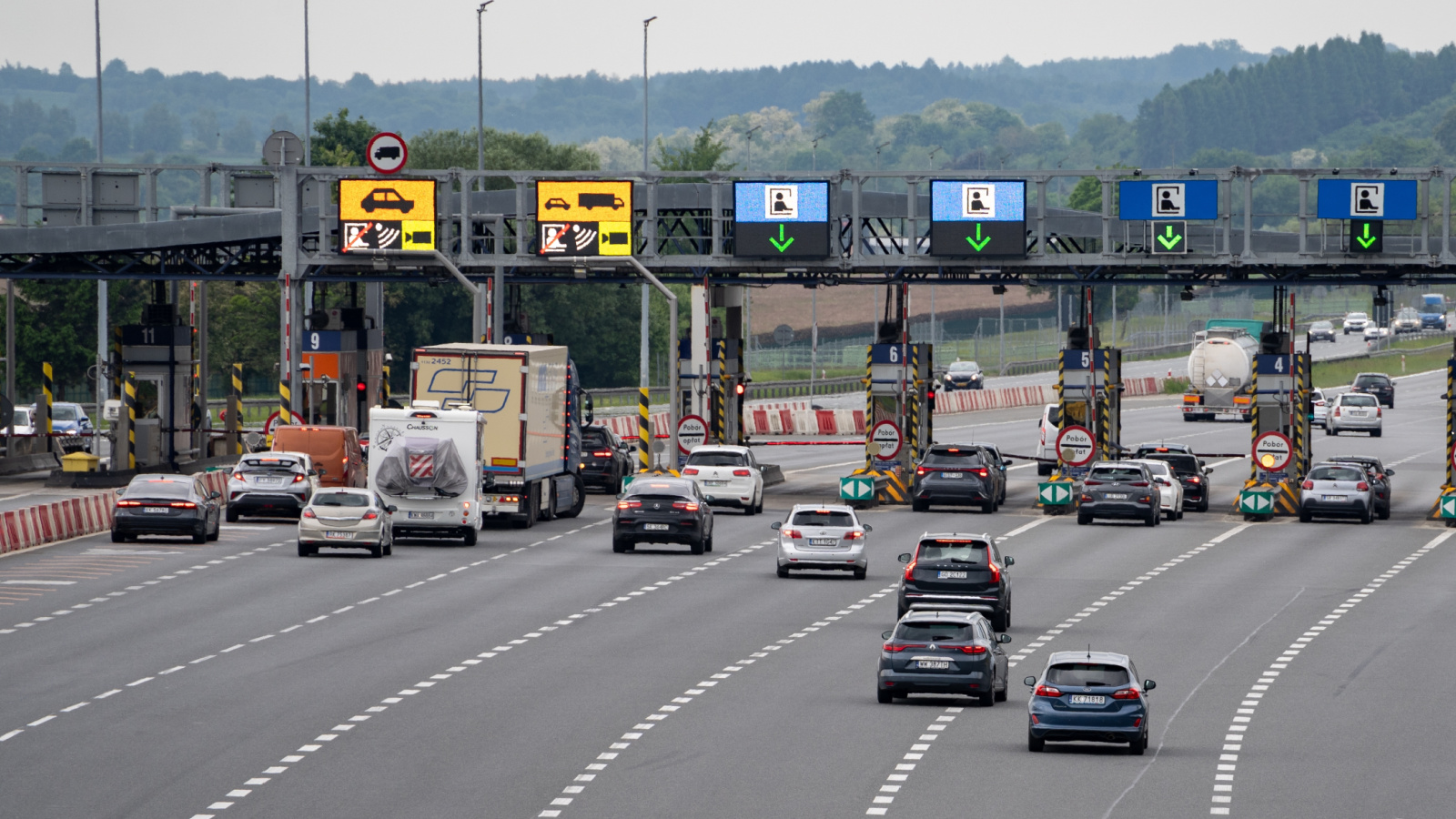
The zipper merge still makes many drivers furious because it can look like line-cutting. When traffic is backed up before a lane closure, some drivers merge early and wait, while others continue in the open lane until the merge point. Without clear expectations, the late-merging driver may be viewed as selfish, even when using both lanes is exactly what many transportation agencies recommend in heavy congestion.
The anger usually comes from misunderstanding. A properly done zipper merge means both lanes are used up to the merge point, then vehicles alternate one by one. It can reduce long backups and make traffic more orderly when everyone cooperates. The problem starts when drivers refuse to let others in, rush ahead aggressively, or treat the merge point like a contest instead of a shared system.
Staring at a Phone When the Light Turns Green
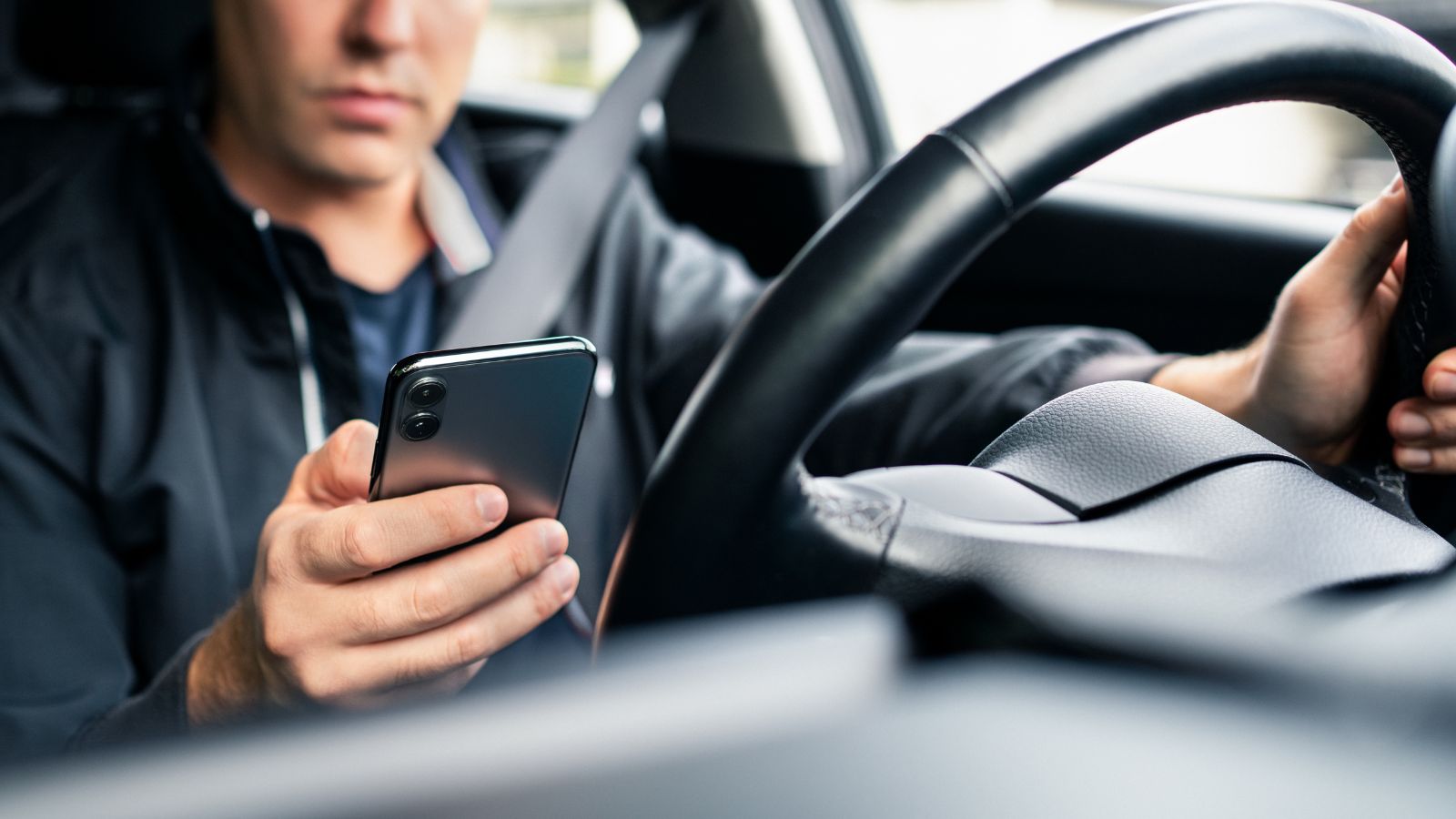
Nothing tests patience quite like a green light with no movement. The driver at the front may only be looking down for a few seconds, but to everyone behind, the delay feels avoidable and disrespectful. A single missed green can force several cars to wait through another full signal cycle, especially at short urban lights or busy turn arrows.
The safety concern is even stronger than the irritation. Texting or reading a message takes attention away from driving, and even brief distraction can cover a surprising distance at road speed. At intersections, delayed reaction also creates ripple effects: drivers behind may honk, accelerate abruptly, or change lanes to escape the delay. One moment of phone use can turn a controlled intersection into a messy chain of impatience.
Brake-Checking Another Driver
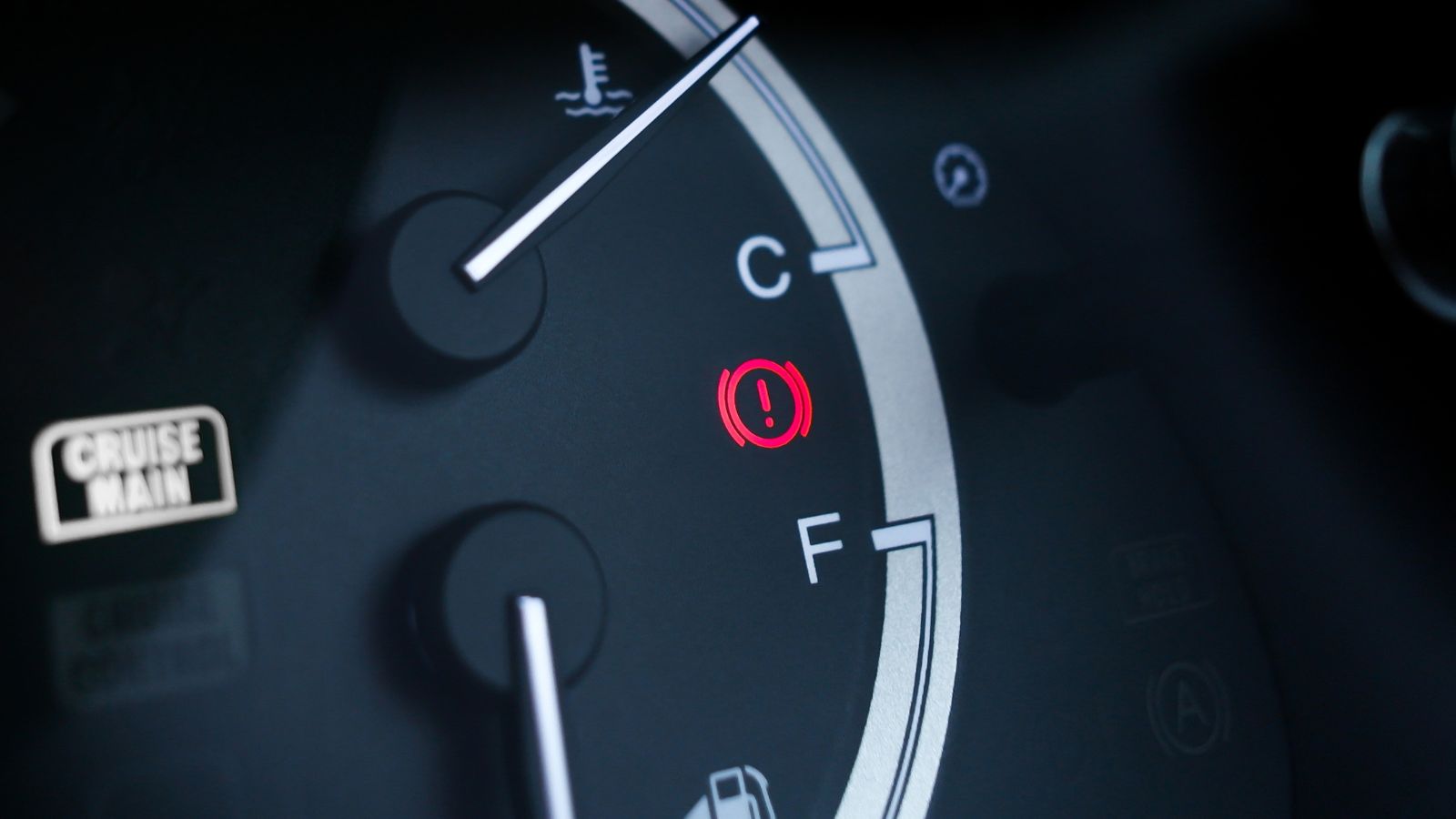
Brake-checking is one of the most provocative moves on the road because it is usually interpreted as intentional punishment. A driver feels crowded, annoyed, or disrespected, then taps or slams the brakes to “teach a lesson.” The driver behind may panic, swerve, or respond with more aggression. What begins as a flash of anger can become a crash risk almost instantly.
This move is especially dangerous because it weaponizes uncertainty. Brake lights are supposed to warn of real slowing, hazards, or traffic conditions. When they are used to intimidate, other drivers lose trust in the signals around them. Defensive driving guidance generally recommends creating space, changing lanes when safe, or letting aggressive drivers pass rather than escalating. Brake-checking may feel satisfying for a second, but it makes everyone nearby less safe.
Weaving Through Traffic Like It Is a Slalom Course
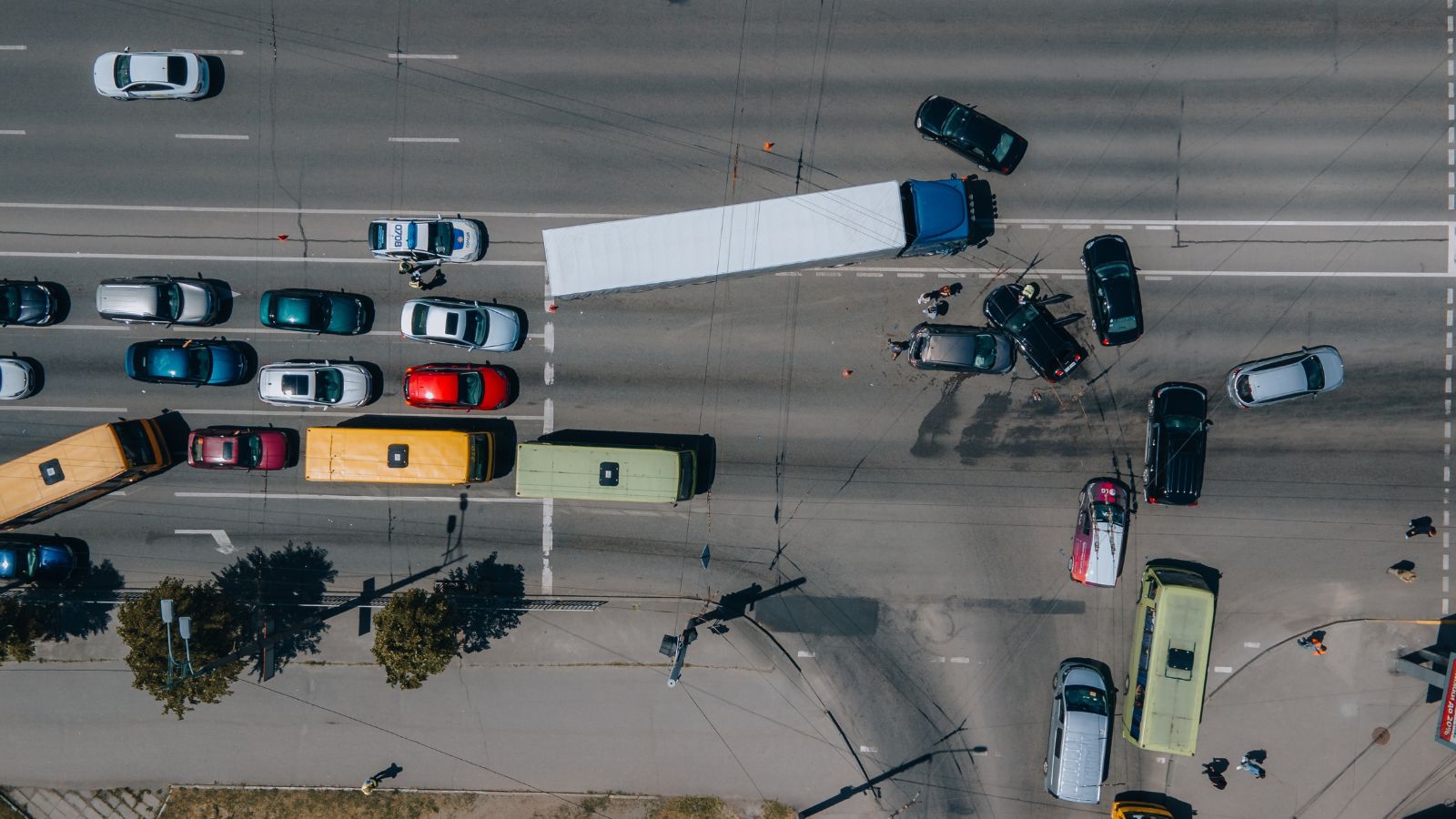
A driver darting across lanes can make a whole road feel unstable. Other drivers may not know whether the weaving vehicle is trying to pass, exit, race, or simply fill every small gap. This is especially irritating during congestion, when everyone is moving slowly and one person appears to be treating patience as optional. The repeated lane changes create a sense that the driver is gambling with everyone else’s space.
Aggressive driving is often associated with speeding, unsafe lane changes, and following too closely. Weaving combines all three in a way that demands constant attention from nearby vehicles. Even when it does not lead to a crash, it creates extra braking, lane hesitation, and irritation. The time gained is usually small, but the stress imposed on surrounding drivers is immediate.
Running Red Lights or Rolling Through Stops
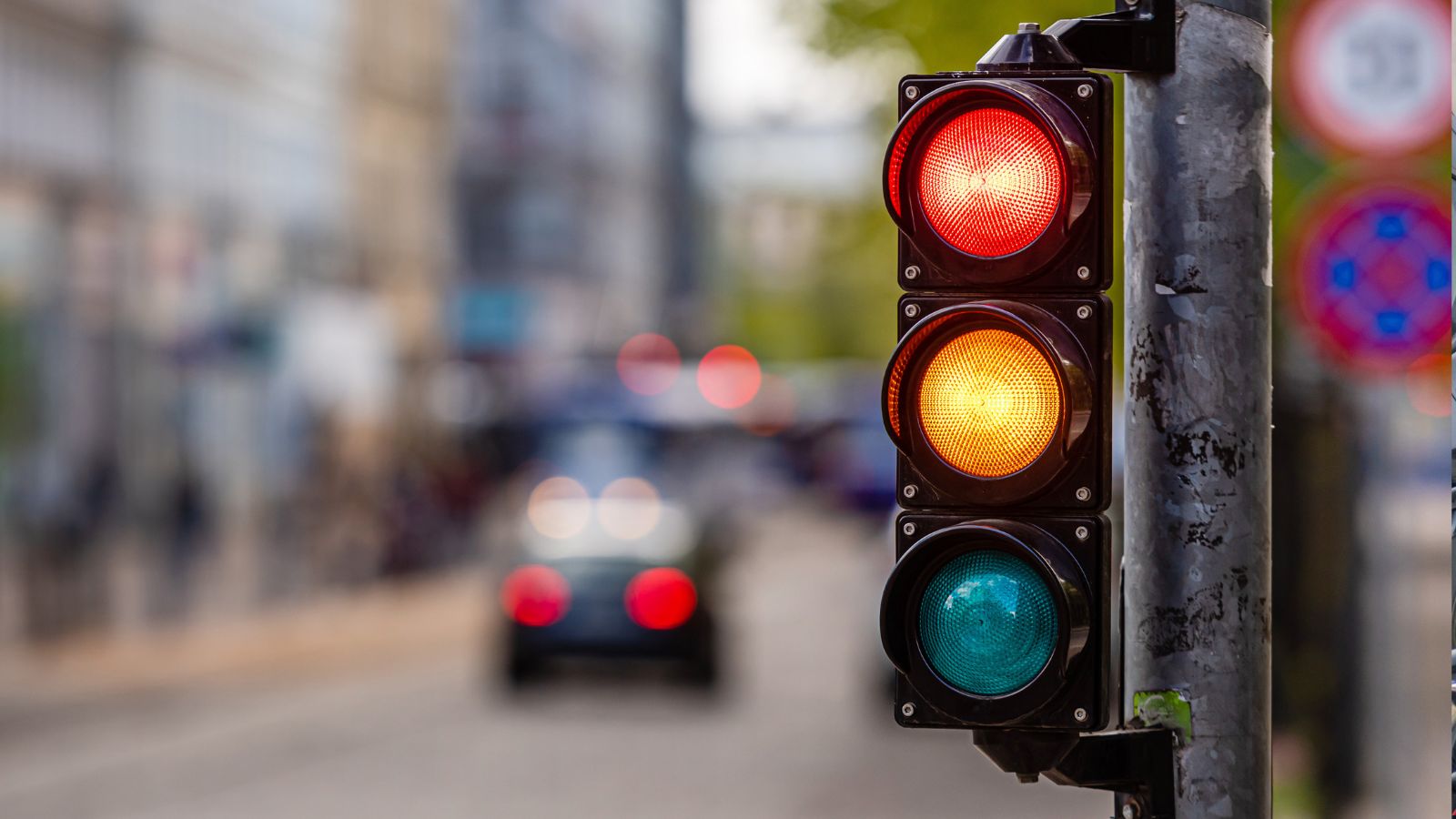
Running a red light makes other drivers angry because it violates one of the clearest agreements on the road. Everyone else is trusting the signal. Cross traffic moves, pedestrians step out, and turning drivers commit based on the expectation that red means stop. When someone barrels through late, the reaction is often instant fear followed by anger.
The danger is well documented. Red-light running is linked to deaths and injuries every year, and intersections are already among the most complex traffic environments. Rolling through stop signs creates a similar reaction on a smaller scale. Even if the driver believes the way is clear, others may have to brake or hesitate because they cannot know whether the vehicle will actually stop. That uncertainty is what makes the move so infuriating.
Blocking the Intersection After the Light Changes
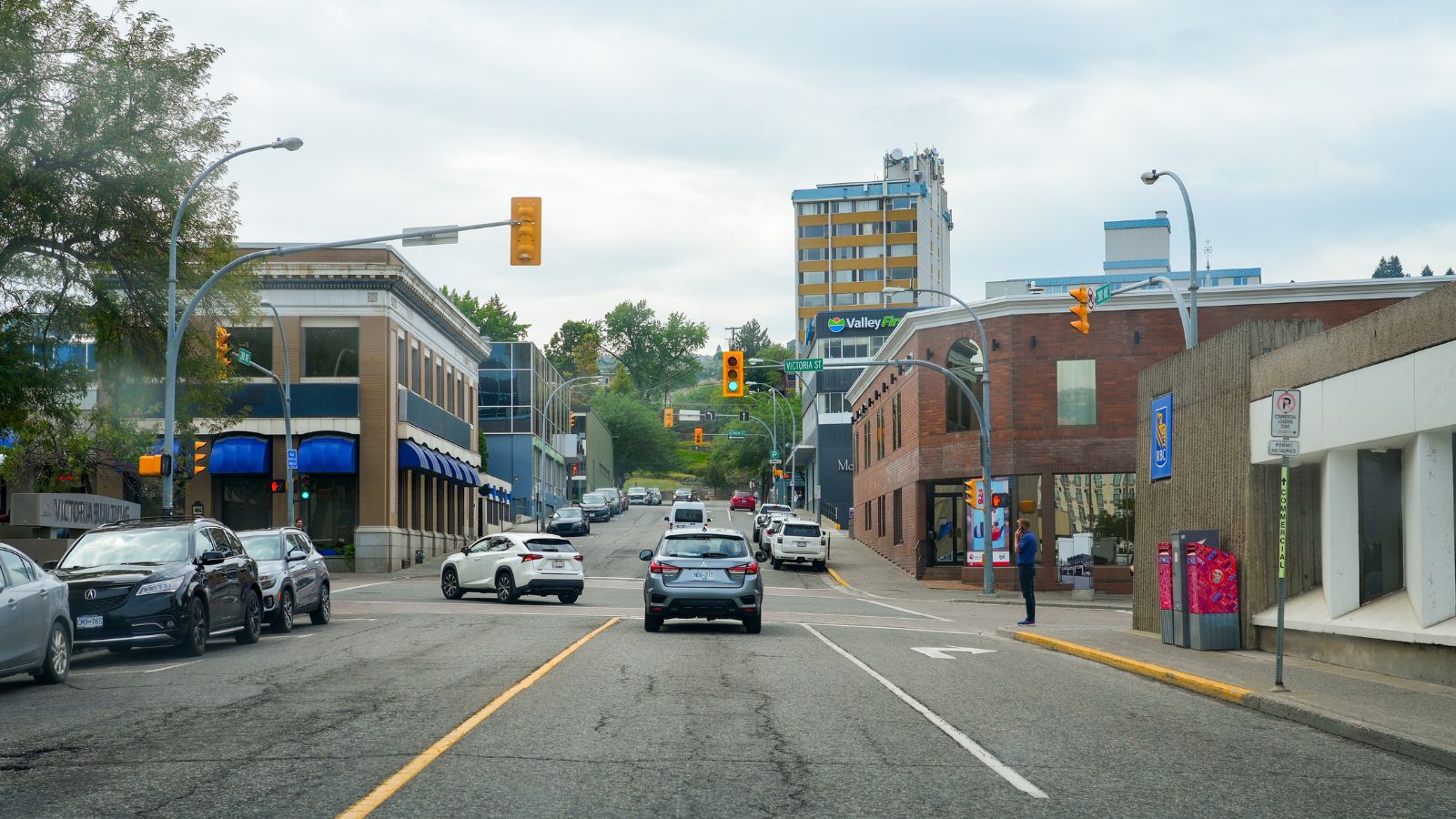
Entering an intersection without room to clear it is a classic way to anger everyone at once. The light turns red, cross traffic gets a green, and the blocked driver sits in the middle as horns start from multiple directions. The mistake may come from optimism rather than malice, but to others it looks like one driver chose personal progress over the entire intersection’s movement.
This behavior is especially frustrating in downtown traffic, near schools, and around construction detours. One blocked box can prevent left turns, delay buses, and create gridlock that lasts beyond a single signal cycle. It also puts pedestrians and cyclists in awkward positions, because crosswalks may be obstructed. Waiting behind the stop line until space opens may feel slower, but it prevents a small misjudgment from becoming a public traffic jam.
Leaving High Beams On Around Other Traffic

Bright headlights can make drivers angry because the discomfort is immediate and physical. An oncoming vehicle with high beams left on can wash out lane markings, mirrors, and the edges of the road. The same problem can happen from behind when headlights blast through rearview and side mirrors. Even drivers who stay calm in traffic may react strongly when they feel temporarily blinded.
Modern lighting has made the issue more noticeable. Safety researchers note that good headlights should illuminate the road without causing excessive glare, and headlight ratings account for that balance. The problem is not simply brightness; aim, beam pattern, vehicle height, and driver behavior all matter. Forgetting to dim high beams may seem minor, but to the driver facing them, it can feel like a direct safety threat.
Slowing Down Suddenly for No Clear Reason
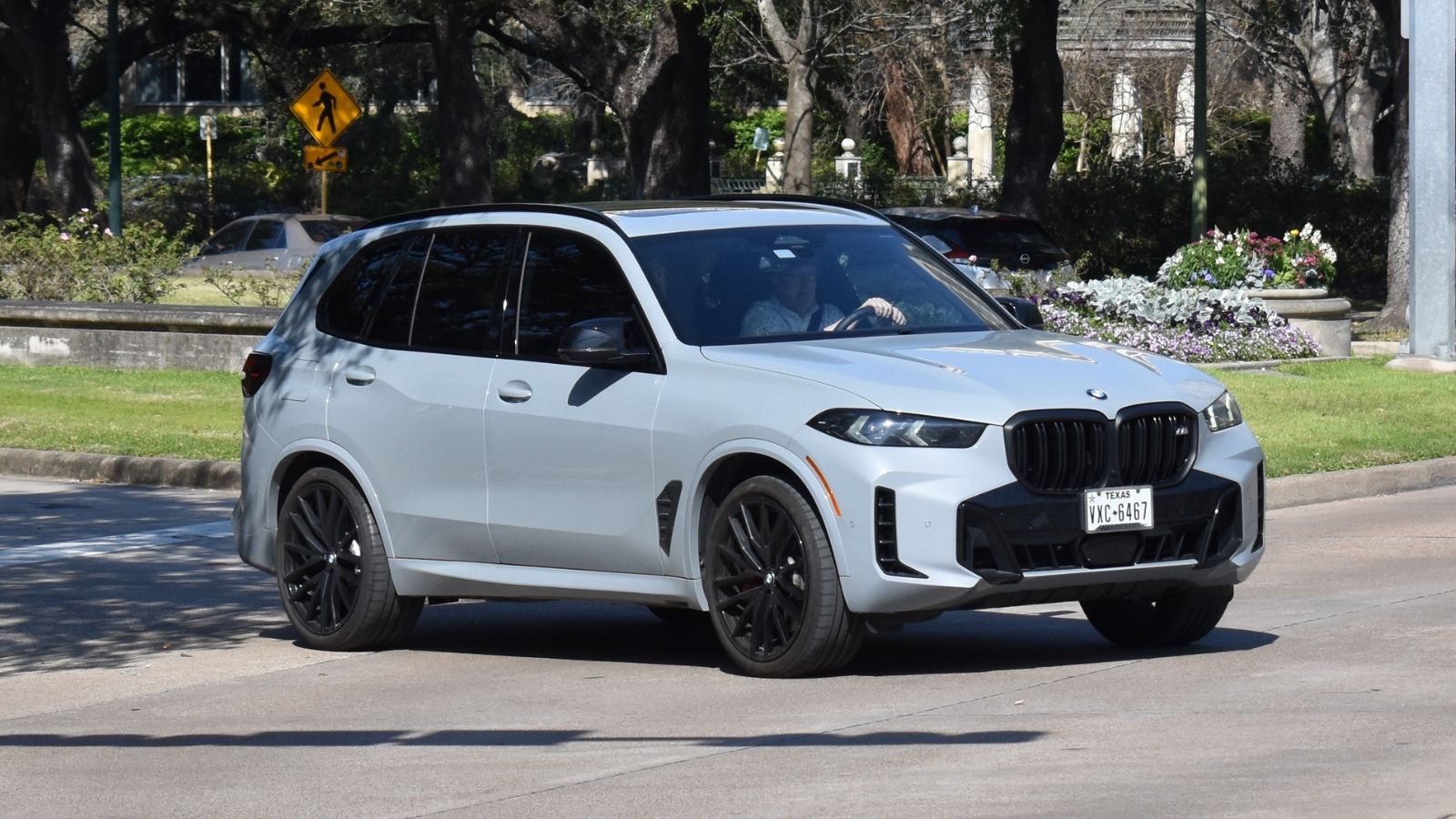
Abrupt slowing without an obvious cause makes drivers angry because it forces everyone behind to solve a mystery at speed. The driver ahead may be looking for an address, reacting to navigation, spotting a parking space, or hesitating before a turn. But without signals or smooth braking, the vehicles behind only see brake lights and uncertainty. That can trigger hard braking and sharp lane changes.
This move is especially irritating on multi-lane roads where traffic is flowing steadily. A driver who slows unexpectedly in a travel lane can cause a compression wave that spreads backward through traffic. The safer habit is to signal early, move toward the correct lane, and reduce speed gradually when conditions allow. Other drivers do not need perfection; they need enough warning to understand what is about to happen.
Turning Without Warning
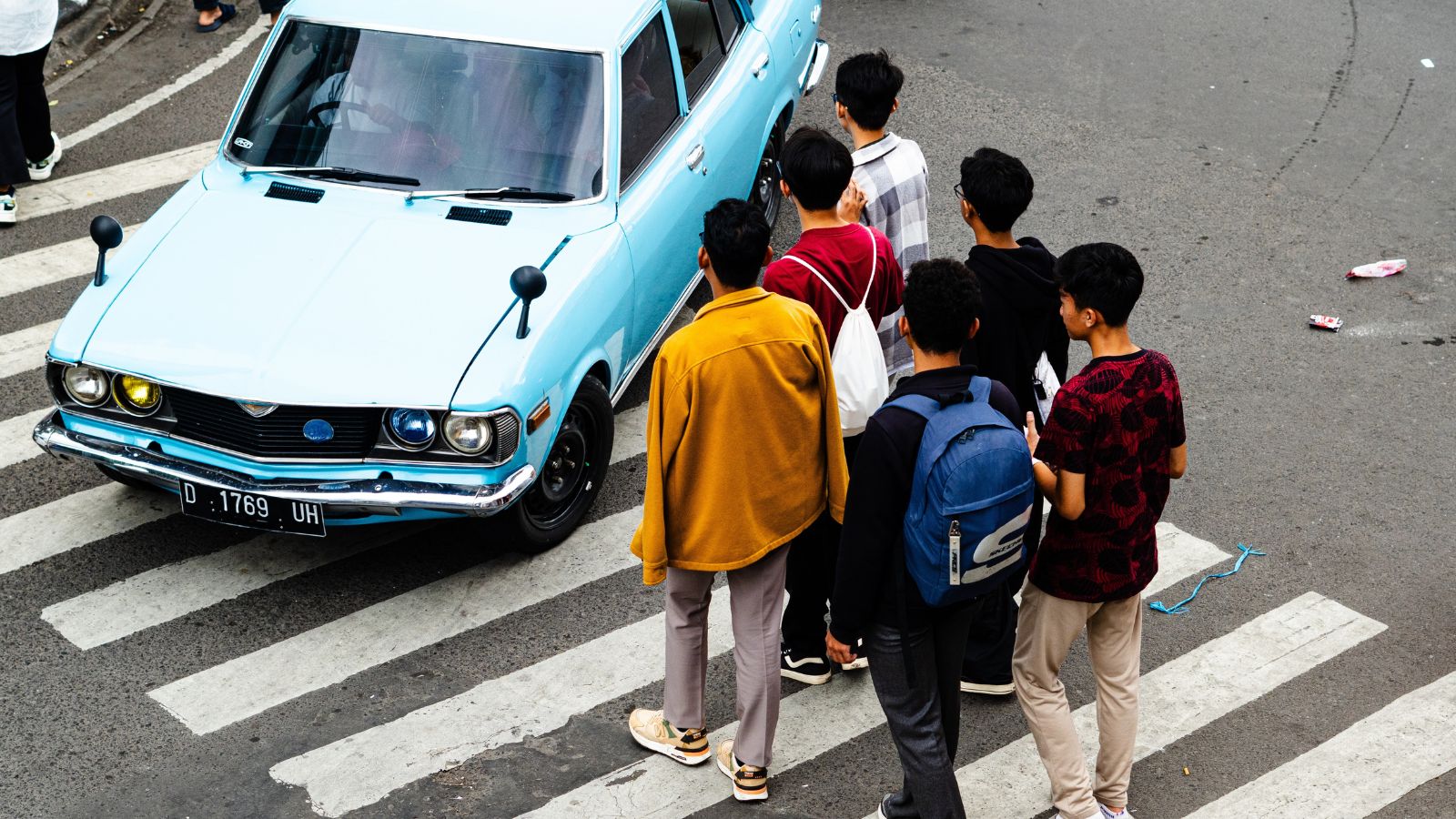
A sudden turn with no signal can feel like a betrayal of basic road manners. Drivers behind may have been maintaining speed because there was no indication the vehicle ahead intended to slow. Then, with little warning, the car turns into a driveway, side street, or parking lot. The result is often a hard brake, a horn, or a near miss.
The anger comes from how preventable it is. Signaling early gives everyone around a chance to adjust, including pedestrians and cyclists who may be crossing near the turn. It also separates ordinary slowing from intentional turning. When a driver fails to signal, others may misread the situation until the last moment. A small lever beside the steering wheel can prevent a surprising amount of road resentment.
Hovering in Another Driver’s Blind Spot
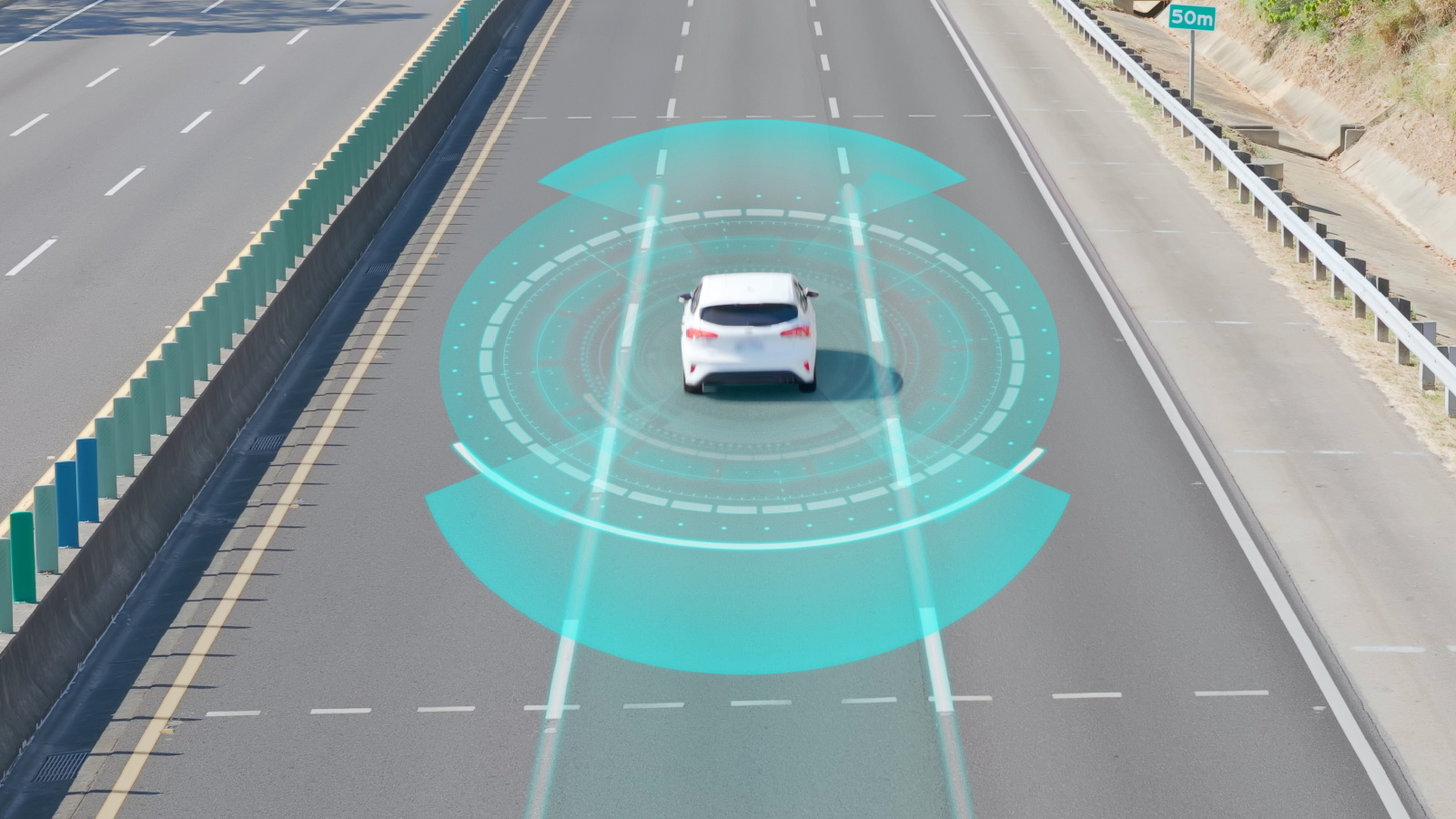
Sitting in a blind spot for too long makes drivers uneasy, especially on highways. The driver being shadowed may want to change lanes but cannot clearly tell whether the nearby vehicle is passing, pacing, or stuck there unintentionally. This creates tension because one driver’s indecision limits another driver’s options. It can feel less like sharing the road and more like being boxed in.
Blind spots are especially serious around large trucks, buses, and vehicles with limited rear visibility. Larger vehicles need more room to maneuver and may not see smaller vehicles tucked beside them. A safer and less irritating habit is to pass with purpose or drop back to a visible position. Lingering beside another vehicle may not be aggressive, but it creates enough uncertainty to make other drivers instantly uncomfortable.
Honking the Moment Anything Goes Wrong
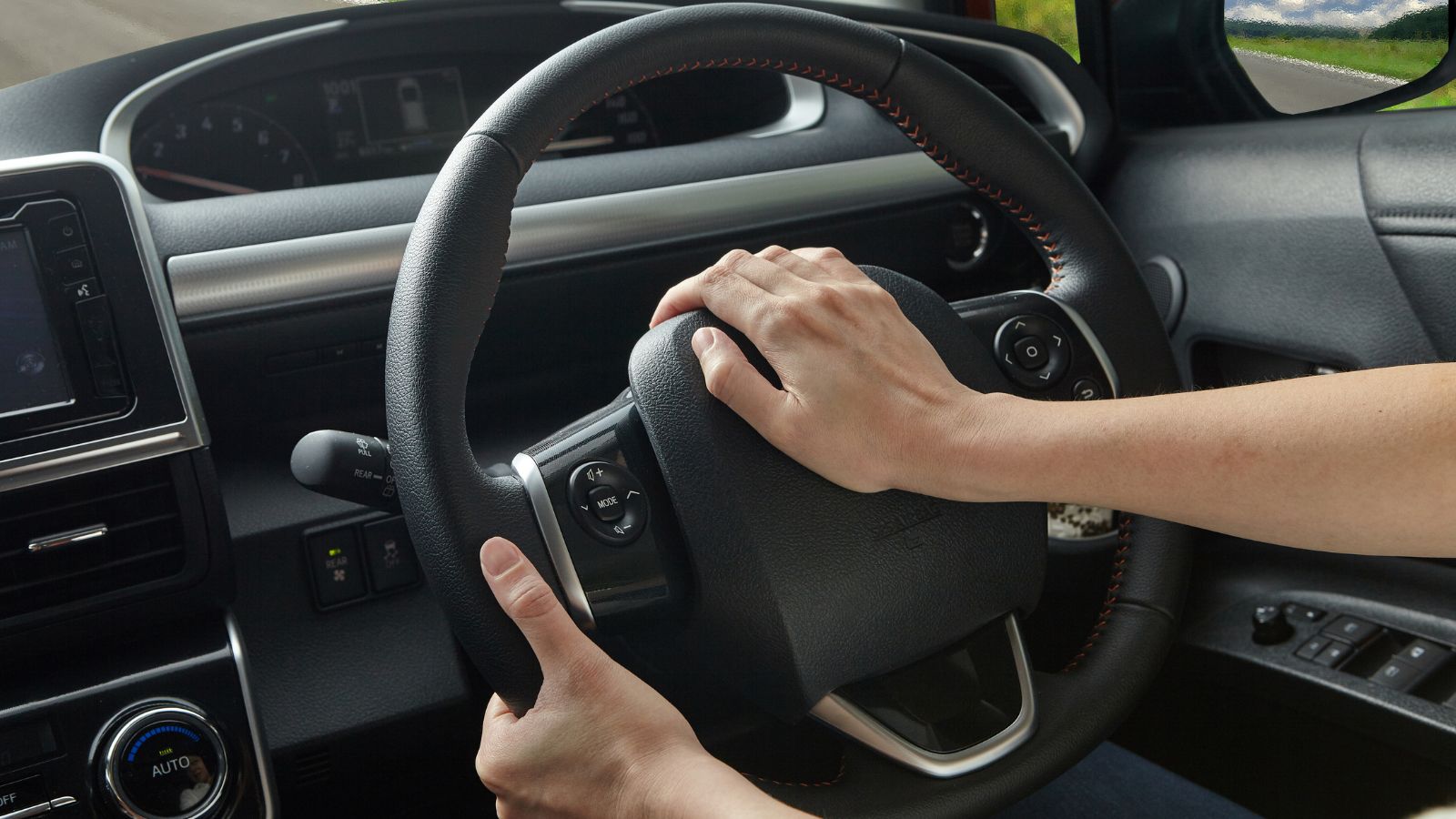
A horn is meant to warn, but many drivers use it as a complaint button. A quick alert can prevent a crash; a long blast after a minor delay often does the opposite. It embarrasses the other driver, raises tension, and can provoke gestures, shouting, or retaliatory driving. In dense traffic, one angry horn can make an already stressful environment feel hostile.
The emotional impact matters because aggressive driving can spread. Road-safety organizations often warn that anger behind the wheel changes how drivers interpret mistakes. A delayed start, cautious turn, or awkward merge may be ordinary human error, but an immediate horn turns it into a confrontation. The best drivers still use the horn when safety requires it; they simply avoid using it to punish every inconvenience.
22 Things Canadians Do to Their Cars in Spring That Mechanics Hate
Spring brings relief to many Canadian drivers after months of snow, freezing temperatures, and icy roads that put serious strain on vehicles. As temperatures rise across the country, drivers begin washing cars, switching tires, and preparing vehicles for warmer weather and upcoming road trips. However, mechanics across Canada notice the same mistakes every spring when drivers attempt to recover from winter damage. Road salt, potholes, and harsh winter driving conditions often leave vehicles with hidden problems that drivers ignore. Some spring habits even create new mechanical issues that could have been avoided with proper maintenance. Here are 22 things Canadians do to their cars in spring that mechanics hate.