



















• About
  • Contact
AutoIgloo
  • News & Trends
    Why Some Drivers Are Regretting Massive Touchscreens in New Cars

    Why Some Drivers Are Regretting Massive Touchscreens in New Cars

    Pulled Over in Canada? 9 Mistakes That Can Make Things Worse Fast

    18 Things Canadian Drivers Should Never Say During a Traffic Stop

    18 Auto Repairs Canadians Keep Putting Off Until the Bill Gets Ugly

    The Hidden Costs That Make Cheap Used Cars Expensive Fast

    Got a Car in Ontario? These 16 Insurance Changes Could Blindside Drivers

    Why New Cars Feel More Expensive Than Ever — Even Before the Payments Start

    23 Things Canadians Should Do to Their Car Right After Winter Ends

    The Used Car Red Flags Canadians Keep Missing Until It’s Too Late

    17 Car Features That Sound Great Until Canadian Winter Hits

    17 Car Features That Sound Great Until Canadian Winter Hits

  • Car Reviews
    15 Vehicles That Are Starting to Feel Like a Bad Deal Around May Long Weekend

    15 Vehicles That Are Starting to Feel Like a Bad Deal Around May Long Weekend

    15 Vehicles That Are Starting to Scare Off Canadian Buyers

    15 Vehicles That Are Starting to Scare Off Canadian Buyers

    25 Vehicles That Make the Most Sense for Canadian Families in 2026

    16 Vehicles That Suddenly Look Smart for a Canadian Summer Road Trip

    16 Cars That Are Easy to Steal Without the Right Updates (And How to Check Yours)

    17 Cars That Are Starting to Feel Too Expensive to Keep in 2026

    18 “Affordable” Vehicles Canadians Realize Weren’t Affordable at All

    18 “Affordable” Vehicles Canadians Realize Weren’t Affordable at All

    19 Cars That Stop Feeling Affordable the Second Fuel Prices Rise

    19 Cars That Stop Feeling Affordable the Second Fuel Prices Rise

  • Buying Guides
    16 Used SUVs That Suddenly Don’t Look Like Smart Buys in Canada

    16 Used SUVs That Suddenly Don’t Look Like Smart Buys in Canada

    25 Vehicles That Make the Most Sense for Canadian Families in 2026

    16 Vehicles That Suddenly Look Smart for a Canadian Summer Road Trip

    16 Cars That Are Easy to Steal Without the Right Updates (And How to Check Yours)

    17 Cars That Are Starting to Feel Too Expensive to Keep in 2026

    15 Vehicles Canadians May Want to Avoid Before May Long Weekend

    15 SUVs That Canadians Thought Would Hold Value — But Aren’t

    16 Vehicles That Are About to Become the New “Best Value” Picks in Canada

    16 Used Vehicles That Are Finally Worth a Second Look in Canada

    16 EVs That Actually Make Sense in Canada Now That Rebates Are Back

    18 Vehicles That Are Losing Their “Safe Bet” Status in Canada

  • Comparisons
    16 Cars That Are a Nightmare to Repair Because Parts Are Backordered

    23 Cars Canadians Love That Have One Deal-Breaker Flaw

    21 Vehicles Insurance Companies Are Quietly Flagging as “High Risk” in Canada (2026 Update)

    19 Vehicles Canadians Regret Leasing (And the Ones They Don’t)

    Why the Next Wave of Chinese EVs Could Force Canada’s Biggest Price War Yet

    Why the Next Wave of Chinese EVs Could Force Canada’s Biggest Price War Yet

    15 Cars Canadians Will Miss Once They’re Gone (And What’s Replacing Them)

    15 Cars Canadians Will Miss Once They’re Gone (And What’s Replacing Them)

    17 Vehicles With Infotainment Systems Canadians Complain About the Most

    17 Vehicles With Infotainment Systems Canadians Complain About the Most

    The Quiet Reason Chinese EVs Could Upend Canadian Leasing Deals in 2026

    19 EVs That Hold Their Value Best in Canada (And 10 That Don’t)

  • EVs & Hybrids
    25 EV Charging Mistakes Canadians Make in March (That Wreck Range)

    Why So Many Drivers Are Ditching EVs for Hybrids Again

    18 Cars That Will Feel Dated Fast as New Chinese EVs Arrive

    11 New EVs That Are Quietly Putting Pressure on Gas Models in Canada

    17 SUVs With Third Rows That Are Basically Useless (Canada Edition)

    17 SUVs With Third Rows That Are Basically Useless (Canada Edition)

    18 Cars That Will Feel Dated Fast as New Chinese EVs Arrive

    24 EVs That Are Great… If You Have Home Charging (And Not If You Don’t)

    16 EVs That Actually Make Sense in Canada Now That Rebates Are Back

    20 EVs That Charge Fast Enough to Actually Be Convenient in Canada

    25 Vehicles That Could Benefit Most From Canada’s Updated EV Incentives

    18 EVs That Are Surprisingly Good in the Cold (And Why)

  • More
    • Pricing & Deals
    • Winter Driving
    • Ownership & Maintenance
No Result
View All Result
AutoIgloo
  • News & Trends
    Why Some Drivers Are Regretting Massive Touchscreens in New Cars

    Why Some Drivers Are Regretting Massive Touchscreens in New Cars

    Pulled Over in Canada? 9 Mistakes That Can Make Things Worse Fast

    18 Things Canadian Drivers Should Never Say During a Traffic Stop

    18 Auto Repairs Canadians Keep Putting Off Until the Bill Gets Ugly

    The Hidden Costs That Make Cheap Used Cars Expensive Fast

    Got a Car in Ontario? These 16 Insurance Changes Could Blindside Drivers

    Why New Cars Feel More Expensive Than Ever — Even Before the Payments Start

    23 Things Canadians Should Do to Their Car Right After Winter Ends

    The Used Car Red Flags Canadians Keep Missing Until It’s Too Late

    17 Car Features That Sound Great Until Canadian Winter Hits

    17 Car Features That Sound Great Until Canadian Winter Hits

  • Car Reviews
    15 Vehicles That Are Starting to Feel Like a Bad Deal Around May Long Weekend

    15 Vehicles That Are Starting to Feel Like a Bad Deal Around May Long Weekend

    15 Vehicles That Are Starting to Scare Off Canadian Buyers

    15 Vehicles That Are Starting to Scare Off Canadian Buyers

    25 Vehicles That Make the Most Sense for Canadian Families in 2026

    16 Vehicles That Suddenly Look Smart for a Canadian Summer Road Trip

    16 Cars That Are Easy to Steal Without the Right Updates (And How to Check Yours)

    17 Cars That Are Starting to Feel Too Expensive to Keep in 2026

    18 “Affordable” Vehicles Canadians Realize Weren’t Affordable at All

    18 “Affordable” Vehicles Canadians Realize Weren’t Affordable at All

    19 Cars That Stop Feeling Affordable the Second Fuel Prices Rise

    19 Cars That Stop Feeling Affordable the Second Fuel Prices Rise

  • Buying Guides
    16 Used SUVs That Suddenly Don’t Look Like Smart Buys in Canada

    16 Used SUVs That Suddenly Don’t Look Like Smart Buys in Canada

    25 Vehicles That Make the Most Sense for Canadian Families in 2026

    16 Vehicles That Suddenly Look Smart for a Canadian Summer Road Trip

    16 Cars That Are Easy to Steal Without the Right Updates (And How to Check Yours)

    17 Cars That Are Starting to Feel Too Expensive to Keep in 2026

    15 Vehicles Canadians May Want to Avoid Before May Long Weekend

    15 SUVs That Canadians Thought Would Hold Value — But Aren’t

    16 Vehicles That Are About to Become the New “Best Value” Picks in Canada

    16 Used Vehicles That Are Finally Worth a Second Look in Canada

    16 EVs That Actually Make Sense in Canada Now That Rebates Are Back

    18 Vehicles That Are Losing Their “Safe Bet” Status in Canada

  • Comparisons
    16 Cars That Are a Nightmare to Repair Because Parts Are Backordered

    23 Cars Canadians Love That Have One Deal-Breaker Flaw

    21 Vehicles Insurance Companies Are Quietly Flagging as “High Risk” in Canada (2026 Update)

    19 Vehicles Canadians Regret Leasing (And the Ones They Don’t)

    Why the Next Wave of Chinese EVs Could Force Canada’s Biggest Price War Yet

    Why the Next Wave of Chinese EVs Could Force Canada’s Biggest Price War Yet

    15 Cars Canadians Will Miss Once They’re Gone (And What’s Replacing Them)

    15 Cars Canadians Will Miss Once They’re Gone (And What’s Replacing Them)

    17 Vehicles With Infotainment Systems Canadians Complain About the Most

    17 Vehicles With Infotainment Systems Canadians Complain About the Most

    The Quiet Reason Chinese EVs Could Upend Canadian Leasing Deals in 2026

    19 EVs That Hold Their Value Best in Canada (And 10 That Don’t)

  • EVs & Hybrids
    25 EV Charging Mistakes Canadians Make in March (That Wreck Range)

    Why So Many Drivers Are Ditching EVs for Hybrids Again

    18 Cars That Will Feel Dated Fast as New Chinese EVs Arrive

    11 New EVs That Are Quietly Putting Pressure on Gas Models in Canada

    17 SUVs With Third Rows That Are Basically Useless (Canada Edition)

    17 SUVs With Third Rows That Are Basically Useless (Canada Edition)

    18 Cars That Will Feel Dated Fast as New Chinese EVs Arrive

    24 EVs That Are Great… If You Have Home Charging (And Not If You Don’t)

    16 EVs That Actually Make Sense in Canada Now That Rebates Are Back

    20 EVs That Charge Fast Enough to Actually Be Convenient in Canada

    25 Vehicles That Could Benefit Most From Canada’s Updated EV Incentives

    18 EVs That Are Surprisingly Good in the Cold (And Why)

  • More
    • Pricing & Deals
    • Winter Driving
    • Ownership & Maintenance
No Result
View All Result
AutoIgloo
No Result
View All Result

Home » News & Trends

Canadian EV Buyers Still Fear Winter Range as New Survey Exposes Cold-Weather Doubts

Henry Sheppard by Henry Sheppard
June 1, 2026
Reading Time: 6 mins read
A A
Photo Credit: Shutterstock

Photo Credit: Shutterstock

465
SHARES
1.5k
VIEWS
Share on FacebookShare on Twitter

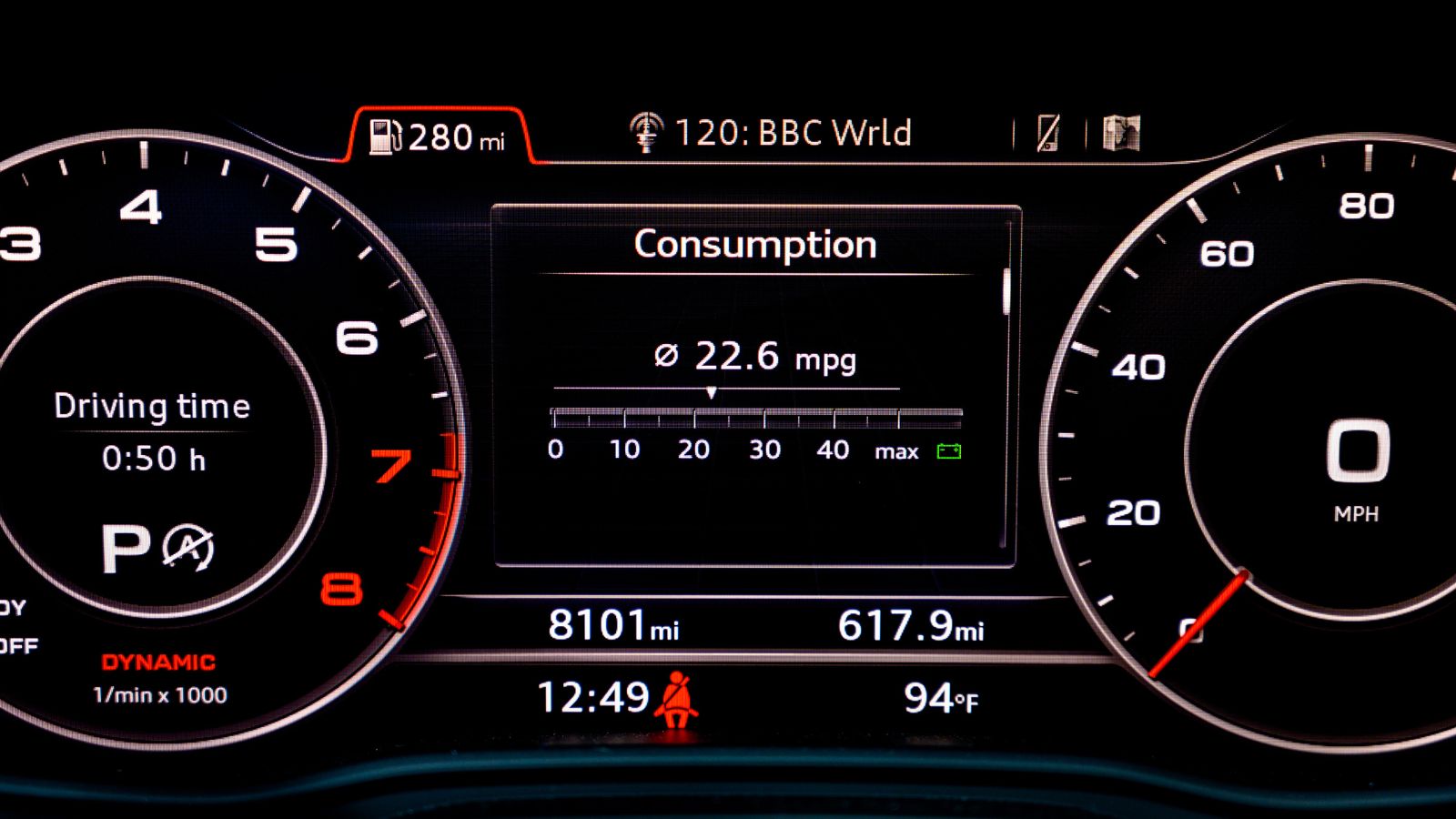
A Canadian winter has a way of turning vehicle shopping into a stress test. On a warm showroom floor, an electric SUV can look practical, quiet, and modern. But the picture changes when the same buyer imagines a January highway drive, a frozen windshield, kids in the back seat, and a dashboard range estimate falling faster than expected.

That anxiety is now shaping the electric-vehicle conversation in a more direct way. Interest in EVs is showing signs of recovery, but many Canadians still want proof that battery-powered vehicles can handle real winter life. The issue is not only whether EVs work in the cold. It is whether drivers trust them enough when the temperature drops, chargers are busy, and daily routines leave little room for uncertainty.

Cold-Weather Doubt Is Now a Front-Line EV Barrier

For years, EV hesitation in Canada was often framed around price. That concern has not disappeared, but the latest J.D. Power Canada findings show a more practical fear moving into the spotlight: how far an EV can go, where it can charge, and whether it can perform in harsh temperatures. EV consideration rose to 34% among Canadian new-vehicle shoppers, up from 28% the previous year, marking the first increase since tracking began in 2022. But the optimism comes with a warning label.

Among shoppers who were unlikely to consider an EV, limited driving distance per charge was the top obstacle at 65%. Lack of charging-station availability followed at 56%, while inadequate performance in extreme temperatures was cited by 54%. That makes winter performance more than a niche concern. For a family choosing one vehicle for commuting, hockey practice, Costco runs, and highway trips, cold-weather dependability can outweigh the appeal of lower operating costs or quieter driving.

The Winter Range Problem Is Real, But Not Equal Across Every EV

Cold-weather range loss is not simply an internet myth passed around by skeptical drivers. CAA’s winter testing found that EVs driven in sub-zero conditions travelled 14% to 39% less than their official range. That is a major spread, and it matters. A shopper comparing two EVs with similar sticker prices may find that one handles cold weather far better than another, even if their official ranges look close on paper.

The range results also show why broad claims about EVs can mislead buyers. In CAA’s test, vehicles such as the Chevrolet Silverado EV and Polestar 2 saw smaller percentage drops, while models such as the Volvo XC40 Recharge, Toyota bZ4X, Hyundai IONIQ 5, and Ford F-150 Lightning had steeper declines against official range. For Canadians, that difference can change the entire ownership experience. A 30% winter drop may be manageable for a short urban commute, but it feels very different on a rural route with fewer charging options.

Why Batteries Struggle When Temperatures Fall

EVs lose range in winter for several reasons, and the battery is only part of the story. Low temperatures affect battery chemistry, making it harder for lithium-ion batteries to deliver and accept energy efficiently. Cold weather can also increase friction and energy demand across the vehicle. But one of the biggest range drains is surprisingly ordinary: cabin heat. Unlike a gasoline vehicle, which can use waste heat from the engine, an EV must draw energy from the battery to warm passengers and, in many cases, the battery itself.

That explains why a short winter trip can feel inefficient. A driver leaving a driveway in -15 C weather is not just moving the vehicle; the car may also be warming the cabin, clearing glass, heating seats, running defrosters, and bringing the battery closer to its ideal operating temperature. Academic research has found that cold-weather range loss can be heavily tied to cabin heating and thermal management. Newer EVs with heat pumps and smarter preconditioning can reduce the hit, but they cannot erase winter physics entirely.

Charging Anxiety Gets Worse in the Cold

Range anxiety is stressful enough in mild weather, but winter adds another layer: charging can take longer when the battery is cold. Fast charging works best when the battery is within an ideal temperature range. If the battery arrives at a charger too cold, the vehicle may need to spend energy and time warming it before it can accept higher charging speeds. For drivers who are already nervous about public charging, that delay can make the experience feel less predictable.

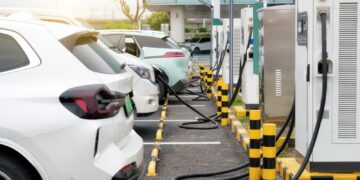
CAA’s winter test highlighted how much charging performance can vary by model. In its DC fast-charging session, the average EV added about 100 kilometres of range in 15 minutes, but individual results were far apart. Some vehicles added far more usable distance quickly, while others were much slower. That matters on a freezing road trip. A 20-minute stop that becomes a longer wait can turn a manageable drive into a family argument, especially when the charger is exposed, occupied, or located far from amenities.

Canada Is Building Chargers, But Trust Takes Longer to Build

Canada’s charging network is expanding, and that progress is important. Transport Canada’s ZEV Council Dashboard listed 36,739 public chargers as of its February 2026 update, including 29,187 Level 2 chargers and 7,552 Level 3 chargers. Electric Autonomy also reported that public charging ports had grown year over year, with DC fast-charging growth outpacing Level 2 expansion. Ottawa has also announced funding for thousands of additional chargers through federal programs and infrastructure financing.

Still, infrastructure confidence is not built by totals alone. Drivers care about whether chargers are available where they actually travel, whether they work in bad weather, whether they are fast enough for a winter stop, and whether payment systems are simple. A map full of icons does not always feel reassuring at night on a snowy highway. For many Canadians, the charging question is emotional as much as technical. The network may be improving, but buyers need repeated proof that it will be there when winter makes every delay feel bigger.

Hybrids Are Benefiting From EV Uncertainty

The hesitation around winter range helps explain why hybrids remain attractive. Many Canadian drivers like the idea of lower fuel use but do not want to depend fully on charging infrastructure or battery range in cold weather. Statistics Canada reported that new registrations for hybrid electric vehicles rose in 2025, even as registrations for battery-electric and plug-in hybrid vehicles declined. The Canada Energy Regulator also noted that non-plug-in hybrid sales increased while ZEV sales fell.

That makes hybrids a psychological middle ground. They offer better fuel economy than traditional gasoline vehicles, but still provide the familiar backup of a combustion engine. For a buyer in a condo, a rural town, or a household with one vehicle, that can feel safer than going fully electric. This does not mean EVs are failing. It means many Canadians are still matching technology to lifestyle. Until cold-weather range and public charging feel routine, hybrids will continue to win over shoppers who want efficiency without winter planning anxiety.

Official Range Numbers May Not Tell Enough of the Story

One of the biggest frustrations for EV shoppers is that official range figures do not always reflect winter conditions. Canada publishes a single official average range, but winter driving can produce a much different result. CAA has argued that Canadian consumers would benefit from a standardized label that includes winter driving performance, not just one average number. That would give shoppers a clearer picture before they commit tens of thousands of dollars to a vehicle.

The need for better labels is especially important because EVs vary widely. Two vehicles with similar official ranges may behave differently in -10 C conditions because of battery size, heat-pump efficiency, aerodynamics, weight, tires, and software. For shoppers, a winter range figure would make comparison easier and more honest. It would also reduce disappointment after purchase. Buyers are often willing to accept trade-offs if they understand them upfront. What creates frustration is discovering those trade-offs during the first serious cold snap.

What Canadian Buyers Should Look For Before Going Electric

The best EV choice in Canada is not just the one with the longest official range. Buyers should look closely at winter-tested range, heat-pump availability, battery preconditioning, charging speed, home-charging access, and the quality of nearby public chargers. A driver with a garage and a daily 40-kilometre commute may have a very different experience than someone parking outside overnight and driving long distances for work. The same EV can feel effortless in one lifestyle and stressful in another.

Practical habits can also make a real difference. Preheating the cabin while plugged in, using heated seats instead of relying only on cabin heat, clearing snow and ice, parking indoors when possible, and planning shorter charging stops can all help preserve winter range. The larger message is not that Canadians should avoid EVs. It is that winter needs to be part of the buying conversation from the beginning. Confidence will grow when shoppers feel they are buying for Canada’s roads, not just ideal laboratory conditions.

The EV Market Is Recovering, But Winter Still Has the Final Say

The Canadian EV market is not moving in a straight line. Statistics Canada reported that new ZEV registrations fell in 2025 compared with 2024, while J.D. Power found that consideration rose again in 2026. Those two facts can exist at the same time. Some Canadians are curious again because of fuel costs, incentives, and a growing model lineup. Others remain cautious because they remember rebate changes, charging gaps, winter headlines, and stories from friends who watched their range fall in February.

That makes winter confidence one of the most important hurdles for the next phase of EV adoption. Automakers can advertise sleek designs and lower operating costs, while governments can fund chargers and incentives. But for Canadian buyers, the real test is still practical: can the vehicle get through a cold week without adding stress? Until that answer feels obvious, winter range will remain one of the strongest doubts holding back the EV shift.


Recommended.

15 Vehicles That Are Starting to Scare Off Canadian Buyers

GM Bets on Ontario Trucks Even as Canada-U.S. Auto Tensions Simmer

May 21, 2026
16 Summer Road Trip Costs Canadians Always Underestimate

17 Driving Expenses Canadians Notice More Once Warm Weather Hits

May 8, 2026

Trending.

15 Vehicles That Are Starting to Scare Off Canadian Buyers

GM Bets on Ontario Trucks Even as Canada-U.S. Auto Tensions Simmer

May 21, 2026
Got a Car in Ontario? These 16 Insurance Changes Could Blindside Drivers

10 Best EV Lease Deals in Canada Right Now

April 21, 2026
20 Car Features Canadians Pay For Then Barely Use

Canada’s Auto Future Now Hinges on One Thing: Keeping Free Trade With the U.S.

May 14, 2026
18 Red Flags a Used Vehicle May Be a Money Pit

18 Red Flags a Used Vehicle May Be a Money Pit

April 20, 2026
15 Cars That Dealers Are Quietly Struggling to Move in Canada (Spring 2026)

I drove the Ford Mustang Mach E in a Canadian Winter (An Honest Review)

April 1, 2026
  • About
  • Contact
  • Privacy Policy
  • Disclaimer
  • Editorial Policies
  • Terms and Conditions
A Revir Media Group Website

2026 Autoigloo - © All rights reserved

No Result
View All Result
  • News & Trends
  • Car Reviews
  • Buying Guides
  • Comparisons
  • EVs & Hybrids
  • More
    • Pricing & Deals
    • Winter Driving
    • Ownership & Maintenance

2026 Autoigloo - © All rights reserved

This website uses cookies. By continuing to use this website you are giving consent to cookies being used. Visit our Privacy and Cookie Policy.