




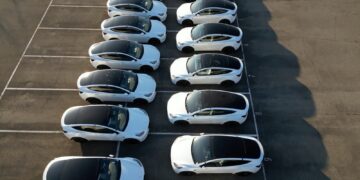





















The shock of buying a new vehicle now begins long before the first monthly payment is due. A higher sticker price is only part of the story; taxes, dealer fees, insurance quotes, financing assumptions, required technology, and shrinking low-cost choices all shape the final number before a buyer even leaves the showroom.
Across Canada and North America, new vehicles have become more feature-heavy, more digitally connected, and more expensive to repair. At the same time, buyers are navigating interest rates, add-ons, destination charges, and market uncertainty. These 12 forces explain why a new car can feel financially heavy before the loan or lease officially begins.
High Sticker Prices Set the Tone Early

The first reason new cars feel more expensive is simple: the starting number has climbed sharply. In Canada, dealership revenue per new vehicle rose from the pre-pandemic period, reflecting a market where larger vehicles, higher trim levels, and fewer bargain-basement options have changed what “entry level” means. Even when average prices stabilize or dip slightly, they remain far above what many buyers remember from only a few years ago.
That creates a psychological hurdle before negotiation begins. A family that once expected a compact SUV to sit comfortably in the mid-$30,000 range may now find popular trims pushing far higher once freight, taxes, and options are included. The showroom conversation starts from a bigger base, so every later cost—sales tax, insurance, interest, protection packages, and registration—lands on top of a much heavier foundation.
Affordable Base Models Are Harder to Find
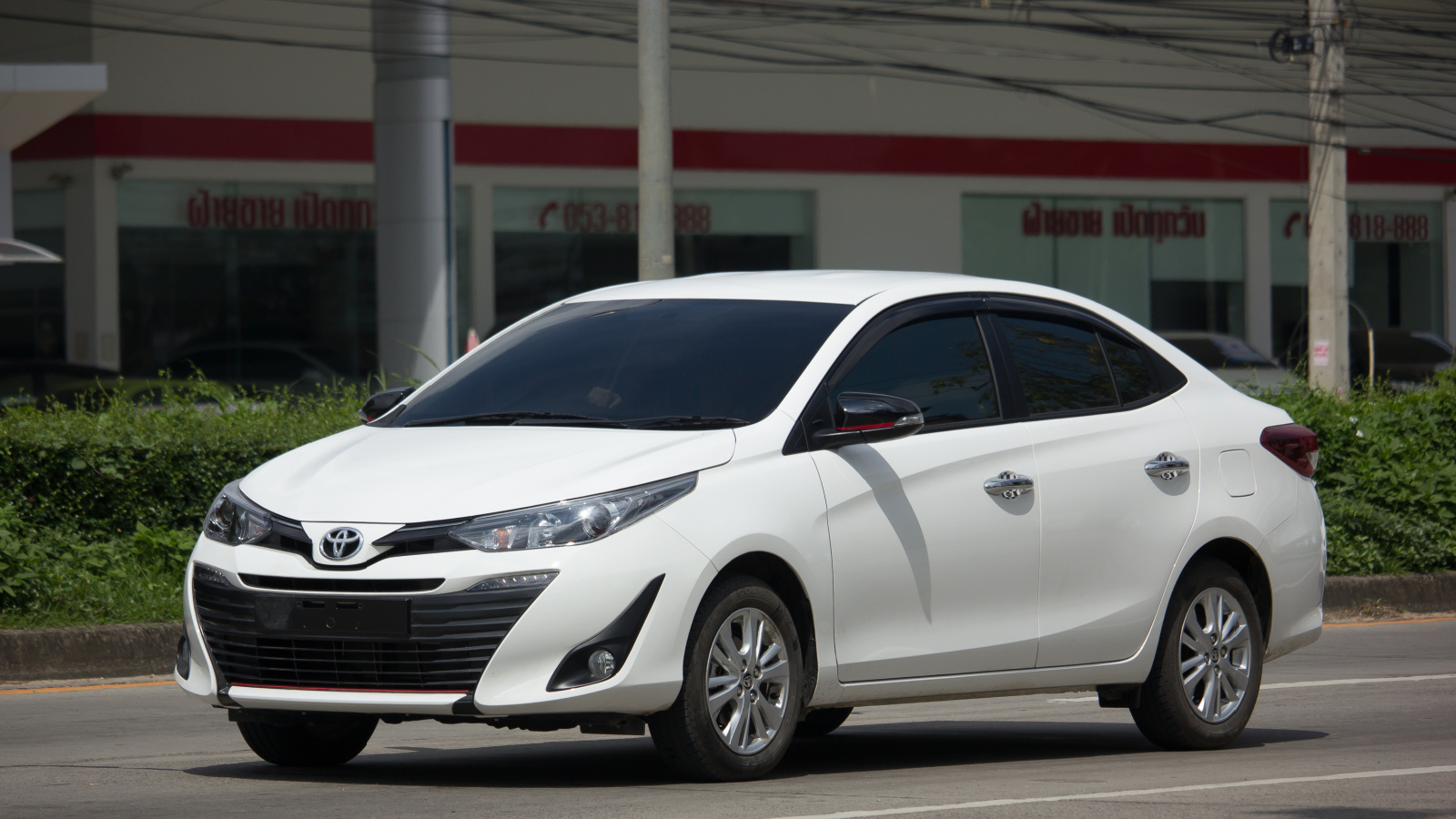
New-car prices are not rising only because every individual model became more expensive. The mix of vehicles has changed. Automakers have leaned into trucks, SUVs, crossovers, and higher-margin trims because buyers wanted space, all-wheel drive, safety technology, and premium features. The result is fewer genuinely low-cost vehicles on dealer lots, especially compared with the era when small cars filled the bottom of the market.
This matters before financing because choice itself becomes more expensive. A buyer may walk in looking for basic transportation and discover that the most available vehicles include larger screens, driver-assistance packages, upgraded wheels, and convenience bundles. None of those features may feel extravagant on their own, but together they raise the minimum price of entry. The “cheap new car” has not disappeared entirely, but it is much harder to find in the form buyers remember.
Taxes Make Every Price Increase Feel Bigger

Sales tax is one of the most predictable costs in a vehicle purchase, but it still turns sticker shock into out-the-door shock. In Canada, GST/HST and provincial sales tax rules vary by province, so the same vehicle can carry a meaningfully different tax bill depending on where it is purchased. A $55,000 vehicle does not feel like a $55,000 decision once 5, 12, 13, 14, or 15 percent tax structures enter the calculation.
The effect is magnified because taxes are applied to a larger base price. When vehicle prices rise, the tax bill automatically rises with them. A shopper focused on the monthly payment may underestimate the upfront tax impact, especially when rolling taxes into financing. Even before the first payment arrives, the transaction can feel heavier because the government portion scales with every added package, trim upgrade, and dealer-installed item.
Destination and Freight Charges Add a Second Sticker Shock

Destination, freight, and pre-delivery charges can make a vehicle feel more expensive before the buyer considers accessories or financing. These charges are often presented separately from the core vehicle price, even though they are usually unavoidable on a new-vehicle purchase. For shoppers comparing advertised prices, the discovery that delivery-related charges add hundreds or thousands of dollars can feel like a second price tag.
The frustration comes from how fixed these charges feel. A buyer may live near a plant or distribution hub yet still see a standardized destination charge. In practice, these fees reflect broader transportation, logistics, and automaker pricing decisions rather than the exact cost of moving one vehicle to one local dealership. For many households, that makes the purchase feel less transparent. The price on the vehicle is only the beginning of the real purchase price.
Dealer Fees and Add-Ons Blur the Final Number

Dealer fees, documentation charges, anti-theft products, tire-and-rim protection, nitrogen, paint protection, and other add-ons can turn a clean advertised price into a more complicated transaction. Canadian rules in several provinces require all-in advertised pricing from registered dealers, and federal drip-pricing rules make unattainable advertised prices a legal concern. Still, buyers often encounter itemized costs during the negotiation stage that make the final number feel less predictable.
Some add-ons may be useful for certain drivers, but the problem is timing and presentation. A buyer may budget around the advertised price, then face a menu of extras after becoming emotionally attached to the vehicle. Even a few hundred dollars per line item can change the deal, especially when financed over years. The car begins to feel expensive before payments start because the purchase agreement keeps growing.
Financing Rates Change the Meaning of the Price

The window sticker does not show the real cost of borrowing. A vehicle priced at $50,000 can become a very different financial commitment depending on the interest rate, loan term, down payment, and trade-in value. Canadian borrowers have faced higher auto-loan rates than they were used to during the ultra-low-rate years, which makes even a stable vehicle price feel more expensive.
The emotional impact appears early, often during pre-approval or the finance-office conversation. A buyer who expected a manageable payment may discover that the rate changes the entire budget. Longer loan terms can soften the monthly number, but they also keep the buyer in debt longer and may increase total interest paid. Before the first payment is due, the financing math can already make the vehicle feel less affordable than the sticker suggested.
Longer Loans Hide the Cost Instead of Removing It

Extended loan terms have become one way to manage high prices, but they can also make the purchase feel more expensive once the details are understood. Stretching a loan over six, seven, or even eight years may reduce the monthly payment, yet it does not reduce the vehicle’s price. It can increase total borrowing costs and may leave the owner owing more than the vehicle is worth for longer.
That risk changes how buyers feel at signing. A lower payment may look comforting, but the commitment can feel intimidating when mapped across most of a decade. Life changes, repairs, job moves, and family needs rarely wait for a loan to end. A vehicle that seemed attainable through a longer term can feel costly before it leaves the lot because the buyer sees how long the obligation will last.
Insurance Quotes Arrive Earlier in the Decision

New vehicles can feel expensive before payments start because insurance now plays a larger role in the buying decision. Modern vehicles cost more to replace, many include expensive sensors and cameras, and theft risk has affected premiums for certain models. In Canada, insurers have linked premium pressure to theft trends, repair costs, and the growing complexity of newer vehicles.
This can surprise shoppers who already stretched to reach the vehicle price. A crossover with strong demand, higher theft exposure, or costly replacement parts may carry a premium that changes the monthly ownership picture. The insurance quote can arrive before delivery and immediately reshape the deal. In some cases, a buyer may discover that the vehicle is affordable on paper but uncomfortable once insurance is added.
Technology Raises Repair Anxiety Before Anything Breaks
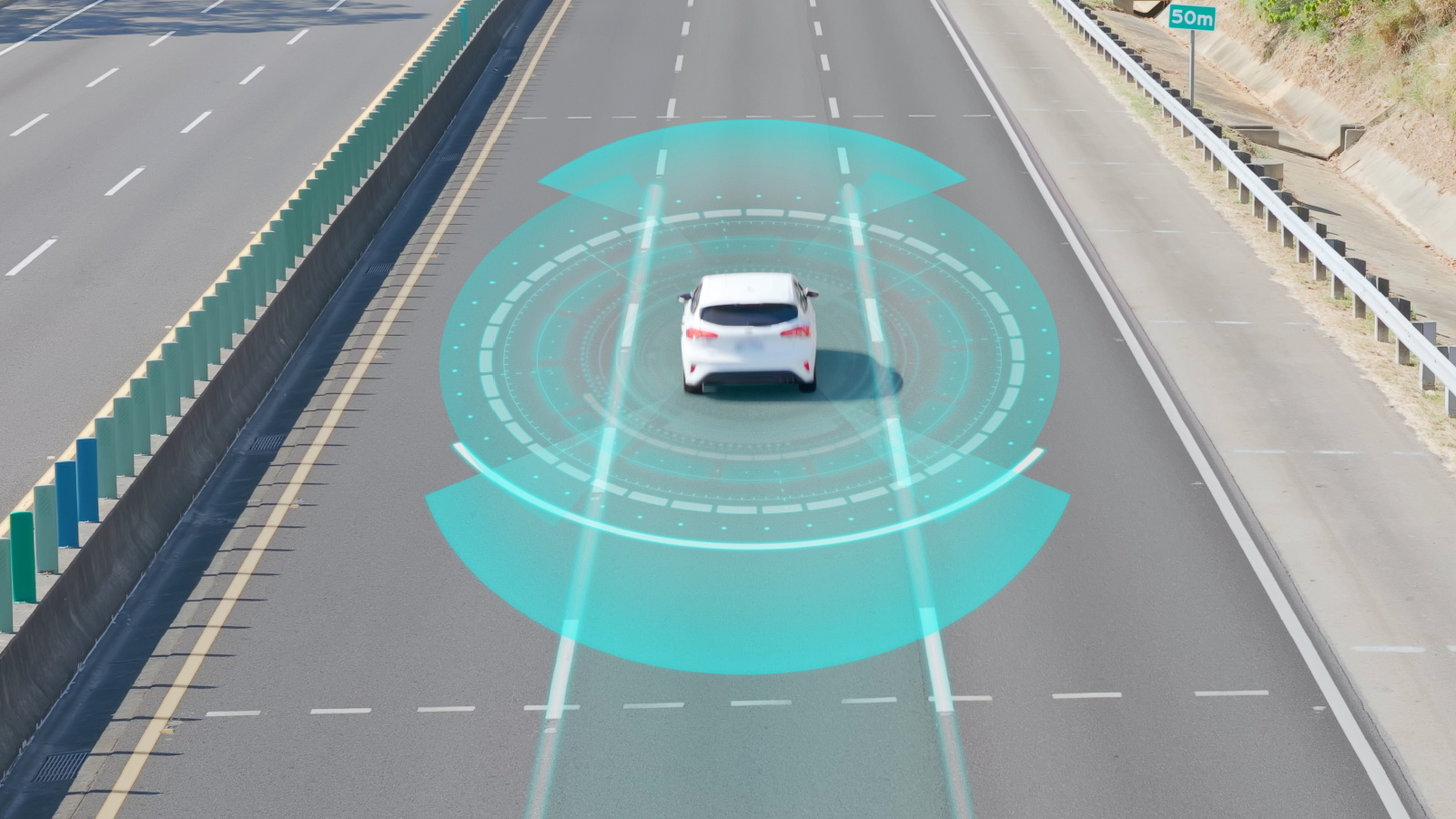
New vehicles are safer and smarter, but that sophistication carries a cost. Cameras, radar sensors, lane-keeping systems, adaptive cruise control, blind-spot monitoring, and automatic emergency braking have become common across many models. These systems can help prevent crashes, yet they can also make routine collision repairs more complex because sensors must be replaced, aimed, scanned, or calibrated.
The anxiety starts before ownership because buyers know small damage may no longer be simple. A cracked windshield can involve a camera calibration. A bumper scrape may involve radar sensors. A side mirror may contain electronics that older vehicles never had. Even if warranty coverage protects the vehicle early on, insurance deductibles, claim histories, and future repair bills make the car feel expensive from day one.
Software and Subscriptions Make Ownership Feel Less Complete
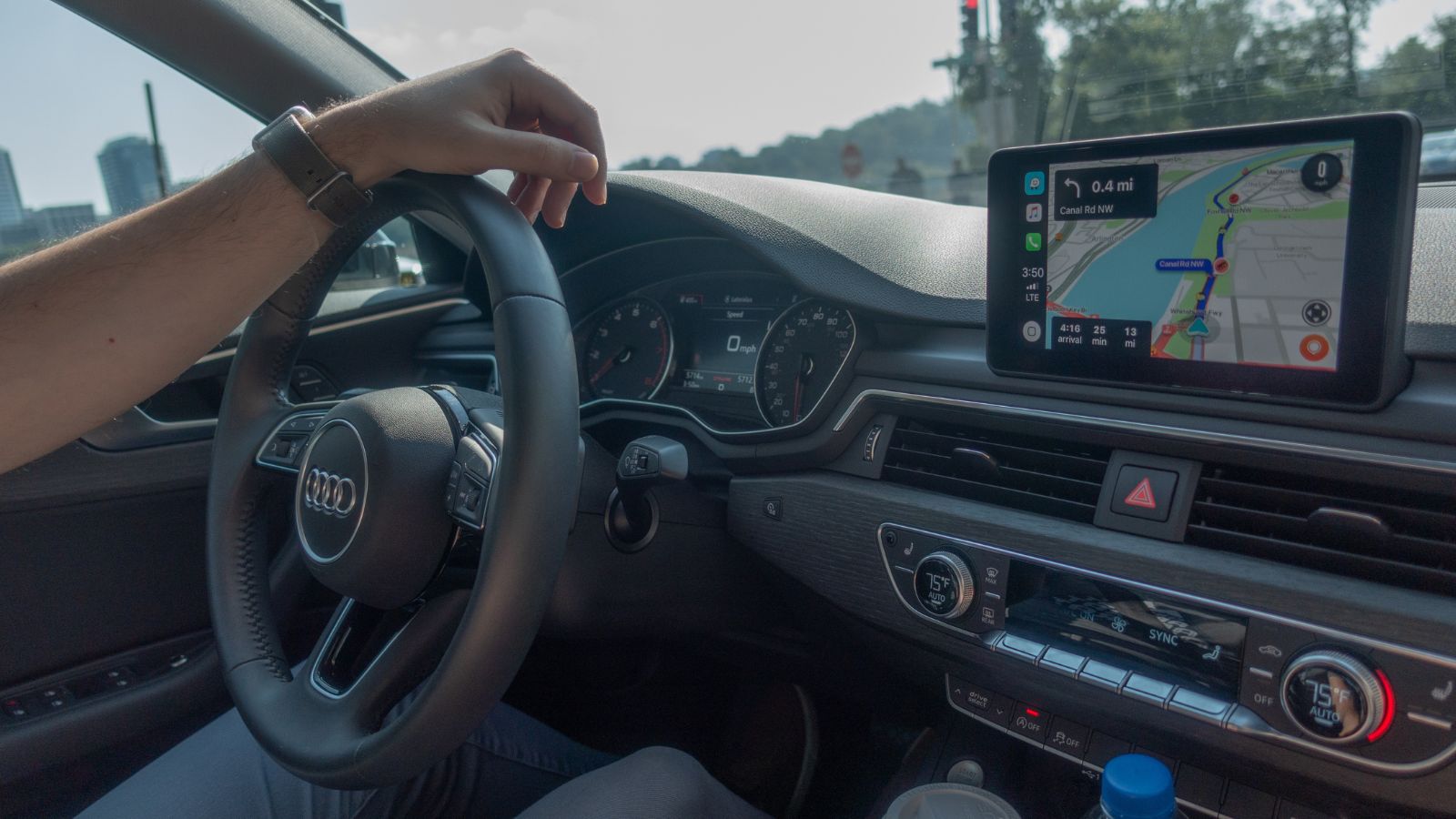
A growing number of vehicles are sold with connected services, app-based features, remote start functions, navigation services, advanced driver-assistance upgrades, and over-the-air software capability. Some features are included temporarily, while others may require paid subscriptions after a trial period. This shifts the feeling of ownership: a buyer can pay a large sum for the vehicle and still face future charges to keep certain digital conveniences active.
The concern is not only the monthly fee. It is the uncertainty. Will remote features remain free? Will maps, apps, connected safety services, or driver-assistance packages require renewal? Will older vehicles lose support as technology changes? The vehicle begins to resemble a smartphone on wheels, with ongoing digital costs layered over mechanical ownership. That makes the purchase feel less finished at delivery.
Hybrids and EVs Add New Cost Calculations
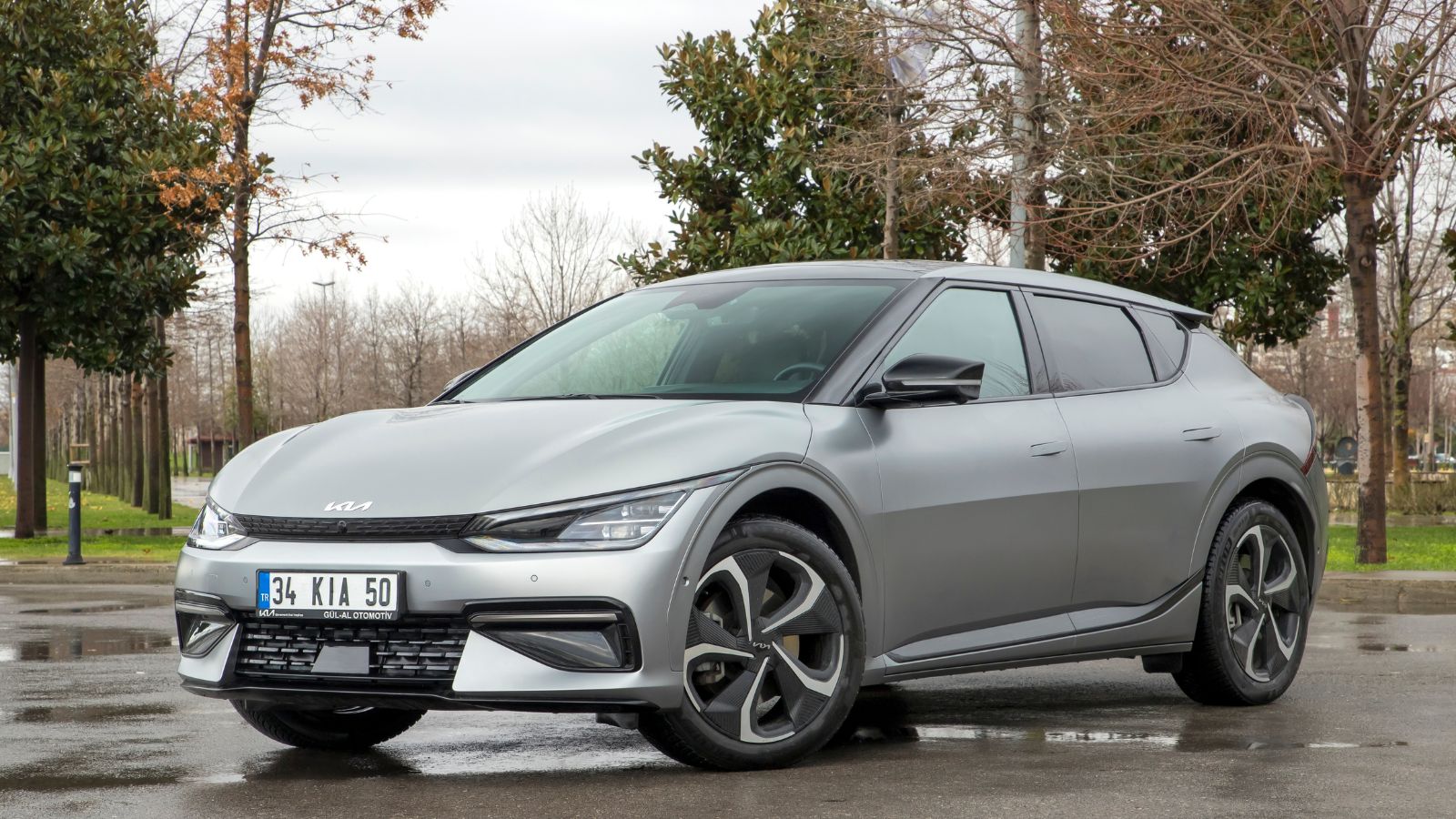
Electrified vehicles can reduce fuel use, but they can also make the purchase decision more complicated before payments begin. Hybrids, plug-in hybrids, and EVs often involve higher upfront prices, availability differences, charging considerations, battery questions, and changing incentive programs. For households comparing gas, hybrid, and electric choices, the true cost depends on driving habits, electricity rates, fuel prices, insurance, and resale expectations.
That complexity can make even a good vehicle feel expensive. A buyer may need to consider home charging installation, winter range, battery warranty, public charging access, and future trade-in value. Hybrids may command strong demand because they avoid some charging concerns while improving fuel economy, but demand can also keep prices firm. The payment has not started, yet the buyer is already calculating years of energy and infrastructure costs.
Trade-In Values No Longer Feel Like a Safety Net

For years, strong used-car values helped buyers justify the cost of a new vehicle. A high trade-in offer could soften the blow of a rising sticker price. But used-vehicle markets have been uneven, with values shifting as supply, demand, interest rates, and inventory normalize. That makes trade-in expectations less reliable than they felt during the tightest pandemic-era market.
When a trade-in comes in lower than hoped, the new vehicle immediately feels more expensive. A buyer may have mentally counted on a certain equity amount, only to find that the real offer leaves a larger balance to finance. Negative equity from an existing loan can make the situation worse. Before the first payment starts, the new purchase may already be carrying the weight of the old one.
Uncertainty Makes Buyers Price In Risk

The final reason new cars feel more expensive is broader uncertainty. Tariff headlines, supply-chain memories, fuel-price swings, changing EV policies, insurance pressure, and interest-rate expectations all shape how buyers interpret the deal. Even when a vehicle is available and discounted, shoppers may worry about whether parts, resale value, financing, or incentives will look different a year later.
That uncertainty adds an invisible cost. A buyer is not only purchasing transportation; they are making a long-term bet on technology, fuel, regulation, depreciation, and household income. The hesitation is understandable. New vehicles offer more safety, comfort, and capability than ever, but the financial commitment begins long before the first payment clears. The modern car-buying experience feels expensive because the risk feels bundled into the price.
22 Things Canadians Do to Their Cars in Spring That Mechanics Hate

Spring brings relief to many Canadian drivers after months of snow, freezing temperatures, and icy roads that put serious strain on vehicles. As temperatures rise across the country, drivers begin washing cars, switching tires, and preparing vehicles for warmer weather and upcoming road trips. However, mechanics across Canada notice the same mistakes every spring when drivers attempt to recover from winter damage. Road salt, potholes, and harsh winter driving conditions often leave vehicles with hidden problems that drivers ignore. Some spring habits even create new mechanical issues that could have been avoided with proper maintenance. Here are 22 things Canadians do to their cars in spring that mechanics hate.