























A traffic stop can feel routine from the driver’s seat, but officers are trained to read several details before the first word is exchanged. The way a vehicle slows down, where it stops, what happens inside the cabin, and how the driver responds all help shape the officer’s first impression of safety, awareness, and possible violations.
These 20 things police often notice first when they pull over a driver are not always dramatic. Sometimes it is a seat belt, a phone on the lap, a nervous glance toward the glove box, or a license plate sticker that does not match the records. Small details can matter because traffic stops are fast-moving encounters where officers must assess risk, legal compliance, and road safety at the same time.
How Quickly the Driver Responds to Emergency Lights
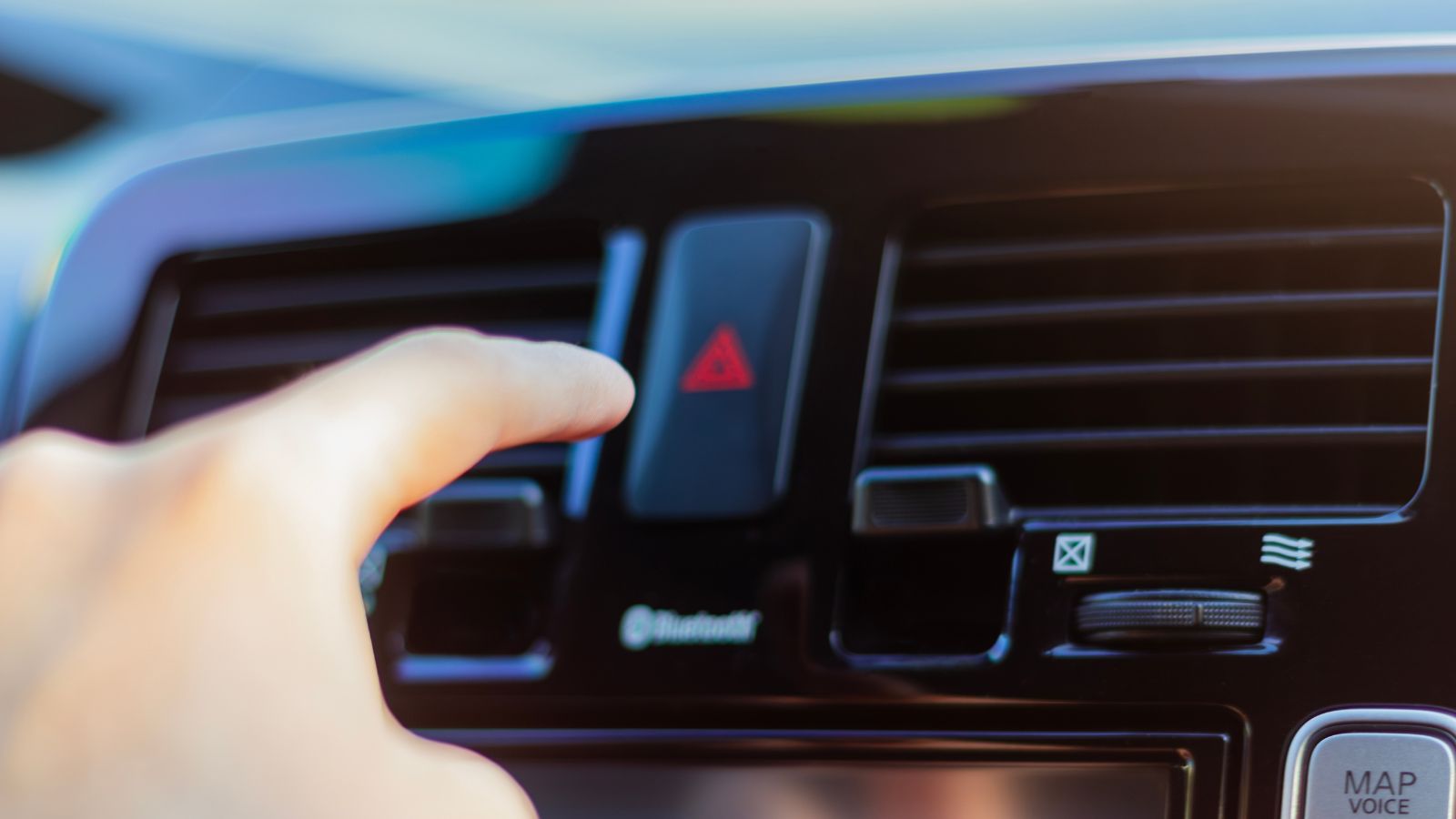
One of the first things an officer notices is how long it takes the driver to respond once the patrol lights activate. A prompt, controlled response suggests the driver is alert and aware of surrounding traffic. A delayed reaction, drifting across lanes, or continuing for several blocks can raise questions about distraction, impairment, confusion, or an attempt to avoid the stop. Officers are trained to watch the vehicle before it fully pulls over, not just after it has stopped.
This early observation matters because impaired-driving detection often begins with vehicle movement. For example, delayed responses, unusual braking, and inconsistent speed can be part of a larger pattern. A driver might simply be looking for a safe shoulder, especially on a busy highway, but officers still notice whether the delay appears reasonable. A calm turn signal, gradual slowdown, and steady movement toward a safe area usually make a very different impression than erratic braking or sudden swerving.
Where the Vehicle Finally Stops
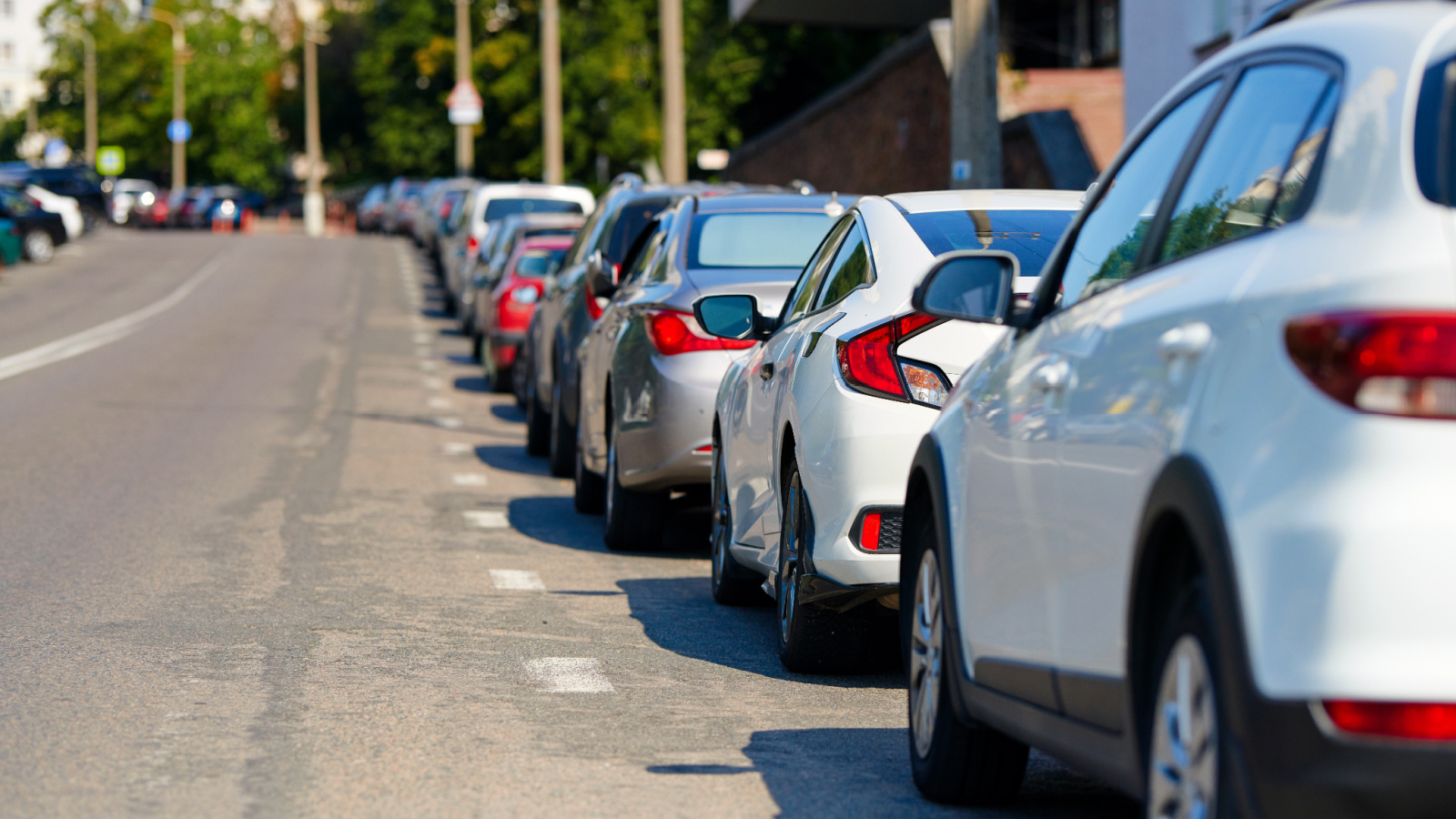
The stop location tells officers a great deal before they walk up to the window. A driver who pulls onto a wide shoulder, into a parking lot, or onto a well-lit side street is usually easier to approach safely. A vehicle that stops in a travel lane, on a blind curve, or too close to an intersection creates extra risk for everyone nearby. Officers often think about traffic flow, escape routes, lighting, and whether another patrol unit may be needed.
This detail can also affect the tone of the stop. A poorly chosen stopping place does not automatically mean wrongdoing, but it may suggest panic, inexperience, impairment, or lack of awareness. At night, a safe and visible location can reduce tension quickly. Many public safety guides advise drivers to pull over as soon as it is safe rather than slam on the brakes immediately. The goal is not to impress the officer; it is to avoid turning a traffic stop into a roadside hazard.
Whether the Driver’s Hands Are Visible
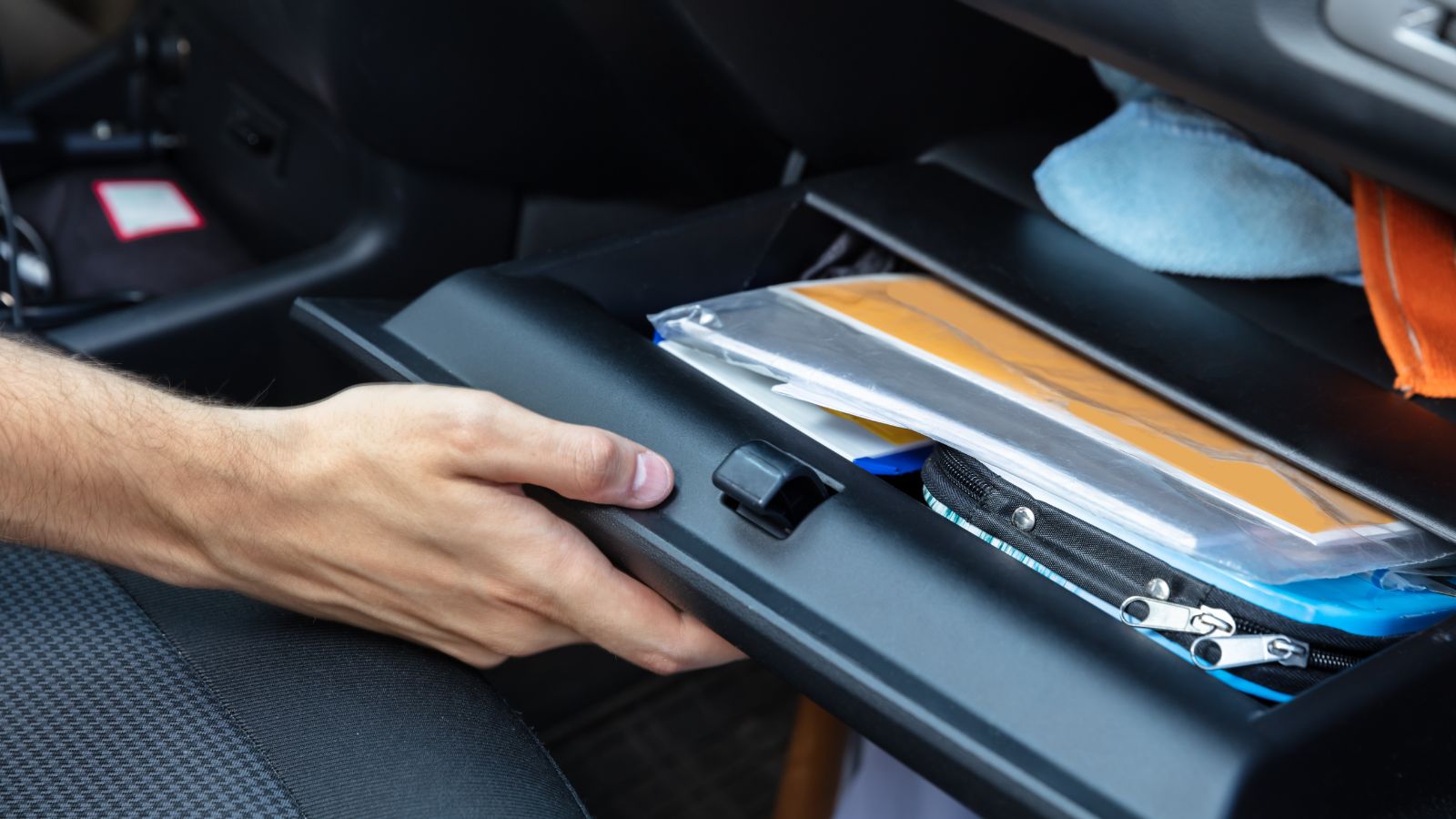
Hands are one of the first things officers look for because hands can reach for documents, phones, weapons, or objects inside the vehicle. A driver with both hands visible on the steering wheel gives the officer a clear view of what is happening. That simple posture can reduce uncertainty during the first few seconds of the encounter. Officers also tend to notice if a driver’s hands disappear below the seat, into a console, or toward a bag before instructions are given.
This is why many traffic-stop safety guides recommend waiting before reaching for a license, registration, or insurance card. Even a harmless movement toward the glove box can be misread if the officer cannot see what the driver is doing. A driver who says, “My registration is in the glove box,” and waits for permission creates a clearer interaction. The same principle applies to passengers, especially in the back seat where visibility may be limited.
Sudden Movement Inside the Vehicle

Officers often watch the inside of the vehicle as they approach, especially if there is movement after the emergency lights come on. A passenger leaning down, someone shifting items between seats, or a driver reaching under the seat may draw immediate attention. These movements do not prove anything illegal, but they can change the officer’s risk assessment. From an officer’s perspective, the unknown is the problem: the movement could be a phone, a wallet, a dropped item, or something more serious.
The most common harmless example is a driver trying to “prepare” by grabbing documents before the officer arrives. That habit can backfire because it creates exactly the kind of motion officers are trained to notice. Calm stillness is usually safer. If something must be moved, explaining it before reaching helps prevent confusion. In many stops, the first impression is built less on what a driver says and more on whether movements inside the car look controlled and predictable.
The Number and Behavior of Passengers
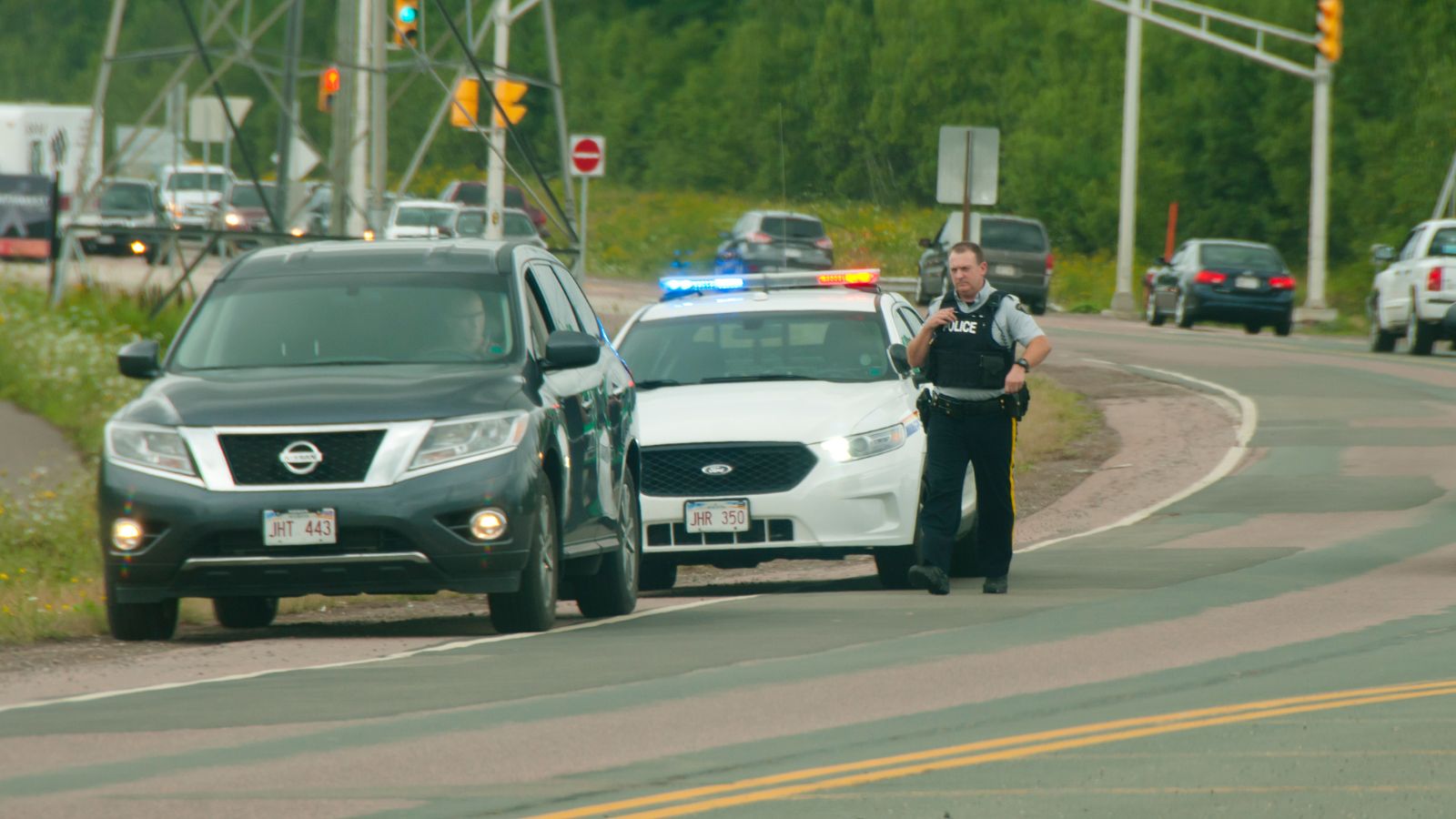
Police do not only observe the driver. They quickly check how many people are inside the vehicle and how they are behaving. A car with several passengers, especially at night, requires more visual scanning than a single-driver stop. Officers may look for whether passengers are calm, whether anyone is hiding their hands, whether someone appears intoxicated, or whether people are talking over one another. The more occupants there are, the more complex the stop becomes.
Passenger behavior can either lower or raise tension. A quiet passenger with hands visible usually fades into the background. A passenger who argues, records aggressively from close range, refuses simple instructions, or keeps moving around may become a major focus. This does not mean passengers lose their rights, but their conduct can influence how cautiously an officer proceeds. A routine speeding stop can feel very different when passengers are leaning, shouting, or moving items around the cabin.
Signs of Impairment in the Driver

Officers often notice physical and behavioral signs the moment the window comes down. Bloodshot eyes, slurred speech, slow responses, confusion about basic questions, and the smell of alcohol can all become part of an impaired-driving investigation. These signs are not always caused by alcohol or drugs; fatigue, allergies, illness, or stress can also affect appearance and speech. Still, officers are trained to observe and document what they see, hear, and smell during the first interaction.
The driver’s ability to follow instructions also matters. If an officer asks for a license and the driver fumbles repeatedly, gives inconsistent answers, or seems unable to understand simple directions, those details may be viewed alongside the original driving behavior. Impairment investigations are usually built from multiple observations rather than one sign alone. A driver who was weaving, slow to stop, and unable to speak clearly will attract more attention than a driver with one innocent explanation.
Odors Coming From the Vehicle
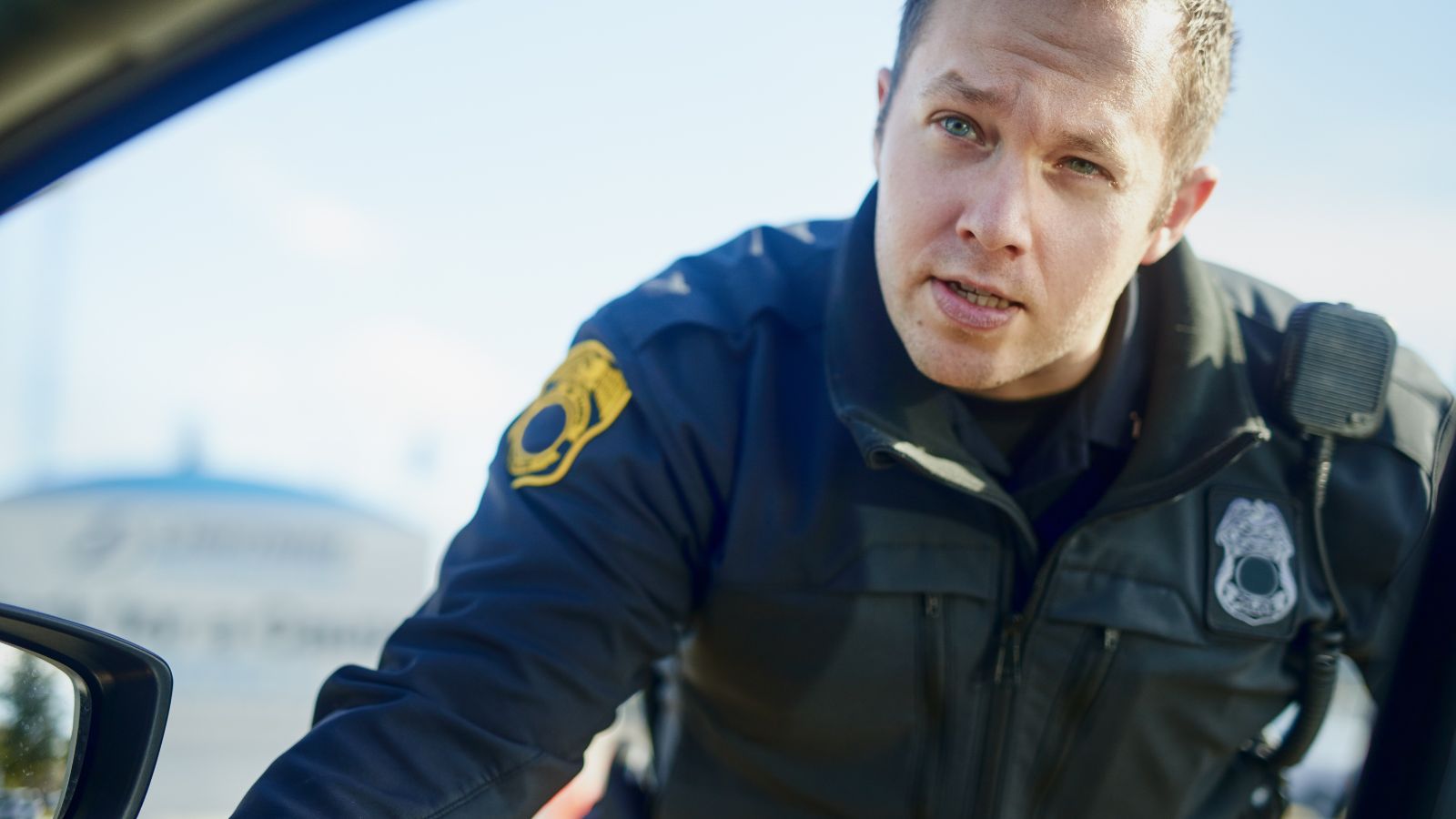
Smell can become one of the earliest cues in a traffic stop. Officers may notice alcohol, cannabis, burnt substances, strong air fresheners, gasoline, or other unusual odors when approaching the car or speaking through the window. Odor alone can be complicated legally and factually, depending on the jurisdiction and the substance involved. Still, it often becomes part of an officer’s explanation for asking additional questions or paying closer attention to the vehicle’s interior.
A strong scent does not always mean illegal conduct. A driver may have spilled fuel, transported legal cannabis, carried cleaning supplies, or used air freshener for ordinary reasons. But officers notice whether an odor matches other clues. For instance, the smell of alcohol paired with slow speech and open containers will be treated differently than a faint odor with no other signs. In practice, odors become one piece of a larger picture rather than the whole story.
Open Containers or Visible Bottles
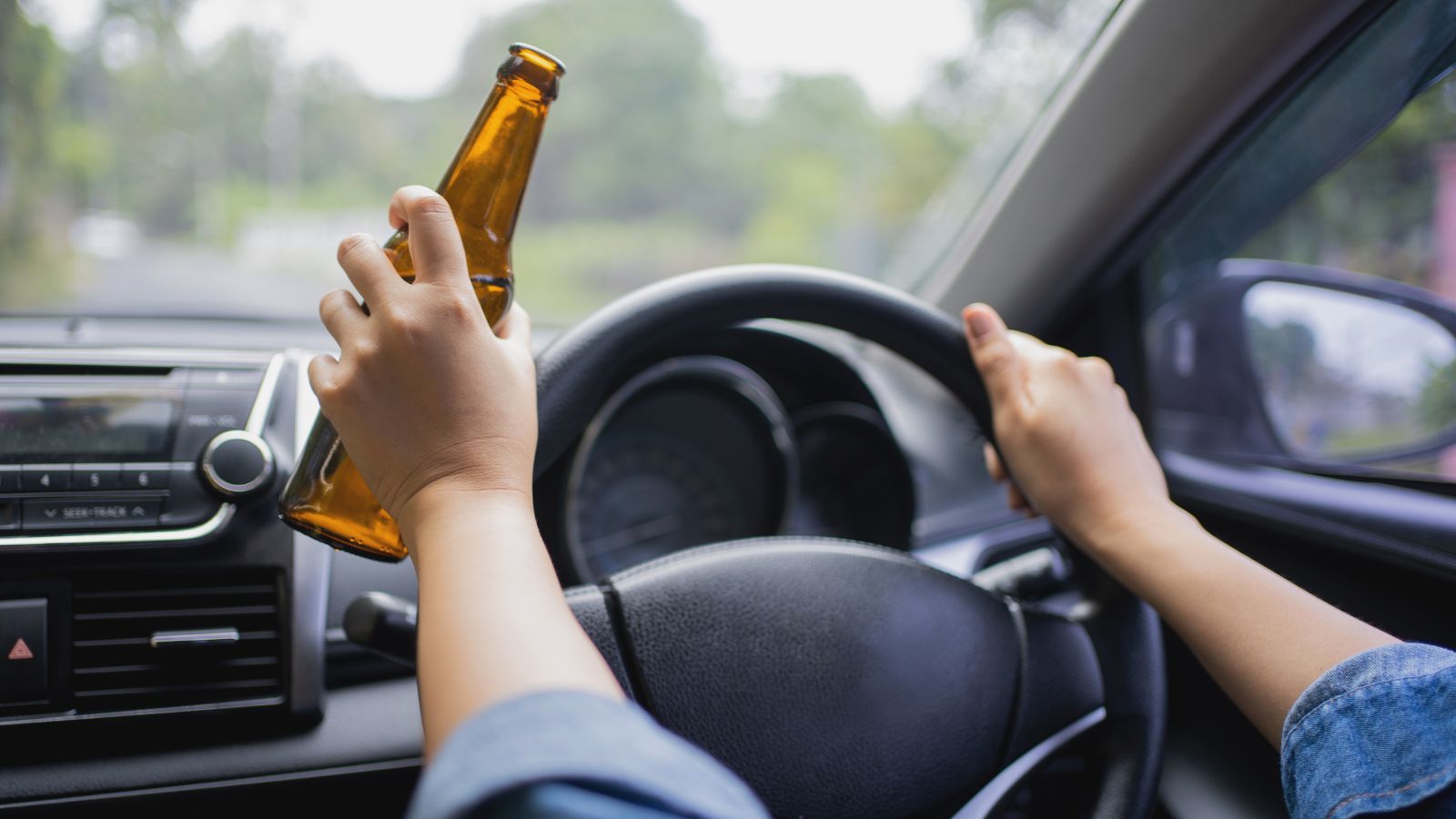
Anything visible in the cabin can draw attention, especially bottles, cans, cups, or containers that appear to hold alcohol. Officers are trained to look through windows as they approach, and items in plain view can shape the direction of the stop. A bottle rolling on the passenger-side floor, a cup in the console, or an open container near the driver may lead to questions about alcohol use, recent consumption, or passenger behavior.
Context matters. A sealed bottle from a grocery run is different from an open beer in a cup holder. Likewise, a passenger’s container may still create legal issues depending on local rules. Drivers sometimes forget that the inside of a car is visible from several angles, especially under police lights at night. Officers do not need a long conversation to notice a recognizable label or a container placed within reach. These details can turn a minor traffic violation into a broader investigation.
Seat Belt Use
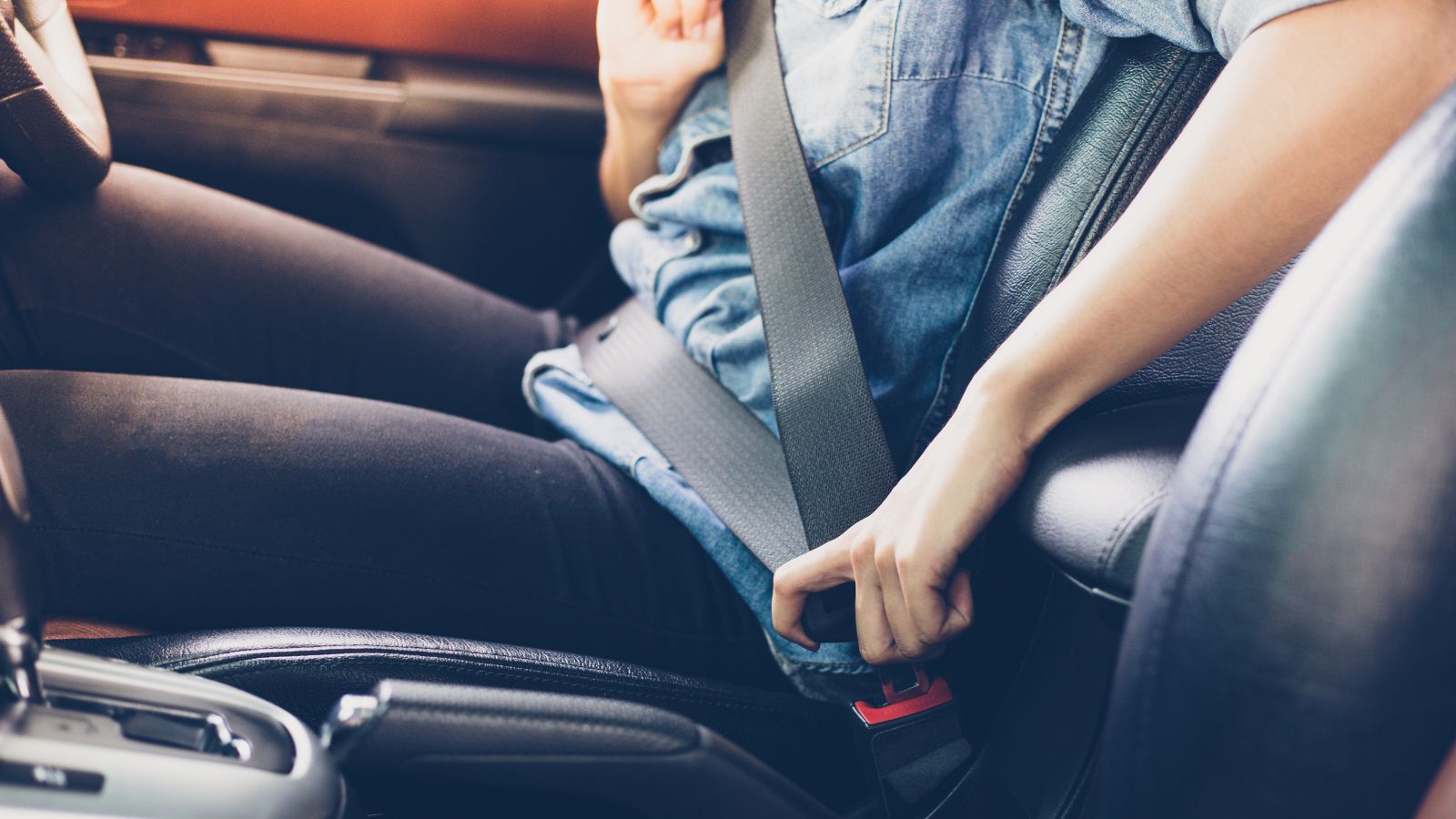
Seat belts are among the most visible things officers notice because they can often be seen before or during the approach. A shoulder belt sitting correctly across the chest is easy to distinguish from one tucked behind the driver, held under an arm, or left unused. Officers may also check whether front-seat passengers and, where applicable, rear-seat passengers appear restrained. Seat belt enforcement remains a major safety priority because unrestrained occupants are far more vulnerable in crashes.
This observation can be almost instant. A driver may think the stop is only about speed or a light violation, but an officer may also see that someone in the vehicle is not belted. Seat belt use is not just a technical rule; safety data consistently links proper restraint use with lower risk of fatal and serious injury. That is why many enforcement campaigns treat belt use as a high-visibility issue, not a minor afterthought.
Phone Use or Signs of Distraction
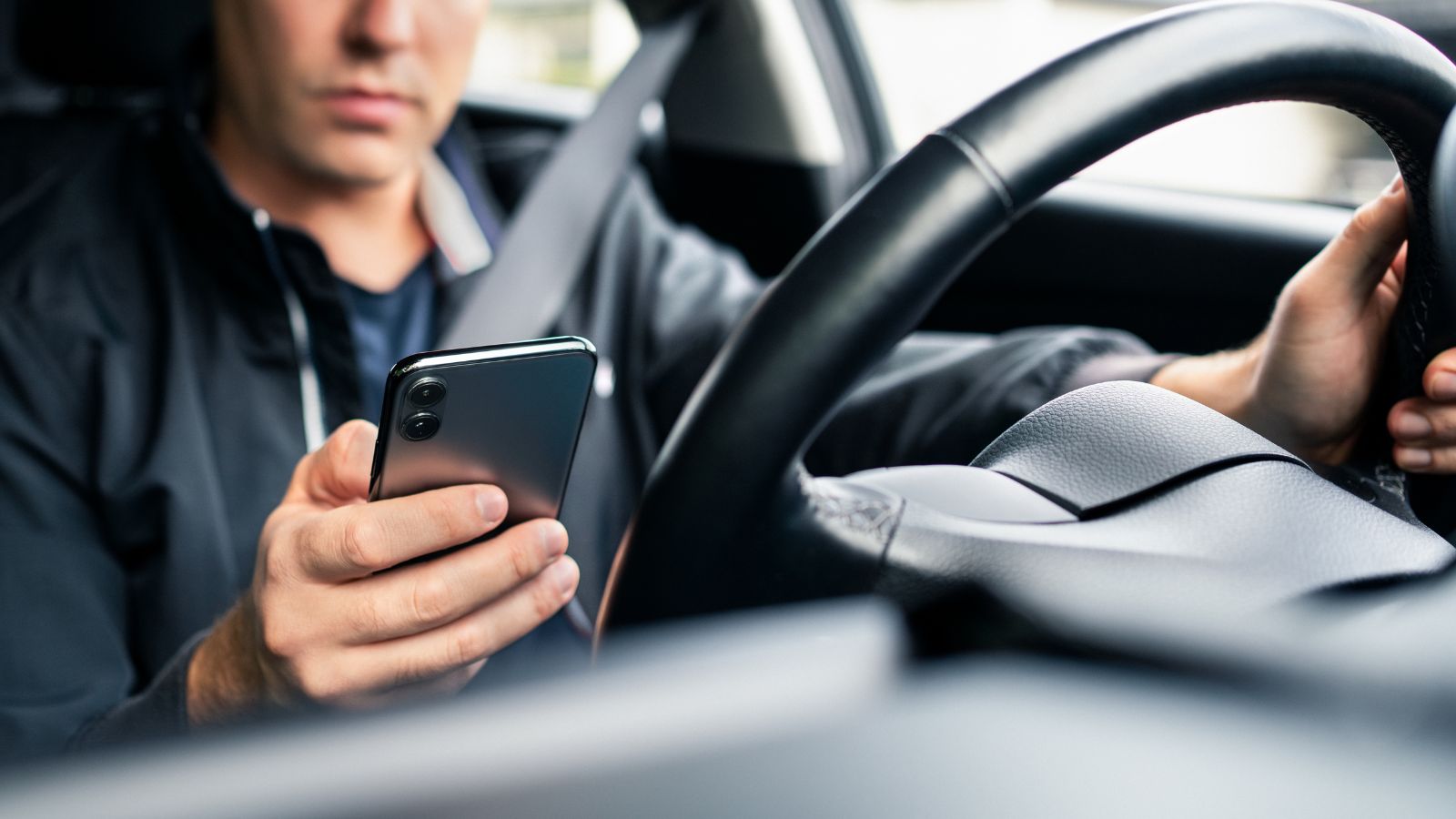
A phone in the driver’s hand, lap, or cup holder can attract immediate attention, especially if the original driving behavior involved drifting, late braking, or inconsistent speed. Officers may notice a glowing screen, earbuds, a mounted video app, or a driver trying to hide the device as the vehicle stops. Distracted driving enforcement has expanded beyond texting because smartphones now include maps, messaging, video, calls, and social media in one place.
Even when a driver claims the phone was only being used for navigation, the timing may matter. If the officer saw the driver looking down repeatedly, crossing lane markings, or reacting late to traffic, the phone becomes part of the explanation. Distracted driving is a major road safety concern because looking away for even a short time can reduce awareness dramatically. During a stop, a visible phone often tells officers where to focus their first questions.
License Plate, Tags, and Registration Clues
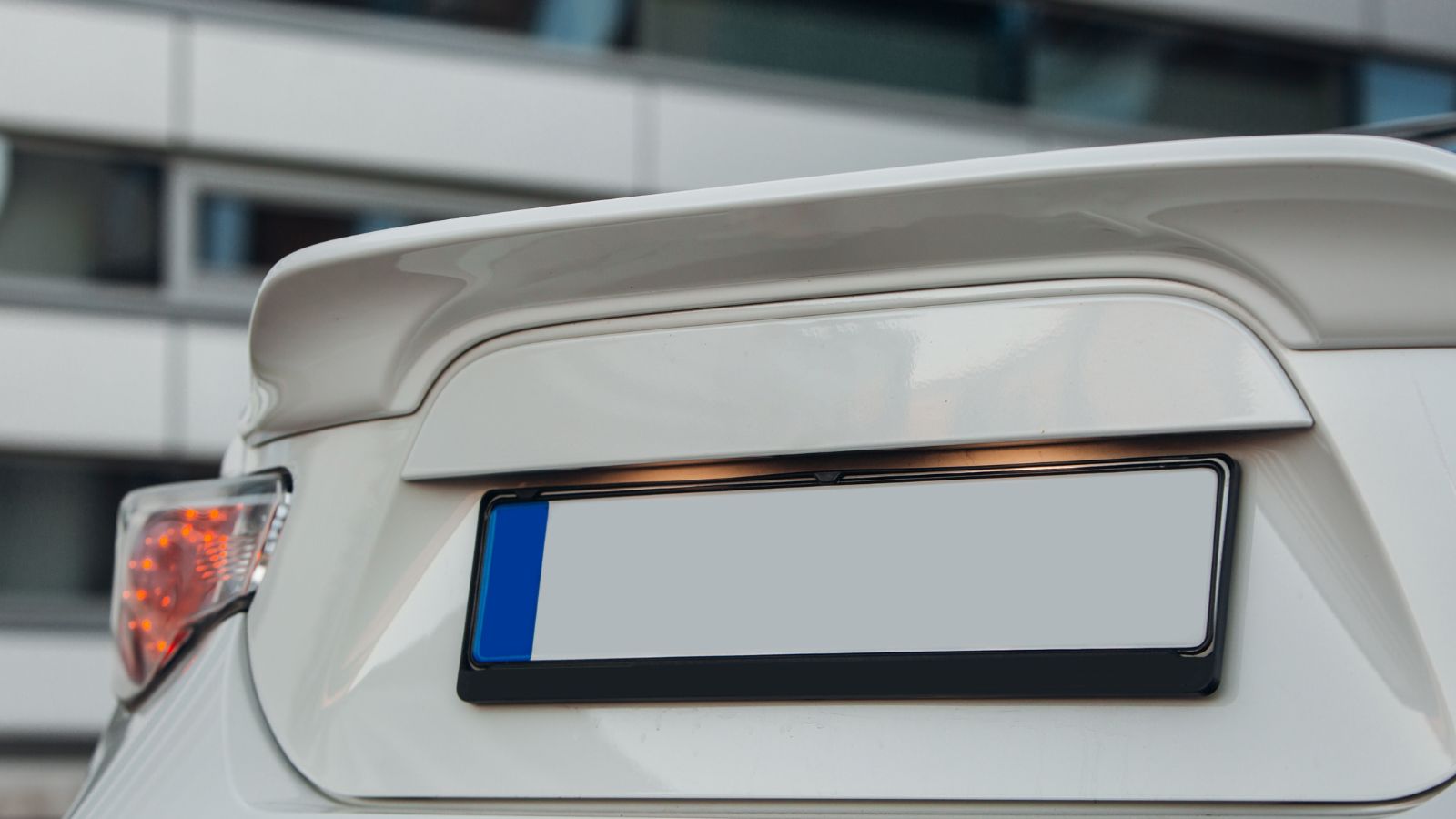
Before approaching the driver, officers often notice the license plate and registration tags. They may check whether the plate is readable, properly attached, expired, mismatched, obscured, or associated with alerts in a database. A dirty plate, missing front plate where required, covered plate frame, or expired sticker can draw attention even before the officer speaks to the driver. In many cases, the plate is the first official identifier connected to the vehicle.
Registration issues can also affect how the stop unfolds. If the vehicle records show an expired registration, suspended owner, stolen plate, or insurance problem, the officer may approach with more caution or ask more specific questions. Sometimes the driver is not the registered owner, which is common and legal in many situations, but it may still prompt clarification. A plate that looks altered, bent, covered, or inconsistent with the vehicle can create suspicion quickly.
Vehicle Lights and Equipment Problems
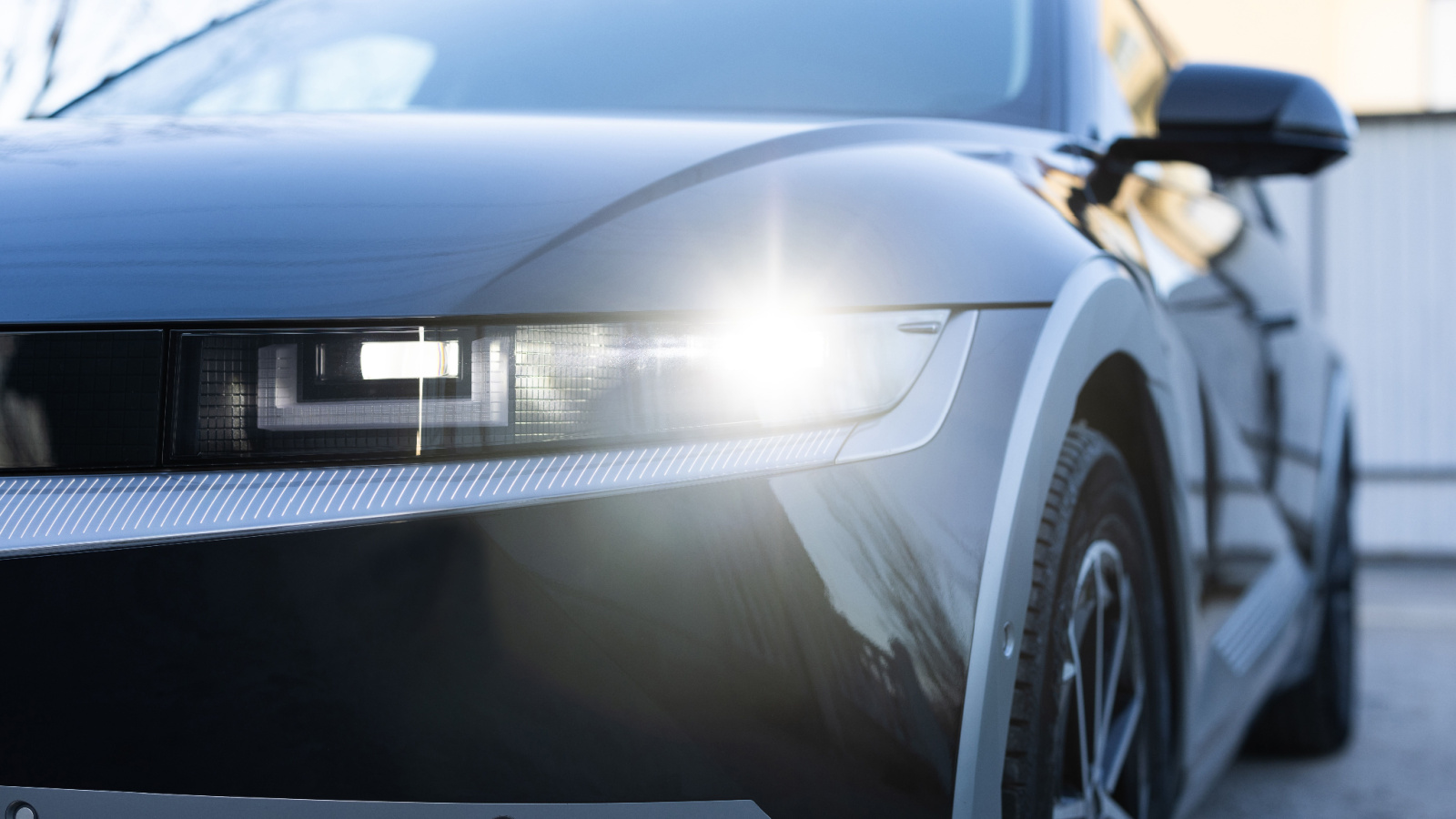
Broken headlights, brake lights, turn signals, and license plate lights are common things police notice first because they are visible from behind or ahead. A driver may not know a rear light is out until another motorist or officer points it out. Equipment issues can be safety concerns because they affect visibility, signaling, and the ability of other drivers to judge movement. They can also be easy reasons for officers to initiate a stop, depending on local law.
Once the vehicle is stopped, officers may keep scanning for additional defects. Cracked windshields, missing mirrors, bald-looking tires, loud exhaust, dark window tint, and unsecured loads can all attract attention. Some issues are minor fix-it matters; others suggest the vehicle may not be roadworthy. A car that looks neglected can lead officers to wonder whether the driver also overlooked insurance, registration, or inspection requirements. The vehicle itself often speaks before the driver does.
Window Tint and Interior Visibility
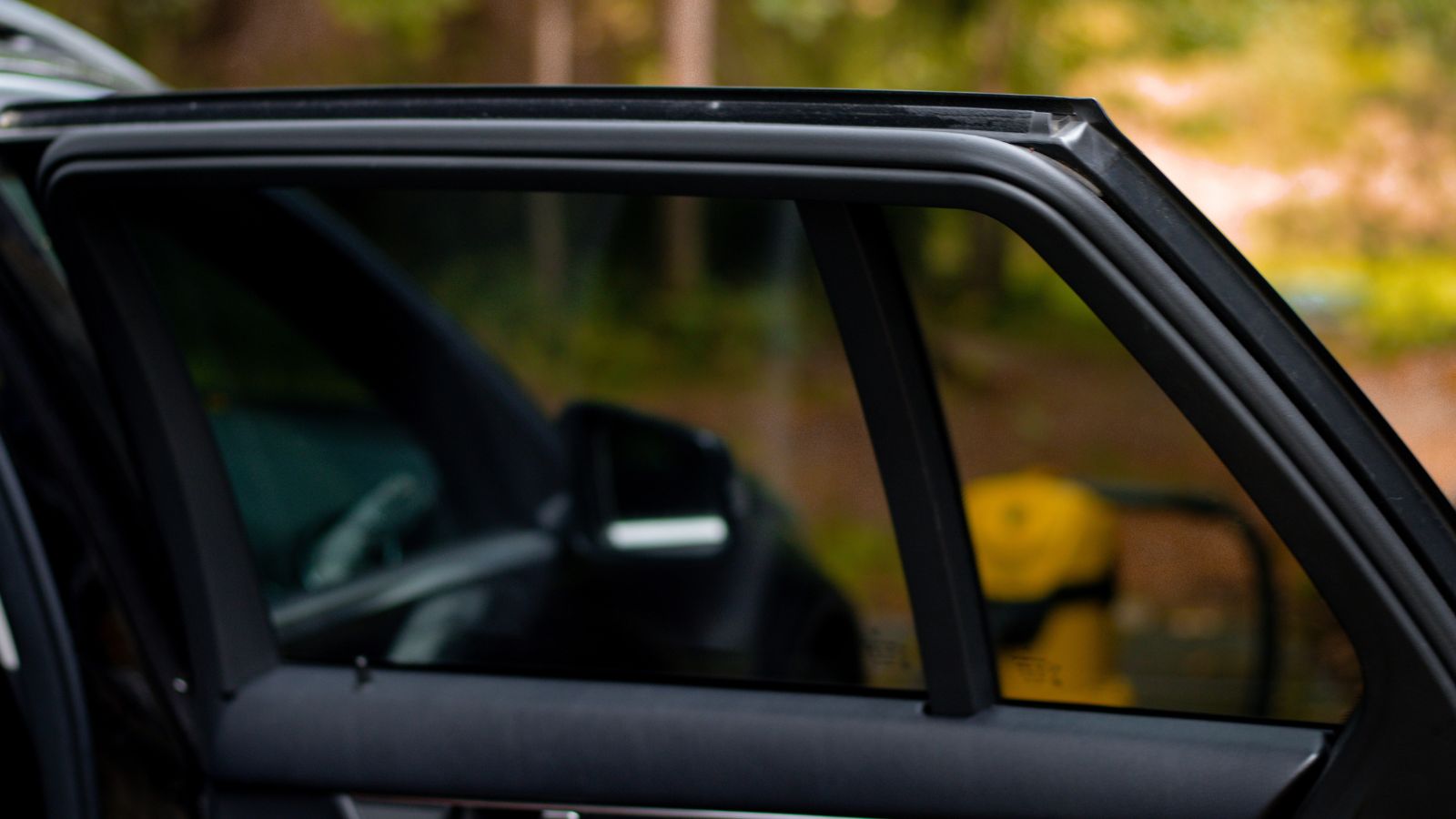
Window tint can influence the officer’s first impression because it affects how much can be seen inside the car. Dark rear windows, heavily tinted front windows, or reflective film may make it harder to see hands, passengers, or movement. Officers often become more cautious when visibility is limited, especially at night. A driver who rolls down the window and turns on interior lights can reduce uncertainty quickly.
Tint laws vary by jurisdiction, but the safety concern is consistent: the officer wants to know who is inside and what they are doing. A heavily tinted vehicle can make a routine approach feel less predictable. This does not mean tint automatically indicates wrongdoing, since many drivers use tint for heat, privacy, or appearance. Still, if an officer cannot see into the cabin, the first seconds of the stop may be more guarded and instructions may be more specific.
The Driver’s Documents and How They Are Presented
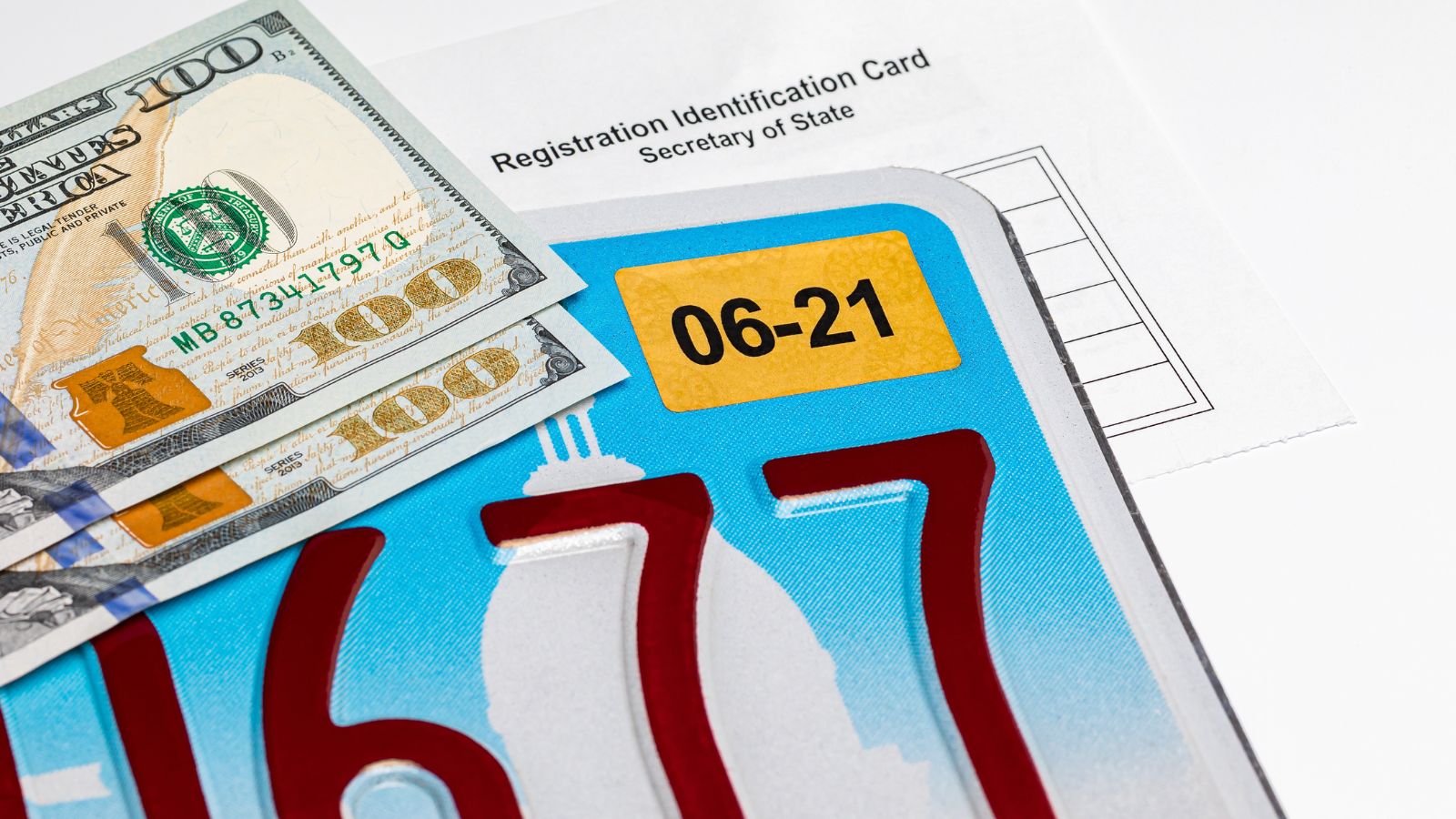
Police notice not only whether a driver has a license, registration, and proof of insurance, but also how the documents are produced. A calm explanation before reaching into a wallet or glove box can make the exchange smoother. A driver who cannot find documents, produces expired papers, gives the wrong card repeatedly, or seems confused about ownership may invite additional questions. Paperwork often confirms whether the stop is simple or more complicated.
The condition of the documents can also matter. A license that appears damaged, altered, expired, or inconsistent with the driver’s identity will draw attention. Insurance documents may be digital in many places, but unlocking a phone during a stop can create its own distractions if the driver starts scrolling. The officer is usually looking for clear proof, not a long search through apps, envelopes, and old paperwork. Organized documents can shorten the encounter significantly.
Driver Demeanor and Communication
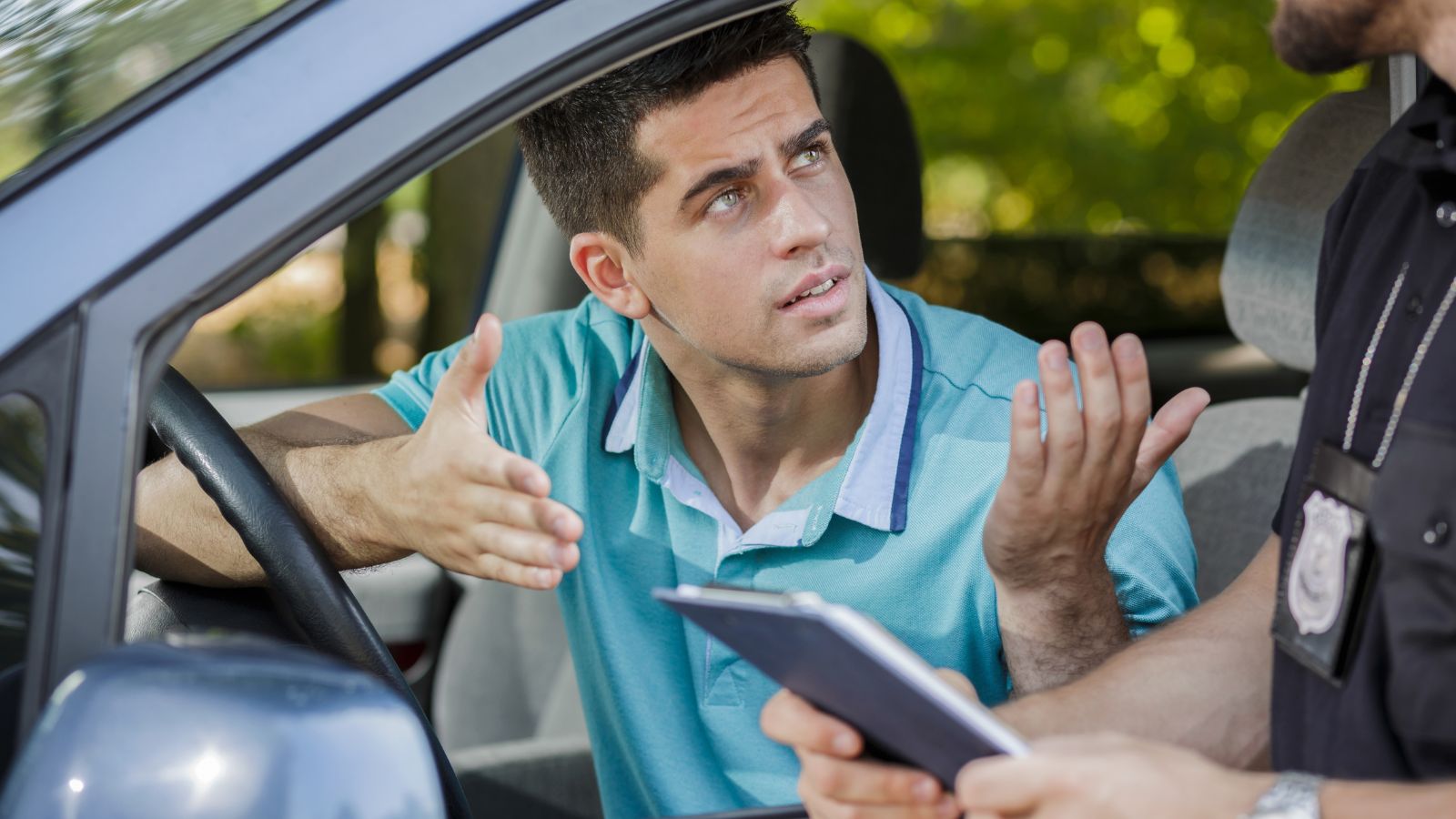
Officers quickly notice whether a driver is calm, argumentative, evasive, confused, overly talkative, or unusually silent. Demeanor is not a crime, and nervousness is common during traffic stops. However, communication style can influence how the officer interprets the rest of the encounter. A driver who answers basic questions clearly and follows instructions usually creates fewer concerns than someone who interrupts, refuses to listen, or changes explanations several times.
This does not mean drivers must confess, debate, or waive rights. It means the first exchange sets a tone. Officers may note if the driver’s statements contradict what they observed: for example, saying the car was not speeding after a clear radar reading, or denying phone use while the phone is still lit on the lap. Calm communication tends to keep the focus on the original issue. Hostility or confusion can make the stop longer and more tense.
Visible Contraband or Weapons
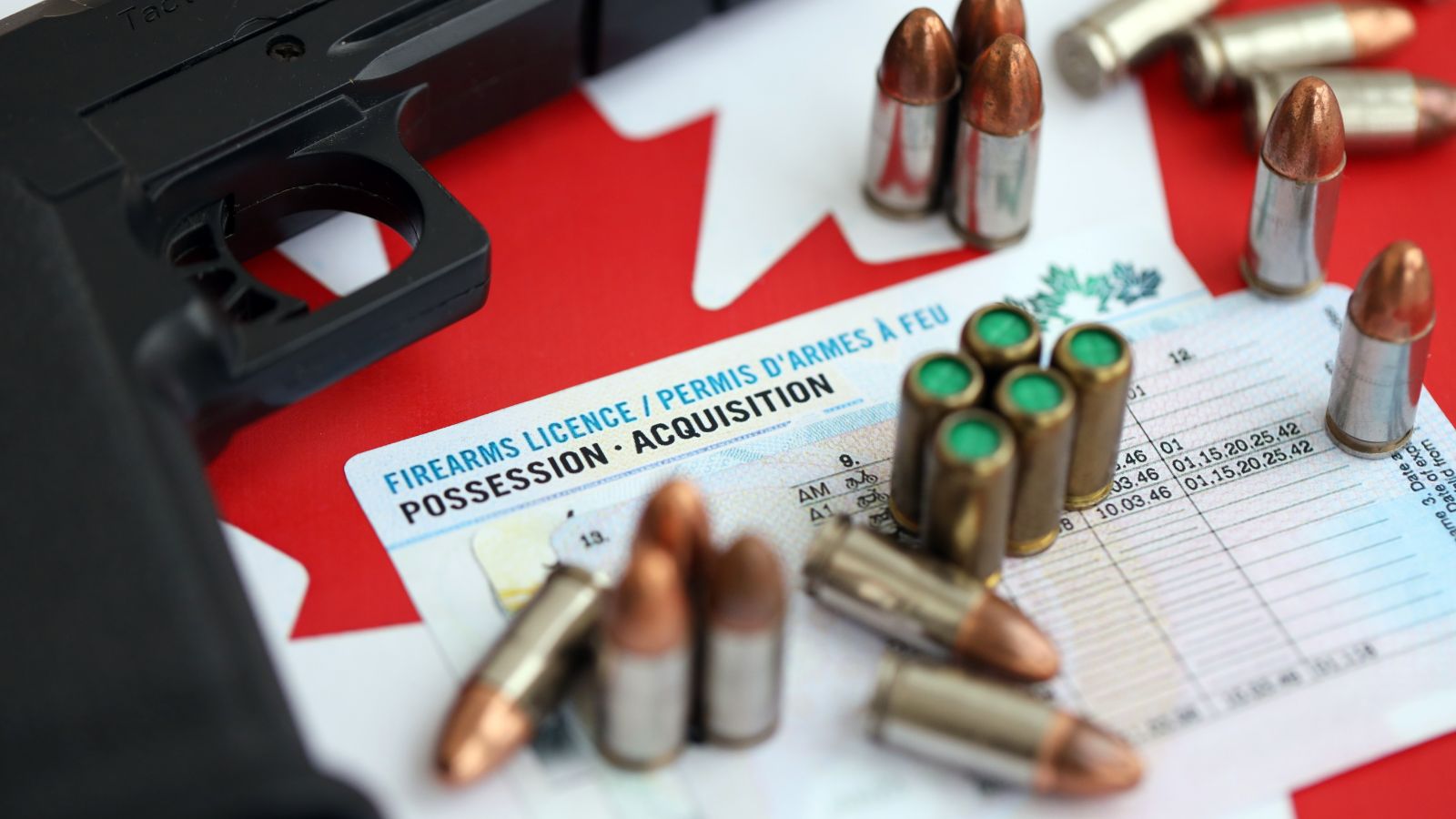
Officers are trained to observe what is in plain view. A weapon, drug paraphernalia, stolen-looking property, burglary tools, or suspicious packaging can immediately change the stop. Items do not need to be hidden badly to be noticed; police lights often illuminate the cabin, and officers approach from angles that drivers may not expect. Something partly tucked under a seat or sitting in a door pocket can still be visible enough to raise questions.
The legal consequences depend on the item, location, and jurisdiction. A legally carried firearm, for example, may still require careful handling and clear communication during a stop. The officer’s first concern is safety, not necessarily whether the item is ultimately lawful. A driver who has a legally possessed weapon may be expected in some places to disclose it or follow specific instructions. The key point is that visible items can shift the stop from a traffic matter to a safety-sensitive encounter.
Signs the Vehicle May Be Stolen or Misused
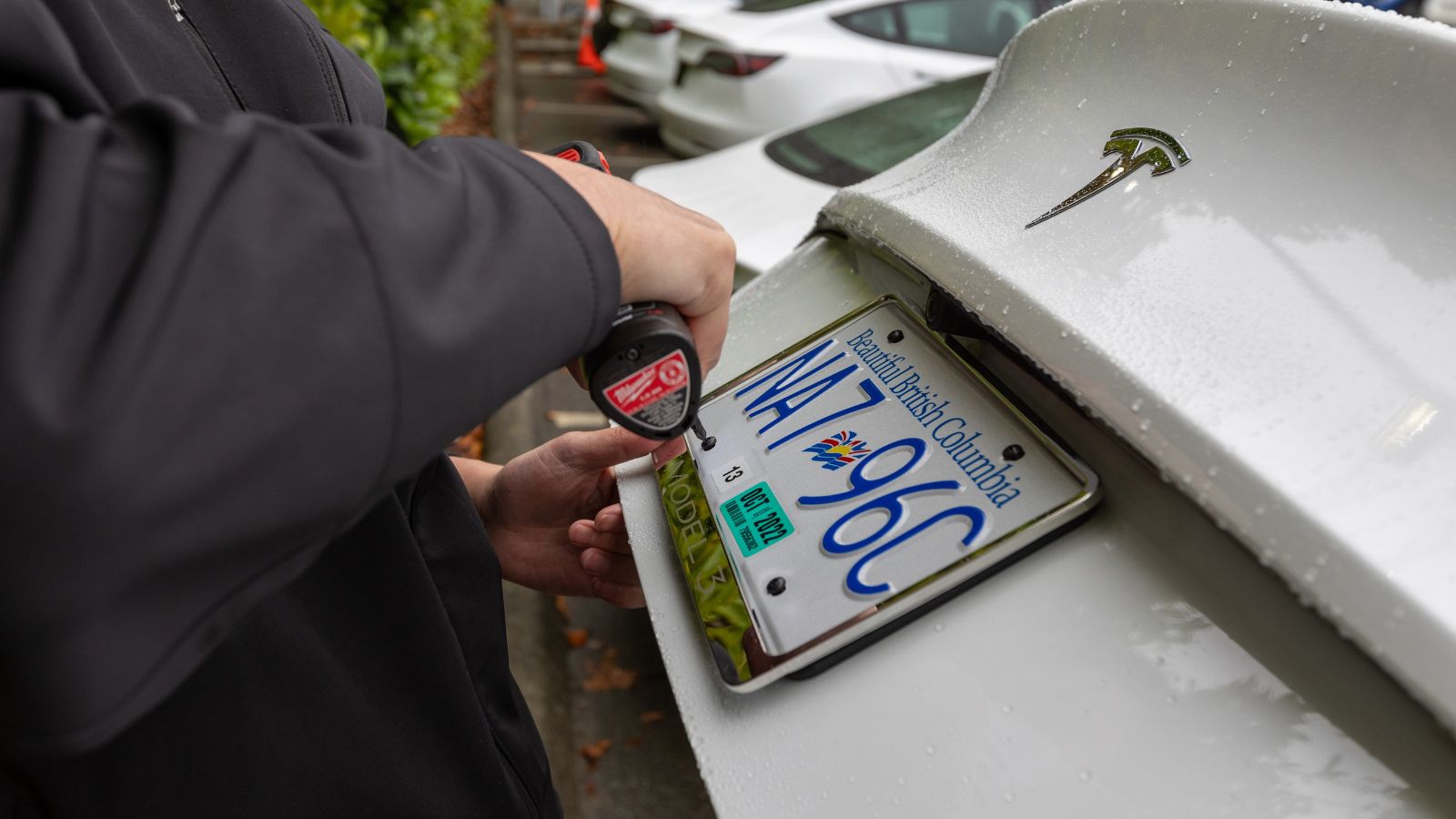
Certain details can make officers wonder whether the vehicle is stolen, borrowed without permission, or connected to another incident. A damaged ignition, mismatched plates, broken windows, punched locks, missing registration, or a driver who cannot explain ownership may raise suspicion. These signs are not proof, but they are exactly the kind of clues officers are trained to connect with database information and driver statements.
A common example is a driver using a friend’s car without knowing where the registration is, how long the tags have been expired, or why the plate does not match the vehicle. That may be innocent, but it creates uncertainty. Officers often compare what they see with what dispatch or onboard systems show. If the vehicle description, plate return, driver explanation, and paperwork all line up, concern may fade. If they conflict, the stop can become more serious.
Evidence of Recent Risky Driving
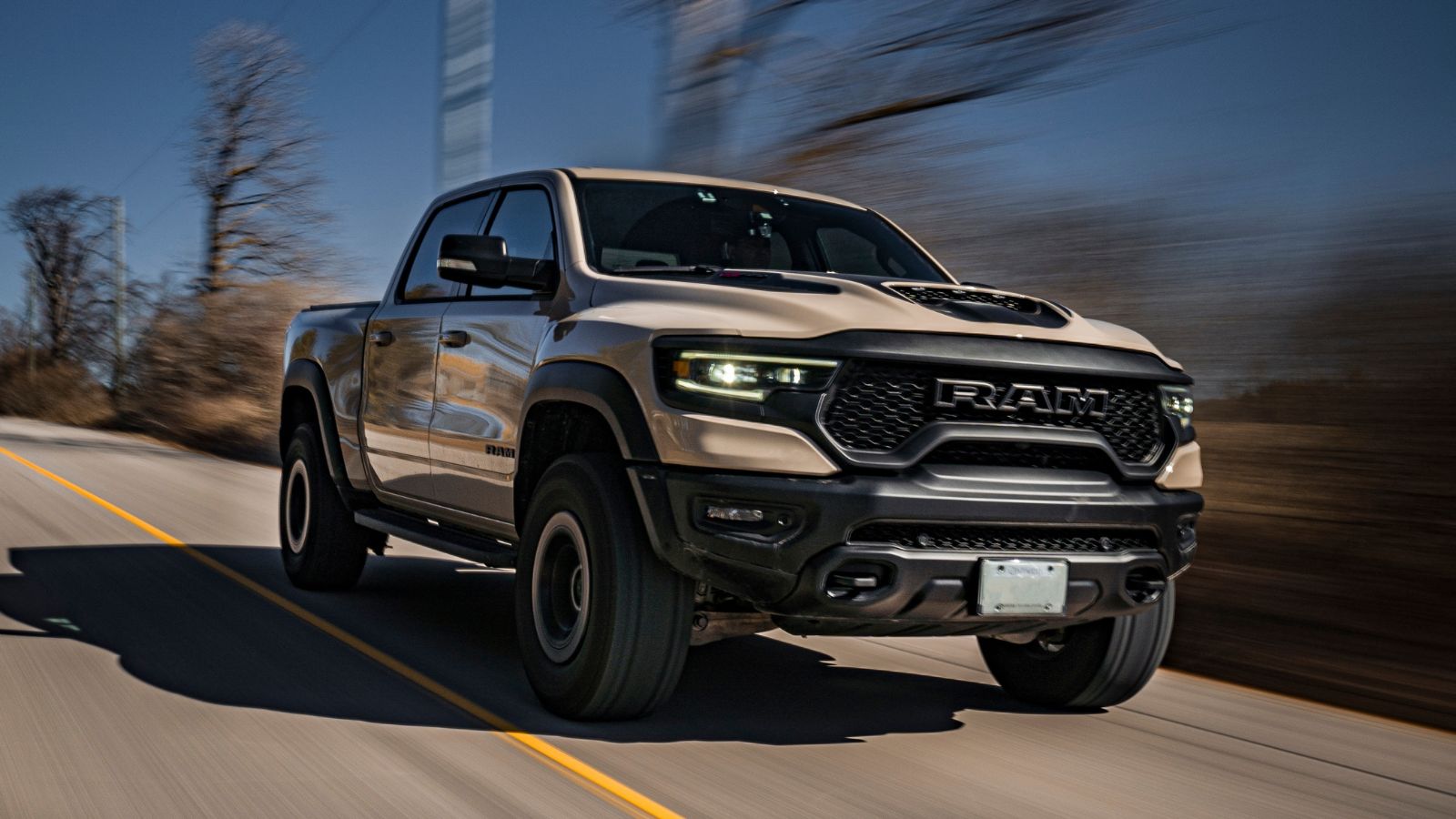
Police notice what happened before the stop as much as what happens during it. Speeding, tailgating, unsafe lane changes, rolling through stop signs, racing another vehicle, or failing to signal can shape the first conversation. The officer may approach already thinking about the risk created, not simply the technical violation. Speeding is especially important because national safety data consistently links it to a large share of traffic deaths.
This is why drivers sometimes hear detailed descriptions: “I stopped you because you crossed the center line twice,” or “You were following that truck too closely.” The officer is explaining the observed behavior that justified the stop. A driver’s response can either clarify or complicate the situation. For example, a driver who says they were rushing to a hospital may be treated differently from someone who seems unaware they were drifting across lanes. The observed driving remains the foundation.
Signs of Fatigue or Medical Distress
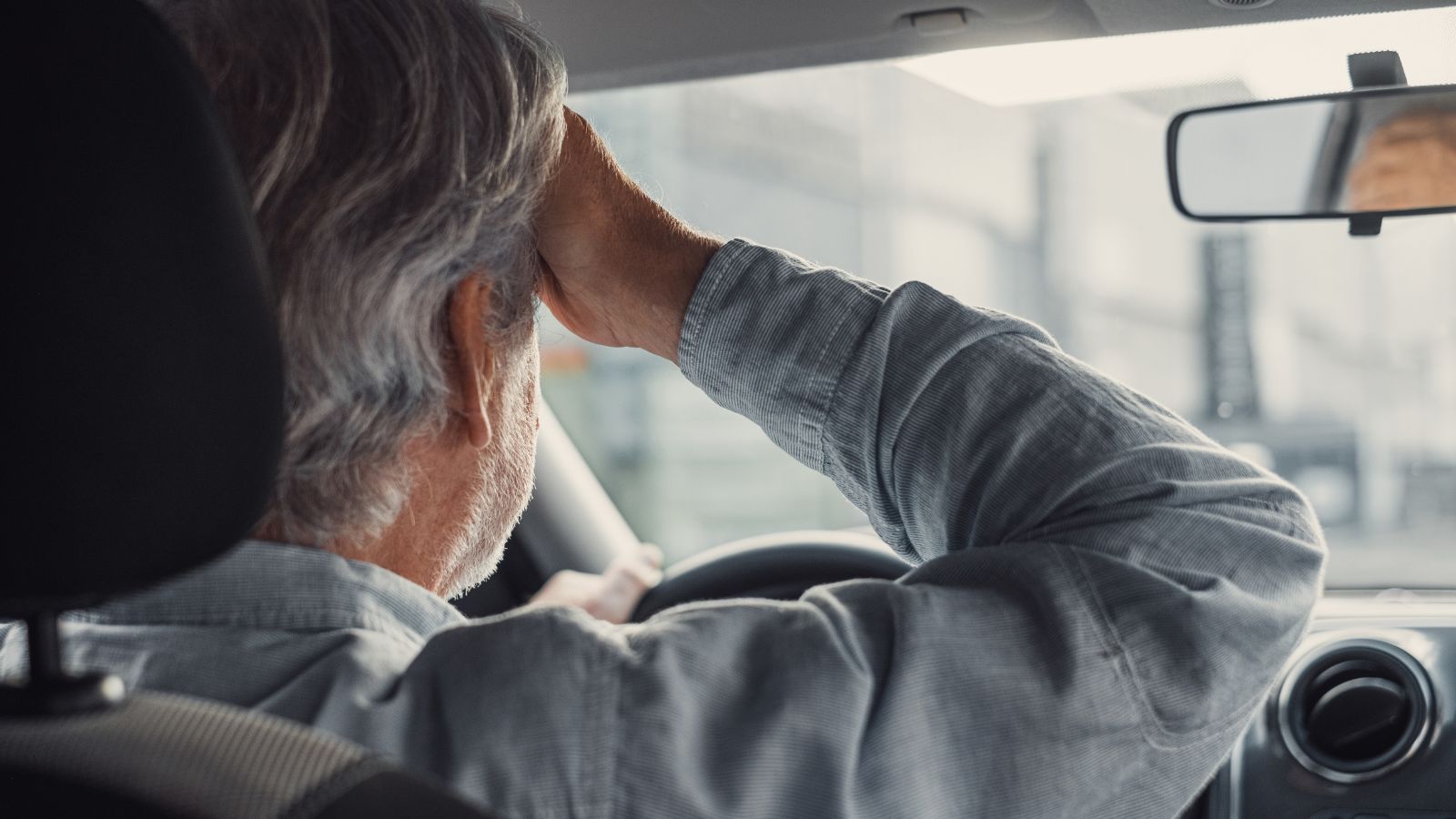
Not every unusual driving pattern points to intoxication. Officers may notice signs of fatigue, illness, low blood sugar, panic, or another medical issue. A driver who appears disoriented, pale, sweating, shaking, or unable to answer basic questions may need help rather than a ticket. Traffic stops sometimes become welfare checks when the officer realizes the driver may be in distress.
This is an important distinction because tired or medically impaired drivers can be dangerous even without alcohol or drugs. A sleepy driver may drift, brake late, or respond slowly in ways that resemble impairment. Officers may ask where the driver is coming from, whether they are okay, or whether emergency medical assistance is needed. A person driving home after a long shift may think they are just exhausted, but to an officer watching the road, the vehicle’s movement may look unsafe enough to stop.
Children, Pets, or Unsecured Items in the Car

Officers often notice children, pets, and loose cargo soon after reaching the vehicle. A child not properly restrained, a dog moving across the driver’s lap, or objects piled high enough to block visibility can all raise safety concerns. Child passenger safety rules are especially strict because age, height, weight, and seat position can determine whether a restraint is appropriate. Officers may also notice whether children appear distressed, overheated, or left unattended.
Loose items can matter too. A heavy toolbox, unsecured load, or clutter rolling around the pedals can create hazards. A driver may view these as ordinary parts of daily life, but officers assess whether the vehicle is being operated safely. Pets are a common example: a small dog jumping between the driver and window can distract the driver and complicate the officer’s approach. The issue is usually not appearance; it is whether passengers, animals, and objects are safely controlled.
Whether the Driver Follows Instructions
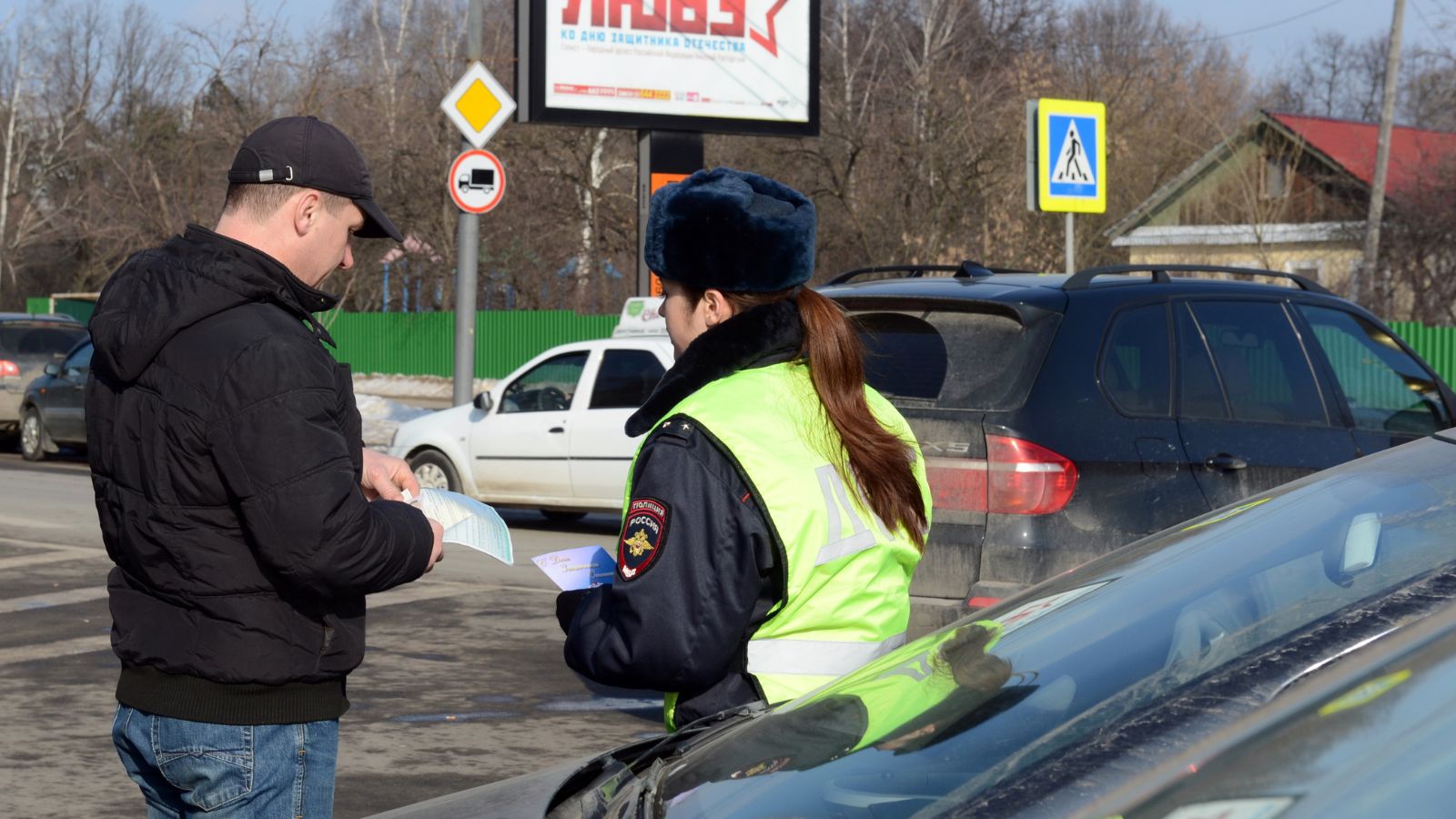
The final thing officers often notice early is whether the driver follows simple instructions. Staying in the vehicle unless asked to exit, keeping hands visible, waiting before reaching, and answering basic procedural questions can keep the stop orderly. Refusing every instruction, stepping out unexpectedly, or reaching after being told not to can quickly escalate tension. Officers tend to rely on clear commands because traffic stops happen near moving vehicles and uncertain environments.
Following instructions does not mean giving up legal rights or agreeing with the reason for the stop. It means separating roadside safety from later dispute resolution. If a driver believes the stop or ticket is wrong, the safer place to challenge it is usually through the proper legal process, not in the traffic lane. A predictable, controlled interaction helps everyone get through the stop with less confusion and less risk.
22 Things Canadians Do to Their Cars in Spring That Mechanics Hate
Spring brings relief to many Canadian drivers after months of snow, freezing temperatures, and icy roads that put serious strain on vehicles. As temperatures rise across the country, drivers begin washing cars, switching tires, and preparing vehicles for warmer weather and upcoming road trips. However, mechanics across Canada notice the same mistakes every spring when drivers attempt to recover from winter damage. Road salt, potholes, and harsh winter driving conditions often leave vehicles with hidden problems that drivers ignore. Some spring habits even create new mechanical issues that could have been avoided with proper maintenance. Here are 22 things Canadians do to their cars in spring that mechanics hate.