























Canada’s ownership math is changing quickly. A vehicle that once looked dependable, practical, or easy to resell can start feeling riskier when theft exposure, recalls, repair costs, software problems, battery concerns, insurance pressure, and depreciation all collide. For households already dealing with higher borrowing costs and maintenance bills, the riskiest vehicles are not always the flashiest ones; sometimes they are the popular models parked on nearly every block.
Here are 15 vehicles that are starting to feel too risky to own in Canada, not because every example is a bad buy, but because the wrong model year, neglected maintenance history, open recall, or theft profile can turn ownership into a more expensive gamble than expected.
Honda CR-V
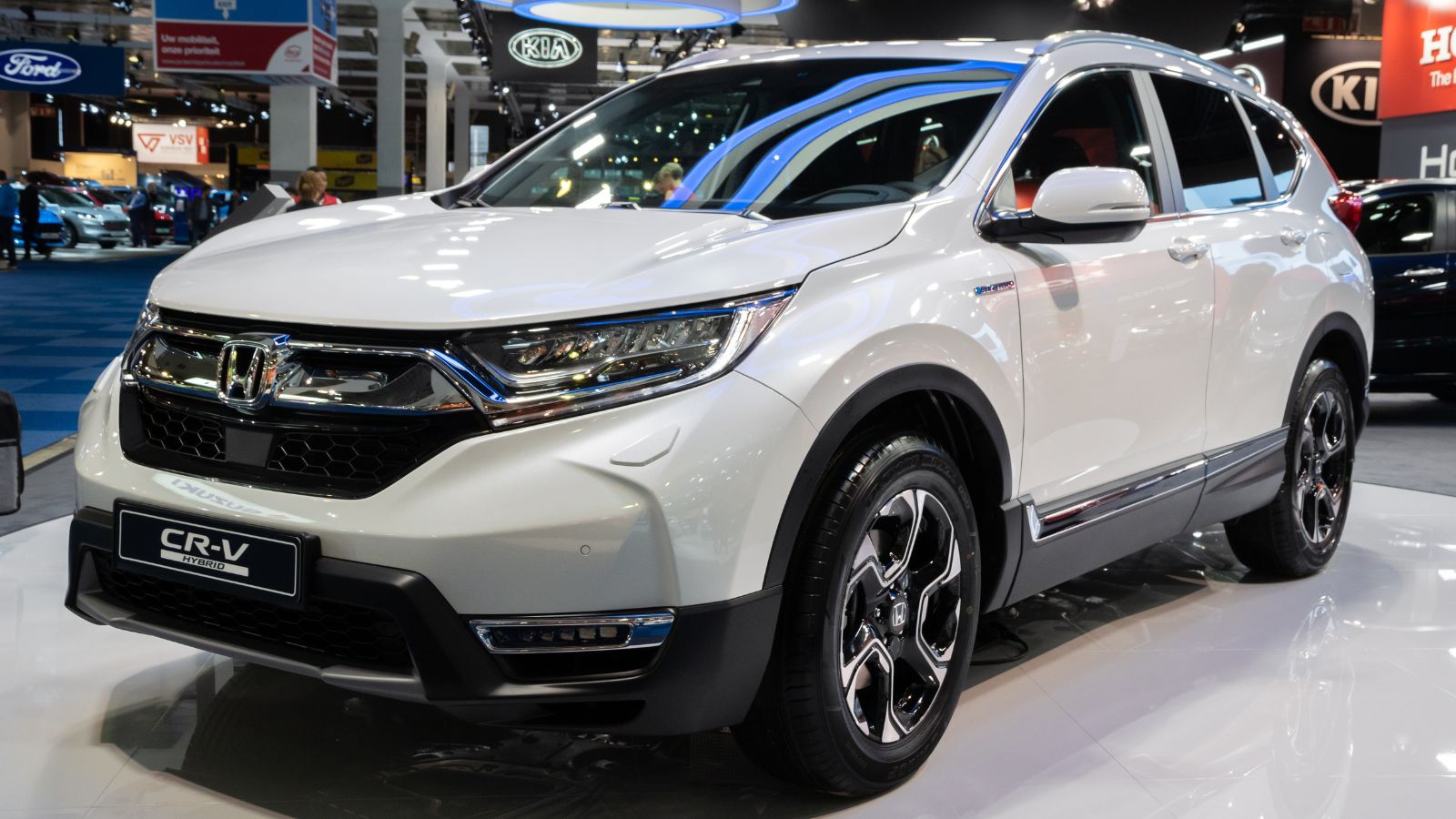
The Honda CR-V has long been one of Canada’s most sensible compact SUVs, which is exactly why its risk profile has changed. It is common, easy to live with, and popular in the used market, but that popularity has also made it a major theft target. Équité Association listed the 2016–2021 Honda CR-V as Canada’s most stolen vehicle in its national 2024 theft data, with more than 4,000 reported thefts.
That does not make the CR-V unreliable, but it does mean ownership can involve more than fuel economy and cargo space. In some areas, insurers may require anti-theft add-ons, charge higher premiums, or scrutinize parking arrangements. A Toronto-area family buying a used CR-V for winter practicality may discover that the “safe choice” now needs a steering-wheel lock, tracking device, secured driveway routine, and careful VIN recall check before it feels truly low-risk.
Lexus RX Series
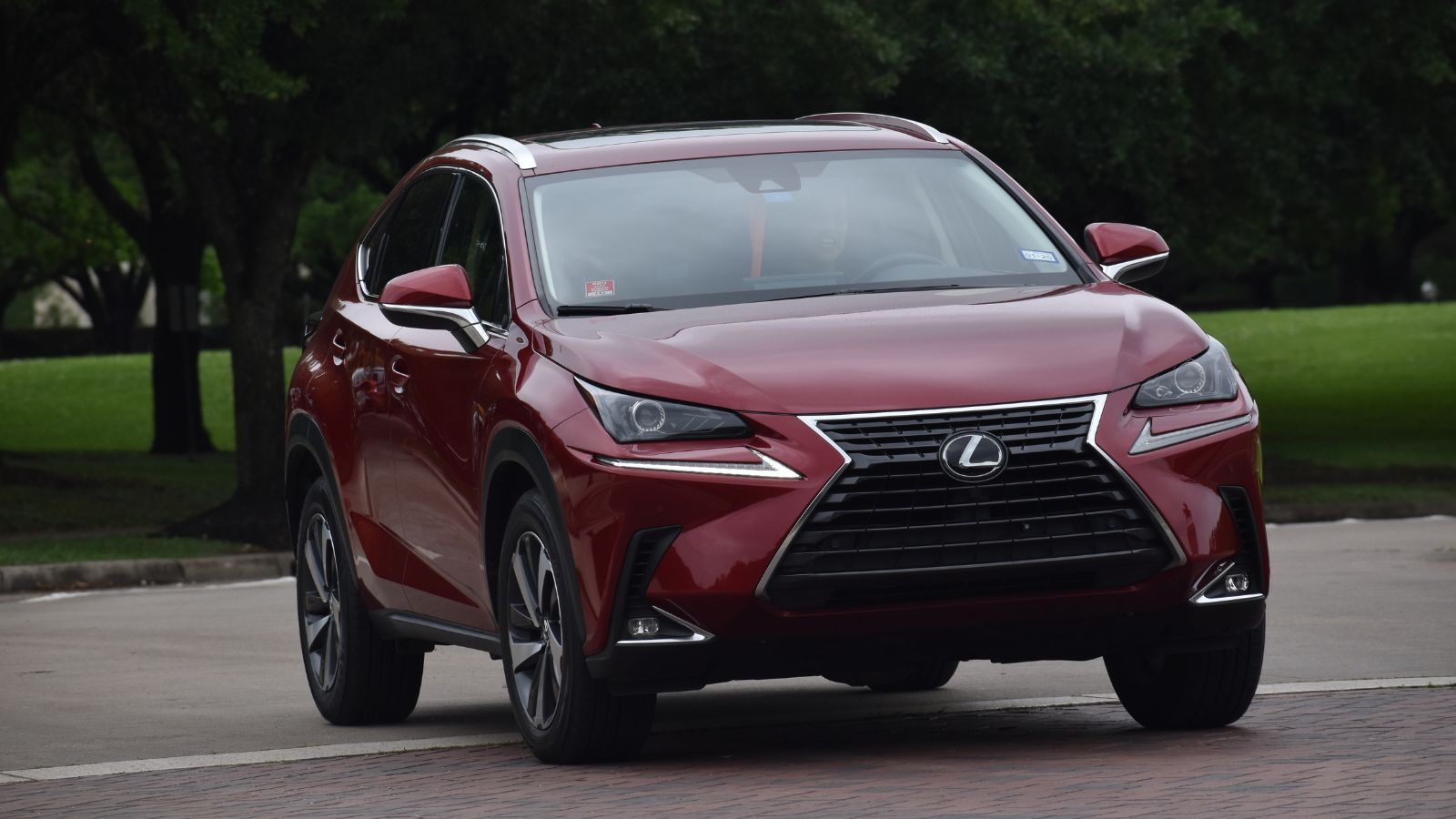
The Lexus RX carries a reputation for comfort, longevity, and strong resale value, but in Canada that desirability has become part of the problem. Équité Association’s 2024 data showed the 2016–2021 Lexus RX Series among the country’s most stolen vehicles, and its theft percentage was notably high compared with many mass-market vehicles. Luxury SUVs can be especially attractive because they hold value and can be moved quickly through illegal export channels.
For owners, the risk is not only the chance of losing the vehicle. It is also the friction that can follow: higher insurance scrutiny, longer claims processes, replacement delays, and the emotional cost of parking a valuable SUV outside overnight. A used RX may still be mechanically appealing, but in theft-heavy regions, the ownership story can feel less like quiet luxury and more like constant vigilance.
Toyota Highlander
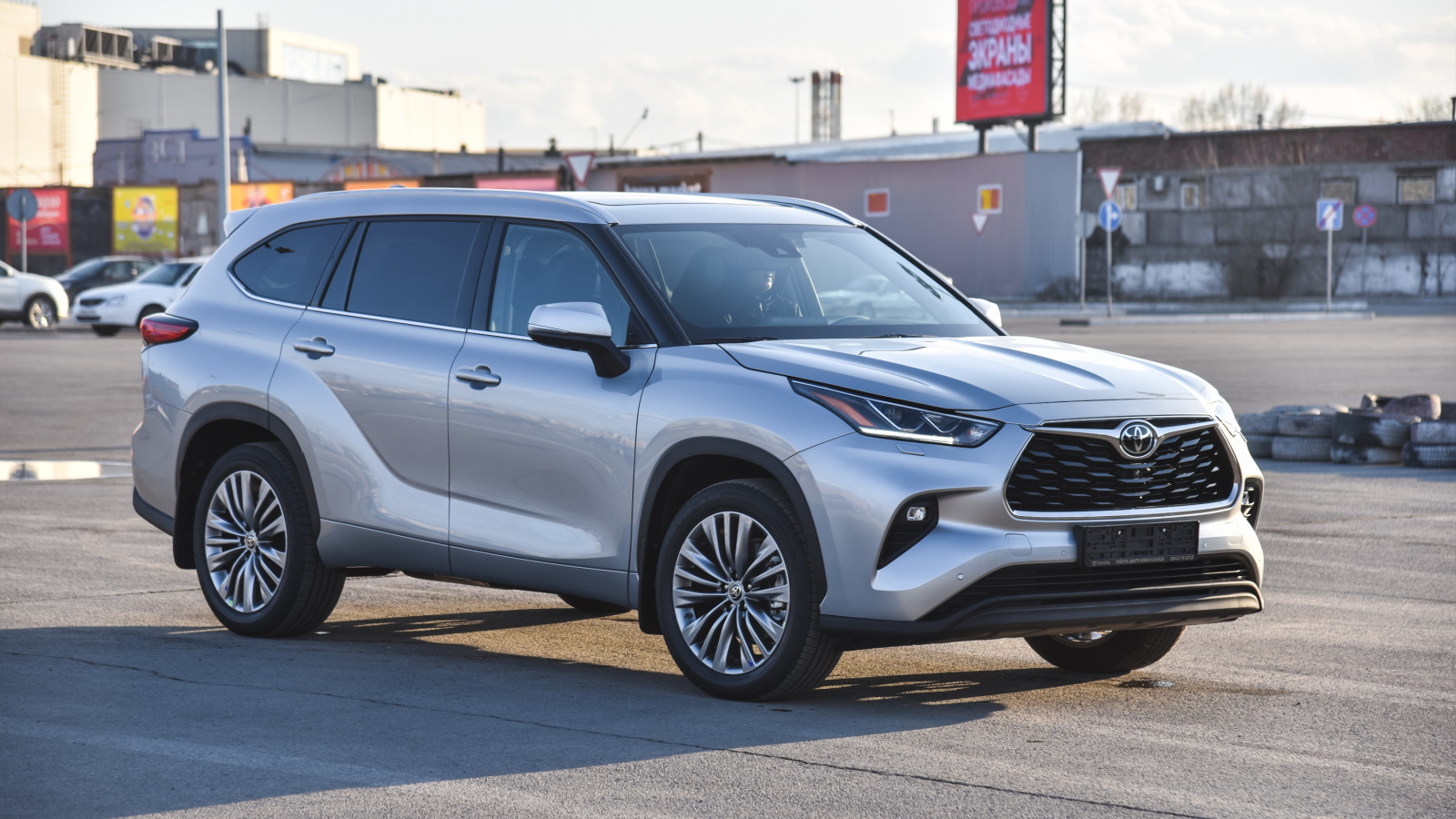
The Toyota Highlander has the family-hauler credentials Canadians often trust: three rows, winter-friendly capability, and a durable image. The trouble is that those same strengths help keep demand high, including among thieves. Équité Association’s recent theft reporting has repeatedly placed the Highlander near the top of Canadian theft lists, with 2013–2019 models appearing prominently in the 2024 national data.
That creates a strange ownership tension. A Highlander may be bought for peace of mind, yet it can require extra security planning that older family SUVs never demanded. Parking in a condo garage, leaving it at an airport lot, or relying on street parking can feel more stressful. Buyers also need to check whether insurance savings from Toyota’s reliability reputation are being offset by regional theft surcharges or mandatory anti-theft requirements.
Toyota RAV4
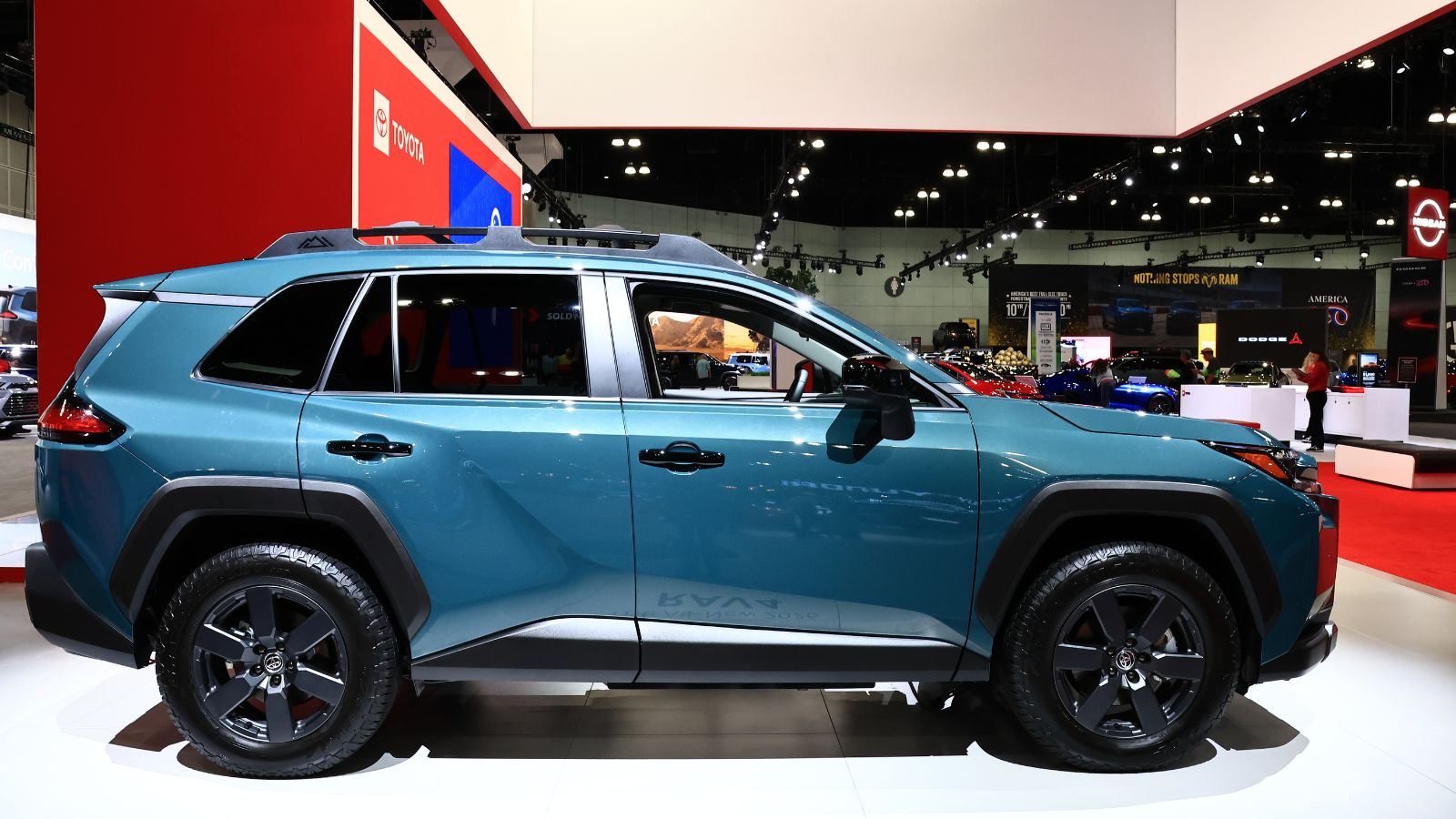
The Toyota RAV4 is one of the country’s default compact SUV choices, but some ownership risks are hiding beneath its popularity. It has appeared in Canadian theft rankings, and older 2013–2018 models were also subject to a large Canadian recall involving the 12-volt battery hold-down assembly. Transport Canada warned that an improperly secured replacement battery could shift, short-circuit, and create a fire risk.
That combination matters because the RAV4 appeals to buyers who expect low drama. A used example may look like a safe family purchase, but an open recall, wrong battery fitment, or poor maintenance records can change the picture. For Canadians shopping older RAV4s, the risk is not that the model is fundamentally weak; it is that a very common vehicle can still carry theft, recall, and previous-owner uncertainty.
Ford F-150
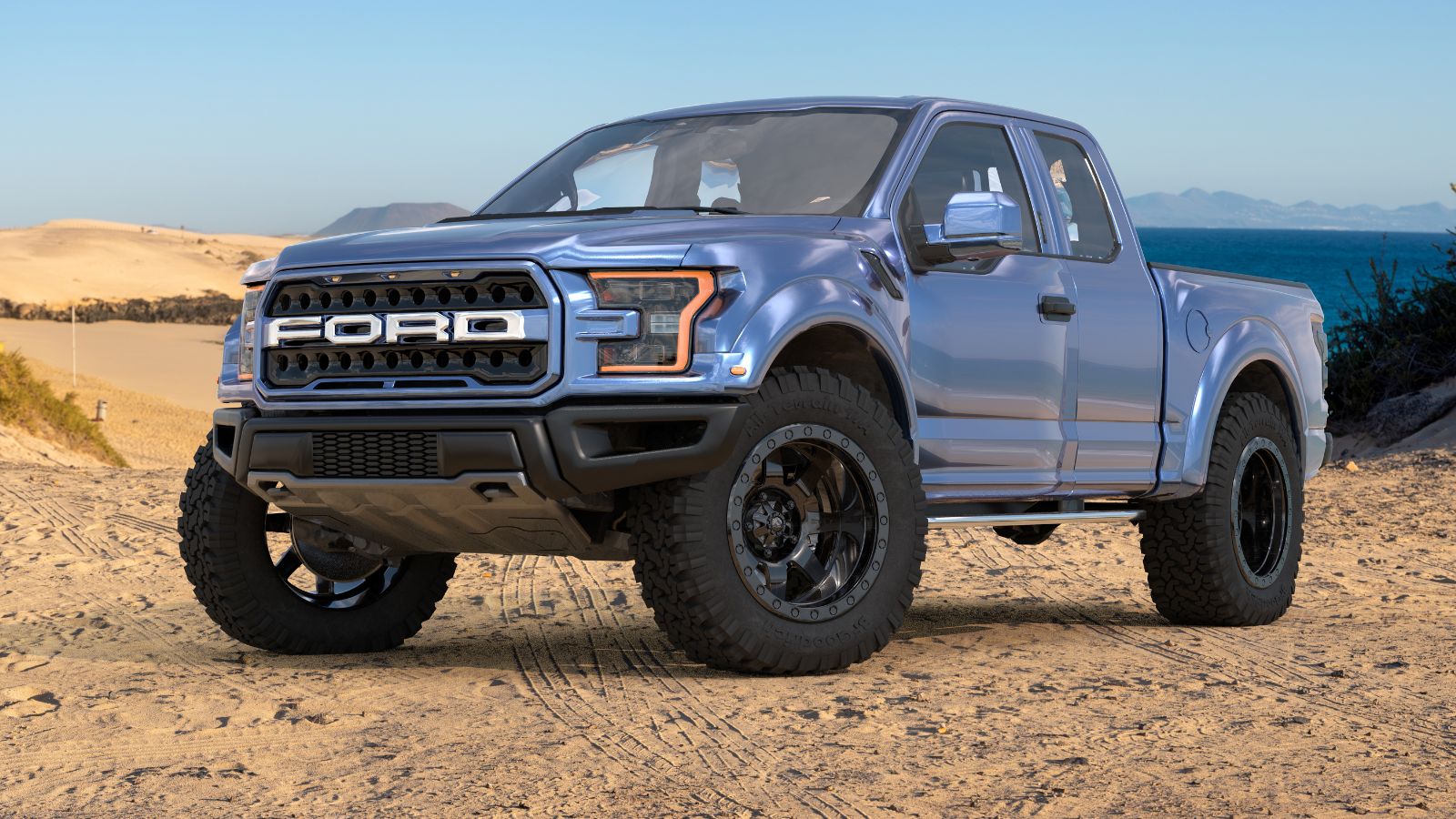
The Ford F-150 is a Canadian staple, from job sites to cottages, but its ownership risks are becoming harder to ignore. Équité Association listed the 2015–2020 F-150 Series among Canada’s most stolen vehicles in 2024. Transport Canada has also issued recalls affecting certain F-150 trucks, including rear axle hub bolt concerns on some 2023–2025 models and a 2026 recall involving sudden downshifts on some older trucks with six-speed transmissions.
A pickup used for towing, commuting, and weekend hauling can rack up expensive wear quickly. The risk grows when a truck has been modified, overloaded, poorly serviced, or bought used without clear maintenance records. For many Canadians, the F-150 still does everything well. The concern is that theft exposure, recall complexity, fuel costs, and heavy-duty repair bills can make the wrong one costly fast.
Ram 1500
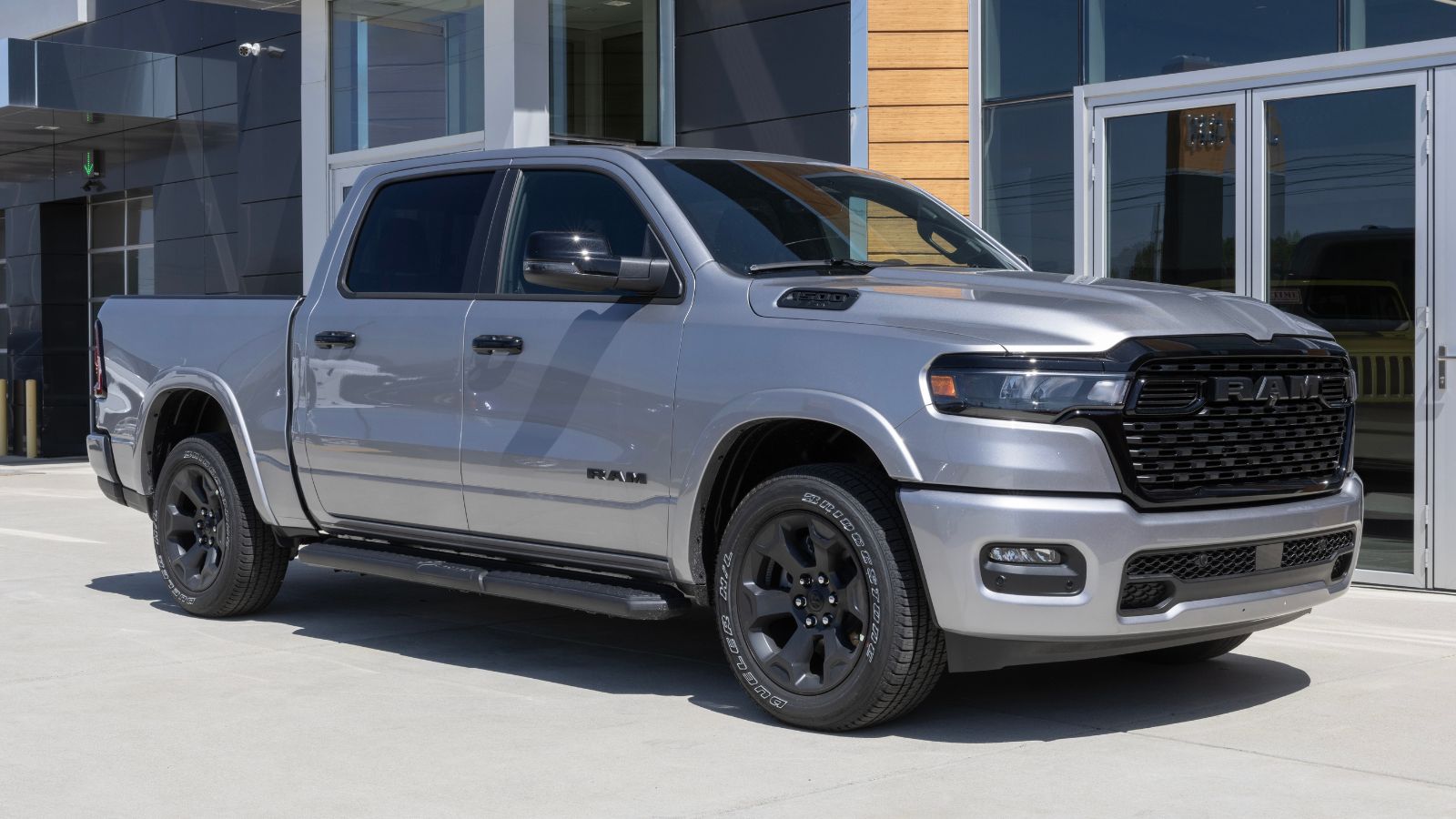
The Ram 1500 has a loyal following because it blends pickup strength with a comfortable cabin, but Canadian ownership can involve more risk than the showroom image suggests. Équité Association’s 2024 theft data included the 2011–2018 Ram 1500 Series among the most stolen vehicles nationally. Older trucks can also become expensive when suspension, driveline, rust, electronic, or towing-related wear begins to stack up.
The danger is that used Rams often look tempting because depreciation can make them appear like bargains compared with newer trucks. But a cheaper purchase price does not cancel out fuel use, tire costs, brake wear, insurance exposure, and potential theft concerns. A Ram that spent years towing trailers or plowing snow may carry hidden fatigue that only becomes obvious after the first major repair estimate.
Honda Civic
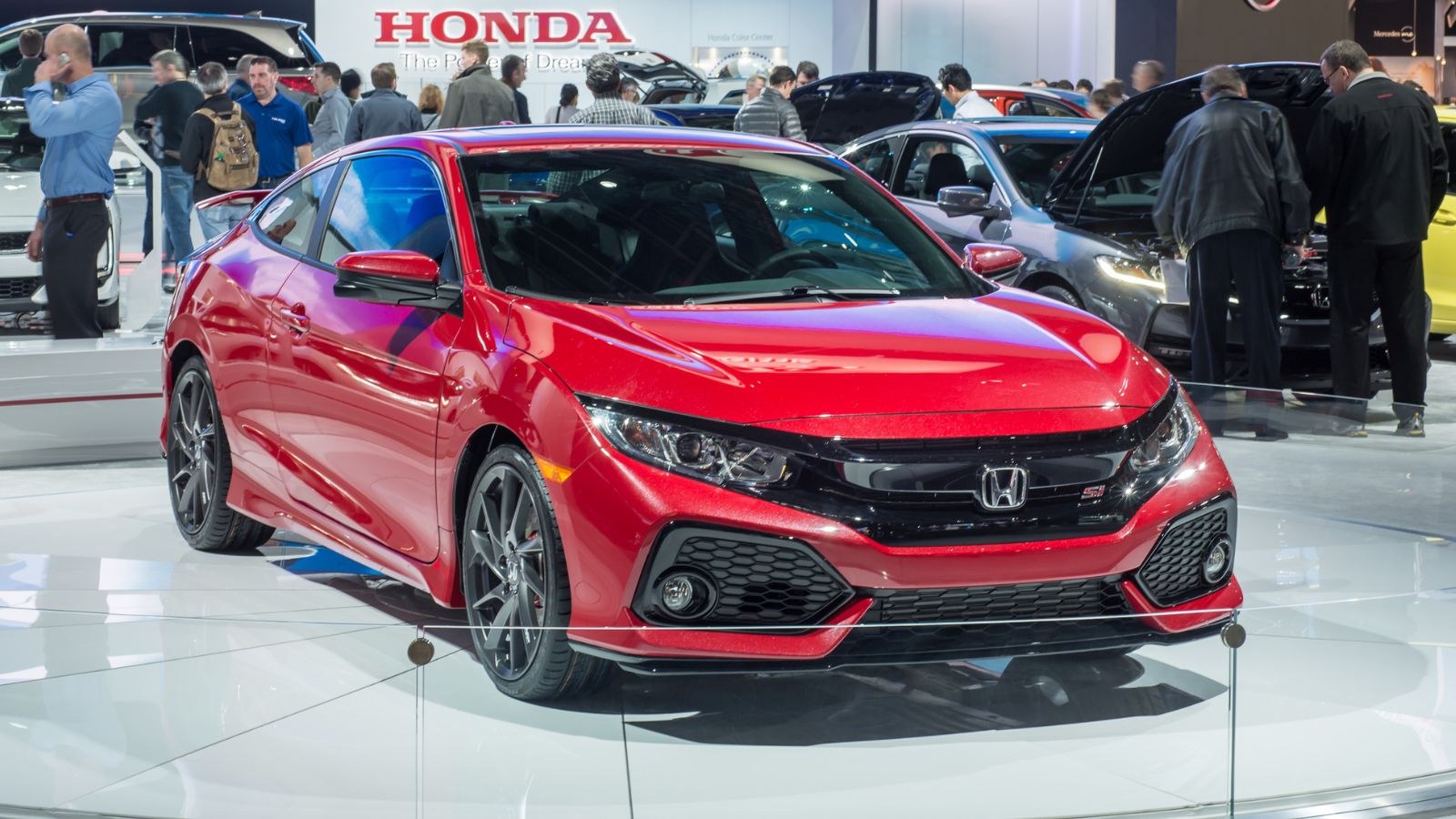
The Honda Civic is one of Canada’s most familiar small cars, and that familiarity can create a false sense of low-risk ownership. Équité Association listed the 2016–2021 Civic among Canada’s most stolen vehicles in 2024. It may not draw attention like a luxury SUV, but its huge population, parts demand, and resale strength keep it relevant to thieves and insurers.
The Civic’s risk often comes from the used market. Many examples have lived hard lives as commuter cars, delivery vehicles, student cars, or modified projects. A lightly priced Civic with aftermarket wheels, engine tuning, accident history, or incomplete service records can quickly become less economical than expected. The model remains practical, but buyers need to separate the Civic’s strong reputation from the individual car’s actual condition and theft exposure.
Jeep Wrangler 4xe
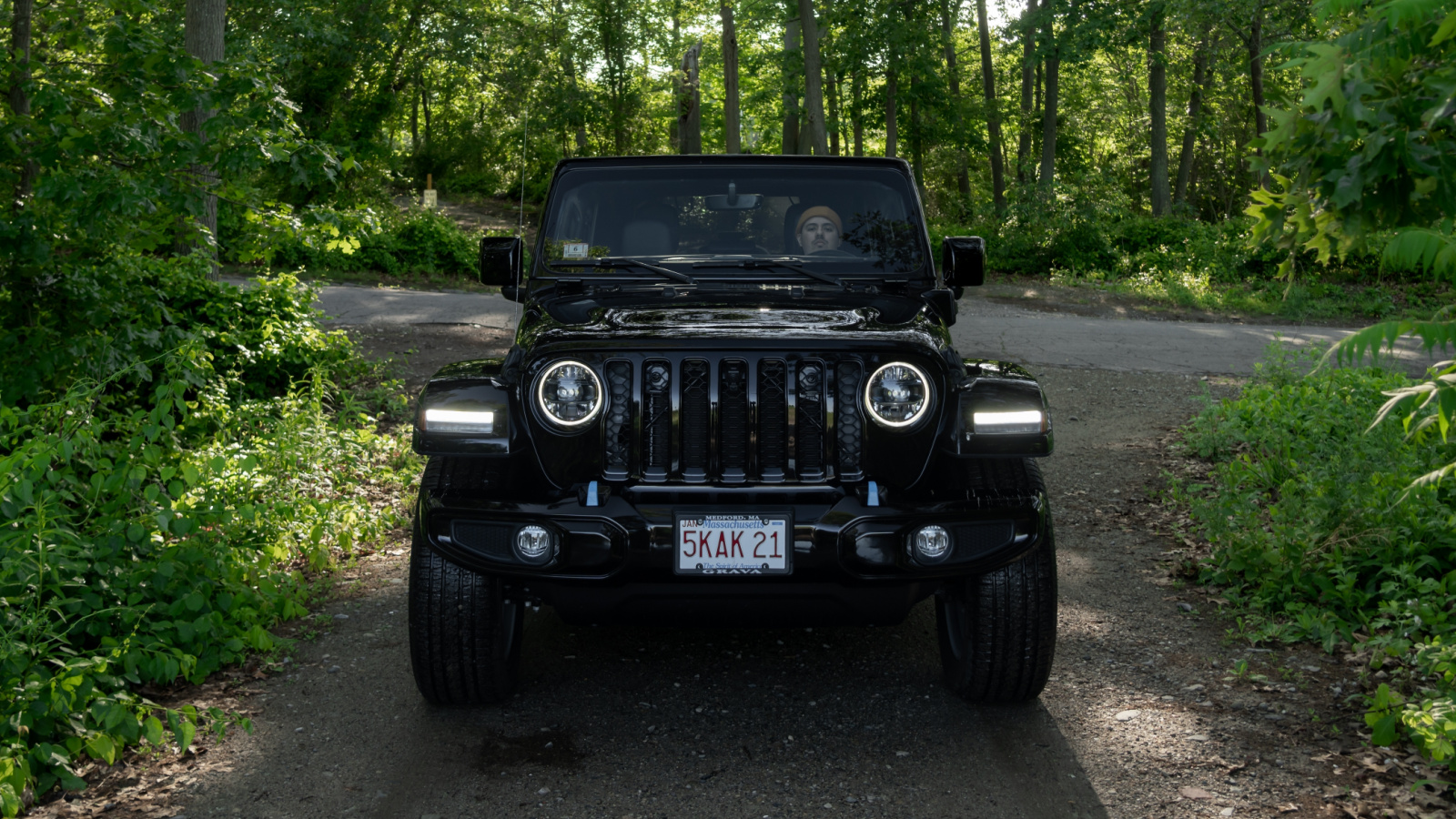
The Jeep Wrangler 4xe sounds ideal on paper: trail-ready character with plug-in hybrid capability. In practice, it has become a more complicated ownership bet. Transport Canada recalls have warned of high-voltage battery fire risk on certain 4xe models, including advice to avoid charging and park outdoors away from structures until repairs are completed. Additional recall activity has involved plug-in hybrid powertrain concerns.
That is a lot for a vehicle often used in rural, winter, and recreational settings where dealer access may not be convenient. The Wrangler 4xe also carries the normal costs of Jeep ownership: tires, brakes, suspension wear, removable roof hardware, and off-road abuse on some used examples. The risk is not that every 4xe is unsafe, but that electrification adds expensive complexity to an already specialized vehicle.
Jeep Grand Cherokee 4xe
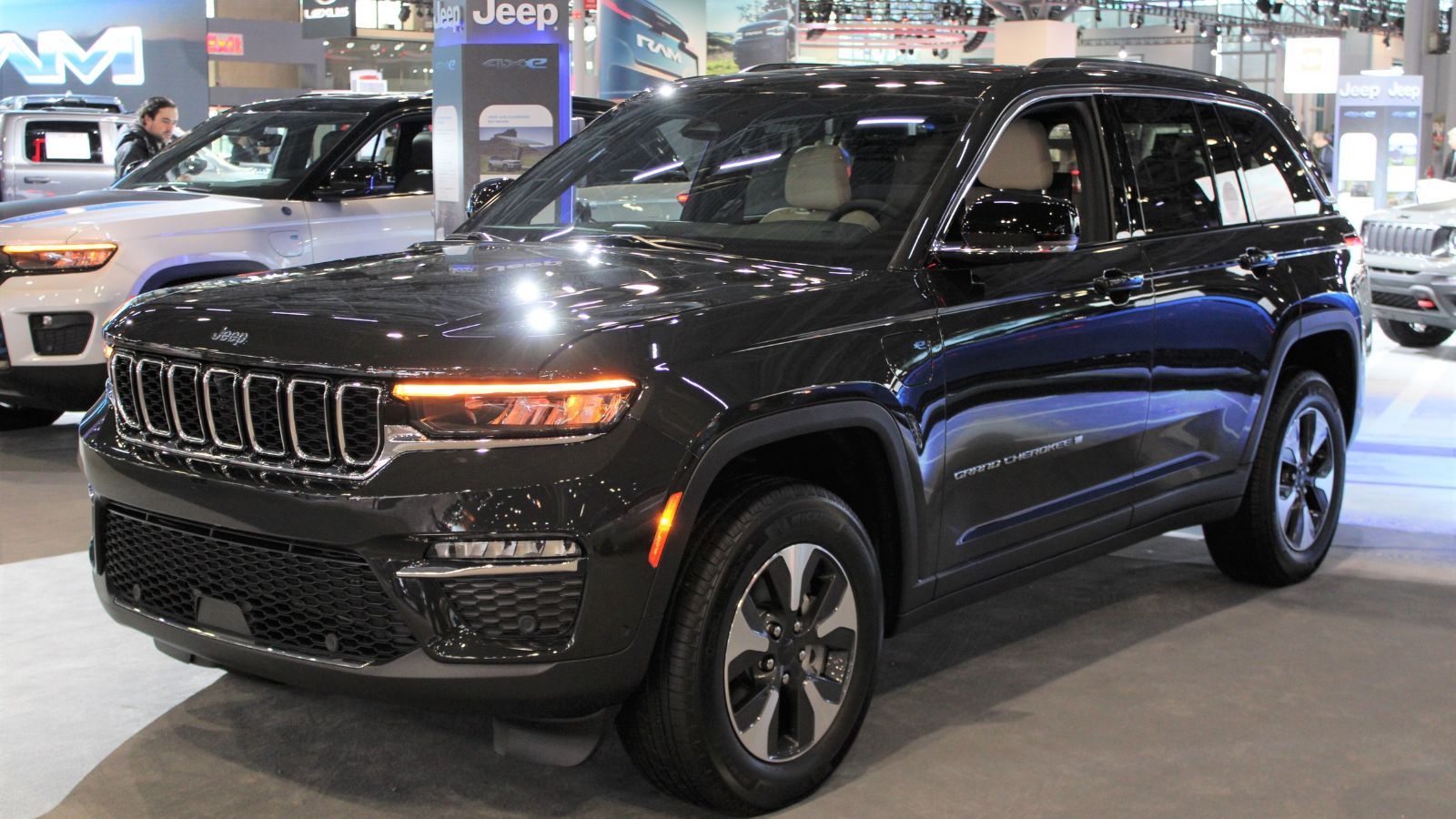
The Jeep Grand Cherokee 4xe aims to combine premium SUV comfort with plug-in hybrid efficiency, but its ownership risk has grown because of recall and complexity concerns. Transport Canada has published recall notices for certain FCA plug-in hybrid SUVs involving high-voltage battery fire risk, and another notice described possible engine failure that could lead to sudden power loss or increased fire risk on certain plug-in hybrid models.
For Canadian owners, the practical issue is uncertainty. A Grand Cherokee 4xe may be asked to handle school runs, highway trips, cottage roads, and winter cold, all while carrying hybrid hardware that can be expensive to diagnose. When a recall advises parking outdoors or avoiding charging, the ownership experience no longer feels premium. A careful VIN check and documented dealer repair history become essential before purchase.
Chevrolet Bolt EV
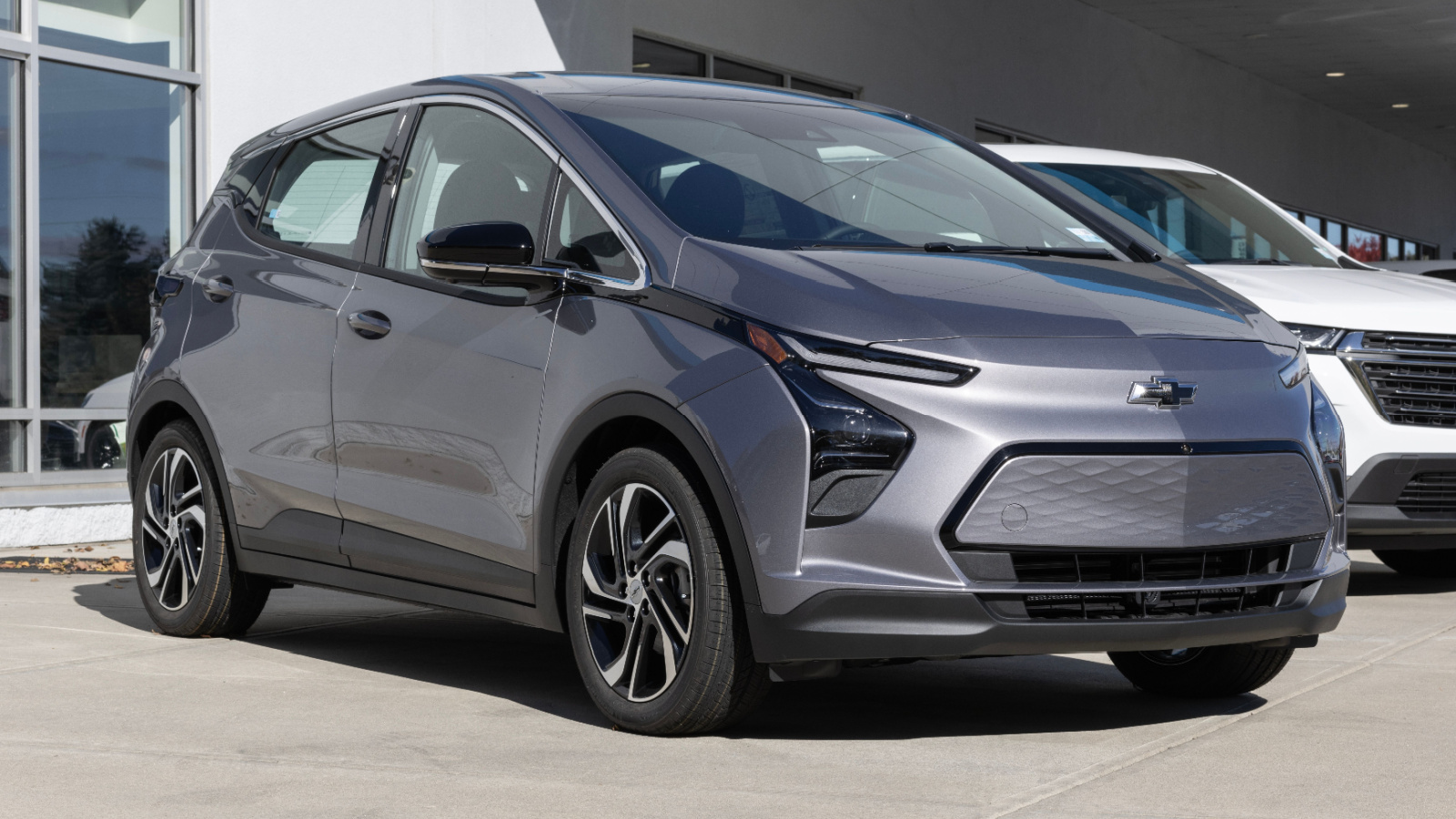
The Chevrolet Bolt EV brought relatively affordable electric driving to many Canadians, but battery-related recall history still shadows some examples. Transport Canada issued a 2024 recall for a small number of Bolts where earlier recall repairs may not have been completed correctly, warning that the high-voltage battery could overheat when charged above 90 percent and create smoke, heat, damage, or fire risk.
Even beyond recalls, used EV ownership depends heavily on battery condition, charging history, software updates, and warranty status. A Bolt with a replaced battery and clean documentation can be attractive, but one with unclear recall history can feel risky. Apartment dwellers and drivers relying on public charging may also find that range, winter performance, and charging access affect ownership more than the low running-cost promise suggests.
Tesla Model 3
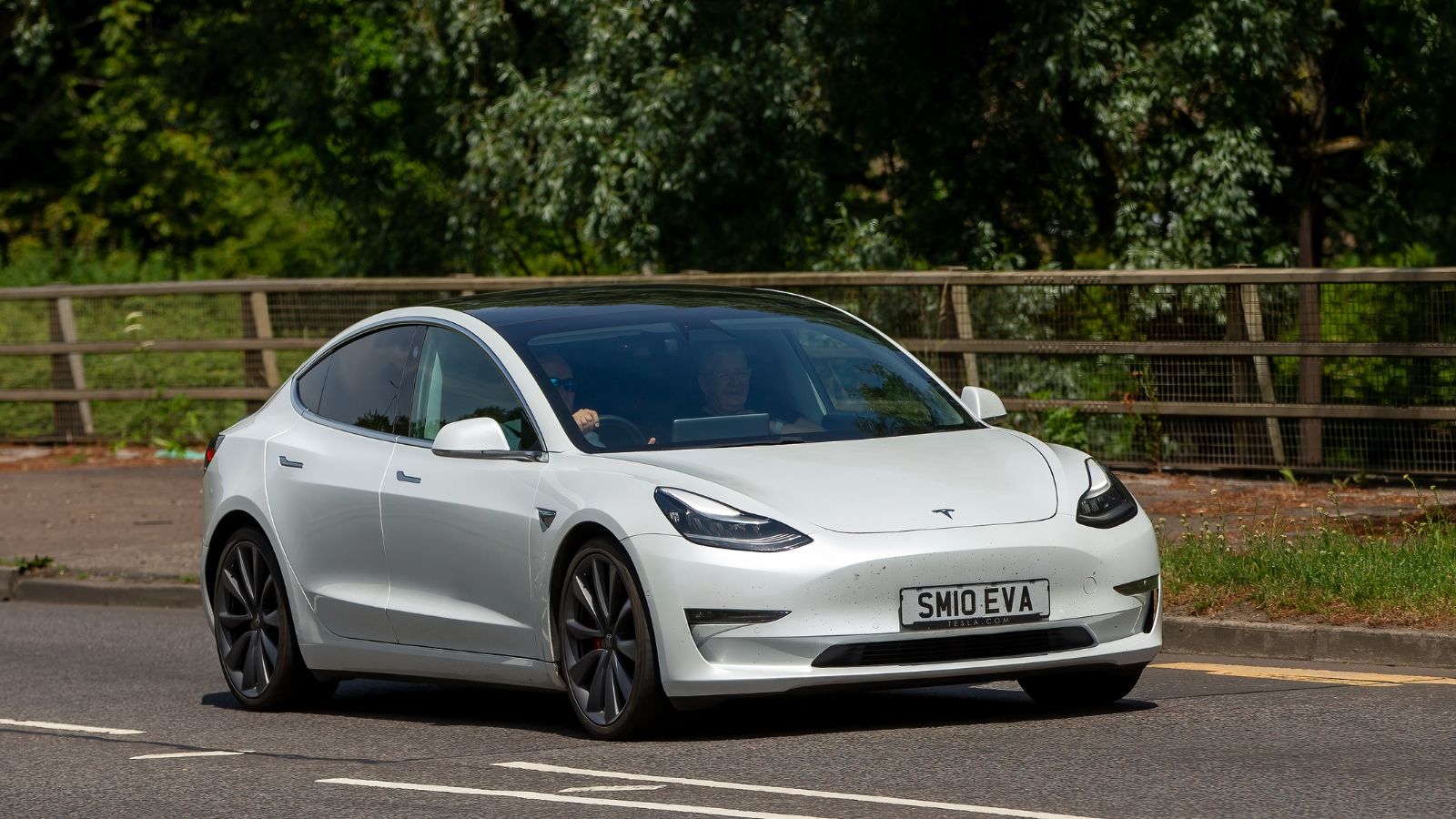
The Tesla Model 3 changed the Canadian EV market, but ownership risk increasingly depends on price paid, warranty coverage, and repair access. Broader reliability research has found EVs improving but still reporting more problems than gasoline vehicles, while Tesla has faced owner-reported issues involving build quality and electrical accessories in Consumer Reports-related reliability coverage. Used EV depreciation can also move quickly when new-vehicle incentives, price cuts, and battery expectations shift.
A Model 3 can still be efficient and enjoyable, especially for drivers with home charging. The risk appears when buyers stretch their budget for a used example without understanding tire wear, glass costs, insurance premiums, battery warranty terms, or body-shop delays. What looks like a modern bargain can become stressful after a collision, out-of-warranty electronics failure, or sudden resale-value reset.
Nissan Leaf
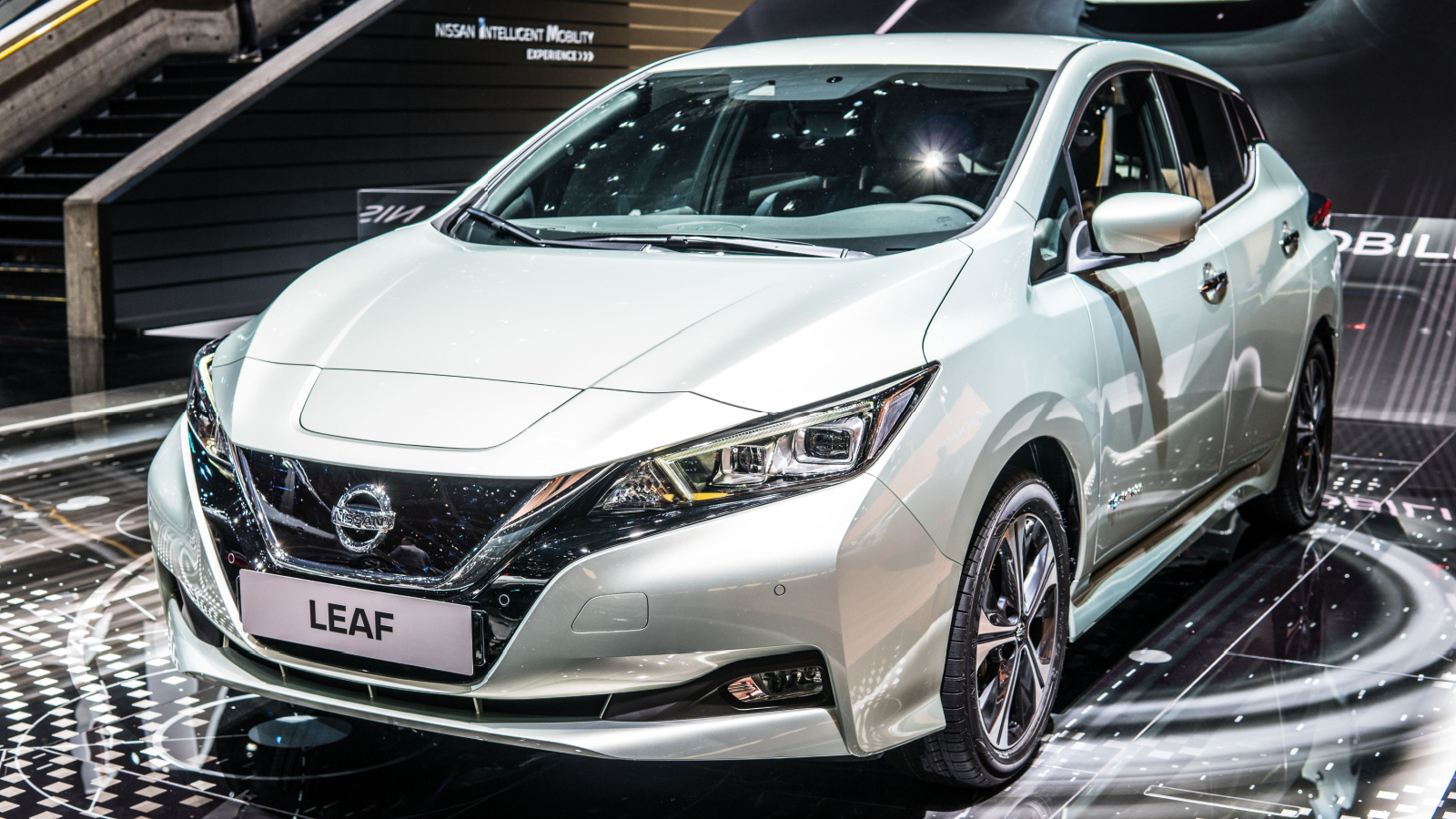
The Nissan Leaf is one of the most affordable used EVs in Canada, but that affordability can signal risk rather than value. Older Leafs use battery technology and thermal-management approaches that can make battery health especially important. Cold Canadian winters, repeated fast charging, age, and degraded range can turn a cheap EV into a limited-use second car rather than a full replacement for a gasoline vehicle.
The ownership trap is usually expectation. A shopper may see a low purchase price and assume low-cost commuting, but a Leaf with reduced range can struggle with winter errands, highway driving, or households without reliable home charging. Battery condition matters more than mileage alone. For the right short commute, it can still work well; for the wrong routine, the savings can disappear into inconvenience.
BMW X5
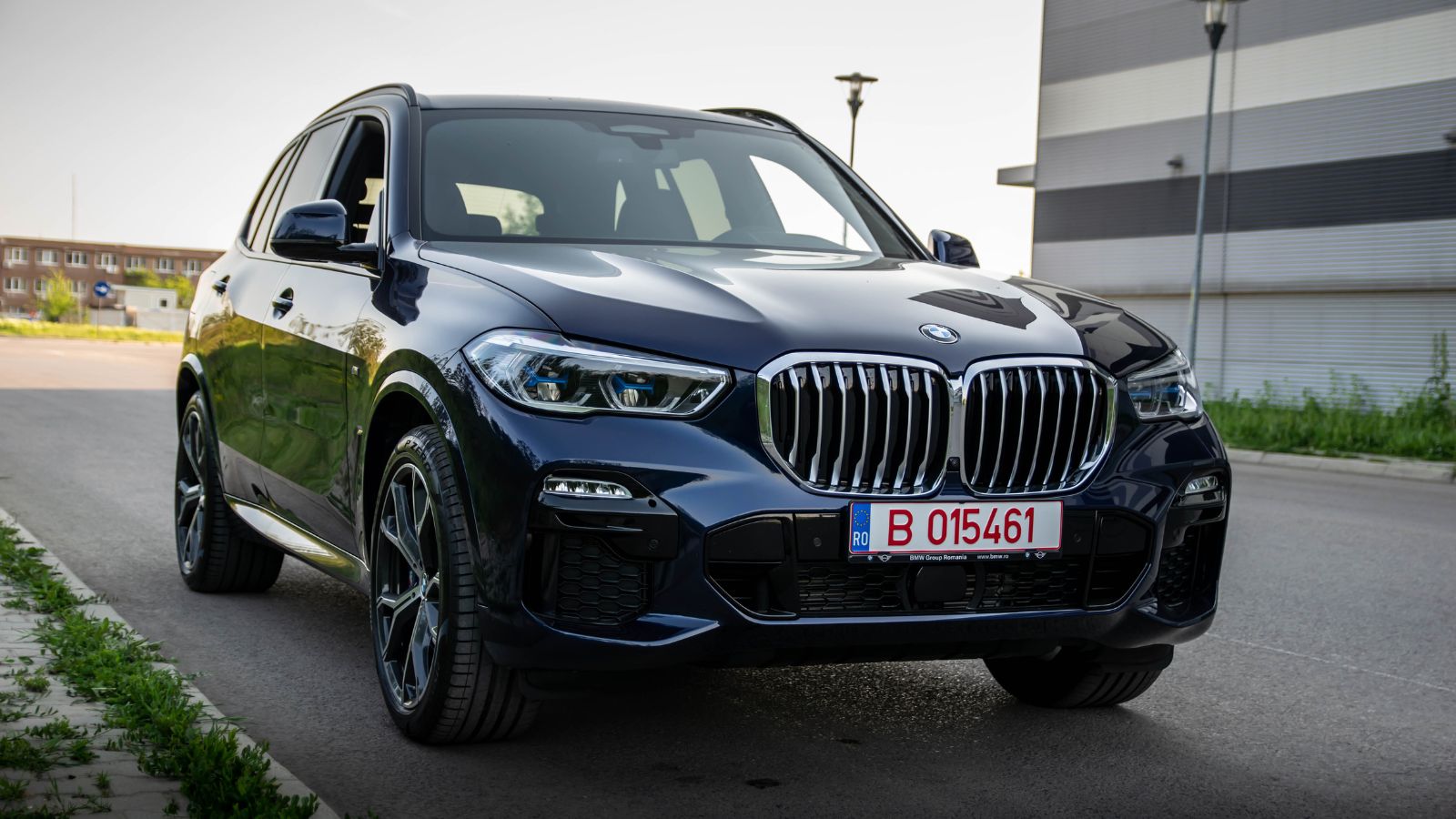
The BMW X5 delivers the comfort, power, and winter confidence that make luxury SUVs appealing, but it can become financially risky as it ages. RepairPal estimates the X5’s average annual repair cost at more than $1,100 and ranks it poorly within its luxury full-size SUV category. That matters in Canada, where potholes, salt, cold starts, and winter tires add more pressure to already expensive components.
The X5’s risk often arrives after the warranty ends. Air suspension, electronics, cooling systems, brakes, tires, and advanced driver-assistance hardware can all be expensive to diagnose and repair. A used X5 may look like a huge discount from its original price, but the maintenance standard does not depreciate with the sticker price. Owners still pay luxury-SUV rates when something goes wrong.
Audi Q5
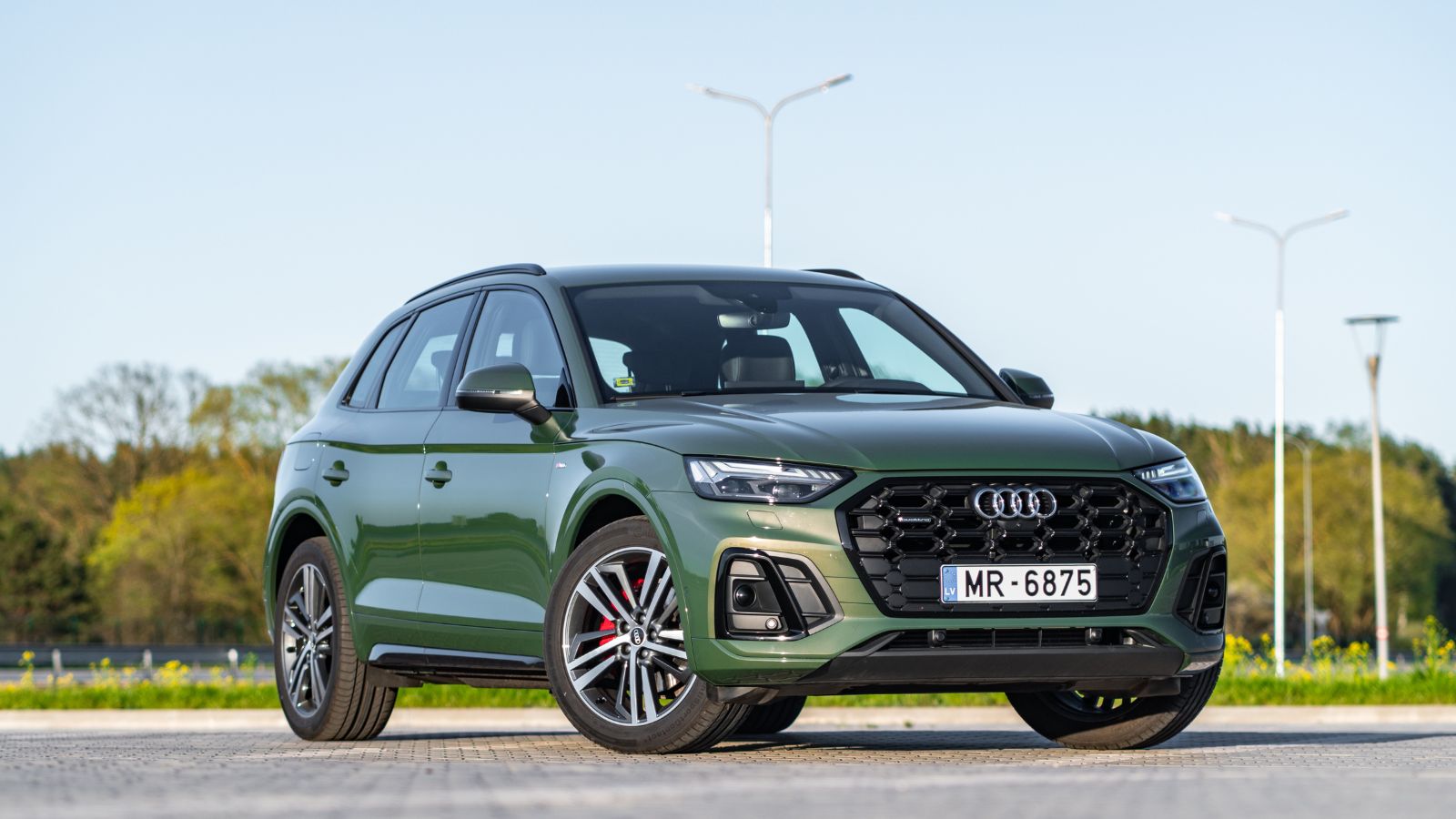
The Audi Q5 is another vehicle that can feel reasonable to buy used but less reasonable to keep. RepairPal lists the Q5 with poor ownership costs in its luxury midsize SUV class and estimates average annual repair costs near the upper end for the segment. The risk is amplified by all-wheel-drive systems, turbocharged engines, electronic features, and premium parts pricing.
In Canada, the Q5’s appeal is obvious: compact luxury size, quattro traction, and a refined cabin for winter commuting. But a used example with skipped fluid services, worn tires, aging suspension, or neglected oil changes can quickly become expensive. The danger is not dramatic failure in every case; it is a steady pattern of smaller premium repairs that make the vehicle feel less like an affordable luxury find.
Mercedes-Benz GLE
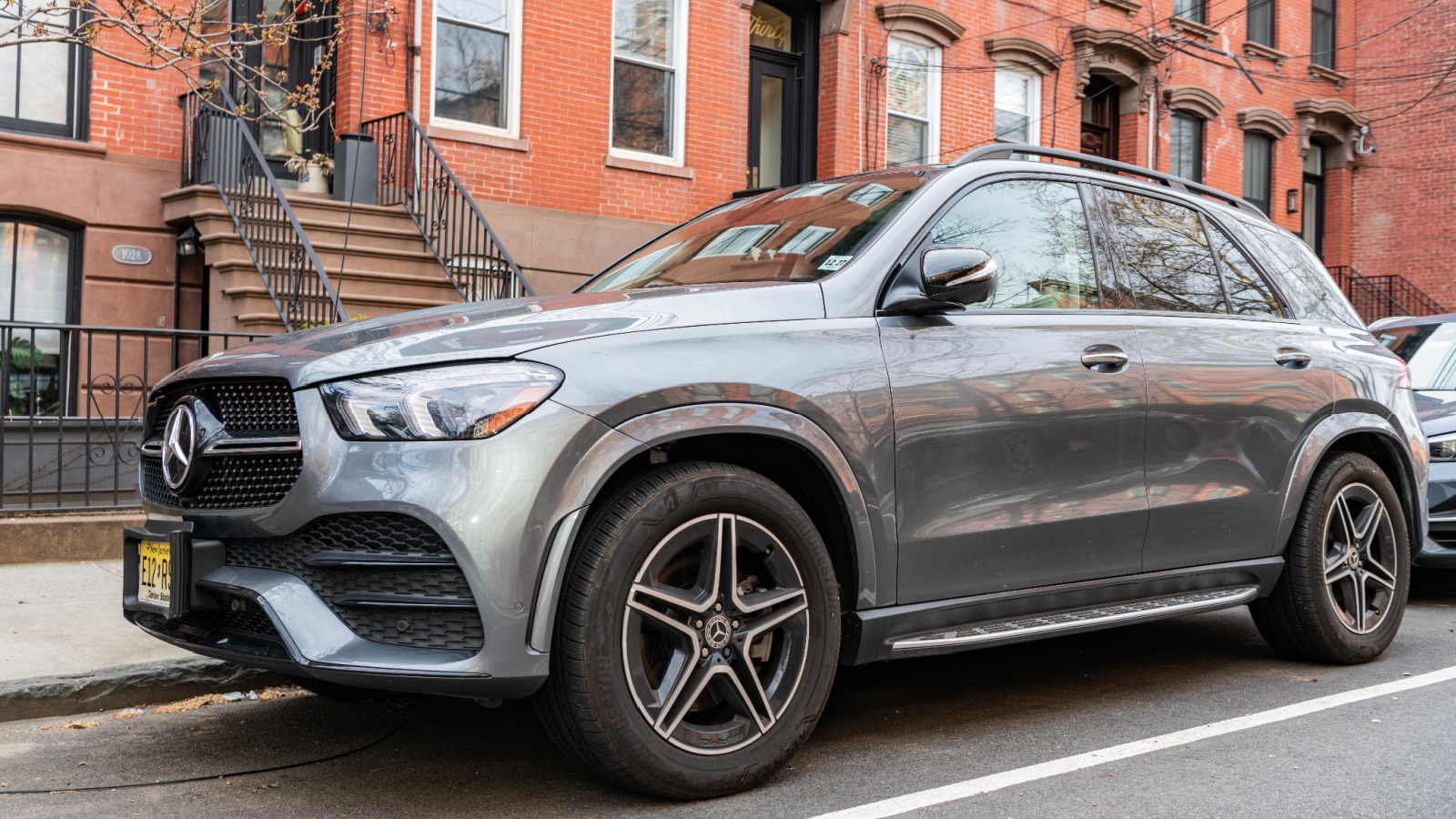
The Mercedes-Benz GLE carries a polished image, but its long-term ownership costs can be intimidating. Luxury maintenance cost rankings regularly place Mercedes SUVs among the expensive vehicles to maintain over a decade, with GLE variants appearing high on cost lists. Complex electronics, air suspension, advanced safety systems, turbocharged engines, and premium brake and tire packages all contribute to the risk.
For Canadian owners, winter can add another layer. A GLE may handle snow comfortably, but cold weather, road salt, potholes, and expensive winter tire packages raise the cost of keeping it at its best. A used GLE can feel like a status upgrade at a discounted price, yet one major suspension or electronics repair can remind owners that depreciation lowers the purchase price, not the repair class.
Chevrolet/GMC Silverado/Sierra 1500
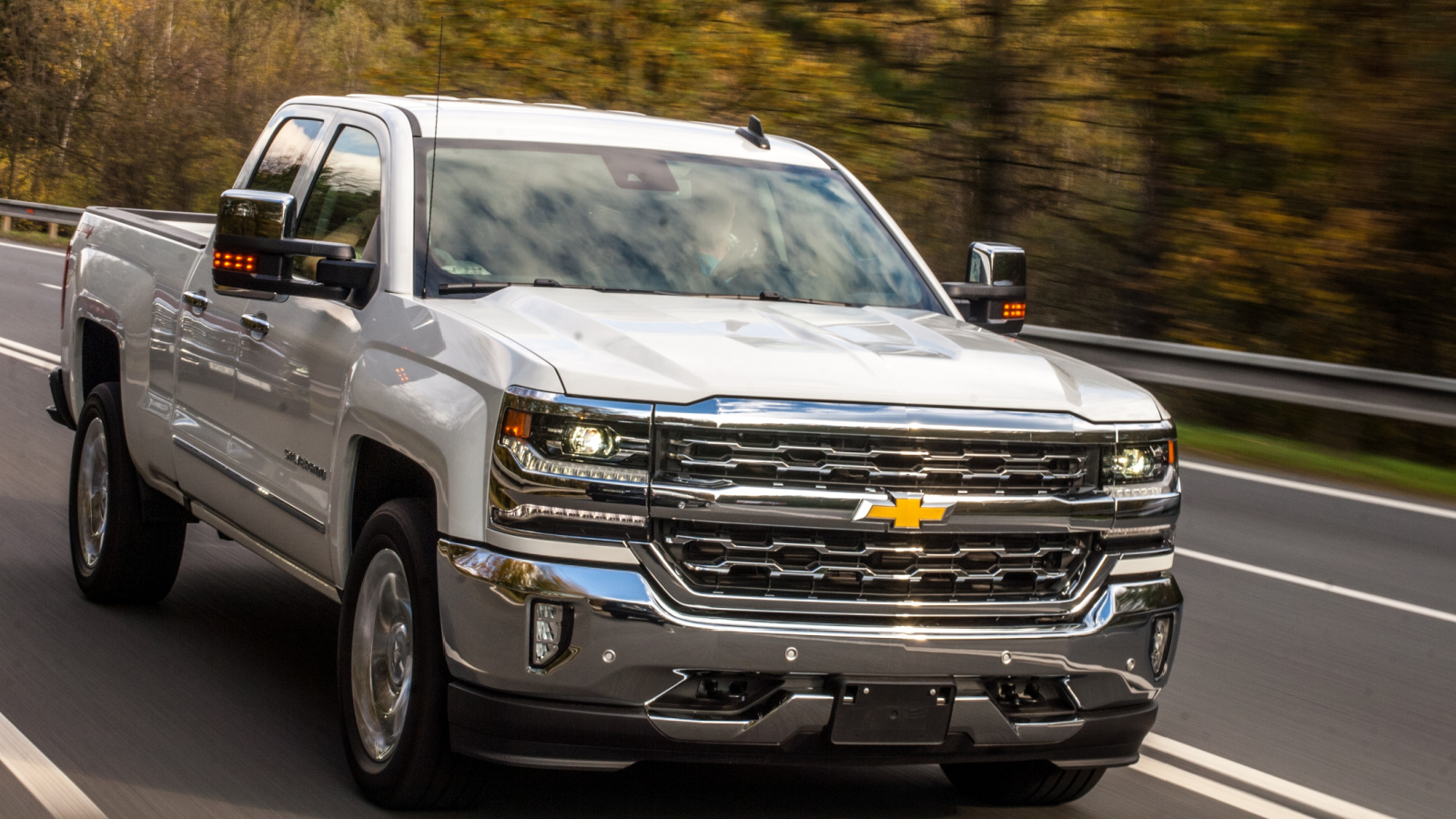
The Chevrolet Silverado 1500 and GMC Sierra 1500 remain workhorse choices, but older examples can be risky when price, age, use, and theft exposure overlap. Équité Association’s 2024 national theft list included older Chevrolet/GMC Silverado/Sierra 1500 models among Canada’s most stolen vehicles. These trucks are also commonly used for towing, job-site work, rural driving, and heavy payloads, which can accelerate wear.
A used Silverado or Sierra may look like a practical way to get truck capability without new-truck pricing. The problem is that the cheapest examples may carry rust, driveline wear, electrical issues, deferred maintenance, or signs of hard commercial use. Add insurance considerations and theft exposure, and ownership can feel less predictable than expected. A careful inspection matters more than brand loyalty.
22 Things Canadians Do to Their Cars in Spring That Mechanics Hate

Spring brings relief to many Canadian drivers after months of snow, freezing temperatures, and icy roads that put serious strain on vehicles. As temperatures rise across the country, drivers begin washing cars, switching tires, and preparing vehicles for warmer weather and upcoming road trips. However, mechanics across Canada notice the same mistakes every spring when drivers attempt to recover from winter damage. Road salt, potholes, and harsh winter driving conditions often leave vehicles with hidden problems that drivers ignore. Some spring habits even create new mechanical issues that could have been avoided with proper maintenance. Here are 22 things Canadians do to their cars in spring that mechanics hate.