
























Canadian family budgets are being squeezed from every direction, and the driveway is no exception. Even when purchase prices soften slightly, the real cost of ownership can climb through fuel bills, insurance hikes, theft risk, repairs, financing, tires, recalls, and depreciation. For households already balancing groceries, mortgages, rent, child care, and summer travel, some vehicles that once looked practical are becoming harder to justify.
Here are 16 cars, trucks, SUVs, minivans, and EVs that are increasingly turning into budget pressure points for Canadian families.
Ford F-150
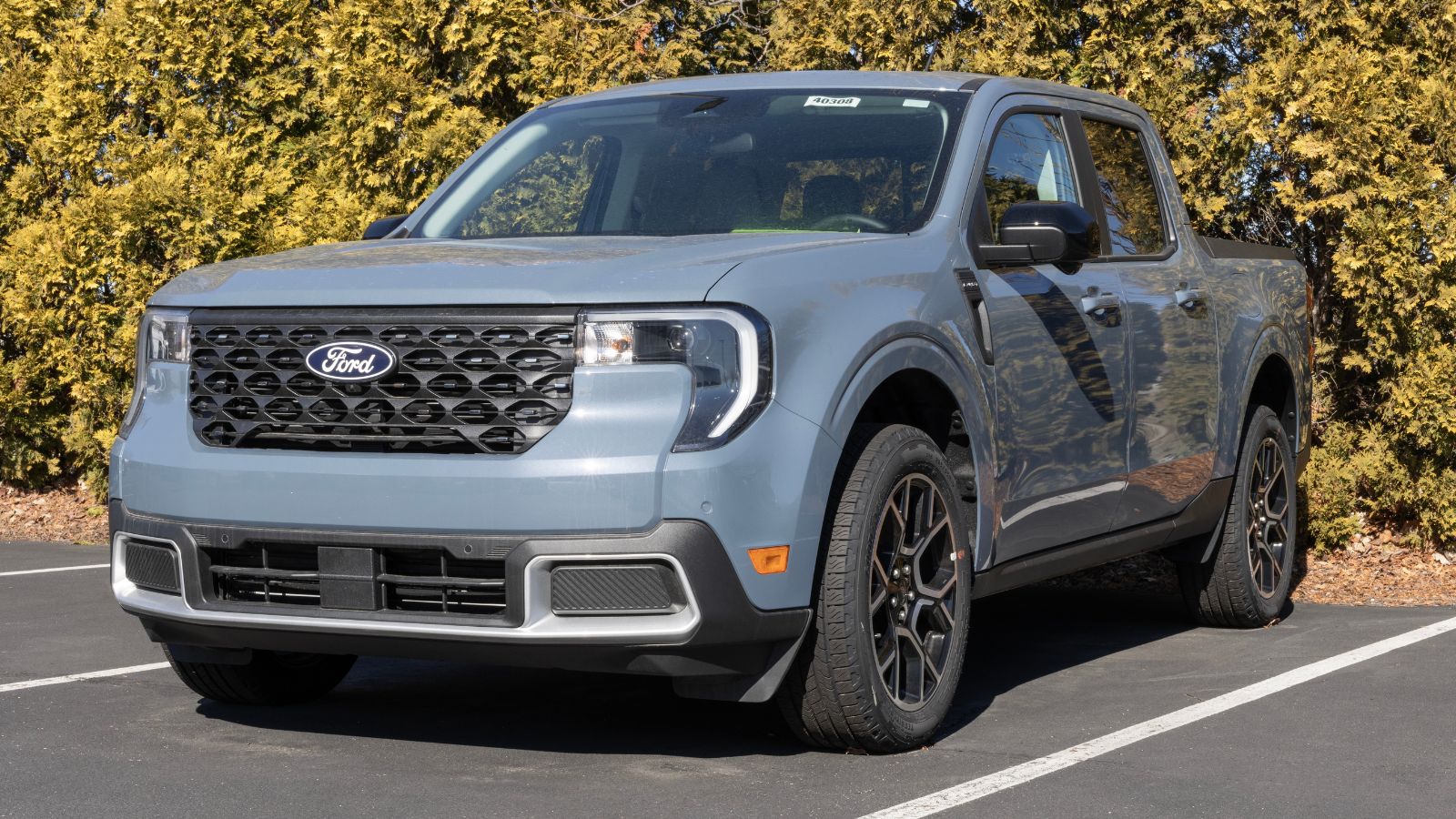
The Ford F-150 has long been Canada’s default family-and-work truck, but it can quietly stretch household finances. Even used models often carry strong resale values, which keeps purchase prices high. Families choosing higher trims for comfort, towing, or winter capability can end up with payments that look closer to luxury-SUV territory than basic transportation. Add larger tires, higher fuel use, and pricier brakes, and the yearly cost can surprise owners who mainly use the truck for school runs, commuting, and weekend errands.
Insurance is another pressure point. The F-150 has appeared repeatedly on Canadian theft lists, and theft exposure can affect premiums in certain regions. A family in suburban Ontario or Alberta may buy one for versatility, only to find that fuel, insurance, and maintenance make it difficult to keep monthly transportation costs predictable. For households that rarely tow or haul, the usefulness may not offset the ongoing budget drag.
Ram 1500
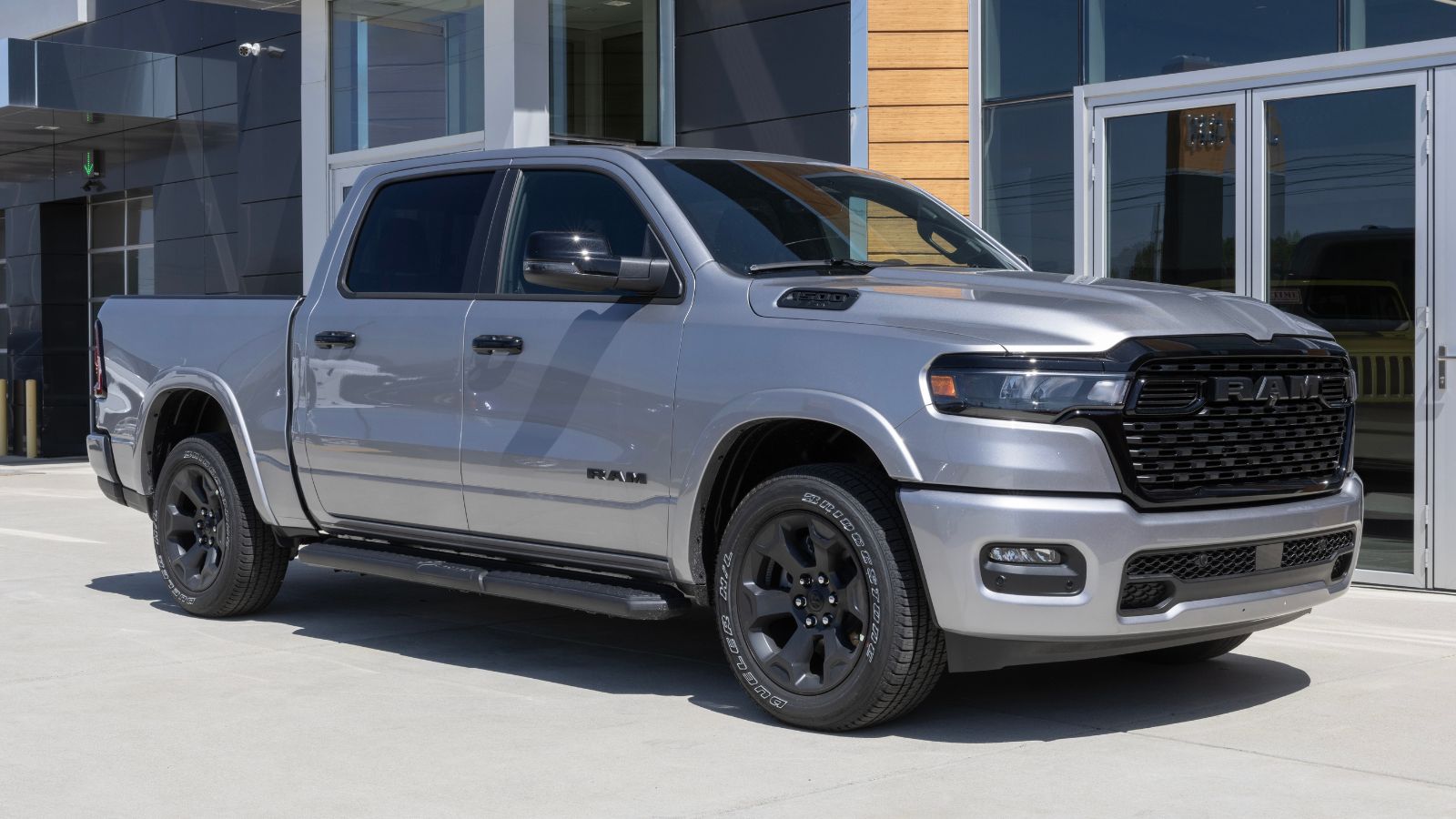
The Ram 1500 offers a comfortable ride and a polished interior, which helps explain why many families see it as a truck that can double as a daily family vehicle. The problem is that comfort often comes with cost. Larger engines, heavy curb weight, and trim packages loaded with tech can turn the Ram into an expensive commuter. Fuel economy becomes especially noticeable when gas prices swing upward, and families covering long suburban or rural distances may feel the hit quickly.
Used Ram 1500 models can also bring repair and insurance concerns. Trucks are often worked hard before resale, and maintenance history matters more than a shiny cabin. Some buyers are drawn in by lower used pricing compared with certain rivals, but a worn suspension, aging tires, or deferred service can erase that savings fast. When the truck is mostly used as a family shuttle, its size and appetite can make the household budget feel heavier than expected.
Chevrolet Silverado 1500 / GMC Sierra 1500
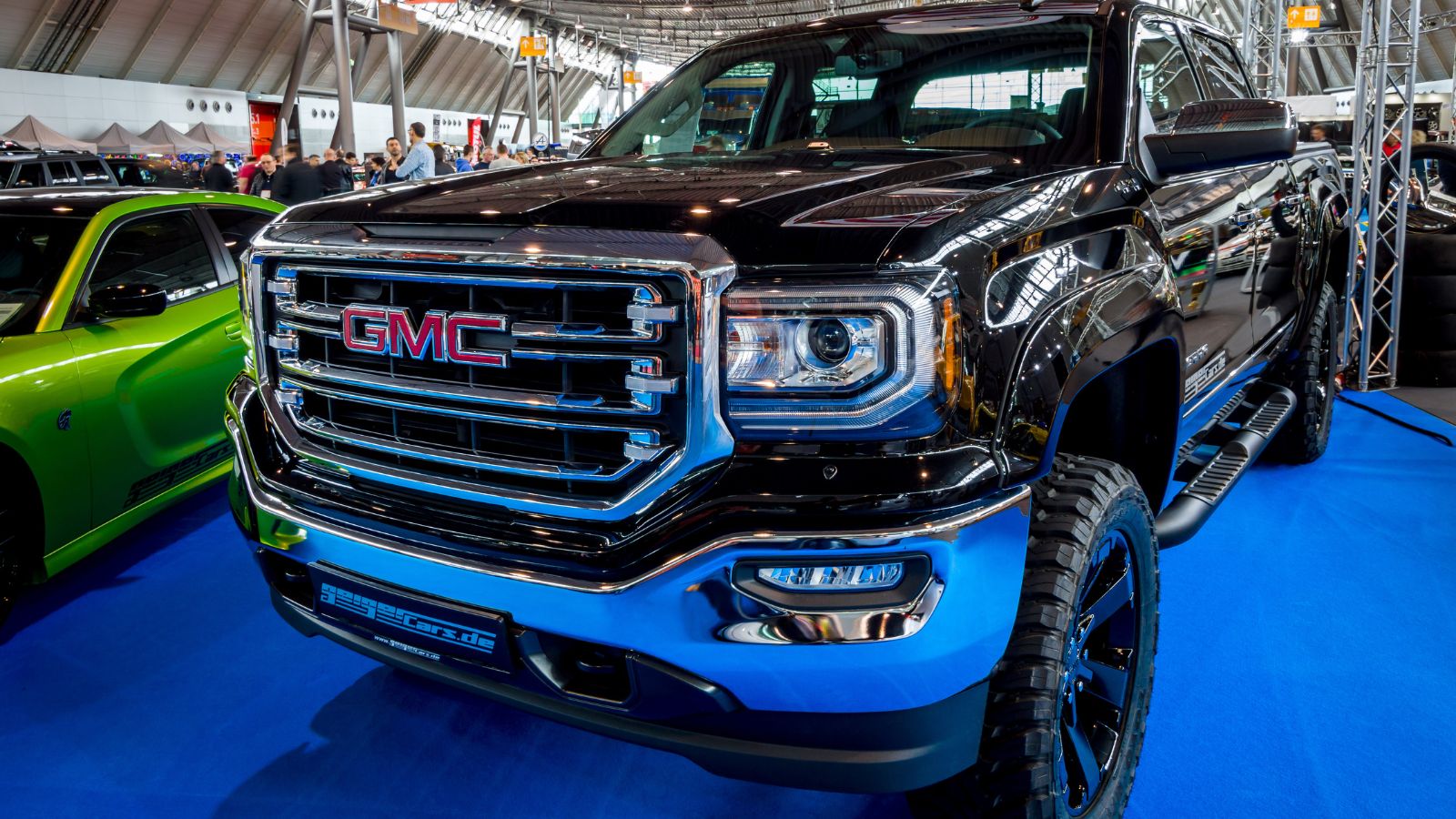
The Silverado and Sierra are practical, capable trucks, but they are not always gentle on family budgets. Their appeal is obvious: room, towing strength, winter confidence, and a familiar dealer network across Canada. Yet ownership costs can rise quickly once fuel, insurance, tires, and repairs are included. Full-size trucks also tend to come with expensive replacement parts, especially when collision repairs involve sensors, cameras, bumpers, and advanced driver-assistance systems.
The used market can make these trucks look tempting, particularly when older models are priced below newer SUVs. However, many have led demanding lives with towing, job-site use, or long highway mileage. A family that buys one as a do-everything vehicle may later discover that it behaves like a commercial-grade machine at the service counter. For households trying to control monthly costs, the Silverado or Sierra can be practical in function but punishing in ownership math.
Toyota RAV4
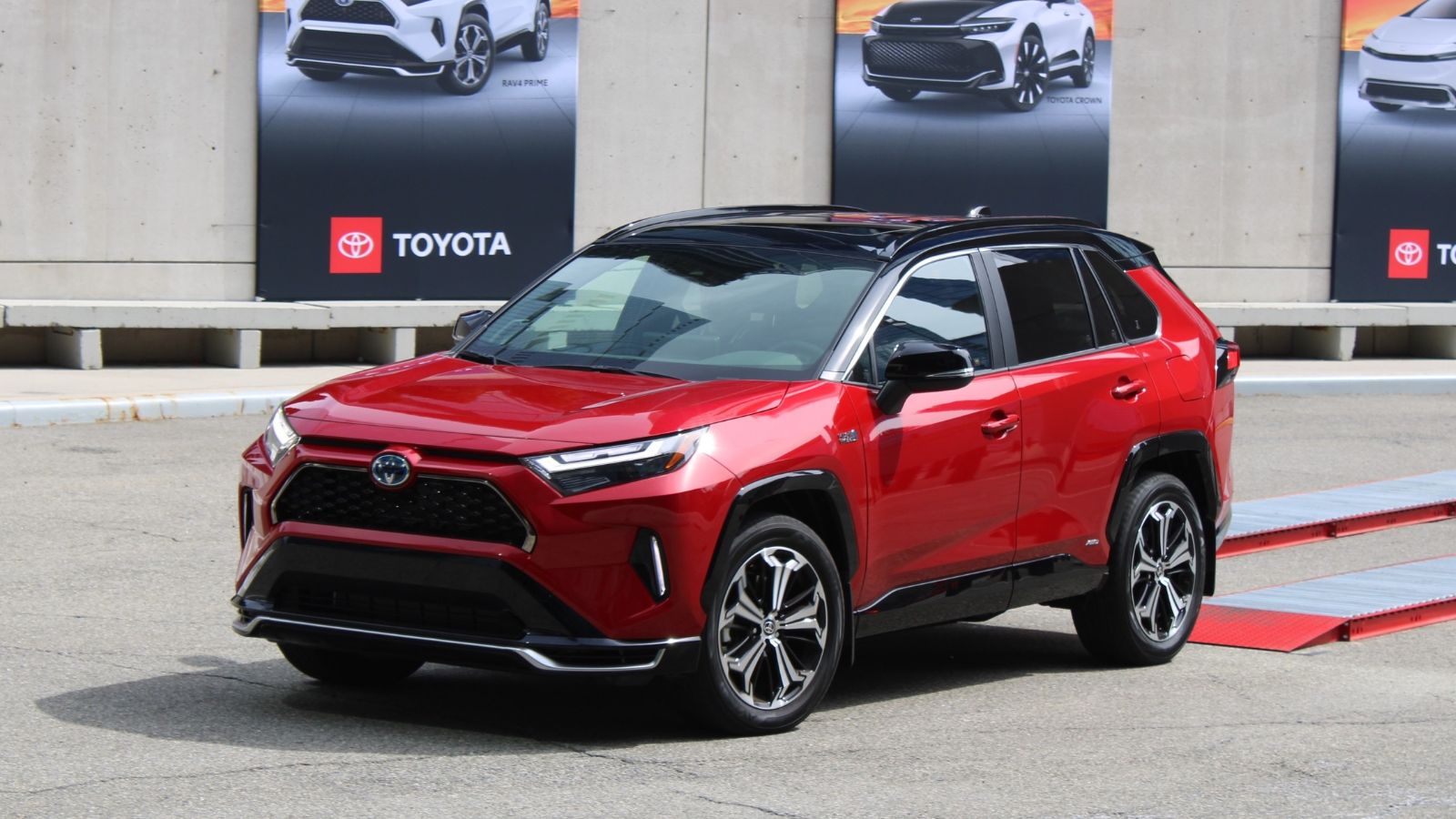
The Toyota RAV4 is usually viewed as a safe, sensible family choice, which is exactly why its budget risk can be overlooked. Strong demand keeps used prices firm, especially for hybrid versions. Families often pay a premium because the RAV4 has a reputation for reliability and fuel efficiency, but that reputation can make the upfront cost unusually stubborn. A “smart buy” can become less smart when buyers overpay in a tight used market.
Theft risk has also become part of the RAV4 conversation in Canada. Newer SUVs with high resale value and strong global parts demand have been attractive to thieves, and that can feed into insurance costs depending on location and coverage. A family buying a RAV4 to save money may still benefit from fuel economy and durability, but the insurance quote, financing cost, and purchase premium deserve a very close look before signing.
Honda CR-V
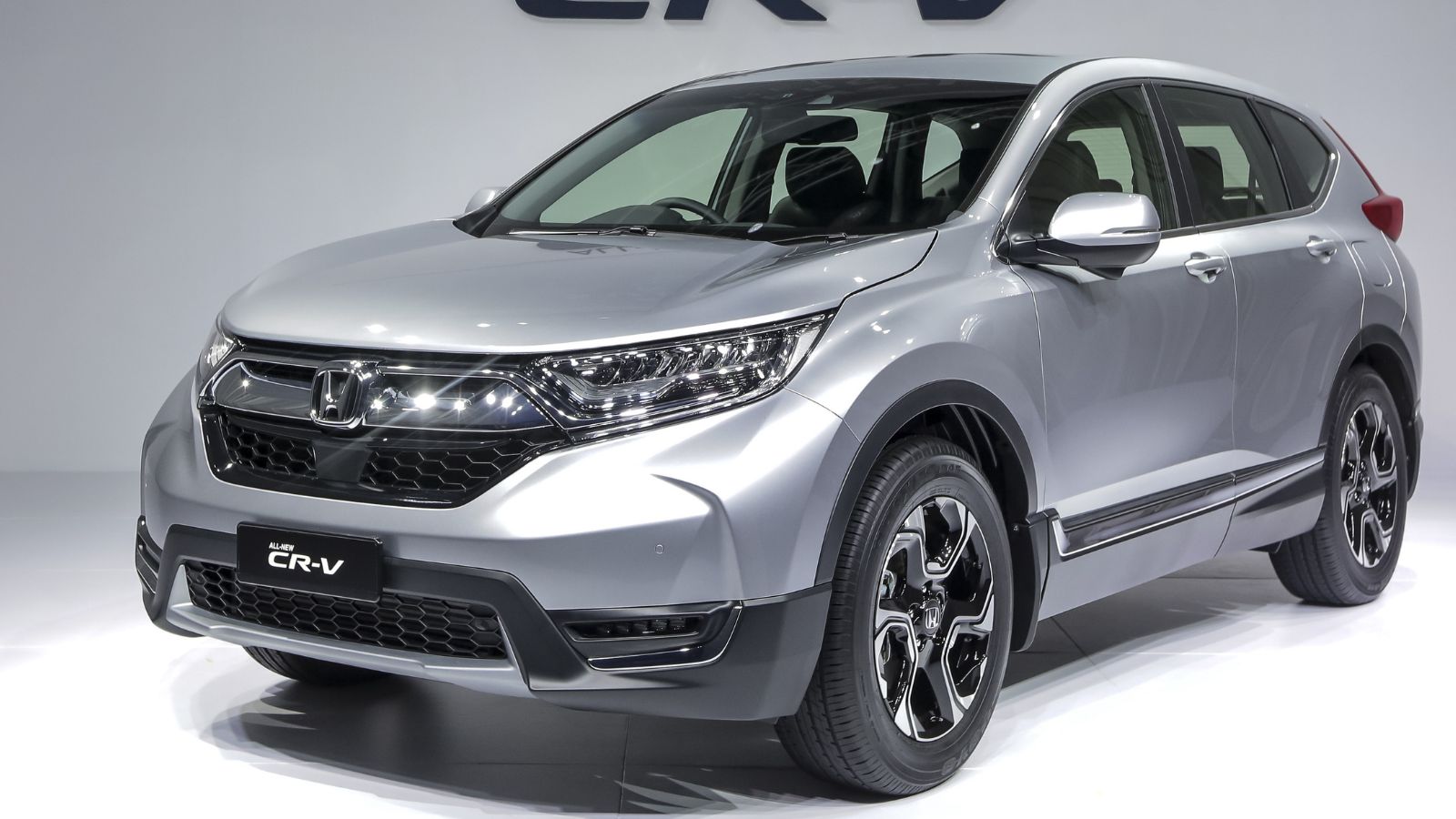
The Honda CR-V has earned its family-friendly image through space, efficiency, and long-term owner loyalty. Yet in Canada, popularity can create budget pressure. Used CR-Vs often command strong prices, and buyers may stretch their financing simply because the model feels low-risk. That can leave less room for tires, brakes, insurance, and unexpected maintenance. Even dependable vehicles become expensive when bought at a premium.
The CR-V has also appeared prominently in Canadian vehicle theft discussions, especially in higher-theft provinces. That does not mean every CR-V is a bad choice, but it does mean families should price insurance before falling in love with the badge. A parent choosing a CR-V for commuting, hockey bags, and grocery runs may find the vehicle itself easy to live with, while the purchase price and premium environment make the total cost harder to absorb.
Toyota Highlander
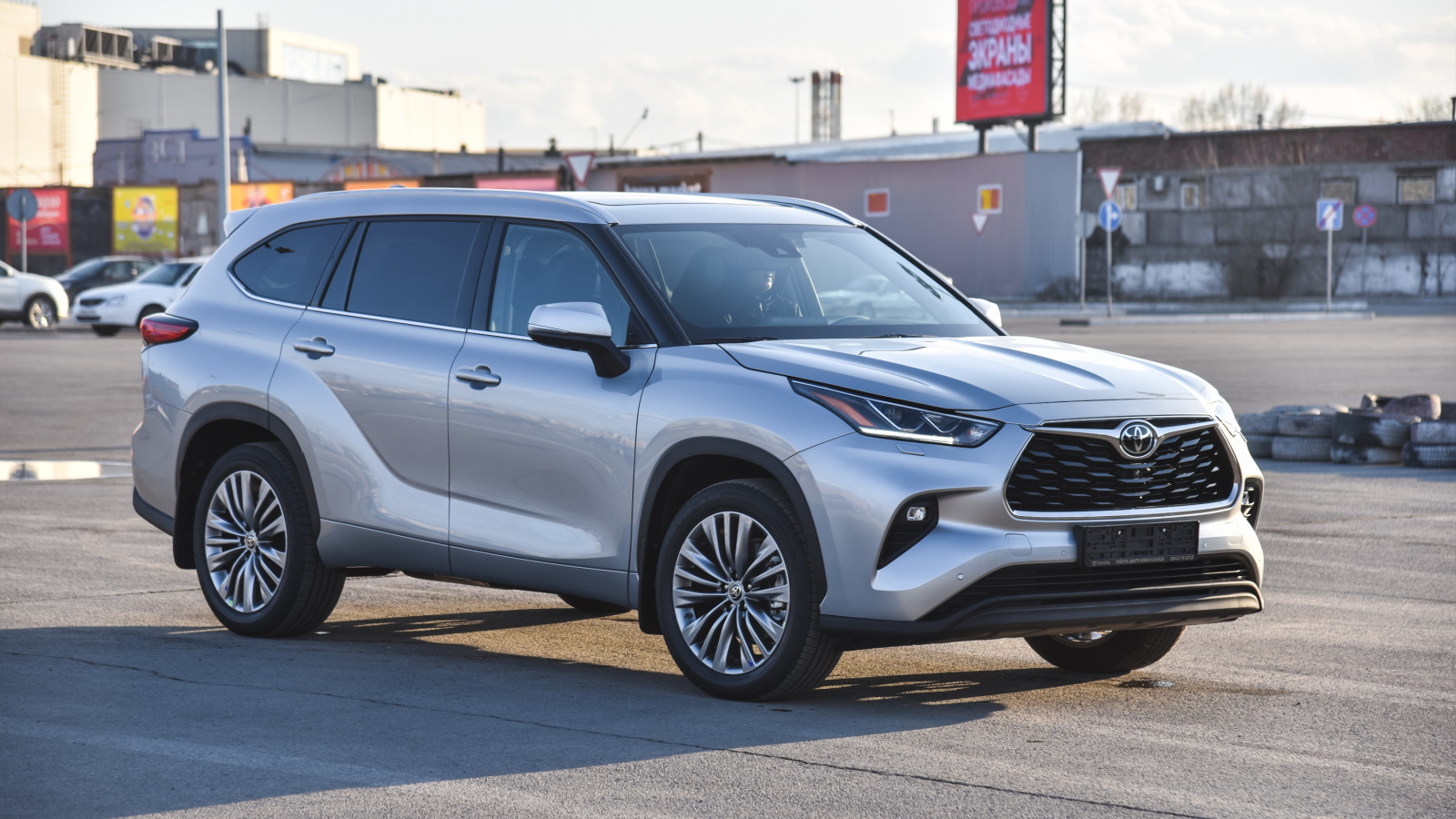
The Toyota Highlander is often the upgrade families make when compact SUVs start feeling too tight. It offers three-row practicality without going full minivan, and hybrid models promise lower fuel bills. The catch is that strong demand keeps prices elevated. Used Highlanders can remain expensive for years, and families may pay a major premium for a vehicle that still has aging tires, brakes, suspension parts, and battery-related inspection needs on hybrids.
Insurance and theft exposure add another layer. The Highlander has appeared on Canadian stolen-vehicle lists, which can matter in provinces where theft claims have been costly. Families looking at a Highlander should calculate more than fuel savings and resale value. A higher purchase price, possible insurance surcharges, and three-row maintenance costs can turn a trusted family SUV into a vehicle that protects resale value better than monthly cash flow.
Jeep Grand Cherokee
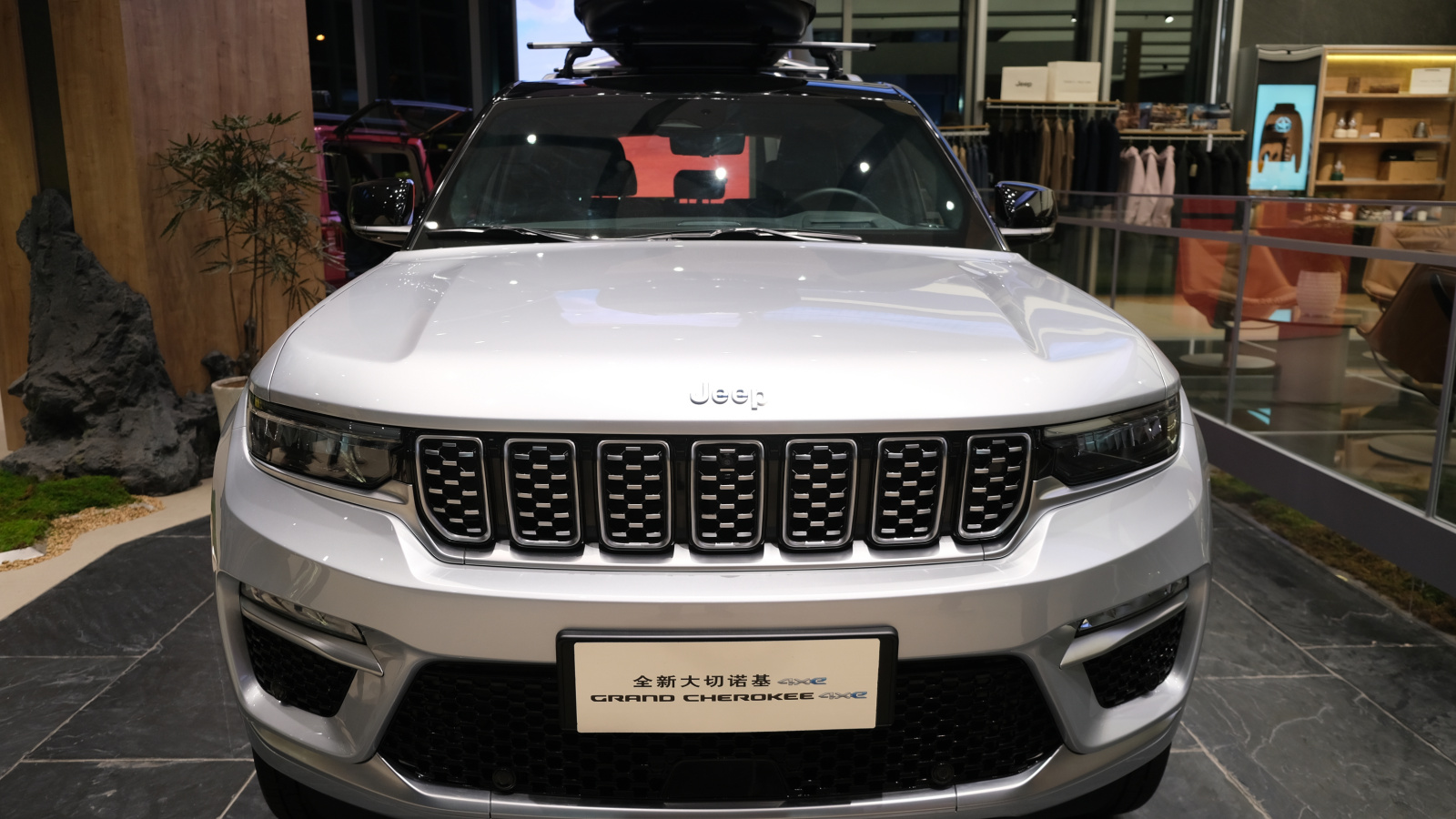
The Jeep Grand Cherokee has a strong emotional pull. It looks upscale, handles winter confidently, and offers more personality than many family crossovers. For Canadian households, however, it can become costly once the warranty fades. Tires, brakes, four-wheel-drive components, suspension work, and electronic features can all raise repair bills. Higher trims with air suspension, large wheels, and luxury equipment can feel especially expensive as they age.
The Grand Cherokee has also been associated with theft risk in some Canadian regions, and insurance costs can reflect the broader claims environment. A family may buy one used because it looks like a bargain compared with a new three-row SUV, but the lower purchase price can mask higher long-term running costs. It is the kind of vehicle that rewards careful inspection and service records, while punishing buyers who focus only on leather seats and monthly payment size.
Jeep Wrangler
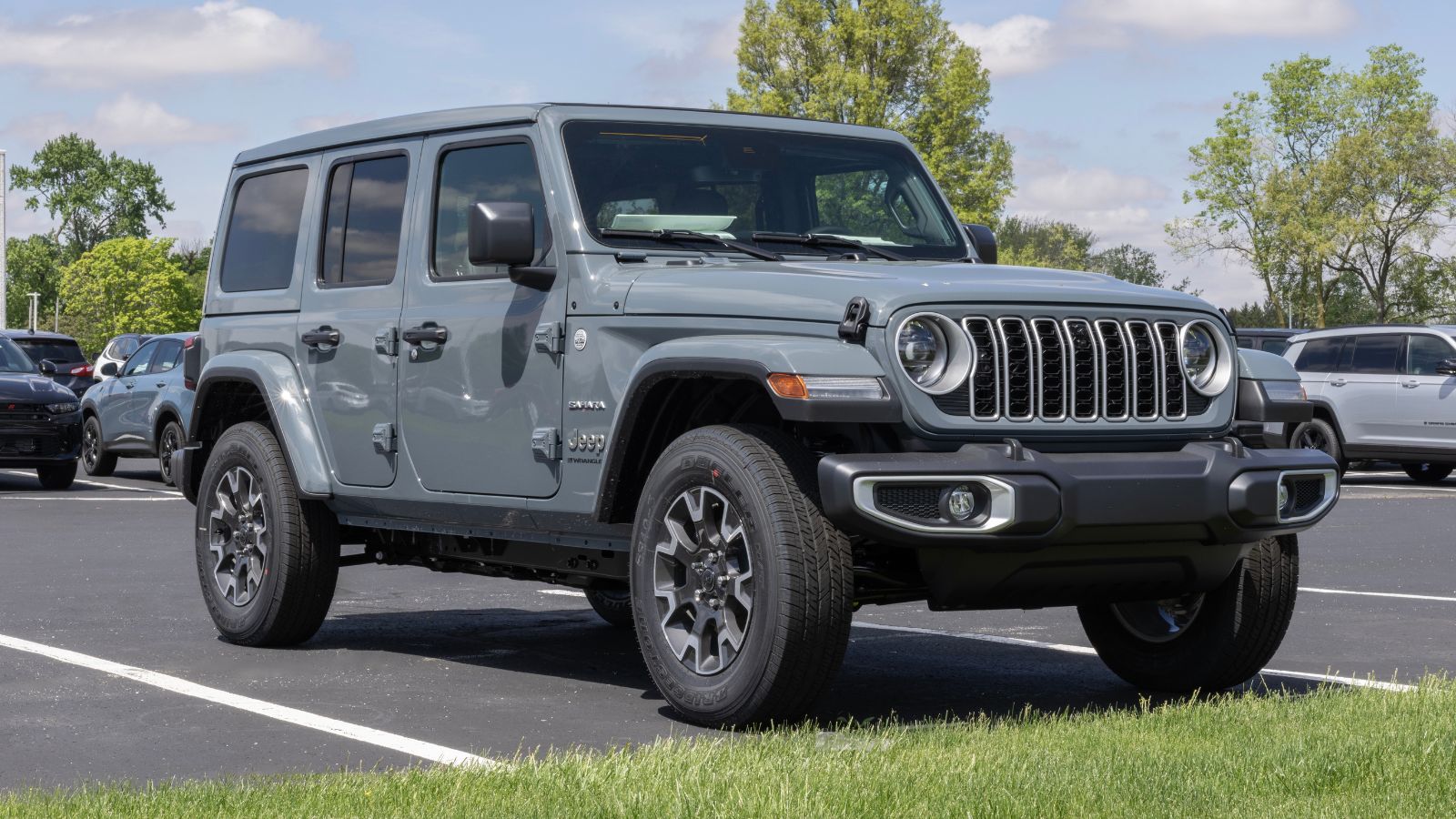
The Jeep Wrangler is not a conventional family car, yet many families buy one because it feels fun, rugged, and resale-friendly. The problem is that its strengths can become budget weaknesses. Wranglers often hold value well, so used prices can stay surprisingly high. Fuel economy is rarely the main selling point, and winter tires, removable-top parts, accessories, and off-road wear can add meaningful costs over time.
For families using a Wrangler as a daily driver, practicality gaps can also become financial annoyances. Cargo space is limited, highway noise can be tiring, and child-seat access is not as effortless as in a crossover. The Wrangler 4xe plug-in hybrid adds another layer of complexity: charging habits, battery systems, and recall history need careful review. It can be a great lifestyle vehicle, but as a family budget tool, it often asks owners to pay extra for character.
Dodge Durango
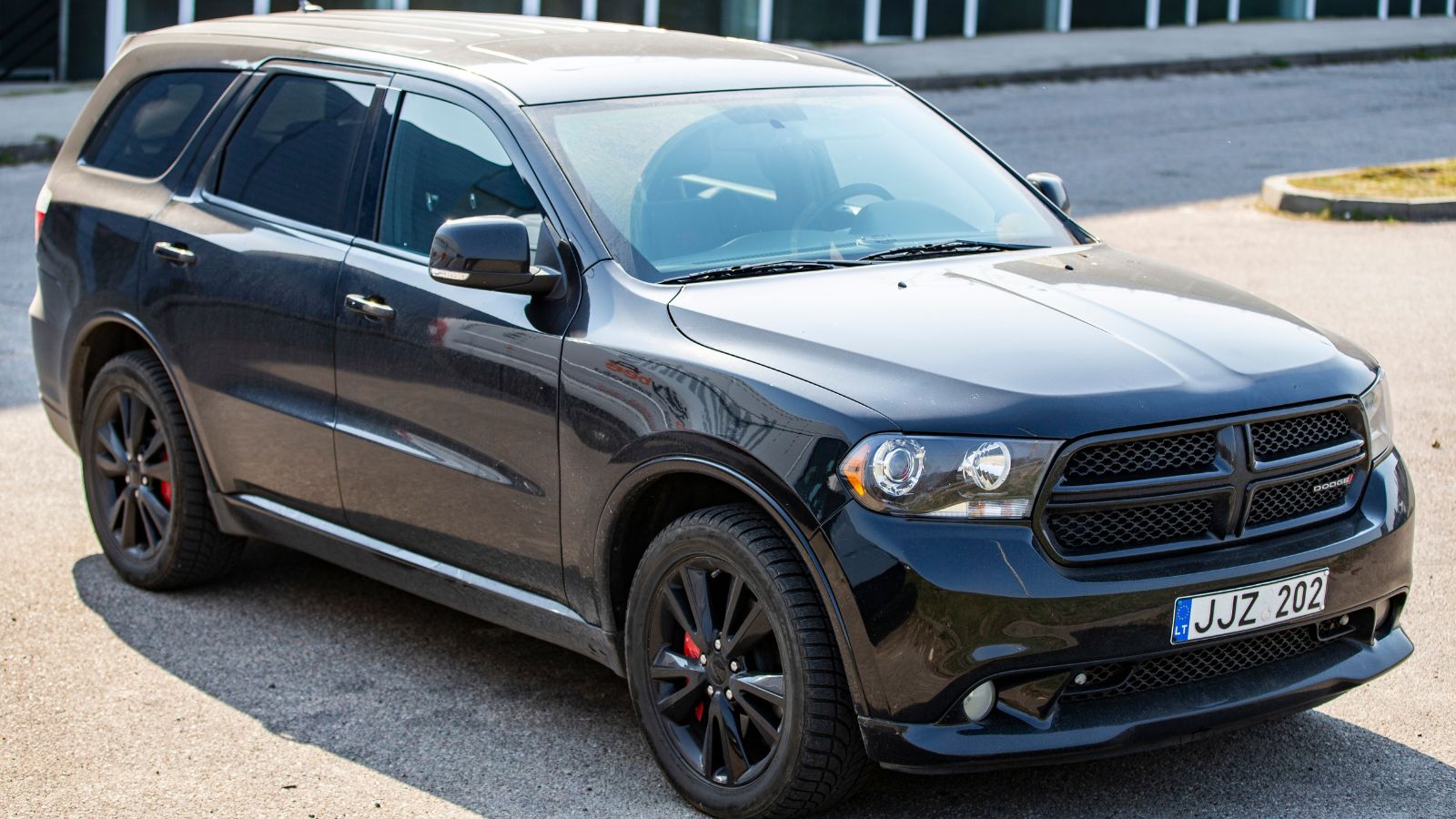
The Dodge Durango appeals to families that want three rows, strong engines, and towing ability without buying a minivan or full-size SUV. That blend can be useful, but the running costs are not small. V6 models are more manageable, while V8 versions can drink fuel quickly in city driving. Large tires, brakes, and heavy-duty components can also make maintenance more expensive than families expect from a used SUV.
A used Durango can look like a deal because depreciation may be steeper than on some Japanese rivals. The risk is that the lower purchase price invites buyers into a vehicle with higher operating costs. Families who tow a camper or need real power may justify it, but households mostly using the third row for occasional rides may be paying for capability they rarely use. Over time, that unused capability becomes a recurring line item.
Chrysler Pacifica
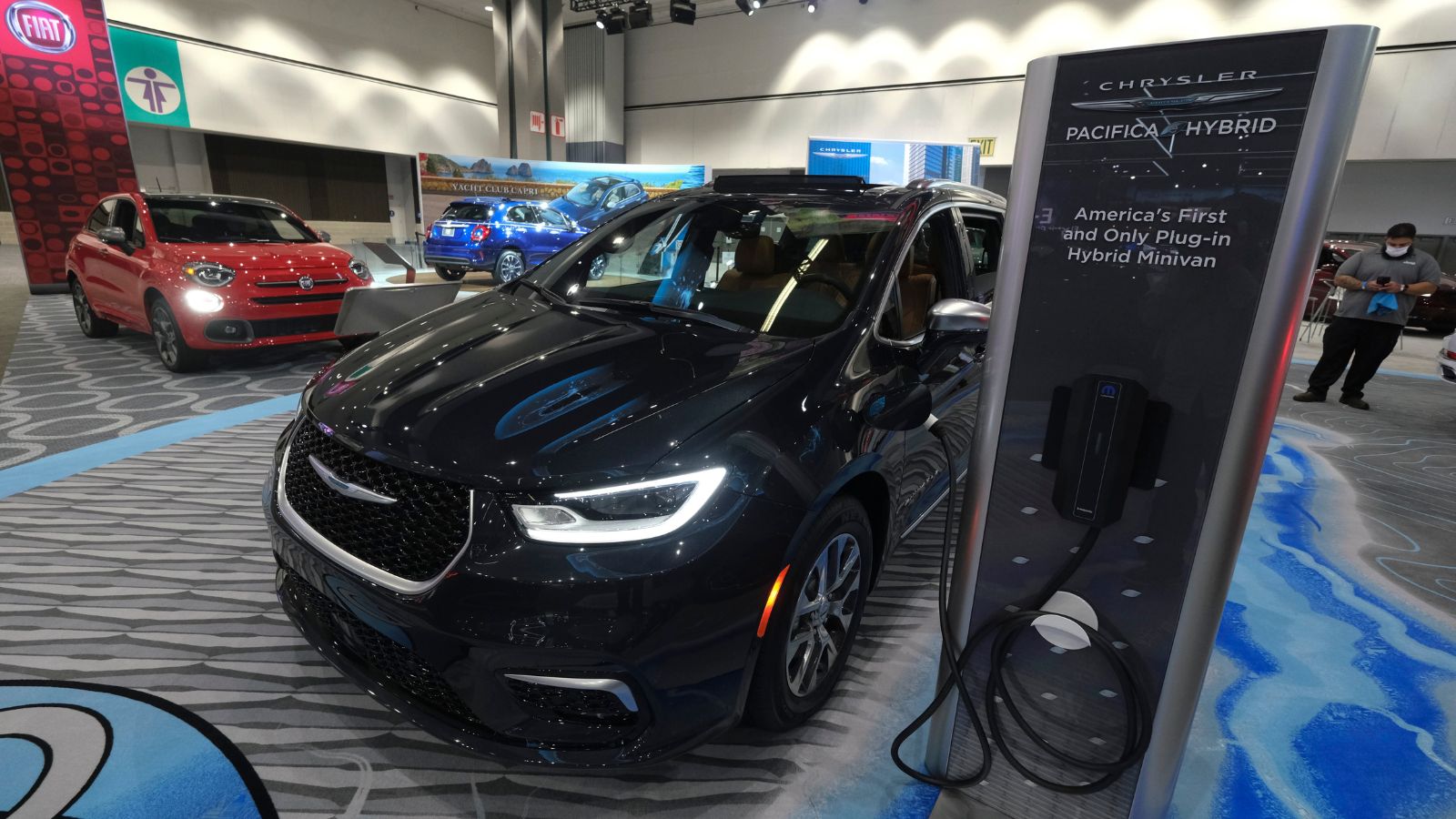
The Chrysler Pacifica is one of the most practical family vehicles on the road, especially for parents dealing with car seats, strollers, sports gear, and school parking lots. Its sliding doors and flexible cabin make daily life easier. However, the Pacifica can become a budget killer when families underestimate repair, maintenance, and depreciation risks. Minivans are often used hard, and used examples may have lived years of short trips, crumbs, spills, and heavy cargo loads.
The plug-in hybrid version adds fuel-saving appeal, particularly for families with home charging and short commutes. But plug-in hybrids are mechanically more complex than regular hybrids or gas-only vans. Battery systems, charging hardware, and software issues can make ownership less predictable once warranty coverage becomes a question. For families buying used, the Pacifica can still be wonderfully useful, but only if inspection, warranty status, and service history are treated as non-negotiable.
Kia Sorento
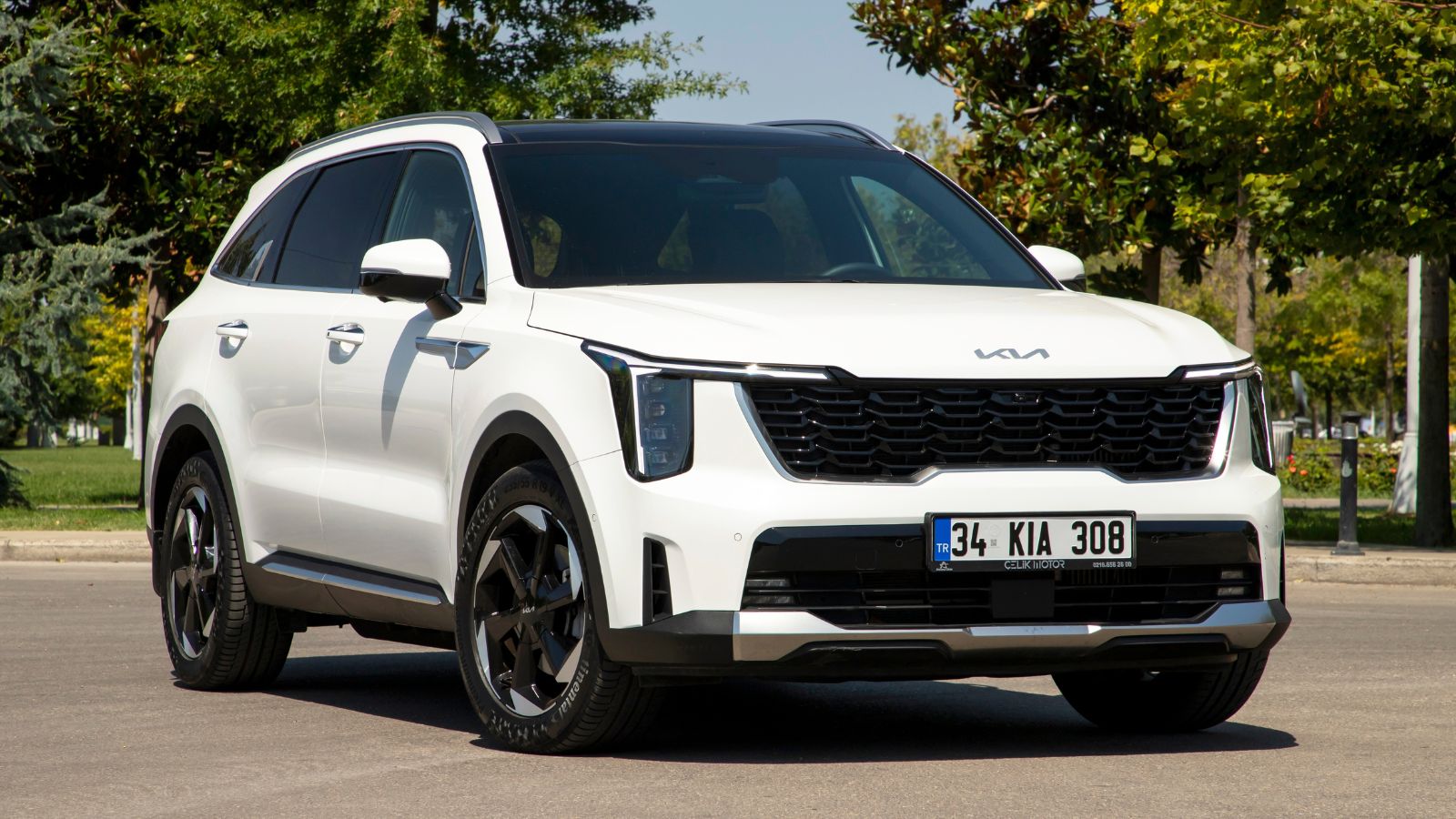
The Kia Sorento attracts families because it offers three-row flexibility in a smaller, more affordable package than many larger SUVs. That value story can be convincing, especially when trims include modern tech, heated seats, and safety features at competitive prices. The risk is that some families stretch for higher trims or hybrid versions and then discover that the Sorento is not as cheap to own as the payment first suggested.
Used Sorentos should be reviewed carefully for engine history, maintenance records, recalls, and warranty coverage. Kia and Hyundai engine-related issues have received significant attention over the years, and while not every model or engine is affected, buyers should avoid assuming that a low price equals low risk. A family that needs three rows on a strict budget may still consider the Sorento, but a proper pre-purchase inspection can be the difference between value and regret.
Nissan Rogue
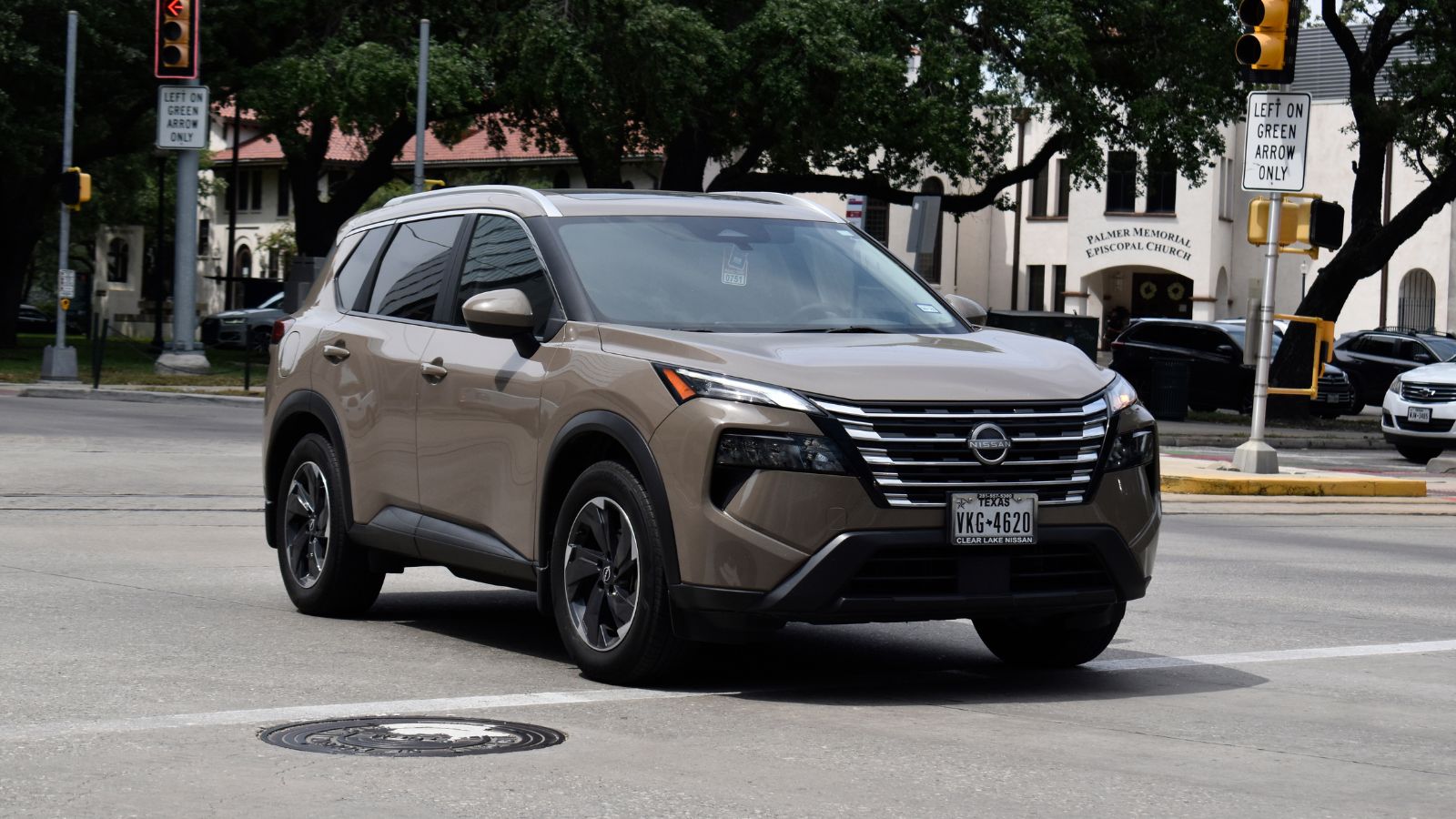
The Nissan Rogue is popular with Canadian families because it is easy to drive, efficient, roomy enough for daily life, and often priced attractively on the used market. The danger is assuming that a lower purchase price automatically means a lower total cost. Older Rogues with continuously variable transmissions need careful attention, as transmission repairs can be expensive if maintenance was neglected or symptoms were ignored.
For many families, the Rogue’s budget risk appears after purchase rather than at the dealership. A low monthly payment can look manageable, but one major repair can wipe out the savings compared with a more expensive rival. Buyers should pay close attention to model year, service records, transmission behaviour, and warranty coverage. When bought carefully, a Rogue can be practical transportation; when bought casually, it can become the kind of family SUV that looks affordable until the repair estimate arrives.
Tesla Model Y
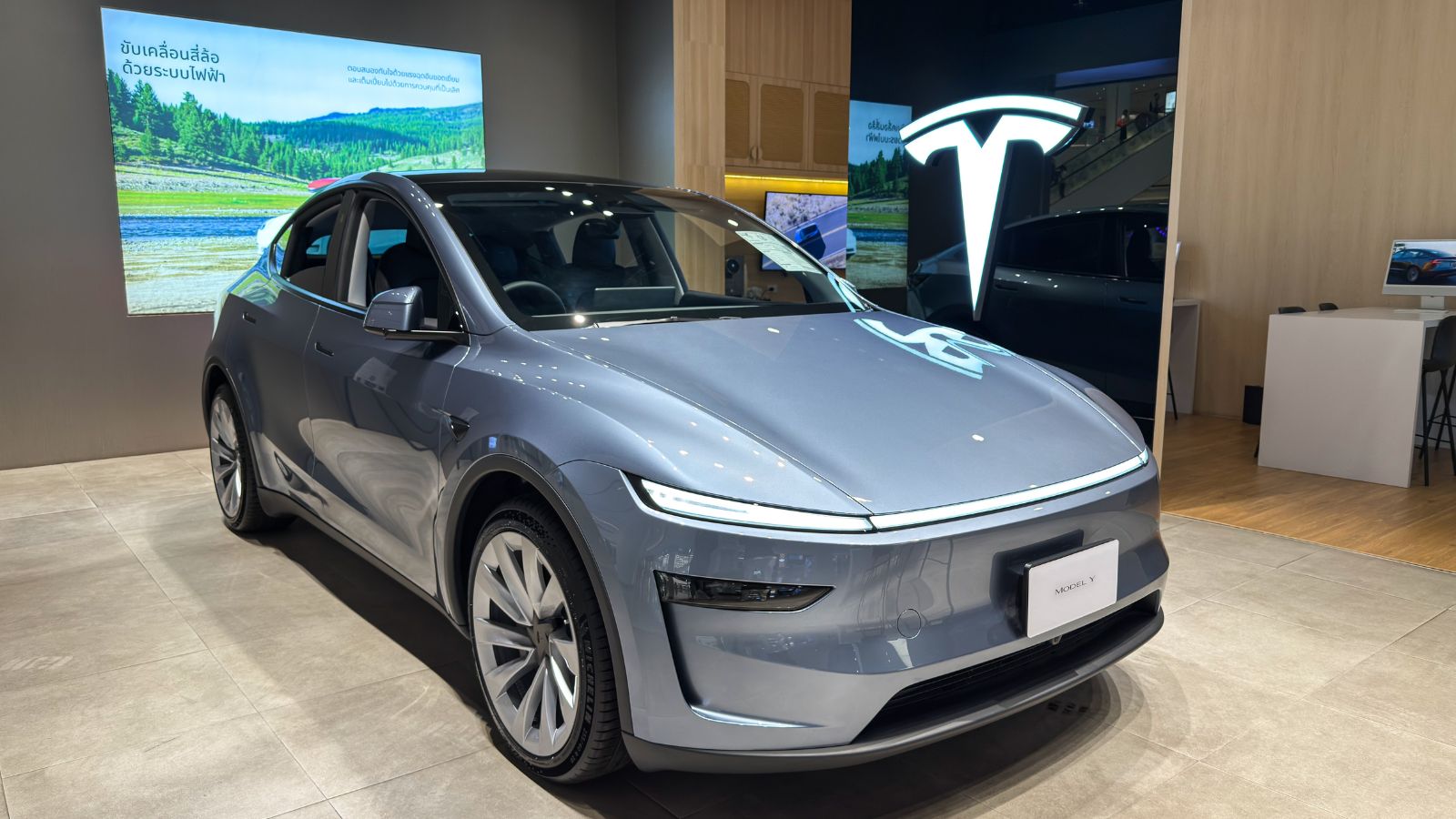
The Tesla Model Y can seem like a modern family-budget solution because electricity is often cheaper than gasoline, especially with home charging. It also offers strong performance, cargo space, and low routine maintenance compared with many gas vehicles. But the total cost picture is more complicated in Canada. Purchase prices, insurance premiums, winter tire costs, body repairs, and charging access can all change the math.
Families without convenient home charging may not see the same savings as owners who plug in overnight. Collision repairs can also be expensive because of specialized parts, sensors, cameras, and repair procedures. Depreciation has shifted as EV pricing changes, and used values can move quickly when incentives or new-car discounts change. The Model Y can work very well for the right household, but it is not automatically cheap just because it avoids gas stations.
Chevrolet Bolt EV
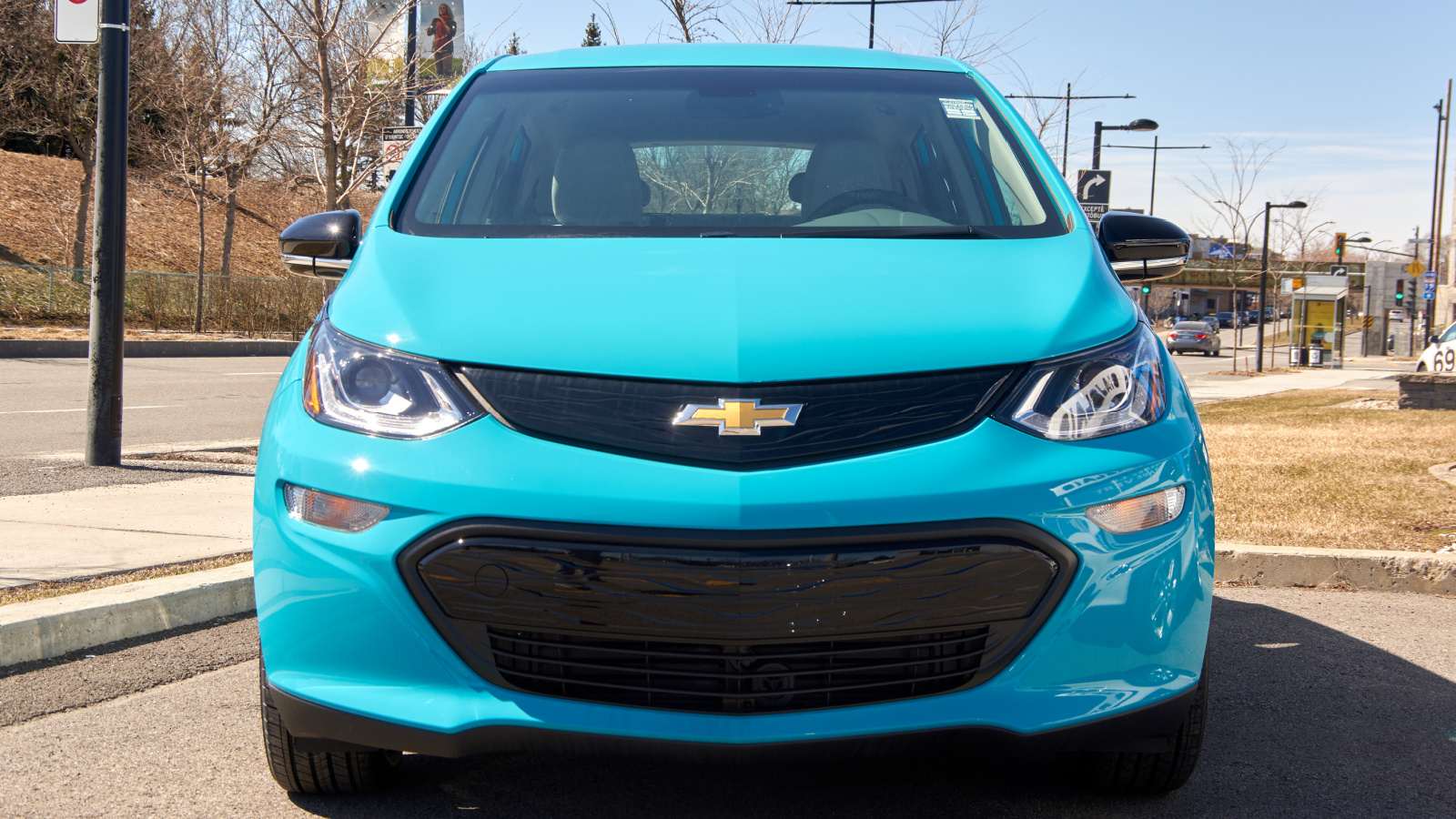
The Chevrolet Bolt EV is attractive because used prices can be lower than many newer EVs, and daily charging costs can be appealing. For a family with a predictable commute and home charging, it can reduce fuel spending dramatically. However, it has also carried battery recall history, and buyers need to confirm exactly what repairs, software updates, or battery replacements were completed before purchase.
The Bolt’s compact size can be another hidden cost for growing families. It may work well for one child, urban commuting, or a second vehicle, but cargo and rear-seat needs can become limiting. If a family later needs to replace it sooner than planned, the savings shrink. The smartest Bolt buyers treat it like a specialized tool: excellent for certain use cases, less ideal as a one-vehicle family solution for long winter trips, hockey gear, and highway-heavy routines.
Volkswagen Atlas
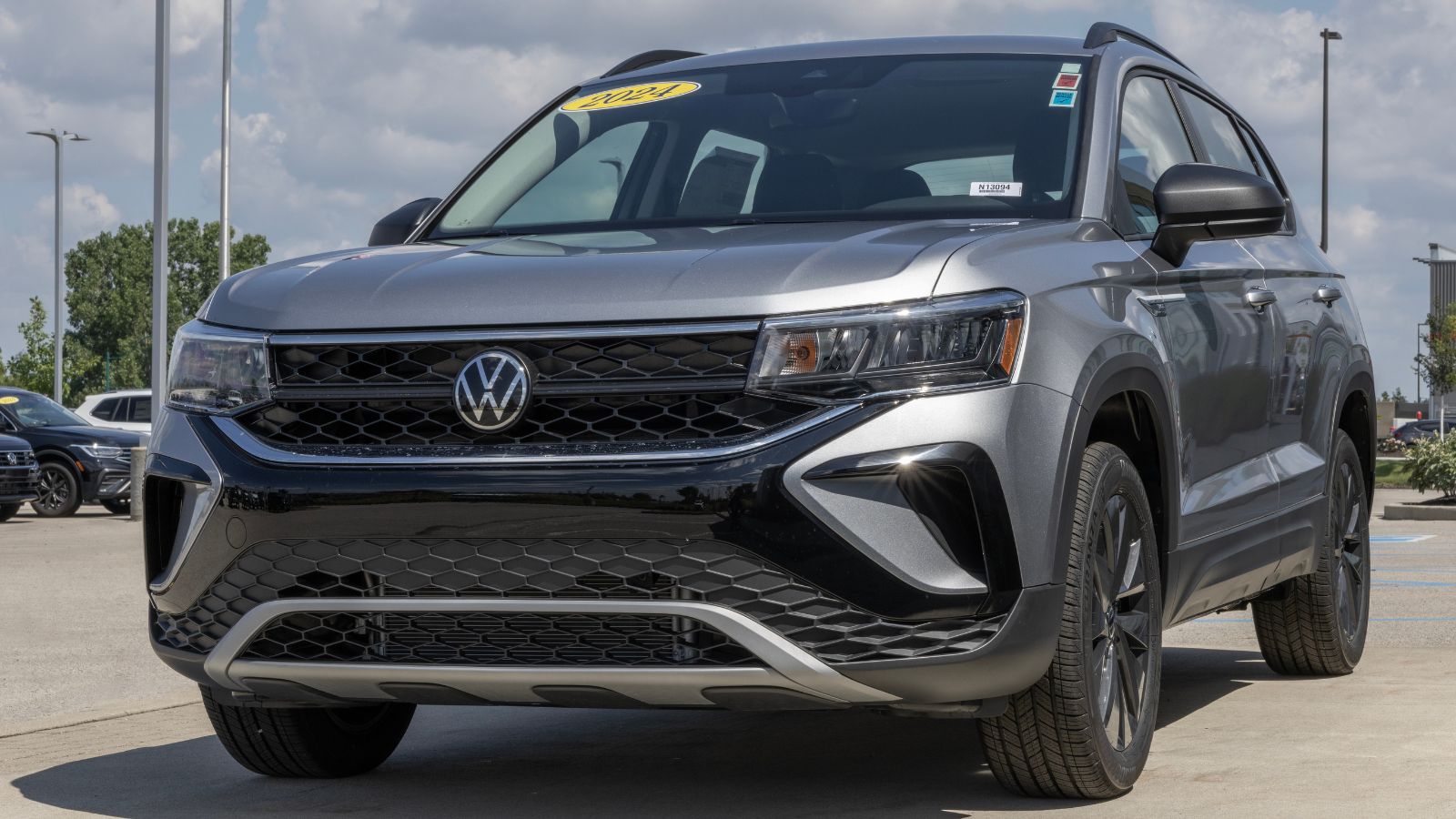
The Volkswagen Atlas is a big, comfortable three-row SUV that can feel like a strong value compared with luxury-branded family haulers. Its roomy cabin is the selling point, especially for families that need space but do not want a minivan. The issue is that large size brings large running costs. Fuel use, tires, brakes, and out-of-warranty repairs can all become meaningful expenses, particularly when the vehicle is used mostly for urban driving.
The Atlas can also tempt families with upscale features at used prices that look reasonable. But European-brand maintenance expectations and complex electronics can make ownership less predictable than the initial deal suggests. A family may enjoy the space every day, yet still feel the budget strain when a service visit includes diagnostic work, sensors, or suspension components. For households watching every dollar, the Atlas needs to be evaluated as a large, complex SUV—not just a roomy bargain.
22 Things Canadians Do to Their Cars in Spring That Mechanics Hate

Spring brings relief to many Canadian drivers after months of snow, freezing temperatures, and icy roads that put serious strain on vehicles. As temperatures rise across the country, drivers begin washing cars, switching tires, and preparing vehicles for warmer weather and upcoming road trips. However, mechanics across Canada notice the same mistakes every spring when drivers attempt to recover from winter damage. Road salt, potholes, and harsh winter driving conditions often leave vehicles with hidden problems that drivers ignore. Some spring habits even create new mechanical issues that could have been avoided with proper maintenance. Here are 22 things Canadians do to their cars in spring that mechanics hate.