























Used-car prices have softened in parts of the Canadian market, making some familiar badges look tempting again. A lower sticker price, however, can hide a very different ownership story once kilometres, winter wear, parts pricing, diagnostic labour, and known model-specific issues enter the picture.
These 15 used cars and SUVs can still appear like smart deals in Canada, especially beside newer vehicles with higher payments, but the real test often begins after the purchase—when transmissions, engines, electronics, suspension parts, and premium-brand maintenance start turning a bargain into a budget problem.
Nissan Rogue
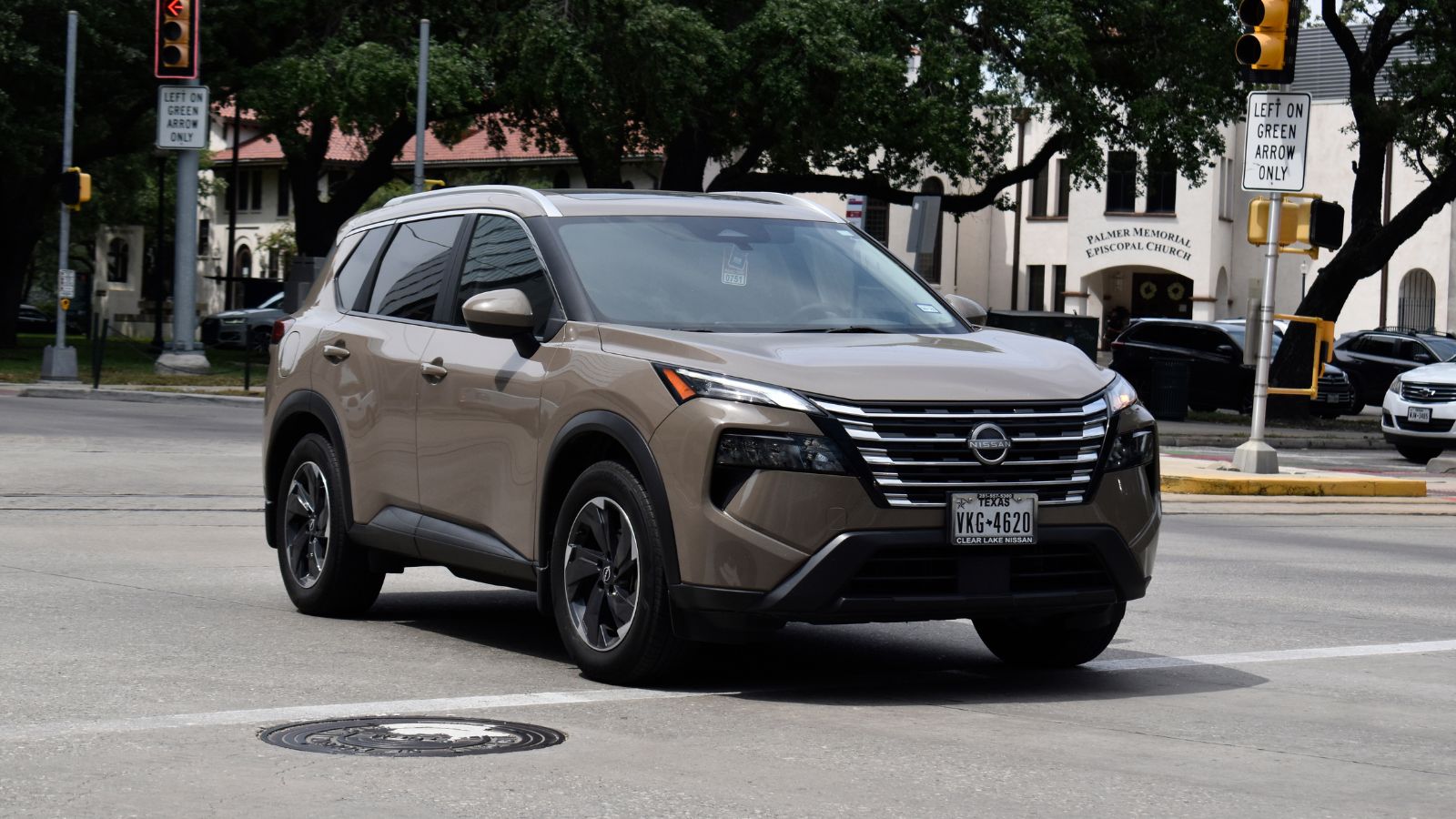
The Nissan Rogue has long been one of Canada’s most common compact SUVs, which is exactly why used examples can look so appealing. There are usually plenty to choose from, many are priced below Toyota RAV4 and Honda CR-V rivals, and the cabin feels practical enough for commuters, small families, and winter errands. A clean-looking Rogue with all-wheel drive can seem like a sensible Canadian buy, especially when the monthly payment is lower than expected.
The concern is the continuously variable transmission. Nissan CVT issues have been the subject of Canadian class-action attention, and the problems often involve shuddering, hesitation, poor acceleration, or full transmission failure. A used Rogue may drive fine during a short test, then show symptoms once hot, loaded with passengers, or pushed on highway ramps. In Canada, where many Rogues spend years in stop-and-go city traffic and cold starts, a cheap purchase can quickly become a transmission conversation.
Ford Focus
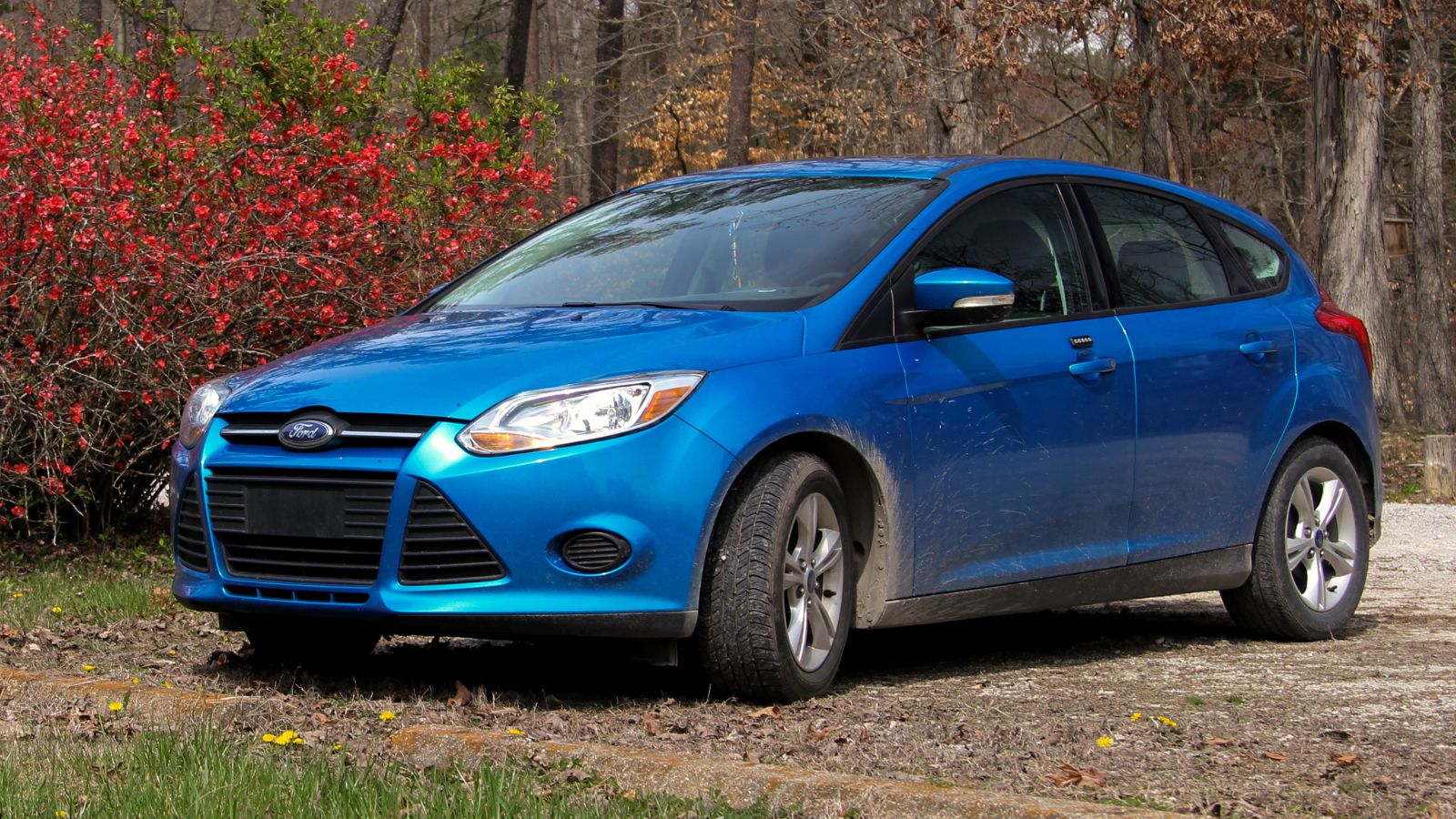
A used Ford Focus can look like one of the easiest ways into a fuel-efficient compact car. It is small enough for crowded city parking, affordable enough for students or first-time buyers, and still modern-looking in later model years. On paper, the Focus seems to offer a lot: decent fuel economy, hatchback practicality, and a lower used price than many Japanese compact cars.
The problem is that many automatic Focus models from the 2012–2016 era are tied to Ford’s PowerShift dual-clutch transmission controversy. Canadian owners were included in settlement activity involving complaints about jerking, shuddering, hesitation, and clutch or transmission-control issues. Some cars have already had repairs, but paperwork matters because a vague “it was fixed before” is not enough. A low-price Focus can still make sense with a manual transmission or excellent records, but an automatic bargain deserves extra caution.
Ford Fiesta
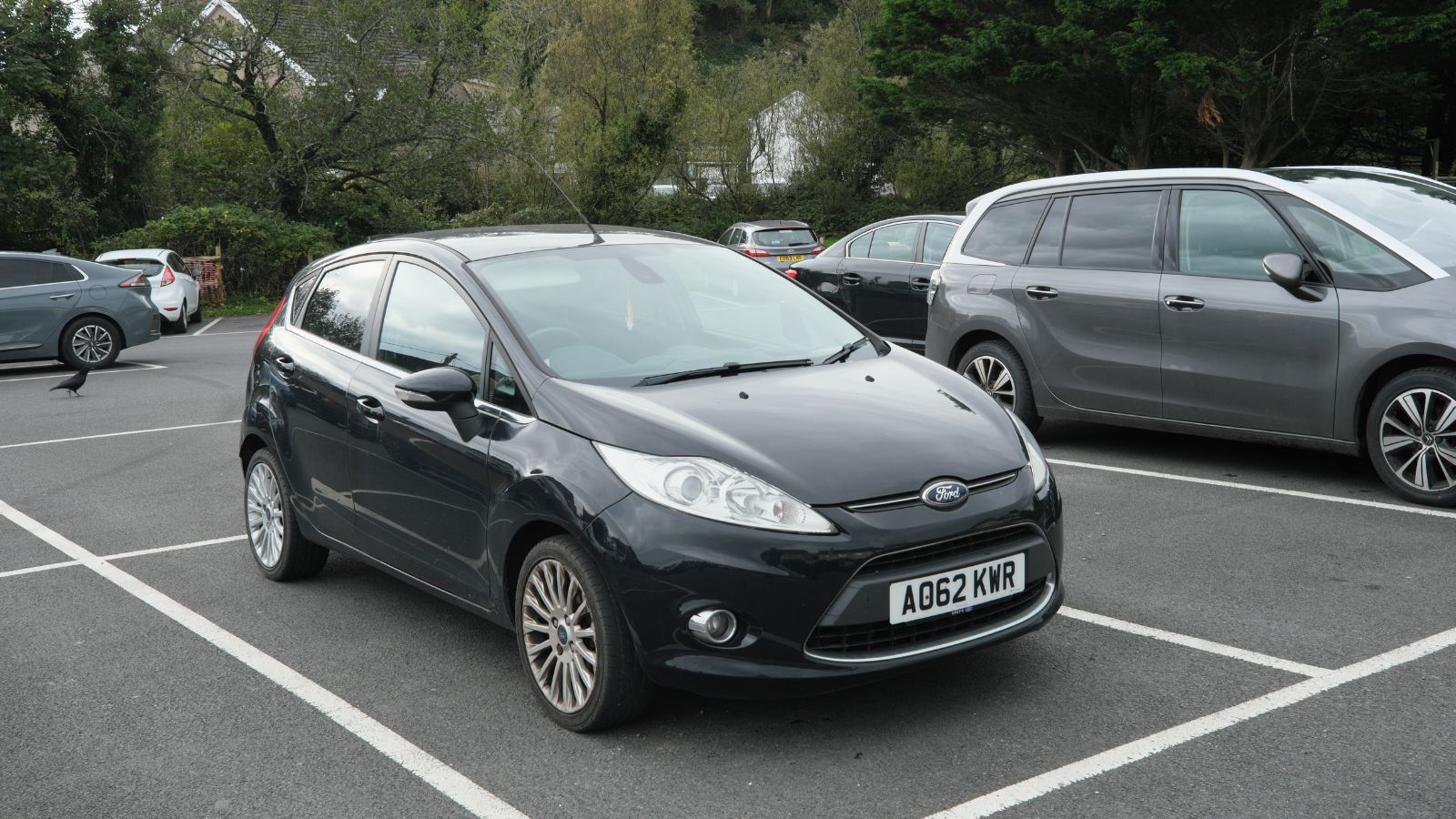
The Ford Fiesta often looks even cheaper than the Focus, which makes it attractive for buyers who simply need basic transportation. It is easy to park, light on fuel, and common enough that used listings can seem friendly to tight budgets. For someone moving from public transit or replacing an aging beater, a Fiesta with low advertised payments can feel like a practical win.
The automatic Fiesta, however, shares the PowerShift problem zone with the Focus. Canadian settlement materials covered certain 2011–2016 Fiesta models equipped with the dual-clutch automatic transmission, and the reported symptoms could turn everyday driving into a frustrating routine. A car that bucks in traffic or hesitates pulling away from a light is not just annoying; it can also be expensive to diagnose repeatedly. The cheapest Fiesta on the lot may need the most careful inspection, especially if the seller has no transmission service history.
Kia Optima
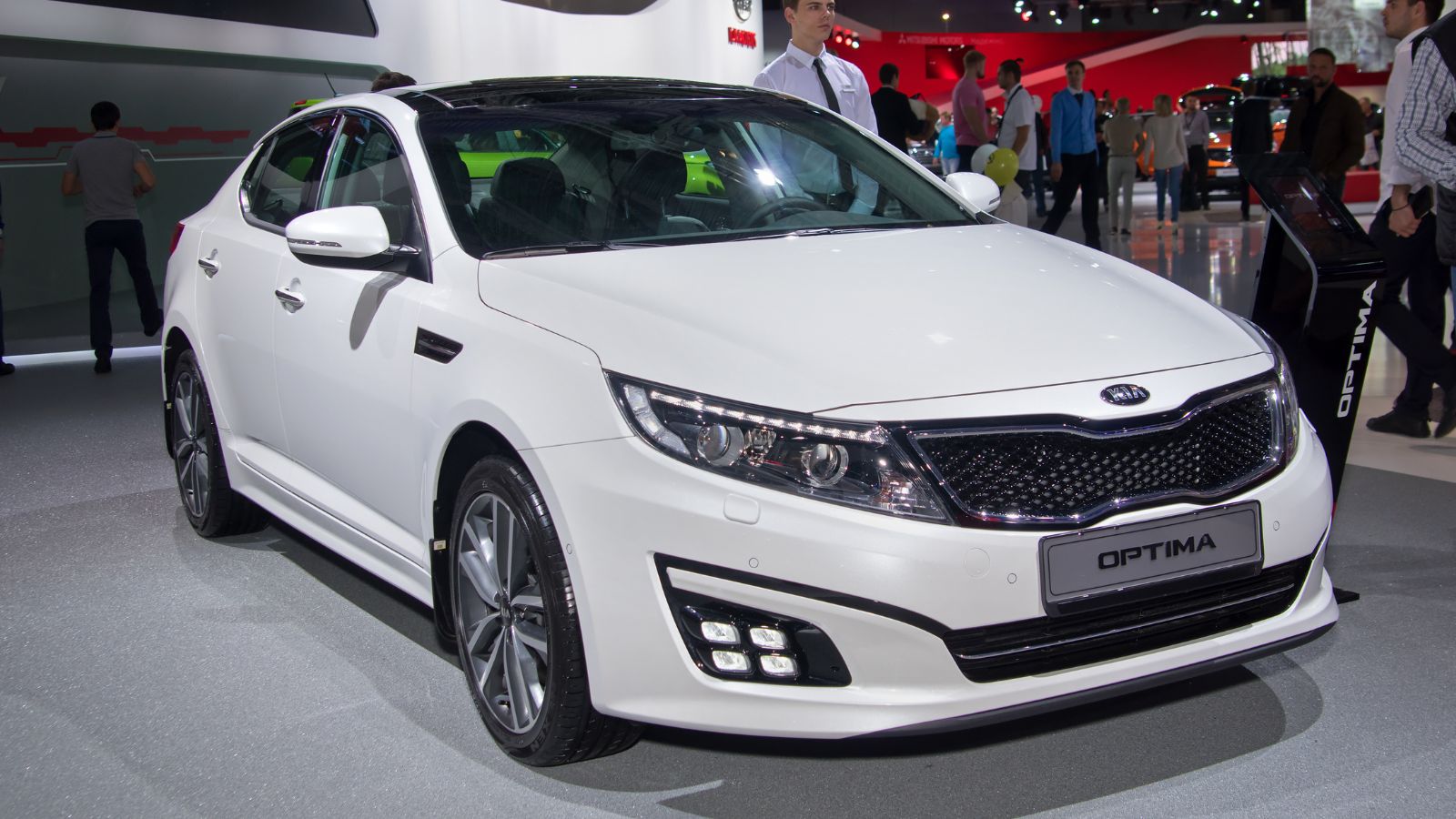
The Kia Optima has many of the same used-car attractions as the Sonata: strong value, a comfortable interior, and plenty of features for the money. It can look especially tempting in higher trims, where leather, panoramic roofs, heated seats, and sharp styling make the car feel more premium than its asking price. For Canadian buyers comparing family sedans, the Optima often looks like a deal hiding in plain sight.
The expensive part is that certain Optima model years also fall into Hyundai-Kia engine settlement territory. Canadian settlement information has covered 2011–2019 Kia Optima vehicles equipped with 2.0-litre or 2.4-litre GDI engines. The risk is not that every Optima will fail, but that engine-related uncertainty can change the whole value equation. If the car has gaps in oil-change records, warning-light history, or incomplete recall work, a low purchase price may be less important than whether the engine is protected, updated, and healthy.
BMW 3 Series
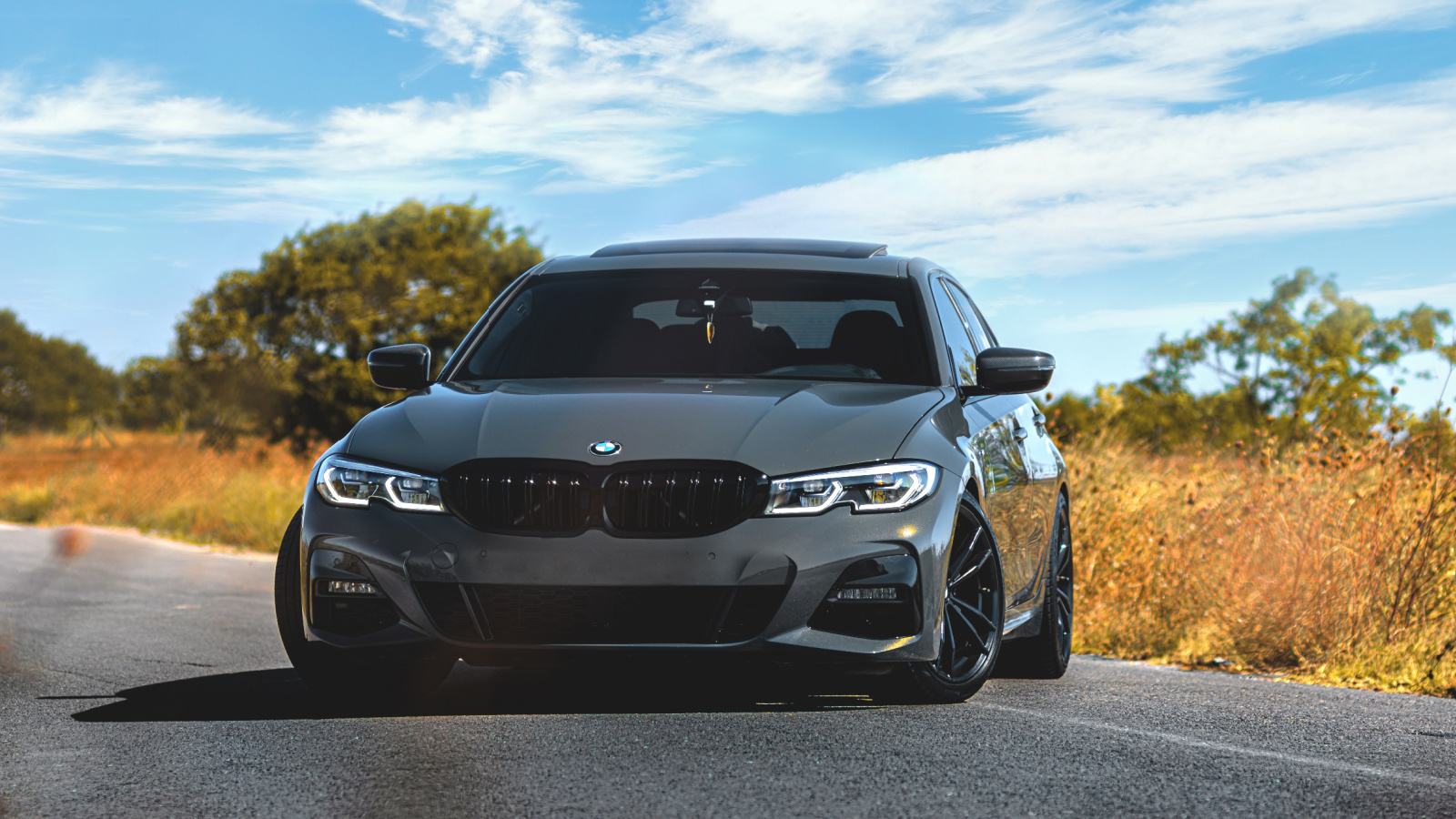
A used BMW 3 Series can be one of the most seductive deals on the market. A car that once looked expensive in a downtown showroom can later sit beside ordinary compact sedans at a surprisingly reachable price. The steering, interior feel, and badge appeal are real, and many examples still look sharp years after their first owner moved on.
The trouble is that German luxury depreciation does not make German luxury maintenance disappear. RepairPal lists BMW as having a higher average annual repair cost than the all-brand average, and common ownership expenses can include cooling-system work, oil leaks, suspension repairs, electronics, and premium tires. A 3 Series bought cheaply in Canada may also have lived through salt, potholes, and missed maintenance from owners who could afford the purchase but not the upkeep. The deal is only real when the records are as attractive as the badge.
MINI Cooper

The MINI Cooper looks like a used-car bargain because it delivers personality at a price that often undercuts more ordinary hatchbacks. It is compact, stylish, and fun to drive, with a cabin that feels more special than many economy cars. In dense Canadian cities, its small size and cheerful design make it easy to understand why shoppers keep giving it a second look.
The ownership costs can be less cheerful. RepairPal ranks the MINI Cooper at the bottom of its subcompact-car reliability group and lists an average annual repair cost higher than many mainstream small cars. Even routine work can feel pricey because the packaging is tight and parts are often premium-priced compared with typical economy models. A used MINI with deferred maintenance can turn a playful purchase into a stream of warning lights, oil leaks, cooling issues, and shop visits that outgrow the original savings.
Land Rover Range Rover Evoque
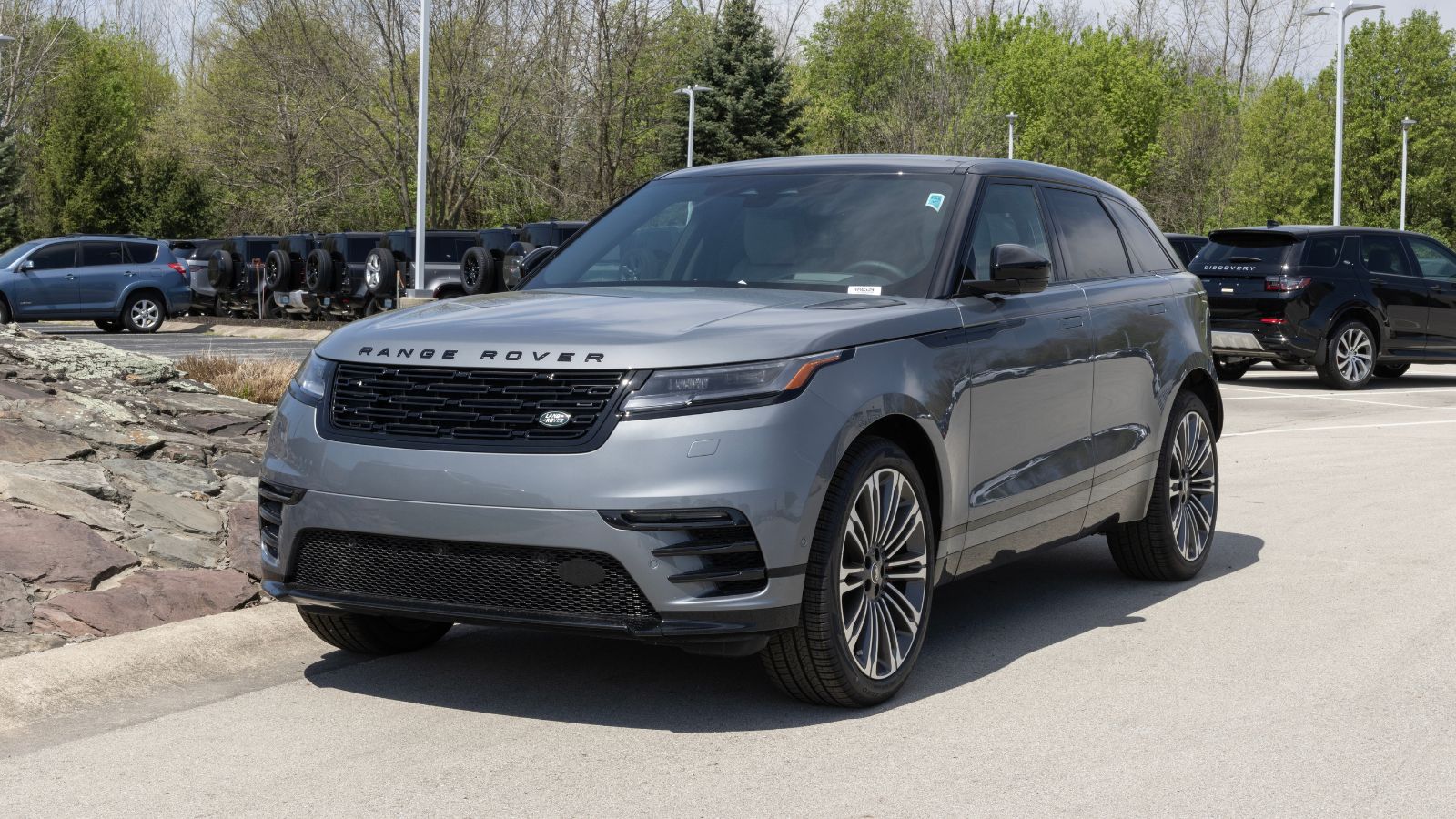
The Range Rover Evoque has the perfect used-lot formula: premium badge, upscale cabin, stylish shape, and a price that can fall dramatically from new. In Canadian suburbs, it can look like an affordable way into a luxury SUV without committing to the cost of a new one. The elevated seating position and all-wheel-drive image only add to the appeal.
The concern is long-term reliability and repair severity. RepairPal ranks Land Rover near the bottom among brands and lists higher-than-average annual repair costs for Land Rover models. Luxury SUV repairs are rarely priced like compact-SUV repairs, especially when the work involves electronics, driveline components, turbocharged engines, or suspension systems. Add Canadian winter conditions, road salt, and premium tire costs, and the Evoque’s low used price can become misleading. It may look attainable to buy, but not always attainable to keep happy.
Audi A4 Quattro
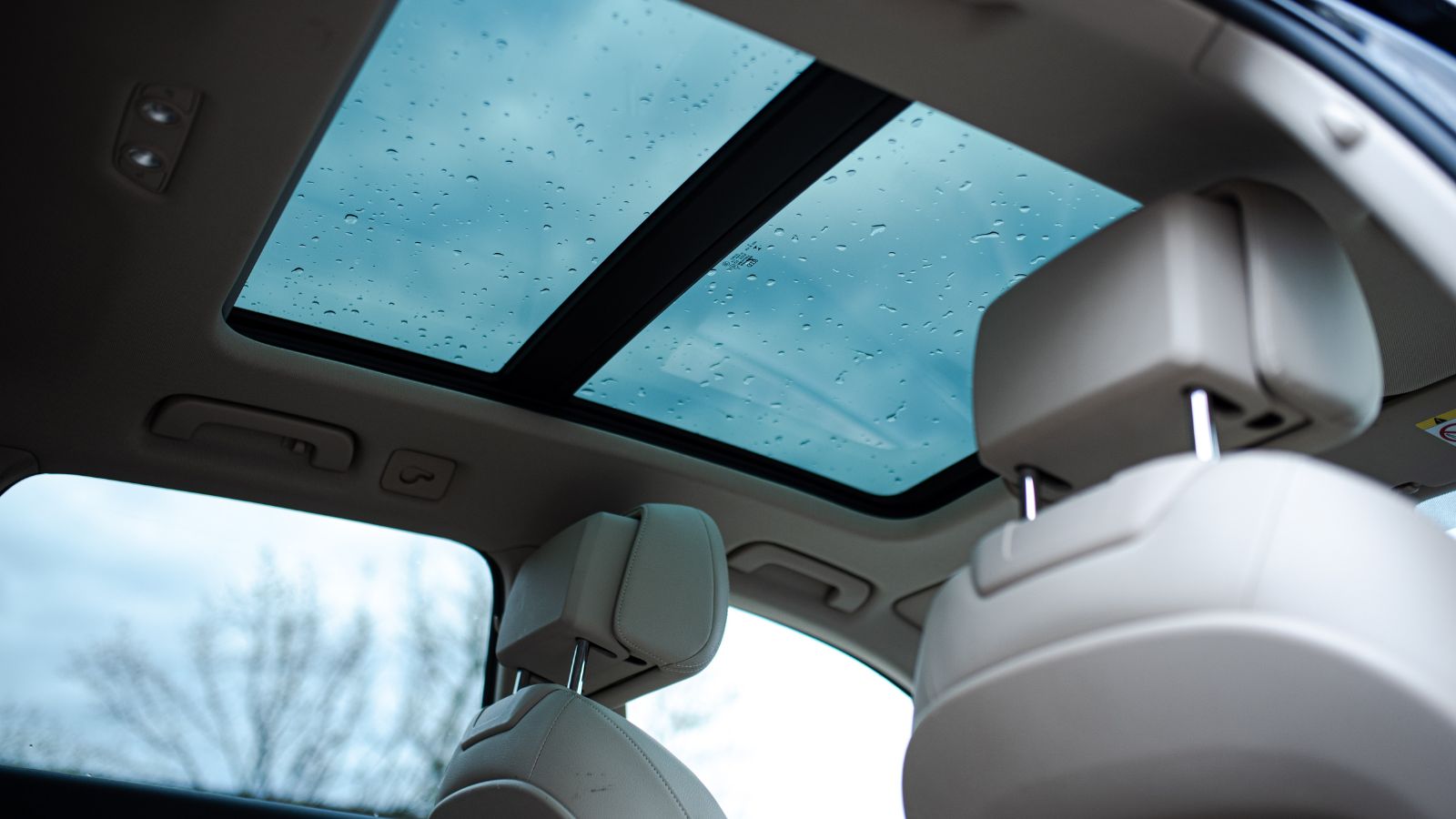
A used Audi A4 Quattro can look like an ideal Canadian sedan. It has all-wheel drive, a refined cabin, handsome styling, and a brand image that feels more premium than its used price suggests. For buyers dealing with snow, slush, and long highway drives, the Quattro badge can make the car feel like a smart upgrade from a mainstream compact.
The hidden cost is that an older luxury all-wheel-drive sedan brings more systems to maintain. RepairPal lists the Audi A4 Quattro’s average annual repair cost above the all-vehicle average, and Audi as a brand also carries elevated ownership costs. Turbocharged engines, timing components, control arms, sensors, and electronic faults can all become expensive once the car is outside warranty. An A4 with good records can be rewarding, but a cheap one with skipped services can turn into a parts-and-labour lesson very quickly.
Mercedes-Benz C-Class
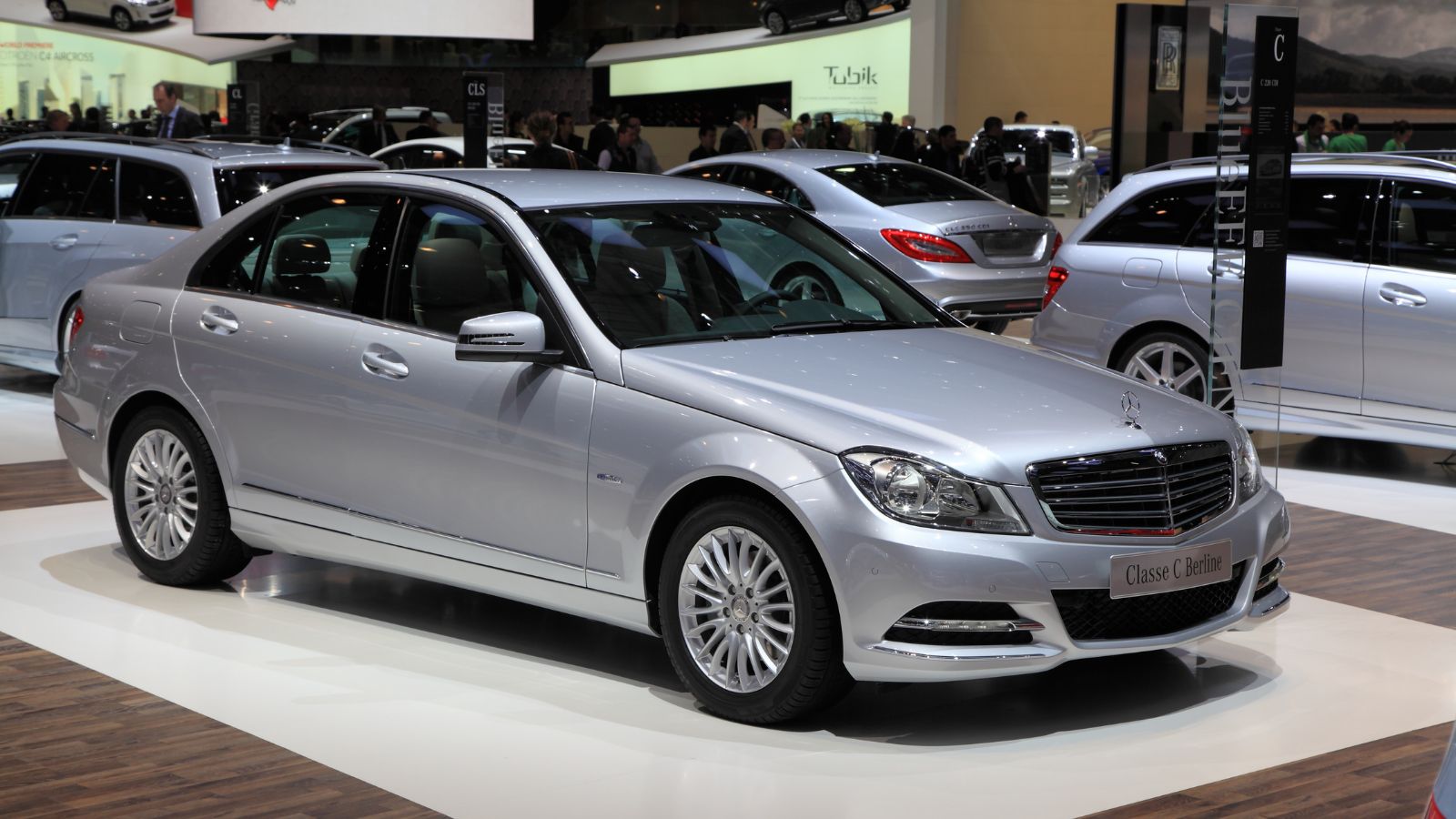
The Mercedes-Benz C-Class has a familiar used-car trap: it depreciates into mainstream money while still carrying premium-brand complexity. A C300 that once seemed out of reach can later be priced beside a newer Corolla or Civic, and the interior, quiet ride, and badge can make the decision feel emotional before it feels financial. That is why these cars often attract buyers looking for a little luxury without a new-luxury payment.
Maintenance is where the calculation changes. RepairPal lists the Mercedes-Benz C300’s annual repair cost around the luxury midsize average, but the brand’s parts, diagnostic work, and scheduled services can still be meaningfully more expensive than mainstream cars. Even smaller problems—sensors, suspension pieces, electronic modules, fluid services—can feel inflated compared with a non-luxury sedan. In Canada, winter tires, battery strain, and corrosion checks add another layer to the ownership bill.
Volkswagen Tiguan
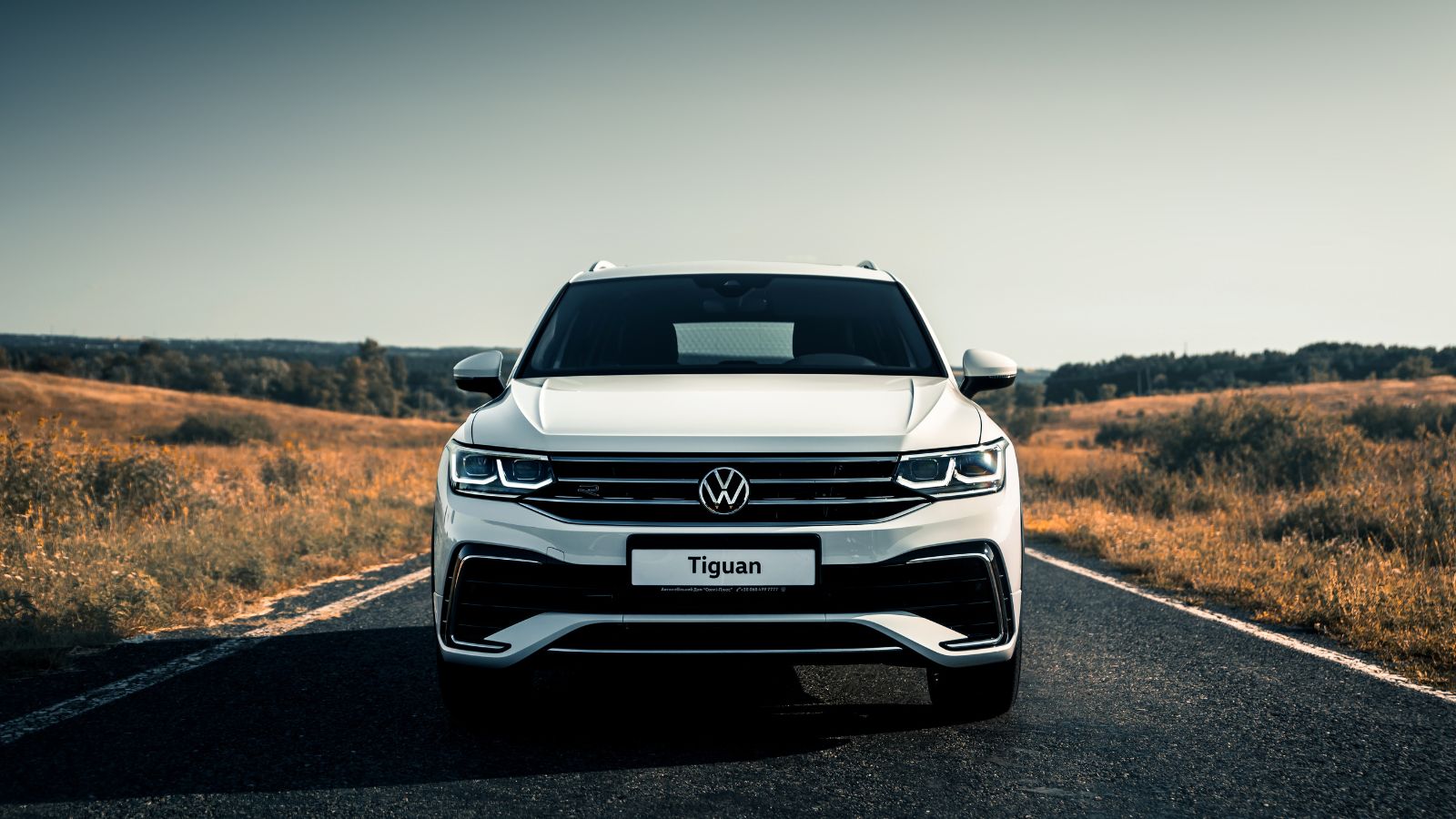
The Volkswagen Tiguan can seem like a clever used compact SUV choice. It often costs less than Japanese rivals, has a tidy cabin, and feels more solid on the road than many value-focused competitors. For Canadian drivers wanting a small SUV with European manners and available all-wheel drive, the Tiguan can look like a very reasonable compromise.
The issue is that the compromise can become expensive as kilometres rise. RepairPal ranks the Tiguan low within the compact SUV category and lists average annual repair costs above the compact-SUV average. Depending on the year and engine, buyers may also face turbocharged-engine maintenance, cooling-system issues, carbon buildup concerns, or transmission-service costs. A Tiguan may still be a good buy with complete maintenance records, but a neglected one can punish bargain hunters who focused only on the purchase price and not the service history.
Chevrolet Cruze
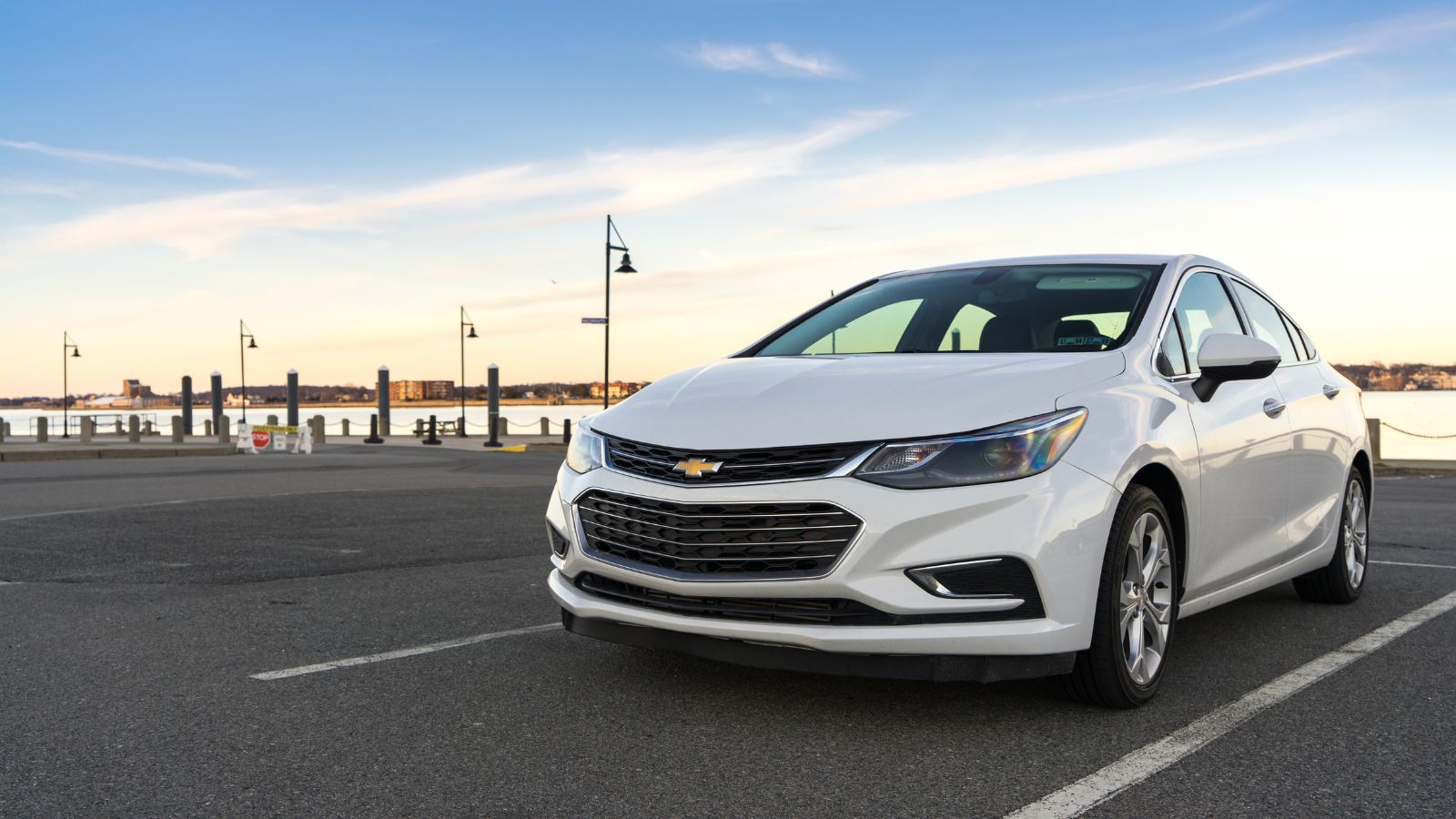
The Chevrolet Cruze is one of those used compact cars that can look almost too affordable. It is easy to find, inexpensive to insure compared with many sportier cars, and available in sedan or hatchback forms depending on the year. For commuters, the Cruze can seem like a practical way to get modern features and decent fuel economy without paying Corolla or Civic money.
The bills often come from age-related engine and cooling-system issues. RepairPal lists the Cruze’s average annual repair cost slightly above the compact-car average, and turbocharger replacement estimates can run into four figures. Many first-generation examples are also known among owners and mechanics for coolant leaks, PCV issues, oil leaks, and turbo-related complaints. A Cruze with a stack of recent receipts may be fine; one with a low price, a sweet smell of coolant, or fresh warning lights deserves a much slower decision.
Ford Escape
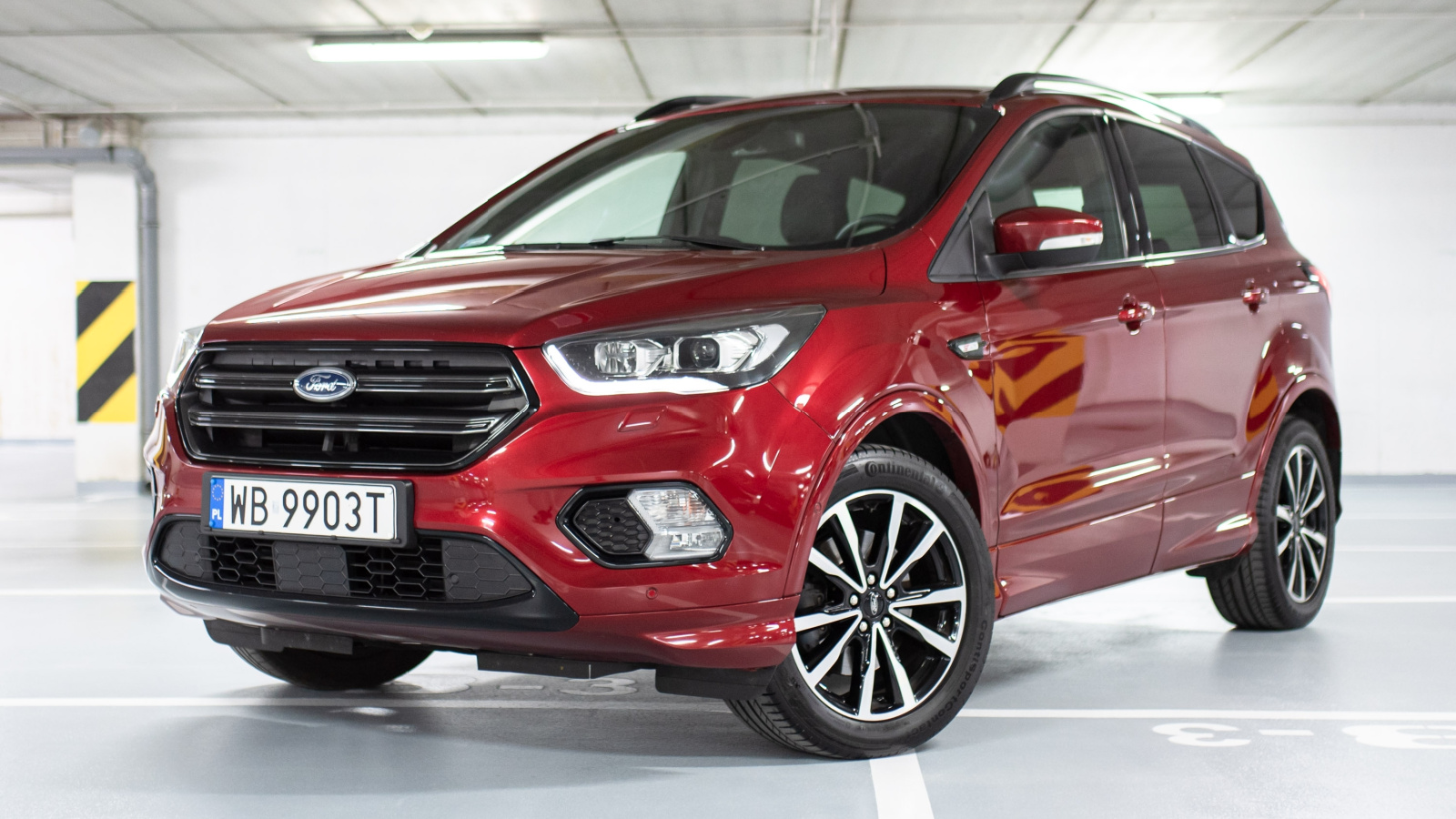
The Ford Escape looks like an easy Canadian answer: compact SUV size, available all-wheel drive, plentiful supply, and prices that often undercut the most sought-after imports. It is common in fleets and family driveways, which means shoppers can usually find several within a short search radius. That availability can create the impression that parts and repairs will always be simple and cheap.
The risk depends heavily on model year, engine, and maintenance. RepairPal lists Escape annual repair costs above the compact-SUV average, and reported transmission problems can become expensive if symptoms are ignored. Some owners describe failures that require major repairs or replacement rather than a simple fluid service. A used Escape should be driven long enough to test smooth shifting, highway acceleration, and hot-operation behaviour. A quick spin around the block may not reveal the issue that eventually writes the largest invoice.
Chevrolet Equinox
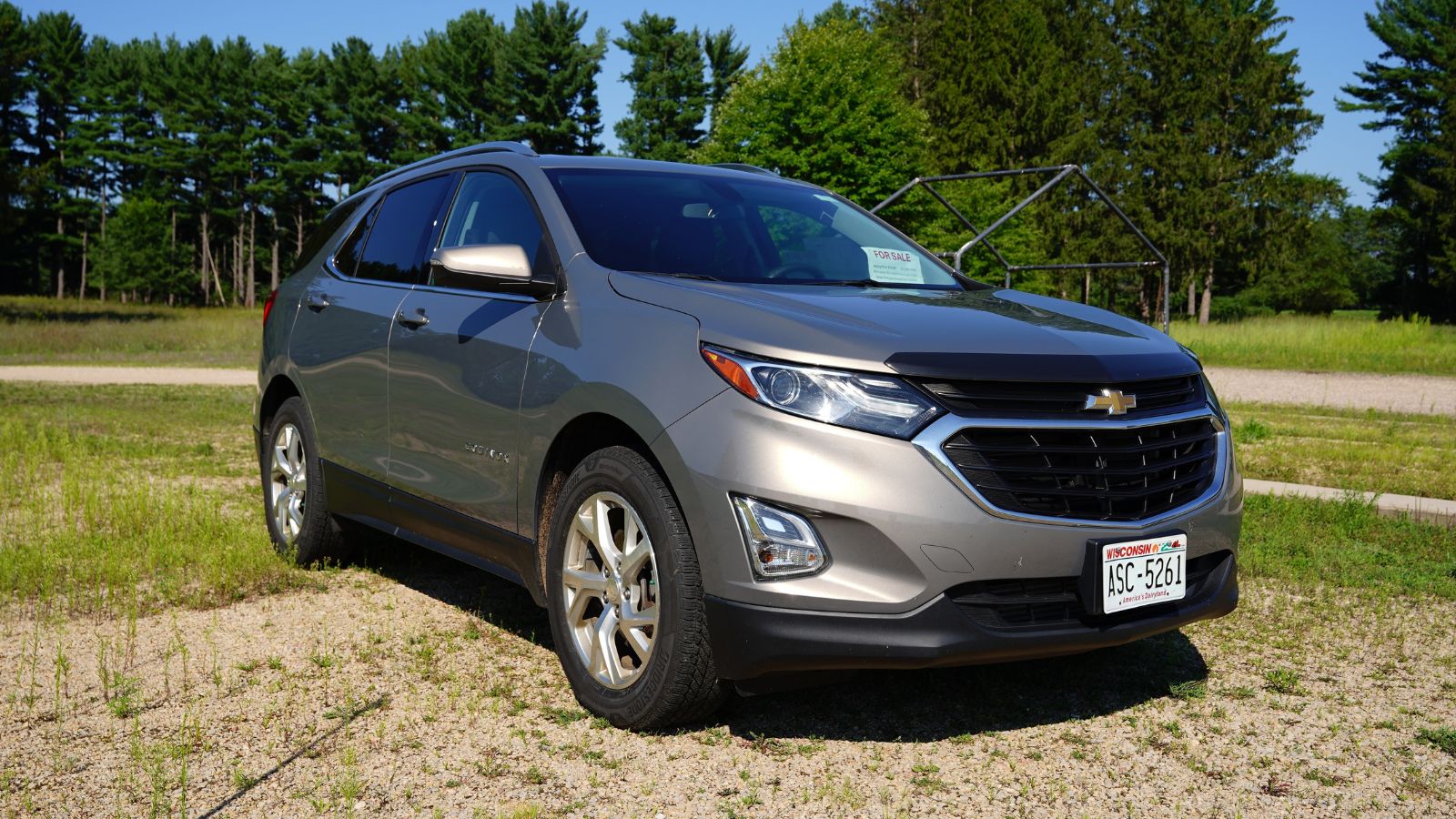
The Chevrolet Equinox can look like one of the best values in the used compact-SUV aisle. It offers space, comfort, and a familiar domestic badge, often at a lower price than RAV4, CR-V, or Subaru Forester rivals. For Canadian families wanting a practical winter vehicle without a premium payment, the Equinox can appear to check all the right boxes.
The expensive story can be oil consumption, especially on certain older 2.4-litre models. RepairPal notes owner reports of excessive oil consumption tied to worn piston rings, valve-stem seals, PCV issues, and related engine problems. An Equinox can run normally while quietly burning oil between changes, and the damage may appear only after the level drops too low. Buyers should look for oil-change records, ask directly about top-ups, and inspect for engine noise or smoke. A low asking price is not enough if the engine has been running thirsty for years.
Subaru Forester
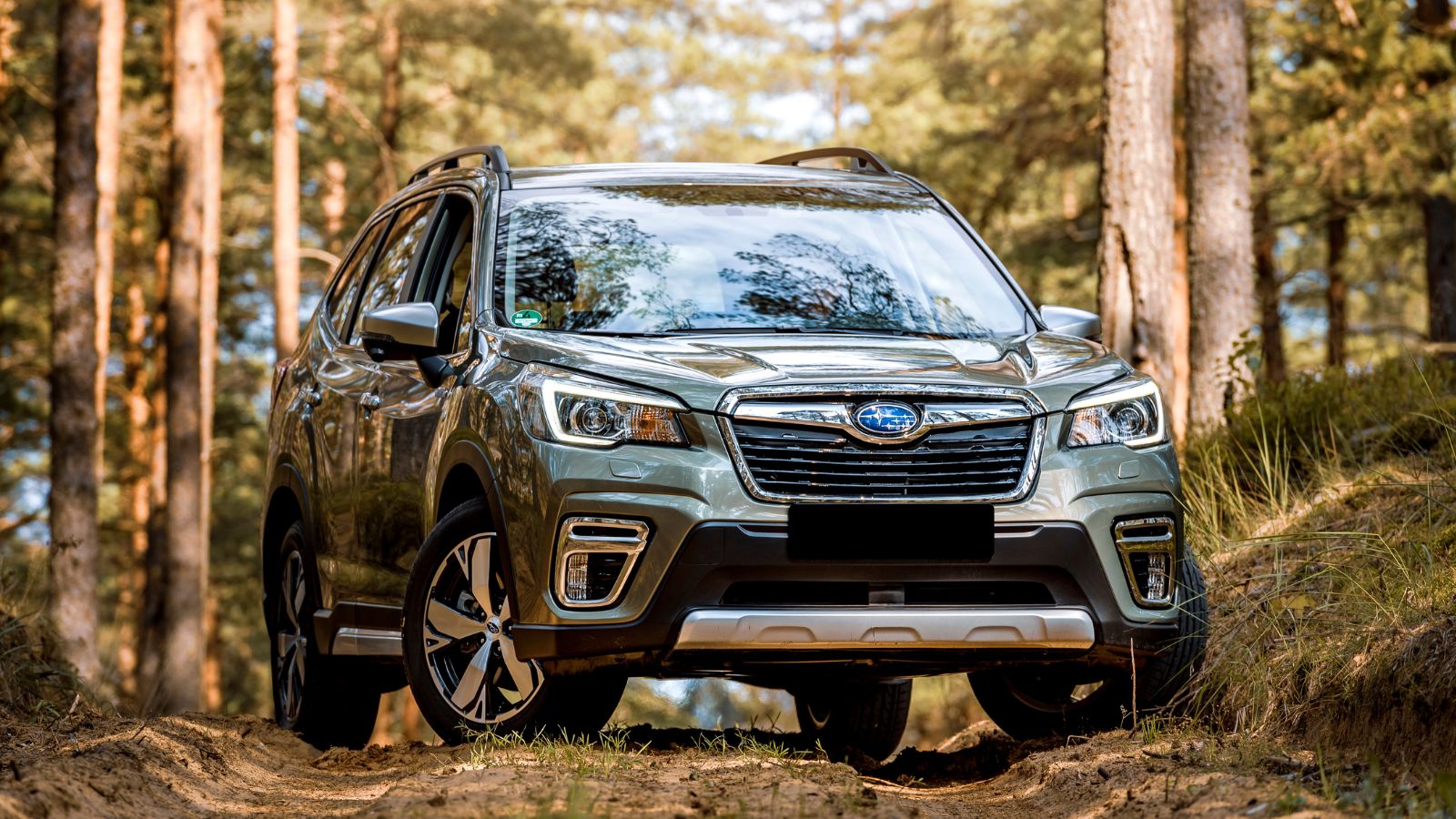
The Subaru Forester often looks perfectly suited to Canada. It has standard all-wheel drive, practical cargo space, strong winter credibility, and loyal owners who talk about long service lives. Used examples, especially older ones, can feel like a safer bet than flashier SUVs because the brand’s outdoorsy image suggests durability and common sense.
The expensive caveat is that some older Subaru models are closely associated with head-gasket concerns, and head-gasket replacement is a labour-heavy repair. RepairPal’s general head-gasket replacement estimate runs into several thousand dollars, and older Foresters can also need suspension, wheel bearing, exhaust, and rust-related work. A Forester with documented head-gasket replacement, regular fluid service, and clean underbody condition may be worth considering. A cheap one with coolant loss, oily residue, overheating history, or vague maintenance records can quickly become more project than bargain.
Jeep Grand Cherokee
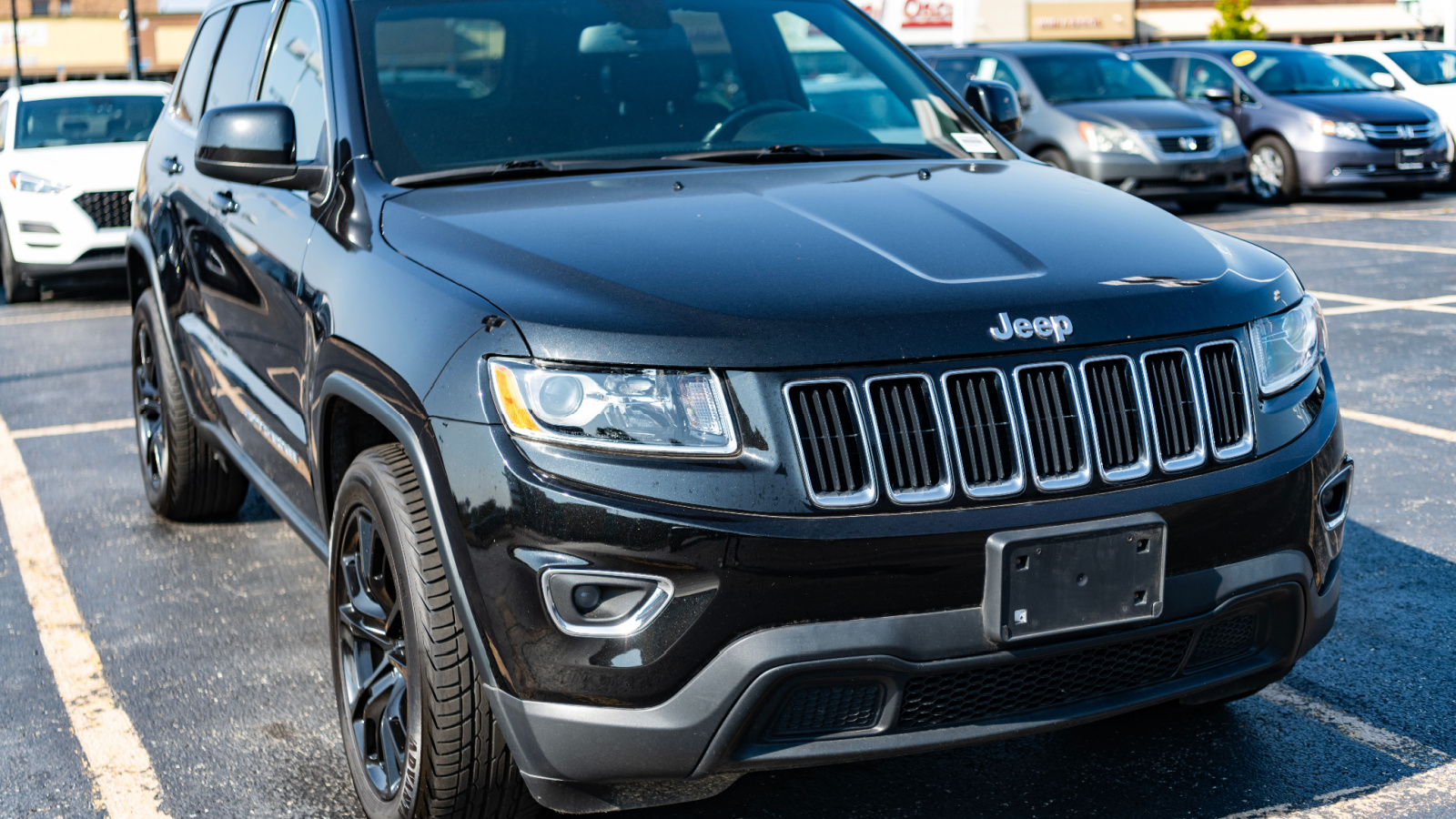
The Jeep Grand Cherokee has huge used-market appeal because it blends comfort, towing ability, four-wheel-drive confidence, and a rugged image. In Canada, it can look especially attractive to buyers who want one vehicle for commuting, cottage roads, snowstorms, and family hauling. Depreciation can make older Grand Cherokees look like serious SUV value.
The ownership costs can climb because there is simply more vehicle to maintain. RepairPal lists Grand Cherokee annual repair costs above the all-vehicle average, and the model’s mix of driveline systems, electronics, suspension parts, and larger tires can make repairs more expensive than they first appear. Certain newer Jeep vehicles have also faced recall and investigation attention in North America, reminding buyers that VIN checks matter. A Grand Cherokee can be a strong used buy, but only when the inspection covers more than paint shine and leather condition.
Dodge Journey
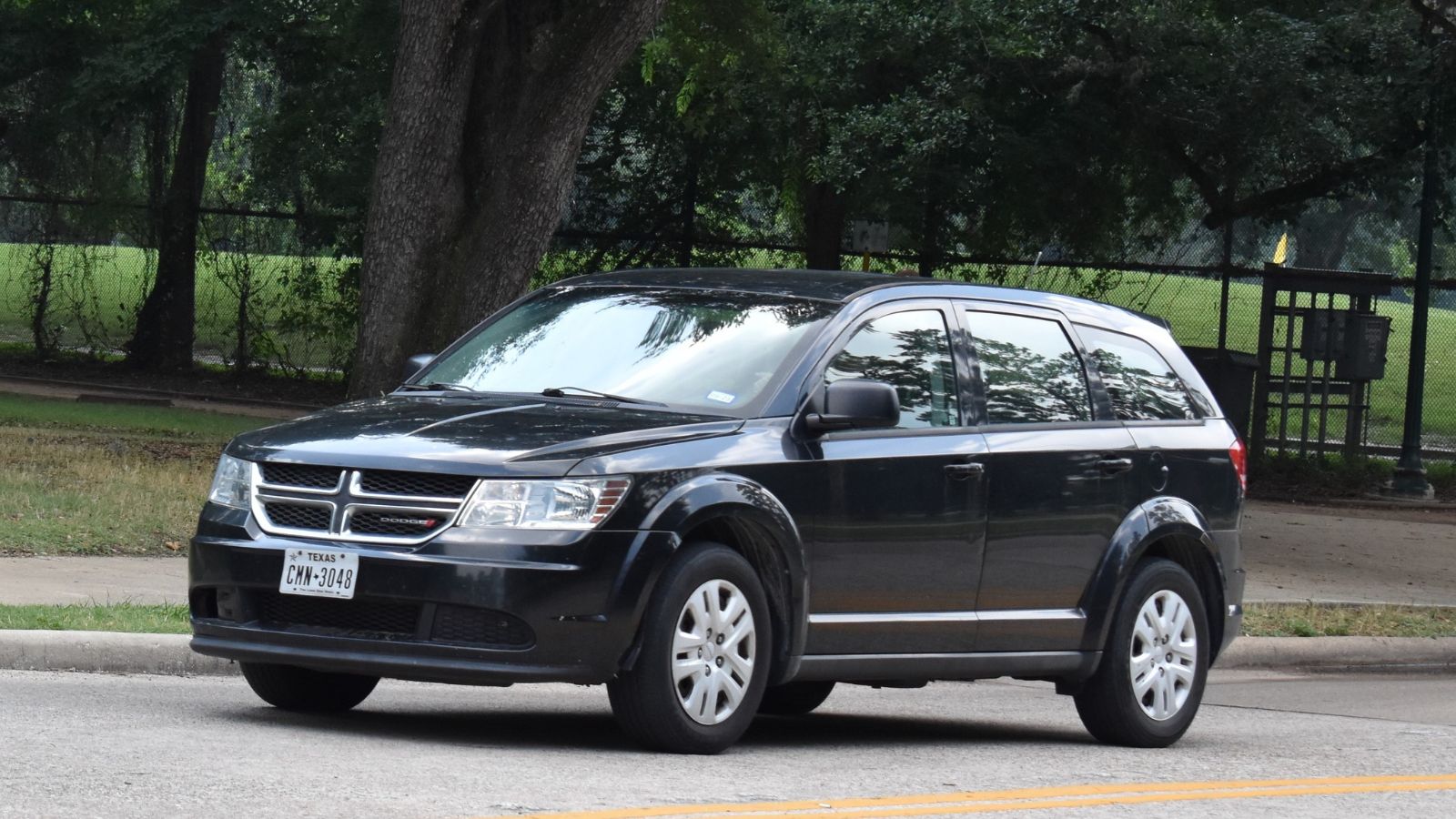
The Dodge Journey may be the ultimate “looks like a deal” used family vehicle. It is often cheaper than three-row SUVs from Toyota, Honda, or Hyundai, and its size gives buyers the feeling of getting more metal for less money. For families needing extra seats in a hurry, the Journey can appear to solve a real problem at a reachable price.
The issue is that affordability can hide age, wear, and dated engineering. RepairPal lists the Journey’s average annual repair cost below the all-vehicle average, but that number does not erase the reality that many examples are now older, heavily used, and bought because they were cheap. Brakes, suspension, electrical diagnosis, cooling parts, tires, and neglected maintenance can pile up. A Journey may be acceptable as basic transportation with strong records, but the lowest-priced example often reflects the bills the previous owner chose not to pay.
22 Things Canadians Do to Their Cars in Spring That Mechanics Hate

Spring brings relief to many Canadian drivers after months of snow, freezing temperatures, and icy roads that put serious strain on vehicles. As temperatures rise across the country, drivers begin washing cars, switching tires, and preparing vehicles for warmer weather and upcoming road trips. However, mechanics across Canada notice the same mistakes every spring when drivers attempt to recover from winter damage. Road salt, potholes, and harsh winter driving conditions often leave vehicles with hidden problems that drivers ignore. Some spring habits even create new mechanical issues that could have been avoided with proper maintenance. Here are 22 things Canadians do to their cars in spring that mechanics hate.