


























A vehicle can feel affordable right up until the first repair estimate lands on the service counter. That is often the moment ownership stops being about a monthly payment and starts becoming about everything else: parts prices, labour rates, road conditions, aging components, warranty fine print, and the growing cost of keeping a car dependable in a Canadian climate. In a country where people keep vehicles for years and rely on them across long distances, that shift can arrive with surprising force.
These 18 realities tend to stay in the background until something expensive breaks. Once that happens, the true shape of ownership becomes harder to miss. What looked manageable on paper begins to reveal a much larger system of costs, tradeoffs, and maintenance decisions that have been building quietly all along.
The Purchase Price Was Never the Full Price
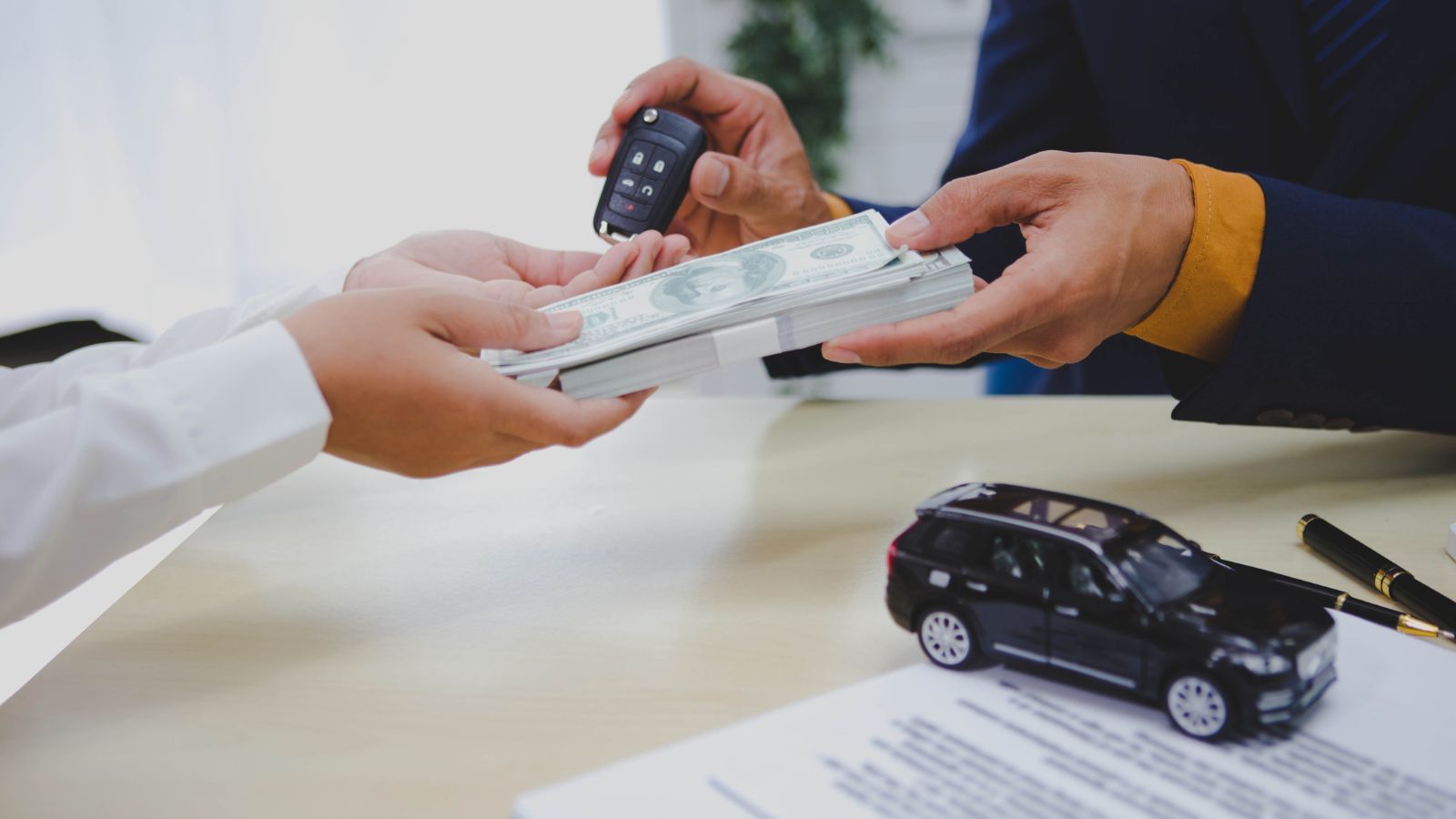
Many owners focus so heavily on the selling price that they mentally relegate maintenance to a vague future problem. That works only until the first major repair turns a vehicle from a predictable budget item into an ongoing financial commitment. In Canada, ownership costs extend far beyond financing and fuel, and organizations like CAA now explicitly frame maintenance and repairs as core operating expenses rather than occasional surprises. That distinction matters because a vehicle can seem reasonably priced at purchase while carrying much higher long-term costs once brakes, tires, suspension parts, sensors, or cooling-system components begin to age.
The first big repair often rewrites the owner’s understanding of the deal. A used SUV that felt like a bargain may suddenly require work that rivals several months of payments. Even newer vehicles can do this if parts are costly or labour is specialized. What changes in that moment is not just the repair bill itself, but the realization that ownership has a second layer: the cost of preserving reliability. For many Canadians, that lesson arrives later than expected because the market still encourages people to think like buyers first and caretakers second.
Repair Inflation Sneaks Up Faster Than Owners Expect
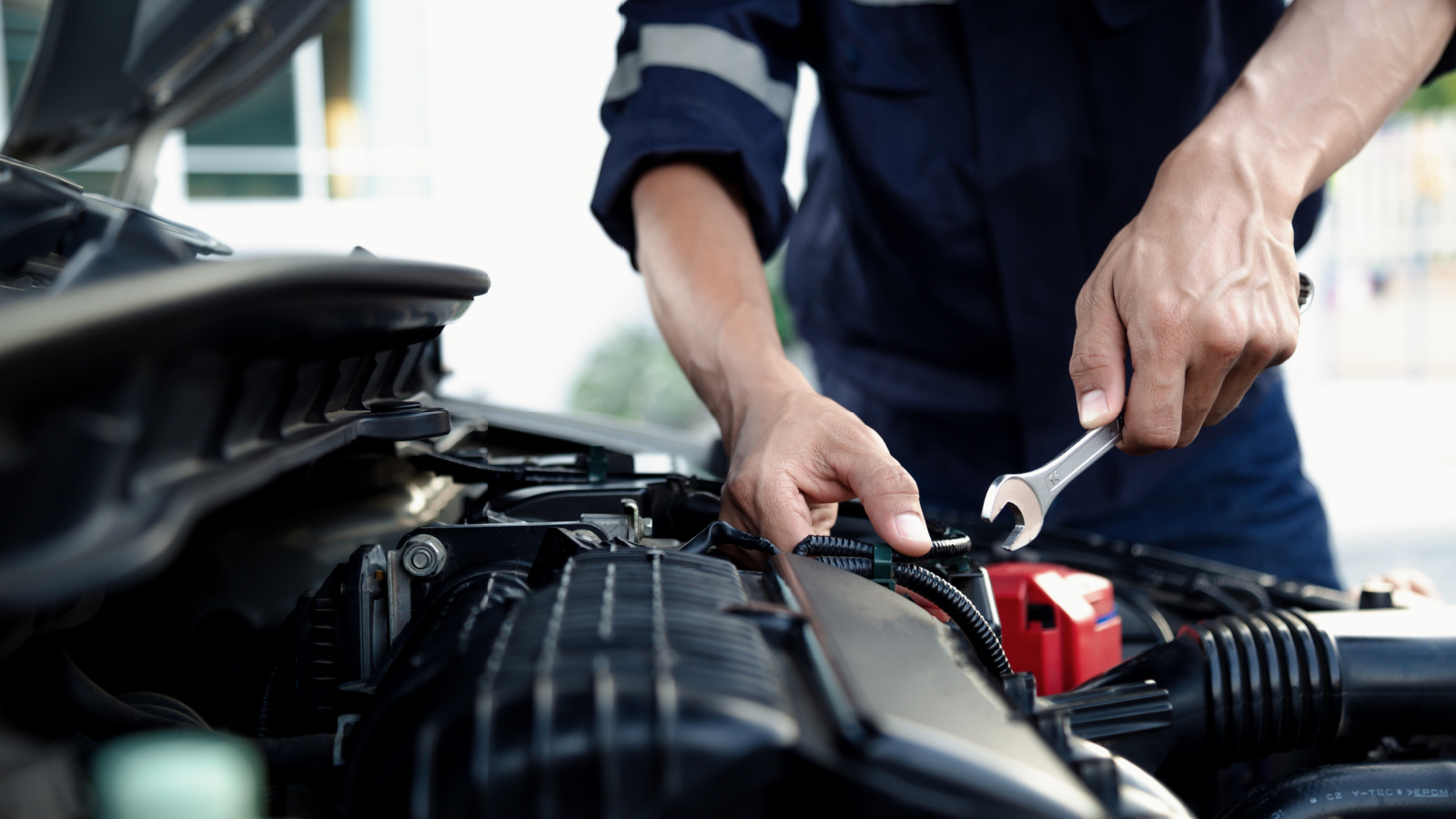
A repair estimate can feel shocking partly because many owners are comparing it to old prices in their heads. The problem is that parts, maintenance, and repair costs have risen meaningfully in recent years, even as broader inflation cooled. By the time a vehicle needs serious work, the owner may be relying on pre-pandemic assumptions about what a brake job, tire replacement, or front-end repair should cost. That mental mismatch makes the first major invoice feel less like routine maintenance and more like financial ambush.
Canadian data has reinforced that shift. Costs tied to passenger vehicle parts, maintenance, and repairs have moved noticeably higher over the past several years, and tire-related costs have risen as well. The practical result is simple: even ordinary fixes now land in a different price environment. A family that once expected to “just fix it and move on” may suddenly have to compare quotes, defer unrelated expenses, or reconsider how long to keep the vehicle. The repair is real, but so is the inflation layered underneath it.
Canadian Roads Add Wear That People Rarely Budget For
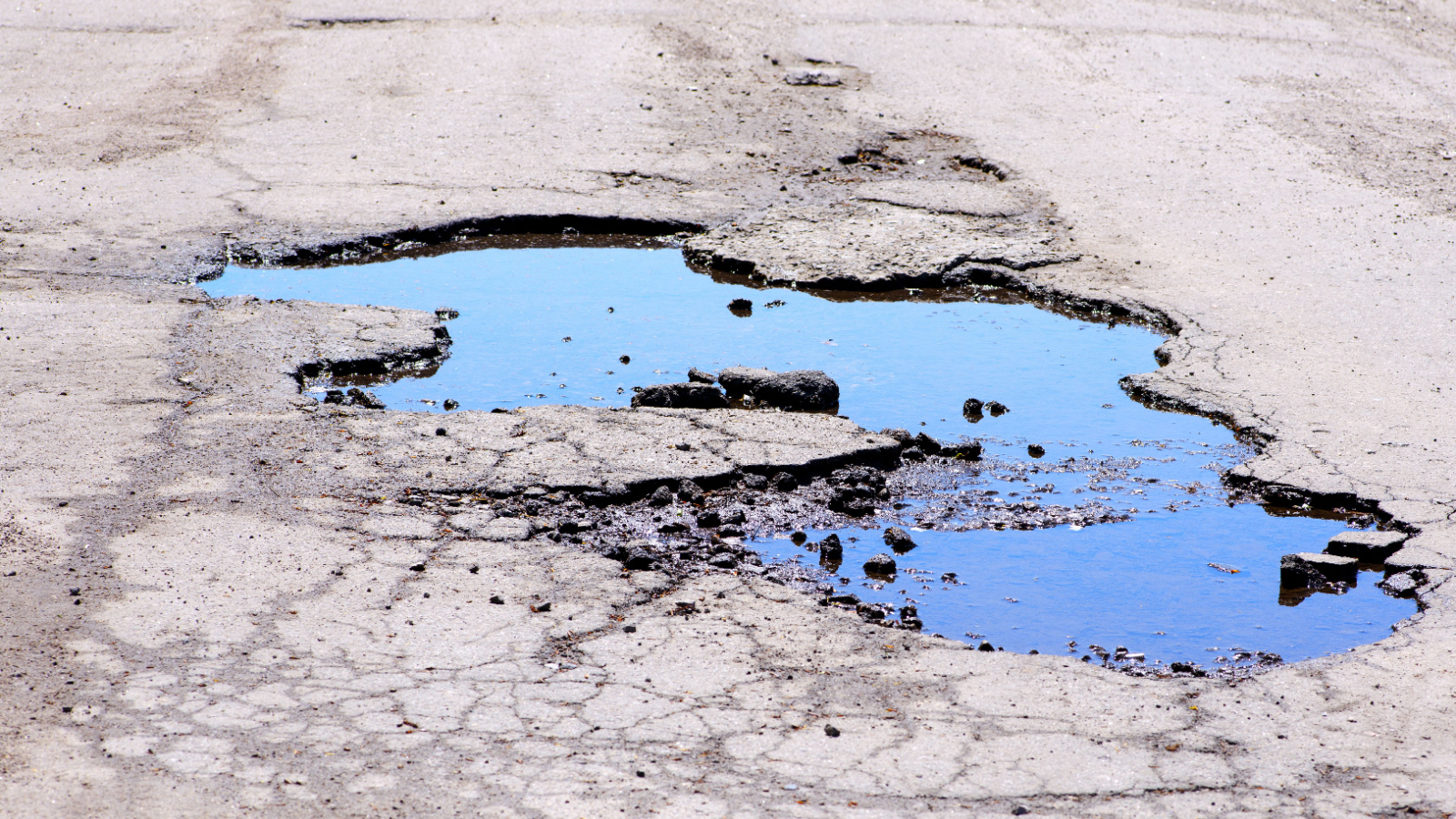
Vehicles do not age in laboratory conditions. They age on frost-heaved streets, pothole-ridden urban roads, rough shoulders, winter-scarred highways, and long suburban commutes. Canadians often notice the cost of this only when suspension work, wheel alignment, tire damage, or steering issues appear earlier than expected. Road quality feels abstract until it becomes mechanical. Then every harsh spring impact starts to look like a future invoice that had been hiding in plain sight.
That is part of why ownership costs can differ so much from what people imagine at purchase. Poor roads do not simply make driving less pleasant; they accelerate wear in ways that build slowly and then arrive all at once. A bent rim, a damaged tire, a worn control arm, or a repeated alignment issue can make the vehicle feel older than its age suggests. The first big repair often reveals that the road network has been acting on the car every day, quietly converting infrastructure problems into private household expenses.
Winter Is Not Just a Season but a Mechanical Stress Test
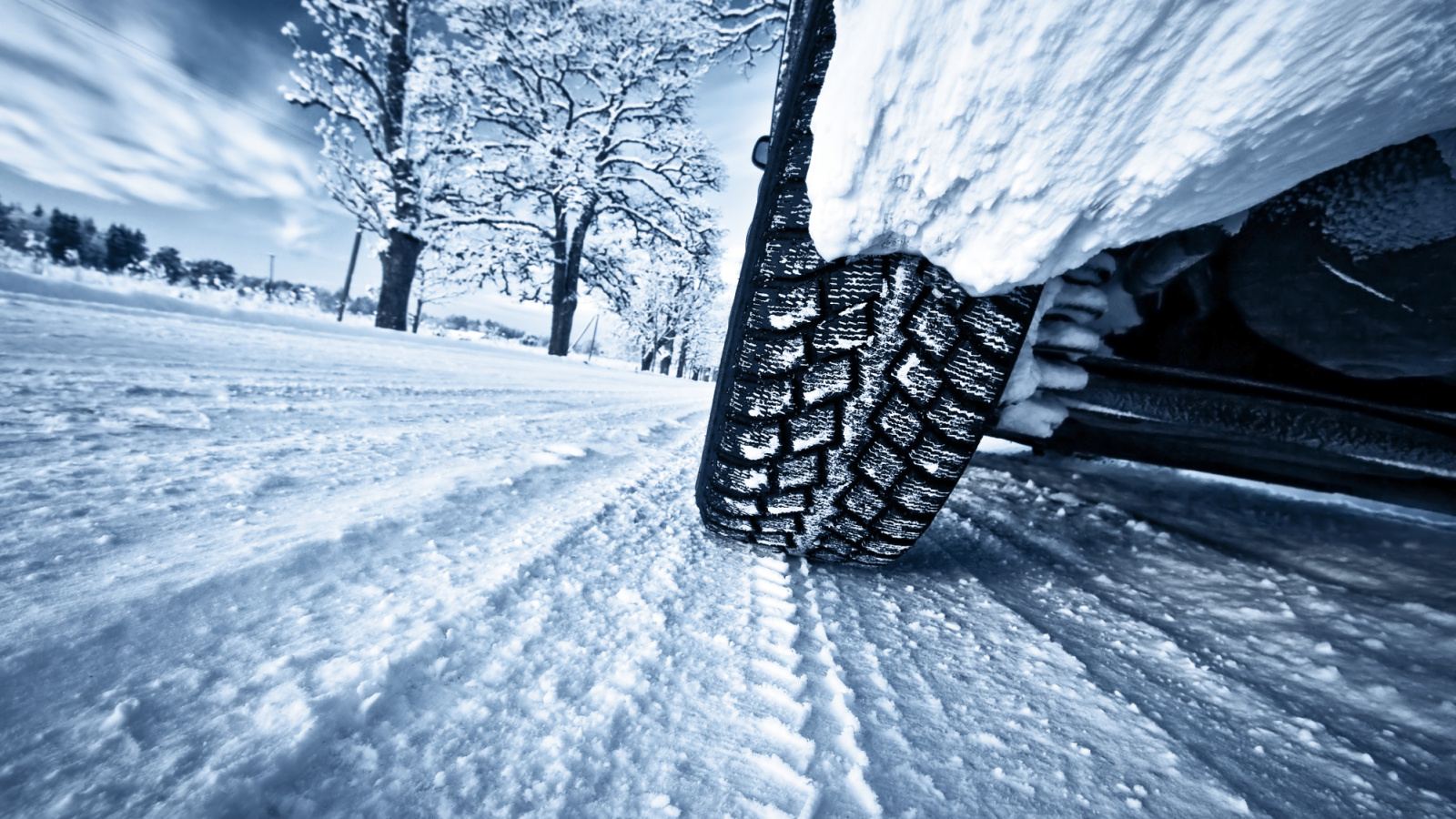
Canadian winters do more than make engines harder to start. Cold temperatures, road salt, freeze-thaw cycles, slush, and rough traction conditions all increase the strain on tires, batteries, brakes, wipers, lighting systems, and body hardware. Owners understand winter in a general way, but many still underestimate how much it changes the economics of ownership. The first big repair can expose how many parts of a vehicle have been aging faster simply because the car has spent years working through severe cold and corrosive road conditions.
That reality can be especially jarring for people moving from newer vehicles into the middle years of ownership. A car may appear to have handled winter well until the rust starts surfacing, the battery weakens under strain, or winter tire and brake costs arrive close together. Even households that responsibly switch tires every year can be surprised by how quickly seasonal wear compounds into larger service visits. In Canada, winter is not a side condition of ownership. It is one of the main forces shaping what ownership eventually costs.
Warranties Feel Bigger in the Showroom Than in the Service Bay

A warranty sounds reassuring when the vehicle is being sold, but its practical limits often become clearer only during the first expensive repair. Owners may discover that coverage periods differ across components, that wear items are excluded, or that damage linked to maintenance neglect may be disputed. Government consumer information in Canada repeatedly emphasizes that warranty terms vary and that owners need to understand both what is included and what their responsibilities are in keeping coverage valid.
That gap between impression and reality is where frustration grows. Many people hear “under warranty” and picture broad protection, when the real document is much narrower. Imported vehicles can introduce even more complications around honouring warranty coverage in Canada. Once a major issue appears, the owner is suddenly reading fine print they ignored when things were going well. The emotional sting is not only the repair bill. It is the realization that the promised safety net was more conditional than it seemed when the vehicle still felt new.
Modern Vehicles Hide Expensive Complexity Behind Everyday Comfort
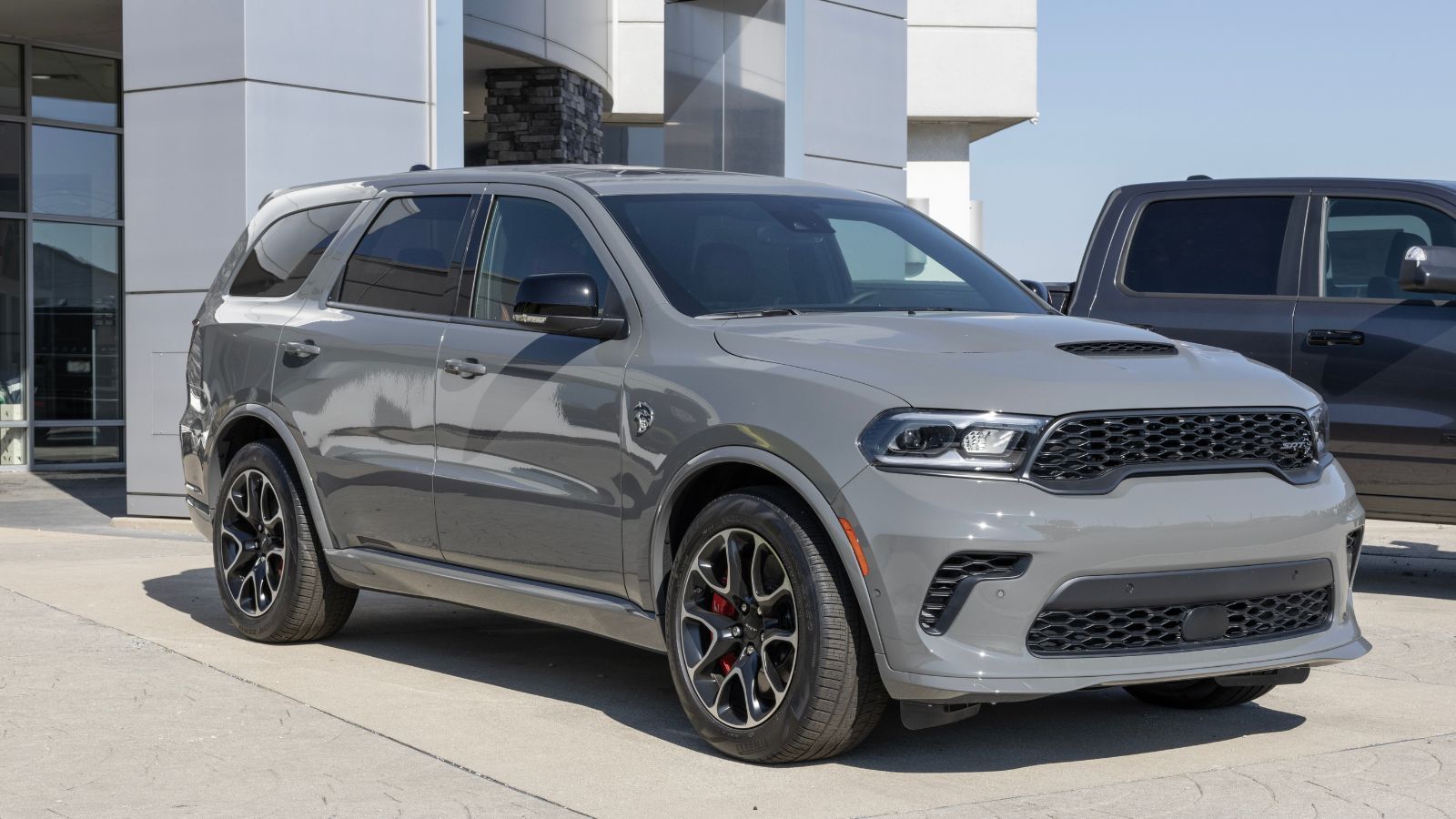
The average driver sees convenience features, safety systems, touchscreens, driver-assistance tools, and integrated electronics as normal equipment now. What often goes unnoticed is that modern vehicles carry more sensors, modules, cameras, software dependencies, and specialized parts than the cars many owners grew up with. That can make a repair more expensive even when the failure seems minor from the outside. A damaged mirror is not always just glass and plastic anymore; it may also involve sensors, calibration, heating elements, and wiring.
This is one reason repair bills can feel disconnected from visible damage. Owners may expect the price of yesterday’s car on today’s hardware. Dependability studies have repeatedly shown that infotainment and technology-related issues remain significant problem areas, and software complexity has not eliminated traditional mechanical wear. Instead, it has layered new costs on top of old ones. When the first major repair happens, many Canadians are really seeing a modern vehicle’s hidden architecture for the first time, and that architecture is rarely cheap.
Vehicles Last Longer, but the Middle Years Are No Longer Cheap
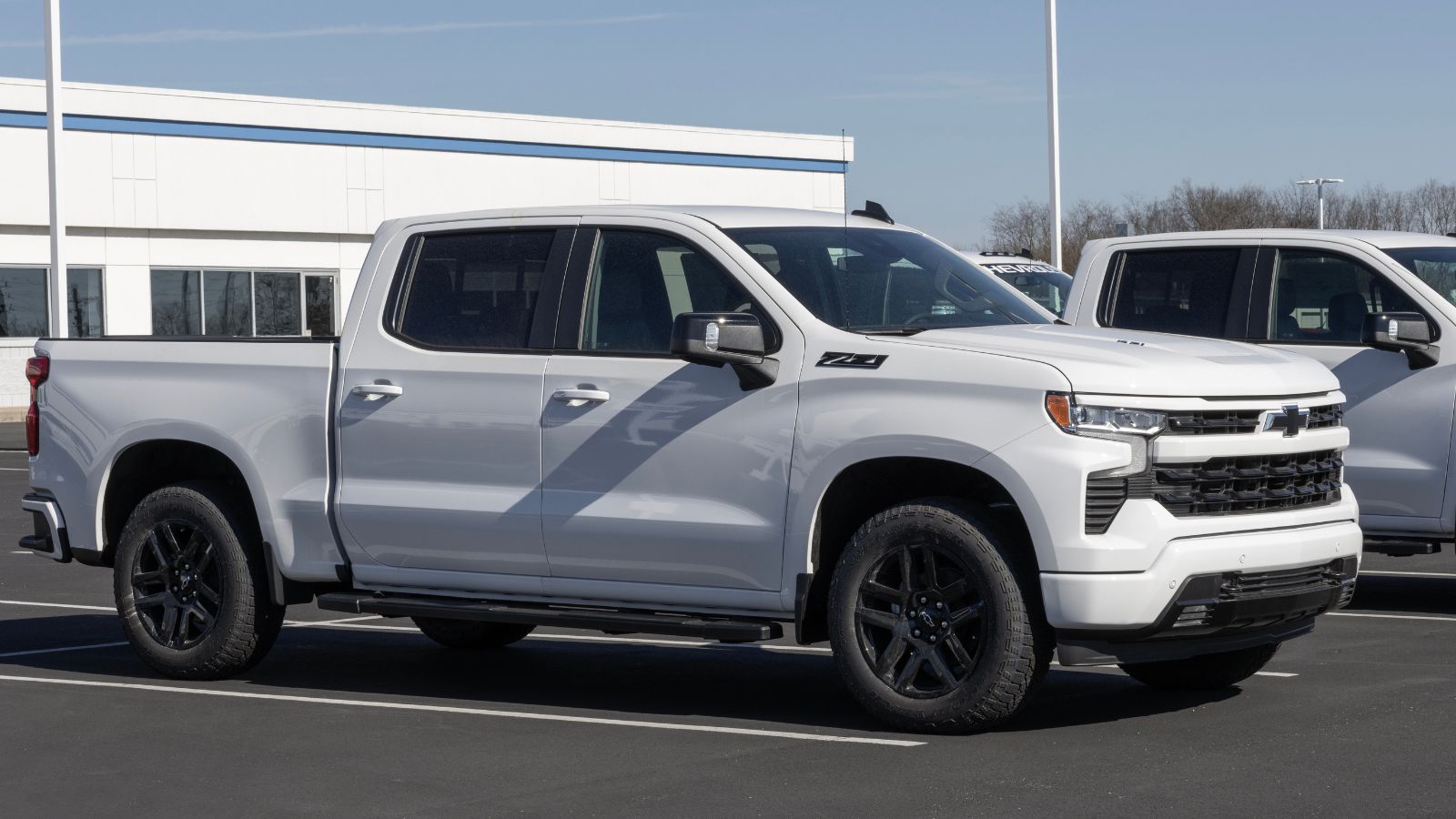
Longer-lasting vehicles sound like an ownership win, and in many ways they are. Canadians keep vehicles on the road for many years, and the fleet has aged compared with past decades. But longevity does not mean low-cost aging. In fact, the longer a vehicle stays in service, the more likely it is to move into the phase where repairs and maintenance become frequent, stacked, and difficult to ignore. That middle stretch can create the illusion that the vehicle is still affordable because it is paid off, right before repair costs start behaving like a new monthly obligation.
That is why the first big repair feels so symbolic. It marks the transition from routine upkeep to active lifecycle management. A ten-year-old vehicle may still have years of useful life left, yet it can also require a sequence of repairs that changes the math of ownership. What many people fail to notice is that “lasting longer” and “staying cheap” are not the same thing. Durability extends the vehicle’s life, but it does not suspend the cost of keeping an older machine dependable in Canadian use.
Parts Availability Can Turn a Repair Into a Waiting Problem Too
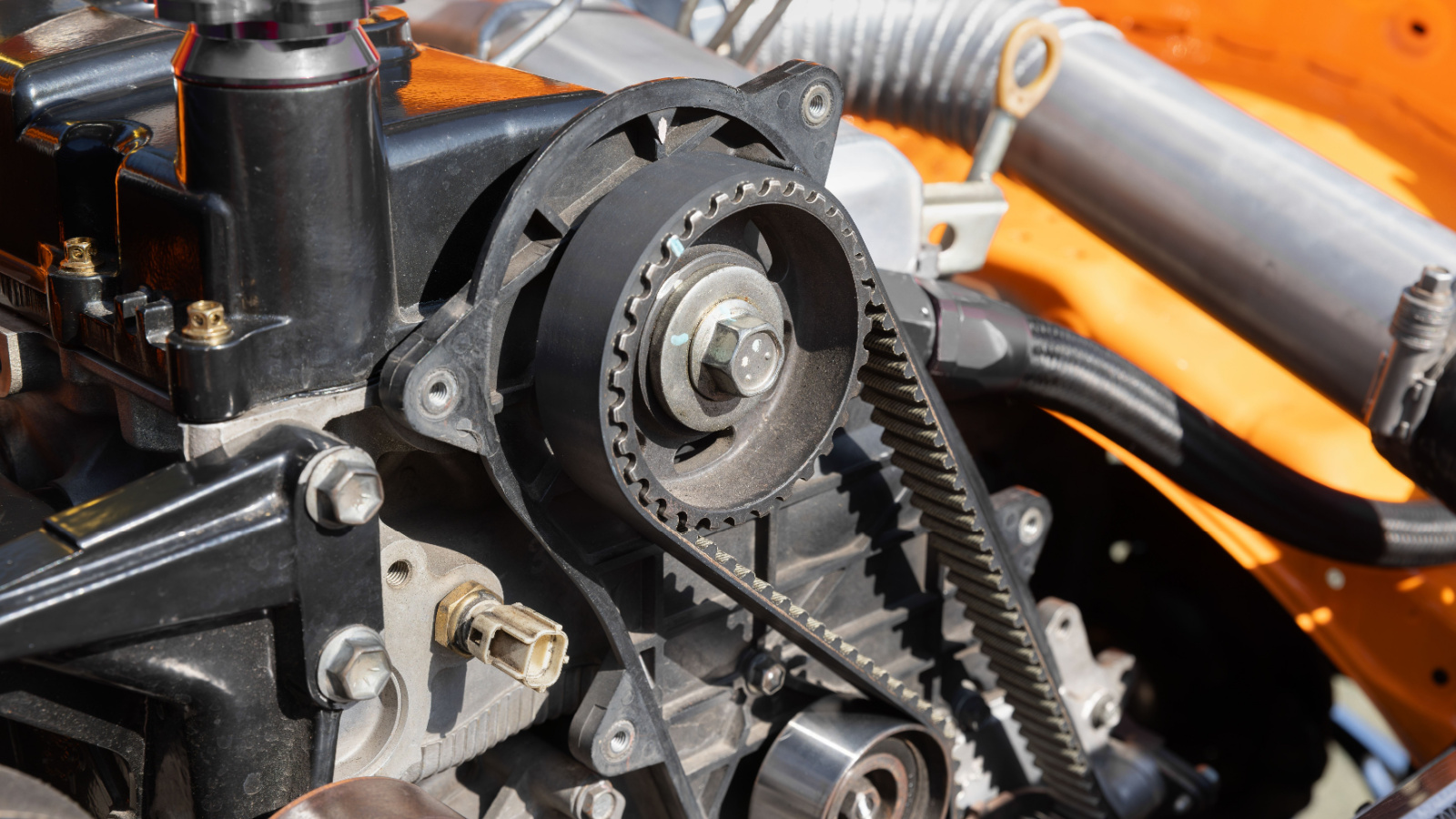
Owners often think of repair costs in dollars, but time has become part of the bill. Parts availability issues, shipping delays, back-ordered components, and scheduling bottlenecks can turn a repair into a prolonged disruption. That matters more in Canada because many households depend heavily on one vehicle for work, school, errands, and winter travel. A repair that leaves the car parked for days or weeks can trigger extra transport costs, missed work time, borrowing arrangements, or rental expenses that never appeared in the original estimate.
This is one reason the first major repair changes how ownership feels. The vehicle stops being a stable household tool and starts acting like an unpredictable system with supply-chain exposure. Even when the invoice itself is manageable, the indirect costs can make the experience much more expensive. Owners notice this sharply when the broken part is tied to safety or drivability and the car cannot simply be used carefully until the shop calls. Reliability, in that moment, is not just about mechanics. It is about access to parts and time.
The Cheaper Used Vehicle Often Carries the Bigger Ownership Story
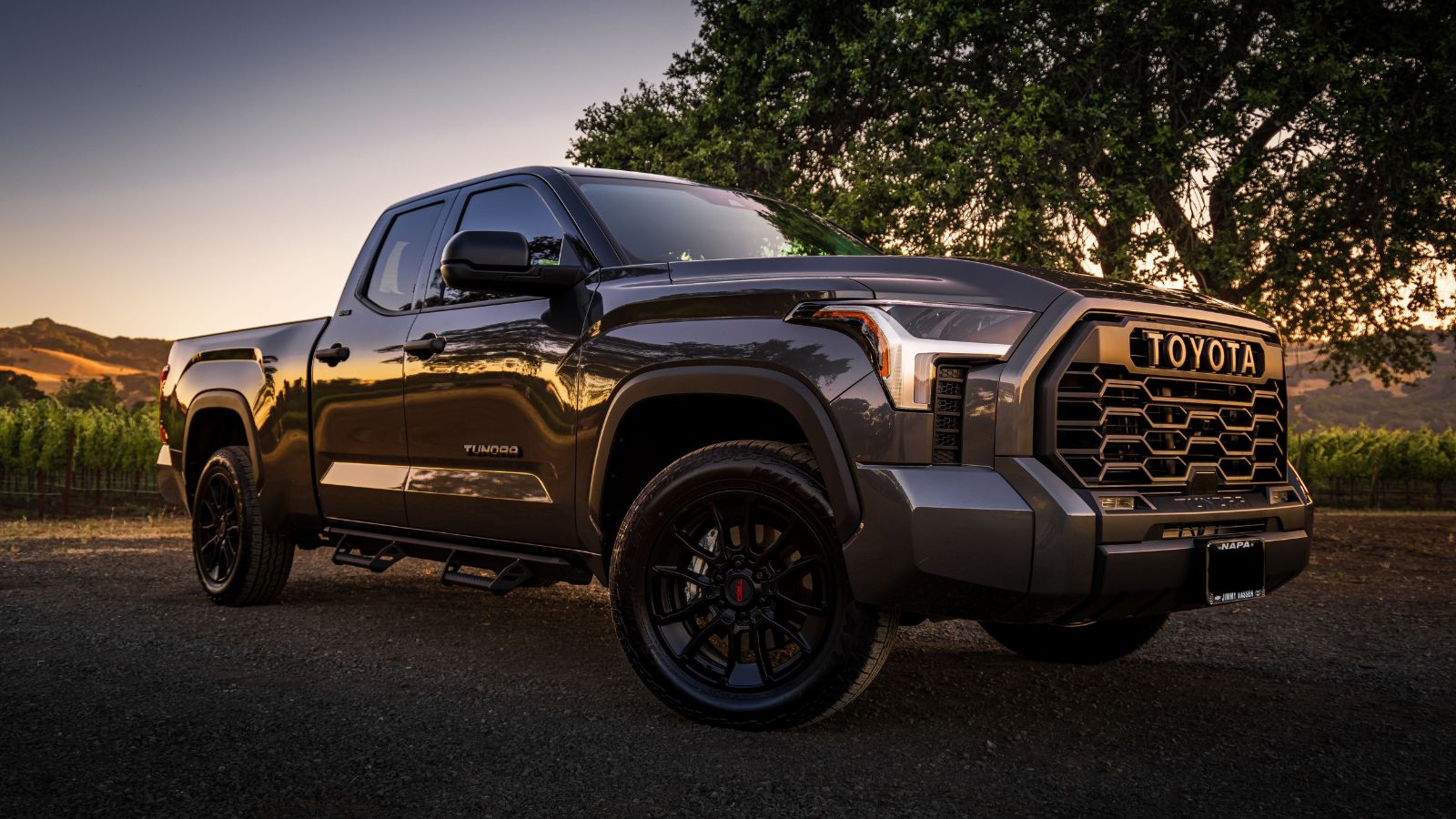
Used vehicles remain attractive because they can lower the upfront cost of getting on the road. But the first big repair often reveals what lower purchase prices sometimes conceal: deferred maintenance, aging wear components, prior climate exposure, or simply a vehicle entering its expensive years. That does not make used buying a mistake, but it does mean the real cost of ownership is often spread unevenly. One owner saves at purchase; the next owner inherits the timing of the repair cycle.
This is why buyers frequently feel blindsided rather than merely unlucky. The car may have looked clean, driven well, and passed a basic inspection, yet still be approaching a major maintenance threshold. Tires, brakes, suspension, air conditioning, cooling systems, and electronic accessories can all move from “still fine” to “needs attention” in a short window. The first serious repair becomes the point where the ownership story catches up with the transaction story. The lower sticker made sense, but only if the buyer had fully priced the next chapter too.
Routine Maintenance Starts Looking Cheap Only After It Is Skipped
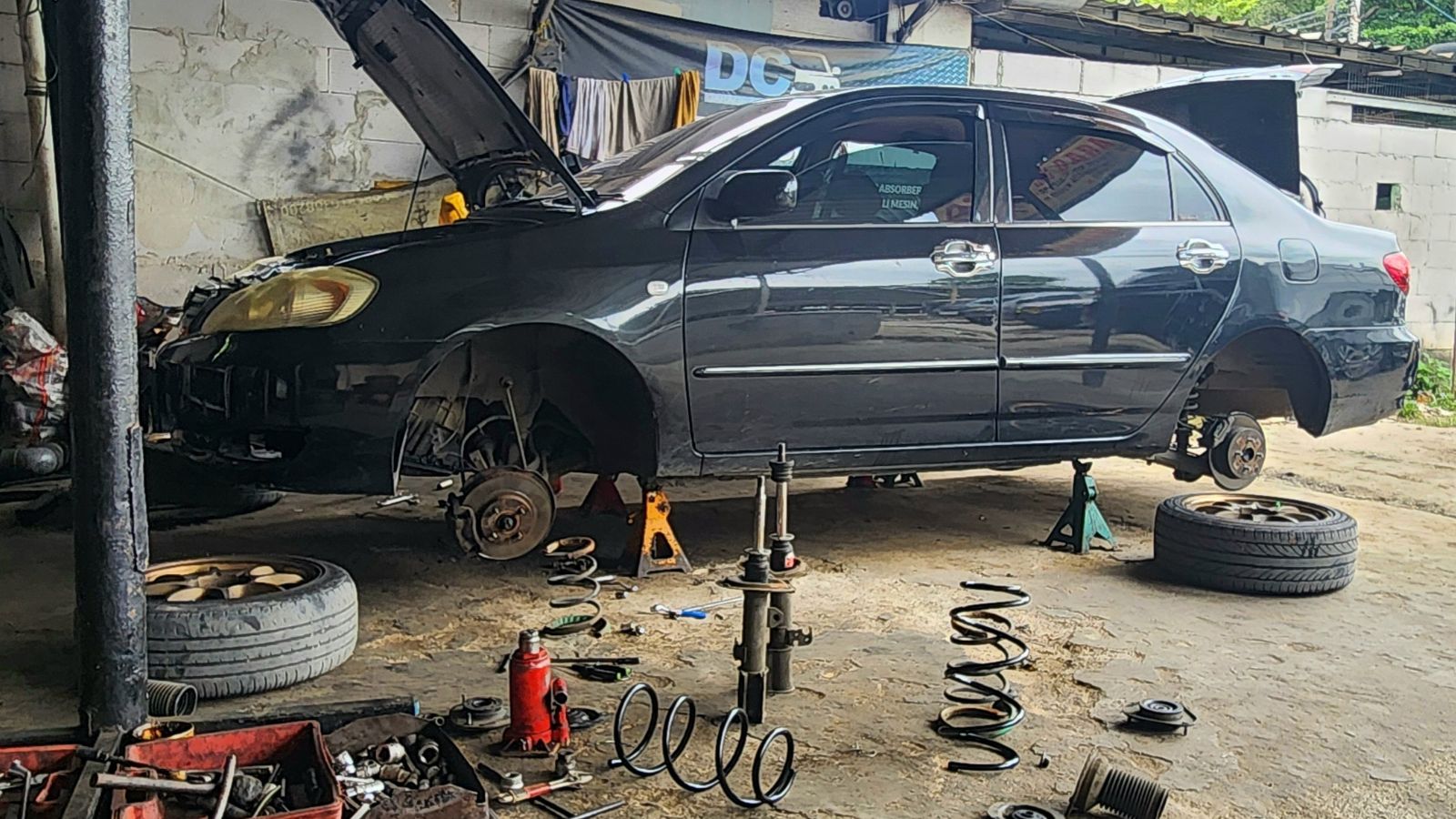
Oil changes, fluid services, seasonal inspections, and preventive replacements can feel optional when a vehicle is running well. Many owners understand their importance abstractly, but the lesson becomes much more concrete after a large repair. That is when preventive maintenance stops looking like nickel-and-diming and starts looking like the less expensive path that could have reduced risk. Shops know this pattern well: people resist small scheduled costs and then face much larger unscheduled ones when wear is allowed to compound.
The point is not that every failure is preventable. Many are not. But ownership changes when the first major repair makes visible the chain between modest upkeep and expensive consequences. A neglected cooling-system issue can lead to overheating. Worn tires can create uneven wear and suspension problems. Deferred battery replacement can create winter breakdowns at the worst moment. Canadians often notice the value of maintenance after the fact because prevention is quiet and invisible, while repair is abrupt, public, and costly.
Tires Are Not Accessories in Canada but a Budget Category
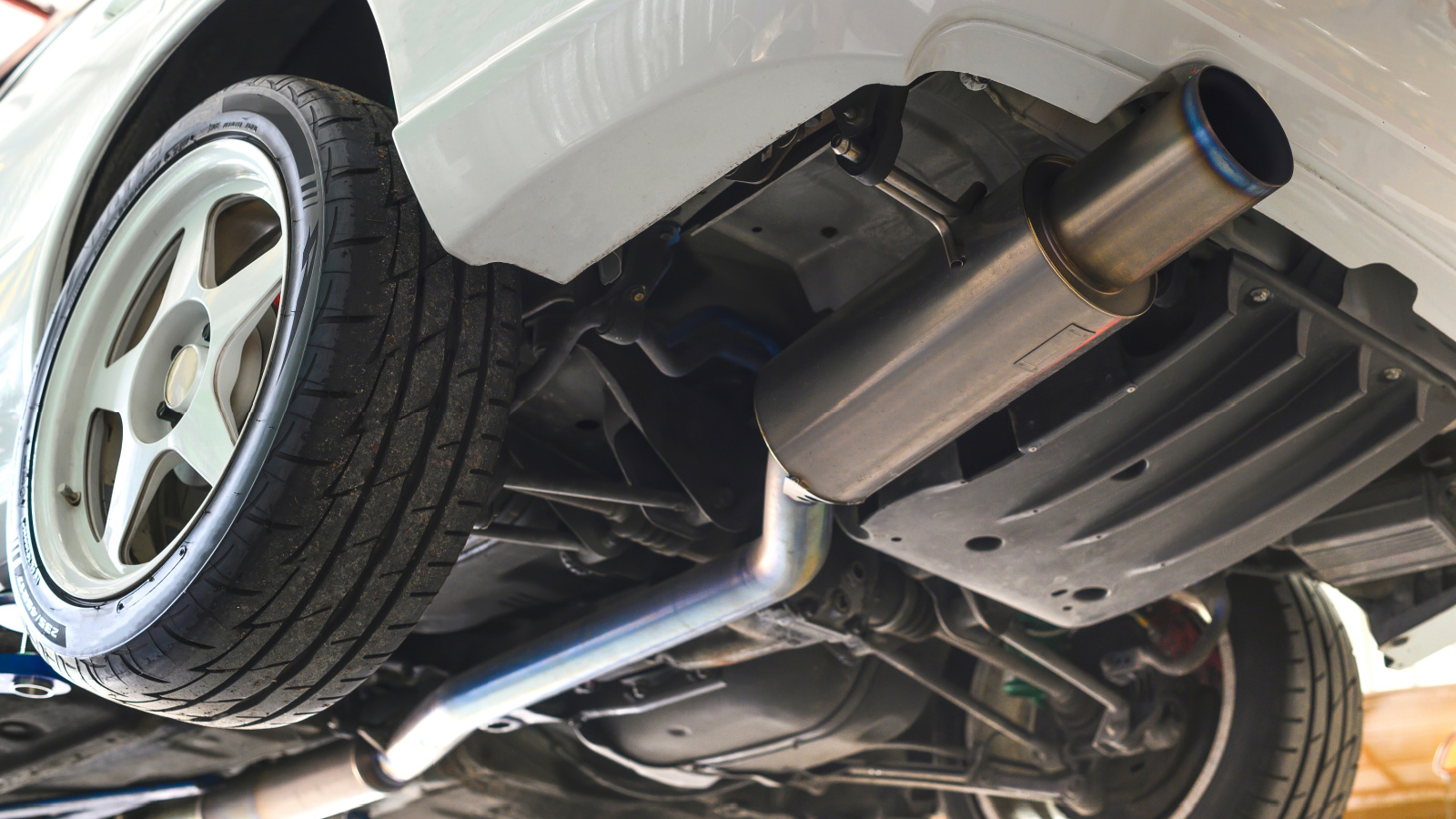
Tires are easy to underestimate because they wear gradually and are often discussed as seasonal necessities rather than major financial items. In reality, they are one of the clearest examples of how Canadian ownership costs accumulate beyond fuel and financing. Winter conditions, long driving distances, potholes, temperature swings, and the need in many households for two sets of tires all push this category higher than people expect. The cost is not just the rubber. It is installation, storage in some cases, balancing, and accelerated wear on poor roads.
The first major repair often makes owners revisit every category they had treated as secondary, and tires rise quickly on that list. A household may realize it is not budgeting for tires often enough, or that a suspension problem has been quietly shortening tire life. That is why tire inflation matters so much in ownership math: replacement is unavoidable, not discretionary. In a country where winter traction is a real safety issue, tire spending is not a luxury line item. It is part of what responsible ownership actually costs.
A Paid-Off Vehicle Can Still Behave Like a Monthly Bill
One of the most common ownership illusions is that once the loan is gone, the expensive part is over. Emotionally, that makes sense. But the first big repair can expose a different truth: a paid-off vehicle may still demand ongoing monthly-equivalent spending through repairs, maintenance, tires, and insurance. In some cases, the psychological contrast is even harsher because owners expected financial relief and instead encountered a new phase of unpredictable expenses.
That is why repair timing matters so much. A vehicle that has just become payment-free may simultaneously be moving into an age range where larger repairs are more common. Suddenly the household is not comparing a repair bill with “nothing.” It is comparing it with the expectation of savings that never arrived. For many Canadians, that is the moment ownership stops feeling like freedom from a car payment and starts feeling like a different kind of payment plan—one with less warning and no fixed schedule. The car may be owned outright, but keeping it roadworthy still costs real money.
Labour Rates Matter More Than Most Owners Realize
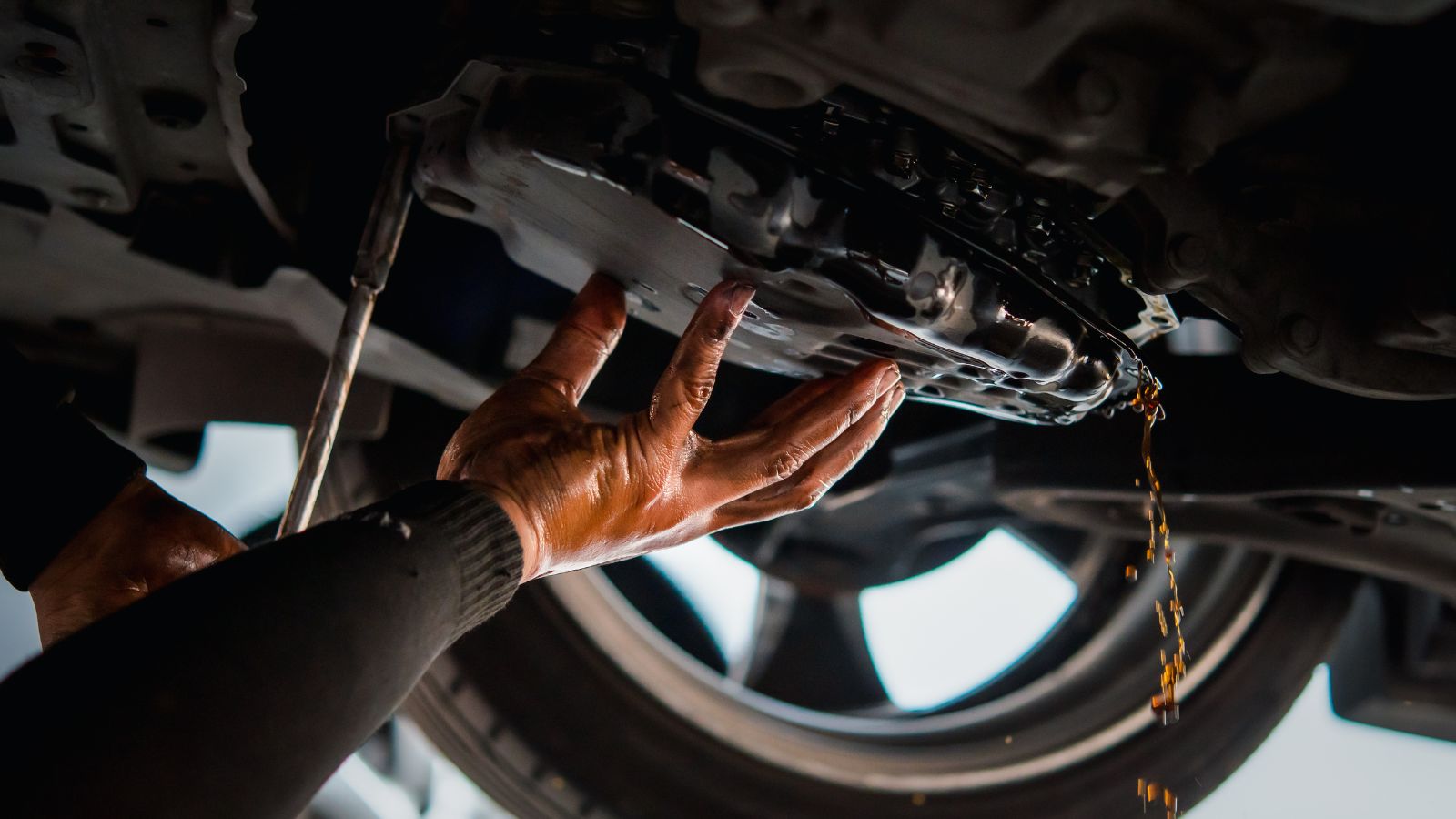
When owners think about repairs, they often picture parts first. Yet labour can account for a large share of a final invoice, especially on vehicles where access is difficult, diagnostics are time-consuming, or specialized training is required. A simple-sounding problem can become expensive because modern repairs increasingly involve scan tools, disassembly time, recalibration, and procedures that are not obvious from the symptom. The first big repair teaches many owners that they are not only paying for a component; they are paying for expertise and the hours needed to install it correctly.
That lesson can be uncomfortable because labour is less tangible than a replacement part held in hand. But it is central to what ownership now costs. In a market shaped by more advanced vehicles and rising service complexity, the “shop time” line on an invoice often carries the real story. Canadians who have not had a major repair in years can find this especially surprising because their mental model comes from older, simpler vehicles. The repair does not merely cost more because shops charge more. It costs more because the work itself has become more involved.
Recalls and Repair Coverage Are Not the Same Thing
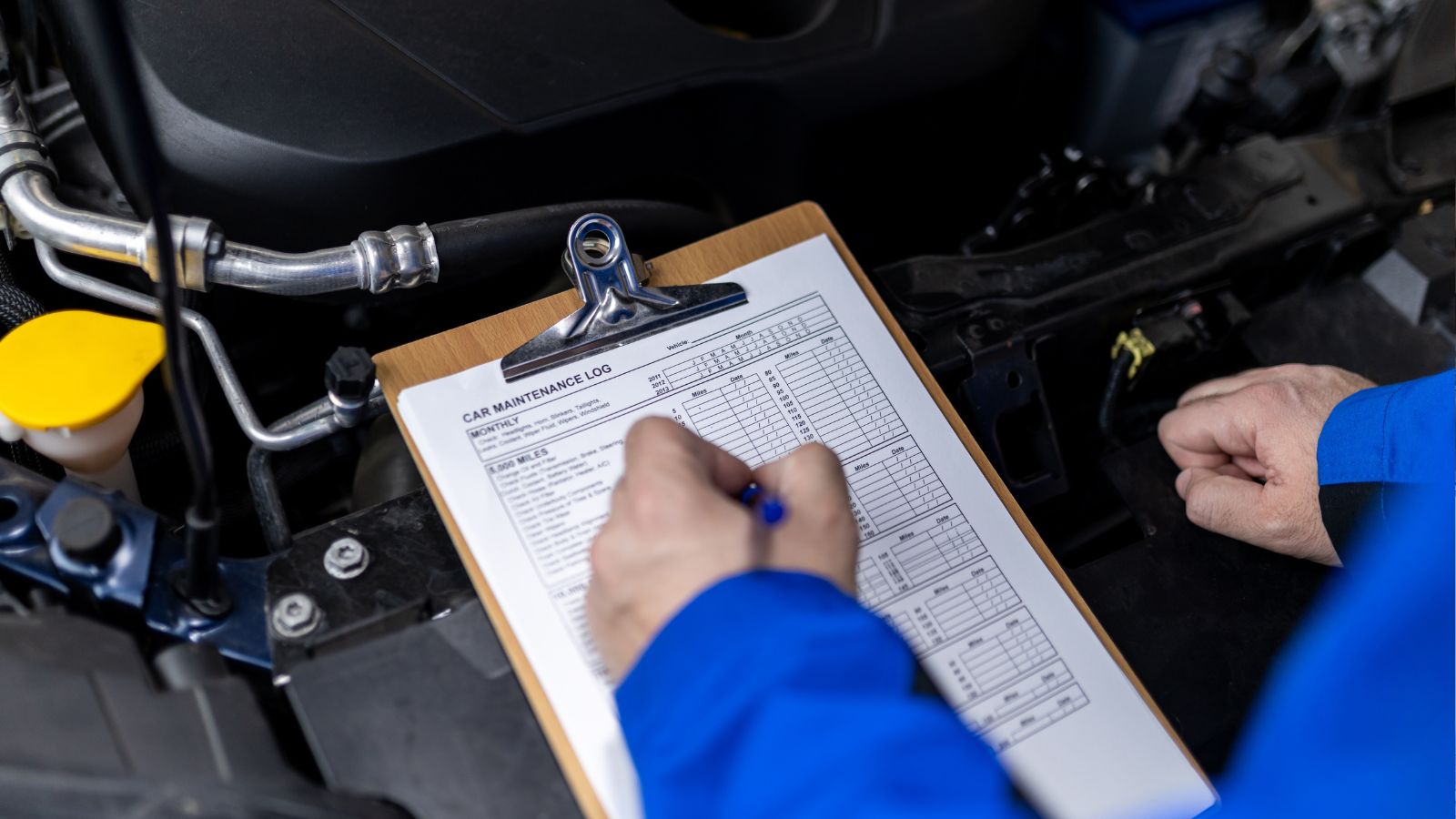
Many owners loosely assume that if a problem is serious enough, there must be some manufacturer remedy. The first major repair often corrects that assumption. Safety recalls do exist, and Transport Canada maintains systems for identifying affected vehicles, but many costly failures are not recalls at all. They may be wear-related, design weaknesses that fall outside formal recall action, or problems that emerge after warranty periods have ended. That leaves owners facing full-cost repairs for issues they believed would be someone else’s responsibility.
The confusion is understandable because recalls are highly visible in news coverage while ordinary repair liability is not. A driver might hear that a manufacturer has recalled certain vehicles and unconsciously broaden that into a general sense of protection. In reality, recall programs are specific, technical, and limited. If the fault on one vehicle falls outside those boundaries, the owner remains responsible unless warranty or goodwill coverage applies. The first large bill often makes this distinction very clear: a defect can feel systemic without qualifying for free repair.
Insurance Does Not Shield Owners From Mechanical Reality

Insurance feels like broad protection because it covers so many expensive vehicle events, but a mechanical breakdown quickly reveals its boundaries. Most standard auto policies are designed around collisions, liability, theft, and other insured losses, not the cost of aging components or routine wear. At the same time, repair inflation and higher claims costs in Canada can still feed back into what households pay for insurance overall. So owners can find themselves hit twice: first by the repair that is not covered, and then by a broader environment of rising vehicle-related costs.
That disconnect can be surprisingly frustrating. A family that has faithfully paid premiums for years may instinctively expect some help when the car produces a large bill. Instead, they learn that the expensive event sitting in the driveway is classified as maintenance or mechanical failure, not an insured loss. The policy has done what it was designed to do; it simply was never designed to solve this problem. Ownership becomes harder to ignore at that moment because the vehicle’s two cost systems—mechanical upkeep and insurance—are suddenly revealed as separate.
EV Ownership Changes the Repair Conversation, Not the Need to Think Ahead
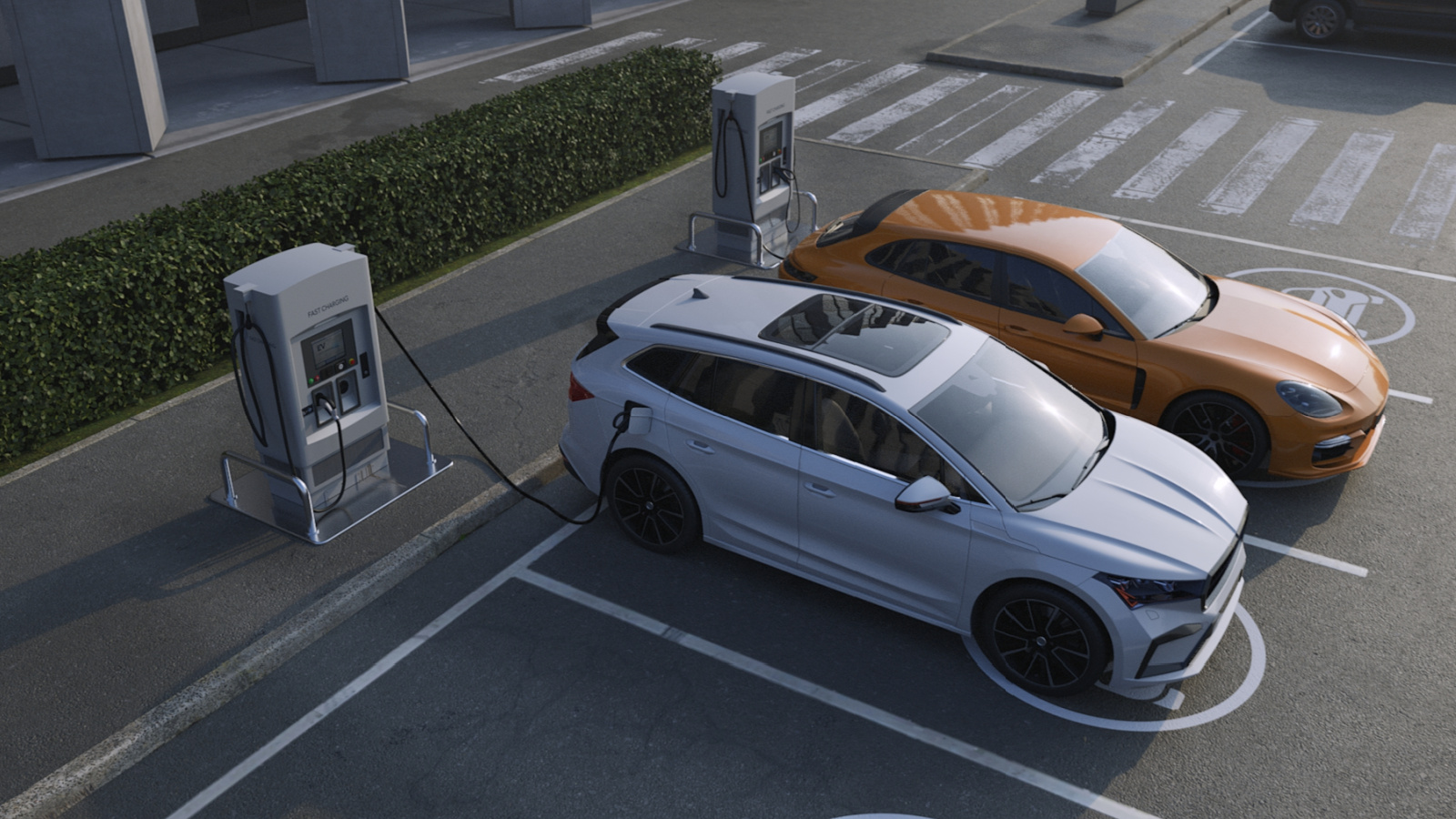
Electric vehicles are often discussed through fuel savings, and those savings can be real. But the first significant repair or equipment issue can still be a wake-up call about ownership complexity. Charging setup, tire wear, insurance questions, software-related issues, and concern about repair costs remain part of the picture. Canadian EV surveys show that cost of maintenance or repair continues to register as a concern among owners, even in a category often marketed around lower routine servicing needs.
That does not mean EVs are mechanically identical to gasoline vehicles or that their ownership economics are worse. It means they still require realistic budgeting. A household that saved on fuel may still face unexpected spending tied to charging equipment, specialized service, or replacement parts. The surprise is often psychological: people hear “less maintenance” and translate it into “little risk.” The first expensive issue breaks that illusion. EV ownership can shift where the costs appear, but it does not eliminate the need to understand the full lifecycle of the vehicle.
Diagnostics Cost Money Even Before the Actual Fix Begins
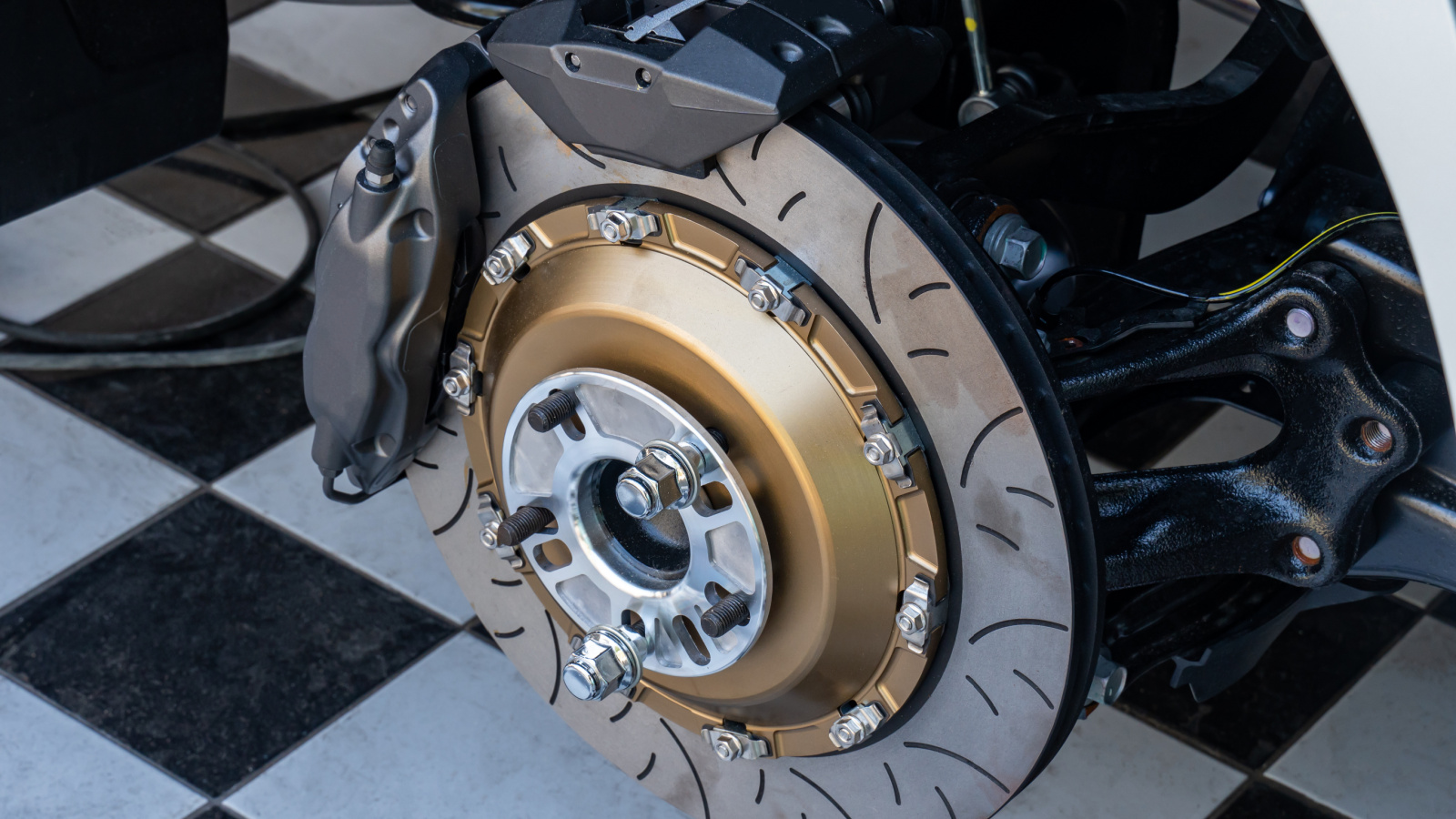
The first big repair often introduces owners to a charge they had not fully considered: diagnosing the problem. Many vehicle issues do not announce themselves cleanly. A warning light, intermittent misfire, parasitic drain, electronic fault, or drivability complaint may require time simply to identify correctly. That diagnostic work can feel frustrating because it produces an invoice before the true repair has even started, yet it reflects the reality of increasingly computerized vehicles and the need to avoid guesswork.
For owners used to older cars, this can feel like paying to be told what is wrong. For technicians, it is the process that prevents unnecessary parts replacement and repeated failures. The tension is understandable on both sides. But from an ownership standpoint, diagnostics are part of modern repair economics now. Once a vehicle develops complex symptoms, expertise begins costing money immediately. The owner is no longer paying only for the final fix. They are paying for the path to the fix, and that path is often longer and more technical than expected.
Convenience Has a Price Once the Car Is Off the Road
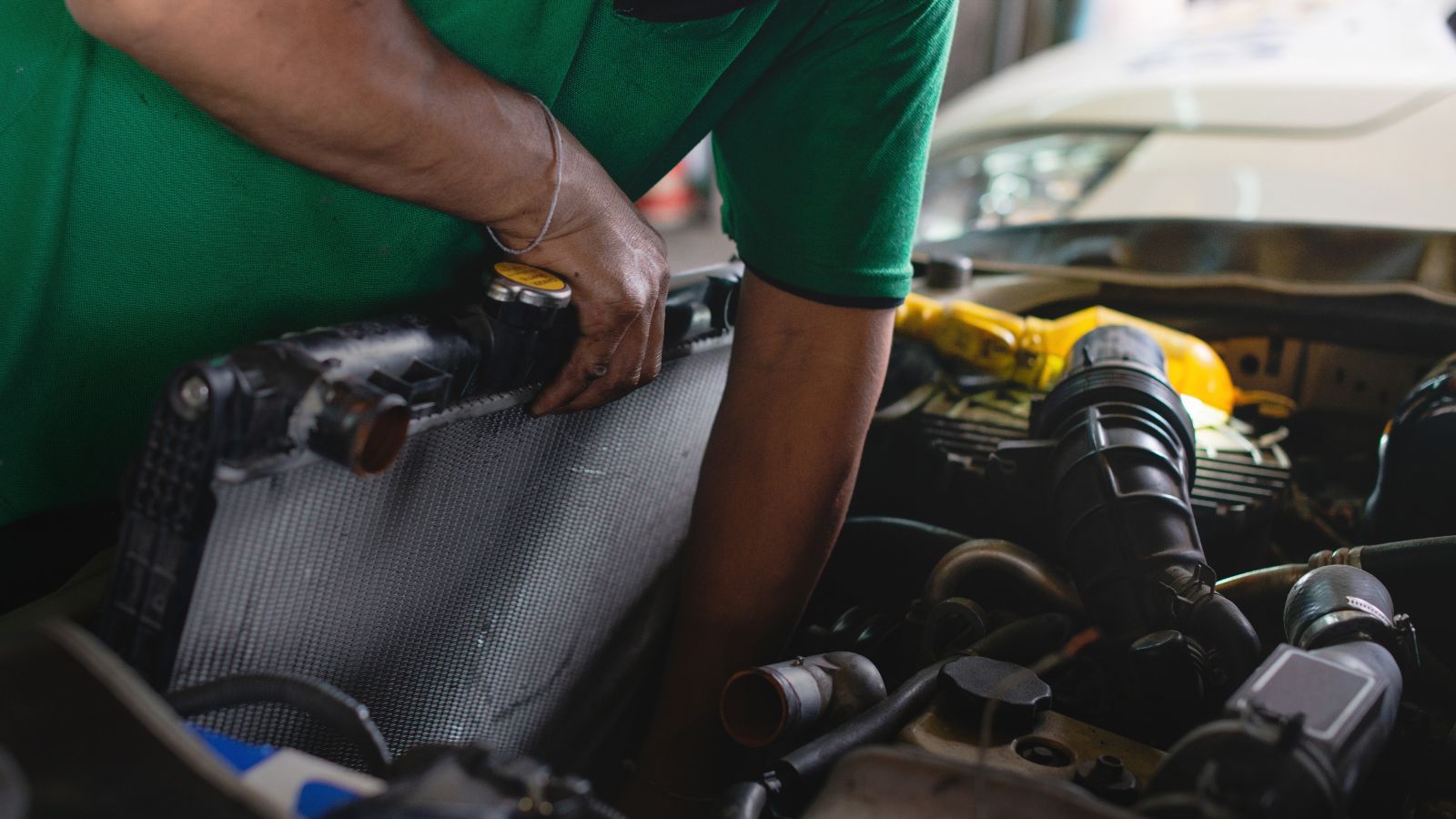
A big repair rarely arrives alone. It often drags behind it a trail of inconvenience costs that do not appear on the original quote: ride-hailing, transit, missed appointments, borrowed cars, rental fees, time spent arranging transport, or productivity lost while waiting for service. In a car-dependent country, these secondary costs are not small. They help explain why people remember their first major repair not just as expensive but as disruptive. The event interrupts routines that had quietly relied on the vehicle working every day.
That disruption is especially sharp in households with one primary vehicle. A repair then becomes a logistics problem as much as a financial one. Parents rearrange school pickups, commuters rebuild routes, and workers reconsider schedules around shop availability. The result is that ownership feels bigger than the vehicle itself. It extends into time management, household planning, and emotional stress. The first major repair exposes that dependence with unusual clarity. The car is not just a possession that needs fixing. It is an organizing tool for daily life, and when it fails, the surrounding system starts to wobble.
The Decision to Repair or Replace Is Usually More Emotional Than Expected
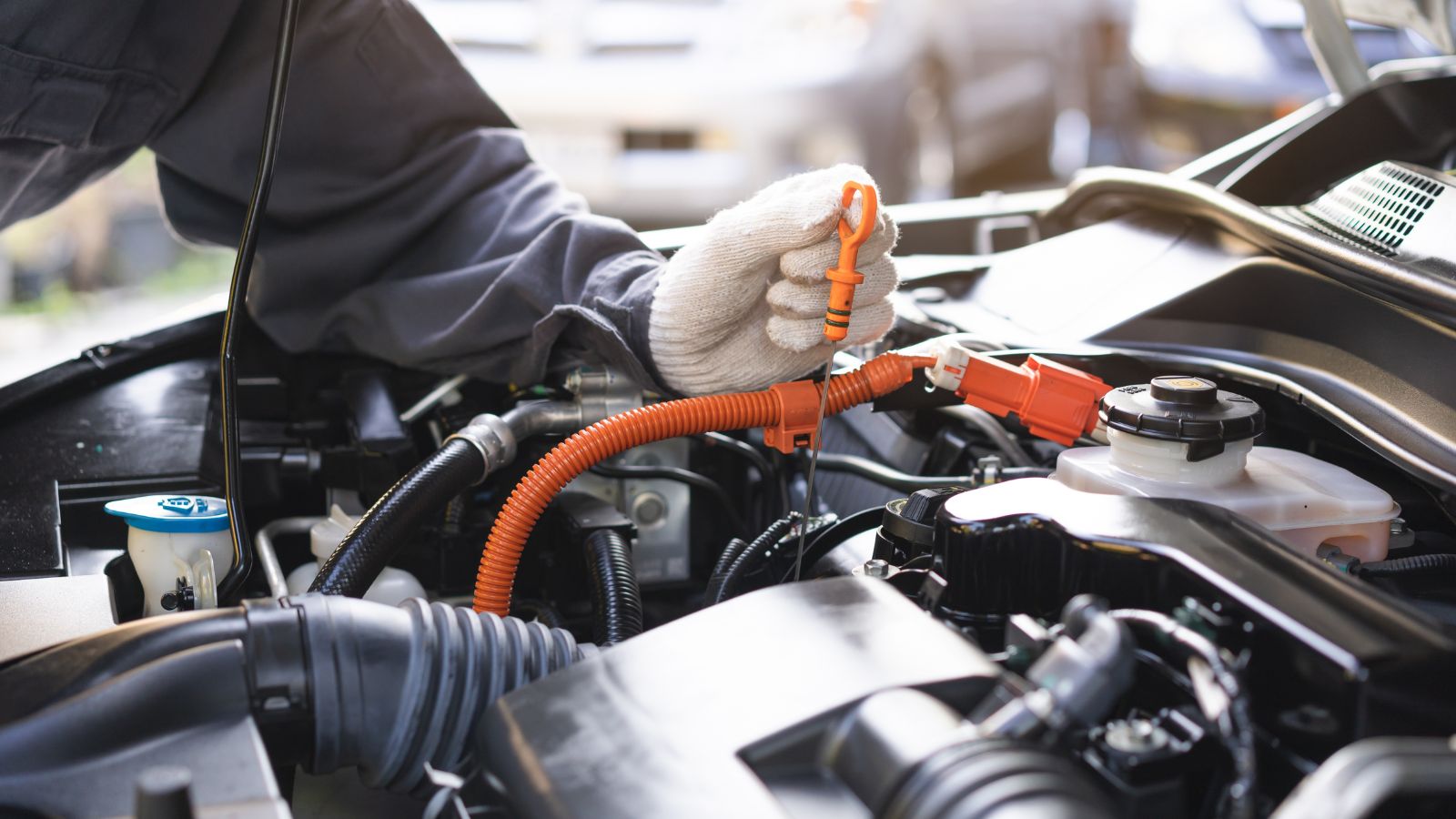
People often imagine they will make the repair-or-replace decision rationally, with a calculator and a calm comparison of costs. The first major repair shows how emotional that choice can become. Owners weigh sunk costs, loyalty to a vehicle, fear of another breakdown, current interest rates, used-vehicle prices, and the dread of starting the shopping process again. What looked like a neat financial threshold turns into a judgment call shaped by timing, trust, and fatigue.
This is where all the unnoticed parts of ownership finally come together. The repair estimate is no longer just about one failed component. It becomes a referendum on depreciation, maintenance history, household cash flow, and confidence in the vehicle’s next two years. A person may approve a costly repair because replacing the vehicle seems even more expensive. Another may walk away because the repair confirms that hidden costs have already been accumulating too long. Either way, the first big repair often becomes the moment ownership is seen in full—less as a purchase, and more as an ongoing negotiation with age, risk, and reality.
22 Things Canadians Do to Their Cars in Spring That Mechanics Hate
Spring brings relief to many Canadian drivers after months of snow, freezing temperatures, and icy roads that put serious strain on vehicles. As temperatures rise across the country, drivers begin washing cars, switching tires, and preparing vehicles for warmer weather and upcoming road trips. However, mechanics across Canada notice the same mistakes every spring when drivers attempt to recover from winter damage. Road salt, potholes, and harsh winter driving conditions often leave vehicles with hidden problems that drivers ignore. Some spring habits even create new mechanical issues that could have been avoided with proper maintenance. Here are 22 things Canadians do to their cars in spring that mechanics hate.