

























Canadian car ownership rarely collapses a budget in one dramatic moment. More often, the damage comes from small, ordinary charges that seem harmless in isolation: a seasonal tire swap, a parking permit, a higher deductible, a few extra litres burned during winter idling. Across Canada, transportation remains one of the largest household spending categories, and private vehicle costs can climb quietly when drivers focus only on payments and fuel.
These 19 small car expenses show how routine ownership can become more expensive than it first appears. None of them feels shocking on its own, but together they can turn a manageable monthly budget into something far tighter.
Seasonal Tire Swaps
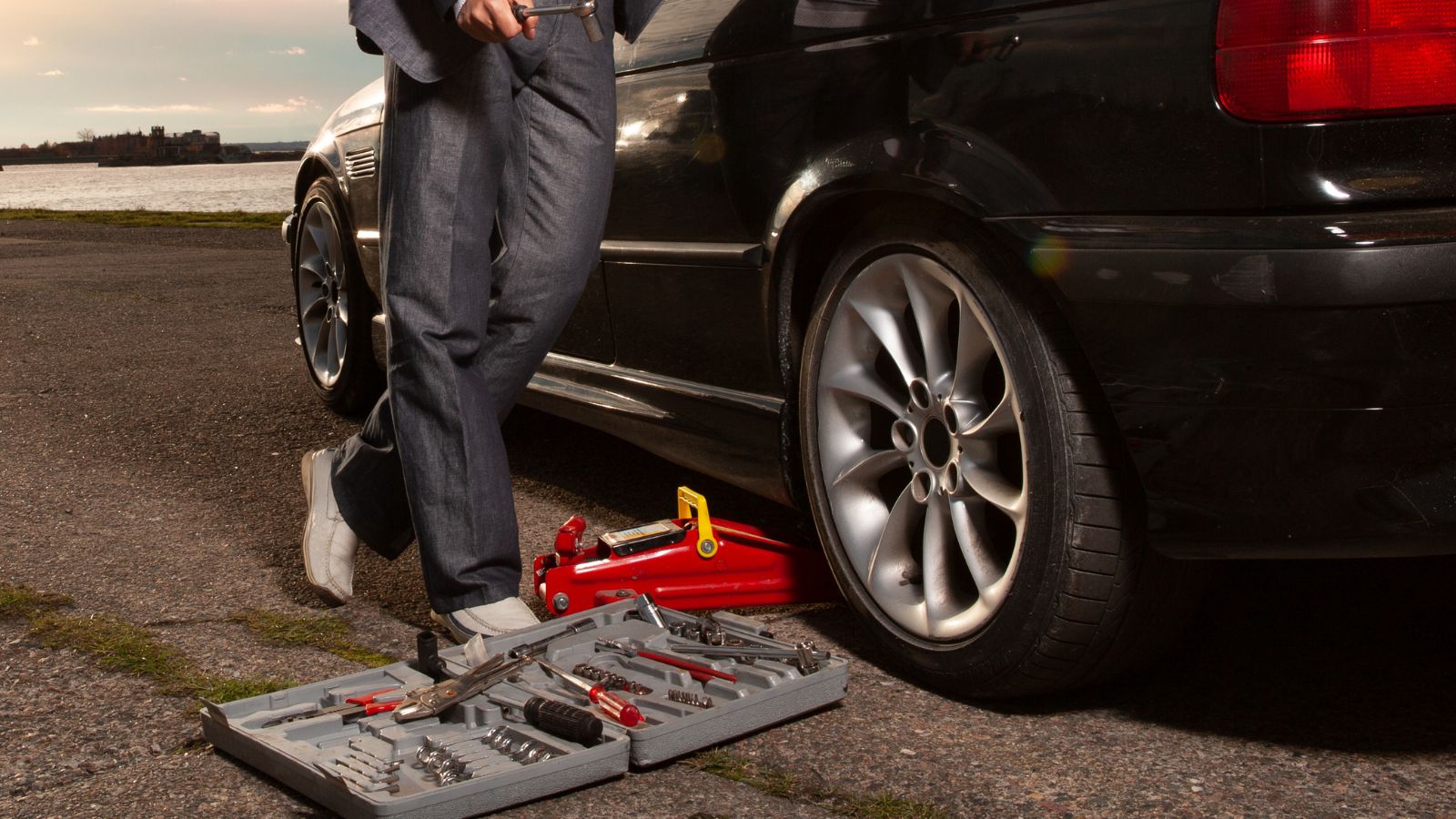
Winter tires are treated as a normal part of Canadian driving, but the seasonal changeover can become a recurring bill that never quite disappears. A driver who pays twice a year to switch tires may not notice the cost in April or November, yet the habit can add a few hundred dollars annually once balancing, storage, valve stems, or tire pressure sensors are included. In Quebec, winter tires are legally required during the winter period, while British Columbia requires winter tires or chains on many routes during posted seasons.
The hidden part is repetition. One household with two vehicles may face four appointments every year before any tire has actually worn out. Add missed discounts, last-minute booking premiums, or storage fees in a condo building with no space, and “just changing the tires” becomes a line item. The tire itself may be a safety necessity; the budget problem is pretending the seasonal labour is occasional.
Tire Pressure Neglect

A soft tire looks like a small maintenance issue until it becomes a fuel and replacement problem. Transport Canada has warned that underinflation increases rolling resistance, reduces tread life, and raises fuel consumption. It has also noted that even one tire underinflated by 56 kPa, or about 8 psi, can increase fuel consumption by 4% and shorten tire life by thousands of kilometres.
For Canadian commuters, that can quietly matter. A person driving across suburban roads in Mississauga, Calgary, or Laval may not notice a slightly low tire between fill-ups. The cost appears later: more frequent gas stops, uneven wear, and early replacement. A pressure gauge costs little, but neglect can turn into a premature tire purchase. The expensive part is not the air; it is the delay.
Oil Changes That Come Too Often
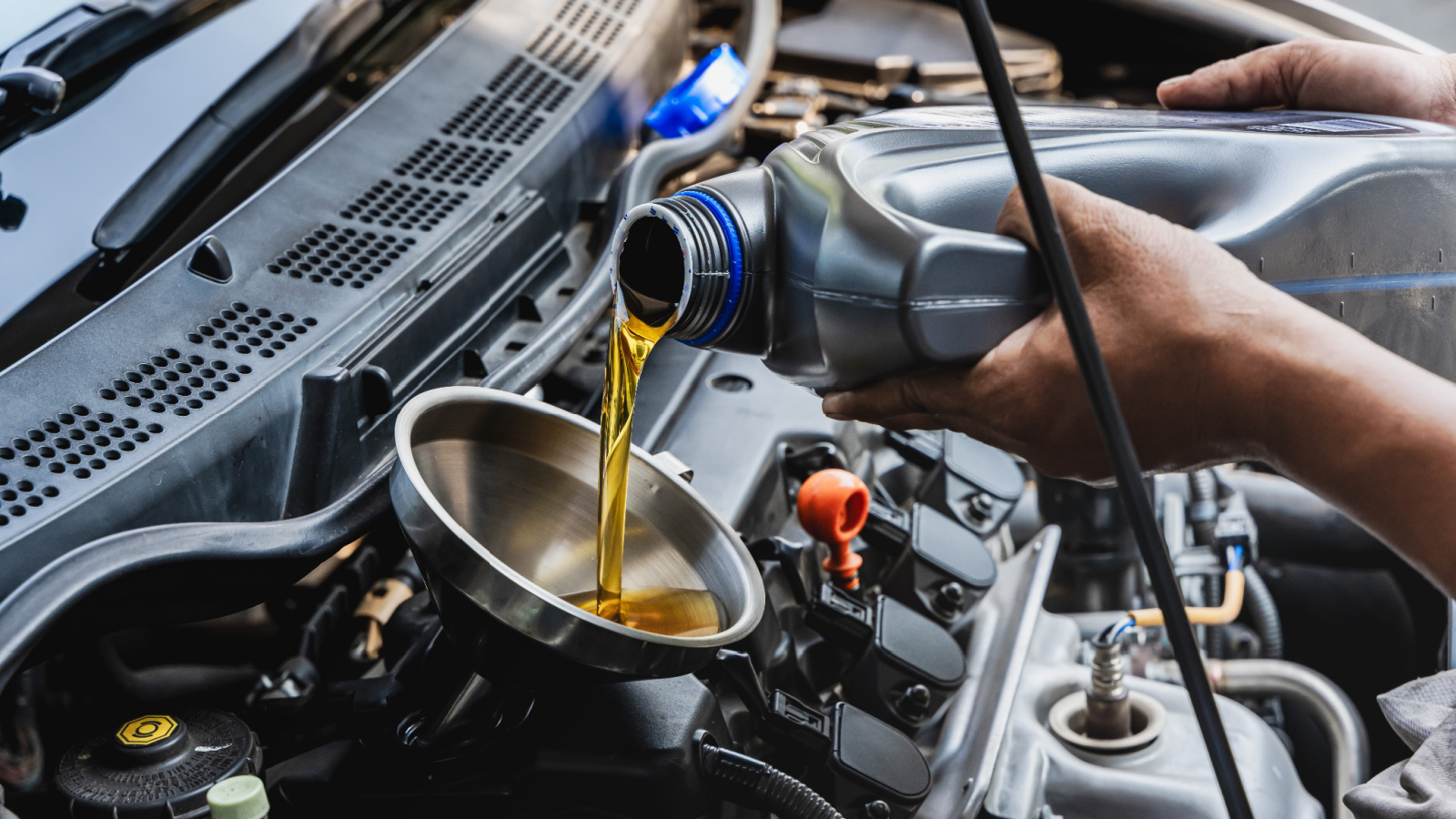
Oil changes are easy to underestimate because each visit feels routine. The problem is that not every car, driving pattern, or oil type follows the same schedule. Short winter trips, cold starts, dusty roads, and stop-and-go traffic can all create harsher operating conditions. Many Canadian drivers also face upsells during a basic appointment: synthetic oil, filters, flushes, or inspection packages that push a simple service higher.
The budget damage comes when oil changes are planned emotionally rather than mechanically. Some drivers overservice because of outdated habits, while others delay and risk engine wear. A commuter using a vehicle mostly for short errands may see maintenance reminders faster than expected. The smart cost is the manufacturer’s schedule; the expensive cost is either ignoring it or treating every shop recommendation as urgent.
Windshield Washer Fluid Refills
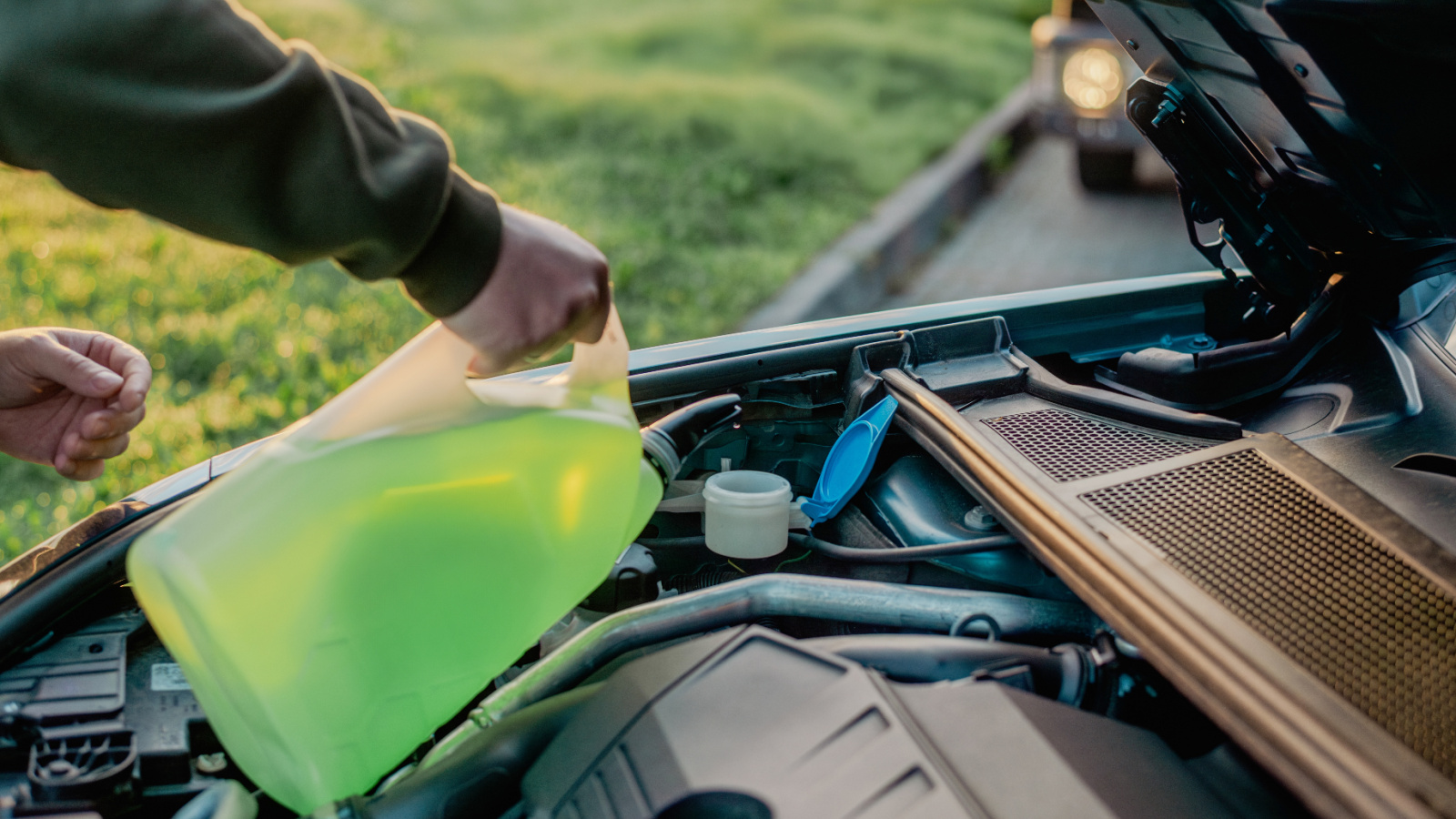
Washer fluid is one of the smallest car purchases, which is exactly why it slips through budgets. In much of Canada, winter-grade fluid is not optional. Road salt, slush, freezing rain, and highway spray can empty a reservoir surprisingly quickly, especially during long commutes. A few bottles bought at convenience-store prices through the winter can cost much more than a bulk purchase made earlier.
The human example is familiar: a driver leaves work after a snowstorm, runs out of fluid on a dark road, and stops at the nearest gas station. The price is not life-changing, but the pattern is costly. Small emergency purchases usually happen at the least efficient price. When a budget ignores consumables, every storm turns into a little withdrawal.
Wiper Blade Replacements
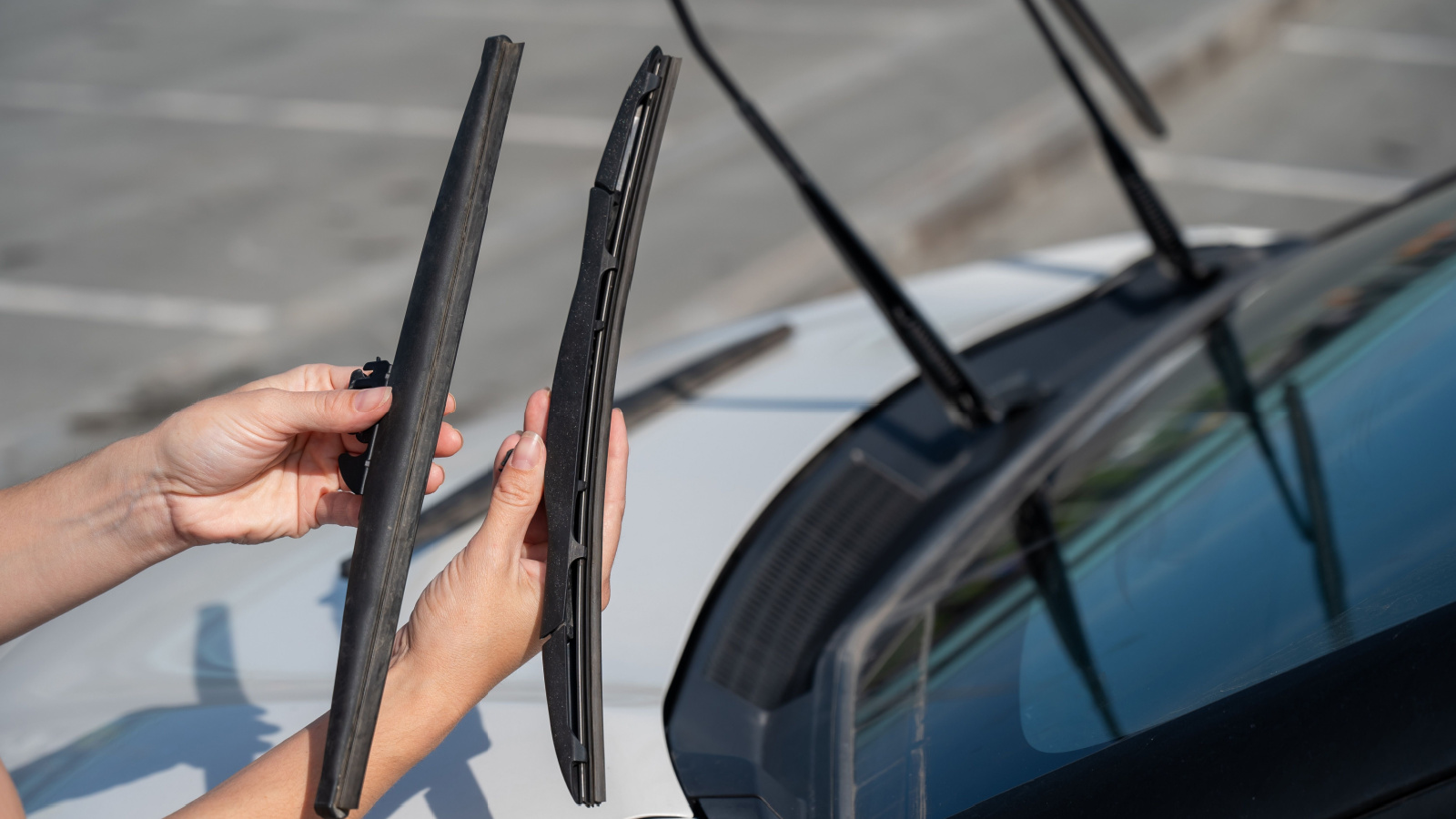
Wiper blades often fail gradually, so drivers tolerate streaks until visibility becomes frustrating or unsafe. In Canada, rubber takes a beating from ice scraping, freezing rain, salt, and sun exposure. Replacing blades once or twice a year may feel minor, but it adds to the same maintenance pile as fluid, tires, oil, and filters. Premium beam-style winter blades can make the bill noticeably higher.
The hidden cost is that poor wipers can trigger other expenses. A scratched windshield, failed inspection concern, or panicked purchase during bad weather is more expensive than planned replacement. Many drivers only remember wipers at the parts counter after the first serious storm. By then, cheaper options may be sold out, and the “small” purchase becomes another seasonal surprise.
Parking Permits
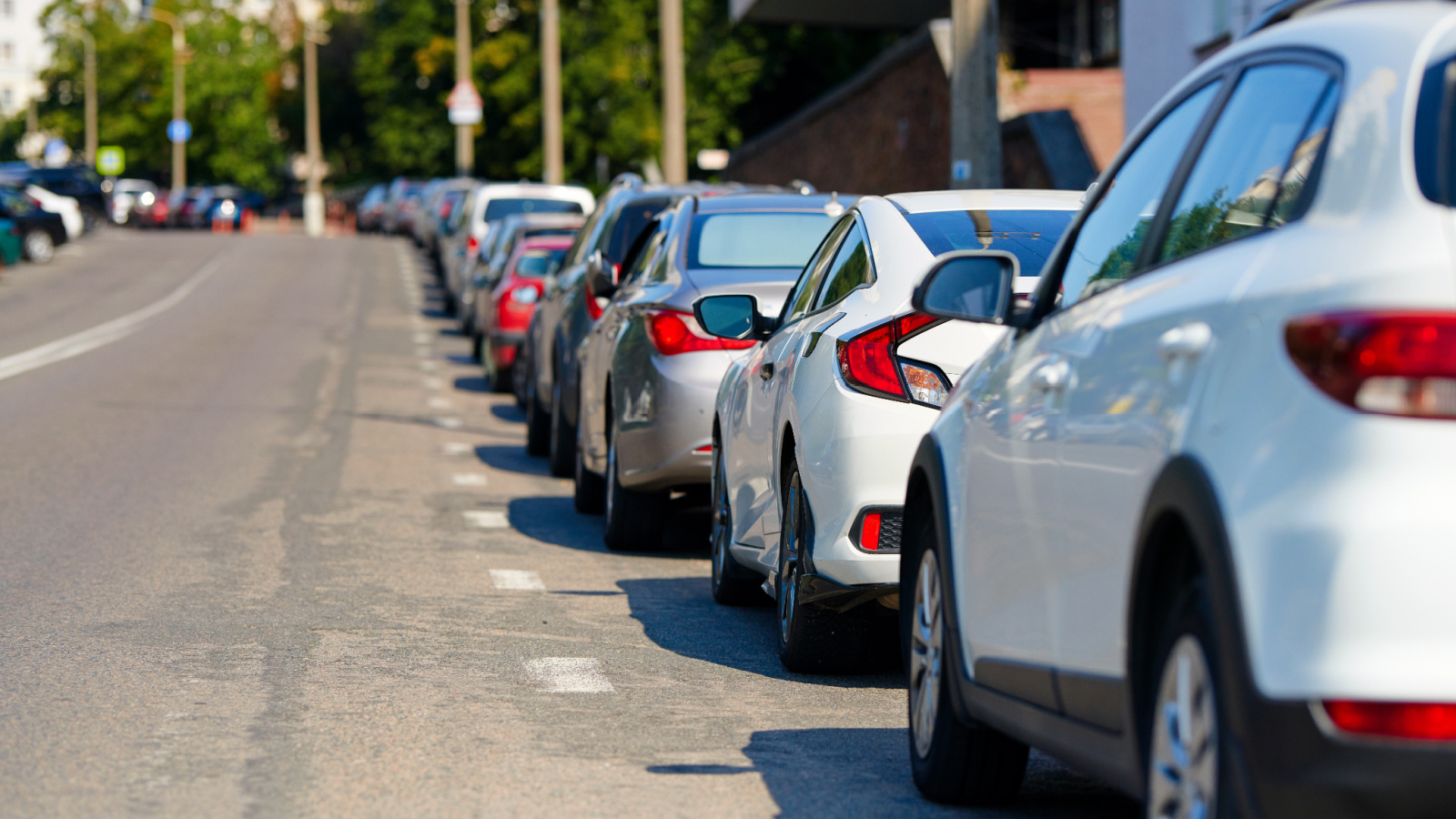
Parking can feel separate from car ownership, but it is often one of the most persistent expenses. In dense cities, even residential street parking can come with monthly fees, renewal rules, visitor permits, or reissue charges. Toronto’s residential on-street parking fees, for example, vary depending on whether a resident has access to on-site parking and whether the permit is for a first or additional vehicle.
This cost is especially sneaky because it does not improve the car. There is no repair, no safety upgrade, and no visible asset. It simply buys permission to leave the vehicle somewhere. A renter who moves from a driveway to a permit street may suddenly add a recurring charge to the household budget. The car payment stays the same, but the living arrangement changes the true ownership cost.
Parking Tickets

A single parking ticket can feel like bad luck. Repeated small tickets become a budget leak. Urban drivers may get caught by street-cleaning windows, snow-route rules, expired meters, school zones, rush-hour restrictions, or confusing permit signs. The financial sting grows when unpaid tickets trigger late penalties or make licence plate renewal more stressful.
The quiet damage is behavioural. Someone running late may accept a “probably fine” parking spot near a clinic, school, or job site. That decision can cost more than a week of planned parking. For gig workers, tradespeople, caregivers, and downtown commuters, the risk repeats often. Parking enforcement does not need to be dramatic to be expensive; it only needs to be predictable enough to happen again.
Toll Road Add-Ons
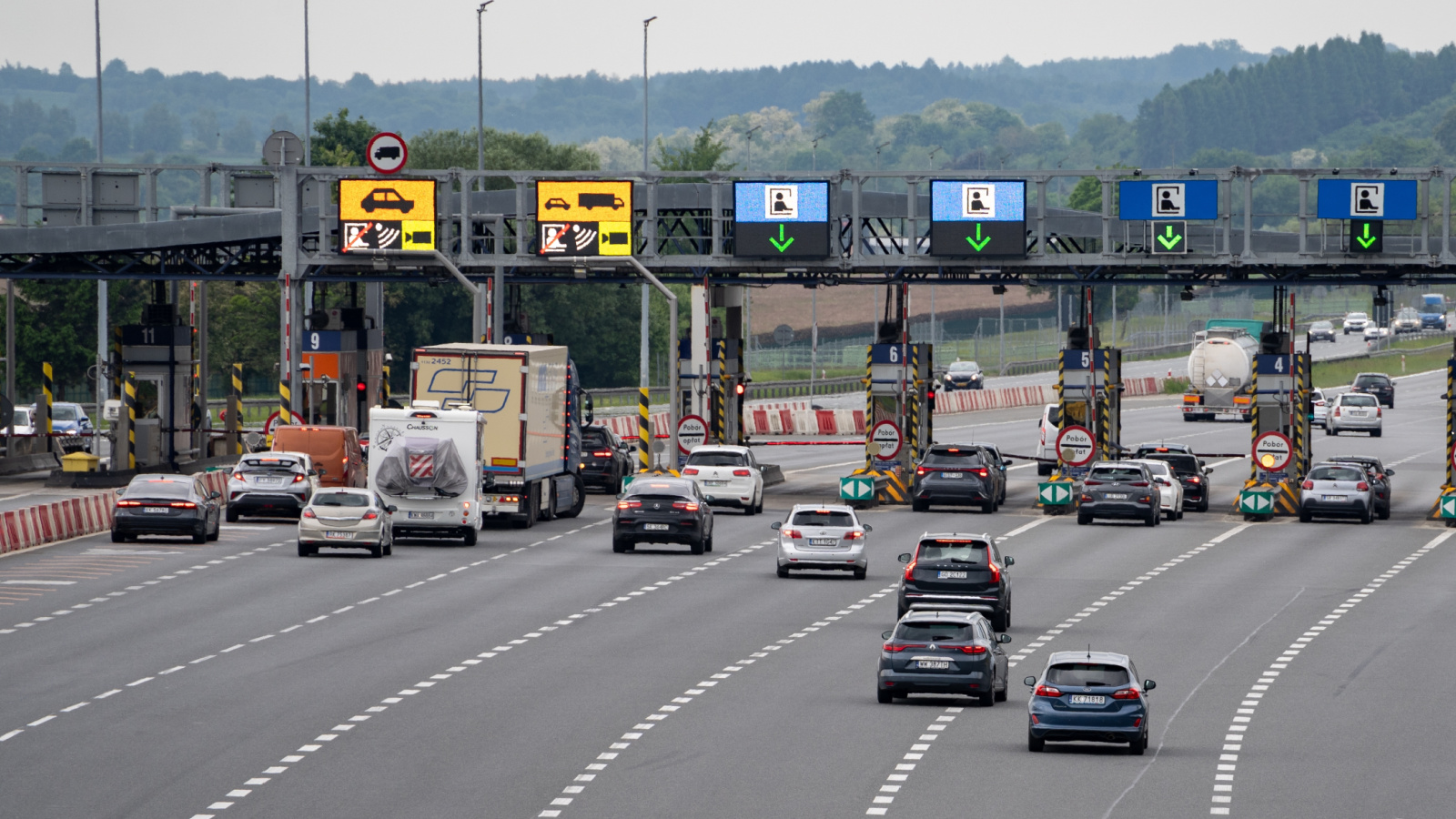
Toll roads can save time, but the extra fees around them can surprise occasional users. Ontario’s 407 ETR, for instance, charges light vehicles a trip toll, and drivers without a transponder can face camera charges and monthly account fees. The toll per kilometre is only part of the bill; administrative charges can make short or infrequent trips feel disproportionately expensive.
This matters because many drivers treat toll use as a convenience decision rather than a budget decision. A family rushing to Pearson, a contractor crossing the GTA, or a commuter avoiding gridlock may think only about minutes saved. After several trips, the statement can reveal a different story. The road may still be worth it, but tolls are not just fuel by another name. They are a separate travel subscription if used often enough.
Insurance Deductibles
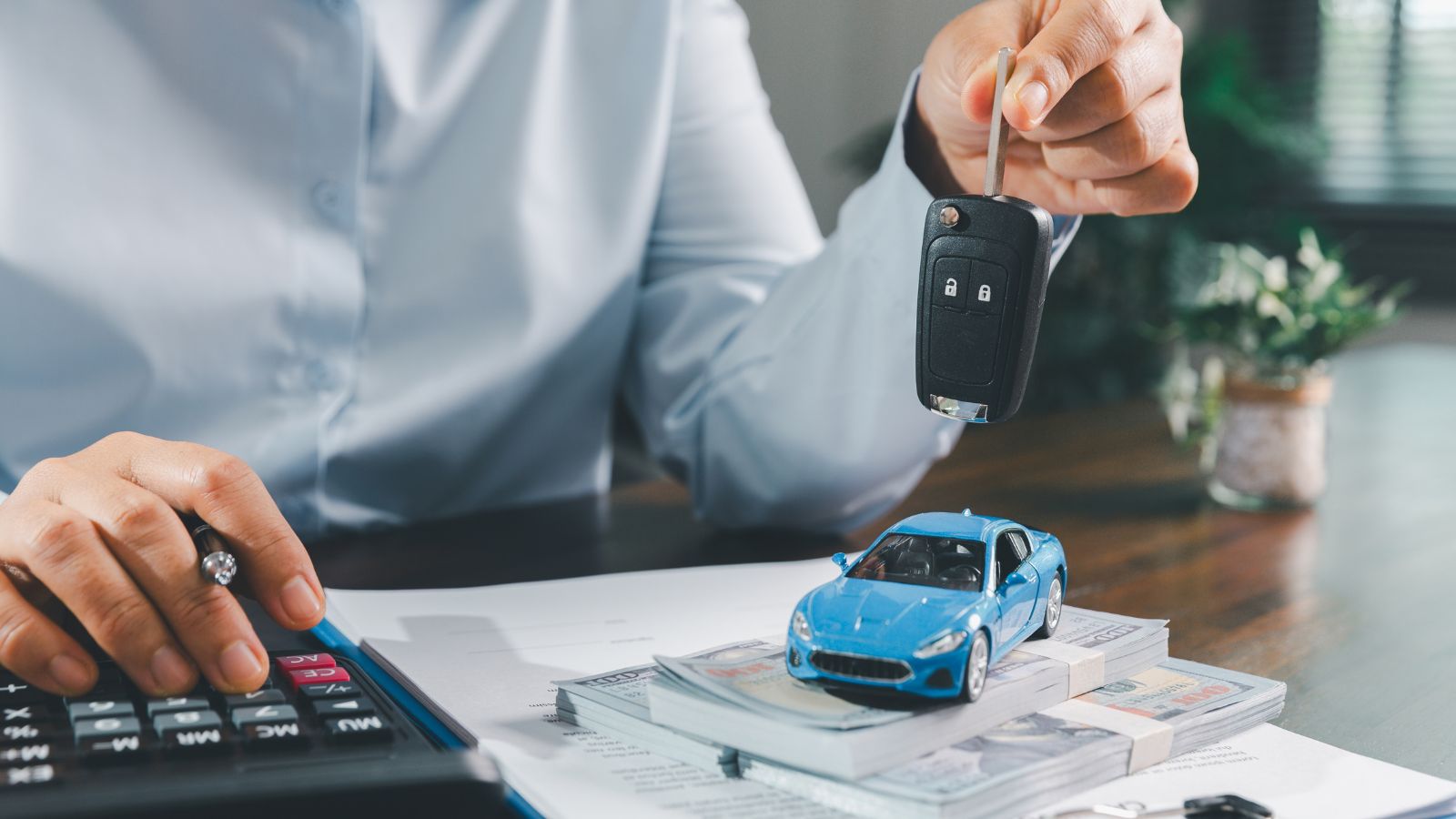
A deductible does not feel like an expense until something goes wrong. Many drivers choose a higher deductible to reduce monthly premiums, which can be sensible. The risk is forgetting that the deductible must be available in cash when a claim happens. A cracked windshield, parking-lot scrape, minor collision, or theft-related damage can quickly turn that “savings” choice into a sudden bill.
The issue is not that deductibles are bad. It is that they are often invisible in monthly planning. A household may budget for insurance premiums but not the first $500, $1,000, or more of a repair claim. When repair costs are already rising because of parts, labour, sensors, cameras, and vehicle complexity, the deductible becomes only the beginning of the out-of-pocket conversation.
Insurance Rate Creep
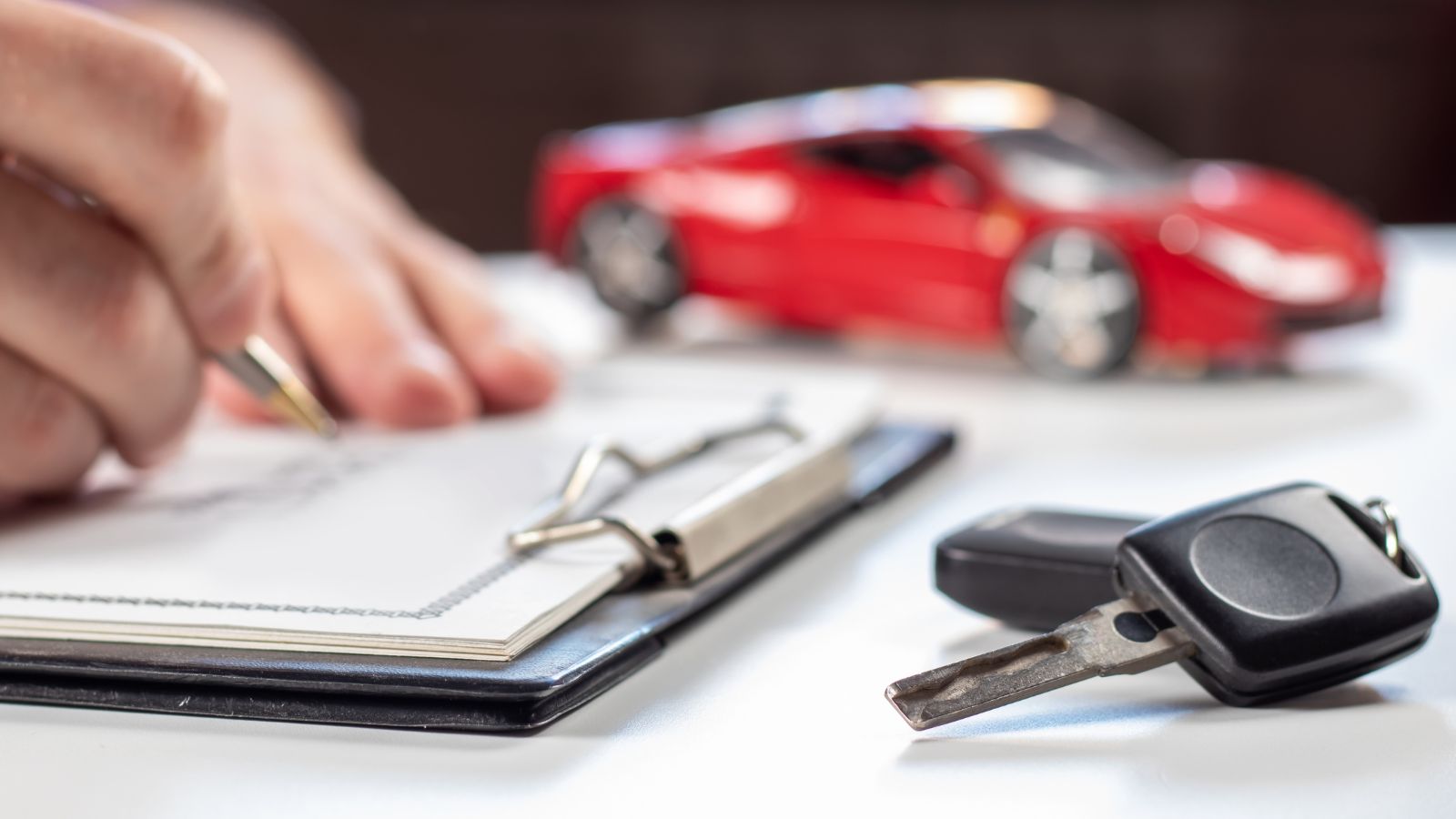
Insurance premiums rarely feel like a small expense, but the quiet wrecking comes from annual increases that go unchallenged. Statistics Canada has reported that rising repair costs, parts costs, vehicle prices, location, vehicle type, and claims pressures all affect personal auto insurance. Insurance Bureau of Canada tools also show that vehicle choice can influence premiums because claim history differs by model.
The problem is renewal fatigue. A driver may accept a modest increase because switching feels tedious. After several renewals, the premium can be hundreds of dollars higher than expected. Even a clean driving record does not fully protect against broader market pressures. The small expense is the annual bump; the budget shock is realizing that insurance has become one of the largest non-loan costs of keeping the car.
Registration and Licensing Fees

Licence, registration, and administrative fees often disappear into the background because they are expected. They may not arrive monthly, but they still belong in the annual cost of ownership. Canada Revenue Agency’s motor vehicle expense categories include licence and registration fees among normal vehicle-related costs, which reflects how routine they are for anyone tracking vehicle expenses carefully.
For households, the issue is timing. A renewal, inspection-related fee, replacement plate, driver’s licence renewal, or administrative charge may land in the same month as insurance, repairs, or winter tires. None of these costs is necessarily large compared with a car payment. But annual fees hurt budgets when they are treated as surprises rather than predictable ownership costs. Cars create calendars, and every calendar has fees.
Brake Wear
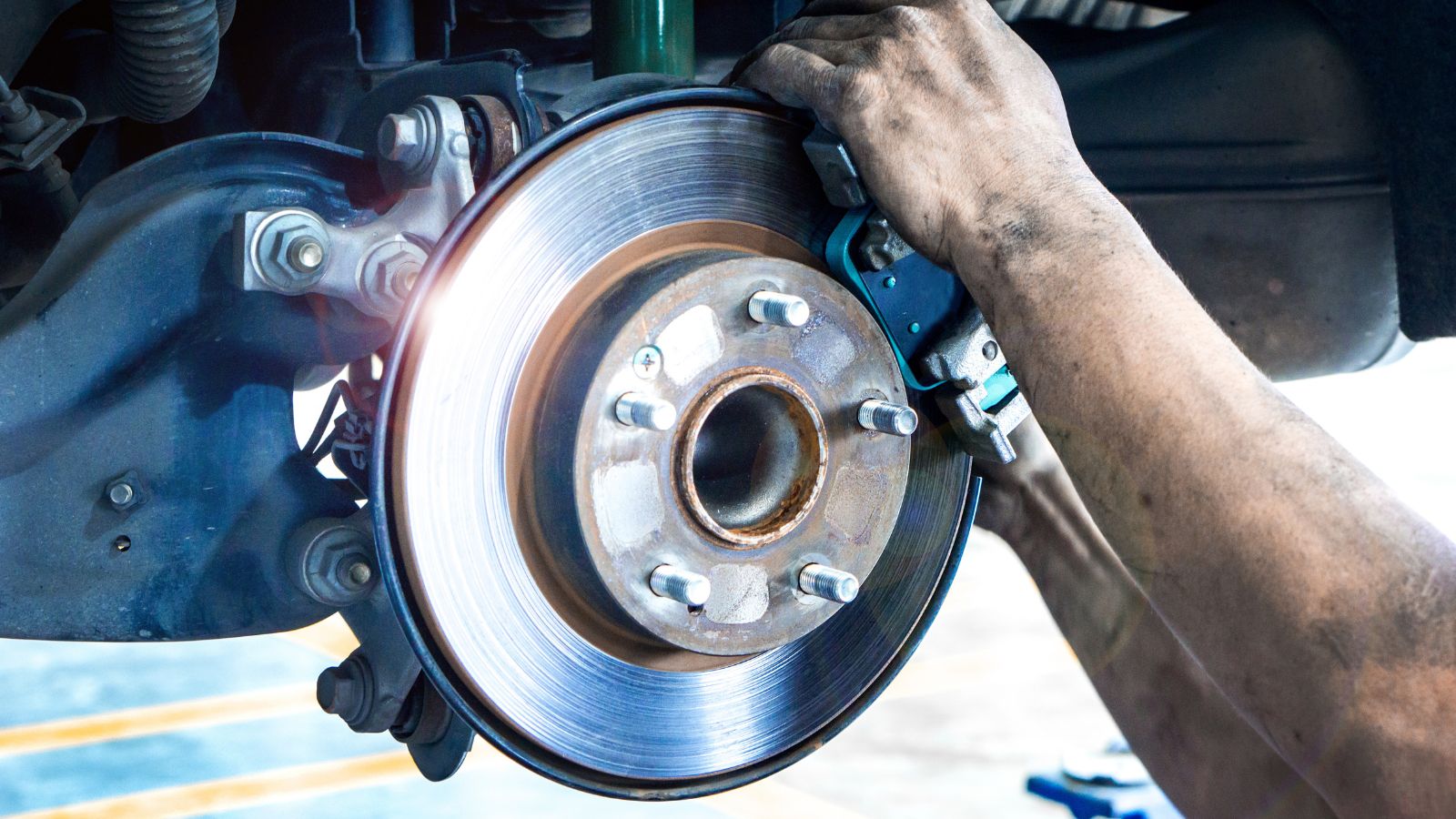
Brake pads and rotors are classic “not today” expenses. A faint squeal or vibration may not seem urgent, but brake repairs become more expensive when worn pads damage rotors or calipers. Canadian driving can be hard on brakes: stop-and-go commuting, steep terrain, winter corrosion, road salt, and heavier vehicles all contribute to wear. Hybrids and EVs may reduce friction-brake use through regenerative braking, but they are not immune to corrosion or service needs.
The quiet budget problem is that brakes do not fail on payday. A driver may go in expecting pads and leave with a rotor replacement, seized hardware, or brake fluid recommendation. Because brakes are safety-critical, there is little room to postpone once the problem is confirmed. That makes brake wear one of the most common small issues that suddenly becomes a serious invoice.
Wheel Alignments
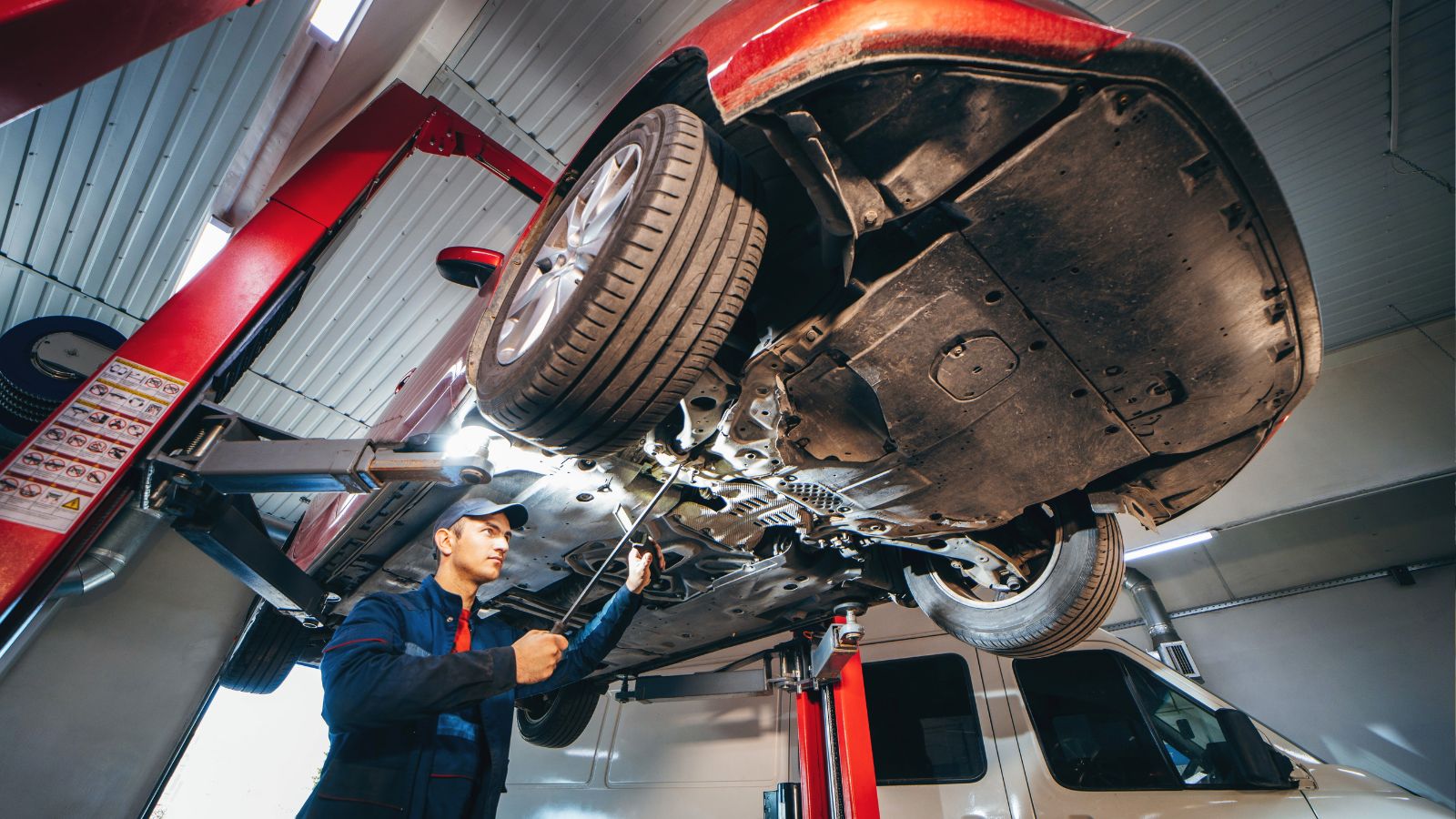
A wheel alignment does not sound exciting, so it is often skipped until tires show uneven wear. Canadian roads make that risky. Potholes, frost heaves, curb strikes, gravel shoulders, and construction zones can knock alignment out gradually. The driver may notice a pull to one side or a steering wheel that sits slightly off-centre, but many simply adapt.
The financial damage usually appears in the tires. A misaligned vehicle can chew through tread long before the tire’s expected lifespan. That turns a modest alignment visit into an early tire replacement bill. For anyone buying winter and all-season sets, premature wear is especially painful. Alignment is one of those maintenance costs that feels optional only because the more expensive consequence arrives later.
Battery Replacements
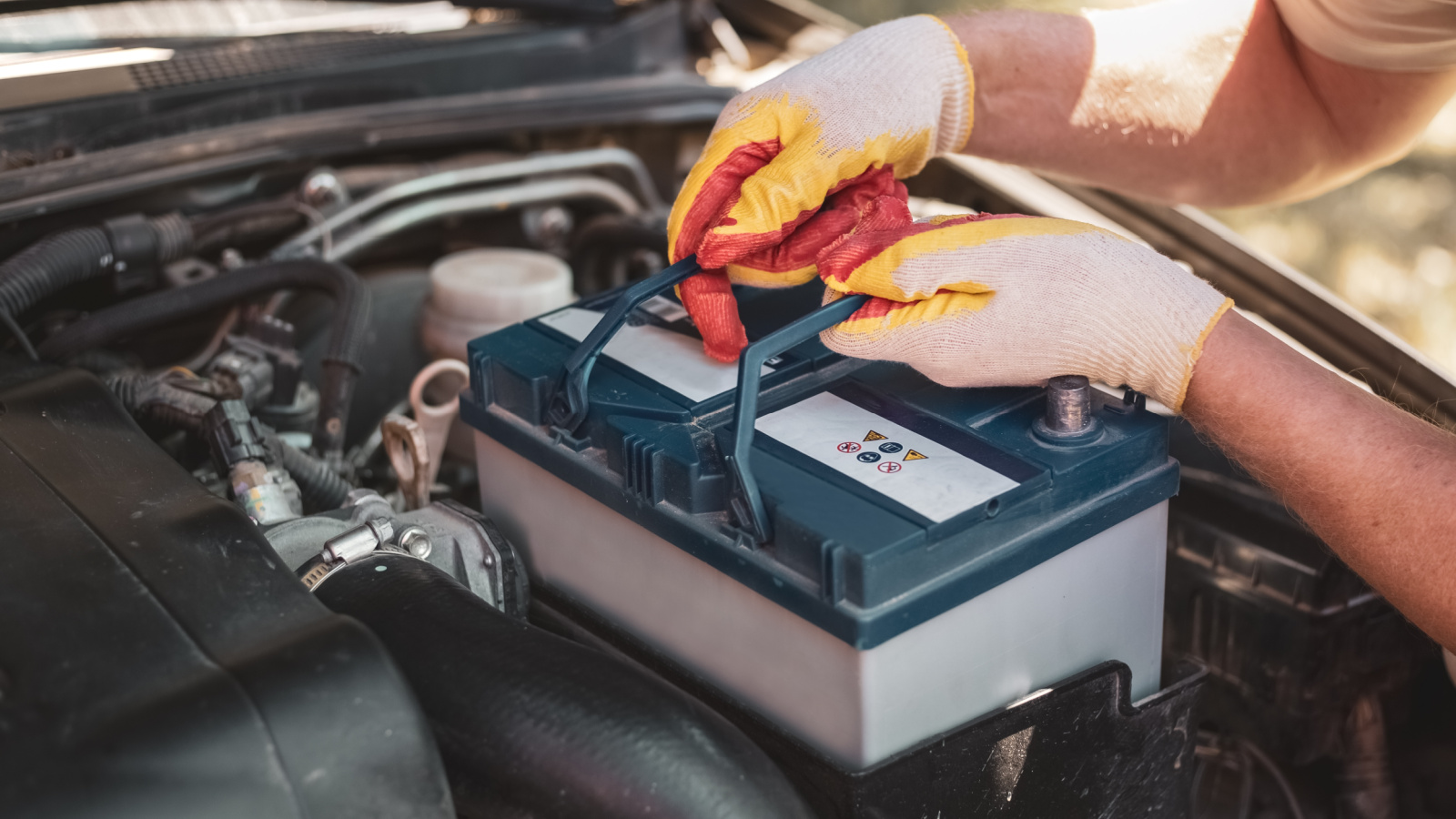
Canadian winters expose weak batteries quickly. Cold temperatures reduce battery performance, while heated seats, defrosters, lights, short trips, and remote starters increase demand. A battery that seemed fine in September can struggle in January after a week of deep cold. The replacement itself may be manageable, but towing, diagnostic fees, missed work, or emergency mobile service can multiply the cost.
The quiet trap is short-trip driving. A vehicle used mainly for daycare runs, grocery stops, and nearby errands may not give the battery enough time to recharge fully. The owner sees a reliable car; the battery sees repeated stress. Planning a test before winter is cheaper than discovering the problem in a frozen parking lot. The battery is small, but the failure can be disruptive.
Cabin and Engine Filters
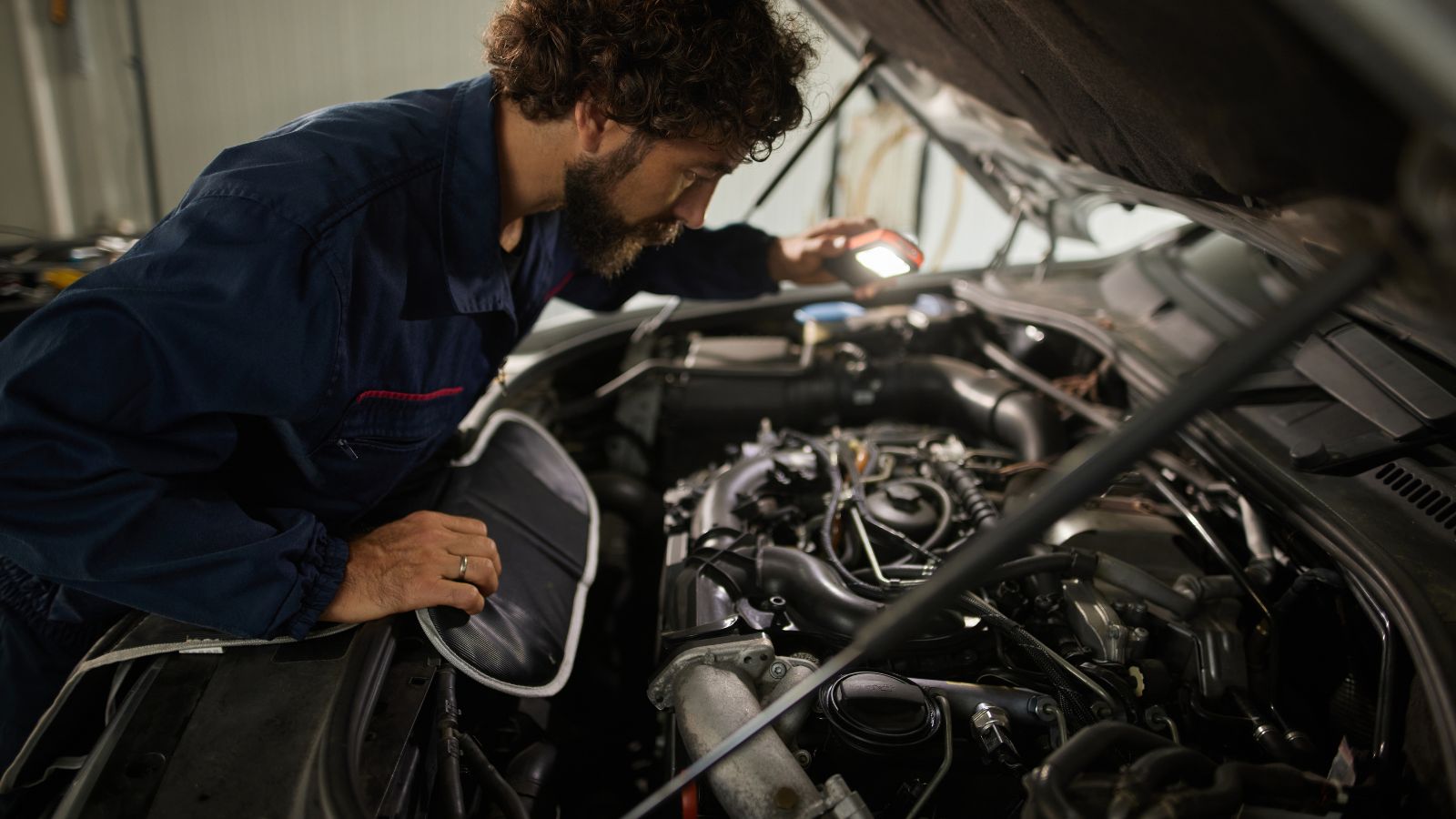
Filters rarely get attention because they are not dramatic. Cabin filters affect air entering the interior, while engine air filters help protect engine performance. Dust, pollen, road debris, construction zones, and wildfire smoke seasons can make filters dirty faster in some regions. At service visits, replacement recommendations may appear small next to major repairs, which makes them easy to approve without checking price or schedule.
The issue is not that filters are unnecessary. The issue is that they are often marked up heavily compared with parts-counter or do-it-yourself prices. A driver may pay premium labour for a part that takes minutes to install on some vehicles. When that happens twice a year across multiple cars, a tiny rectangle of paper and fabric becomes a quiet household expense.
Car Washes and Rust Protection
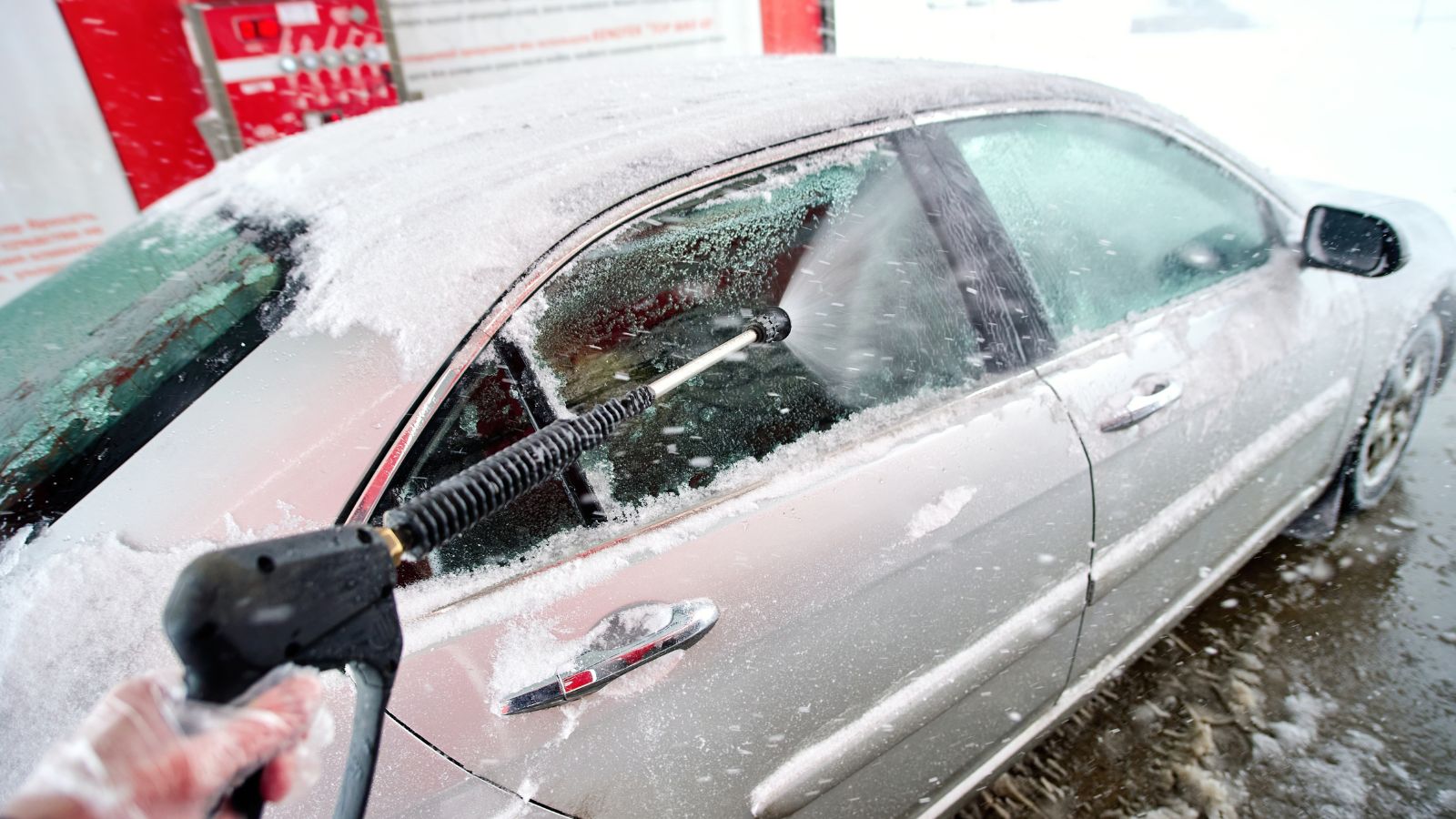
In winter provinces, salt and grime make car washing feel less cosmetic and more protective. Regular washes can help remove corrosive buildup, especially around wheel wells and underbody areas. Rust protection is another common Canadian expense, particularly for drivers planning to keep a vehicle for many years. The trouble begins when these services become reactive, excessive, or poorly compared.
A driver who buys premium washes after every storm may spend far more than expected by spring. Another who ignores corrosion entirely may face seized bolts, rusted panels, or lower resale value later. The budget answer usually sits between neglect and overbuying. Washing and rust prevention can be practical, but they should be planned like maintenance, not purchased every time salt makes the car look embarrassing.
Fuel Lost to Idling
Idling feels harmless because the car is not moving, but fuel is still burning. Natural Resources Canada has long advised that unnecessary idling wastes fuel and money, and it has noted that idling beyond a short period can use more fuel than restarting. Cold-weather fact sheets have also estimated that ten minutes of idling can burn a measurable amount of fuel, depending on vehicle and conditions.
This is a very Canadian habit. Remote starters, frosty windshields, school pickup lines, drive-thrus, and warming up after hockey practice all make idling feel normal. The cost per moment is small, which is why it hides. Over a winter, repeated ten-minute idles can become several tanks of fuel. Comfort matters, but idling should not be mistaken for free heat.
Premium Fuel Habits
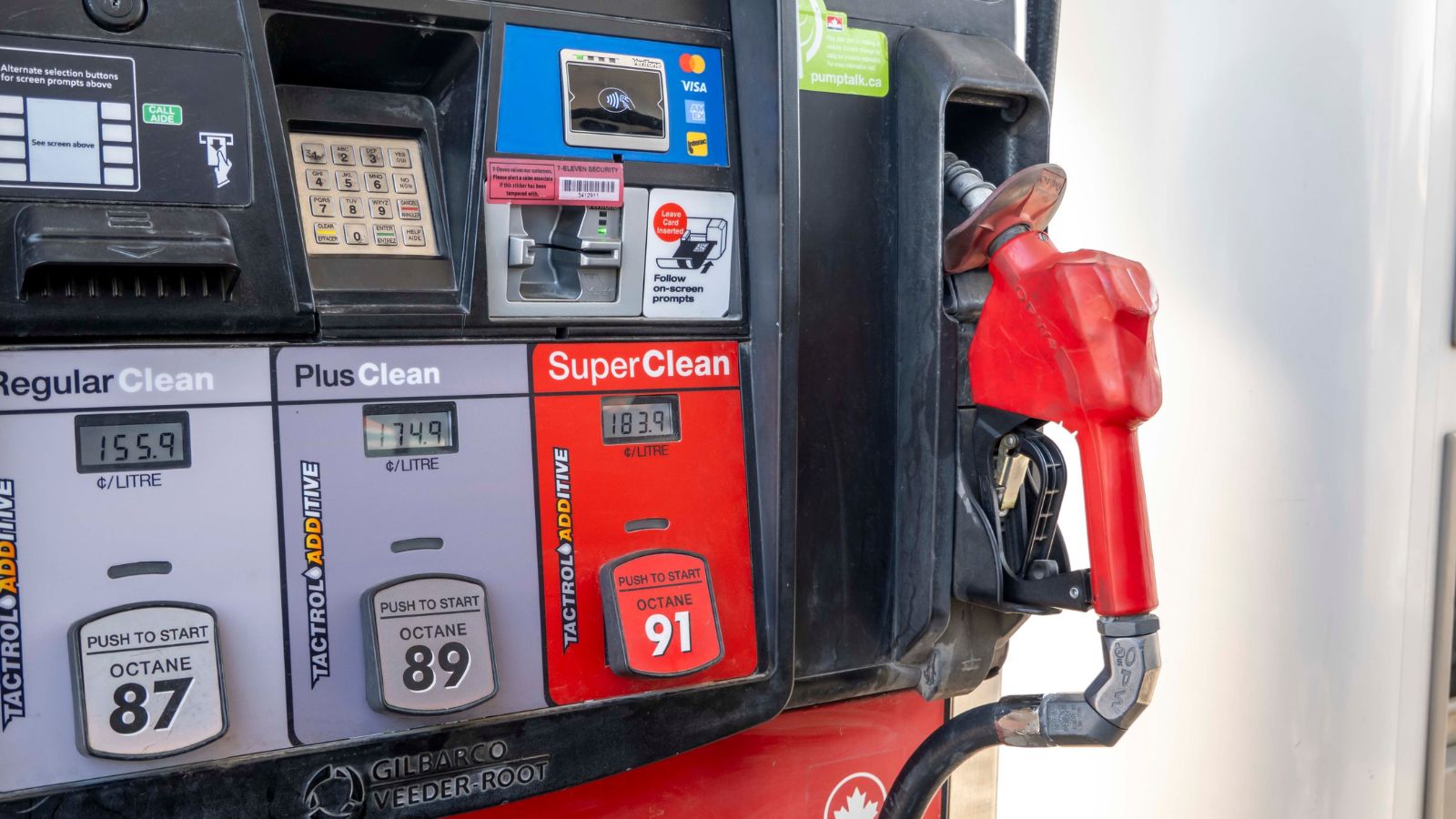
Premium gasoline can become an expensive habit when drivers use it without checking whether their vehicle requires it. Some engines genuinely need premium fuel, and using the proper grade matters. But many vehicles are designed for regular gasoline, and premium may be only recommended or not needed at all. Paying extra per litre over thousands of kilometres can quietly add a large annual cost.
The story often begins at purchase. A salesperson, relative, or online forum says premium is “better,” and the driver keeps buying it out of caution. In a country where gasoline prices already fluctuate by city, province, taxes, and season, voluntarily adding a premium spread can strain the budget. The owner’s manual is less exciting than folklore, but it is usually cheaper.
Roadside Assistance Overlaps
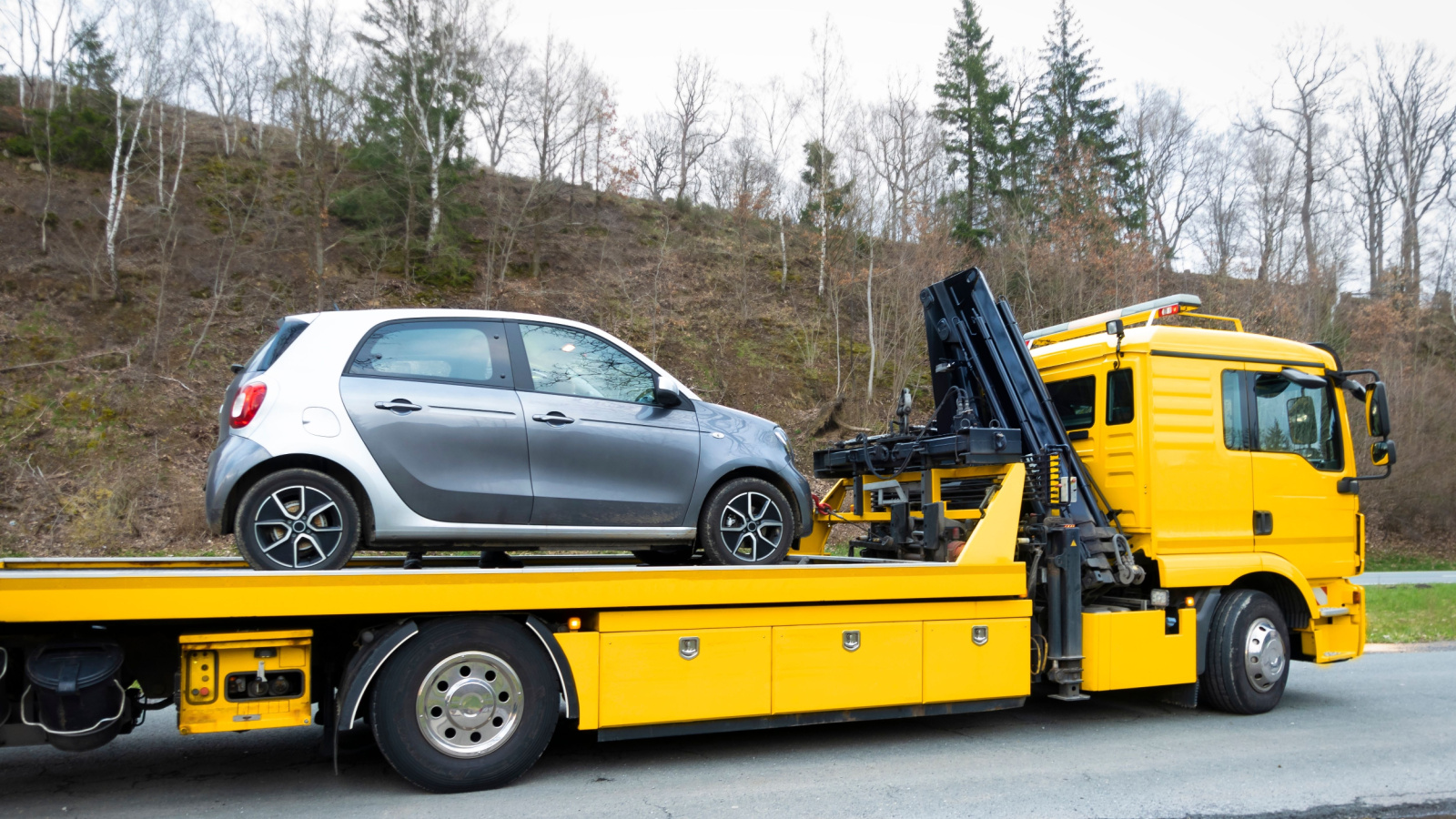
Roadside assistance can be valuable, especially for older vehicles, long commutes, rural travel, or winter driving. The hidden cost is paying for the same protection more than once. Some drivers have coverage through an auto club, credit card, new-vehicle warranty, insurance endorsement, or even a workplace benefit. Each plan may look inexpensive, but overlap weakens the value.
A common example is a household with two drivers, two memberships, and an insurance add-on that neither person remembers buying. The annual cost may be modest, yet the duplication offers little extra help during a breakdown. The better approach is to compare towing distance, battery boost, lockout, fuel delivery, and trip interruption benefits. Roadside coverage is peace of mind; duplicate coverage is mostly paperwork.
Small Financing and Dealer Add-Ons

Dealer add-ons can look small when folded into financing. A protection package, tire-and-rim plan, key replacement plan, anti-theft product, paint protection, or administration charge may be presented as a manageable monthly amount. The danger is that financing turns a one-time purchase into a cost carrying interest over the loan term. What sounds like a few dollars per payment can become far more over years.
This is where budgets often lose clarity. A buyer may negotiate the vehicle price carefully but accept add-ons at the end of the process, when fatigue sets in. Some products may have value for specific drivers, but the monthly framing makes comparison harder. The real question is not whether the add-on sounds useful. It is whether the cash price, financed cost, exclusions, and alternatives still make sense.
22 Things Canadians Do to Their Cars in Spring That Mechanics Hate

Spring brings relief to many Canadian drivers after months of snow, freezing temperatures, and icy roads that put serious strain on vehicles. As temperatures rise across the country, drivers begin washing cars, switching tires, and preparing vehicles for warmer weather and upcoming road trips. However, mechanics across Canada notice the same mistakes every spring when drivers attempt to recover from winter damage. Road salt, potholes, and harsh winter driving conditions often leave vehicles with hidden problems that drivers ignore. Some spring habits even create new mechanical issues that could have been avoided with proper maintenance. Here are 22 things Canadians do to their cars in spring that mechanics hate.